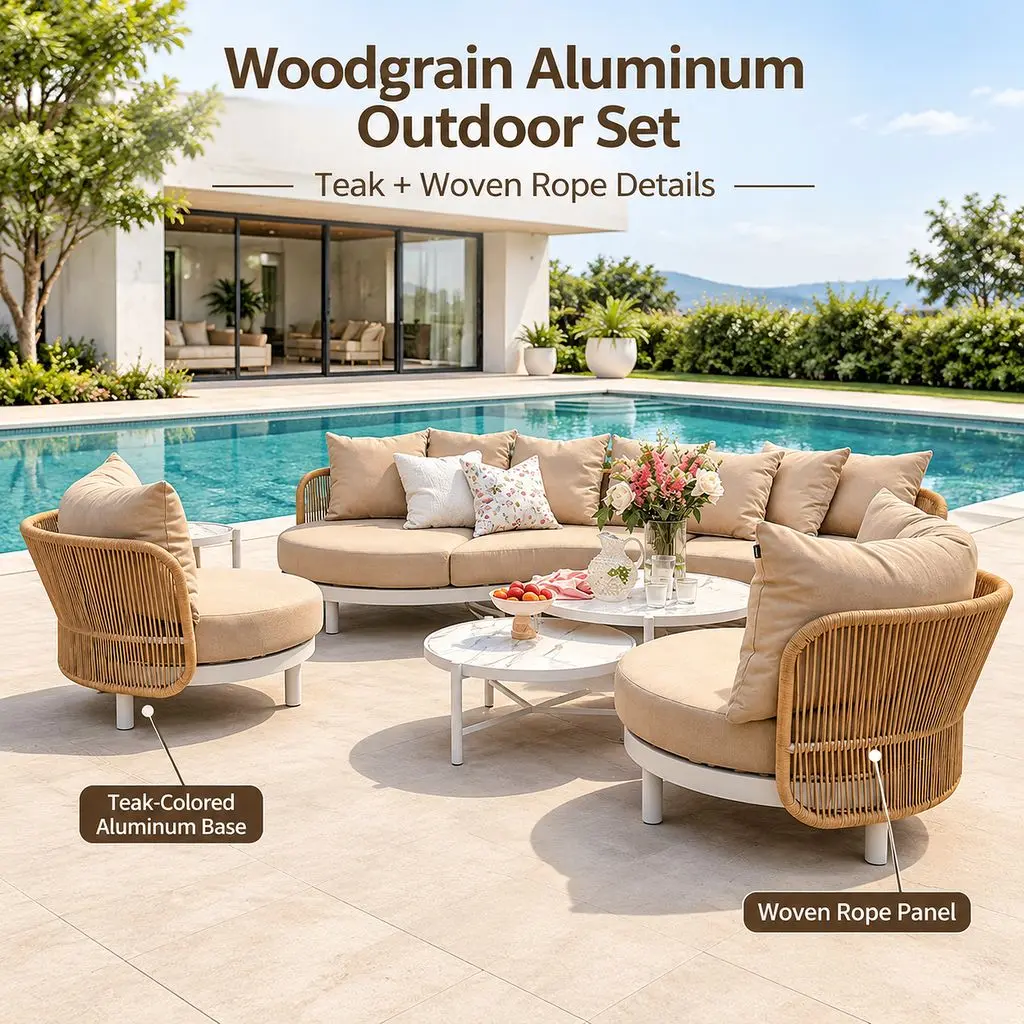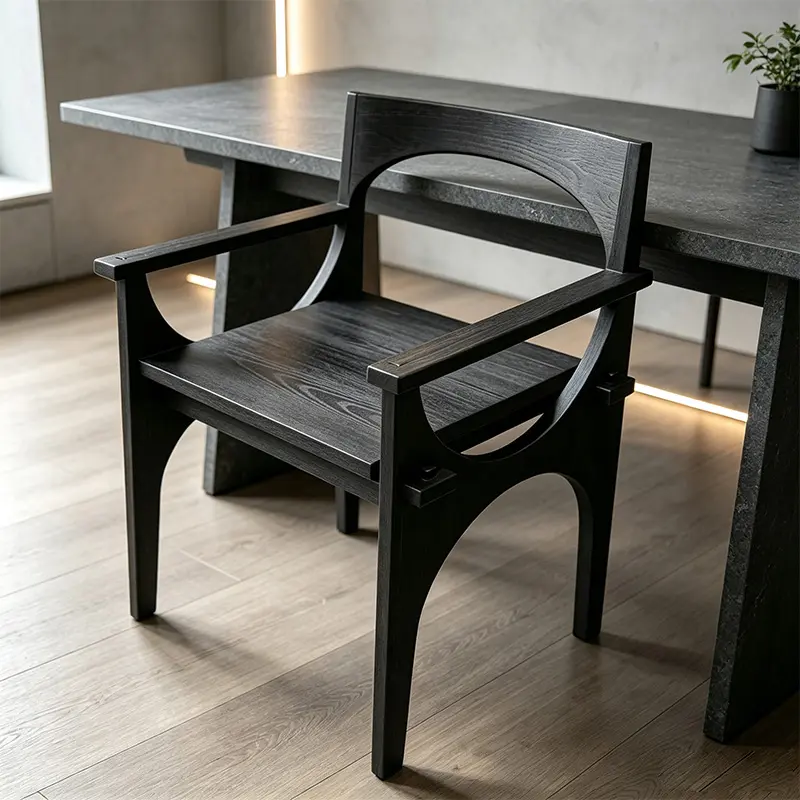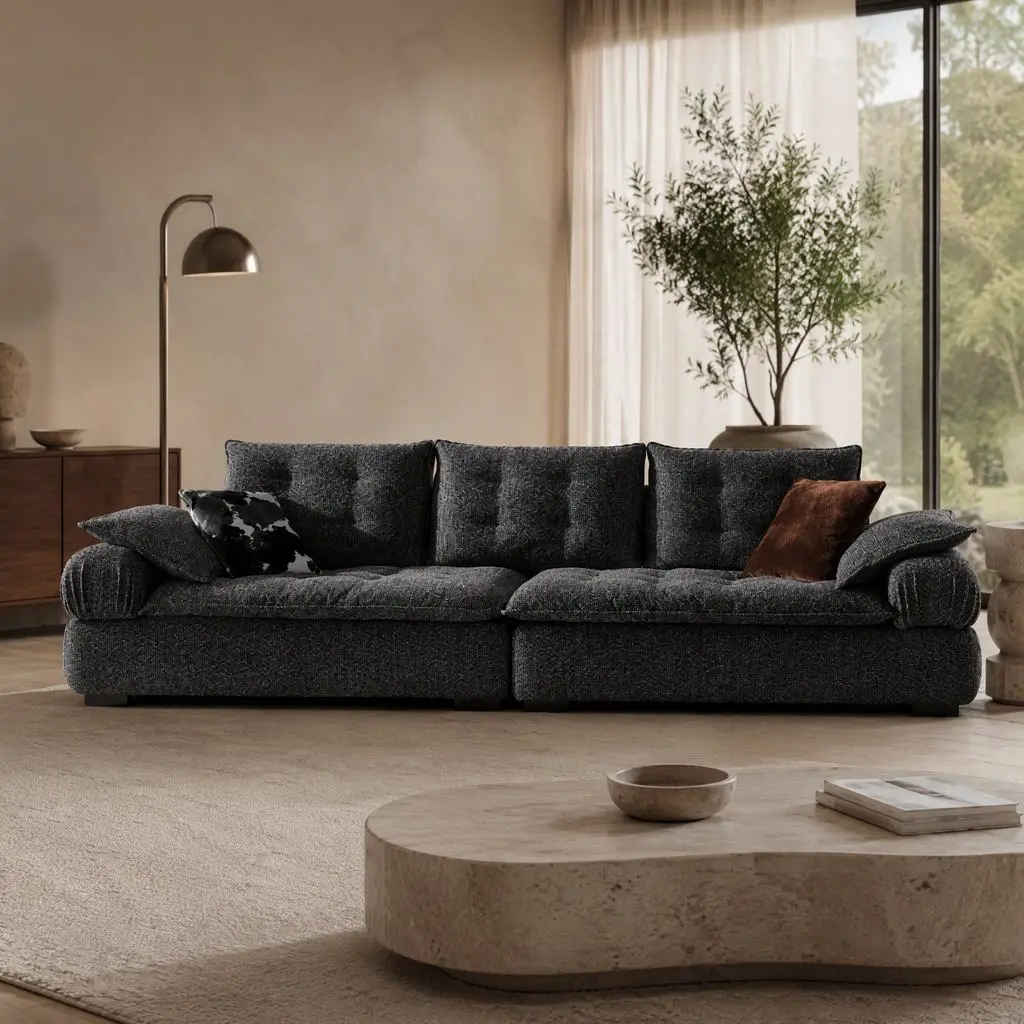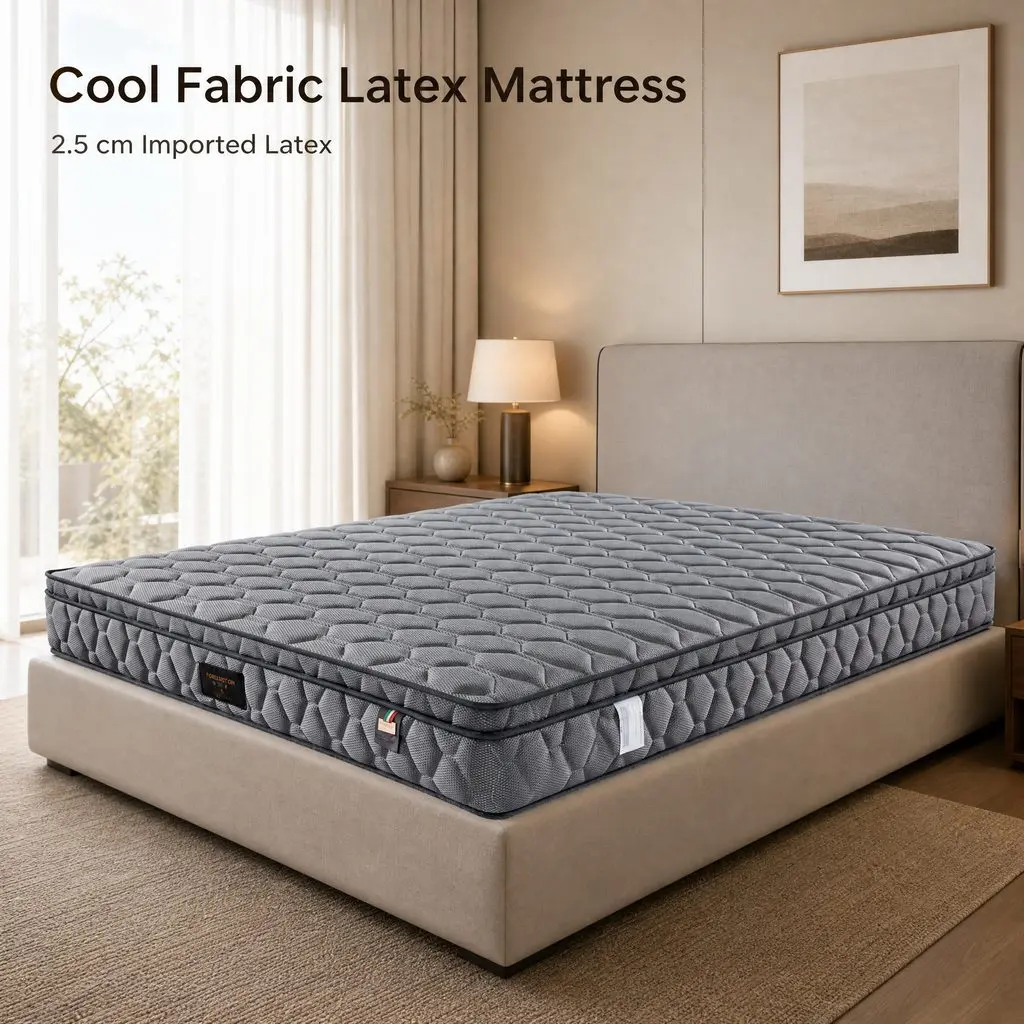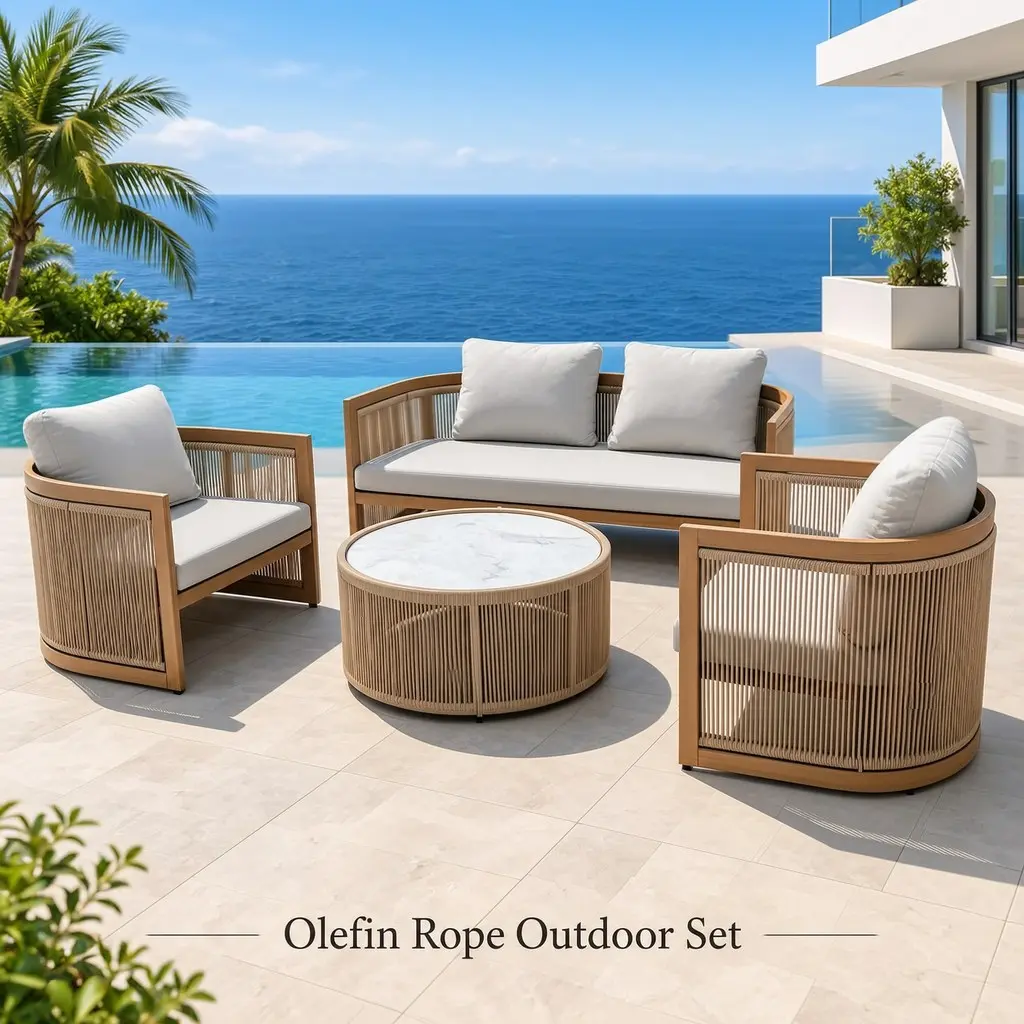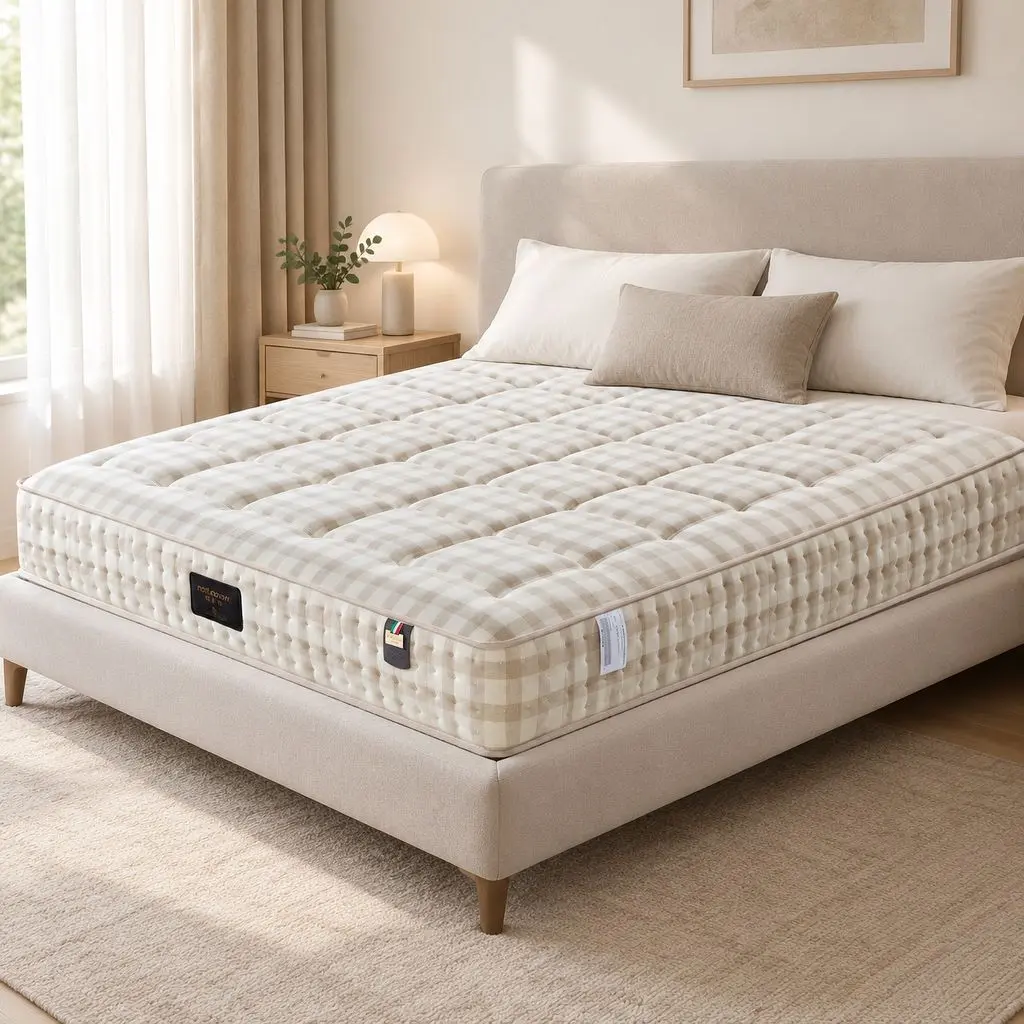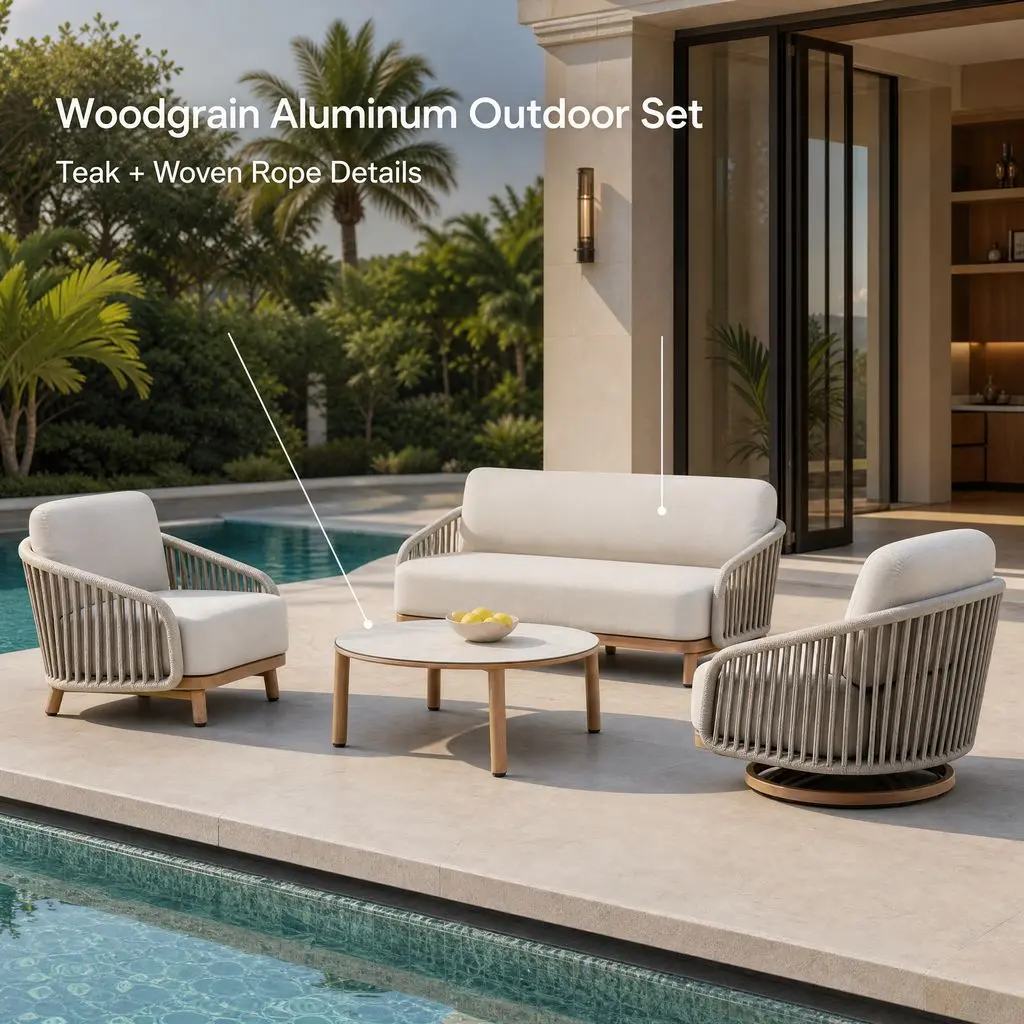
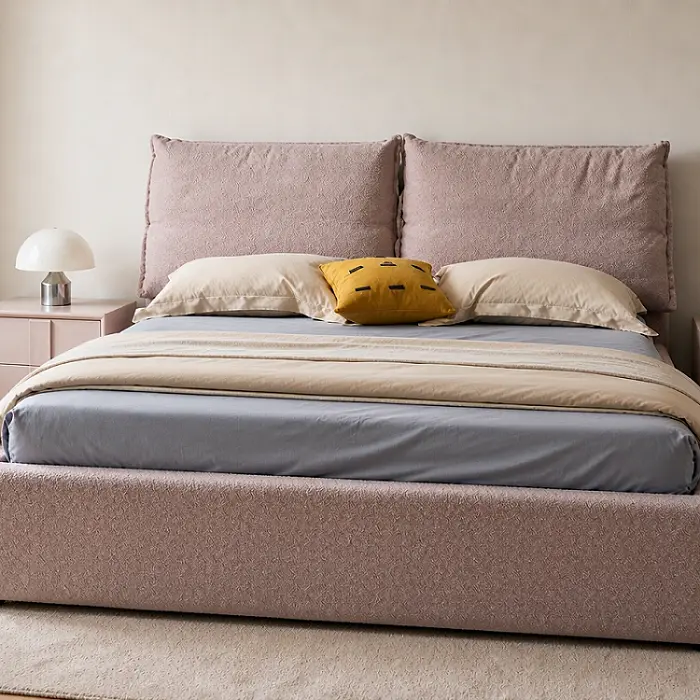
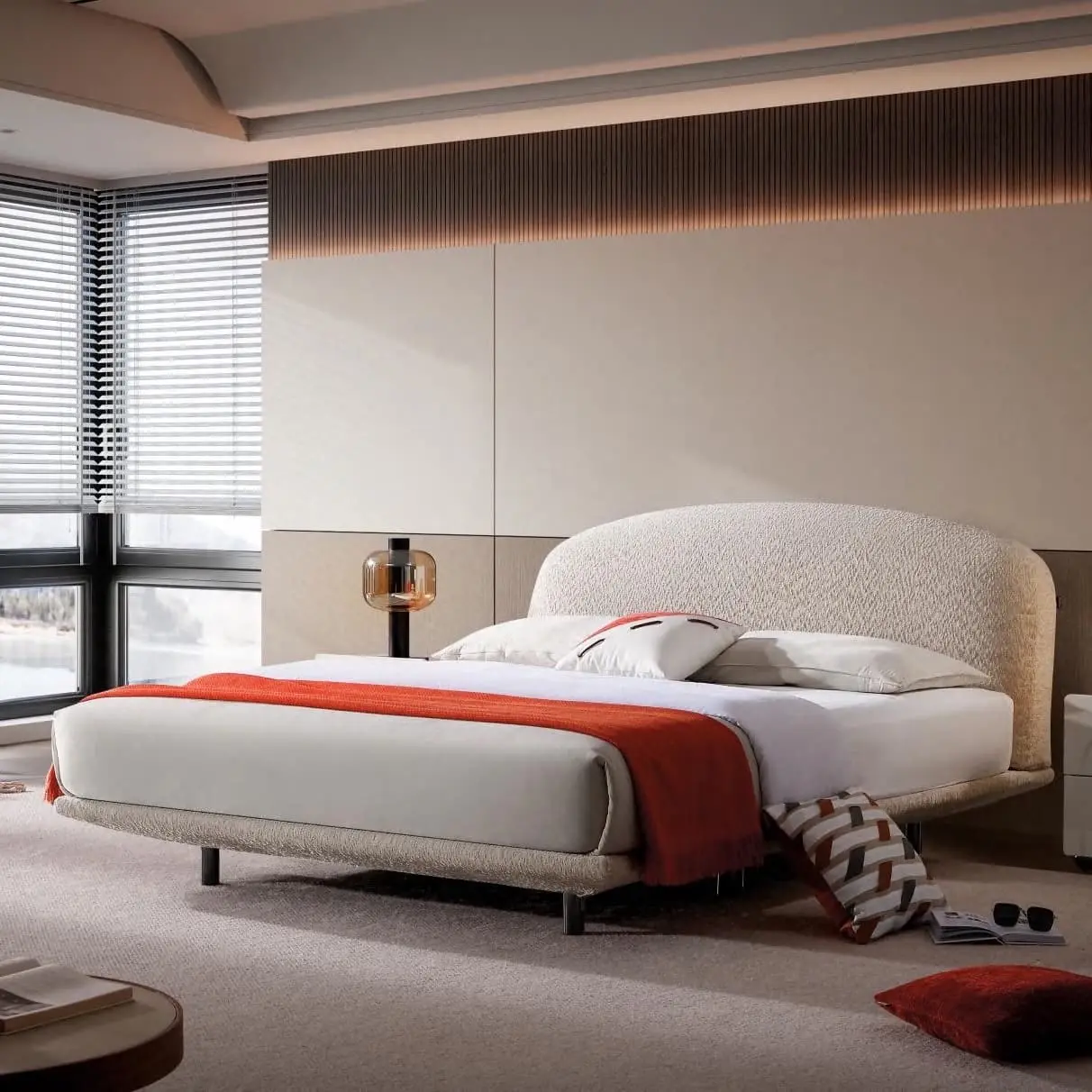
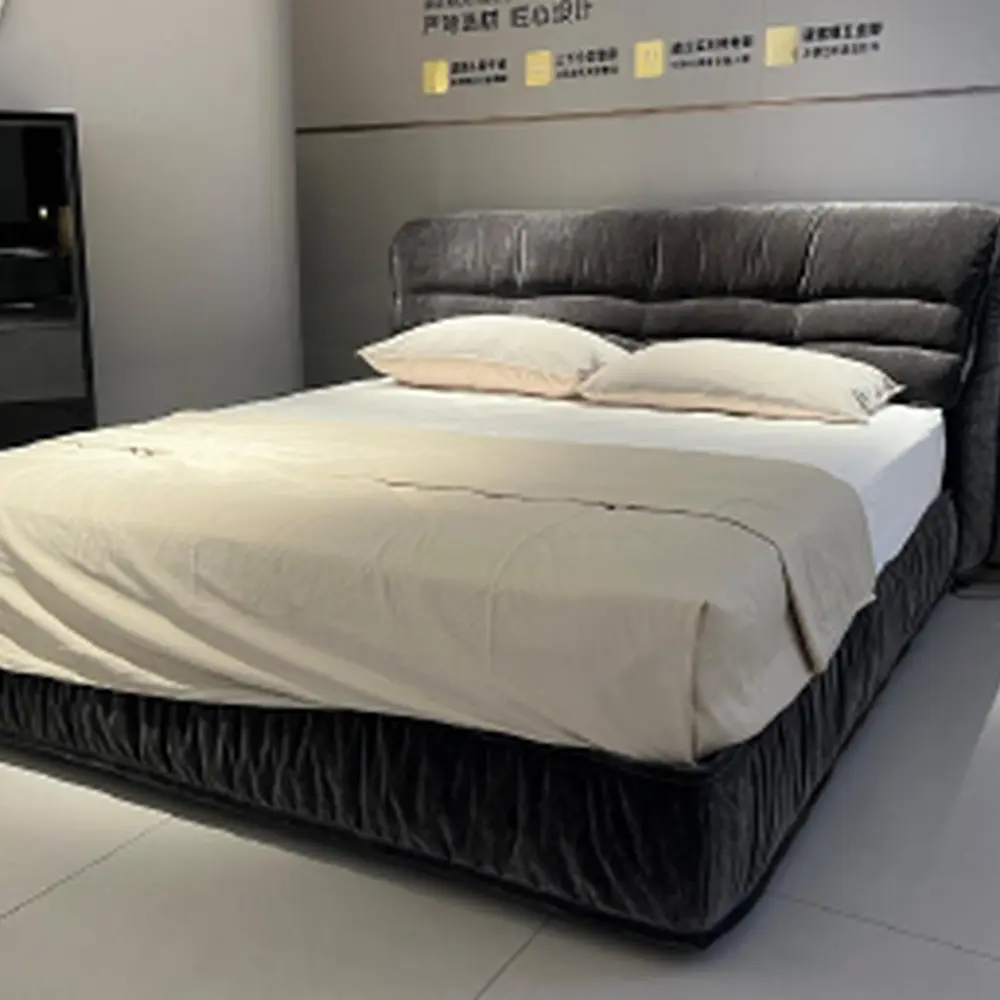
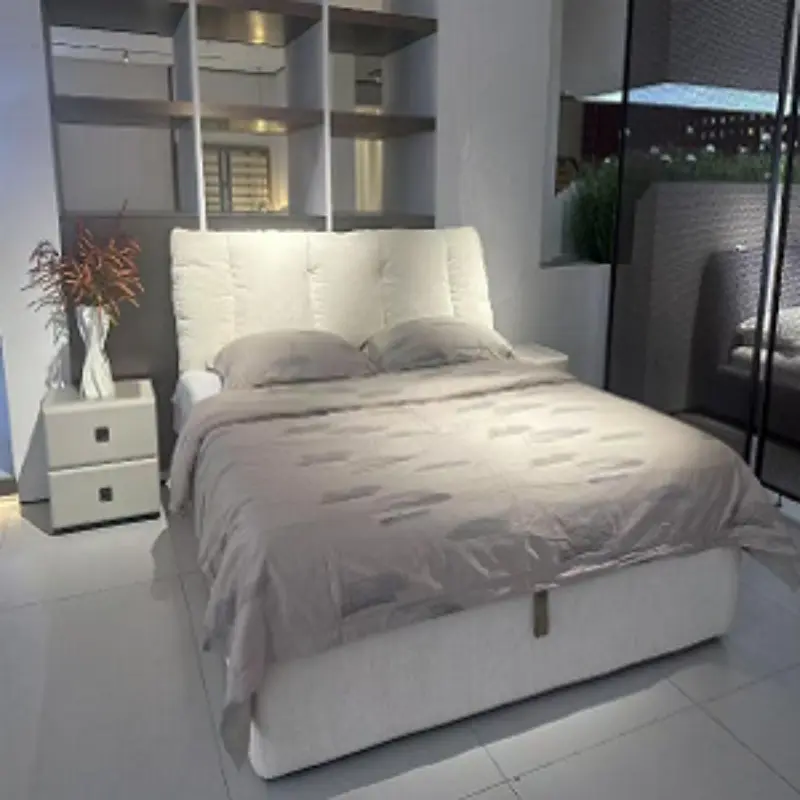
Featured Models Ready for Sampling
Factory-direct · MOQ flexible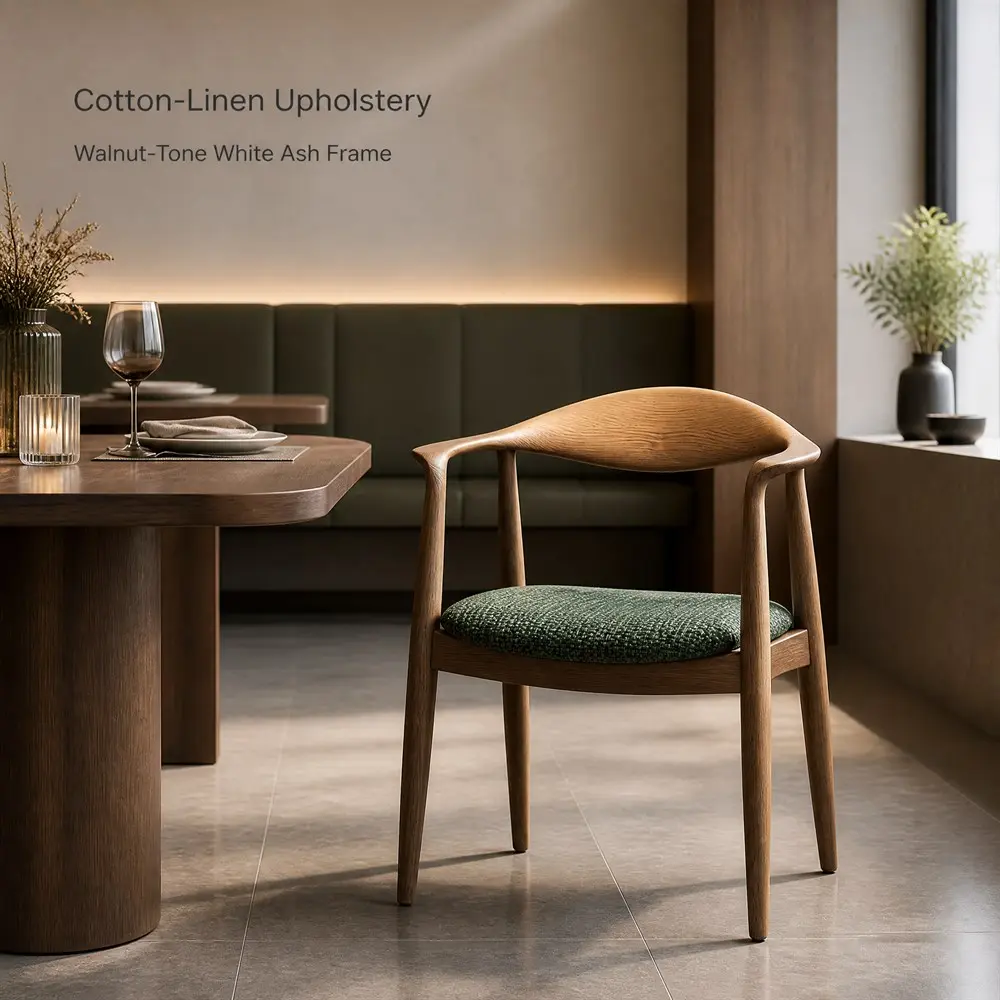
Executive Summary
What “Accent Chairs & Chaises Suppliers & Factories” Really Means for a Modern Buyer
Sourcing an accent chair is no longer a catalogue exercise. The category sits at the intersection of design differentiation, structural engineering, foam science, textile compliance and container economics. This whitepaper treats the term as a procurement brief — not a keyword — and explains how accredited factories in Foshan structure design, manufacturing, quality and logistics so importers, hospitality buyers and property developers can buy with confidence rather than hope.
0Years of export experience
0Original design & structure patents
0Furniture categories under one order
0Service stages: pre-sale, production, post-sale
Positioning
One Accountable Supplier for an Entire Interior Scheme
Qingyumai is the export brand of Foshan Qingyumai Technology Co., Ltd., an integrated furniture manufacturer in Longjiang, Shunde — the industrial heart of the Foshan furniture cluster. For more than a decade we have combined in-house R&D, our own production facility and a rigorously audited partner-factory network to ship coordinated living room, bedroom, dining, salon, outdoor and hotel furniture under one purchase order, one QC standard and one shipping plan.
For buyers of accent chairs and chaises, that structure matters. Upholstery, frames, foams and hardware frequently originate from different specialists. When a single supplier coordinates them, upholstery choices stay consistent across a floor plan, fabric lots are matched across SKUs, and the buyer manages one compliance file instead of five.
- Furniture importers, distributors and retail chains
- Hotel and hospitality procurement teams
- Property developers and interior design studios
- Salon, clinic and contract-fit-out brands
Technical Anatomy
Five Engineering Layers Behind a Commercial-Grade Accent Chair
Specification sheets rarely explain why two visually identical chairs diverge after eighteen months in a hotel lobby. The answer lives in five layers: frame, suspension, foam, textile and hardware.
Frame & Joinery
Kiln-dried hardwood (ash, larch, beech) or powder-coated steel and wood-grain aluminium for outdoor chaises. Corner blocks, dowels and reinforced brackets define load capacity.
Suspension
Sinuous wire, elastic webbing or pocket-spring decks. Suspension choice determines seat resilience, motion transfer and how the chair feels at year five.
Foam & Latex
High-density polyurethane cores, memory-foam toppers and natural latex layers. Density and ILD grading — not thickness — predict long-term compression resistance.
Textile & Leather
Cotton-linen, chenille, velvet, bouclé and contract-grade weaves; microfiber and top-grain leather. Martindale and lightfastness ratings define the appropriate use case.
Hardware & Finish
Stainless or zinc-plated legs, silent swivel bases, adjustable glides and anti-scratch foot caps — the details most often missed in cost-down programmes.
Technology Roadmap
Accent Chairs & Chaises: Technical Roadmap to 2030
The category is moving from a decorative add-on to an engineered, serviceable and data-tracked product. Four development horizons shape the next procurement cycle.
01
2025–2026 · Modular Frames & Replaceable Covers
Tool-free knock-down frames and zip-on upholstery reduce container cube by up to 35% and allow a hotel to re-skin seating without re-purchasing the frame. Expect more SKUs designed around a shared structural platform.
02
2026–2027 · Circular Material Engineering
Recycled PET yarns, bio-based polyols for foam, FSC-certified timber and water-based adhesives move from pilot batches to mainstream production runs. Buyers increasingly request material passports alongside test reports.
03
2027–2029 · Embedded Comfort Electronics
Low-voltage massage, heating and powered recline modules migrate from recliner sofas into chaise lounge platforms. Design constraint becomes as much electrical as upholstered: cable routing, transformer housing and IP-rated connectors.
04
2029–2030 · Digital Product Passport
QR-linked records listing materials, spare parts, foam density, textile composition and repair instructions. The chair becomes a traceable asset, and factories that already capture this data gain a procurement advantage.
Macro Industry Solutions
Category-Level Solutions Across the Contract Furniture Value Chain
A supplier is only as strong as the sectors it understands. Each downstream market imposes different performance, documentation and branding requirements on an accent chair programme.
Hospitality & Hotel FF&E
Guestroom chaises, lobby chairs and lounge platforms specified against contract foam density, contract textiles and flame-retardancy documentation. Deliverables include room-by-room schedules, sample boards and installation sequencing.
Residential & Property Development
Coordinated accent seating that matches bedroom upholstered beds and living-room sofas. Sales-gallery and show-apartment packages ship with consistent fabric lots, so finish continuity survives phased handover.
Salon, Clinic & Wellness
Waiting-room seating, pedicure chaises and treatment lounges engineered for high-frequency disinfection. Fluid-resistant covers, sealed seams and replaceable cushions become functional requirements, not upgrades.
Food & Beverage Outlets
Cafés and restaurants need compact footprints, wipe-clean surfaces and frames that survive repeated re-layouts. Commercial weaves rated for heavy contract traffic protect against pilling and abrasion.
Office & Executive Lounge
Informal meeting chairs, reception chaises and breakout seating. Ergonomic seat height, armrest geometry and durability under 8-hour daily cycles drive specification.
Outdoor & Balcony Programs
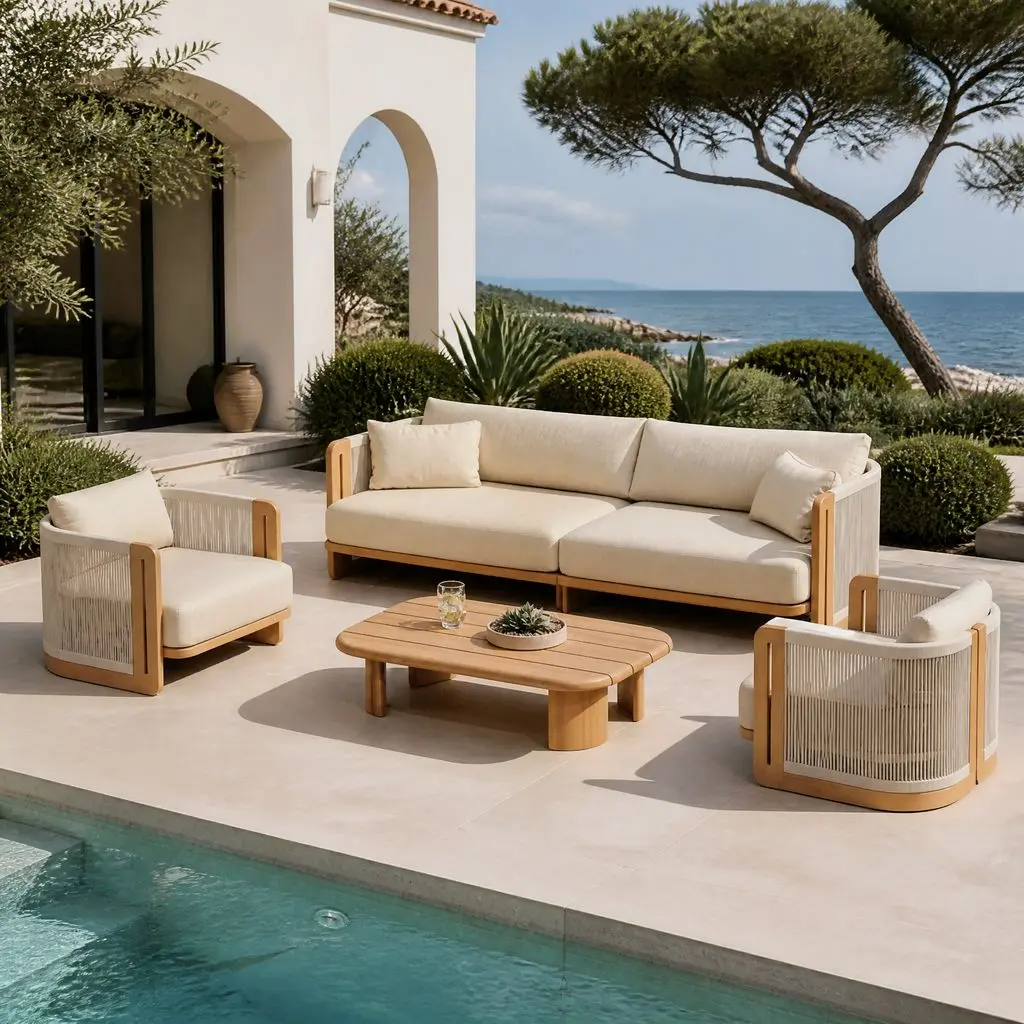
Sun loungers and outdoor chaises in wood-grain aluminium, teak and olefin rope weave with waterproof cushions and quick-dry foam. Salt-spray and UV exposure testing sit alongside dimensional stability checks.
Localization & Compliance
Localized Support, Documented Compliance
Exporting seating is as much a regulatory exercise as a design one. The same chair can be compliant in one market and unsellable in another because of foam, textile or labelling rules.
Compliance Package Per Market
- Flame-retardancy documentation aligned to destination-market requirements for upholstered seating.
- Textile abrasion (Martindale), colourfastness and pilling reports for contract-grade covers.
- Formaldehyde and VOC material declarations for casegoods-adjacent products.
- FSC-certified timber options for buyers with responsible-sourcing policies.
- Bilingual labelling, care instructions and assembly documentation in your target language.
Localization Support
- Pre-sale consultants match material configurations to your market's regulatory standards.
- Regional shipping lanes, consolidation hubs and port-specific packing conventions.
- Time-zone-aligned account management for EU, North American, Middle East and APAC buyers.
- Packaging artwork adapted to regional retail requirements and pallet conventions.
- Optional third-party pre-shipment inspection coordination on request.
Buyers should always confirm the exact test standard required by their own market and liability framework; this article is procurement guidance, not legal advice.
China Factory 4.0
Supply-Chain Resilience and Efficiency Advantages
Resilience is not a slogan; it is a measurable set of buffers. Foshan's cluster density gives buyers three structural advantages that single-factory regions struggle to match: component proximity, capacity pooling and schedule synchronisation.
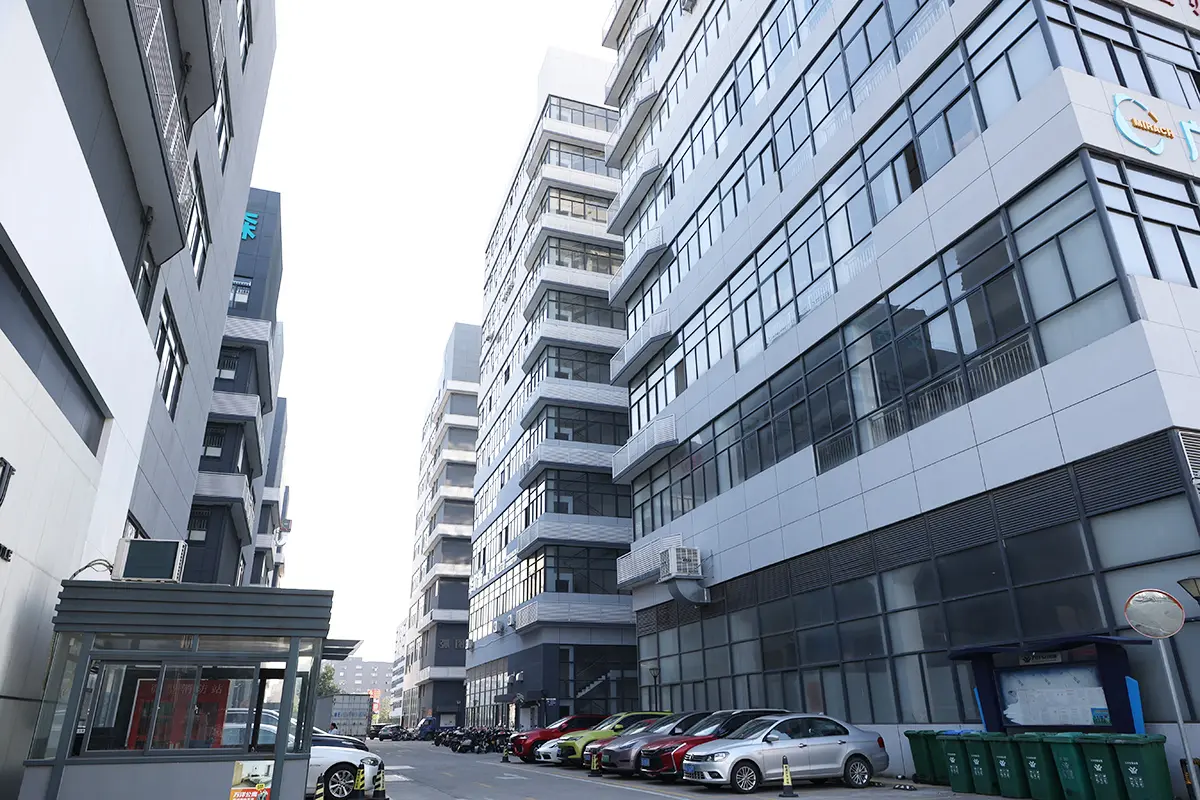
Qingyumai is not a catalogue reseller. We design, engineer and build furniture in our own facility and extend capacity through alliances with audited specialist factories for casegoods, mattresses and outdoor lines. That aggregate-manufacturing model lets us pool capacity, align quality benchmarks and synchronise production schedules — so an importer can source accent chairs alongside sofas, beds, dining and outdoor furniture with one contract and one accountable team.
- Digital cutting and nesting reduce fabric waste on complex curved upholstery.
- Multi-layer export crating and carton optimisation lower damage rates and freight cost per unit.
- Container consolidation across categories when a mixed order ships together.
- On-site QC engineers auditing structural durability and finish consistency before shipment.
Capacity Pooling
Peak-season surges are absorbed across partner lines rather than pushed onto one workshop floor — protecting lead times during Q3–Q4 retail build-up.
Schedule Synchronisation
Production calendars are coordinated so accent chairs, sofas and beds from one purchase order converge for the same container cut-off.
Quality Ownership
Instead of five vendors each defending their own output, one team owns the consolidated QC standard across every category in the order.
Global Procurement Needs
How Global Enterprises Actually Evaluate Seating Suppliers
Across sourcing conversations with importers, hospitality buyers and developers, the same five evaluation criteria recur. They are rarely the ones printed on a price list.
- Sampling speed: how quickly a custom fabric and frame combination can be prototyped.
- Specification honesty: whether foam density and textile composition are documented or vague.
- Mixed-container flexibility: the ability to combine categories without splitting shipments.
- After-sale replaceability: spare covers, cushions and leg sets available post-delivery.
- Accountability: one named team responsible from brief to container.
What Buyers Weight When Choosing a Factory
Illustrative weighting based on typical B2B seating RFQ priorities.
From Brief to Container
The Five-Stage Custom Order Workflow
A repeatable process is the difference between a prototype and a production run that arrives as specified.
01 · Project Brief
Share drawings, target market and budget. Consultants map each room to suitable categories and frame platforms.
02 · Material Engineering
We recommend frames, foams, textiles and hardware that meet your destination market's standards.
03 · Sample Approval
Pre-production samples confirm dimensions, colour, comfort and seam lines before mass production begins.
04 · In-Line QC
QC engineers test structural durability and finish consistency on the factory floor, not just at final packing.
05 · Consolidated Shipping
Mixed-category container loading and multi-layer export crating reduce freight cost and transit damage.
Total Cost of Ownership
Reading Past the FOB Price
Unit price is the least reliable number in a seating tender. Four hidden cost drivers determine whether a cheap chair is actually expensive.
Replacement rate. A chair that fails at 18 months in a lobby carries a replacement cost, a disposal cost and a reputational cost. Freight density. Knock-down frames and stackable chaises can materially raise units per container. Spare-part availability. Replaceable covers extend a programme's life by years. Documentation gaps. A missing test report can hold an entire container at port.
Each variable is addressable at the specification stage — which is why we encourage buyers to treat the sampling conversation as a cost-model conversation, not just a design review.
Seating Systems
Four Comfort Platforms in the Qingyumai Seating Range
Accent chairs and chaises in this programme share frame engineering with our sofa platforms, so coordinated interiors stay structurally and visually consistent.
Modular Combination
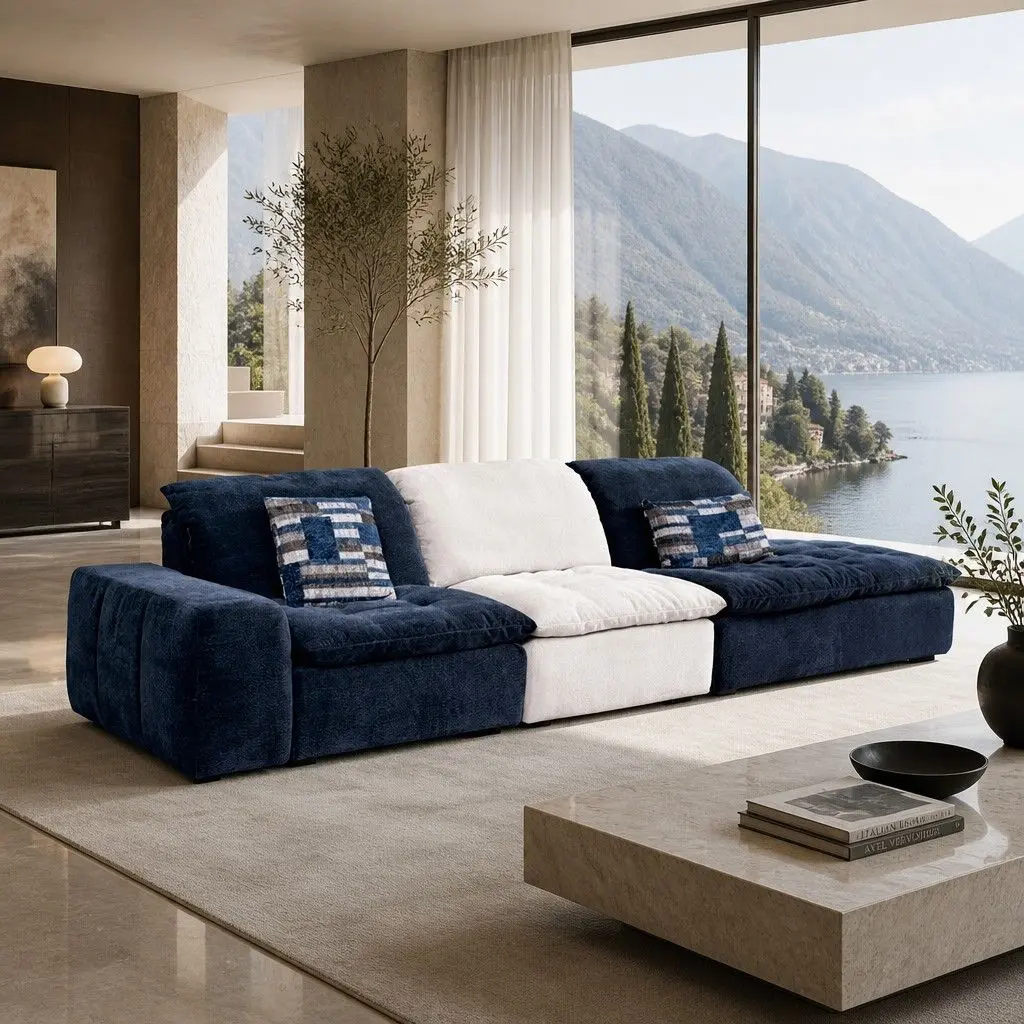
Freely combinable modules and cashmere-touch covers that adapt accent seating to any floor plan.
Fabric SofasCloud-Like Seating
Thick resilient cushions wrapped in soft fabric deliver a sink-in feel with a minimal silhouette.
Living RoomSpacious L-Shape
Breathable cotton-linen with deep seating — suited to family homes and serviced apartments.
Bedroom Accent ChairsPremium Cowhide
Top-grade cowhide with a supple hand-feel and refined tones for premium retail and executive spaces.
Leather Sofas
Buyer Q&A
Accent Chairs & Chaises — Frequently Asked Procurement Questions
Direct answers to the questions importers and project teams raise before a first order with a Chinese seating factory.
Is Qingyumai a manufacturer or a trading company?
Qingyumai is the export brand of Foshan Qingyumai Technology Co., Ltd., an integrated manufacturer covering R&D, production and international sales with its own production facility in Shunde, Foshan. For whole-house and multi-category orders we also coordinate a network of audited partner factories so that every category ships under one quality standard and one purchase order.
Can accent chairs be combined with beds and sofas in one container?
Yes. Our post-sale team handles container consolidation across categories, planning loading space to reduce ocean freight cost per unit while using multi-layer export crating to prevent transit damage. Mixed orders are common for importers and property developers fitting out multiple rooms.
How are foam density and fabric performance documented?
Specification sheets record foam grade and density, suspension type, frame species and joinery, textile composition and applicable abrasion, colourfastness and pilling results. Buyers specifying contract environments should request the report set relevant to their market rather than relying on a marketing description.
Do you accept OEM and ODM orders for accent seating?
Yes. We customize dimensions, upholstery and frame colours, fabric grades (cashmere-touch, cotton-linen, cool-touch and commercial-grade contract fabrics) and branding such as woven labels and embossed logos for wholesale and project orders.
How is quality controlled during mass production?
Our internal QC engineers carry out on-site production line audits that check structural durability and finish consistency, and pre-sale consultants recommend material configurations aligned with the regulatory standards of your destination market.
Are spare covers and cushions available after delivery?
For programmes designed with replaceable upholstery, spare covers and cushion inserts can be produced against the original specification. We recommend agreeing spare-part ratios at contract stage so that hospitality and contract clients can maintain seating without re-ordering full units.
Which buyers do you typically work with?
We supply furniture wholesalers and importers, hotel and hospitality procurement teams, property developers, interior design firms, salons and residential clients that need coordinated furniture for multiple rooms.
Where is the factory located and can buyers visit?
We are located in Hui Cheng Industrial Park, Longjiang Town, Shunde District, Foshan, Guangdong, China, one of the world's best-known furniture manufacturing hubs. Buyers are welcome to arrange factory and showroom visits, and can coordinate them through our export team.
Work With Us
Planning an Accent Chair or Chaise Programme?
Get the latest collection files, material options and customization guide. Our export team will help you plan categories, configurations and container loading for your market.
Coordinate Your Scheme — More Factory-Direct Models
Mixed container · One QC standard