
Table Engineering
Tabletops must resist heat, moisture and impact while sub-frames absorb lateral force. Solid white ash, smoked walnut finishes and engineered stone tops each answer a different specification brief.
A B2B sourcing reference for importers, hospitality procurement teams and project contractors: dining set manufacturing roadmaps, material compliance, container economics and the localisation support required to scale a dining category across markets.
Dining furniture sits at the intersection of aesthetics and hard engineering. A dining chair is sat on, leaned back in, and pushed across a floor thousands of times per year. In a restaurant, that same chair may endure 12 hours of continuous commercial use every day for a decade. For a wholesaler, that reality defines the difference between a supplier who ships product and a supplier who protects their margin, their reputation and their repeat business.
Tabletops must resist heat, moisture and impact while sub-frames absorb lateral force. Solid white ash, smoked walnut finishes and engineered stone tops each answer a different specification brief.
Seat frames, saddle leather armrests, upholstered shells and leg joinery are validated against tipping and static-load criteria that differ between residential and contract markets.
Because dining sets are bulky and volumetric, freight optimisation — knock-down design, nesting, mixed-category consolidation — can influence landed cost more than a raw unit-price negotiation.
Information-gain note: This reference is published by Foshan Qingyumai Technology Co., Ltd., a whole-house furniture manufacturer in Shunde, Foshan, with more than 10 years of export experience and 100+ original patents. The guidance below reflects production-floor practice across 19 furniture categories, not third-party summaries.
The dining category is being reshaped by three simultaneous forces: hospitality refurbishment cycles compressing, residential floor plans shrinking, and multi-unit residential development expanding in emerging markets. Each force produces a different purchase profile for suppliers.
Hotel F&B outlets rotate dining chairs on 5–8 year cycles. Buyers need repeatable SKUs with consistent finishes across phased rollouts in multiple properties.
Developers furnishing show units and amenity spaces require pack-based dining sets that ship in single containers alongside bedroom and living collections.
Franchise operators demand durability evidence. Contract-grade upholstery, reinforced joinery and replaceable components are typically non-negotiable.
Independent furniture retailers and e-commerce brands build private-label dining ranges, requiring OEM branding, custom fabric selection and drop-test certification.
A dining set is rarely purchased in isolation. Wholesalers and project buyers frequently consolidate chairs, tables, beds and seating into one container. The reference models below illustrate the finish and material families that pair with dining collections.
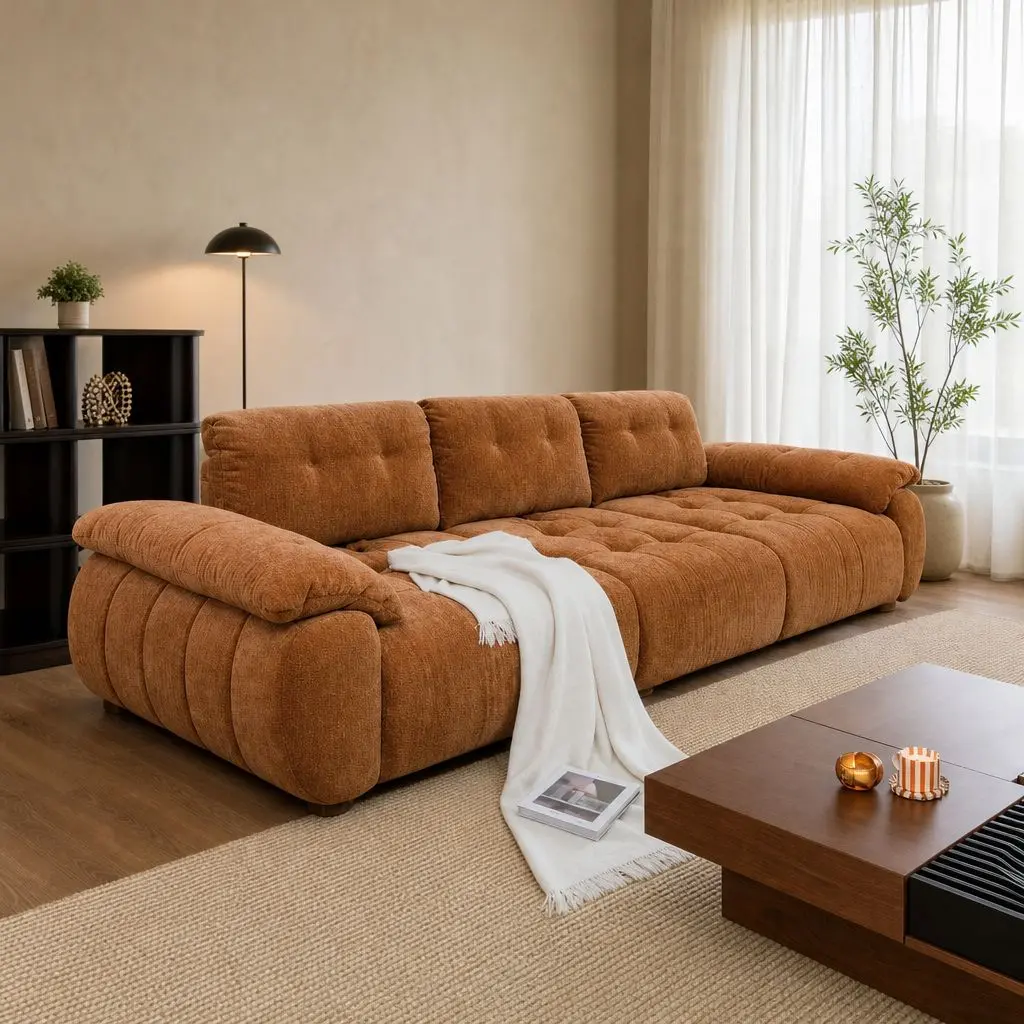
Wholesale QYM Printed Velvet Fabric Arm Dining Chair, Solid White Ash Wood Frame, Smoked / Walnut Finish
View Product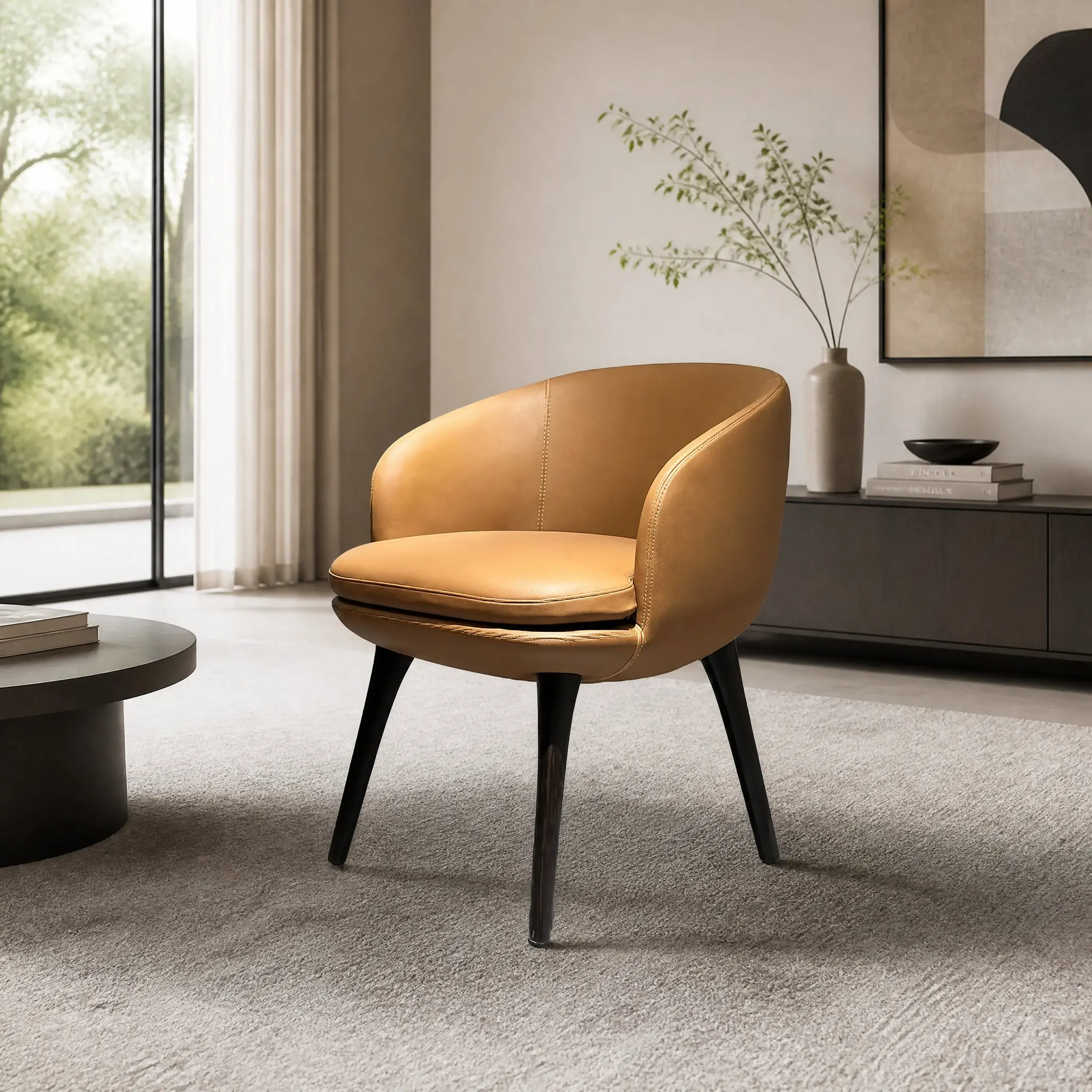
Wholesale QYM Italian Minimalist Tub Dining Chair, Coffee Microfiber Leather Armchair with Smoked Ash Wood Legs
View Product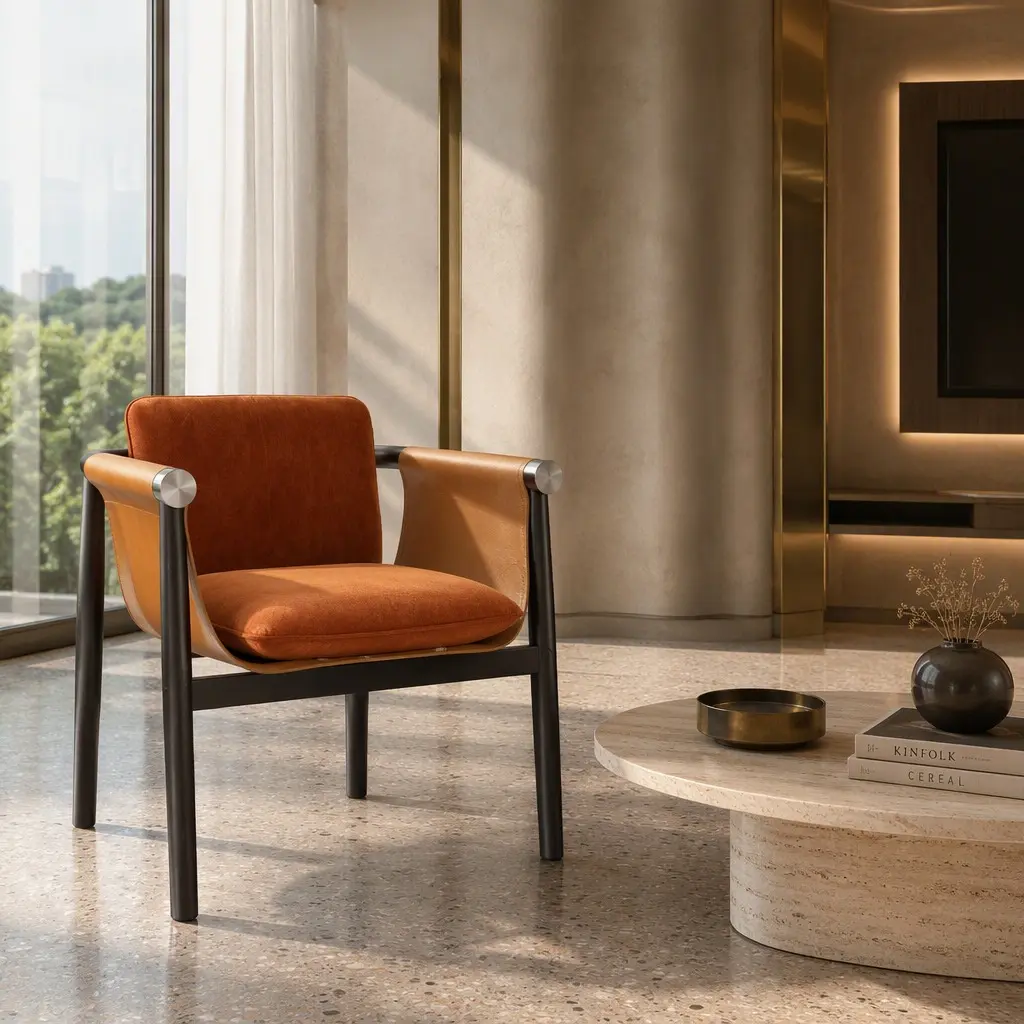
Wholesale QYM Smoked White Ash Wood Totu Wood Dining Chair, Fendi Style Accent Chair, Saddle Leather Armrest
View Product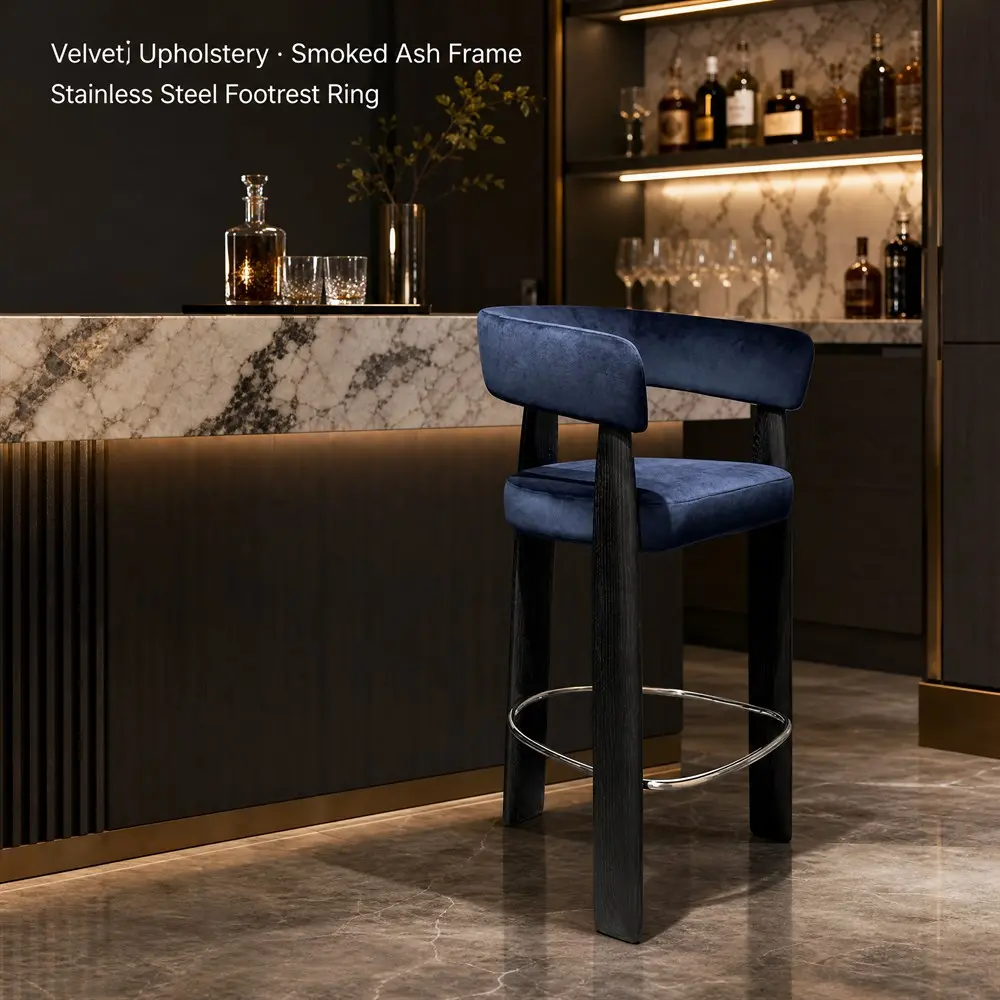
Wholesale QYM Modern Bar Stool, Sheep-Velvet Upholstery, Solid White Ash Wood Smoked Frame with Footrest
View Product
China QYM C198 Chenille Upholstered Bed Soft chenille texture for calm contemporary rooms Manufacturers, Suppliers
View Product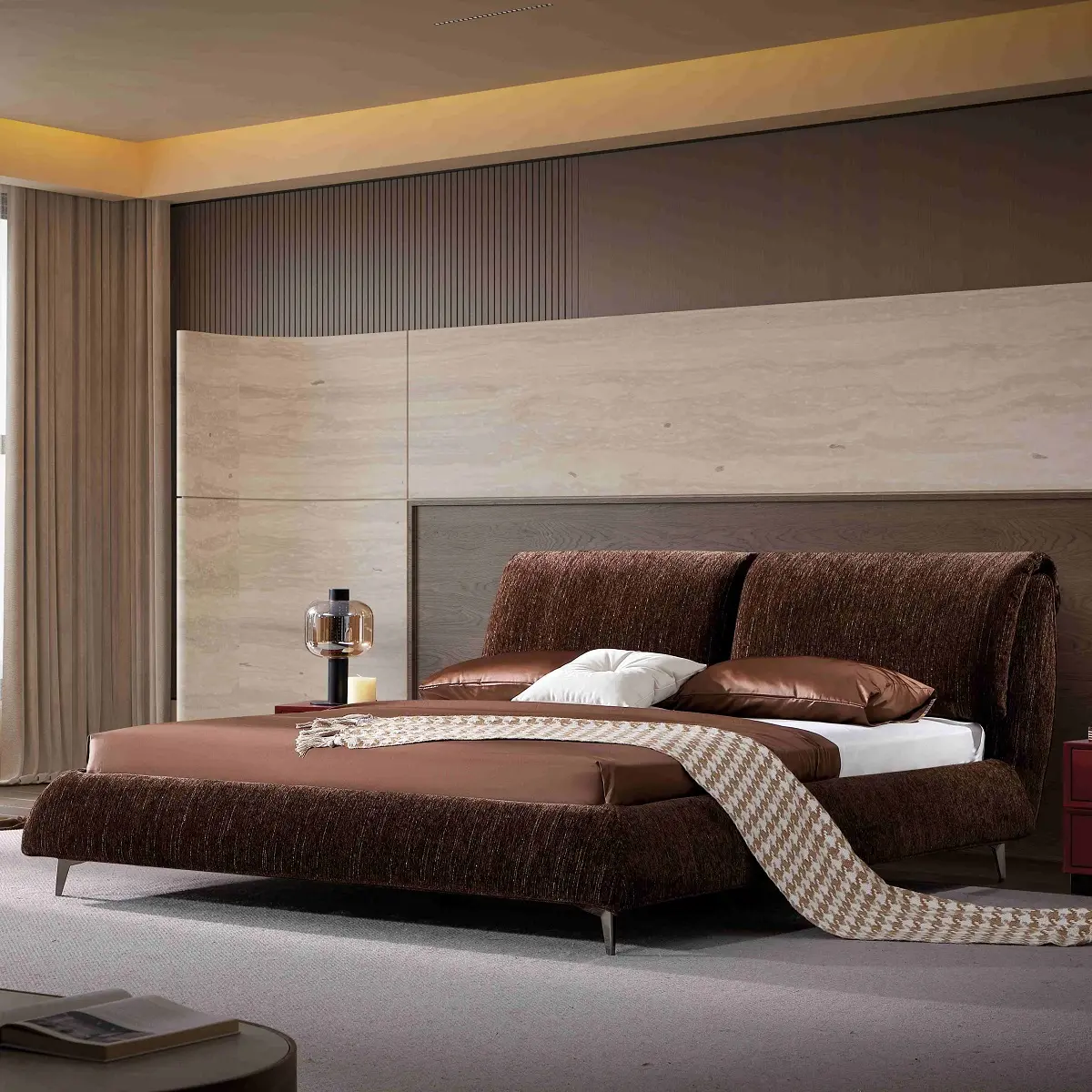
Wholesale C215 Fabric Upholstered Bed Soft fabric comfort with a broad contemporary silhouette Manufacturer, Suppliers
View ProductLatest design QYM B2212 Modern Functional Sectional Sofa with Two-Tone Linen, Larch Wood Frame, Washable Covers
View Product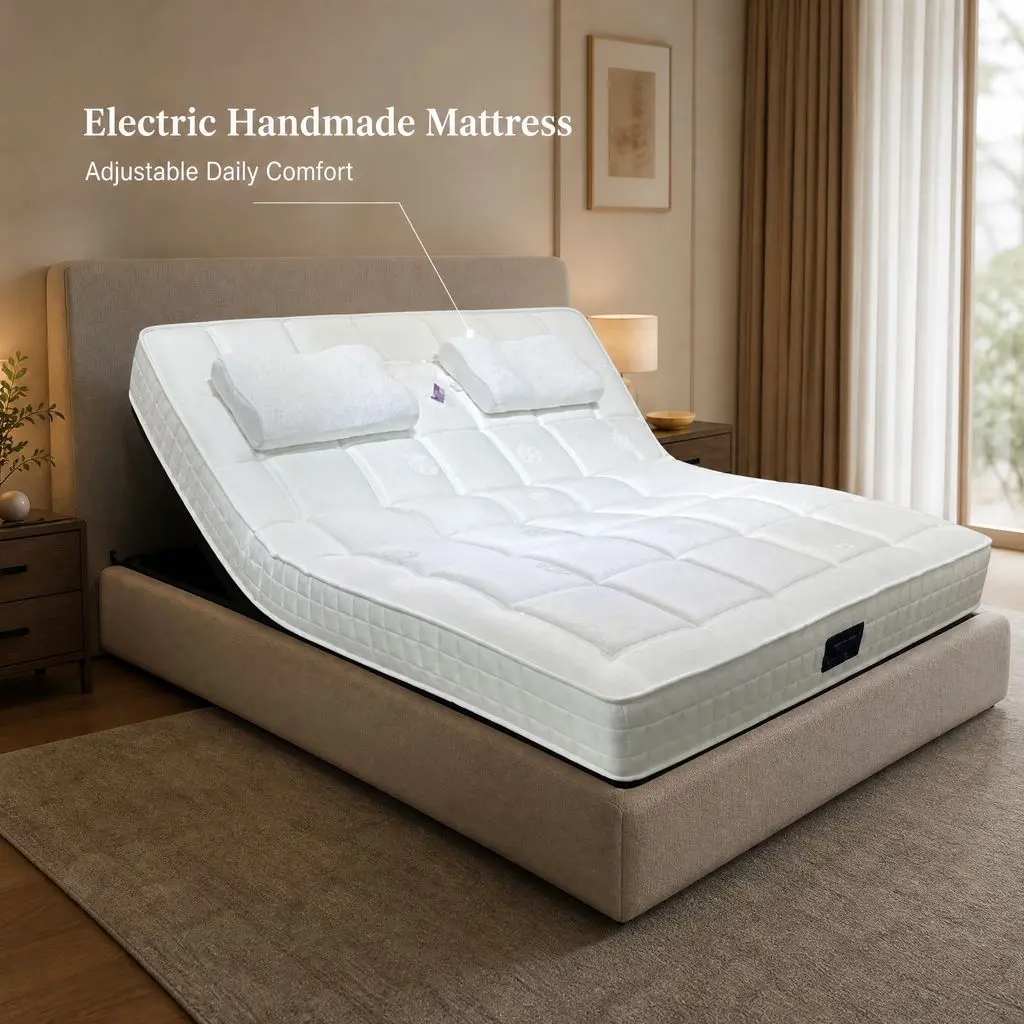
Latest design QYM ZNA2 Smart Electric Adjustable Mattress with German Oeken Motor, Quiet Pocket Springs
View ProductA commercially reliable dining set is the output of a documented sequence. The following route describes how a specification brief is transformed into a shipped, quality-audited product — and where buyer input has the greatest leverage.
Market, channel (residential vs contract), target price band, finish direction and container volume are captured. This determines which structural grade is appropriate.
Solid white ash, smoked ash, walnut-toned finishes, saddle leather, microfiber leather and printed velvet are matched to wear expectations and local regulation.
Pre-production samples confirm dimensions, comfort geometry, colour match and finish consistency before tooling commitments are made.
Structural durability, joint integrity, upholstery tension and surface finishing are inspected on the production floor — not only at final packing.
Multi-layer crating, corner protection and knock-down where structurally permissible reduce volumetric loss and transit damage claims.
Compliance failures are expensive at the port of entry. Pre-sale consultants align material configurations with the regulatory expectations of the destination market before production begins, which is materially cheaper than remediation after arrival.
| Consideration | Residential Wholesale | Hospitality / Contract | Supplier Control Point |
|---|---|---|---|
| Upholstery grade | Printed velvet, microfibre, sheep velvet | Contract-grade abrasion-rated fabric | Fabric grade selected at brief stage |
| Frame specification | Solid white ash, smoked finish | Reinforced joinery, replaceable components | Structural review during sampling |
| Branding | Private label, woven labels | Embossed logos, project codes | Branding locked before mass production |
| Packaging | Standard export cartons | Multi-layer crating, corner guards | Loading plan reviewed with buyer |
| Documentation | Commercial invoice, packing list | Project-specific documentation support | Prepared by post-sale coordination team |
Operational reality: Buyers who lock fabric grade, frame specification and branding before sampling avoid the most common cause of mid-production change orders — which is the single largest driver of schedule slippage in dining set programmes involving multiple container loads.
The structural characteristics of the dining category — high volumetric density, moderate unit value, long service life — make it one of the most logistics-sensitive segments in furniture. Understanding the current supply landscape informs how buyers should structure their vendor relationships.
Importers increasingly prefer fewer vendors. A manufacturer able to coordinate dining, bedroom and living categories under one QC standard reduces administrative load and finish-matching risk.
Ocean freight fluctuation disproportionately affects bulky categories. Knock-down geometry and mixed loading plans are now a competitive advantage rather than a nice-to-have.
Hospitality refurbishments increasingly run on tighter windows. Manufacturers with in-house R&D and rapid sampling capability accommodate phased delivery without re-tooling delays.
Across multi-container orders, colour drift in wood finishes and upholstery batches becomes visible. Batch planning and finish standards are managed centrally.
Buyer teams increasingly request documented QC audit trails and material specifications — a shift that rewards manufacturers with genuine production-floor processes.
Patented designs and original structures give wholesalers defensible product offers instead of price-only competition against identical catalogue items.
Dining sets are frequently one component of a larger furnished programme. A hotel floor, a serviced apartment block or a residential development requires the dining category to share finishes, hardware language and packaging standards with living and bedroom furniture.
Guestroom seating, public-area dining chairs and F&B outlet furniture delivered with a single quality owner and a coordinated finish standard.
Show units and amenity spaces furnished from a single catalogue logic, reducing the number of purchase orders and inspection cycles.
Waiting-area seating and consultation tables coordinated with the broader furniture programme, supporting a consistent customer-facing brand experience.
Because our production platform spans 19 categories, a buyer can combine dining sets, upholstered beds, mattresses and outdoor sofa groups in one container. The post-sale team plans loading space to reduce ocean freight cost per unit, while multi-layer export crating prevents transit damage.
The next planning cycle will be shaped less by aesthetic trends than by three operational questions: how durable a product is proven to be, how efficiently it occupies container space, and how reliably a supplier can repeat a finish across markets.
Specification documents will carry increasing weight. Suppliers who can evidence structural and upholstery testing on the production floor will win contract business.
Knock-down and nesting design will be evaluated as a cost metric alongside unit price, particularly for importers running repeat container programmes.
Retailers and e-commerce brands will continue to build owned dining ranges, making OEM branding, custom fabric libraries and rapid sampling table stakes.
Direct answers to the questions wholesale, hospitality and project buyers raise before a first dining set order.
Qingyumai is the export brand of Foshan Qingyumai Technology Co., Ltd., an integrated manufacturer covering R&D, production and international sales with its own production facility in Shunde, Foshan. For whole-house orders — including dining sets combined with bedroom and living categories — we coordinate a network of audited partner factories so every category ships under one quality standard and one purchase order.
Yes. We customise dimensions, upholstery and frame colours, fabric grades (cashmere-touch, cotton-linen, cool-touch and commercial-grade contract fabrics) and branding such as woven labels and embossed logos for wholesale and project orders.
Yes. Our post-sale team handles container consolidation across categories, planning loading space to reduce ocean freight cost per unit while using multi-layer export crating to prevent transit damage.
Internal QC engineers carry out on-site production line audits that check structural durability and finish consistency, while pre-sale consultants recommend material configurations aligned with the regulatory standards of the destination market.
Furniture wholesalers and importers, hotel and hospitality procurement teams, property developers, interior design firms, salons and residential clients that need coordinated furniture for multiple rooms.
We are located in Hui Cheng Industrial Park, Longjiang Town, Shunde District, Foshan, Guangdong, China — one of the world's best-known furniture manufacturing hubs. Buyers are welcome to arrange factory and showroom visits.
The models below illustrate the finish families, frame specifications and upholstery directions that pair with dining set orders across residential and project programmes.
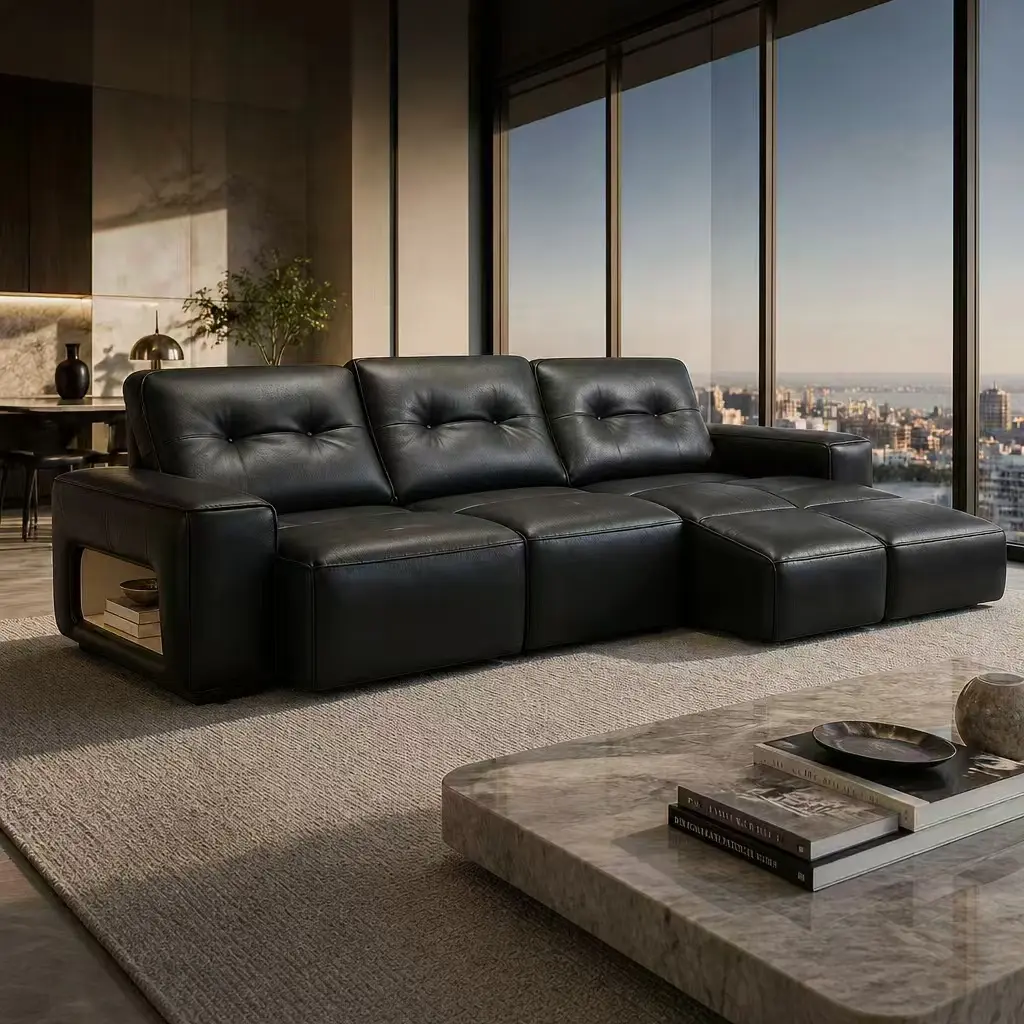
Latest design QYM Electric Reclining Modular Sectional Sofa Smooth Power Chaise Integrated Armrest Storage
View Product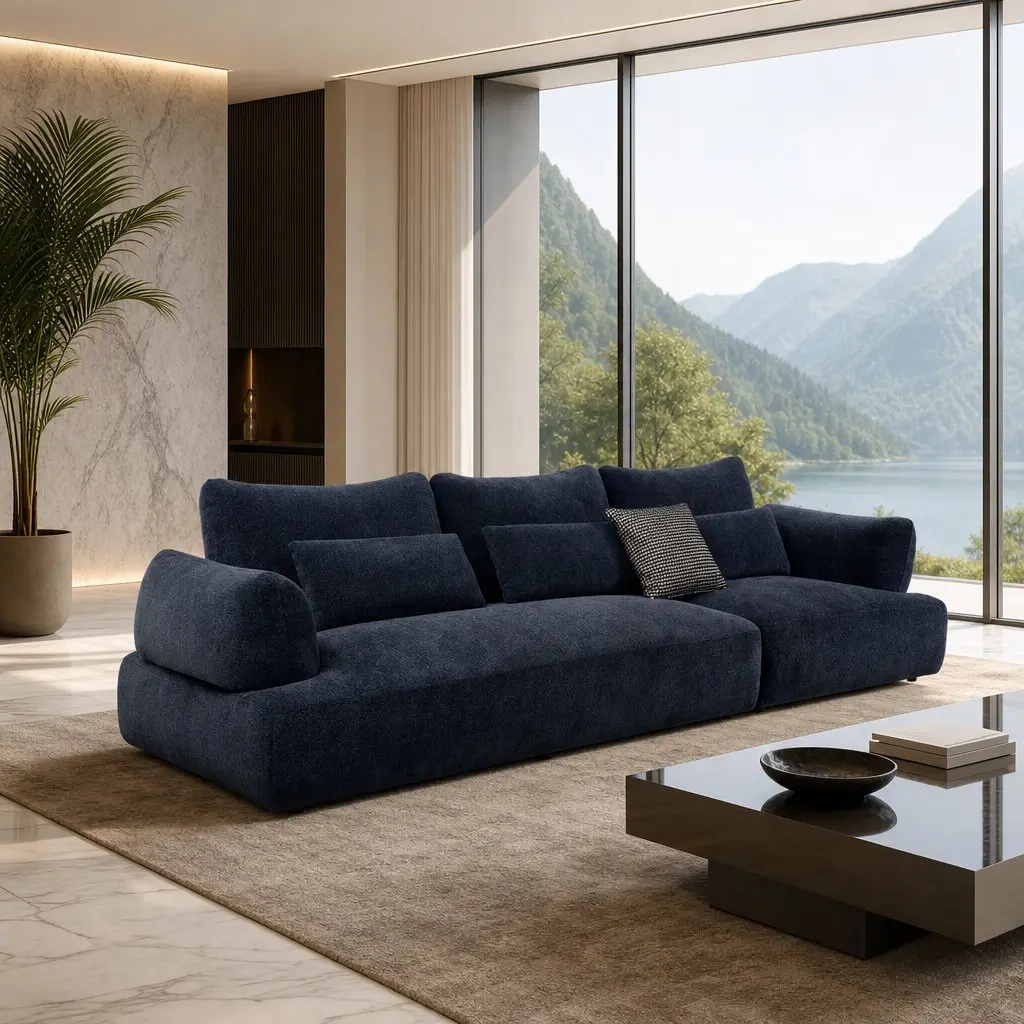
China QYM M1075-A Modern Designer Sectional Sofa with Imported Larch Wood Frame & Solid Wood Legs
View Product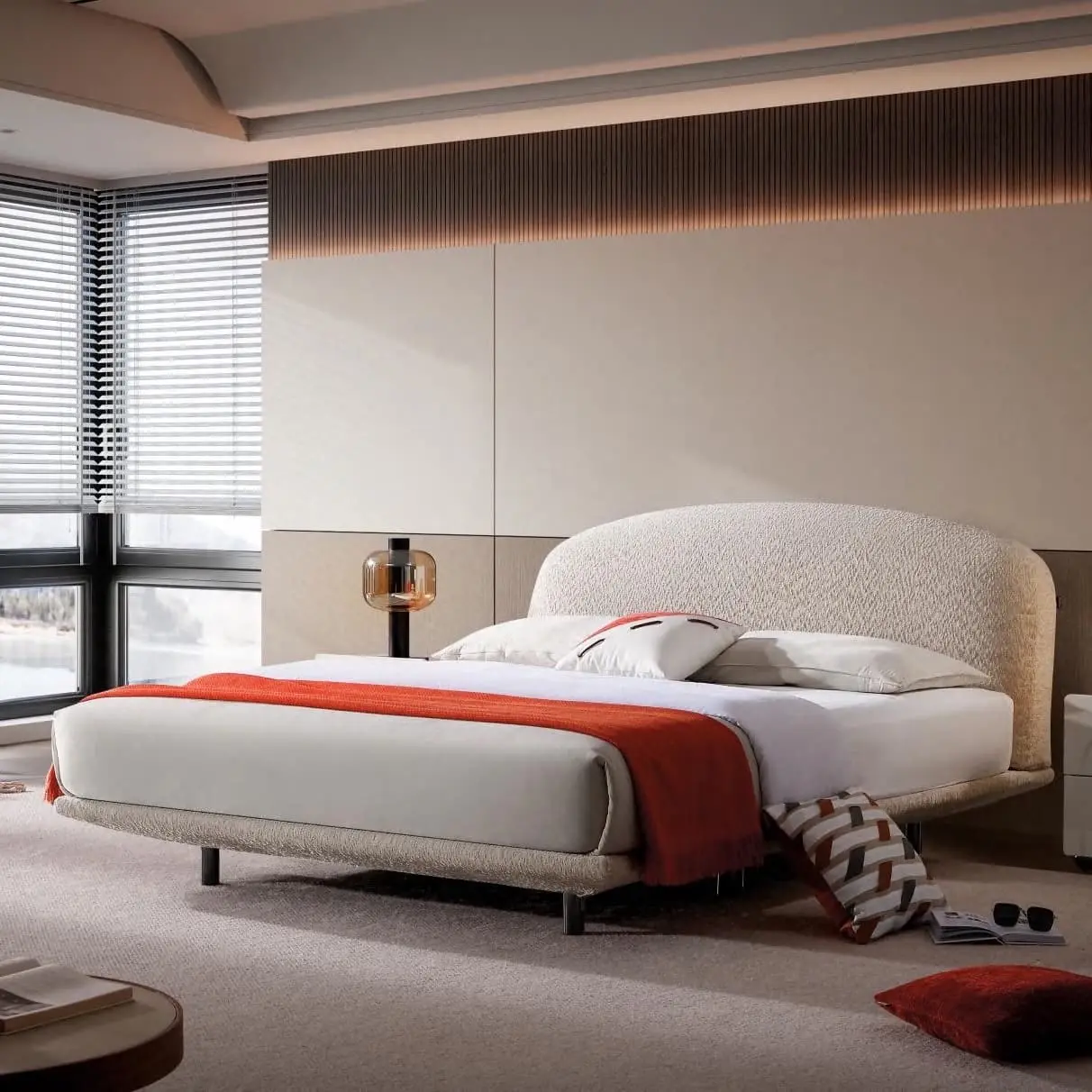
Wholesale C226 Fabric Upholstered Bed Clean upholstered comfort for compact modern bedrooms
View Product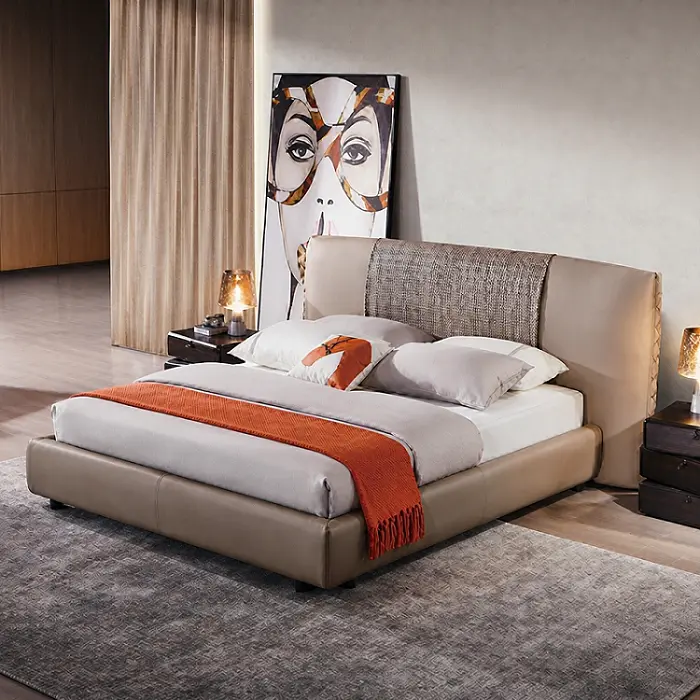
China QYM C63 Napa Leather Upholstered Bed Refined leather comfort for contemporary bedrooms
View Product
Latest design QYM C168 Leather Upholstered Bed A welcoming leather bed with balanced proportions
View Product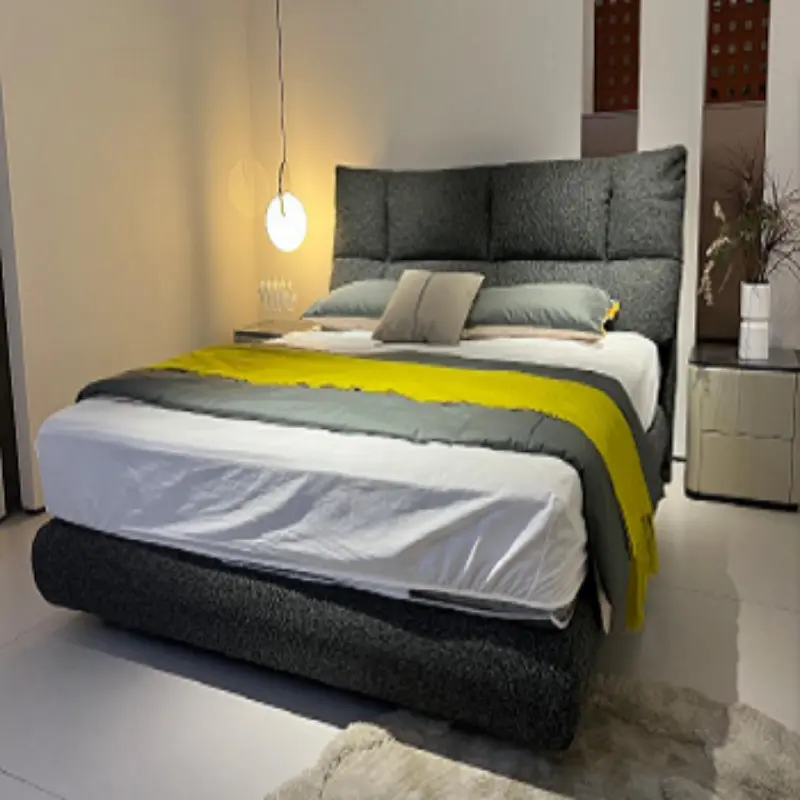
Latest design QYM C203 Chenille Upholstered Bed Plush chenille texture with a relaxed modern presence
View Product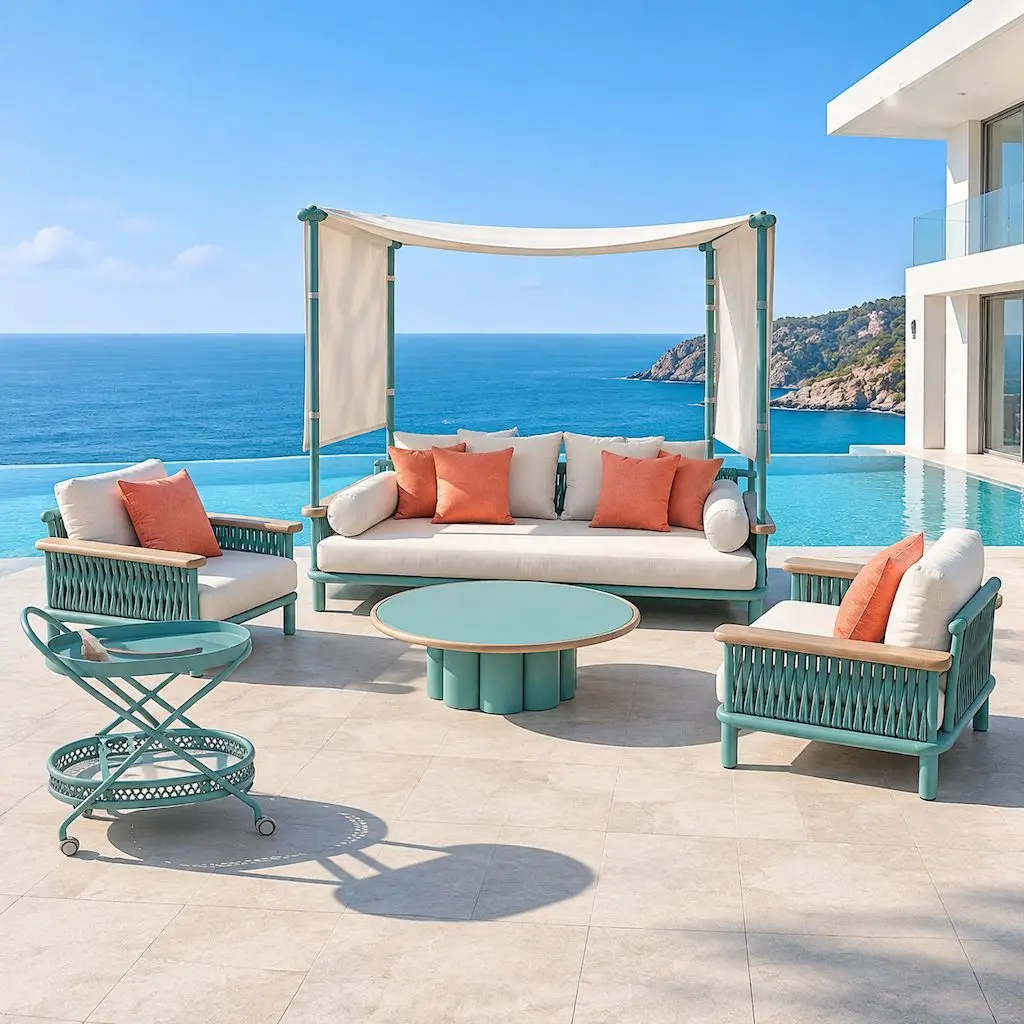
Latest design QYM XD-6020 Canopy Outdoor Sofa Set with Wood-Grain Aluminum Frame and Waterproof Cushions
View Product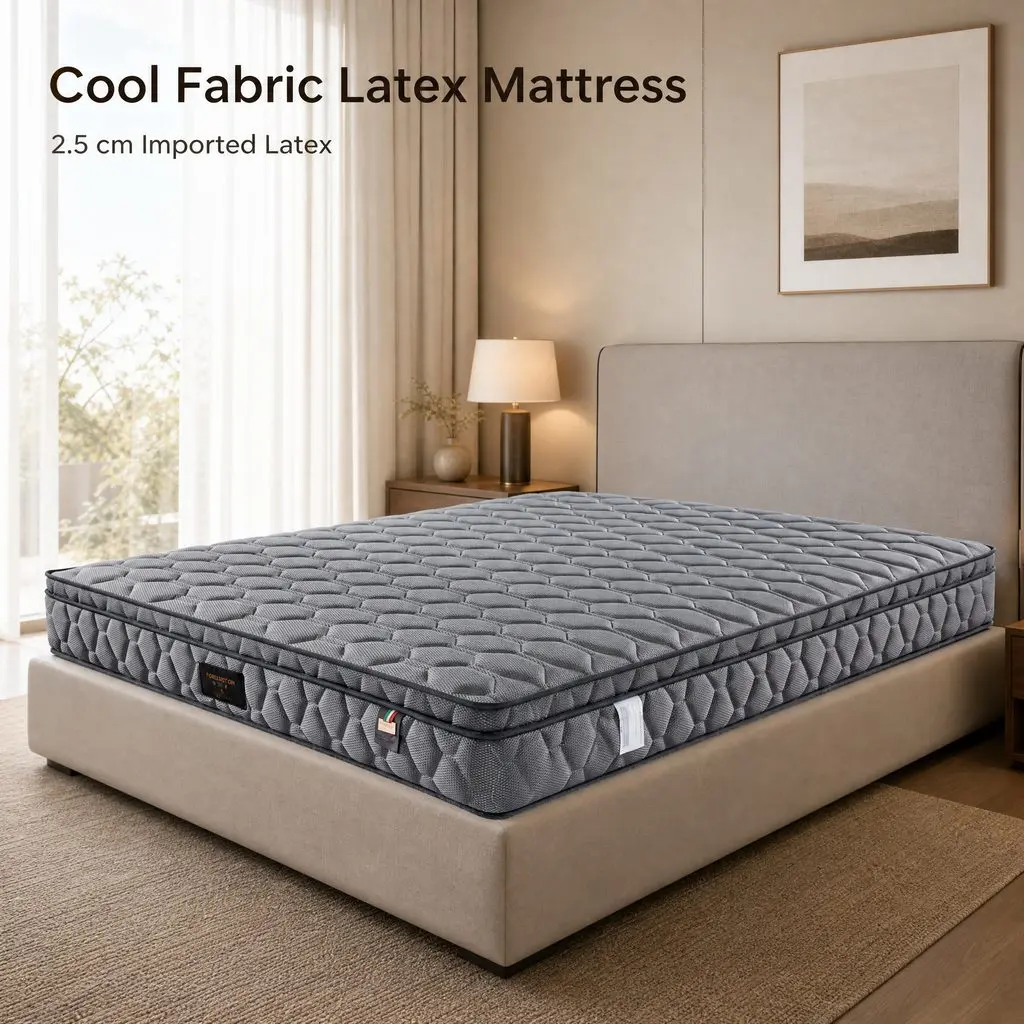
Wholesale QYM 233C The pocket spring system provides stable support and helps reduce motion transfer during sleep
View Product