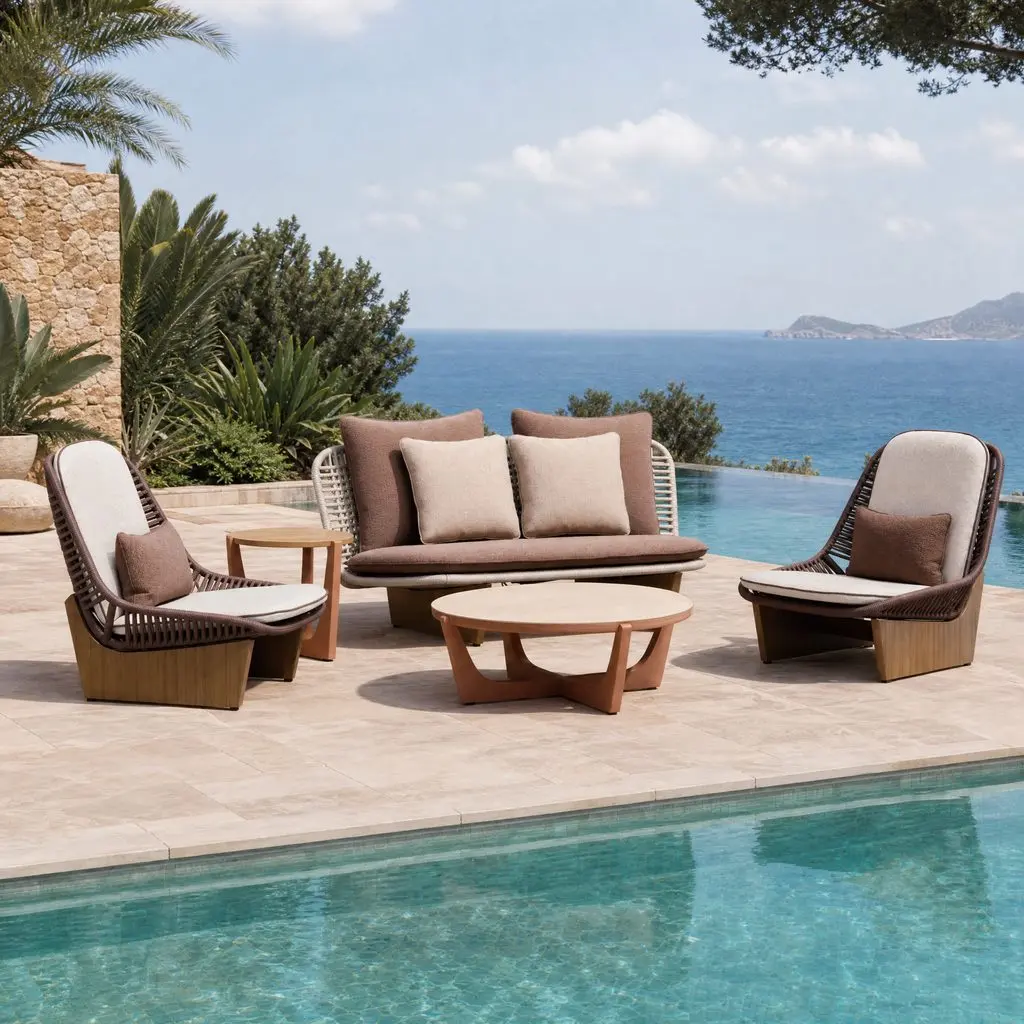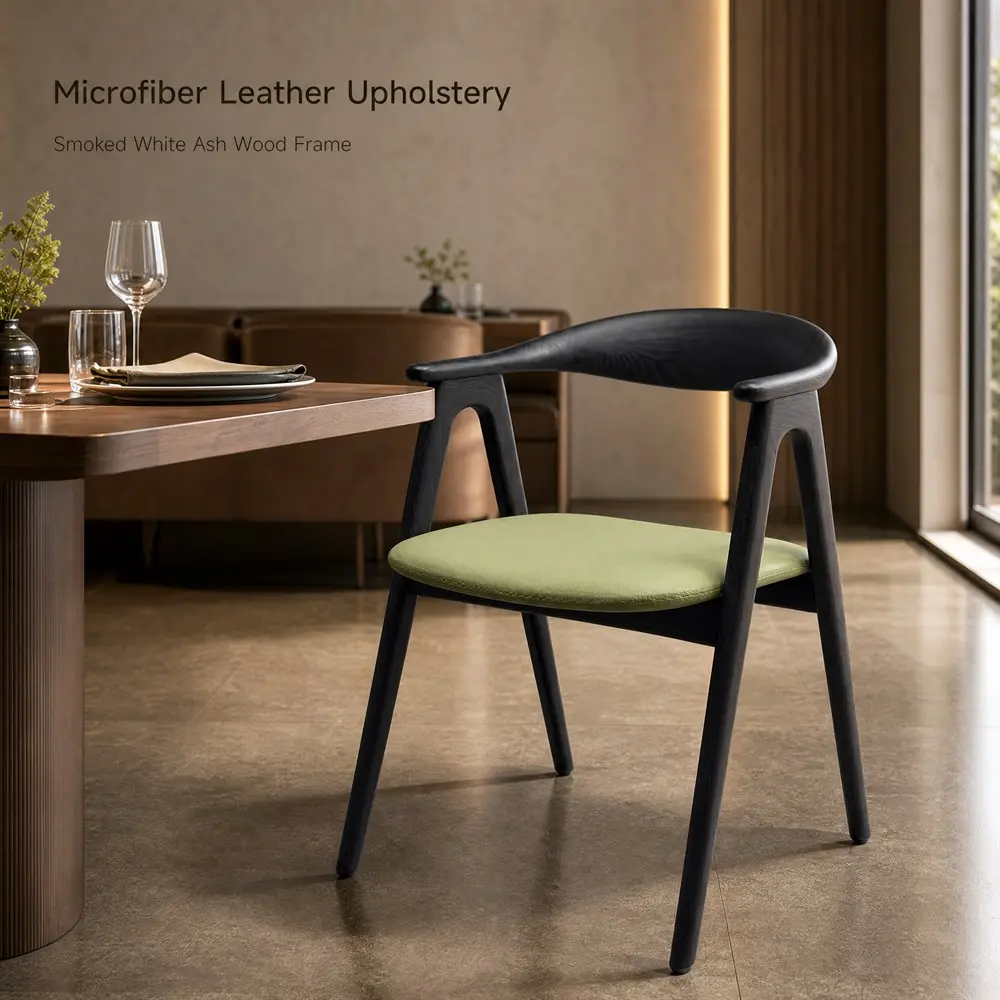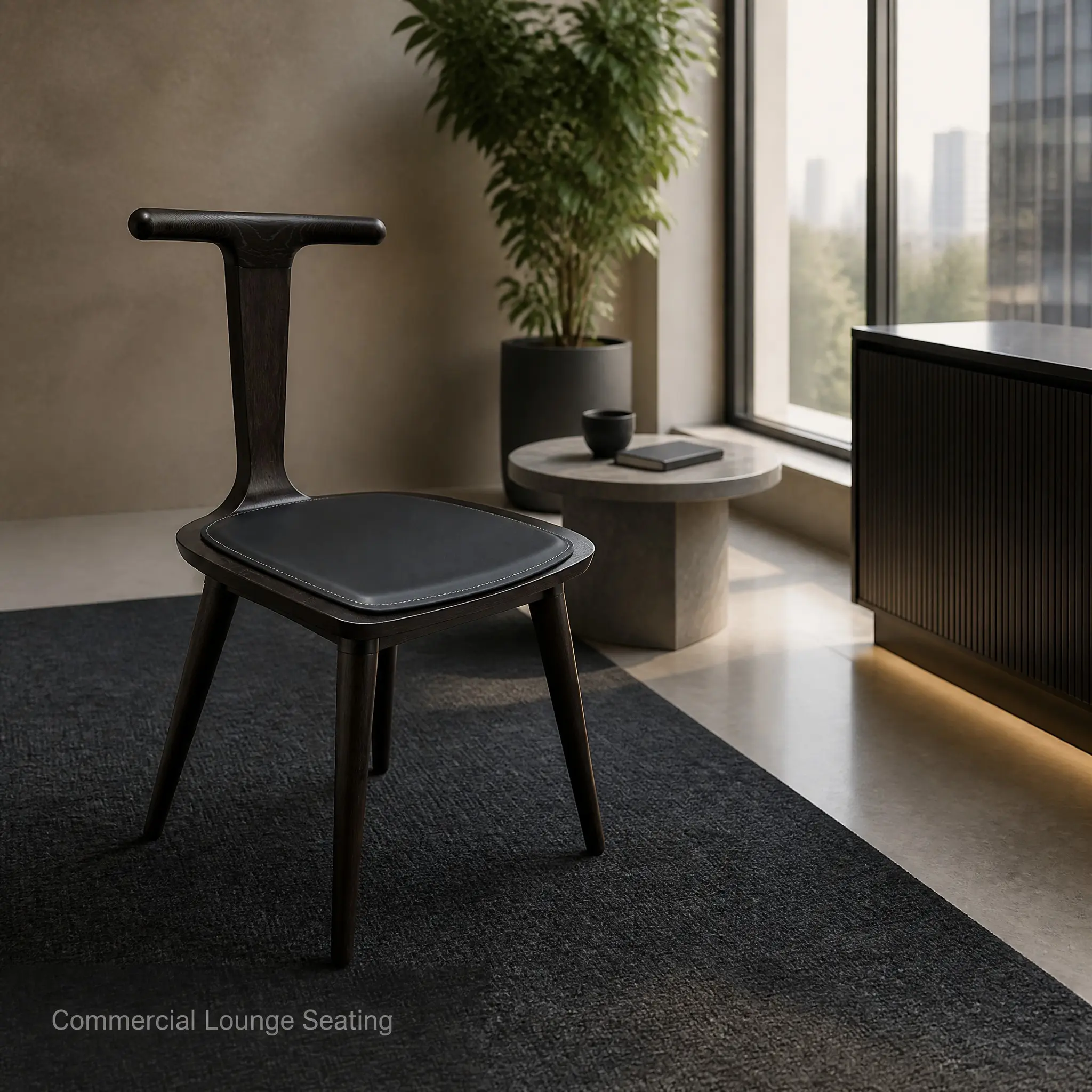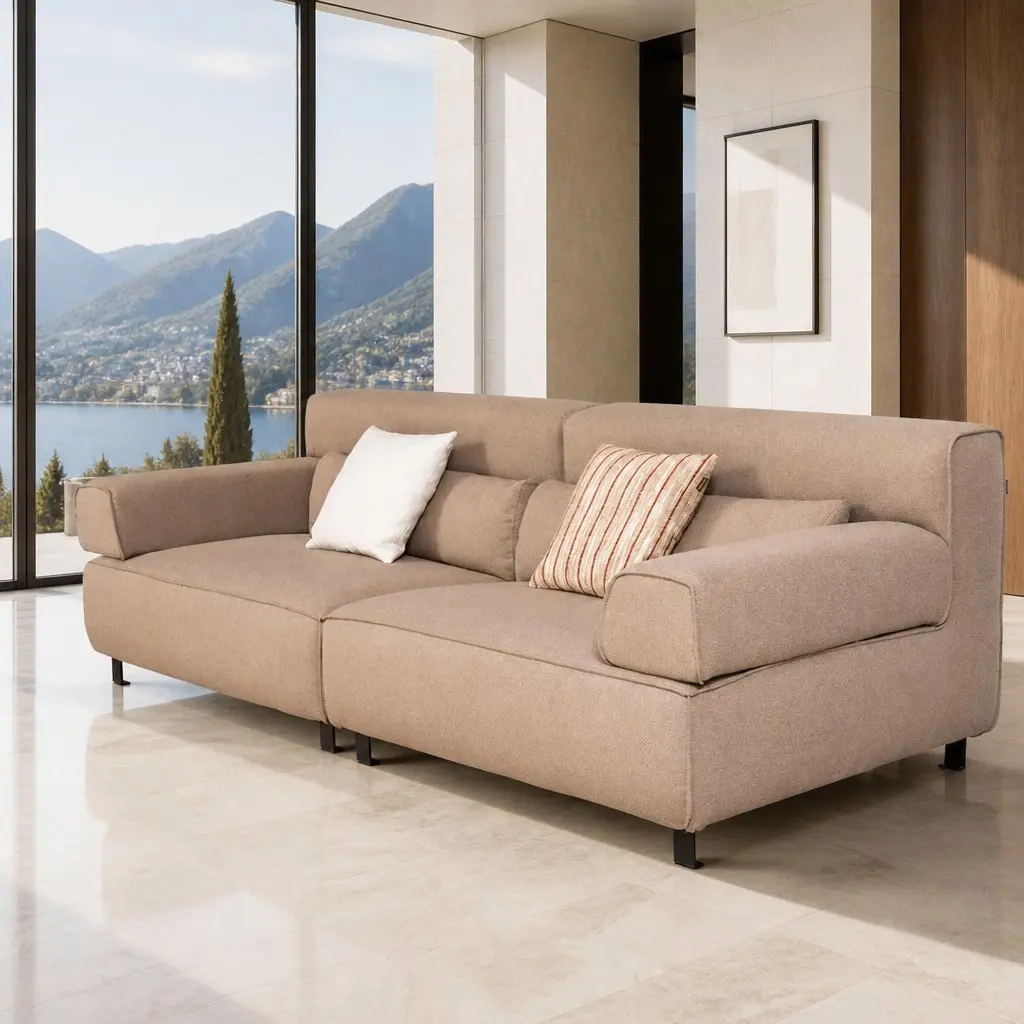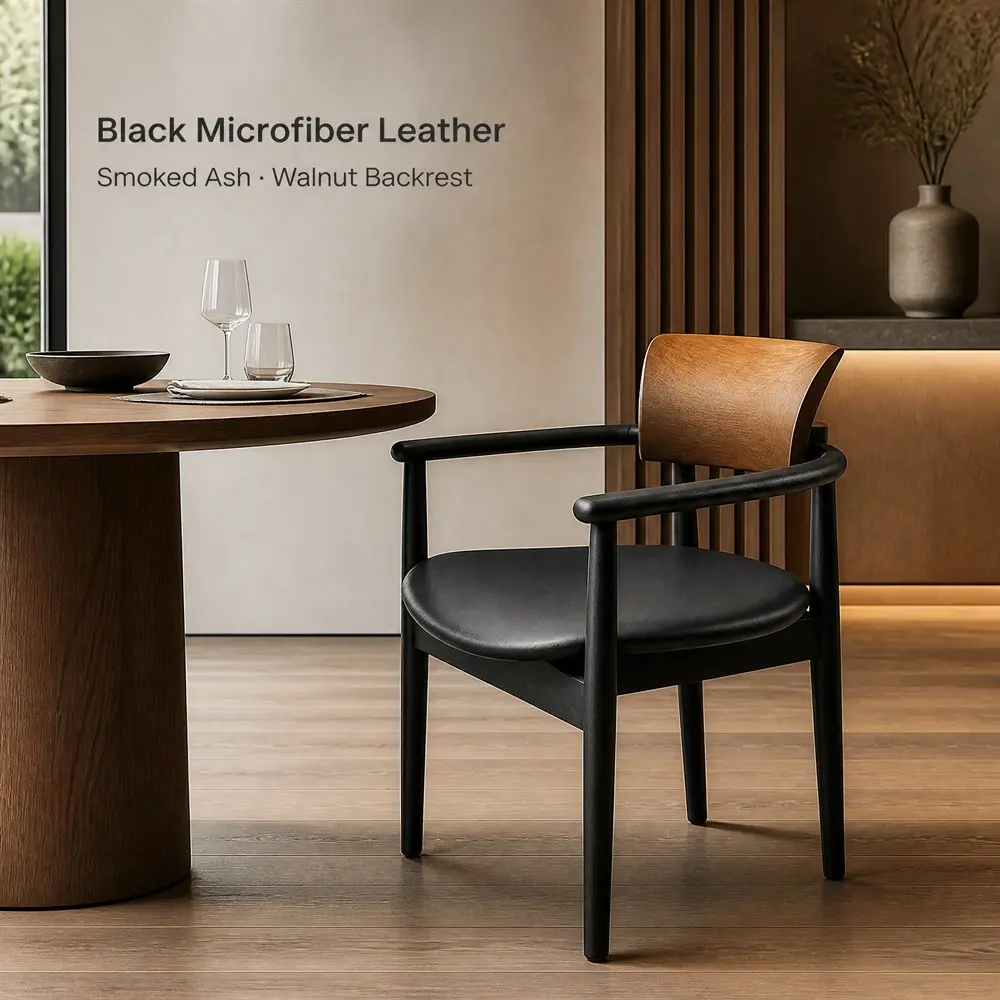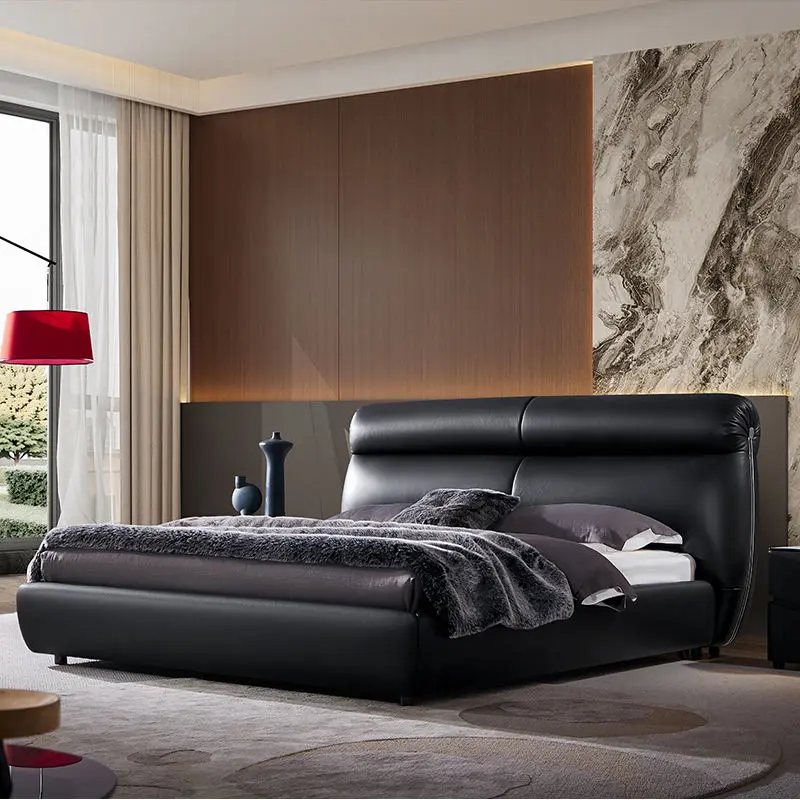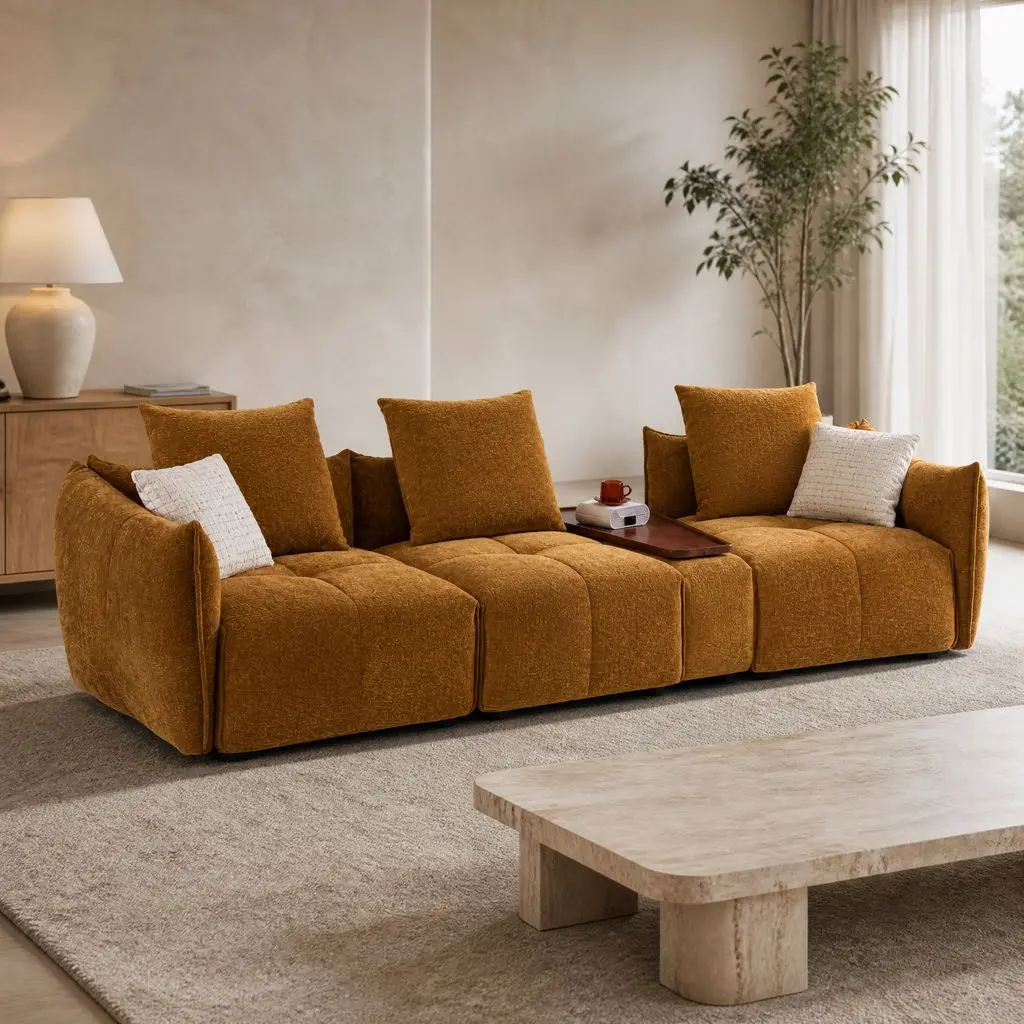
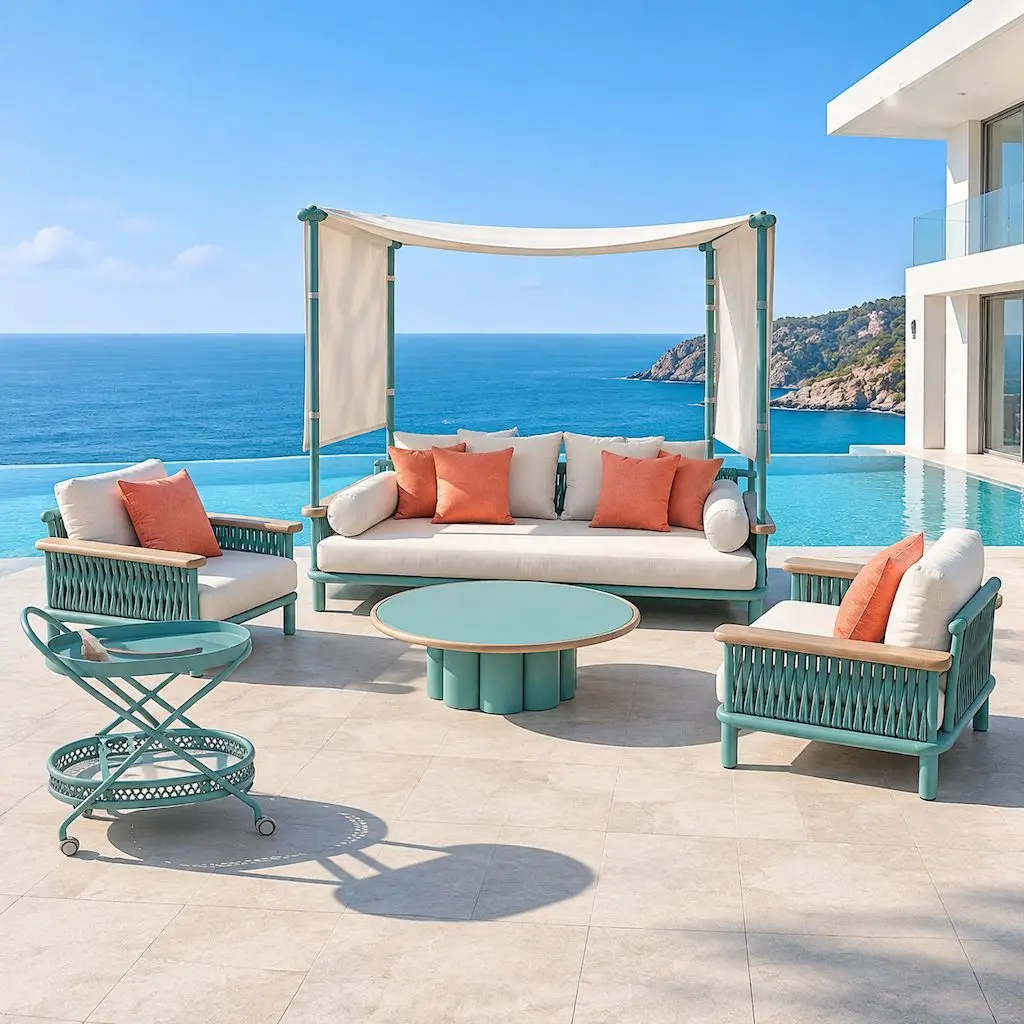
Signature Collection
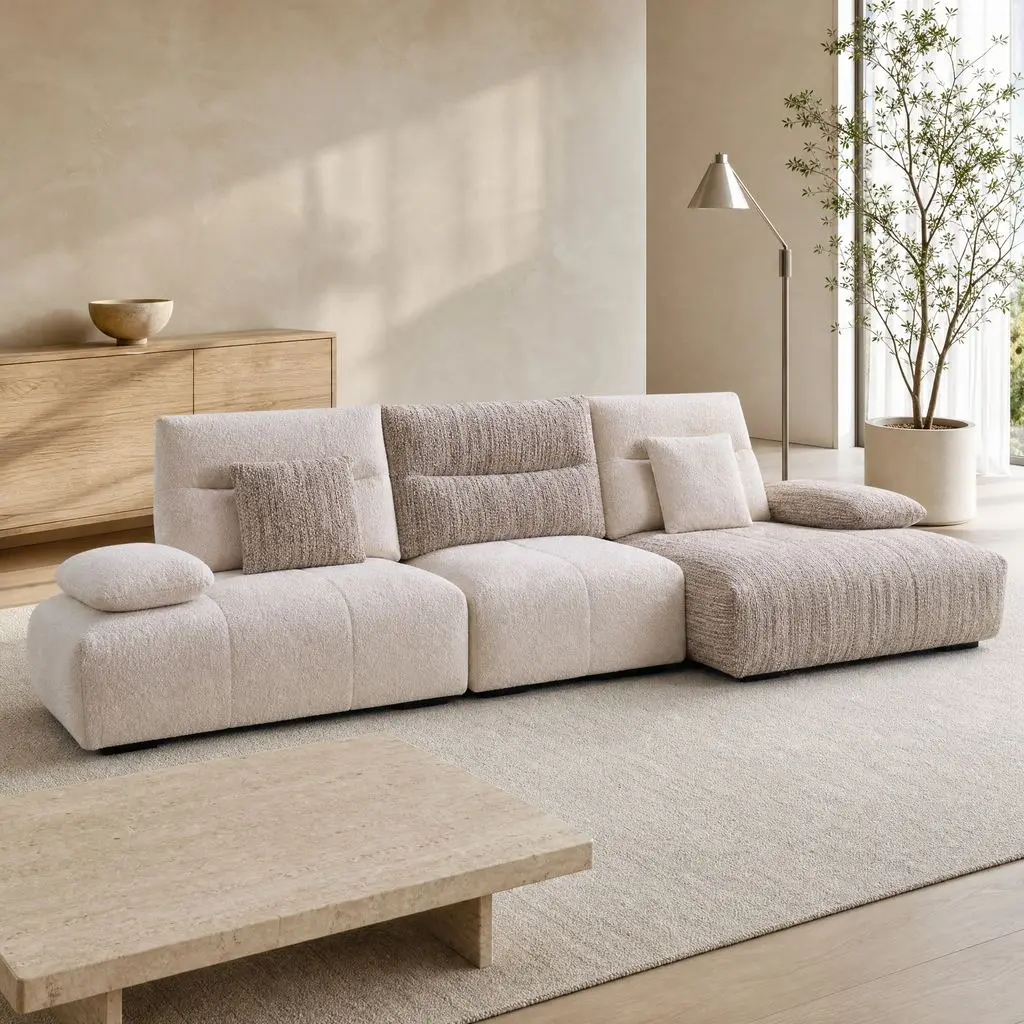
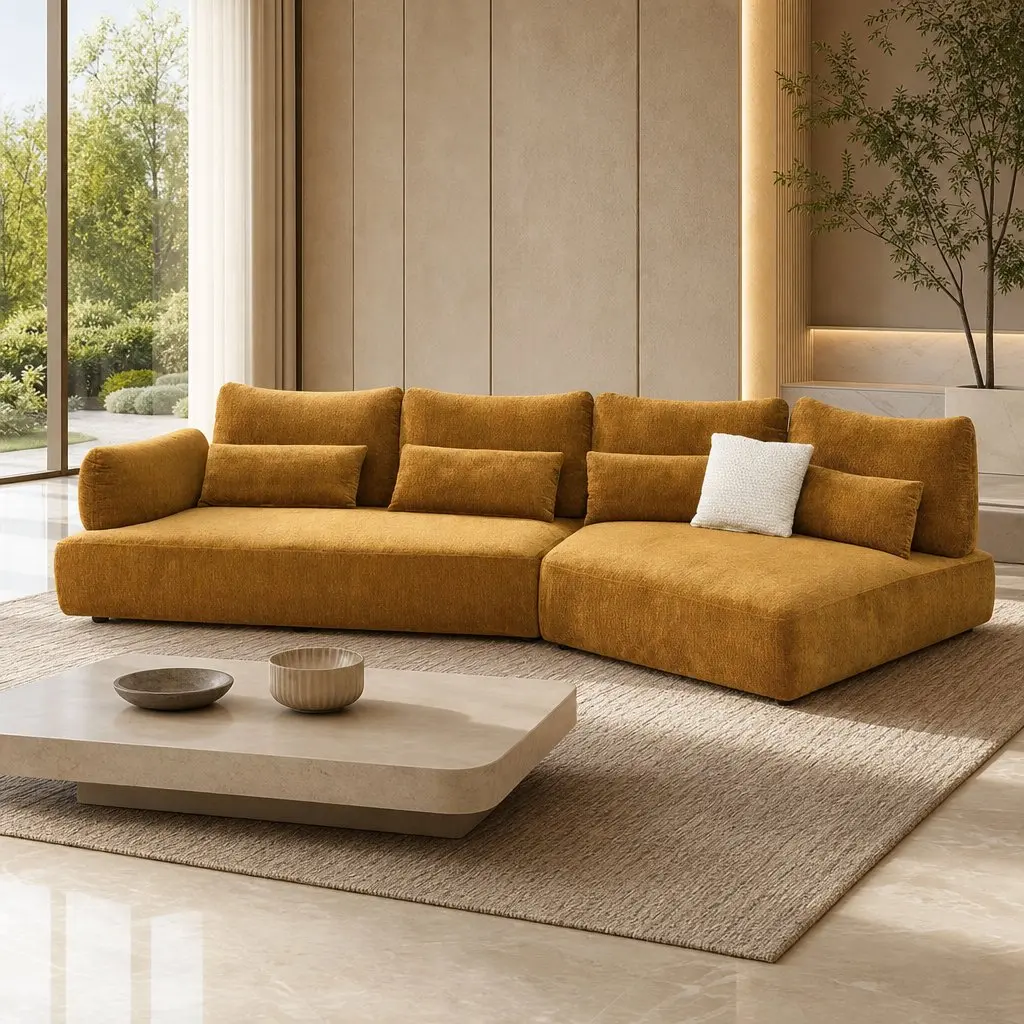
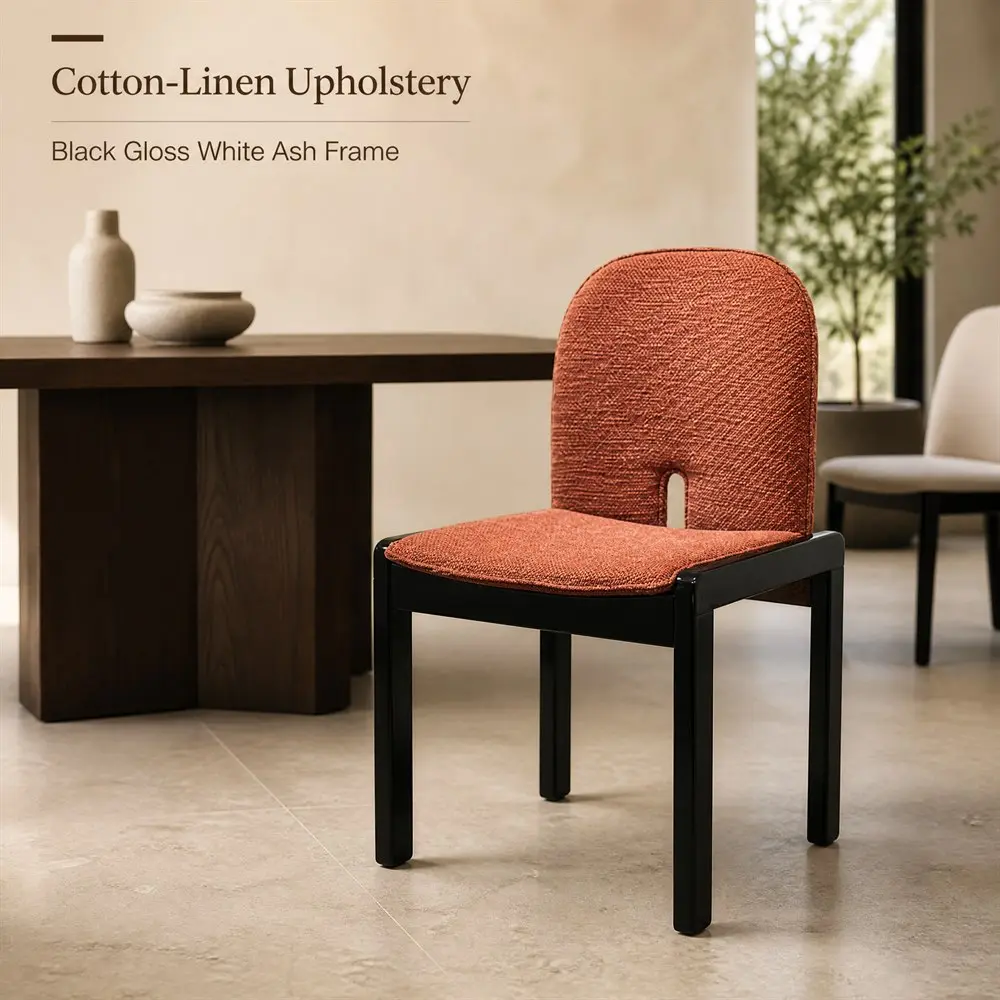
Selected Products from Our Living & Dining Furniture Program
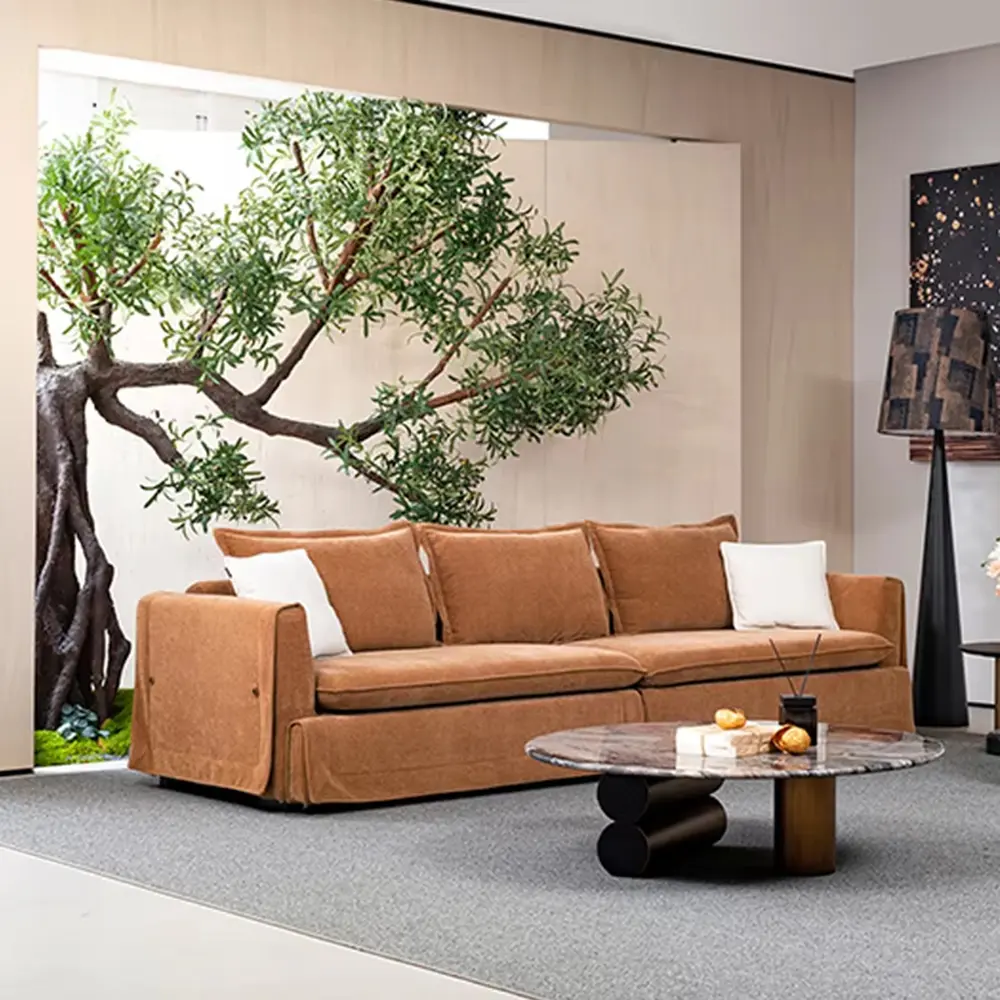
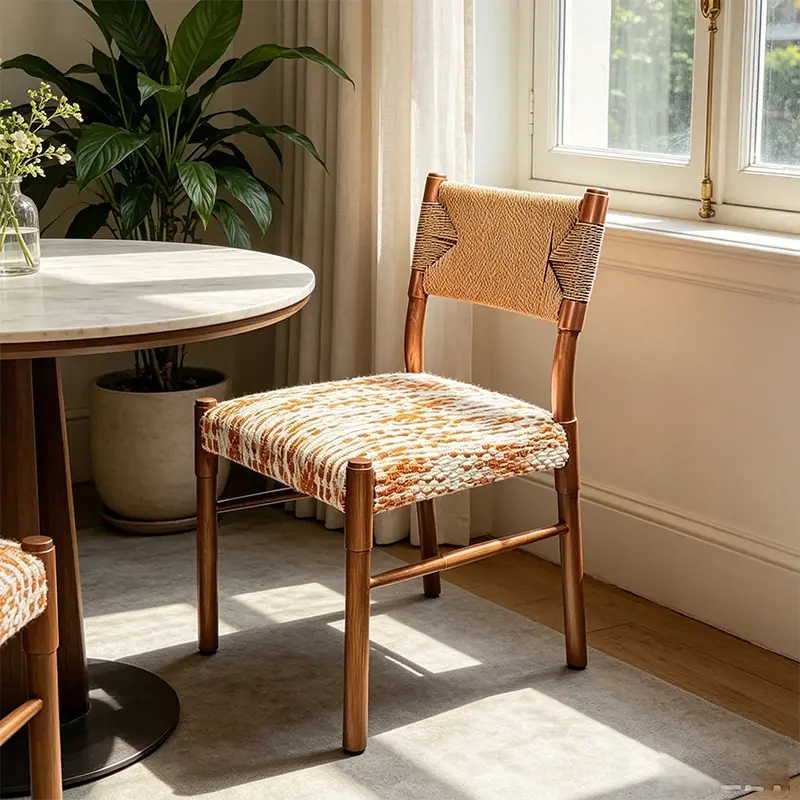
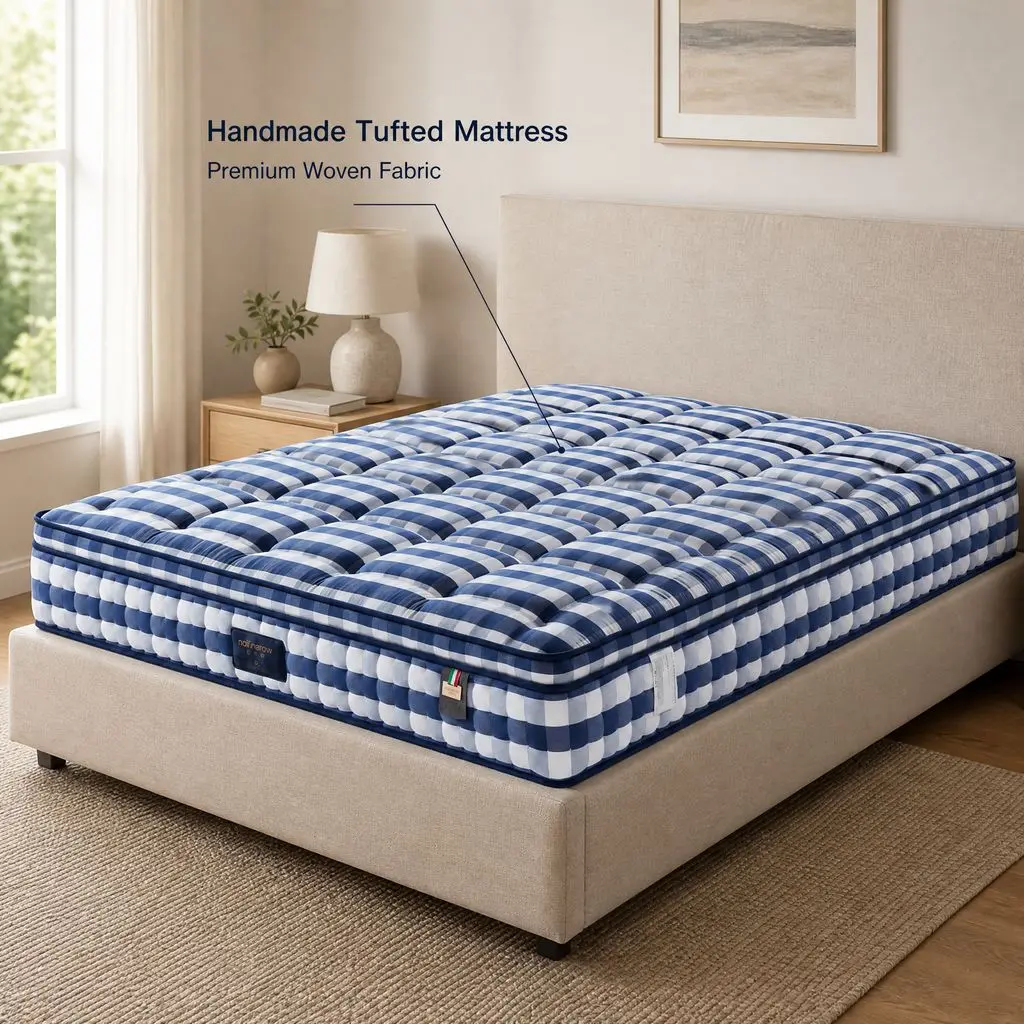
Each model below belongs to the coordinated furniture system that ships alongside our coffee tables and side tables, so a single purchase order can cover an entire living room, guestroom or dining concept.
Executive Summary
Why Coffee Tables & Side Tables Became a Strategic Category for Importers
Coffee tables and side tables sit at the intersection of design visibility and structural engineering. They are the first object a guest notices in a living room, and the object most likely to fail in service — because a low, wide table carries load on a thin visual footprint. For buyers, this makes the category deceptively complex: cosmetics are easy to copy, structural correctness is not.
Structural Depth
A 1.2 m coffee table must resist point loads, lateral racking and repeated cleaning cycles. Joints, substrate density and finish chemistry matter more than the silhouette.
Scheme Anchoring
Tables tie a room's palette together. When a sofa, dining chair and side table ship from one factory, finishes and tones align across the whole scheme.
Container Economics
Flat-pack and knock-down table design can lift loading density by 20–35% versus assembled crating, directly improving landed cost per unit.
Retail Velocity
At accessible price points, tables drive basket size and repeat purchase for e-commerce and brick-and-mortar retailers alike.
Compliance Sensitivity
Surface finishes, formaldehyde limits and tip-over stability are regulated differently per market — a table line must be localized, not simply copied.
Customization Headroom
Top shape, leg geometry, edge profile and finish can be re-specified with limited tooling changes — ideal for private-label programs.
Industry Trends
Five Structural Trends Reshaping the Coffee & Side Table Category
Between 2023 and 2026, buyer behaviour in this category shifted from commodity ordering to engineered specification. The trends below explain why sourcing teams are consolidating around fewer, more capable manufacturing partners.
- Natural & engineered stone tops. Sintered stone and compact slabs are replacing glass on mid-market programs because they resist scratching and thermal shock, and can be cut to a 6 mm profile without a bulky apron.
- Solid wood authenticity with engineered cores. Visible ash, oak and walnut grain remains a premium signal, but buyers increasingly accept engineered substrates with a 2–3 mm hardwood face for stability in dry climates.
- Soft-minimal silhouettes. Rounded corners, organic oval tops and slender cylindrical legs dominate 2025–2026 living room briefs, driven by European and North American residential interiors.
- Knock-down architecture. Tool-free or single-tool assembly now appears even at the premium end, cutting freight volume and enabling drop-shipping for online retailers.
- Finish durability as a spec line. Commercial buyers now request documented abrasion and chemical resistance ratings rather than trusting visual samples.
What This Means for Buyers
Specification depth is now the differentiator. A supplier who can document substrate density, edge-banding method, hardware rating and finish chemistry will win repeat programs — a supplier who can only provide a photo will not.
Qingyumai Position
Our R&D team develops each table platform against a written load, stability and finish brief before sampling. The same documentation is then used in pre-sale material recommendations for the destination market.
Global Procurement Demand
What Global Buyers Actually Need from a Table Supplier in 2026
Procurement behaviour differs sharply by channel. Below is a synthesis of the recurring requirements we see across importers, hospitality groups, developers and design studios — and how they map to manufacturing decisions.
Importers & Wholesalers
Priority: predictable repeatability and MOQ flexibility. They require the same finish across containers shipped months apart, and they want the option to mix table lines within one consolidation.
Hotel & Hospitality
Priority: contract durability and documented compliance. Guestroom side tables must survive frequent sanitizing, and public-area coffee tables are specified against high-cycle load testing.
Property Developers
Priority: schedule certainty and scheme coherence. Tables must arrive coordinated with sofas and beds, on a fixed installation date, with damage-free packing across multi-site deliveries.
Interior Design Firms
Priority: design fidelity and material substitution clarity. When a specified marble is unavailable, the supplier must propose an equivalent that preserves the design intent, not simply a cheaper option.
Macro Solutions
An Integrated Manufacturing Model for Table Procurement
Qingyumai is the export brand of Foshan Qingyumai Technology Co., Ltd. — an integrated manufacturer in Longjiang, Shunde, covering R&D, production and international sales. For table programs, this structure removes the coordination risk that normally sits between a trading company and several workshops.
In-House Engineering
Drawings, structural calculations and edge-detail decisions are handled internally, so a revised leg profile or apron height does not require a third-party tooling negotiation.
Material Pooling
Stone, glass, veneer and metal sourcing is pooled across categories, which keeps table finishes consistent with our sofa and casegoods programs.
One QC Standard
Internal QC engineers audit production lines for structural durability and finish consistency, applying the same checklist across partner factories.
Mixed Container Loading
Post-sale teams consolidate tables, sofas, beds and dining into one container, planning loading space to reduce ocean freight cost per unit.
Value Engineering
Scale-driven direct supply bypasses regional distributors, so cost savings are passed to partners instead of being absorbed by intermediaries.
19 Coordinated Categories
Living room, bedroom, dining, office, salon, outdoor and hotel furniture ship under one purchase order, one quality standard and one shipping plan.
Localization & Compliance
Regulatory Reality: Why One Table Specification Cannot Serve Every Market
Surface finishes, adhesives and tip-over behaviour are regulated differently across destination markets. A responsible supplier treats compliance as a pre-sale input, not a post-shipment problem.
- Formaldehyde and VOC limits. Panel-based tops and aprons must respect market-specific emission classes; pre-sale consultants recommend material configurations aligned with destination standards.
- Tip-over stability. A narrow, tall side table in a family household may require a wall-anchoring kit as a standard accessory, not an optional extra.
- Flammability of upholstered components. Where a table includes fabric drawer liners or a padded ottoman, contract fabric grades are specified.
- Labeling and packaging declarations. Carton marking, language of assembly instructions and recycling marks are localized per market.
- Moisture and climate adaptation. Solid timber in dry, centrally-heated interiors needs different moisture content targets than stock destined for humid coastal markets.
The Compliance Checkpoint
Before mass production, our pre-sale consultants document the intended market and flag any material, finish or accessory decision that could conflict with local requirements. This is a written step in the workflow, not a verbal courtesy.
Localized Support
Assembly documentation, carton language and accessory kits are adapted per region. Multi-site project deliveries can be sequenced to site-handover dates rather than a single bulk shipment.
Technology Roadmap
A Five-Year View: How Table Manufacturing Will Change
Manufacturing technology in this category advances slowly, but the direction is clear. The roadmap below reflects where we are investing engineering attention for 2025–2030.
2025 — Digital First Sampling
3D modeling and precision prototyping reduce the sample cycle, letting buyers validate geometry and proportion before a physical build is made.
2026 — CNC Edge Refinement
Computer-controlled edge profiling allows consistent radii on curved tops across production runs, removing the variance manual sanding introduces.
2027 — Finish Traceability
Batch-level documentation of finish chemistry and application parameters, so a reorder can be matched to the original container rather than to a sample swatch.
2028 — Lower-Carbon Substrates
Recycled-content cores and low-emission adhesives move from pilot to standard specification, driven by retailer sustainability questionnaires.
2029 — Modular Standardization
A shared hardware and leg-interface library across table ranges, reducing tooling cost for custom programs and accelerating private-label launches.
2030 — Full Digital Twin
Each shipped table program accompanied by a digital record covering materials, finishes, hardware and compliance documentation for the life of the product.
Planning a Coffee Table or Side Table Program?
Request the current catalog, material options and customization guide. Our export team will help you plan categories, configurations and container loading for your market.
Request the Catalog
Buyer Q&A
Frequently Asked Questions — Coffee Tables & Side Tables
Is Qingyumai a manufacturer or a trading company for tables?
Qingyumai is the export brand of Foshan Qingyumai Technology Co., Ltd., an integrated manufacturer covering R&D, production and international sales with its own production facility in Shunde, Foshan. For table programs we also coordinate a network of audited partner factories so every category ships under one quality standard and one purchase order.
Can coffee tables and side tables be customized in size and finish?
Yes. We customize dimensions, upholstery and frame colors, fabric grades and branding such as woven labels and embossed logos. For tables this extends to top shape, edge profile, leg geometry, substrate selection and finish chemistry within the limits of existing tooling.
Can tables ship in the same container as sofas, beds and mattresses?
Yes. Our post-sale team handles container consolidation across categories, planning loading space to reduce ocean freight cost per unit while using multi-layer export crating to prevent transit damage.
How do you control table quality during mass production?
Our internal QC engineers carry out on-site production line audits that check structural durability and finish consistency, and pre-sale consultants recommend material configurations aligned with the regulatory standards of your destination market.
Do you support hospitality and contract-grade table requirements?
We supply furniture wholesalers and importers, hotel and hospitality procurement teams, property developers, interior design firms, salons and residential clients that need coordinated furniture for multiple rooms. Contract programs are specified against written load, stability and finish briefs.
Where is your factory located?
We are located in Hui Cheng Industrial Park, Longjiang Town, Shunde District, Foshan, Guangdong, China, one of the world's best-known furniture manufacturing hubs. Buyers are welcome to arrange factory and showroom visits.
Coordinated Living & Dining Pieces
Complete the Scheme — More Factory Models for One Purchase Order
Tables rarely ship alone. These companion pieces let you build a coordinated living, dining and bedroom program from a single factory partner.