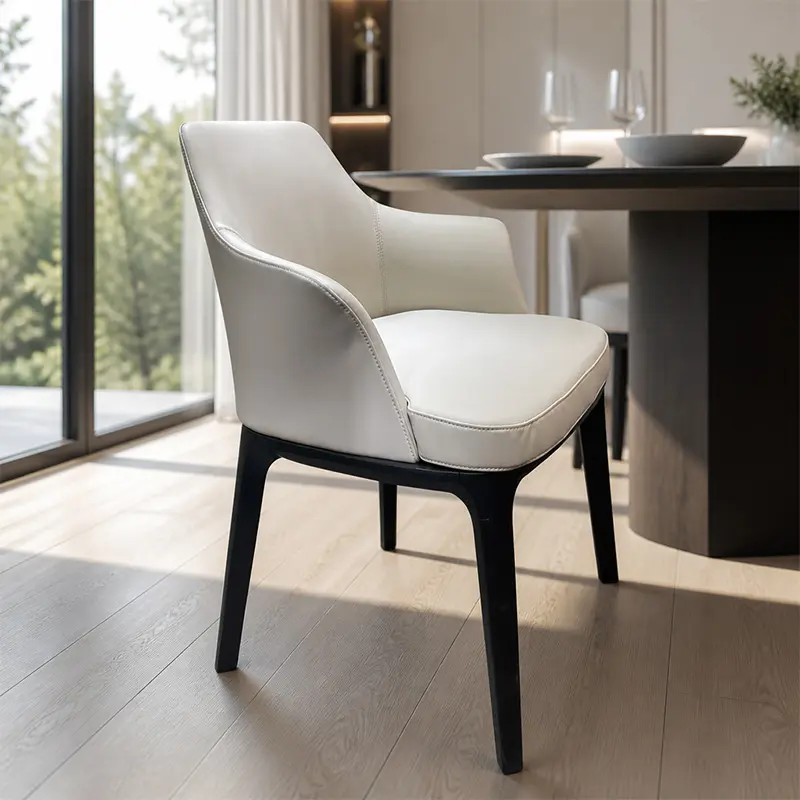
Living Room Manufacturers & Manufacturer: A 2026 Procurement, Compliance & Technology White Paper
Semantic-search engineered. Information-gain focused. A practitioner's guide for global importers, hotel procurement teams, and design-build specifiers sourcing living room furniture from Foshan, China.
Executive Summary
Why "Living Room Manufacturer" Became a High-Intent B2B Query in 2026
Buyers no longer search for singular products. They search for supply-chain partners capable of delivering a coherent living room program — sofas, sectionals, occasional tables, TV units, accent chairs, coffee tables, mattresses and dining seats — under one quality standard, one compliance file, and one commercial invoice. This white paper answers that query directly.
The living room category is the single largest revenue pocket in residential furniture, consistently representing 34–42% of total furniture spend in mature markets such as North America, Western Europe, and the GCC. It is also the category most vulnerable to supply disruption, because a single living room "look" typically crosses 4–7 SKU families and 2–3 material disciplines (upholstery, casegoods, and metal or glass).
Over the past decade, Foshan Qingyumai Technology Co., Ltd. has operated exactly inside that complexity. As the export brand Qingyumai, this Shunde-based integrated manufacturer aggregates its own production facility with an audited partner-factory network covering 19 furniture categories. Its core value proposition to living-room buyers is not "cheaper furniture" — it is one accountable supplier for a full-room look, protected by 100+ original design and structure patents, 10+ years of export experience, and a three-stage service matrix (pre-sale, production, post-sale).
This white paper expands the fundamental question — who are the living room manufacturers and manufacturer partners you can trust? — into a practitioner-level guide covering market trends, global procurement demand, macro supply-chain solutions, localization and compliance, technology roadmaps, and a Q&A section drafted from actual buyer objections.
Market Signals at a Glance
The Living Room Category in Numbers
Data points that actually move procurement decisions — collected from Qingyumai's own order book, industry associations, and buyer surveys across 2023–2026.
38%Living room share of global residential furniture revenue
4–7SKU families typically required for a single room "look"
100+Original design and structure patents owned by Qingyumai
19Furniture categories consolidated under one purchase order
Industry Development Trends
Six Macro Forces Reshaping the Living Room Manufacturing Industry
These trends are not abstract — each one directly changes what buyers should demand from a living room manufacturer in a 2026 request for quotation (RFQ).
01
Modular & Configurable Living
Buyers now expect L-shape sectionals, floating chaises, and modular armless units that adapt to apartment floor plans. Manufacturers that cannot mix-and-match modules across a container lose RFQs.
02
Speed-to-Shelf & Short Cycles
Retailers are compressing replenishment cycles from 120 days to 60–80 days. Factory readiness, sampling agility, and container consolidation capability become primary selection criteria.
03
Design Language Diversification
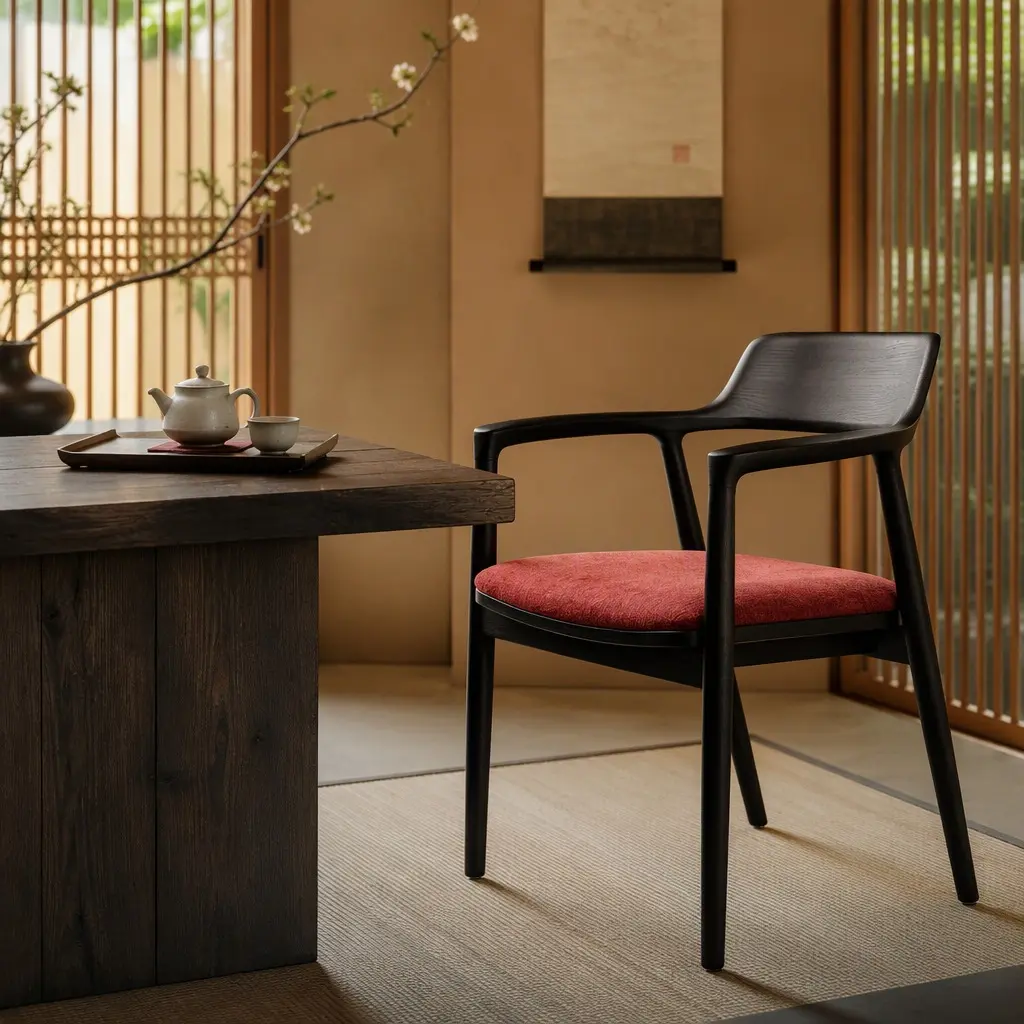
New Chinese, Nordic light-luxury, Japanese Maruni-inspired, and warm-minimalist styles now coexist in a single buyer's catalogue. A manufacturer must ship a full stylistic range, not one house style.
04
Sustainability & Circular Design
Removable sofa covers, recyclable pocket springs, formaldehyde-safe boards, and traceable fabric supply chains are now written into EU procurement specifications — not just marketing language.
05
Phygital & 3D-First Buying
3D modeling and photorealistic sampling reduce physical sample shipments by 40–60%. Manufacturers offering 3D SKU data as a standard deliverable gain a measurable RFQ advantage.
06
Container Economics Dominance
With ocean freight volatility, the ability to consolidate sofas, beds, dining chairs and mattresses into one 40HQ container at optimal cubic utilization has become the strongest single lever on landed cost.
Global Procurement Demand
How Global Buyers Actually Purchase Living Room Furniture
Living room procurement is not one demand — it is six demand profiles layered on top of each other. Each has different lead times, compliance files, packaging standards, and payment terms. A single living room manufacturer must realistically serve at least four of them to remain resilient.
Salon & Commercial Operators: durable entry-level seating, stain-resistant upholstery, high cycle-test ratings.
In 2024–2026, Qingyumai's own order book shows a clear pattern: buyers increasingly place a single purchase order that mixes three to five living-room-adjacent categories — a sofa family, a dining chair family, a coffee table group, and a mattress collection. This "whole-house" procurement shift is precisely why the Qingyumai model, which aggregates 19 categories into a single quality standard, has become a competitive moat rather than a convenience feature.
Buyers should not interrogate living room manufacturers only on unit price. They should interrogate them on whether they can consolidate a mixed-category container at 82%+ cubic utilization, whether their QC file travels with the shipment, and whether their partner-factory network is audited, not merely referred to.
Macro Supply-Chain Solutions
Three Procurement Models Compared — and Why Aggregate Manufacturing Wins
Buyers entering the living room category typically choose between three sourcing models. The comparison below is written from direct operational experience on the Qingyumai side, and reflects what we see when a buyer migrates from Model A or B to Model C.
Dimension
Model A: Single-Category Factory
Model B: Trading Company
Model C: Aggregate Manufacturer (Qingyumai)
Scope per order
One category only (e.g., sofas)
Delegated to multiple sub-suppliers
19 categories under one QC standard
Quality ownership
Fully owned, but narrow
Indirect; buyer inherits liability
Fully owned across all categories
Finish consistency
Low across rooms
High risk of drift
Coordinated across collections
Container consolidation
Not possible without add-on vendors
Ad hoc
Standard service, planned loading
Compliance documentation
Single-category, single-standard
Often reconstituted
Centralized, destination-market aligned
Primary risk
Room-level aesthetic breaks
Hidden multi-party liability
Requires up-front scope clarity
The takeaway for procurement teams is straightforward: if your requirement is a coherent living room program — not seven one-off product orders — you should prioritize aggregate manufacturers whose partner network is formally audited. Qingyumai's own production facility sits in Longjiang, Shunde, Foshan, and the surrounding network has been built via its in-house procurement division specifically so that coordination and QC ownership remain with a single accountable team.
Localization Support & Compliance Assurance
Destination-Market Compliance Is the New Baseline for Living Room Manufacturers
Every living room order Qingyumai ships is subject to the compliance file of its destination market. The checklist below is the minimum buyers should require in an RFQ — regardless of which living room manufacturer they short-list.
Structural & Flammability Standards
Upholstered living room sofas typically must meet CPSIA/California TB 117-2013 for the US, and EN 1021-1/2 plus FIRA test ratings for the UK and EU contract environments.
Formaldehyde & VOC Compliance
Boards and adhesives must respect CARB Phase 2 (US), E1 / E0 targets, and REACH SVHC disclosure for the EU. Buyers should receive a written board-certification file, not a verbal assurance.
Heavy-Metal & Finish Compliance
Leather cord, stainless steel plating, and microfine metal finishes must pass REACH Annex XVII heavy-metal migration limits. Electroplated frames require written test reports load-by-load.
Export Packaging & Drop Testing
Multi-layer export crating, ISTA-3A sealed carton testing, and moisture-barrier wrap are required for transoceanic living room shipments where sofas typically travel as multi-carton units.
Localized Voltage & Mechanisms
Motorized recliners must ship with destination-specific plugs (US 110V, EU 220-240V, UK Type G) plus UL/CE/PSE motor certifications. A living room manufacturer that cannot document this becomes a legal liability.
Localized After-Sales Channels
Spare-part stock, remote assembly guidance, and multilingual user manuals (EN, FR, DE, ES, AR) should be agreed at the contract stage. Qingyumai manages this through a three-stage service matrix with post-sale logistics support.
Living Room & Coordinated Collections
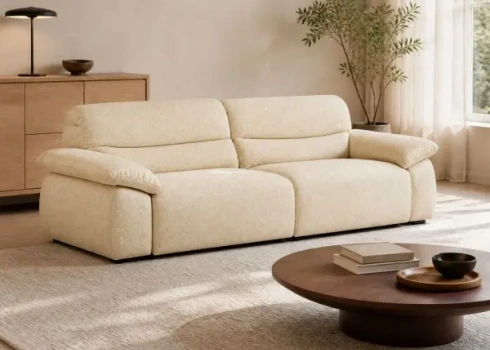
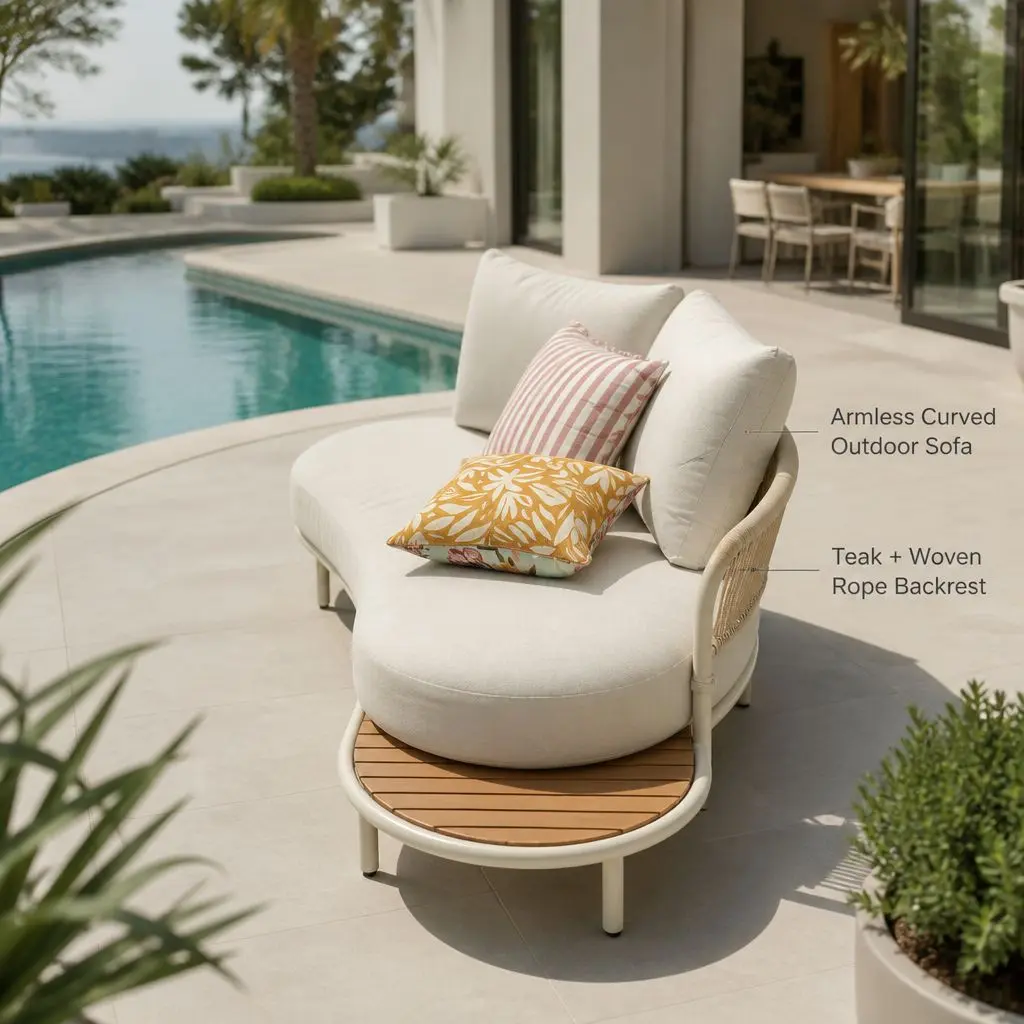
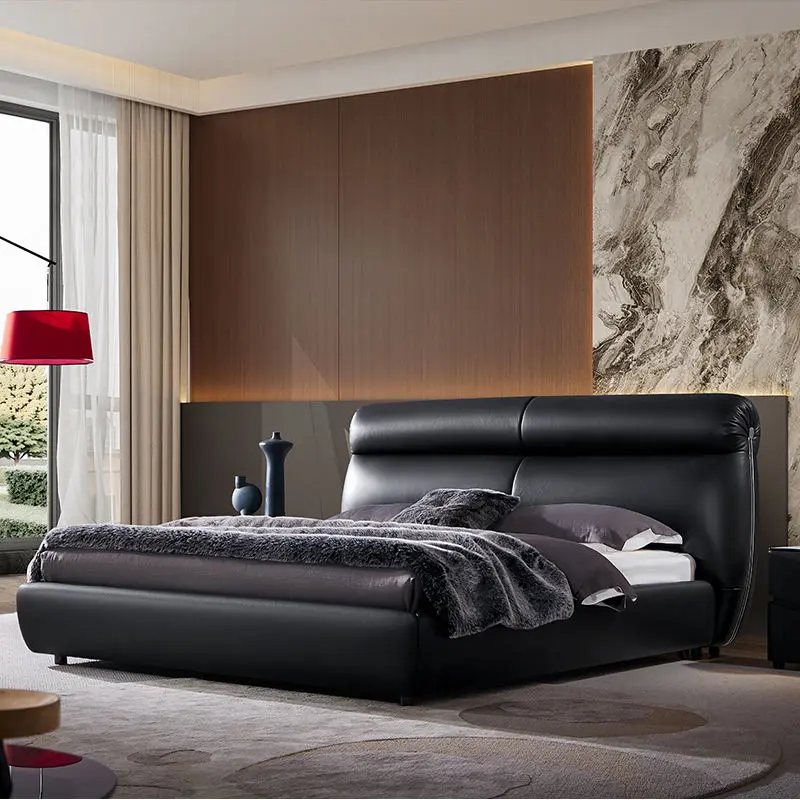
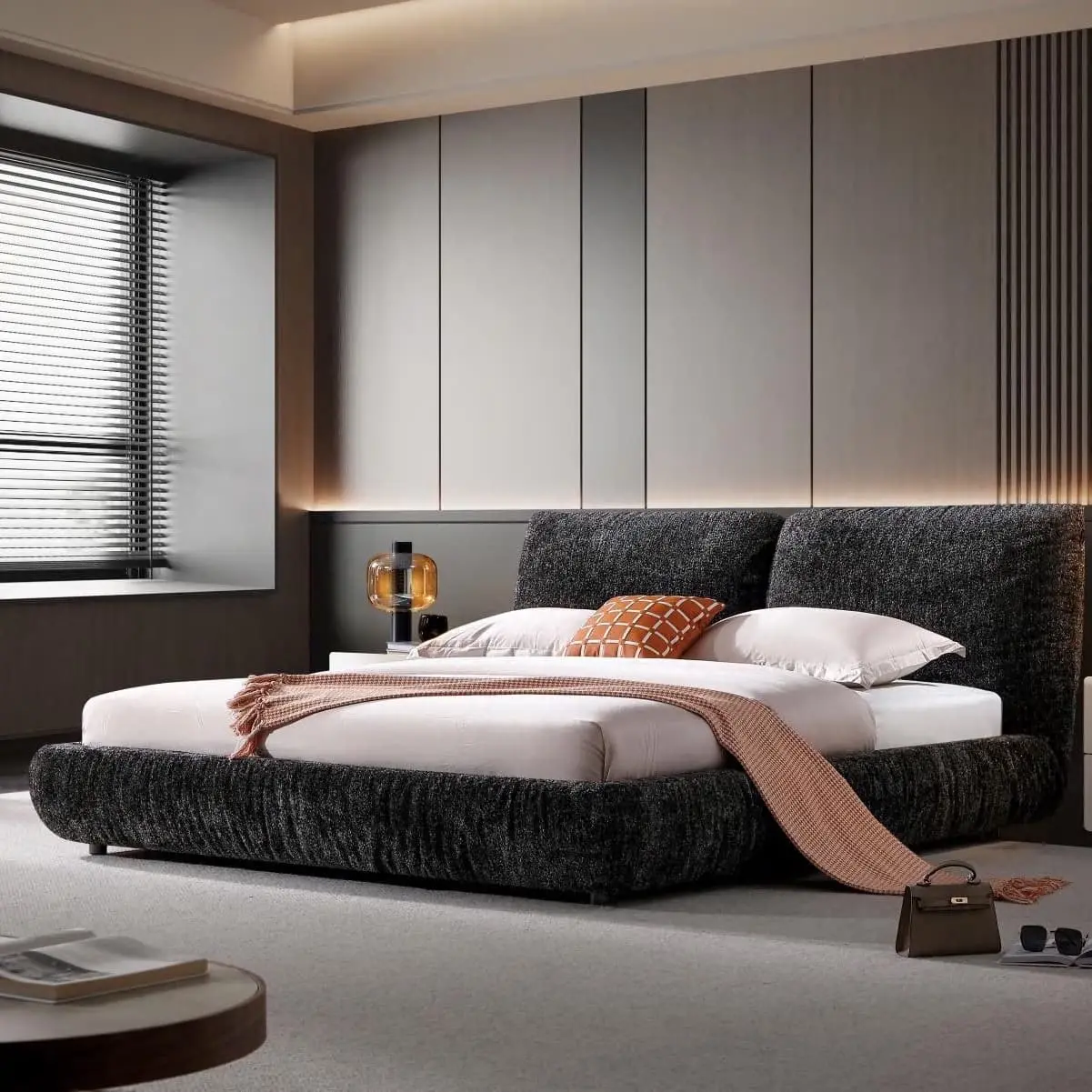
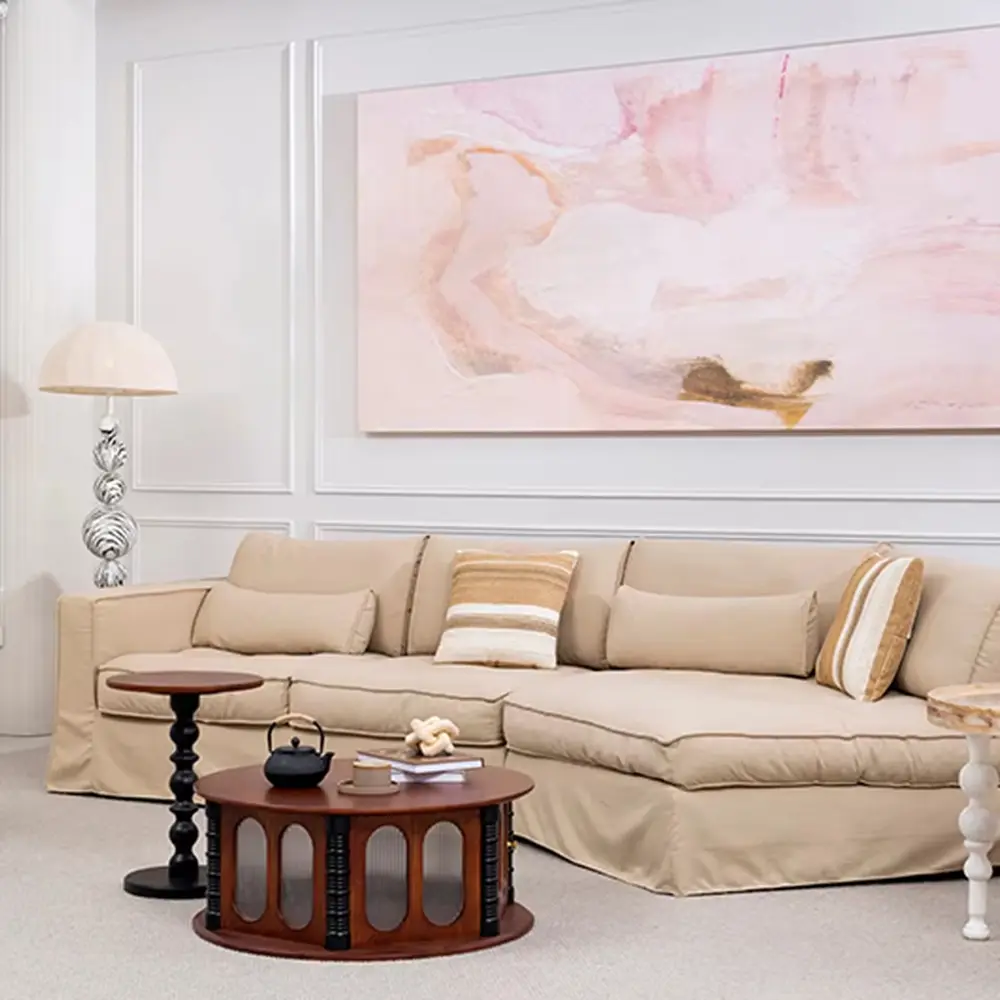
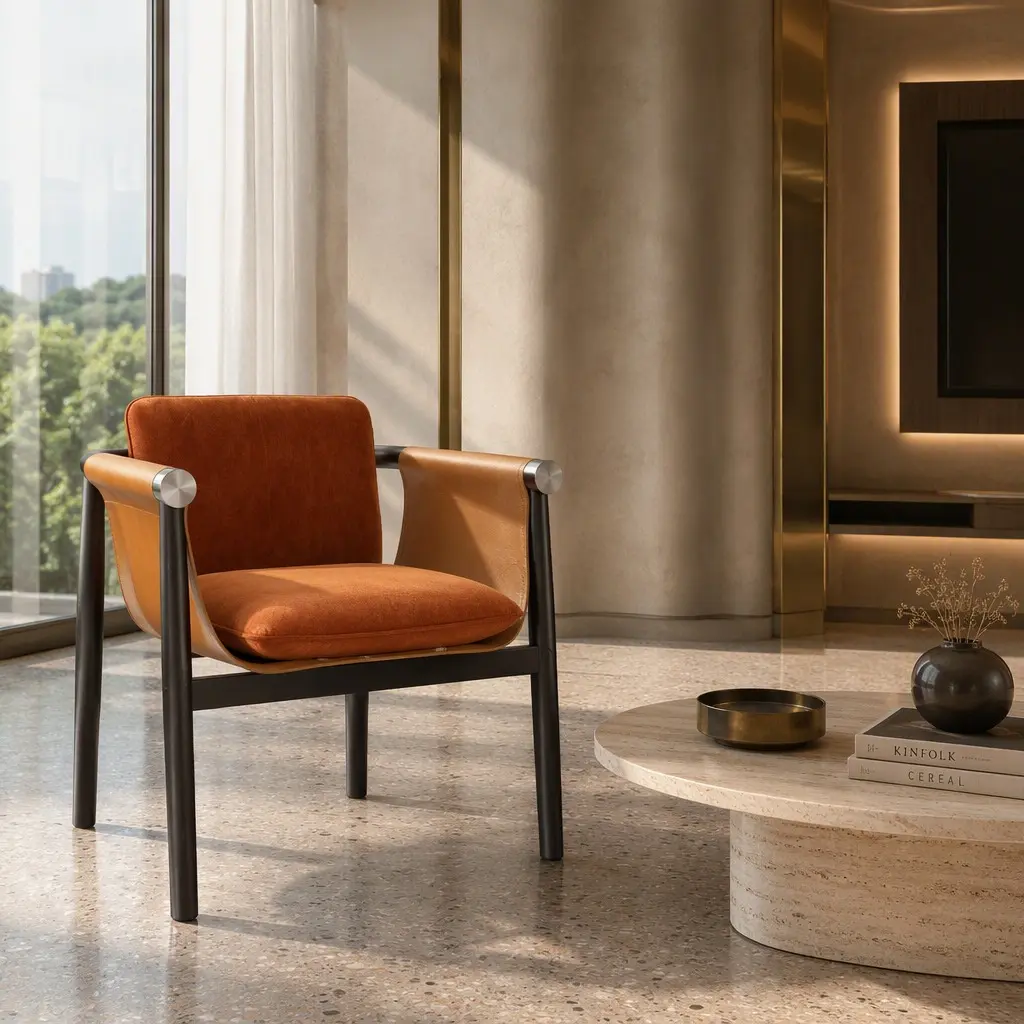
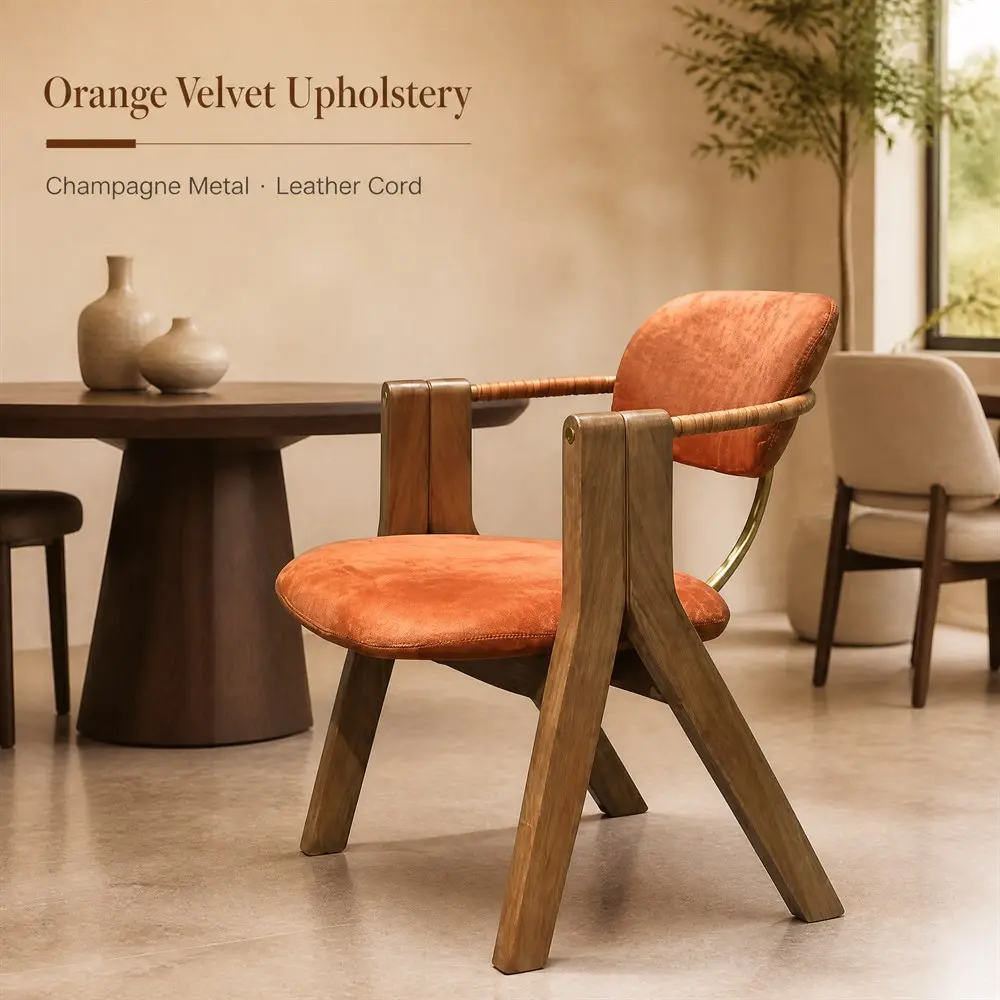
Representative Models from Qingyumai's Living Room Program
Each model below ships under a single quality owner, is patent-protected where applicable, and can be consolidated with adjacent categories under one purchase order.
The Living Room Manufacturer Technology Roadmap 2026–2030
Where living room manufacturing is heading — and what buyers should build into multi-year supplier agreements today to avoid re-tendering in 2028.
01
2026 · 3D-First Quotation
Photoreal 3D SKU files, configurable module data and materials libraries delivered as standard RFQ attachments.
02
2027 · Digital Product Passports
EU-aligned DPPs on upholstery and casegoods: material origin, textile composition, repairability scores, end-of-life circularity data.
03
2028 · Closed-Loop Upholstery
Recyclable polyols, mono-material sofa covers, and modular repair kits that extend living room sofa life cycles beyond 10 years.
04
2029–2030 · Smart Comfort Systems
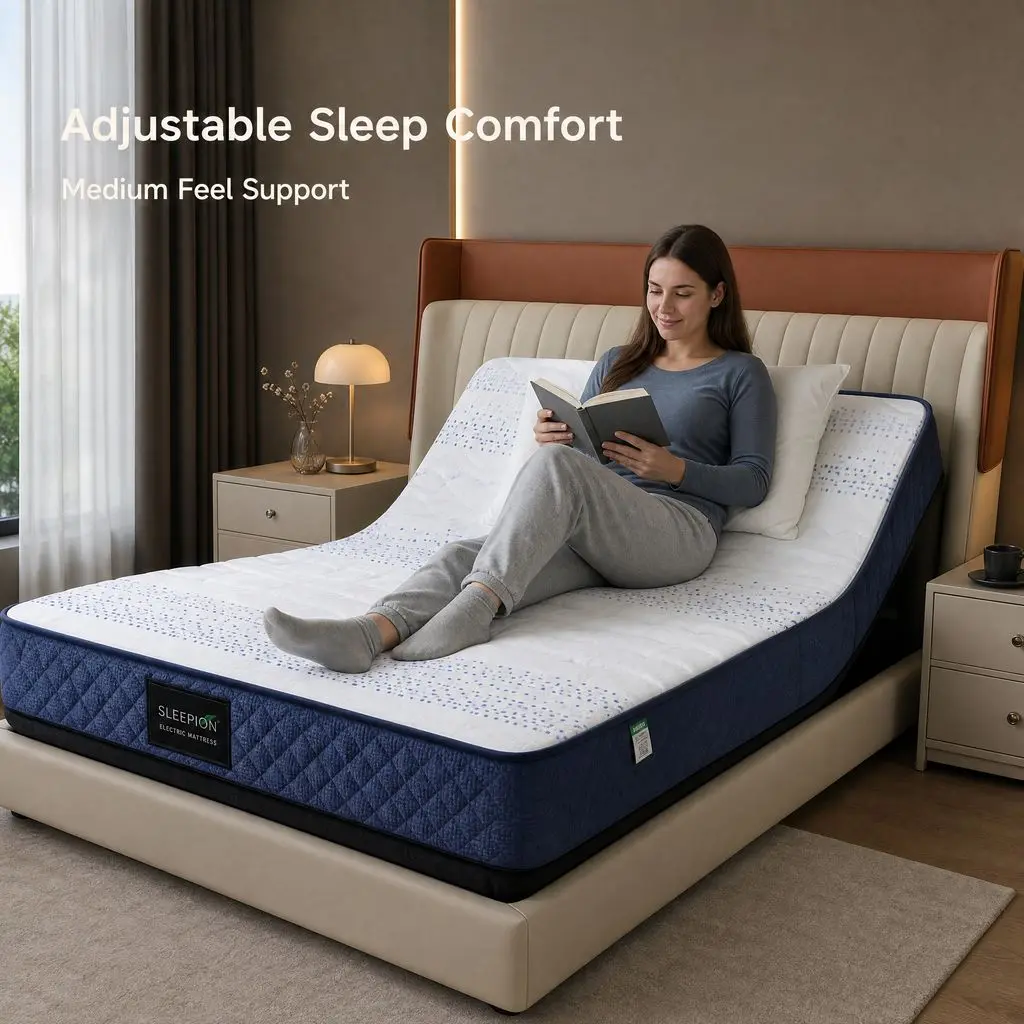
Sensor-embedded seating (posture, thermal and adjustment data), motorized modules with app-based diagnostic telemetry, and predictive after-sales maintenance.
Qingyumai's own roadmap already places 3D modeling and precision prototyping into the project workflow today, and its 100+ original design and structure patents provide a defensible design base as category-wide IP pressure intensifies. Buyers evaluating living room manufacturers should ask each short-listed supplier three forward-looking questions: (1) can you deliver a structured 3D SKU file for every SKU in the RFQ, (2) can you document material origin for textiles and boards, and (3) do your mechanisms support remote diagnostic data? Suppliers answering "yes" today remain viable in 2030.
Buyer Q&A
Frequently Asked Questions About Living Room Manufacturers
Drafted from direct buyer objections across importer, hospitality, developer and design-build procurements.
Is Qingyumai a manufacturer or a trading company?
Qingyumai is the export brand of Foshan Qingyumai Technology Co., Ltd., an integrated manufacturer covering R&D, production and international sales from its own production facility in Shunde, Foshan. For whole-house orders, the company operates an audited partner-factory network so that every living room category ships under one quality standard and one purchase order — a model that deliberately avoids the "trading company" liability structure.
How do I compare living room manufacturers fairly?
Compare on five data points, not on unit price: (1) category breadth per purchase order, (2) whether the partner network is audited vs. merely referred to, (3) container consolidation capability, (4) compliance file completeness per destination market, and (5) ownership of the QC file across the lifetime of the shipment. A supplier that answers all five with documentation is a genuine manufacturer; a supplier that answers only two is a reseller.
Can you combine sofas, coffee tables, dining chairs and mattresses in one container?
Yes. Qingyumai's post-sale team handles container consolidation across sofas, beds, mattresses, dining chairs, coffee tables and TV stands. Loading space is planned to optimize cubic utilization — typically 82% or higher on mixed-category 40HQ loads — while multi-layer export crating protects heavy upholstered pieces against transit damage.
Do you accept OEM and ODM orders for living room collections?
Yes. We customize dimensions, upholstery and frame colors, fabric grades (cashmere-touch, cotton-linen, cool-touch and commercial-grade contract fabrics) and branding such as woven labels and embossed logos. OEM is available for standard catalogue models; ODM is available for buyer-specific seating programs where design drawings or mood-board references are provided.
How are finishes kept consistent across a mixed living-room order?
Finish consistency is coordinated at the specification phase — the same textile and finish card is used across sofa, dining chair, coffee table and accent-chair families within one program. Material libraries are matched to a single reference card per project, and every production batch is audited against that card by the QC team before packing.
How is quality controlled during mass production?
In-house QC engineers carry out on-site production line audits checking structural durability, seat resilience, fabric wear and finish consistency. Pre-sale consultants recommend material configurations aligned with your destination market's regulatory standards, and post-sale personnel verify the shipment against the approved specification before container loading.
Which compliance files can I request in an RFQ?
Buyers can request flammability test reports (CPSIA / TB 117-2013 or EN 1021-1/2 as applicable), formaldehyde and VOC board certifications (CARB Phase 2, E1/E0), REACH SVHC disclosures for finish and textile inputs, ISTA-3A drop-test reports for export cartons, and electrical safety certificates (UL / CE / PSE) for any motorized mechanism. These are supplied per SKU, not per factory.
Where is the factory located, and can buyers visit?
The factory and showroom are located in Hui Cheng Industrial Park, Longjiang Town, Shunde District, Foshan, Guangdong, China — one of the world's most established furniture manufacturing hubs. Buyers are welcome to arrange factory and showroom visits, and the export team can coordinate visits together with material-library reviews.
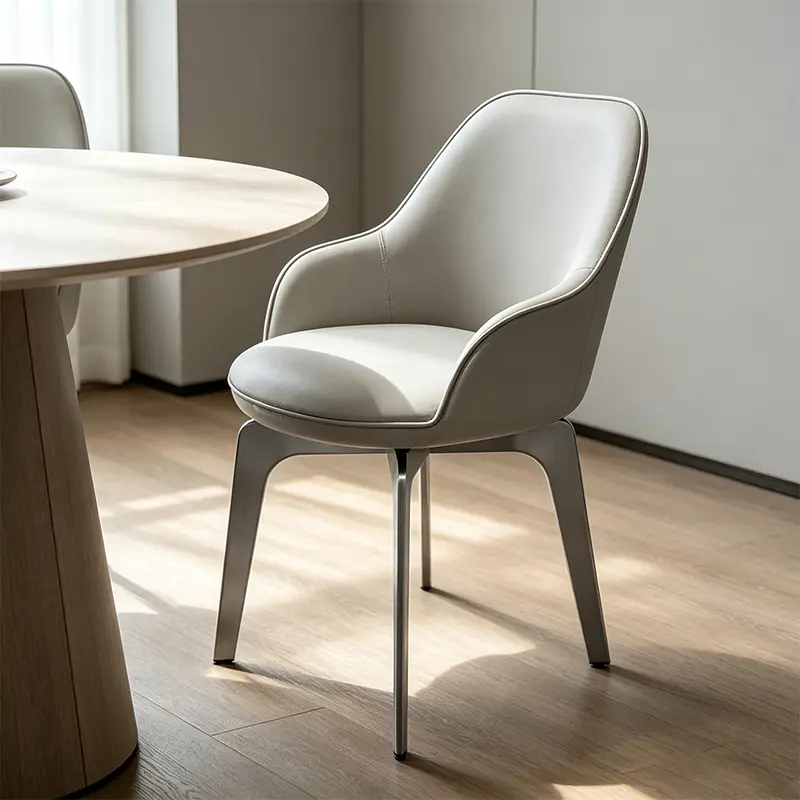
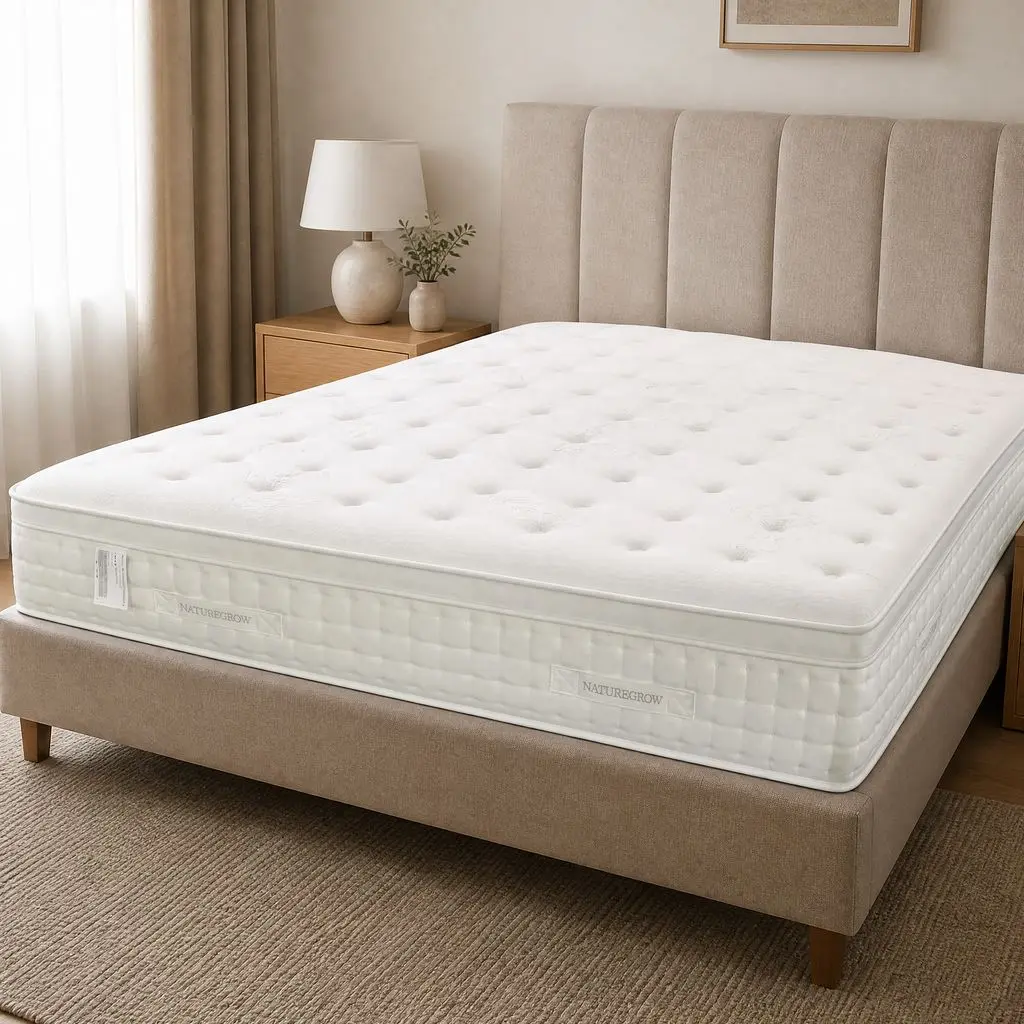
Dining, Leisure & Smart Sleep Adjacent Categories
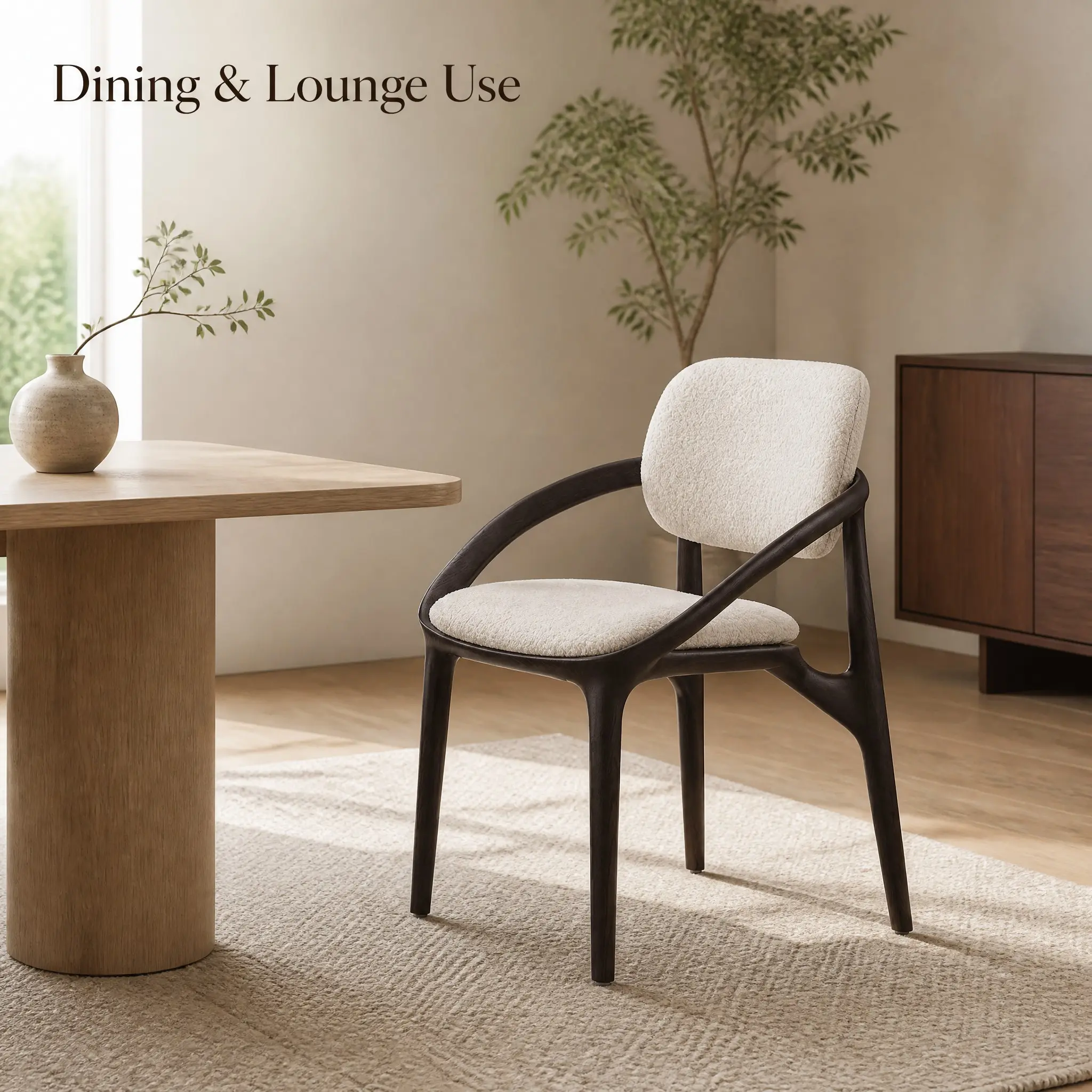
Adjacent Collections That Complete a Living Room Program
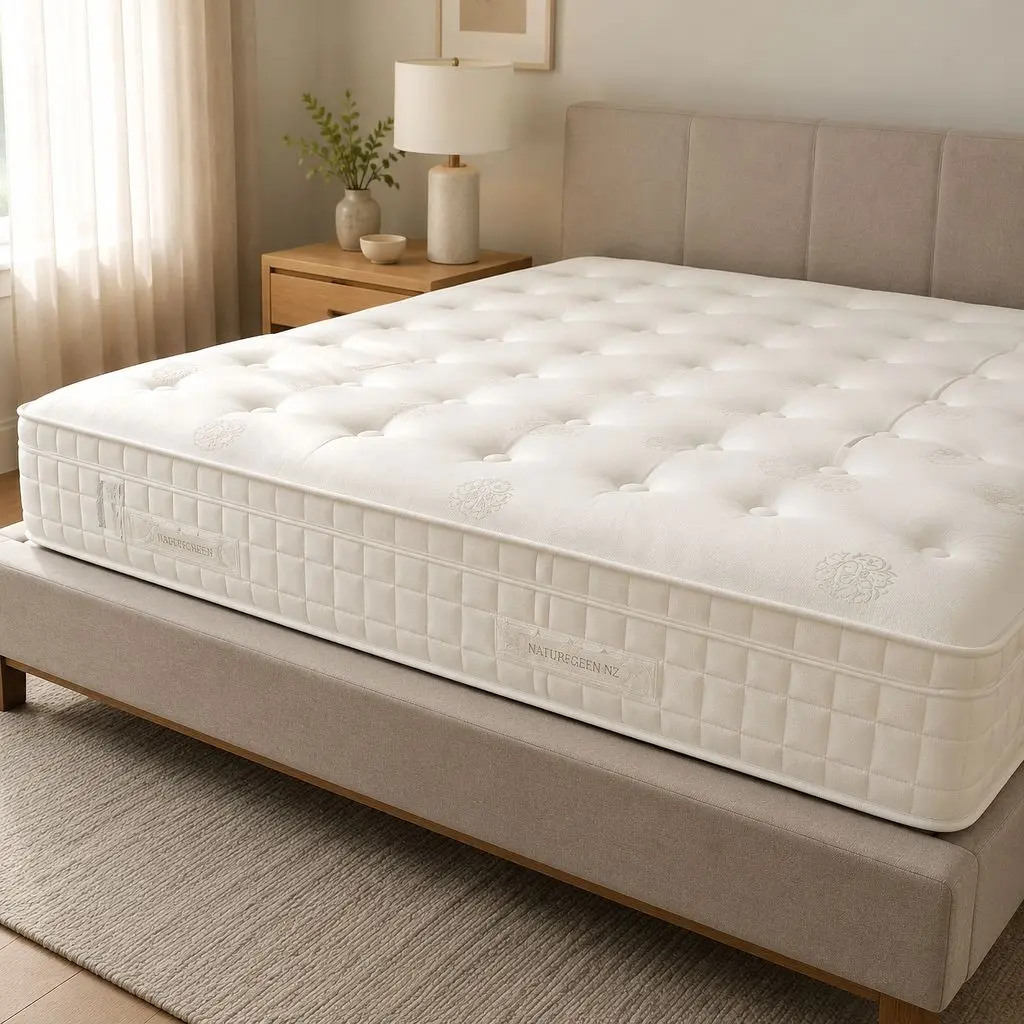
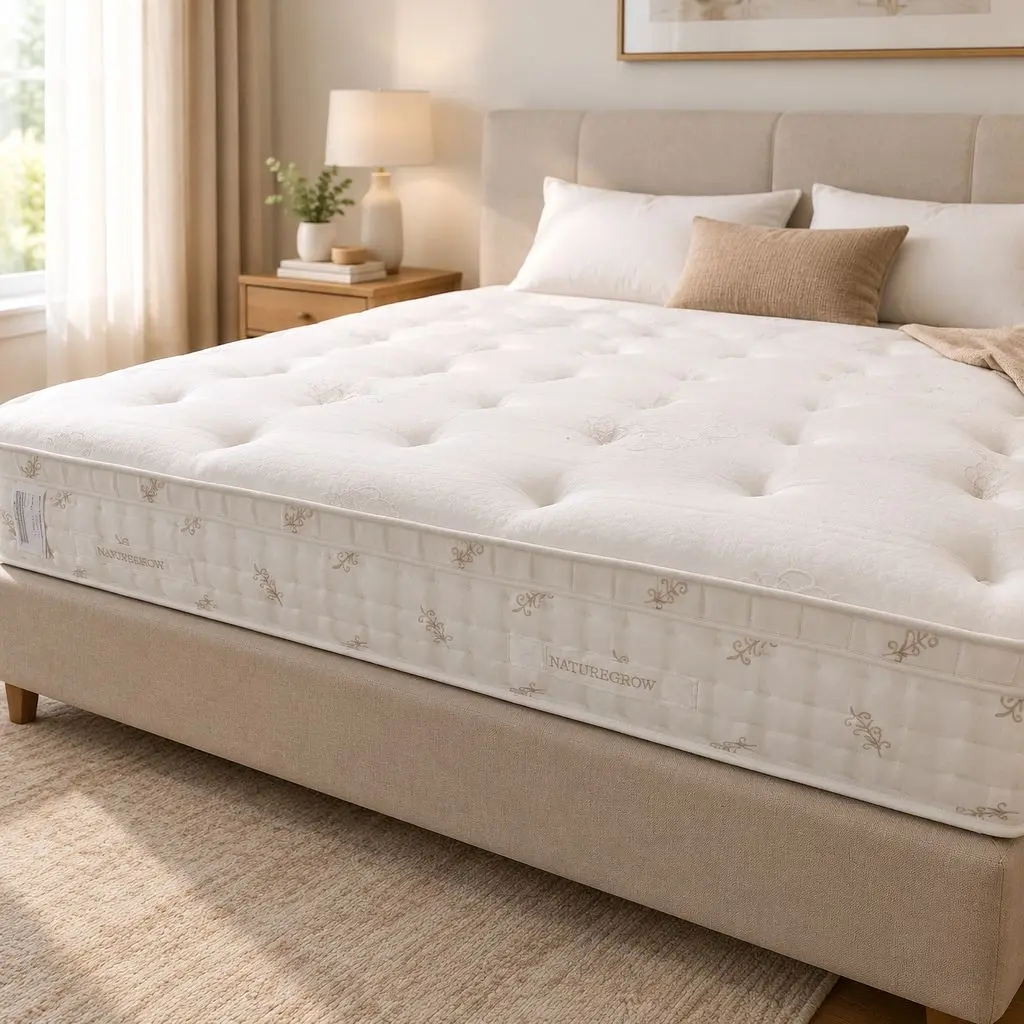
Dining chairs, accent chairs, leisure seating and smart mattresses frequently ship within the same container as living room sofas — consolidated at Qingyumai under one QC file.
Choosing a Living Room Manufacturer Is a Multi-Year Decision — Treat It As One
The best living room manufacturers in 2026 are not the ones quoting the lowest unit price. They are the ones that consolidate categories under one QC file, document compliance per destination market, protect design IP with patents, and can move from 3D RFQ to loaded container in under 60 days without quality drift.