
Featured Programme · Part 01
Living Room & Media-Wall Product Lines
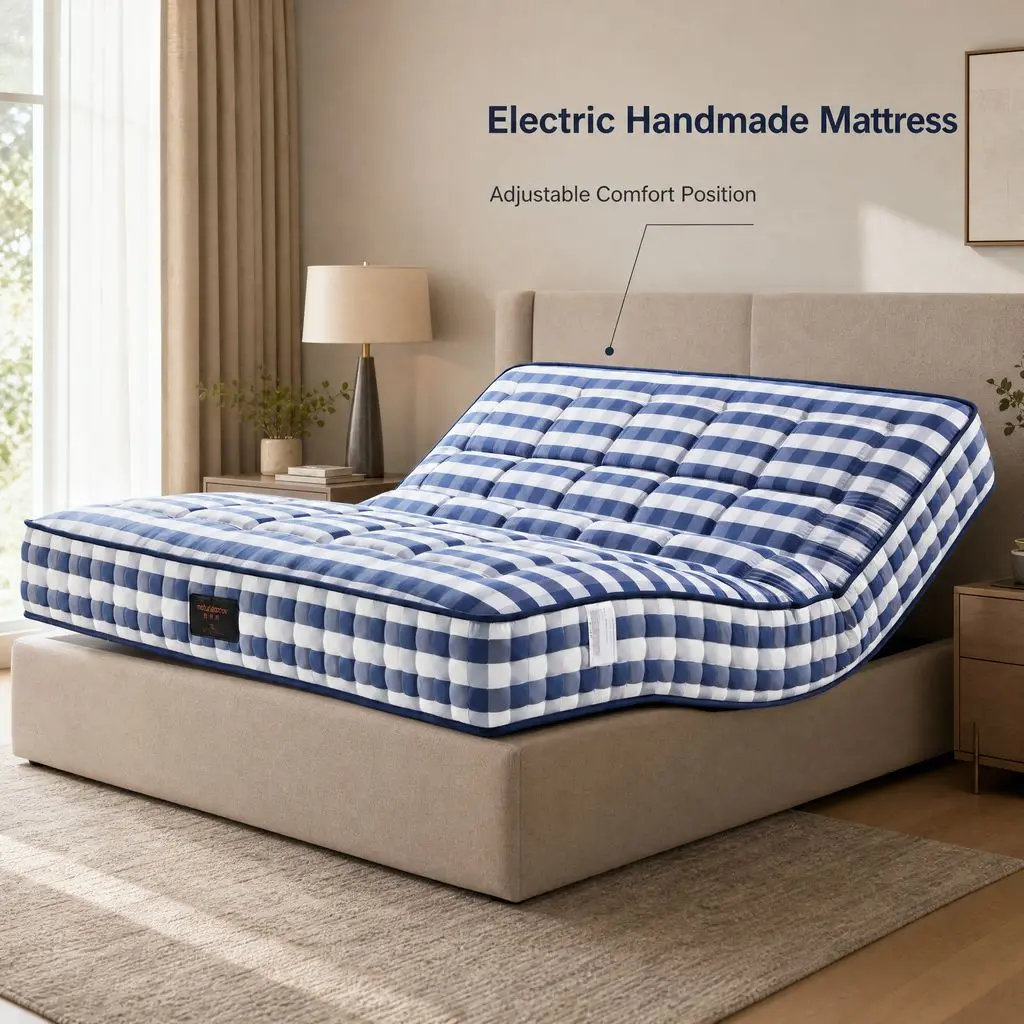
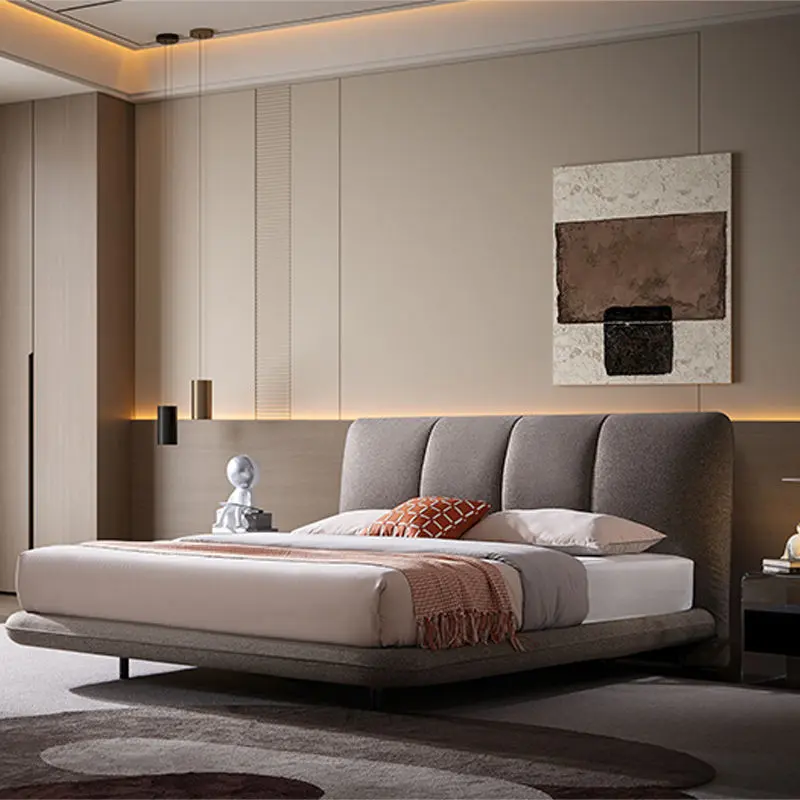
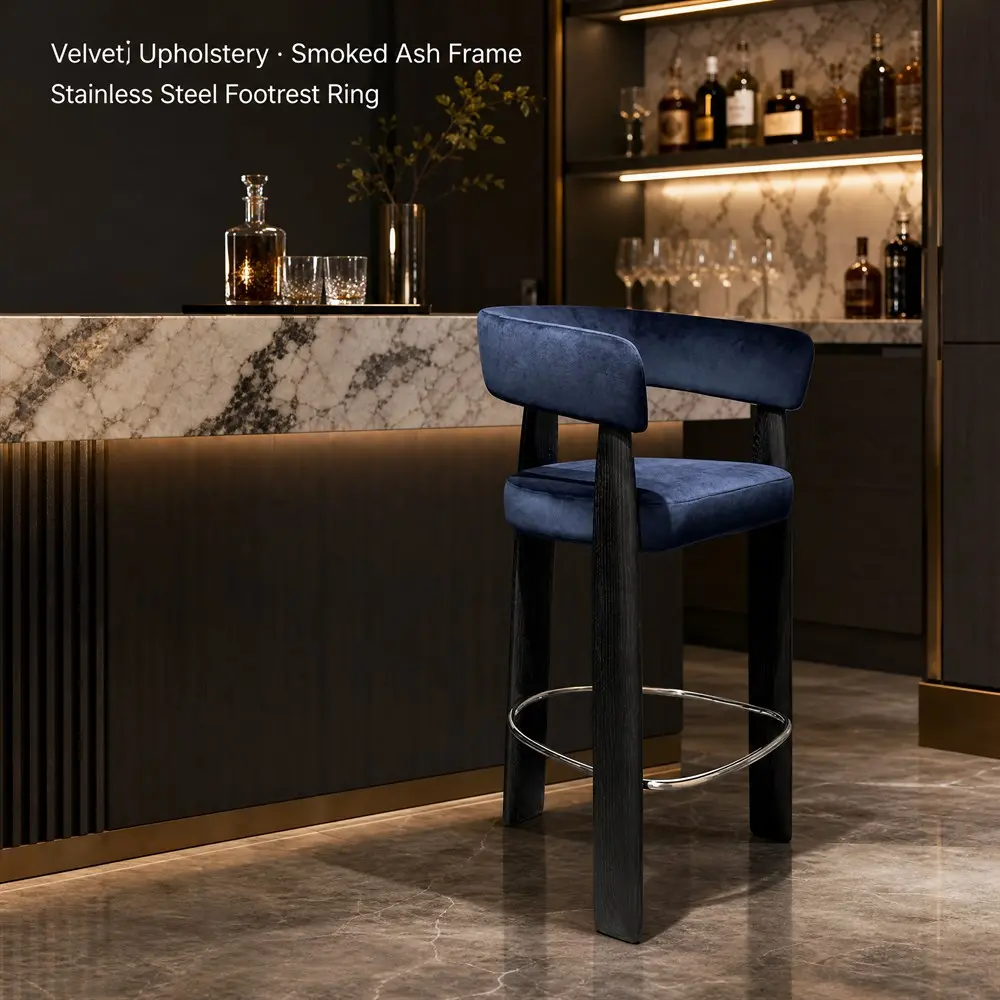
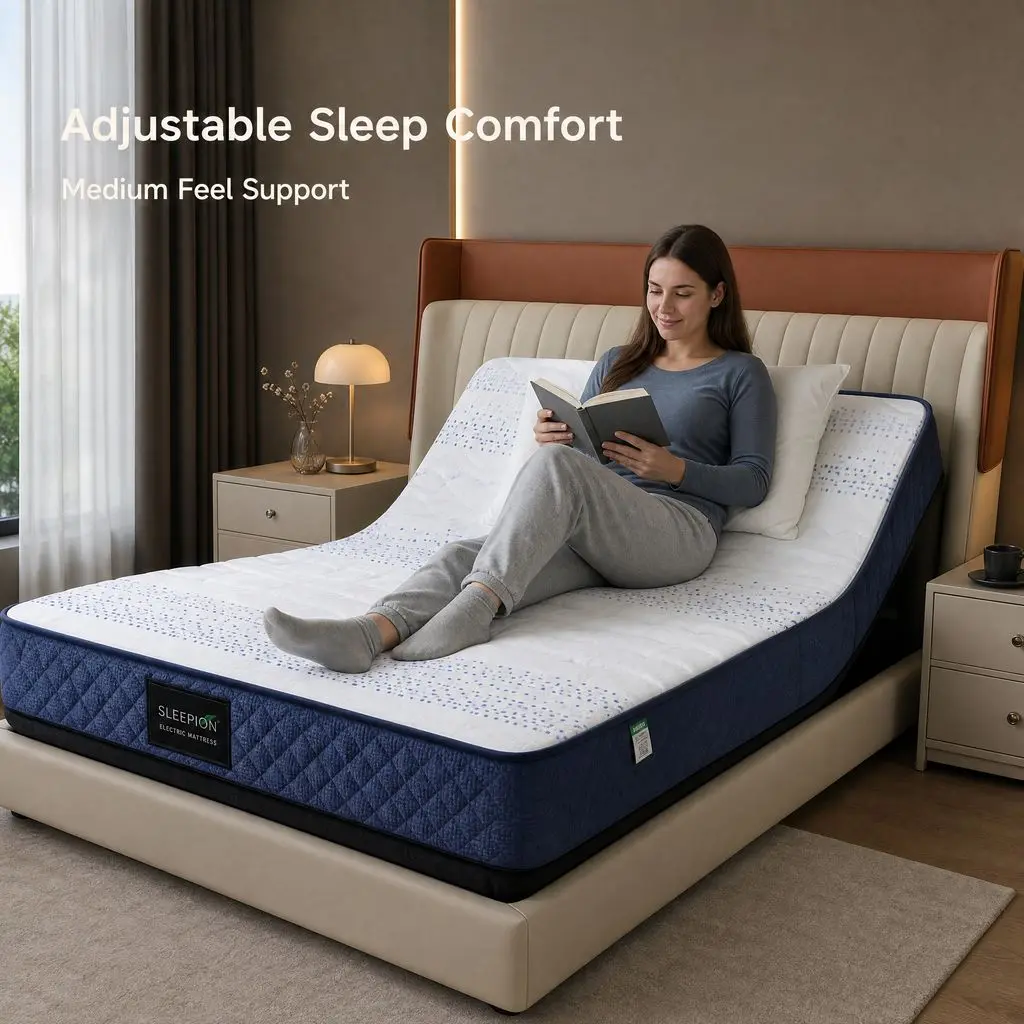
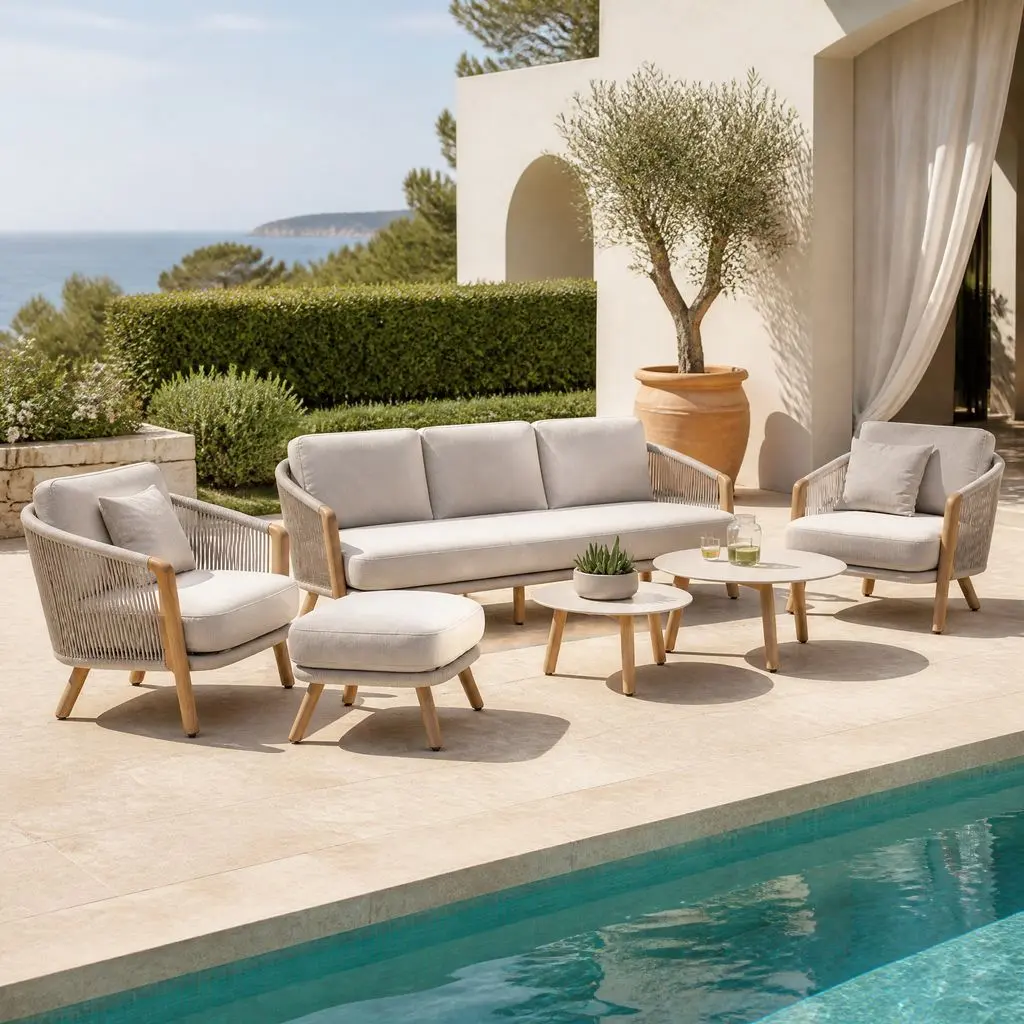
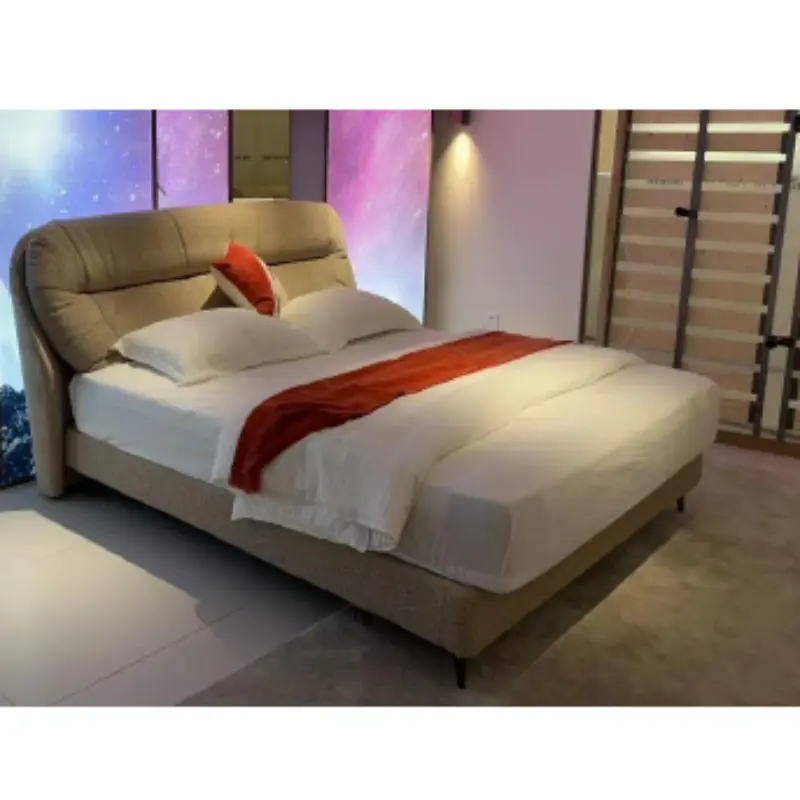
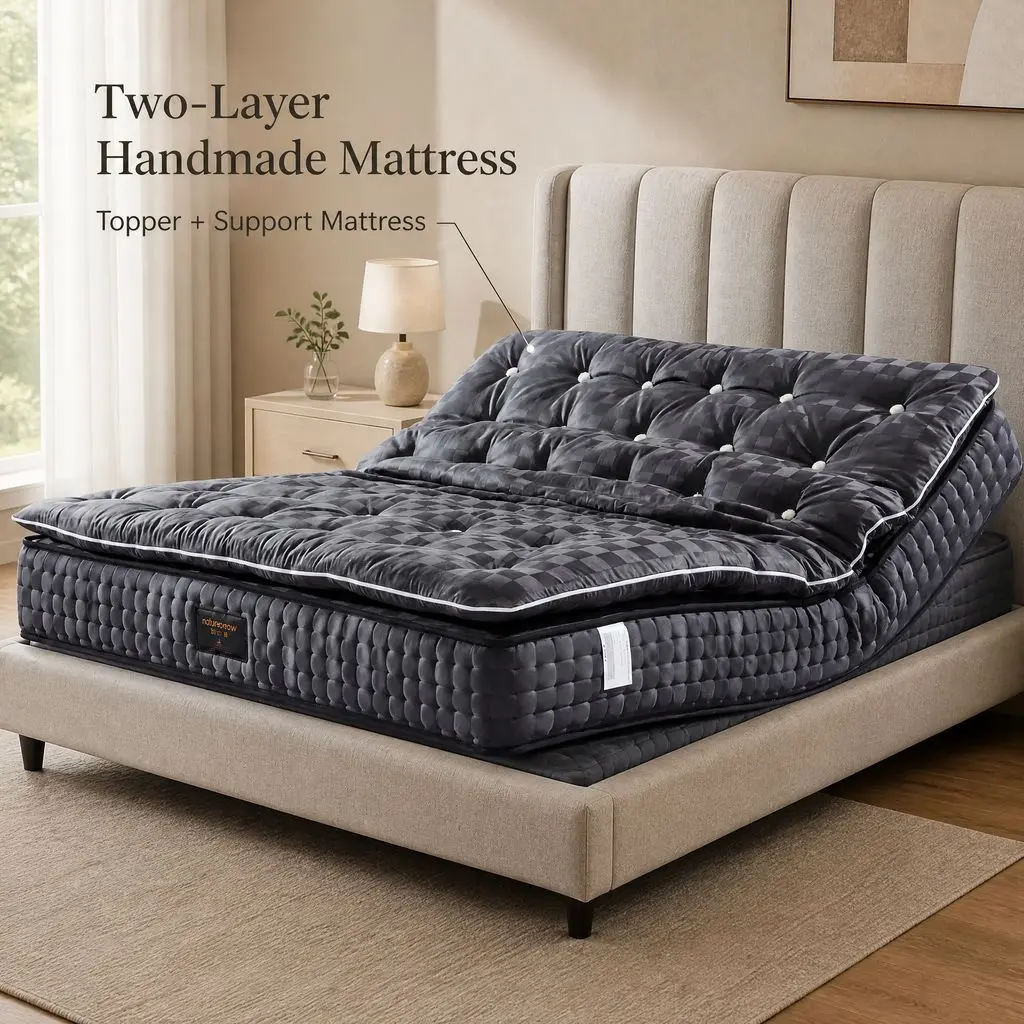
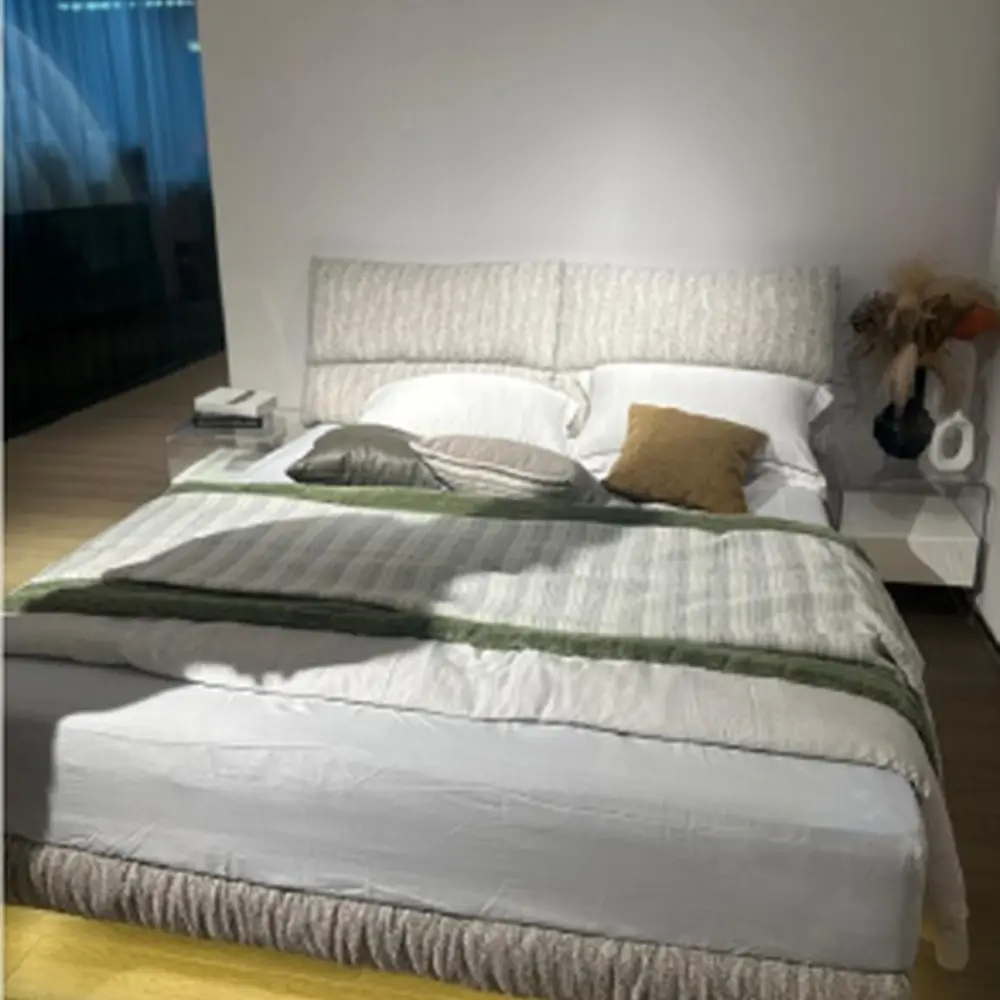
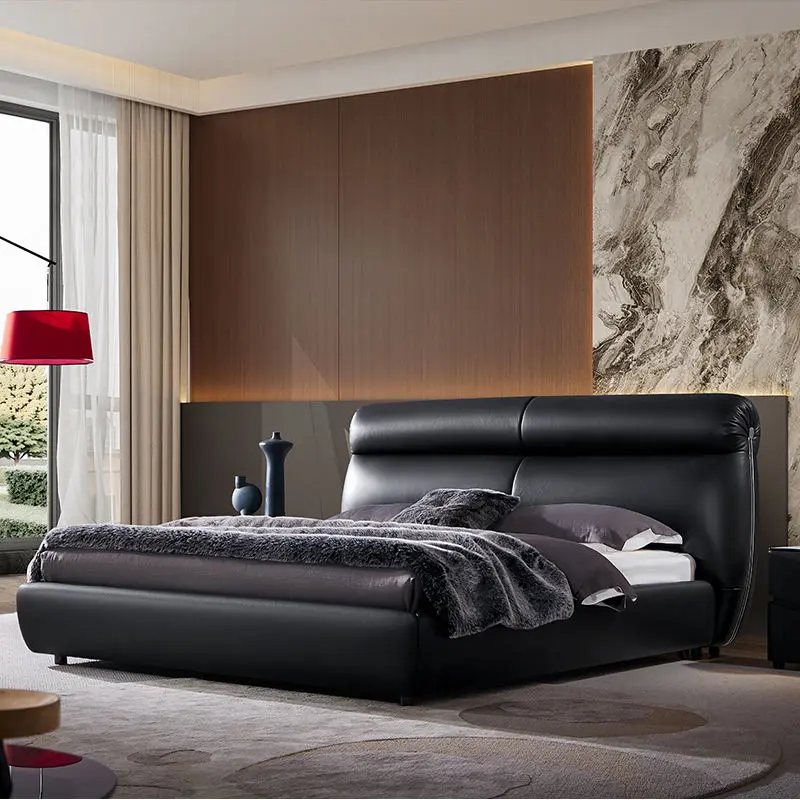
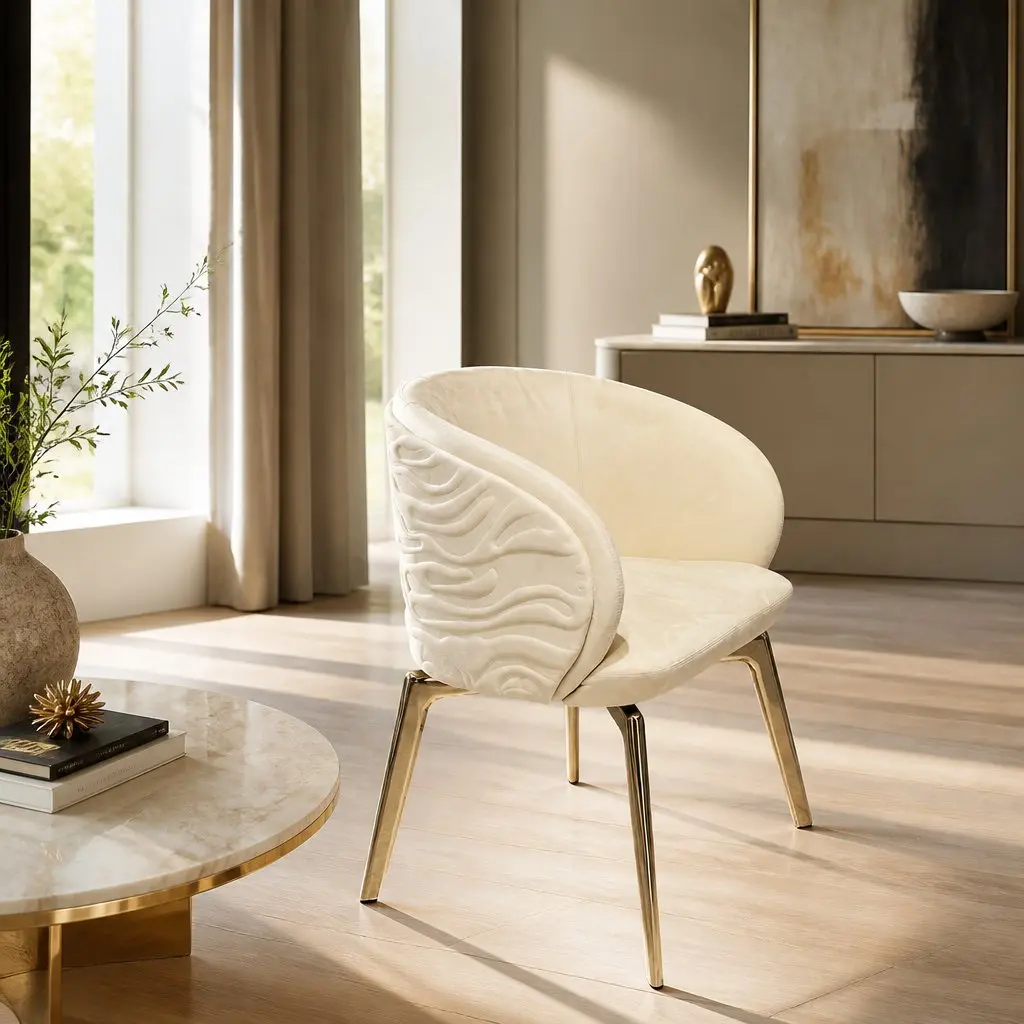
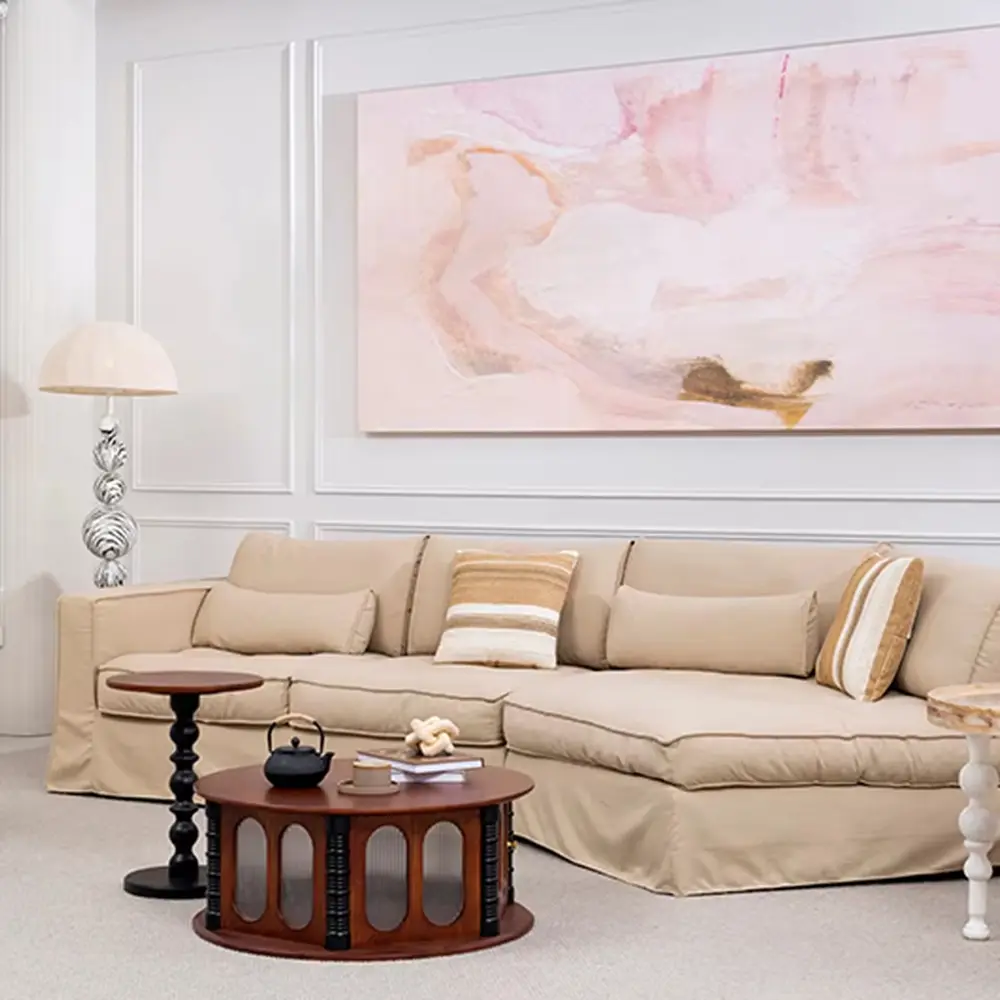
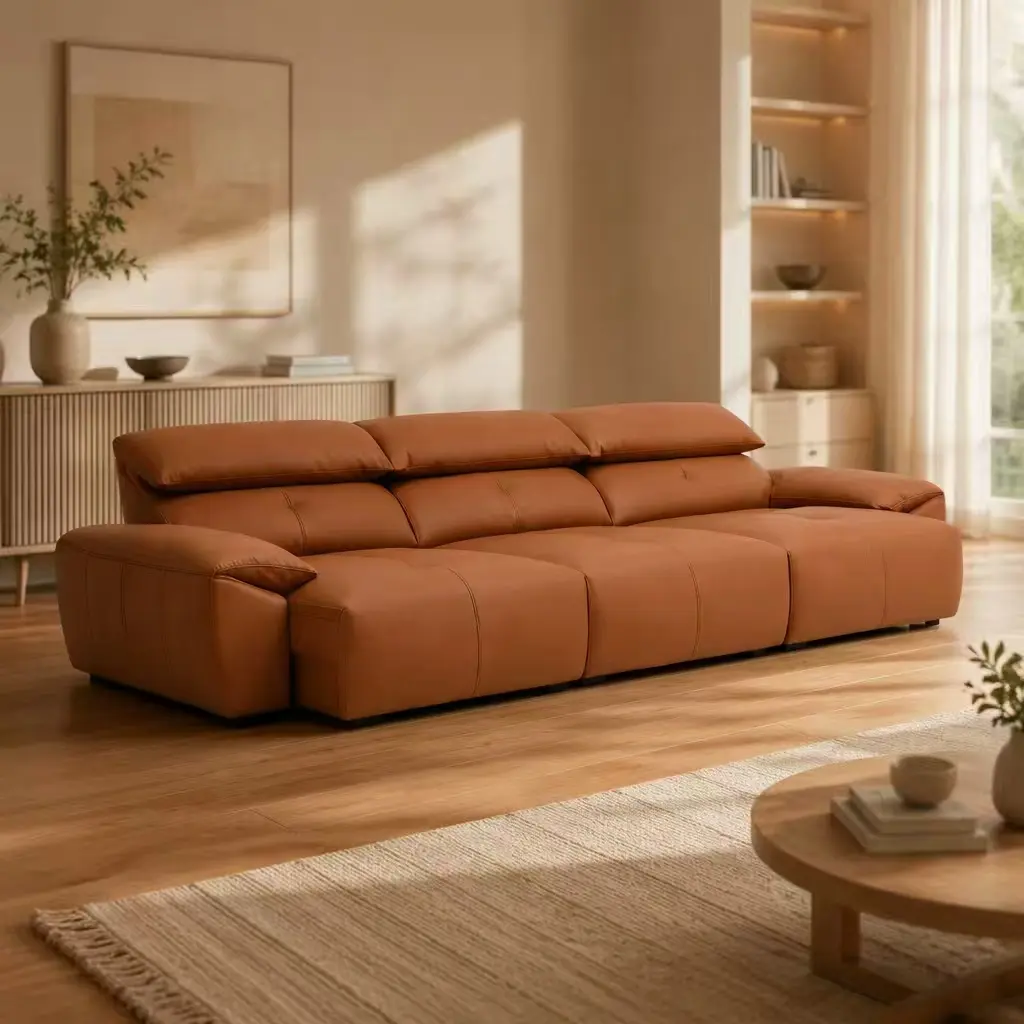
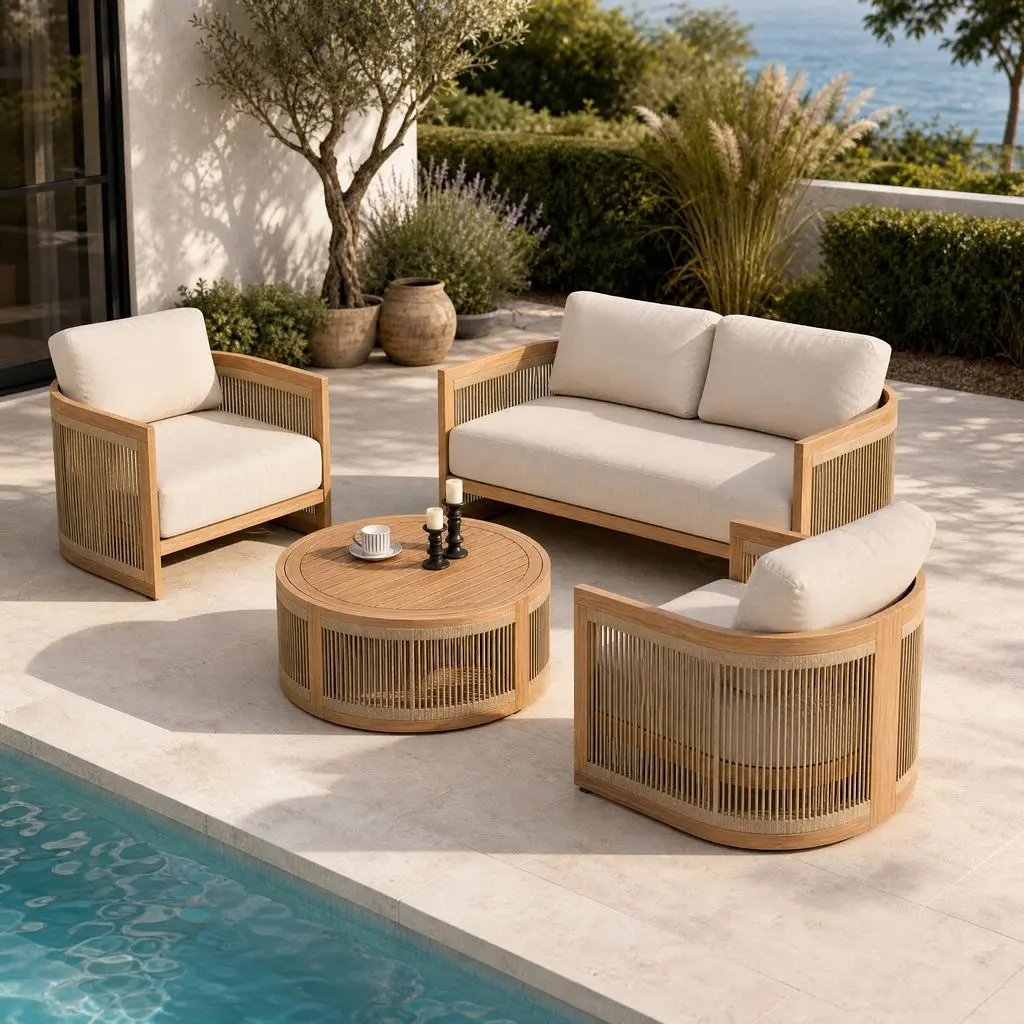
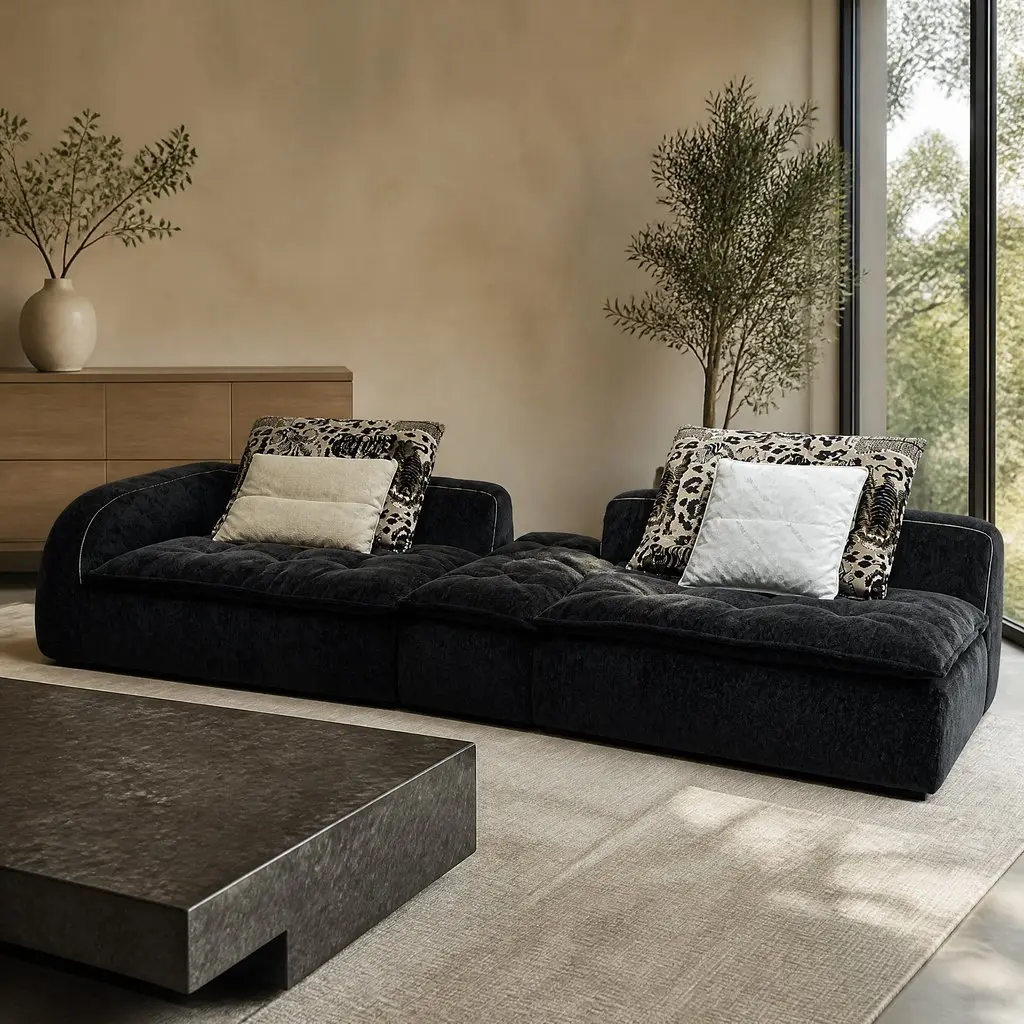
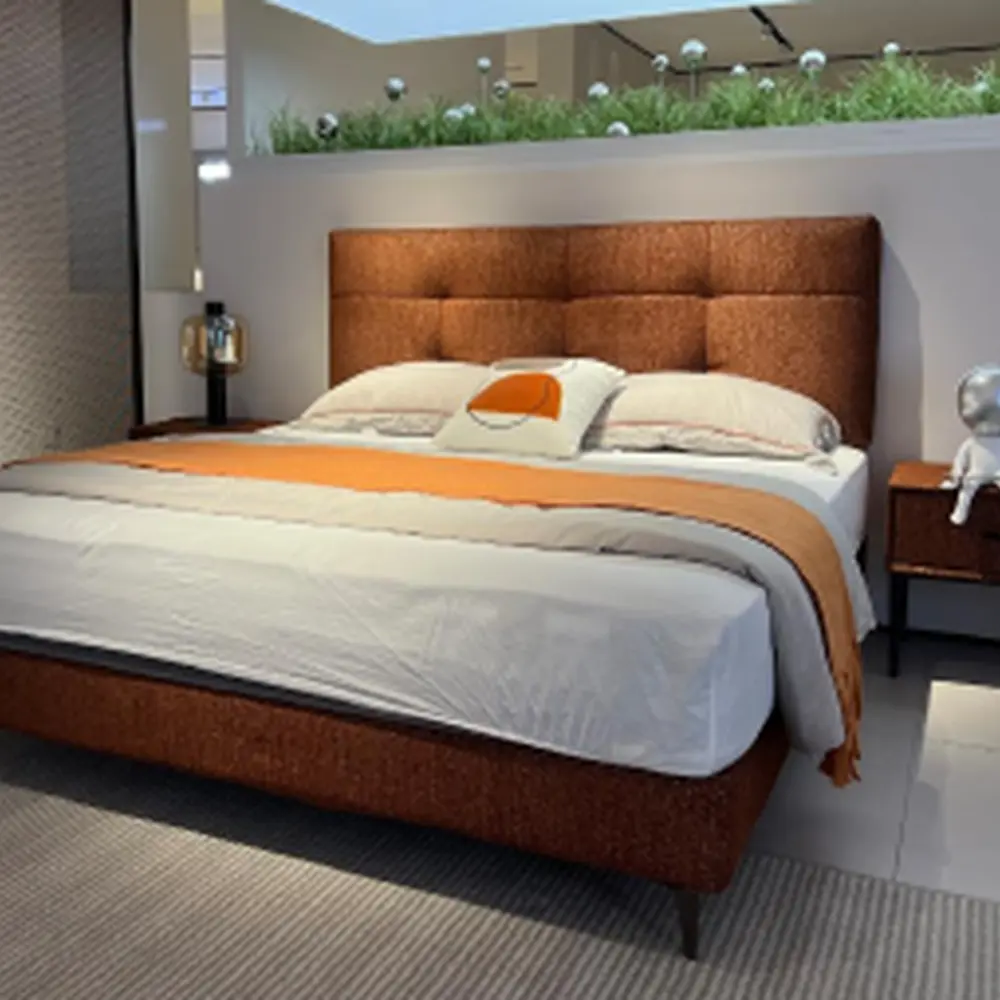
These hero catalogue pieces show how upholstered seating, floating beds and smart sleep systems share the same material library and packaging standard as our TV stands line — enabling single-container, multi-category programmes for global buyers.
Search Intent & Definition
What Buyers Actually Mean by “TV Stands Factory & Wholesaler”
Query classification for media-console sourcing across B2B verticals.
A search for “TV Stands Factory & Wholesaler” is rarely a generic product query. It is a hybrid commercial-investigation intent: the searcher is simultaneously validating that a supplier is a real manufacturer (not a trading intermediary) and confirming wholesale terms — container minimums, FOB pricing, custom finish capability and export documentation.
For procurement teams this distinction matters. A TV stand is not a stand-alone SKU; it anchors the media wall of a living room, a hotel suite, a serviced apartment or a show unit. The buyer is therefore not buying furniture — they are buying a coordinated interior system that must match the sofa fabric, coffee table finish, wall panel tone and lighting scheme of the same project.
Information Gain: Our position as an integrated Foshan whole-house furniture manufacturer means TV stands are engineered alongside sofas, coffee tables, beds and outdoor sets under one material library, one QC standard and one export packaging spec — the competitive advantage this whitepaper documents.
Factory Verification Intent
Buyers test whether the supplier owns tooling, upholstery lines and finishing spray booths — or resells from a showroom catalogue.
Wholesale Terms Intent
Container volumes, MOQ by finish, mixed-model loading, payment terms and private-label packaging are the recurring evaluation criteria.
Customization Intent
Dimension adjustments, RAL/finish matching, cable management requirements and logo branding define OEM/ODM feasibility.
Global Commercial Context
The Global TV Stand & Media Console Industry in 2026
How demand migration, cross-border e-commerce and hospitality refurbishment are reshaping the category.
TV stands sit at the intersection of three macro forces: the continuing dominance of the living room as the anchor of home entertainment, the resurgence of hospitality and serviced-apartment fit-outs after years of deferred renovation cycles, and the structural shift of furniture sourcing toward consolidated Asian manufacturers.
China remains the world's largest furniture-exporting nation, and the Foshan–Shunde cluster — where our factory is based in Longjiang — hosts one of the densest concentrations of upholstery, casegoods, panel processing and hardware supply in the world. For TV stands specifically, this density compresses tooling lead times, allows rapid finish trials, and makes mixed-category container programmes genuinely practical.
0Approx. % of global furniture production concentrated in Asia-Pacific
0Coordinated furniture categories under one Qingyumai purchase order
0Original design and structure patents held by our manufacturer
0Years of export experience across global wholesale markets
Data caveat: Category-level export statistics vary by reporting body and by whether TV stands are classified under “wooden furniture”, “metal furniture” or “media consoles”. Buyers should request HS-code-level documentation from any supplier before committing to a container.
Demand Drivers
What Is Driving Media-Console Demand Across B2B Channels
Relative weighting of the primary demand vectors our export team observes across wholesale order books.
Indices reflect internal order-book composition across our living-room category and partner factories, not a published market statistic. They are presented to explain how a wholesaler should prioritise SKU depth.
Localised Applications
Application Scenarios That Dictate Specification
The same TV stand model should not be specified identically for a Dubai hotel suite, a Tokyo apartment and a Nordic retail chain.
Residential Living Rooms
Warm finishes, floating or wall-hung silhouettes, soft-close drawers and concealed cable routing. Domestic freight tolerance is typically lower than export.
Hotel & Serviced Apartments
Contract-grade panels, scratch-resistant finishes, commercial fabric compatibility and compliance with destination-market flame and formaldehyde regulations.
Developer Show Units
High visual impact, rapid turnaround and exact colour matching to the interior design scheme. Usually specified in small quantities with tight pressure on sampling speed.
Small-Apartment Markets
Space-optimised nesting designs, elevated legs for visual lightness, and modular units that adapt to Tokyo, Hong Kong and Singapore floor plans.
Office & Reception Zones
Display consoles for executive floors, co-working lounges and waiting areas — heavier substrate, lower ornament, higher durability rating.
Retail & Hospitality Bars
Media walls for sports bars, lounges and club spaces where the stand is part of a mixed-material fit-out and must match bar tops and booth seating.
Technology Roadmap
From Panel to Platform: The Next Decade of TV Stand Engineering
How materials, power integration and smart-home compatibility will reshape specifications through 2030.
2024 – 2025
Material Consolidation
E0/E1 low-emission boards, water-based lacquers and recycled-metal hardware become baseline rather than premium upgrades in export orders.
2026 – 2027
Integrated Power & Cable Architecture
In-stand USB-C charging, hidden routing chases and quick-release back panels become standard expectations from hospitality procurement.
2027 – 2028
Modular & Repairable Design
Knock-down joinery with replaceable components reduces freight volume and supports right-to-repair regulations in European markets.
2029 – 2030
Ambient & Smart-Home Integration
Console-embedded ambient lighting, soundbar docking and Matter/Thread-compatible control modules move from concept to catalogue.
Roadmap reflects design-direction research and buyer briefs collected by our product lab; timelines are indicative and differ by destination market and price tier.
Macro Solutions
Whole-House Furniture Programmes Built Around the Media Wall
TV stands should never be sourced in isolation. Our model treats them as the anchor of a coordinated living room ecosystem.
Single-Supplier Consolidation
One purchase order covers sofas, coffee tables, TV stands, dining sets and mattresses with a single QC gate.
Finish Matching
Panel, veneer and metal finishes are matched to upholstery and casegoods for a coherent project story.
Container Consolidation
Mixed-category loading plans reduce per-unit ocean freight and protect fragile finishes with multi-layer crating.
Compliance Preparation
Material configurations recommended against destination-market standards before the first production run.
Quality Pillars · E-E-A-T
Why Buyers Trust a Foshan Factory Partner
Experience, expertise, authoritativeness and trustworthiness are not abstract — they are auditable supply-chain facts.
Experience
More than a decade of export operations across wholesale, retail, hotel and developer channels, with an order book built on repeat buyers rather than one-off transactions.
Expertise
In-house R&D with more than 100 original patents, an internal design team iterating from buyer feedback, and engineers who understand panel structure, load bearing and finish chemistry.
Authoritativeness & Trust
Located inside the Shunde–Longjiang manufacturing cluster, with audited partner factories, on-site QC engineers and documented compliance preparation for destination markets.
Procurement Playbook
A Five-Stage Brief-to-Container Workflow
How a TV stand order moves from specification to shipped pallet inside our factory system.
01 · Project Brief
Share drawings, target market, retail price band and volume. Consultants map each room to suitable categories and flag which SKUs need custom dimensions.
02 · Material Engineering
We recommend substrate grade, veneer or laminate, hardware and finish system aligned with the regulatory standards of the destination country.
03 · Sample Approval
Pre-production samples confirm dimensions, colour match and hardware feel before mass production is released to the line.
04 · In-Line QC Audits
QC engineers test structural durability, drawer operation and finish consistency on the factory floor at defined production checkpoints.
05 · Consolidated Shipping
Mixed-category container loading plans, multi-layer export crating and documentation handover complete the cycle.
Bonus · After-Sales
Replacement-part logistics, assembly-guide support and long-term maintenance advice for hospitality clients running multi-year refurbishment cycles.
Technical Specification
What to Specify Before You Request a Quotation
Six decisions that determine price, freight volume and project outcome more than any other variable.
Substrate & Panel Grade
MDF, particleboard, plywood or solid wood — each carries different load tolerance, moisture resistance and emission classification.
Finish System
Melamine, laminate, veneer, water-based lacquer or powder-coated metal — the choice drives both cost and perceived quality.
Hardware & Motion
Soft-close drawers, push-to-open doors, tip-over restraint kits and load-rated hinges are all specified separately.
Cable & Power Routing
Chases, grommets, back-panel cut-outs and optional USB modules must be agreed before tooling is set.
Knock-Down Structure
Flat-pack design reduces container volume dramatically but adds assembly time; the right answer depends on your channel.
Compliance Target
Formaldehyde class, flame performance and packaging-labelling obligations vary by country and must be stated in the brief.
Featured Programme · Part 02
Coordinated Casegoods, Bedroom & Seating Lines
Complementary SKUs that ship in the same container as media consoles, matched to the same finish and material library.
Buyer Q&A
Frequently Asked Questions — TV Stands Sourcing
The questions our export team answers most often from importers, hotel buyers and design studios.
Is Qingyumai a TV stand manufacturer or a trading company?
Qingyumai is the export brand of Foshan Qingyumai Technology Co., Ltd., an integrated manufacturer covering R&D, production and international sales with its own facility in Shunde, Foshan. For whole-house orders we coordinate a network of audited partner factories so every category ships under one quality standard and one purchase order.
Can I order TV stands together with sofas and coffee tables in one container?
Yes. Our post-sale team handles container consolidation across categories, planning loading space to reduce ocean freight cost per unit while using multi-layer export crating to prevent transit damage to fragile panels and finishes.
Do you accept OEM and ODM TV stand orders?
Yes. We customize dimensions, panel finishes, hardware, cable-management cut-outs and branded packaging such as woven labels and embossed logos for wholesale and project orders, supported by our design and engineering team.
How do you control quality during mass production?
Internal QC engineers carry out on-site production line audits checking structural durability, drawer and door operation and finish consistency. Pre-sale consultants additionally recommend material configurations aligned with the regulatory standards of your destination market.
Which buyers do you typically supply?
Furniture wholesalers and importers, hotel and hospitality procurement teams, property developers, interior design firms, salon operators and residential clients needing coordinated furniture across multiple rooms.
Where is your factory located and can buyers visit?
We are located in Hui Cheng Industrial Park, Longjiang Town, Shunde District, Foshan, Guangdong, China — one of the world's best-known furniture manufacturing hubs. Buyers are welcome to arrange factory and showroom visits, and can reach us on +86 138 0248 6976 or at [email protected].
Ready to Build a TV Stand & Living Room Programme?
Get our latest collections, material options and customization guide. Our export team will help you plan categories, configurations and container loading for your market — from a single show-unit console to a 300-key hotel media-wall package.
Request a Catalog