
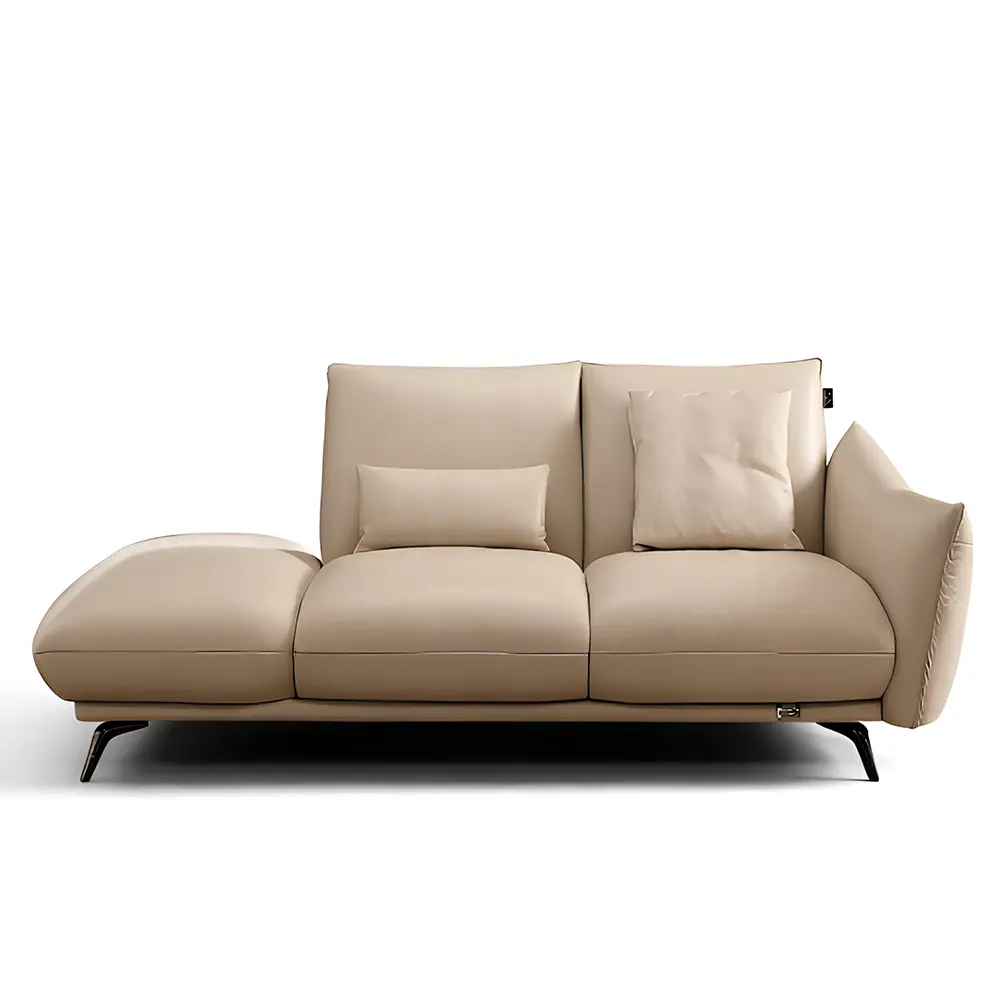
Executive Summary
Why Leather Sofas Are a Technical Product, Not a Catalogue SKU
Genuine leather upholstery sits at the intersection of hide selection, tannage chemistry, structural engineering and freight economics. This whitepaper consolidates what Foshan Qingyumai Technology Co., Ltd. has learned across 10+ years of exporting upholstery from Longjiang, Shunde — the world's densest furniture manufacturing cluster — so buyers can evaluate a leather sofa supplier on evidence rather than brochure language.
01
Hide & Tannage
Full-grain, top-grain and corrected-grain hides behave differently under contract-level abrasion. We document thickness, finish and backing so specifiers can match the right grade to the right application.
02
Structural Engineering
Kiln-dried hardwood and imported larch frames, reinforced corner blocks and load-rated metal brackets determine whether a leather sofa survives ten years of daily seating in a hotel lobby.
03
Freight & Landed Cost
Leather density and modularity drive container utilisation. A modular sectional that ships flat can cut ocean freight per seat by a meaningful margin versus a fixed one-piece couch.
0+Years of export experience
0+Original patents owned
0Furniture categories, one PO
0OEM / ODM customisation axes
Global Commercial & Industrial Landscape
The Leather Upholstery Supply Chain in 2026
Leather seating demand splits into three durable buying channels, each with different failure modes. Understanding which channel you serve determines your specification floor.
Residential Retail
Retailers and e-commerce distributors prioritise perceived value and style velocity. Top-grain leather in trend colours with swatch-level consistency across production batches matters more than raw abrasion resistance.
Hospitality & Contract
Hotels, lounges and serviced apartments specify to contract-grade abrasion cycles. Buyers need documented Martindale results, stain-resistant finishes and replaceable seat cushions — not just a leather sample.
Project & Developer FF&E
Mixed-use developments and villa fit-outs combine leather living areas with fabric bedrooms and stone-topped dining. They need one supplier who can coordinate finishes, packaging and freight across categories.
Information gain: The dominant 2026 risk is not leather quality — it is batch-to-batch colour drift between an approved sample and mass production. Ask any leather sofa manufacturer how they lock dye lots and how many production lots of the same hide colour they can confirm before you place a repeat order.
Localised Application Scenarios
How Leather Sofas Perform in Different Market Climates
The same leather sofa that thrives in Dubai's hotel lobby can fail in a Nordic apartment or a Southeast Asian beach villa. Localisation is a material and construction conversation, not a marketing one.
Middle East & Desert Climates
High heat and low humidity dry leather out. We specify fat-liquor-rich finishes and UV-stable pigments, plus ventilated seat decks to reduce perspiration adhesion on bare-leg seating. Lighter hide tones are generally preferred in majlis layouts.
Northern Europe & Cold Climates
Indoor heating means humidity swings. A breathable full-grain hide over a cotton-ticking underlayer avoids the cold, sweaty feel of a plastic-corrected hide, while dense high-resilience foam keeps its shape through long winters indoors.
Southeast Asia Coastal Projects
Salt air and humidity attack metal fittings before leather shows wear. We use salt-spray-tested hardware, sealed frame joints and mildew-inhibited foam, plus removable cushion covers for villas with high seasonal turnover.
Hotel Lobbies & Lounges
Abrasion life, structural rigidity and cleanability drive specification. Contract leather with a protective topcoat, high-density foam and reinforced frame joints are the baseline — plus modular arm units that can be swapped during a soft refurbishment.
Corporate Offices & Reception
Leather accent seating in reception zones needs to look premium while resisting daily briefcase traffic. We recommend corrected-grain, semi-aniline topcoat leather for scratch tolerance with a luxury hand-feel in black and cognac tones.
Show Flats & Sales Galleries
Developer sales suites need leather upholstery that photographs well and survives heavy viewing traffic. Modular L-shape leather sectionals in cool blues and warm greys dominate residential sales gallery specifications.
Technology Roadmap & Future Outlook
Where Leather Sofa Manufacturing Is Heading (2026–2030)
Buyers who plan two to three product cycles ahead have an edge. These are the technology tracks we are actively investing in across our own facility and our audited partner network.
Near Term · Smart Seating Integration
Powered recline, USB-C modules and adjustable lumbar support are migrating from the recliner category into leather sectional platforms. The engineering challenge is routing cables through a leather-covered frame without creating pressure points in the seat deck.
2026–2027 · Bio-Based & Chrome-Free Tannage
Wet-white and vegetable-retan leathers are moving from niche to mainstream as EU buyers ask for documented chrome-free supply. We are qualifying tannery partners whose finish durability holds up under contract abrasion cycles.
2027–2028 · Digital Hide Traceability
Batch-level QR traceability from tannery to finished sofa — including dye lot, tannage method and abrasion test result — is becoming a procurement requirement for hotel groups with published ESG targets.
2028–2030 · Modular-by-Design & Circularity
Replaceable cushions, screw-in leg modules and leather panels designed for refurbishment rather than replacement. This extends the service life of contract leather seating and reduces the total cost of ownership for hotel operators.
China Factory Supply-Chain Resilience & Efficiency
Why the Foshan Cluster Still Wins on Leather Upholstery
Foshan's advantage is not cheap labour — it is proximity density. Hides, frames, foam, hardware, webbing and packaging sit within a short drive of the sewing floor, which compresses lead times and reduces quality risk.
| Efficiency Lever | What It Means for a Buyer | Practical Outcome |
|---|---|---|
| Cluster proximity | Tanneries, frame shops and foam suppliers are local to the factory. | Faster sample iterations and shorter replenishment cycles. |
| In-house R&D | Design and structure engineering sit inside the factory, not outsourced. | Faster customisation and clearer accountability on quality. |
| Audited partner network | 19 categories coordinated under one quality standard. | Mixed-category orders shipped on one purchase order. |
| Container consolidation | Multi-layer export crating planned around loading geometry. | Lower ocean freight cost per unit, less transit damage. |
| In-line QC audits | Structural durability and finish consistency checked on the line. | Fewer claims and returns after arrival. |
| Patent-protected designs | 100+ original design and structure patents. | Lower risk of copycat dilution in your market. |
Localisation note: Lead-time risk is rarely a factory problem — it is a documentation problem. Confirm in writing which party owns fumigation certificates, leather composition declarations and destination-specific labelling before the first production run begins.
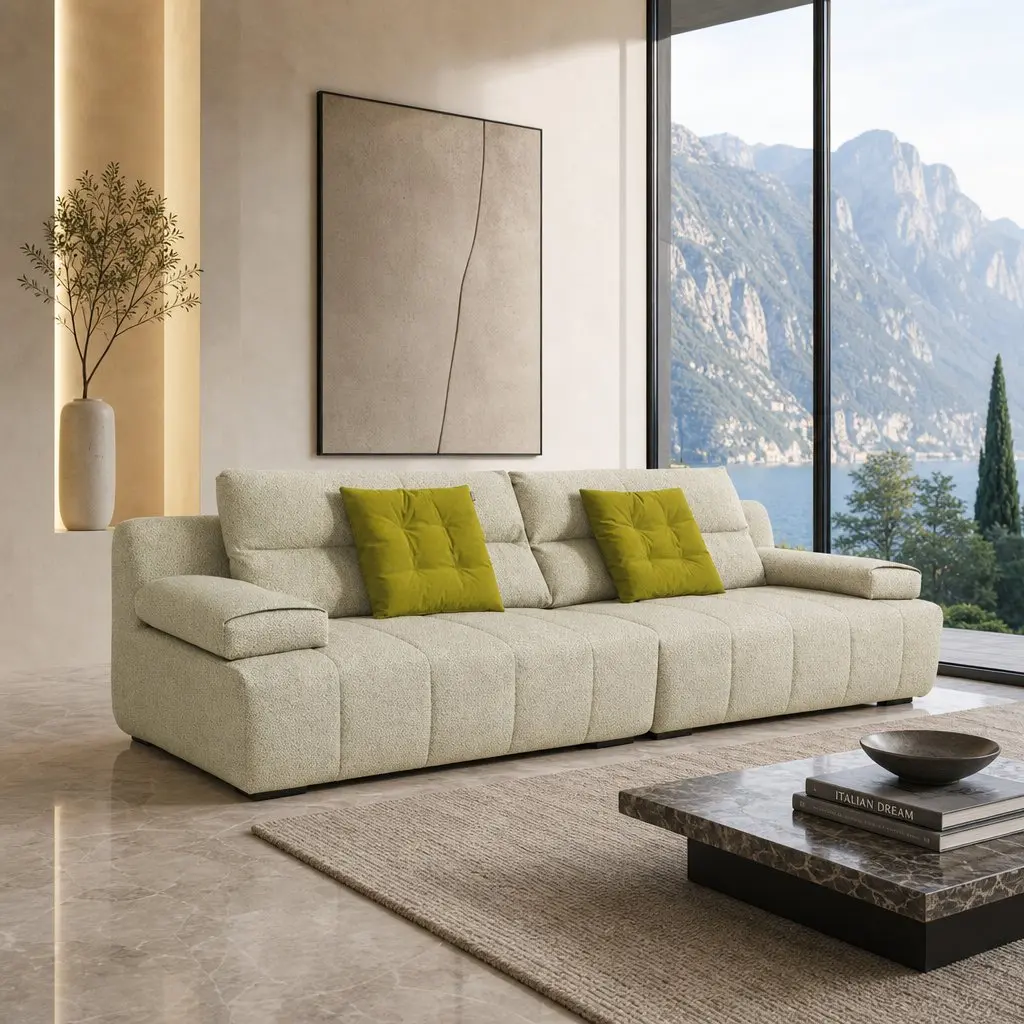
Featured Leather & Living Room Programmes
Models Buyers Reorder Most
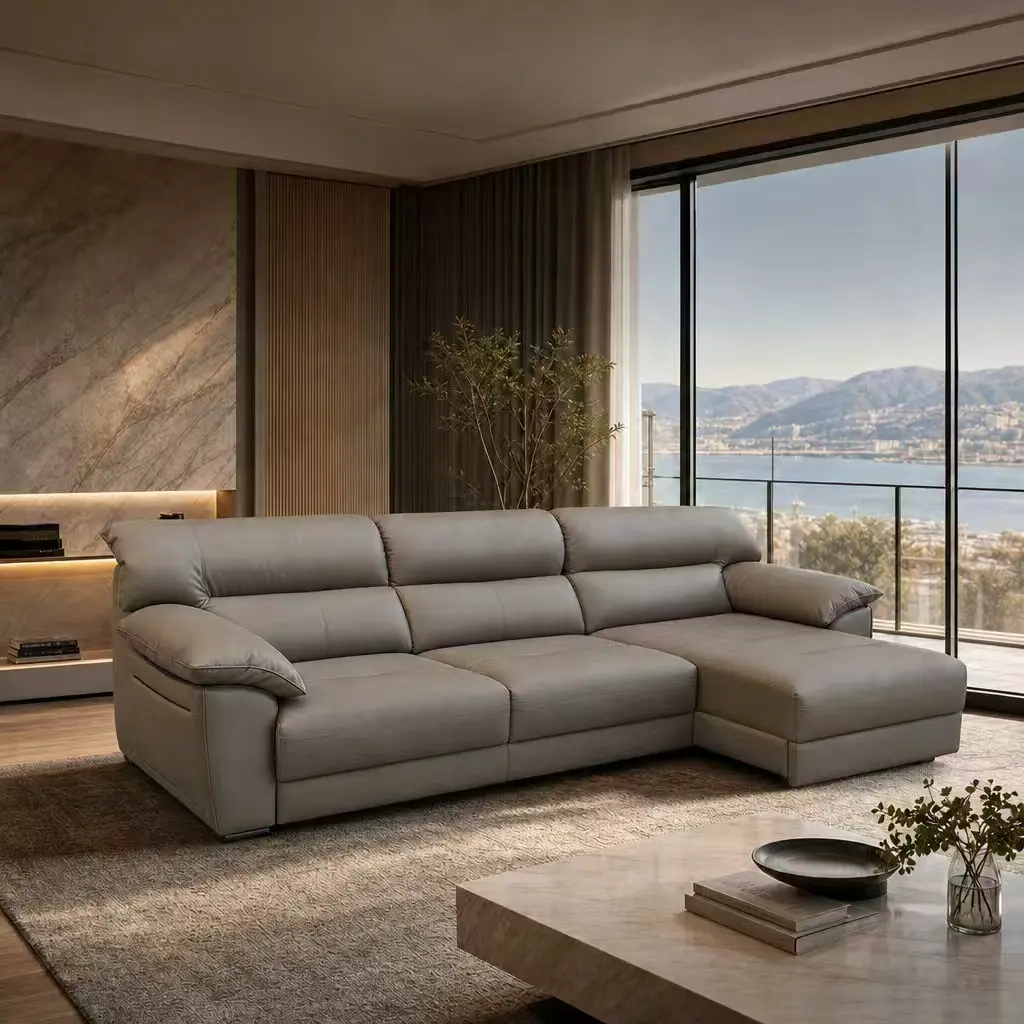
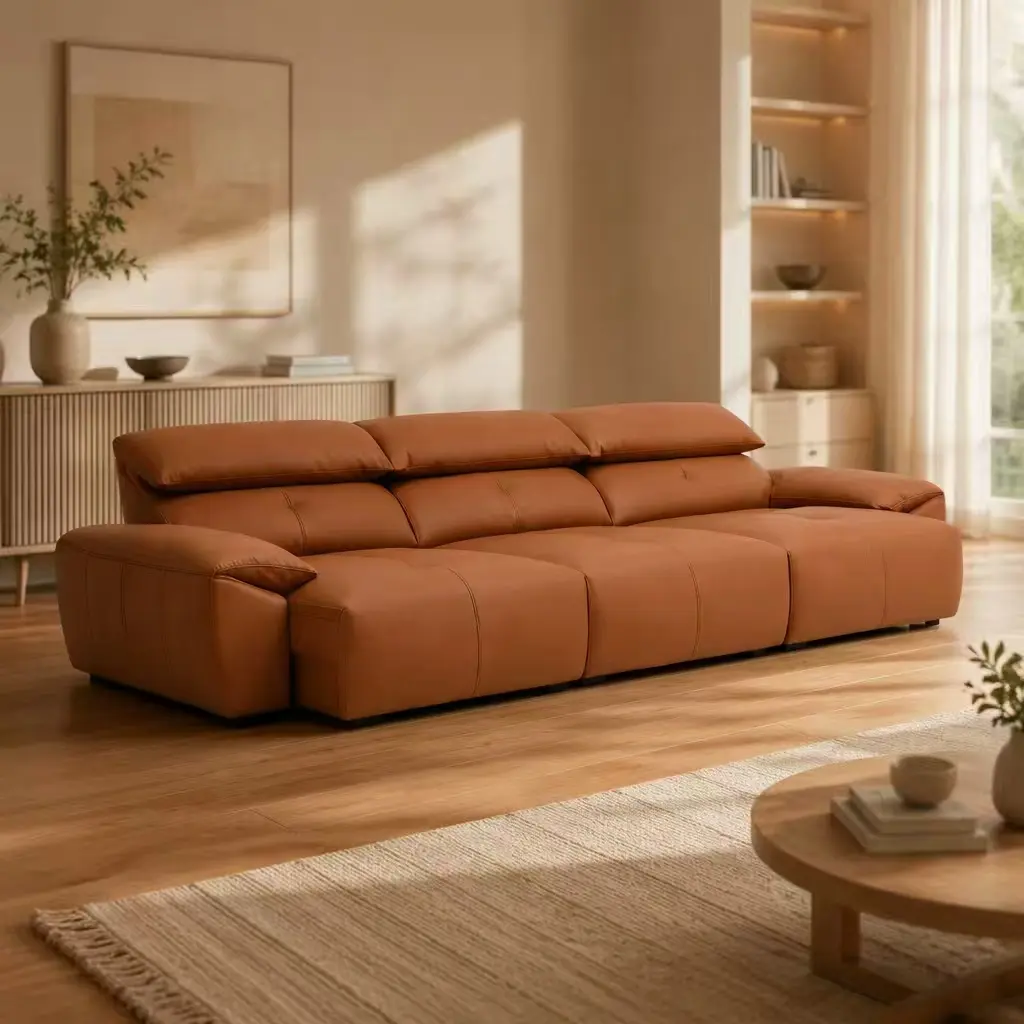
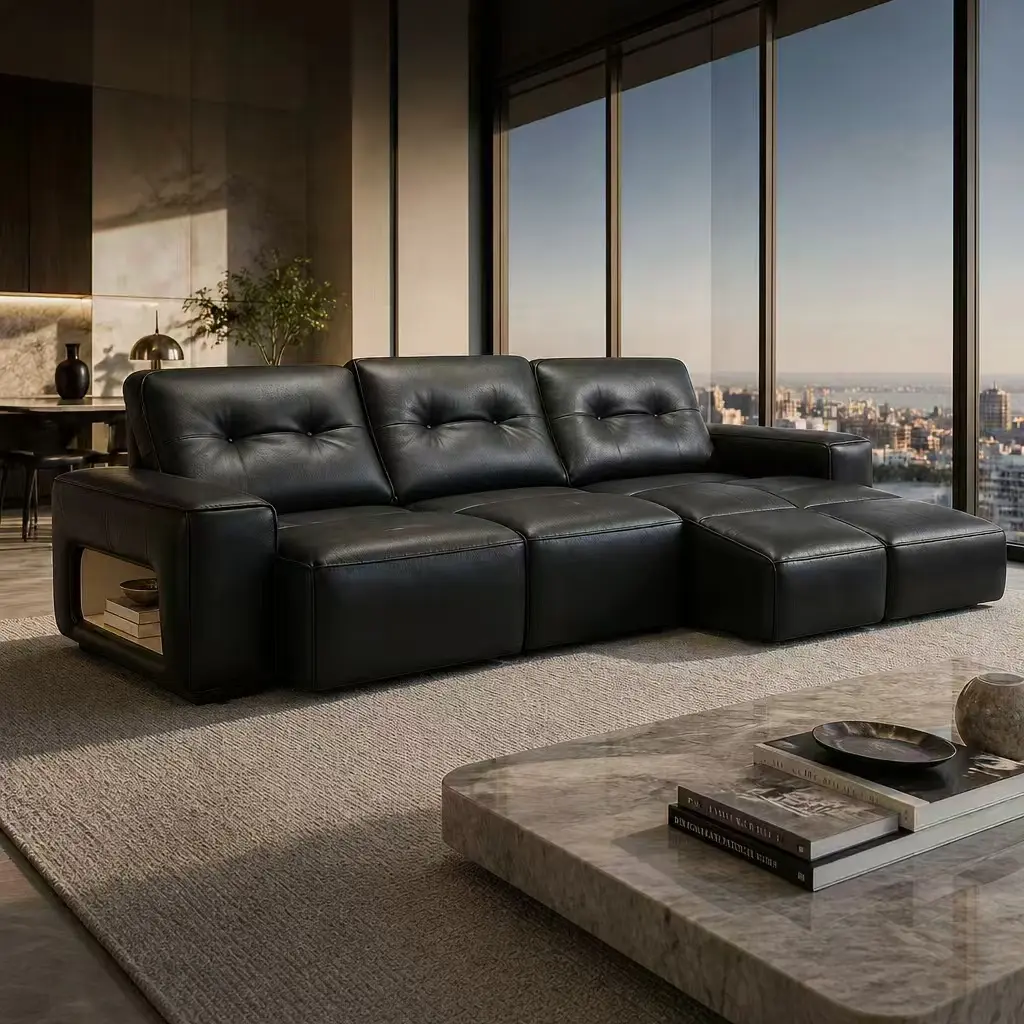
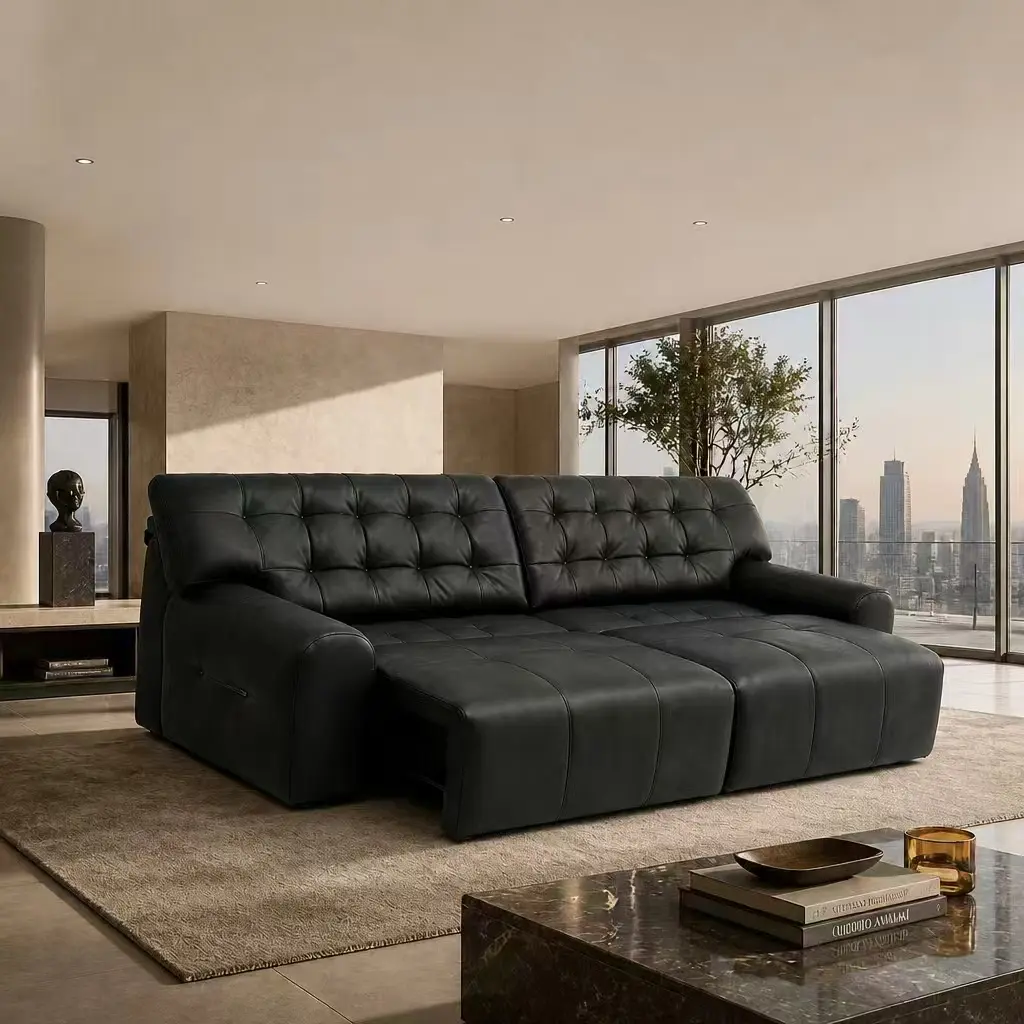
Every model below is engineered in-house and can be customised on size, upholstery grade, frame finish and private-label branding.
Localised Support & Compliance Assurance
What "Compliant" Actually Means for Leather Furniture
Compliance for leather upholstery is destination-specific. Our pre-sale consultants map material configurations to the regulatory framework of the target market before sampling begins.
Flammability
Foam and fabric specifications aligned to destination flammability requirements, with documentation provided per production lot.
Chemical & Finish
Chrome-free and low-VOC tannage options available for buyers with published ESG or indoor-air-quality targets.
Structural Load
Seat deck and leg assemblies specified for contract-level static and dynamic load, with in-line QC durability checks.
Labelling & Docs
Origin, material composition and care labelling prepared per market, with fumigation and export documentation handled end-to-end.
Specification Deep-Dive
The Four Layers That Define a Leather Sofa
When buyers say "the leather felt different," they are usually describing one of four independent layers. Each can be specified separately.
L1
Hide Surface
Full-grain, top-grain or corrected-grain; aniline, semi-aniline or pigmented finish; UV stability and abrasion result documented per lot.
L2
Comfort Core
High-density polyurethane foam, pocket-spring or foam-and-fibre wrap; seat resilience tested for recovery after sustained compression.
L3
Frame Structure
Kiln-dried hardwood or imported larch, reinforced corner blocks and metal brackets, with load-rated joints for contract duty.
L4
Mechanism & Hardware
Powered recline motors, pull-out bed mechanisms, swivel bases and salt-spray-tested fittings, sourced with documented service life.
OEM & ODM Workflow
From Brief to Container in Five Documented Stages
Full customisation on dimensions, upholstery and frame colours, fabric grades and private-label branding for wholesale and project orders.
01
Project Brief
Drawings, target market and budget mapped to suitable categories.
02
Material Engineering
Frames, foams and hides recommended against destination standards.
03
Sample Approval
Pre-production samples confirm dimensions, colour and comfort.
04
In-Line QC Audits
Structural durability and finish consistency checked on the line.
05
Consolidated Shipping
Mixed-category loading and multi-layer export crating.
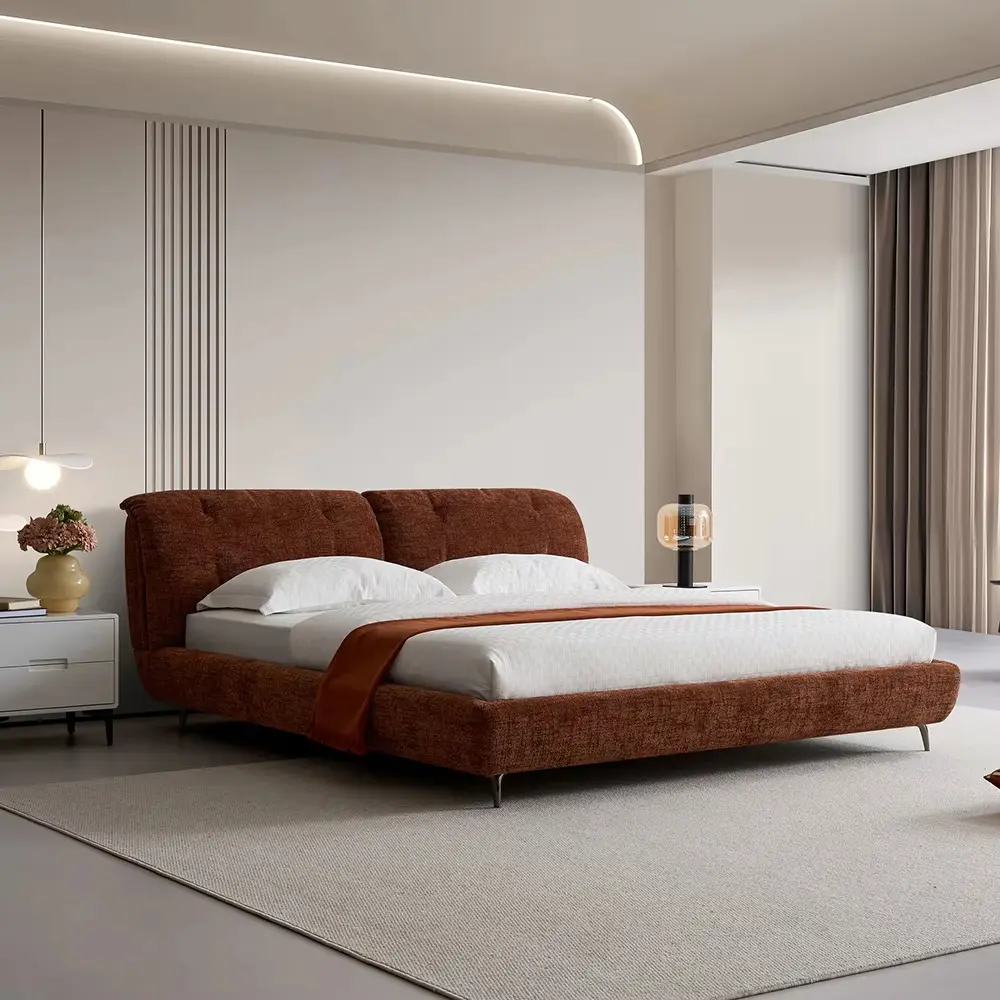
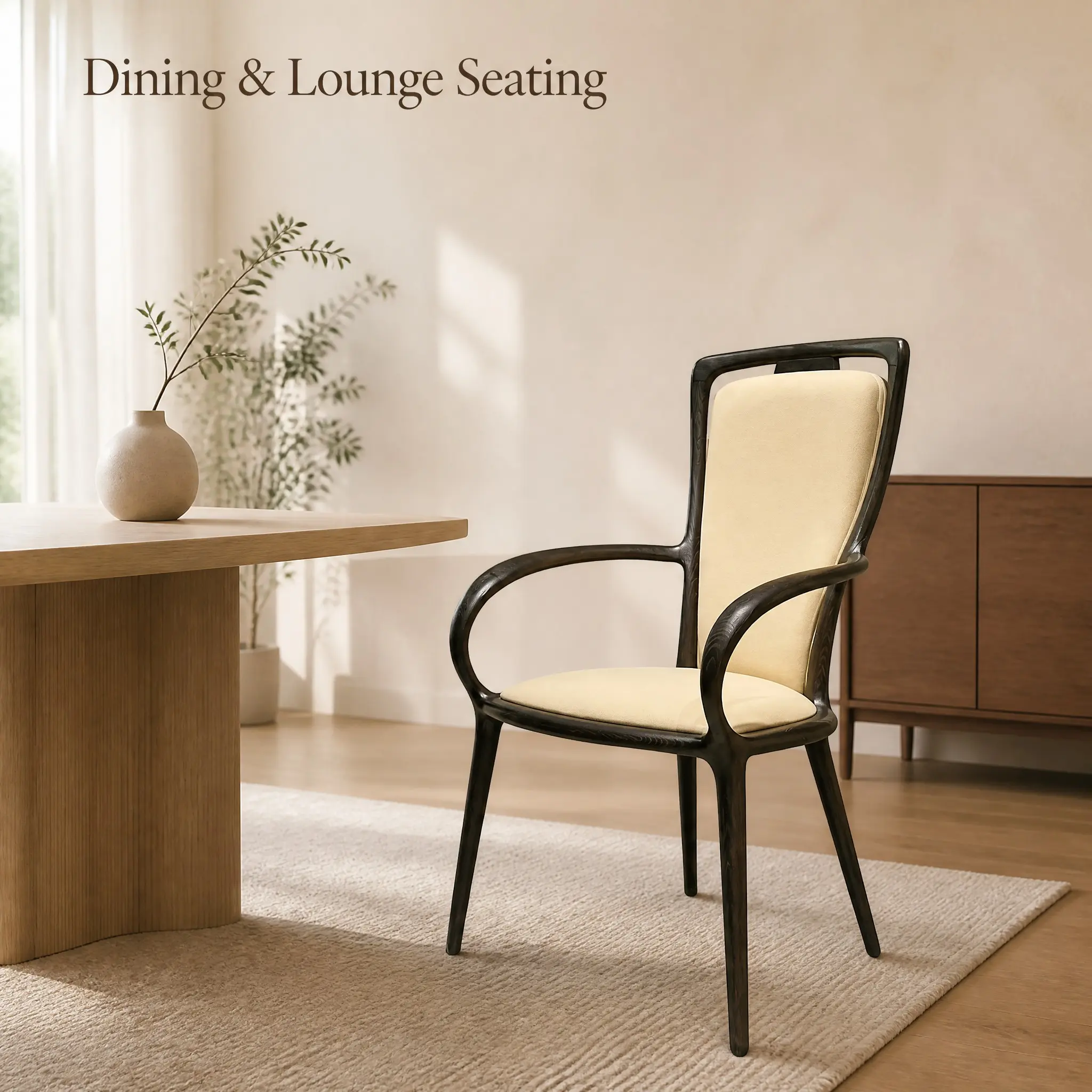
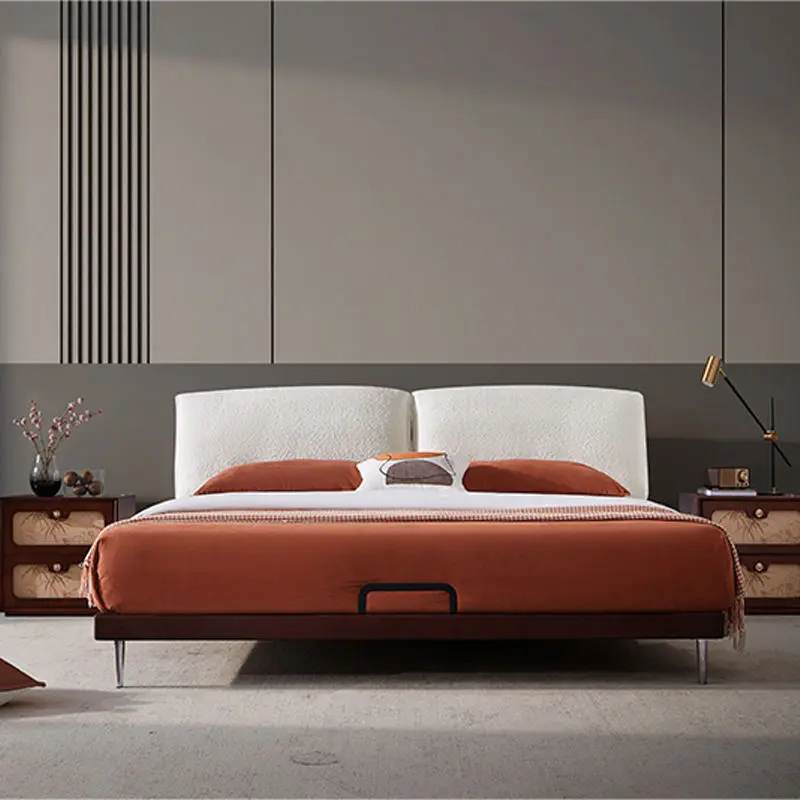
Coordinated Bedroom, Dining & Accent Seating
Complete the Whole-House Specification
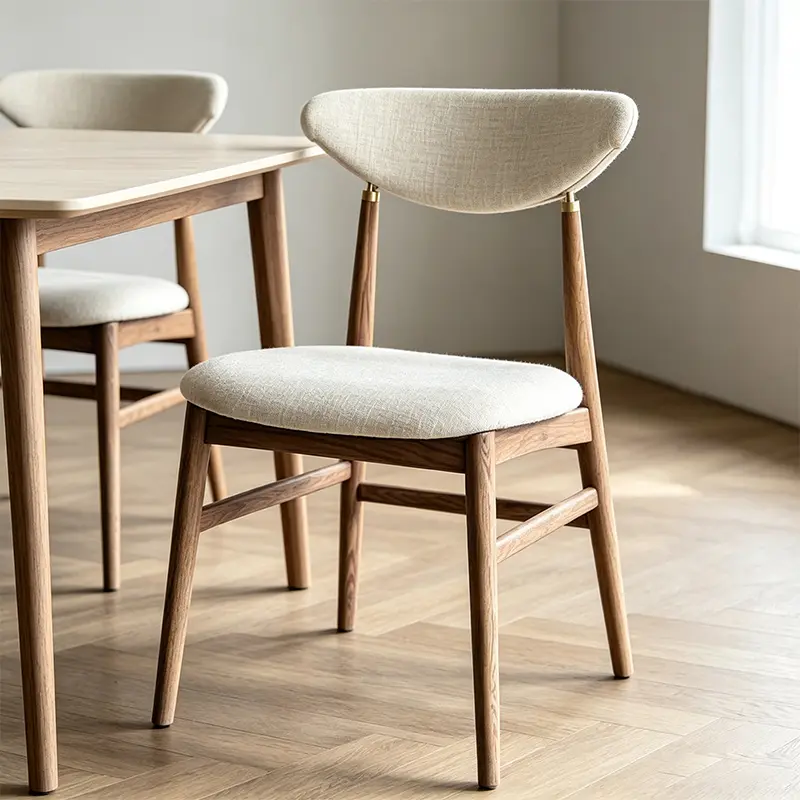
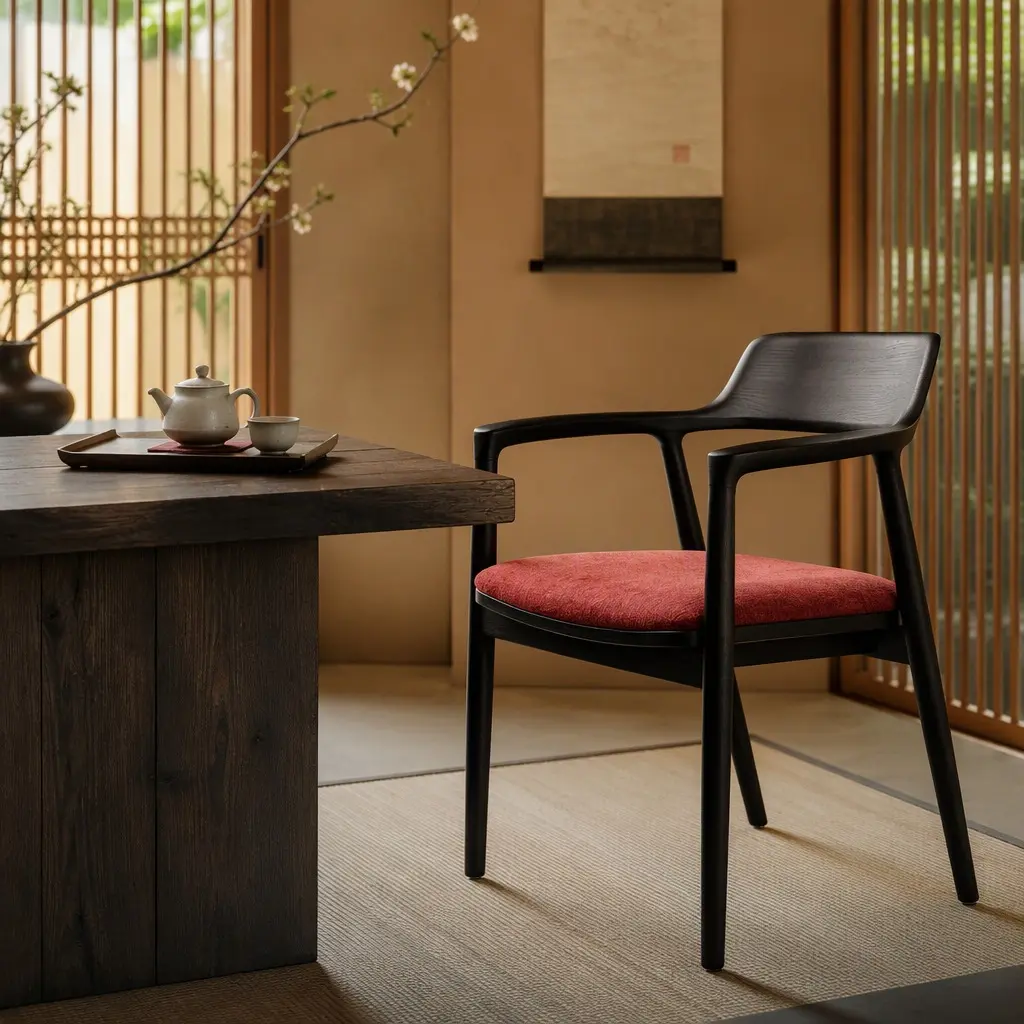
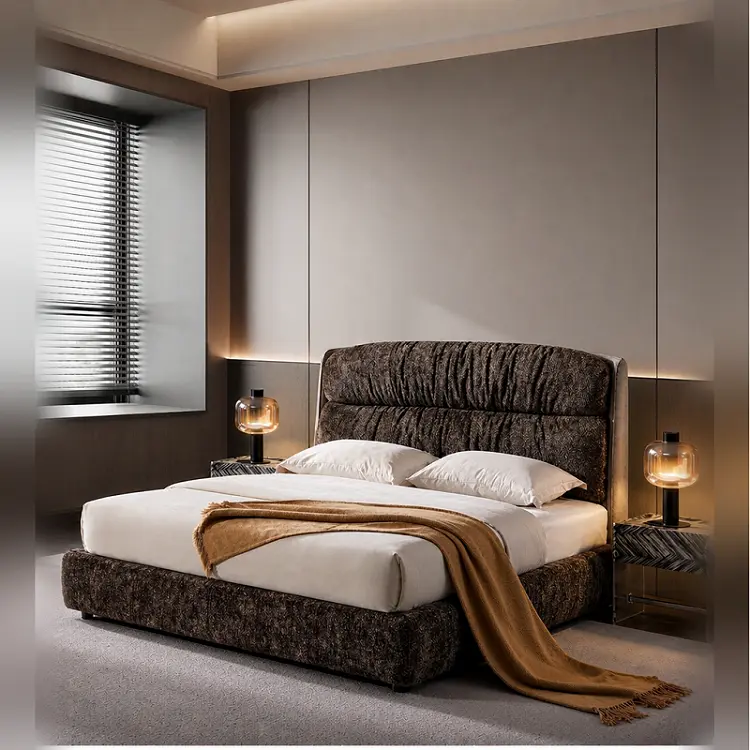
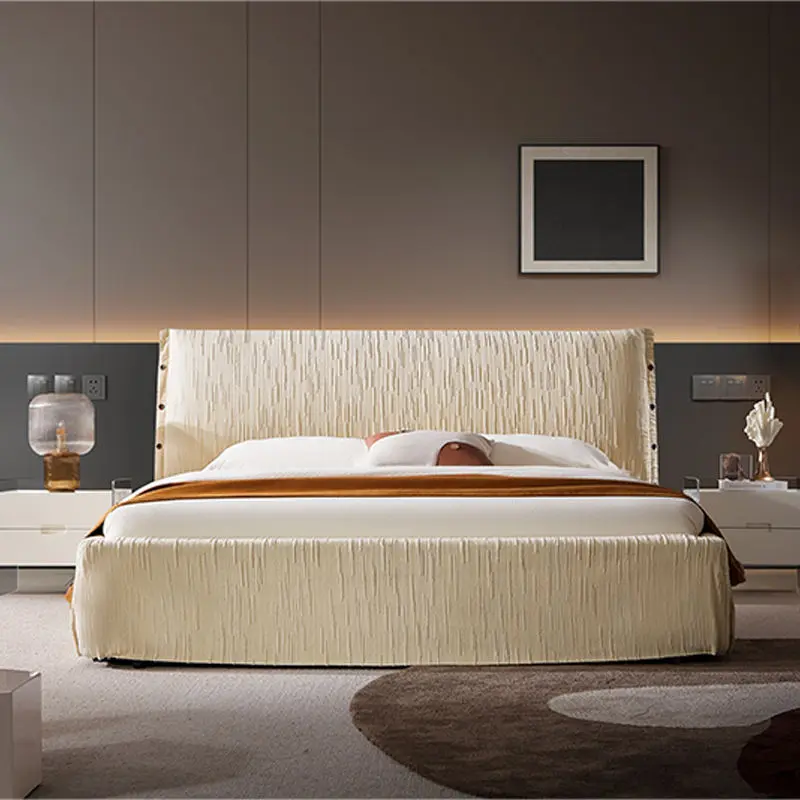
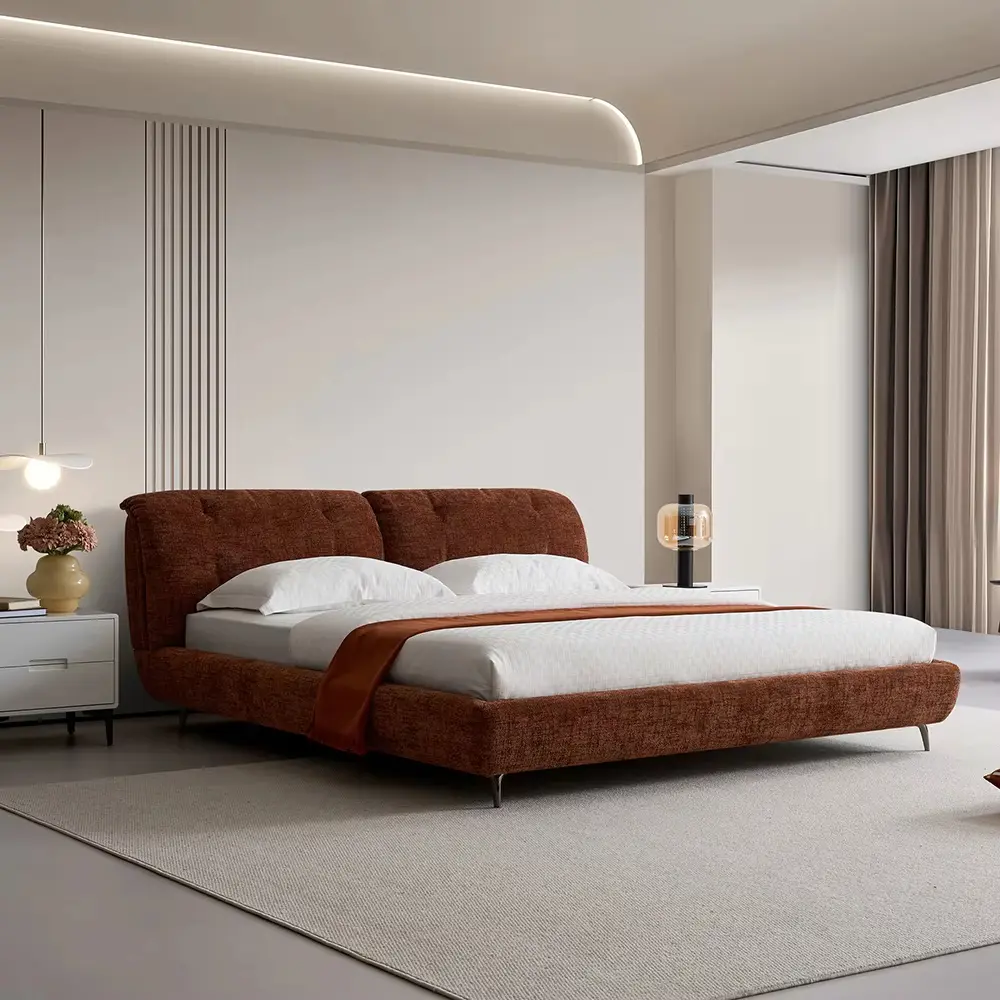
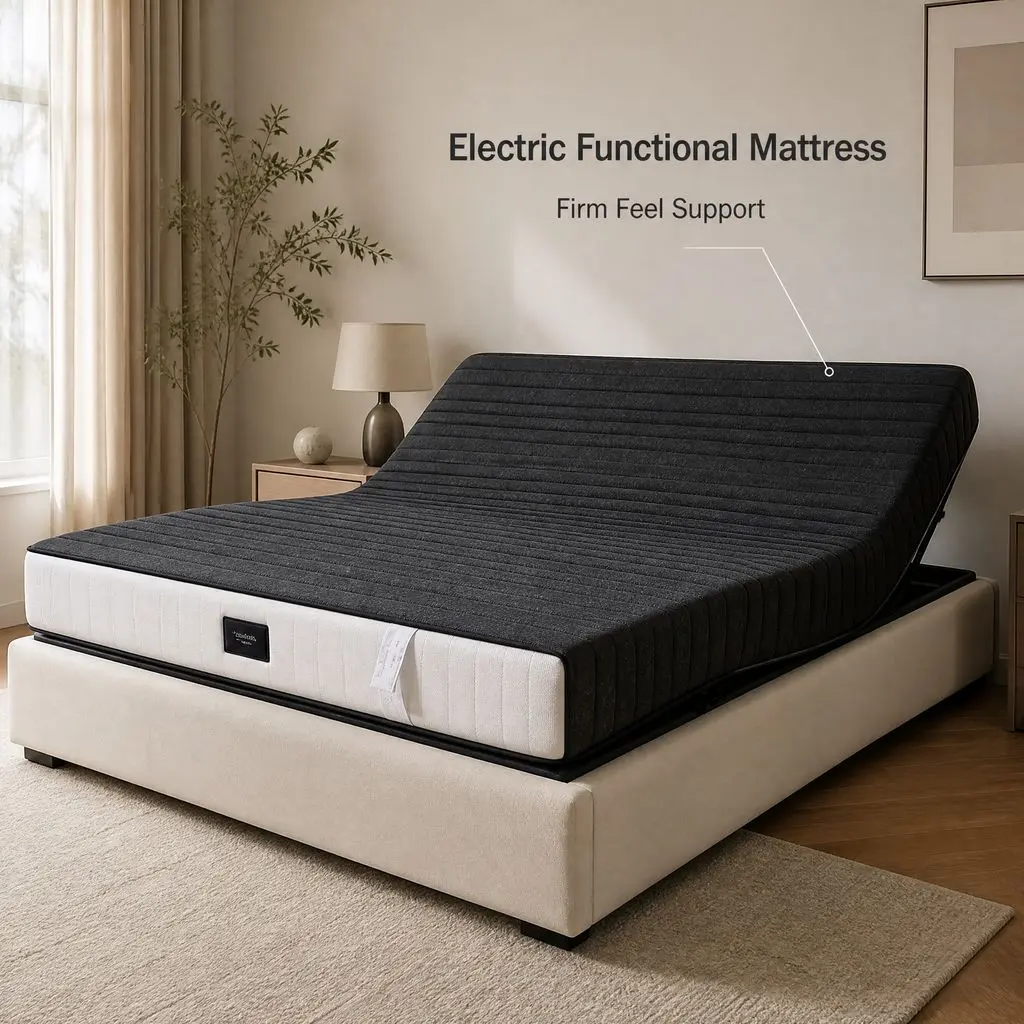
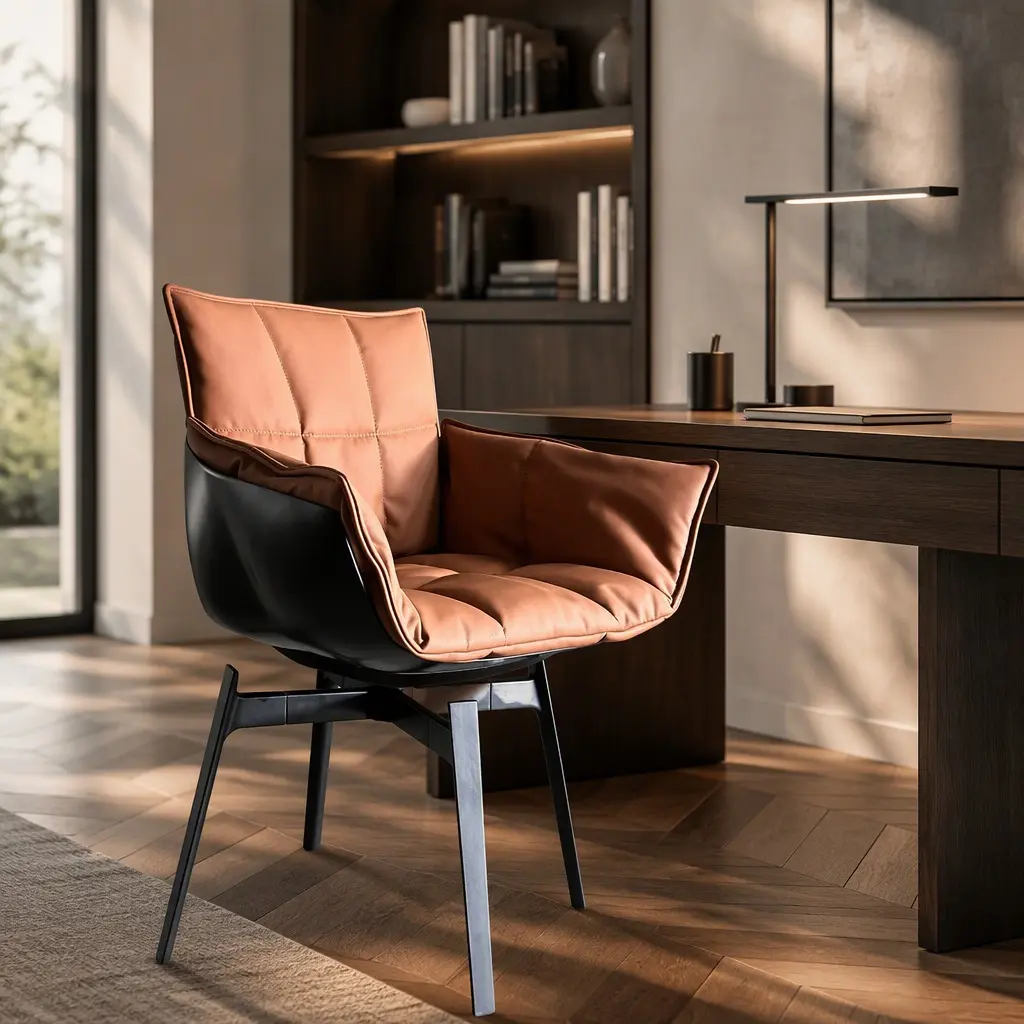
Leather living areas pair naturally with upholstered beds, dining chairs and accent seating from the same finish story — shipped on a single purchase order.
Buyer Q&A
Questions Importers Ask Before the First Leather Order
Is Qingyumai a leather sofa manufacturer or a trading company?
Qingyumai is the export brand of Foshan Qingyumai Technology Co., Ltd., an integrated manufacturer covering R&D, production and international sales with its own production facility in Shunde, Foshan. For whole-house orders we coordinate a network of audited partner factories so every category ships under one quality standard and one purchase order.
What is the practical difference between full-grain, top-grain and corrected-grain leather?
Full-grain retains the natural hide surface and breathes best, but shows natural markings. Top-grain is lightly sanded for a more uniform look with good durability. Corrected-grain has the surface sanded and embossed for maximum uniformity and scratch tolerance — usually the safest choice for high-traffic contract environments.
Do you accept OEM and ODM orders on leather models?
Yes. We customise dimensions, upholstery and frame colours, leather and fabric grades (including contract-grade options), and branding such as woven labels and embossed logos for wholesale and project orders.
Can leather sofas be consolidated with beds, mattresses and dining furniture in one container?
Yes. Our post-sale team handles container consolidation across categories, planning loading space around modular geometry to reduce ocean freight cost per unit while using multi-layer export crating to prevent transit damage.
How do you control quality during mass production of leather upholstery?
Our internal QC engineers carry out on-site production line audits that check structural durability and finish consistency, and pre-sale consultants recommend material configurations aligned with the regulatory standards of your destination market.
Can you match a specific colour reference or dye lot for a repeat order?
Share the reference in your brief. We confirm dye-lot availability with the tannery and document the matched specification on the approved sample so repeat production stays on the same finish. Always confirm colour tolerance in writing before the sampling stage.
Which buyers do you typically work with?
We supply furniture wholesalers and importers, hotel and hospitality procurement teams, property developers, interior design firms, salons and residential clients that need coordinated furniture for multiple rooms.
Where is your factory located and can buyers visit?
We are located in Hui Cheng Industrial Park, Longjiang Town, Shunde District, Foshan, Guangdong, China, one of the world's best-known furniture manufacturing hubs. Buyers are welcome to arrange factory and showroom visits.
Procurement checklist: before placing a leather order, confirm (1) hide grade and finish in writing, (2) abrasion and flammability documentation, (3) dye-lot lock for repeat production, (4) frame material and joint specification, (5) which party owns export and destination documentation.
Work With Us
Need a Wholesale or Custom Leather Sofa Solution?
Get our latest leather and upholstery collections, material options and customisation guide. Our export team will help you plan categories, configurations and container loading for your market.