
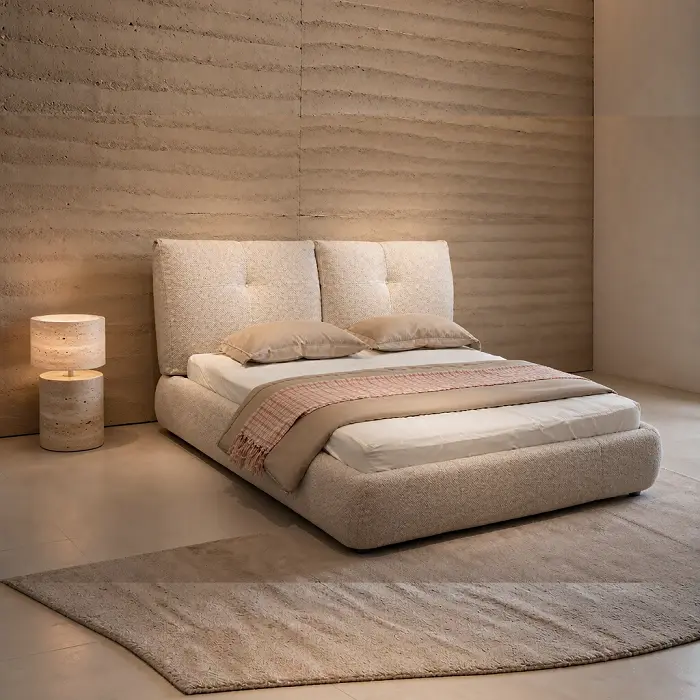
Latest design QYM C156-B Linen Upholstered Bed — Everyday comfort in a clean cotton linen profile.
View ProductNightstands rarely ship alone. Buyers who coordinate bedside storage with beds, mattresses and dining seating reduce vendor count and protect finish consistency across an entire project.
Latest design QYM C156-B Linen Upholstered Bed — Everyday comfort in a clean cotton linen profile.
View Product
China QYM C159 Upholstered Bed — A tailored upholstered bed with a refined mixed-material finish.
View Product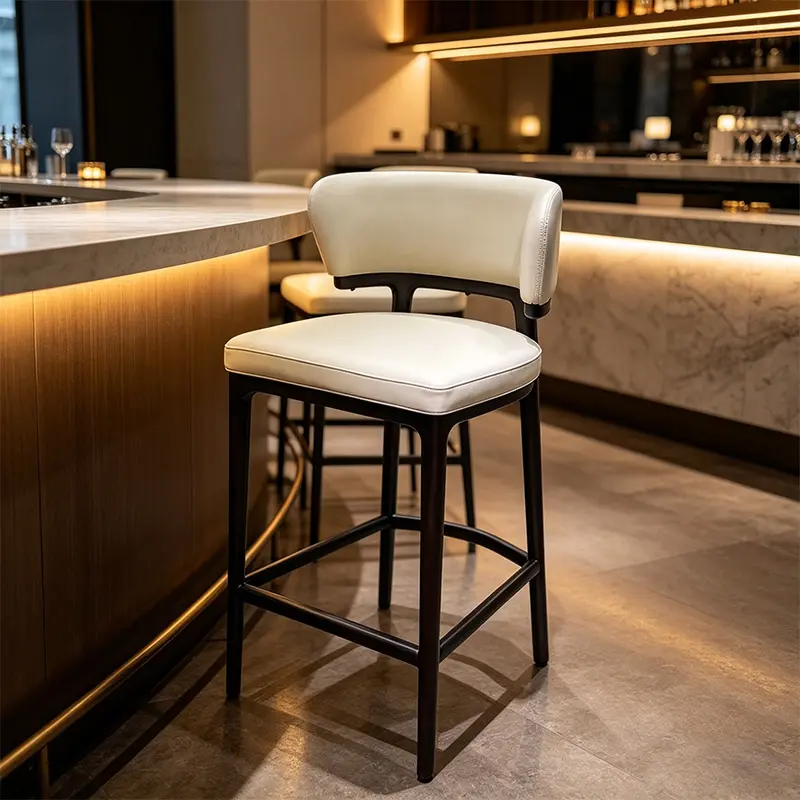
Wholesale QYM Light Gray Microfiber Leather Bar Stool, Solid White Ash Wood Smoked Finish Frame.
View Product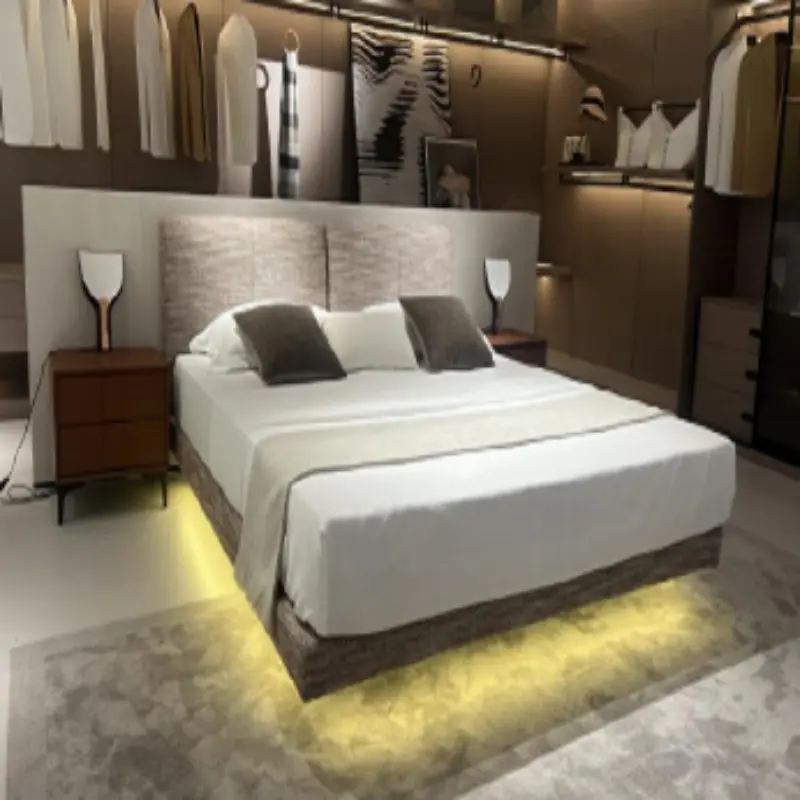
China QYM C190 Floating Fabric Upholstered Bed with a warm upholstered finish.
View Product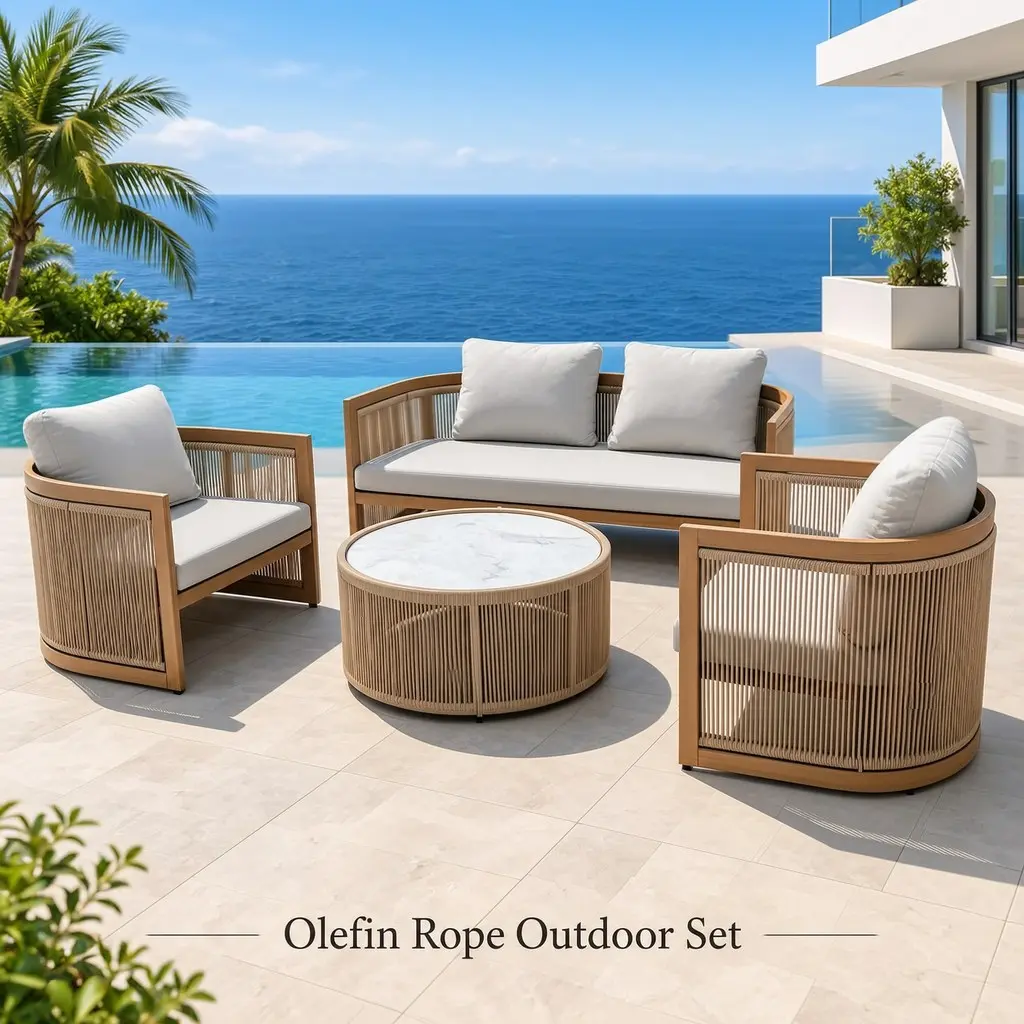
Wholesale QYM XD-6023 Wood-Grain Aluminum Outdoor Sofa Set with Olefin Rope Weave & Waterproof Cushions.
View Product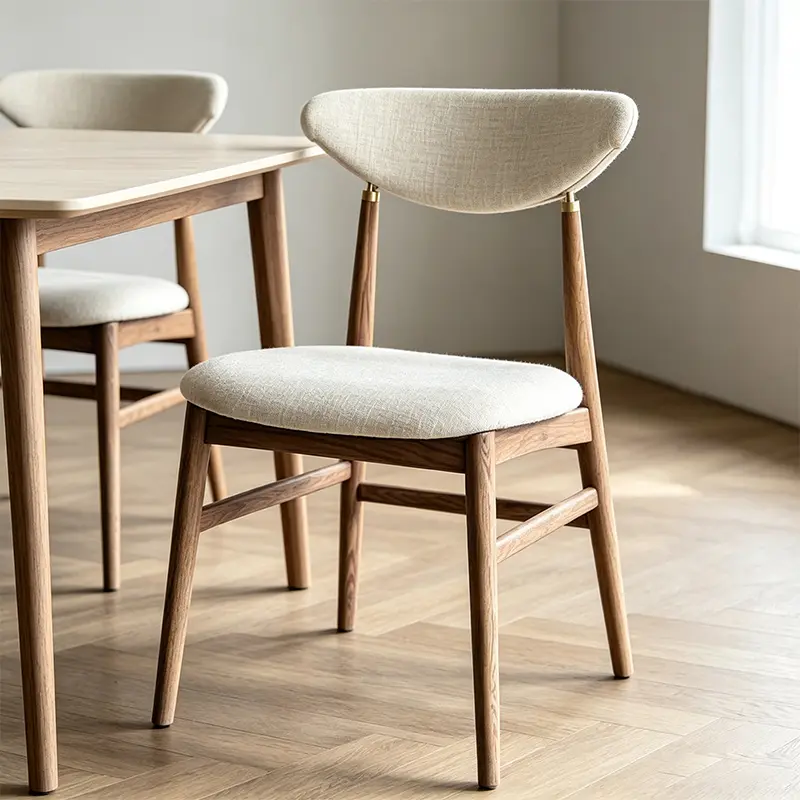
Latest design QYM Linen Cotton Fabric Dining Chair, Beige / Orange Fabric, Solid White Ash Wood Frame.
View Product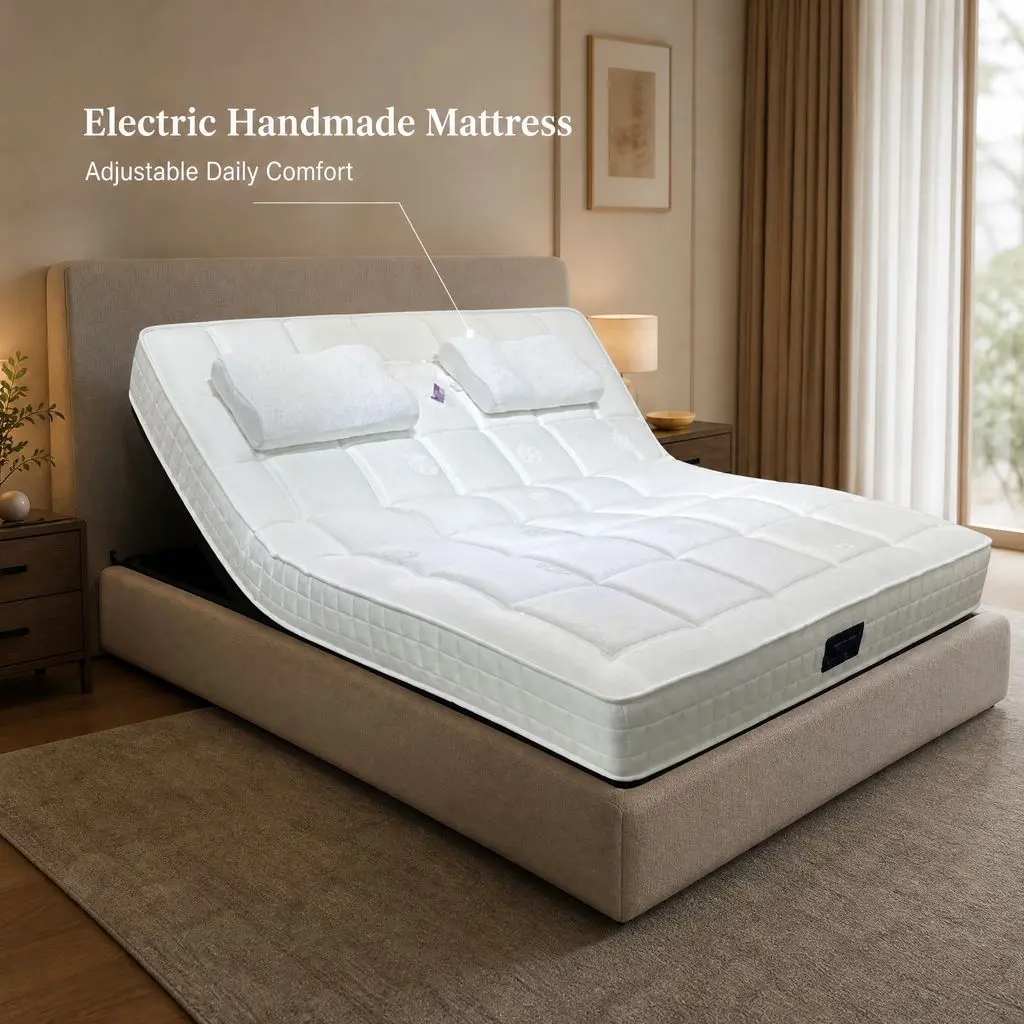
Latest design QYM ZNA2 Smart Electric Adjustable Mattress with German Oeken Motor & Quiet Pocket Springs.
View Product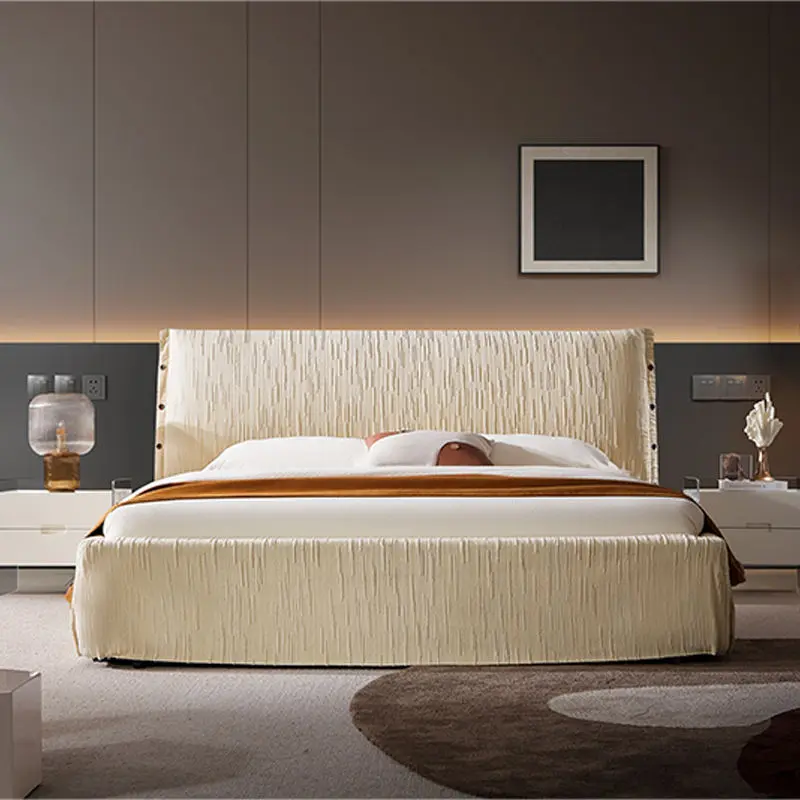
Latest design QYM C188 Modern Luxury Soft Bed — Dyed Jacquard Chenille Bed Frame with Storage.
View ProductNightstands sit at the intersection of three purchasing realities: they are specified room by room, they must survive high-frequency daily use, and they are almost always bought alongside a bed. That combination makes them a deceptively demanding sourcing item — and a strong signal of whether a manufacturer can actually deliver a coordinated bedroom program.
Hospitality, multifamily and serviced-apartment projects specify nightstands in fixed multiples — often 2 per key. A 300-key hotel generates roughly 600 units before any public-area furniture. Volume certainty makes this category attractive, but only for factories that can hold dimensional tolerance across a run.
Unlike a sofa, a nightstand combines drawer mechanics, joinery, surface finishing and often a charging interface. Each element introduces a failure point. Buyers increasingly audit drawer cycle life, edge banding and hardware grade before confirming a purchase order.
Composite wood panel emissions, flame-retardant requirements and packaging waste rules differ by destination market. A manufacturer that understands EPA TSCA Title VI, CARB Phase 2, EU EUTR and UKCA documentation reduces the risk of a container being held at port.
Nightstand sourcing behaviour differs sharply by buyer archetype. Understanding which segment you sell into determines the specification, packaging and lead-time model a factory must engineer around.
Fixed multiples, contract-grade laminate or veneer, tamper-resistant hardware and strict dimensional repeatability. Procurement teams usually issue an FF&E schedule with a matched bed specification.
Assortment breadth over depth. Buyers want 8–20 SKUs per container that mix finish, size and price band, with flat-pack or knock-down design to reduce ocean freight cost per unit.
Bespoke dimensions, material samples and prototype approval. Designers value a factory that can produce a one-off sample quickly before committing a full project.
Carton-optimised packaging, retail-ready assembly instructions and damage-resistant crating. Returns economics make packaging engineering as important as the product itself.
| Buyer Segment | Typical Order Size | Specification Priority | Lead-Time Expectation |
|---|---|---|---|
| Hotel & Hospitality | 200–1,200 units per project | Durability, dimensional repeatability, contract laminate | 45–75 days plus sea freight |
| Wholesalers & Importers | 1–5 containers per season | Assortment breadth, finish variety, freight efficiency | 30–50 days, repeatable cycles |
| Interior Designers | 1–50 units per scheme | Bespoke dimensions, sample fidelity, material matching | Sample first, then 35–60 days |
| E-Commerce Retailers | 500–5,000 units per SKU | Carton design, assembly simplicity, damage resistance | 35–55 days with replenishment |
The bedroom casegoods supply chain remains concentrated in a small number of production clusters. Foshan and the broader Pearl River Delta continue to dominate upholstered and panel-based bedroom furniture, supported by a dense network of hardware, foam, fabric and finishing suppliers within a short radius. This proximity compresses lead times and makes rapid sampling economically viable.
At the same time, buyers are diversifying. Vietnam, Poland and Mexico have absorbed a portion of volume-oriented panel furniture, particularly for the North American market where tariff exposure influences sourcing decisions. The practical consequence for procurement teams is that a single-country strategy is increasingly fragile — and manufacturers with multi-category, multi-process capability are better positioned to absorb shifts.
Within the category itself, three structural changes are visible. First, hardware quality has become a differentiator, with soft-close runners and concealed hinges moving from premium to baseline expectation. Second, surface finishing has shifted toward matte, tactile treatments that hide fingerprints. Third, integrated charging and lighting features are migrating from luxury tiers into mainstream hotel and multifamily specifications.
Specify-side pressure is rising in four areas that directly affect nightstand sourcing:
A nightstand is a small object with a large specification surface. The solutions below describe how a capable manufacturer structures the engineering decisions that determine durability, freight cost and compliance outcomes.
Load-bearing analysis for drawer boxes, corner-block reinforcement and dado versus dowel joinery. Commercial-grade specifications typically target drawer cycle life well beyond residential expectations, which changes the hardware and material selection entirely.
Matte lacquer, melamine, veneer with water-based topcoat, and powder-coated metal all carry different wear profiles. Finish selection should be driven by cleaning-chemical exposure in the destination environment, not aesthetics alone.
USB-A/C charging modules, wireless charging pads and dimmable bedside lighting are now standard requests for hospitality. Electrical components must be certified for the destination market, which requires early coordination between furniture and electrical engineering.
Flat-pack design reduces container cube substantially. The engineering trade-off is assembly complexity and hardware tolerance. A well-designed knock-down nightstand should assemble with a single tool and no adjustable alignment in under fifteen minutes.
Panel boards documented to EPA TSCA Title VI and CARB Phase 2, low-VOC adhesives and finishes, and full material traceability for EU and UK markets. Documentation should be prepared at specification stage and archived per production batch.
Woven labels, branded hardware, custom cartons and product photography for retailer listings. For importers building a house brand, private label consistency across categories matters more than any single SKU.
Qingyumai is the export brand of Foshan Qingyumai Technology Co., Ltd., an integrated furniture manufacturer in Longjiang, Shunde — one of the world's most established furniture production clusters.
Nightstand engineering is moving through four overlapping phases. Each phase changes what procurement teams should be specifying — and which manufacturers are able to respond.
Panel optimisation, engineered cores and recycled content. The objective is dimensional stability at lower mass, which directly reduces freight cost per unit and improves handling durability.
Soft-close runners, push-to-open mechanisms and mechanical drawer systems with extended cycle ratings. Hardware is increasingly the durability differentiator in commercial specifications.
Certified USB-C charging, wireless pads and integrated dimmable lighting. Power integration requires early coordination between furniture engineering and electrical certification bodies.
BIM-ready models, structured specification sheets and digital product passports for EU-facing projects. Buyers increasingly require machine-readable data before awarding a contract.
Looking forward, the most likely shift is not a dramatic redesign of the nightstand itself but a tightening of documentation and data expectations around it. Factories that can supply verified material declarations, dimensional models and consistent batch-level traceability will compound an advantage that is difficult and slow for competitors to replicate.
Cross-border furniture procurement fails most often at the documentation layer, not the factory floor. A nightstand that performs perfectly in the showroom can still create cost if its panel emissions are undeclared, its electrical accessories are uncertified for the destination market, or its packaging does not meet recycling registration obligations.
Qingyumai approaches compliance as a pre-sale function. Pre-sale consultants recommend material configurations aligned with the regulatory standards of the destination market, and internal QC engineers carry out on-site production line audits that check structural durability and finish consistency before shipment.
We supply furniture wholesalers and importers, hotel and hospitality procurement teams, property developers, interior design firms, salons and residential clients that need coordinated furniture for multiple rooms.
Factory and showroom visits are welcome at our facility in Hui Cheng Industrial Park, Longjiang Town, Shunde District, Foshan, Guangdong, China.
Whether you order eight SKUs or eight hundred units, the sequence is the same. What changes is the depth of engineering and the audit frequency.
Share drawings, target market and budget. Consultants map each room to suitable categories and flag documentation requirements early.
We recommend frames, boards, hardware and finishes that meet your destination's regulatory standards, then document them.
Pre-production samples confirm dimensions, finish, hardware feel and drawer action before mass production begins.
QC engineers test structural durability and finish consistency on the production floor, with findings recorded per batch.
Mixed-category container loading and multi-layer export crating reduce ocean freight cost per unit and transit damage.
Replacement parts coordination, assembly documentation and replenishment planning for repeat seasonal orders.
Direct answers to the questions importers, hotel procurement teams and designers ask most before placing a first order.
Qingyumai is the export brand of Foshan Qingyumai Technology Co., Ltd., an integrated manufacturer covering R&D, production and international sales with its own production facility in Shunde, Foshan. For whole-house orders we also coordinate a network of audited partner factories so that every category ships under one quality standard and one purchase order.
Yes. Our post-sale team handles container consolidation across categories, planning loading space to reduce ocean freight cost per unit while using multi-layer export crating to prevent transit damage. Bedroom programs that combine beds, nightstands and mattresses typically achieve better cube utilisation than separate shipments.
Yes. We customize dimensions, upholstery and frame colors, fabric grades (cashmere, cotton-linen, cool-touch and commercial-grade fabrics) and branding such as woven labels and embossed logos for wholesale and project orders. Casegood finishes, hardware selections and carton artwork can be specified in the same brief.
Our internal QC engineers carry out on-site production line audits that check structural durability and finish consistency, and pre-sale consultants recommend material configurations aligned with the regulatory standards of your destination market. Audit findings are recorded per production batch so that issues can be traced to a specific run.
We supply furniture wholesalers and importers, hotel and hospitality procurement teams, property developers, interior design firms, salons and residential clients that need coordinated furniture for multiple rooms.
We are located in Hui Cheng Industrial Park, Longjiang Town, Shunde District, Foshan, Guangdong, China, one of the world's best-known furniture manufacturing hubs. Buyers are welcome to arrange factory and showroom visits.
Panel board emission documentation, material declarations and finish specifications can be prepared according to the requirements of the destination market. Electrical accessories such as charging modules are matched to local plug, voltage and certification regimes, and specification data is archived per batch for traceability.
Sampling usually takes one to three weeks depending on finish and hardware complexity. Mass production runs typically 30–55 days after sample approval, with the final figure influenced by order quantity, finish process and whether electronic components require separate certification.
Get our latest bedroom collections, material options and customization guide. Our export team will help you plan categories, configurations and container loading for your market.
Contact Our Export Team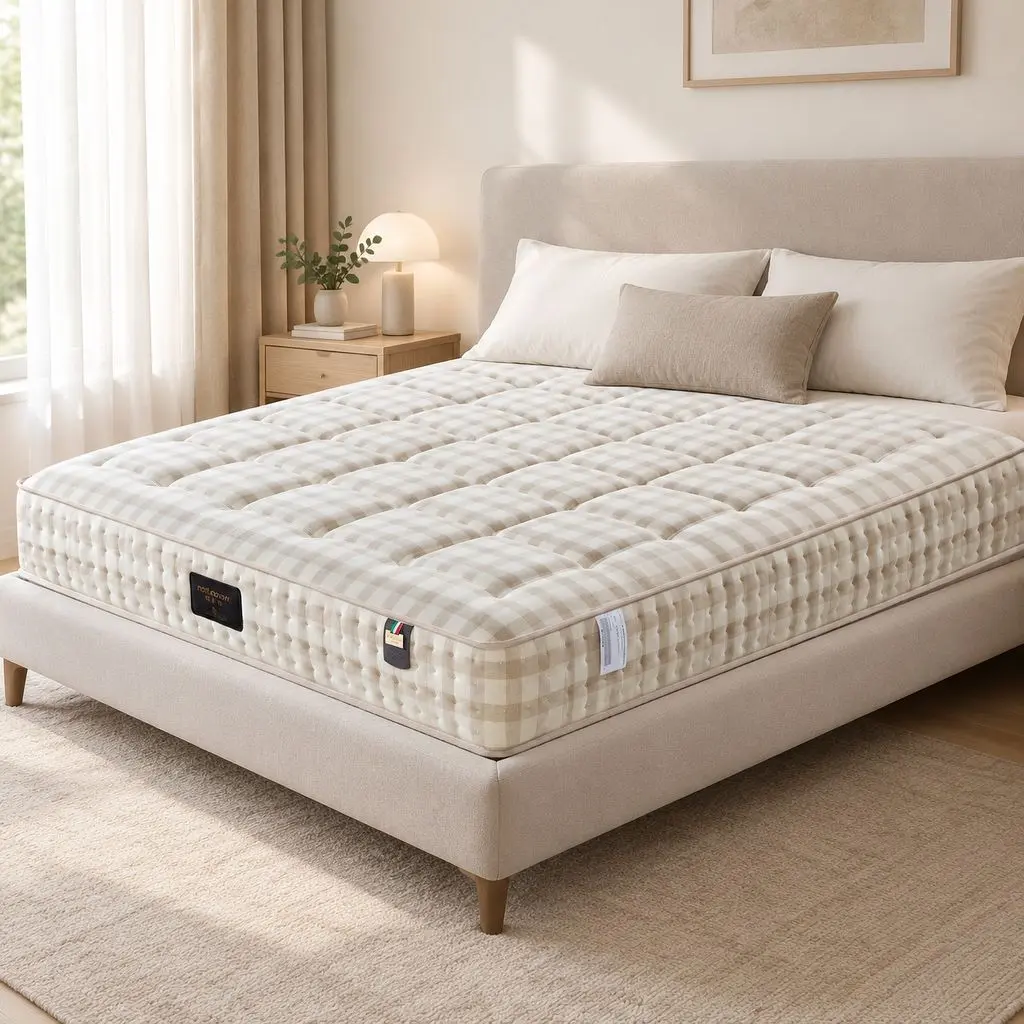
Wholesale QYM WXSS-01 Handmade Mattress with Silent Pocket Springs, Mini Bubble Springs & Advanced 3D Layer.
View Product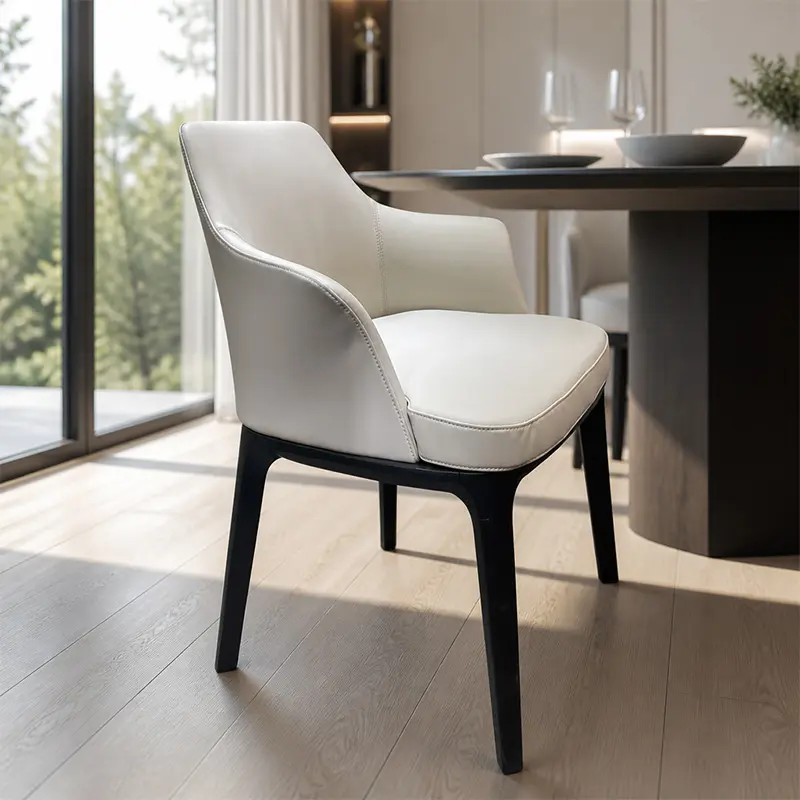
China QYM Light Gray Microfiber Leather Dining Chair with Armrest, Smoked White Ash Wood Frame.
View Product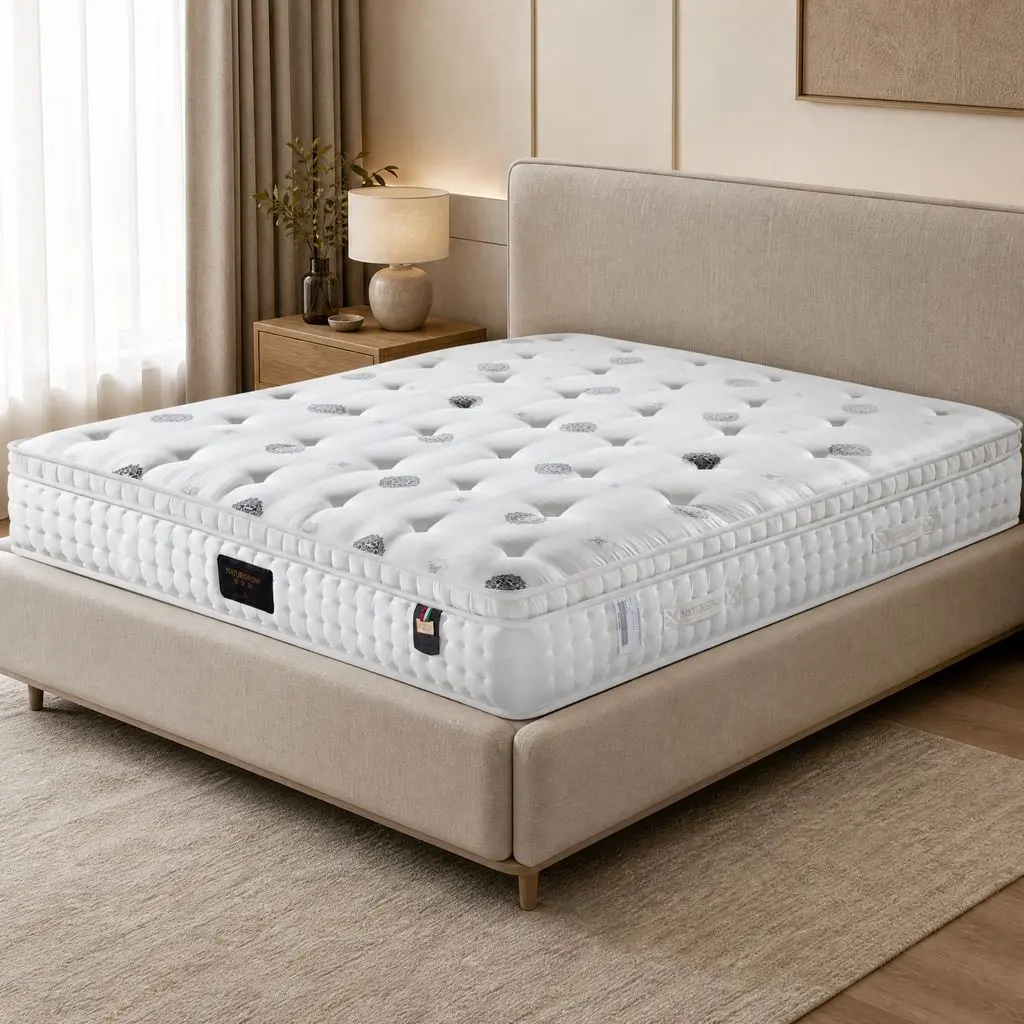
Wholesale QYM YJ-01 Handmade Mattress with Silent Pocket Springs, Thai Latex & Cloud Memory Foam.
View Product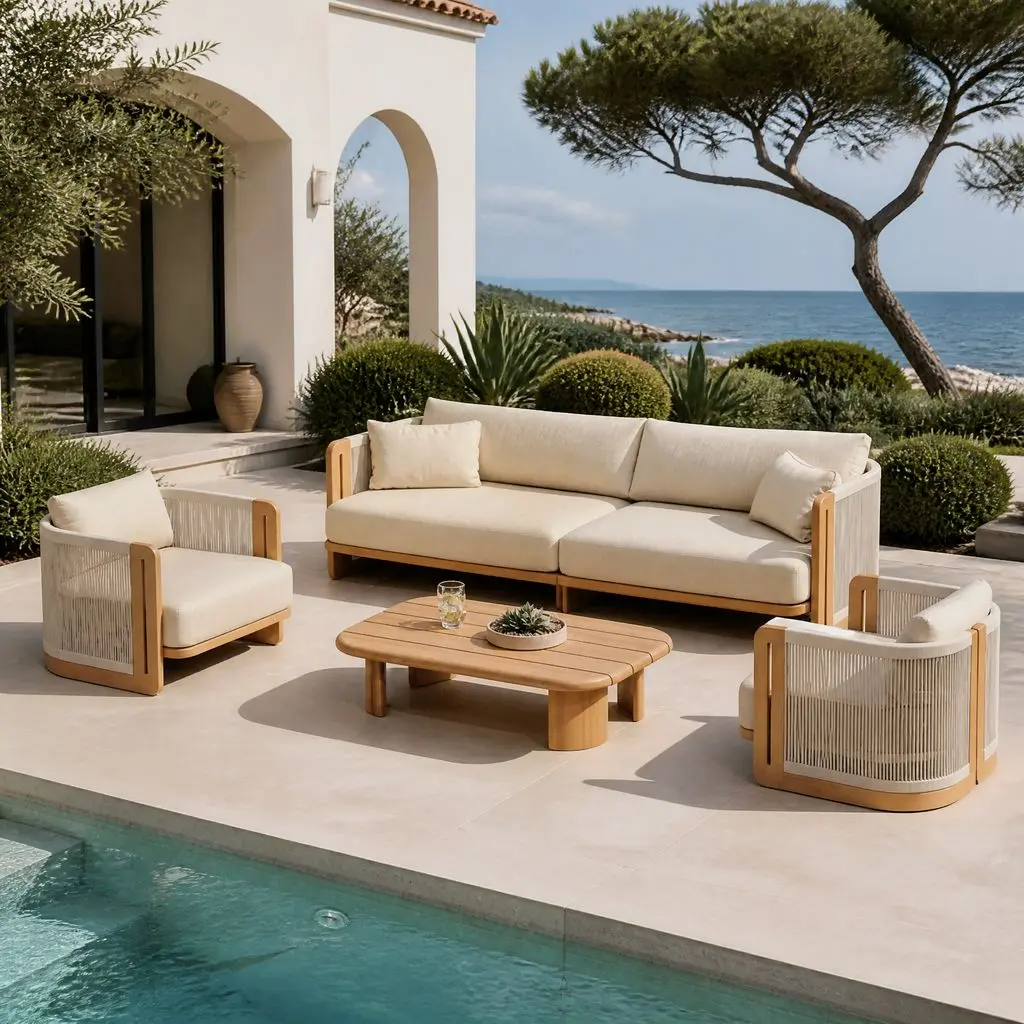
Wholesale QYM XD-6003 Wood-Grain Aluminum Outdoor Sectional Sofa with Teak Armrests & Woven Rope.
View Product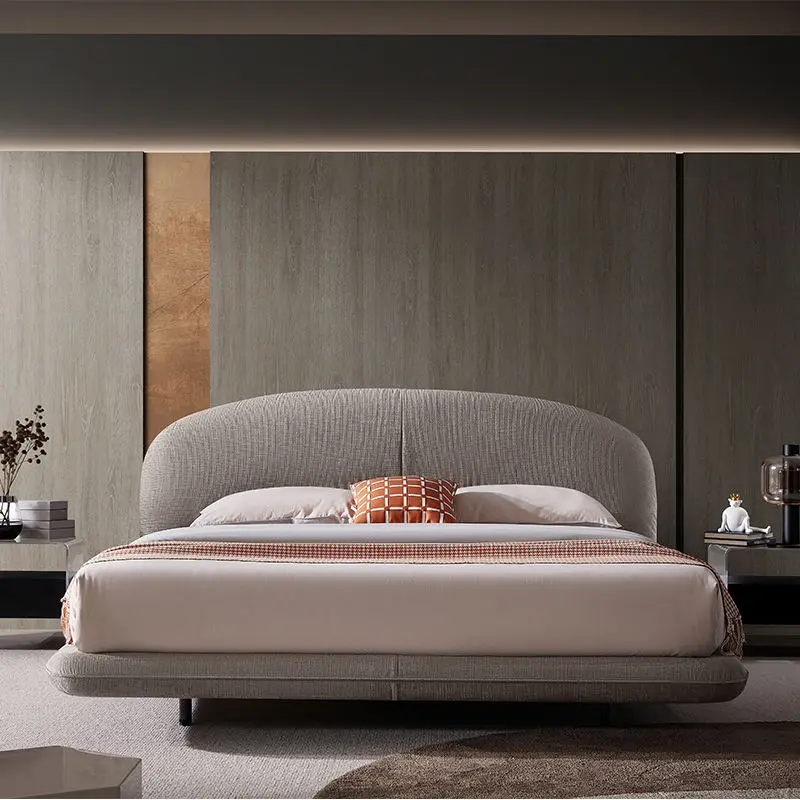
Wholesale QYM C178 Customized Modern Luxury Floating Soft Bed — Little Checked Chenille Bed Frame.
View Product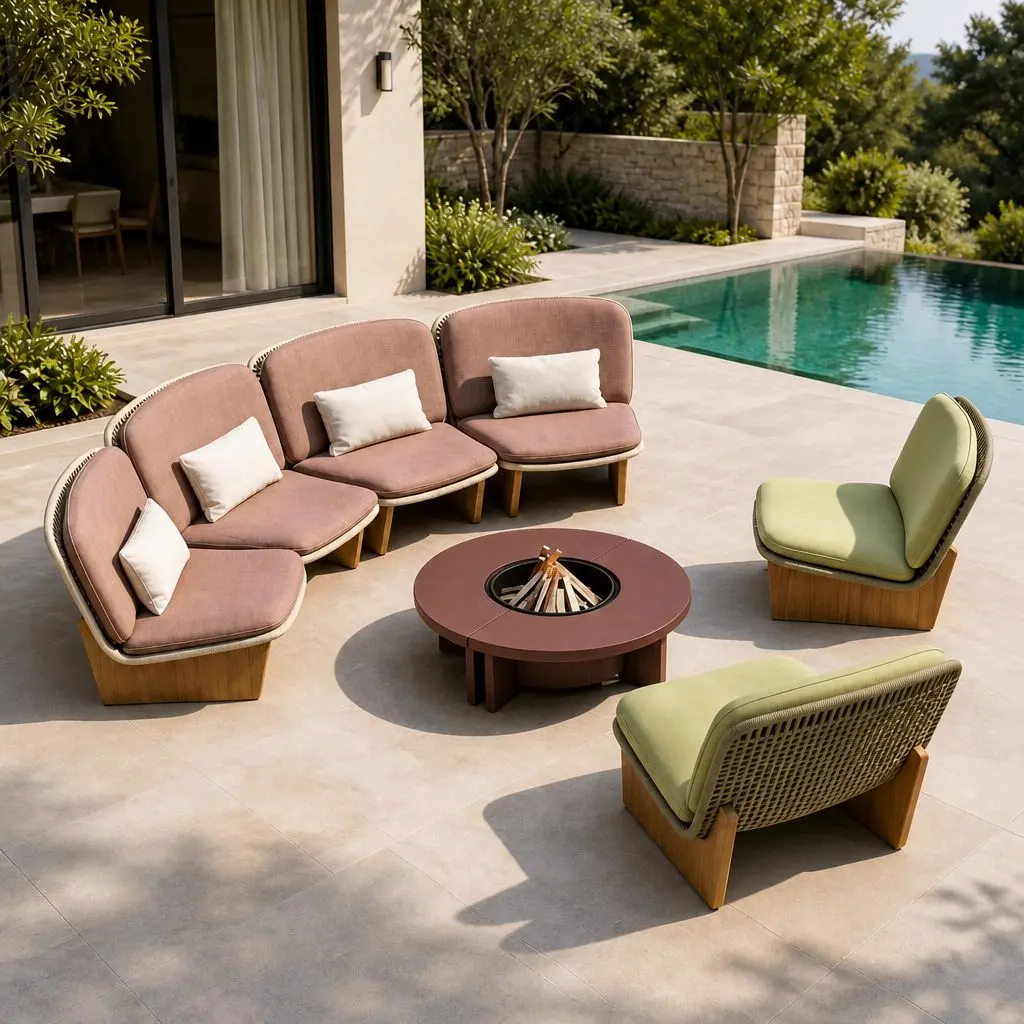
China QYM XD-6015 Curved Armless Outdoor Sofa Set with Wood-Grain Aluminum Frame & Teak Backrest.
View Product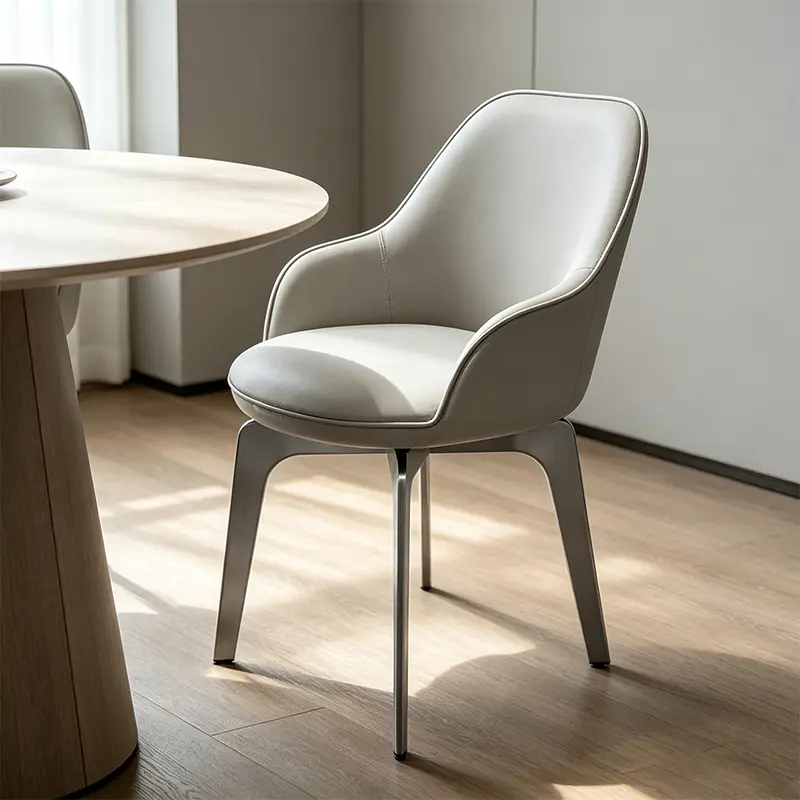
Latest design QYM Light Gray Microfiber Leather Swivel Dining Chair, Solid Stainless Steel Grey-Titanium Frame.
View Product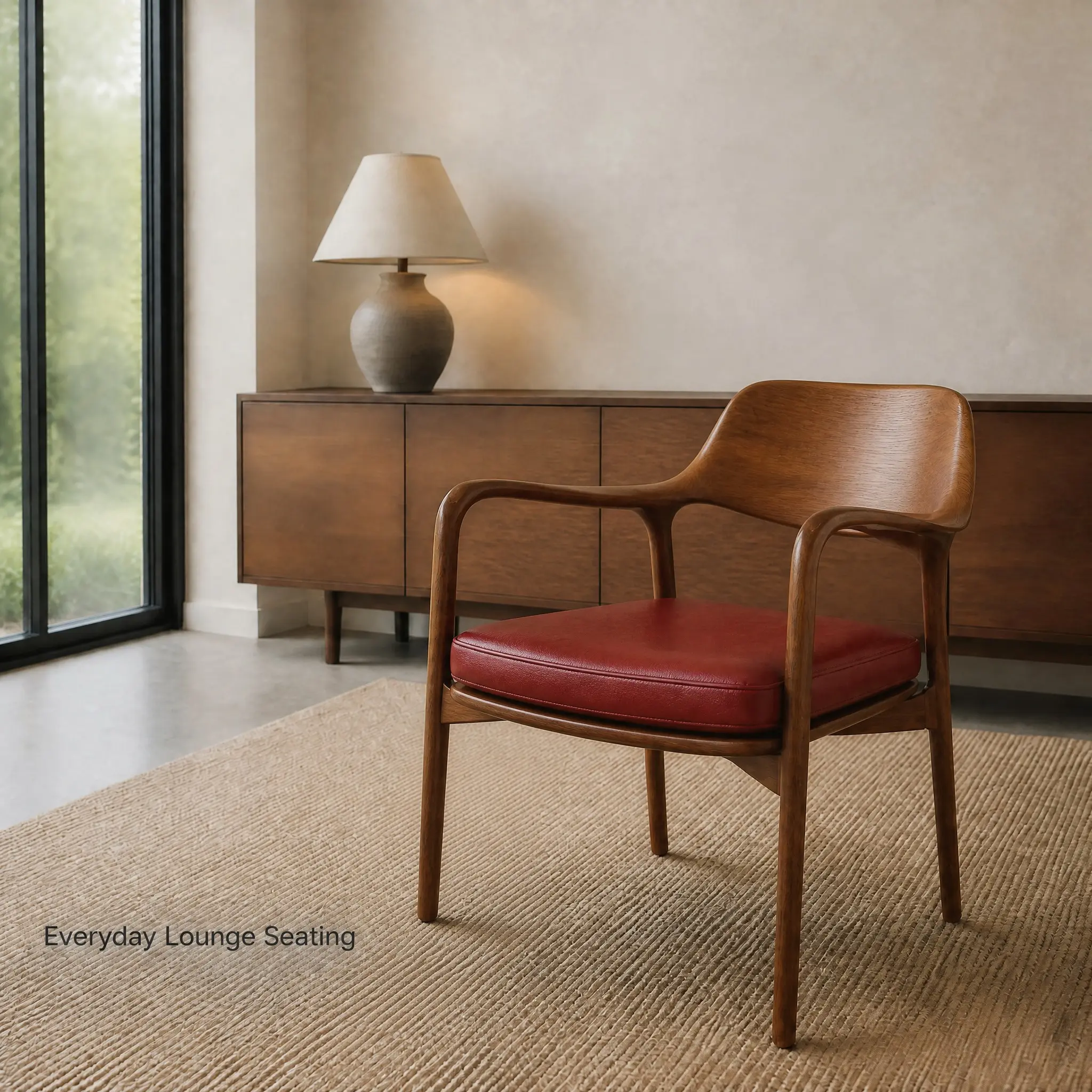
Wholesale QYM Solid Ash Wood Frame Dining Armchair, Red Dragon-Scale Microfiber Leather Upholstery.
View Product