
Top 10 Minimalist Bed Styles for Modern Bedrooms

Time:2026-11-17 Author:Madeline
0%

A calm bedroom often begins with the bed, but minimalism does not mean choosing the plainest frame available. The right Minimalist Bed should suit the room’s dimensions, support the mattress properly, and leave enough space to move comfortably. A low platform can make a compact room feel more open, while a simple wood frame adds warmth without visual clutter. Small details matter.

This guide explores ten minimalist bed styles for modern bedrooms, from floating frames to upholstered designs with clean lines. Each option brings a different balance of appearance, storage, comfort, and maintenance. Before choosing, check the manufacturer’s mattress requirements, frame materials, and weight limits. Measure walkways, too; a beautiful bed can feel impractical when drawers or doors cannot open fully. Not every room agrees.

Minimalist design can also be less forgiving than it looks. Scuffs, dust beneath a low frame, or a mattress that sits too high may stand out against an otherwise uncluttered space. These trade-offs deserve attention, not a perfect-looking showroom photo. Use the styles ahead as a starting point, then compare them with your actual routines, budget, and room layout. The most successful choice is often the one that feels quiet, sturdy, and easy to live with—not merely the one that photographs well.
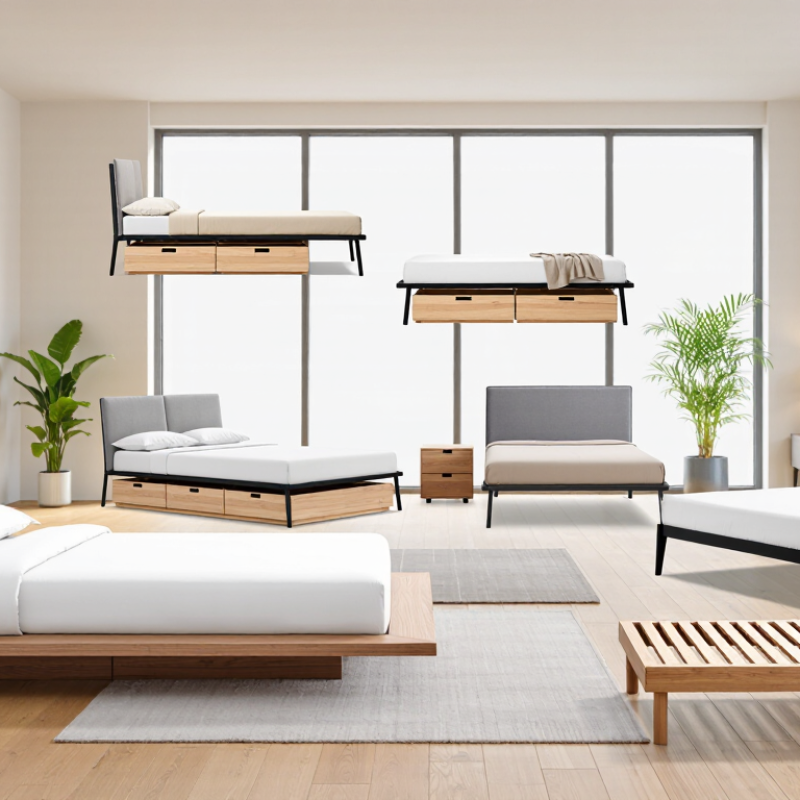
Top 10 Minimalist Bed Styles for Modern Bedrooms

What Defines a Minimalist Bed for a Modern Bedroom

A minimalist bed is defined less by a trend label than by what it leaves out. Its frame often has clean lines, a simple headboard, and few decorative details. Slim legs or a low platform can keep the floor visible and make a compact room feel more open. Still, proportion matters. A broad, low frame may feel grounded in a spacious room but crowded beside a narrow walkway.

Good design also includes what you cannot see. Check that the frame suits the mattress size and provides steady support, with no noticeable movement when you shift position. Measure the bed, then leave enough space to walk around it and open drawers or closet doors. Built-in storage can be useful, though it adds visual weight. Not always a better choice.

Materials shape the mood. Pale wood can soften crisp lines, while a fabric headboard adds texture without requiring extra ornament. Look closely at joints, finishes, and edges; simple forms leave little to hide uneven workmanship. A nearly bare bed can feel cold, too. Soft bedding or a small bedside lamp may bring warmth without clutter, though the right balance depends on the room and how it is used.

Key Materials, Shapes, and Space-Saving Features

Minimalist beds rely on clear geometry, honest materials, and room to move. A slim platform bed in oak or ash keeps the floor line visible; a low upholstered frame softens a room with hard floors. Metal frames with narrow rails feel lighter, while a simple slatted headboard adds texture without bulky panels. For compact rooms, consider a wall-mounted bed or a frame with drawers beneath. Small details matter: rounded corners ease tight walkways, and recessed legs make a bed appear to float. A pale finish feels calm, though it can show dust quickly.

Scale is as important as style. NAHB’s analysis of U.S. Census Bureau data reports that the average new single-family home measured 2,411 square feet in 2023, down from 2,480 in 2022. That shift makes efficient furniture choices practical, even beyond small apartments. Measure the bed, open drawers fully, and leave a clear path to the closet. Solid wood can be durable, while engineered panels often reduce weight and cost; check construction and finish details rather than judging by appearance alone. The U.S. Environmental Protection Agency notes that some indoor pollutant levels can be two to five times outdoor levels, so low-emission finishes are worth checking.

Tips: Choose storage drawers only where they can open freely. In tight rooms, lift-up storage may work better. Keep the headboard shallow, and test the frame for squeaks before buying. A perfect fit on paper can still feel cramped.

Ten Minimalist Bed Styles and Their Distinctive Designs

Minimalist bed design is less about having nothing and more about making each element useful. A platform bed keeps the silhouette low, with a broad frame that often needs no box spring. Low-profile beds sit closer to the floor, making a room feel open, though getting up may be less comfortable for some people. A floating bed hides its supports beneath the frame. Check its weight limits and floor clearance before choosing one. Clean lines matter.

A pared-back canopy bed uses slim posts and no heavy curtains, adding height without visual clutter. Storage beds conceal drawers or lift-up compartments, useful in small rooms but heavier to move. An upholstered bed softens a space with fabric and a padded headboard; vacuuming seams takes regular effort. Spindle beds use slender rails and open space between them, giving a traditional shape a lighter appearance. Small details count.

Tatami-style beds sit low and pair naturally with simple bedding, but their height and surface feel may not suit everyone. A minimalist four-poster frame keeps the familiar outline while reducing ornament. Slim metal beds offer an airy look and are easy to clean around, though some can creak if joints loosen. These ten designs share restraint, yet comfort, storage, and daily maintenance still deserve attention. Minimal does not always mean practical.

How to Match a Bed Style to Room Size and Practical Needs

A minimalist bed should leave the room usable, not just look calm in a photograph. In a narrow bedroom, a simple platform frame with open space beneath it can feel lighter than a bulky upholstered design. Measure the bed, then mark its footprint on the floor with tape. Measure twice. Check that drawers, closet doors, and bedroom doors can still open.

Low-profile beds suit rooms with limited visual space, but they are not comfortable for everyone. If getting up from a low seat feels difficult, a higher frame may be more practical. The combined height of the frame and mattress matters. A thick mattress can make a sleek design feel unexpectedly tall. Small detail, big difference. Leave a clear path around the bed where possible, especially if two people use the room.

Storage beds can help when closets are small, but drawer models need room to pull out. In a tight layout, lift-up storage or a plain frame with boxes underneath may work better. Check the usable storage dimensions, not just the outer frame size. For a spacious bedroom, a wider frame or soft upholstered headboard can add comfort without much decoration. I still think choosing by appearance alone is an easy mistake; a beautiful bed can become annoying when it blocks a window or catches a shin. A little awkward to admit, but daily movement is part of the design.

Top 10 Minimalist Bed Styles for Modern Bedrooms — How to Match a Bed Style to Room Size and Practical Needs

Bed style Minimalist look Best room fit Practical advantages Things to consider Useful mattress-size guide
1. Low-Profile Platform A simple, low frame with a solid or slatted base and little or no decorative trim. Small or medium bedrooms where a visually light, uncluttered appearance is wanted. Often supports a mattress without a separate box spring; the low silhouette can make a room feel more open. Check the frame’s slat spacing and mattress-support requirements. Low height may be less convenient for some people to get in and out of bed. Twin or full for compact rooms; queen for a typical shared bedroom.
2. Japanese-Inspired Low Bed A very low frame with clean lines and a close-to-the-floor profile. Rooms with a calm, open layout and enough floor space around the bed. Creates a low visual center of gravity and keeps the room’s sightlines relatively clear. Allow airflow beneath the mattress as recommended by its manufacturer; a very low bed can be harder to clean around and access. Twin or full for a compact room; queen works well when circulation space remains clear.
3. Floating Bed A frame with recessed supports that make the bed appear to hover above the floor. Modern rooms where a streamlined, open floor appearance is a priority. The recessed base reduces visible bulk and can make floor cleaning easier, depending on the design. Confirm the frame’s weight capacity, support system, and clearance for cleaning equipment; the floating effect does not reduce the mattress footprint. Choose the largest size that still leaves comfortable walking paths; queen is a common middle-ground option.
4. Storage Platform Bed A straightforward platform frame with drawers or lift-up storage integrated into the base. Small bedrooms with limited closet space or a need to reduce visible storage clutter. Uses otherwise under-bed space for bedding, clothing, or other household items. Drawers need room to open; lift-up models need overhead access. Measure nearby doors, nightstands, and walkways before choosing. Full or queen can balance sleeping space and storage in many bedrooms.
5. Slim Metal Frame A narrow frame made from simple metal rails, often with a restrained headboard or none at all. Small rooms, guest rooms, and spaces where a lighter-looking frame is desirable. Typically has a slim outline and can be easier to move than a bulky, solid-base design. Check for a central support leg on larger sizes and use floor protection where needed. Some frames may creak if joints loosen. Twin or full for compact spaces; queen if the room accommodates the added width.
6. Simple Wood Slat Bed A clean-lined wood frame with a visible slatted headboard or understated natural finish. Most room sizes; particularly suited to warm, natural, or Scandinavian-inspired interiors. A durable frame can pair with a wide range of bedding and décor; slats may provide mattress ventilation. Verify that slat spacing meets the mattress warranty requirements. Wood tones and grain can vary naturally. Twin through king, selected according to available floor space and sleeping needs.
7. Upholstered Minimalist Bed A plain fabric-covered headboard and simple frame without ornate detailing. Medium or large bedrooms where a soft, comfortable headboard is useful. Provides a cushioned surface for sitting up in bed and can soften a room’s overall appearance. Fabric can collect dust and may need spot cleaning. Include the headboard and frame in measurements, not just the mattress. Full or queen for a comfortable shared-room layout; king for a sufficiently spacious room.
8. Wall-Mounted Headboard Bed A basic frame paired with a separate, wall-mounted headboard or padded wall panel. Rooms where a simple frame is preferred and the bed will stay in a fixed position. Separates the headboard from the bed frame, allowing flexible materials and a visually clean arrangement. Wall mounting must suit the wall structure and hardware. Moving the bed may require repositioning the headboard. Any mattress size; plan the wall panel width and bedside access around the chosen frame.
9. Minimal Canopy Bed A simple four-post frame with straight, unadorned rails and no required fabric draping. Larger bedrooms with enough ceiling height and clear space around the frame. Adds structure and a defined focal point without relying on decorative headboard details. Measure ceiling height, light fixtures, and the full outer frame dimensions. The posts and rails can make a small room feel crowded. Queen or king in a room with adequate clearance; avoid choosing by mattress dimensions alone.
10. Minimal Daybed A single-size bed with a simple back and side rail, designed to work as seating as well as a bed. Guest rooms, home offices, studio apartments, and multipurpose spaces. Combines lounging and sleeping functions and usually has a smaller footprint than a full-size bed. A daybed’s rails can limit mattress thickness and access. Check whether it accepts a trundle and allow space for it to extend. Usually twin; confirm the exact mattress dimensions required by the frame.

Planning note: Standard U.S. mattress dimensions are approximately 38 × 75 in for twin, 54 × 75 in for full, 60 × 80 in for queen, and 76 × 80 in for king. Bed frames are usually larger than their mattresses. Measure the frame, door swings, drawers, and walking routes; aiming for about 24–30 in of clear passage where possible can improve everyday access.

Choosing Finishes and Bedding for a Cohesive Look

Minimalist beds work best when their finishes echo the room rather than compete with it. A pale oak frame pairs naturally with warm white walls, while charcoal upholstery can anchor softer, layered bedding. Keep the palette to two or three main tones. Small shifts in texture—washed linen, a ribbed throw, a matte wood grain—add depth without visual clutter. Too much matching can feel flat.

Bedding deserves practical attention, not just careful color coordination. The National Sleep Foundation’s 2011 Bedroom Poll found that three-quarters of respondents considered comfortable sheets and bedding important for good sleep. Nearly nine in ten said a comfortable mattress and pillow mattered. Choose breathable sheets that suit your preferred feel, then repeat one bed-frame tone in a cushion, bedside surface, or lamp base. It is a quiet link. Avoid buying a full matching set before seeing the fabrics together; undertones can look different in daylight.

For a low-profile platform bed, let the bedding soften its clean lines: use a lightly textured duvet and one folded blanket at the foot. With a timber frame, crisp white sheets keep the grain visible. I find overly strict palettes can make a bedroom feel staged, even when every piece is beautiful. Leave one element slightly varied, such as a muted clay cushion against sand-colored bedding, and check the combination in morning and evening light.

Choosing Bedding for a Minimalist Bed: Common U.S. Mattress Dimensions

Compare standard mattress widths and lengths to help select bedding that fits your bed and supports a cohesive bedroom look.

Dimensions shown are standard nominal U.S. mattress sizes in inches. Actual measurements may vary slightly by manufacturer.

FAQS

What makes a bed minimalist?

It usually has clean lines, a simple headboard, and few decorative details. Slim legs or a low platform can leave more floor visible.

How can I tell if a bed fits my room?

Measure the frame and mark its footprint with tape. Check walking paths, drawers, closet doors, and bedroom doors. Measure twice.

Are low-profile beds practical for everyone?

Not always. They can make a room feel open, but getting up may feel uncomfortable. Compare the frame and mattress height before deciding.

Is built-in storage worth choosing?

It can help when closet space is limited. Drawer beds need room to open, while lift-up storage may suit tighter layouts. Check usable dimensions.

What should I check before choosing a floating bed?

Check its weight limits and the clearance beneath the frame. Hidden supports look light, but stability still matters.

Which materials add warmth without extra decoration?

Pale wood softens crisp lines, and a fabric headboard adds texture. Soft bedding or a small bedside lamp can help, too.

Are minimalist beds easy to maintain?

Slim metal frames are easy to clean around, though loose joints may creak. Upholstered seams need regular vacuuming. Small chores add up.

Can a minimalist bed still feel cold or impractical?

Yes. A bare frame may feel cold, and a beautiful design can block a window or catch a shin. I would not choose by appearance alone.

Conclusion

A Minimalist Bed brings calm, clarity, and practical design to a modern bedroom. Defined by clean lines, uncluttered forms, and a focus on essential function, it can be made from materials such as natural wood, metal, or upholstered finishes. Low profiles, simple headboards, and thoughtful space-saving features help these beds feel open and easy to live with. From platform frames and floating designs to compact storage beds, each style offers a different balance of visual lightness and everyday usefulness.

Choosing the right design depends on room size, storage needs, comfort preferences, and how the bed will be used. A smaller room may benefit from a streamlined frame or built-in drawers, while a larger space can accommodate a more substantial silhouette. Coordinate the bed’s finish with simple bedding, soft textures, and a restrained color palette to create a cohesive look that feels welcoming without becoming cluttered.

Madeline

Madeline

Madeline is a dedicated marketing professional with a wealth of expertise in our company's core offerings. With a keen understanding of the industry, she brings a unique perspective to her role, consistently delivering high-quality content that highlights the superior aspects of our products. As......