
Flagship Engineered Collections & OEM Production Capabilities
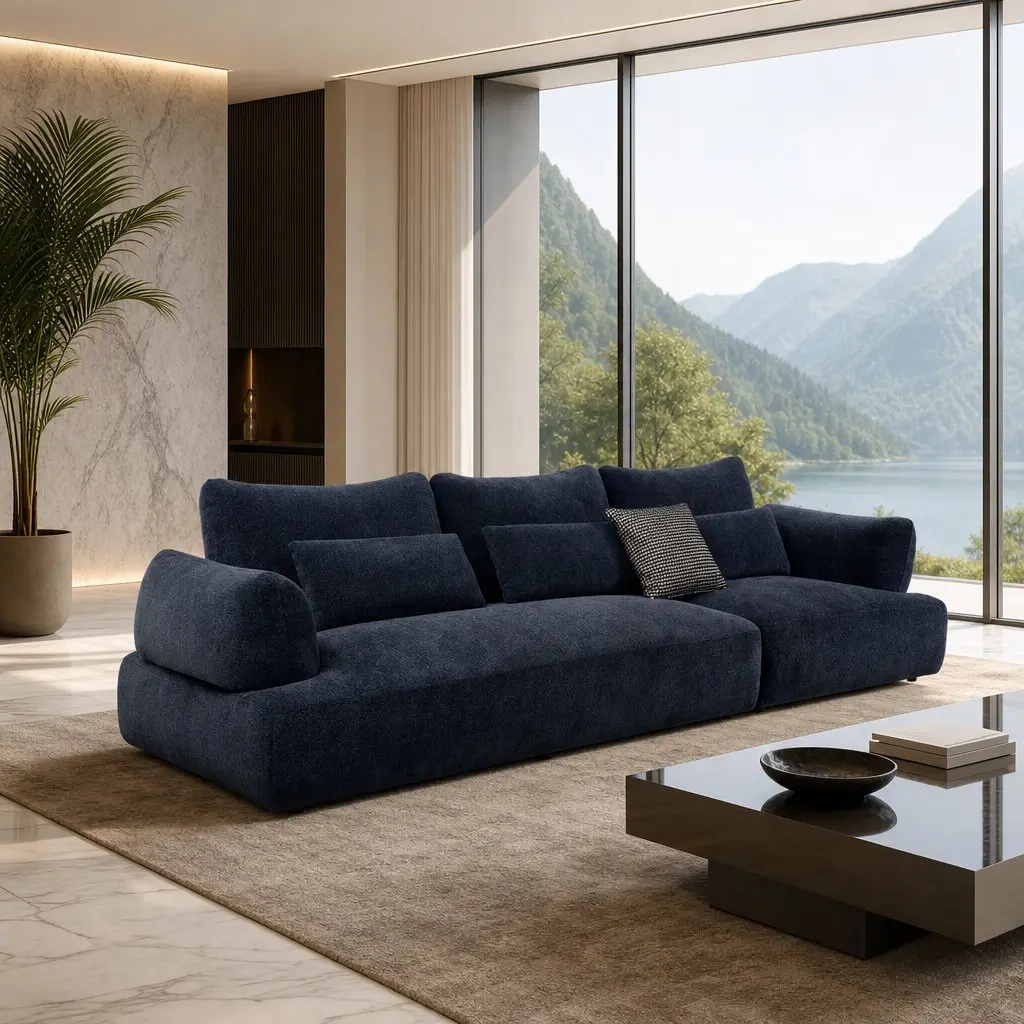
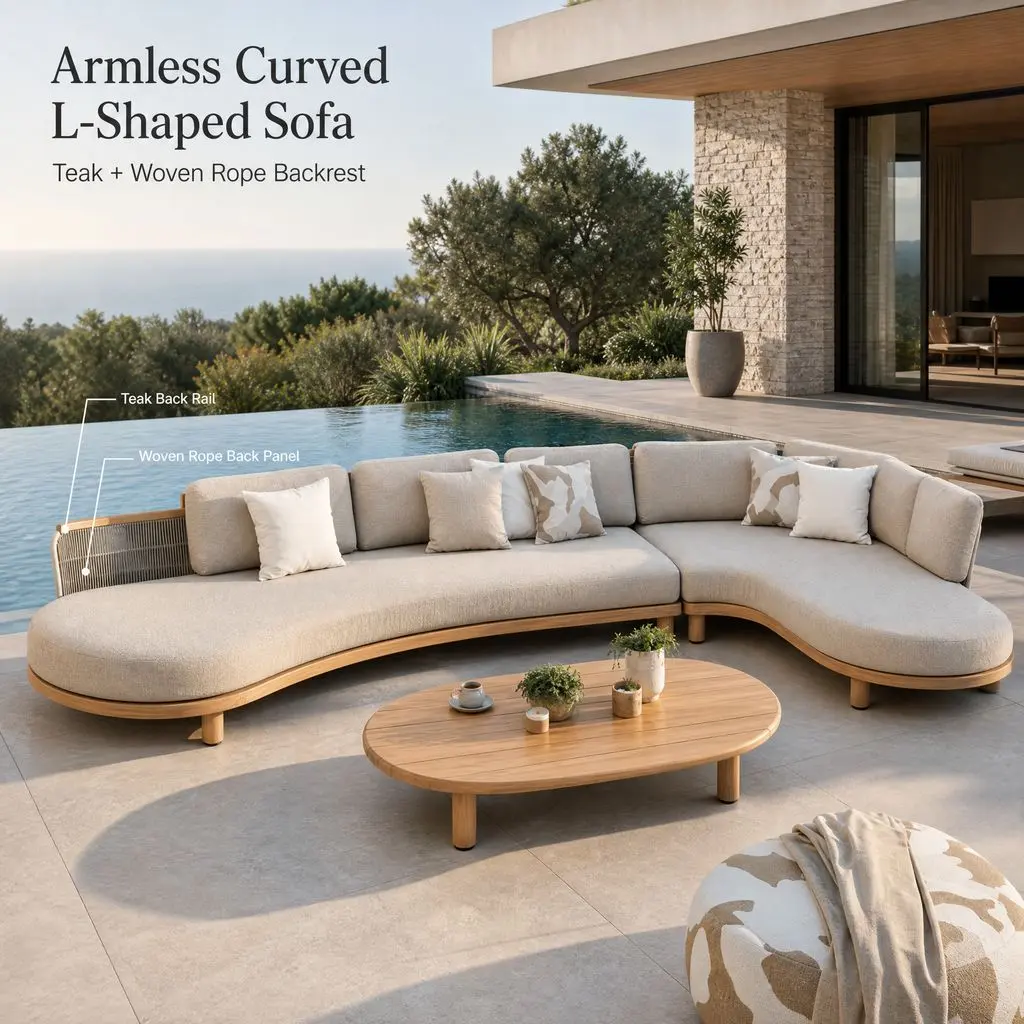
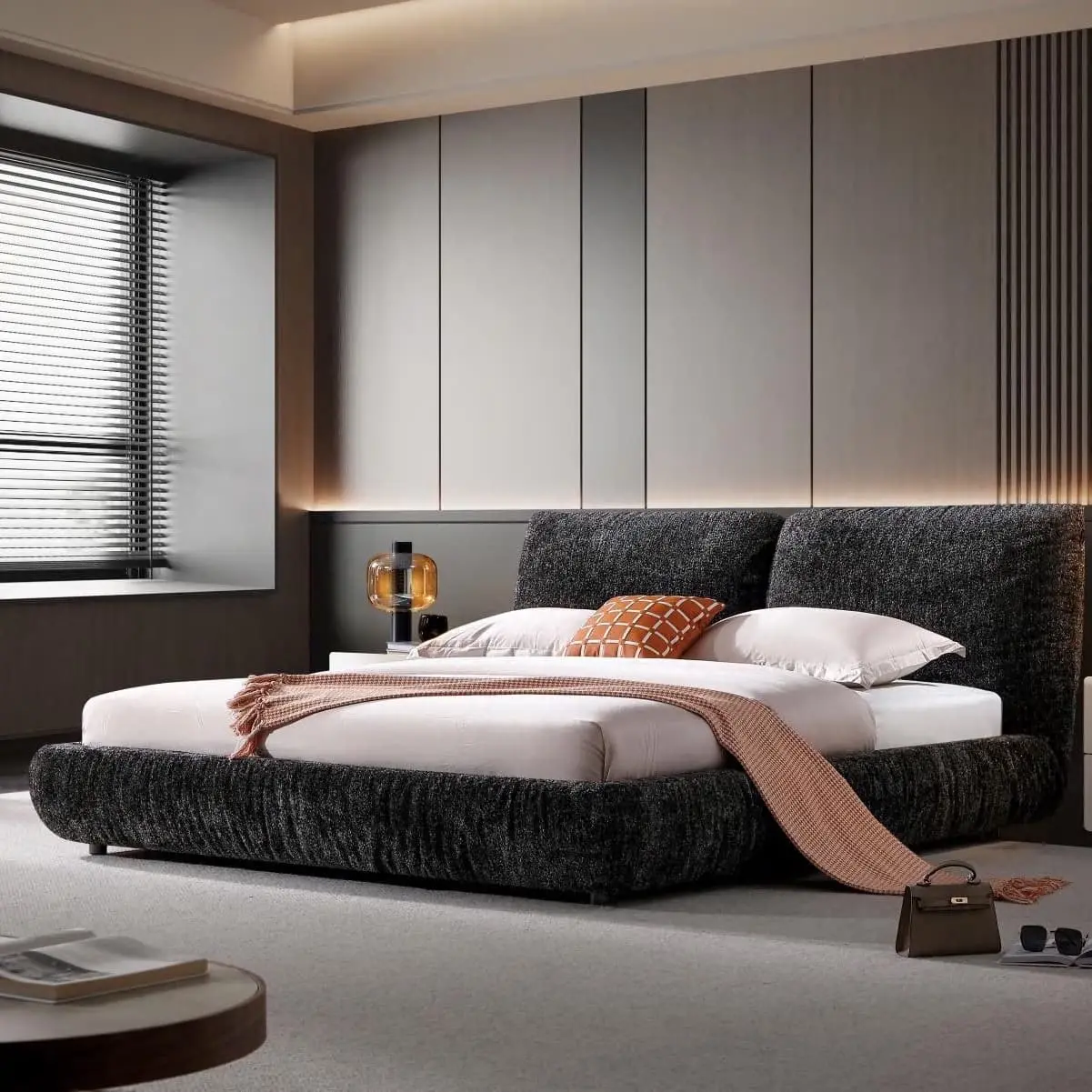
Explore high-volume manufacturing lines for modular beds, soft upholstered frames, and multi-functional residential furniture exported directly from Foshan manufacturing hubs.
Global Market Dynamics & China's Role in Children's Furniture Manufacturing
Analyzing procurement shifts, structural safety mandates, and value-engineering strategies for international furniture importers, distributors, and contract project buyers.
Rigorous Structural Safety Compliance
Modern procurement demands strict adherence to global safety codes including ASTM F1427-21 for bunk and twin beds, CPSC 16 CFR 1213, and European EN 747-1:2024 standards covering gap tolerances and structural integrity under cyclic loads.
Eco-Friendly Chemical & Finish Mandates
Non-toxic formulations are non-negotiable. Leading Chinese manufacturers leverage zero-VOC UV water-based lacquers, maintaining formaldehyde emission levels far below strict European E0 / EN 71-3 and California CARB Phase 2 / TSCA Title VI thresholds.
Optimized KD (Knock-Down) Packaging
To combat sky-high ocean freight costs, advanced engineering yields high-density flat-pack flatbed designs. Precision CNC panel machining allows up to 42% greater volumetric container loading efficiency per 40ft HQ container.
China's Manufacturing Excellence: Automated Precision & Scale
How state-of-the-art Chinese furniture hubs integrate automated woodworking lines, ERP material tracing, and rigorous testing protocols to safeguard brand reputation.
Automated CNC Woodworking & Edge Banding
Precision is vital for children's twin beds where structural joints cannot tolerate mechanical drift. Chinese factories utilize multi-axis CNC routing systems to achieve joint tolerances within ±0.1mm. Automated laser edge banding eliminates sharp corners, ensuring smooth radius edges (R > 10mm) that safeguard children from impact injuries.
Rigid Quality Assurance & FEA Stress Testing
Prior to tooling and mass production, bed frames undergo Finite Element Analysis (FEA) to simulate dynamic loads, child jumping forces, and long-term slat deflection. Physical QA labs execute continuous 10,000-cycle impact tests, mattress support slat fatigue tests, and hardware corrosion resistance spray testing before shipment clearance.
| Manufacturing Vector | Traditional Regional Workshops | China Industrial 4.0 OEM Specialists | Strategic Advantage for Importers |
|---|---|---|---|
| Structural Jointing | Manual mortise cutting & standard screws | Precision CNC dowel-and-cam lock + steel gussets | Zero wobbling, fast assembly, lower return rate |
| Surface Finishes | Standard solvent-based nitrocellulose lacquers | Electrostatic zero-VOC UV water-borne coating lines | Complete regulatory compliance (REACH / CPSIA) |
| Solid Wood Sourcing | Uncertified local timber supplies | FSC-certified Russian Larch, Ash, and Beech wood | Sustainable ESG branding & structural longevity |
| Quality Control | Visual inspection prior to boxing | 3-Stage (IQC, IPQC, FQC) + 100% trial assembly | Guaranteed part alignment and zero missing hardware |
Engineering Trends: Next-Generation Children's Twin Bed Design
Discover how smart technology, adaptive ergonomics, and circular economy principles are reshaping modern youth bedroom furniture manufacturing.
IoT & Smart Sensor Integration
Integration of non-invasive piezo-electric sensors within bed frames to monitor child sleep patterns, heart rate, and posture transitions without wearable devices. Automated subtle LED night-lighting sensors ensure night safety.
Grow-With-Me Modular Ergonomics
Telescopic frame architectures allowing twin beds (39" x 75") to expand seamlessly into full-size configurations (54" x 75"). Modular add-ons include clip-on safety guardrails, under-bed trundles, and integrated study desks.
Circular Bio-Composite Materials
Replacing traditional MDF with formaldehyde-free rice husk composites, bio-resins, and FSC-certified solid timber cores. Focus on 100% recyclable metal structural brackets and fully removable washable performance textiles.
Enterprise OEM/ODM Customization Matrix for Global Channels
Standardizing material, dimensional, and packaging specifications tailored to distinct commercial buyer requirements.
Furniture Wholesalers & Retail Chains
Primary Driver: High volume, competitive FOB pricing, flat-pack logistics, low return rates.
- Standard Dimensions: US Twin (38"x75"), EU Single (90x200cm), UK Single (90x190cm).
- Packaging: ISTA-6A transit drop-tested 5-ply honeycomb master cartons.
- Branding: White-label box printing, customized assembly manual layout, barcoding.
Hospitality, Resorts & School Projects
Primary Driver: Extreme structural durability, heavy-duty load ratings, flame retardancy.
- Structural Core: Reinforced solid Larch/Ash wood internal frames with steel corner ties.
- Compliance: BS 7177 / California TB117 fire-retardant upholstered fabrics.
- Customization: Integrated USB-C charging ports, lockable under-bed storage drawers.
Localization Support, Quality Governance & International Certifications
Mitigating customs risks and consumer claims through comprehensive laboratory testing and localized documentation.
North America Compliance
Full conformance with CPSIA (Lead & Phthalates), ASTM F1427-21 for juvenile beds, CARB Phase 2 formaldehyde testing, and GREENGUARD Gold indoor air quality certification options.
European Union Directives
Adherence to EN 747-1&2:2024, REACH chemical compliance, BS EN 1725 stability requirements, and FSC (Forest Stewardship Council) chain-of-custody timber tracking.
Localized Door-to-Door Delivery
Offering DDP (Delivered Duty Paid) fulfillment, consolidated mixed-container loading, customs clearance documentation, and localized spare-hardware replacement support.
Complementary Whole-House & Upholstered Bedroom Solutions
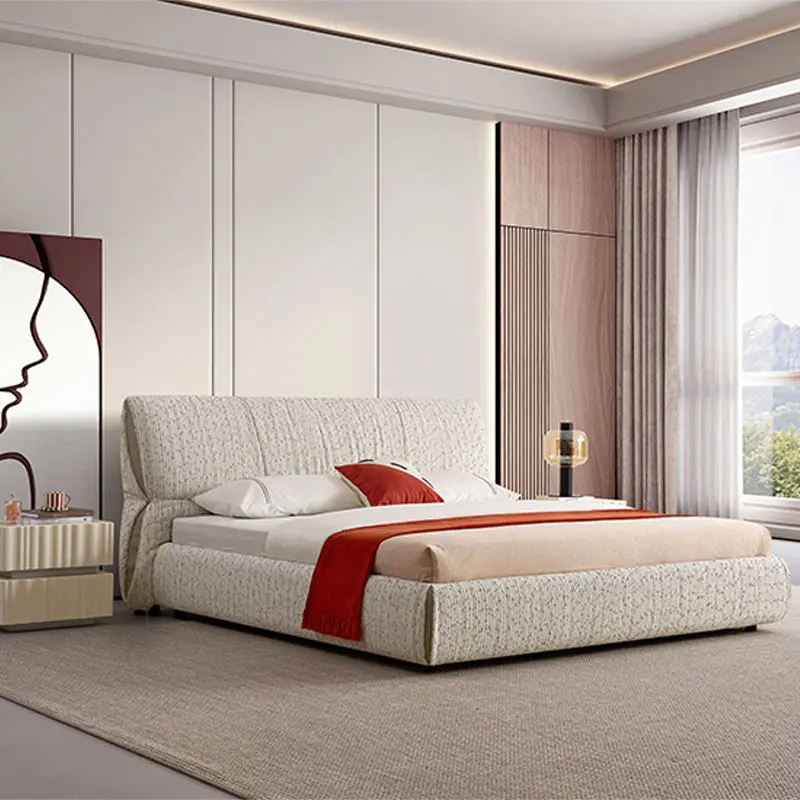
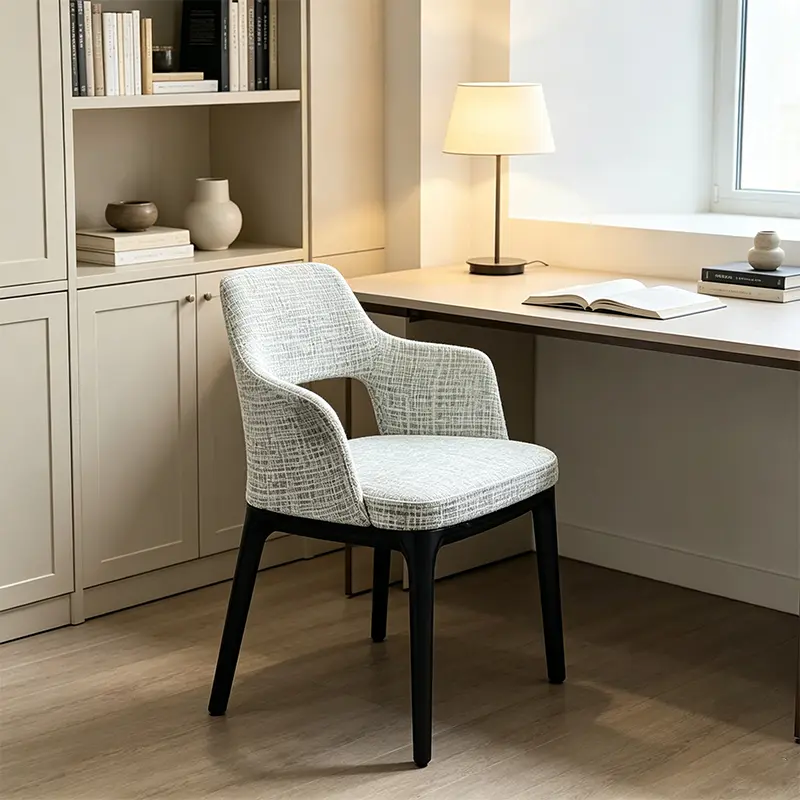
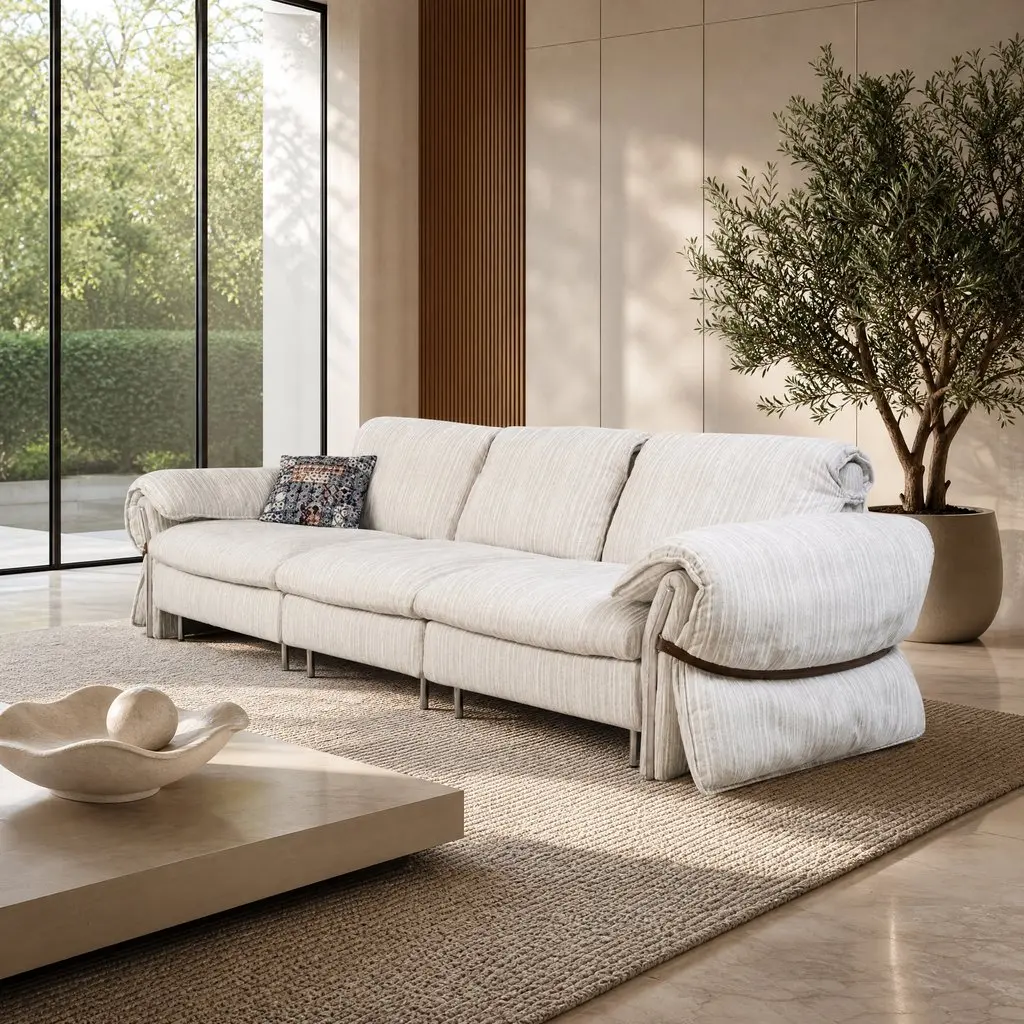
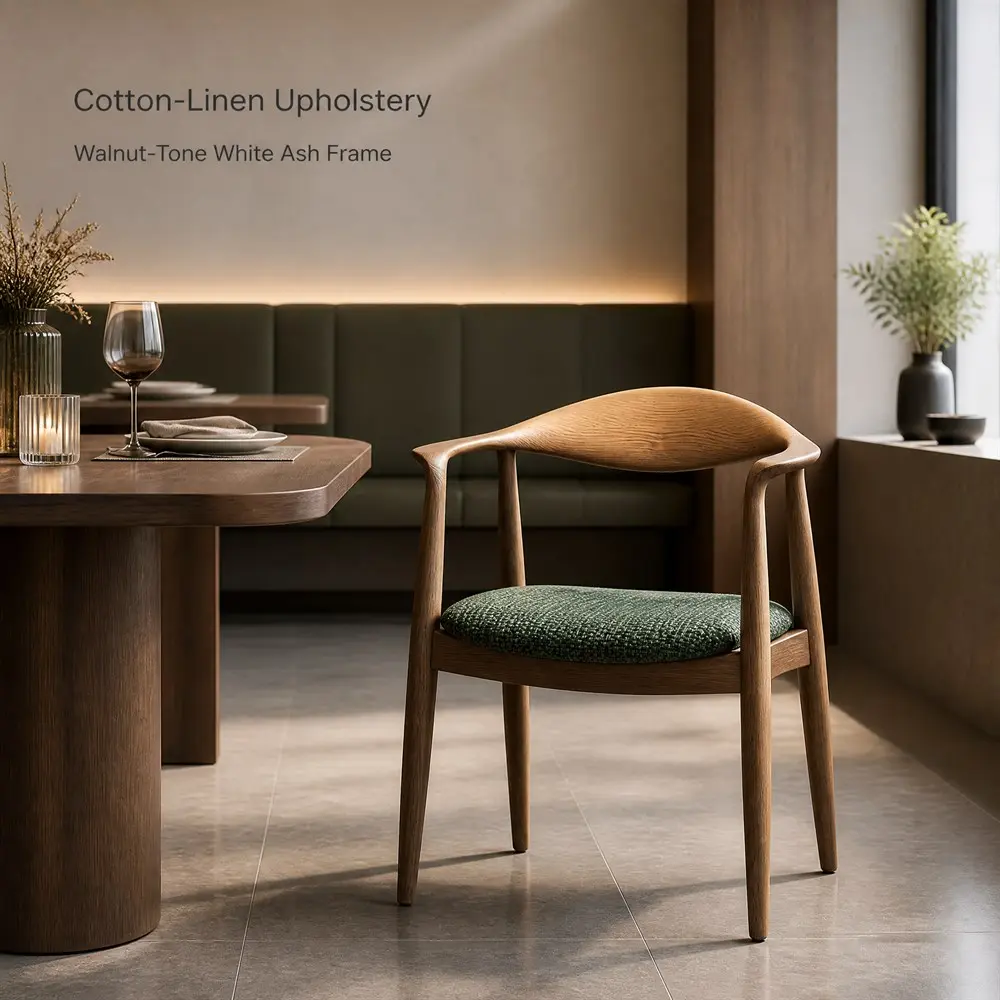
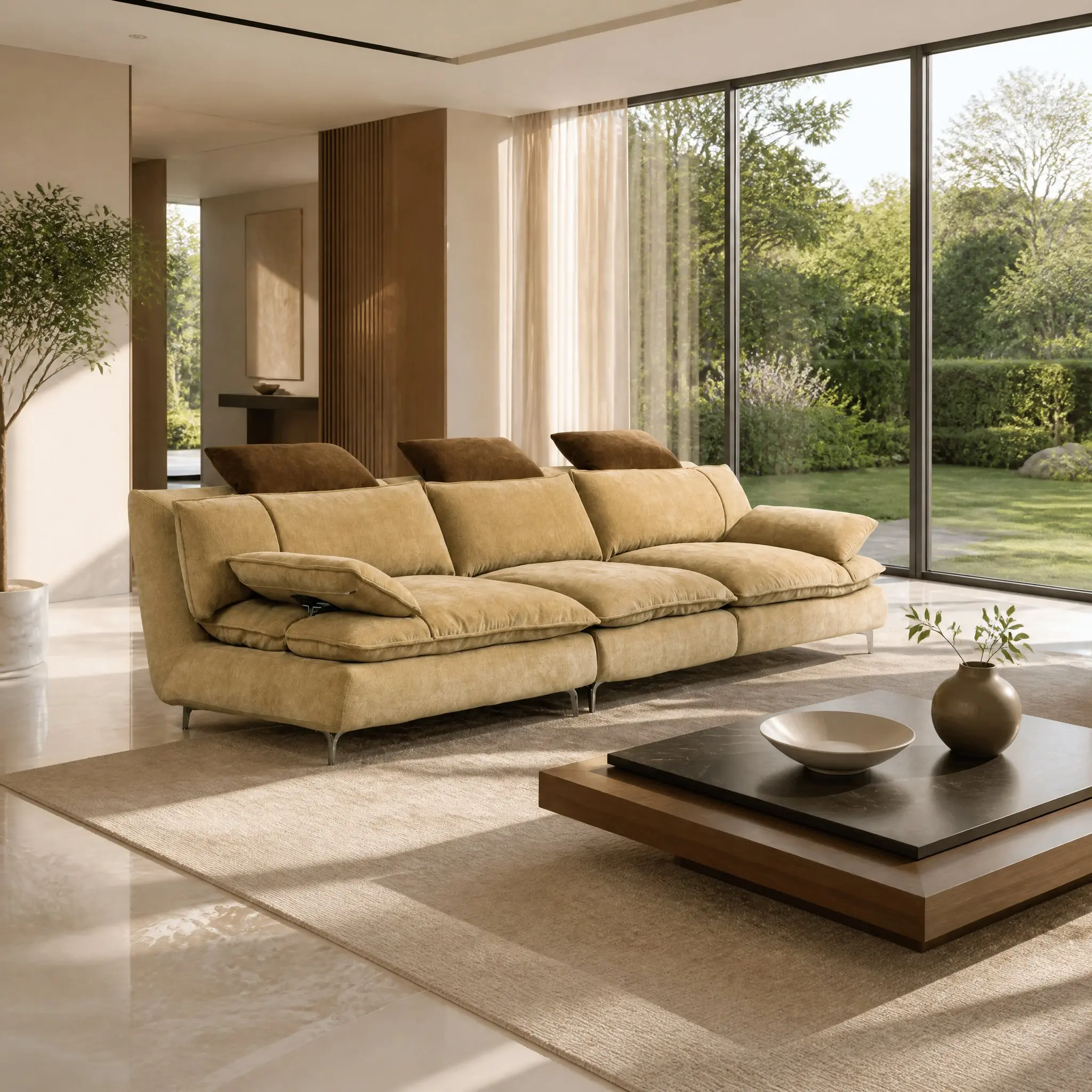
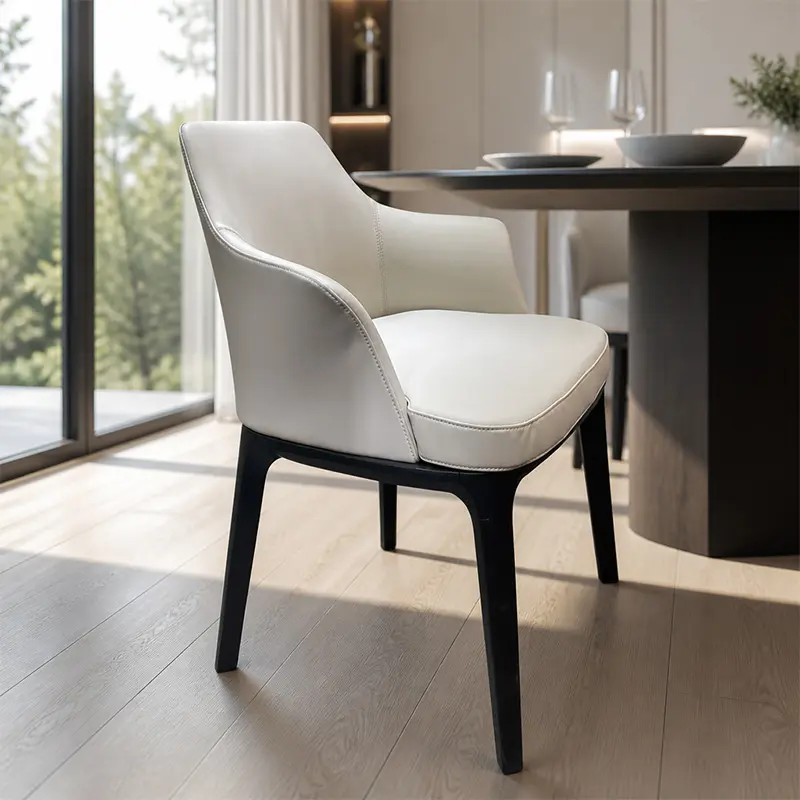
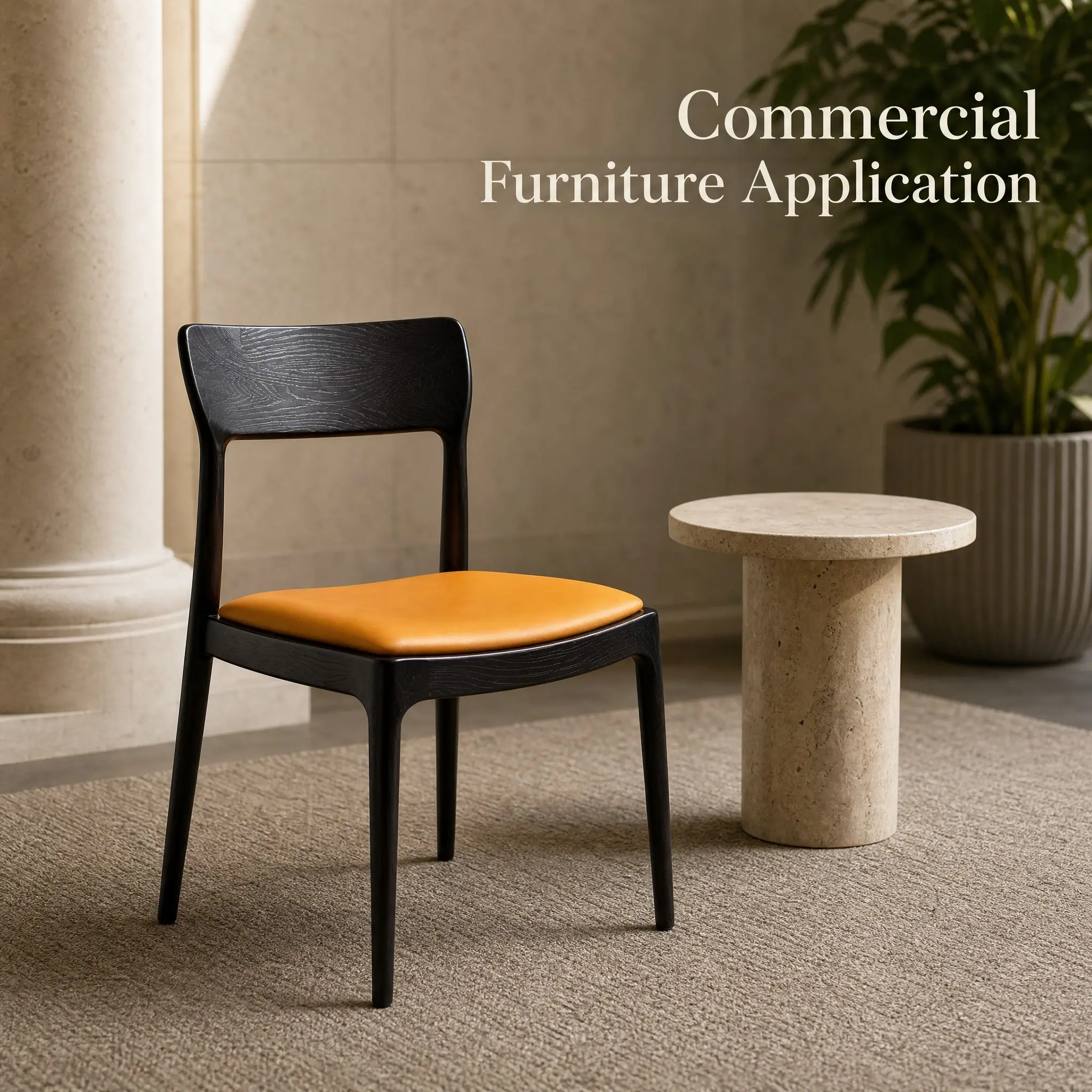
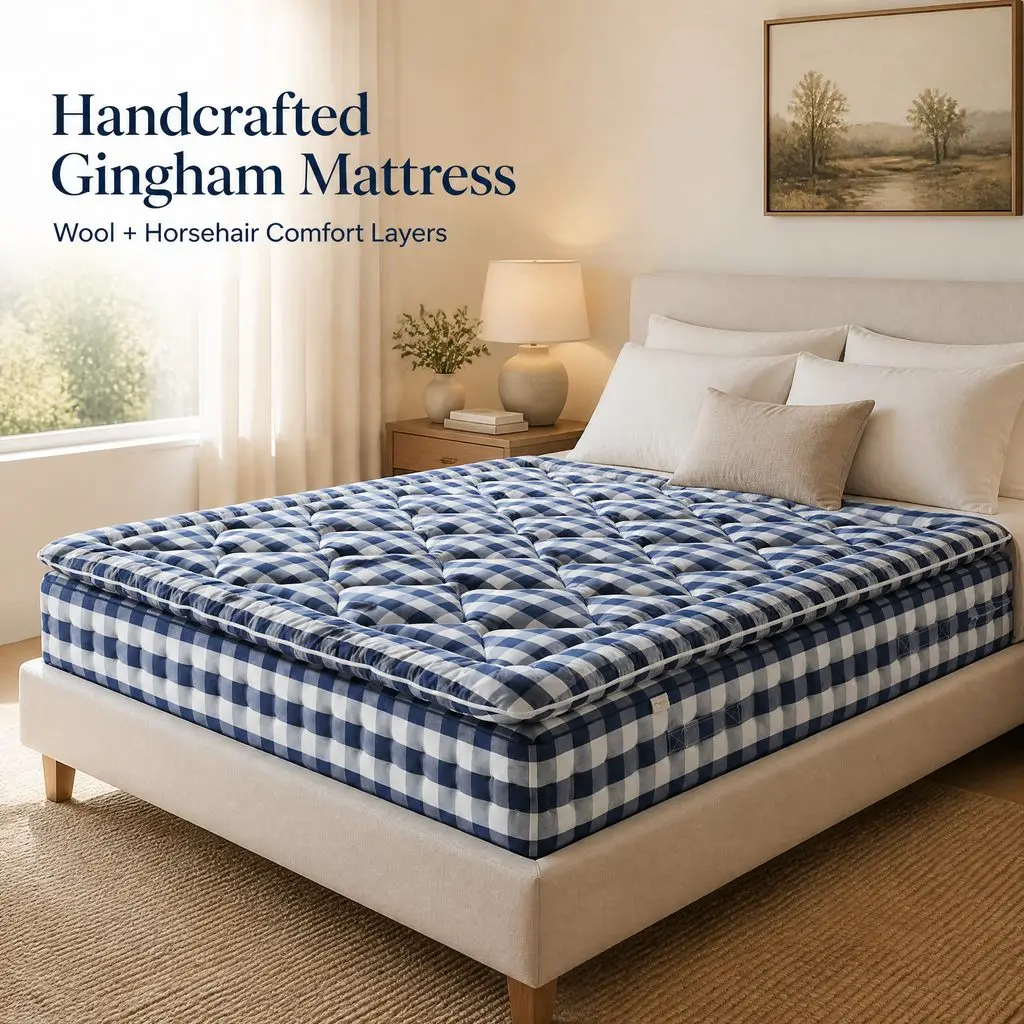
Expand your product catalog with high-margin leather beds, ergonomic mattresses, and solid wood dining armchairs engineered in China.
Frequently Asked Questions by Global B2B Furniture Buyers
Expert answers addressing manufacturing timelines, minimum order quantities (MOQs), safety testing, and custom OEM branding.
For the US market, twin beds must comply with CPSIA standards limiting lead in coatings (<90ppm) and phthalates, alongside ASTM F1427-21 structural mandates for guardrail height and gap spacing. For the European market, EN 747-1:2024 governs gap dimension limits (between 60mm and 75mm) to prevent head and limb entrapment, while REACH regulations mandate chemical safety across all paints, adhesives, and textile upholstery.
Standard MOQs typically start at 30 to 50 units per model colorway for standard wood/MDF twin beds. For full container load (FCL) orders, clients can mix up to 3 to 5 distinct furniture models (including sofas, beds, and dining chairs) within a single 40ft HQ container to optimize freight efficiency and lower per-unit logistics expenses.
Export-grade packaging utilizes ISTA-3A/6A standard multi-layer protection. Individual components are wrapped in scratch-resistant EPE foam, protected by high-density corner guards (5mm thick hardened cardboard), and sealed inside 5-ply double-wall corrugated outer cartons. Dynamic drop tests from 1.2 meters ensure minimal zero-defect delivery at destination ports.
Yes. Complete OEM branding services include laser-engraved logo plates, custom woven brand tags on fabric/leather headboards, custom-printed outer cartons with customer SKUs and barcodes, and multi-lingual IKEA-style step-by-step assembly instruction booklets engineered for simple end-user setup.
Initial sample prototyping requires approximately 7 to 12 days. Full mass production for standard FCL orders generally ranges from 30 to 45 calendar days. During peak manufacturing quarters, automated scheduling systems maintain strictly monitored production milestones to ensure on-time vessel booking and port dispatch.