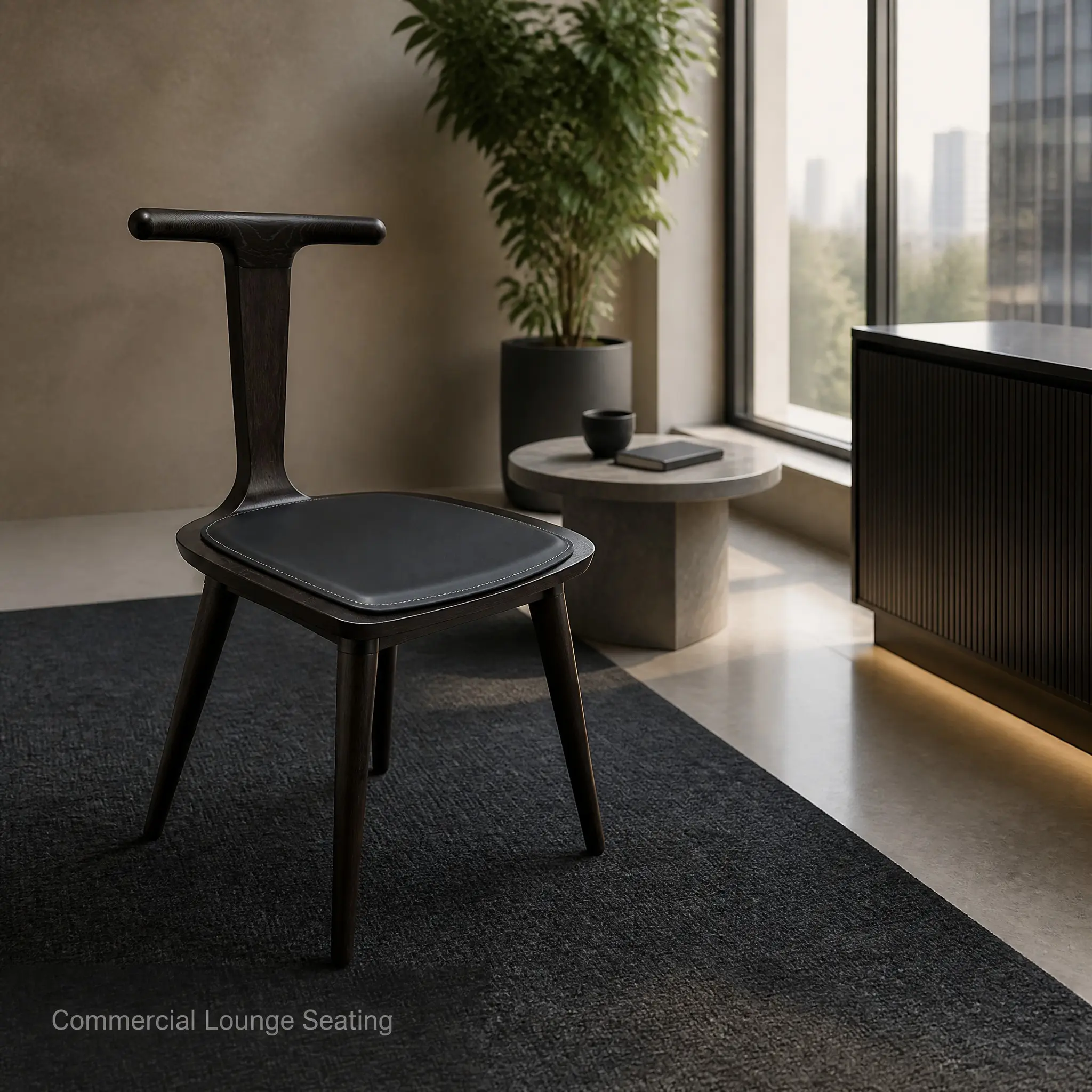
Wholesale Compressed Beds & Upholstered Furniture Solutions
Direct from Shunde & Foshan manufacturing centers. Engineered for vacuum roll-packing, ocean freight volume reduction, and seamless structural recovery upon unboxing.
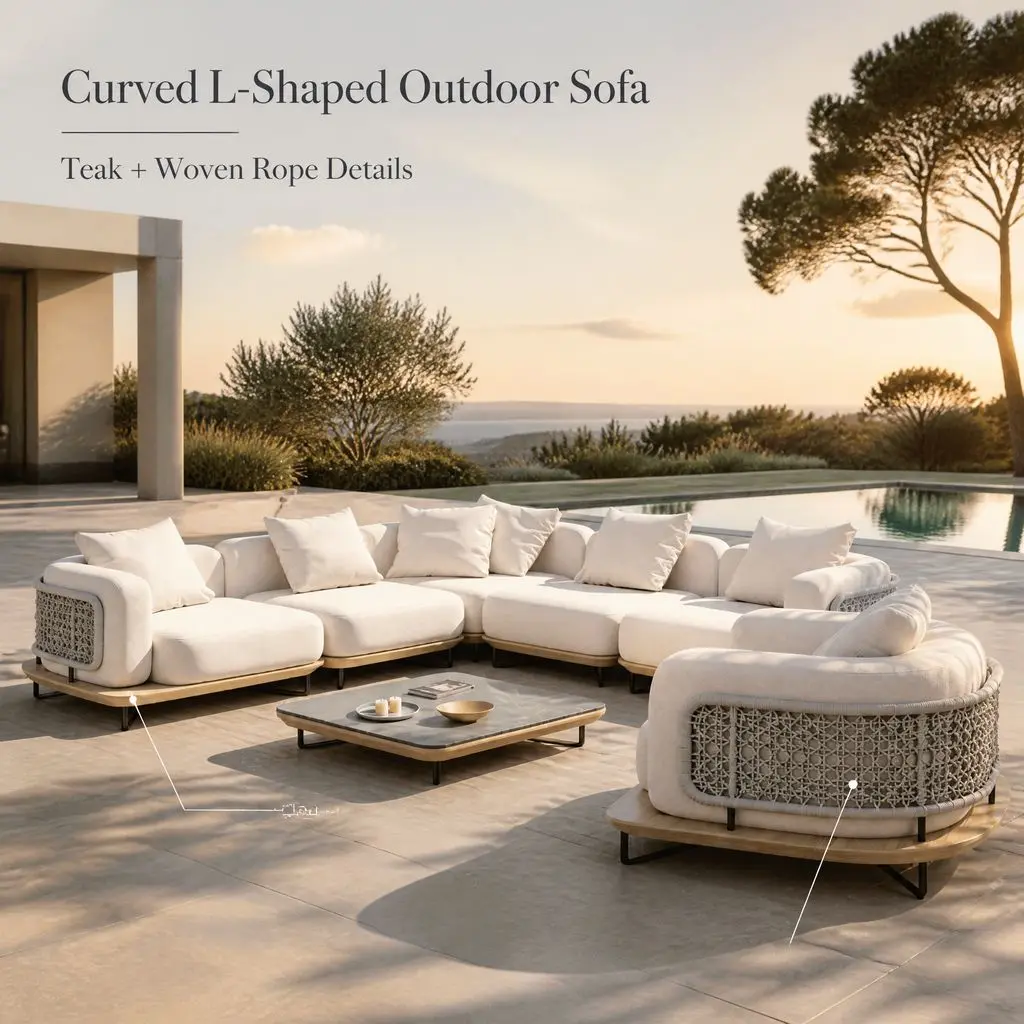
Wholesale QYM XD-60011 Curved L-Shaped Outdoor Sectional Sofa with Wood-Grain Aluminum Frame, Teak Trim and Woven Rope Panels Factory
View Specs & Inquire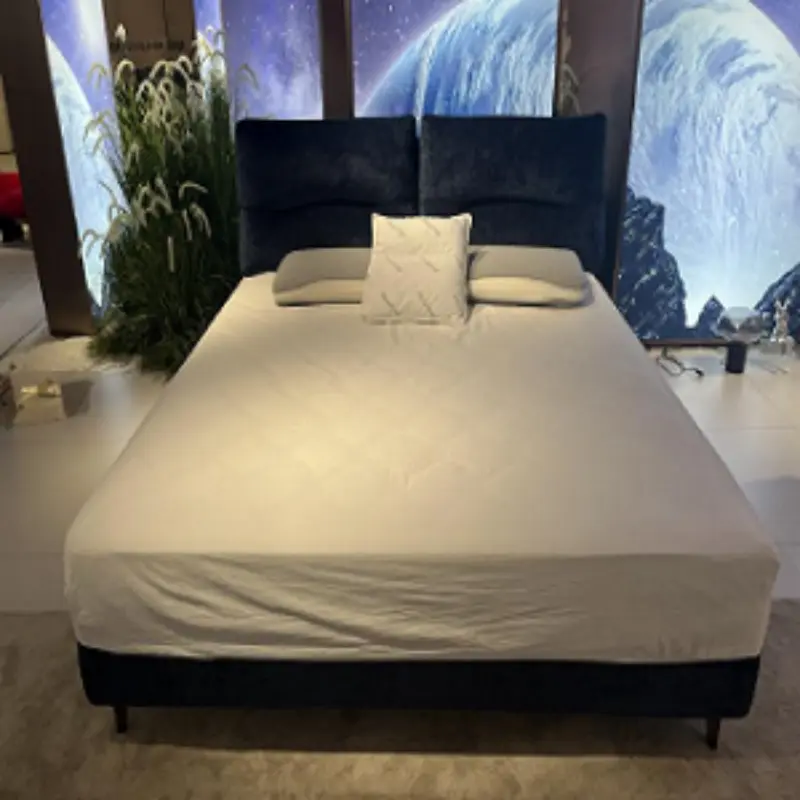
China QYM C198 Chenille Upholstered Bed Soft chenille texture for calm contemporary rooms Manufacturers, Suppliers
View Specs & Inquire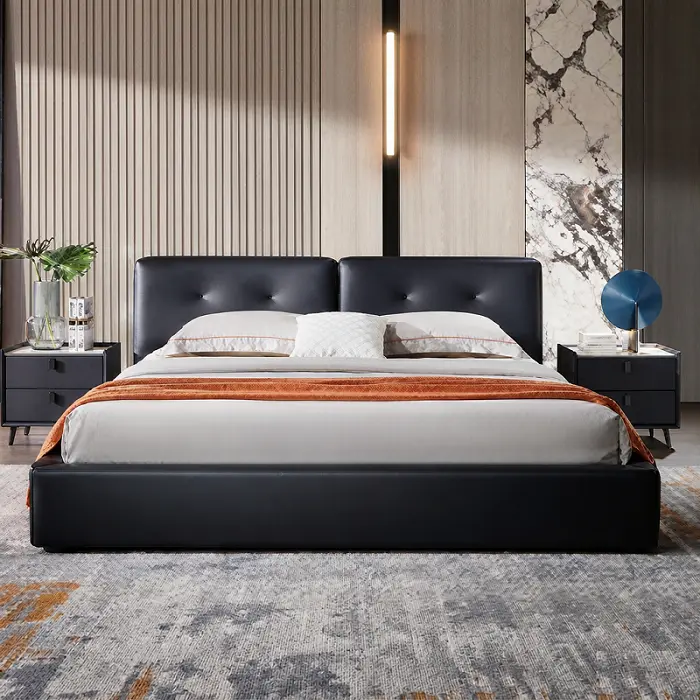
Wholesale QYM C122 Genuine Leather Upholstered Bed Genuine leather touch with flexible bedroom styling Supplier, Wholesaler
View Specs & Inquire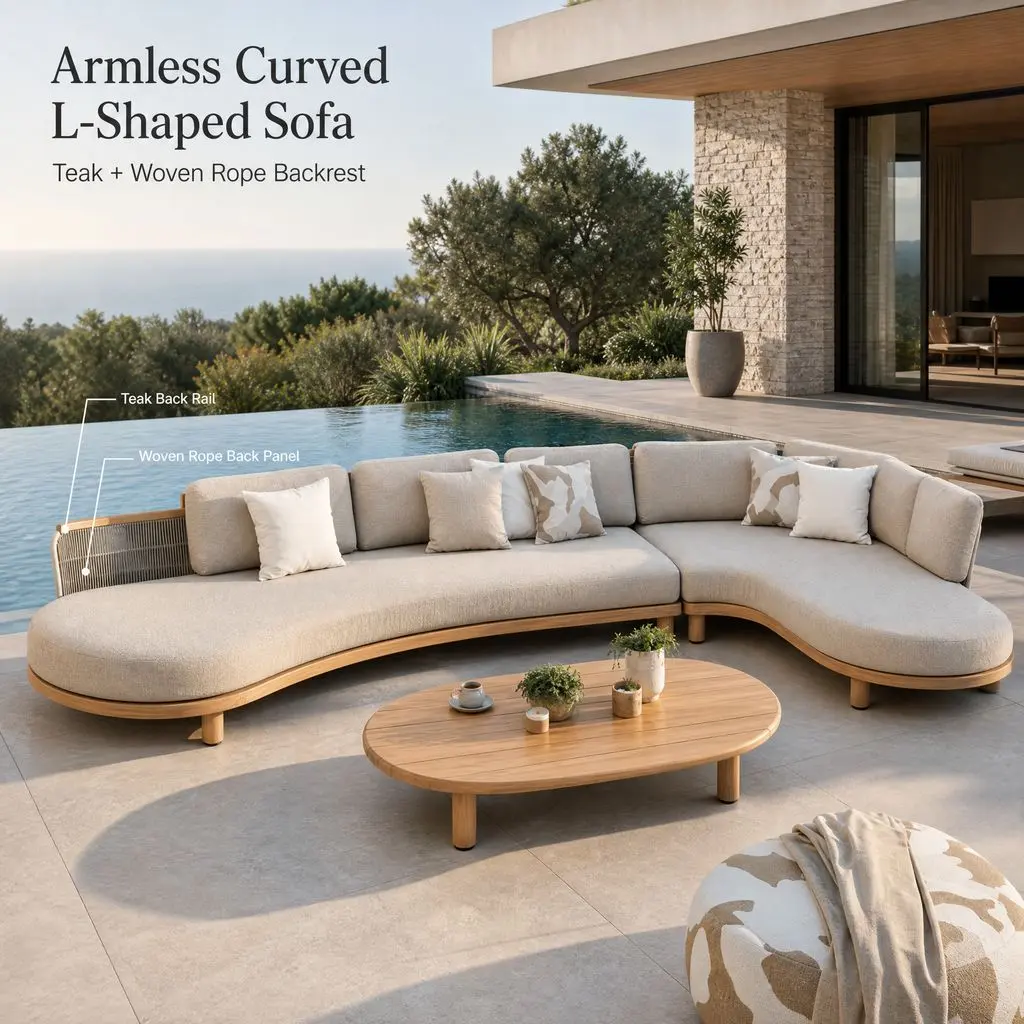
Latest design QYM XD-6012 Armless L-Shaped Outdoor Sectional Sofa with Wood-Grain Aluminum Frame, Teak and Woven Rope Backrest
View Specs & Inquire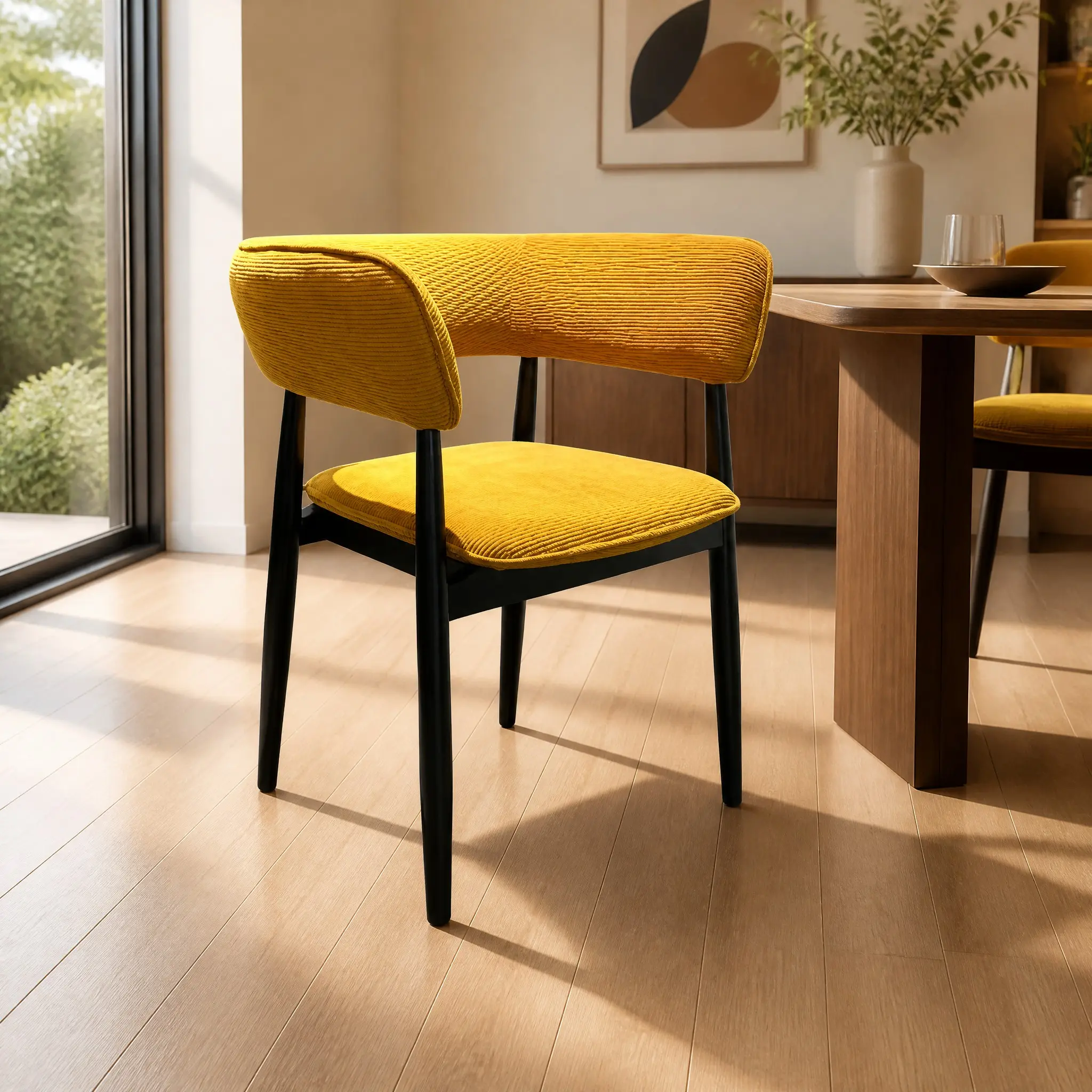
Wholesale QYM Modern Minimalist Yellow Fabric Dining Chair, Curved Backrest Upholstered Armchair with Matte Smoked Ash Wood Legs
View Specs & Inquire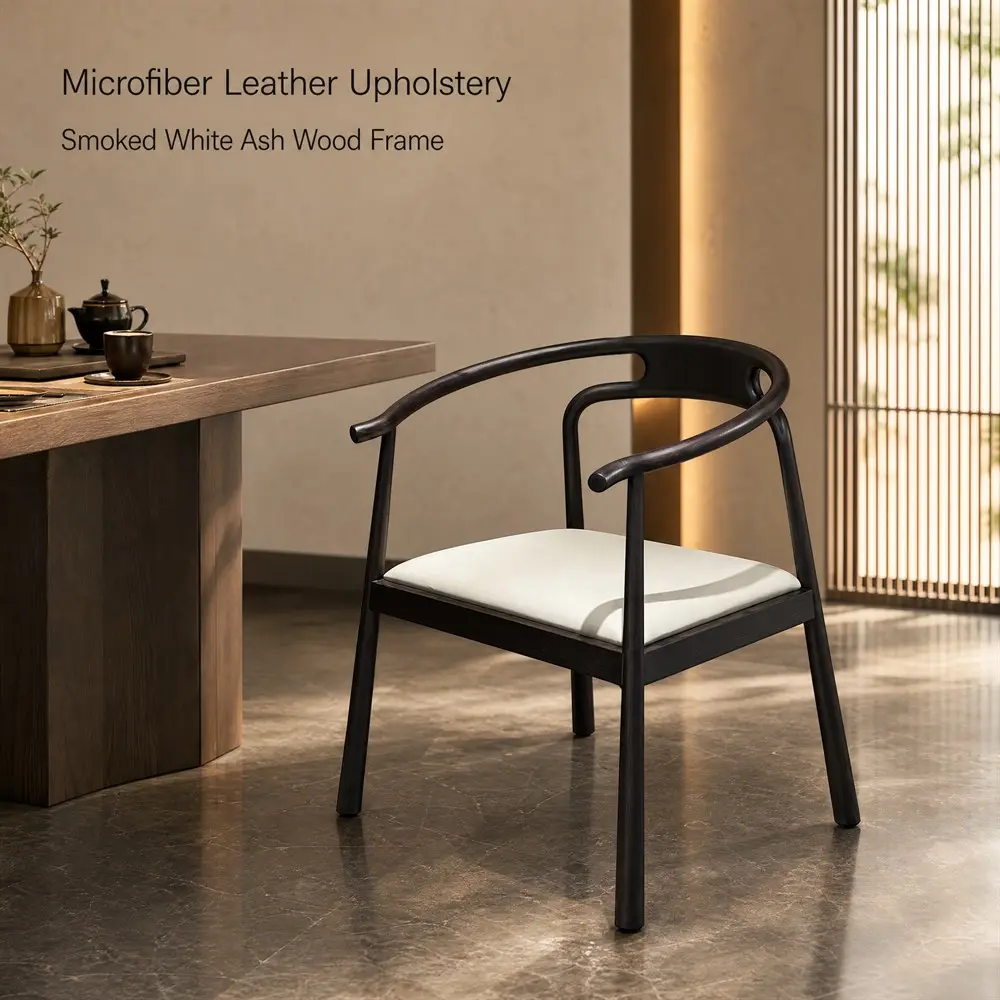
Wholesale Large‑size Modern Dining Armchair, Light Grey Microfiber Leather, Solid White Ash Wood Smoked Frame Manufacturers
View Specs & Inquire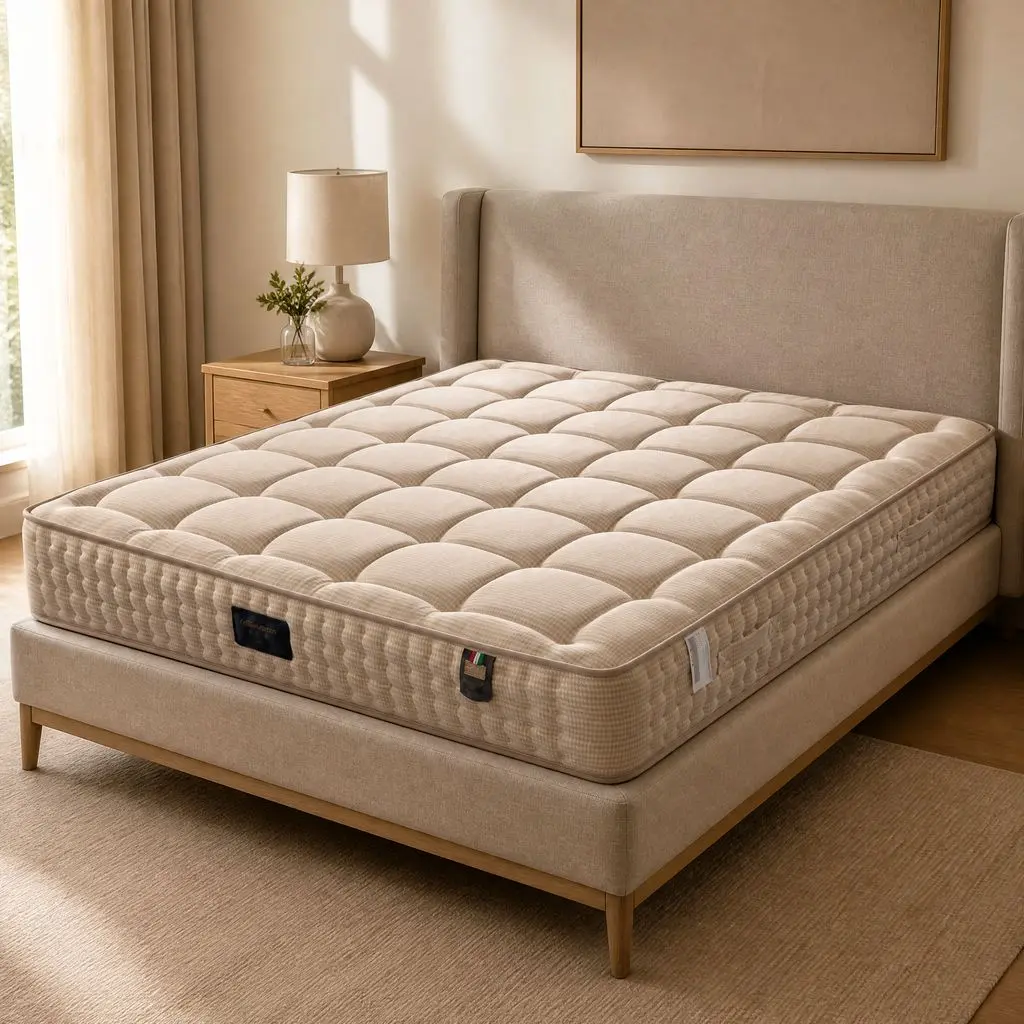
Wholesale QYM XY-01 Handmade Mattress with Silent Pocket Springs, Imported Thai Latex and Cotton-Linen Fabric Supplier, Factory
View Specs & Inquire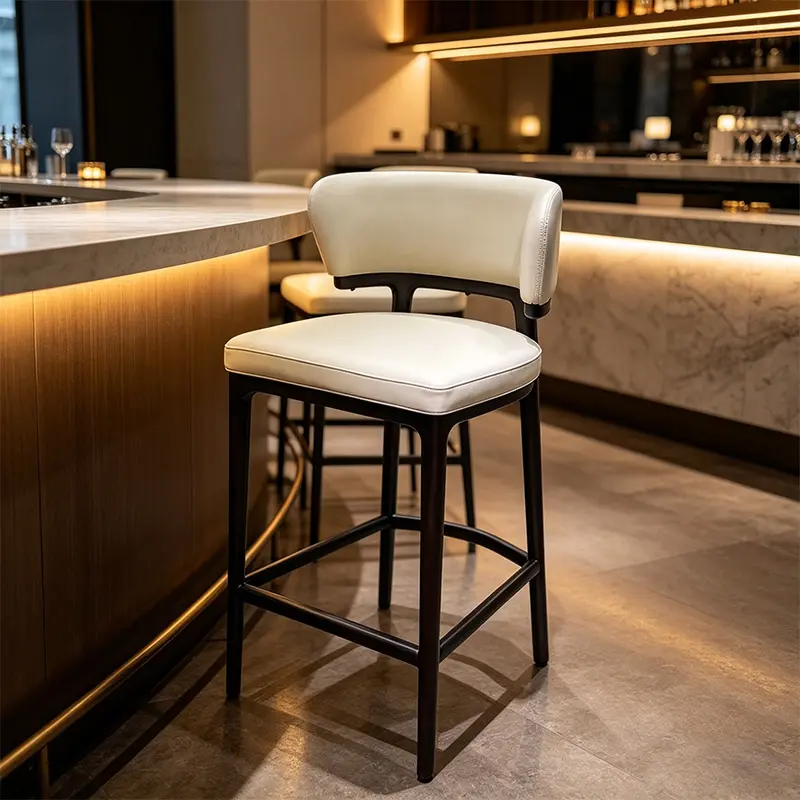
Wholesale QYM Light Gray Microfiber Leather Bar Stool, Solid White Ash Wood Smoked Finish Frame Manufacturer, Suppliers
View Specs & InquireThe Macro-Economics of China's Compressed Bed Manufacturing Ecosystem
How roll-pack technology and vacuum compression have redefined international furniture logistics, supply chain efficiency, and cross-border commercial margins.
1. The Freight Revolution: From Flat-Packed to Roll-Packed
Over the past decade, the global mattress and bedding market has undergone a paradigm shift driven by e-commerce expansion and rising oceanic freight rates. Traditional inner-spring mattresses and non-dismantable bed systems present a severe logistical bottleneck due to high cubic meterage (CBM) relative to weight. China's leading compressed bed suppliers have overcome this limitation through mechanical roll-packing and high-pressure vacuum sealing.
By compressing high-resilience polyurethane foam and engineered pocket-spring systems under 50 to 80 tons of hydraulic pressure, manufacturers can collapse a standard Queen-size mattress or padded bed headboard to less than 22% of its original volume. This transformation converts a bulky freight liability into a dense, courier-compliant package suitable for both parcel shipping (FedEx/UPS ground standards) and high-density 40HQ container loading.
2. Carbon Footprint & Scope-3 ESG Compliance
Modern enterprise buyers and institutional hotel developers operate under strict Corporate Social Responsibility (CSR) and Scope-3 carbon emission mandates. Sourcing traditional uncompressed beds requires approximately four times the ocean freight containers to move identical unit volumes compared to compressed bed solutions.
| Logistical Metric | Traditional Uncompressed Bedding | China Roll-Pack Compressed Bed | Commercial B2B Impact |
|---|---|---|---|
| 40HQ Container Load Capacity | 120 - 150 Units | 450 - 650 Units | +300% to +400% Unit Capacity Increase |
| Average Shipping CBM per Unit | 0.45 - 0.60 CBM | 0.09 - 0.14 CBM CBM | 75% to 80% Reduction in Ocean Freight Cost |
| Last-Mile Delivery Compatibility | 2-Man Heavy Logistics Required | 1-Man Parcel Standard (FedEx/UPS/DHL) | Reduces Local Fulfillment Overhead by 60% |
| Warehouse Storage Footprint | High Volume / High Storage Cost | High Density Stackable Boxes | Maximizes Vertical Warehouse Racking Efficiency |
Technological Roadmap & Material Science Innovations
Vacuum compression is not simply about squeezing foam; it is a complex metallurgical and chemical balancing act designed to guarantee 100% structural elasticity and long-term durability.
High-Tensile Carbon Steel Coil Matrix
A critical engineering failure point in cheap roll-pack beds is permanent coil deformation. Chinese manufacturers utilize 70# or 82B high-carbon steel wire (2.0mm–2.4mm gauge) subjected to electric heat tempering. Each pocket spring is individually encased in ultrasonic-welded, non-woven polypropylene fabric. This architecture allows 100,000+ compression cycles (ASTM F1566 tested) without loss of vertical height or lateral spring tension.
Open-Cell Polyurethane & Visco-Memory Foam
Standard low-density polyurethane foam collapses when subjected to months of vacuum pressure. China's top tier OEM factories formulate high-resilience (HR) open-cell foam structures with densities ranging from 35kg/m³ to 60kg/m³. The open-cell cellular matrix enables micro-airflow during evacuation, preventing cell wall rupture and ensuring full kinetic recovery within 48 to 72 hours post-unboxing.
Multi-Layer Oxygen-Barrier Packaging Film
Transoceanic shipping exposes packaged cargo to high humidity, temperature spikes, and pressure variations. Advanced compressed bed suppliers employ co-extruded PE/PA (Polyethylene/Polyamide) multi-layer barrier film with a thickness of 120um to 150um. This industrial-grade film exhibits exceptional tear strength (>45N/mm) and zero moisture permeability, guaranteeing airtight integrity for up to 12 months in transit or storage.
Foshan & Shunde Supply Chain Resilience & Manufacturing Velocity
Why the Pearl River Delta industrial cluster in Guangdong remains the unbeatable global capital for turnkey furniture and compressed bedding production.
Complete Hyper-Localized Supply Infrastructure
Within a 30-kilometer radius in Shunde (Foshan), every raw component required for compressed bed manufacturing is produced at industrial scale. From steel wire drawing mills and automated foam continuous-pouring plants to specialized textile jacquard weavers and wooden/aluminum bed frame CNC processing centers.
This extreme concentration eliminates cross-regional logistics delays and sub-tier material shortages. Factories can ramp up production from design approval to container dispatch within 12 to 15 business days, providing global B2B buyers with unmatched agility.
Scalable OEM/ODM Mass Customization
Whether servicing a private-label e-commerce brand requiring 5,000 custom-branded boxes per month or a 1,000-room luxury hotel project needing flame-retardant contract bedding, Chinese suppliers offer seamless flexibility:
- Custom Tension Zones: 3-zone, 5-zone, or 7-zone ergonomic spring configurations.
- Hybrid Material Stacking: Natural Thai latex, cooling gel memory foam, coconut palm fiber, and micro-bubble pocket coils.
- Private Branding: Custom-woven handles, embossed leather patches, zip-off washable covers, and high-graphic retail color boxes.
Localized Application Scenarios & Commercial Deployments
Engineered to excel across diverse global market channels, from high-throughput retail platforms to heavy-duty contract hospitality projects.
E-Commerce & DTC Bed-in-a-Box
Optimized for Amazon, Shopify, and local marketplace sellers. Compact boxes fit standard doorstep drop-offs, slashing return rates through enhanced edge-support and zero off-gassing formulation.
Hospitality & Hotel Fit-Outs
Enables rapid installation for multi-story hotels. Freight elevators can move 20 compressed beds per trip instead of 2 uncompressed units, cutting staging labor costs by up to 65%.
Micro-Apartments & Co-Living
Ideal for urban high-density housing projects. Pair space-saving knock-down upholstered bed frames with compressed mattresses for effortless maneuvering through narrow stairwells.
Institutional & Emergency Relief
Vacuum-sealed packaging allows government agencies and NGOs to stockpile massive quantities of clean, hygienic sleeping equipment in compact regional emergency reserves.
Quality Control & International Certification Matrix
Exporting to North America, the EU, Australia, and the Middle East demands strict adherence to chemical, fire-safety, and mechanical durability standards.
Flammability Compliance
Beds engineered for export feature integrated fire-retardant inner sleeves (glass-fiber free solutions available) that meet:
- USA: 16 CFR Part 1633 / 1632 open-flame & cigarette ignition tests.
- UK: BS 7177 Medium Hazard (Crib 5) for commercial contract use.
- EU: EN 597-1 and EN 597-2 smoldering match/cigarette standards.
Chemical & Eco-Safety
Polyurethane foams and textiles used in production are verified free of ozone depleters, heavy metals, formaldehyde, and phthalates:
- CertiPUR-US: Rigorous low VOC emission standard (< 0.5 ppm).
- OEKO-TEX Standard 100: Class I/II textile safety for skin contact.
- REACH & RoHS: EU chemical compliance for non-toxic manufacturing.
Mechanical Fatigue Testing
Factories employ specialized inline testing equipment before authorizing roll-pack runs:
- Cornell Test: Simulates long-term impact through 100,000 cyclic loads.
- Hexagonal Roller Test: Verifies edge durability and surface firmness.
- Vacuum Aging Test: Holds compressed units in extreme climate chambers (50°C) for 30 days to test recovery.
Frequently Asked Questions (B2B Q&A)
Everything global wholesalers, furniture brand owners, and project contractors need to know about sourcing compressed beds from China.
For optimal recovery and comfort, we recommend unboxing compressed beds within 3 to 6 months from the date of manufacture. However, using high-resilience 45kg/m³+ polyurethane foam and heat-tempered 82B high-carbon pocket springs, our products can remain sealed for up to 9 months without permanent deformation. Beyond 6 months, rebound time may increase from 24 hours to 72 hours.
Our standard MOQ for fully customized OEM orders (custom dimensions, specialized foam layering, branded fabric tags, and custom-printed retail color boxes) is typically 100 to 200 units per size/model. For trial orders or standard stock fabric specifications, we can accommodate mixed-model 20GP container orders starting at 50 units per design.
Yes. Traditional thick wire frame borders cannot be folded or rolled. Instead, we utilize Encased High-Density Foam Encasement or Thicker Gauge Edge Pocket Coils (2.4mm wire) along the perimeter. This engineering innovation provides robust edge support when sleeping or sitting on the edge of the bed, while remaining fully flexible during high-pressure rolling.
We incorporate certified fire-retardant barrier fabrics directly into the internal mattress upholstery stack. For US exports, we supply CFR 1633 certified inner socks (including fiberglass-free rayon/modacrylic options). For UK contracts, we utilize chemical FR treatments compliant with BS 7177 Crib 5. Test reports from accredited third-party laboratories (SGS, Intertek, TÜV) are provided prior to shipment.
Standard production lead time for a 40HQ container (approx. 500-600 units) is 20 to 25 calendar days following deposit confirmation and artwork approval. Repeat orders with pre-stocked fabrics can be expedited in as few as 14 days. We are located within 2 hours of Guangzhou (Nansha) and Shenzhen (Yantian/Shekou) ports for fast maritime departure schedules.
Explore Coordinated Upholstered Beds, Mattresses & Contract Furniture
Consolidate your purchasing under one quality management system, one container shipping plan, and factory-direct wholesale pricing.
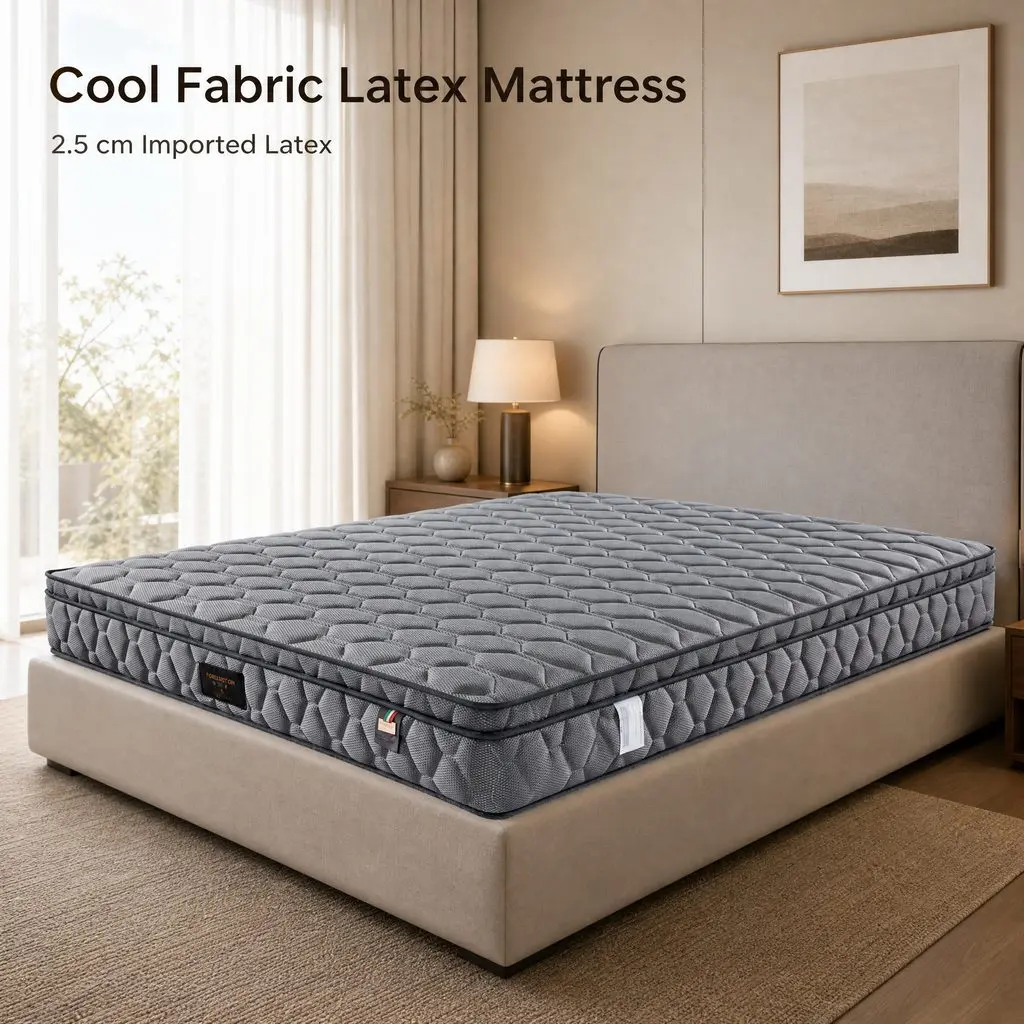
Wholesale QYM 233C The pocket spring system provides stable support and helps reduce motion transfer during sleep. Manufacturers, Supplier
View Specs & Inquire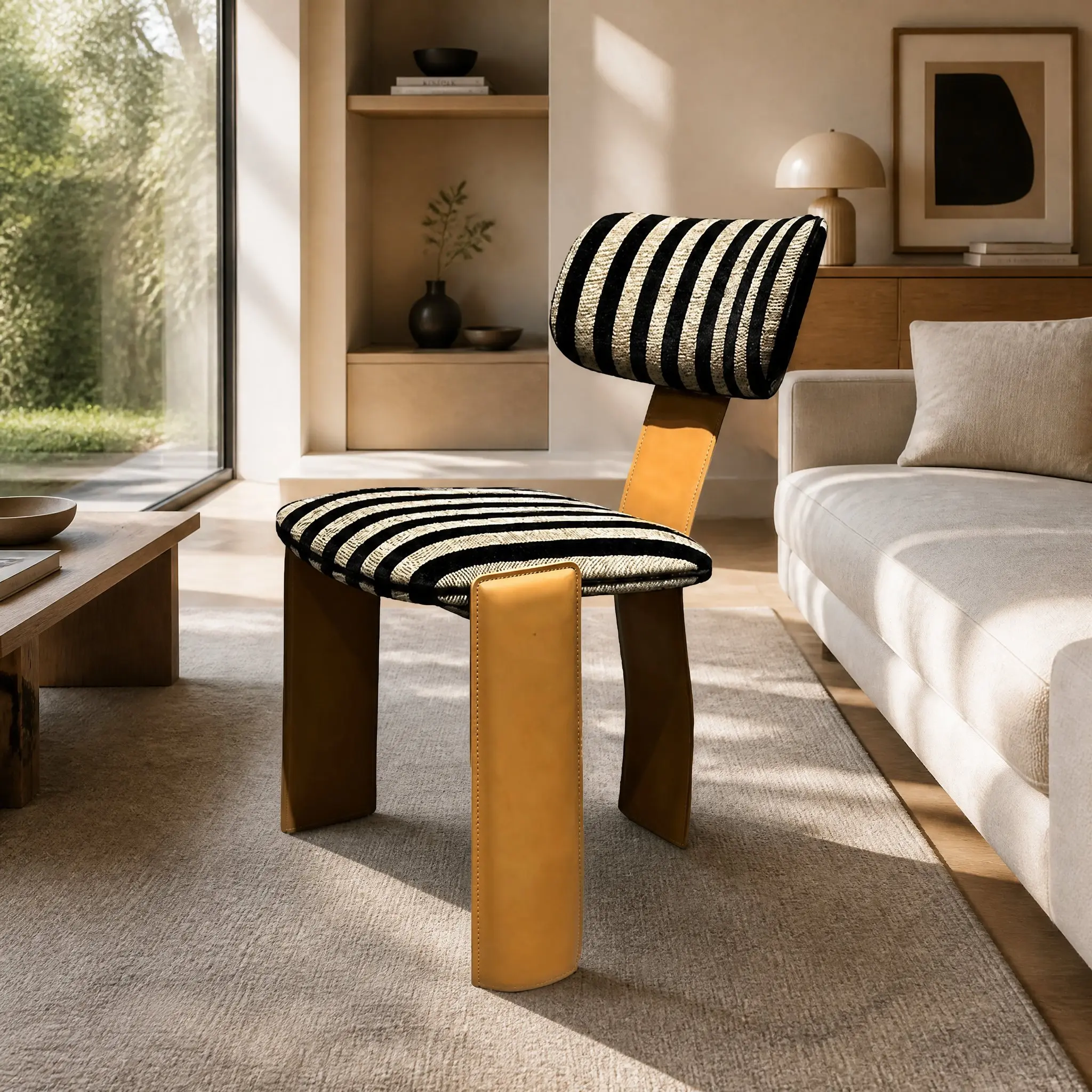
Wholesale QYM Modern Art Striped Dining Chair, MA1-2 Saddle Leather Legs with LVZ. Fendi V854-02 Stripe Fabric, Solid Wood & Stainless Steel Frame
View Specs & Inquire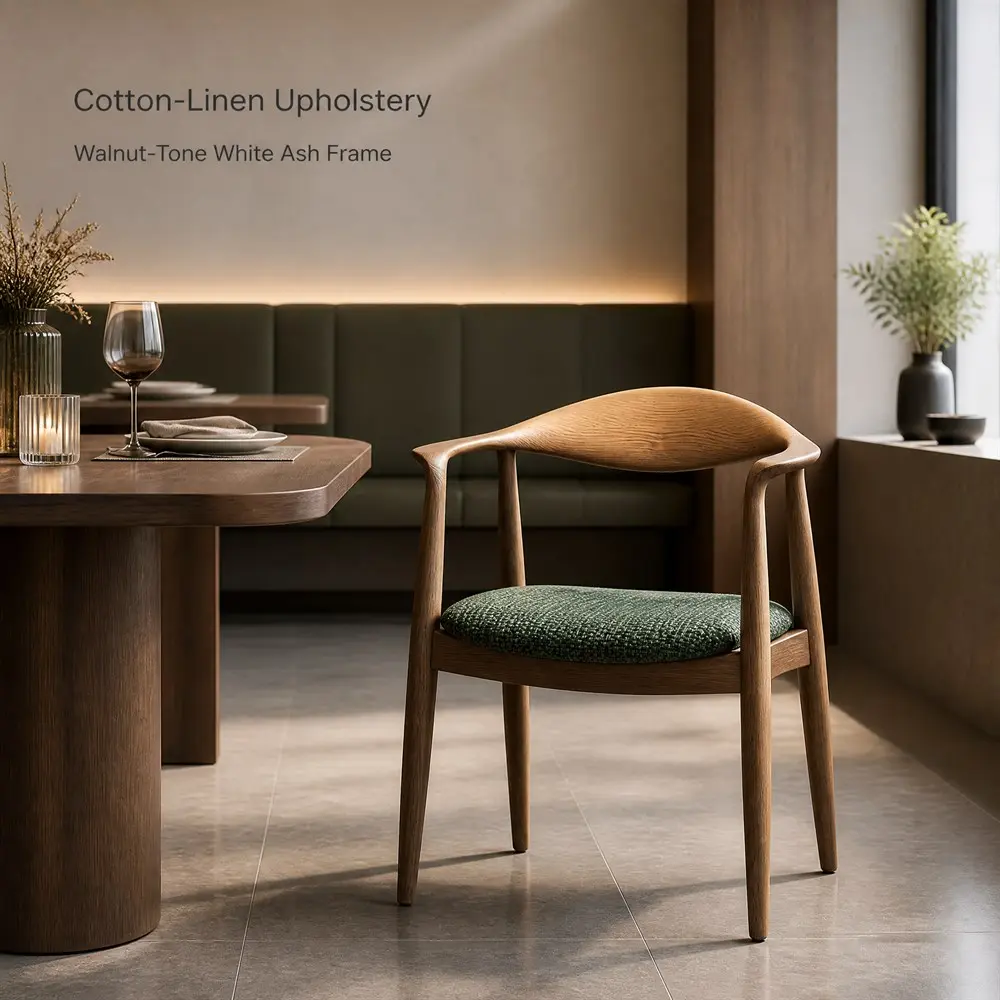
China QYM Nordic Solid Ash Wood Dining Armchair, Walnut Finish Frame, Textured Cotton-Linen Upholstery-1 Factory, Wholesaler
View Specs & Inquire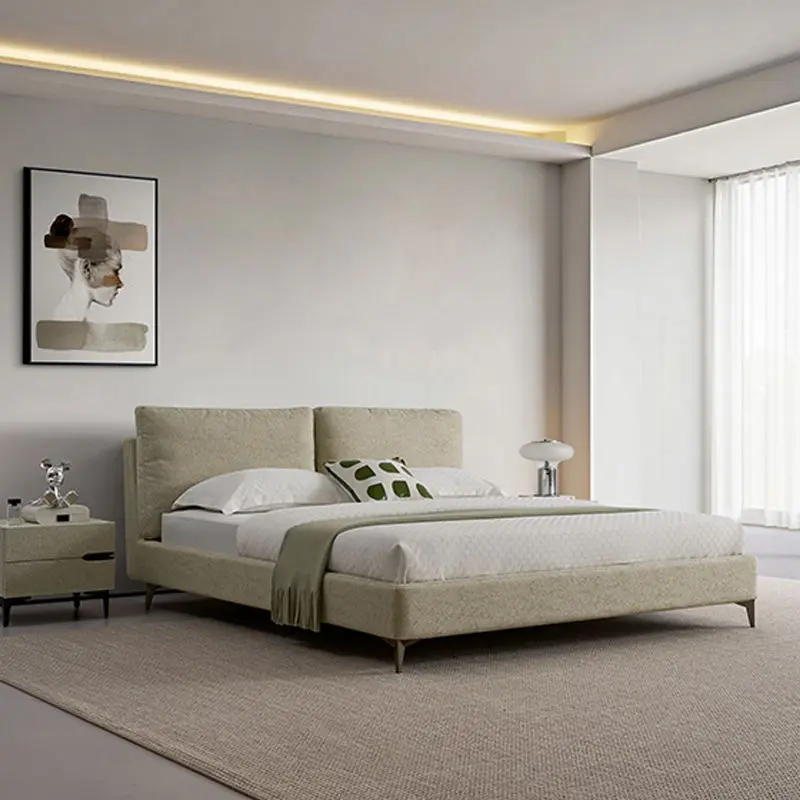
Latest design QYM C162-B Minimalist Modern Queen Size Soft Bed – Cotton and Linen Fabric Upholstered Bed Frame Factory, Factories
View Specs & Inquire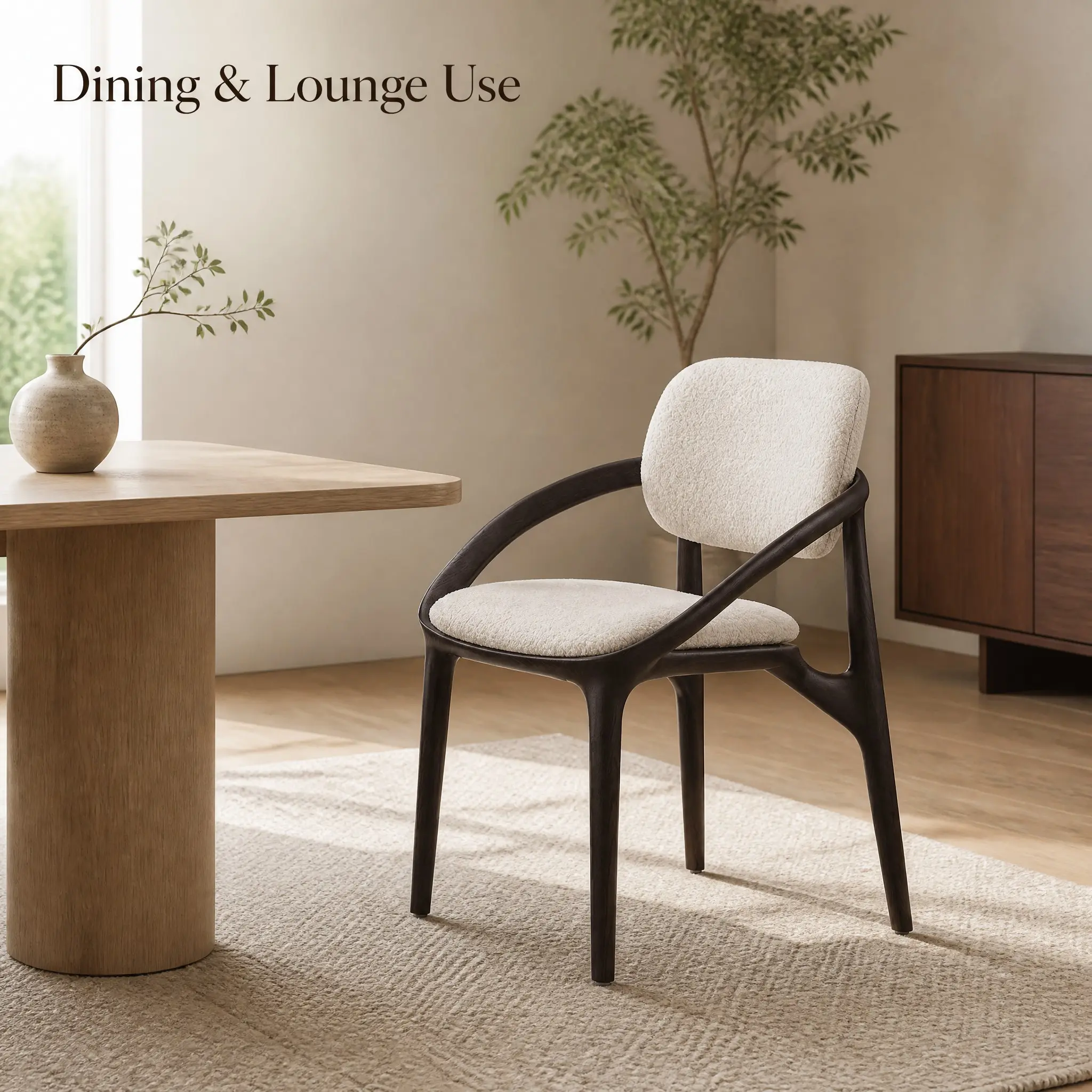
Latest design QYM White Lamb Wool Upholstered Arm Dining Chair, Smoked Finish Solid White Ash Wood Frame, Modern Warm Home Restaurant Chair
View Specs & Inquire
China QYM C166 Leather Upholstered Bed Manufacturer, Supplier
View Specs & Inquire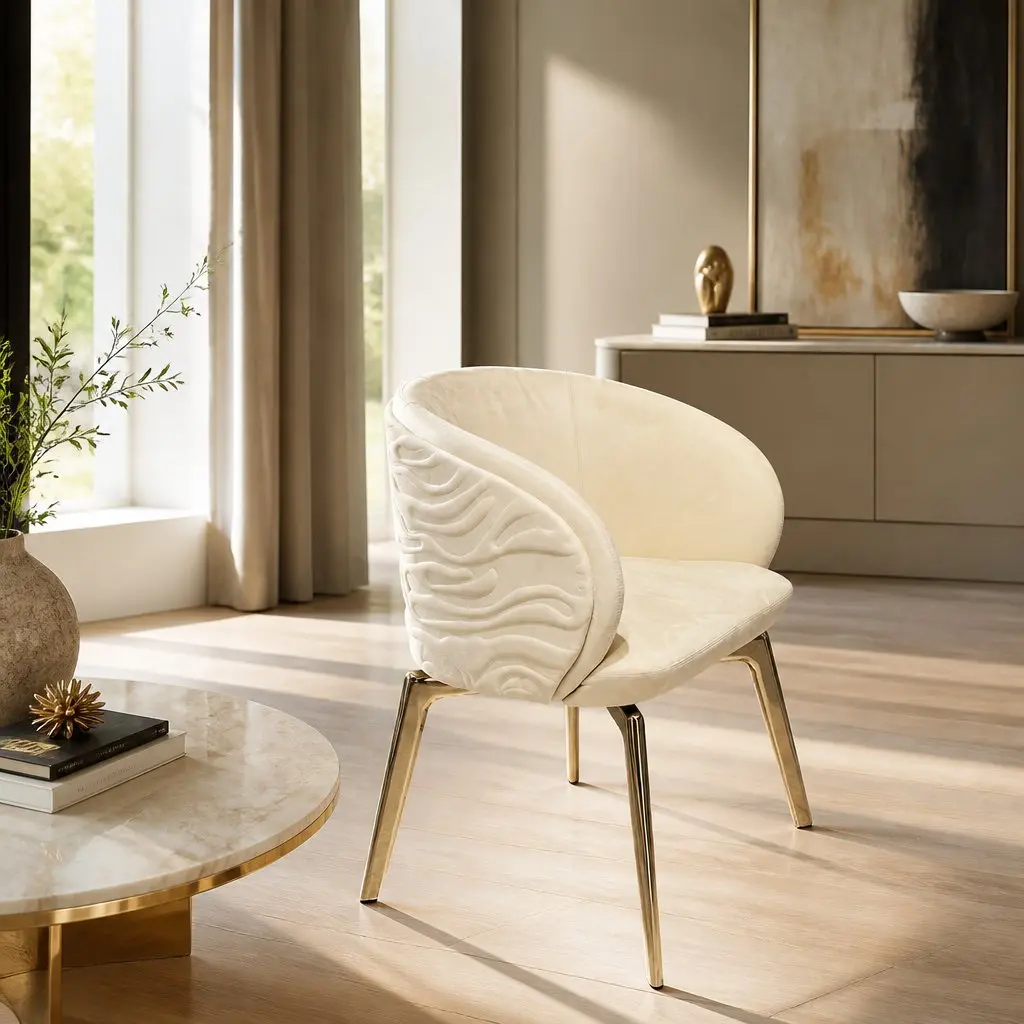
Wholesale QYM Italian Minimalist Velvet Dining Chair, 180° Swivel Upholstered Armchair with Embroidered Backrest& Stainless Steel Legs Factory
View Specs & Inquire