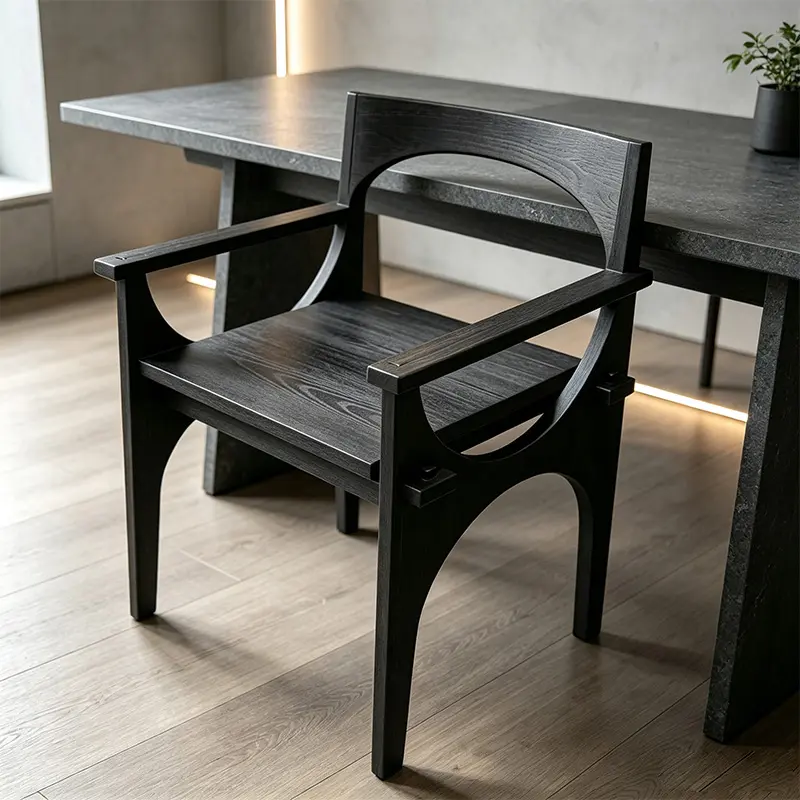
Featured Bentwood & Solid Wood Leisure Seating Solutions
Direct-from-factory OEM/ODM collections designed for global wholesalers, commercial project contractors, and luxury interior brand catalogues.
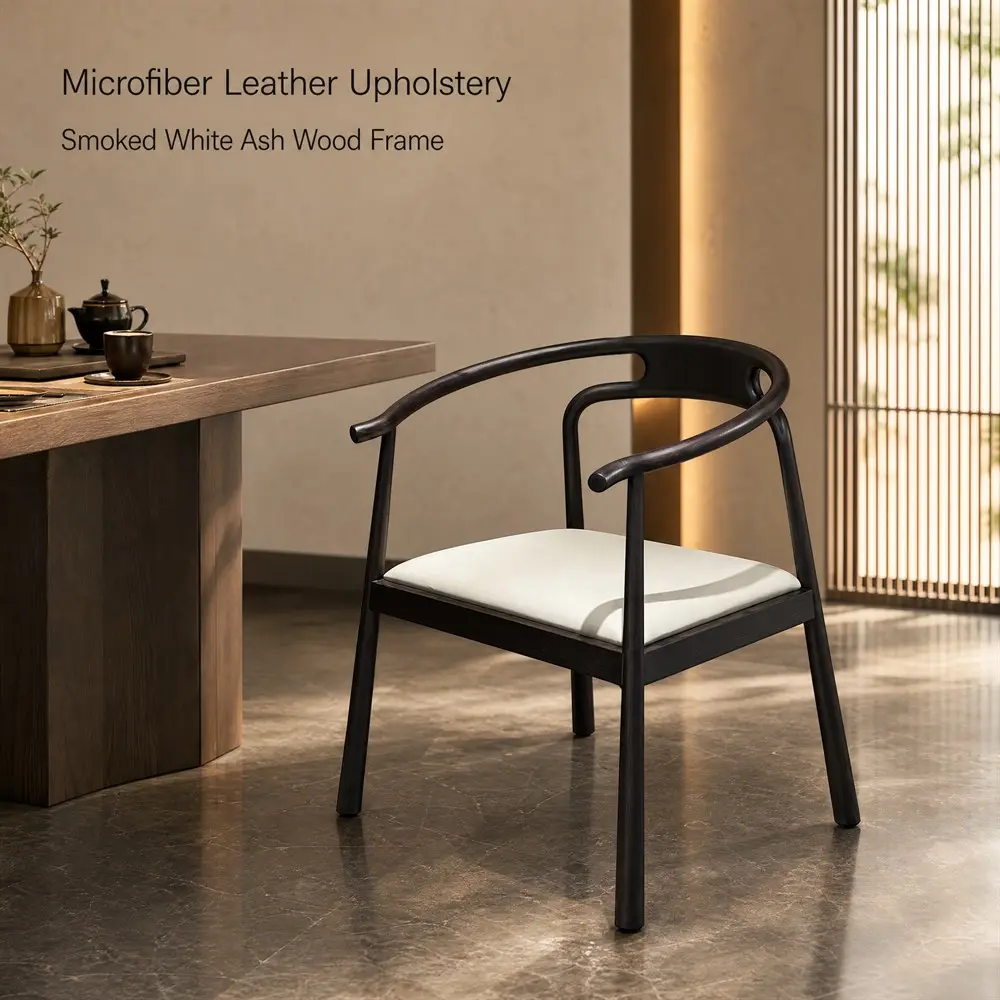
Wholesale Large‑size Modern Dining Armchair, Light Grey Microfiber Leather, Solid White Ash Wood Smoked Frame
View Product Specs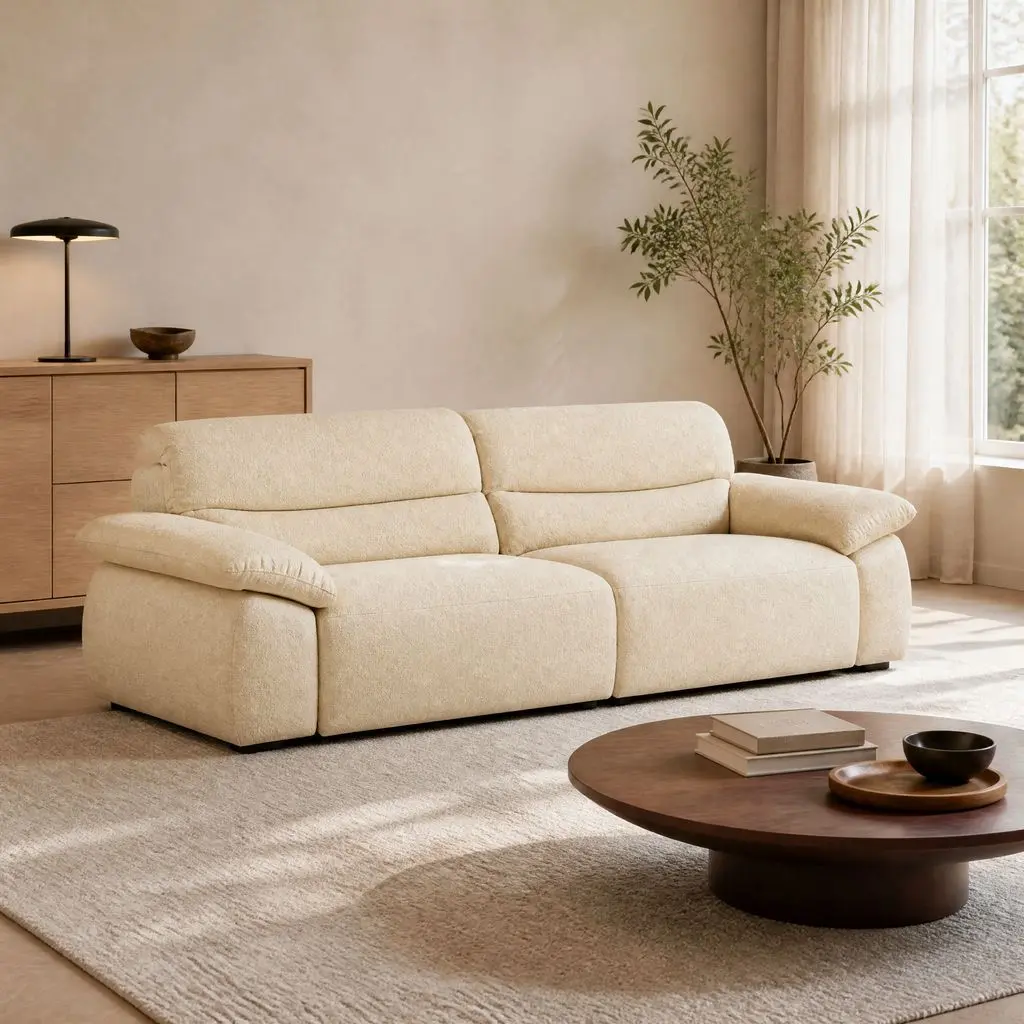
Latest design QYM B2211 Modern Functional Sectional Sofa with Two-Tone Linen, Larch Wood Frame
View Product Specs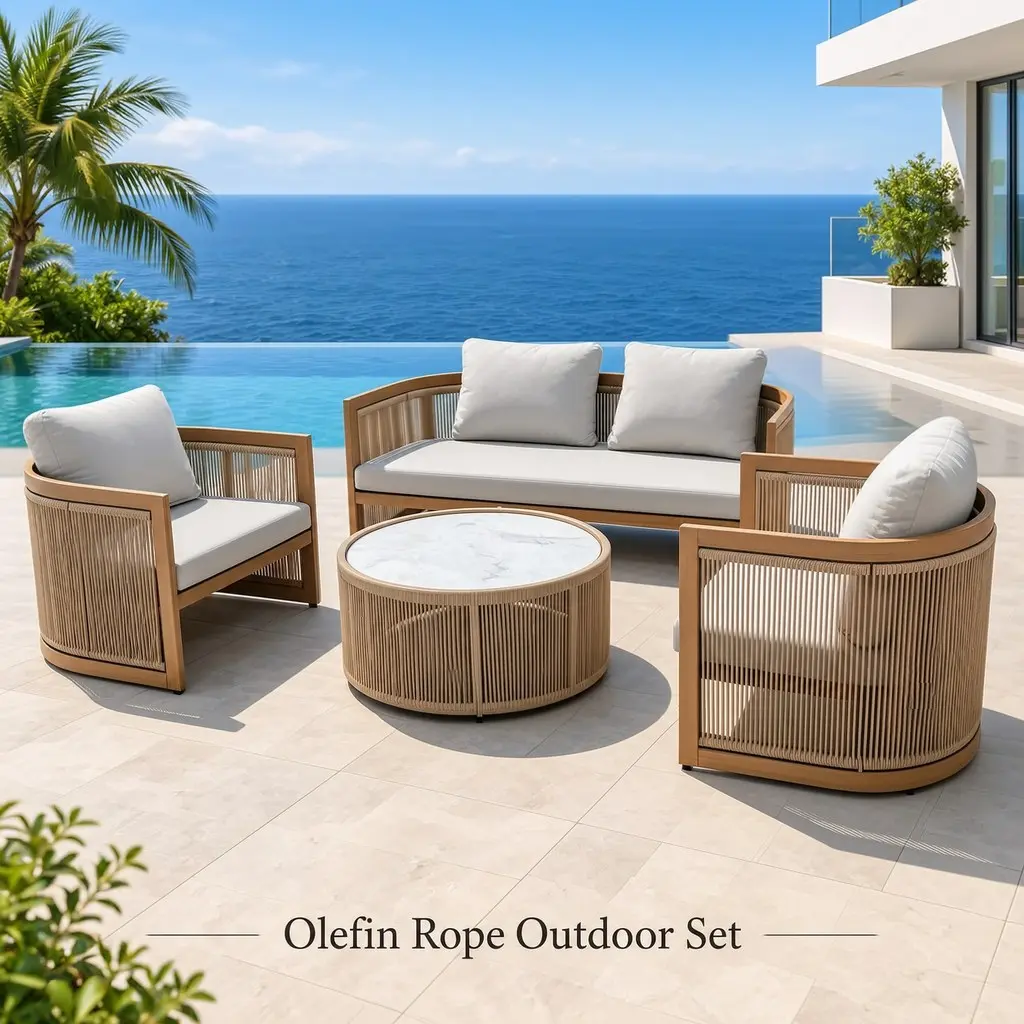
Wholesale QYM XD-6023 Wood-Grain Aluminum Outdoor Sofa Set with Olefin Rope Weave
View Product Specs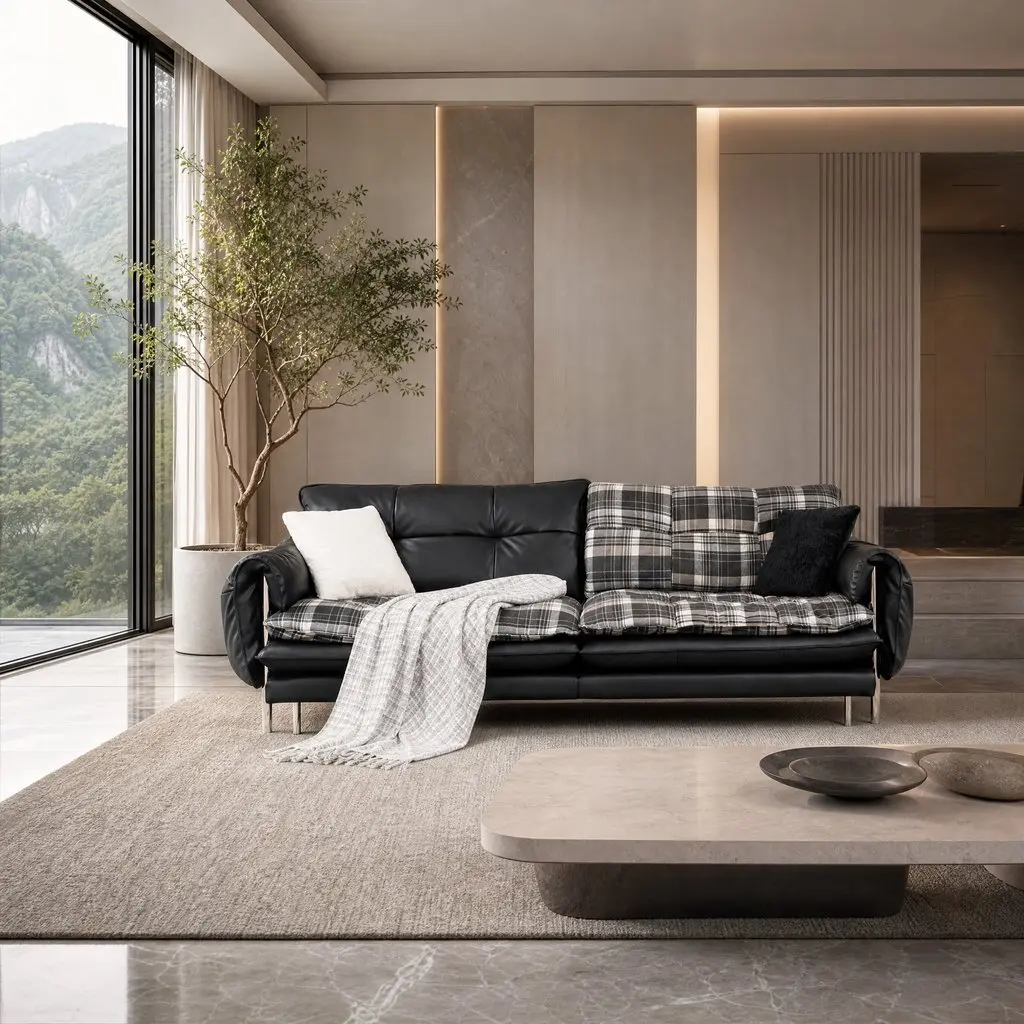
Wholesale QYM M1079 Luxury Living Room Modular Sectional Sofa with Feather & Silk Cotton Padding
View Product Specs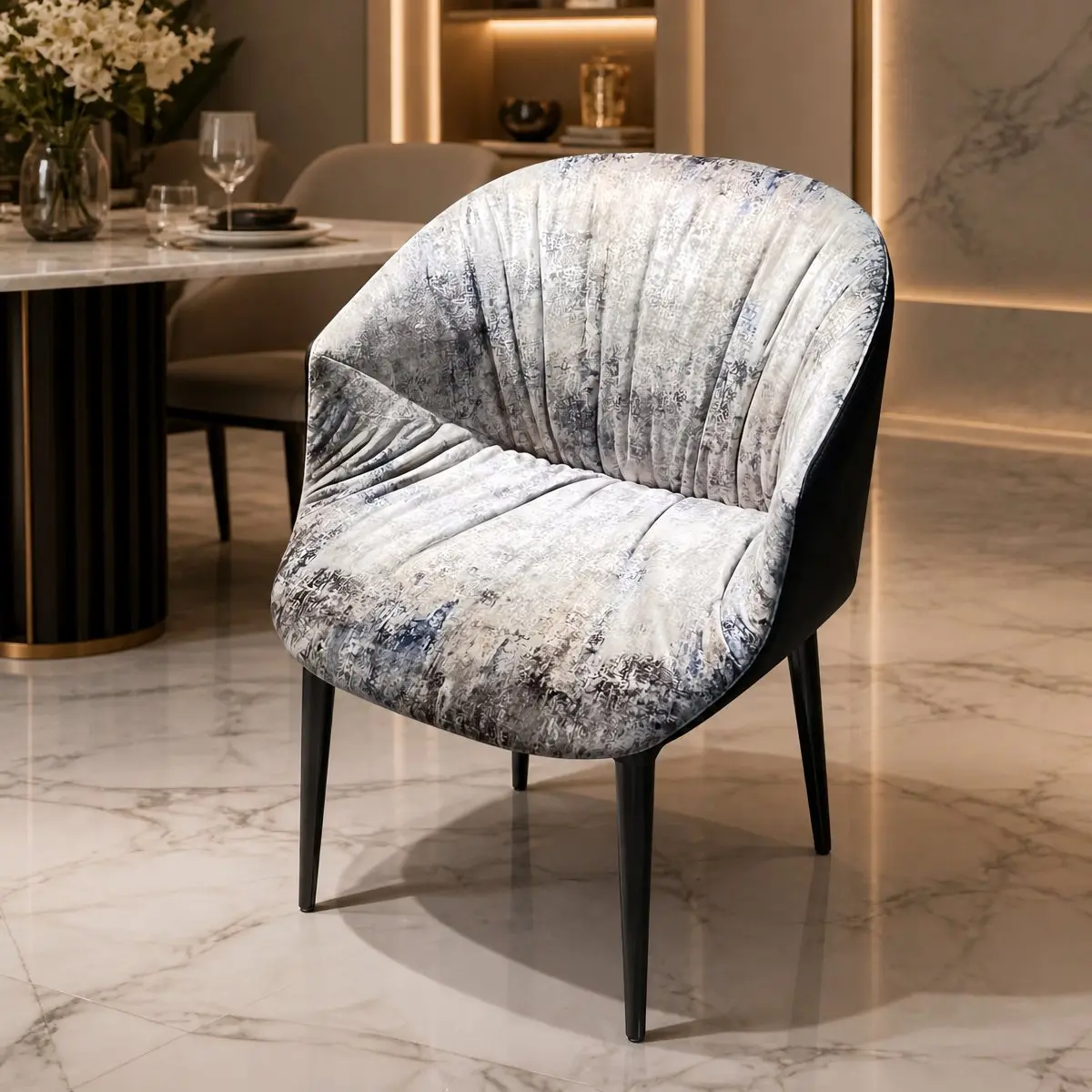
Wholesale QYM Luxury Velvet Dining Chair - Black Metal Legs, Ergonomic Backrest & High-Density Foam
View Product Specs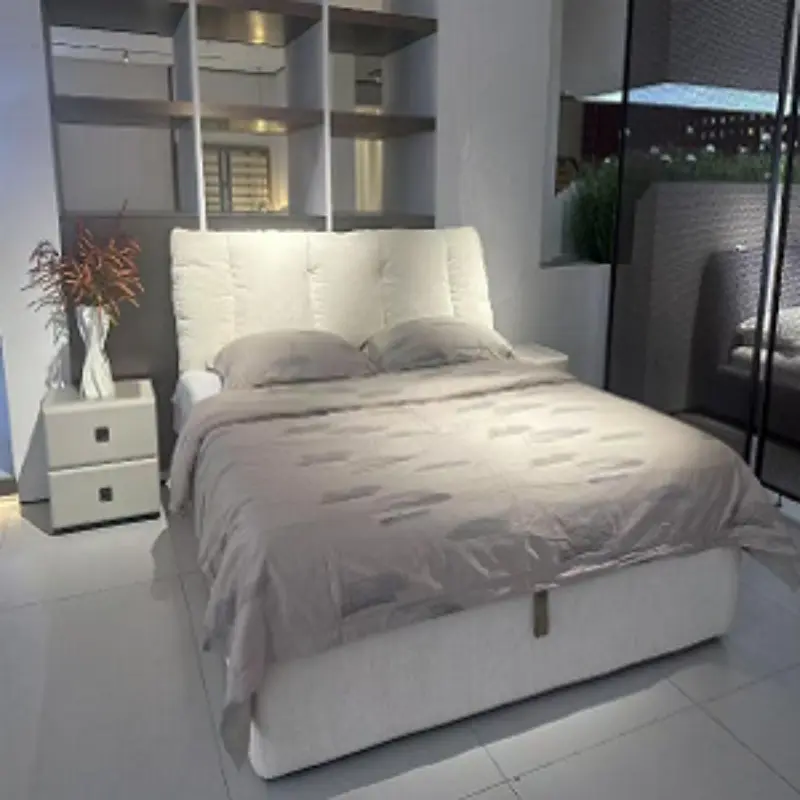
Wholesale QYM C200 Fabric Upholstered Bed Soft Linen Texture for Balanced Contemporary Bedrooms
View Product Specs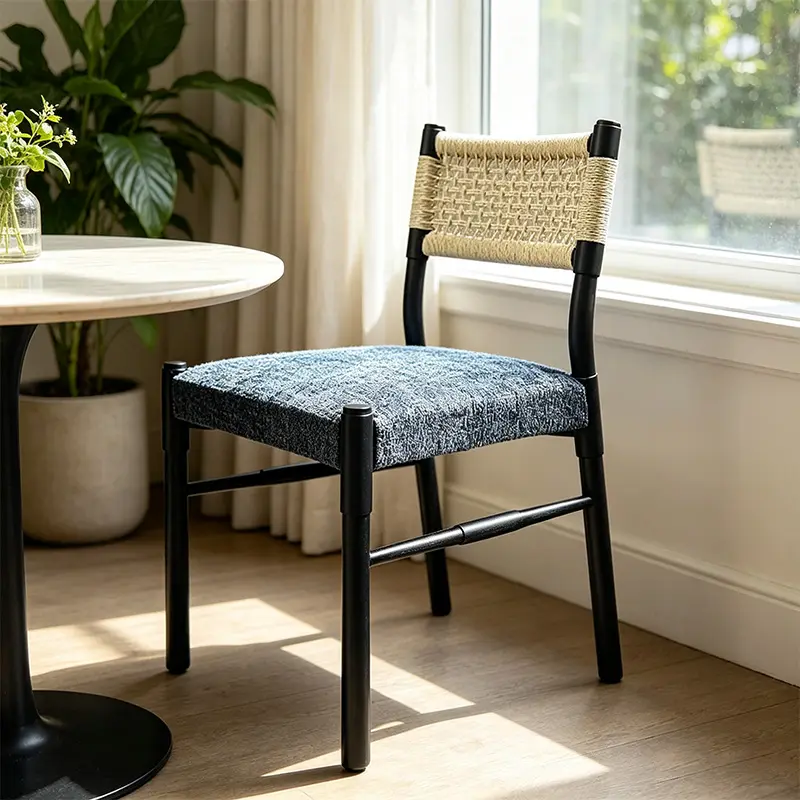
Latest design QYM Rope Woven Back Dining Chair, Solid White Ash Wood Charcoal Black Finish Frame
View Product Specs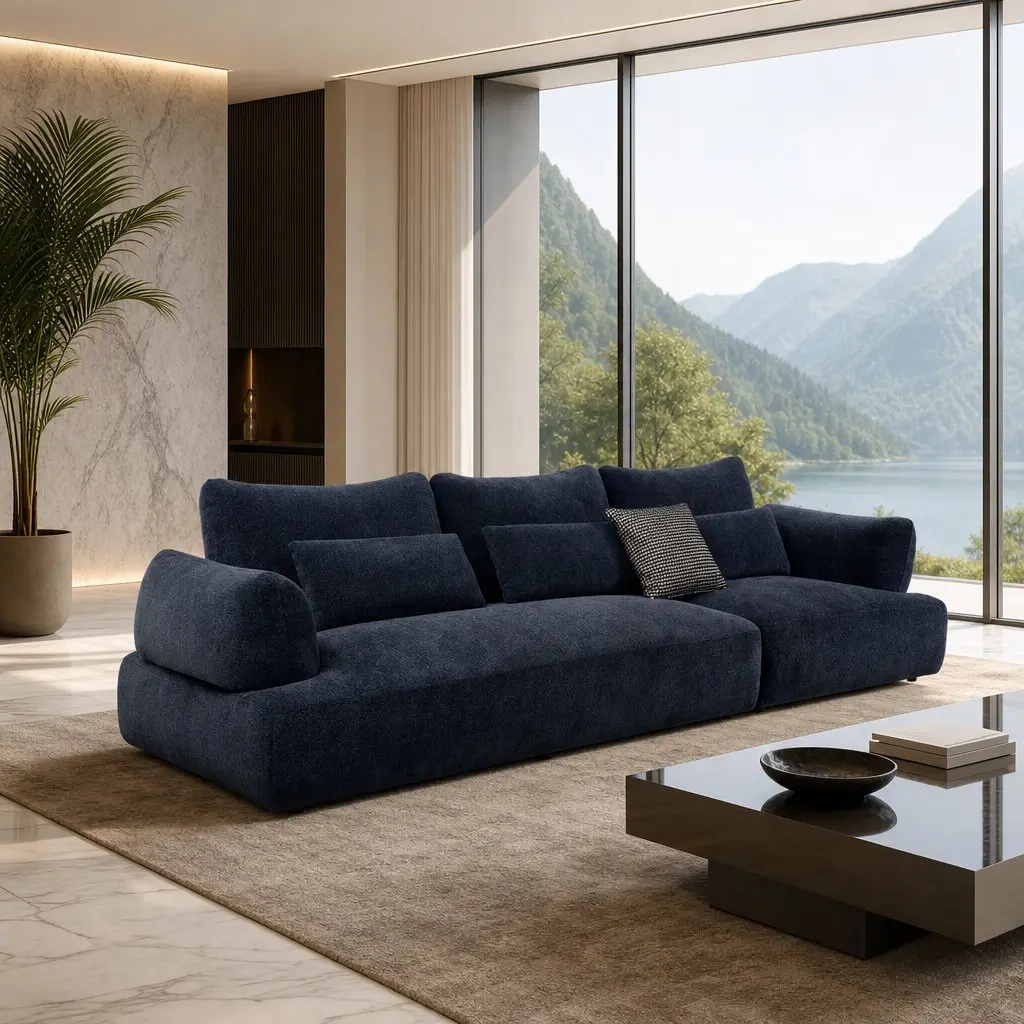
China QYM M1075-A Modern Designer Sectional Sofa with Imported Larch Wood Frame & Solid Wood Legs
View Product Specs1. Global Commercial Status of Curved Solid Wood Leisure Seating
Analyzing the shift from linear furniture design to fluid biophilic geometry across global residential, commercial hospitality, and architectural sectors.
Biophilic Structural Demand
Modern architectural specification has shifted dramatically toward organic, sweeping silhouettes. Curved solid wood chairs reduce visual stress, align with natural biophilic aesthetics, and serve as tactile focal points in high-end contract environments.
High-Yield Contract Durability
Commercial buyers require seating that withstands heavy rotation while maintaining structural integrity. Continuous curved wood grain achieved through precision bending eliminates weak cross-grain joints common in traditional mitered assembly.
Margin Optimization for Wholesalers
Solid wood leisure chairs command high retail price points ($450–$1,200 USD). Sourcing directly from certified Chinese manufacturers yields standard gross margins exceeding 55% for overseas importers and contract distributors.
2. Engineering & Bentwood Technology: Steam Bending vs. 5-Axis CNC Milling
Understanding the metallurgical-like precision required to manipulate hardwood fibers without structural degradation.
Thermal-Steam Softening & Hydraulic Mold Bending
Steam bending plasticizes the natural lignin within hardwood fibers by exposing timber to pressurized saturated steam at 100°C for roughly 1 hour per inch of thickness. Once plasticized, the wood is wrapped around precision aluminum jigs using steel tension straps. This process forces the outer fibers into tension while compressing the inner radius, preserving continuous grain flow. Steam-bent components offer up to 35% higher impact resistance compared to carved timber.
High-Frequency Dielectric Pressing & Micro-Lamination
For complex 3D organic curves that exceed the physical bending limits of solid timber, high-frequency vacuum pressing is used. Thin hardwood veneers (1.5mm–3.0mm) are layered with eco-friendly phenolic resin and placed between custom 3D aluminum dies. Radio-frequency energy cures the adhesive lines in under 180 seconds, setting the curve with virtually zero spring-back effect. This technique achieves structural stability unaffected by ambient humidity fluctuations.
Technical Comparison: Hardwood Species Selection
| Timber Species | Bending Radius Limit | Density (kg/m³) | Janka Hardness (N) | Primary Application Scenario |
|---|---|---|---|---|
| North American White Ash | High (R < 150mm) | 670 - 720 | 5,870 N | Complex steam-bent armrests, curved backrests, luxury dining chairs. |
| American Black Walnut | Medium (R > 250mm) | 610 - 660 | 4,490 N | Executive boardroom chairs, premium residential leisure lounges. |
| European Beech Wood | Very High (R < 120mm) | 680 - 750 | 6,460 N | High-traffic commercial café seating, contract hospitality bentwood frames. |
| Imported Siberian Larch | Moderate (Laminated) | 590 - 640 | 4,900 N | Internal load-bearing structural sofa frames, semi-outdoor leisure seating. |
3. China Factory Efficiency & The Foshan Industrial Cluster
Why Guangdong’s furniture manufacturing ecosystem provides unmatched cost scaling, material access, and production speed for global buyers.
Full Supply Chain Integration
Located in Shunde, Foshan, China's furniture manufacturing capital, factories operate within a 15-kilometer radius of kiln-drying yards, 5-axis tooling shops, micro-leather suppliers, and hardware casting facilities.
Precision Automated Sanding
Multi-axis robotic arm sanding replaces manual labor on complex curved wooden profiles. This achieves uniform 320-grit surface smoothness, preparing the raw wood for flawless stain absorption and zero finish runs.
Eco-Friendly Surface Coating
Adhering to strict international environmental regulations, Chinese factories utilize automated water-based Polyurethane (PU) spray lines and electrostatic UV-curing systems, maintaining VOC emissions well below global threshold limits.
Consolidated Container Logistics
Chinese manufacturers excel at spatial loading efficiency. Custom 5-ply honeycomb export packaging and flat-pack semi-KD (Knock-Down) bentwood designs maximize container payload volumes by up to 40% per 40ft HQ container.
4. Localized Application Scenarios for Curved Leisure Seating
Where ergonomic solid wood bentwood seating meets real-world architectural interior design specifications.
Boutique Hospitality & Hotel Suites
Curved leisure armchairs serve as luxury accents in guestroom reading nooks and executive lobby lounges. The absence of sharp corners enhances spatial flow in tight floor plans, while premium microfiber leather or textured chenille upholstery provides a warm tactile touch for international hotel guests.
Corporate Executive Lounges & Boardrooms
Replacing traditional rigid office seating, curved ash wood armchairs introduce warmth into corporate environments. Engineered lumbar support curves reduce back fatigue during long meetings, blending commercial ergonomics with residential comfort ("resimercial" office design).
High-End Residential Dining & Living Spaces
In modern minimalist and Japandi-inspired interiors, curved solid wood chairs act as functional sculpture. Smoked ash and walnut finishes anchor open-concept dining zones, providing fluid visual transitions between kitchen and living areas.
Wellness Centers & Luxury Healthcare Lounges
Smooth, sweeping solid wood armrests provide stable leverage points for elderly or recovering users rising from a seated position. Non-porous commercial water-based finishes withstand rigorous daily sanitation protocols without degrading the natural wood grain aesthetic.
5. Future Trends in Curved Solid Wood Furniture Manufacturing
How emerging AI design tools, carbon-composite hybrid cores, and bio-adhesives are defining the next decade of bentwood engineering.
AI Parametric Ergonomics
Generative design algorithms calculate human weight distribution across curved wooden surfaces, optimizing wall thickness along structural bend points to reduce raw material usage by 18% while increasing load capacity.
Carbon-Reinforced Bentwood Cores
Embedding ultra-thin unidirectional carbon fiber sheets between micro-laminated wood veneers allows designers to achieve ultra-slim profile curves with structural shear resistance exceeding solid oak.
Formaldehyde-Free Soy Adhesives
Transitioning from conventional urea-formaldehyde resins to plant-based soy adhesives eliminates indoor off-gassing, fully complying with US CARB Phase 2 and European REACH E0 emissions standards.
6. B2B Sourcing Checklist for Commercial Furniture Buyers
Key quality assurance metrics and technical verification steps required when evaluating China bentwood suppliers.
1. Timber Moisture Content (MC) Control Verification
Insist on factory batch reports verifying kiln-dried timber moisture levels between 8% and 12%. Hardwoods exported to arid climates (e.g., Middle East, US Southwest) require lower MC targets (6-8%) to prevent end-grain cracking and joint separation post-installation.
2. Structural Mortise & Tenon Joinery Audits
Verify that high-stress load points utilize true CNC mortise-and-tenon construction reinforced with corner blocks and metal-to-metal dowel hardware rather than simple surface screws or reliance on adhesive strength alone.
3. Contract Fabric & Foam Flame Retardancy Standards
Ensure upholstery foam meets local destination safety codes: CAL 117 (California, USA) or BS 5852 Crib 5 (United Kingdom). High-resilience polyurethane foams must maintain density specs above 45kg/m³ to prevent seat sagging over time.
4. Drop-Test & Weight Capacity Certifications
Request independent lab test certificates for ANSI/BIFMA X5.4 (Public Seating) or EN 16139 Level 2 (Severe Commercial Use). Standard commercial leisure chairs must safely withstand dynamic drop loads exceeding 136 kg (300 lbs).
7. Frequently Asked Questions for Global Furniture Procurement
Direct technical answers for commercial buyers, distributors, and hotel project managers.
Why choose steam-bent solid ash wood over carved timber for leisure chair frames?
What is the standard Minimum Order Quantity (MOQ) for OEM/ODM curved leisure chairs?
How do Chinese manufacturers prevent solid wood bentwood from cracking or warping post-export?
Can custom commercial fabrics and branding labels be integrated into production?
What are typical lead times for sample development and mass container production?
How are mixed-category orders consolidated to minimize ocean freight costs?
Explore Additional Solid Wood & Upholstered Collections
Complete your sourcing catalogue with our premium living room, bedroom, outdoor, and hospitality furniture solutions.
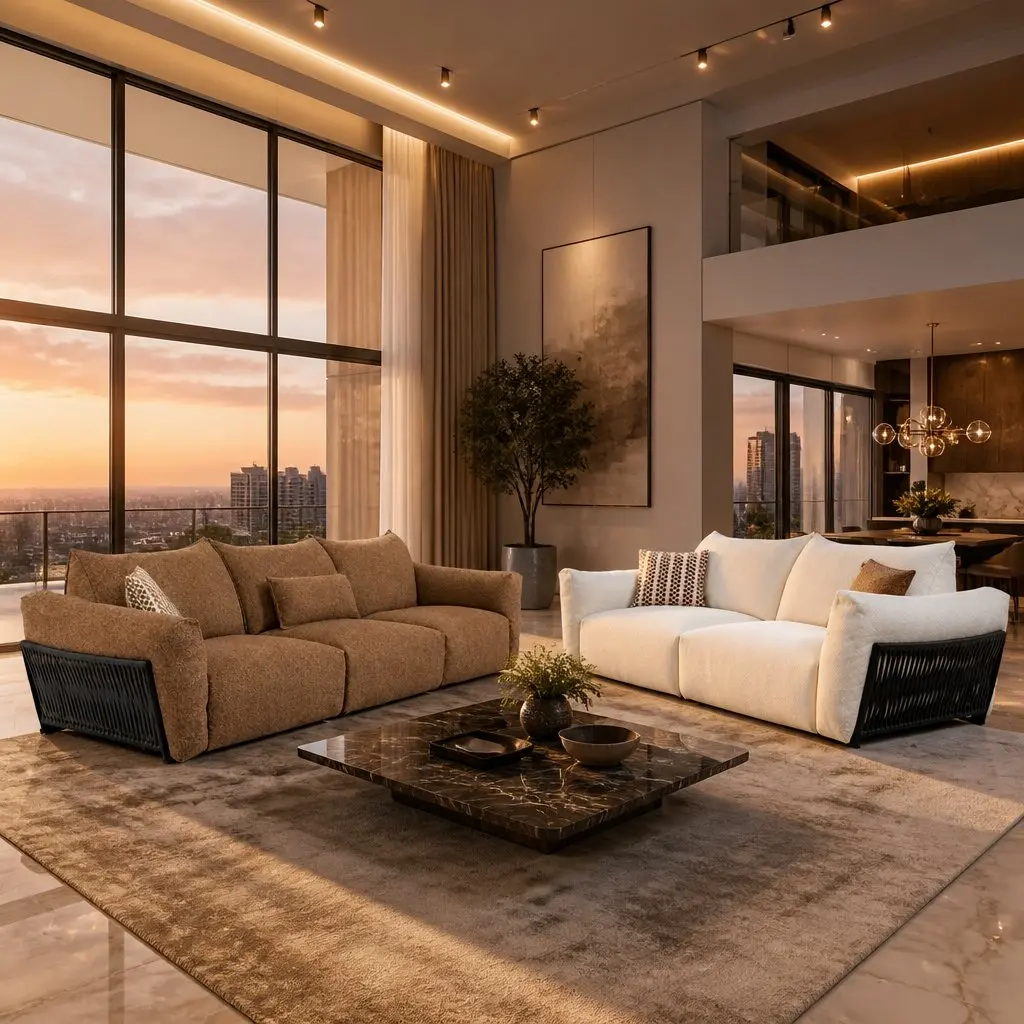
Latest design QYM M1070 Modern Designer Sectional Sofa with Larch Wood Frame & Washable Cover
View Product Specs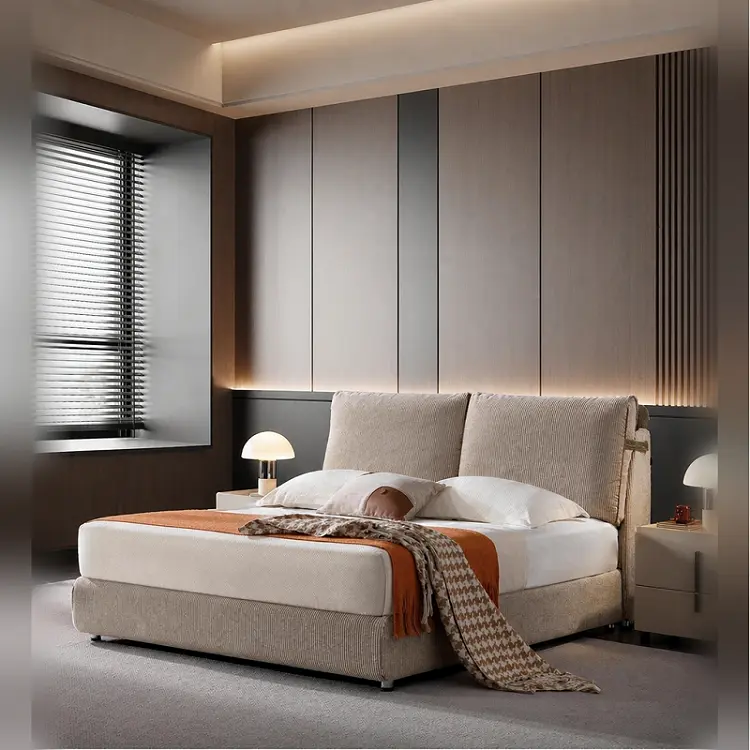
Latest design QYM C213 Fabric Upholstered Bed Soft Fabric Comfort with Contemporary Presence
View Product Specs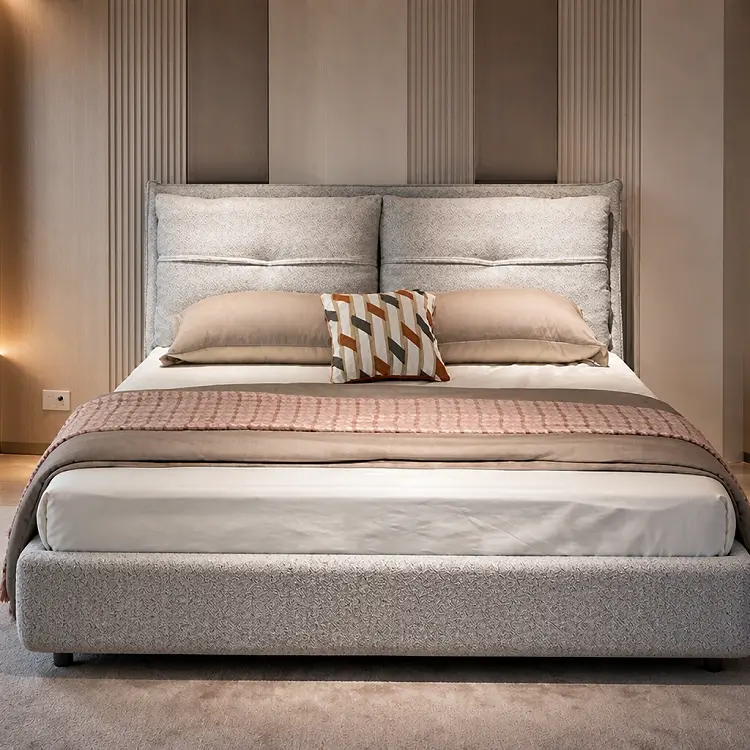
Latest design QYM C157 Upholstered Bed Soft Woven Comfort for Calm Contemporary Bedrooms
View Product Specs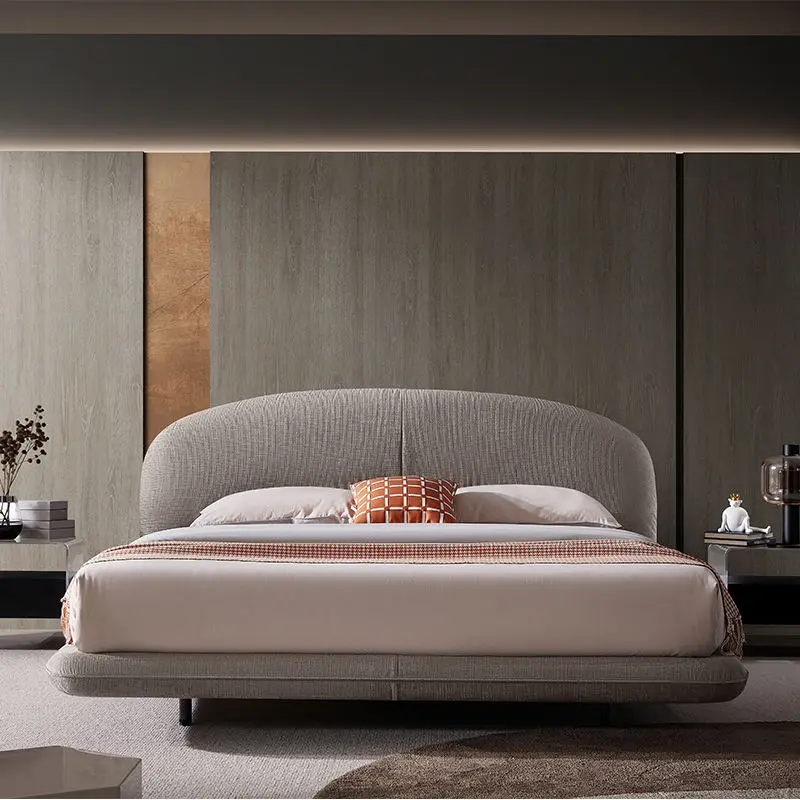
Wholesale QYM C178 Customized Modern Luxury Floating Soft Bed – Chenille Fabric Upholstered Bed
View Product Specs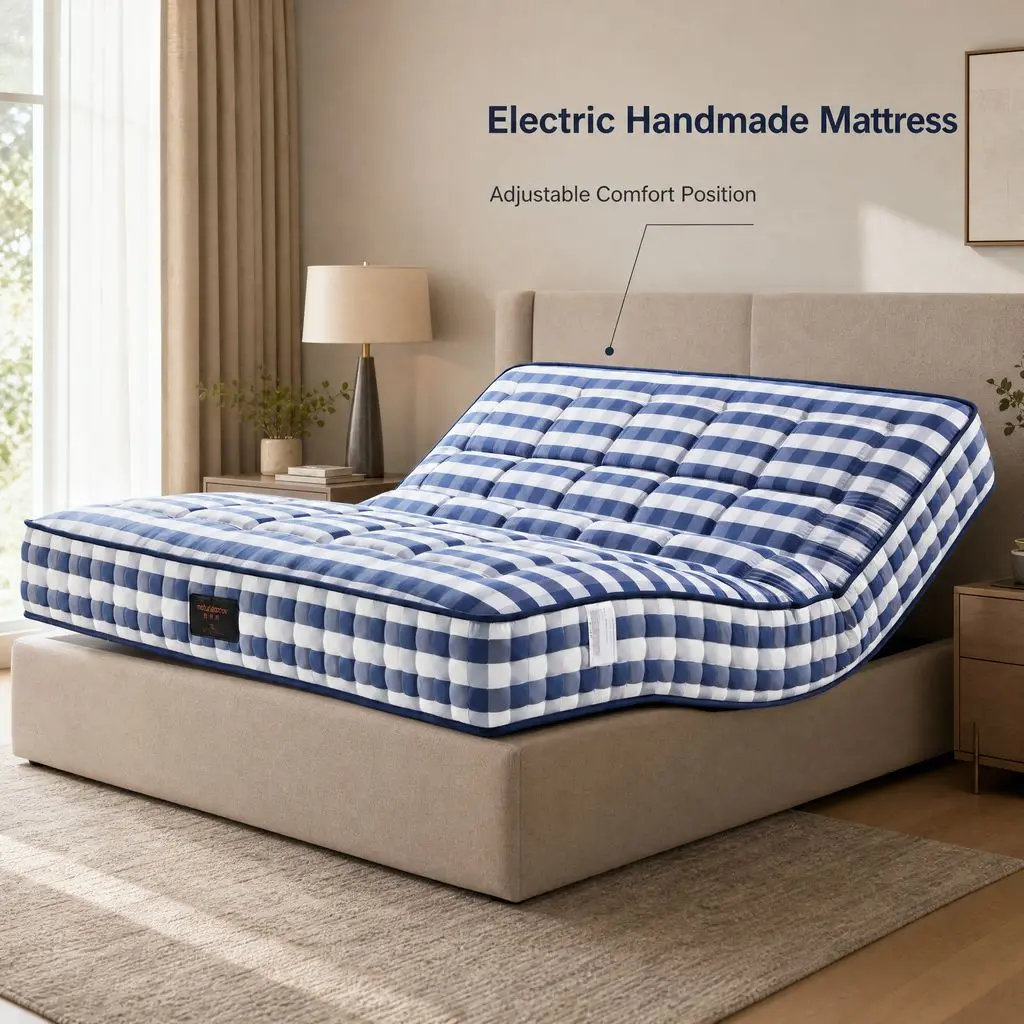
Latest design QYM ZNA6 Electric Adjustable Mattress with Cool Fabric, Pocket Springs & AI Voice Control
View Product Specs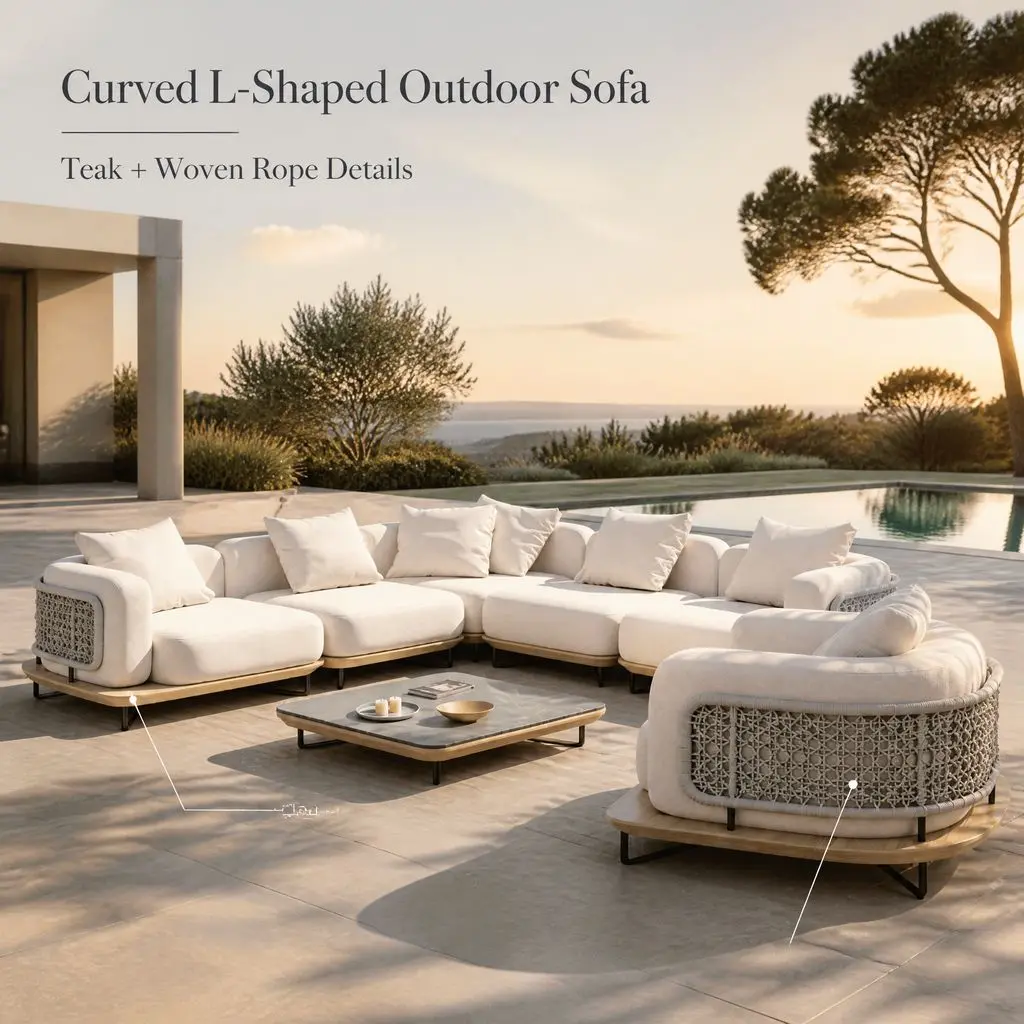
Wholesale QYM XD-60011 Curved L-Shaped Outdoor Sectional Sofa with Wood-Grain Aluminum Frame
View Product Specs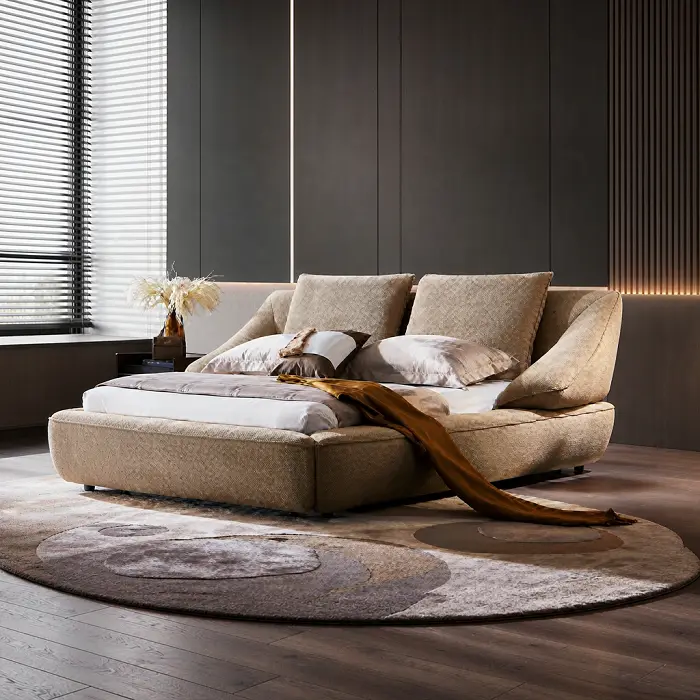
Wholesale QYM C155 Linen Upholstered Bed Soft Linen Texture with Welcoming Contemporary Presence
View Product Specs