
Featured Dining & Commercial Furniture Portfolio
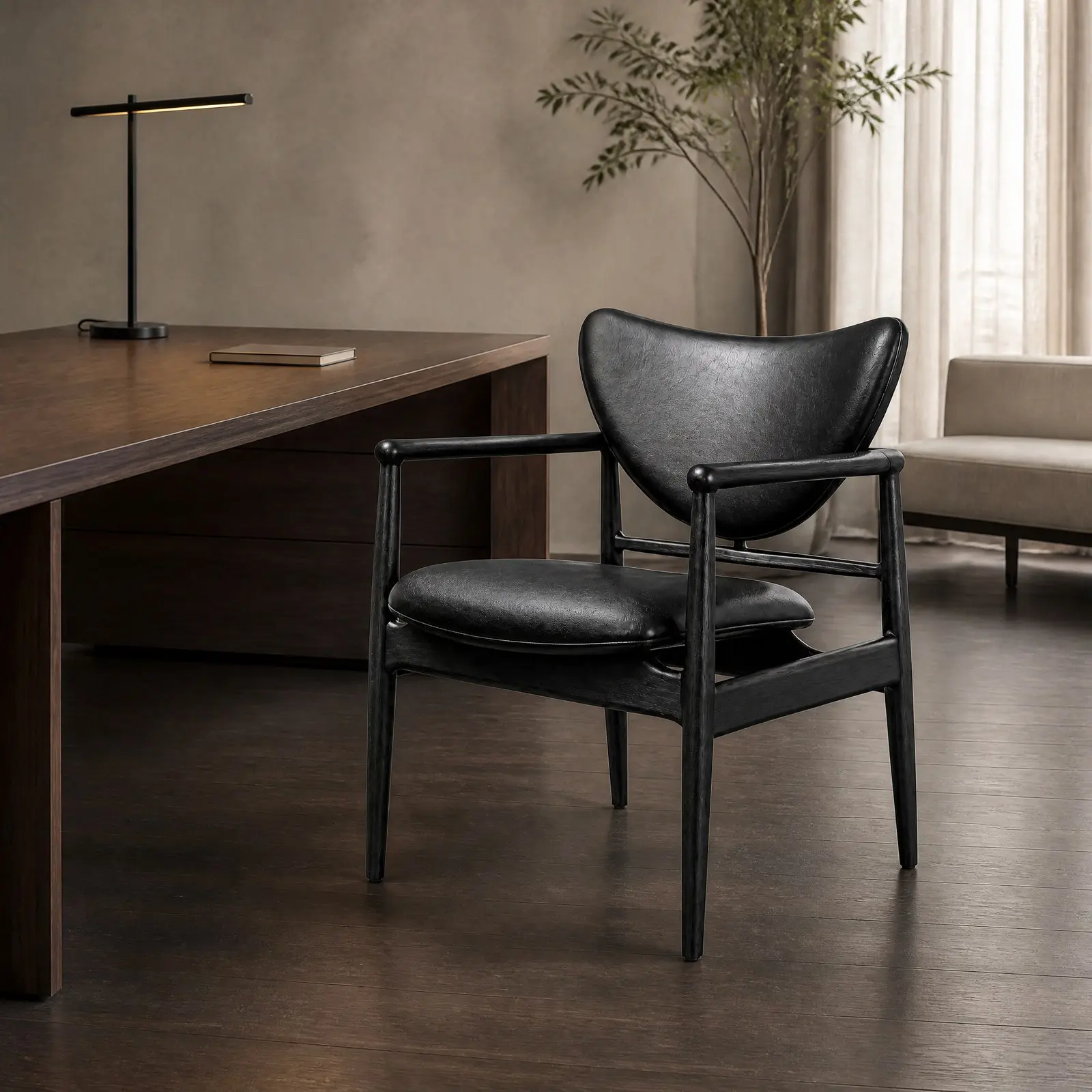
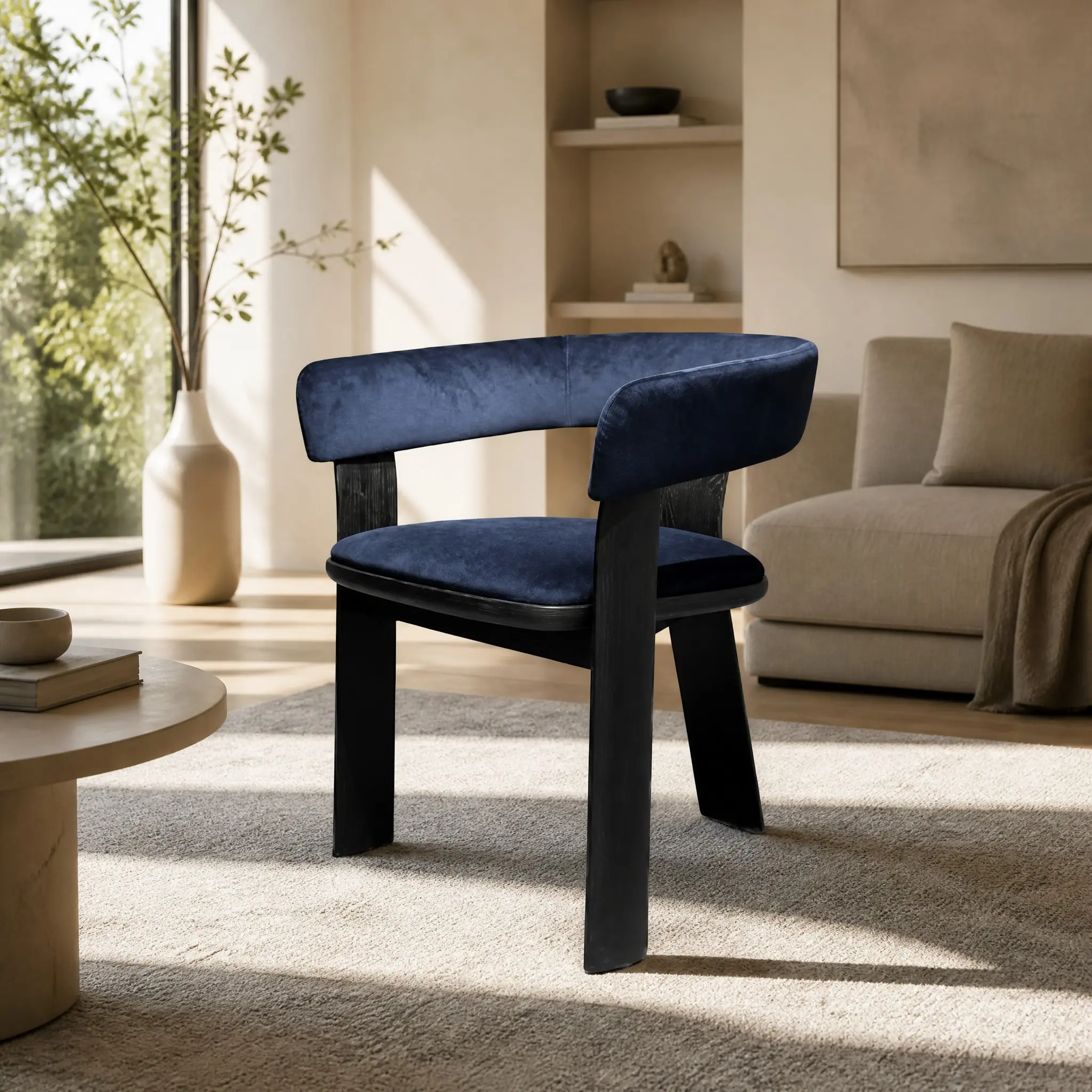
Precision-engineered solid ash wood frames, microfiber leather upholsteries, and modern structural profiles designed for high-traffic commercial environments and high-end residential projects.
Industry Development Trends in Dining Table & Chair Manufacturing
The global dining table and chair set market is experiencing a structural evolution, driven by shifts in residential urban density, commercial hospitality expansions, material science breakthroughs, and eco-regulatory demands.
Sintered Stone & Hybrid Material Integration
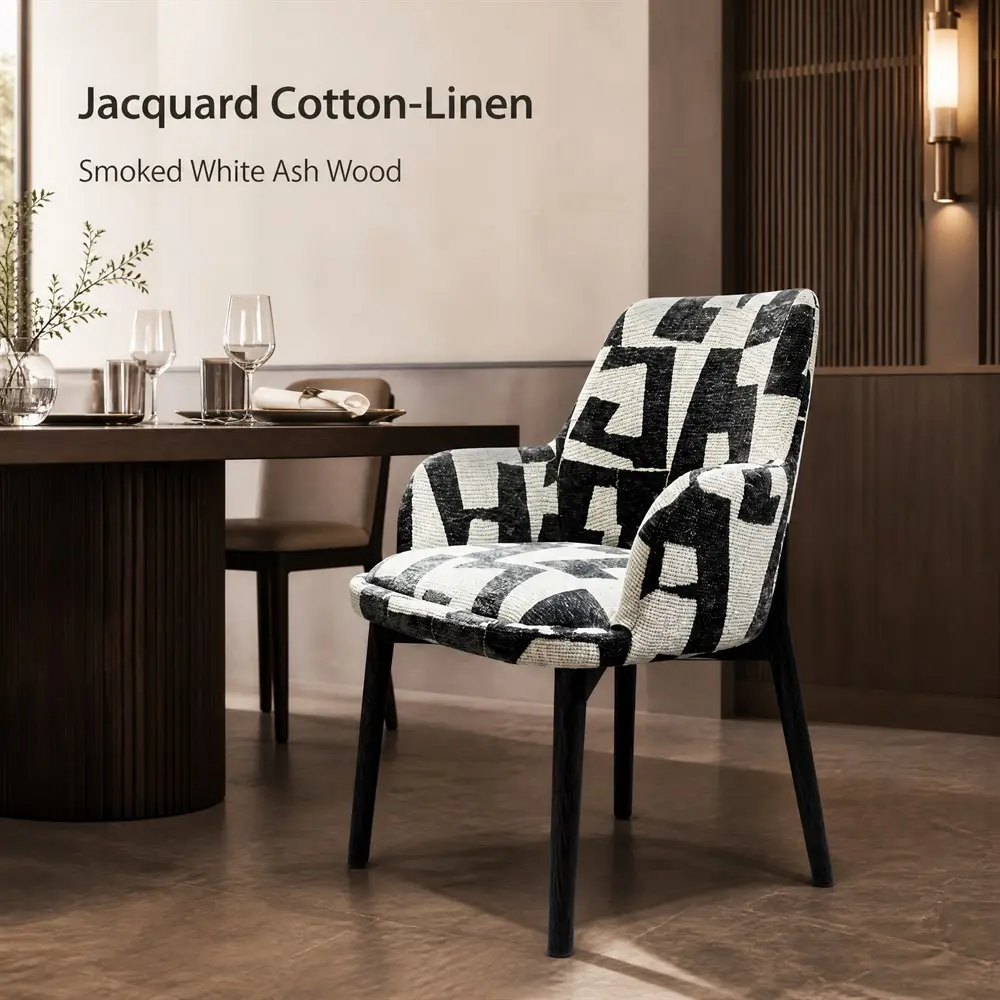
Traditional wooden tabletops are increasingly yielding market share to ultra-compact sintered stone slabs (Mohs hardness 7+, zero porosity). Modern China dining table and chair set suppliers now engineer hybrid chassis combining thermal-treated solid white ash wood (Fraxinus americana) with PVD titanium vacuum-coated stainless steel and sintered porcelain. This provides heat resistance up to 1200°C and stain impermeability essential for high-end dining environments.
Ergonomic Micro-Architecture & Comfort Science
Dining room furniture is transitioning from purely static aesthetics to biomechanically optimized seating systems. Modern chairs incorporate high-density cold-cured polyurethane foam (45–55 kg/m³) wrapped in breathable, ultra-durable microfiber leathers (>100,000 Martindale rub cycles). Lumbar support curvature angled precisely between 102° and 108° ensures extended comfort for both multi-course fine dining and modern hybrid work-from-home spaces.
Modular Versatility & Space Optimization
Urbanization has heightened demand for adaptive spatial configurations. Enterprise buyers seeking dining sets prioritize extendable drop-leaf mechanisms, nestable armchair designs, and modular seating arrangements. Foshan factories lead this trend by utilizing precision German CNC machinery to create hidden synchronous sliding hardware that allows single-handed table extension without compromising structural load capacities (tested to >300 kg distributed load).
Deconstructing Global Enterprise Procurement Intent
When commercial procurement managers, hospitality developers, and wholesale importers query "China Dining Table And Chair Set Supplier & Factories", their purchasing decisions rely on risk mitigation, material transparency, compliance validation, and total cost of ownership (TCO).
Commercial Durability vs. Residential Ergonomics
B2B procurement buyers do not evaluate dining furniture solely on visual appeal. They demand structural longevity. High-frequency restaurant dining and hotel banquets require frame joints secured via double-doweled mortise and tenon construction with reinforced corner blocks. Enterprise buyers look for suppliers capable of providing EN 16139 (Level 2 Extreme Use) and BIFMA X5.1 structural test certification reports before issuing purchase orders.
Freight Optimization & CBU vs. KD Packaging Engineering
Ocean freight volatility makes volumetric efficiency a key determinant of profit margins. Sourcing managers analyze whether a dining chair is shipped completely built-up (CBU) or knocked-down (KD). Top-tier Chinese factories employ 3D CAD box-nesting algorithms that maximize 40ft High Cube container filling rates—achieving up to 450 chairs per container for stacked armchairs without sacrificing structural rigidity or increasing assembly labor costs on site.
| Evaluation Factor | Commercial Grade (B2B / Contract Hospitality) | Standard Residential (Retail / E-Commerce) | Technical Benchmark / Test Standard |
|---|---|---|---|
| Timber Moisture Content | 6% – 8% (Computerized Vacuum Kiln Dried) | 10% – 14% (Air / Standard Kiln Dried) | ASTM D4442 / Equilibrium Moisture Test |
| Frame Connection | Mortise & Tenon + Steel Corner Bracing | Pocket Hole Screws / Standard Dowels | BIFMA X5.1 / EN 1728 Static Load Test |
| Upholstery Wear Resistance | >100,000 Martindale Rubs (Microfiber Leather) | 15,000 – 30,000 Martindale Rubs (PU Leather) | ISO 12947-2 Abrasion Resistance |
| Table Top Material | 12mm Sintered Stone / Smoked Solid White Ash | MDF with Wood Veneer / Engineered Board | Mohs Scale Hardness 7 / EN 12720 Chemical Resistance |
| VOC & Formaldehyde | E0 Grade / CARB Phase 2 / GREENGUARD Gold | E1 / E2 Standard Grade | EN 717-1 Formaldehyde Emission Chamber Test |
Macro Industry Solutions for Global Procurement
From boutique cafe chains and 5-star resort dining rooms to large-scale residential developments, premier Chinese suppliers provide modular, end-to-end furniture, fixtures, and equipment (FF&E) solutions.
Custom OEM/ODM Engineering
Transforming designer concepts into production-ready physical furniture. Modern Foshan factories utilize 3D parametric software (SolidWorks/AutoCAD) to generate detailed shop drawings within 48 hours, resolving structural flaws, wood expansion margins, and material stress points prior to full-scale mass production.
Value Engineering (VE) Program
When project budgets are constrained, OEM engineering teams offer systematic Value Engineering without compromising visual intent. By selectively swapping solid wood core elements with high-density larch sub-frames and replacing top-grain leather with high-performance microfiber textiles, clients achieve up to 30% cost savings while maintaining commercial warranty coverage.
Whole-House Consolidation
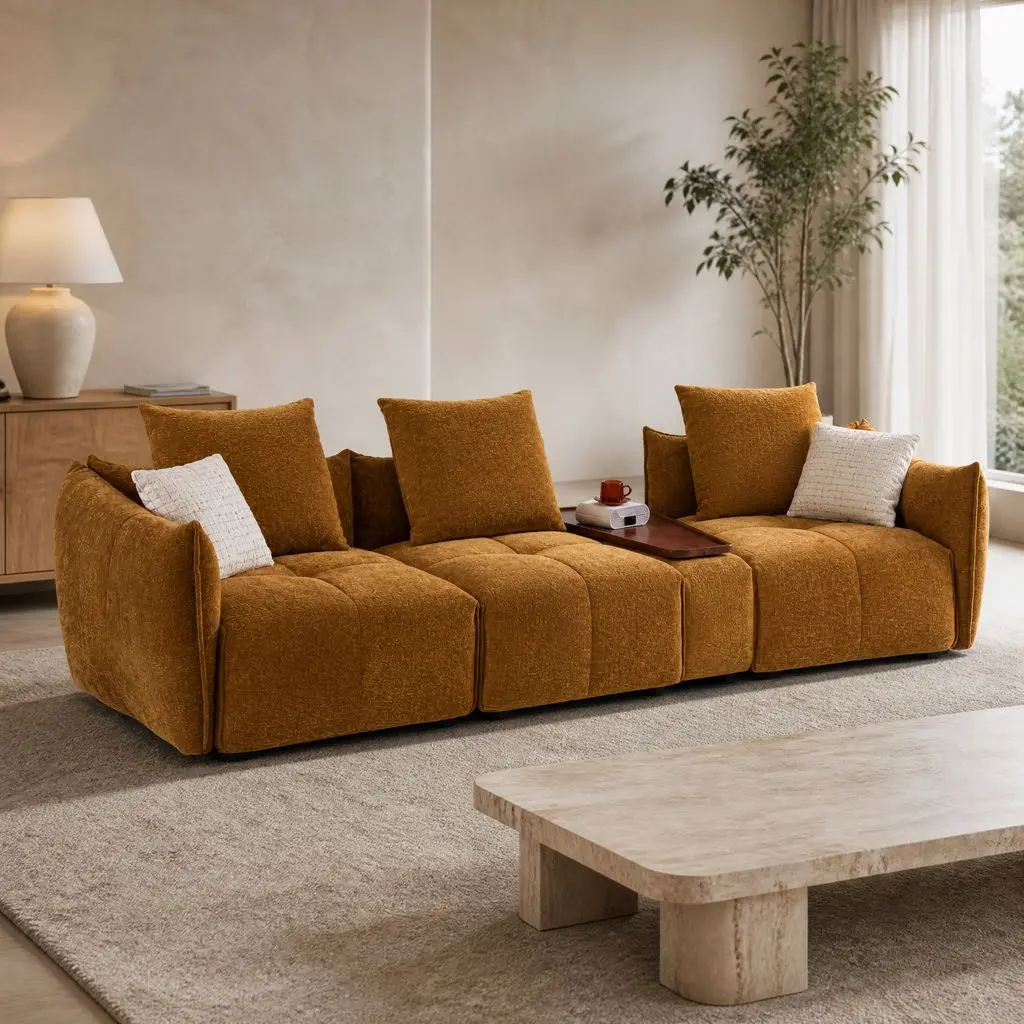
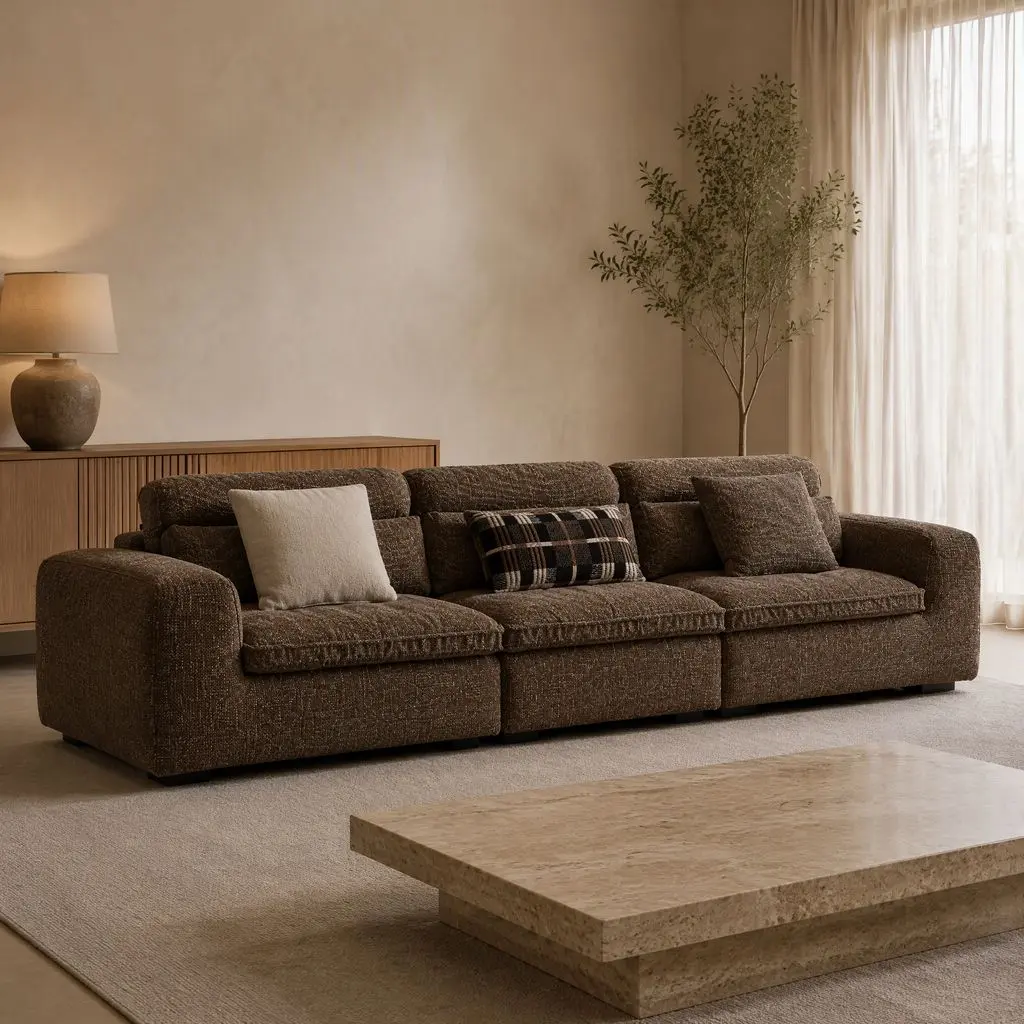
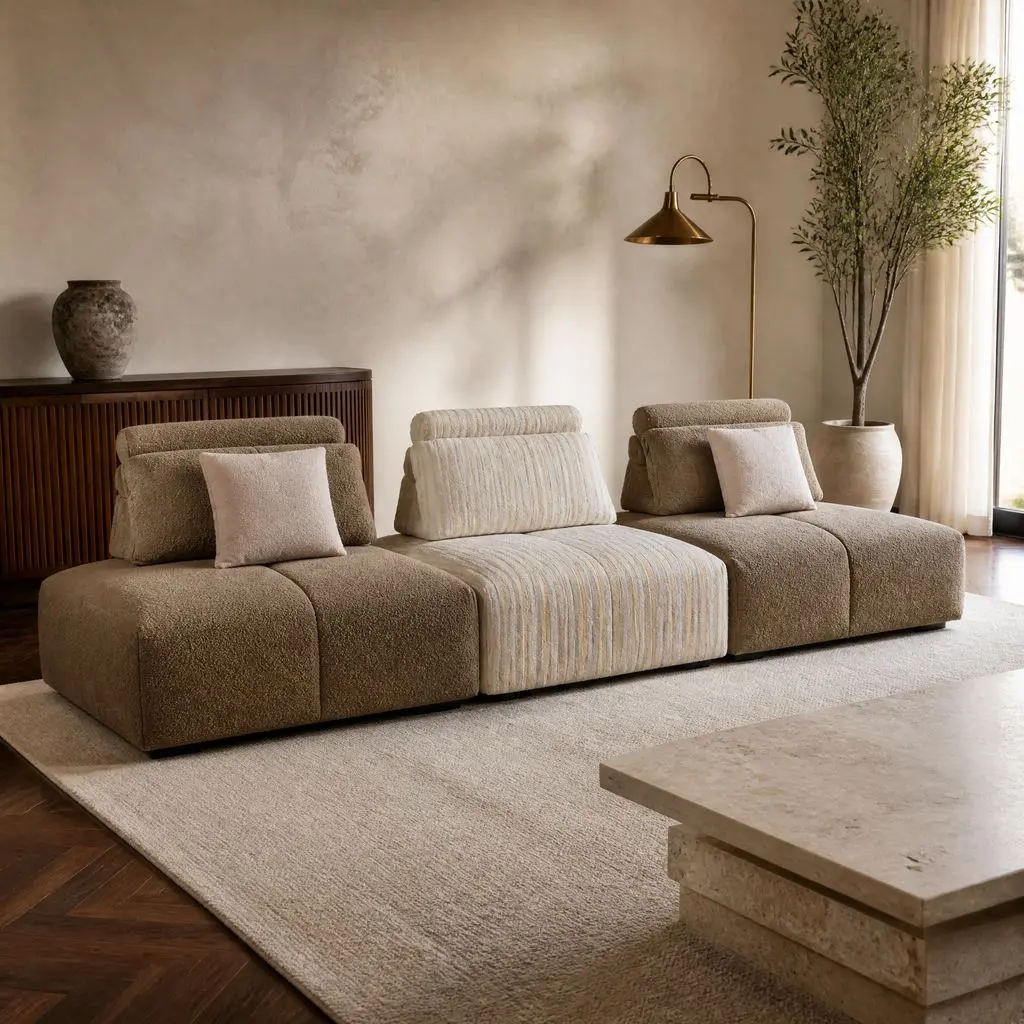
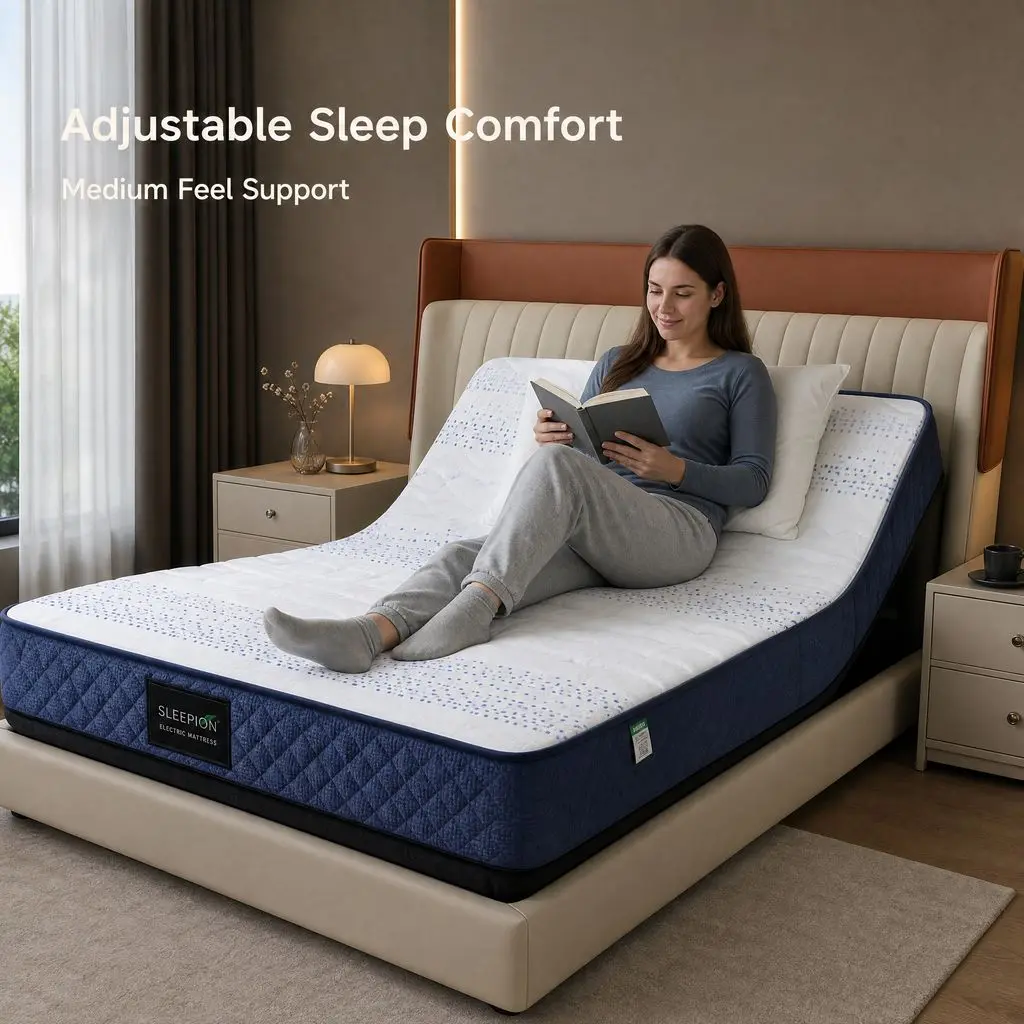
Addressing the complexity of managing multiple vendors by offering single-purchase-order orchestration. Sourcing dining sets alongside upholstered soft beds, pocket-spring mattresses, and sectional living room sofas reduces administrative oversight, streamlines quality control, and ensures matching wood stain finishes across all spatial zones.
End-to-End Enterprise Procurement Workflow
Technical Brief
Review CAD drawings, material requirements, and target budget parameters.
Rapid Prototyping
Build pre-production physical samples within 7–10 days for ergonomic and structural sign-off.
Mass Production
Execute manufacturing using automated CNC routing, five-axis mortising, and dust-free lacquering.
Quality Auditing
Conduct AQL 1.5/4.0 structural inspections, moisture content verification, and drop-test packaging checks.
Global Shipping
Manage mixed-category container loading, sea-freight packing, and door-to-door customs clearance.
Localization Support & International Compliance Guarantees
Navigating global trade regulations requires strict adherence to regional material standards, environmental fire retardant protocols, and robust logistics protection systems.
Regional Fire Safety & Upholstery Compliance
Commercial dining chairs and upholstered seating exported to North America or the UK must meet stringent fire safety standards. Reputable Foshan suppliers provide fabrics and foam certified under UK BS 5852 (Crib 5) and US California Technical Bulletin 117-2013 (CAL 117). Upholstery materials are treated with non-toxic, halogen-free flame retardant finishes that pass rigorous combustion tests while maintaining soft tactile properties.
Environmental Sustainability & Timber Traceability
Environmental regulations require full material traceability. Solid timber used in dining sets—such as imported North American white ash or European oak—is sourced from FSC-certified sustainable forests. Wood lacquers and coatings utilize eco-friendly water-based polyurethane systems that comply with EU REACH regulations and US CARB Phase 2/EPA TSCA Title VI standards, ensuring near-zero VOC emissions for healthy indoor environments.
Extreme Moisture Control & Kiln Drying Protocols
A primary cause of wood cracking or joint warping in exported furniture is improper moisture equilibrium. Leading Chinese manufacturing plants utilize high-frequency vacuum kiln-drying chambers. Timber is seasoned over 21 days to achieve an exact moisture content between 6% and 8% for dry destinations (e.g., Middle East, Northern US) and 8% to 10% for humid tropical regions, preventing seasonal timber movement across varied climates.
Heavy-Duty Export Packaging Engineering
Transit damage can compromise project delivery timelines. Advanced export packaging utilizes 5-ply corrugated master cartons (bursting strength >18 kg/cm²), custom-molded high-density EPS foam edge protectors, anti-scratch non-woven fabric wrapping, and heavy-duty wooden crate reinforcements for sintered stone tabletops. Every packaging configuration passes ISTA-3A drop test standards prior to shipping.
Technical Roadmap & Future Outlook of China Manufacturing
The evolution of China's dining furniture manufacturing sector is driven by the integration of Industry 4.0 automation, artificial intelligence in generative design, and closed-loop circular material economies.
AI-Powered Generative CAD Engineering
By integrating artificial intelligence into CAD/CAM workflows, factories optimize material yield and structural integrity. Generative algorithms analyze stress distribution across chair leg joinery under dynamic load conditions, reducing solid wood usage by 14% while increasing overall joint strength by 22%.
Automated Robotic Craftsmanship
The adoption of six-axis robotic sanding and automated laser-guided wood mortising eliminates human error in high-volume production runs. Consistency in stain depth, surface smoothness, and joint tolerances reaches 99.8% precision across multi-thousand unit manufacturing orders.
Bio-Based Resins & Recycled Microfibers
Future-proofing supply chains requires transitioning to circular materials. Advanced research labs in Foshan are replacing traditional petroleum-based polyurethane foams with plant-derived polyol alternatives and introducing 100% ocean-recycled PET microfiber leathers to meet global corporate ESG mandates.
Contract Seating, Accent Chairs & Master Bedroom Suites
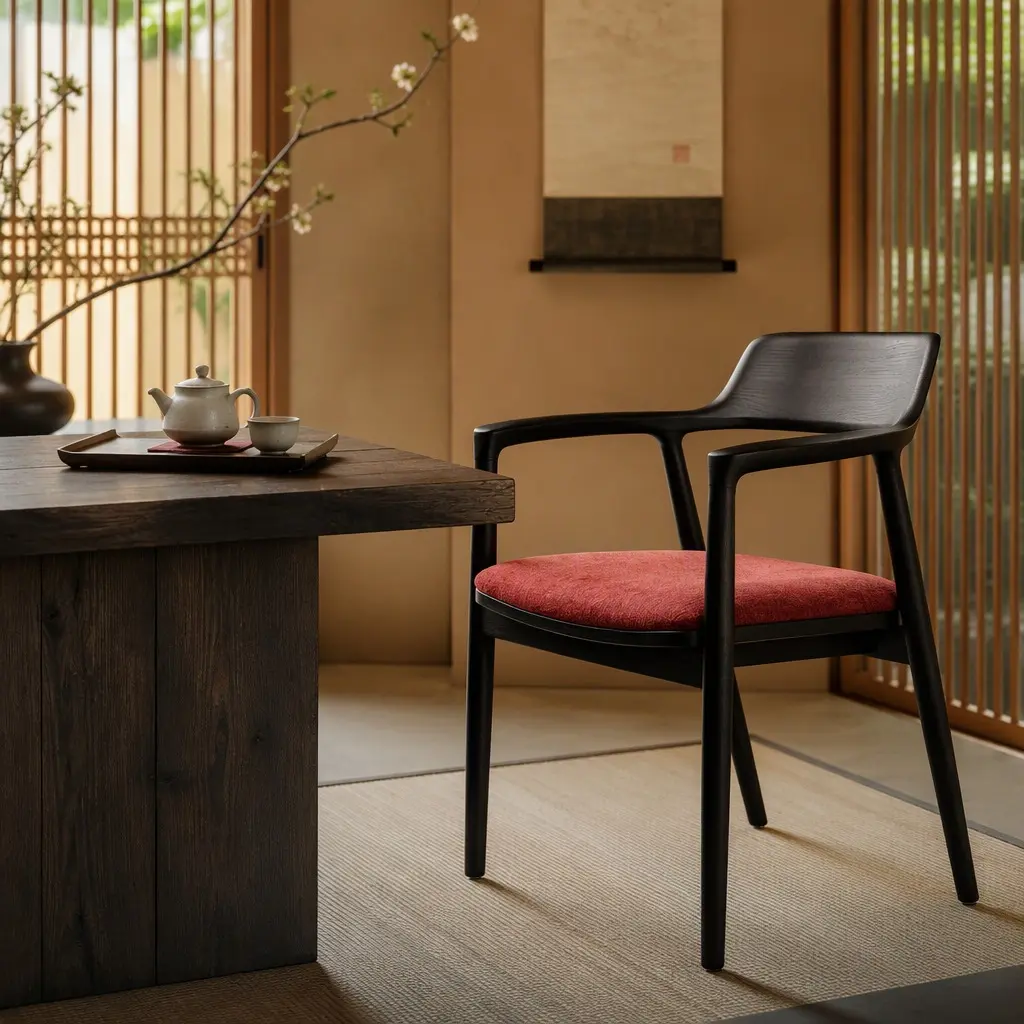
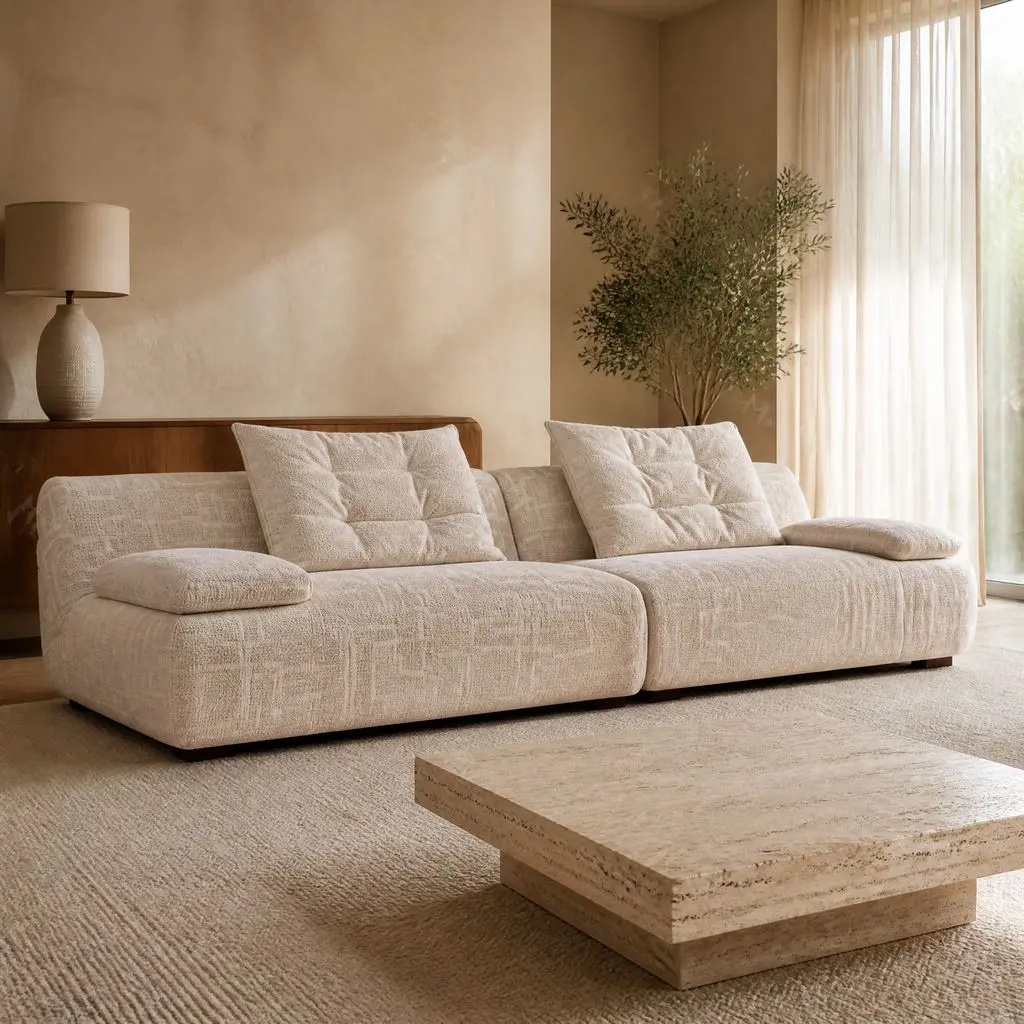
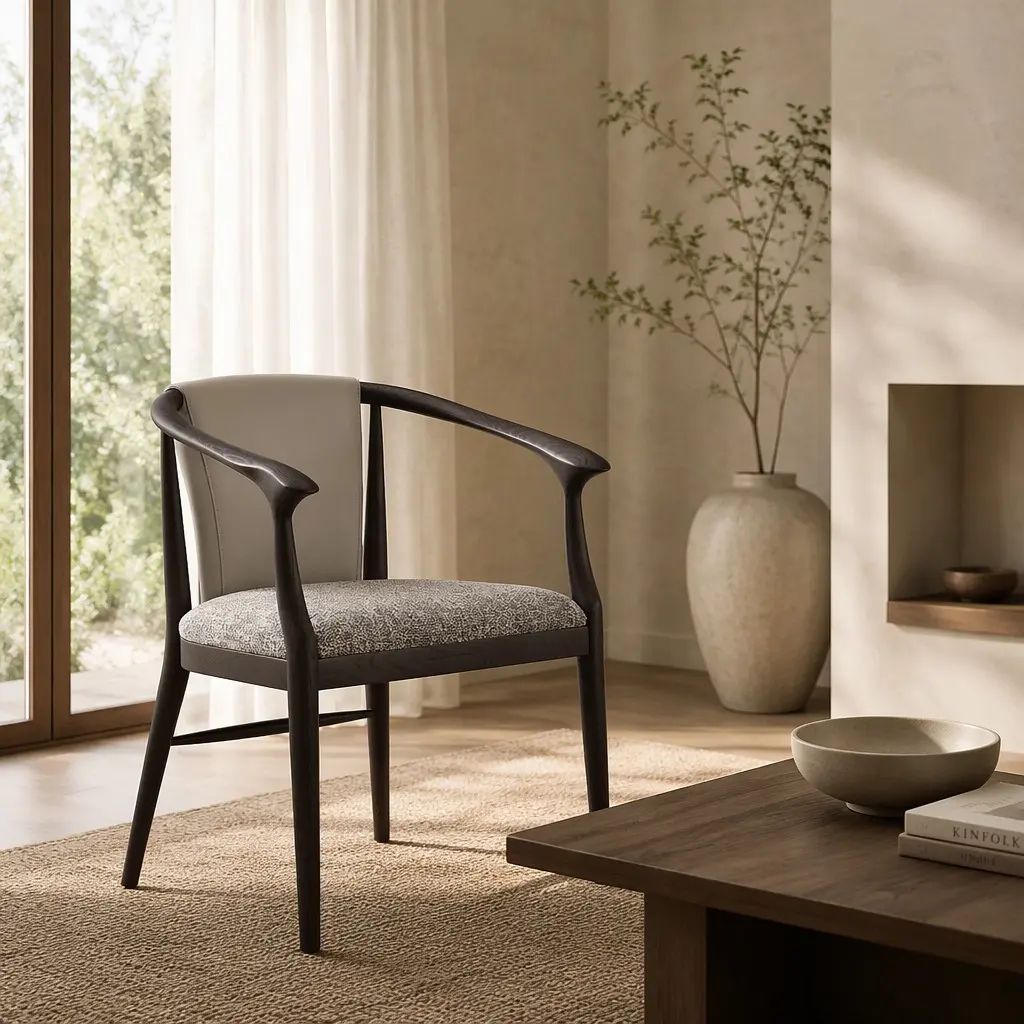
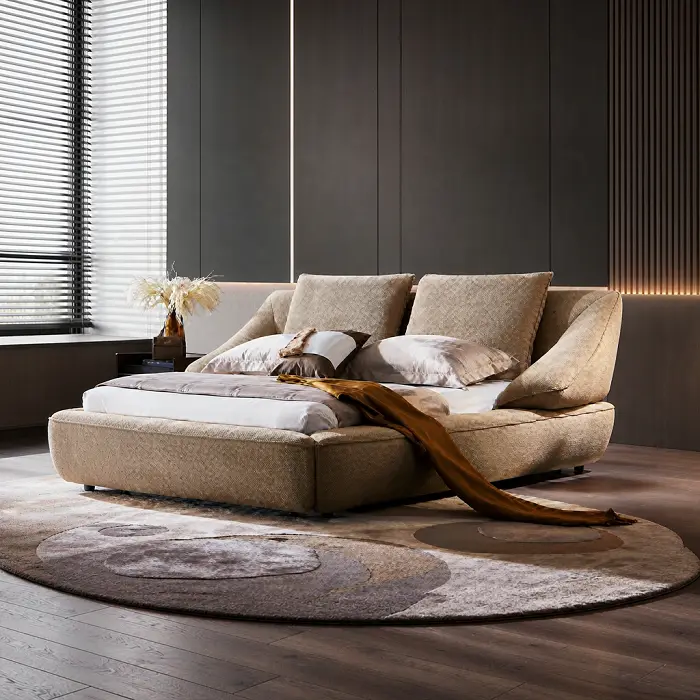
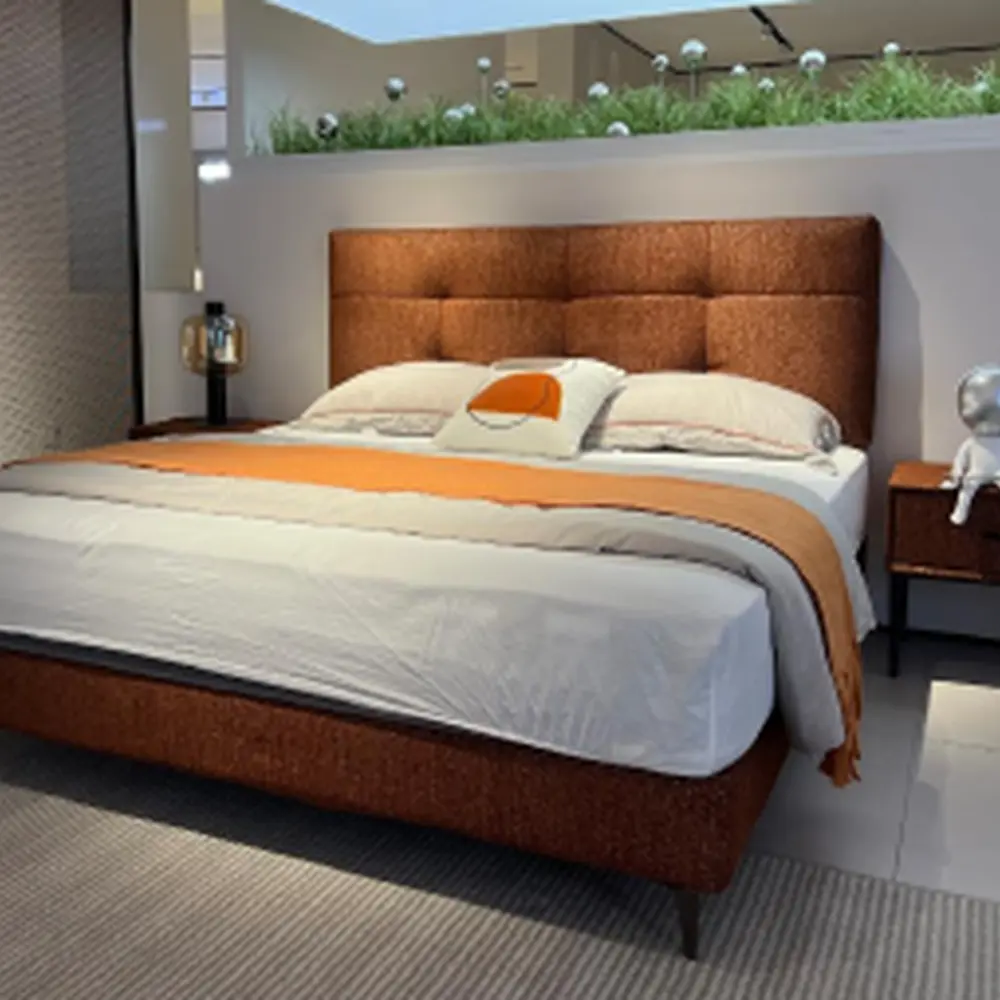
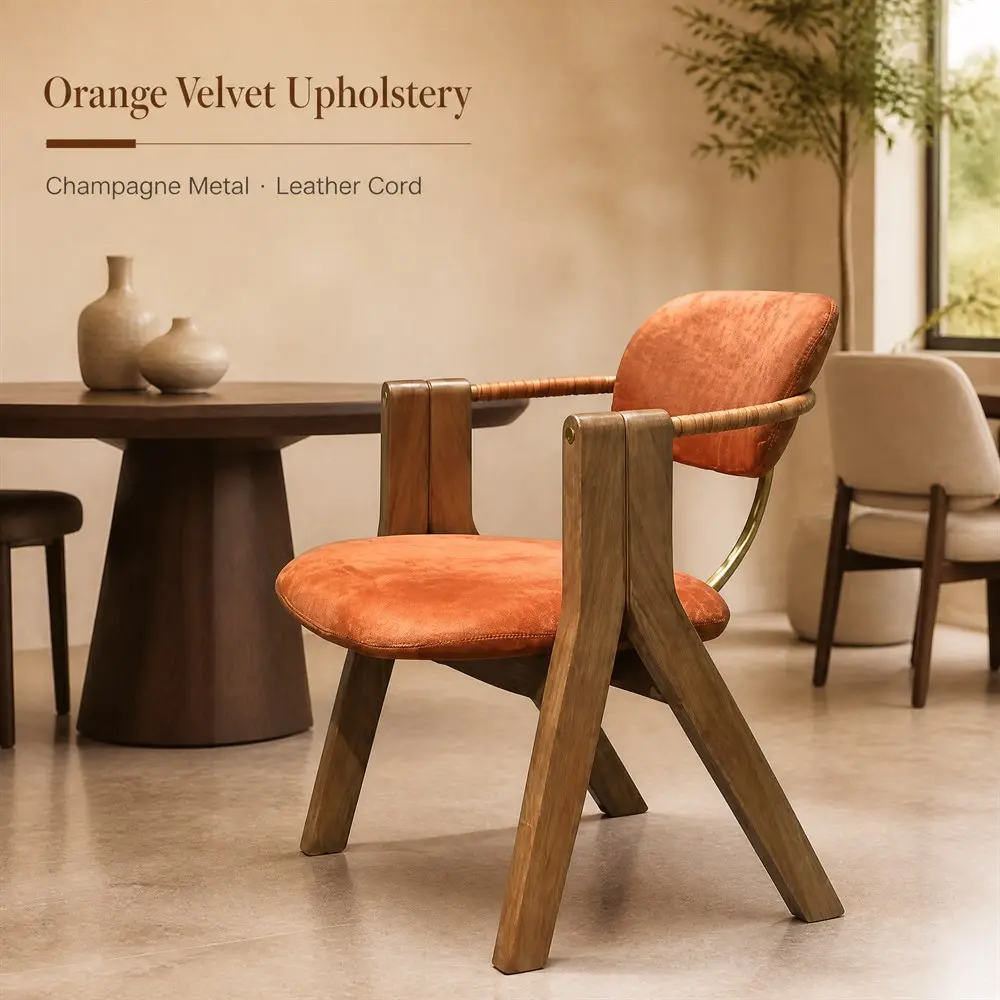
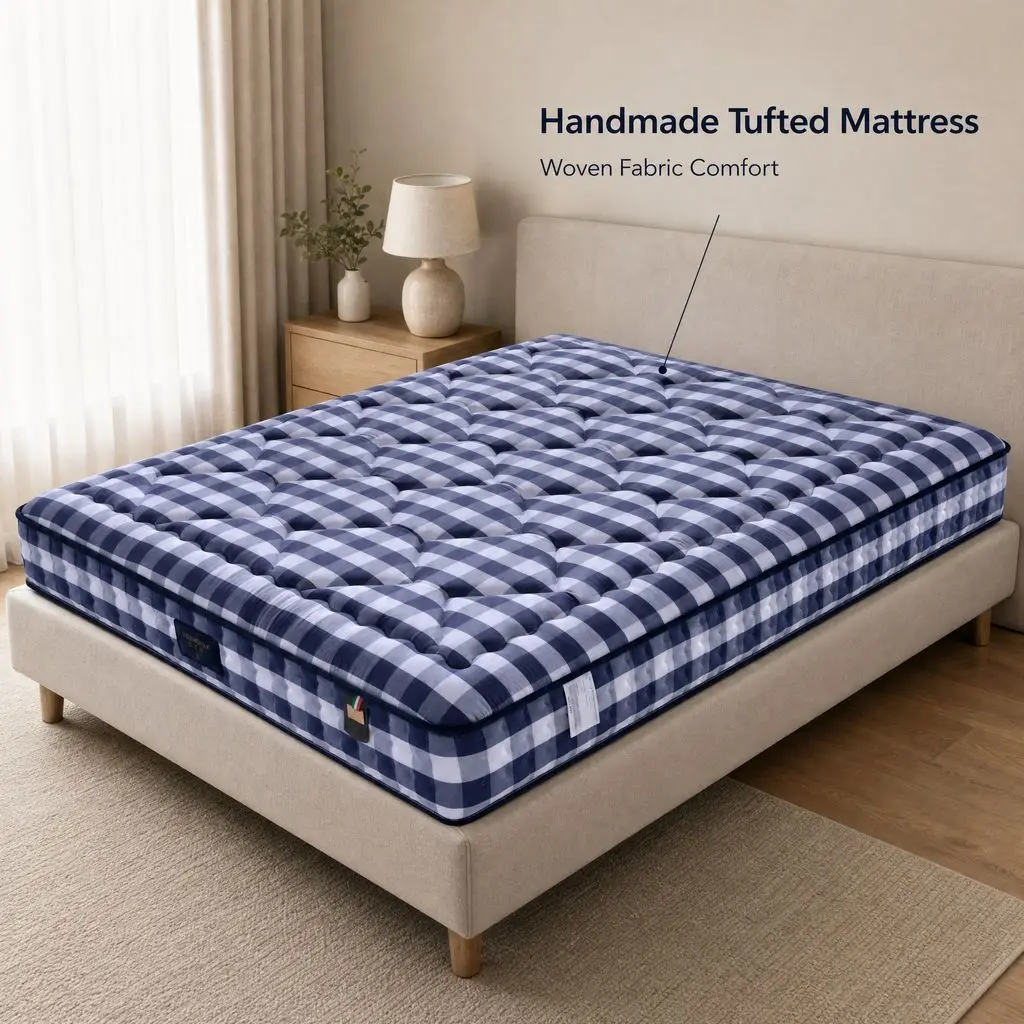
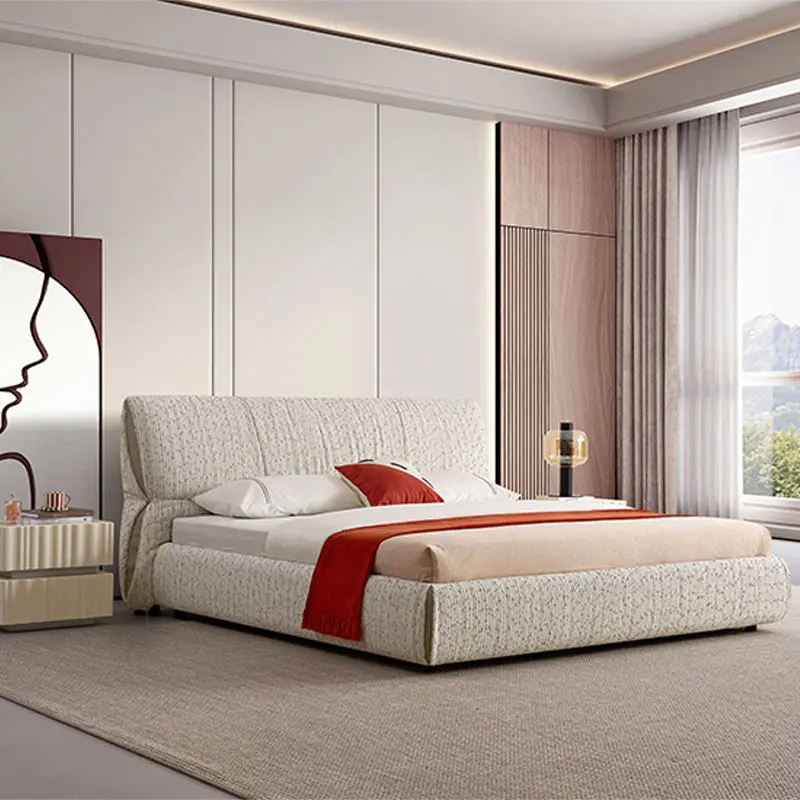
Explore our expanded collection featuring smoked solid white ash wood dining chairs, Japanese Maruni-inspired leisure seating, high-density HR foam sectional sofas, and handmade ergonomic mattresses.
Enterprise Procurement FAQ & Technical Insights
In-depth answers to critical technical questions regarding factory auditing, custom engineering, MOQ flexibility, and international logistics execution.