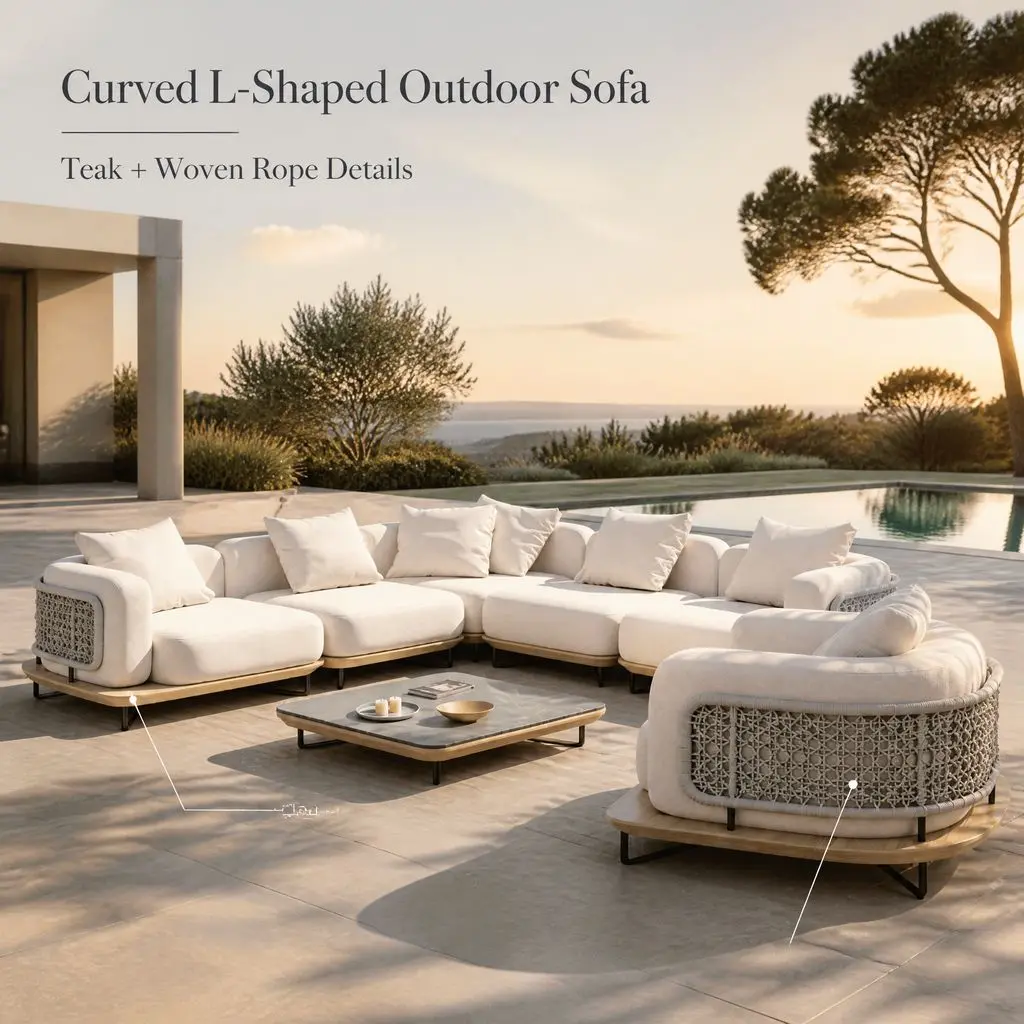
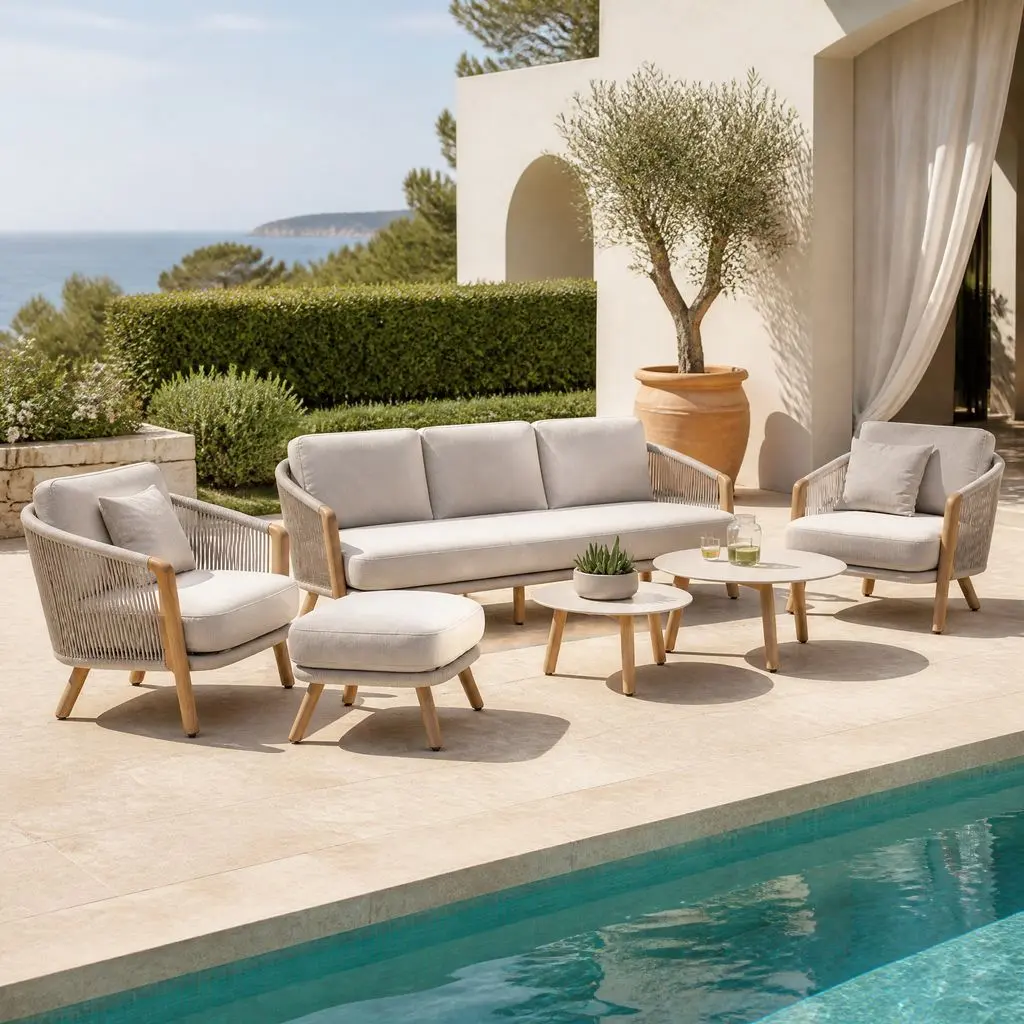
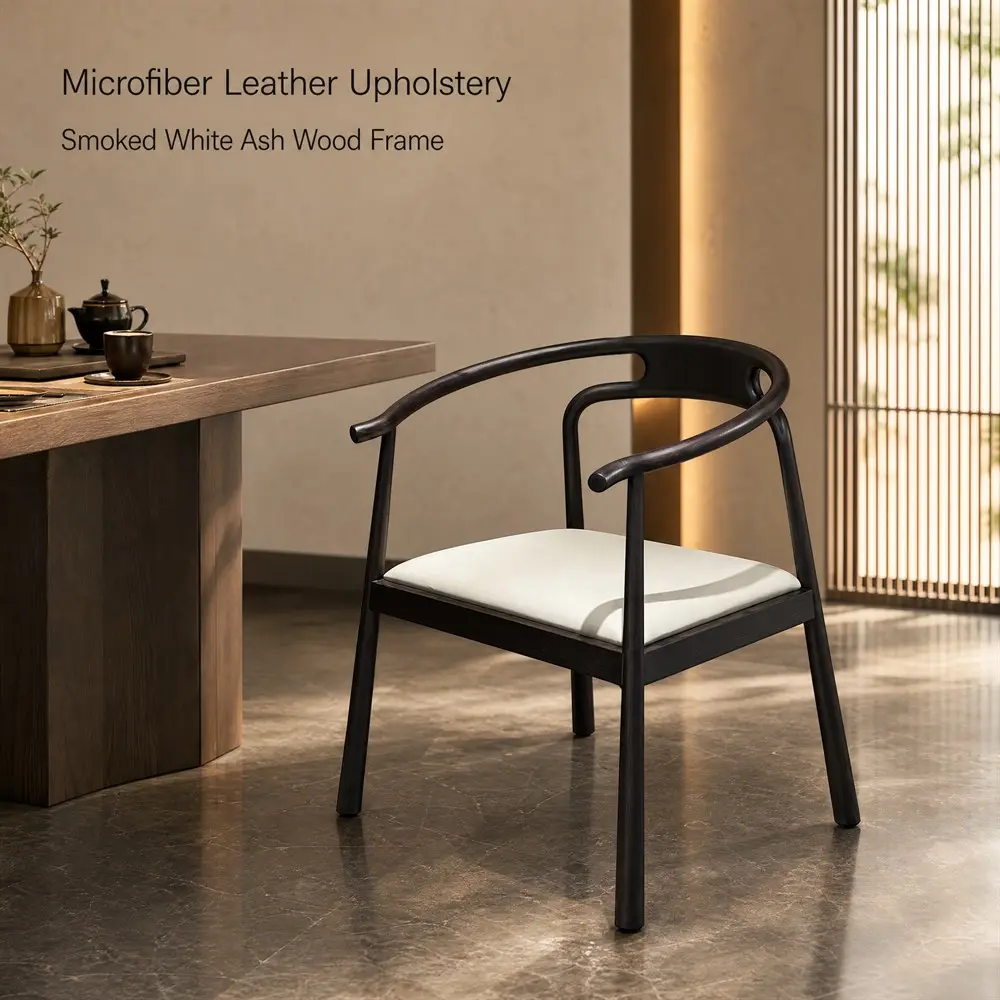
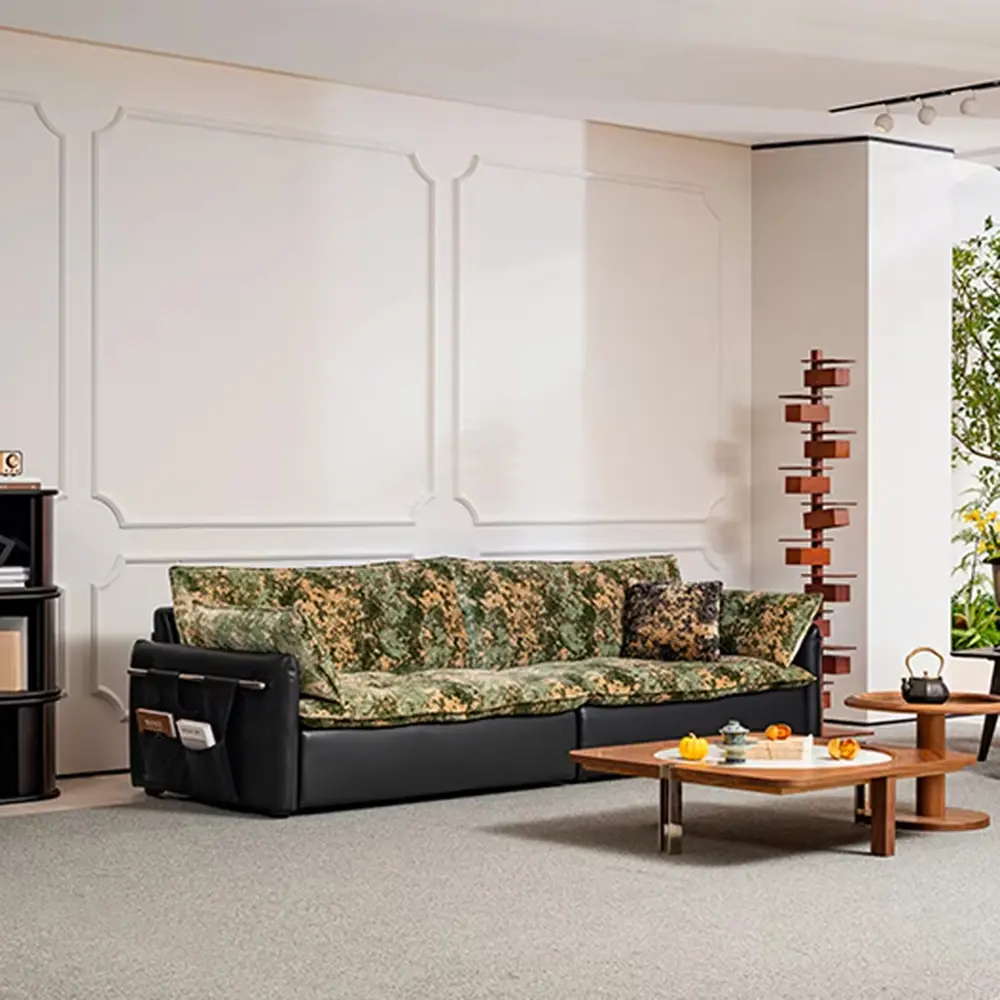
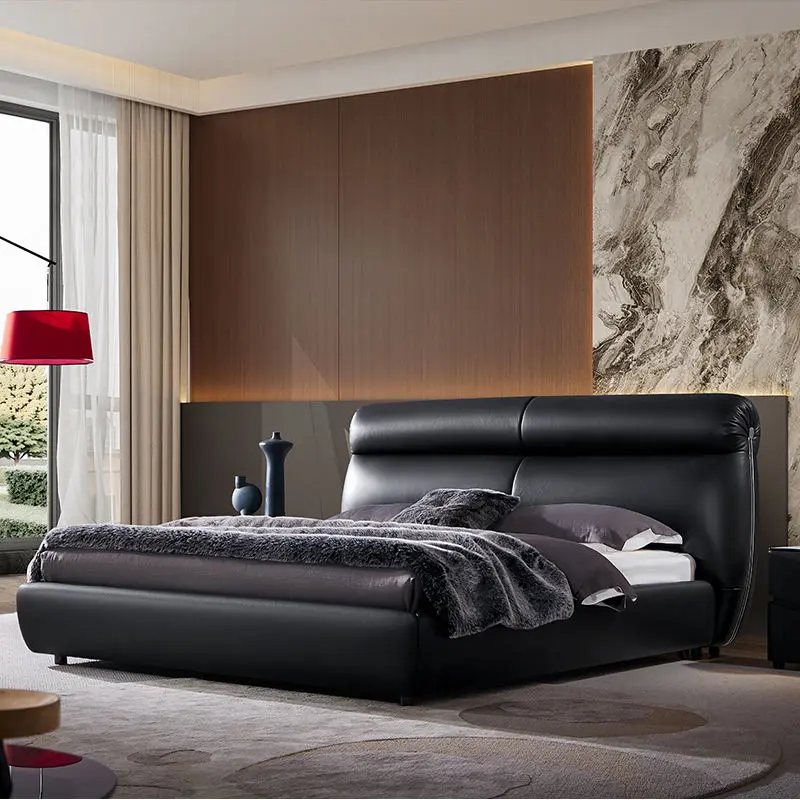
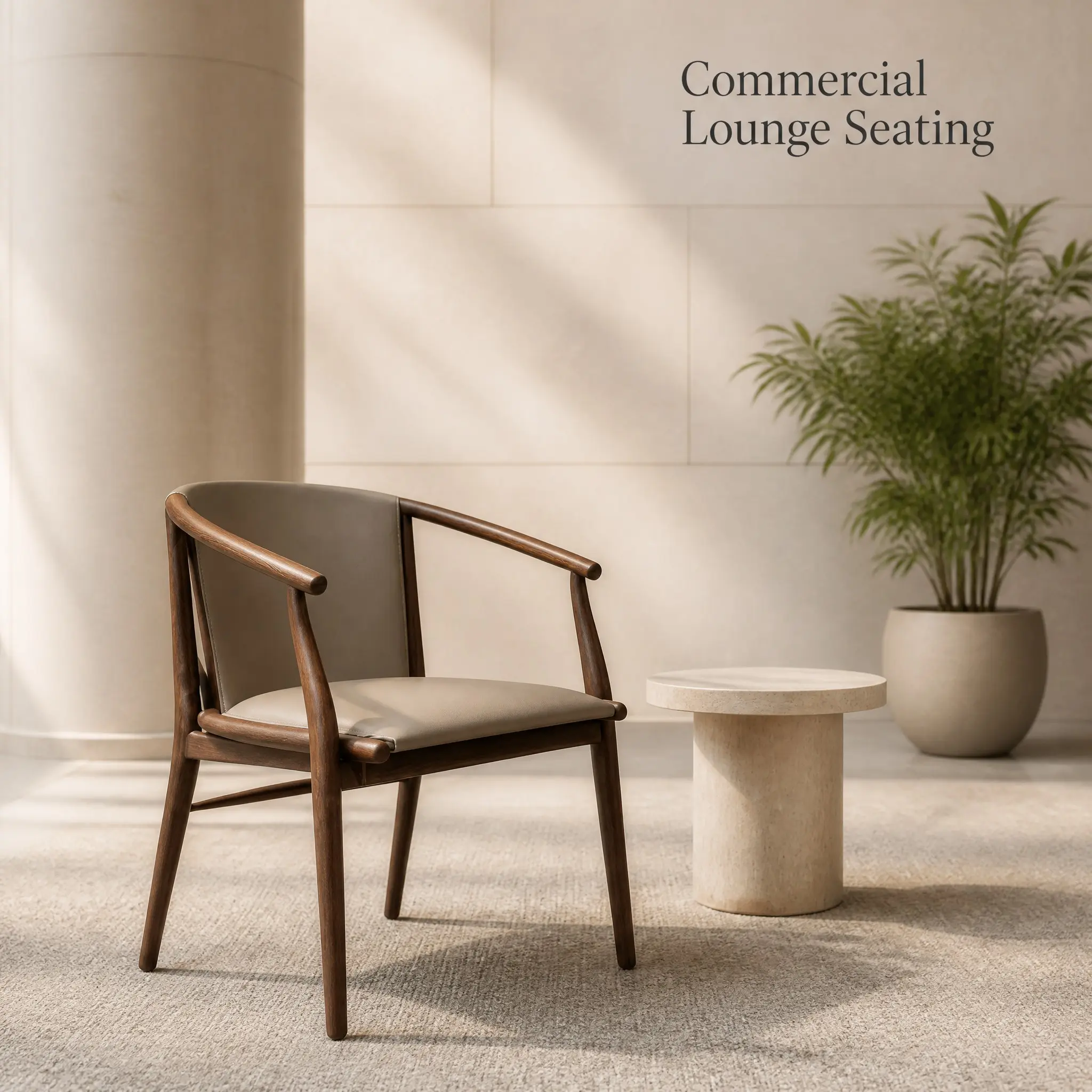
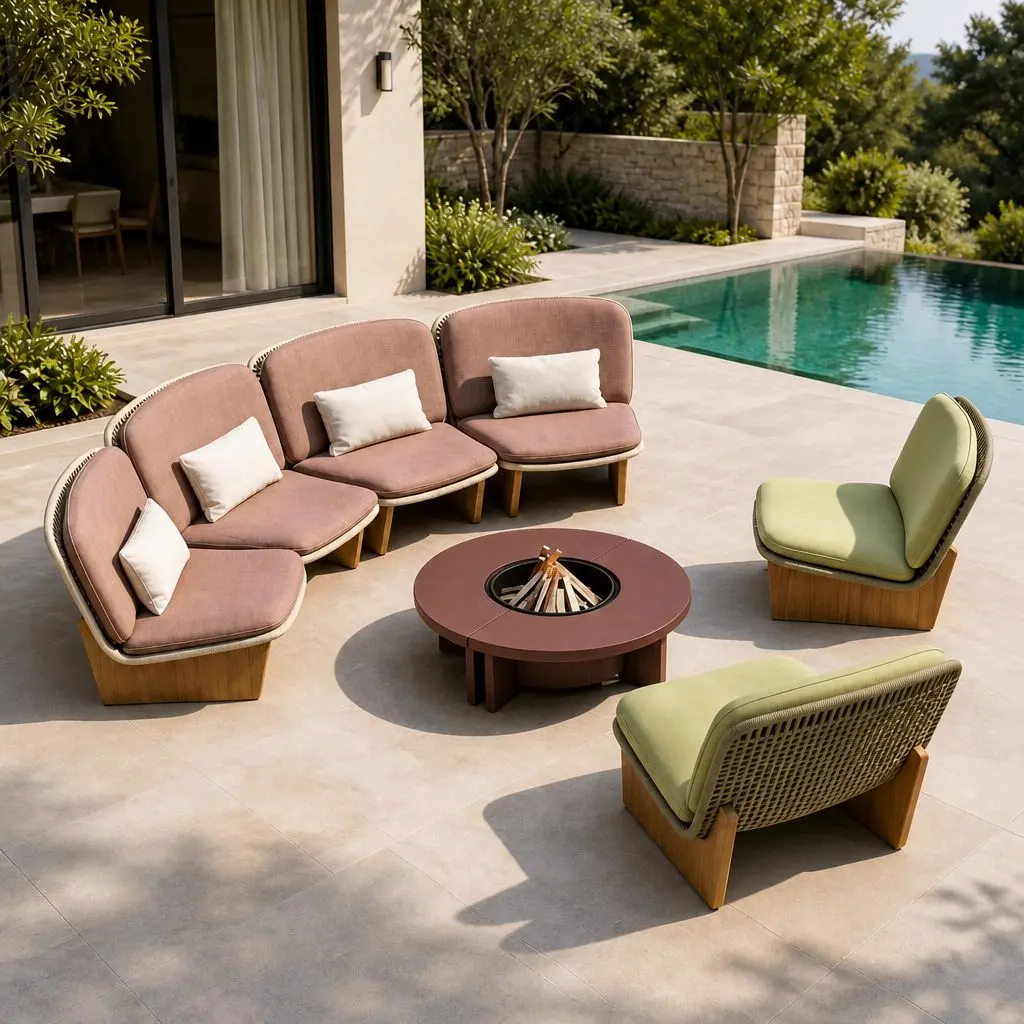
Featured High Back Dining Chairs & Luxury Furniture Collection
Strategic Importance of High Back Dining Chairs in Global Commercial Procurement
High back dining chairs represent a pivotal intersection of architectural proportion, ergonomic posture engineering, and sensory brand luxury within high-end residential, contract hospitality, and commercial dining environments.
In modern commercial architecture and luxury residential development, seating is no longer viewed merely as functional furniture; it serves as a central structural element that dictates spatial flow, acoustic dampening, and user engagement. High back dining chairs—defined by an extended backrest typically measuring between 90 cm to 115 cm in total height—provide unparalleled thoracic support and formal elegance. As international hospitality brands, luxury estate developers, and contract furniture wholesalers seek to elevate the guest experience, sourcing high-durability, ergonomically superior high back chairs has become a critical strategic objective.
China's furniture manufacturing infrastructure, particularly centered in the Guangdong province (specifically Foshan's Shunde industrial hub), has evolved from high-volume standardized manufacturing into a sophisticated ecosystem driven by Precision Manufacturing 4.0, advanced material research, and seamless OEM/ODM customization. Chinese high back dining chair manufacturers lead the global market by integrating kiln-dried solid hardwoods (such as white ash, smoked larch, and American black walnut), precision CNC woodworking, cold-molded polyurethane cushioning, and commercial-grade upholstery fabrics.
This whitepaper provides procurement directors, interior architects, commercial importers, and supply chain executives with an in-depth analysis of high back dining chair manufacturing, structural performance standards, cost-optimization models, and supply chain resilience strategies in China.
Global Trends Driving Demand for High Back Dining Chairs (2025–2030)
Evolving commercial space utilization, biophilic design aesthetics, and stringent regulatory requirements are reshaping how commercial buyers specify high back dining seating.
1. Biomechanical & Ergonomic Alignment
Modern consumers and restaurant patrons demand prolonged sitting comfort without spinal fatigue. High back designs engineered with an 8°–12° thoracic recline curve reduce lumbar intervertebral disc pressure by up to 35% compared to standard mid-back chairs.
2. Hybrid Material Fusion & Tactile Luxury
Leading architectural specs feature mixed-material compositions: solid smoked ash timber legs, carbon-steel internal reinforcement sub-frames, micro-fiber saddle leather backings, and stain-resistant bouclé or velvet front upholstery.
3. Acoustic Zoning & Spatial Privacy
In high-density commercial dining establishments, elevated backrests serve a dual functional purpose: creating visual micro-partitions between dining parties and dampening ambient ambient noise through acoustic upholstery foam cores.
4. Sustainable & Low-VOC Manufacturing
Global regulations (such as EU REACH, California Proposition 65, and CARB Phase 2) require zero-formaldehyde wood glues, water-based wood finishes, and eco-certified recycled upholstery fabrics in all high-traffic contract applications.
Global Enterprise Buyer Personas & Procurement Requirements
Analyzing the distinct operational criteria, quality benchmarks, and financial priorities of key B2B purchasing segments.
| Buyer Category | Primary Procurement Objectives | Key Technical Specifications | Critical Decision Drivers |
|---|---|---|---|
| Hotel FF&E Purchasing Groups | Turnkey suite & banquet furnishing, standard consistency across locations, long cycle life. | CAL 117 fire retardancy, EN 12520 structural compliance, heavy-duty joinery (tenon & mortise). | Factory audit score, lead time guarantees, replacement component availability. |
| Commercial Furniture Wholesalers | High margin potential, optimized shipping container density, diverse design catalogue. | Knock-Down (KD) or nested packaging options, custom stain/upholstery flexibility, low MOQs. | Landed cost per unit, container packaging density (CBM optimization), warranty terms. |
| Architecture & Interior Design Firms | Aesthetic fidelity to 3D renderings, unique material textures, custom dimensional scaling. | Custom finish color matching (Pantone/RAL), bespoke embroidery/embossing, CAD/BIM block support. | Rapid prototyping capability, physical material swatch kits, design exclusivity option. |
| Real Estate & Multi-Family Developers | Model unit fit-out, tenant durability, timeless modern aesthetics for leasing appeal. | Scratch-resistant microfiber leather, stain-repellent nano-coatings, anti-marking floor glides. | Total cost of ownership (TCO), volume tiered discounts, consolidated shipping handling. |
Information Gain Insight: Container Loading & Freight Optimization
A primary friction point for international importers of high back chairs is the high spatial volume (CBM) relative to weight. Top-tier Chinese manufacturers overcome this bottleneck through engineered semi-KD (Knock-Down) backrest assemblies or custom nesting designs. By engineering detachable backrest frames secured via heavy-duty steel sleeve bolts, factories increase 40ft High Cube container capacity from ~220 fully assembled chairs to over 540 units—reducing international ocean freight cost per unit by up to 58%.
China Industry 4.0: Supply Chain Resilience & Efficiency Advantages
How the Foshan furniture cluster combines localized industrial integration, automated machinery, and rigorous process control to deliver unmatched cost performance.
1. Hyper-Localized Raw Material Ecosystem
Within a 30-kilometer radius in Shunde (Foshan), chair factories access specialized sub-suppliers for kiln-dried timber, CNC metal fabrication, high-resilience polyurethane foam pouring, custom weaving, and eco-friendly hardware plating. This proximity minimizes raw material lead times to under 48 hours.
2. 5-Axis CNC Woodworking Precision
Automated multi-axis CNC routers execute complex compound curved backrest frames with tolerance limits under 0.2mm. Precision mortise-and-tenon joints engineered by automated machinery ensure structural integrity that resists frame wobbling even after 100,000 continuous stress cycles.
3. Digitalized Pattern Cutting & Upholstery Sewing
Computerized optical laser cutters maximize leather hide and fabric utilization rates by up to 92%, reducing material scrap waste. Automated double-needle stitching lines deliver uniform seam tension and perfect pattern alignment across high-volume production runs.
By coupling advanced industrial automation with skilled upholstery craftsmanship, Chinese factories achieve production cost efficiencies that are 30% to 45% lower than European or North American domestic manufacturers—without sacrificing component quality or safety compliance.
Biomechanical Architecture & Material Specifications
Deconstructing the anatomical anatomy, structural frame dynamics, and cushioning performance of industrial-grade high back dining chairs.
A well-engineered high back dining chair must balance structural rigidity with micro-flexibility to accommodate varying user weights and posture shifts during extended dining sessions. The structural diagram below illustrates the technical layers involved in high-performance seating construction:
A. Primary Load-Bearing Frame
Hardwood Construction: Kiln-dried imported North American White Ash or Smoked Larch wood, steam-bent and treated to 8%–12% moisture content to prevent warping or cracking under varied climate conditions.
Hybrid Steel Skeleton: Internal high-carbon cold-rolled steel box frames embedded within the backrest for ultra-slim, high-strength contemporary profiles.
B. Multi-Density Cushion Core
Base Support Layer: 45kg/m³ high-resilience (HR) virgin polyurethane foam prevents bottoming out and maintains shape memory over 10 years of heavy use.
Comfort Topper Layer: 30kg/m³ soft memory foam or down/feather blend overlay provides initial tactile softness and pressure point distribution across the ischial tuberosities.
C. Commercial Upholstery Options
Top-Grain Leather: 1.2–1.4mm Italian or Brazilian cowhide with aniline or semi-aniline finish for premium warmth and breathable seating comfort.
Microfiber Saddle Leather: Highly durable synthetic leather featuring >150,000 Martindale cycles, water repellency, and superior scratch resistance for high-turnover commercial spaces.
Key Quality Verification Standard: BIFMA X5.1 & EN 12520 Testing
Premium Chinese dining chair manufacturers validate structural durability through third-party testing laboratories (such as SGS, TÜV, or Intertek). Standard test regimes include: Backrest Static Load Test (applying 136 kg / 300 lbs force to the upper backrest), Seat Impact Test (dropping a 57 kg weight from 150mm height 100,000 times), and Stability Tests to prevent tipping under extreme reclining loads.
Localized Commercial & Residential Application Scenarios
Customizing high back dining chair specifications to match distinct architectural environments and operational demands.
Fine Dining & Michelin-Starred Restaurants
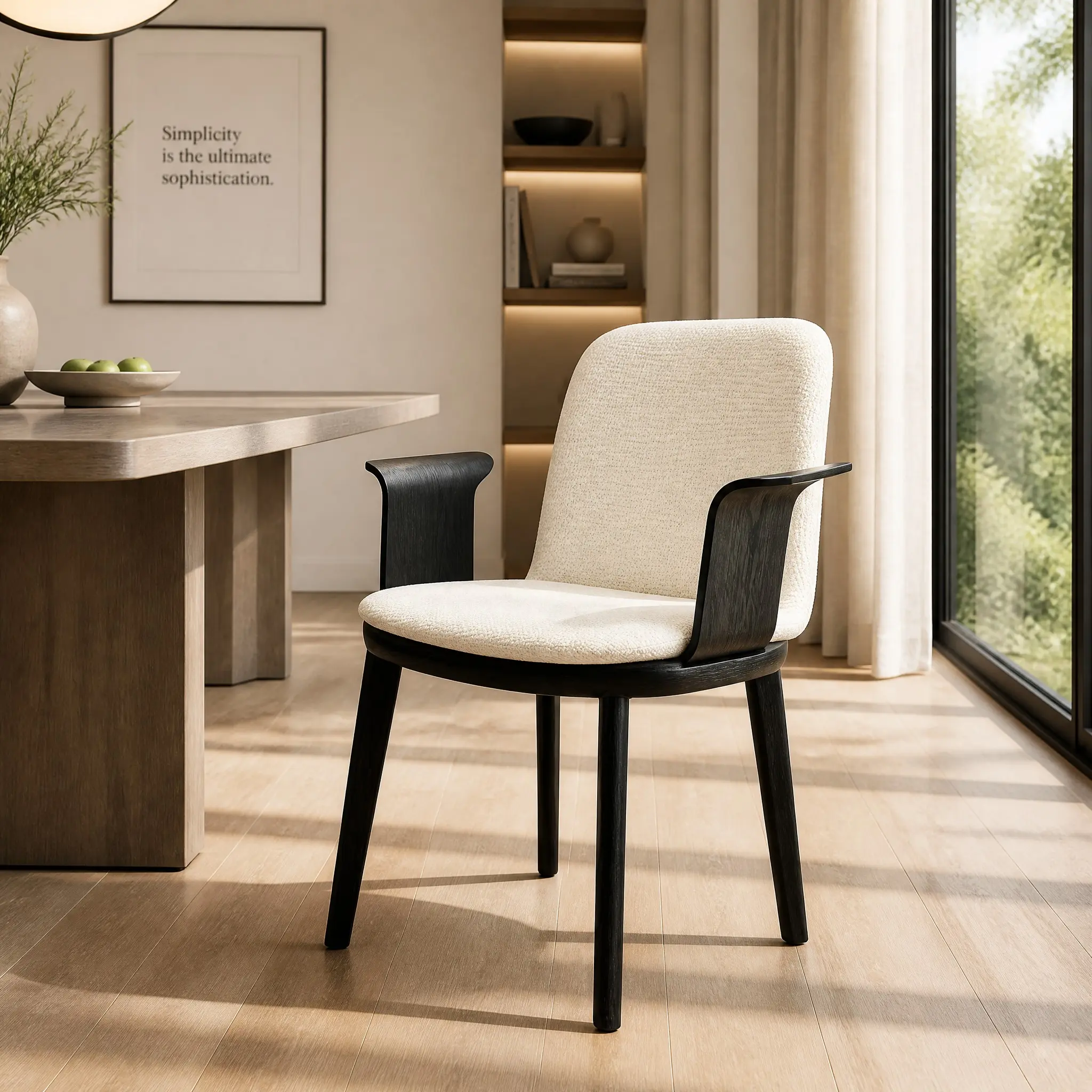
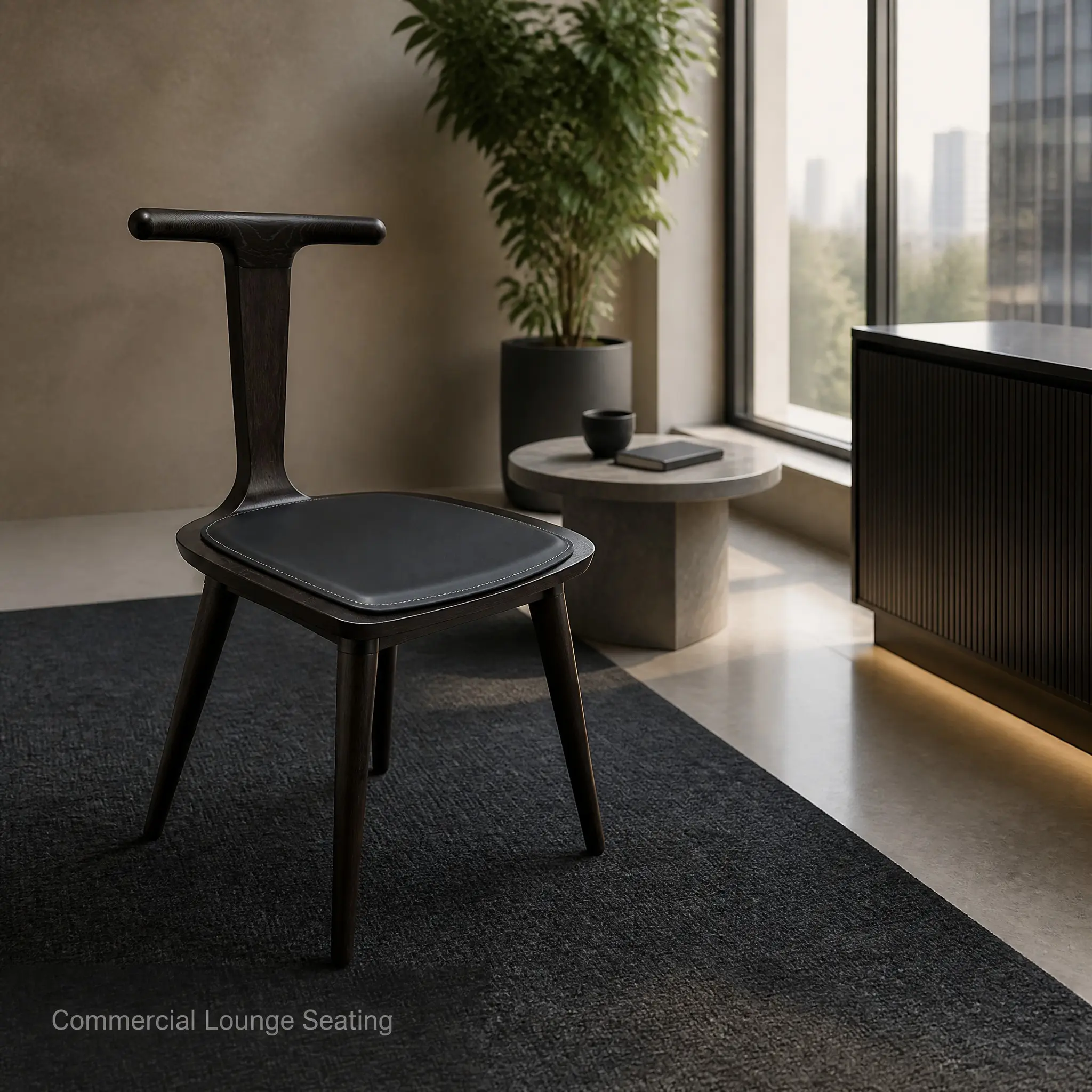
Design Requirements: High-backed armchairs with plush velvet or top-grain saddle leather upholstery. Dark-stained smoked ash or walnut frames evoke intimacy and grandeur.
Functional Focus: Maximum seating comfort to encourage extended multi-course dining times and elevated beverage sales per table.
5-Star Hotel Guest Suites & Executive Lounges
Design Requirements: Streamlined wing-back silhouettes with stain-resistant nanotech fabrics and brushed brass metal leg caps.
Functional Focus: Multi-functional versatility—serving comfortably as both a dining chair and a temporary executive workspace desk chair.
Luxury Villas & High-End Residential Developments
Design Requirements: Bespoke custom sizes, tactile cotton-linen fabrics, subtle hand-carved wood details, and muted modern minimalist color palettes.
Functional Focus: Harmonizing with large-format marble dining tables and open-plan luxury living-dining architecture.
Environmental Stewardship & Regulatory Compliance
Meeting international ESG standards through responsible timber sourcing, low-emission adhesives, and circular packaging solutions.
Global trade barriers and corporate ESG mandates make environmental compliance non-negotiable for enterprise furniture buyers. Leading Chinese exporters proactively adhere to strict environmental management standards across every manufacturing phase:
FSC-Certified Timber Sourcing
100% of solid woods utilized (Oak, Ash, Beech, Walnut) are sourced from responsibly managed forests certified by the Forest Stewardship Council (FSC), ensuring zero illegal deforestation in the supply chain.
Water-Based Finish Coatings
Replacing traditional solvent-based polyurethane lacquers with ultra-low VOC water-borne wood finishes reduces hazardous air pollutants (HAPs) and ensures indoor air quality standards (GREENGUARD Gold compliance).
Eco-Friendly Recycled Packaging
Export packaging utilizes 100% recyclable honeycomb cardboard corner protectors, biodegradable polyethylene film wrapping, and zero-styrofoam internal cushioning to minimize landfill waste at destination.
B2B Procurement FAQ: China High Back Dining Chairs
Addressing key operational, financial, and logistical questions from international furniture importers and project managers.
Complete Modern Dining & Living Room Furniture Catalogue