
Flagship High-Density Polyurethane & Hybrid Sleep Solutions
Engineered for commercial durability, optimal ergonomics, and seamless ocean-freight packaging efficiency.
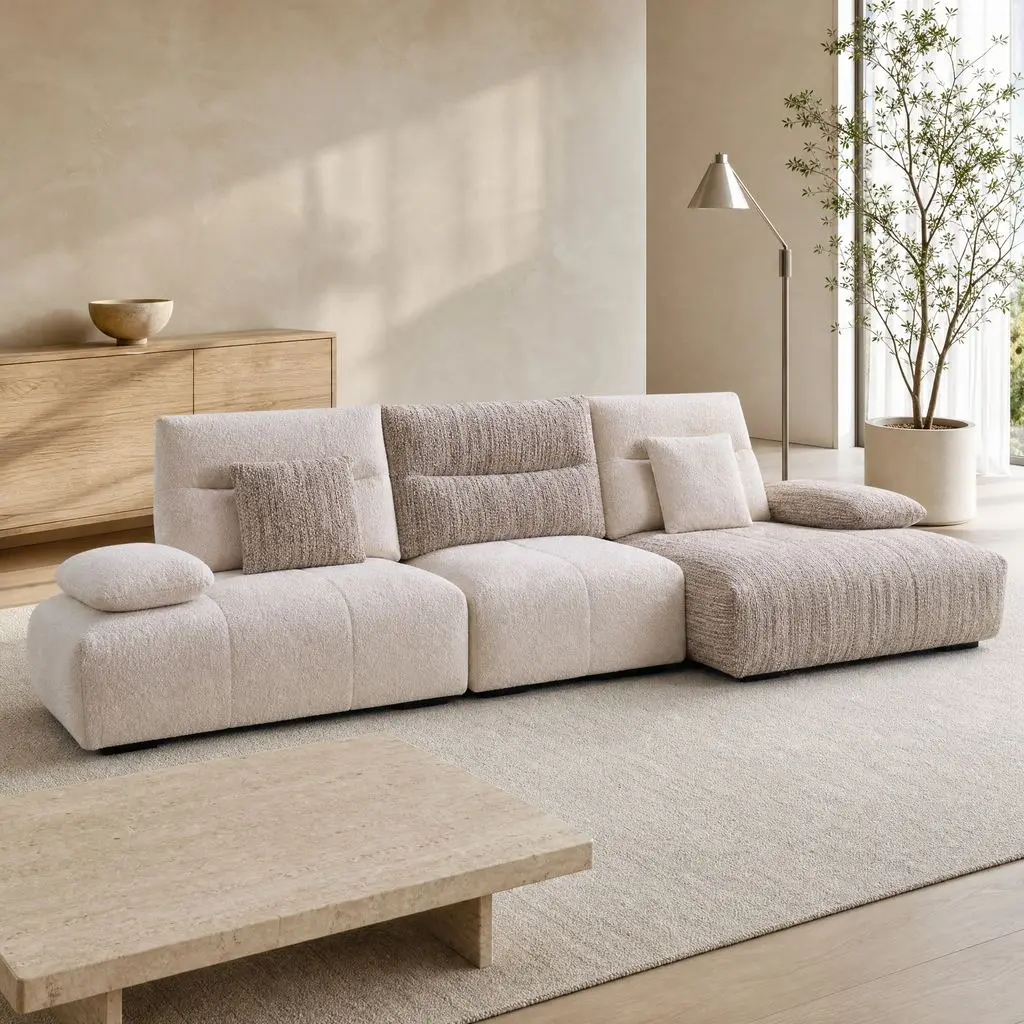
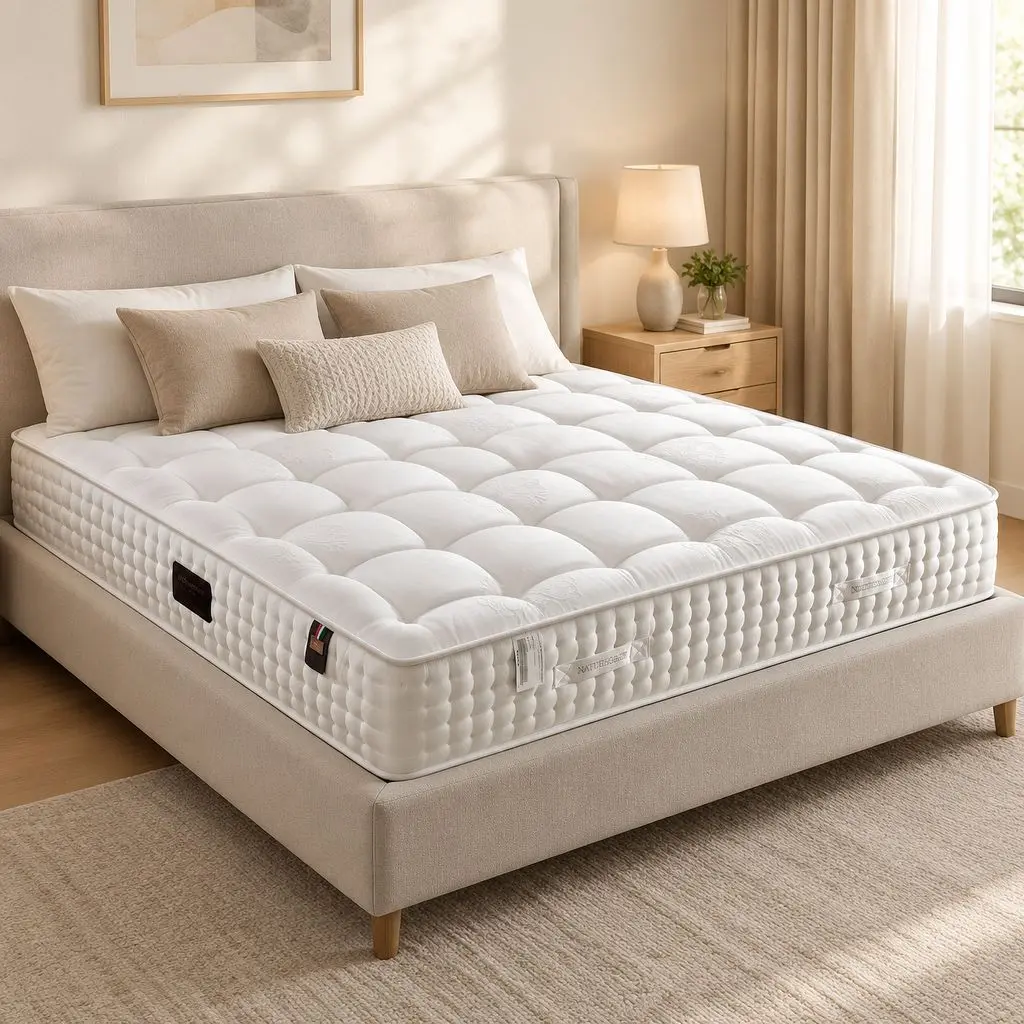
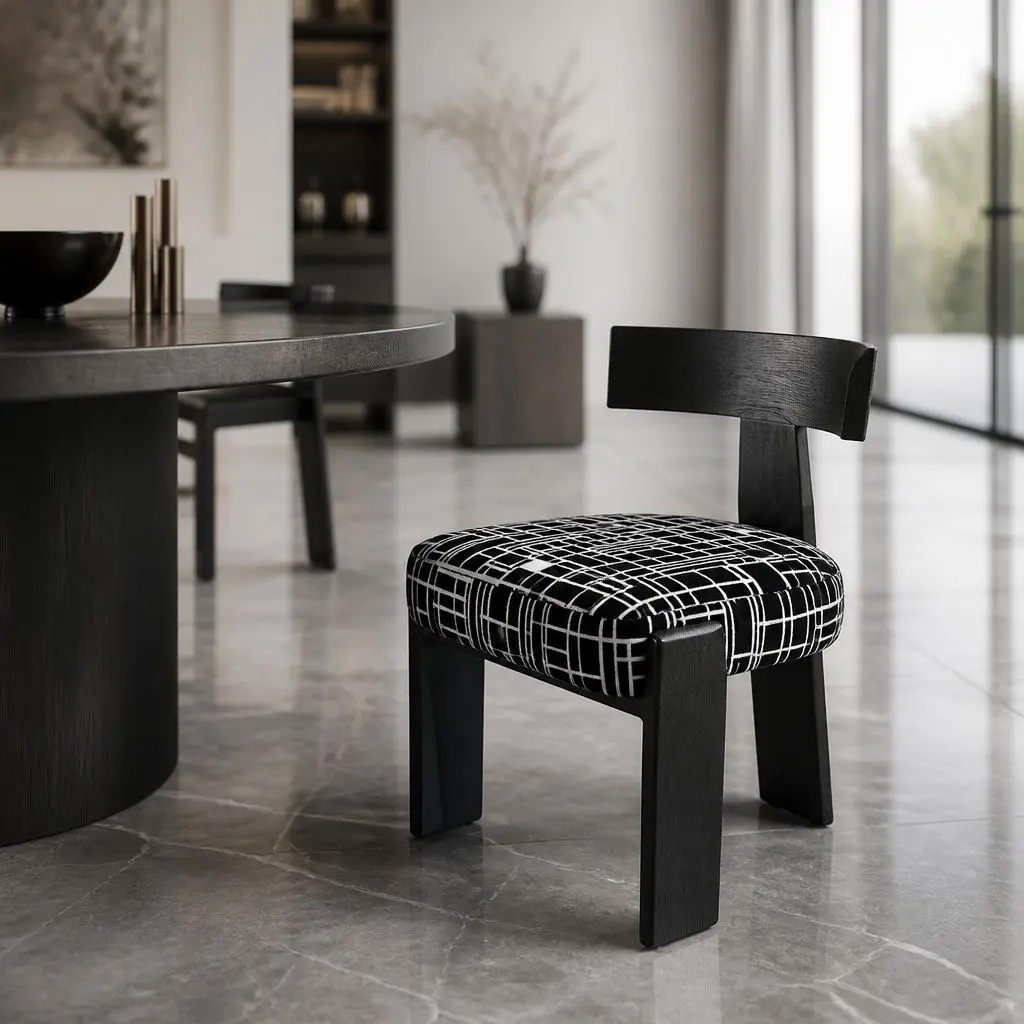
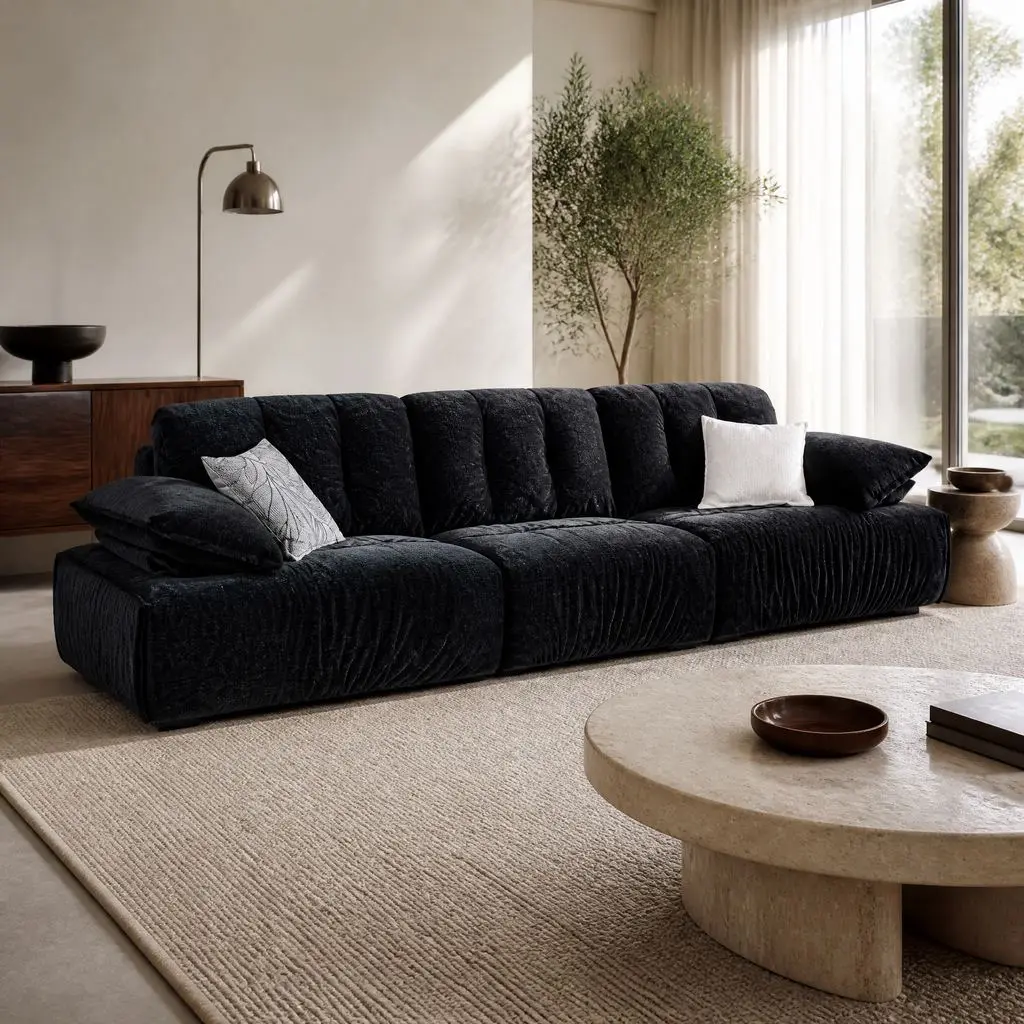
1. Advanced Polymer Physics & High-Density Foam Synthesis
Understanding the structural mechanics, Indentation Force Deflection (IFD), and cellular architecture of premium polyurethane mattresses.
In the global sleep products manufacturing landscape, the designation of High-Density (HD) Polyurethane Foam is defined by a density metric equal to or exceeding 30 kg/m³ (kilograms per cubic meter) up to 60+ kg/m³. Unlike standard flexible polyurethane foams (typically ranging between 18 kg/m³ and 25 kg/m³), high-density foam structures synthesized in advanced Chinese manufacturing facilities leverage highly controlled chemical reactions between polyether polyols and diisocyanates (TDI/MDI formulations).
The core structural advantage of high-density foam lies in its cellular walls. During continuous slabstock foaming, precise environmental temperature controls and micro-dosing surfactant catalysts enforce uniform open-cell polymer matrix formation. This tight cell wall geometry yields exceptional mechanical load-bearing capacity, reducing hysteresis loss—the rate at which foam loses structural memory and resilience over thousands of compression cycles.
Engineering Rule of Thumb for B2B Procurement: Foam Density dictates structural longevity and fatigue resistance, whereas foam Firmness (measured via IFD / ILD) is an independent variable engineered through chemical cross-linking density. High-density foam can be customized to feel cloud-soft or orthopedically rigid without compromising its multi-year structural lifespan.
Comparative Engineering Metrics: Standard vs High-Density vs High-Resilience (HR) Foams
| Performance Specification | Low-Density Foam (18-24 kg/m³) | High-Density Foam (30-45 kg/m³) | High-Resilience (HR) Polymer (50-65 kg/m³) |
|---|---|---|---|
| Resilience (Ball Rebound %) | 25% - 35% | 45% - 55% | 60% - 70% |
| SAG Factor (Support Factor 65%/25%) | 1.6 - 1.8 | 2.2 - 2.5 | 2.8 - 3.2 |
| Indentation Force Deflection (IFD @ 25%) | 15 - 28 lbs (Soft) | 30 - 50 lbs (Customizable) | 35 - 60 lbs (Adaptive Support) |
| Expected Service Lifespan (Commercial) | 1 - 3 Years | 7 - 10 Years | 12 - 15 Years |
| Vacuum Roll-Pack Recovery Kinetic | Slow / Structural Sag | Full rebound in < 2 hours | Instant rebound in < 15 mins |
2. China Factory 4.0: Supply Chain Resilience & Automation
How Foshan/Shunde industrial infrastructure delivers unparalleled manufacturing throughput, cost optimization, and quality consistency.
Variable Pressure Foaming (VPF)
State-of-the-art enclosed VPF chambers control atmospheric pressure during chemical reactions. This eliminates organic blowing agents (CFCs/methylene chloride), achieving 100% eco-friendly, zero-VOC foam blocks with uniform cell distribution.
CNC 5-Axis Contour Profiling
Automated CNC wire cutting machinery precisely carves ergonomic 7-zone comfort profiles into high-density foam slabs. This automated customization provides target relief for head, shoulders, lumbar, hips, and knees.
Automated Roll-Packing lines
High-speed hydraulic press and roll-packing equipment compress foam mattresses down to 10% of their original volume without tearing structural cell walls, increasing 40HQ container load capacity by up to 300%.
Operating in Shunde, Foshan—the world's capital of furniture manufacturing—Chinese manufacturers benefit from a hyper-dense supply chain cluster. Raw materials, including premium polyols, fire-retardant ticking covers, pocket spring coils, and eco-certified natural latex, are sourced within a 50-kilometer radius. This localized ecosystem minimizes lead times, optimizes raw material buffering, and protects international brands from global supply chain disruptions.
3. Global Enterprise Sourcing & Supply Chain Economics
Addressing cost structures, private-label OEM/ODM workflows, freight optimization, and container loading efficiency for overseas importers.
For enterprise procurement officers, hotel chain contract buyers, and Direct-to-Consumer (DTC) mattress brands, selecting a Chinese OEM/ODM partner involves rigorous financial and technical analysis. The primary goal is achieving maximum Comfort Index and Durability Metrics at optimal landed costs (FOB/CIF).
Custom OEM/ODM Engineering
From layered hybrid configurations (pocket springs + high-density foam + cooling gel memory foam) to fully customized cover fabrics (cool-touch PE yarns, organic bamboo linen, anti-bacterial copper ions), manufacturers accommodate turnkey private label specifications.
Freight & Payload Maximization
By engineering foam density to withstand 60-ton hydraulic compression, mattresses are roll-packed into compact individual cartons or palletized flat packs. A single 40-foot High Cube (40HQ) container can hold 450 to 800 compressed mattresses depending on sizing.
Quality Control Protocols
Institutional manufacturers execute multi-tier Quality Assurance: ASTM F1566 Cornell roller tests, EN 1957 durability evaluations, automatic X-ray spring alignment scans, and inline weight/density verification before box sealing.
4. Technology Roadmap & Future Innovations (2025–2030)
Pioneering sustainable bio-polyols, Phase-Change Materials (PCM), dynamic thermal regulation, and smart sleep tracking integration.
The mattress industry is undergoing a technological revolution driven by environmental sustainability mandates and bio-mechanic thermal management demands. Leading Chinese high-density foam manufacturers are investing heavily in R&D to transform polyurethane chemistry over the next decade:
Bio-Based Polyols & Circular Foams
Replacing crude petroleum polyols with renewable plant-derived soy oil, castor oil, and recycled polyols extracted via chemical depolymerization. Aiming for 40%+ bio-content without reducing foam density or tensile strength.
Phase-Change Microencapsulation
Infusing high-density memory foam matrixes with micro-encapsulated Phase-Change Materials (PCM). PCMs absorb excess kinetic thermal heat during sleep phase transitions, maintaining an ideal micro-climate temperature of 28°C–30°C.
3D Polymer Lattice & AI Smart Beds
Combining continuous high-density foam foundations with 3D printed Thermoplastic Elastomer (TPE) lattice toppers. Integrated pneumatic air-cell actuators dynamically adjust firmness zones based on real-time body pressure data.
5. Macro-Industry Commercial Solutions
Tailored mattress and upholstery foam configurations engineered for specialized global sector requirements.
Hospitality & Resort FF&E
Contract-grade dual-sided high-density foam mattresses designed for 5-star hotels. Features reinforced edge support, anti-bedbug woven ticking, and heavy-duty flame retardancy matching strict international hotel standards.
Healthcare & Bariatric Care
Medical-grade anti-decubitus pressure relief mattresses utilizing multi-density anatomical foam zones. Fluid-proof, breathable, vapor-permeable stretch covers designed to prevent bedsores in long-term patient care facilities.
Direct-to-Consumer (DTC) Brands
Full OEM service for e-commerce bed-in-a-box sellers. Includes customized unboxing branding, fast-recovery memory foam layers, color-matched border fabrics, and fulfillment drop-ship support.
6. Localization Support & Global Regulatory Compliance
Meeting stringent international flame retardancy, chemical safety, and environmental certification standards.
Navigating international import regulations requires rigorous material compliance. Premier Chinese high-density foam manufacturers maintain fully certified laboratory testing systems, supplying global enterprise buyers with verified compliance documentation for all target destinations:
| Target Market / Region | Regulatory Standard / Certification | Technical Compliance Requirements |
|---|---|---|
| United States | 16 CFR Part 1633 & 16 CFR Part 1632 | Open-flame ignition resistance test for full mattress sets; cigarette ignition resistance protocol. |
| United States / Canada | CertiPUR-US® Certified Foam | Made without ozone depleters, PBDEs, TDCPP/TCEP flame retardants, mercury, lead, or formaldehyde; low VOC emissions (< 0.5 ppm). |
| United Kingdom | BS 7177 (Crib 5 / Medium Hazard) | Commercial contract hotel flammability rating testing mattress cores and fabric covers against ignition sources. |
| European Union | OEKO-TEX® Standard 100 Class I | Human-ecological safety testing proving fabrics and foam toppers are harmless for direct contact with skin (including infants). |
| European Union | REACH Compliance (EC 1907/2006) | Strict restriction on Substance of Very High Concern (SVHC) chemicals across total product weight. |
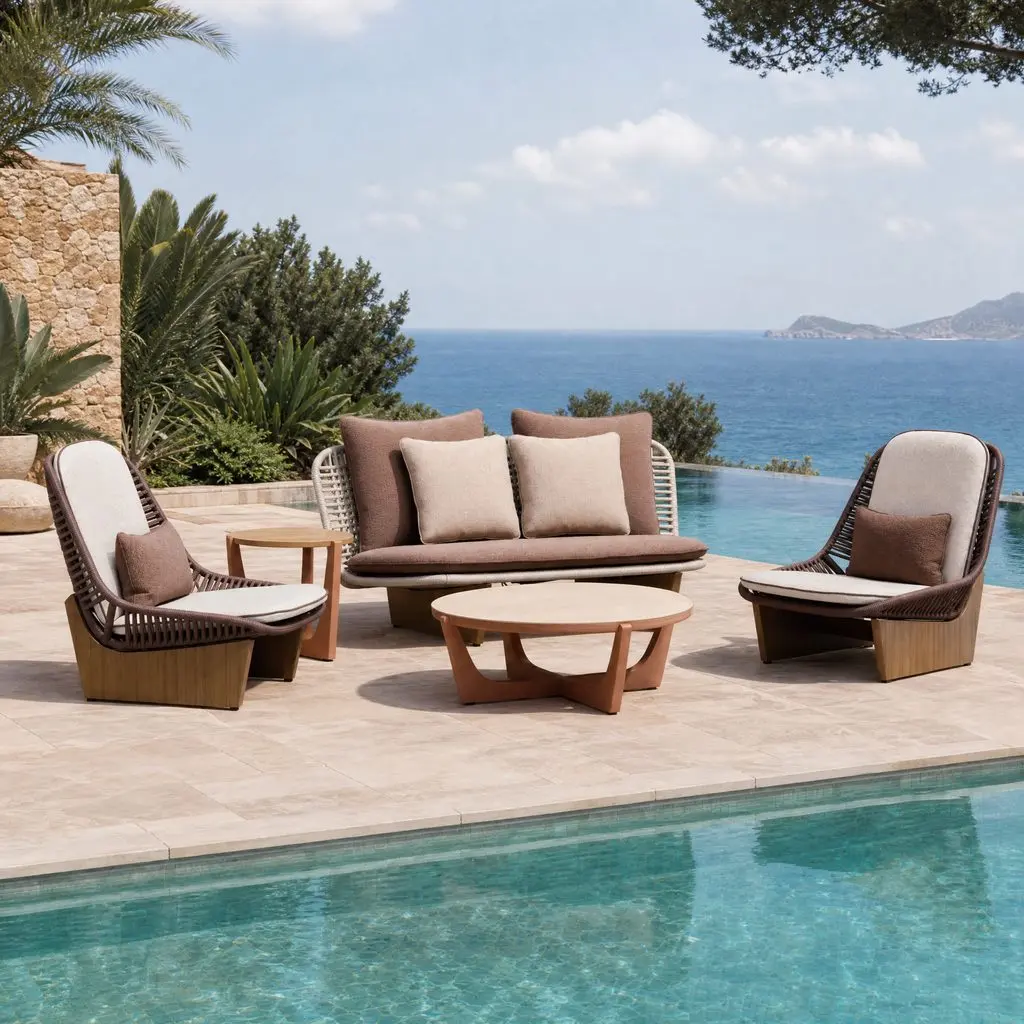
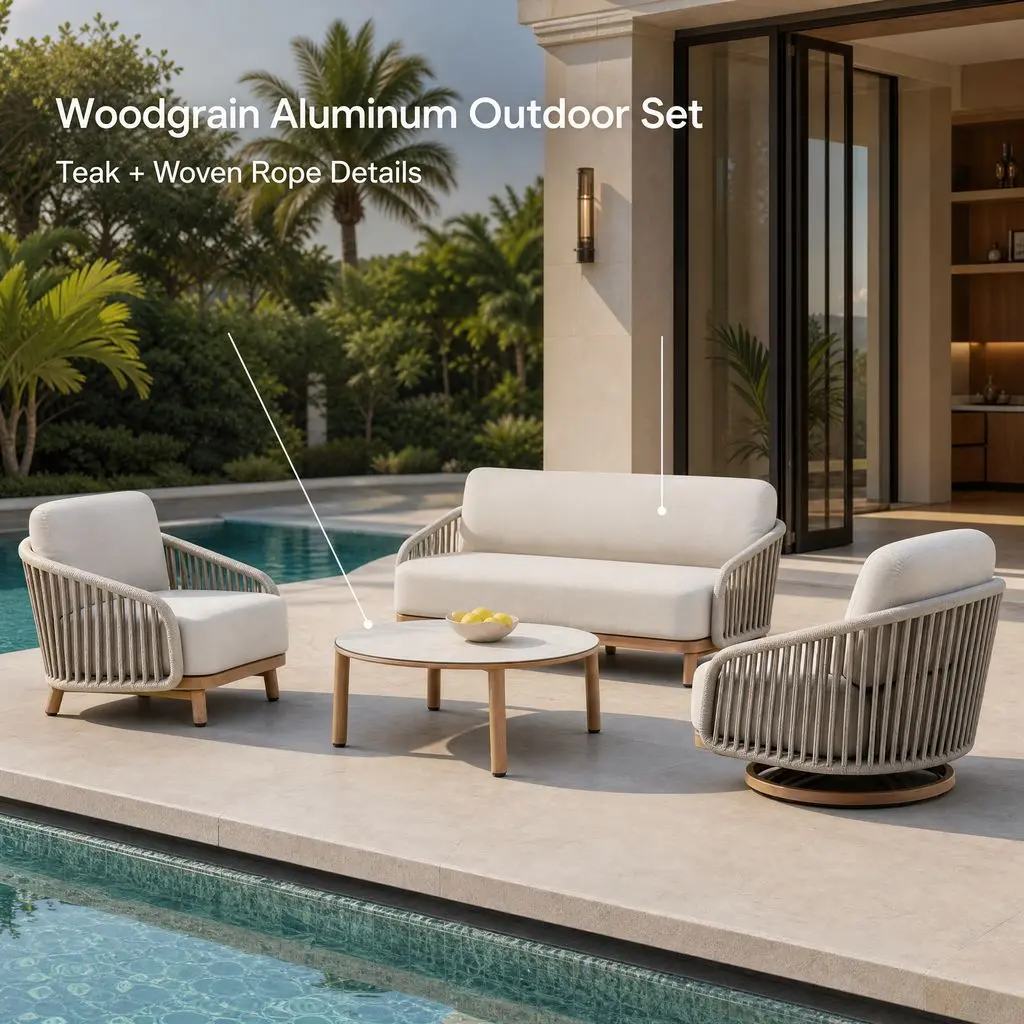
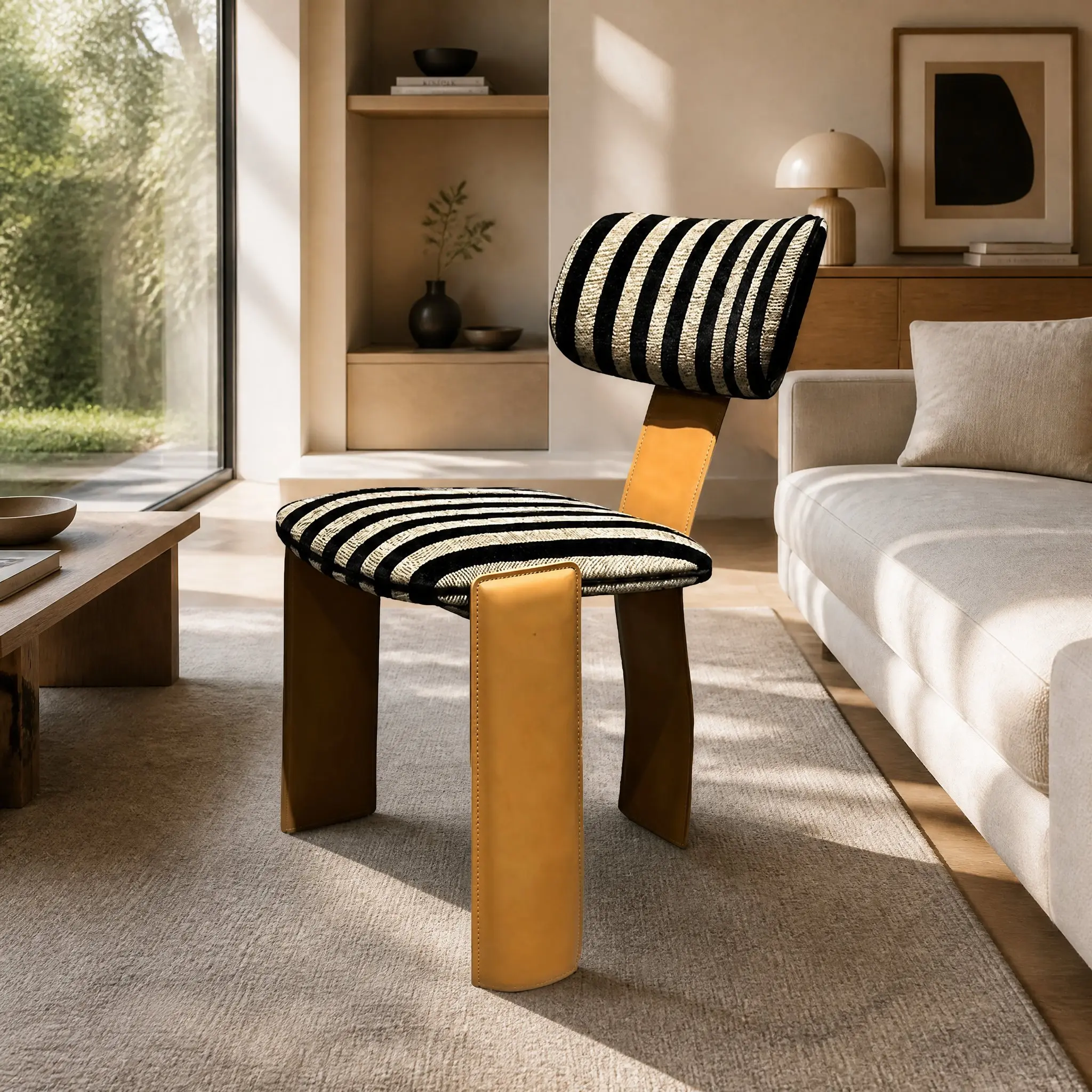
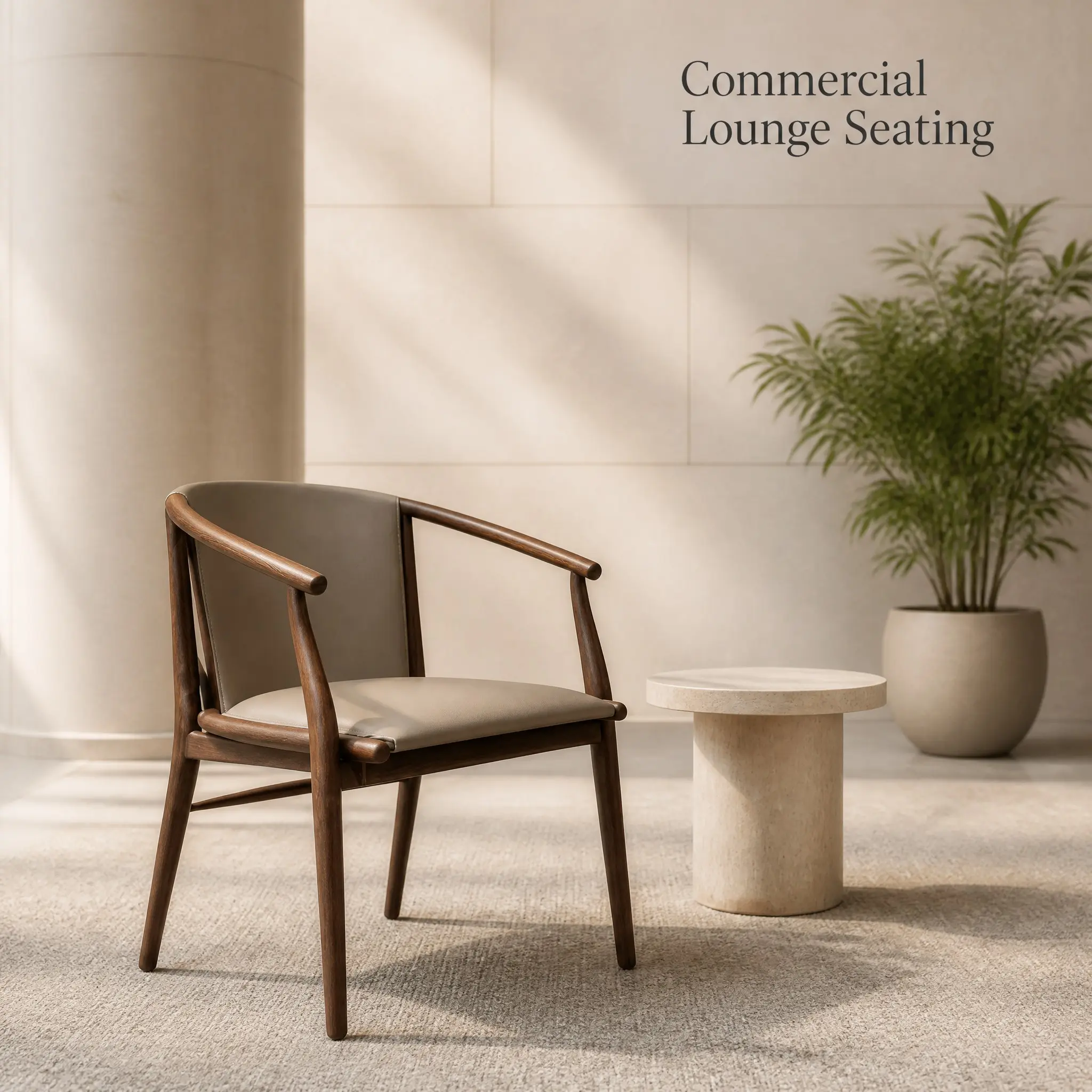
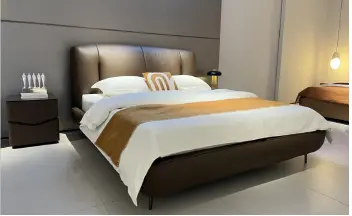
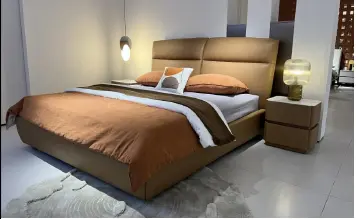
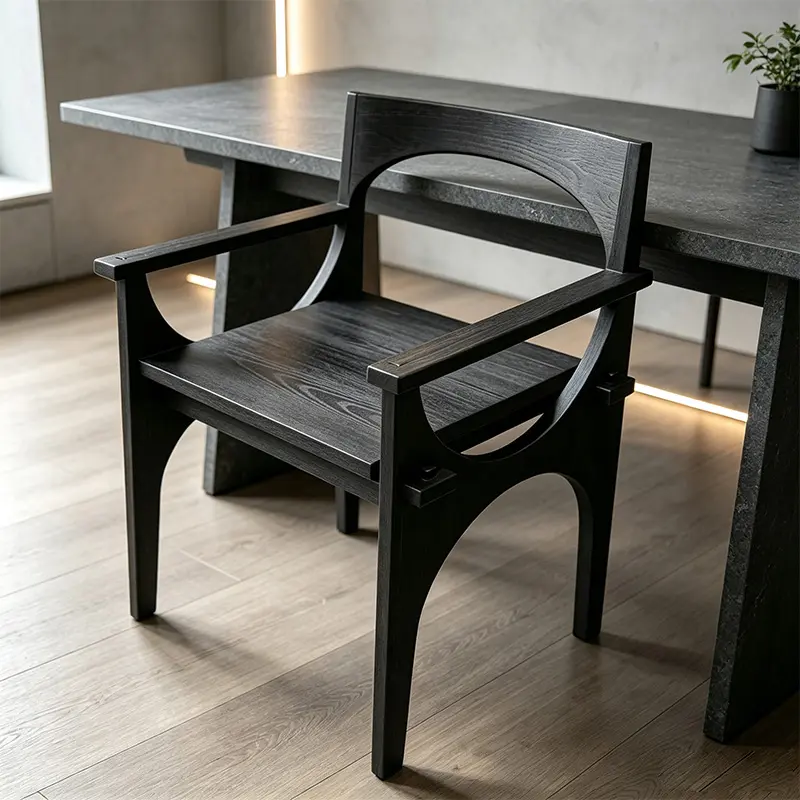
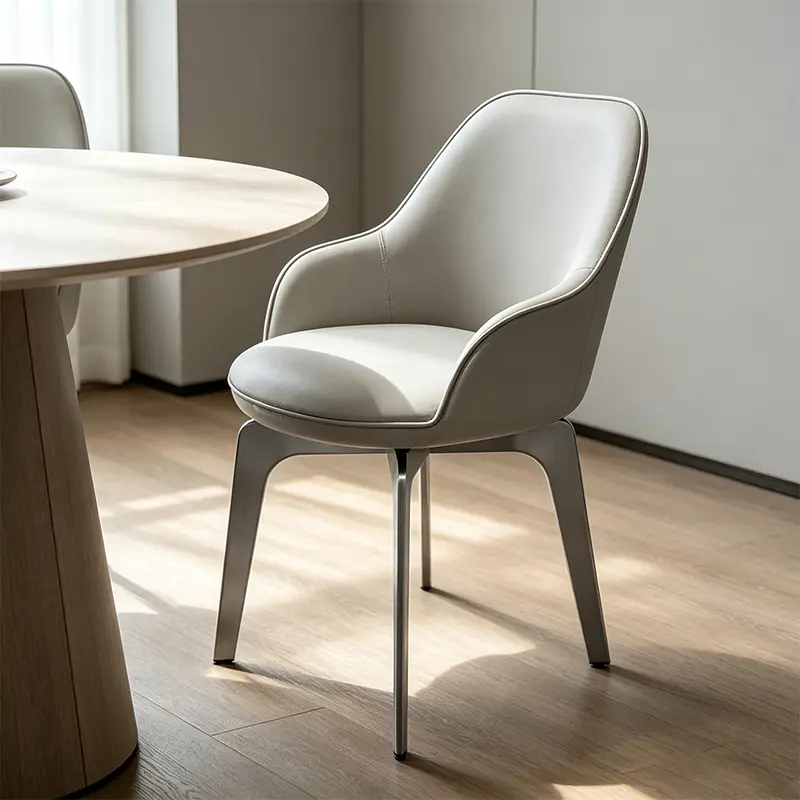
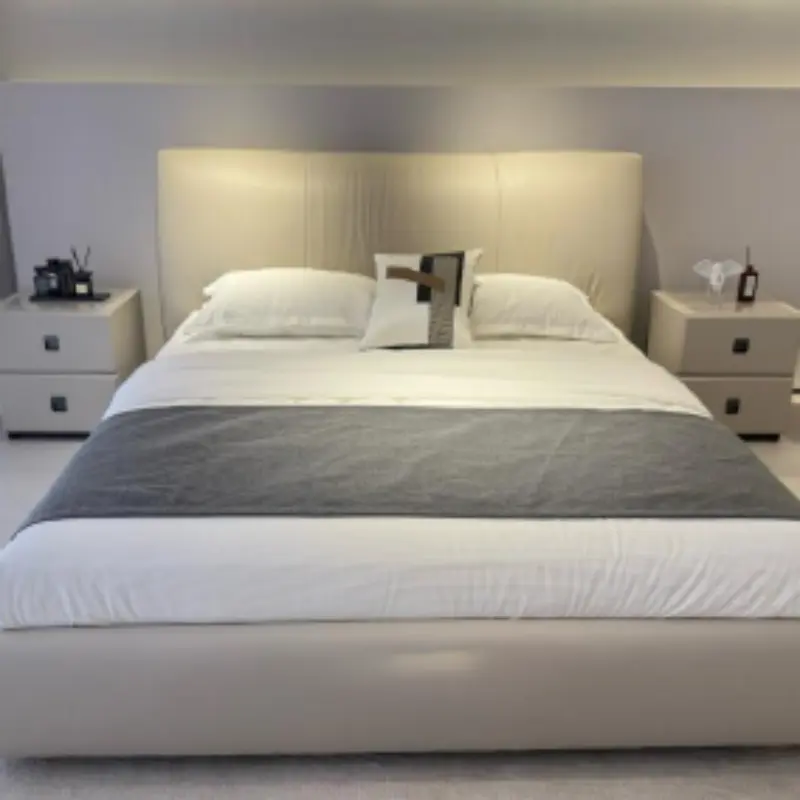
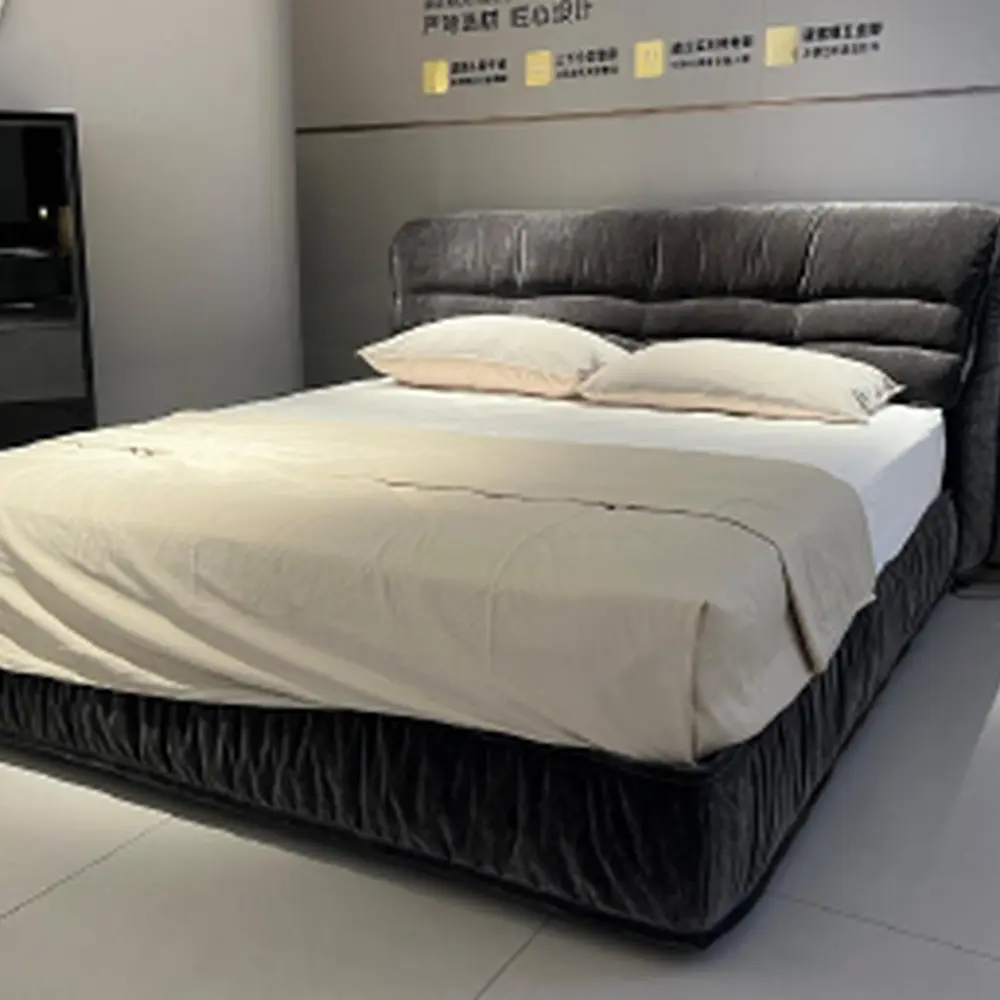
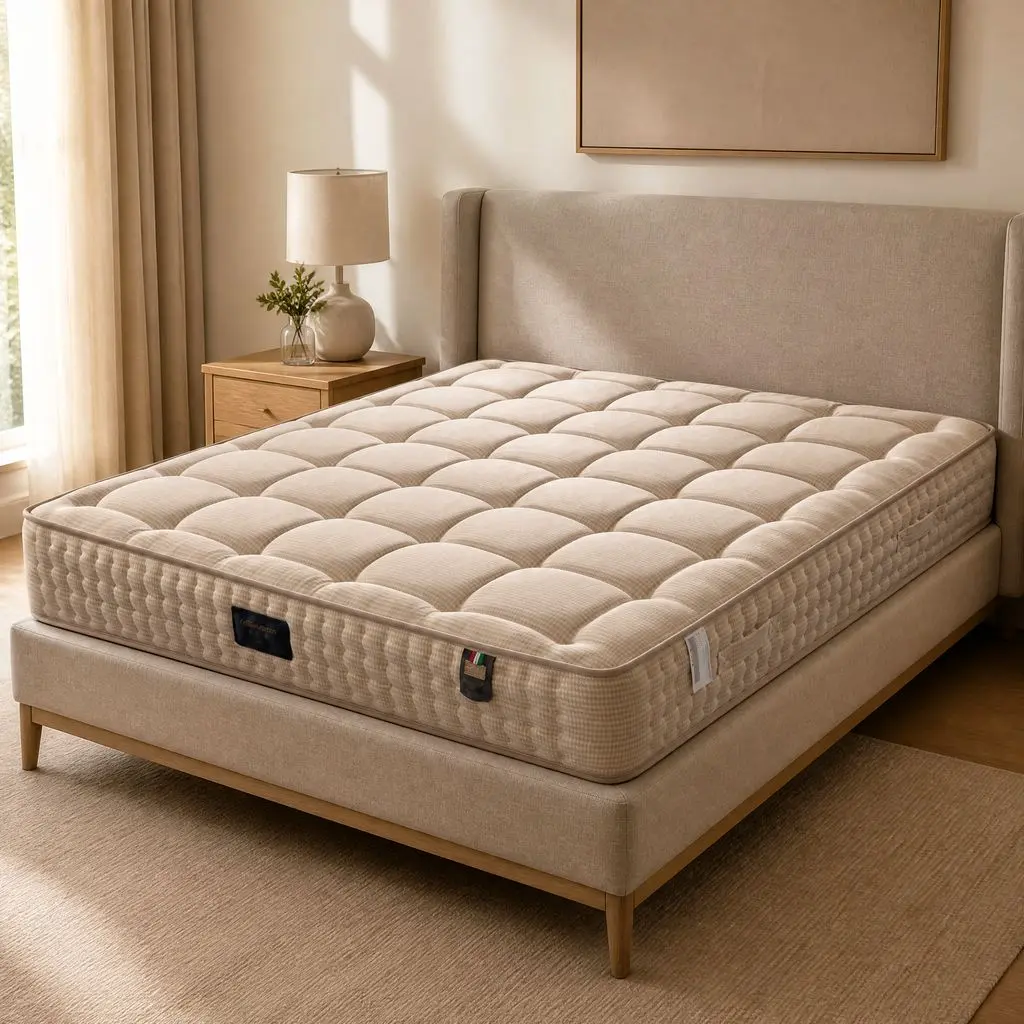
Expanded Portfolio: Beds, Sofas & Upholstered Furniture
Harmonize bedroom and living space collections under one unified high-density cushion and frame quality standard.

7. Frequently Asked Questions (Enterprise Q&A)
Expert technical insights for wholesale buyers, importers, and contract furniture procurement managers.
Foam Density measures the mass per unit volume (e.g., 35 kg/m³) and directly determines the foam's structural durability, resilience, and resistance to sagging over time. Foam Firmness (Indentation Force Deflection) measures the force required to compress the foam by a percentage of its height (e.g., 30 lbs to compress 25%). A high-density foam can be chemically formulated to be plush, medium, or ultra-firm without altering its high mass or long service life.
High-density foams (30 kg/m³ and above) feature robust polymer cell walls that can withstand hydraulic compression up to 90% volume reduction for 3 to 6 months without structural cell collapse. Lower density foams (<25 kg/m³) subjected to long-term ocean shipping often suffer permanent thickness loss (10-15%) and cell breakdown upon unboxing.
Standard OEM/ODM production MOQs typically start at 50 to 100 units per model/size configuration, or a minimum combined mixed container load (1x40HQ container ~ 400-600 units). For custom-knitted ticking covers with specialized brand logos, fabric mill minimums may dictate initial run sizes.
Compliance is achieved by incorporating an inner fire-retardant barrier sock (typically made of inherently flame-resistant fiberglass or FR rayon fibers) enclosing the foam core. During burn testing, the FR barrier chars under direct flame exposition, depriving the inner polyurethane foam of oxygen and suppressing heat release metrics below federal thresholds.
Yes. Factory-direct consolidation in Longjiang, Foshan allows buyers to mix compressed mattress roll-packs with upholstered sofas, wooden dining chairs, and bed frames under a single Purchase Order (PO). Roll-packed mattresses fit efficiently into remnant container spaces, drastically lowering effective ocean freight cost per unit.