
Precision Seating & Coordinated Interior Architecture
Explore our engineered contract-grade furniture series manufactured in Foshan, China. Built with premium solid woods, high-density molded polyurethanes, and commercial-grade upholstered textiles.
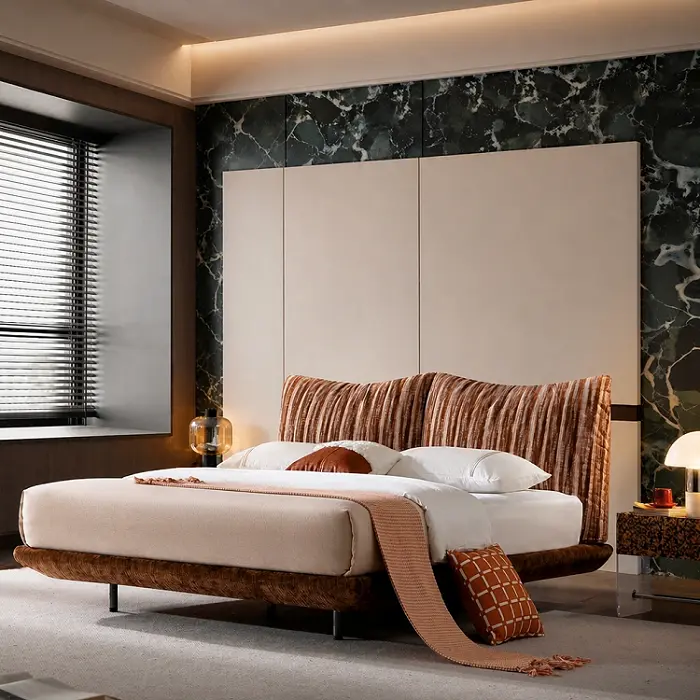
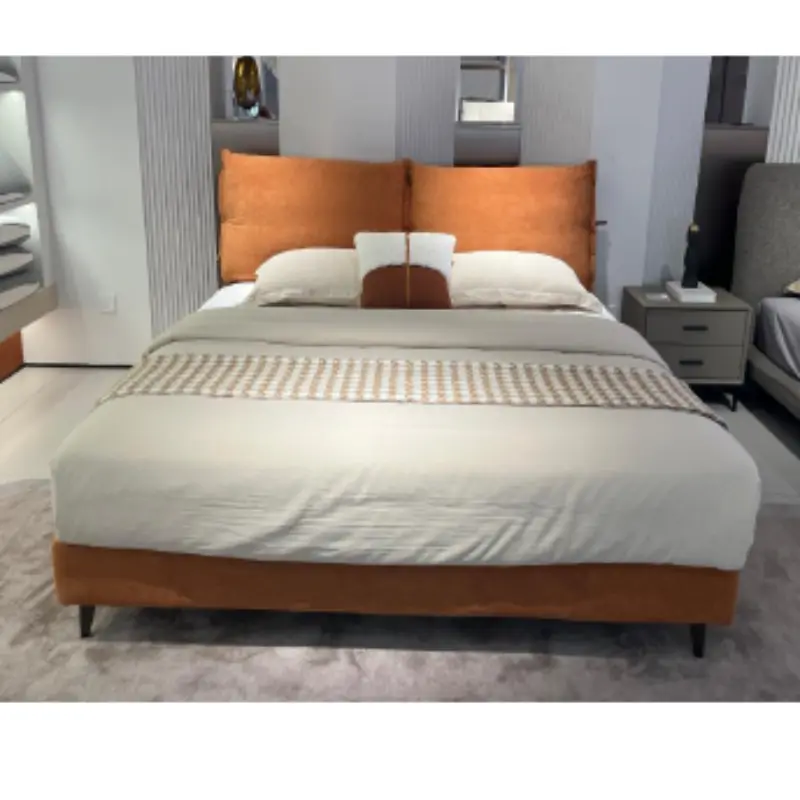
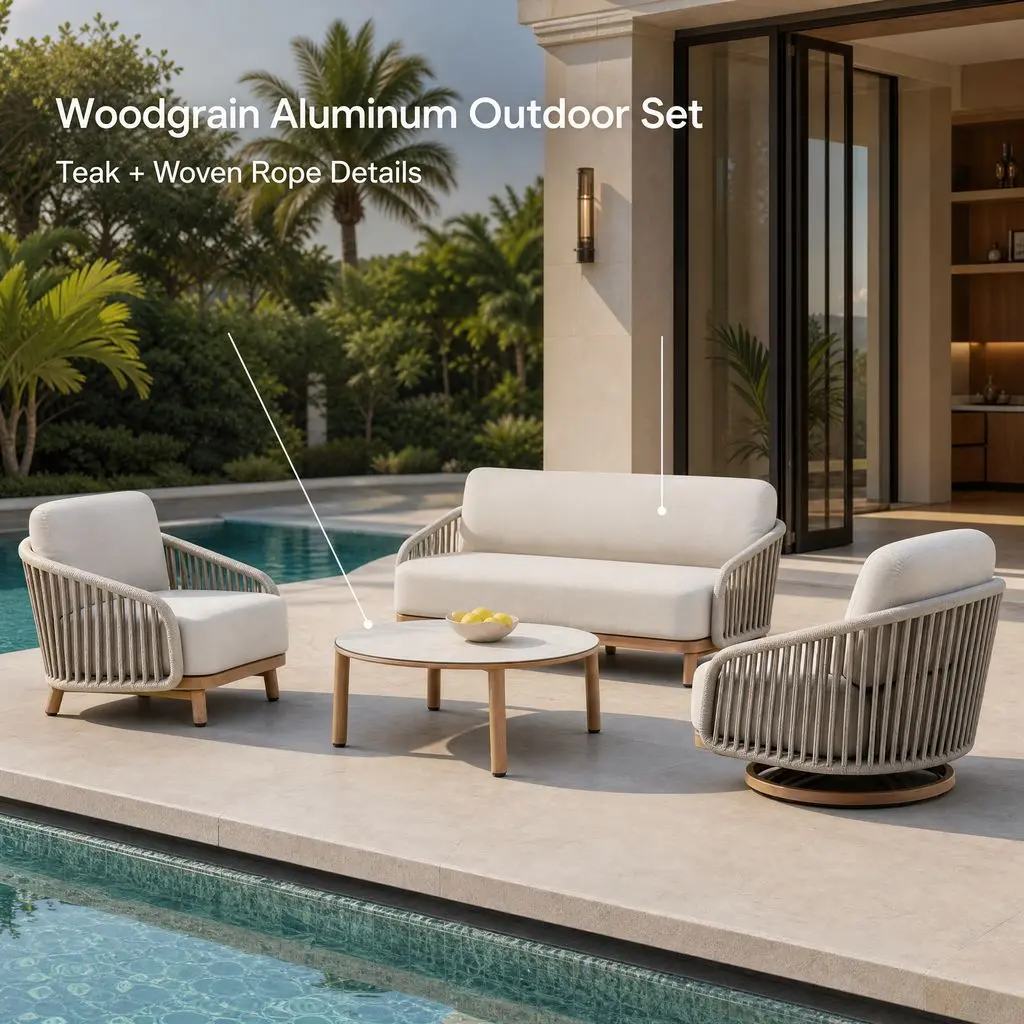
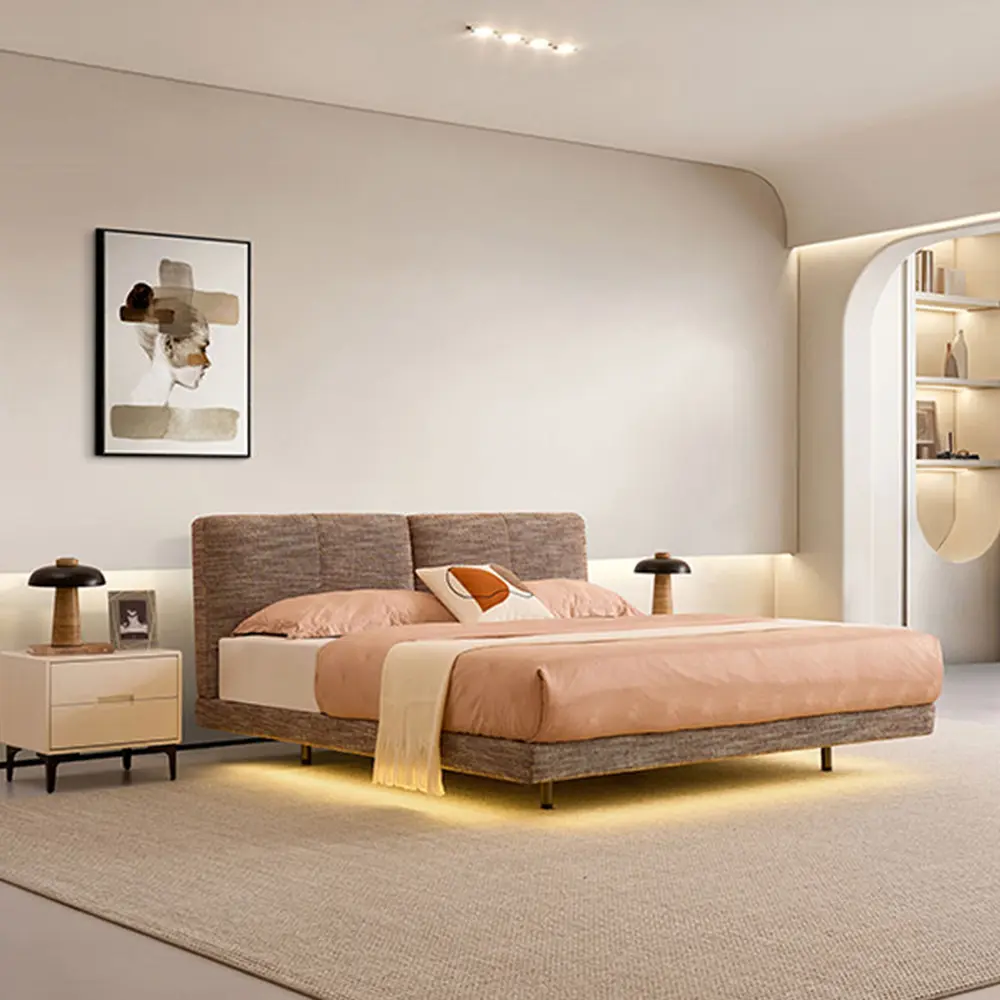
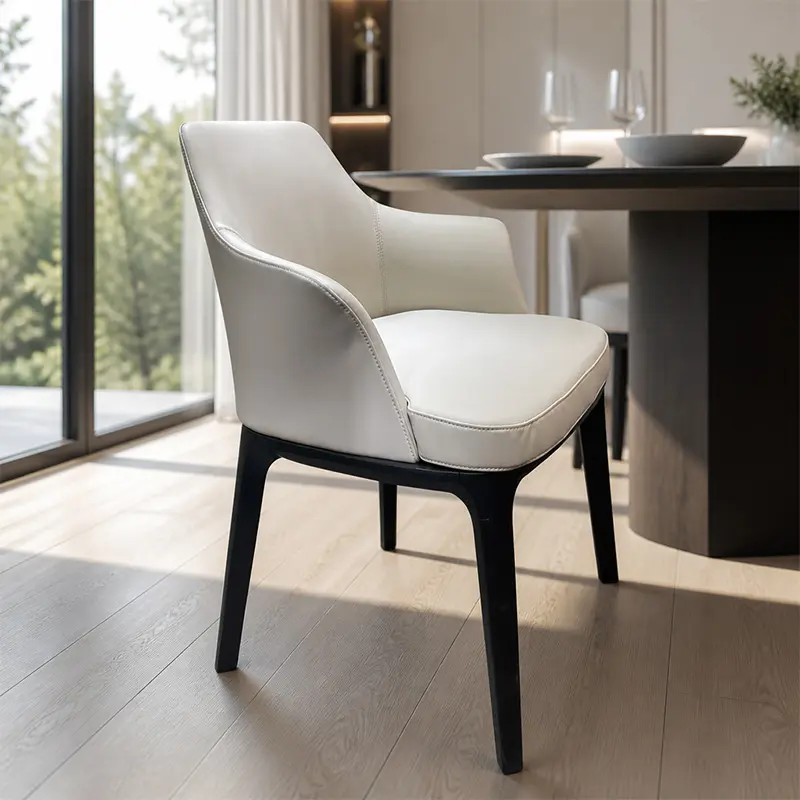
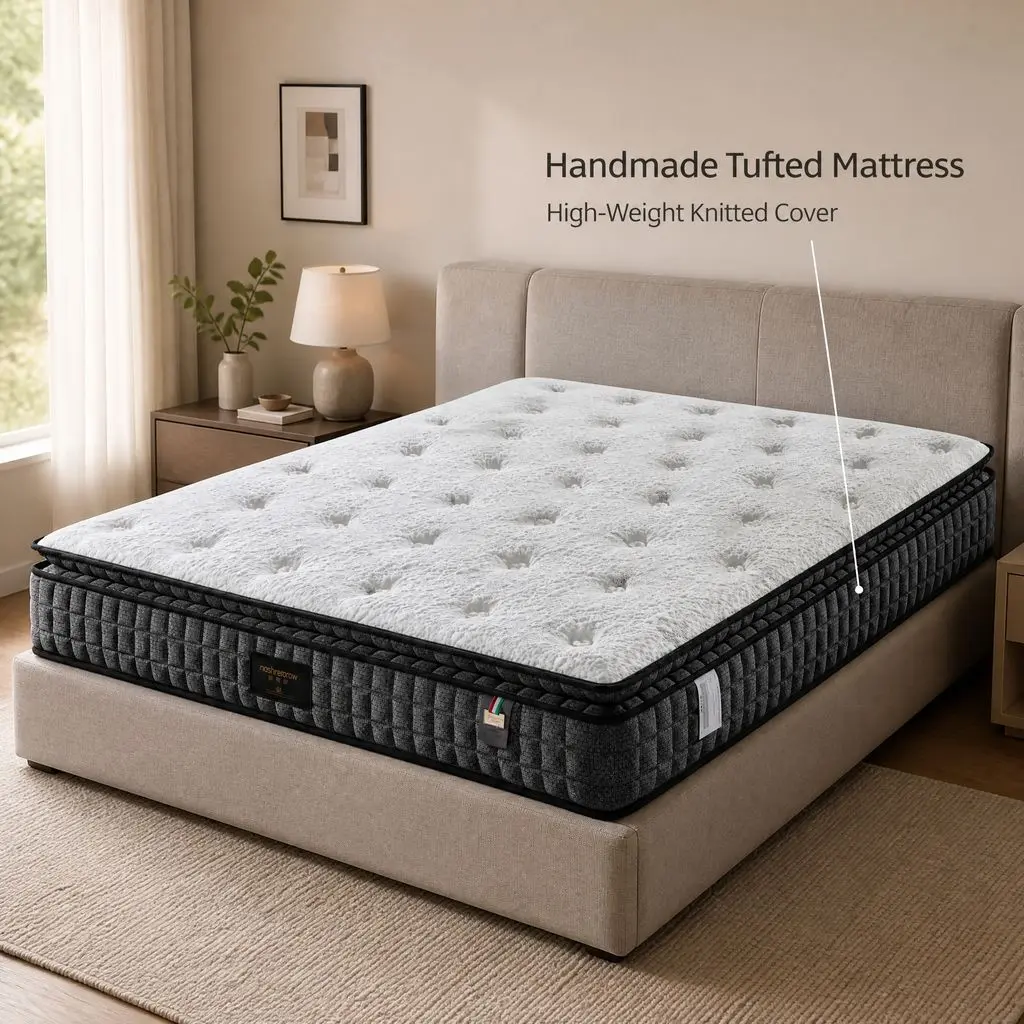
The Anatomy of High-Performance Minimalist Dining Chairs
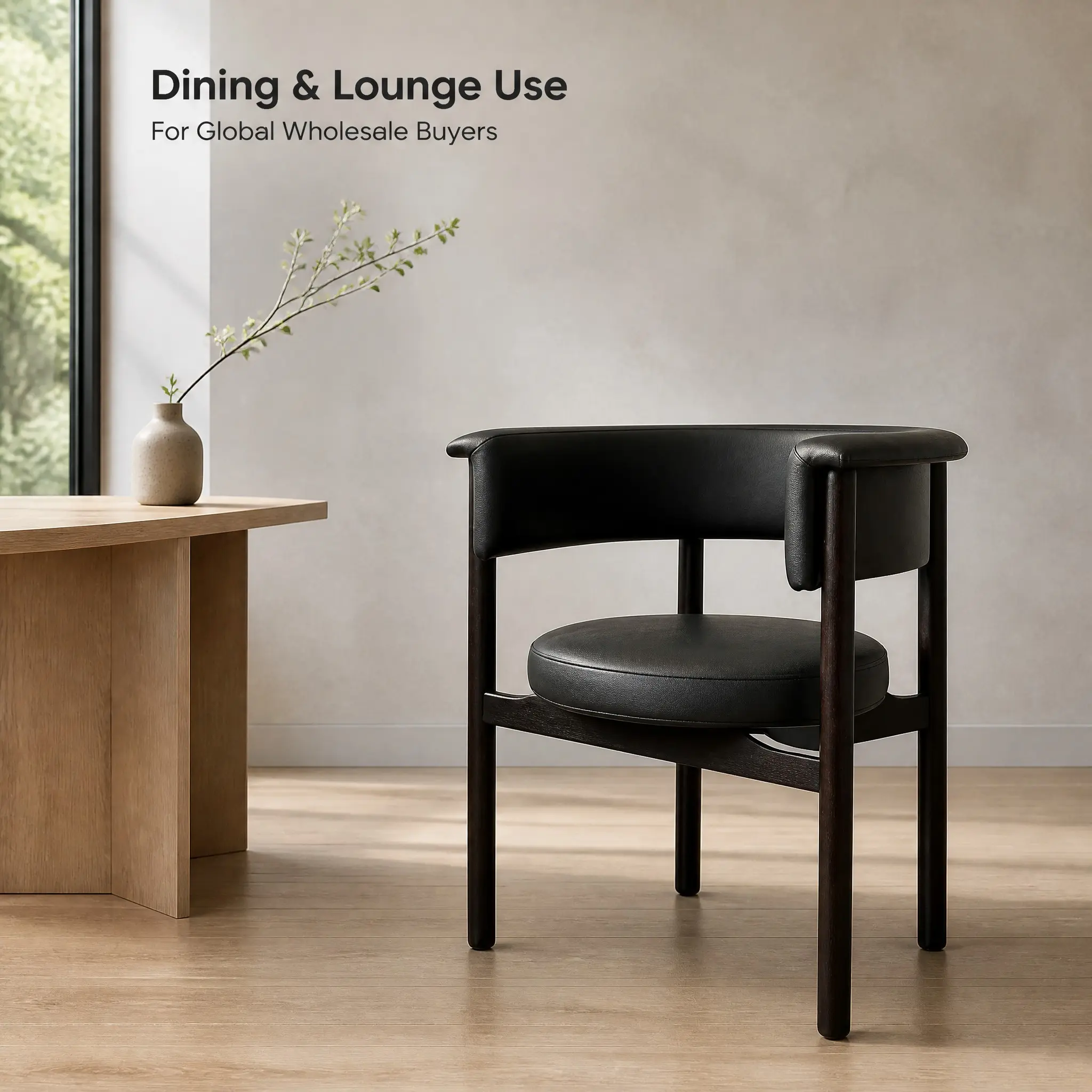
Minimalist seating design requires an extreme focus on joint stability, load balance, and material purity. Unlike heavy traditional seating, minimalist furniture leaves nowhere to hide structural defects. Every angle, tenon, and seam is exposed to both functional stress and visual scrutiny.
Solid Timber Selection & Kiln Drying
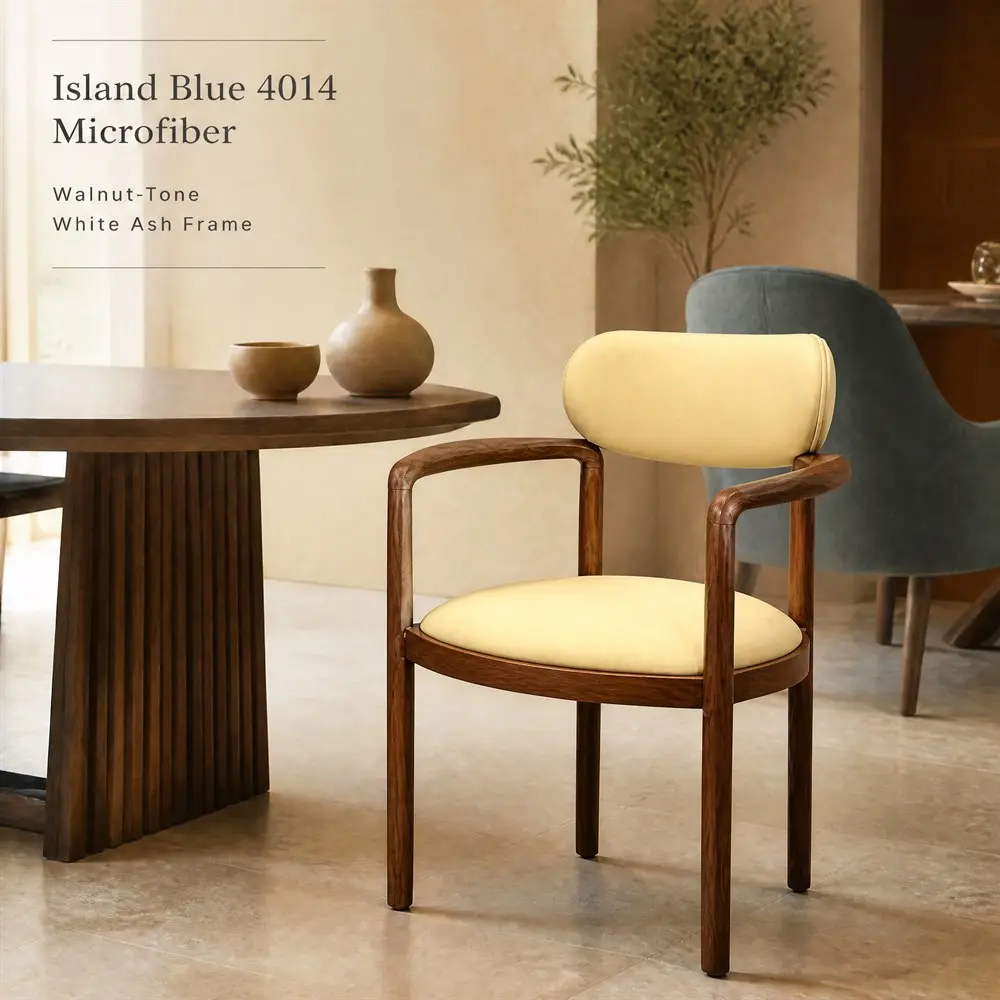
Our primary timber matrix utilizes Grade-A FAS North American White Ash (*Fraxinus americana*) and European Beech. Wood moisture content (MC) is strictly regulated between 8% and 12% via continuous computerized vacuum kiln drying. This eliminates radial cracking, warping, and seasonal joint expansion under extreme climate conditions from Northern Europe to the Middle East.
Cold-Cured Molded Foam Technology
Instead of cut slab foam that sags over time, our factory integrates high-resilience (HR) polyurethane cold-cured molded foam ($45\text{--}55 \text{ kg/m}^3$ density). Formulated around an internal steel chassis, this provides over 100,000 compression cycles without shape deformation, exceeding standard residential seating life by 400%.
Advanced Microfiber & Saddle Leathers
Upholstery options are engineered for commercial high-traffic environments. Our proprietary microfiber leather matches full-grain cowhide in tensile strength while offering stain resistance, hydrolysis resistance ($>5$ years under high ambient humidity), and Martindale abrasion ratings exceeding 100,000 rubs.
| Engineering Parameter | Standard Market Specification | Qingyumai Industrial Grade (B2B Spec) | Commercial Sourcing Impact |
|---|---|---|---|
| Timber Frame Material | Mix Rubberwood / Birch Plywood | FAS North American White Ash / German Beech | 300% higher flexural strength; premium grain depth under smoked walnut stains. |
| Moisture Content Control | Air Dried (14% – 18% MC) | Computer Vacuum Kiln (8% – 12% MC ±1%) | Prevents frame distortion, structural creaking, and joint failure during transport. |
| Joint Construction | Dowel & Surface Screw Fastening | 5-Axis CNC Mortise & Tenon + D4 Polyurethane Adhesives | Withstands dynamic impact test of 1,600 N (BIFMA X5.1 / EN 16139 Level 2). |
| Foam Core Construction | Recycled Cut Foam ($20\text{--}28 \text{ kg/m}^3$) | Cold-Cured High-Resilience Molded Polyurethane ($50 \text{ kg/m}^3$) | Maintains ergonomic support contour for 10+ years of heavy commercial use. |
| Surface Finish (Lacquer) | High-VOC Solvent Lacquer | Zero-VOC Italian Waterborne PU Coating (5-Layer Spray) | Passes EU REACH & US CARB Phase 2 regulations for indoor air quality compliance. |
China Factory 4.0: Supply Chain Resilience & Scale Efficiency
Situated in Longjiang Town, Shunde District, Foshan—the epicenter of global furniture production—Foshan Qingyumai Technology Co., Ltd. coordinates an integrated supply chain cluster that minimizes lead times, optimizes raw material sourcing, and reduces logistics overheads for overseas partners.
Automated 5-Axis CNC Machining
Our automated solid wood processing workshop utilizes 5-axis CNC machining centers imported from Italy. Curvilinear backrests, sculpted armrests, and complex joinery are carved with precision tolerances under $\pm 0.1 \text{ mm}$, guaranteeing exact component alignment across large-scale mass production runs.
Container Loading Optimization (CBU vs. SKD)
By engineering custom knock-down (KD) and semi-knocked-down (SKD) frame designs alongside fully assembled (CBU) options, our packaging engineering team increases container loading volume by up to 45%, significantly lowering ocean freight cost per unit for global distributors.
End-to-End Quality Control Protocol
Every production batch undergoes a 4-tier inspection process: raw material timber MC verification, white-body pre-assembly dry fit, surface lacquer adhesion cross-hatch testing, and final drop-box carton packaging tests prior to container sealing.
Solitary Sourcing vs. Whole-House Consolidated Procurement
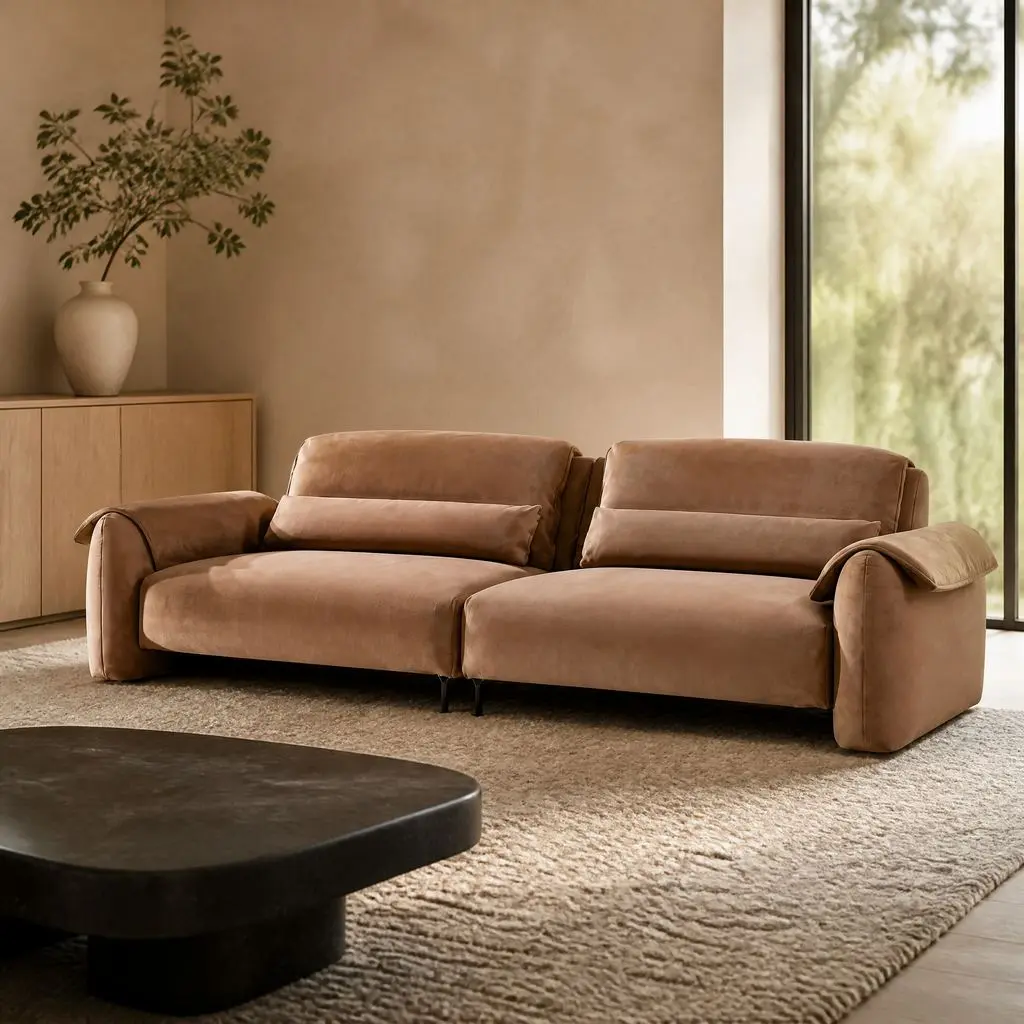
Managing fragmented vendors for dining seating, living room sectionals, casegoods, and outdoor furniture creates severe supply chain friction—resulting in shade mismatches across rooms, split container shipping expenses, and complex warranty disputes. Qingyumai eliminates these bottlenecks through an integrated procurement system.
High Cost & Inconsistent Quality
- Color discrepancy between wood stains across different vendor factories.
- Multiple purchase orders leading to low container space utilization (LCL fees).
- Inconsistent flame-retardant standard compliance (e.g., BS5852 vs. CAL 117).
- Disjointed delivery timelines stalling hotel or residential interior fit-outs.
Unified Quality & Optimized Logistics
- Unified material lab matching stains, fabrics, and metals across 19 furniture categories.
- Consolidated FCL container loading directly from our Foshan central warehouse.
- Single point of accountability for quality audits, certifications, and compliance.
- Synchronized lead times ensuring all room packages ship on a master delivery schedule.
Minimalist Chair Engineering Roadmap: 2026–2030 Technical Vision
Our R&D team works at the intersection of material science, industrial design, and environmental engineering. Below is our strategic technical roadmap driving next-generation seating manufacturing.
Bio-Based Polyurethanes & Recycled Microfibers
Transitioning from petroleum-reliant foams to plant-derived bio-polyols (soybean oil bases) offering identical resilience while cutting carbon footprint by 35%. Integrating ocean-bound plastic recycled yarns into contract upholstery options.
Finite Element Analysis (FEA) Stress Simulation
Deploying digital twin FEA software to model stress concentration hotspots across chair legs and backrest junctures prior to physical prototyping. This allows us to shave off unnecessary wood mass while boosting maximum load resistance beyond 200 kg.
Design for Disassembly (DfD) Systems
Engineering hidden mechanical fasteners and glueless upholstery sleeve connections that allow hotel maintenance teams or end-users to swap out worn seat covers or replace damaged timber legs without discarding the entire chair frame.
Localized Compliance Support & International Standards Matrix
Furniture regulations vary drastically between market jurisdictions. Qingyumai provides pre-tested material options ensuring seamless customs clearance and compliance for hospitality, office, and residential projects worldwide.
North American Market Requirements
Full compliance with ANSI/BIFMA X5.1 general-purpose office/dining seating standards, California TB 117-2013 flammability requirements for upholstered furniture, and TSCA Title VI / CARB Phase 2 formaldehyde emissions limits for composite and solid wood components.
European Union Market Standards
Adherence to EN 16139:2013 Level 2 (extreme non-domestic contract seating use), EN 12520 for domestic strength, durability, and safety, along with EU REACH regulation compliance prohibiting SVHC hazardous substances in textile dyes and lacquers.
UK & Middle East Contract Standards
Upholstery solutions tested to BS 5852 Crib 5 fire retardant benchmarks for commercial hotel and public sector space installations across the United Kingdom, GCC countries, and Southeast Asian high-end resorts.
Contract Seating, Armchairs & Living Room Solutions
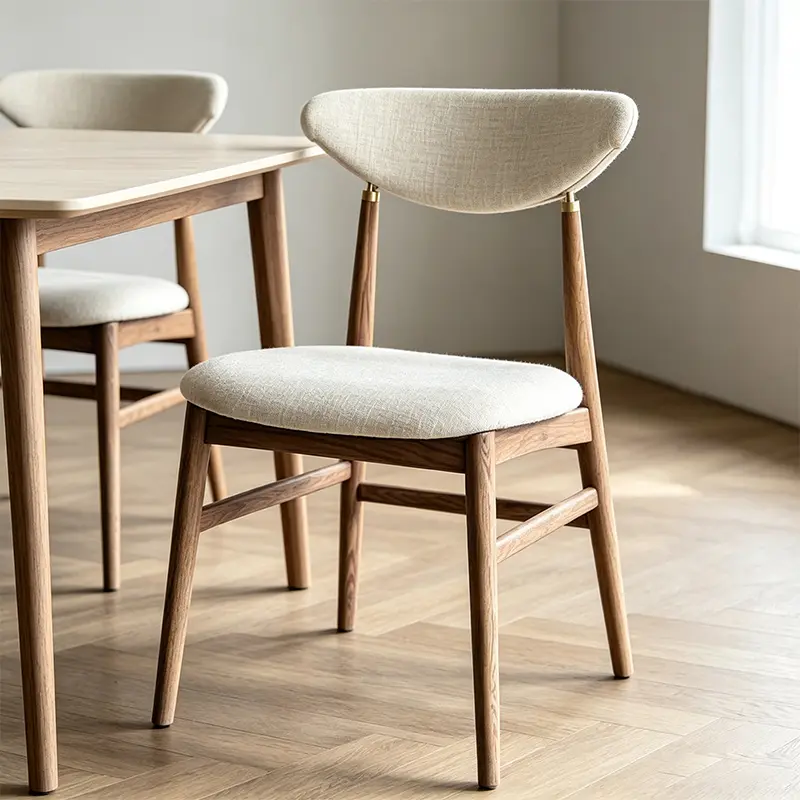
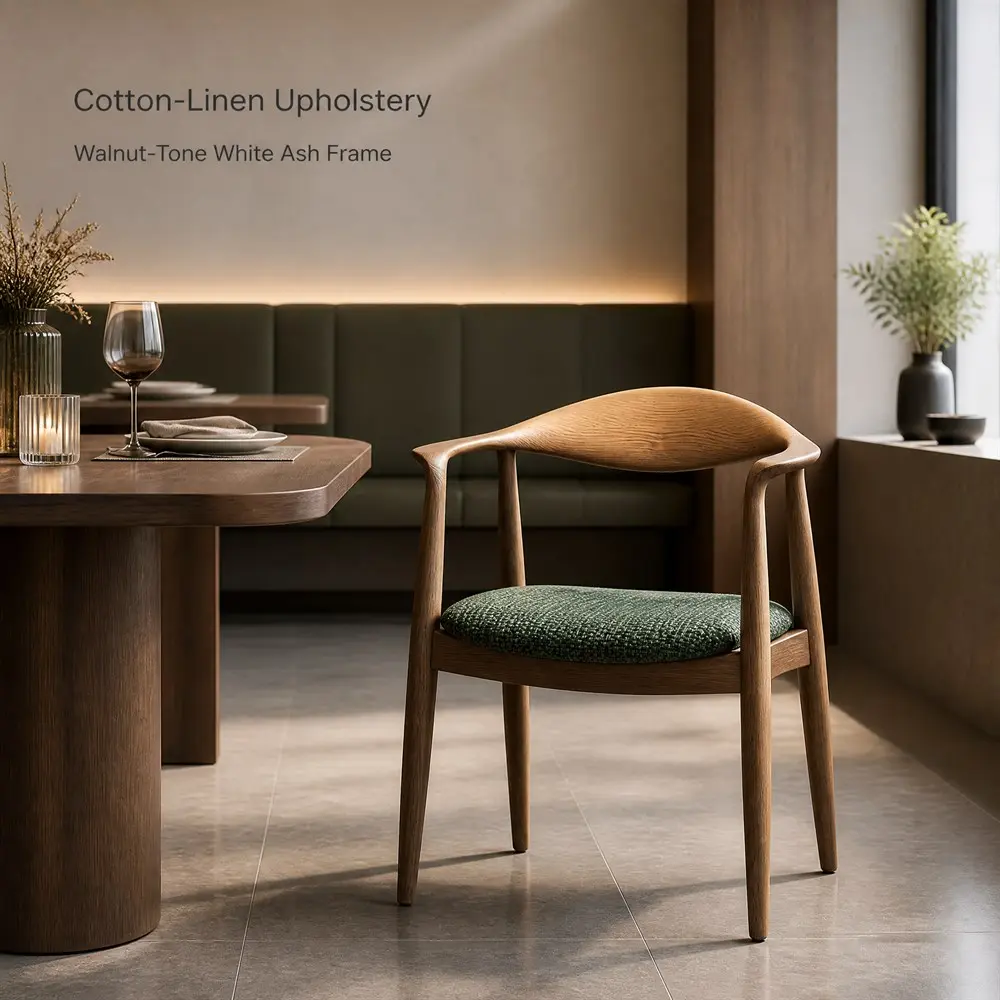
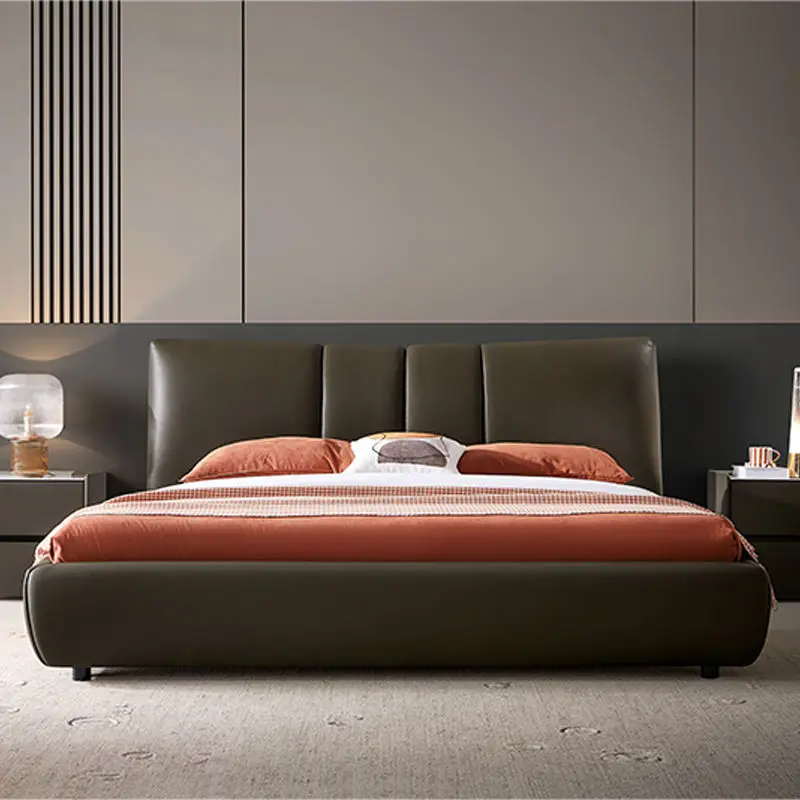
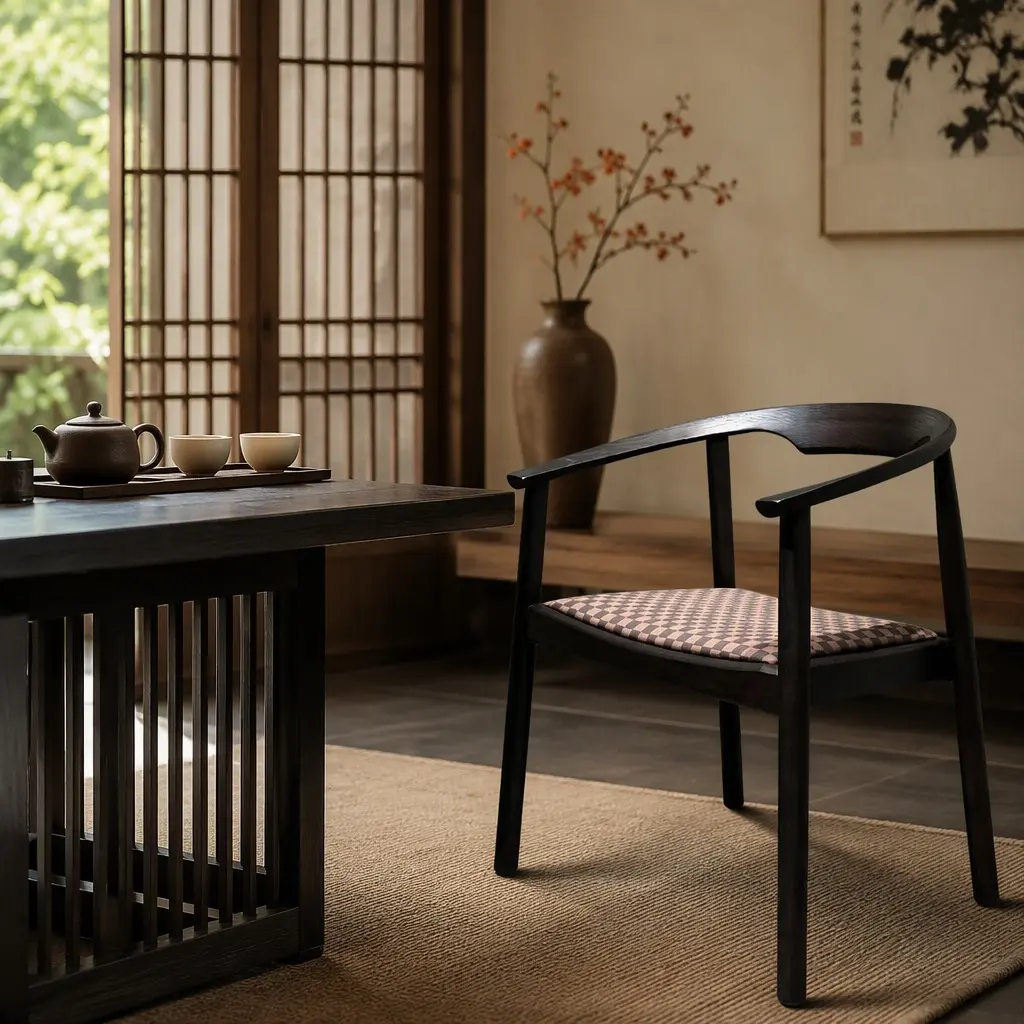
Browse our full range of minimalist dining armchairs, solid white ash frame seating, luxury upholstered beds, and outdoor sectional series engineered for long-term commercial performance.

Frequently Asked Questions for B2B Importers & Specifiers
Detailed technical answers to common questions regarding minimum order quantities, OEM tooling, contract certification, container loading, and warranty terms.