
Direct factory manufacturing and wholesale engineering for high-traffic restaurant environments, boutique hotels, and global hospitality projects.
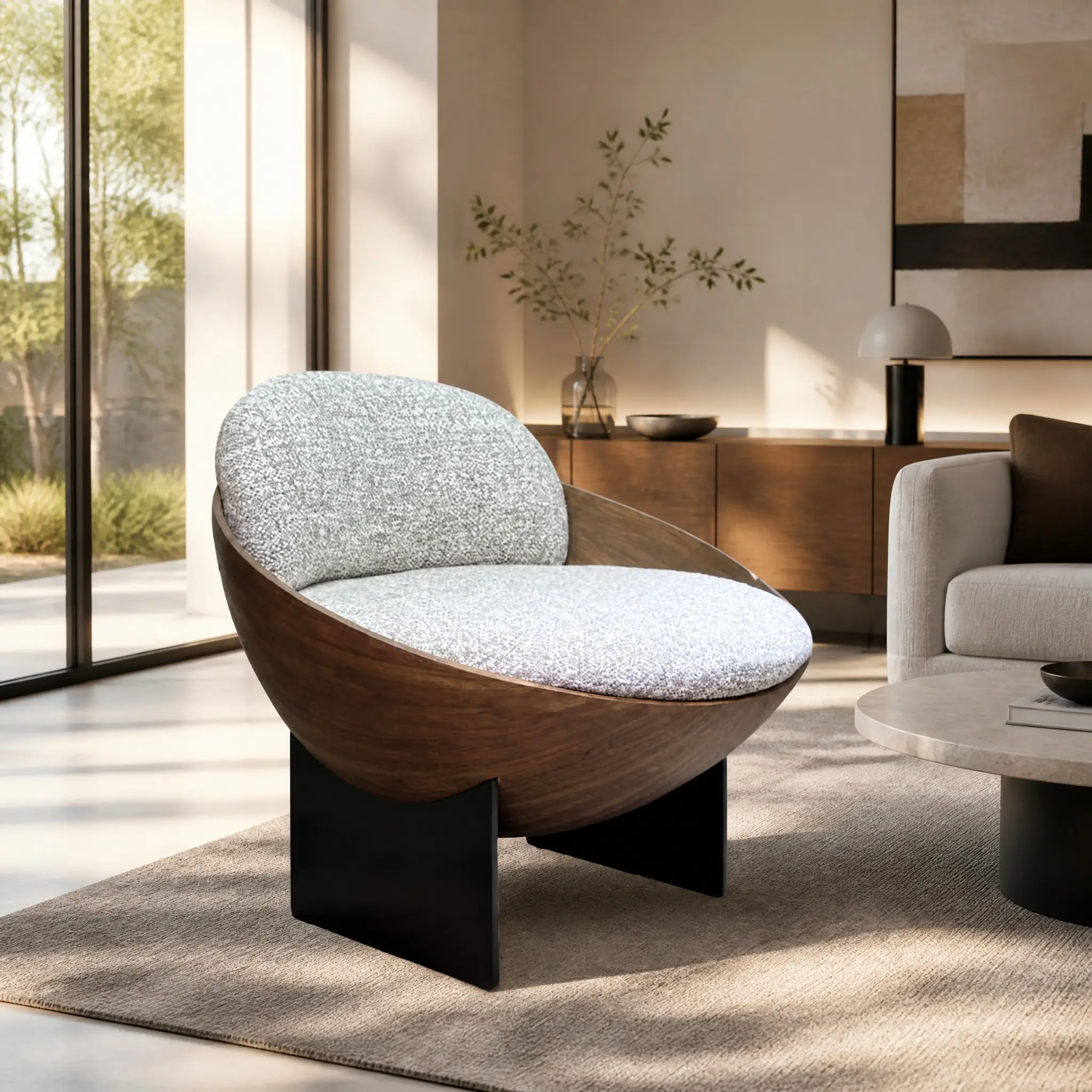
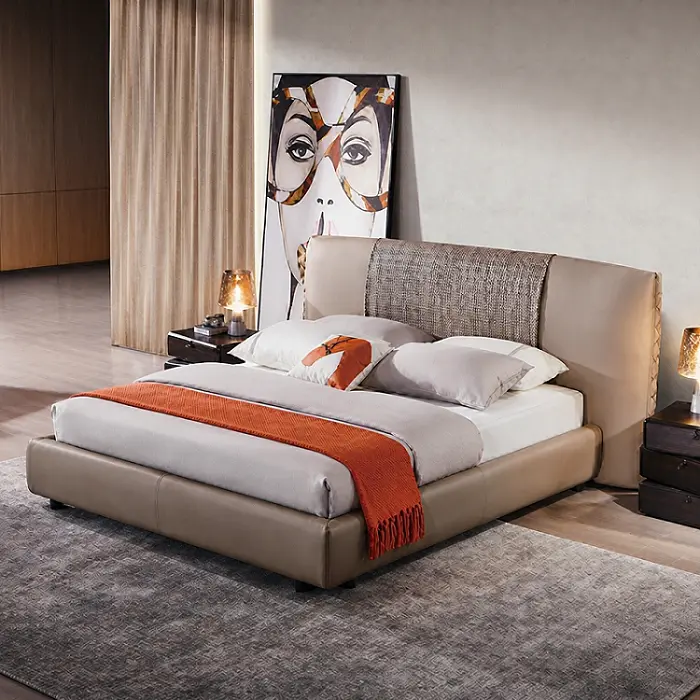
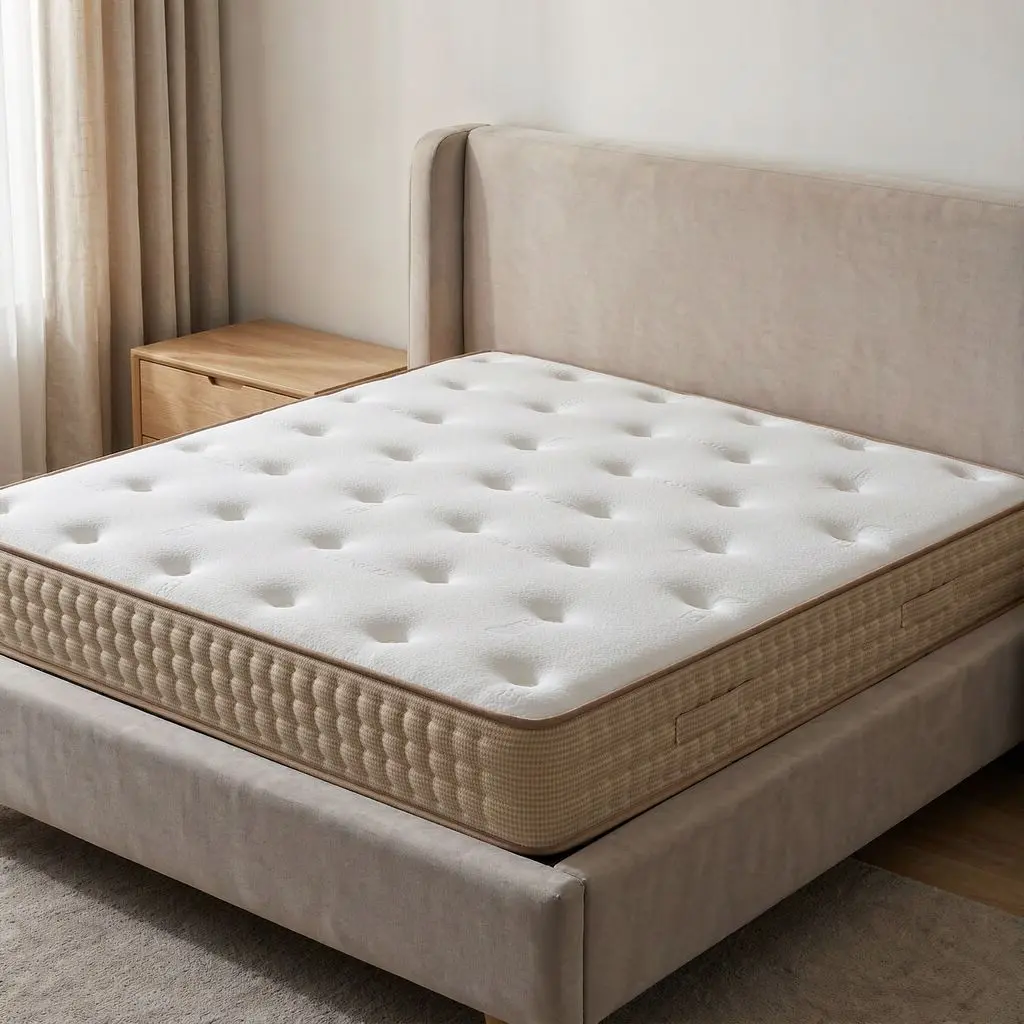
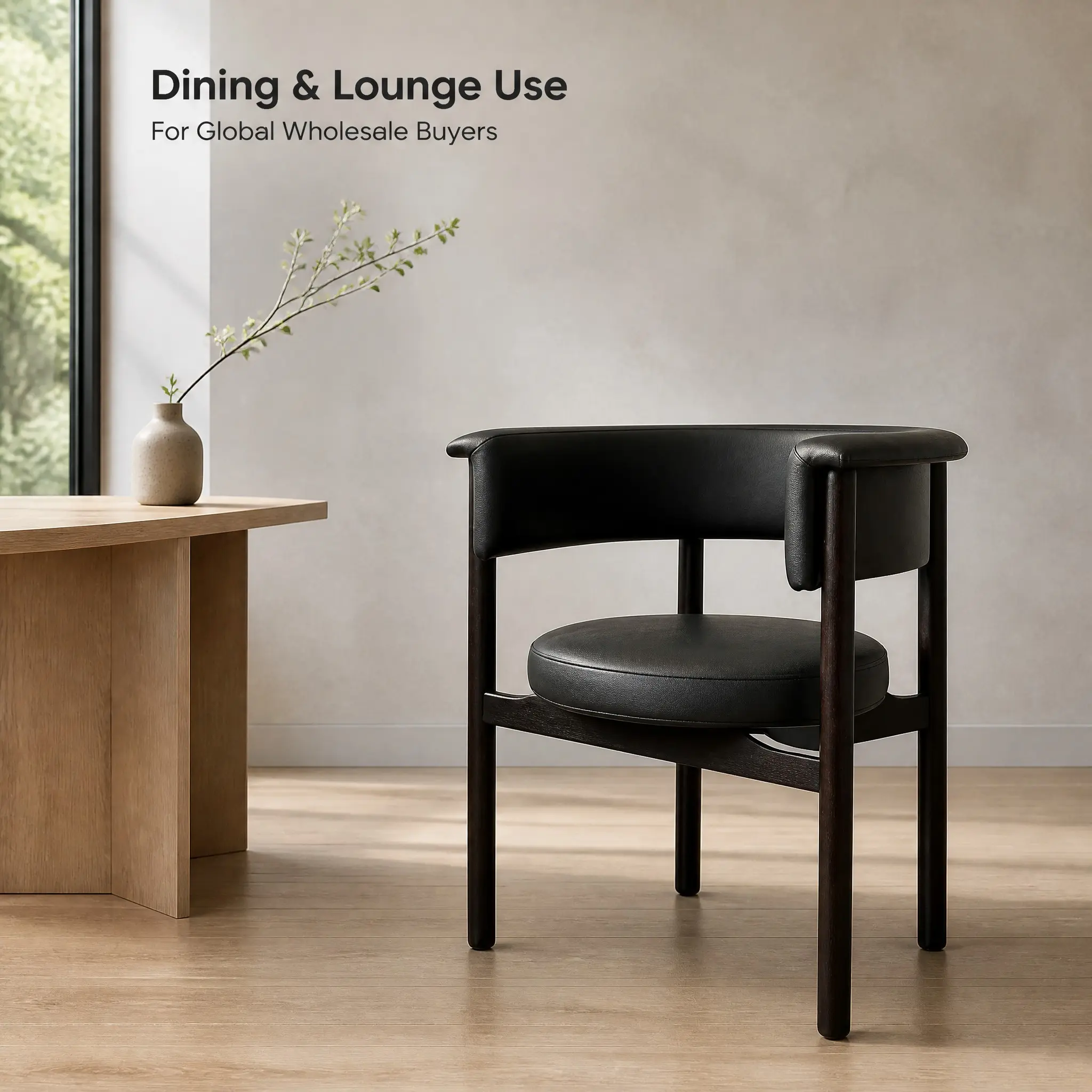
The commercial dining seating sector represents one of the most demanding sub-segments of the global furniture manufacturing market. Unlike residential furniture, where aesthetic design often supersedes structural stress tolerance, commercial dining chairs deployed in high-traffic hospitality venues—such as Michelin-star dining rooms, fast-casual franchise chains, hotel banquet halls, and luxury bistro terraces—must withstand continuous daily wear, fluctuating weight loads, chemical cleaning agents, and rigorous fire-safety regulations.
As the undisputed epicenter of international furniture manufacturing, China—specifically the Longjiang, Shunde furniture cluster in Foshan, Guangdong—accounts for over 65% of global commercial contract seating production. China's commercial dining chair factories have evolved from low-cost mass manufacturers into high-precision engineering hubs utilizing 5-axis CNC machining, automated electrostatic finish lines, AI-driven stress simulation software, and sustainable material supply chains.
Direct sourcing from specialized Chinese factories such as Foshan Qingyumai Technology Co., Ltd. offers global buyers structural customization, material traceability, and savings of 30% to 45% compared to European brand-name distributors, without sacrificing engineering integrity or regulatory compliance.
Modern procurement directors, hotel FF&E (Furniture, Fixtures & Equipment) specification managers, and commercial furniture wholesalers operate under complex technical constraints. Their search intent moves far beyond simple aesthetic design into granular material engineering and risk mitigation.
Commercial dining chairs experience lateral shearing forces and constant backrest flexing. Leading China factories utilize mortise and tenon joinery reinforced with corner blocks and dowel pins, bonded using industrial PVA structural adhesives that prevent joint loosening under 300 lb continuous stress testing.
Standard residential foam degrades rapidly within 6–12 months of high-frequency commercial use. Contract-grade dining chairs utilize High-Resilience (HR) cold-cure molded polyurethane foam with a density rating of 45kg/m³ to 55kg/m³, guaranteeing shape retention across 100,000+ seating cycles.
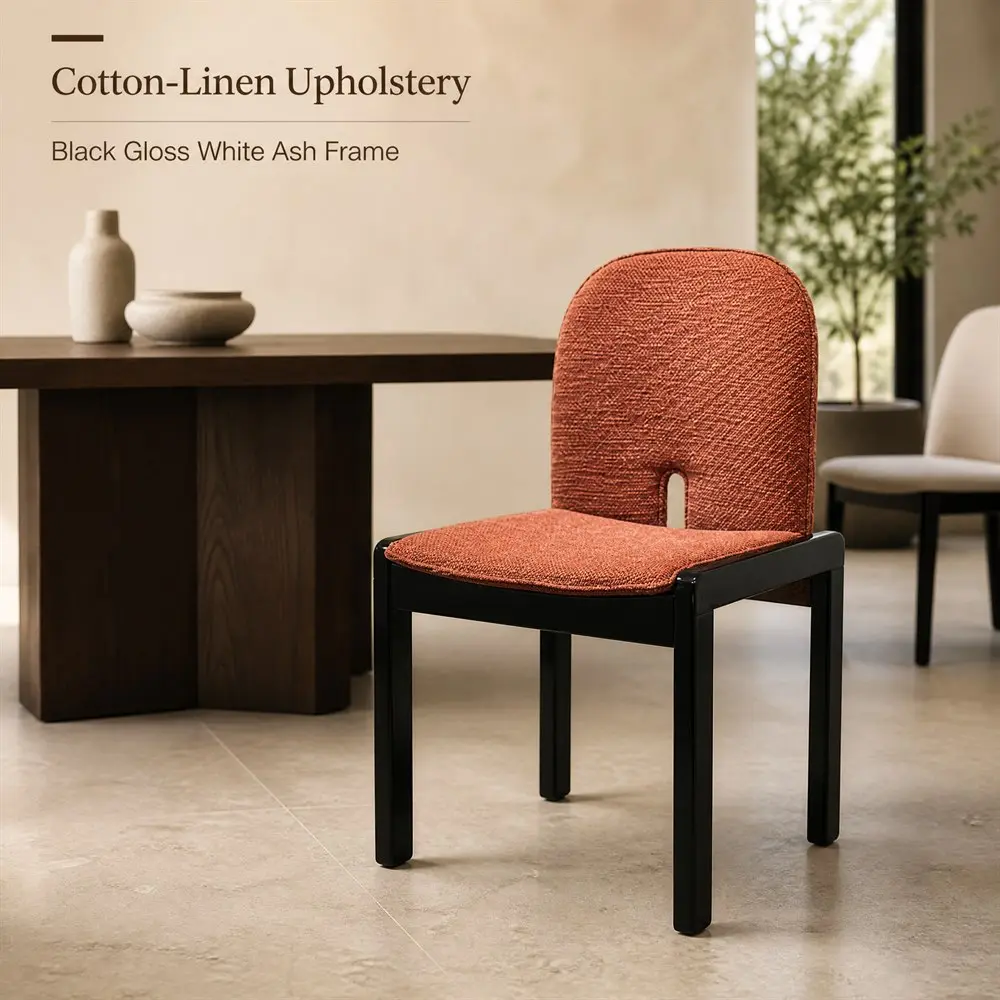
Commercial specifiers require scratch-resistant, spill-proof, and anti-microbial surfaces. Advanced upholstery includes microfiber Napa leather, solution-dyed Olefin, and contract-grade woven cotton-linen treated with Nanotex stain repellent, rated for >100,000 double rubs on the Martindale scale.
| Engineering Parameter | Commercial Contract Grade (China OEM/Wholesale) | Standard Residential Grade |
|---|---|---|
| Frame Construction | Kiln-dried Solid Ash/Beech Wood (8-12% moisture) with 5-axis Mortise & Tenon + Metal Corner Bracing | Softwood or Fiberboard (MDF) with basic screw fasteners and glue |
| Cushion Foam Density | 45 kg/m³ - 55 kg/m³ HR Molded Foam (Anti-sag, Fire Retardant) | 22 kg/m³ - 30 kg/m³ Standard Cut Foam |
| Abrasion Resistance | >50,000 to 100,000+ Martindale Rubs (Heavy Contract) | 10,000 - 15,000 Martindale Rubs |
| Safety & Fire Standards | CAL 133, BS 5852 Crib 5, EN 16139 Level 2 Compliant | Standard CAL 117 (Basic Residential) |
| Weight Load Capacity | Static load > 350 kg (770 lbs); Dynamic drop load test passed | Standard 100 kg - 120 kg (220-264 lbs) |
| Finish Durability | Multi-coat polyurethane smoke lacquer, scratch-resistant anti-yellowing coating | Single coat NC varnish or basic veneer wrap |
The global commercial dining seating market is undergoing a rapid evolution driven by changing consumer aesthetics, architectural requirements, and eco-conscious legislation. China's top dining chair factories are pioneering several major technological and design breakthroughs:
Using 3D optical scanning and Finite Element Analysis (FEA), designers craft ergonomic shells—such as bowl-shaped lounge chairs and curved armless backs—that distribute lumbar pressure evenly, enhancing dining comfort for extended guest stays without requiring bulky upholstery.
Modern dining chairs seamlessly integrate contrasting materials: solid ash wood frames finished in deep smoke lacquers paired with titanium-plated PVD stainless steel bases, fiberglass shell reinforcement, and tactile chenille or microfiber upholstery.
In response to global ESG (Environmental, Social, and Governance) mandates, premier Foshan factories employ FSC-certified solid timber, zero-VOC water-based lacquer coatings, and recycled PET woven yarns, securing GREENGUARD Gold certifications for indoor air quality.
Executing large-scale commercial furniture projects requires an end-to-end framework that addresses engineering, prototyping, container packing optimization, and post-delivery maintenance.
Focused on rich tactile experiences and bespoke aesthetics. Features hand-finished solid ash wood frames, deep terracotta or neutral chenille fabrics, and black titanium stainless steel accents. Prioritizes acoustic dampening foam underneath seats to reduce dining room noise reflections.
Prioritizes stackability, rapid wipe-down maintenance, and structural durability. Microfiber Napa leather paired with high-gloss or matte black lacquered timber frames provides grease resistance and extreme scratch defense under high seat turnover.
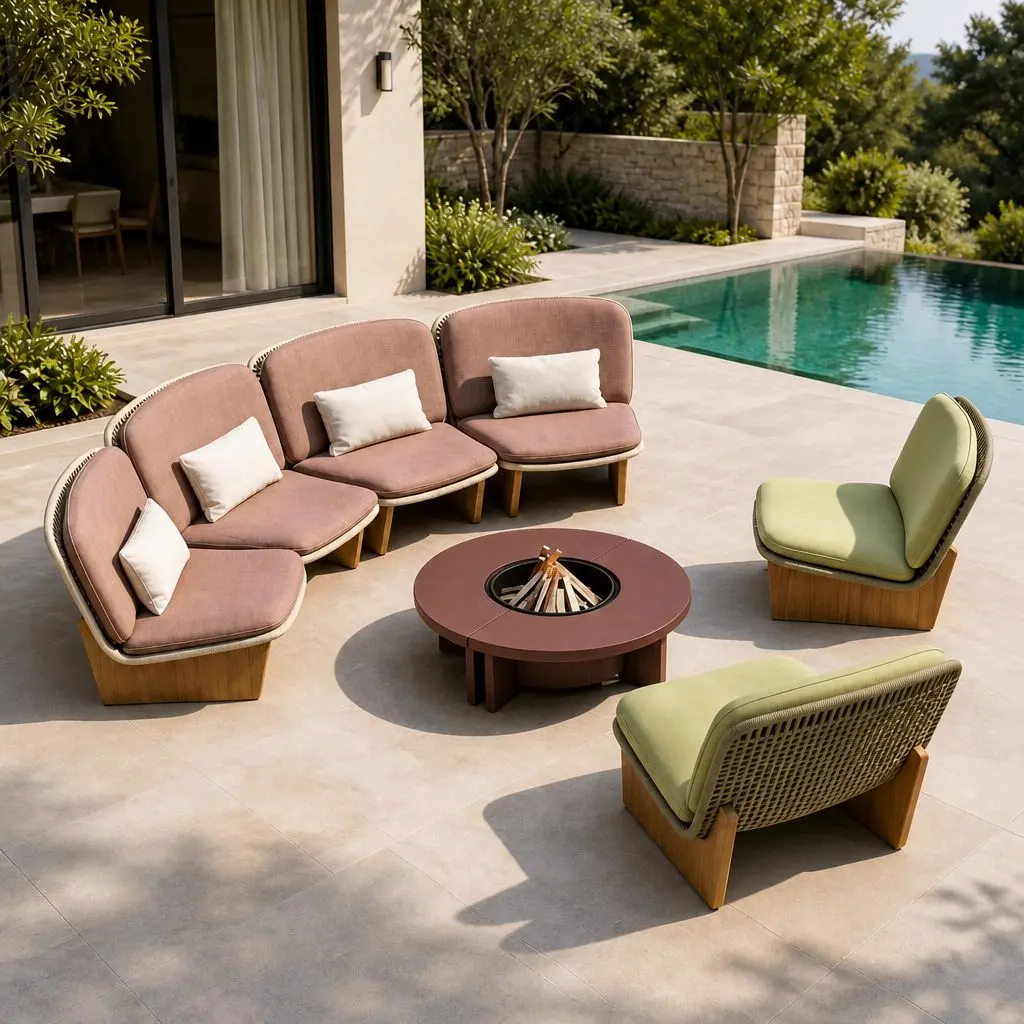
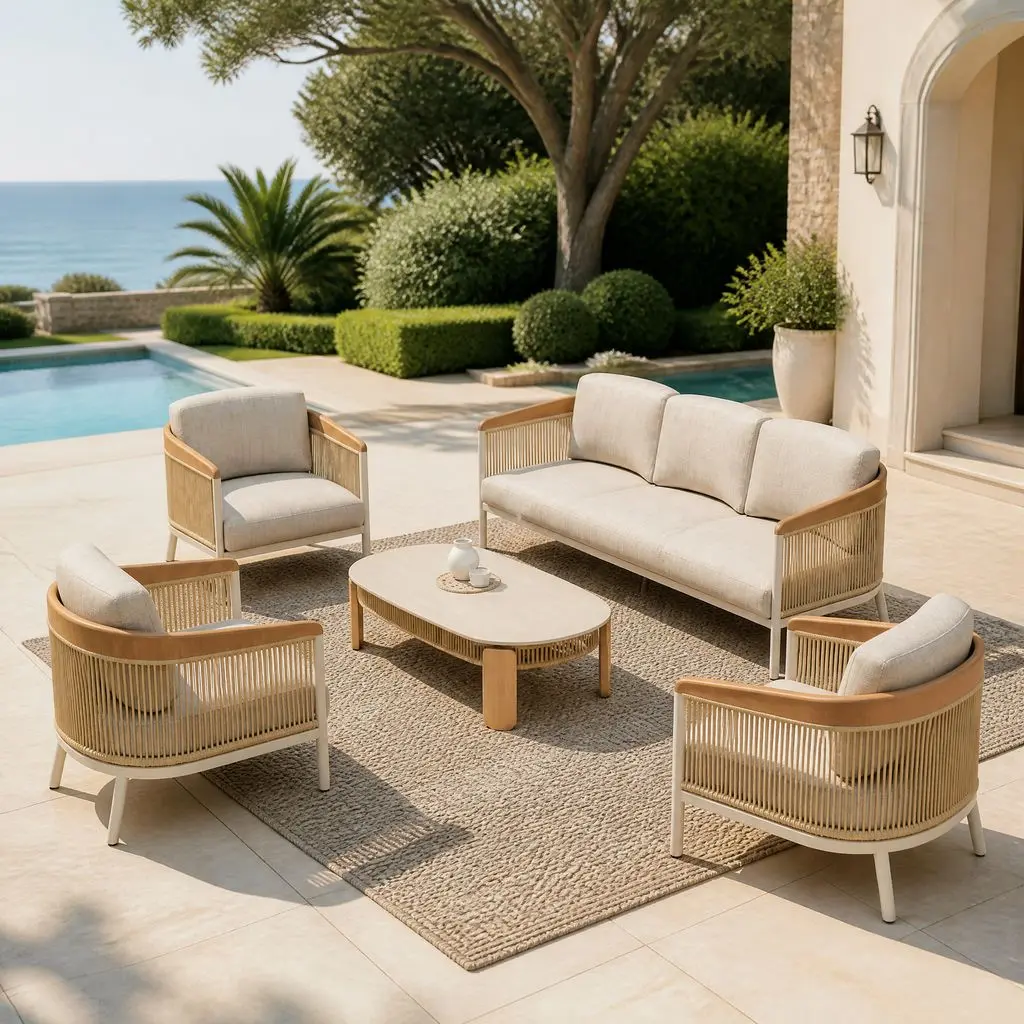
Requires weather-ready materials such as powder-coated wood-grain aluminum frames, UV-stabilized Olefin woven rope backrests, and quick-dry reticulated foam cushions wrapped in water-repellent outdoor upholstery.
Shipping fragile or fully assembled dining chairs across international ocean channels requires specialized packaging engineering. Premier wholesalers implement:
- 5-Ply Heavy-Duty Corrugated Cartons: Burst-tested for stackability during high-cube container transport.
- EPE Foam & Woven Plastic Edge Protectors: Shields high-gloss lacquered frames and delicate timber corners from transit impact.
- KD (Knock-Down) vs. Fully Assembled (FA) Optimization: Engineered frame structures that maximize CBM (Cubic Meter) utilization, increasing shipping density by up to 120% per 40ft HQ container.
As a verified leader in whole-house and contract commercial furniture manufacturing, Foshan Qingyumai Technology Co., Ltd. operates under strict quality management systems aligned with international trade standards.
Dedicated QC engineers perform multi-stage inspections: timber moisture checking (8-12% target), raw frame load testing, stitching tension audits, and final lacquer finish thickness calibration.
All materials can be customized to comply with regional flame retardancy laws including US CAL 133 / CAL 117 and UK BS 5852 (Crib 5), complete with lab-certified test documentation for local building inspections.
From initial CAD shop drawings and 3D rendering to sample fabrication, container consolidation, and post-installation warranty support, Qingyumai offers global buyers a seamless OEM/ODM partnership.
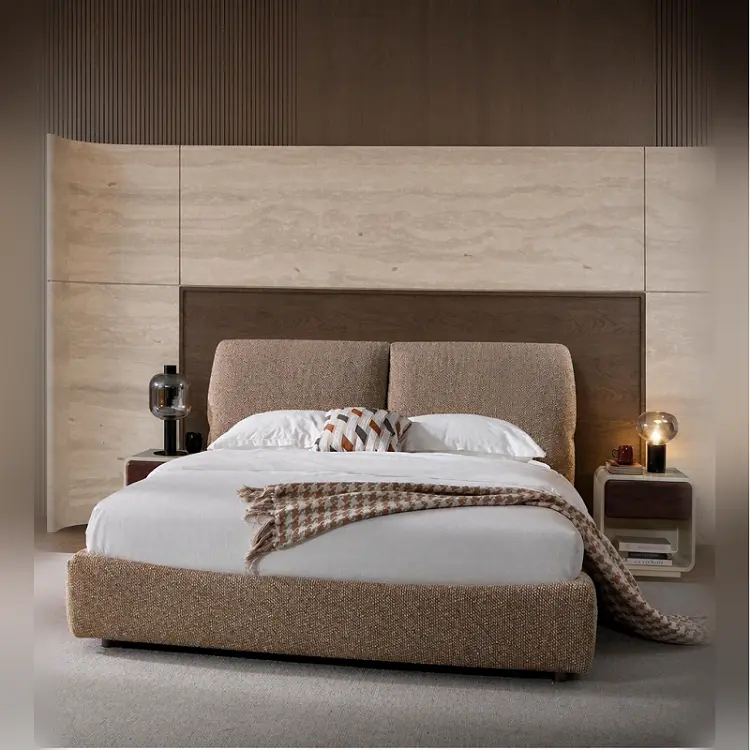
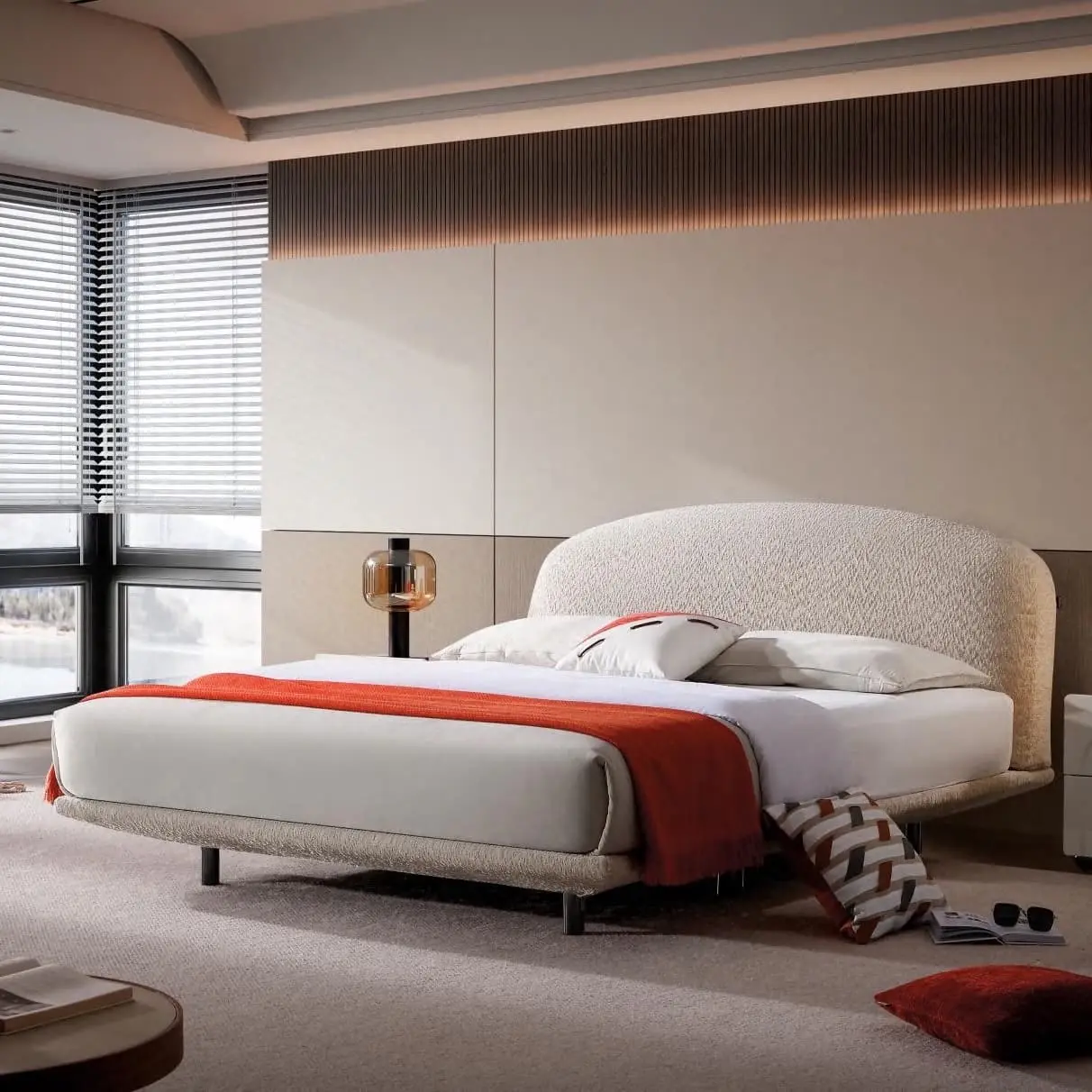
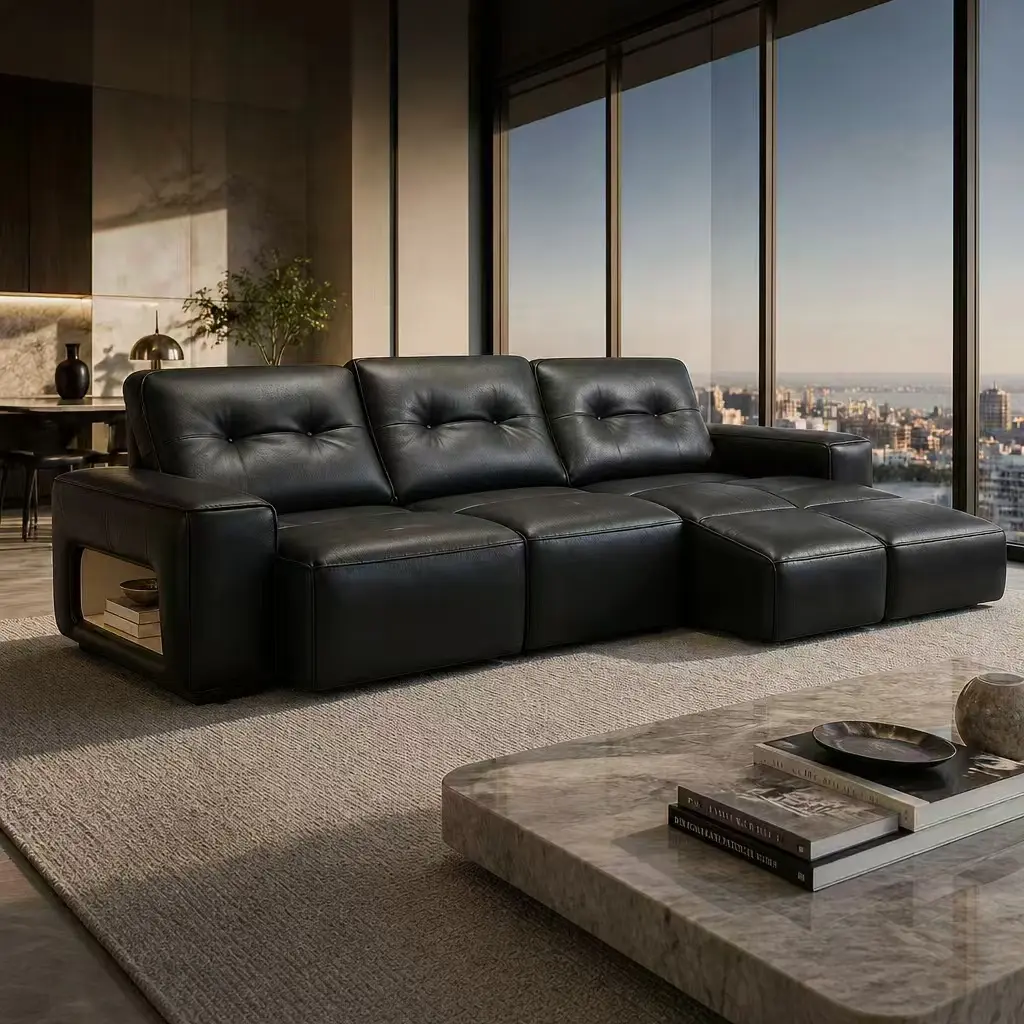
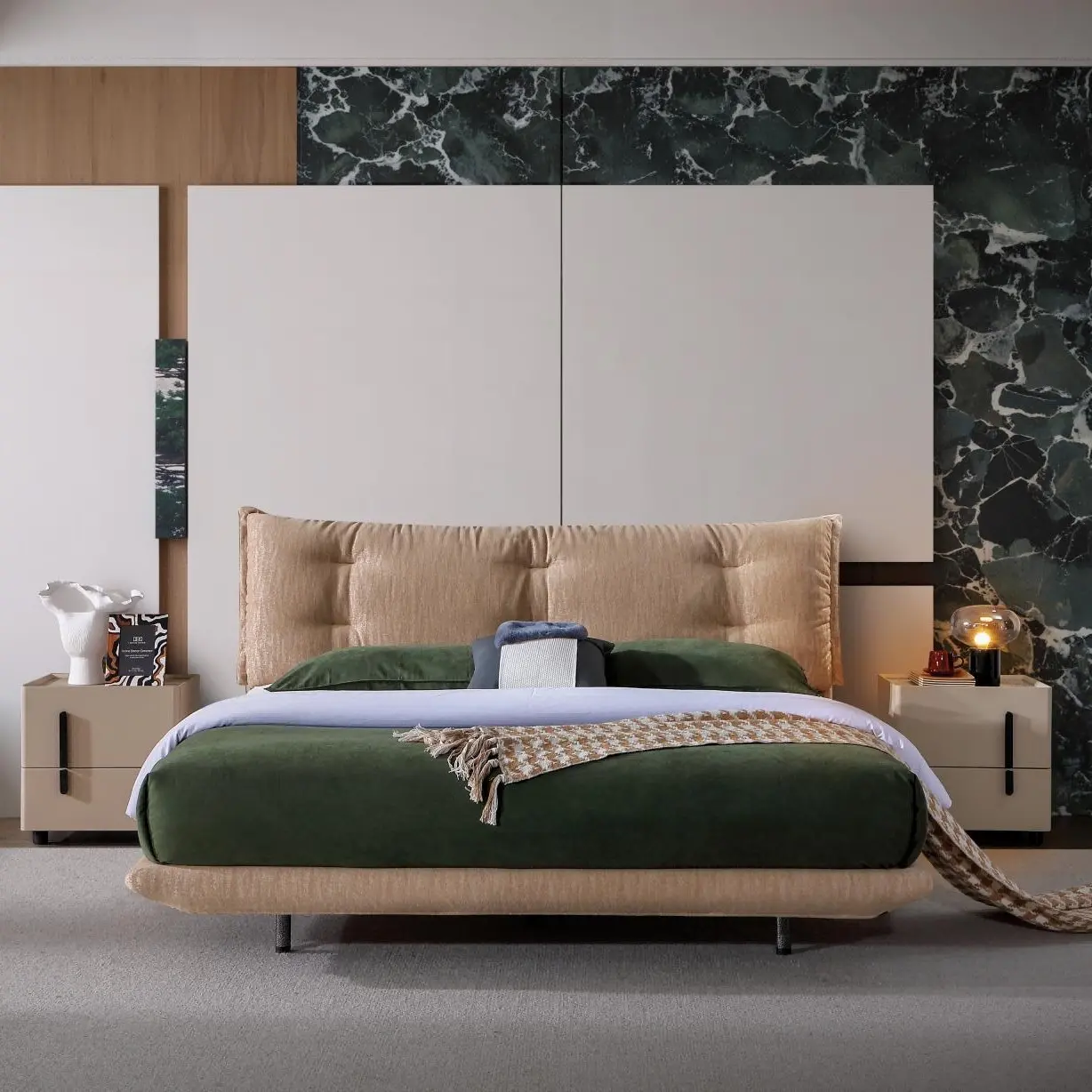
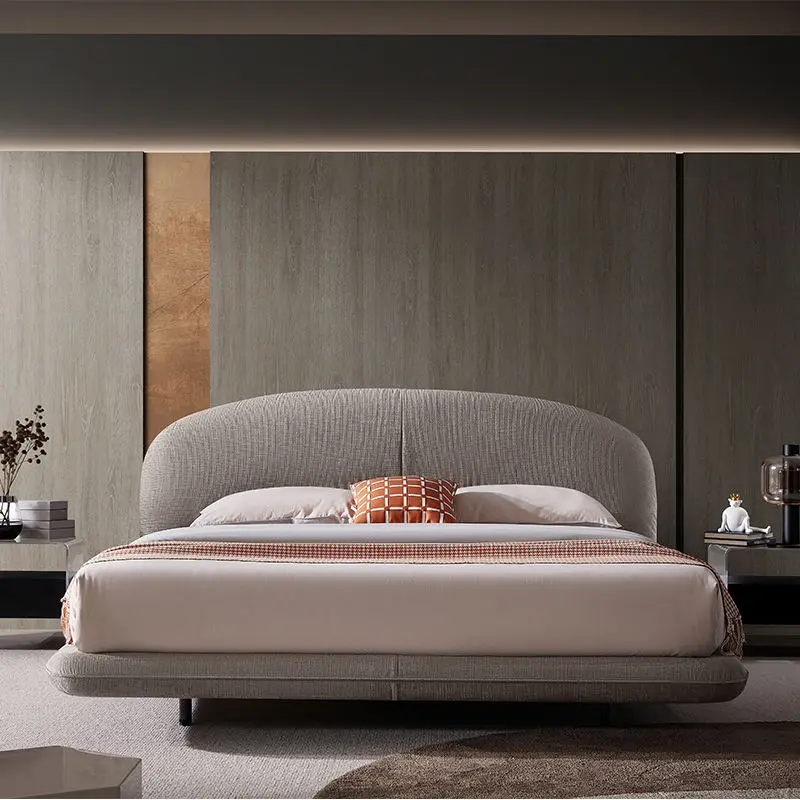
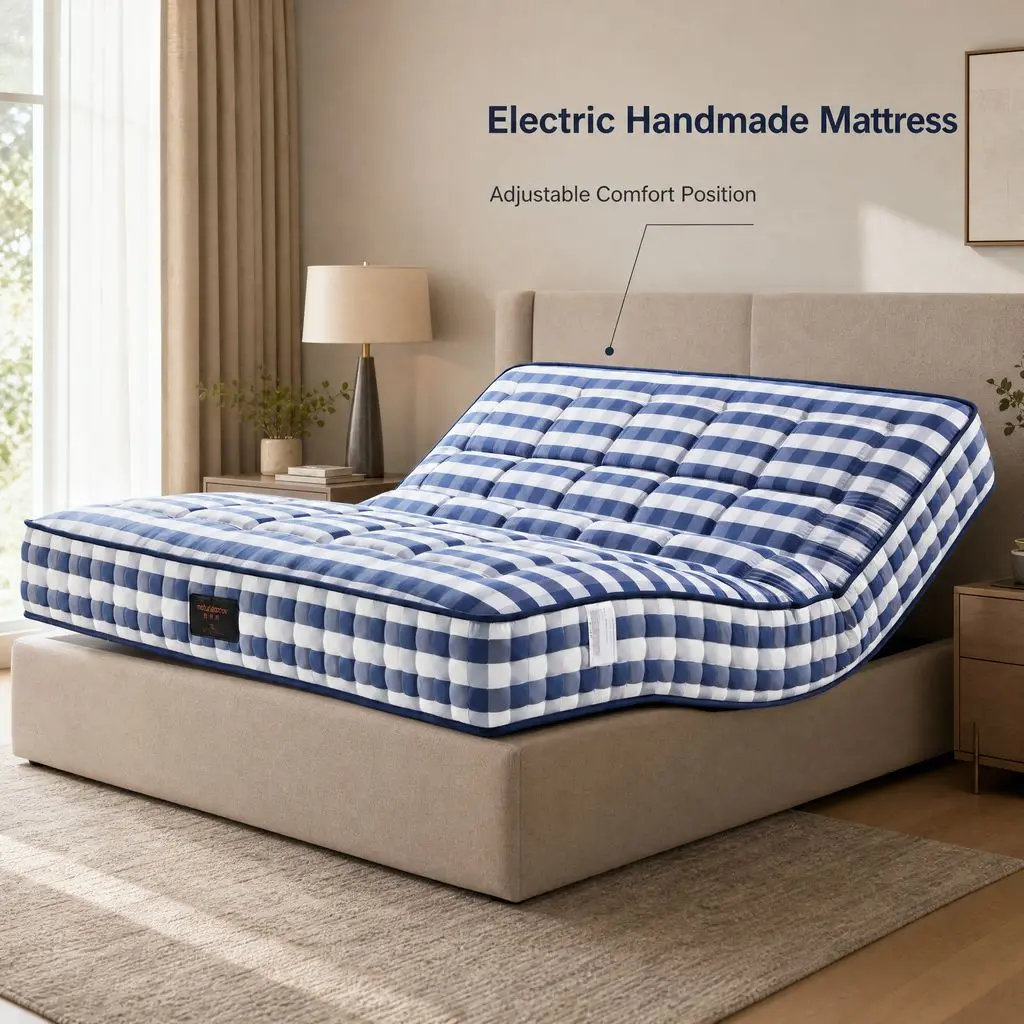
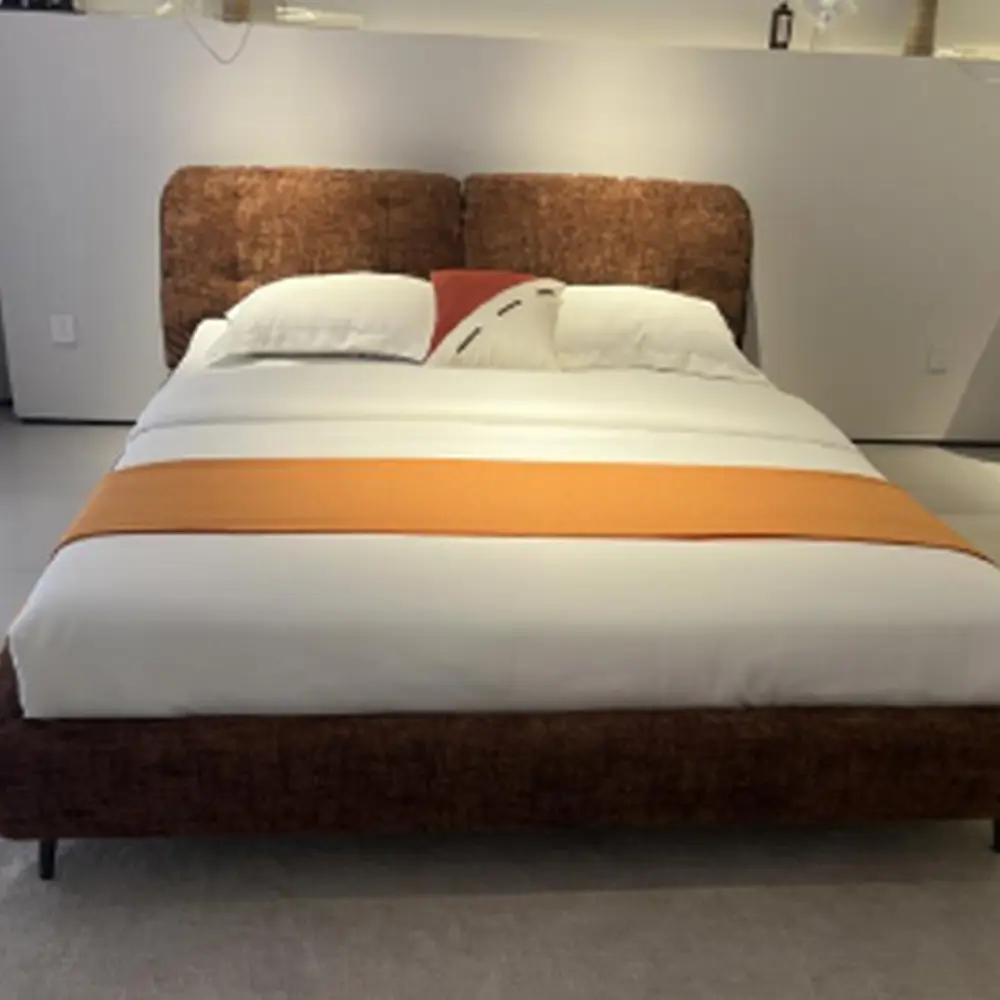
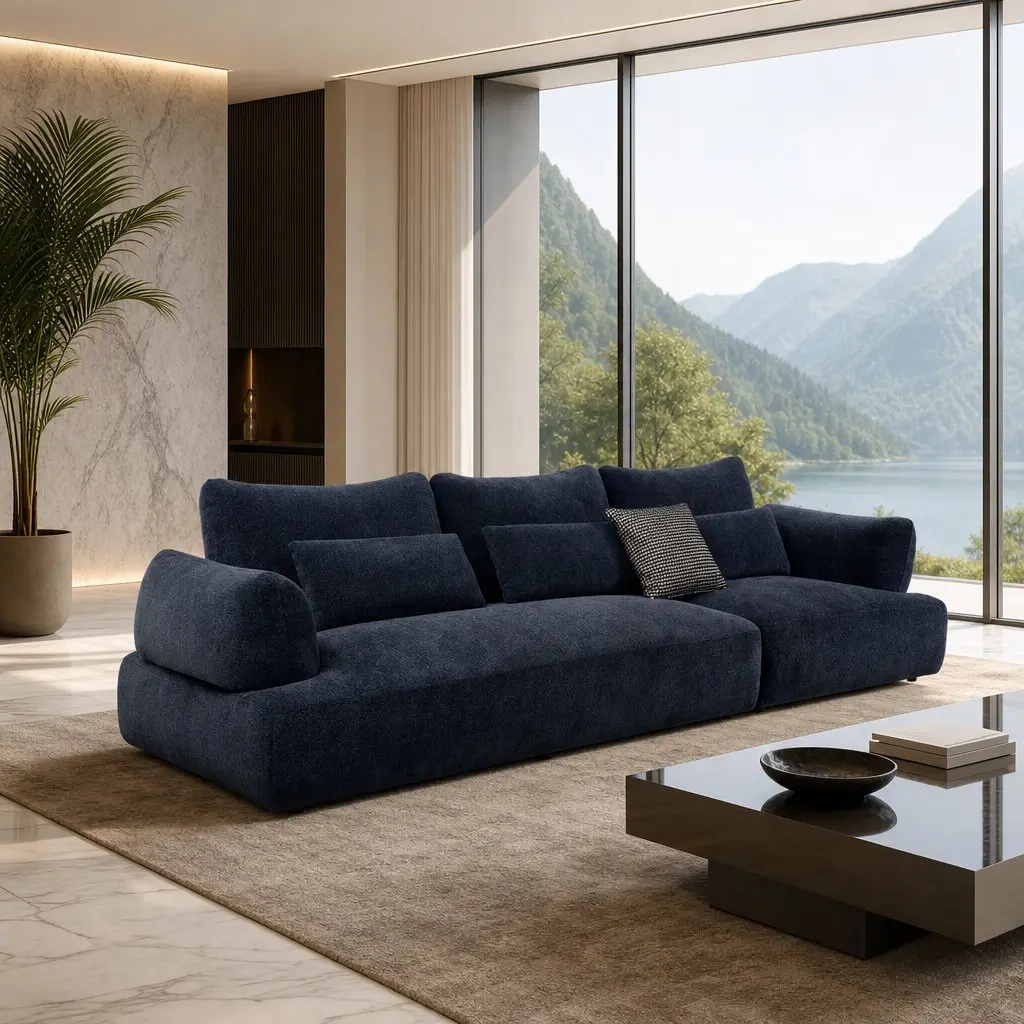
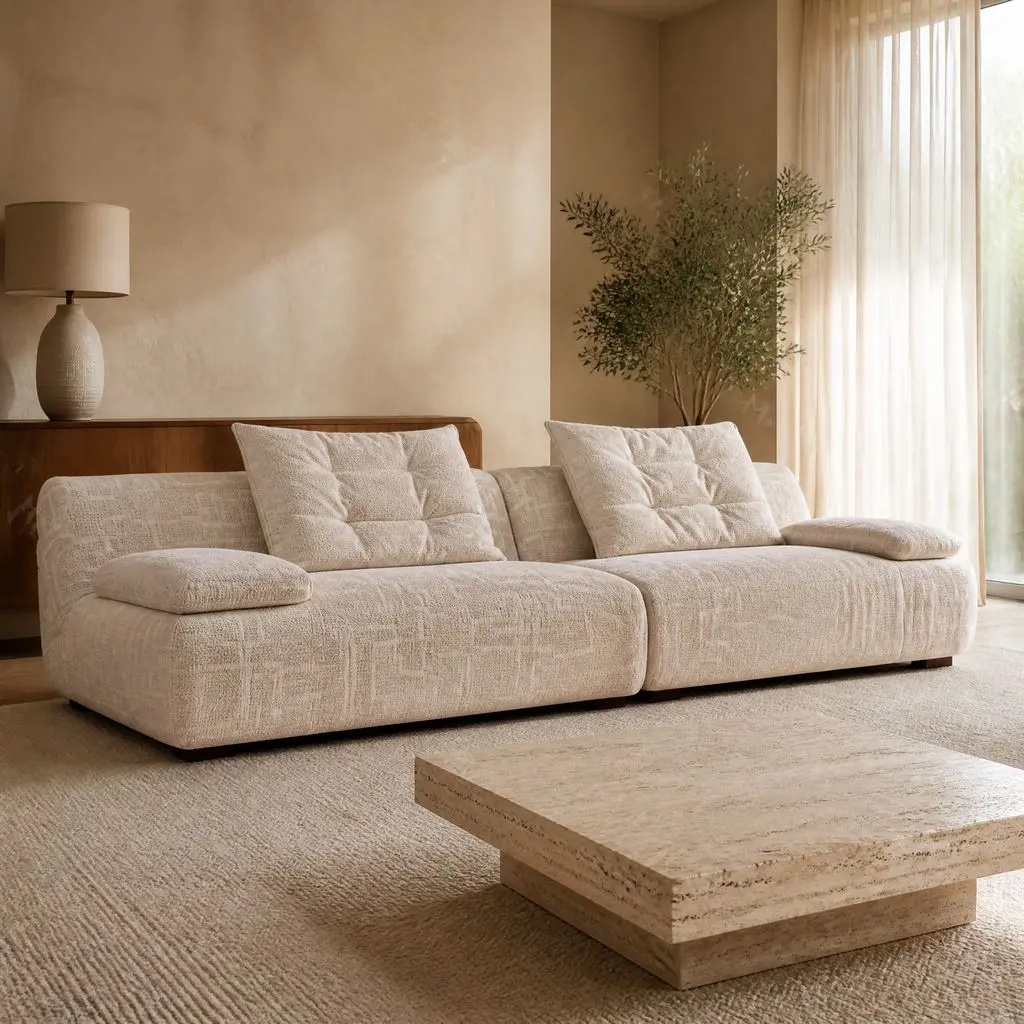
Integrate your dining furniture procurement with matching living room, bedroom, outdoor, and hotel project collections under one single purchase order.
In-depth technical answers addressing common operational, legal, and manufacturing inquiries from international furniture specifiers and wholesalers.
Our standard factory MOQ for custom timber or metal dining chairs starts at 30 to 50 units per design configuration. For standard catalog items or mixed whole-house furniture orders (combining sofas, beds, dining sets, and outdoor items), we offer flexible container consolidation without strict single-item volume barriers.
Structural reliability is enforced through precision engineering. Frames utilize kiln-dried hardwood (Ash, Beech, or Larch) with moisture levels strictly calibrated to 8%-12% to prevent cracking or warping. Joints are built using traditional 5-axis CNC mortise and tenon construction, reinforced with structural metal corner brackets, dowel pins, and industrial PVA adhesives. Every chair design undergoes static load (>350 kg) and dynamic backrest fatigue testing compliant with ANSI/BIFMA X5.1 standards.
Yes. We routinely manufacture contract furniture using fire-retardant materials certified to California Technical Bulletin 133 (CAL 133), CAL 117, British Standard BS 5852 (Crib 5), and European EN 1021 Part 1 & 2. Both cold-cure molded foam and upholstery fabrics are treated and supplied with official test documentation for local building control and fire marshal sign-off.
We provide comprehensive 4D customization: 1) Dimensions (seat height, frame width, armrest clearance); 2) Frame Materials & Finishes (solid ash, oak, smoked walnut finish, titanium PVD steel, wood-grain aluminum); 3) Upholstery (microfiber Napa leather, commercial grade velvet, cotton-linen, stain-resistant Olefin, COM - Customer's Own Material); 4) Private Labeling (woven tags, heat-embossed logos, custom brand packaging).
Bespoke physical samples are produced within 7 to 14 days following CAD shop drawing confirmation. Mass production lead times range from 25 to 35 days depending on material specifications and container volume. Accelerated project delivery tracks are available for urgent hotel and restaurant opening dates.
Our logistics team utilizes specialized 3D container loading software to calculate precise volumetric placement. Soft goods (such as upholstered beds and sectional sofa modules) are paired with dining chairs and casegoods to maximize space utilization, reducing per-unit ocean freight costs while protecting items using multi-layer corner guards and heavy-duty 5-ply cartons.
Foshan Qingyumai Technology Co., Ltd. serves global furniture importers, hospitality procurement teams, property developers, and interior design firms. With over 10 years of export excellence and 100+ original design patents, we deliver uncompromised quality, competitive factory-direct pricing, and comprehensive project execution.