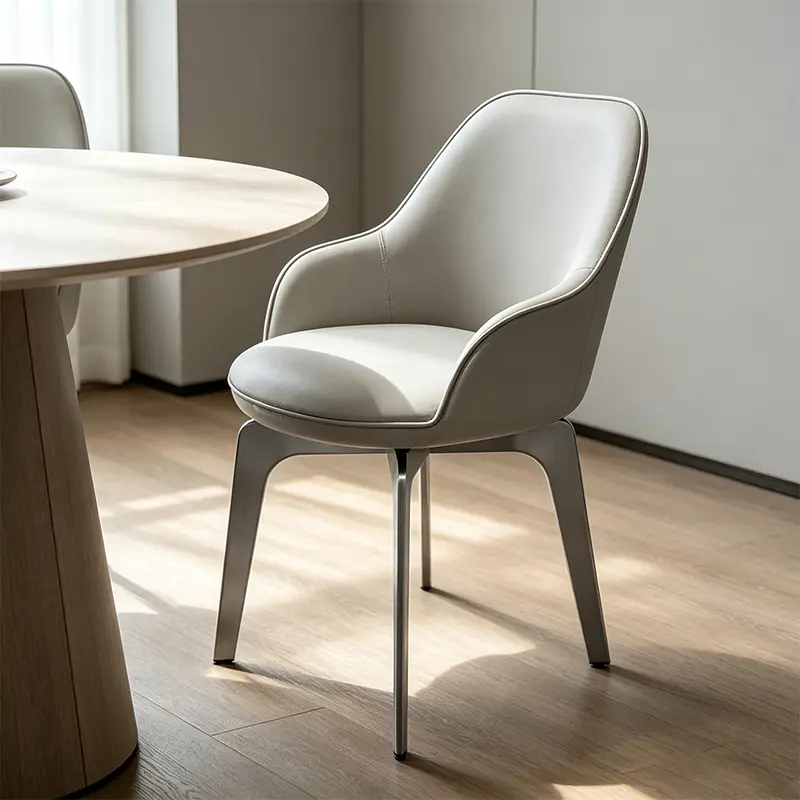
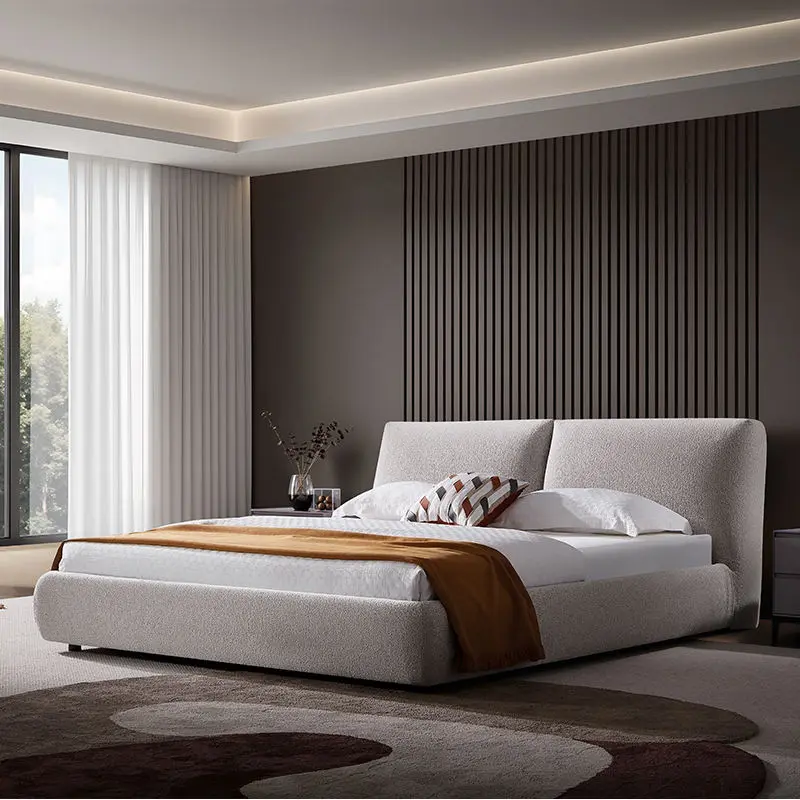
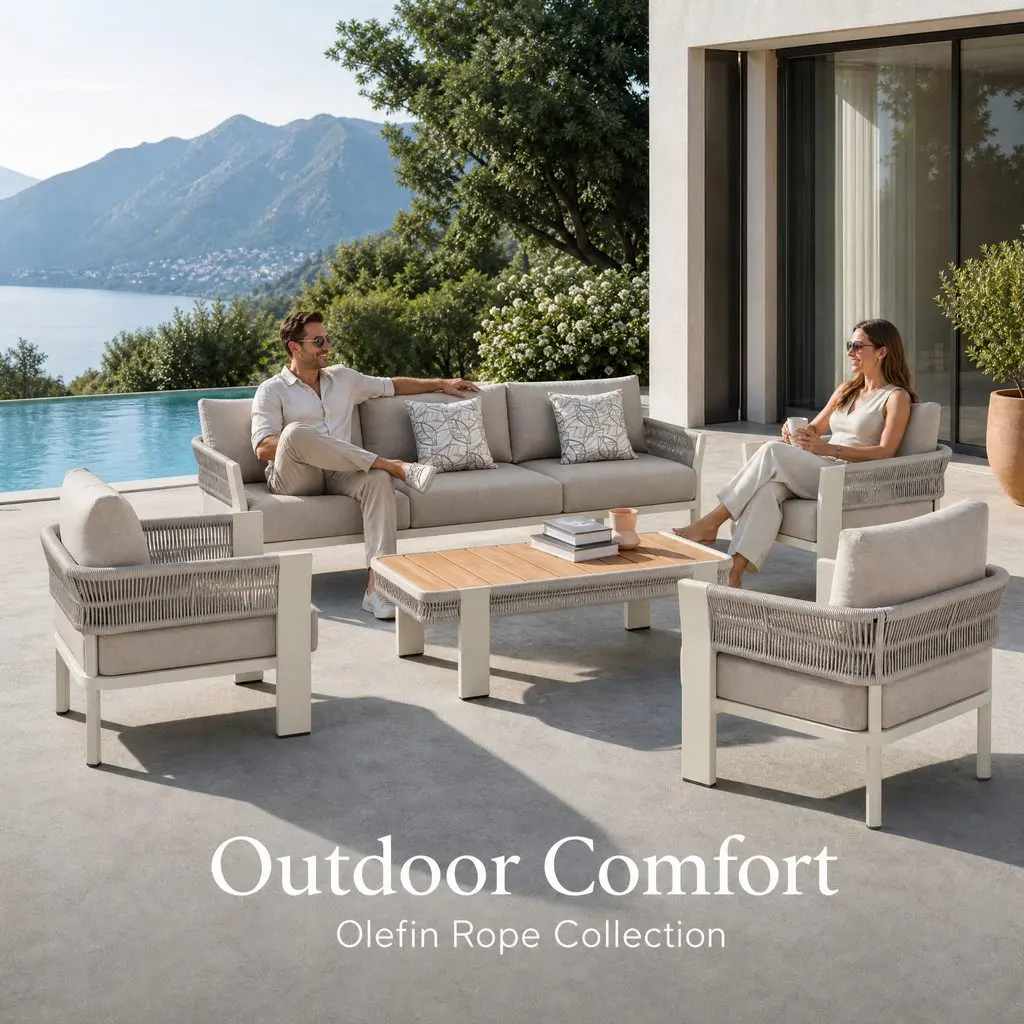
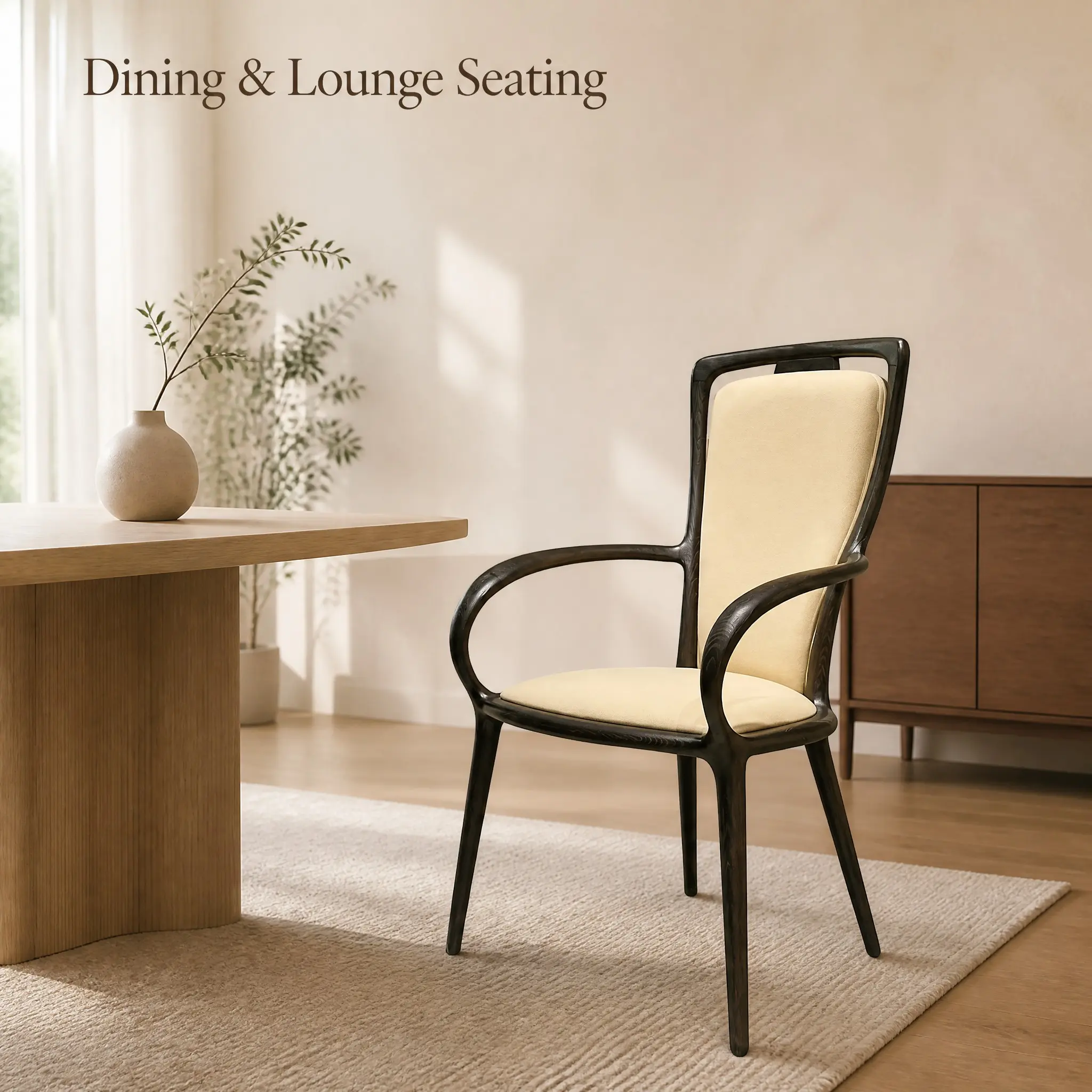
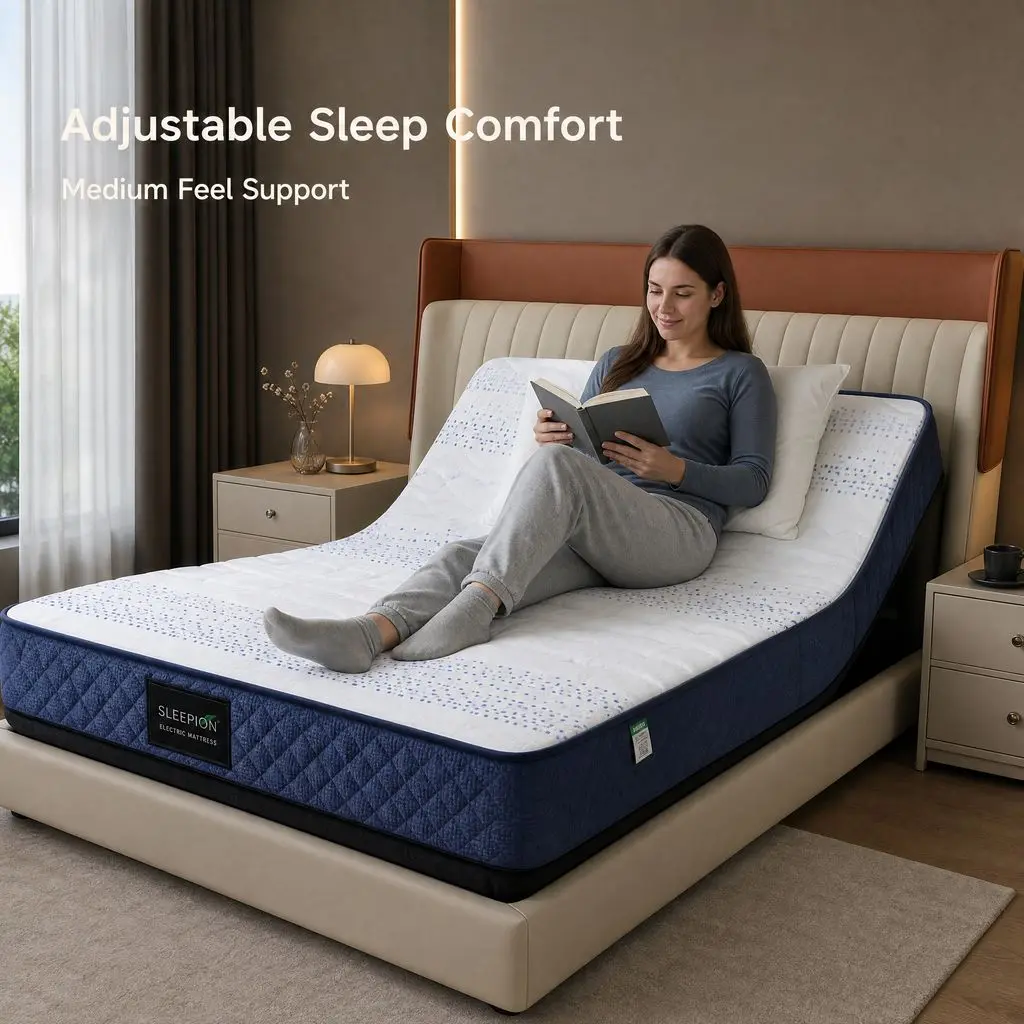
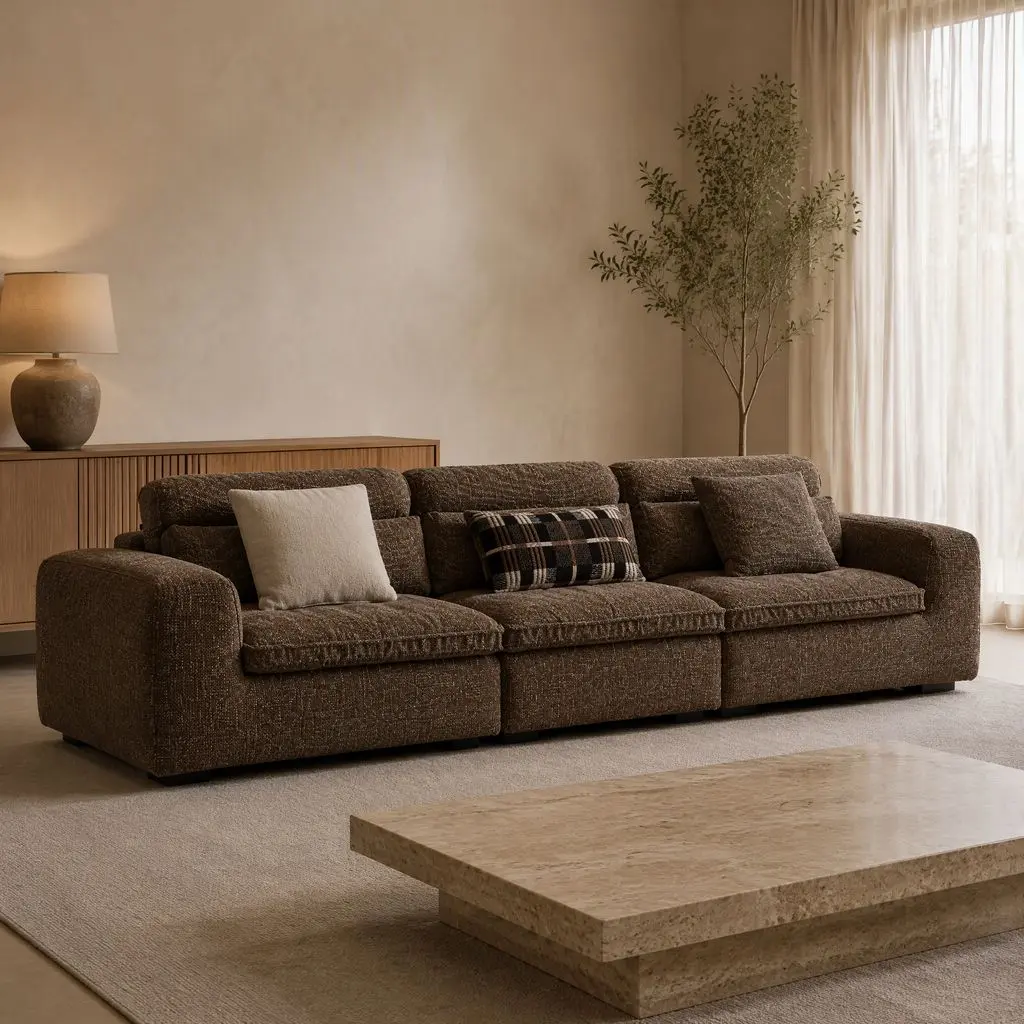
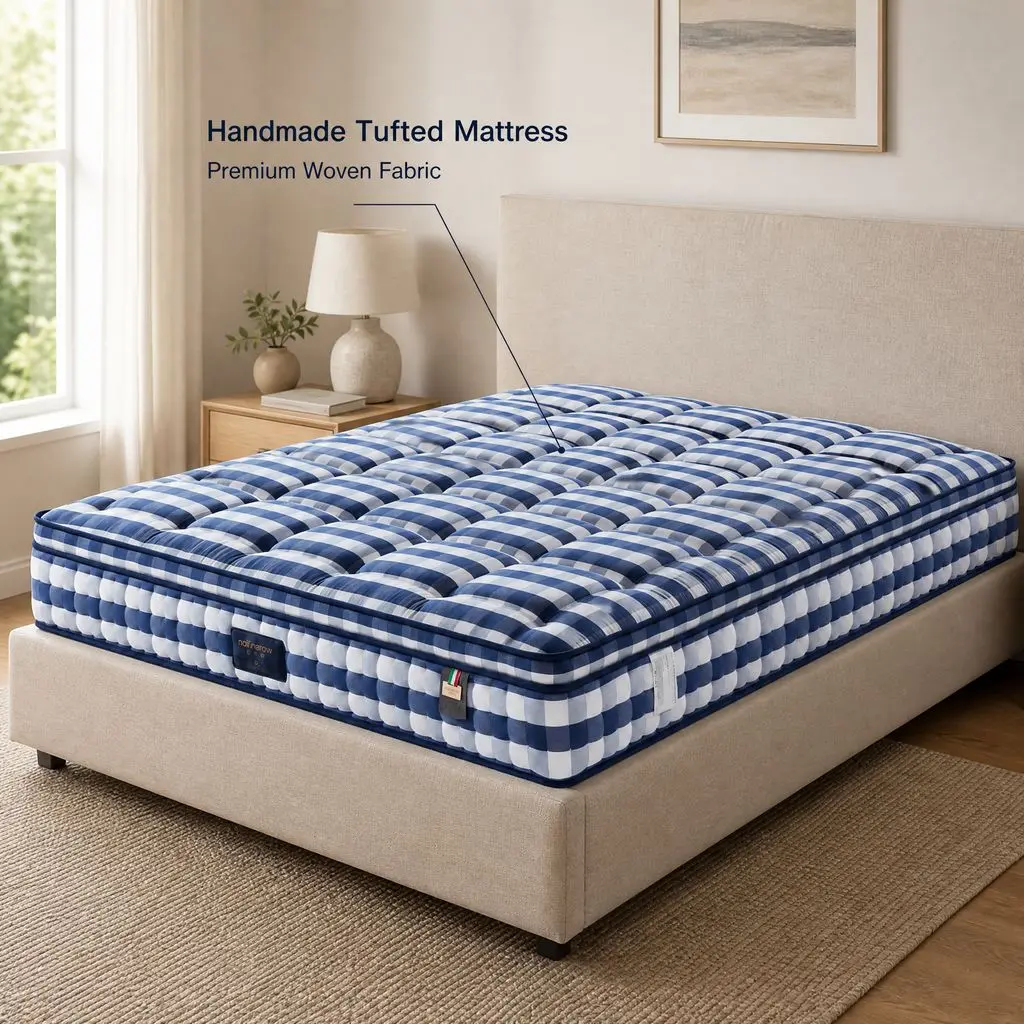
Featured OEM/ODM Product Catalog (Series I)
Explore our precision-engineered upholstered seating and whole-house furniture collections manufactured in Foshan, China. Designed for international wholesale, hotel procurement, and luxury residential projects.
Macro Industrial Context: Global Upholstered Seating Trade Dynamics
The international commercial furniture ecosystem is undergoing a fundamental structural transition. Driven by the post-pandemic resurgence of global hospitality infrastructure, high-density urbanization, and the expansion of luxury boutique food-and-beverage (F&B) environments, the market demand for premium upholstered dining chairs has reached an unprecedented peak. As of 2026, China maintains its position as the undisputed center of gravity for global furniture manufacturing, controlling over 42% of global export volume in finished dining room furniture and specialized contract seating.
Modern procurement executives, hotel FF&E (Furniture, Fixtures, & Equipment) directors, and furniture brand importers no longer evaluate Chinese manufacturers purely on labor cost arbitrages. Instead, the competitive advantage of China upholstered diningroom chairs manufacturers resides in unmatched supply chain integration, material engineering mastery, and advanced automated craftsmanship concentrated heavily in regional manufacturing epicenters such as Shunde, Foshan.
Within this macro-landscape, the definition of an "upholstered dining chair" has evolved from a static residential item into a complex, highly engineered product. Modern dining spaces require seating that reconciles tactile luxury—such as soft microfiber leather, velvet, or natural linen-cotton weaves—with rigorous industrial durability specs capable of enduring 100,000+ Martindale rub cycles in heavy commercial environments.
Structural Ergonomics, Timber Chemistry & Material Engineering
Engineering a commercial-grade upholstered chair requires an interdisciplinary approach spanning biomechanics, wood science, polymer chemistry, and textile engineering. Leading Chinese manufacturers leverage state-of-the-art material testing to guarantee that structural integrity is maintained across diverse climate zones and loading conditions.
1. Kiln-Dried Hardwood Frameworks
The foundation of high-end dining chairs utilizes solid smoked white ash, FAS-grade North American walnut, or Russian larch. Timbers undergo computer-controlled vacuum kiln drying to reduce internal moisture content to 8% - 10%. This eliminates structural warping, fiber splitting, and joint looseness when shipped across varying international humidity zones.
2. High-Resilience Polyurethane Foams
Seat cushions feature cold-cure molded high-resilience (HR) polyurethane foams with a density rating of 45kg/m³ to 55kg/m³. This configuration achieves superior SAG factor ratings (compression modulus), preventing the bottoming-out effect while providing gentle ergonomic pelvic tilt alignment during prolonged multi-course dining experiences.
3. Advanced Textile & Leather Matrices
Upholstery options encompass top-layer aniline cowhide, ultra-durable coffee microfiber leathers, and stain-resistant linen-cotton weaves. All textiles are treated with nanotech fluorocarbon coatings for oil and water repellency while adhering to stringent international fire safety standards (BS5852 Crib 5 and CAL 117).
| Material Category | Technical Specification | Commercial Performance Metric | Primary Sourcing Application |
|---|---|---|---|
| Microfiber Leather | 0.8-1.2mm ultra-fine polyamide matrix | 100,000+ Martindale Rubs, Hydrolysis Resistant (5-7 Yrs) | Boutique Cafes, High-Traffic Restaurants |
| Smoked White Ash Wood | Kiln-dried, 8-10% Moisture Content | Tensile Strength: 110 MPa, High Shock Resistance | Luxury Armchairs, Tub Dining Chairs |
| Titanium-Plated Steel | PVD Vacuum Ion Titanium Plating | Salt Spray Test > 72 Hours (Corrosion Proof) | 360° Swivel Bases, Light Luxury Frames |
| Linen-Cotton Blends | High-density Jacquard weave + Nanotech film | Pilling Resistance Grade 4-5, Stain Repellent | Residential Dining, Executive Boardrooms |
Localized Application Scenarios & Global Spatial Integration
Upholstered dining seating does not exist in isolation; it must harmonize with distinct regional architectural typologies, cultural dining rituals, and commercial operational demand profiles.
High-End Hospitality & Star Hotels
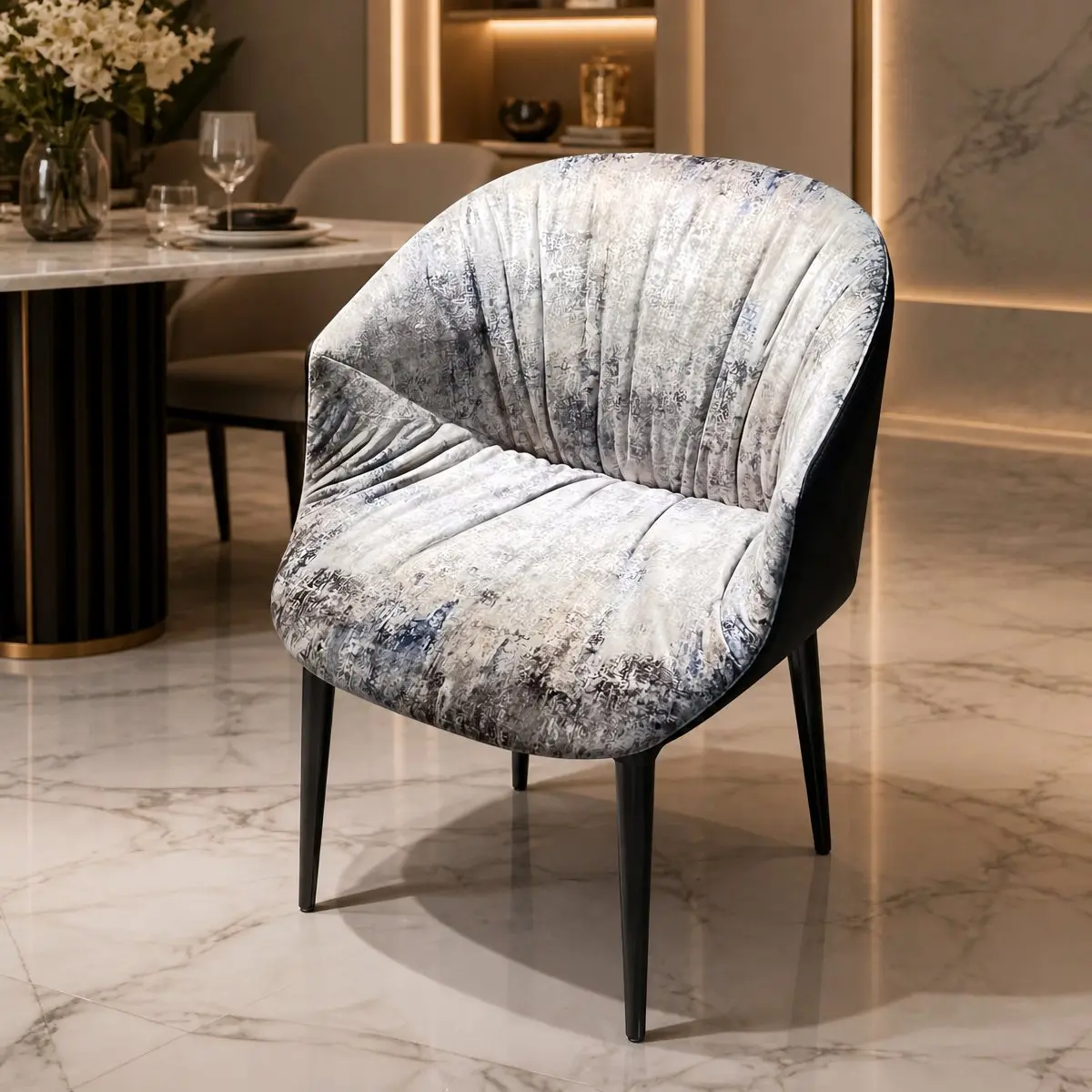
In 5-star hotel banquet halls and Michelin-starred dining rooms, acoustics and continuous comfort are paramount. Fully upholstered tub chairs (such as the Italian Minimalist Tub Chair series) absorb ambient spatial noise while providing supportive lumbar profiles for multi-course dining sessions lasting 2-3 hours.
Urban Commercial Cafes & Bistro Chains
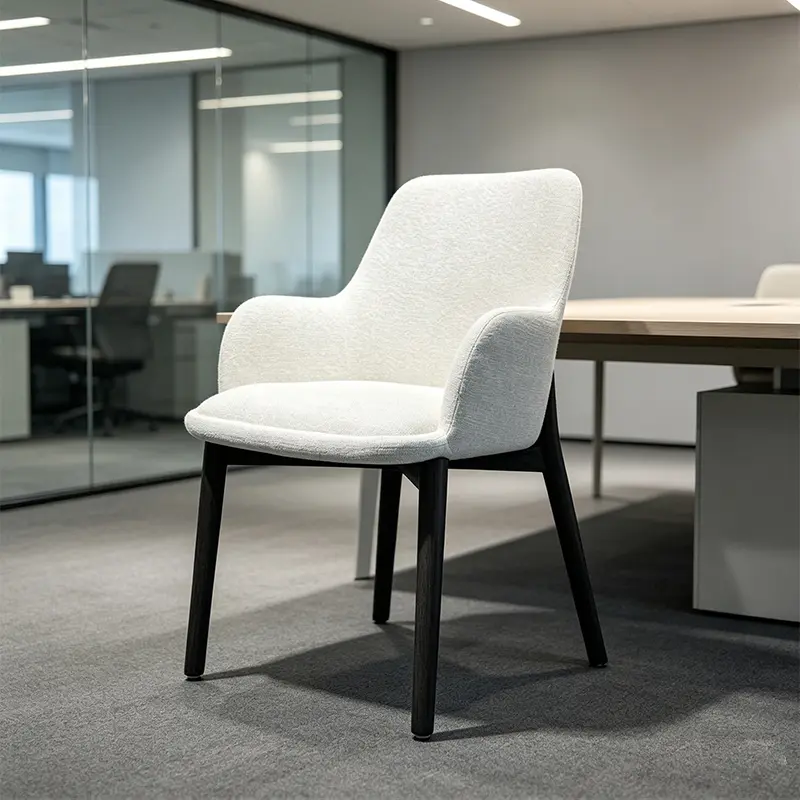
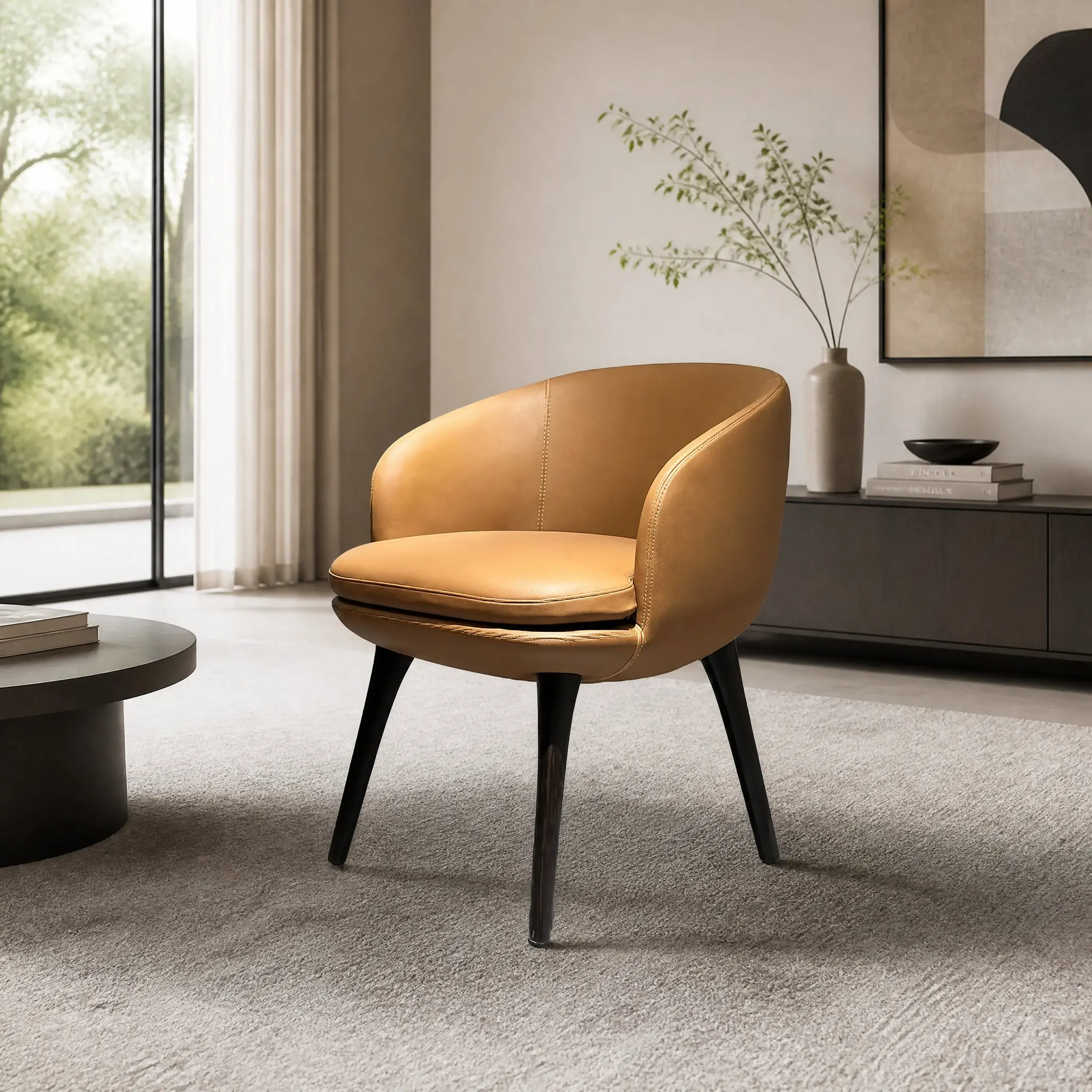
High foot-traffic urban environments require rapid turnover, easy sanitization, and compact footprints. Microfiber leather armchairs with smoked wood or steel legs offer anti-microbial surfaces that can be wiped clean with standard commercial disinfectants without degrading leather softness.
Corporate Boardrooms & Executive Suites
Modern corporate workspaces demand flexible multi-functional furniture. 360-degree rotatable swivel dining chairs integrated with grey-titanium plated frames bridge the gap between formal meeting spaces and executive dining suites, combining corporate prestige with kinetic freedom.
Luxury Multi-Family & Villa Real Estate
High-end real estate developers sourcing turnkey furniture solutions require cohesive aesthetic narratives. Matching natural white ash frames with soft-touch neutral velvet or linen upholstery allows seamless transitions between open-concept dining areas, living spaces, and master suites.
The Foshan Manufacturing Advantage & Technology Roadmap (2026-2030)
Located in Shunde District, Foshan, companies like Foshan Qingyumai Technology Co., Ltd. represent the modern evolution of Chinese furniture manufacturing. By combining aggregate manufacturing logistics with proprietary original design patents, Foshan factories deliver significant operational synergies:
Automated CNC Precision Woodworking
5-axis CNC routers cut wood frames to sub-millimeter tolerances. Precision mortise-and-tenon jointing eliminates reliance on manual gluing, dramatically reducing structural failure rates under commercial stress loading.
Robotic Fabric Cutting & Digital Nesting
Computerized laser pattern nesting optimizes textile yield by up to 14% while guaranteeing pattern symmetry across complex curved backrests and tufted armrests.
Eco-Friendly Waterborne Finishing
Transitioning from solvent paints to ultra-low VOC, UV-curable waterborne wood coatings ensures compliance with European REACH and GREENGUARD Gold indoor air quality standardizations.
Industrial Technology Roadmap: The Next Era of Seating
3D body-mapping pressure sensors customize internal foam density profiles for bespoke commercial orders.
Adoption of 100% bio-based polyurethane foams derived from plant starches and ocean-recycled textile polymers.
Embedded micro-thermoelectric modules providing discreet seat temperature regulation for luxury outdoor and indoor dining.
Macro Industry Solutions for Global Procurement Leaders
International furniture procurement often suffers from supply chain fragmentation—coordinating wood frame manufacturers, fabric mills, custom metal shops, and packing facilities separately leads to cost overruns, quality mismatches, and delayed container loading. Qingyumai eliminates these bottlenecks through an integrated macro-solution framework:
1. Unified FF&E Single-PO Architecture
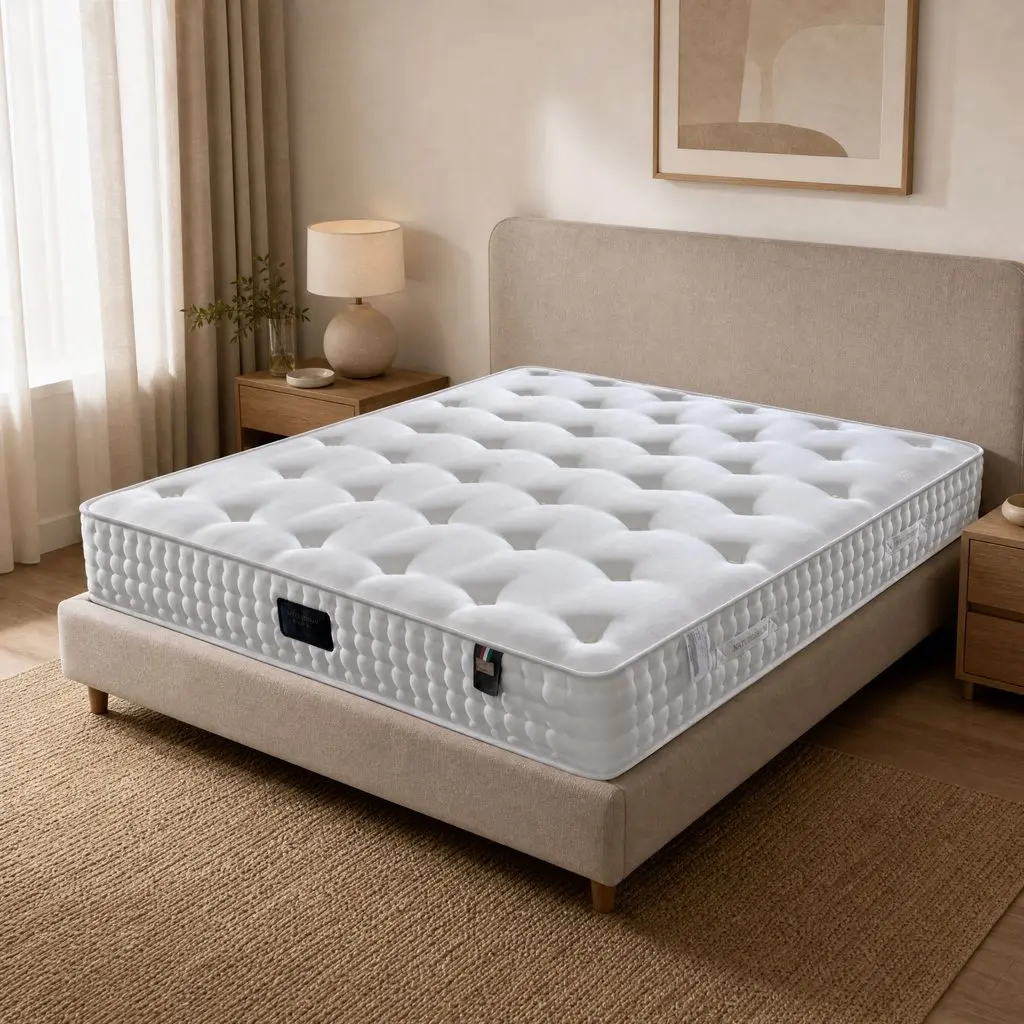
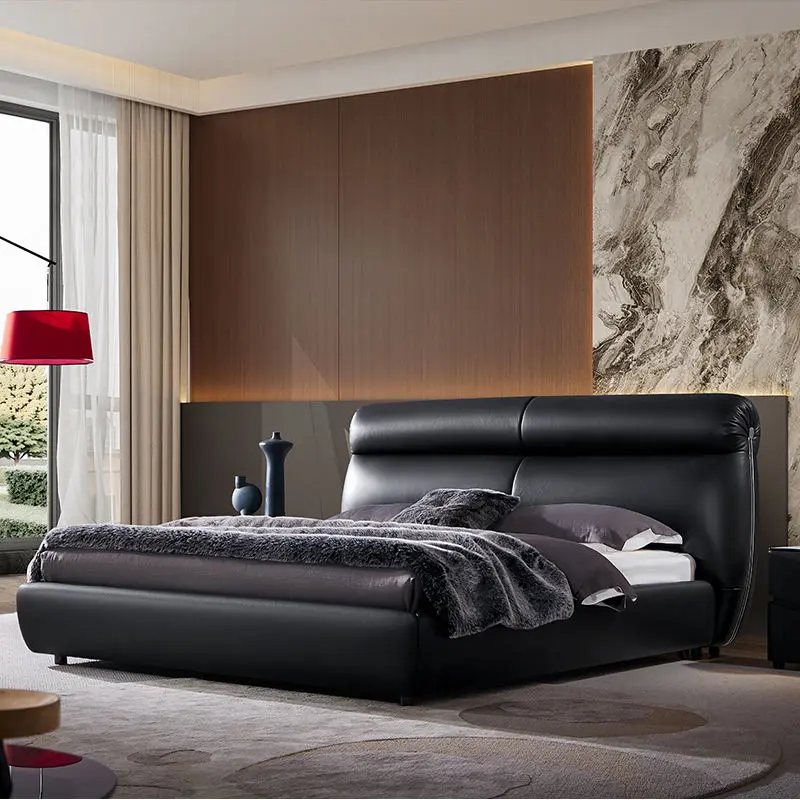
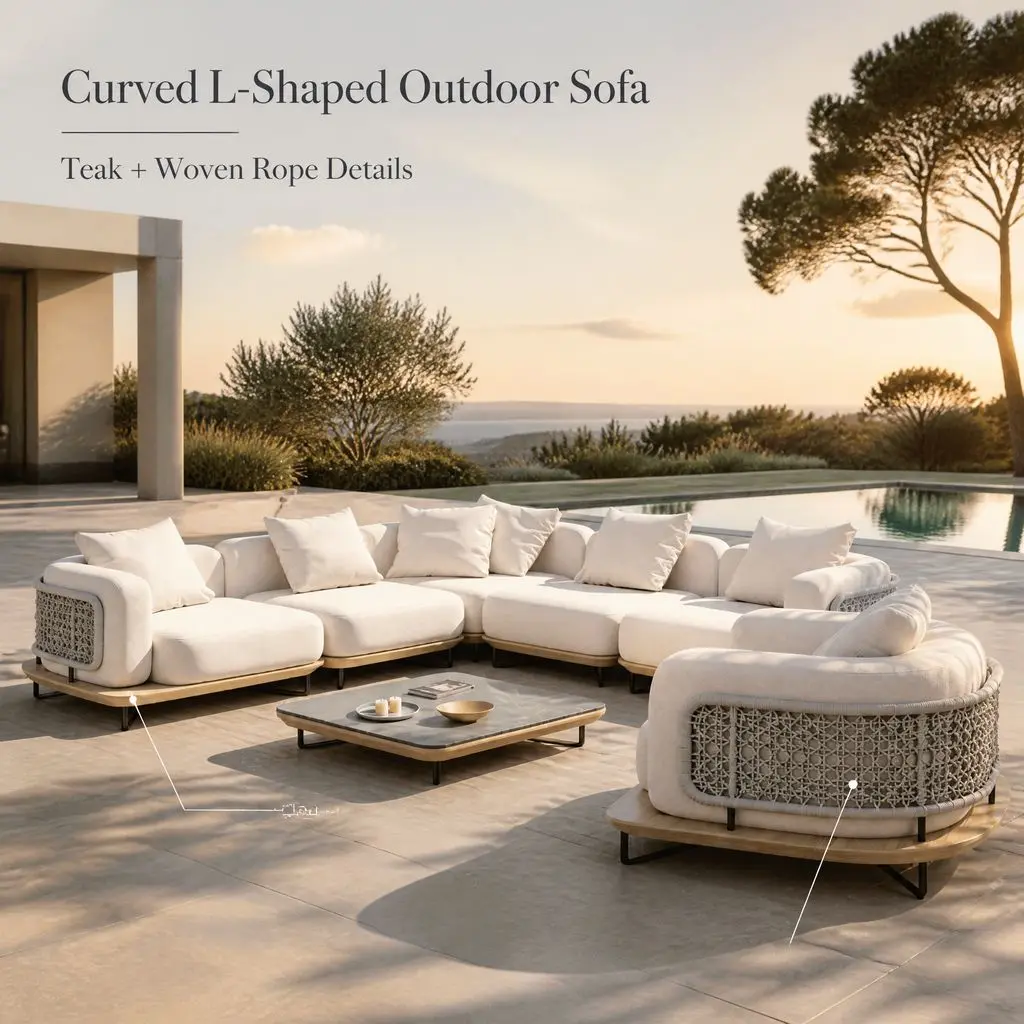
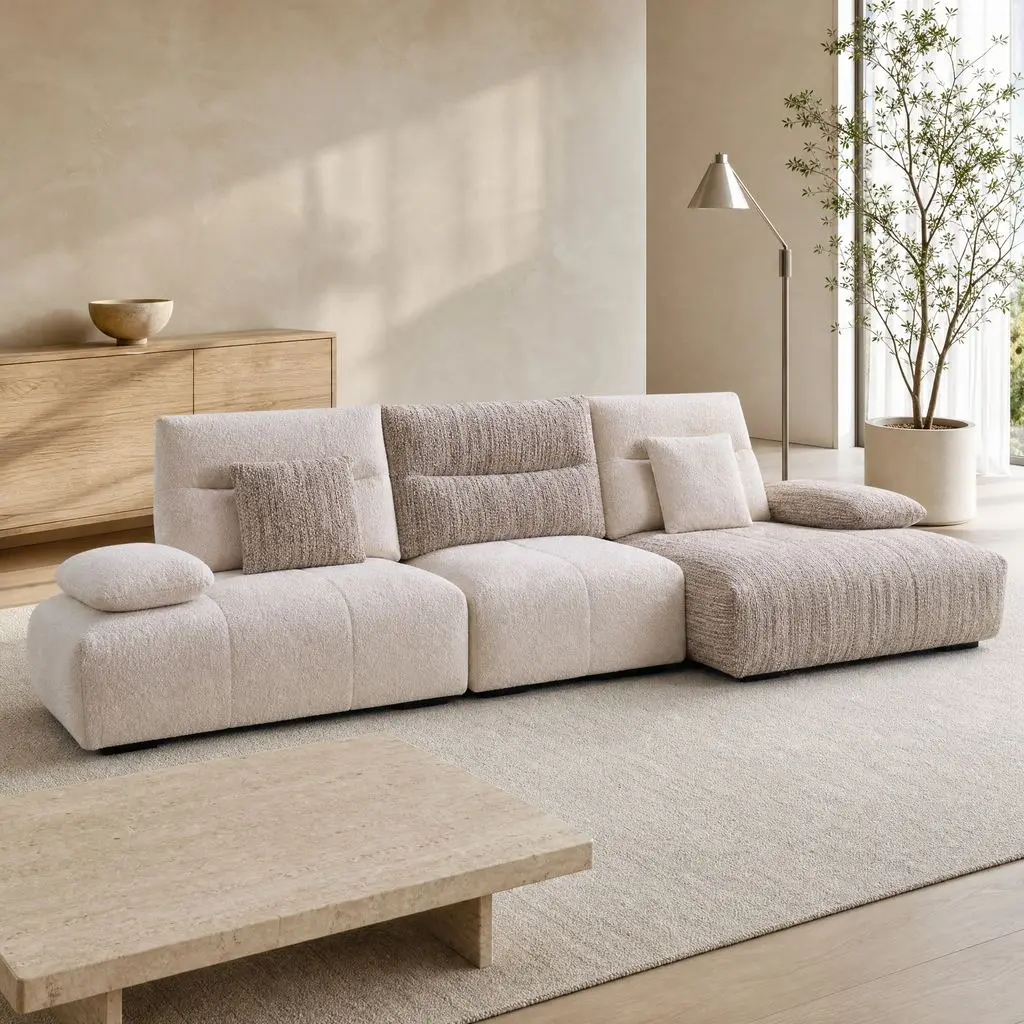
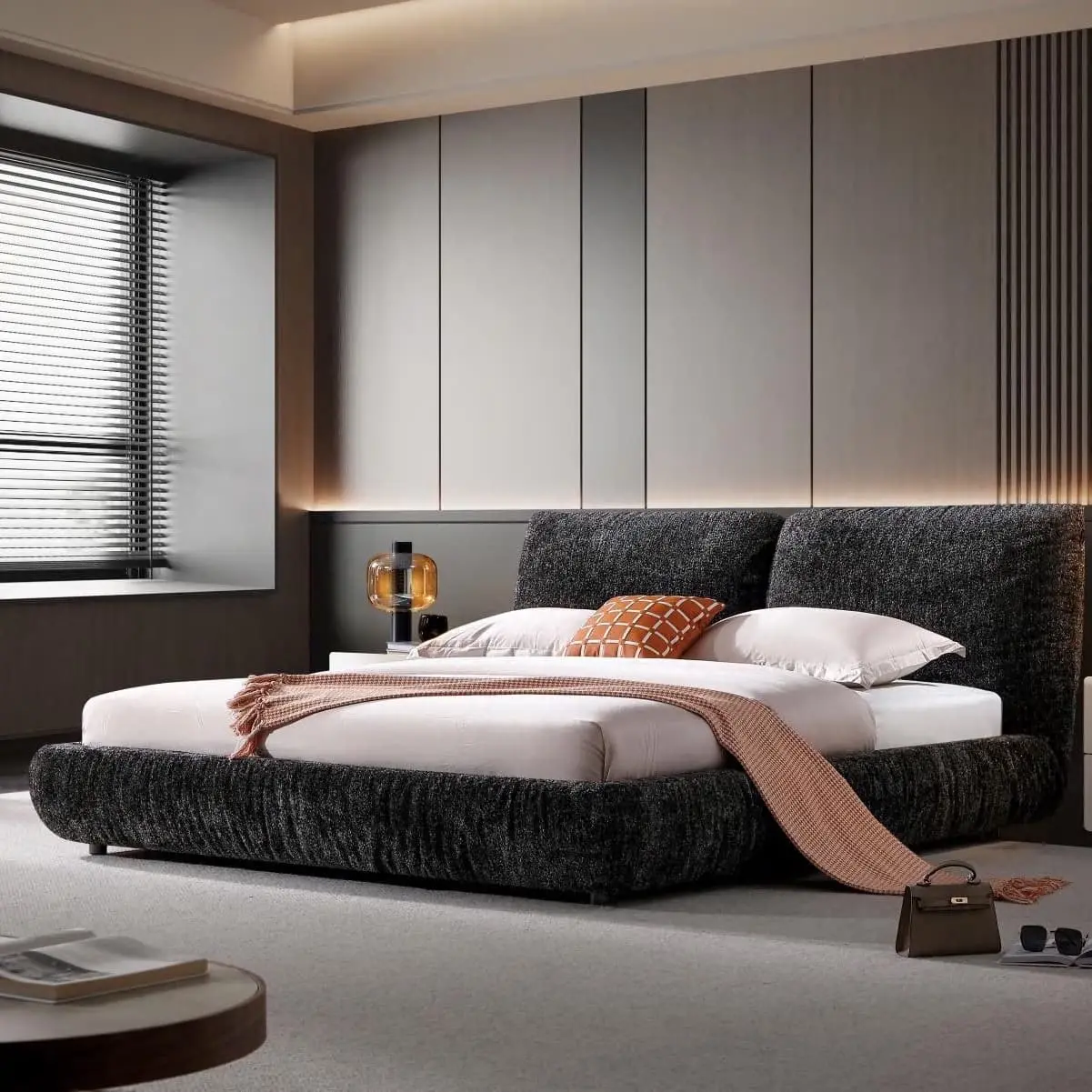
Procure living room sofas, bedroom upholstered bed frames, handmade pocket spring mattresses, and dining room seating under one purchase order, one unified QC standard, and one synchronized production schedule.
2. Container Space Optimization
Advanced 3D CAD container packing software calculates exact cubic meterage (CBM) utilization. Knock-down (KD) chair leg structures and stackable shell geometries reduce ocean freight costs per unit by up to 28%.
3. Multi-Layer Export Crating
All upholstered items are wrapped in non-woven dust covers, reinforced with corner edge protectors, sealed in heavy-duty polyethylene barrier bags, and packed into 5-ply corrugated export cartons to prevent moisture ingress or transit abrasion during sea transit.
Frequently Asked Technical & Procurement Questions (FAQ)
Essential answers for importers, project contractors, and furniture brand managers sourcing upholstered dining seating from China.
How do Chinese manufacturers guarantee frame structural durability for high-traffic commercial venues?
What are the minimum order quantities (MOQ) and lead times for OEM custom upholstery orders?
Which international fire retardancy certifications can be provided for hotel project orders?
What is the difference between microfiber leather and real genuine leather in commercial dining applications?
Can I consolidate dining chairs with sofas, beds, and mattresses in a single container?
How is wood frame moisture controlled during ocean freight transportation across humid equatorial routes?
Do you support private labeling, custom woven tags, and logo embossing for retail brands?
How can international buyers inspect product quality before shipping from Foshan?
Featured OEM/ODM Product Catalog (Series II)
Discover additional complementary products including swivel dining armchairs, solid wood frames, smart adjustable mattresses, and modular sectionals for global distribution.