
Featured Commercial & Contract Collections
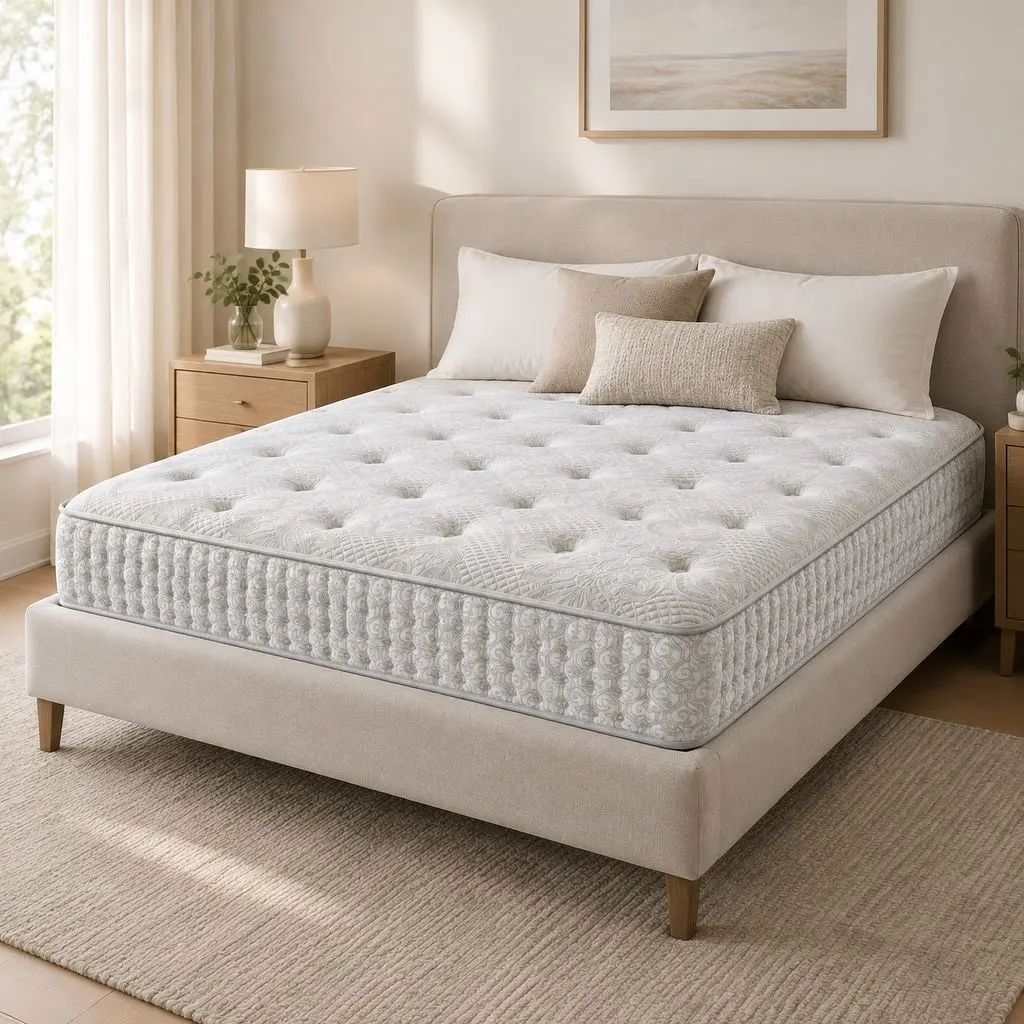
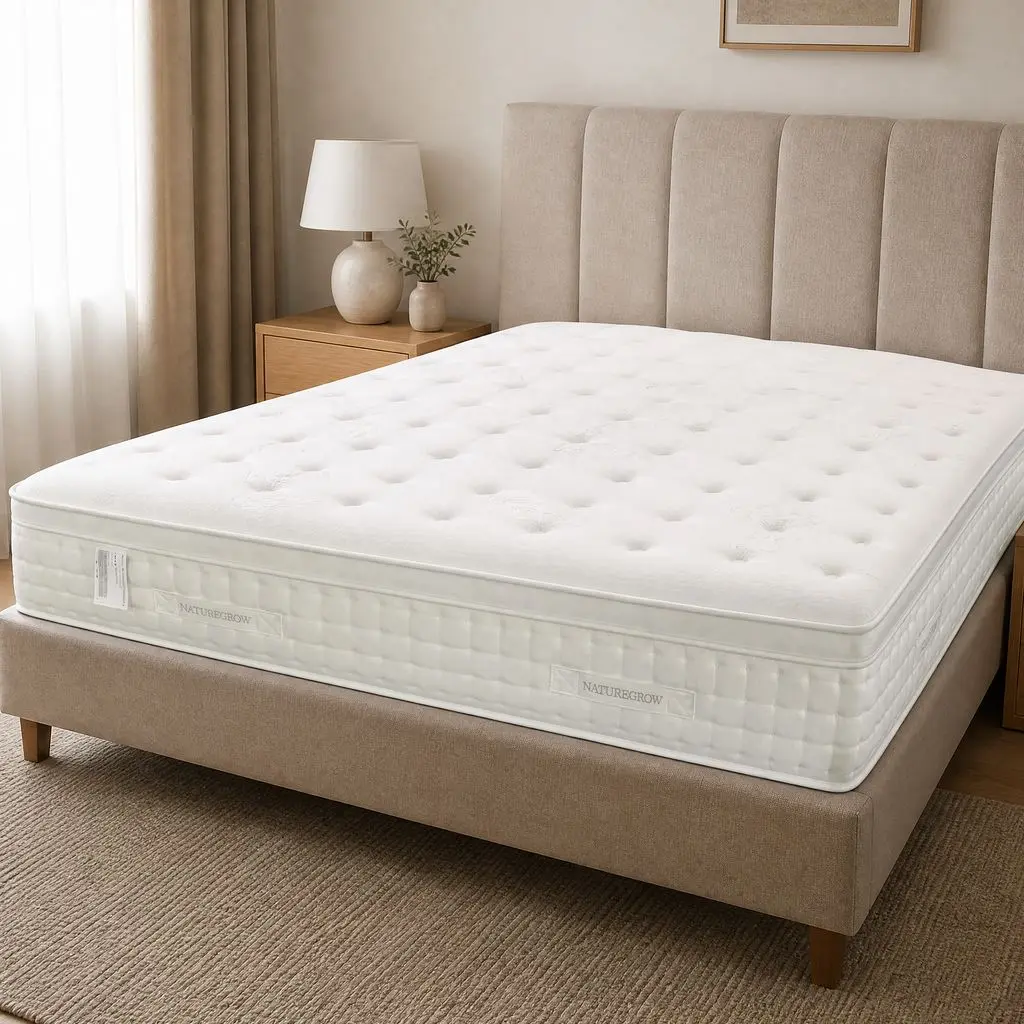
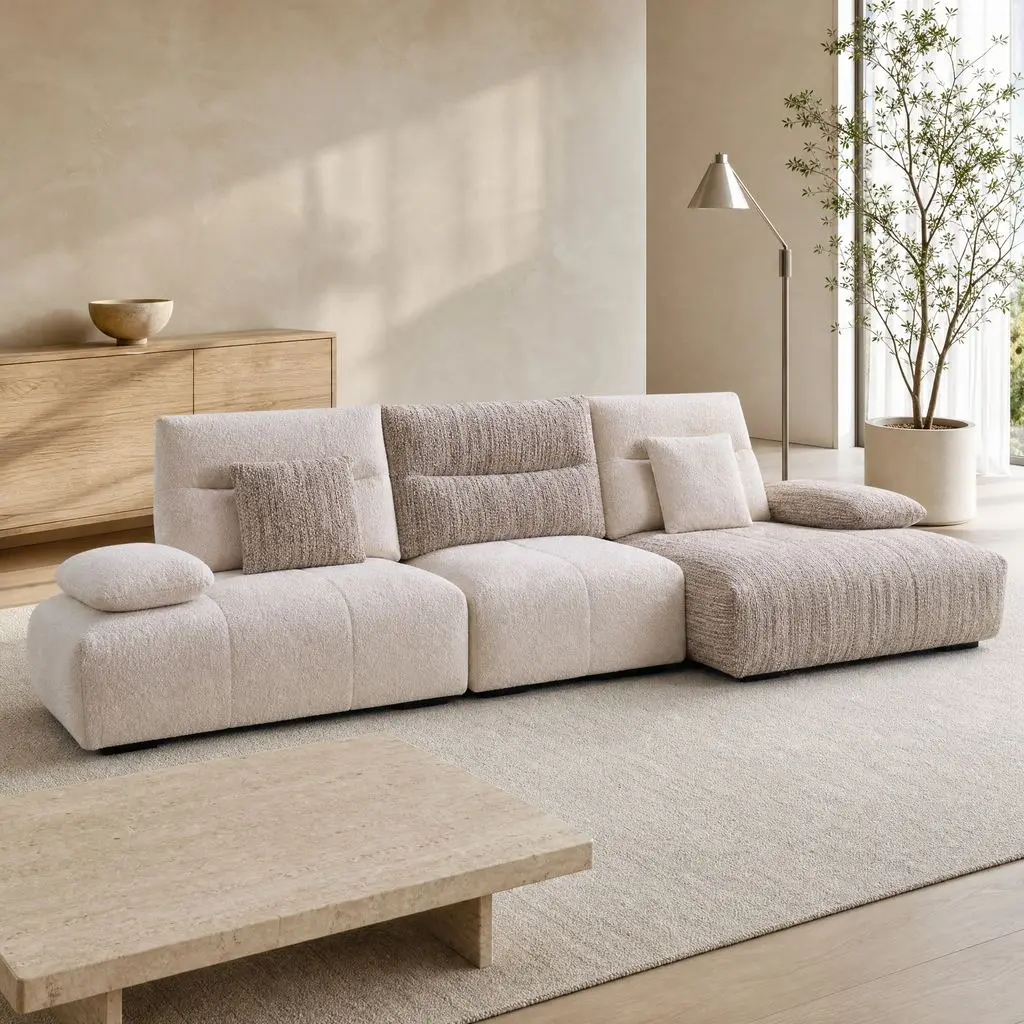
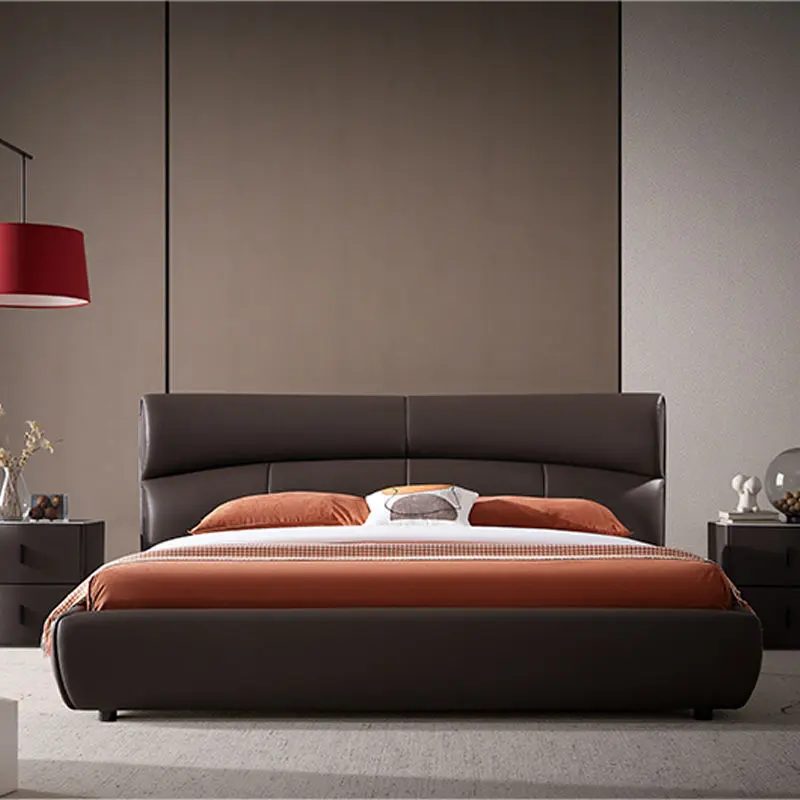
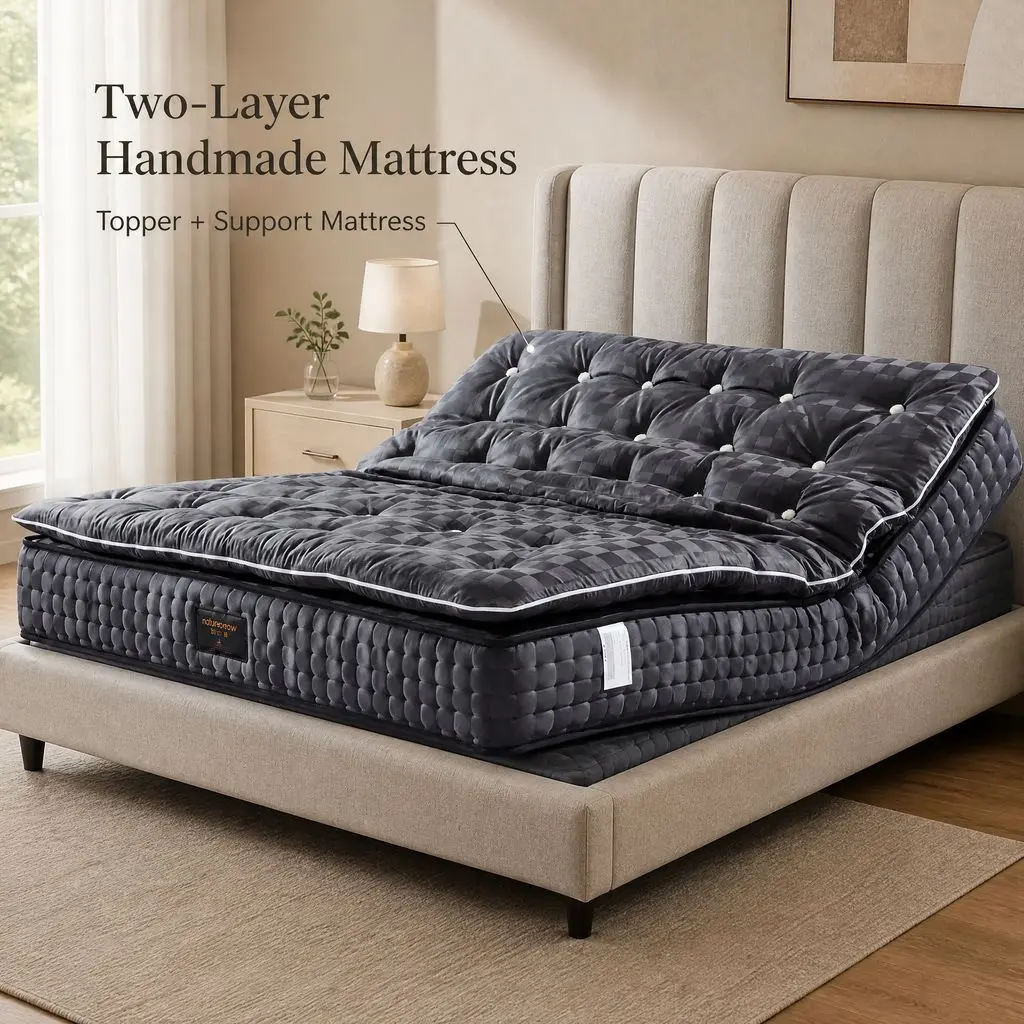
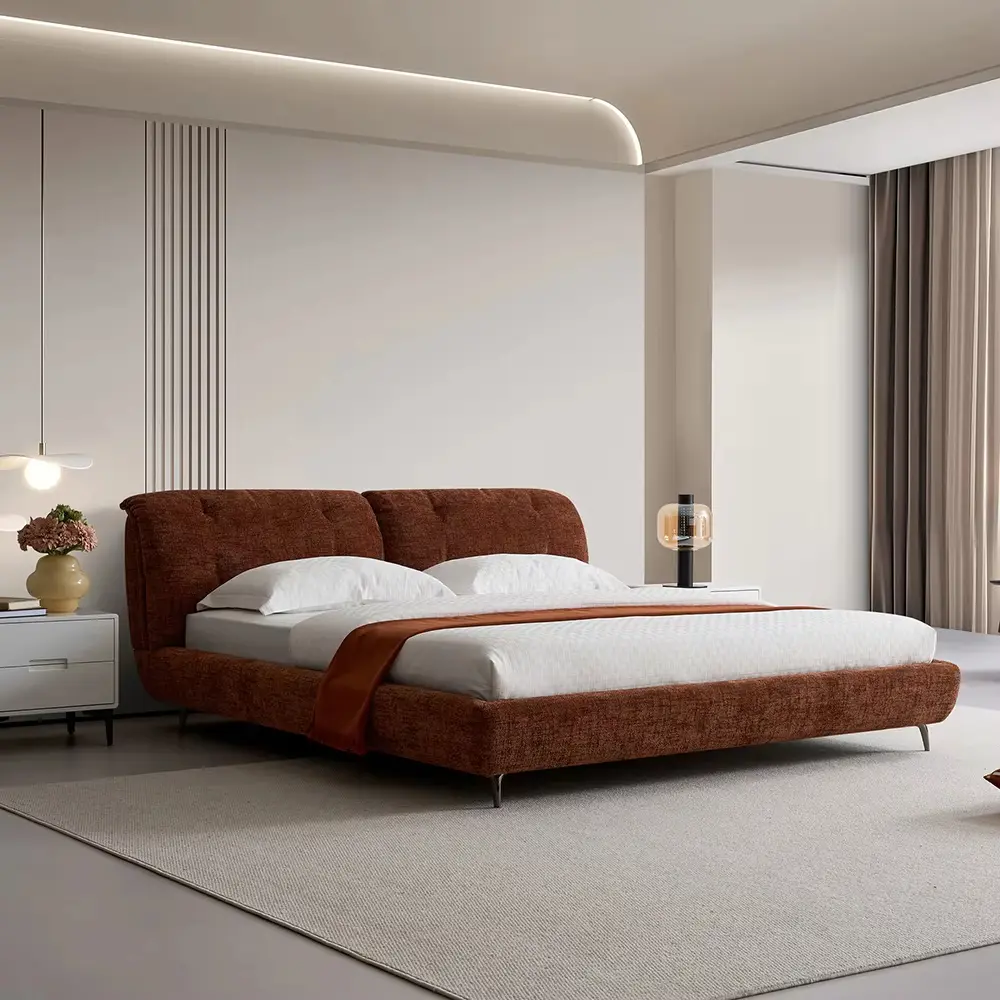
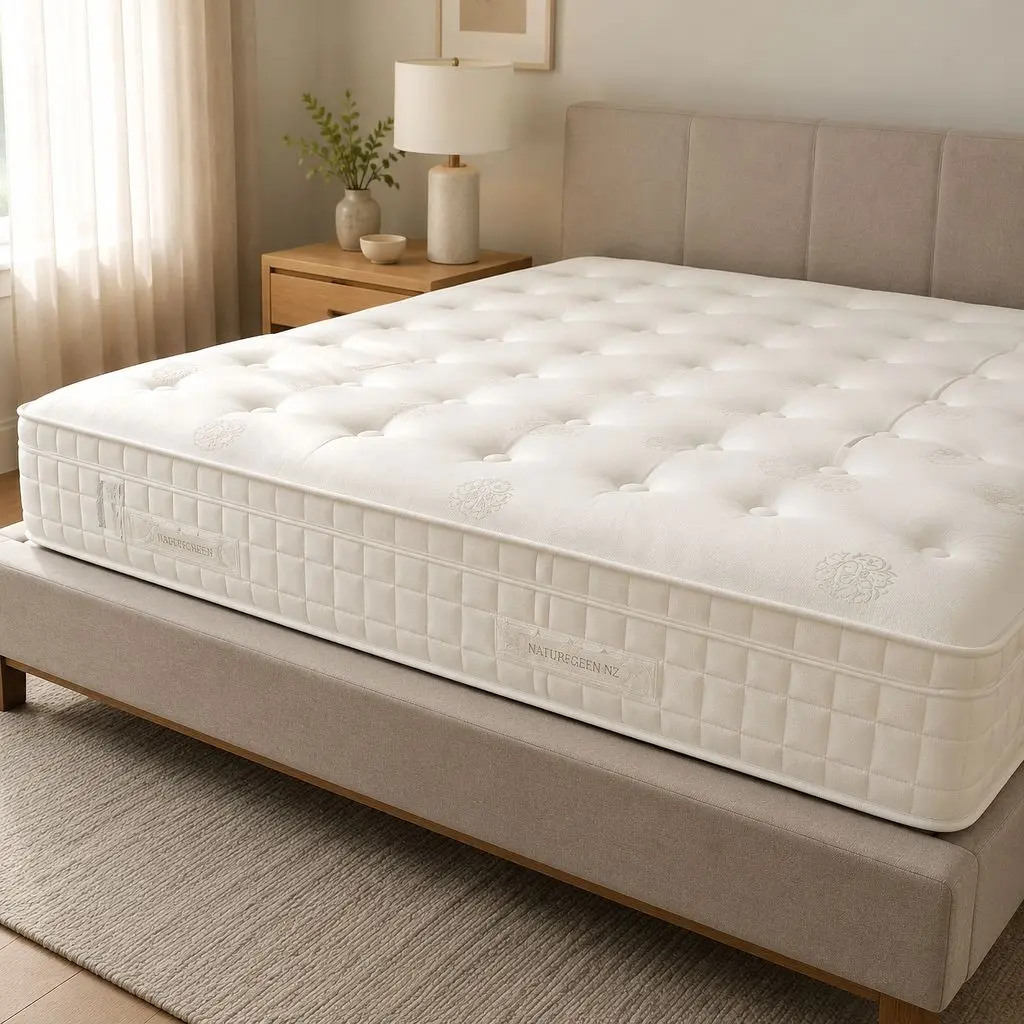
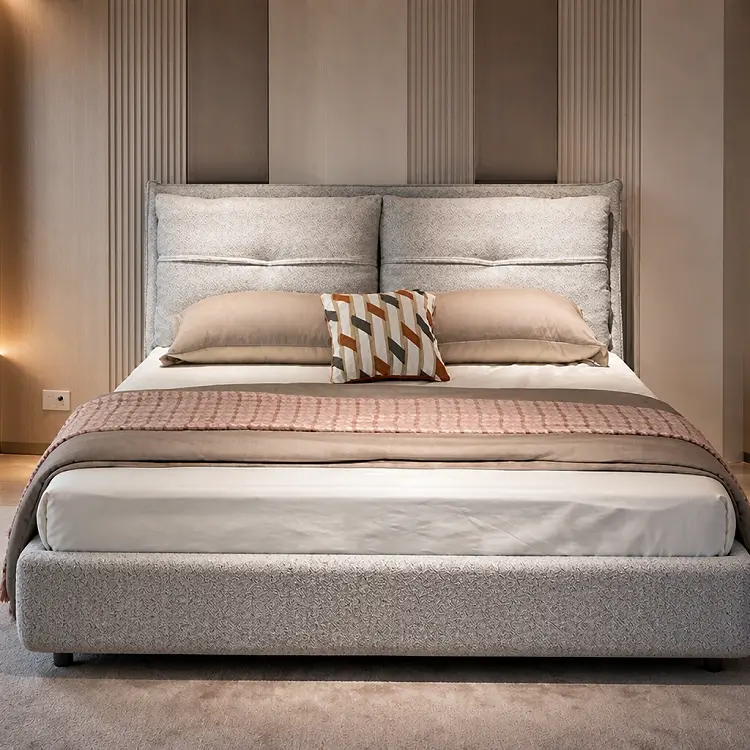
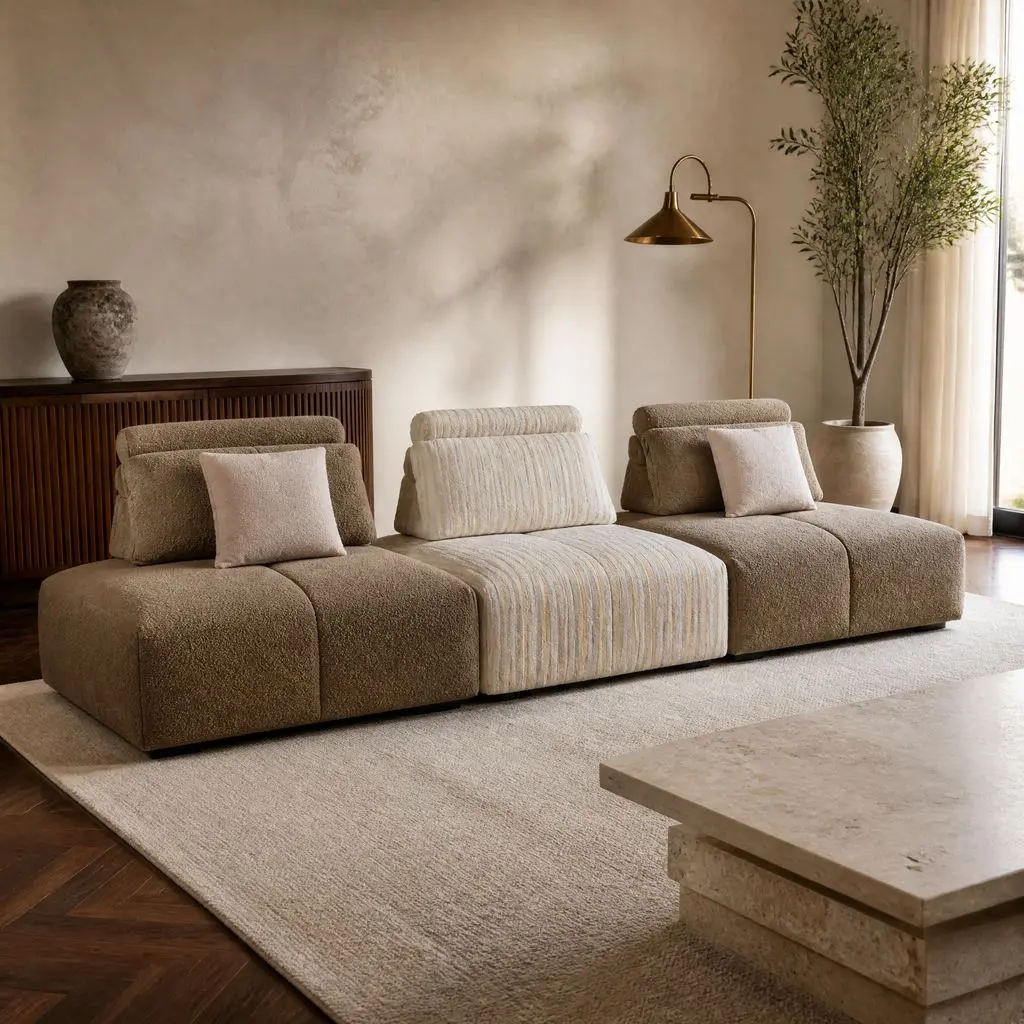
Explore our core engineering catalog spanning handcrafted mattresses, modular upholstered beds, and luxury living seating engineered for high-end hospitality and retail deployment.
Executive Summary: The Global Paradigm Shift Toward Wabi Sabi Dining Seating
In the contemporary architecture and interior design landscape, the Wabi Sabi aesthetic—rooted in traditional Japanese philosophy that honors impermanence, organic simplicity, and authentic material textures—has evolved from a niche architectural trend into a dominant global force across high-end hospitality, boutique residential developments, and commercial gastronomy. As global interior procurement teams shift away from hyper-polished, synthetic mass production, demand has skyrocketed for China Wabi Sabi dining chair manufacturers and wholesalers capable of bridging organic hand-craftsmanship with industrial-scale precision engineering.
This comprehensive B2B industry white paper analyzes the structural engineering, material sourcing pipelines, manufacturing capabilities, and global compliance frameworks governing the production of OEM and ODM Wabi Sabi dining chairs in Foshan and Shunde, China—the world’s premiere furniture manufacturing capital. Designed specifically for commercial furniture importers, contract procurement managers, architectural project leads, and brand distributors, this report details how China's advanced furniture ecosystem delivers substantial information gain, superior structural durability, and optimal profit margins for international buyers.
Core Procurement Insight: Sourcing authentic Wabi Sabi dining furniture requires balancing organic visual imperfection with rigorous structural standardization. Leading Chinese factories utilize 5-axis CNC wood carving alongside hand-applied lime-washing, micro-cement coating, and kiln-dried hard ash wood frames to guarantee BIFMA X5.1 compliance without sacrificing natural tactile elegance.
China Factory & Supply Chain Superiority in Foshan & Shunde
Why leading global furniture brands and hospitality conglomerates consolidate their contract seating procurement within the Shunde industrial cluster.
Hyper-Integrated Raw Material Sourcing
Foshan hosts an end-to-end supply matrix. From FSC-certified North American white ash and European oak timber importers to specialized micro-cement coaters, natural rattan weavers, and high-density cold-cure foam molders, factories source premium inputs within a 15-kilometer radius—drastically reducing lead times.
Industrial Scale Meets Hand Craftsmanship
Achieving authentic organic textures at volume requires dual-tier production lines. Automated 5-axis CNC machinery cuts precise traditional mortise-and-tenon joints, while master artisans perform manual wire-brushing, hand-distressing, and multi-layer organic oil rubbing for bespoke uniqueness.
Cost Efficiency & Freight Consolidation
By consolidating wood shaping, metal reinforcement, upholstery, and drop-test packaging within single integrated facilities, Foshan suppliers achieve up to 35% lower cost-per-unit metrics compared to Southeast Asian or European factories, maximizing distributor margins.
Material Science & Structural Engineering in Wabi Sabi Dining Chairs
Commercial dining environments present severe operational stresses. Dining chairs in high-traffic restaurants and boutique hotel dining rooms undergo tens of thousands of load cycles annually. Unlike residential furniture, contract-grade Wabi Sabi seating manufactured in China integrates advanced structural engineering disguised beneath organic minimalism.
1. Solid Hardwood Kiln-Drying & Moisture Control
The foundation of long-term structural integrity lies in timber seasoning. Premium Chinese manufacturers enforce computerized vacuum kiln-drying cycles to reduce timber moisture content (MC) to a precise 8% – 12% range. This prevents warping, splitting, or joint looseness when chairs are exported to regions with extreme climate swings—such as Nordic Europe, the Middle East, or North America.
2. Mortise and Tenon Joinery with Internal Steel Doweling
To preserve clean, minimalist silhouettes devoid of visible screws or brackets, engineered Wabi Sabi dining chairs employ traditional mortise and tenon joinery reinforced with high-grade polyurethane adhesive and concealed internal steel dowels. This hybrid structural approach enables slender leg profiles while achieving static load capabilities exceeding 300 lbs (136 kg).
3. Organic Surface Finishing Techniques
| Finishing Technique | Material Composition | Tactile Profile | Durability & Compliance Grade |
|---|---|---|---|
| Organic Micro-Cement Coating | Polymer-modified mineral paste over solid birch frame | Tactile, stone-like matte texture with subtle natural color variations | Waterproof, scratch-resistant, Commercial Heavy-Duty (EN 12520) |
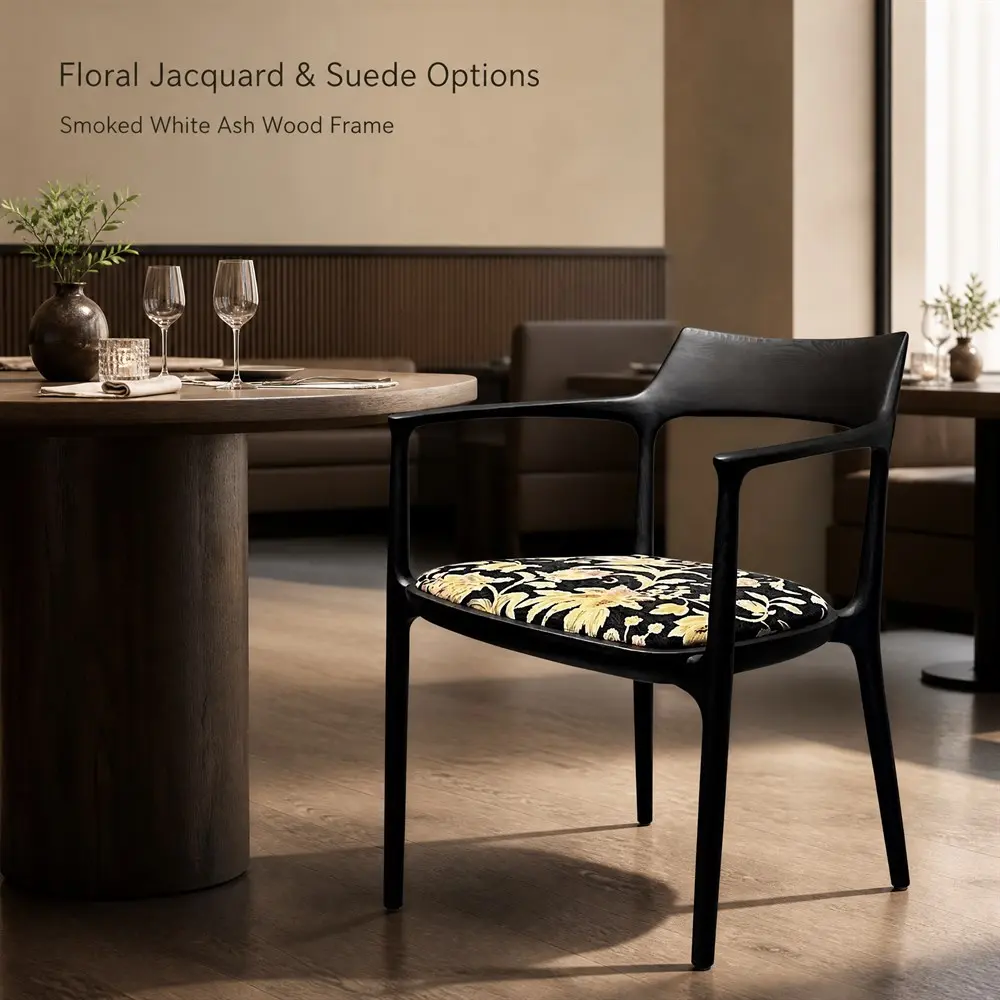
| Smoked Ash Wire-Brushing | Deep-grain North American white ash (Fraxinus mandshurica) | Exposed wood grain, warm tactile ridges, natural matte finish | Zero-VOC matte polyurethane topcoat, UV-resistant |
| Lime-Wash Distressing | Natural mineral pigments & water-based matte sealers | Chalky, weathered vintage aesthetic honoring natural aging | Stain-resistant topcoat, passes spill tests (coffee, wine, oils) |
| High-Tactile Boucle & Linen Upholstery | Heavy-weight textured bouclé, coarse linen, microfiber suede | Ultra-soft, organic nubby texture with ergonomic foam backing | Martindale test > 50,000 rubs, CAL 117 / BS 5852 fire-retardant compliant |
Custom OEM/ODM Capabilities for Global Furniture Buyers
From conceptual 3D rendering to mass factory production, explore how Chinese manufacturers tailor products to exact brand standards.
Bespoke Dimensional Customization
Modify seat height, backrest pitch, armrest clearance, and overall footprint to suit regional ergonomics—from compact European bistro standards to spacious North American dining proportions.
Private Labeling & Branding
Integrate custom-branded woven labels, laser-etched metal tags under the seat pan, bespoke hangtags, and custom shipping cartons bearing your brand's iconography and barcode systems.
Mixed Container Consolidation
Maximize container spatial efficiency by combining dining chairs, tables, modular sofas, and upholstered beds in single 40ft HQ containers, reducing unit shipping costs.
Localized Support, Global Compliance & Regulatory Assurance
Entering international retail markets or bidding on commercial hotel contracts requires strict adherence to regional regulatory mandates. Leading Foshan manufacturers supply full documentation and lab testing support across major target jurisdictions:
North America US & Canada Standards
Compliance with CAL 117 (TB 117-2013) fire retardancy for upholstered foam, CARB P2 / TSCA Title VI formaldehyde limits on engineered wood cores, and ANSI/BIFMA X5.1 general purpose office and restaurant seating safety requirements.
European Union UK & EU Standards
Adherence to BS 5852 Crib 5 flame retardancy for UK commercial installations, REACH chemical safety regulations for lacquers and dyes, and EN 12520 structural strength, durability, and safety benchmarks for domestic and contract seating.
Global Eco Timber Traceability
Full FSC (Forest Stewardship Council) chain-of-custody certification ensuring timber is legally harvested from sustainably managed forests, facilitating seamless customs clearance across the EU, Australia, and North America.
Commercial Application Scenarios & Spatial Integration
The organic neutrality of Wabi Sabi dining armchairs makes them remarkably adaptable across diverse interior architecture aesthetics. Below are key commercial deployment environments driving current B2B order volumes:
Boutique Hospitality & Luxury Resorts
In eco-resorts, beach clubs, and boutique hotels embracing "Japandi" or Mediterranean natural aesthetics, Wabi Sabi chairs with woven rattan backrests and wire-brushed ash frames provide guests with a relaxed, tactile luxury experience.
Michelin-Starred & High-End Gastronomy
Modern dining venues utilize micro-cement coated and smoked ash dining armchairs to complement raw concrete walls, minimalist stone tables, and dramatic architectural lighting, creating visually tranquil dining environments.
Multi-Family Luxury Real Estate
Property developers and interior designers select fully assembled, high-durability Wabi Sabi dining sets for turnkey model apartments and high-density luxury residential projects requiring high perceived value and durable wear-and-tear resistance.
Complementary Contract Furniture & Dining Collections
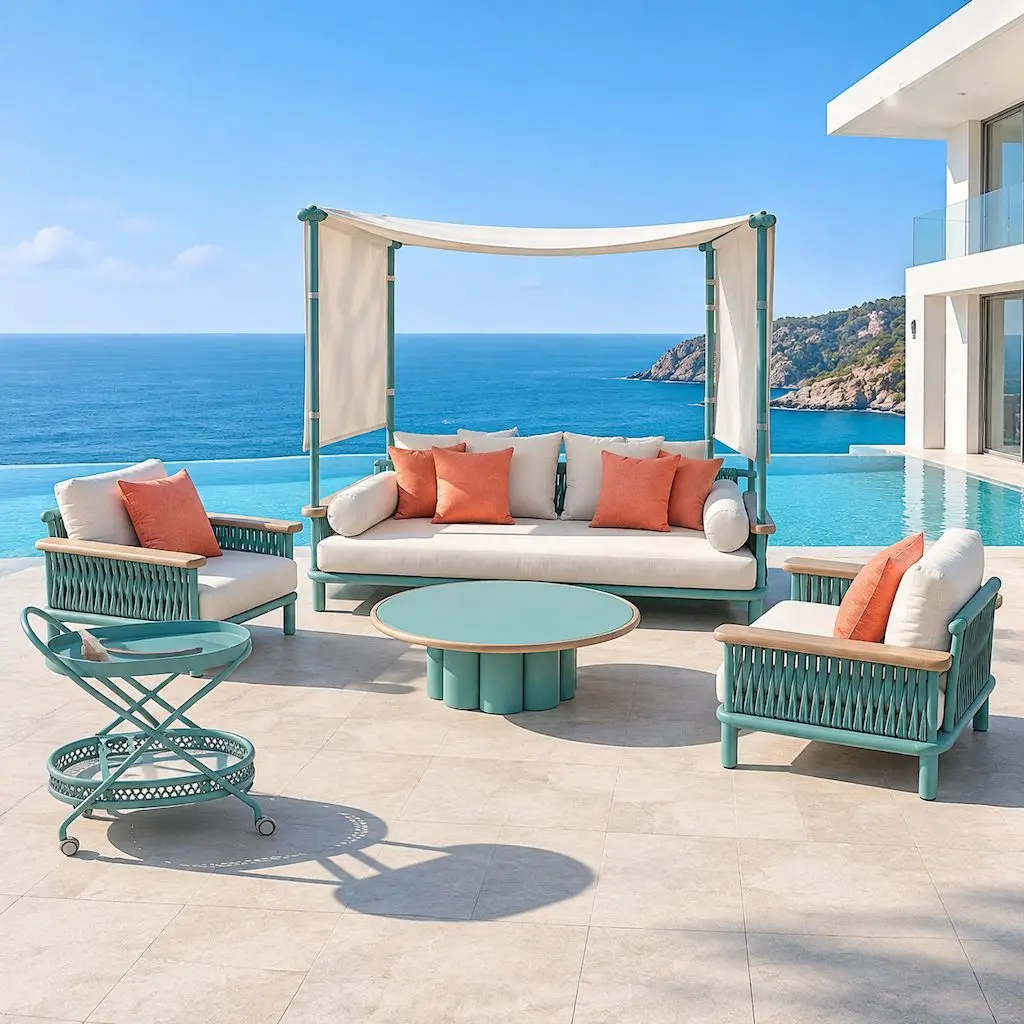
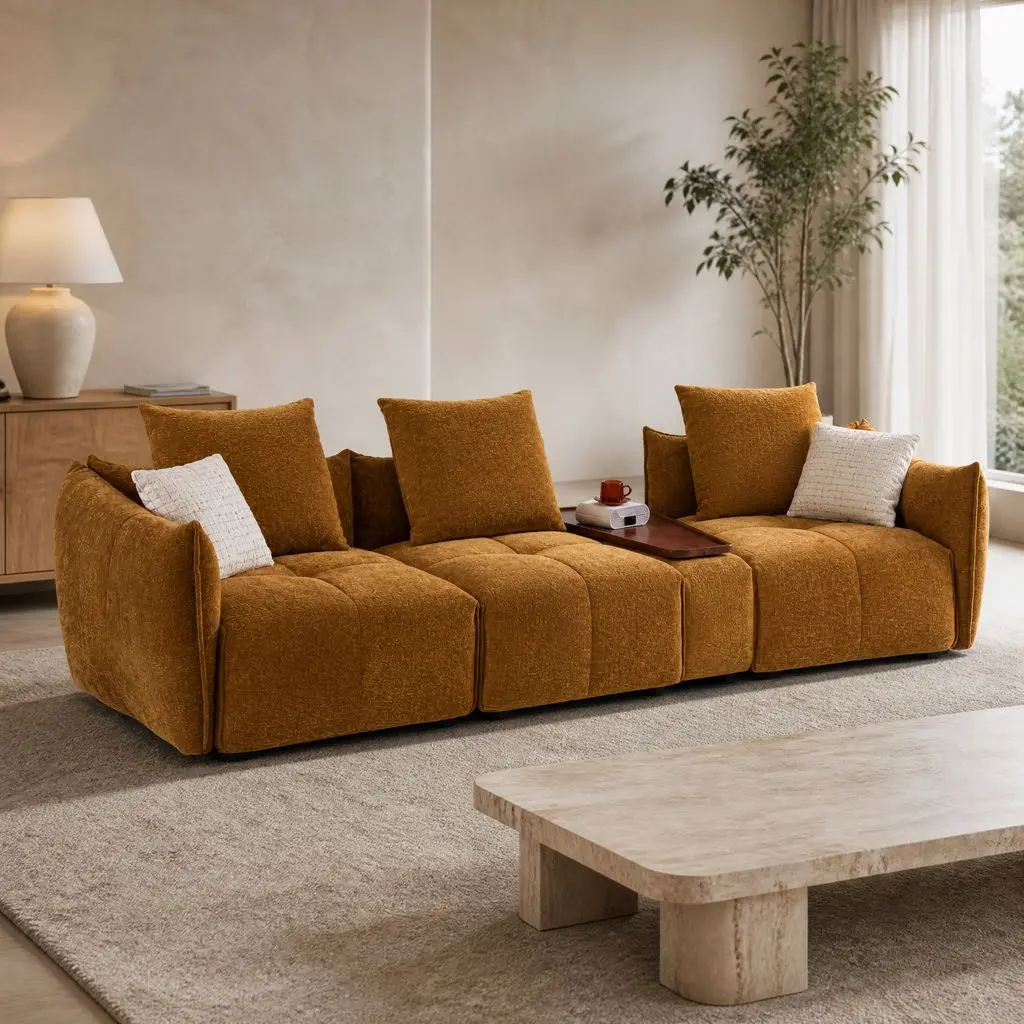
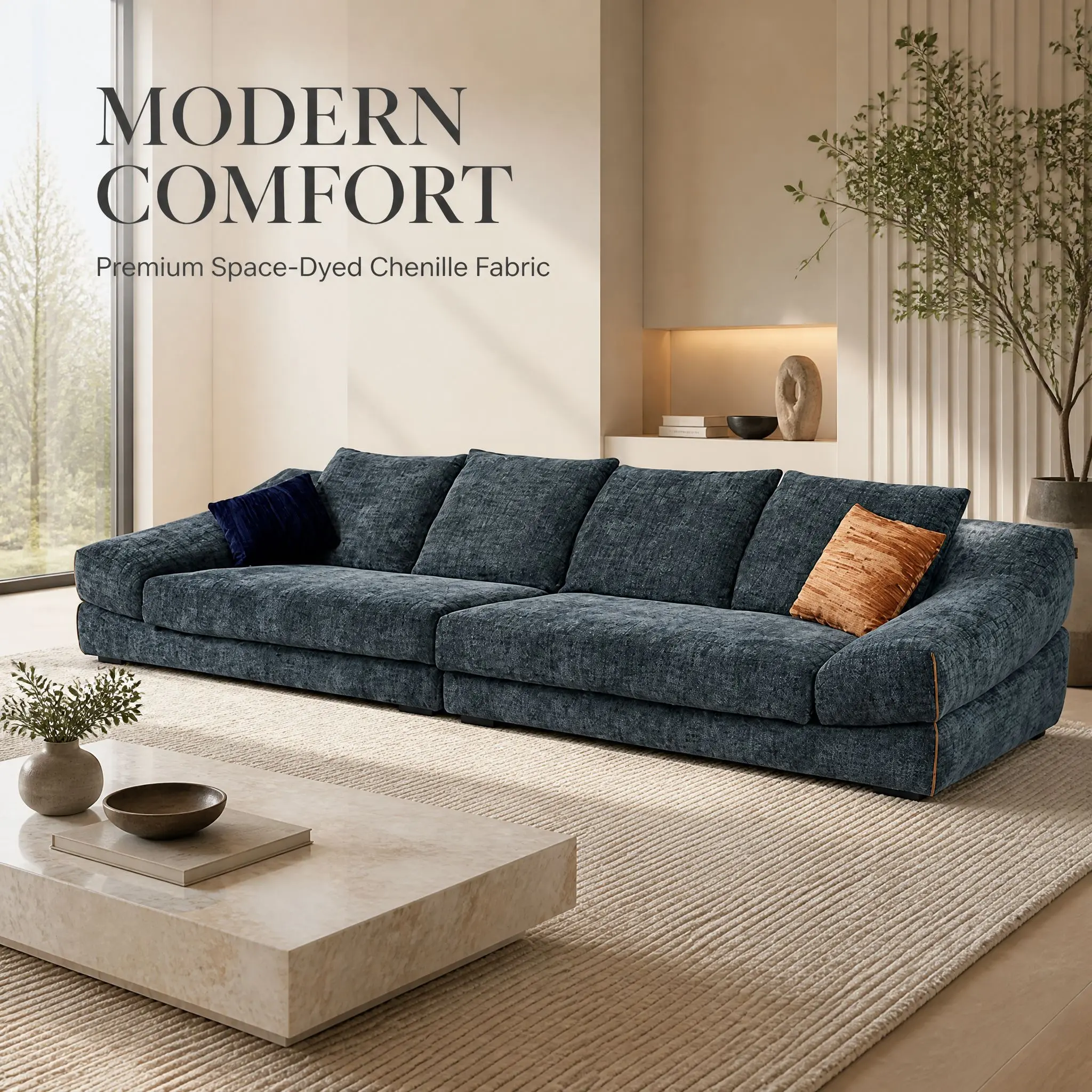
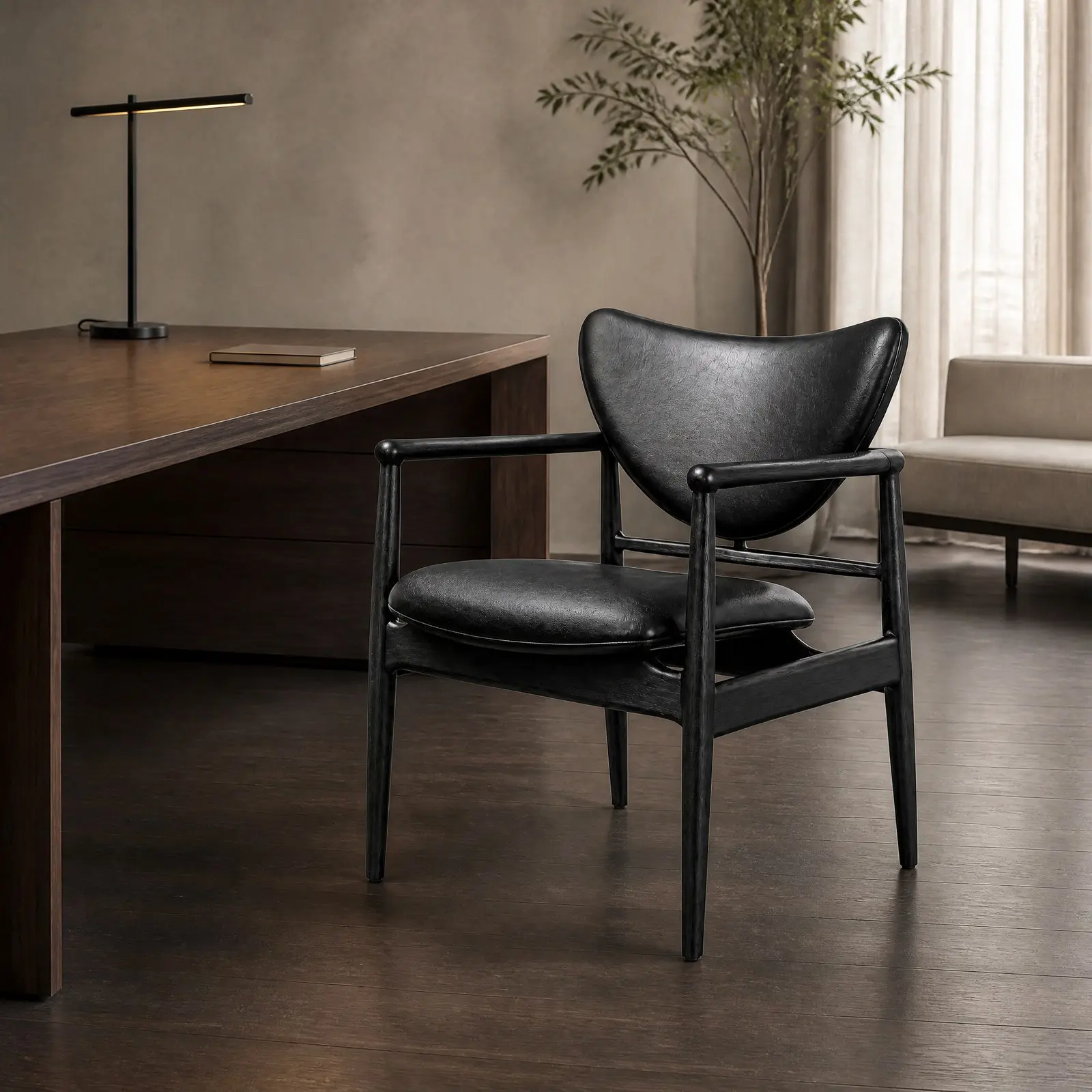
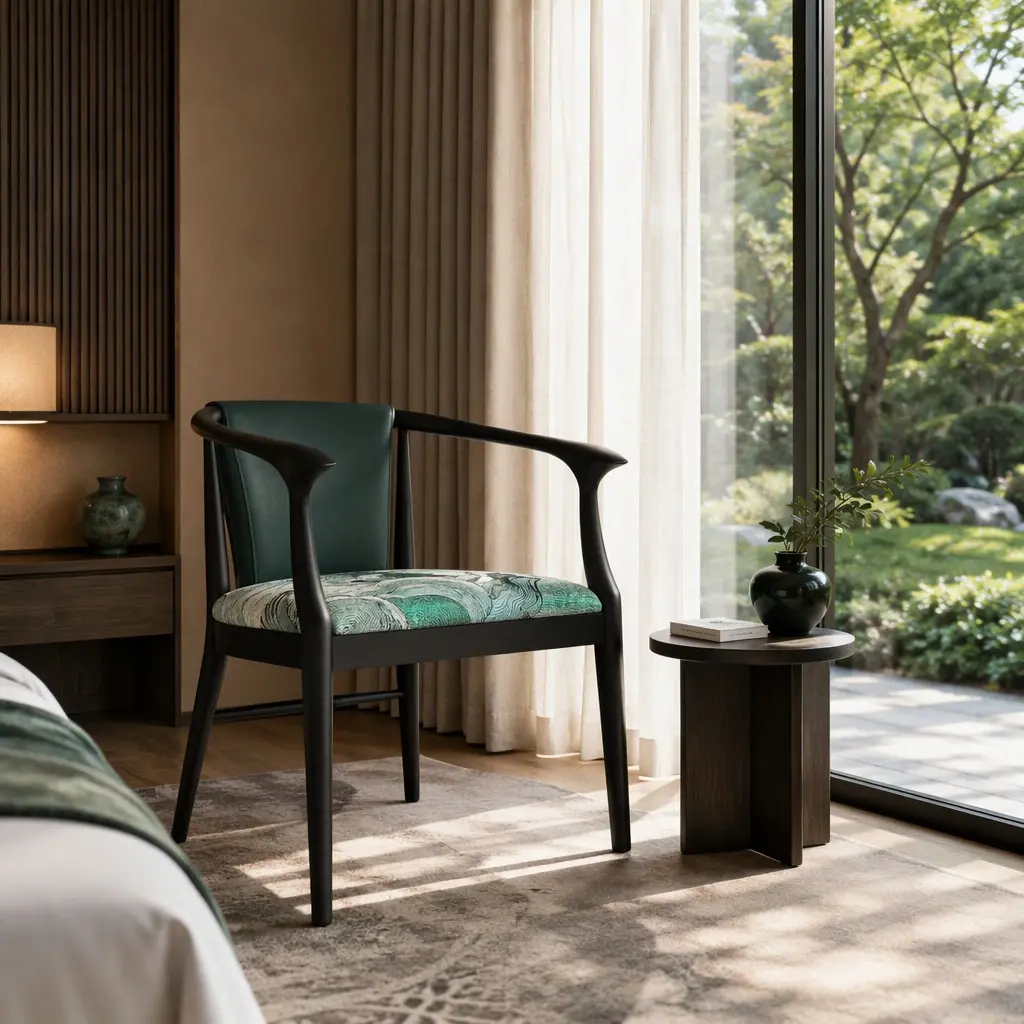
Discover our extended OEM product lineup, featuring outdoor canopy lounge seating, solid ash wood dining armchairs, and luxury sectional sofas.
Industry Sourcing Q&A: Frequently Asked Questions by B2B Buyers
Technical and operational answers to essential questions regarding MOQ, sampling, quality control, shipping logistics, and compliance for Wabi Sabi furniture procurement.
Partner with Foshan's Leading Contract Seating Manufacturer
Elevate your furniture brand, wholesale portfolio, or hotel procurement project with authentic China Wabi Sabi dining chairs engineered for commercial durability and uncompromised organic design. Contact our export sales engineering team today for custom CAD quotes, material swatches, and container consolidation schedules.