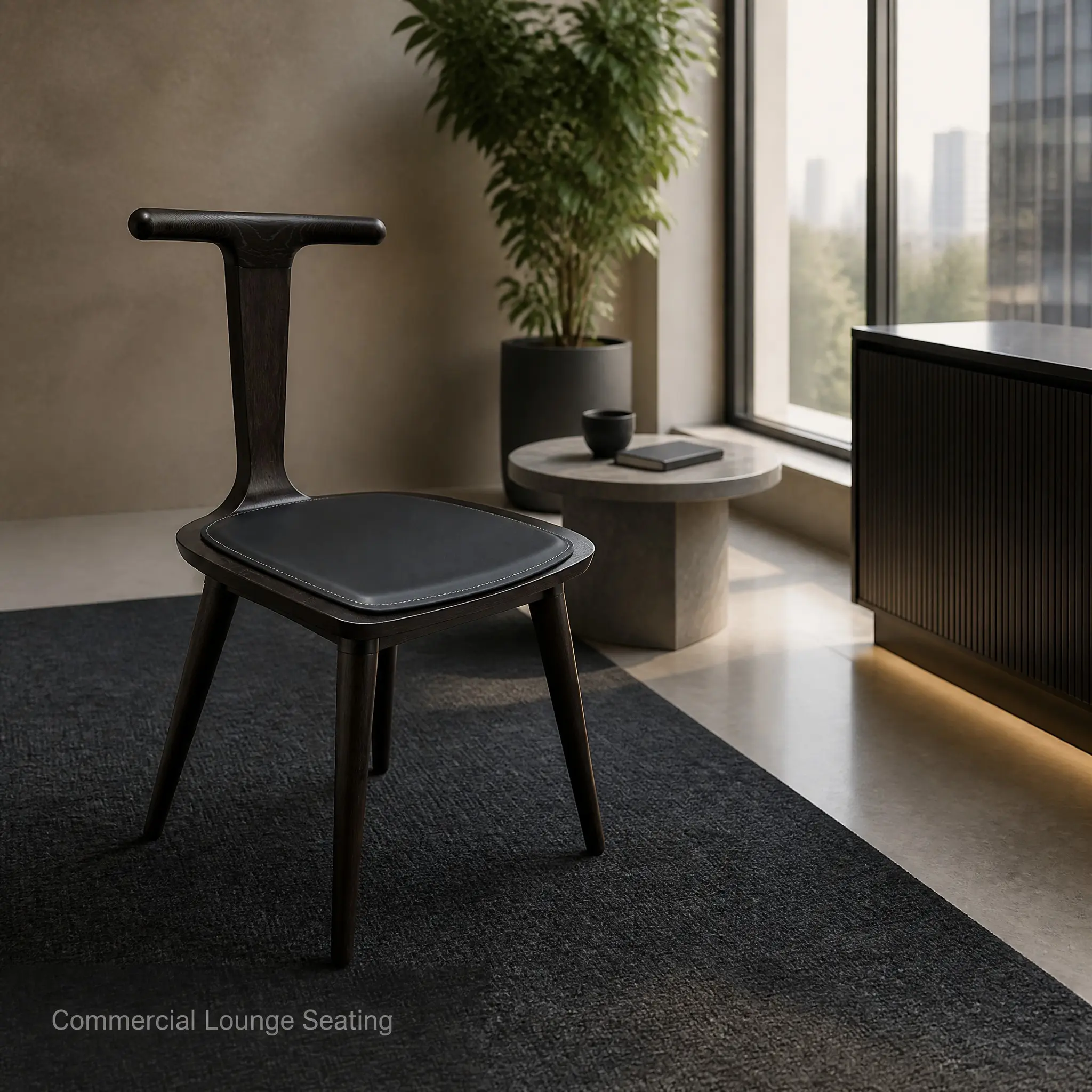
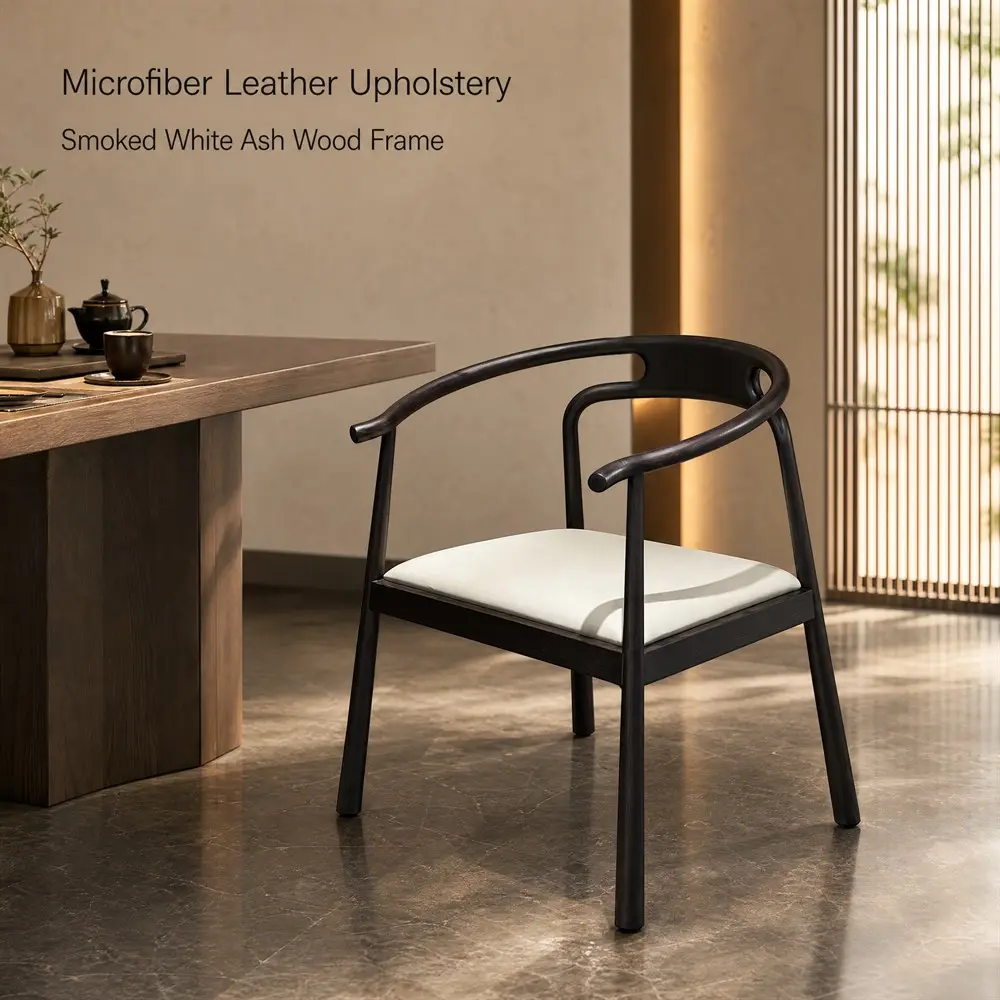
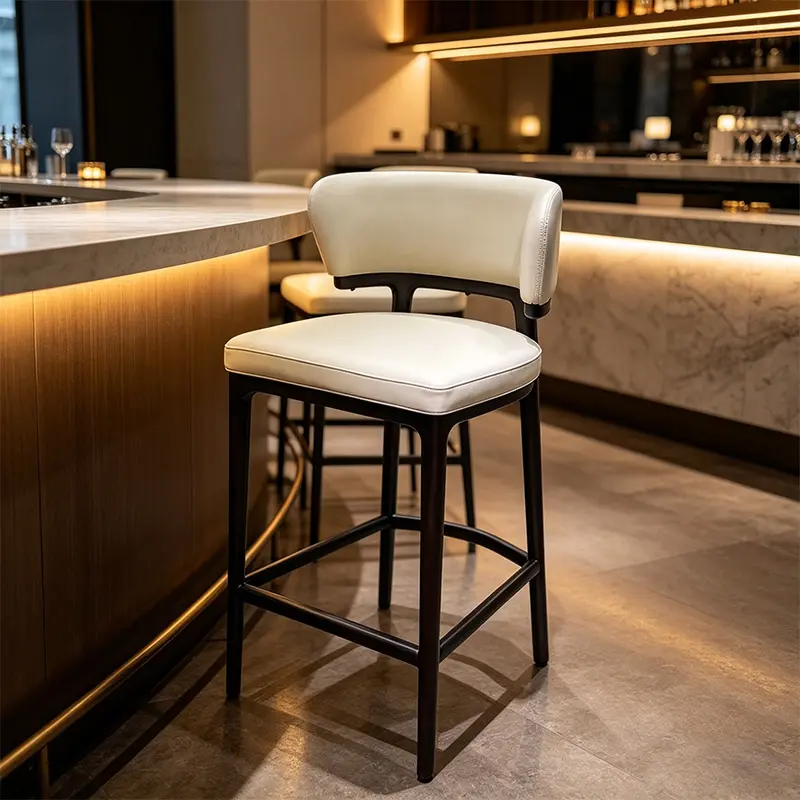
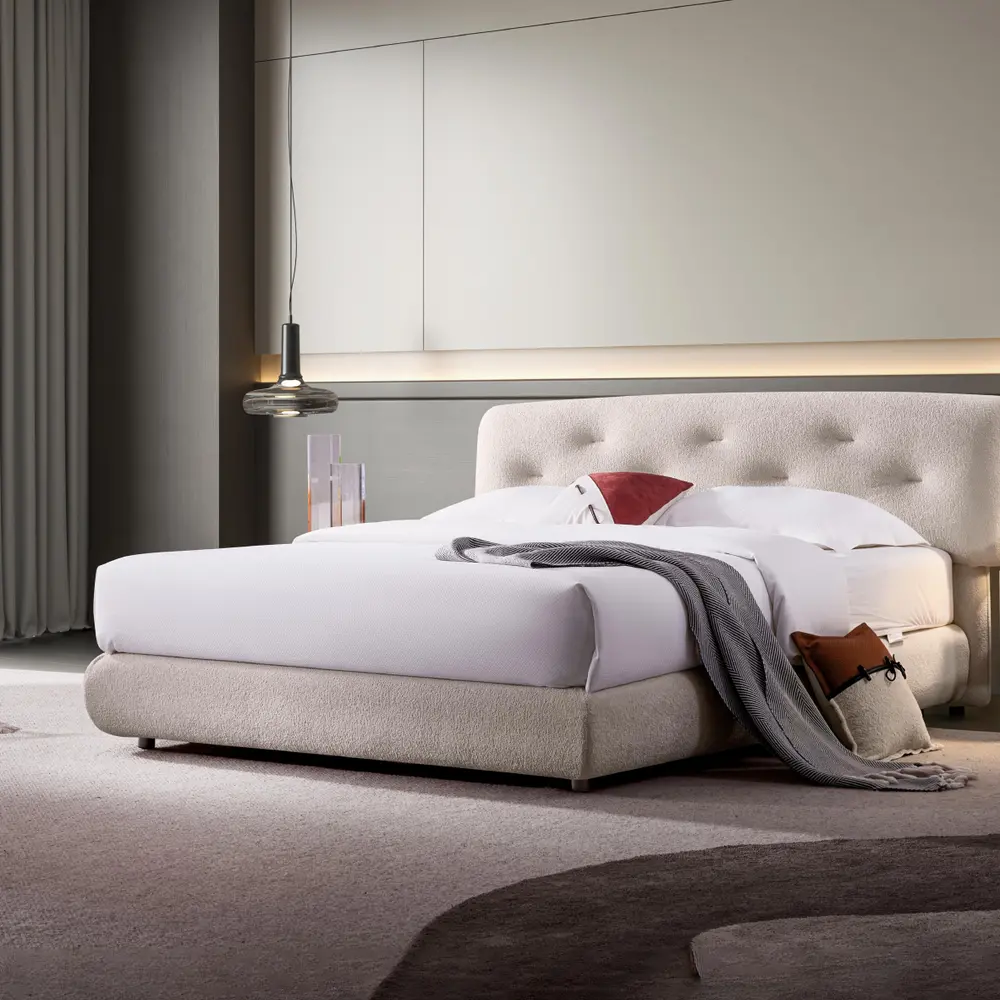
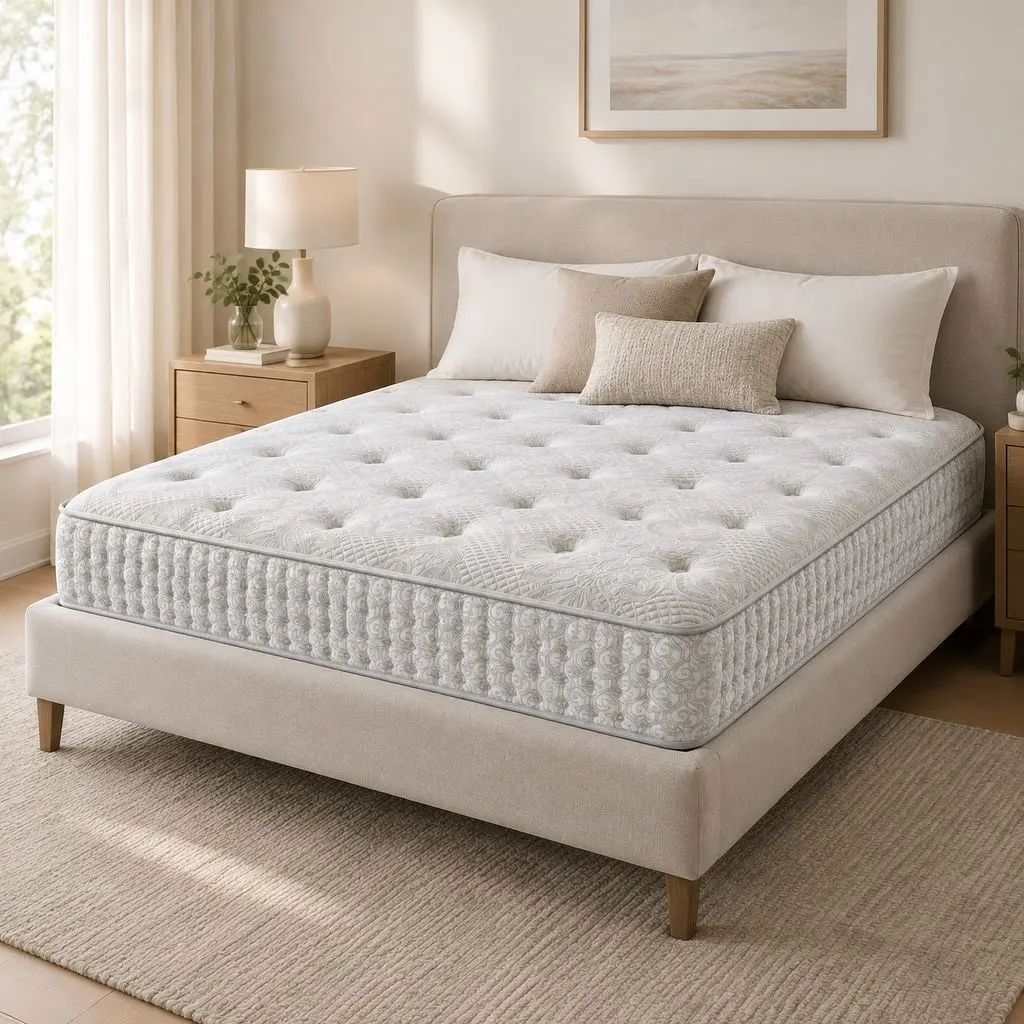
Commercial Hospitality Furniture Solutions (Selection 01–08)
Engineered for luxury hotel suites, executive dining lounges, high-traffic commercial spaces, and multi-functional hospitality environments.
The Commercial Landscape of Hotel Dining Chairs
In the global hospitality FF&E (Furniture, Fixtures, and Equipment) ecosystem, hotel dining chairs represent a high-wear, high-touch category that directly impacts guest satisfaction scorecards, operational longevity, and spatial aesthetics.
1. Macro Supply Chain Dynamics & Manufacturing Concentration
The global commercial furniture market is experiencing a profound pivot toward integrated manufacturing hubs. Shunde, Foshan stands at the epicenter of this transformation, producing over 30% of global hospitality seating. Today’s hotel project developers, interior architectural firms, and procurement specialists require dining chairs that balance minimalist contemporary aesthetics with rigorous structural engineering.
Unlike residential seating, a commercial hotel dining chair must withstand rigorous daily usage cycles—enduring continuous dynamic weight shifting, cleaning chemical exposure, and accidental impact during high-velocity meal service operations. Leading manufacturers leverage high-precision CNC multi-axis wood machining, robotics welding for carbon steel and aluminum underframes, and cold-cured polyurethane foam molding to ensure total dimensional consistency across thousands of units.
Structural Integrity & Material Science in Hotel Seating
A high-yield technical whitepaper breakdown comparing material pathways, joint engineering methods, and surface treatments for contract-grade hotel dining chairs.
Solid Ash Wood (Fraxinus Americana)
Selected for high tensile strength, excellent shock resistance, and rich grain structures. Kiln-dried to 8–12% moisture content to eliminate swelling, checking, or warp in varying tropical or dry hotel HVAC climates.
Saddle Leather & Microfiber Systems
Engineered microfiber leather combining real leather fibrous structure with synthetic PU polyurethanes. Delivers zero moisture absorption, stain resistance against wine/grease, and 100,000+ Martindale rub ratings.
Cold-Cured Polyurethane Foam
Molded cold-foam cores with a density rating of 45–55 kg/m³. Ensures 10-year anti-sag memory retention under continuous commercial hotel guest weight loads, meeting BS 5852 Crib 5 fire requirements.
| Performance Indicator | Residential Standard | Commercial Hotel FF&E Standard | QYM Engineering Benchmark |
|---|---|---|---|
| Joint Construction | Dowel & Surface Screws | Mortise & Tenon + L-Brackets | CNC Precision Mortise & Tenon + Epoxy Injection |
| Upholstery Abrasion | 15,000–25,000 Cycles | 50,000+ Martindale Rubs | 100,000+ Martindale / Microfiber Saddle Leather |
| Static Weight Capacity | 100 KG (220 lbs) | 136 KG (300 lbs) | 180 KG (400 lbs) Exceeds BIFMA X5.1 |
| Timber Frame Moisture | 12%–16% Uncontrolled | 10%–12% Standard Kiln | 8%–10% Thermally Treated Ash / Smoked Finish |
| Fire Retardancy | Basic NFPA 260 | CAL 117 / BS 5852 | CAL 133 / BS 5852 Crib 5 Custom Matrix |
Architectural Application Scenarios in Hospitality
Tailoring chair ergonomics, silhouette proportions, and material properties to diverse hotel interior zones.
All-Day Dining (ADD) & High-Traffic Buffets
All-day dining zones experience upwards of 6 to 10 seat turnovers per table daily. Seating must feature nano-coated hydrophobic upholstery, anti-scratch nylon floor glides, and open leg geometries that facilitate rapid vacuuming and maintenance. Lightweight solid wood or steel-core frames allow staff to reposition tables effortlessly.
Boutique Fine Dining & Specialty Restaurants
For Michelin-starred or luxury hotel specialty dining, guest dwell times range from 90 to 180 minutes. Ergonomics demand deeper seat depths (480–520 mm), armrest support, acoustic-dampening soft under-upholstery, and premium tactile surfaces such as saddle leather and open-grain smoked ash frame finishes.
Rooftop & Semi-Outdoor Terrace Hospitality
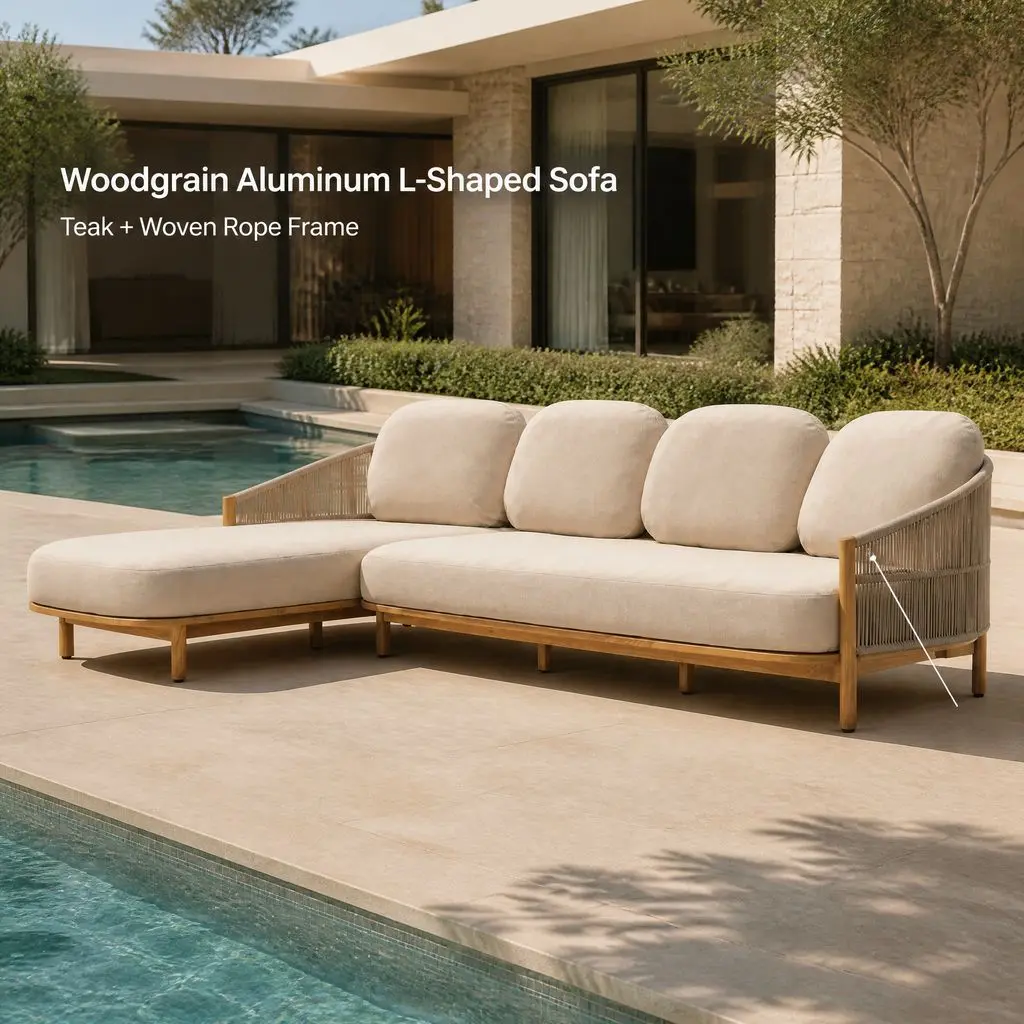
Bridging indoor dining with outdoor alfresco experiences. Requires powder-coated aluminum understructures, teak wood armrests, UV-stabilized Olefin woven rope backrests, and quick-dry reticulated foam cushions capable of shedding rainwater rapidly while resisting salt spray corrosion.
Banquet Halls & Multi-Function Ballrooms
Prioritizes high-density stackability (4–8 units high), bumper-protected frame guards, structural lightness (< 6.5 kg per chair), and high dynamic stability. Integrated hand-holds on backrest crowns assist banqueting teams during rapid space reconfiguration.
Future Trends in Hotel Dining Chair Manufacturing
Strategic Insight: The modern hospitality procurement paradigm has shifted from low initial purchase price to Lifecycle Cost Optimization (LCO). Hotel owners calculate chair ROI based on a 7-to-10 year operational lifecycle without replacement.
Phase 1: Circular Engineering
Adoption of fully modular upholstery systems allowing hotel engineering staff to replace worn seat pans or backrest covers within 5 minutes per unit using hidden mechanical quick-release mechanisms, avoiding total chair disposal.
Phase 2: Bio-Based & Recycled Synthetics
Integration of plant-derived Polyols in polyurethane foam cushioning, water-based non-toxic wood lacquers with zero Volatile Organic Compounds (VOCs), and GRS-certified recycled polyester chenille fabrics.
Phase 3: Smart Ergonomics & Acoustic Tuning
Use of dynamic tensioning under-layer membranes that auto-adjust lumbar support across diverse guest heights, paired with porous acoustic core materials that absorb room reverberation in high-ceiling dining halls.
Integrated Whole-House & Hotel Project Solutions
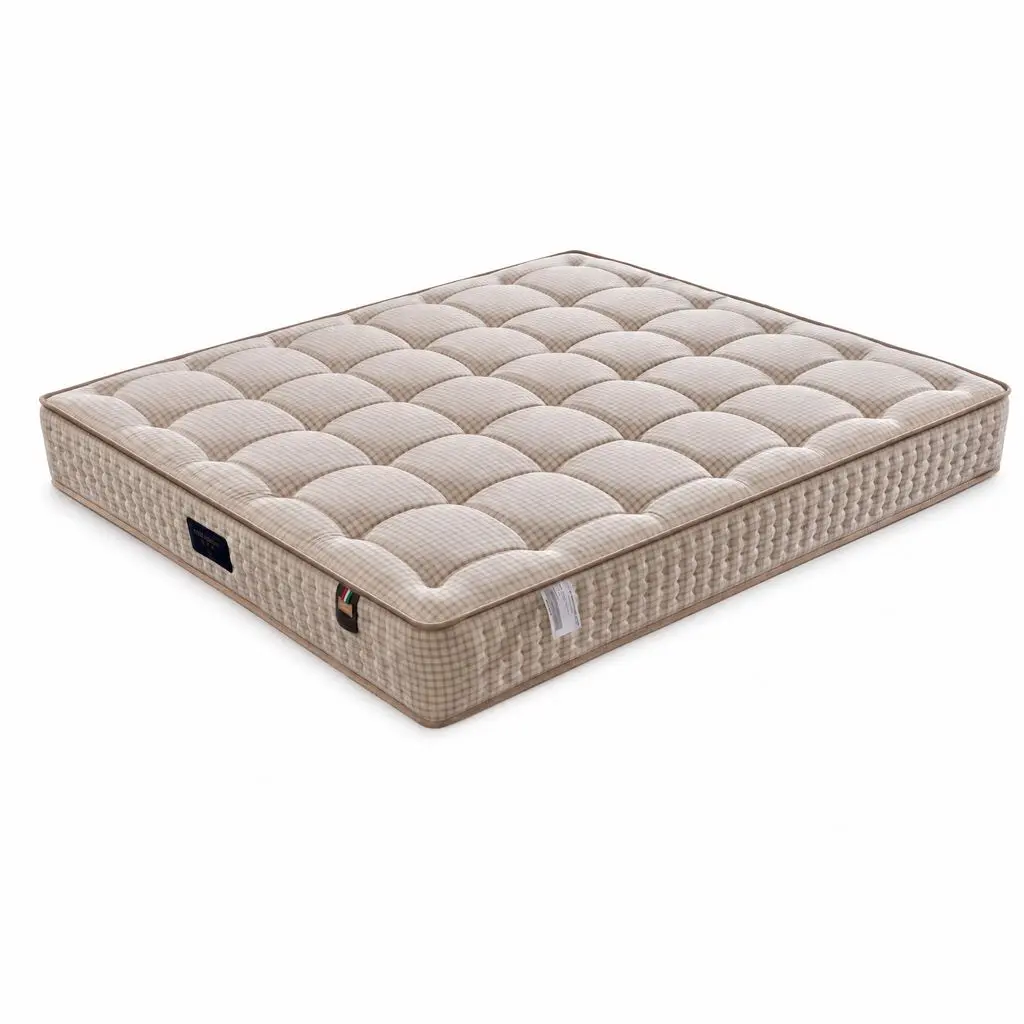
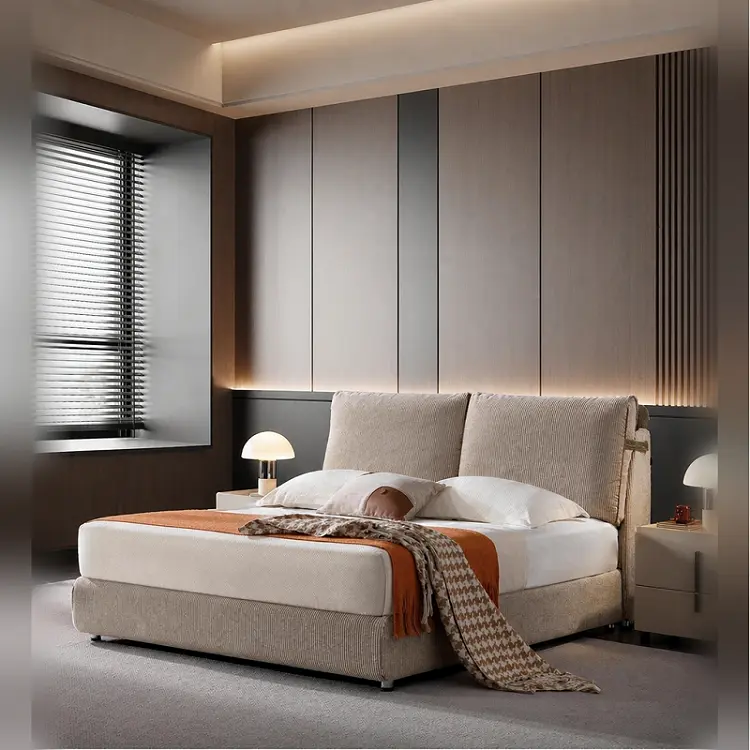
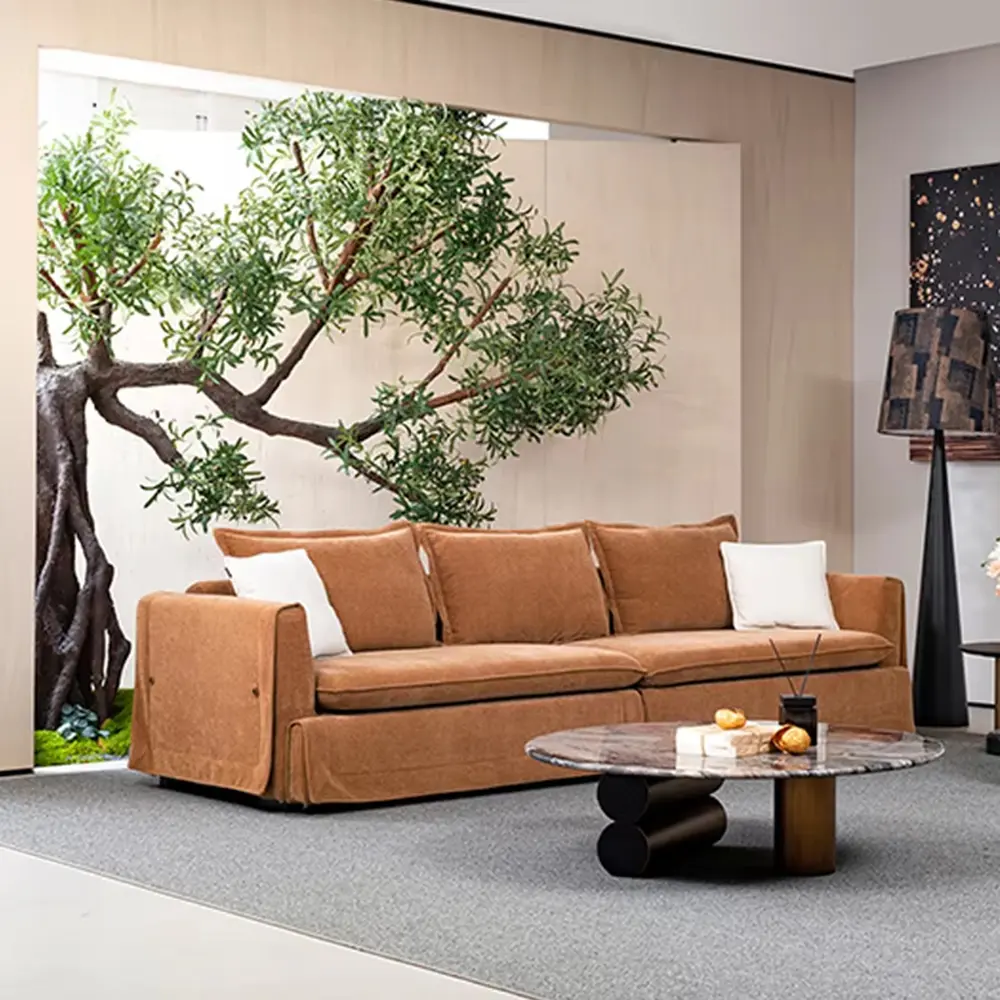
Sourcing dining chairs in isolation frequently creates color mismatch, timber finish variations, and fragmented shipping schedules across broader hotel fit-outs. As an integrated manufacturer in Foshan, Qingyumai Technology unifies dining seating with lounge sofas, bedroom suites, bar stools, and outdoor furniture under a single procurement mandate, uniform quality control system, and optimized container loading plan.
Frequently Asked Questions by Hotel Procurement Managers
Commercial Hospitality Furniture Solutions (Selection 09–16)
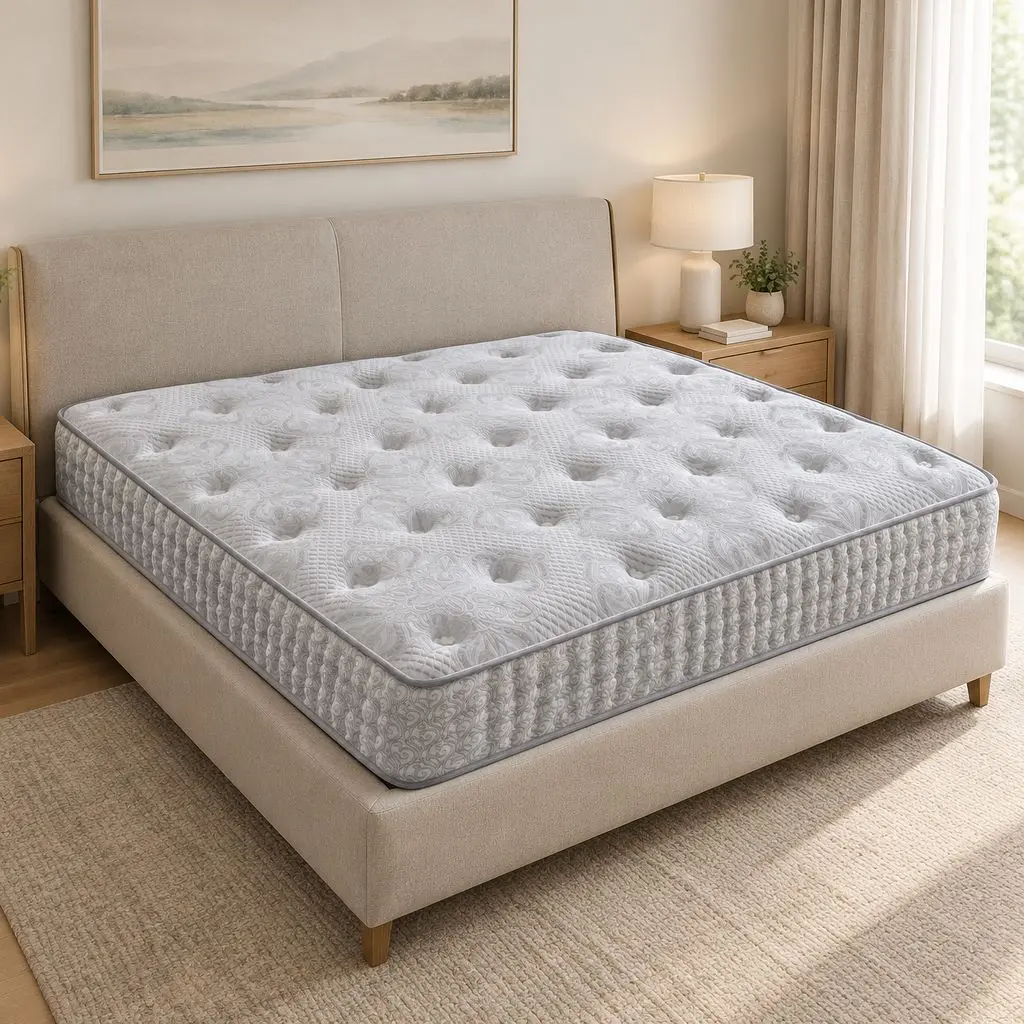
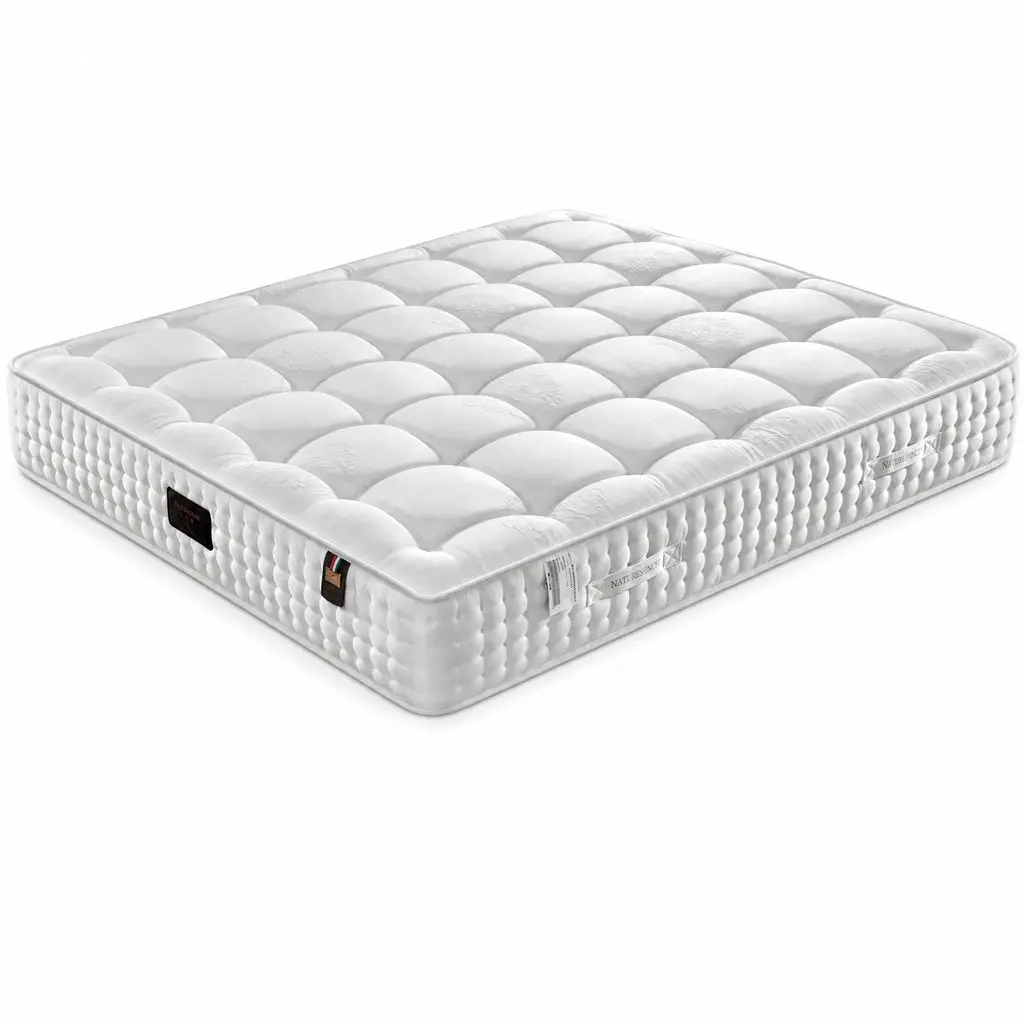
A comprehensive range of solid wood dining chairs, leather bar stools, handcrafted hotel mattresses, and upholstered bedroom frames.