Featured Engineering Models & Modular Furniture Solutions
High-grade latex cushions, ergonomic frames, and precision-manufactured sleep systems designed for global distribution and contract projects.
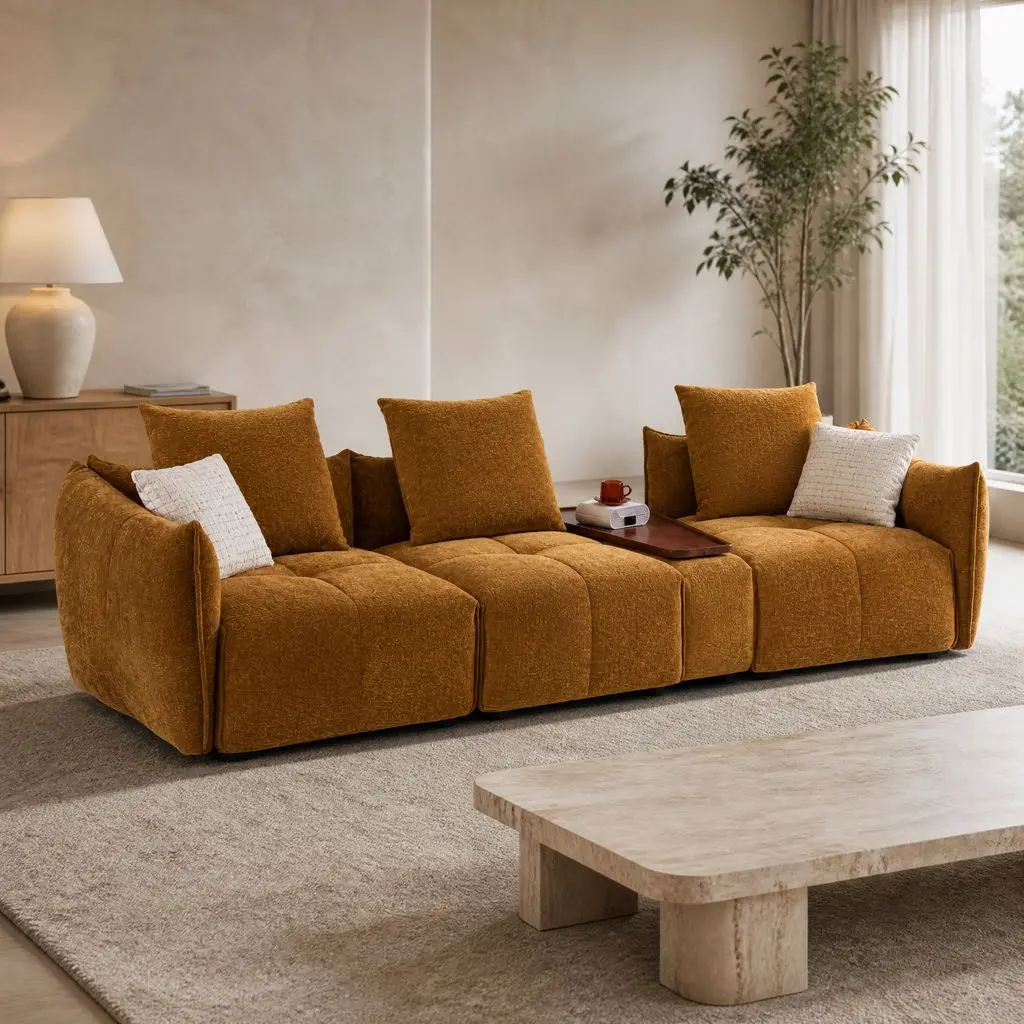
China QYM M1097 Modern Modular Sectional Sofa with Ottoman, Chenille Fabric, Larch Wood Frame and High-Density Foam Cushions Manufacturer, Factories
View Details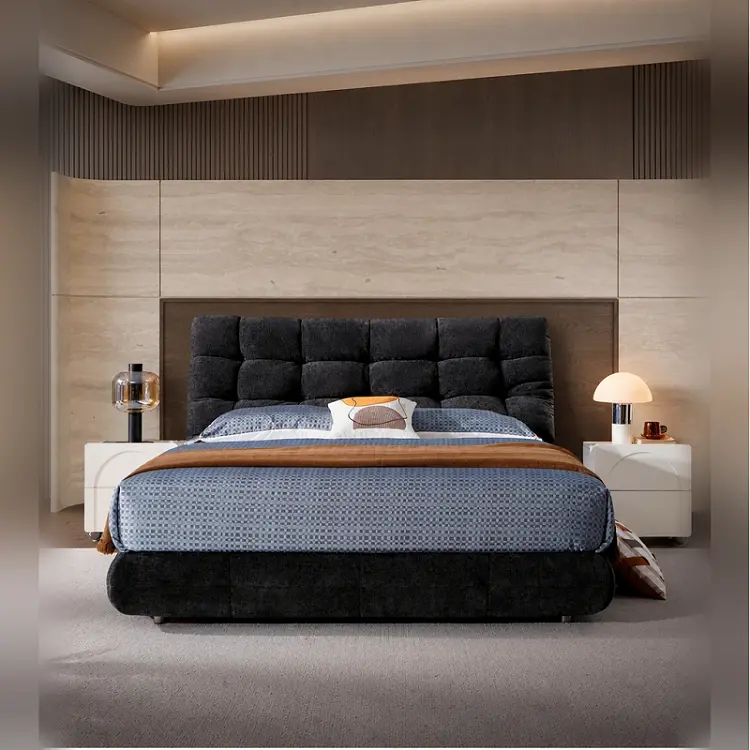
Latest design C217 Fabric Upholstered Bed Deep cushioned texture for a relaxed contemporary bedroom Manufacturers, Factories
View Details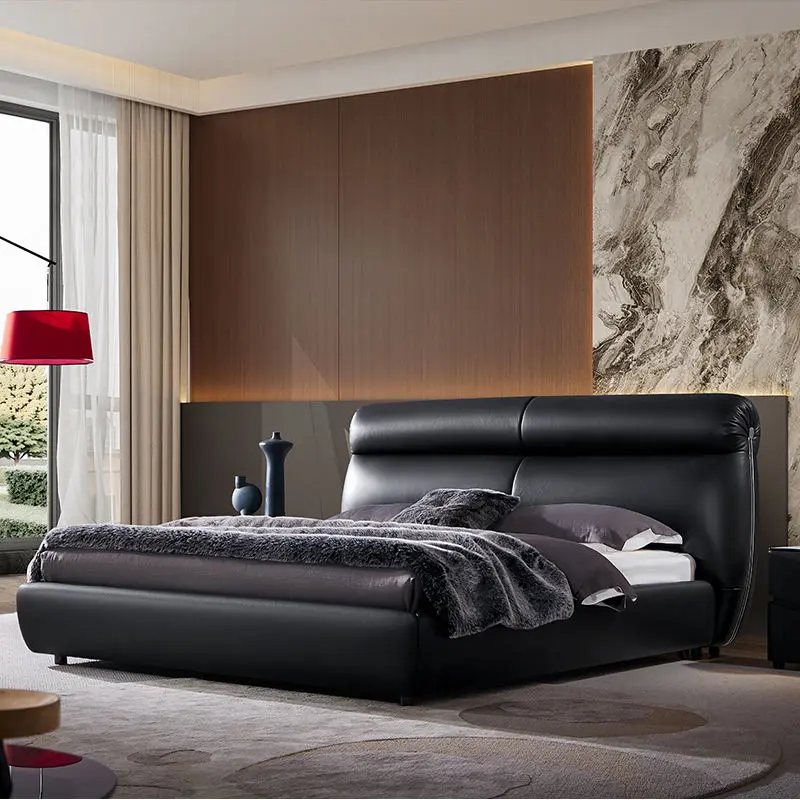
Latest design QYM C185 Minimalist Modern Light Luxury Double Soft Bed – First Layer Cowhide Genuine Leather Upholstered Bed Frame Manufacturers, Factory
View Details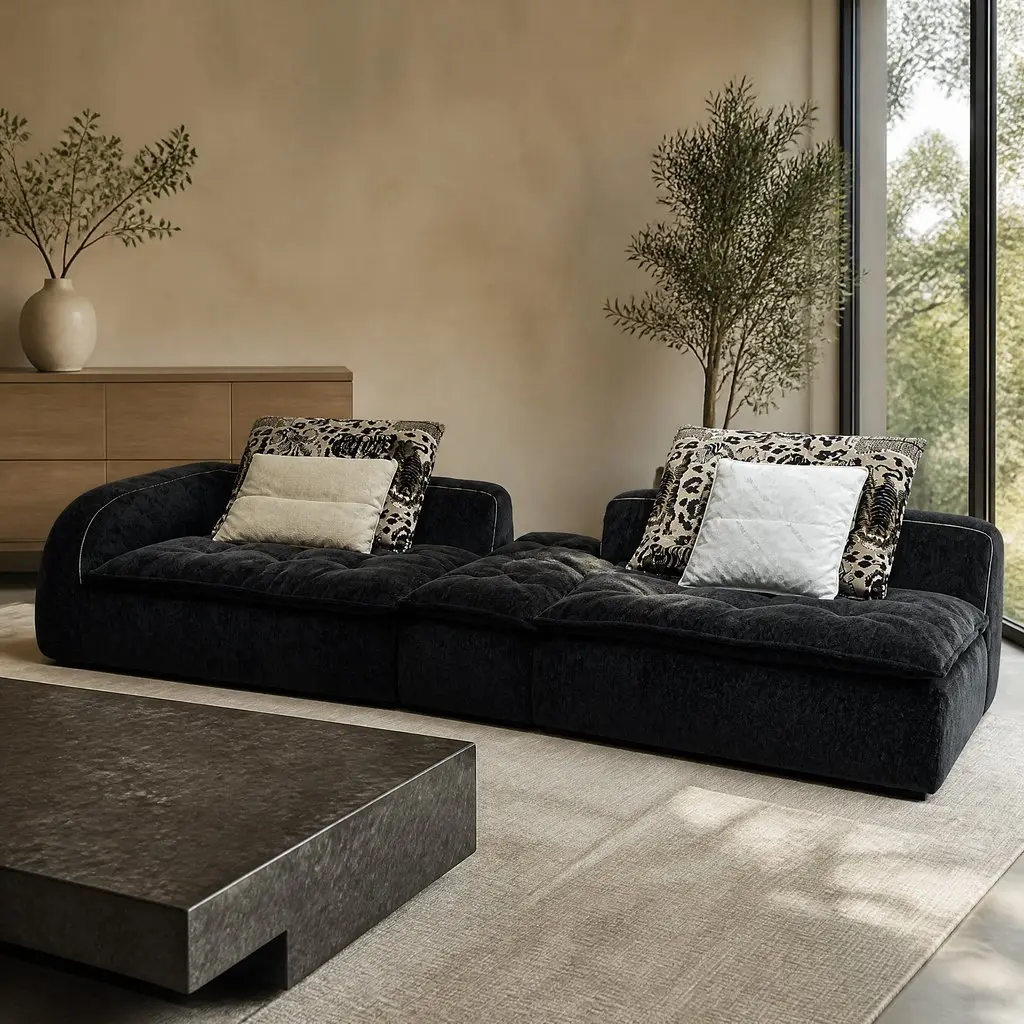
Wholesale QYM M1081 Modern Modular Sectional Sofa with Latex Cushions, Imported Larch Frame, Water Leopard Velvet and Washable Covers Manufacturer, Factories
View Details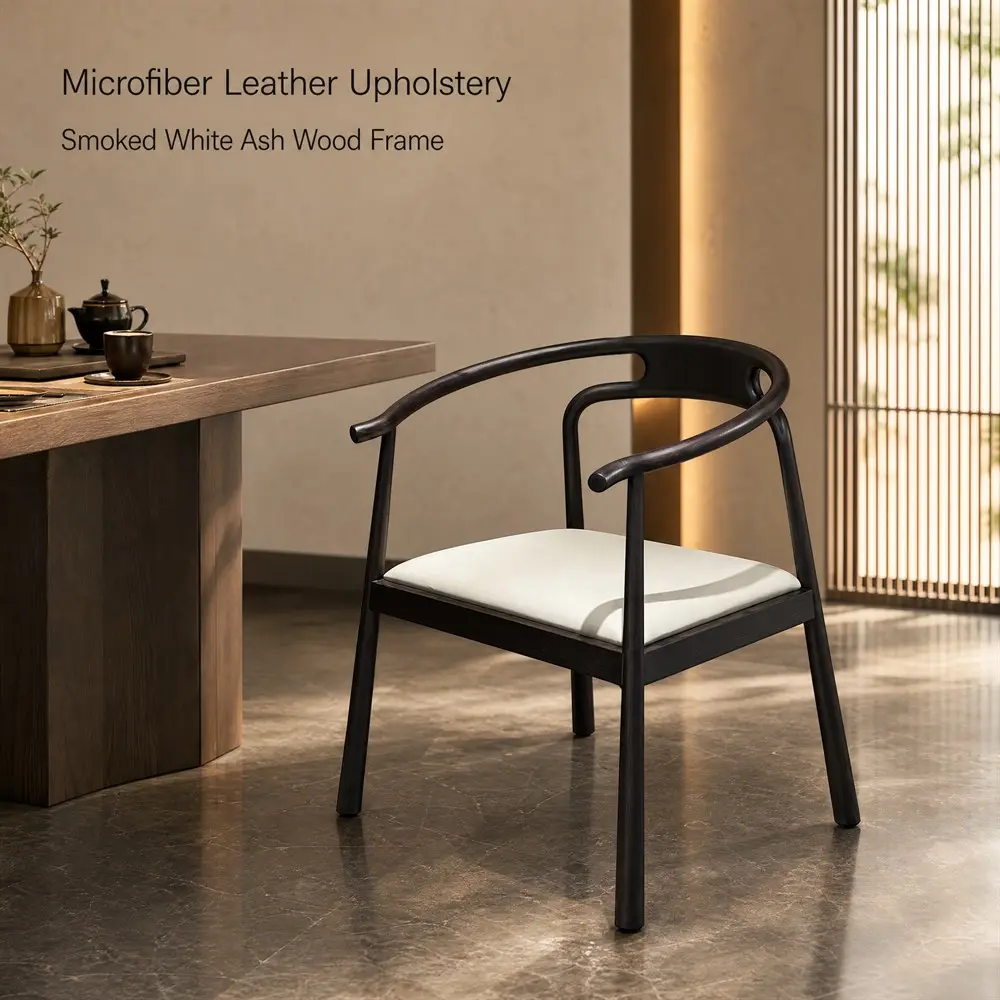
Wholesale Large‑size Modern Dining Armchair, Light Grey Microfiber Leather, Solid White Ash Wood Smoked Frame Manufacturers, Wholesaler
View Details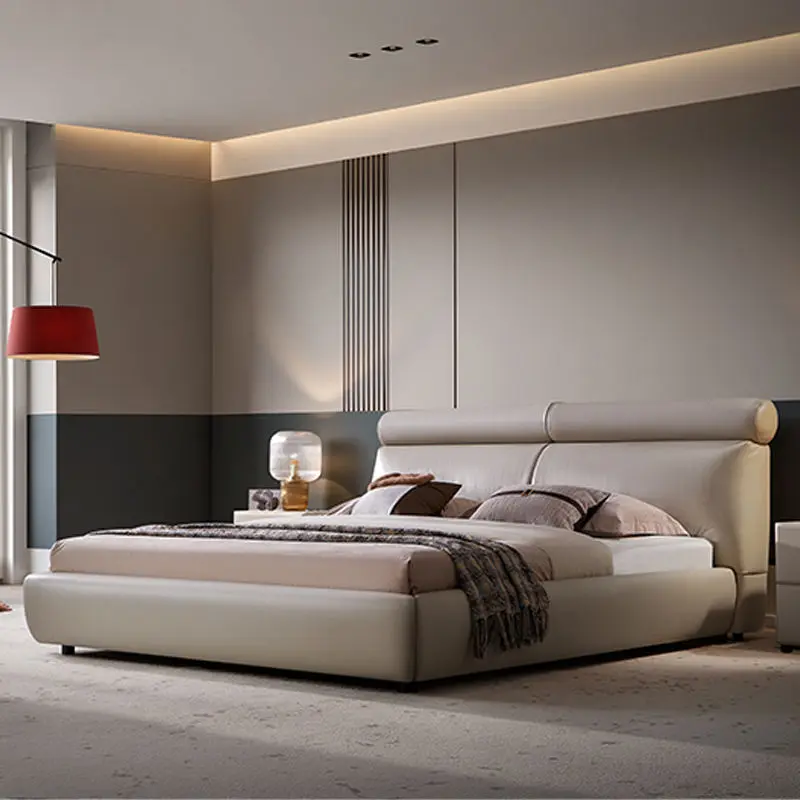
Wholesale QYM C186 High Quality Modern Luxury Soft Bed – Top Layer Cowhide Genuine Leather Upholstered Bed Frame with Quiet Steel-Wood Structure & Solid Larch Wood Frame Factory, Factories
View Details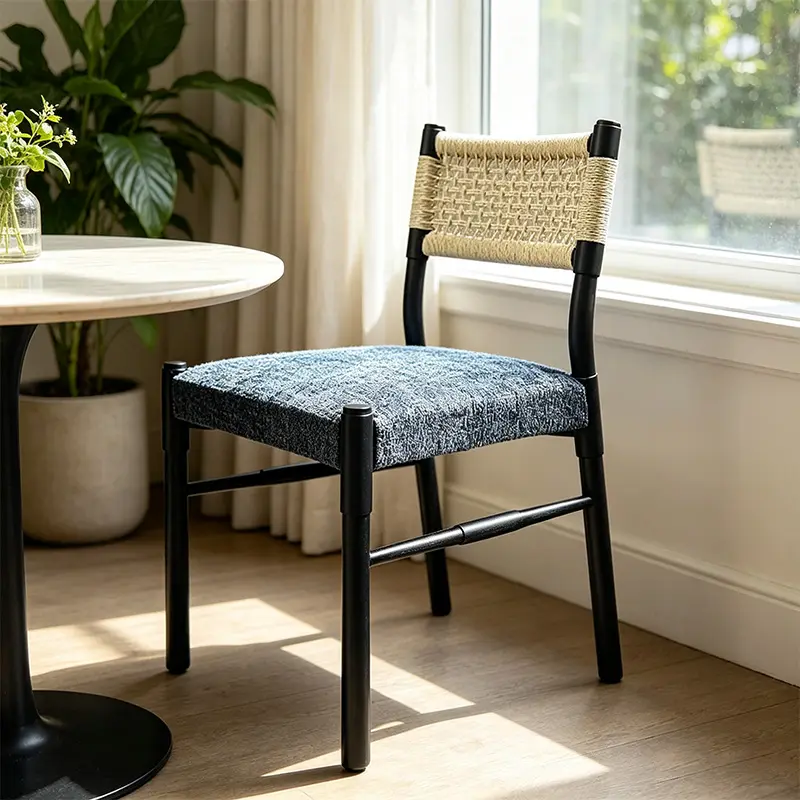
Latest design QYM Rope Woven Back Dining Chair, LVZ.61‑16 Blue Linen Cotton Cushion, Solid White Ash Wood Charcoal Black Finish Side Chair Manufacturers, Supplier
View Details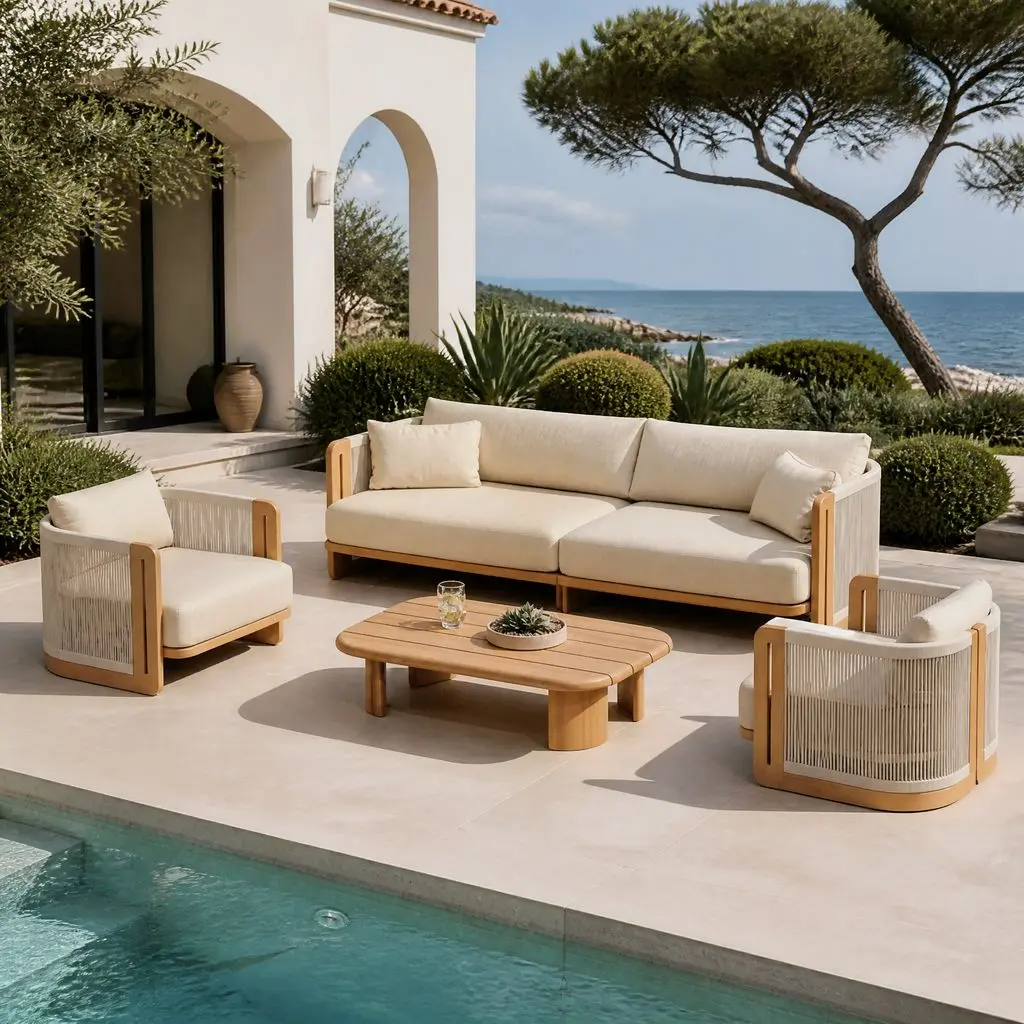
Wholesale QYM XD-6003 Wood-Grain Aluminum Outdoor Sectional Sofa with Teak Armrests, Woven Rope and Waterproof Cushions Factory, Factories
View DetailsThe Evolution of Natural Latex Rubber Mattress Manufacturing
An engineering breakdown of latex polymer mechanics, processing methodologies, and B2B quality benchmarks for commercial buyers and furniture brands.
Dunlop vs. Talalay Vulcanization Kinetics
Modern latex rubber mattress manufacturing relies on two core processing routes: the continuous Dunlop process (yielding denser, bottom-heavy supportive cores) and the Talalay flash-freeze method (creating hyper-homogeneous open-cell structures with high air permeability). Leading factories now utilize computer-controlled continuous vulcanization tunnels to achieve tight ILD (Indentation Load Deflection) tolerances within ±1.5 lbs.
Ergonomic Dynamic Viscoelasticity
Unlike petroleum-based polyfoam or viscoelastic memory foam, natural rubber latex exhibits a unique linear-elastic restoration force. Its instantaneous point elasticity adapts dynamically to spinal alignment, offering instantaneous pressure relief across varying body mass indexes (BMIs) without restricting micro-movements during deep sleep cycles.
Zero-VOC & Eco-Systemic Purity
Global regulatory shifts toward eco-friendly bedding demand non-toxic, hypoallergenic manufacturing. Sourcing raw Hevea brasiliensis sap from certified sustainably managed plantations allows top-tier manufacturers to meet GOLS (Global Organic Latex Standard) and OEKO-TEX Class 1 parameters, eliminating toxic off-gassing completely.
Latex Rubber Mattress Industry Trends & Sourcing Matrix
Data-driven forecast analyzing shift toward bio-based sleep solutions, hybrid mattress engineering, and streamlined global contract logistics.
1. Smart Latex-Pocket Spring Hybrids
Procurement metrics demonstrate a massive expansion (+28% YoY) in multi-layer hybrid mattresses. Combining zoned natural latex toppers (2.5cm–5cm pin-core) with independently encased 7-zone pocket coils provides optimal dampening, motion isolation, and thermal ventilation requested by boutique hotel chains and high-end sleep retailers.
2. Compression & Vacuum Packaging Advancement
Engineered latex cores with optimized latex-to-air cellular ratios can sustain high-pressure roll-packing (bed-in-a-box packaging) for up to 9 months without structural degradation. This cuts ocean container shipping costs by up to 60% per unit while maintaining instantaneous 99% loft recovery upon unpacking.
3. Modular OEM/ODM Private Labeling
Global importers are stepping away from rigid off-the-shelf catalogues. OEM factories now provide complete customizability: variable density zoning (60 kg/m³ to 95 kg/m³), bamboo/organic cotton jacquard ticking covers, and embedded cooling Phase Change Material (PCM) micro-capsules.
End-to-End Enterprise Manufacturing Infrastructure
From raw material emulsification to certified quality assurance: How OEM factories optimize production flow for mass global delivery.
Pin-Core Micro-Climate Architecture
Through precision aluminum mold geometry, pin-core matrixes are formed throughout the latex vulcanization phase. These continuous vertical channels act as natural convection pumps during bodily repositioning, exhausting humid air and regulating micro-climate temperature during long sleep intervals.
Multi-Zone Ergonomic Mapping
By altering the pin-core diameter and density distribution, single-slab latex cores offer differential firmness zones (Head, Shoulders, Lumbar, Hips, Knees, Legs, Ankles). Lumbar regions feature high-density reinforcement (75–85 kg/m³) while shoulder zones maintain softer firmness (60–65 kg/m³) to reduce joint pressure points.
Flame-Retardant Integration without Toxins
Meeting international fire safety codes (US 16 CFR Part 1633 and UK BS 7177) requires sophisticated engineering. Leading factories integrate inherently flame-resistant rayon or Kevlar-woven inner covers around latex layers, eliminating halogenated chemicals and organophosphates entirely.
Latex Mattress Manufacturing Tech Roadmap
Phase 1: Bio-Based Vulcanization Agents & Zero-Sulfur Odor Reduction
Developing plant-based vulcanization catalysts that reduce post-curing rubber scent by 90% while enhancing latex tensile strength and elasticity ratios.
Phase 2: Micro-Thermal PCM Encapsulation
Integrating phase-change materials into the liquid latex matrix before foaming to maintain skin thermal equilibrium at 28°C–30°C.
Phase 3: Automated Robotics & AI-Driven Quality Auditing
Deploying computer-vision sensor arrays to detect internal cellular voids, micro-tears, and density discrepancies across 100% of production line outputs.
International Standards & Quality Certifications
Full compliance matrix verifying zero toxicity, durability, and fire safety across major global market jurisdictions.
OEKO-TEX Standard 100
Certifies complete absence of harmful pesticides, heavy metals, formaldehyde, and allergenic dyes. Safe for infant contact (Class 1).
eco-INSTITUT Certified
Independent laboratory validation guaranteeing extremely low volatile organic compound (VOC) emissions for indoor environmental health.
LGA Quality Test
Dynamic load cylinder stroke test (100,000 cycles) verifying under 3% height loss and resilient elastic endurance over 10+ years.
GOLS Certified Organic
Verification of organic farming origin for raw rubber latex latex sap, supporting eco-conscious brand positioning in EU & NA markets.
Whole-House Complementary Collections & Beds
Premium handcrafted mattresses, solid wood bed frames, and ergonomic dining and seating solutions tailored for B2B procurement containers.
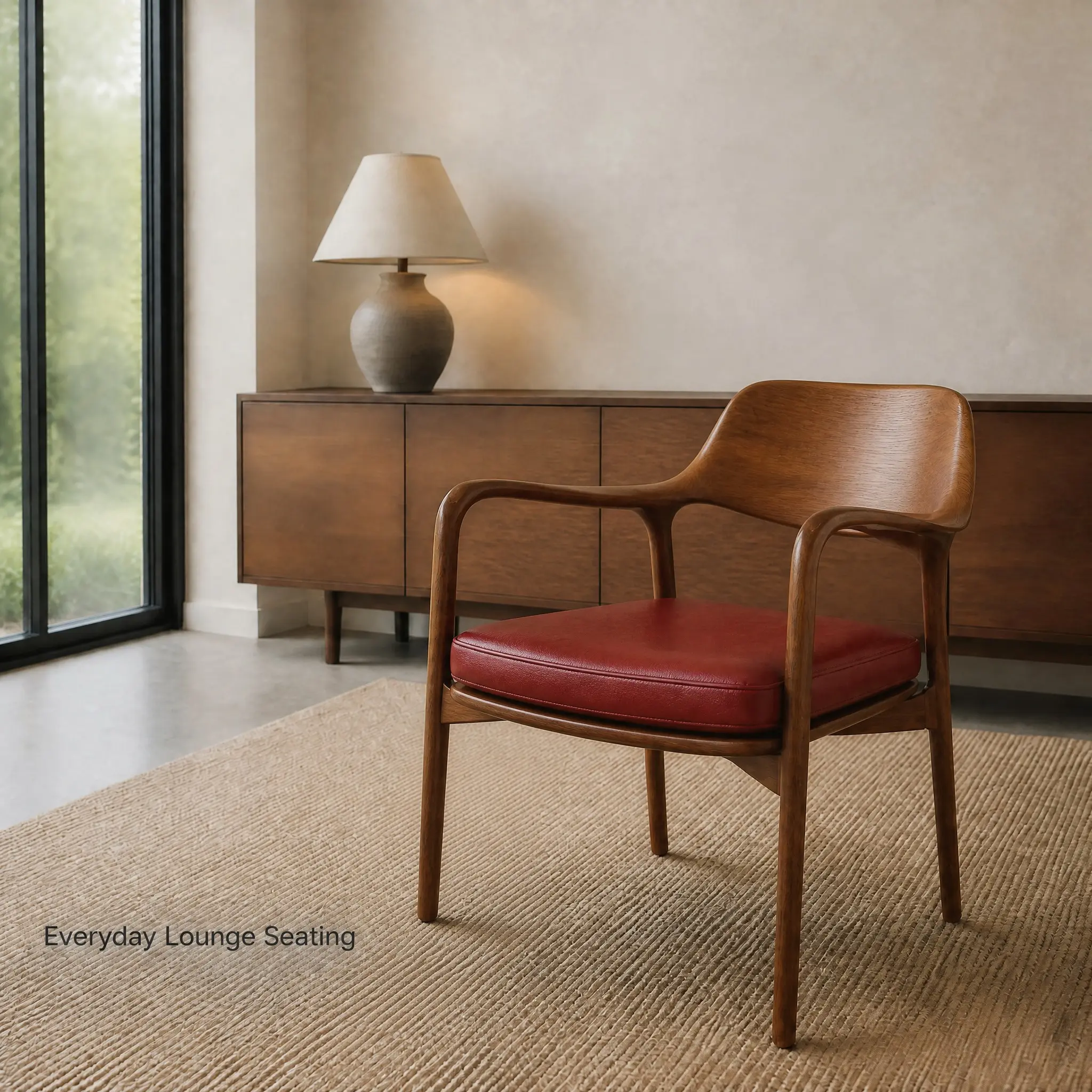
Wholesale QYM Solid Ash Wood Frame Dining Armchair Red Dragon‑Scale Microfiber Leather Upholstery Modern Home Restaurant Chair Supplier, Suppliers
View Details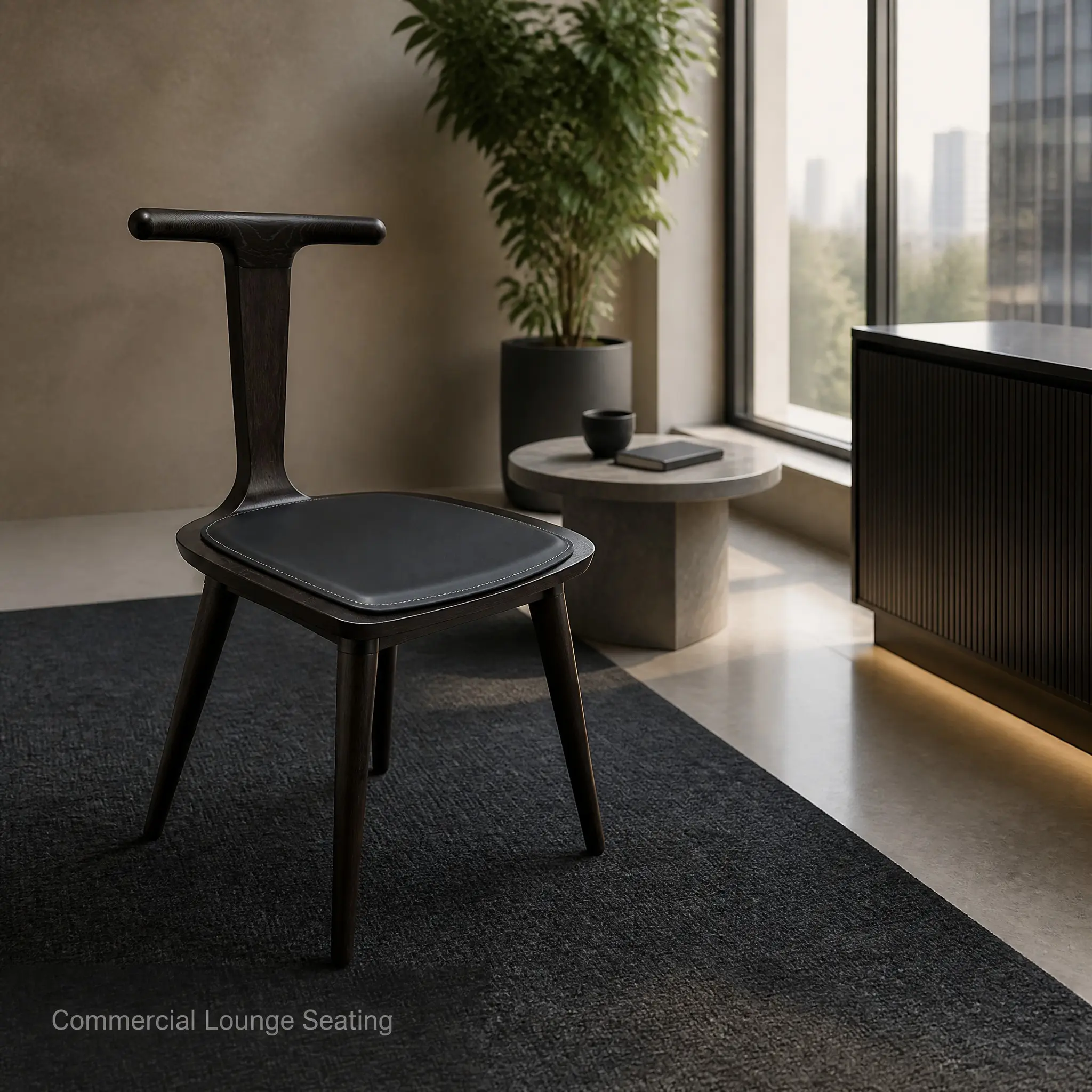
China QYM Nordic Solid Ash Wood Dining Chair Saddle Leather Seat Cushion T‑Shape Backrest Dining Chair For Restaurant Home Manufacturers, Supplier
View Details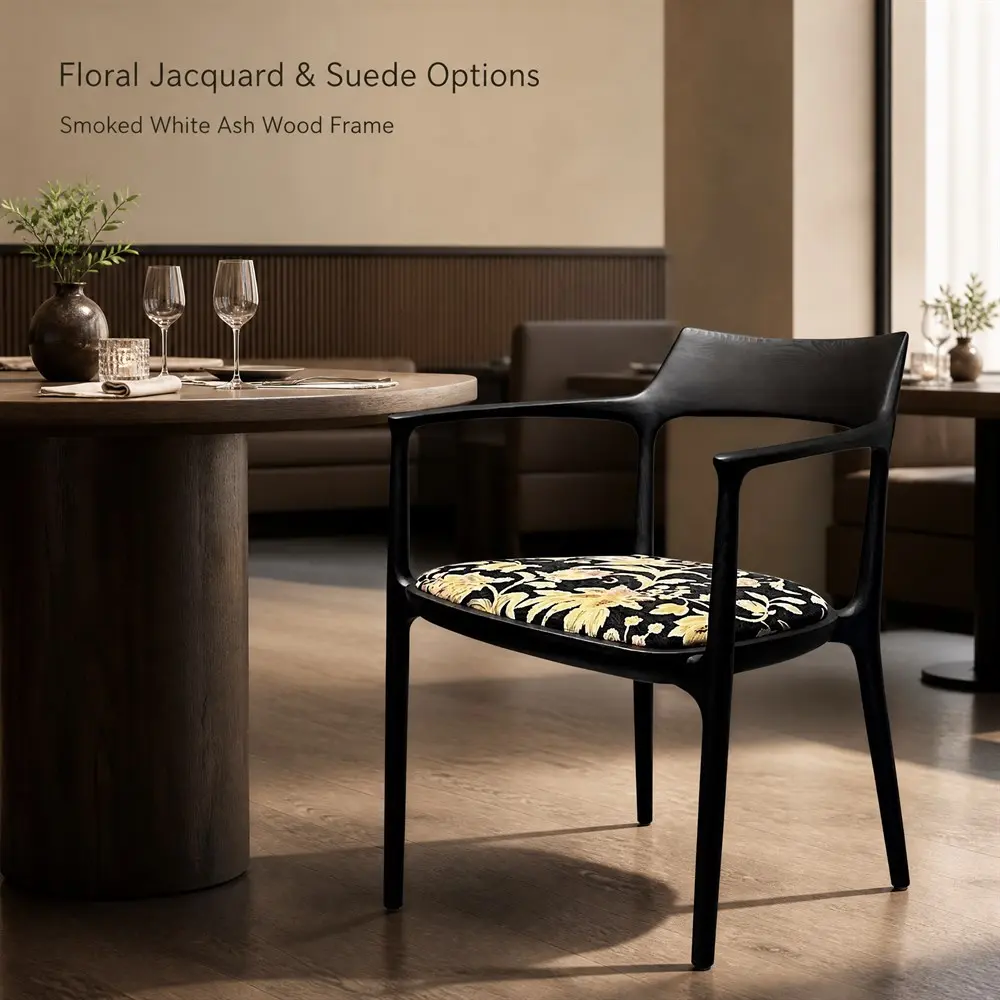
China QYM American Retro Dining Armchair, Jacquard Cotton-Linen / Misty Blue Suede Fabric, Smoked Ash Wood Frame Supplier, Wholesaler
View Details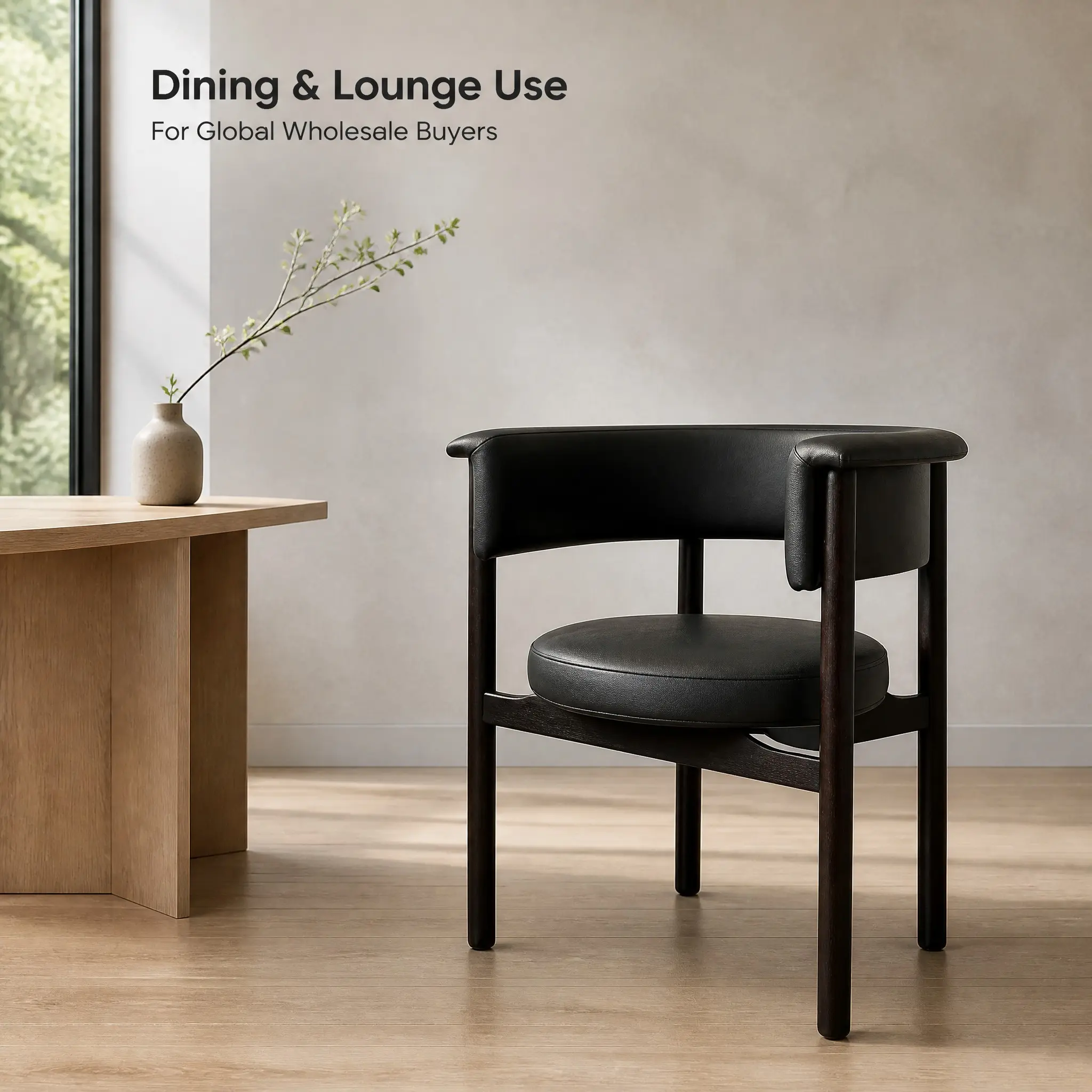
China QYM Modern Solid Ash Wood Dining Chair Black Faux Leather Upholstered Armchair Smoke Finished Frame For Dining Room Restaurant Supplier, Factories
View Details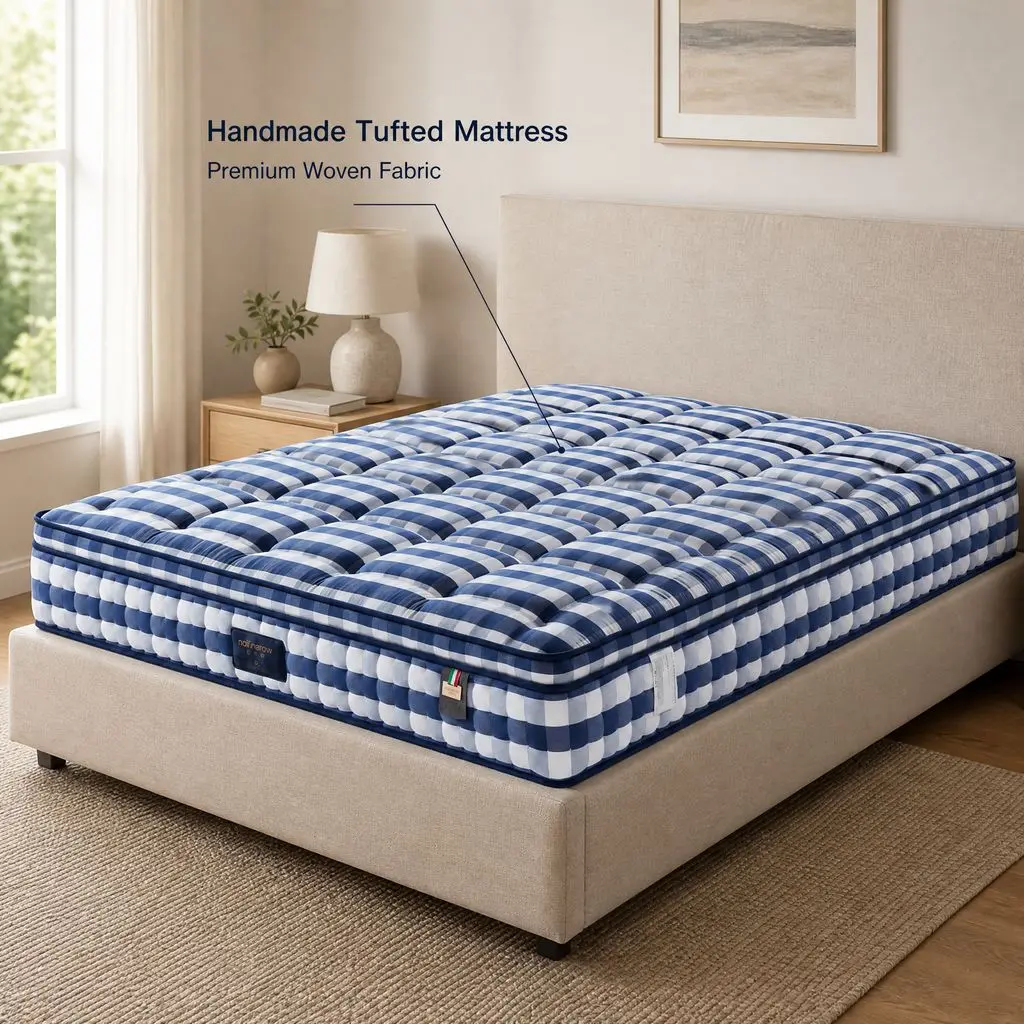
Wholesale QYM HF01 Handmade Pocket Spring Mattress with Cloud Memory Foam, Thai Natural Latex and Gel Memory Foam Factories, Wholesaler
View Details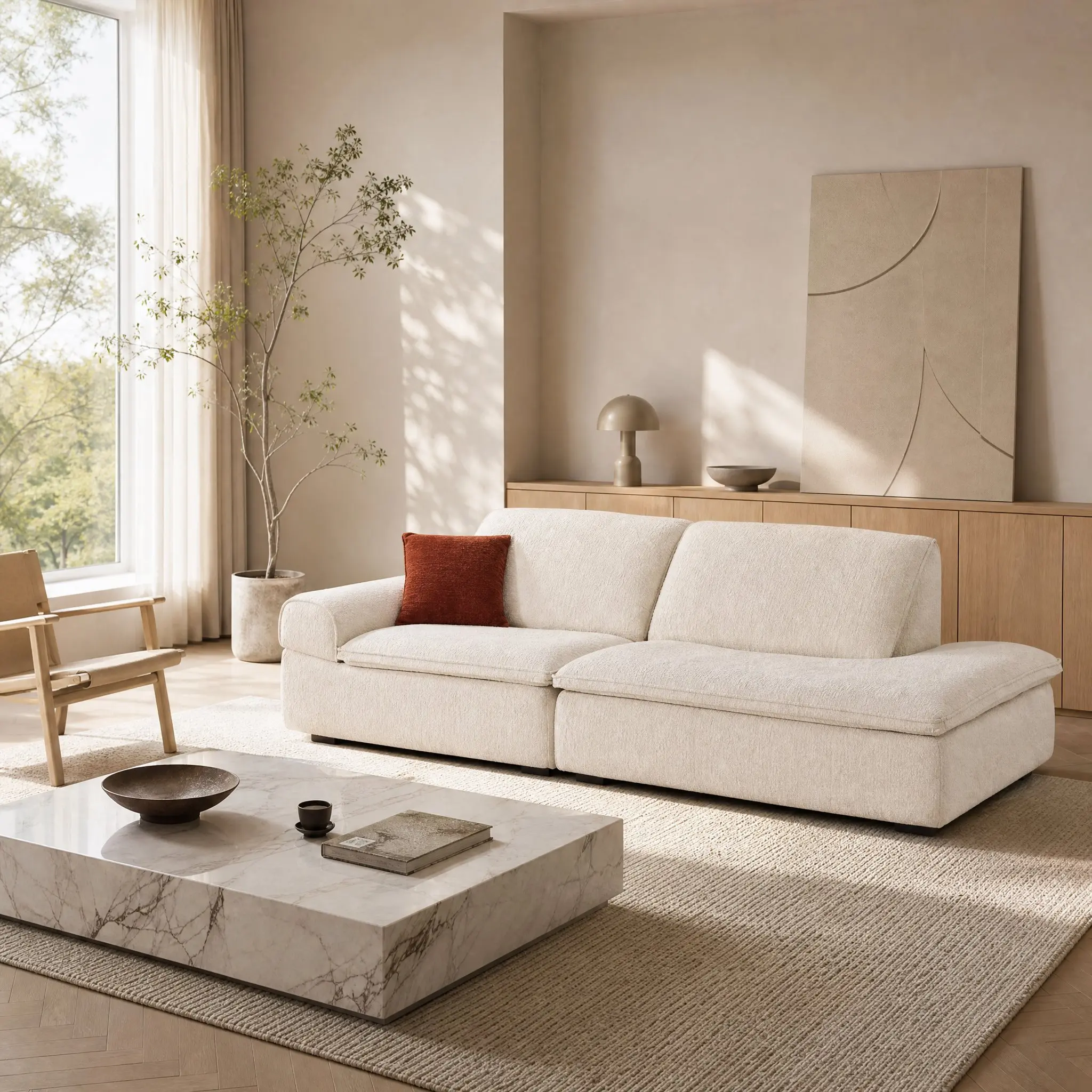
China QYM M1066 Modern Minimalist Sectional Sofa with Imported Larch Wood Frame & Natural Latex Filling, Premium Soft Chenille Fabric, Fully Removable and Washable Cover for Luxury Living Room Supplier, Factories
View Details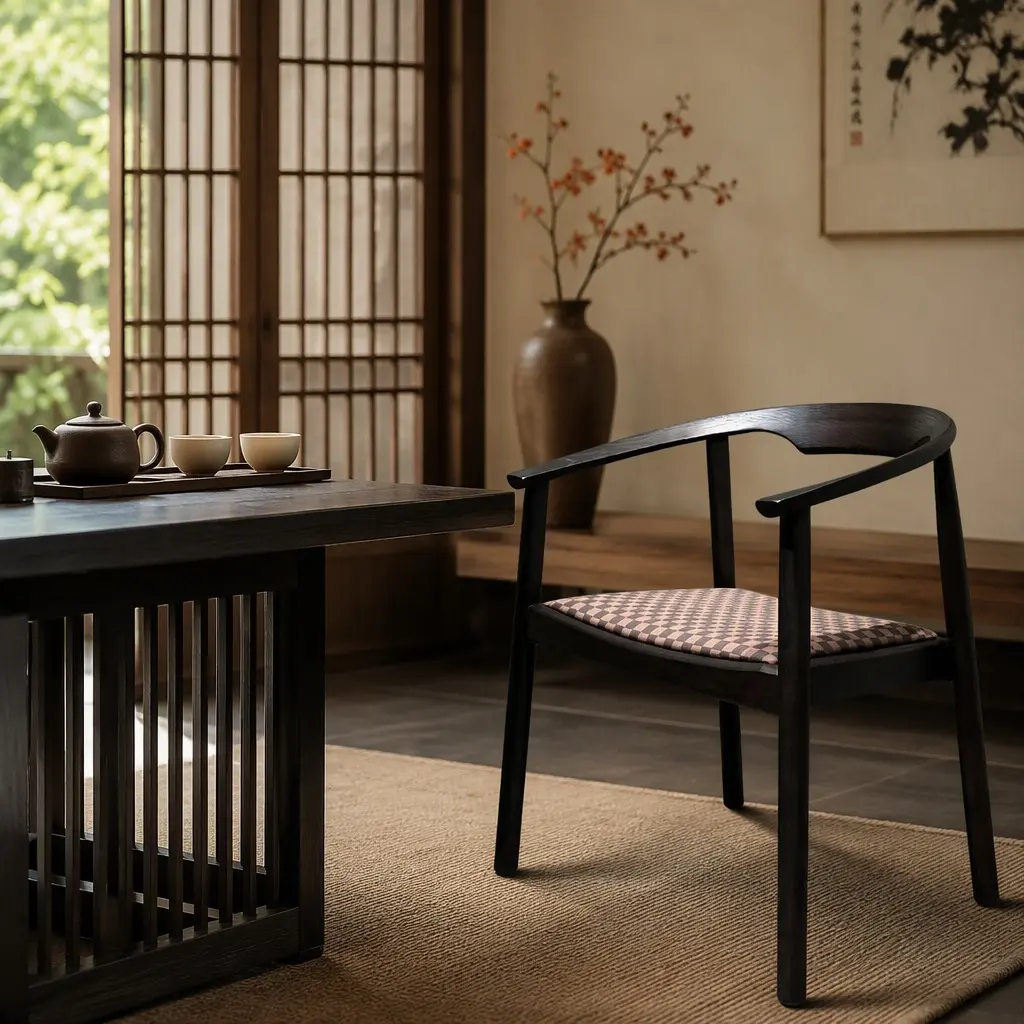
China QYM Italian Cassina 905 Style Solid White Ash Wood Arm Chair, Dark Coffee Saddle Leather Upholstered Dining Chair, Smoked Finish Accent Chair Manufacturers, Factory
View Details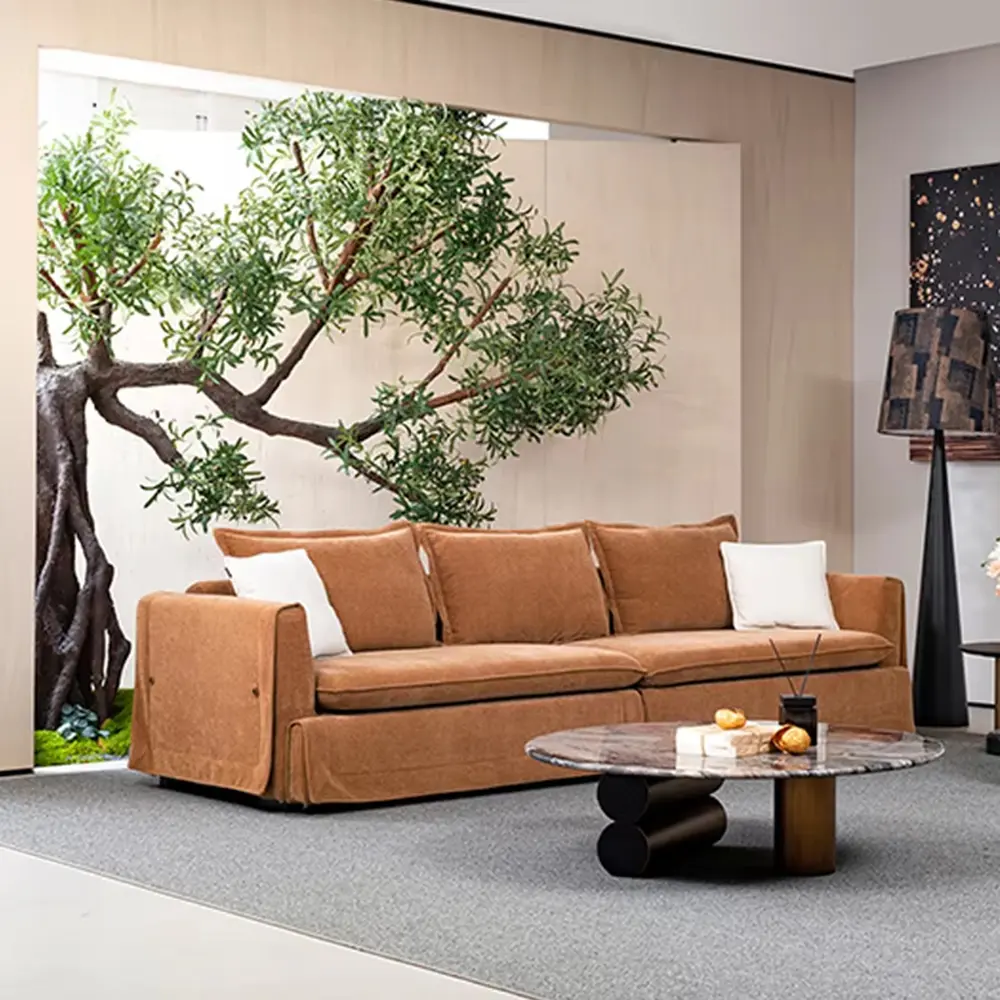
China QYM M1050 Contemporary Three-Seat Chenille Sectional Sofa – Cozy Thick Comfort Upholstered Modular Couch with Removable & Washable Cover Manufacturers, Factories
View DetailsFrequently Asked Questions by Global Procurement Managers
Detailed technical answers addressing OEM customization, latex formulation, minimum order quantities, and international logistics.
What is the optimal natural latex percentage for commercial hotel mattresses?
For commercial hospitality environments, an 85% to 92% natural rubber latex core ratio blended with essential vulcanization mineral agents offers the highest durability balance. Pure 100% natural rubber latex cores without stabilizing agents can be overly soft and prone to oxidation under rigorous industrial laundering and heavy guest usage, whereas 85%+ Dunlop latex maintains high resilience across a 10-year service life.
How does vacuum roll-packing affect latex core resilience during container transit?
High-quality open-cell latex cores possess superior tensile recovery compared to standard polyurethane foams. Utilizing automated hydraulic compression presses, our latex mattresses are compressed and vacuum-sealed into heavy-duty polyethylene sleeves. When stored under 25°C for under 6 months, the latex rebounds to 98%-99% of its original structural height within 2 hours of unsealing, saving up to 60% in ocean container freight cubic volume.
Can OEM buyers customize Indentation Load Deflection (ILD) and zoning?
Yes. We offer fully customizable ILD ranges starting from soft (14-19 ILD) for pillow-top comfort layers, medium (24-29 ILD) for balanced body contouring, up to firm (34-39 ILD) for orthopedic support bases. Additionally, our continuous automated pin-core molds allow custom 3-zone, 5-zone, and 7-zone density layouts mapped to specific anatomical pressure points.
What fire safety standards can your factory comply with for global import?
We provide certified flame-retardant mattress configurations adhering to US 16 CFR Part 1633 / Part 1632 (open flame and cigarette ignition tests), UK BS 7177 (Medium Hazard / Crib 5 for hotel and contract use), and Australian AS/NZS 4088. Fire barriers are constructed using non-toxic woven glass-fiber or inherently FR treated cellulosic fibers.
What is the typical production lead time and Minimum Order Quantity (MOQ)?
Standard OEM production lead time is 20 to 25 calendar days following pre-production sample approval and deposit confirmation. For custom mattress lines, our standard MOQ is 30 units per SKU, or consolidated mixed-category orders filling a standard 20ft or 40ft HQ container (including upholstered bed frames, sofas, and dining seating).
How does your factory handle quality control across batch orders?
Every production batch undergoes a 4-stage Quality Inspection Protocol: 1) Raw rubber sap density and purity testing; 2) Post-vulcanization tensile elasticity and pin-core structural check; 3) Mechanical LGA 100,000-cycle durability stress testing; 4) Pre-shipment dimensional calibration, seam stitching audit, and moisture-proof packing checks.