
Curated Architectural & Contract Furniture Solutions
Explore our high-performance wholesale product line engineered for commercial hospitality, residential projects, and global distributor channels.
The Global Evolution of Rock Slab (Sintered Stone) Dining Table Manufacturing
The international commercial furniture market is undergoing a paradigm shift. Traditional natural marble, granite, and solid wood dining surfaces are rapidly giving way to engineered sintered stone, commercially referred to as Rock Slab Dining Tables. This transformation is driven by demanding commercial hospitality requirements, high-frequency residential usage, and the relentless evolution of material science. As global procurement directors, hotel developers, and furniture wholesalers re-evaluate material life-cycle costs, rock slab dining tables have emerged as the benchmark for luxury durability.
Historically, high-end dining tables relied heavily on natural quarried stone. While aesthetically pleasing, natural marble presents systemic structural vulnerabilities: high porosity resulting in deep staining, susceptibility to acidic etching, low flexural strength causing stress fractures, and massive carbon footprints linked to quarrying. Sintered rock slab technology resolves these vulnerabilities entirely. Sourced from natural clay, feldspar, quartz, and inorganic oxides, rock slabs undergo extreme industrial processing that replicates millennia of geological metamorphosis within a condensed high-tech manufacturing cycle.
From a global supply chain perspective, the manufacturing ecosystem for high-end rock slab dining tables has consolidated around hyper-advanced industrial hubs, with Foshan, China leading the global volume and customization throughput alongside specialized Italian and Spanish technology providers. A premier rock slab dining table supplier today does not merely sell a piece of furniture; they engineer an integrated structural system consisting of precision-machined sintered slabs, subterranean structural under-assemblies, and stress-tested load-bearing sub-frames (utilizing smoked ash wood, cold-rolled carbon steel, or aircraft-grade aluminum alloys).
Sintered Rock Slab Technology Roadmap: Material Science Analysis
Understanding why top-tier furniture brands and institutional buyers are transitioning to modern rock slab dining tables requires a deep dive into material physics. Unlike traditional ceramics or quartz surface composites that utilize resin binders, rock slabs are 100% natural, binder-free minerals compacted under extreme hydraulic pressures exceeding 30,000 to 40,000 tons using state-of-the-art press systems (such as Italian System Lamgea). They are subsequently fired in roller kilns exceeding 1,200°C (2,192°F).
| Performance Metrics | Sintered Rock Slab | Natural Italian Marble | Engineered Quartz Surface | Solid Ash / Teak Wood |
|---|---|---|---|---|
| Mohs Hardness Rating | 7.0 - 8.0 (Scratchproof to steel) | 3.0 - 4.0 (Scratches easily) | 5.0 - 6.0 (Moderate hardness) | 2.5 - 3.5 (Soft, easily dented) |
| Porosity / Water Absorption | < 0.02% (Stain-impervious) | 0.5% - 2.0% (Highly porous) | 0.05% (Stain resistant) | Variable (Requires sealing) |
| Thermal Resistance | Direct Flame / 1200°C Immune | Thermal Shock Cracks > 150°C | Resin Burns > 120°C | Chars & Scorches > 100°C |
| Chemical & Acid Resistance | Class A1 (Citric/Wine Proof) | Severely Etched by Acids | Moderate Resistance | Degraded by Household Cleaners |
| UV & Weather Stability | 100% Fade Proof (Indoor/Outdoor) | Fades & Chalks over time | Resins Yellow in UV Light | Warping & Rotting without treatment |
This intense thermodynamic synthesis eliminates structural micro-voids, yielding an ultra-dense material. When evaluating a reliable rock slab dining table supplier & suppliers, engineering buyers must scrutinize technical attributes such as flexural strength (minimum 50 MPa), breaking modulus, and impact resistance achieved through composite subterranean backings.
Structural Engineering: Under-Slab Core Technology and Sub-Frame Dynamics
A common point of failure in poorly designed rock slab dining tables lies not within the slab itself, but in improper load distribution and thermal expansion mismatch between the slab and its underlying chassis. Sintered stone possesses immense compressive strength, but requires specialized engineering to mitigate tensile and shear stresses during transport, heavy edge-loading, or dynamic physical impact.
Honeycomb Structural Substrates
High-end rock slab tables incorporate aviation-grade aluminum honeycomb panels bonded with high-viscosity structural epoxy underneath the slab. This layer absorbs impact kinetic energy and prevents telegraphing cracks across vast spans up to 3.2 meters.
Smoked Ash & Hardwood Frameworks
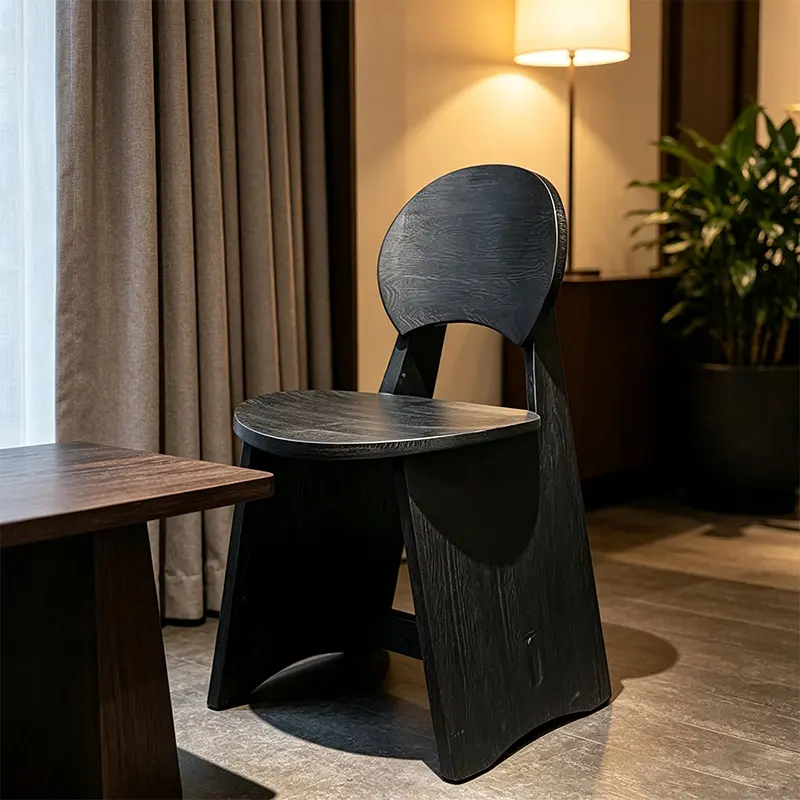
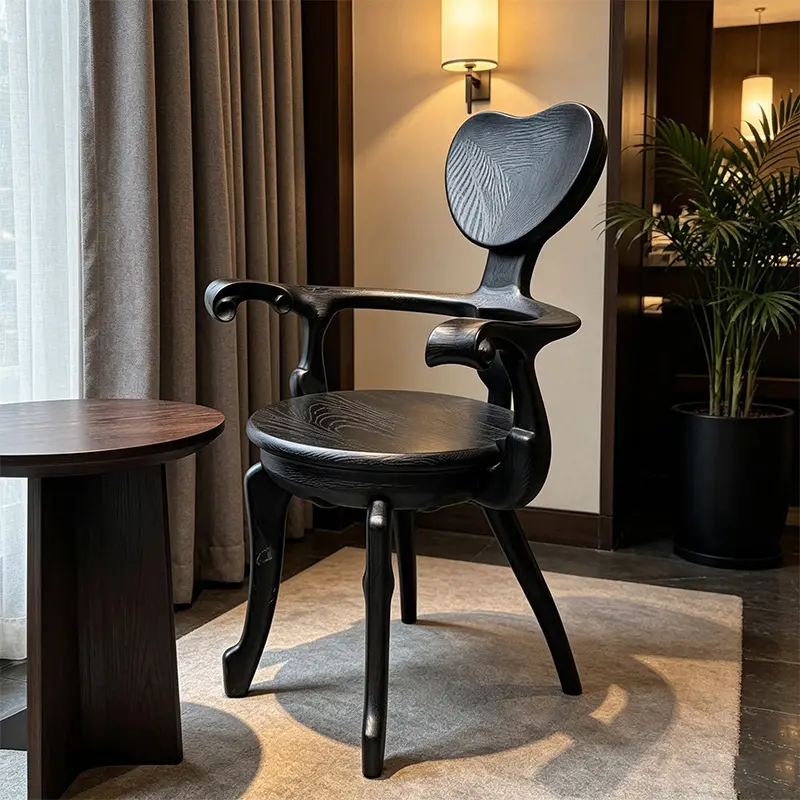
Combining industrial rock slabs with organic wood elements—such as smoked black solid ash wood legs—delivers a striking Italian minimalist aesthetic. Precision CNC dovetailing ensures seamless mechanical anchoring between stone and timber.
Vibration-Damping Adhesive Interfaces
To accommodate slight differences in thermal expansion coefficients between carbon steel/wood frameworks and rock slabs, flexible polyurethane structural joints are deployed to isolate mechanical shock and maintain flatness.
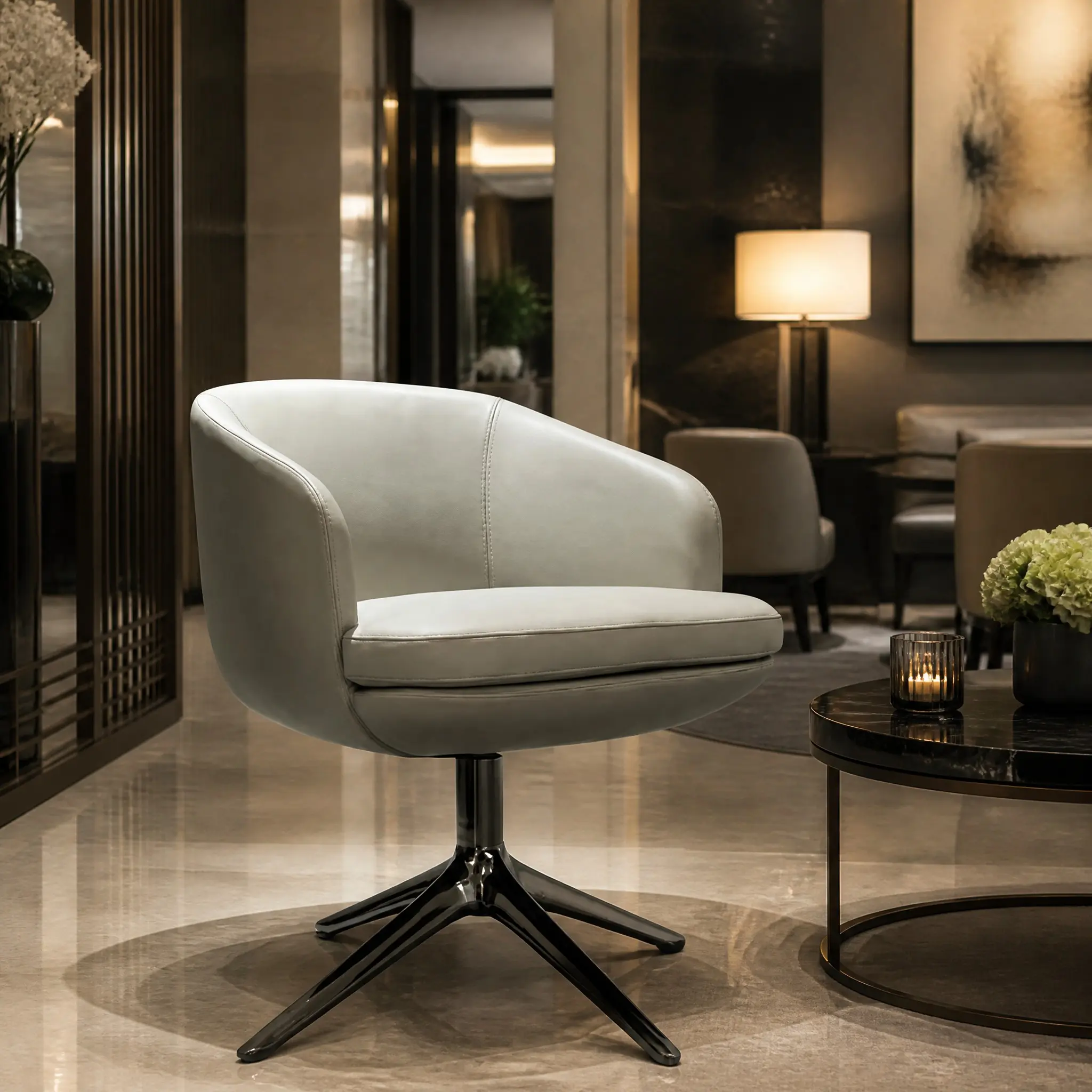
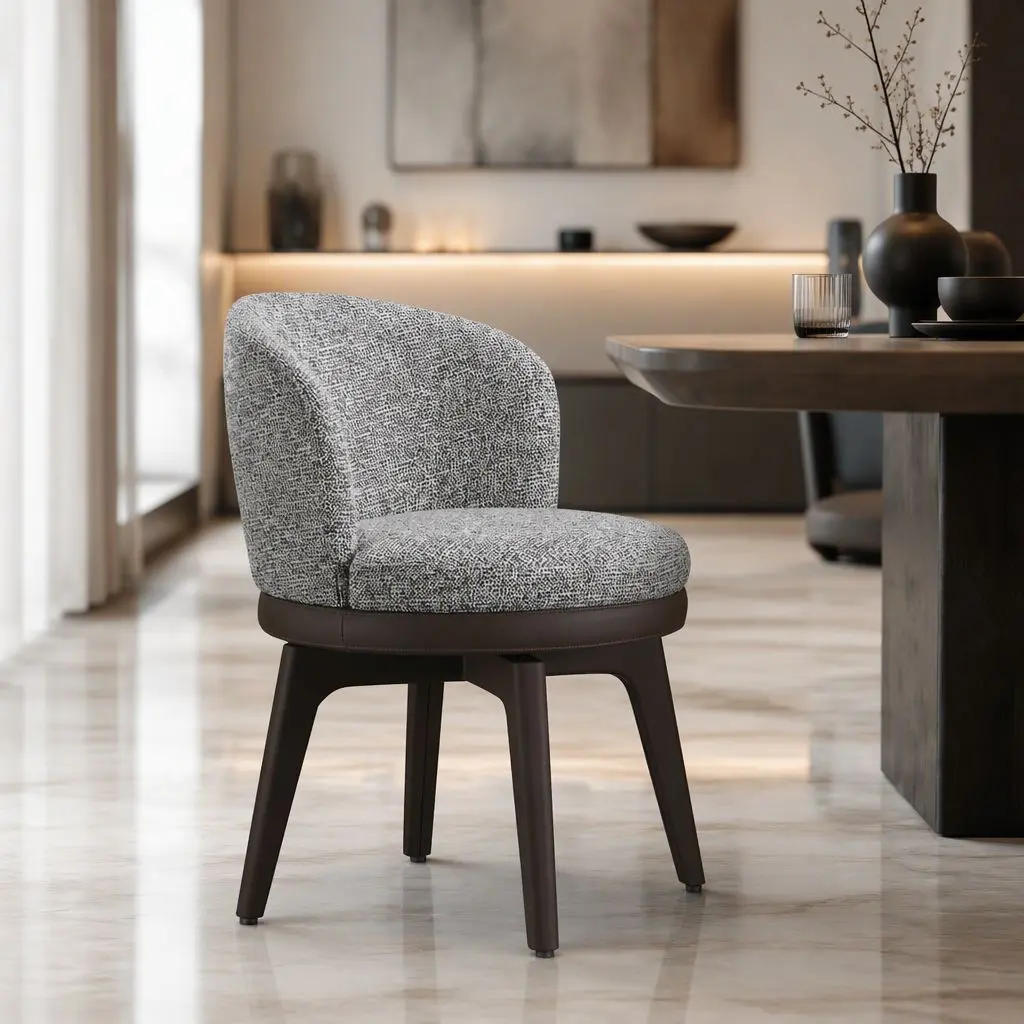
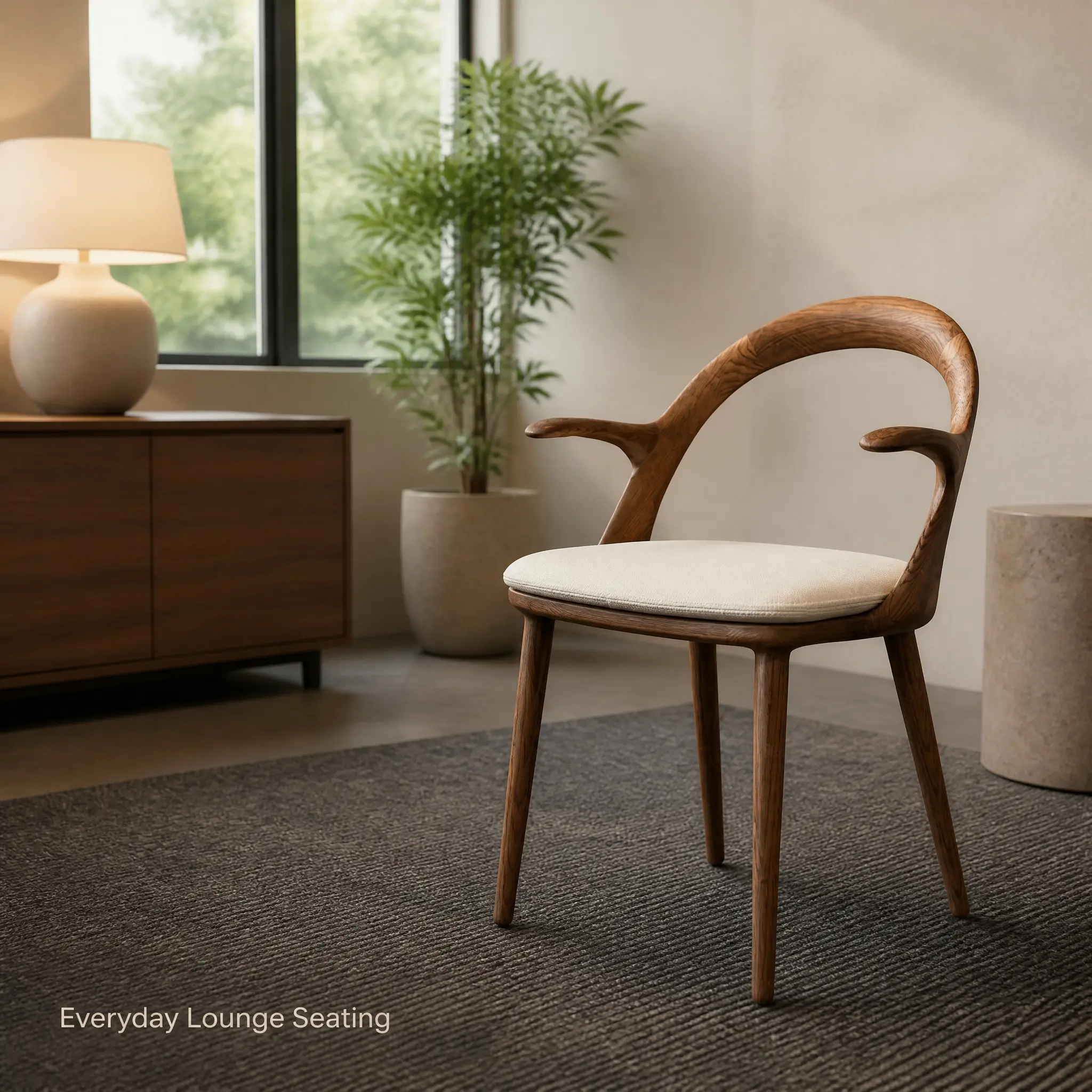
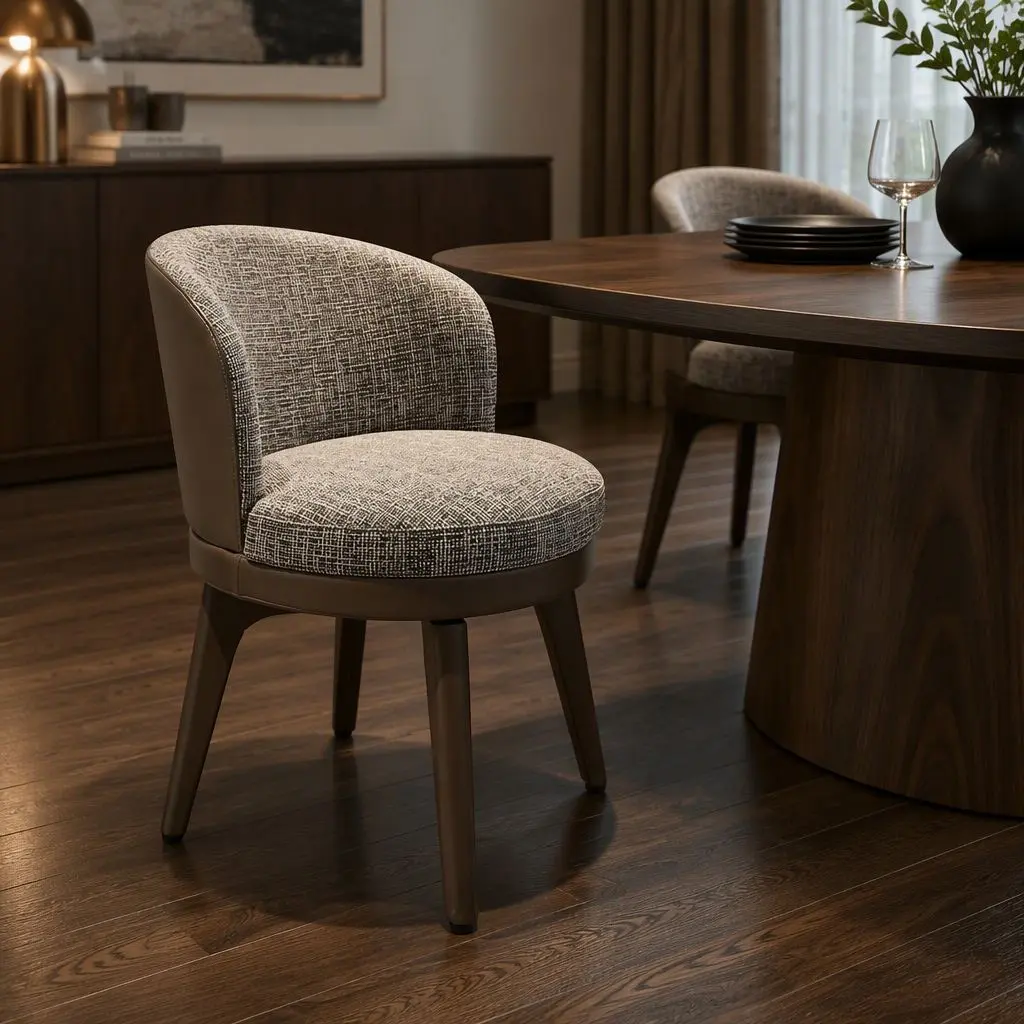
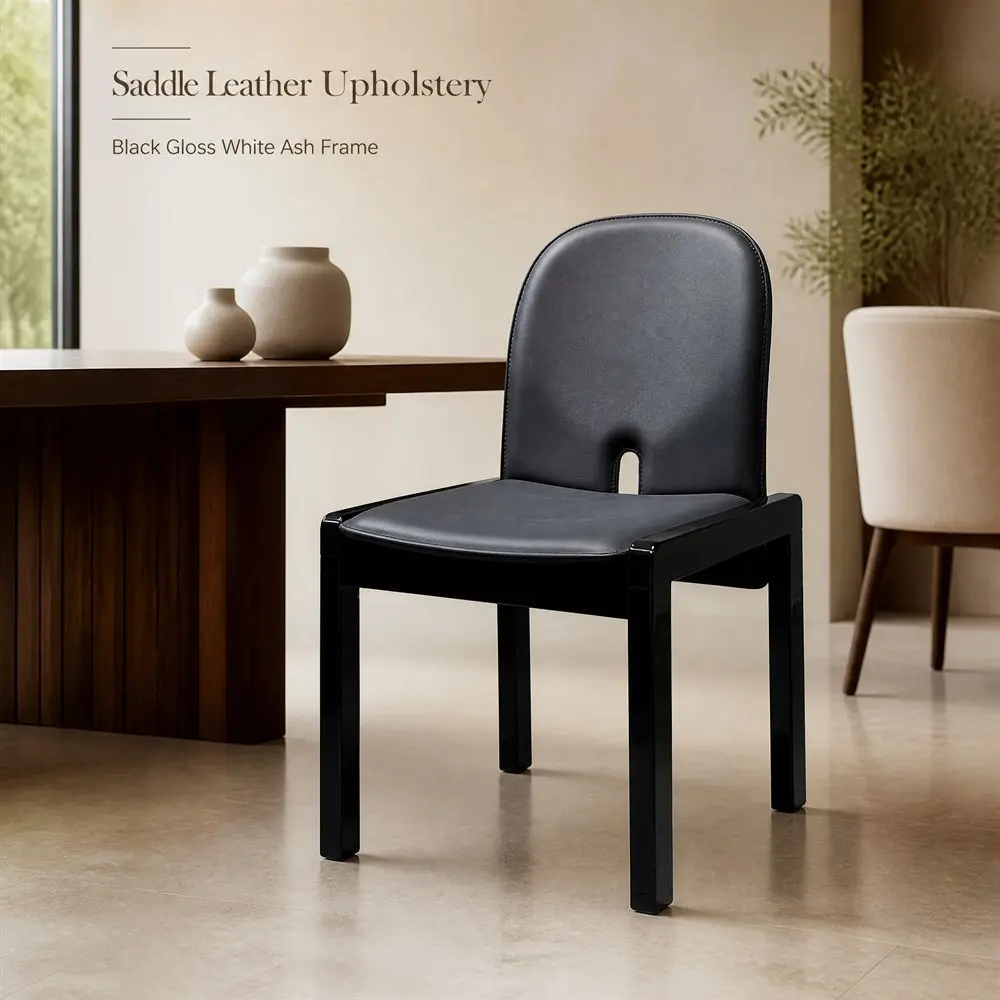
As demonstrated in our manufacturing portfolio, pairing rock slab surfaces with complementary seating solutions—such as our QYM Modern Solid Ash Wood Dining Chair with Smoked Black Finish or Italian Minimalist Swivel Dining Chairs—creates a cohesive design narrative suitable for modern penthouses, executive suites, and Michelin-starred dining establishments.
Localized Application Scenarios: Macro Industry Solutions
The practical applications for rock slab tables extend far beyond traditional residential dining rooms. Their zero-porosity, hygienic, and scratchproof surface characteristics allow specialized suppliers to deploy custom configurations across demanding commercial verticals:
1. High-Traffic Luxury Hospitality & Restaurants
Commercial restaurants demand surfaces that withstand constant sanitation with harsh chemicals, direct heat from hot cookware, and impacts from heavy cutlery. Rock slab dining tables eliminate the ongoing sealing and refinishing costs required by natural wood or marble tables, offering hotel chains an unbeatable return on investment.
2. Corporate Boardrooms & Executive Suites
Modern corporate office spaces utilize large-format rock slab conference tables integrated with hidden wireless charging modules, pop-up cable management pass-throughs, and brushed metal trims. The material conveys prestige while providing an ultra-durable workspace resistant to laptop scratches and coffee spills.
3. All-Weather Luxury Outdoor Dining
Because sintered stone contains zero synthetic resins or organic pigments, it possesses absolute UV stability and zero water retention. When paired with weather-treated aluminum frames or teak wood accents, rock slab dining tables withstand torrential rain, sub-zero frosts, and scorching desert heat without cracking or fading.
Turnkey OEM/ODM Engineering & Global Logistics Framework
For importers, global wholesalers, and contract procurement managers, choosing a latest design rock slab dining table supplier involves rigorous auditing of their OEM/ODM execution capabilities. Foshan Qingyumai Technology Co., Ltd. provides a complete end-to-end framework designed to streamline international container shipments, reduce transit damage to zero, and deliver bespoke aesthetic finishes aligned with regional market demands.
Surface Texture Engineering
Clients can specify dynamic slab surface treatments: High-Gloss Polish (mirror reflection), Matt Silk Touch (ultra-smooth low glare), 3D Synchronized Embossed Grain (replicating natural wood/marble veins tactilely), and Satin Leather Finish.
A-Frame Export Crating
Slab ocean freight demands rigorous protection. Slabs are packed using heavy-duty reinforced wooden A-frames with high-density EPE foam corner guards, fumigated per ISPM-15 standards, preventing breakage during intermodal container transport.
Whole-House Consolidation
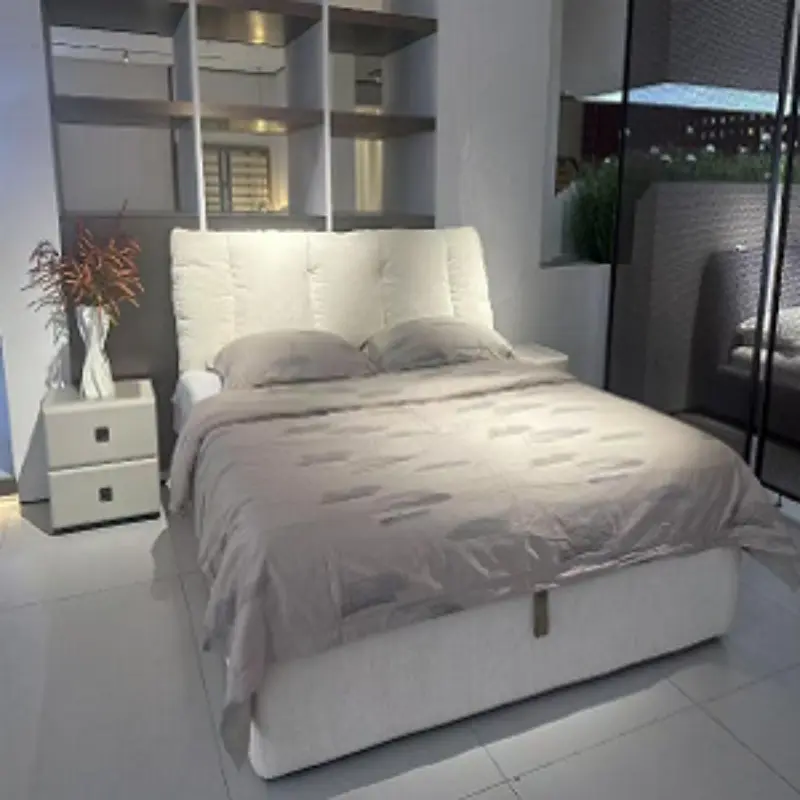
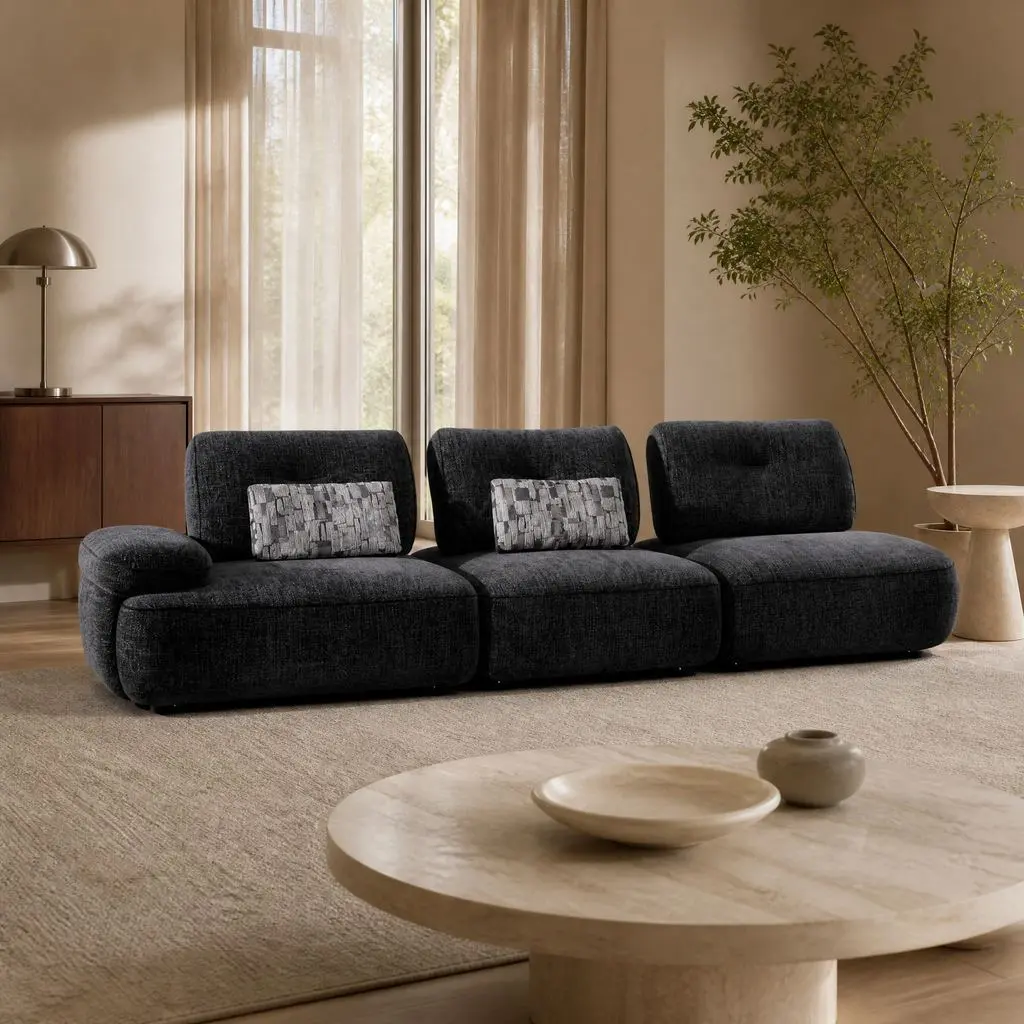
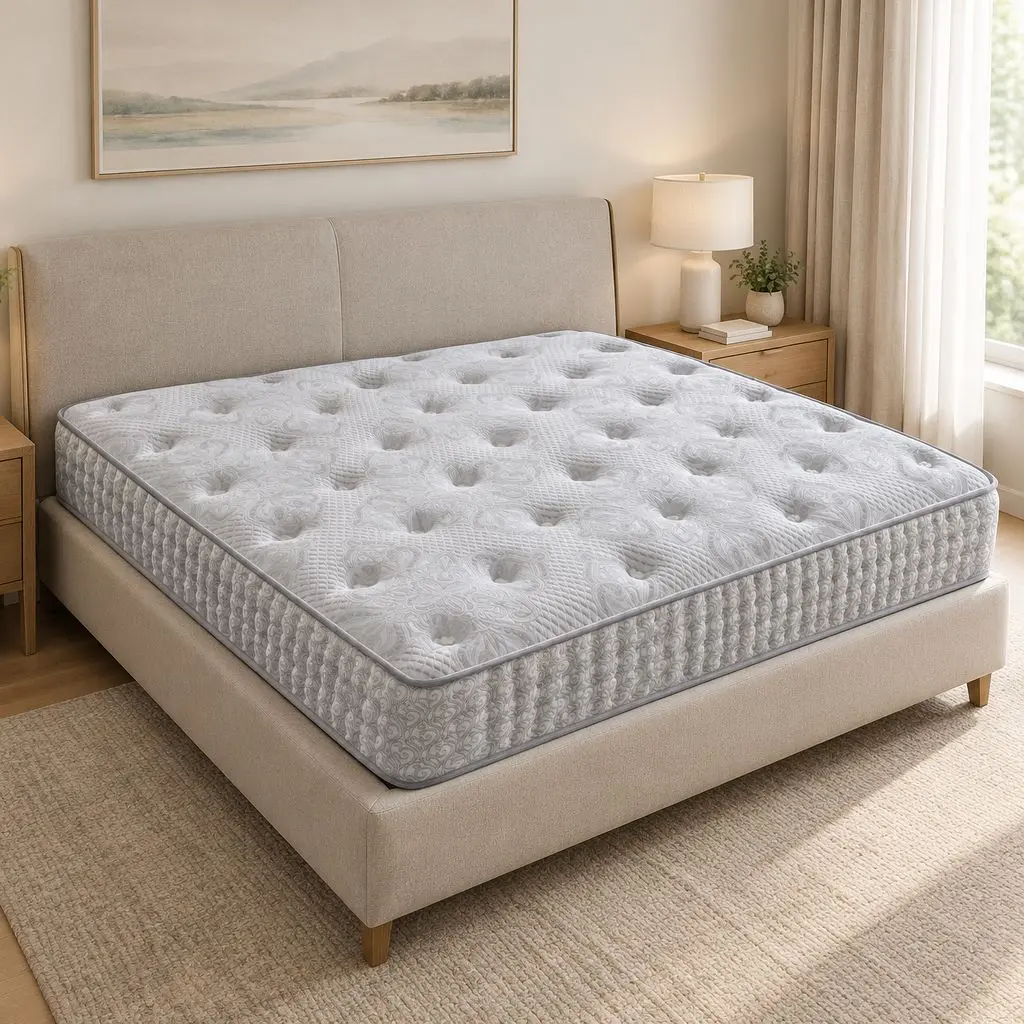
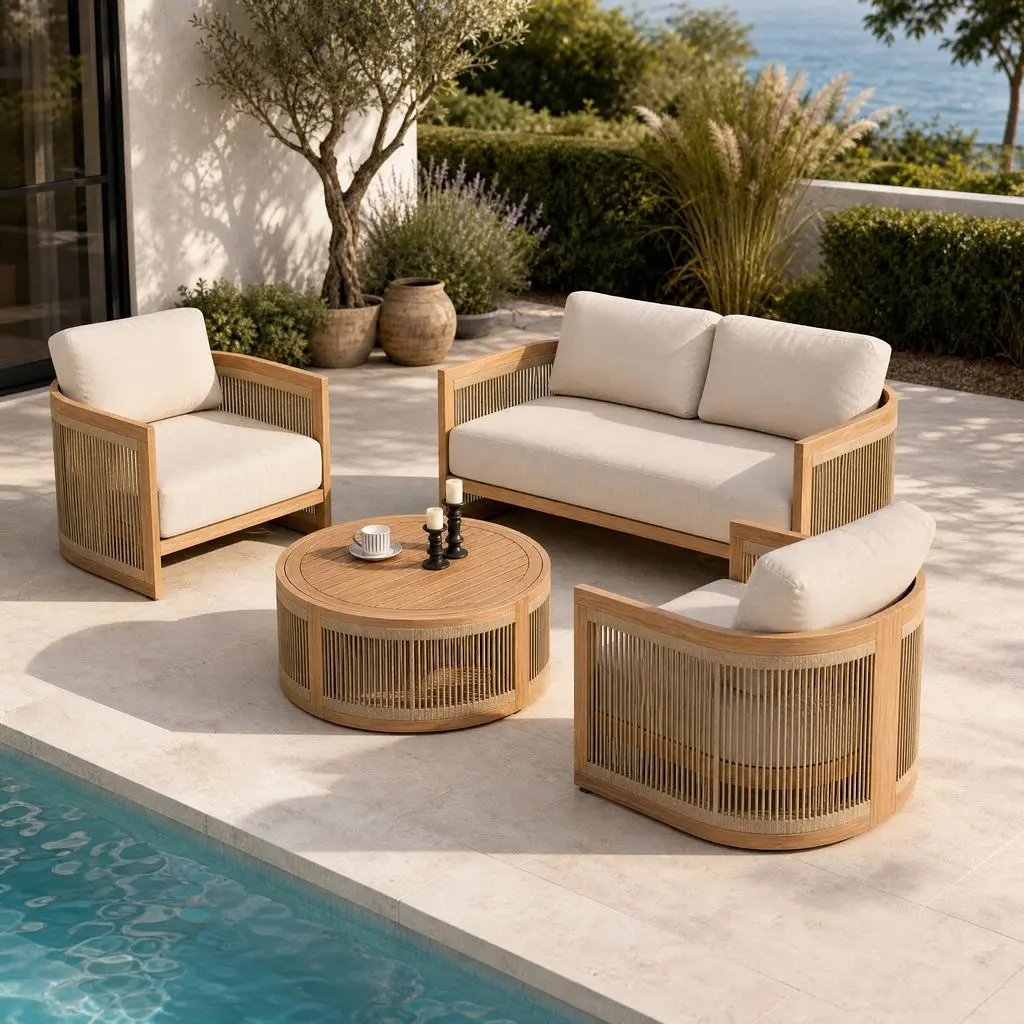
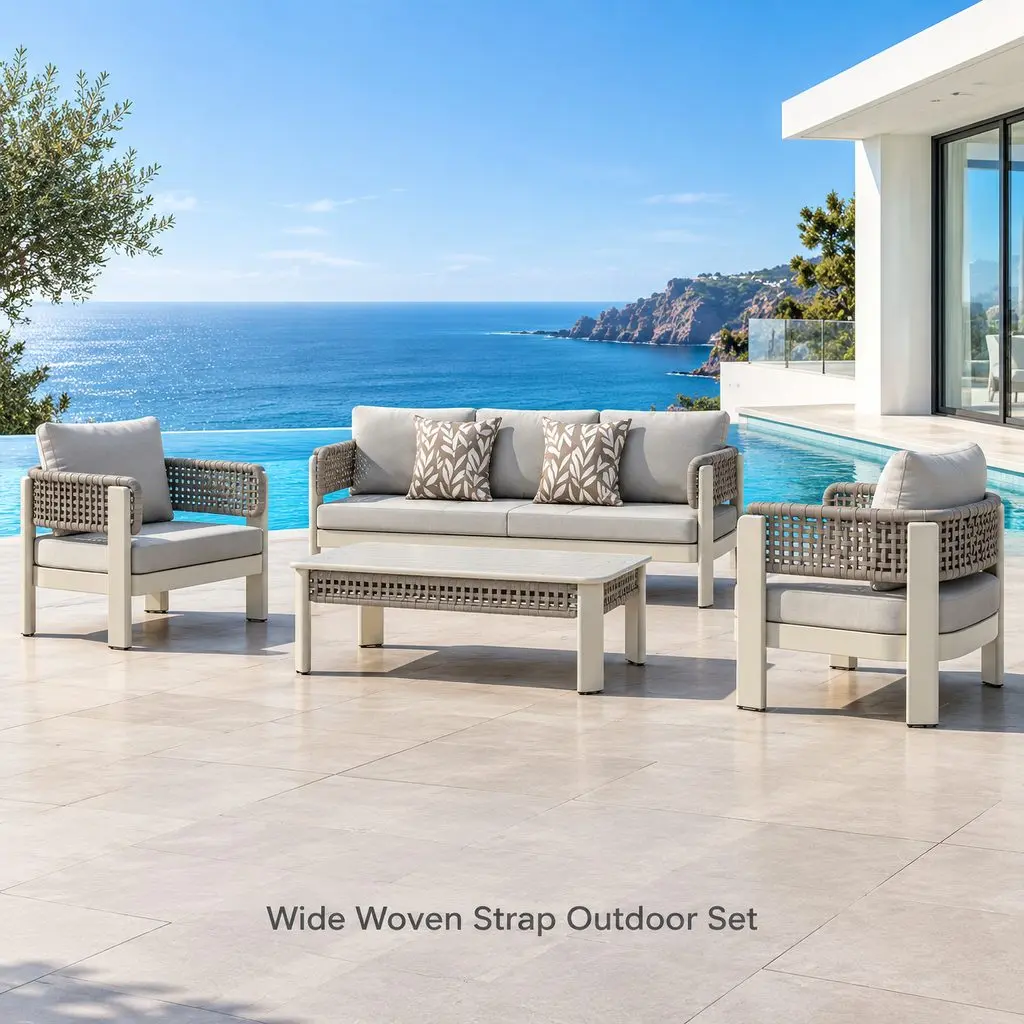
Consolidate rock slab dining tables with matching ash wood chairs, upholstered beds, mattresses, and outdoor sectional sofas into single 40ft HQ containers, maximizing cubic space utilization and cutting freight costs per unit.
Coordinated Dining & Residential Furniture Portfolio
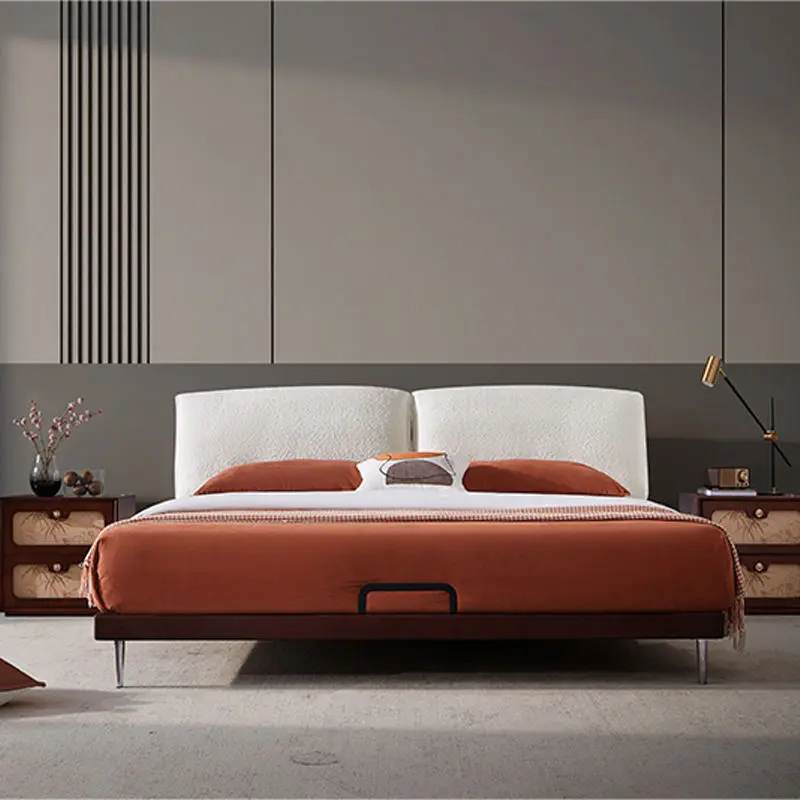
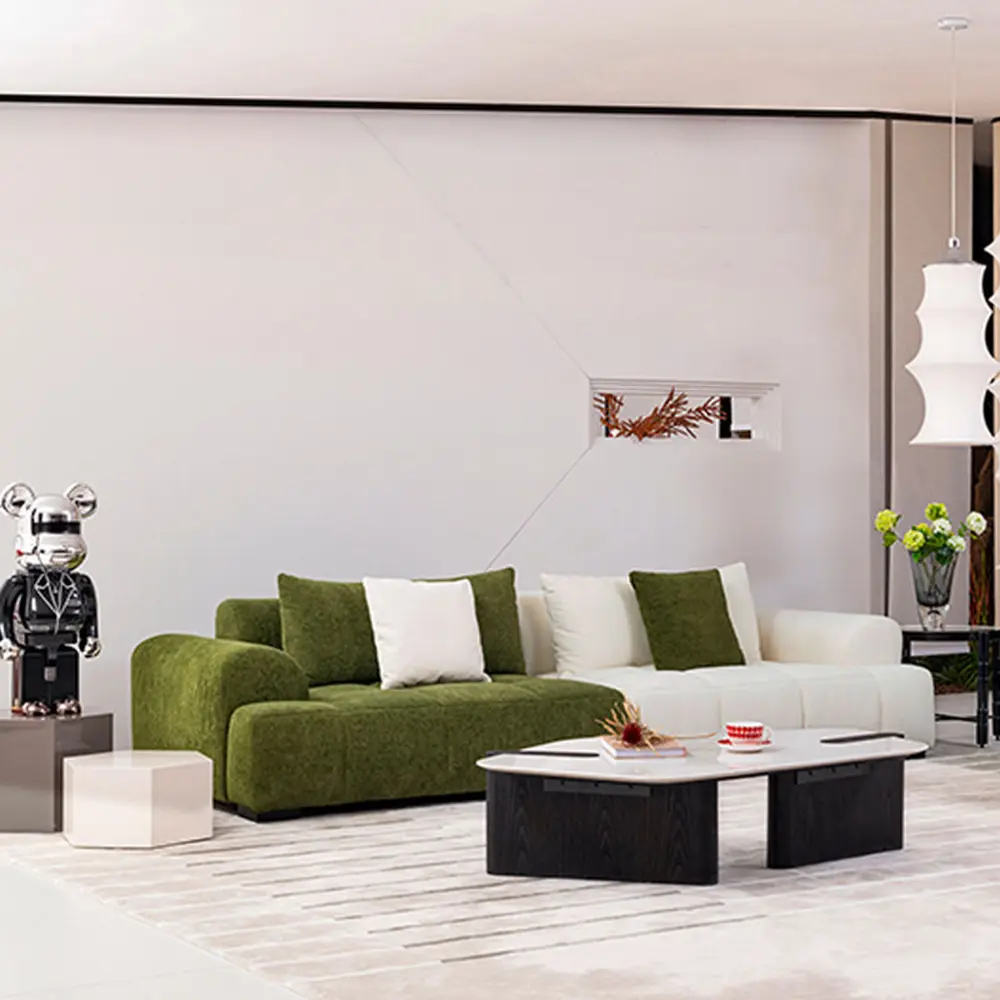
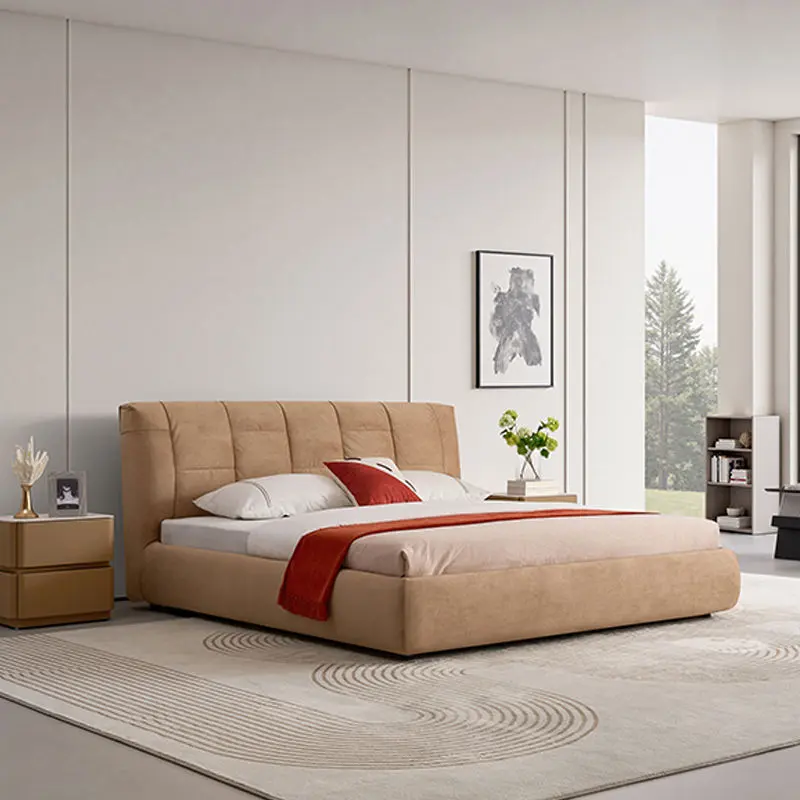
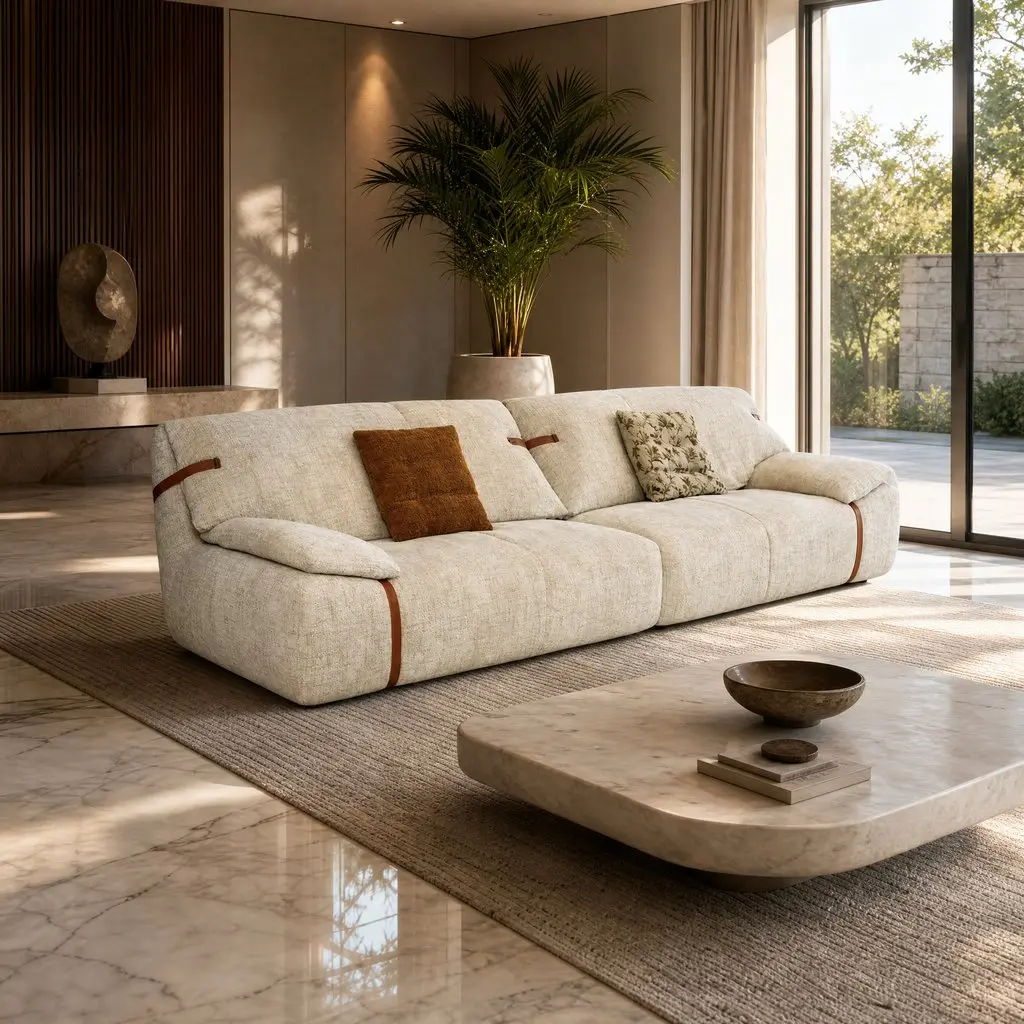
Pair your rock slab dining tables with factory-direct seating, lounge sofas, and bedroom suites engineered under the same rigorous quality management standards.
Frequently Asked Questions for B2B Rock Slab Dining Table Buyers
Get direct technical insights from our engineering and export team regarding rock slab specifications, structural integrity, and OEM procurement workflows.
What thickness of rock slab is recommended for commercial dining tables?
How do rock slab dining tables perform under thermal shock and direct heat?
Can rock slab dining tables be customized for specific project dimensions and edge profiles?
How does a rock slab dining table differ from a ceramic or porcelain table?
What options are available for table sub-frames and leg bases?
How do you prevent slab breakage during container shipping?
Sustainable Furniture Manufacturing & Next-Generation Rock Slab Horizons
As environmental sustainability becomes a core procurement criteria for global hotel chains and European buyers under REACH and ISO 14001 guidelines, sintered rock slabs represent a clean material alternative. Sintered stone manufacturing recycles up to 95% of processed water and incorporates up to 40% recycled natural minerals into slab composition. Furthermore, because rock slabs emit zero volatile organic compounds (VOCs) and contain no toxic synthetic resins, they contribute directly to LEED indoor environmental air quality credits in commercial buildings.
Looking ahead, the next generation of latest design rock slab dining tables will seamlessly incorporate smart technology: invisible induction heating elements embedded beneath the slab surface to keep dining plates warm, integrated capacitive touch buttons for ambient LED dining lighting, and ultra-thin 3mm flexible slabs molded into sculptural organic base shapes. Partnering with an innovative manufacturing partner like Foshan Qingyumai Technology ensures your brand stays at the cutting edge of global furniture design and structural engineering.