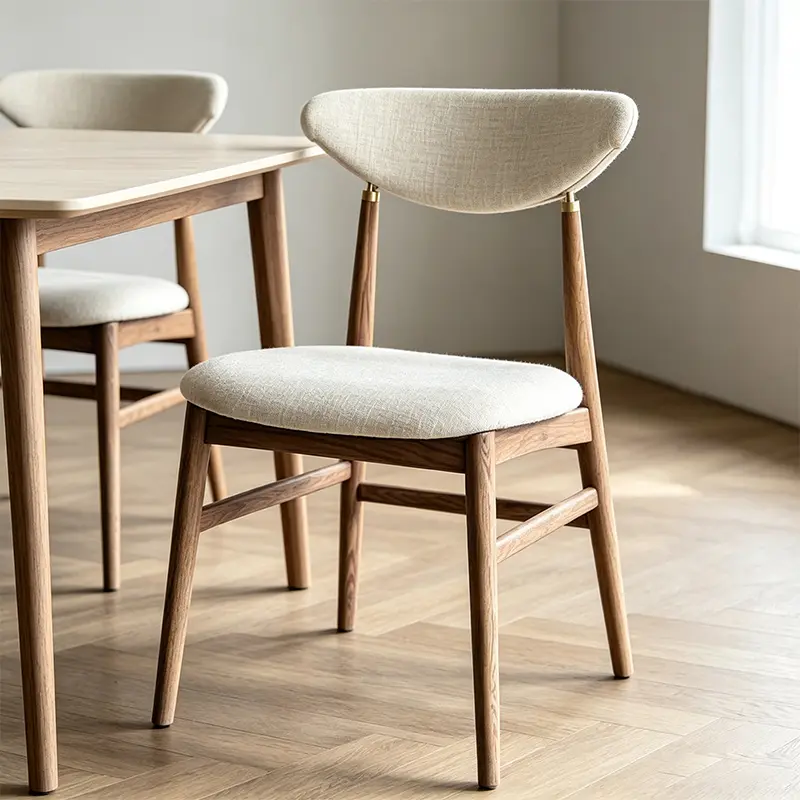
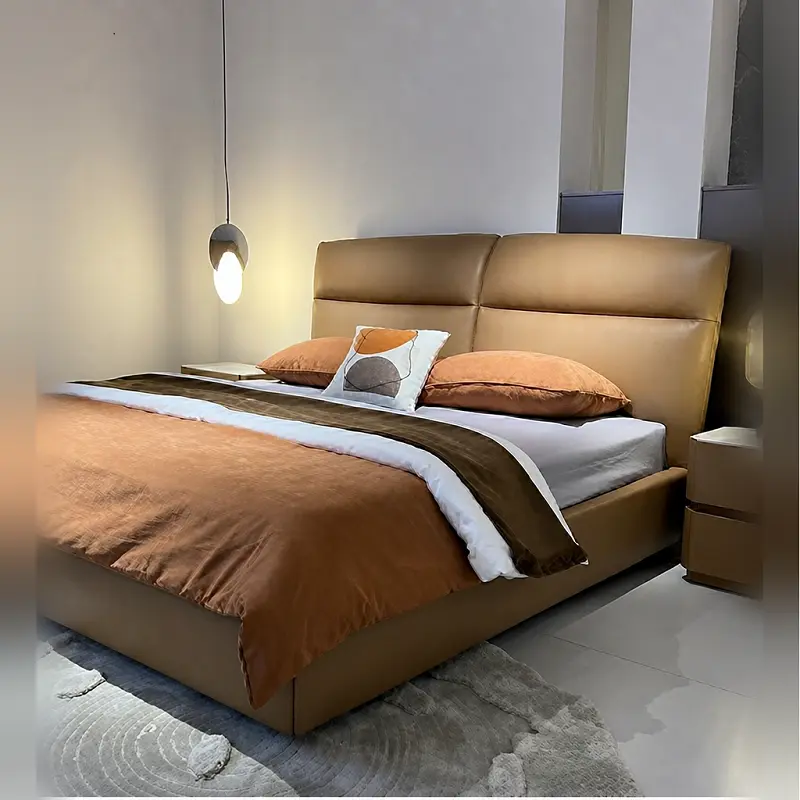
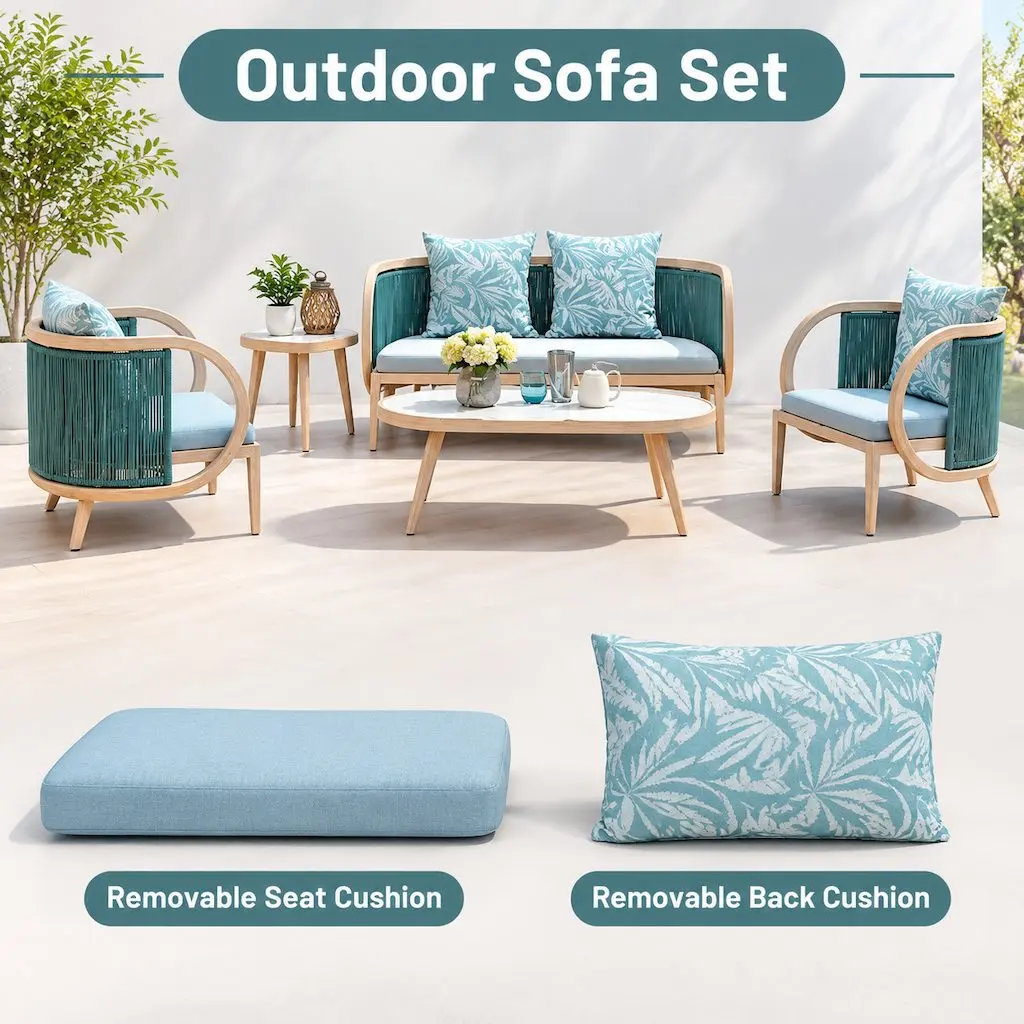
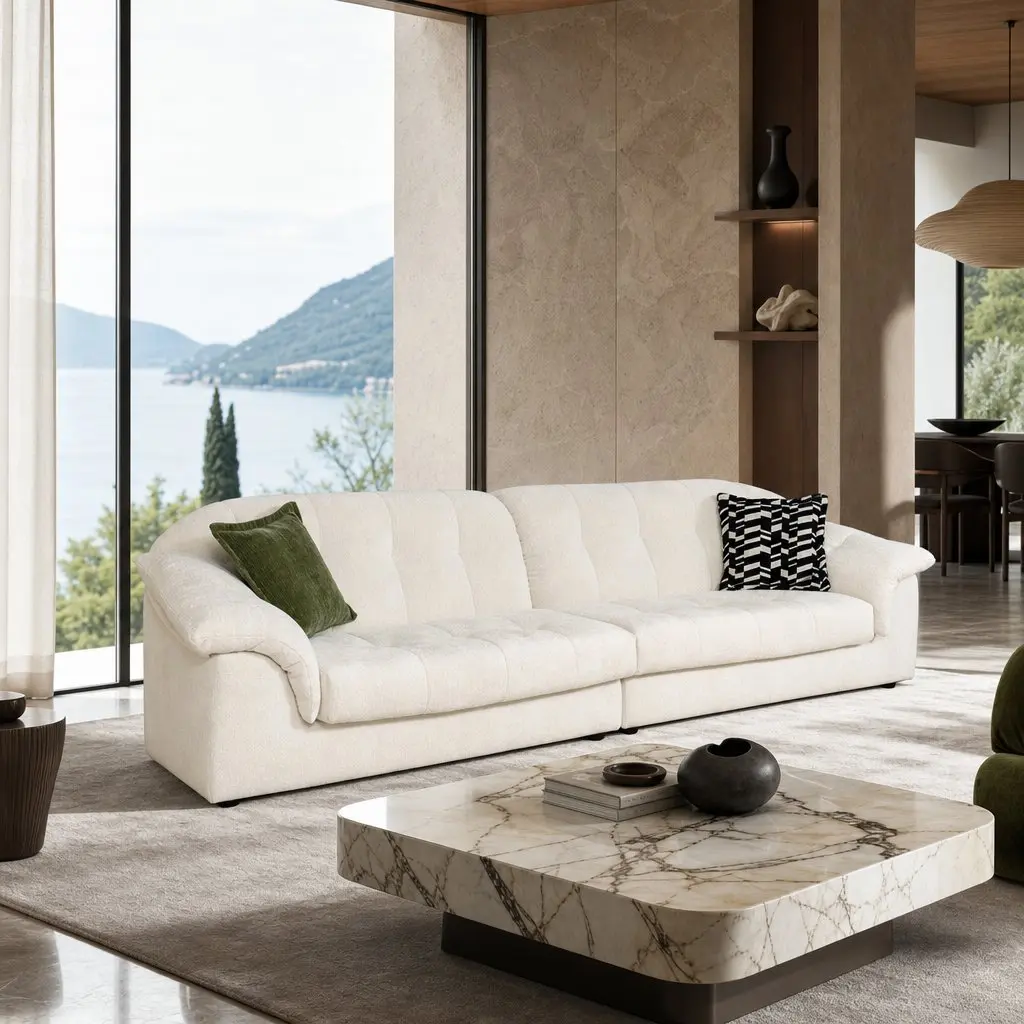
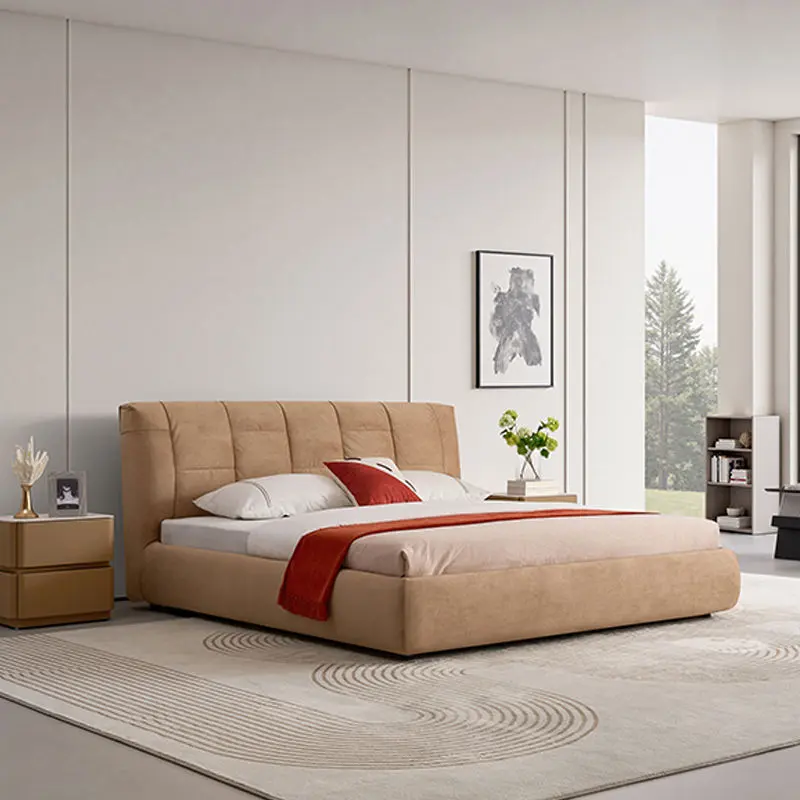
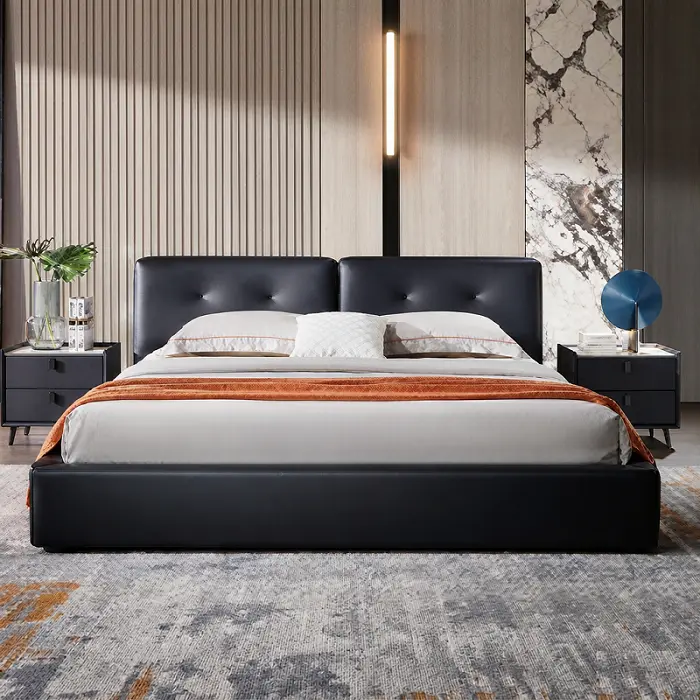
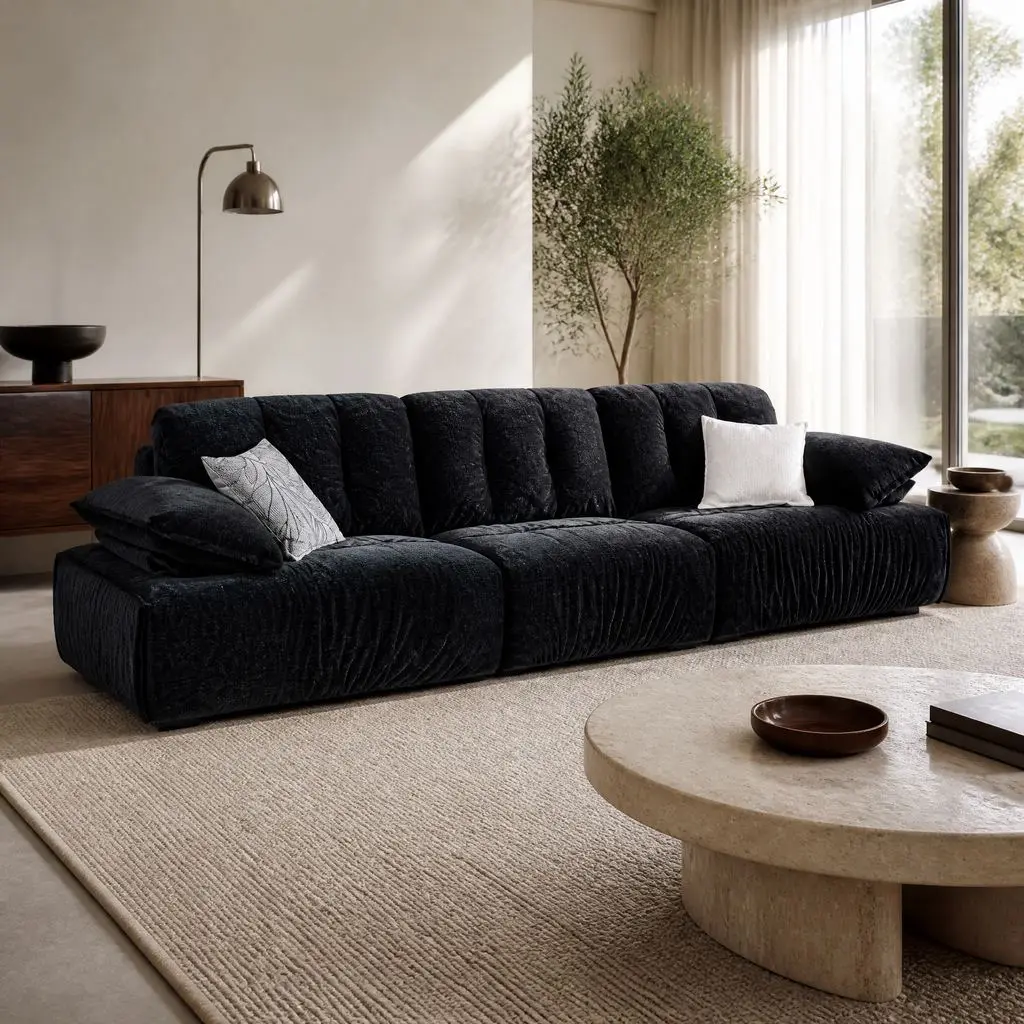
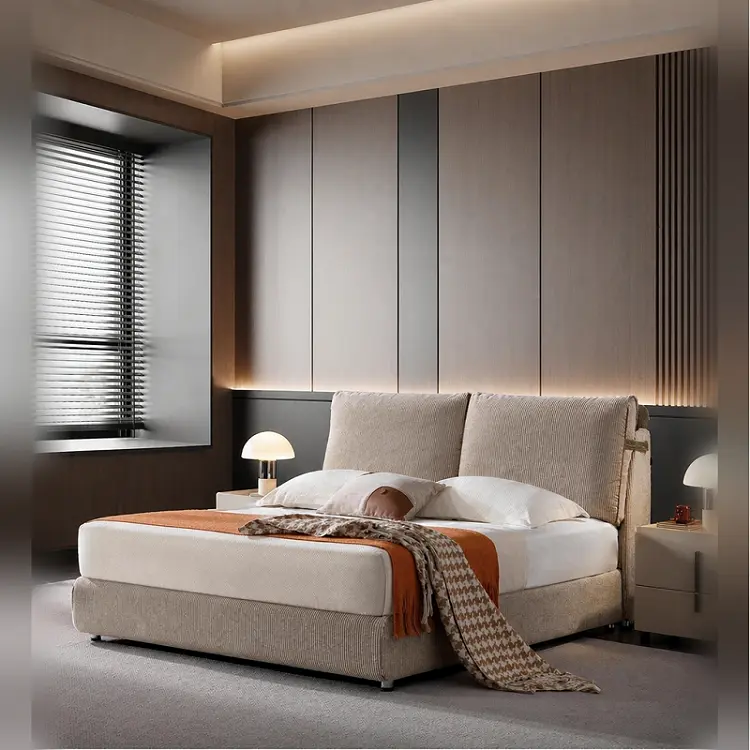
Explore our factory-direct OEM/ODM furniture engineered for international importers, hospitality groups, and high-end retail distributors.

1. Executive Summary: The Commercial Evolution of Wabi Sabi Dining Tables
In the contemporary global furniture landscape, the Wabi Sabi aesthetic has evolved from a niche interior design philosophy rooted in traditional Japanese mindfulness into a multi-billion-dollar commercial furniture sector. Characterized by raw textures, organic curves, tactile minimalism, and celebrating natural imperfection, Wabi Sabi dining tables are now staple centerpiece installations across luxury residential projects, boutique hotel dining areas, eco-resorts, and high-end commercial spaces globally.
For B2B furniture procurement directors, commercial interior designers, and brand wholesalers, sourcing high-grade Wabi Sabi dining tables requires bridging aesthetic artistry with rigorous industrial engineering. Raw aesthetics must be backed by technical durability: stain-resistant surfaces, structural steel cores, moisture-controlled solid woods, and scalable manufacturing processes. Modern Wabi Sabi dining table manufacturers and factories—primarily clustered in Foshan, Guangdong—have revolutionized this category by combining age-old artisanal masonry and joinery with high-precision CNC automation and advanced composite chemistry.
2. Technical Anatomy & Engineering Standards of Microcement & Solid Wood Wabi Sabi Tables
To deliver true "Information Gain" for trade buyers, we must dissect what separates a retail-grade decorative Wabi Sabi table from a heavy-duty commercial contract piece manufactured by top-tier Foshan factories. The integrity of a Wabi Sabi table lies within its multi-layer construction system.
Microcement & Mineral Composite Cores
Commercial microcement tables utilize high-density EPS or structural plywood cores wrapped in fiberglass mesh, coated with 3-5 layers of polymer-modified quartz microcement. This ensures massive, monolithic pedestal silhouettes without the unmanageable weight of pure concrete.
Kiln-Dried Hardwood Frameworks
For solid timber models (White Ash, Black Walnut, Oak), factories subject raw timber to automated kiln drying for 21-30 days to lock moisture content at 8%-12%. This prevents splitting, bowing, or joint separation in dry desert or humid tropical installation zones.
Nano-Sealer Surface Armor
Commercial tables receive polyurethane or fluorocarbon nano-sealers that penetrate deep into the porous texture. This creates an invisible barrier against oil, wine, acidic lemon juice, and hot coffee stains (tested to DIN 68861-1 standards).
Factory Engineering Comparison: Retail Grade vs. Commercial Contract Grade
| Performance Specification | Standard Consumer Retail Grade | Foshan Contract Factory Grade (QYM Standard) |
|---|---|---|
| Internal Reinforcement | Unreinforced Hollow MDF or Gypsum | Internal Galvanized Steel Chassis + Structural Fibreglass Mesh |
| Surface Hardness Rating | 2H - 3H (Prone to scratching) | 6H - 7H Mineral Hardness (Scratch & Impact Resistant) |
| Stain Resistance Rating | Basic Wax Coat (< 30 min liquid barrier) | Industrial Polyurethane/Nano-Sealer (> 24 hr Liquid Resistance) |
| Moisture Content Control | 14% - 18% (High warping risk) | Precision Kiln-Dried 8% - 12% (+/- 1% tolerance) |
| Packaging Standard | Single-layer corrugated box | ISTA 3A Drop-Tested 5-Layer Carton + Honeycomb + Plywood Frame |
3. Unrivaled Advantages of China's Foshan Furniture Supply Chain Ecosystem
Foshan, China—specifically Shunde District—stands as the world’s undisputed epicenter for advanced furniture manufacturing. When sourcing Wabi Sabi dining tables at scale, partnering directly with Foshan factories offers global procurement buyers unmatched strategic leverage across cost, material availability, engineering capability, and turn-around speed.
Hyper-Clustered Raw Materials
Within a 30-minute radius, Foshan factories source imported North American ash/walnut, specialized microcement resins, fiberglass mats, and precision CNC tooling, slashing material lead times by up to 60% compared to Western manufacturers.
Artisanal Hand-Masonry + 5-Axis CNC
Foshan master crafts-people possess decades of specialized masonry experience required to apply hand-troweled microcement finishes, combining organic, tactile art with 5-axis CNC wood cutting for sub-millimeter joinery accuracy.
Modular OEM/ODM Engineering
Factories offer rapid 3D CAD modeling, structural FEA load calculations, and physical sampling within 7 to 10 days, allowing custom dimensions, cantilevered shapes, and integrated wire-management slots.
Consolidated Multi-Category Freight
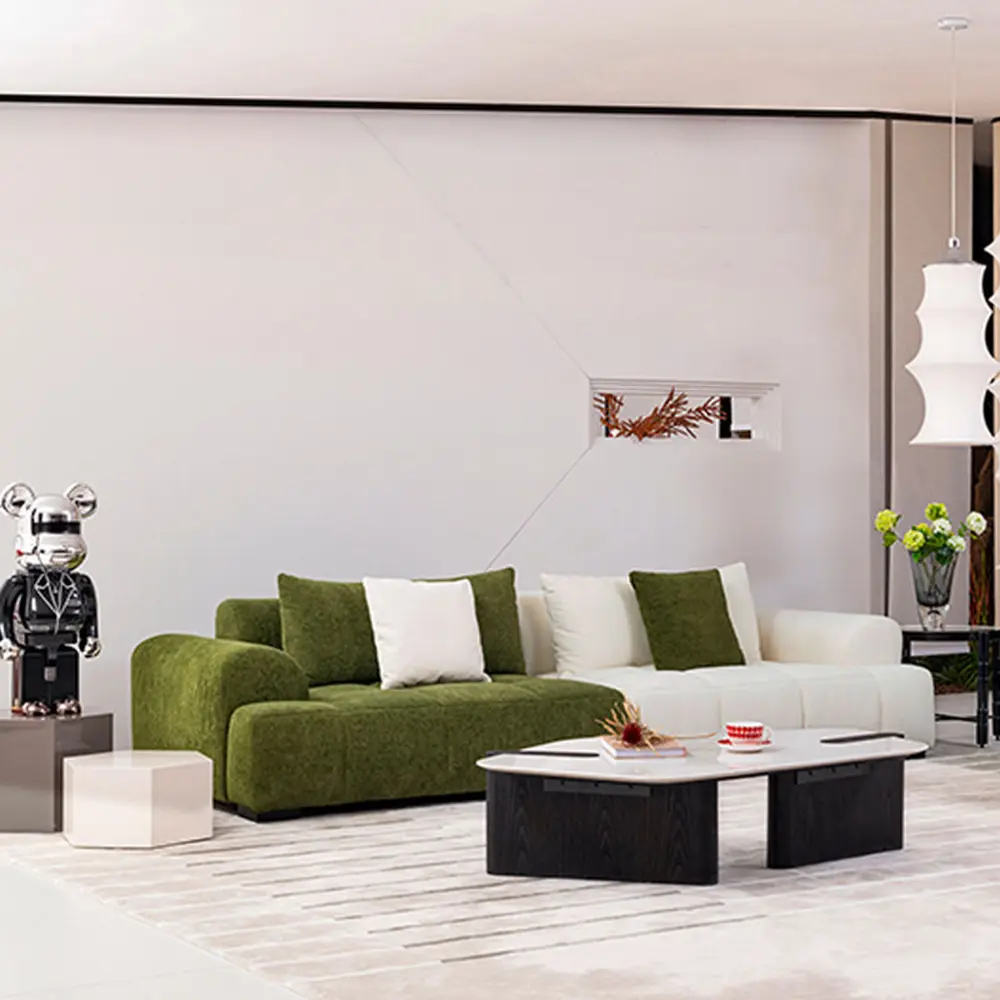
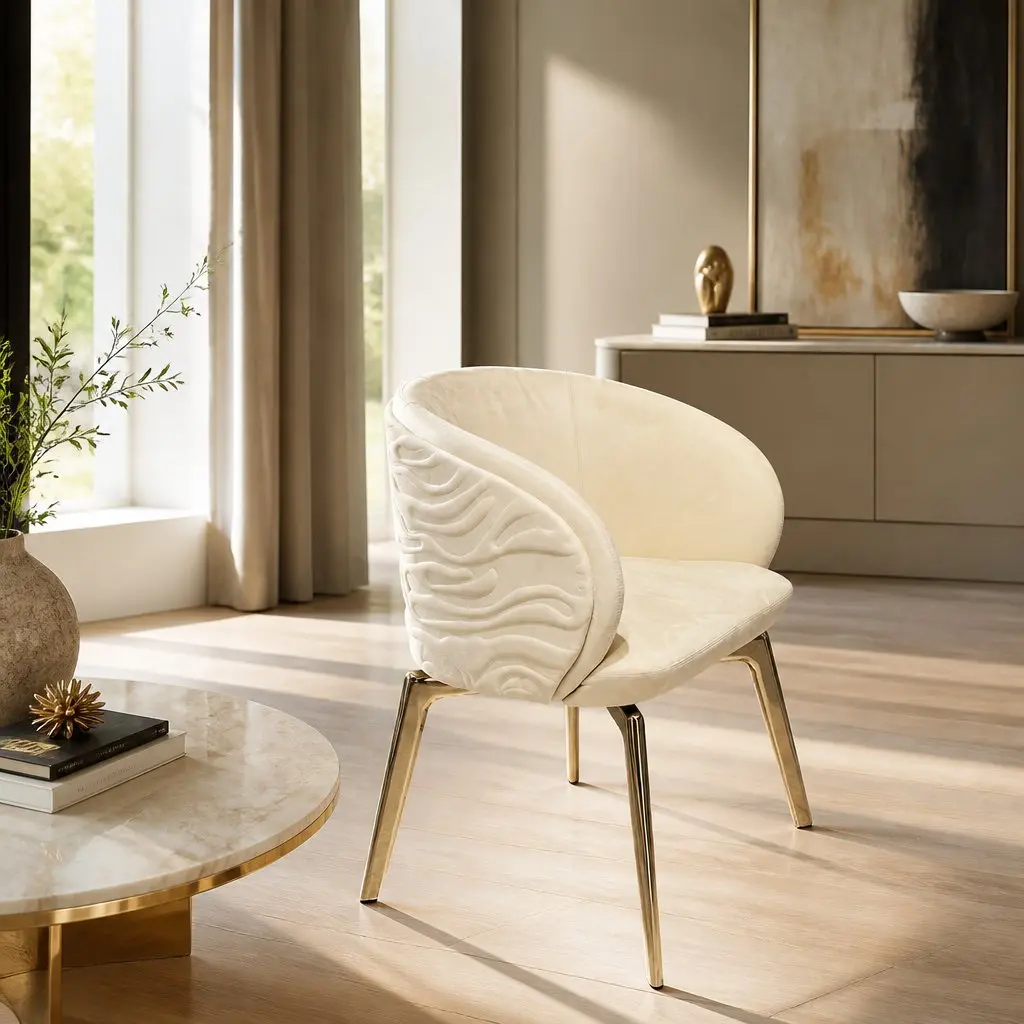
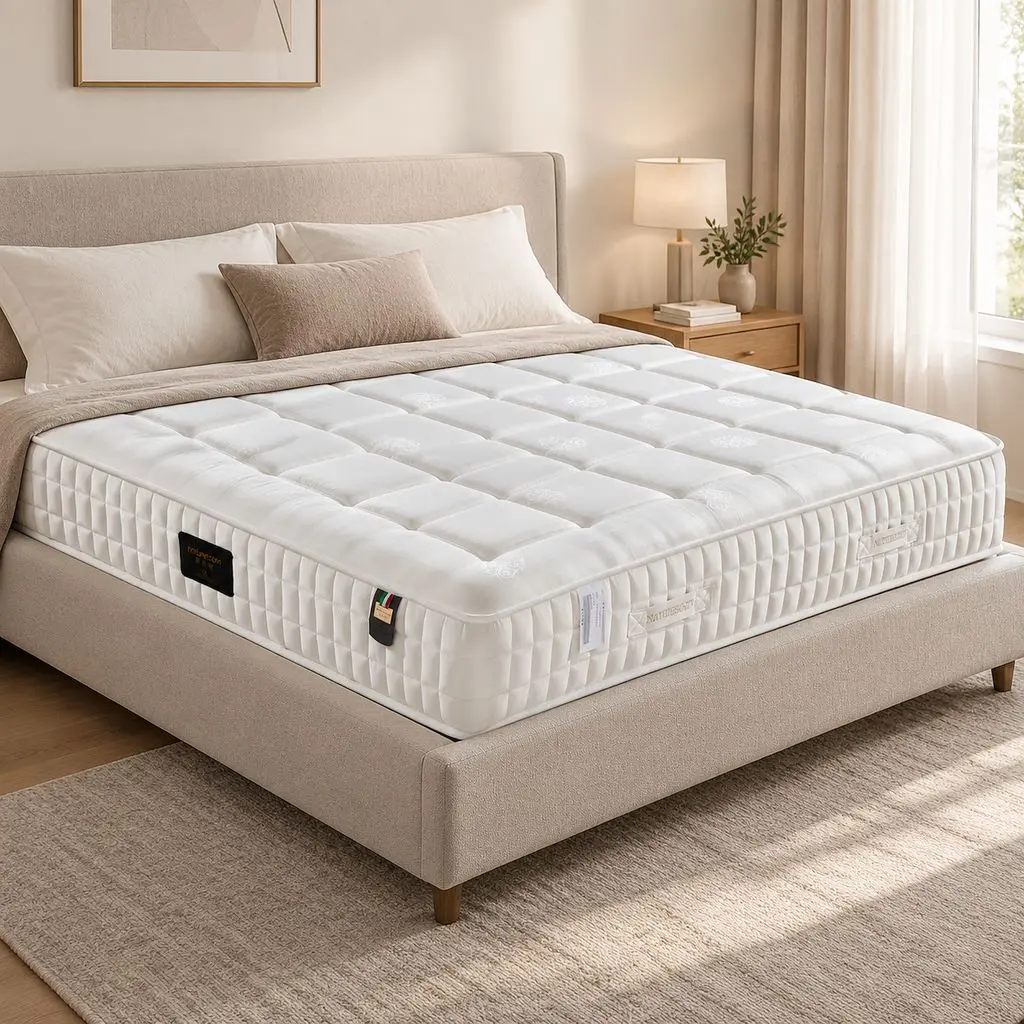
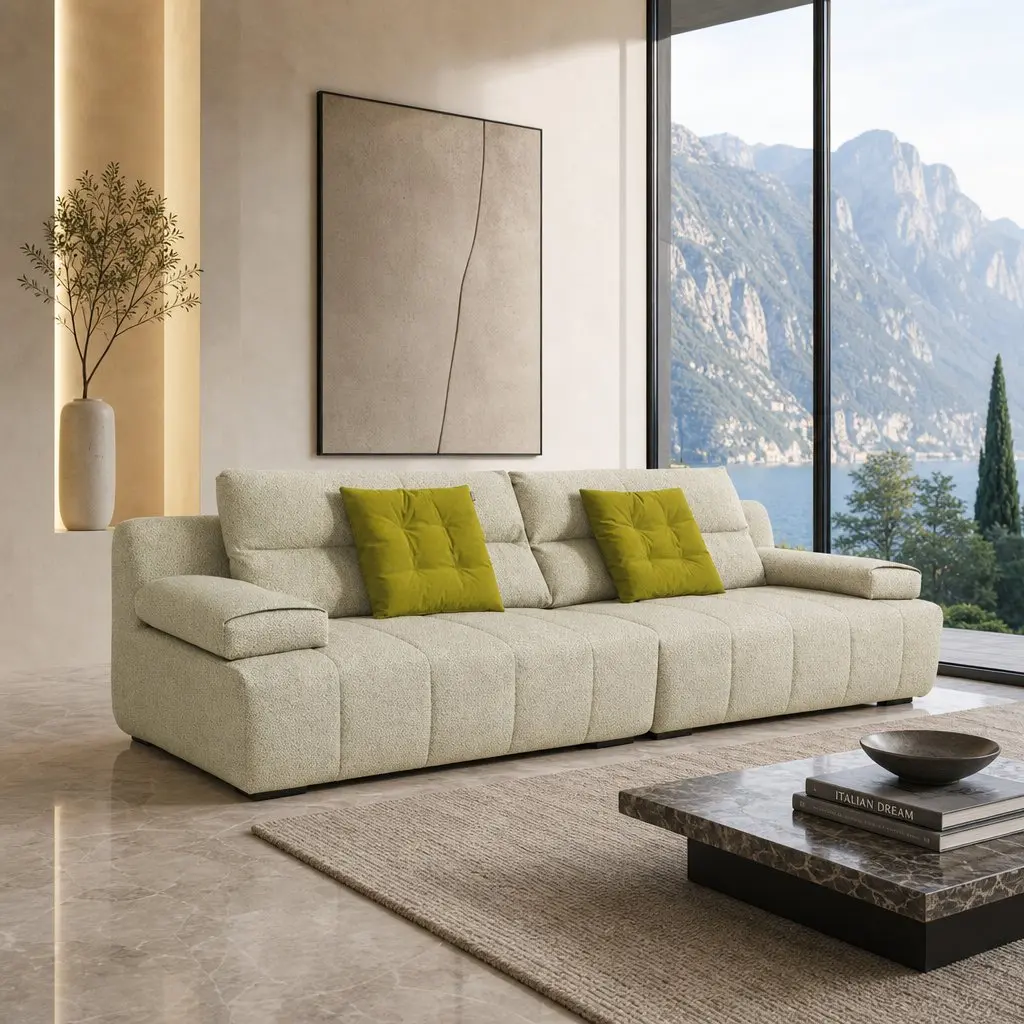
Importers can consolidate Wabi Sabi dining tables with matching dining chairs, upholstered sofas, mattresses, and outdoor sets into single 40ft HQ containers, maximizing cubic yield and minimizing sea freight rates per unit.
4. Decoded: Global Corporate Procurement Needs for Commercial Projects
When global procurement executives at international hotel chains, luxury real estate developers, or office space planners order Wabi Sabi dining tables, their priorities go far beyond basic aesthetics. The purchasing intent is driven by risk mitigation, total cost of ownership (TCO), and project compliance.
A. High-Traffic Wear & Structural Stability
In commercial dining rooms or executive boardrooms, tables endure heavy daily cleaning, hot dishware, accidentally spilled liquids, and localized point loads. Procurement teams require non-porous top coatings, heavy anti-tipping base weighting, and zero wobble over 10+ years of constant use.
B. Scalable Modular Lead Times & Flat-Pack Logistics
Commercial build-outs have rigid grand opening deadlines. Factories must support modular, knock-down (KD) pedestal assembly systems that allow 2.8-meter tables to easily fit into standard freight elevators while packing flat to lower container shipping costs.
C. Eco-Material Transparency & ESG Alignment
Corporate buyers subject vendors to strict ESG audits. Modern Wabi Sabi table manufacturers must provide proof of FSC-certified sustainable wood sourcing, zero-VOC water-based finishes, non-toxic mineral microcements, and 100% recyclable crating packaging.
D. Custom Architectural Dimensional Adaptability
No two luxury dining rooms share the exact same proportions. Manufacturers must possess flexible tooling capabilities to produce circular 1.2m breakfast tables, 1.8m-2.4m residential dining tables, or 3.6m monolithic conference tables with integrated hidden power conduits.
5. Localization Support, Quality Control & International Compliance Assurance
Exporting furniture globally requires full adherence to regional regulatory frameworks and localized logistics demands. A reliable Wabi Sabi dining table manufacturer acts as an extension of your compliance team.
North American Compliance
Full compliance with CARB Phase 2 and EPA TSCA Title VI formaldehyde emission standards for all engineered wood components, alongside TSCA-compliant surface coatings and ISTA-certified drop packaging.
European REACH & FSC
All microcement additives, resins, and sealants are certified under EU REACH regulations to guarantee chemical safety. Timber components maintain full chain-of-custody FSC certification for European timber import laws.
Multi-Tier Factory QC System
Every production run undergoes a 4-step internal audit: 1) Raw timber moisture testing; 2) Microcement layer adhesion testing; 3) Dry-fit structural frame pre-assembly; 4) Final pre-shipment surface stain resistance inspection.
6. Localized Application Scenarios & Architectural Case Studies
The organic versatility of the Wabi Sabi dining table enables seamless integration across diverse global architectural settings. Below are primary real-world commercial application scenarios where these tables deliver high functional and visual value.
Boutique Hotels & Luxury Eco-Resorts
Scenario: High-end villas and open-air breakfast pavilions in Bali, Greece, and California.
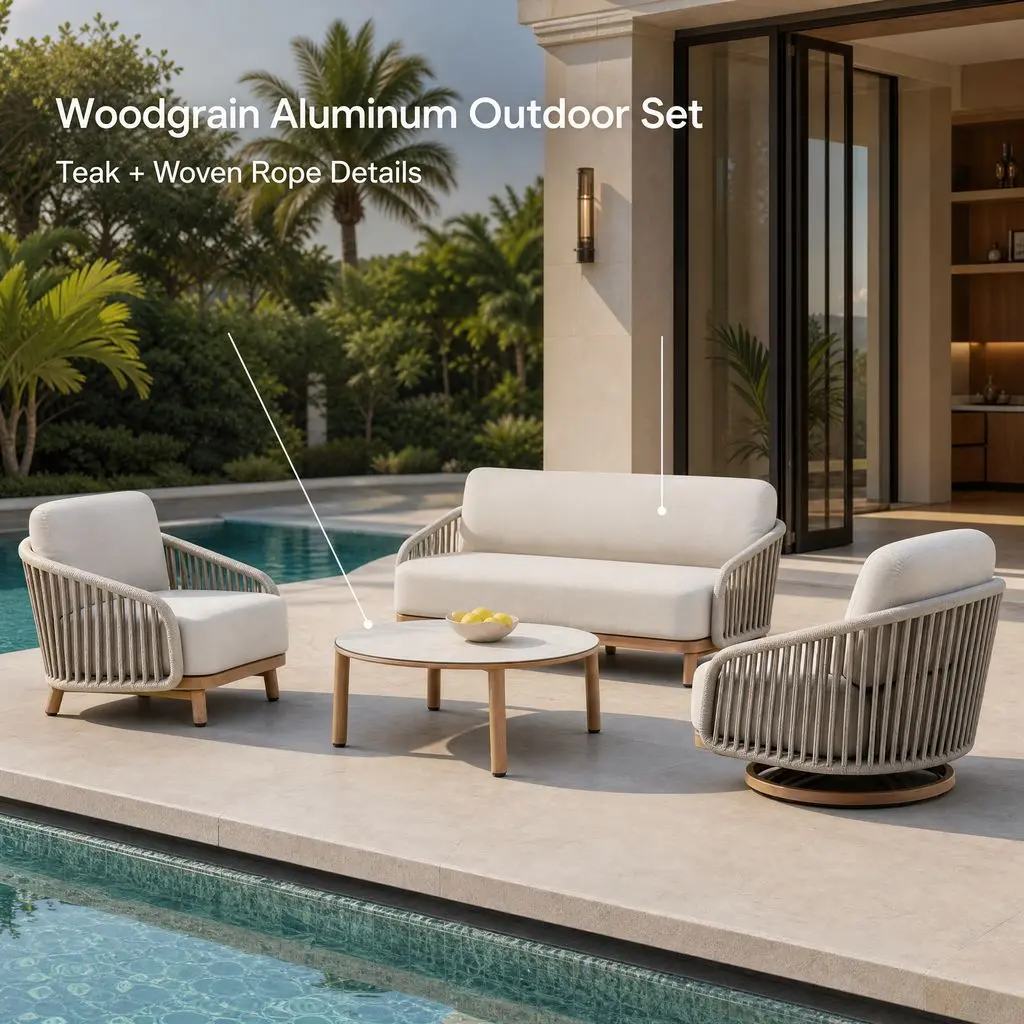
Implementation: Microcement pill-shaped tables paired with woven rope seating. Microcement surface withstands high humidity and outdoor UV exposure while creating an organic earth-tone connection with nature.
Michelin-Starred & Artisan Restaurants
Scenario: Fine dining establishments emphasizing farm-to-table cuisine.
Implementation: Solid white ash Wabi Sabi tables with wire-brushed tactile wood grain and natural dark walnut stains. Treated with heavy-duty anti-microbial nano-sealers to endure multi-shift table turnovers.
Tech HQ Executive Boardrooms & Creative Hubs
Scenario: Contemporary office spaces in London, New York, and Singapore.
Implementation: Custom 3.2-meter monolithic microcement tables equipped with flush-mounted pop-up power modules and concealed internal wire raceways inside the dual pedestal bases.
7. Future Trends: AI-Driven Design, Material Science & Sustainable Manufacturing
Looking toward the 2025-2030 horizon, the Wabi Sabi furniture manufacturing sector is undergoing a massive technological revolution. Advanced Foshan factories are combining organic aesthetics with futuristic smart manufacturing processes.
Generative AI Structural Optimization
Factories use AI generative design algorithms to calculate precise interior webbing structures for table pedestals. This reduces total material mass by 25% while increasing structural flexural strength, significantly lowering carbon footprints and international freight costs.
Bio-Based Resins & Recycled Mineral Aggregates
Next-generation microcements replace traditional petroleum-based polymers with plant-derived bio-resins and recycled ceramic/marble dust aggregates. This innovation yields zero carbon footprint surfaces without compromising 7H mineral hardness durability.
8. Frequently Asked Questions (FAQ) for B2B Procurement Directors
Direct insights addressing key technical, commercial, and operational queries from global furniture importers and contract buyers.
Expand your product catalog with our complementary, highly sought-after furniture lines available for direct wholesale and contract supply.