
Precision-Engineered Furniture Portfolio (Series Alpha)
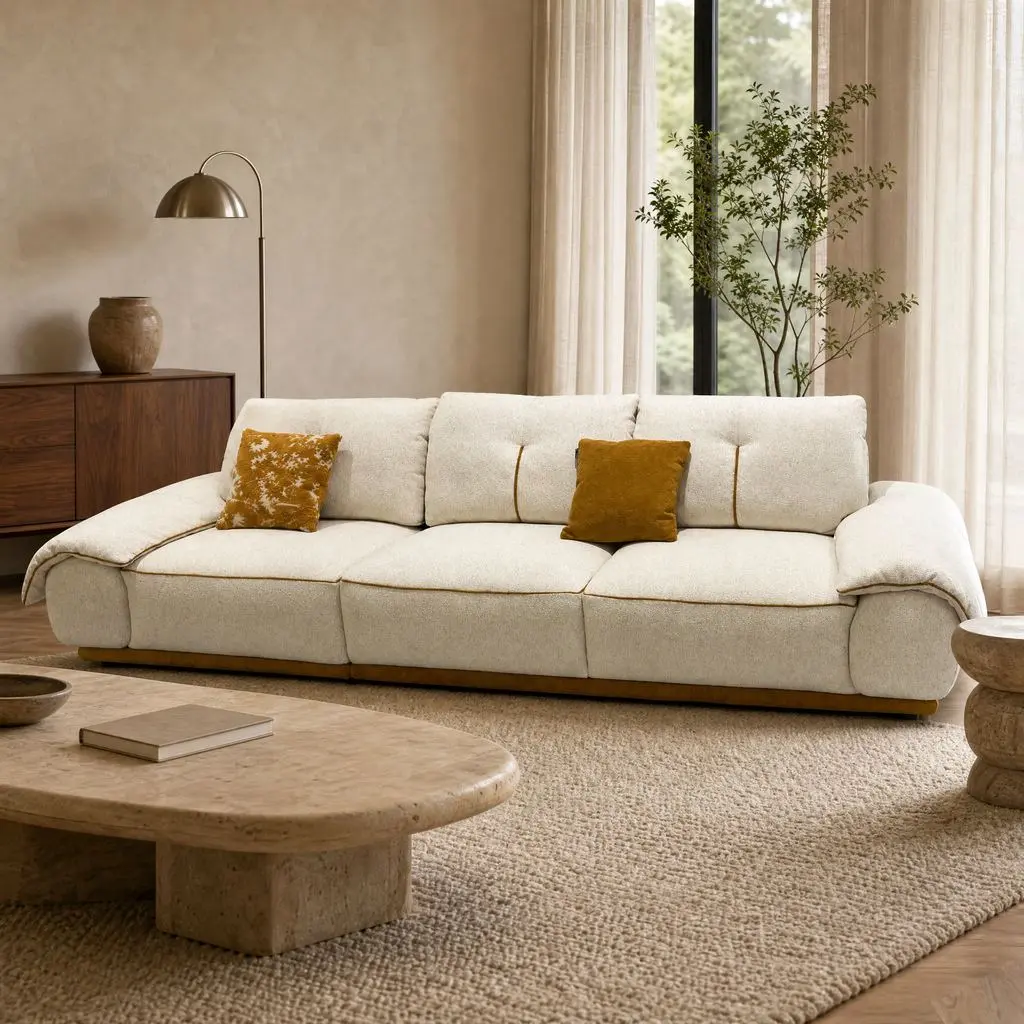
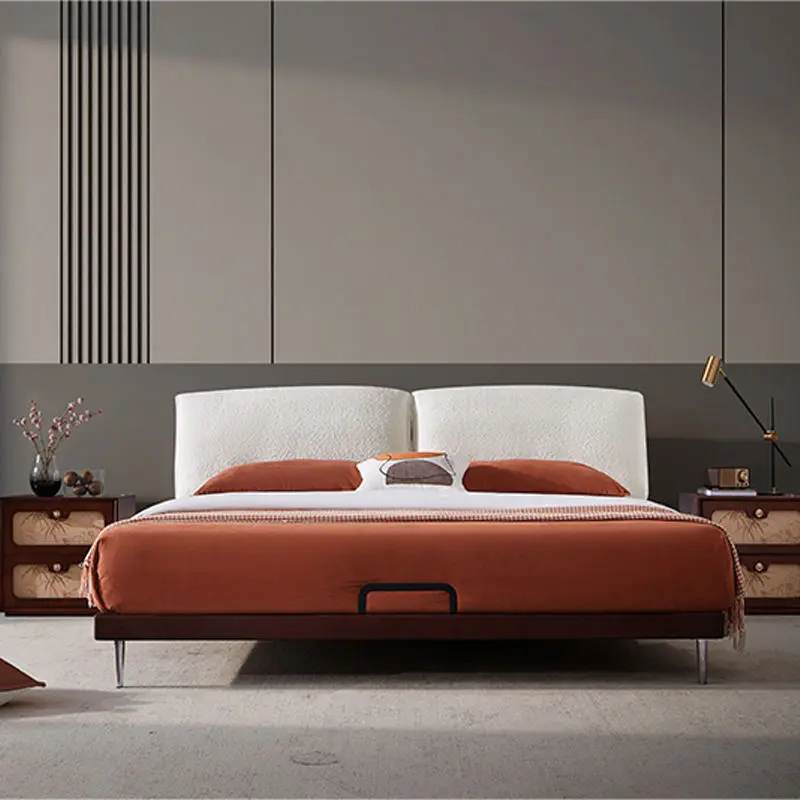
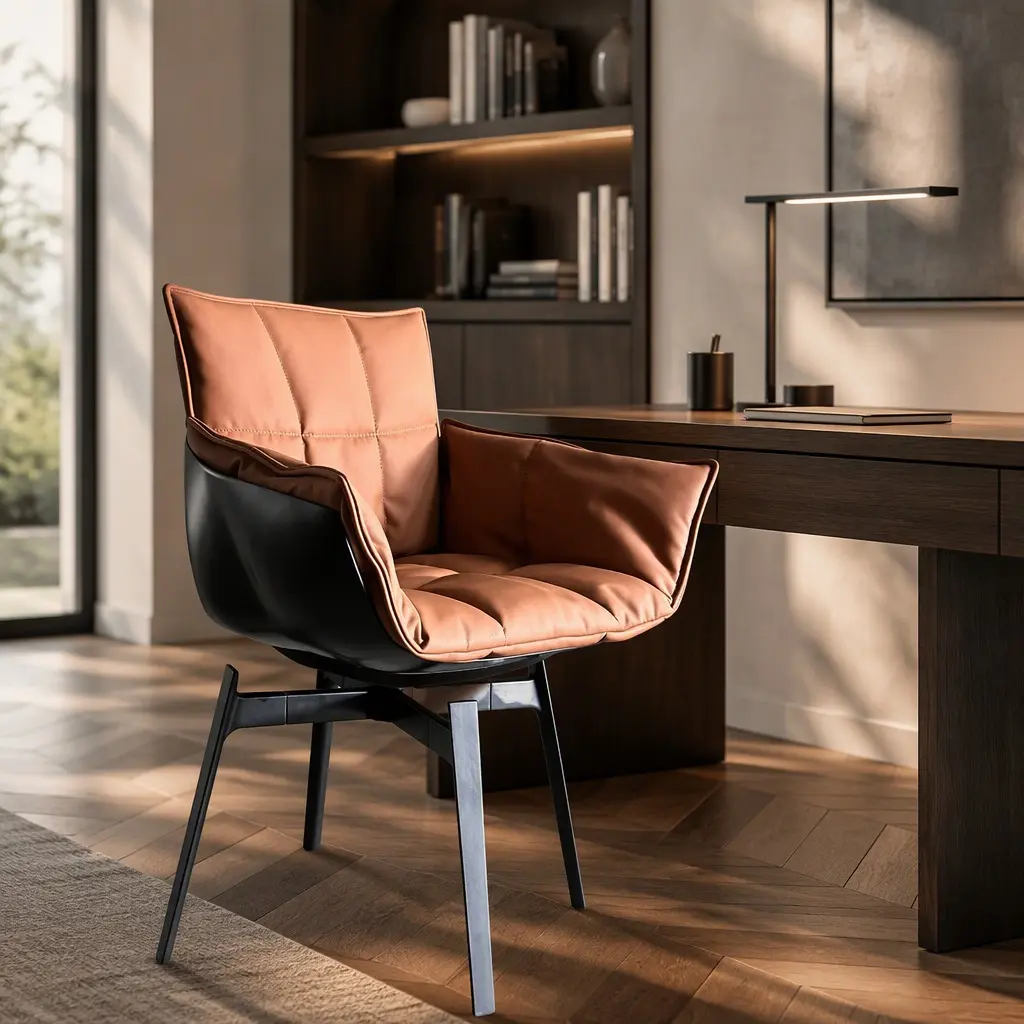
Explore our latest structural and upholstered furniture solutions manufactured under ISO 9001 quality frameworks.
Macro Industry Solutions & Global B2B Outdoor Timber Ecosystem
Analyzing global demand, eco-friendly procurement policies, and industrial manufacturing shifts in the high-end outdoor furniture sector.
Hospitality & Luxury Expansion
The global luxury outdoor furniture market is projected to surpass $22.4 Billion by 2030. High-end resorts, beachfront properties, and commercial real estate developers require high-density, weather-resistant wooden garden furniture that withstands extreme thermal cycling and UV radiation.
Regulatory Compliance Shifts
Global trade mandates require stringent ESG tracking. Importers in the EU and North America must align with European Union Timber Regulation (EUTR), FLEGT licensing, and the US Lacey Act to guarantee 100% legal, sustainably harvested timber provenance across all supply chains.
Industrial Automation & CNC
Modern wooden garden furniture factories have evolved from manual carpentry to automated 5-axis CNC machining, vacuum pressure impregnation (VPI), and digital kiln drying scheduling (KD 8-12% equilibrium moisture content) to eliminate structural warping and joint failure.
Material Science: Outdoor Timber Performance Matrix
Comprehensive engineering evaluation of timber species utilized in high-durability garden and architectural furniture manufacturing.
Selecting the optimal wood species requires balancing dimensional stability, Janka hardness ratings, natural extractive oil concentrations, and grain density. Our engineering team utilizes advanced material selection algorithms to ensure long-term performance under rigorous commercial conditions.
| Timber Species | Janka Hardness (N / lbf) | Air-Dry Density (kg/m³) | Natural Oil / Resin Content | Decay Resistance (ISO 21887) | Recommended Application |
|---|---|---|---|---|---|
| Burmese Teak (Tectona grandis) | 4,740 N / 1,070 lbf | 650 - 750 kg/m³ | Exceptionally High (Tectoquinone) | Class 1 (Very Durable) | Coastal Resorts, Marine Decking, Luxury Villas |
| Imported Larch Wood | 3,700 N / 830 lbf | 590 - 680 kg/m³ | High Natural Resin Content | Class 2-3 (Durable) | Structural Frames, Loungers, Dining Sets |
| Thermally Modified Ash | 5,800 N / 1,300 lbf | 680 - 720 kg/m³ | Thermally Polymerized Sugar | Class 1 (Thermowood D) | High-Traffic Patios, Executive Dining |
| Sustainable Eucalyptus / Acacia | 4,900 N / 1,100 lbf | 620 - 700 kg/m³ | Moderate Natural Tannins | Class 3 (Moderately Durable) | High-Volume Retail, Cafe Seating |
| White Oak (Treated Core) | 6,000 N / 1,360 lbf | 750 - 790 kg/m³ | Tannic Acid Rich (Closed Tyloses) | Class 2 (Durable) | Bespoke Architectural Urban Installations |
Advanced Thermal Modification (Thermowood)
By subjecting non-durable hardwoods to high-temperature thermal processing (180°C – 215°C) in an oxygen-deprived environment, the molecular structure of hemicellulose is permanently altered. This process eliminates sugar compounds that attract fungi, reduces equilibrium moisture absorption by up to 50%, and provides exceptional dimensional stability without chemical additives.
Vacuum Pressure Impregnation (VPI) Protocol
For softwoods and structural core framing (such as imported larch), our manufacturing facility utilizes computerized double-vacuum pressure cylinders. Copper-based waterborne preservatives (ACQ/CA) are driven deep into the sapwood cellular structure, achieving Class 4 ground-contact protection against subterranean termites and rot.
Precision Joinery & Weatherproof Engineering
How state-of-the-art structural craftsmanship prevents joint loosening, wood movement, and hardware oxidation.
Mortise & Tenon Joinery
All load-bearing timber frames feature traditional computerized mortise-and-tenon joints combined with polyurethane reactive (PUR) waterproof adhesive. This structural method distributes tension loads evenly across the wood grain, preventing wobble after seasonal expansion cycles.
316 Stainless Steel Hardware
To eliminate rust staining and hardware shear failure in coastal environments, we specify grade 316 marine stainless steel fasteners and hidden internal bracketry. Electro-passivated surfaces protect metal components from saline air degradation.
QuickDry Foam & Olefin Textiles
Our soft seating components incorporate reticulated open-cell QuickDry polyurethanes. Paired with solution-dyed Olefin or Sunbrella® acrylic fabrics, rainwater passes straight through within minutes, mitigating mildew formation.
Localized Commercial Application Scenarios
Engineered furniture deployment matrices tailored to regional climate demands and space configurations.
Coastal Resorts & Islands
Environment: High salinity, extreme UV exposure, high humidity.
Recommended Solution: Natural Burmese Teak or Thermowood Ash paired with 316 stainless fasteners and solution-dyed acrylic cushions. UV-cured oleophobic teak sealer finish.
Alpine & Northern Regions
Environment: Freezing winters, heavy snow load, rapid thaw cycles.
Recommended Solution: Vacuum Pressure Impregnated Larch or Treated Oak. High elasticity sealants that flex during thermal movement without cracking.
Urban Rooftops & Dining Patios
Environment: Intense direct heat reflection, heavy daily commercial turn-over.
Recommended Solution: Modular wooden sectional seating with high-density solid frames, quick-release washable upholstery covers, and scratch-resistant matte coatings.
International Quality Standards & Compliance Assurance
Strict quality control protocols adhering to major global trade and safety certifications.
European Union & UK Standards
Our outdoor furniture production complies with EN 581-1:2017 (General safety requirements for outdoor seating/tables) and EN 581-2:2015 (Contract-grade mechanical safety and stress testing). All timber is traceably logged under FSC-C123456 Chain-of-Custody standards to meet the EU Deforestation Regulation (EUDR).
North American Standards
Products exported to North America are tested under BIFMA X5.4 for public space seating stability and weight distribution. Finishes and fabrics meet California Proposition 65 regulations (phthalates and lead-free) as well as CAL 117 fire-retardancy guidelines upon project specification.
Technology Roadmap & Industry Future Outlook (2025–2030)
Integrating smart sustainable tech, circular design, and AI-driven precision manufacturing.
Integrated Solar & IoT
Next-generation garden tables will seamlessly embed monolithic solar photovoltaic cells into wood-composite tops, powering integrated wireless charging pads, low-voltage ambient LED lighting, and seat warming modules without visible wiring.
Circular Modular Systems
To support sustainable commercial refurbishment, our future design architecture emphasizes 100% field-replaceable modular components. Damaged armrests, slats, or legs can be unbolted and swapped on-site, quadrupling product lifecycle ROI.
AI-Driven Yield Optimization
Our factory floor incorporates automated vision-guided laser scanners that map timber grain and knots prior to cutting. Computer algorithms optimize cut-list geometry, achieving 92%+ raw material yield and drastically reducing timber waste.
Precision-Engineered Furniture Portfolio (Series Beta)
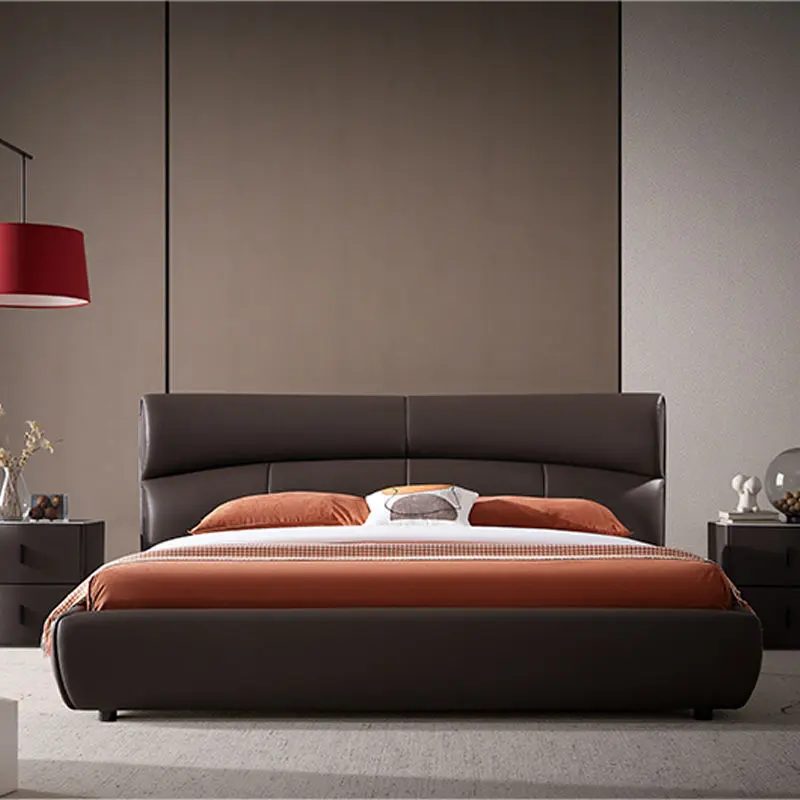
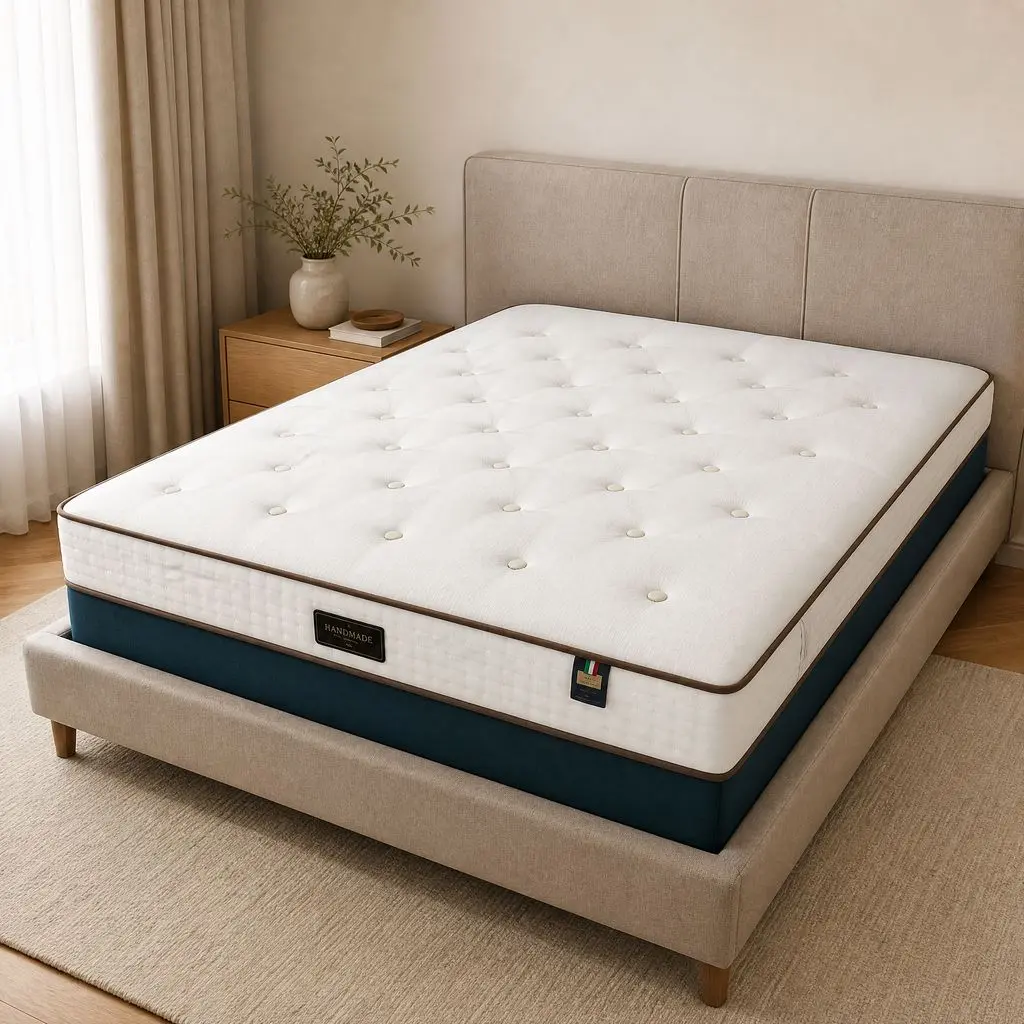
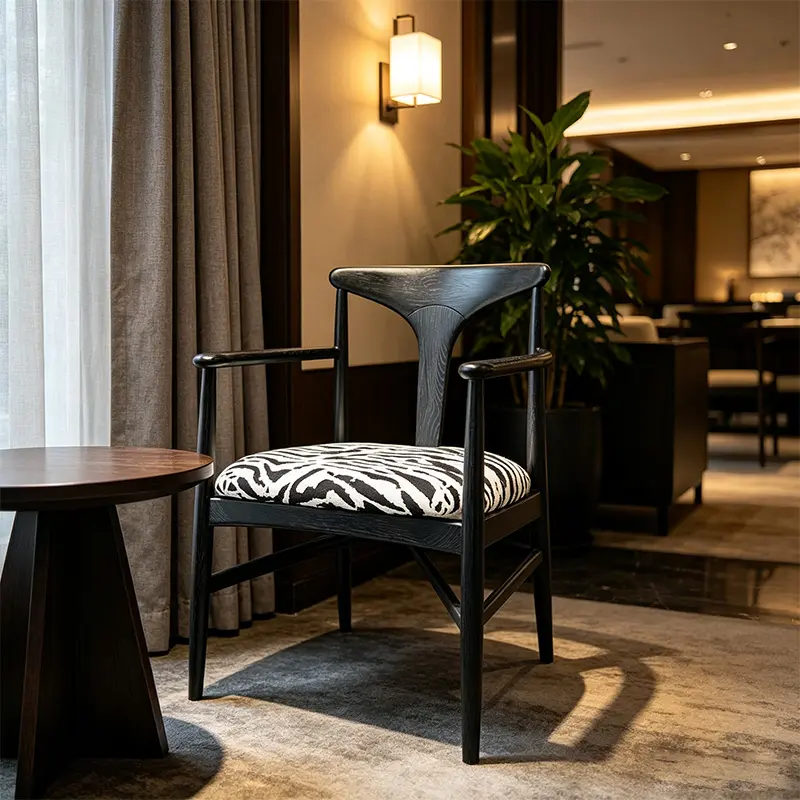
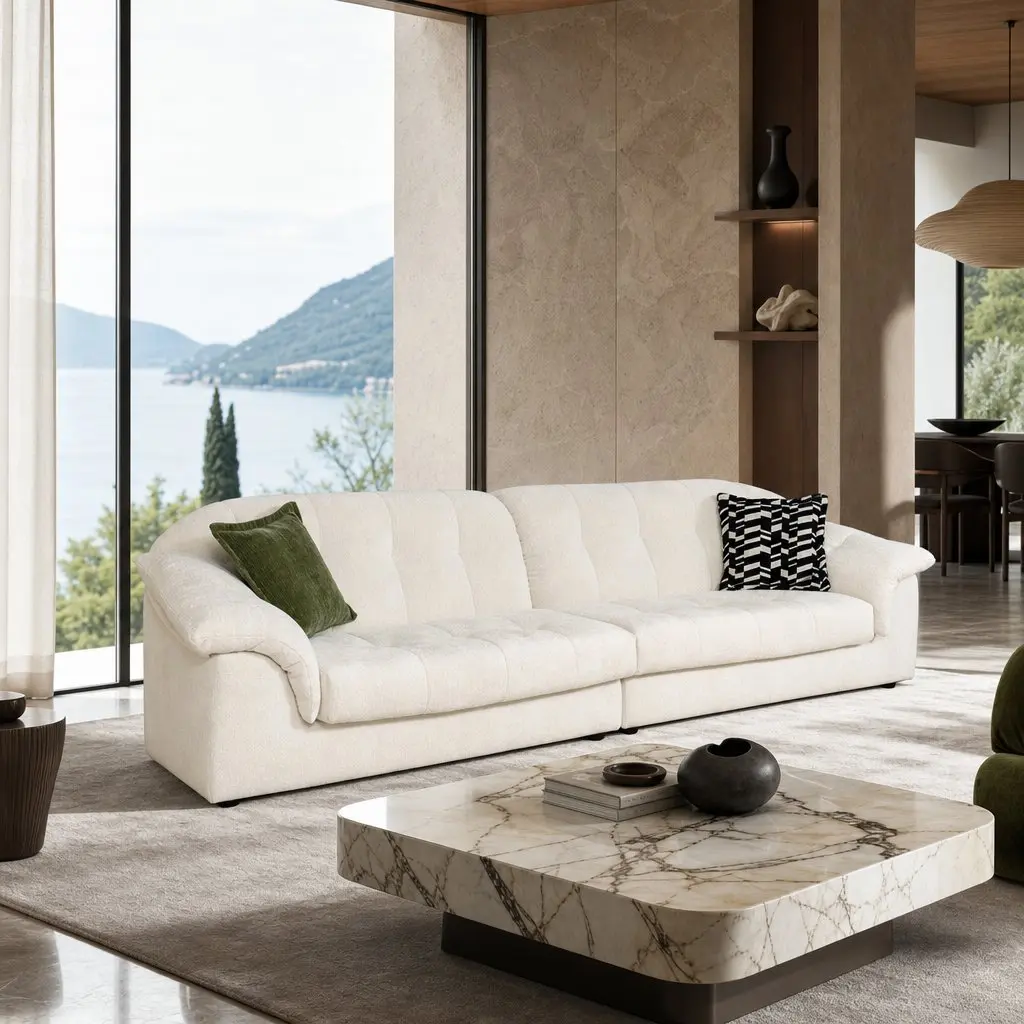
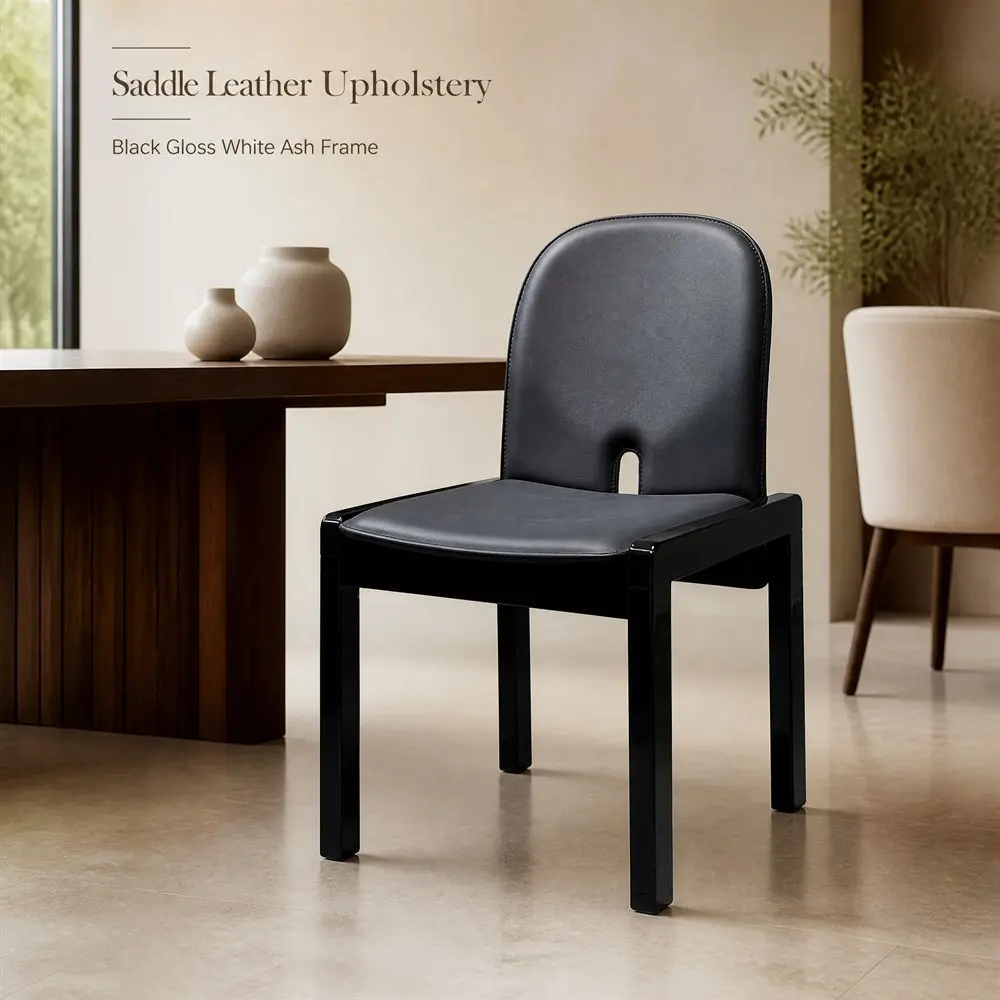
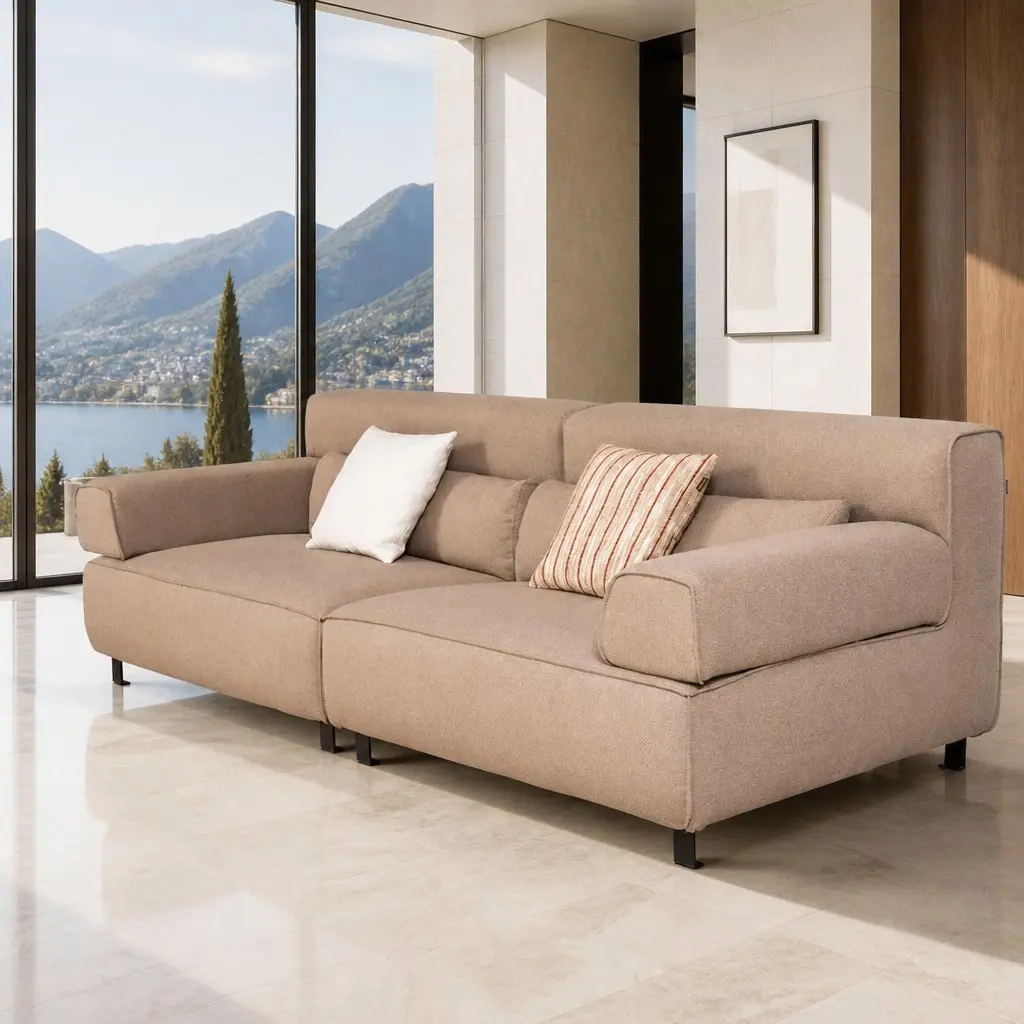
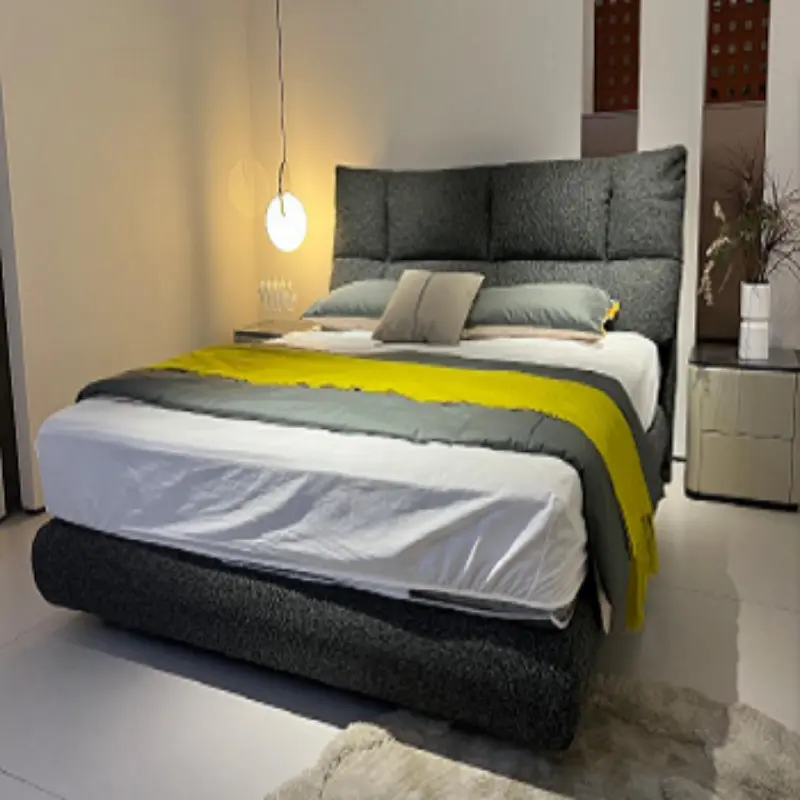
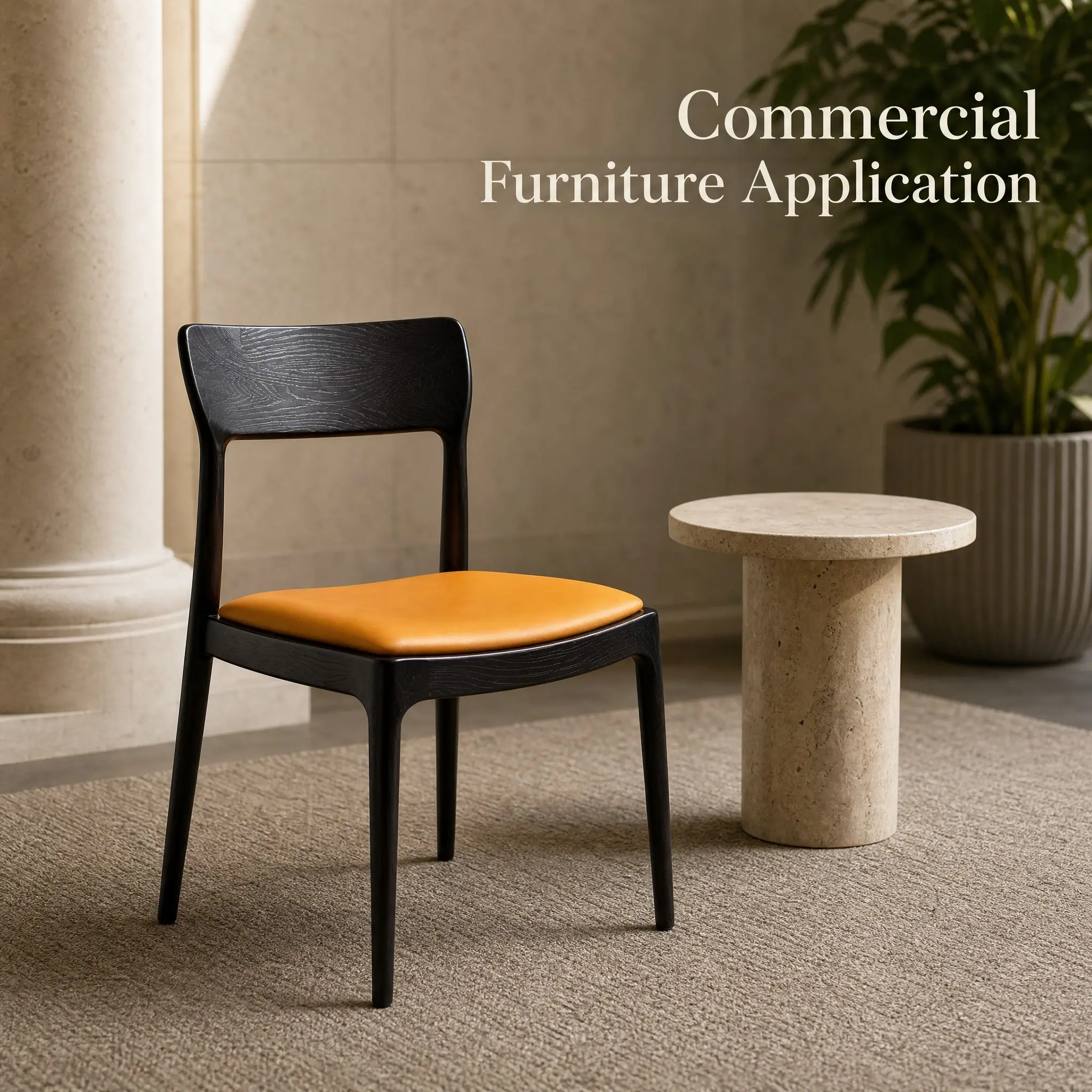
Explore our complete OEM/ODM collection engineered for global wholesalers and commercial contract buyers.
Technical & Procurement Q&A (B2B Buyer Knowledge Base)
Authoritative technical answers to standard engineering, OEM/ODM customization, and logistics queries.
How does your factory control wood moisture content (MC) to prevent warping in destination countries?
Our facility operates computerized high-frequency steam kiln dryers. Raw timber undergoes a multi-stage kiln drying schedule until reaching an equilibrium moisture content of 8% - 12% (depending on target export region climate zones). Every timber board is verified with pinless electromagnetic moisture meters prior to CNC joinery processing. Post-production pieces are stored in humidity-controlled buffer warehouses before containerization.
What are the primary OEM/ODM customization capabilities offered for commercial projects?
We provide comprehensive B2B customization across four core dimensions: 1) Dimensional & CAD engineering (modifying seating depth, frame height, and module configuration); 2) Timber species selection (Teak, Imported Larch, Thermally Modified Ash, White Oak); 3) Contract Textiles (Sunbrella®, solution-dyed Olefin, commercial-grade faux leather); and 4) Private Labeling (custom laser-etched metal brand plates, custom shipping carton markings, and barcode integration).
How can we consolidate mixed furniture categories (Sofa, Bed, Outdoor, Dining) into a single FCL container?
As a whole-house furniture manufacturer in Foshan, our supply chain integration allows buyers to mix sofas, upholstered beds, mattresses, and solid wood dining/garden furniture under one single Purchase Order (PO). Our logistics optimization software generates 3D container loading schematics to maximize cubic meter (CBM) utilization while preventing heavy casegoods from crushing upholstered pieces.
What outdoor wood finish protocols are applied to maintain long-term color retention?
We apply a 3-coat deep-penetration system: First, a micro-emulsion fungicidal primer; second, an anti-UV pigment layer that absorbs ultraviolet wavelengths; and third, a natural nanotechnology water-repellent wax oil finish. This system allows the wood to breathe naturally while preventing silver-gray oxidation or surface micro-cracking for up to 3 years before requiring simple wipe-on re-oiling.
What structural quality testing is conducted prior to export packaging?
Every product batch is subject to in-house laboratory testing based on EN 581 and BIFMA standards. This includes static load testing (up to 300 kg seat load), dynamic drop impact tests, backrest fatigue cycling (100,000 cycles), and 48-hour salt spray corrosion testing for all metallic fasteners and hinges.
What are the standard production lead times and Minimum Order Quantity (MOQ) requirements?
Standard lead time for full container load (FCL) orders is 30 to 45 days upon sample sign-off and deposit receipt. Our MOQ is flexible for commercial project procurement—typically 10 to 20 units per SKU for standard timber models, or 1 x 20GP container mixed across collections for wholesale buyers.