
Below are our high-precision manufactured units, engineered for high-durability residential and commercial environments. Integrated seamlessly with our outdoor balcony and whole-house furniture supply matrix.
-
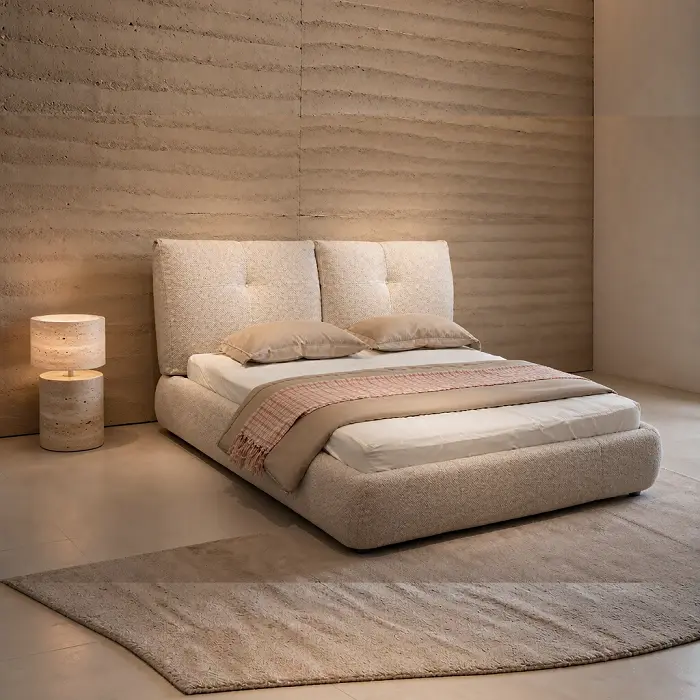 Latest design QYM C156-B Linen Upholstered Bed Everyday comfort in a clean cotton linen profile Supplier, FactoriesInquire Specification
-
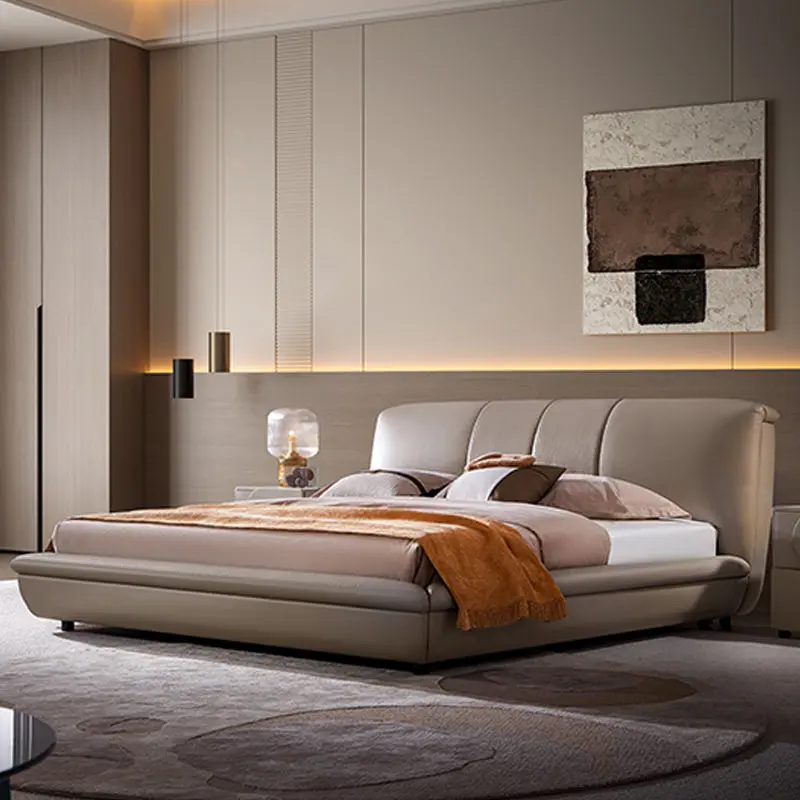 Wholesale QYM C173 Customized Luxury Italian Modern Bed – Top Layer Cowhide Genuine Leather Upholstered Bed Frame Suppliers, WholesalerInquire Specification
-
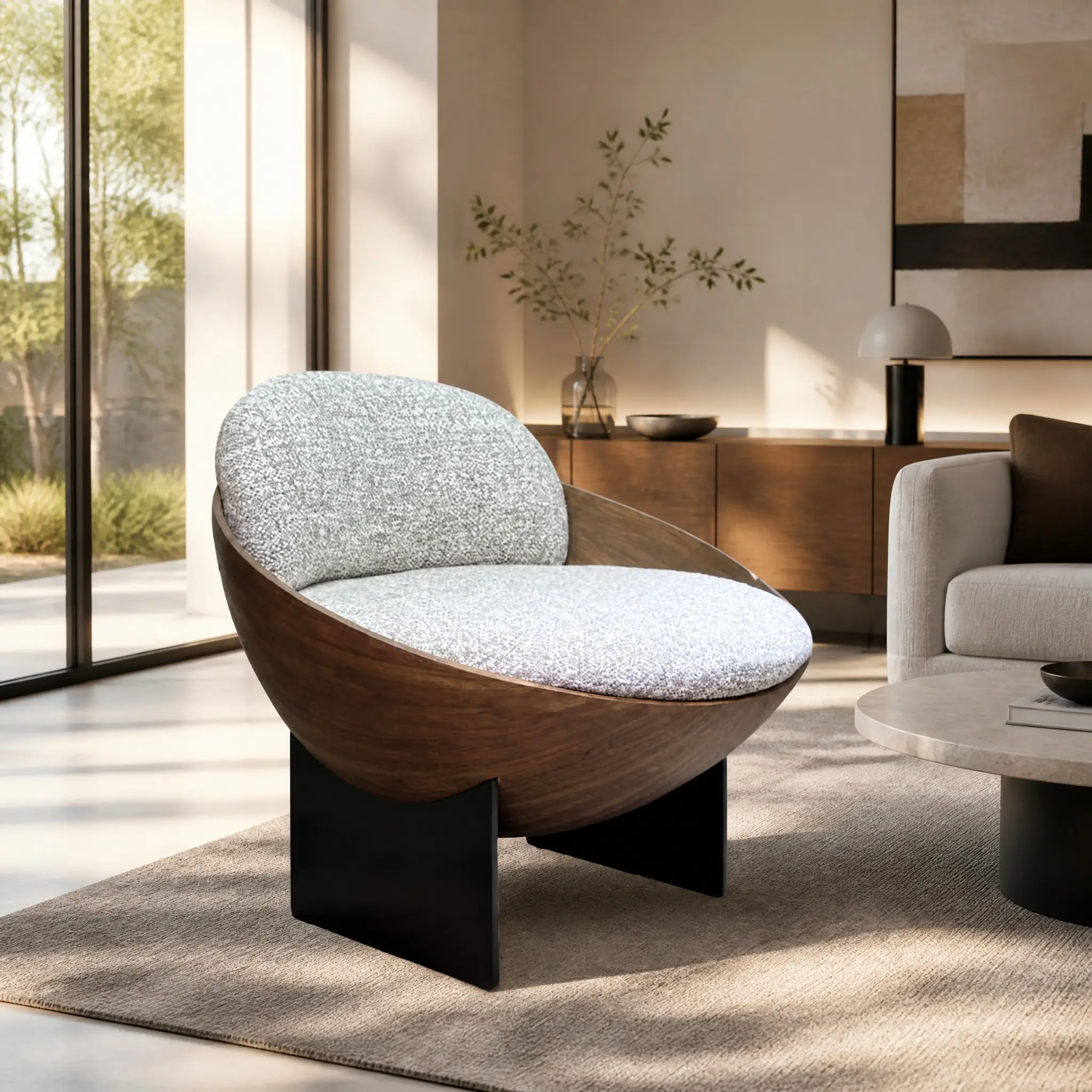 Latest design QYM Modern Bowl-shaped Lounge Chair with Walnut Veneer Fiberglass Shell, Cotton Linen Upholstery & Black Titanium Solid Stainless Steel Base, Ergonomic Accent Armchair for Living Room Hotel Supplier, FactoriesInquire Specification
-
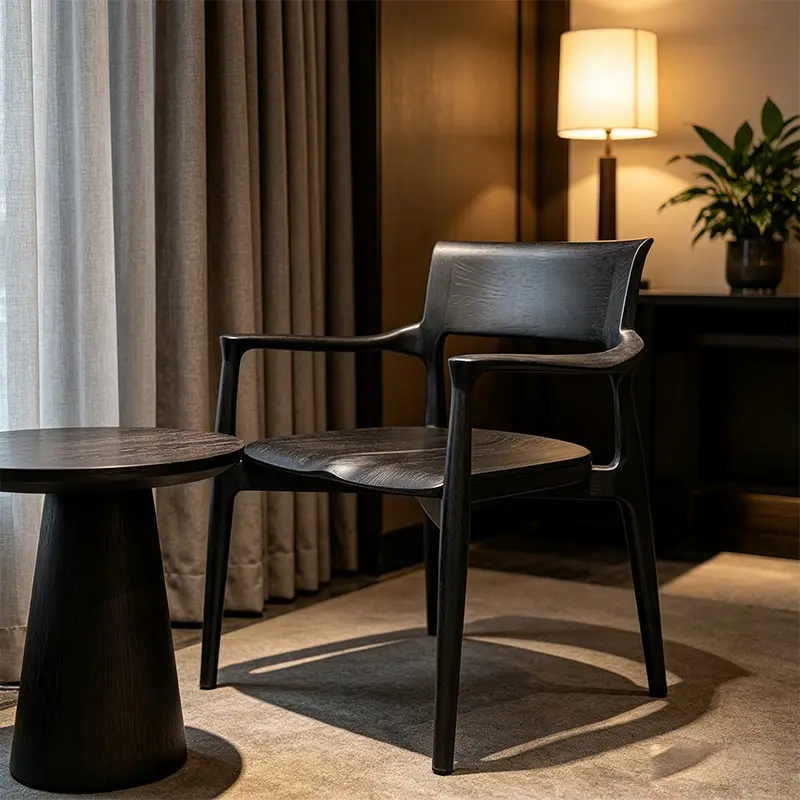 Latest design QYM Modern Integrated Arm Solid Ash Wood Dining Chair Smoked Black Finish Hollow Back Hard Seat Dining Chair For Home Restaurant Hotel Project Factory, WholesalerInquire Specification
-
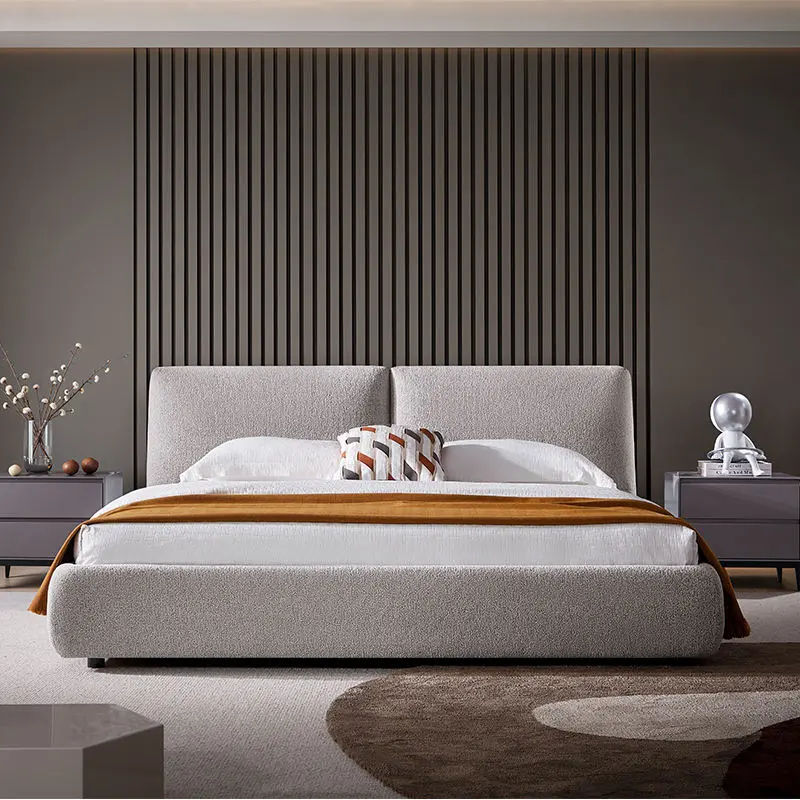 Wholesale QYM C179 New Design Modern Comfortable King Size Soft Bed with Integrated Storage & Quiet Steel-Wood Structure Manufacturers, SuppliersInquire Specification
-
 Latest design QYM C181 Leather Upholstered Bed Clean leather comfort for modern everyday bedrooms Factories, WholesalerInquire Specification
-
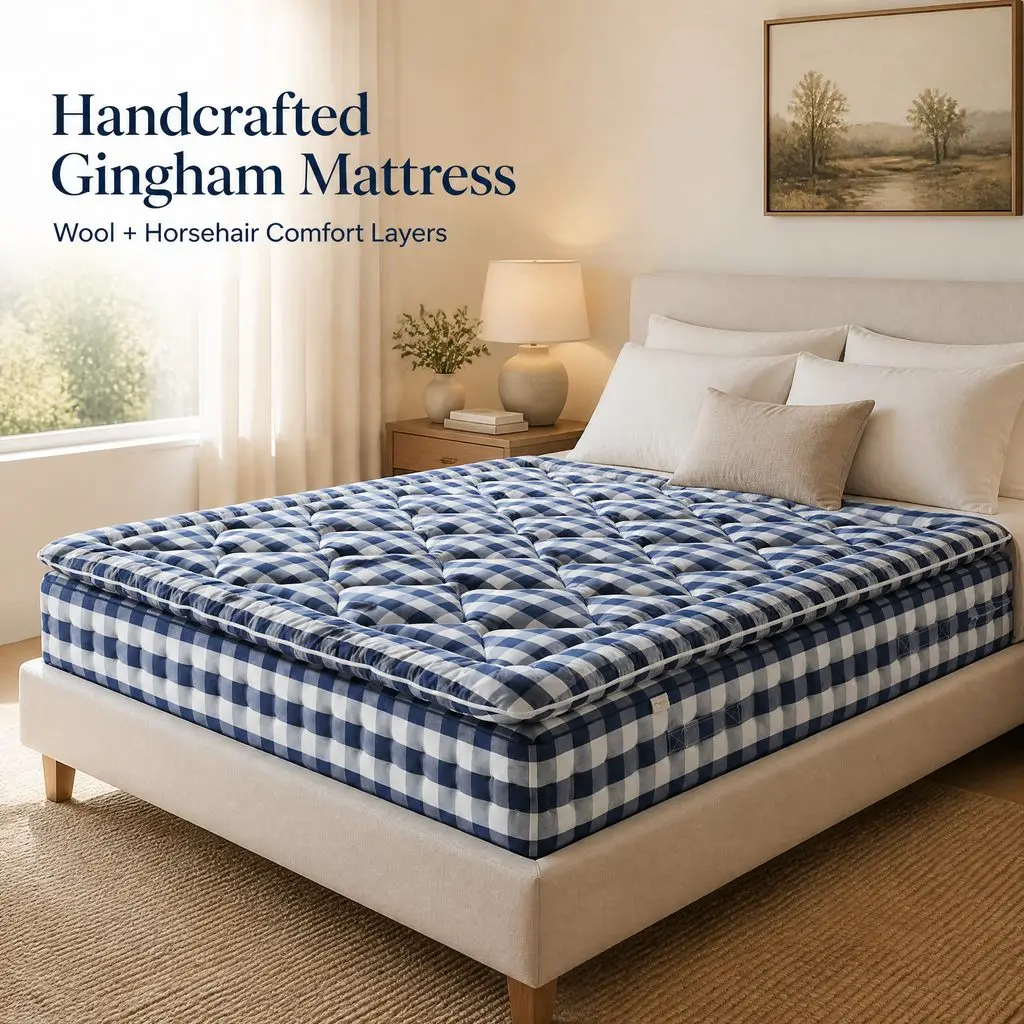 Latest design QYM G2000 Premium Handmade Mattress with 7-Coil Pocket Silent Springs, Mini Bubble Springs, Horsehair and Hand Tufting Supplier, FactoriesInquire Specification
-
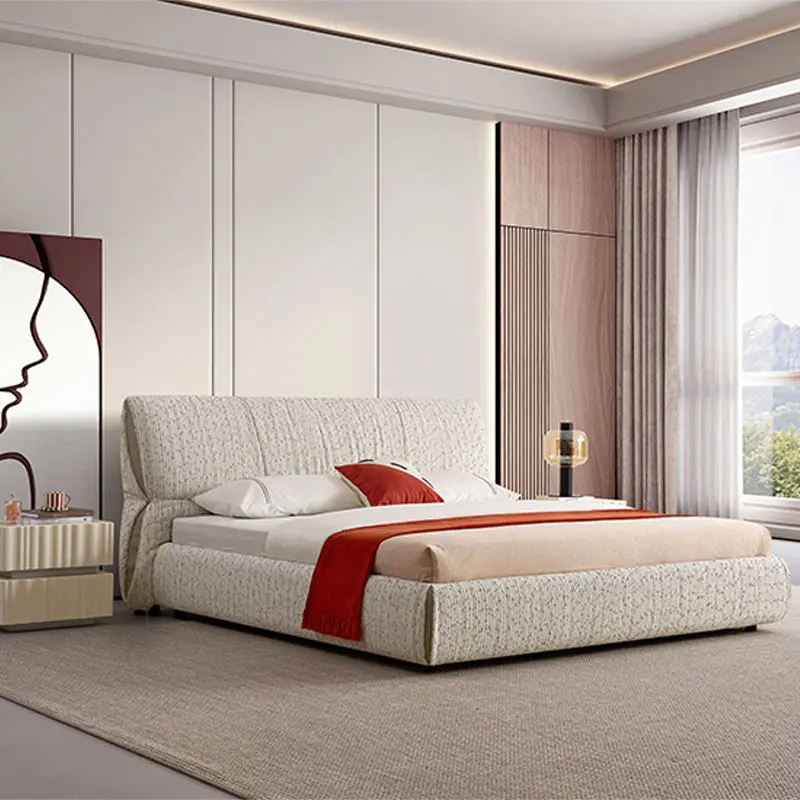 Latest design QYM C199 Modern Luxury King Size Soft Bed with Integrated Storage & Reinforced Solid Wood Core Supplier, SuppliersInquire Specification
The global outdoor furniture industry is undergoing a paradigm shift. What was once considered simple seasonal patio seating has evolved into an essential extension of indoor architecture. Driven by urban condensation, wellness-focused commercial interior design, and biophilic architectural movements, the demand for Wholesale Comfortable Balcony Furniture has surged exponentially across global markets.
According to macroeconomic procurement data, the global outdoor and balcony furniture market is projected to expand from $18.2 Billion in 2023 to over $29.4 Billion by 2030, exhibiting a compound annual growth rate (CAGR) of 6.8%. Commercial real estate expansion, high-end hospitality upgrades, and residential balcony optimization are the primary growth drivers.
B2B buyers—including hotel chain procurement directors, luxury property developers, and multi-brand furniture importers—no longer search merely for "weatherproof chairs." The core user intent centers on ergonomic indoor-level comfort adapted for extreme outdoor microclimates. Material resilience must merge seamlessly with plush comfort systems.
Leading sourcing strategy focuses on multi-category manufacturing synergy. Sourcing comfortable balcony sets alongside indoor living, bedroom, and dining furniture from unified production hubs drastically reduces supply chain fragmentation, harmonizes aesthetic finishes, and optimizes freight logistics.
Understanding specific commercial application vectors is critical for commercial buyers, developers, and wholesalers. Sourcing comfortable balcony furniture requires tailored material specifications depending on the enterprise application scenario.
Resort balconies, rooftop VIP lounges, and boutique hotel terraces demand commercial-grade contract furniture. Key requirements include high-turnover structural longevity, fire-retardant quick-dry foams (CAL 117 / BS 5852), and chemical resistance against chlorine and salt fog in coastal regions.
Modern metropolitan apartment balconies require compact, multi-functional ergonomic furniture. Developers prioritize stackable lounge profiles, modular sectional configurations, lightweight yet structurally rigid T6 aluminum frames, and stain-resistant removable fabric covers.
Wholesale distributors require high market versatility, low SKU defect rates, customizable brand labeling (OEM/ODM), and optimized container packaging density to minimize ocean freight costs per unit while guaranteeing rapid customer assembly.
Engineering innovation is driving new product categories. B2B buyers must evaluate manufacturers based on their adoption of advanced material science and modern ergonomic frameworks.
Traditional outdoor cushions suffered from water retention and mildew. The modern standard utilizes Reticulated Open-Cell Quick-Dry Foam wrapped in breathable solution-dyed acrylic or Olefin fabrics. This system allows rainwater to drain instantly through gravitational flow while retaining cloud-like seating density.
High-end balcony furniture incorporates powder-coated T6 grade aluminum alloys engineered with electrostatic fluorocarbon coatings. Combined with weather-resistant polyolefin rope hand-weaving, these designs provide structural elasticity, zero rust, and UV stability tested up to 3,000 continuous sunlight hours.
With urban balconies averaging between 4 to 12 square meters, smart balcony furniture features floating profiles, nesting table structures, and modular corner sectionals that convert easily between dining, lounging, and remote-work configurations.
Institutional procurement guidelines heavily emphasize eco-conscious manufacturing. Leading factories integrate post-consumer recycled HDPE woven wicker, FSC-certified sustainable teak inserts, and non-toxic VOC-free powder coatings to meet global ESG metrics.
As the global heart of furniture manufacturing, Foshan and Shunde in Guangdong Province offer an unparalleled ecosystem for large-scale OEM/ODM furniture production, bringing extreme cost efficiency, structural precision, and rapid scalability.
Foshan’s furniture industrial cluster provides immediate access to specialized raw material suppliers within a 15-kilometer radius. From raw aluminum extruded tubing and specialized outdoor fabric mills to automated hardware forging, this cluster minimizes lead times and insulates against global logistics shocks.
Industry 4.0 automated factories utilize 3D CNC laser tube cutters, automated robotic TIG welding arms, and automated multi-stage powder coating lines. This guarantees sub-millimeter structural tolerances, perfectly smooth weld seams, and flawless surface adhesion across thousands of batch units.
Export-focused factories operate strict quality control gates: incoming raw material chemical checks, in-line weld integrity testing, salt spray corrosion testing (ASTM B117), and full pre-shipment assembly trial fitting to guarantee 100% compliance before loading containers.
Furniture parameters must adapt strictly to regional climatic conditions, architectural styles, and urban density variations across key international markets.
Design Criteria: Space optimization, lightweight movement, dual-purpose utility.
Recommended Spec: Slimline powder-coated aluminum bistro sets, folding or stackable armchairs, rope-woven low-profile lounge chairs, compact accent coffee tables with weather-resistant tops.
Design Criteria: Anti-corrosion, UV stability, salt-fog resistance.
Recommended Spec: Marine-grade 316 stainless steel or anodized aluminum frames, solution-dyed acrylic fabrics with UPF 50+ protection, reticulated quick-dry inner cushions, anti-microbial fabric treatments.
Design Criteria: Thermal resistance, heavy structure, freeze-thaw stability.
Recommended Spec: Heavy-gauge teak wood bases combined with thick high-density upholstered deep-seating cushions, rust-proof hardware, protective fitted covers for snow resistance.
Our manufacturing engineering standards conform strictly to international commercial furniture testing regimes. B2B buyers can reference the engineering benchmark matrix below:
| Component | Material Engineering Spec | Testing Standard / Certification | Commercial Performance Metric |
|---|---|---|---|
| Structural Frame | T6 Grade Extruded Aluminum / 6063 Alloy (1.5mm–2.2mm thickness) | EN 581-1 / EN 581-2 Commercial Contract | Static load capacity > 250 kg; zero rust in 1000-hr salt spray |
| Frame Coating | AkzoNobel Interpon Electrostatic Outdoor Powder Coating | ASTM B117 / ISO 9227 Corrosion Test | UV color-fastness Grade 8; scratch resistance > 3H hardness |
| Outdoor Textile | 100% Solution-Dyed Acrylic or Premium Polyolefin Fabric | ISO 105-B02 / AATCC 16 UV Fastness | 3,000 continuous hours UV stability; Martindale > 50,000 rubs |
| Comfort Cushioning | Reticulated Quick-Dry Open-Cell Foam (30–45 kg/m³ Density) | CAL 117 Section E / BS 5852 Fire Retardant | Water passage efficiency < 5 mins; high resilience rebound |
| Woven Elements | High-Density Polyethylene Rope / Thermoplastic Synthetic Fiber | REACH / RoHS Heavy Metal Free | Tensile strength > 1200N; temperature tolerance -30°C to +65°C |
Expand your procurement plan beyond the balcony. Combine outdoor seating with high-end bedroom, living, and dining suites under a unified manufacturing purchase order.
-
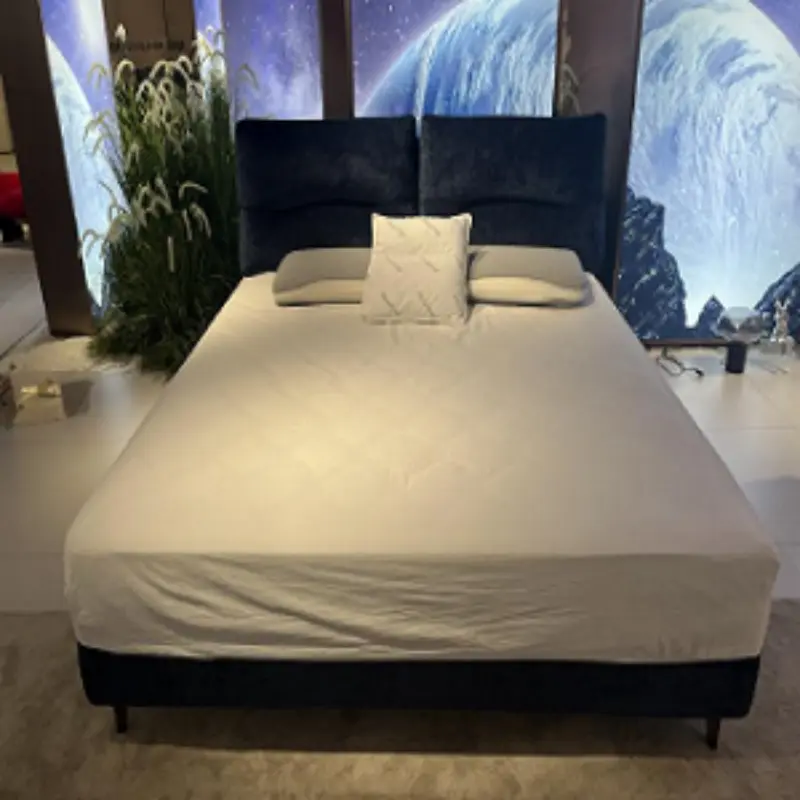 China QYM C198 Chenille Upholstered Bed Soft chenille texture for calm contemporary rooms Manufacturers, SuppliersInquire Specification
-
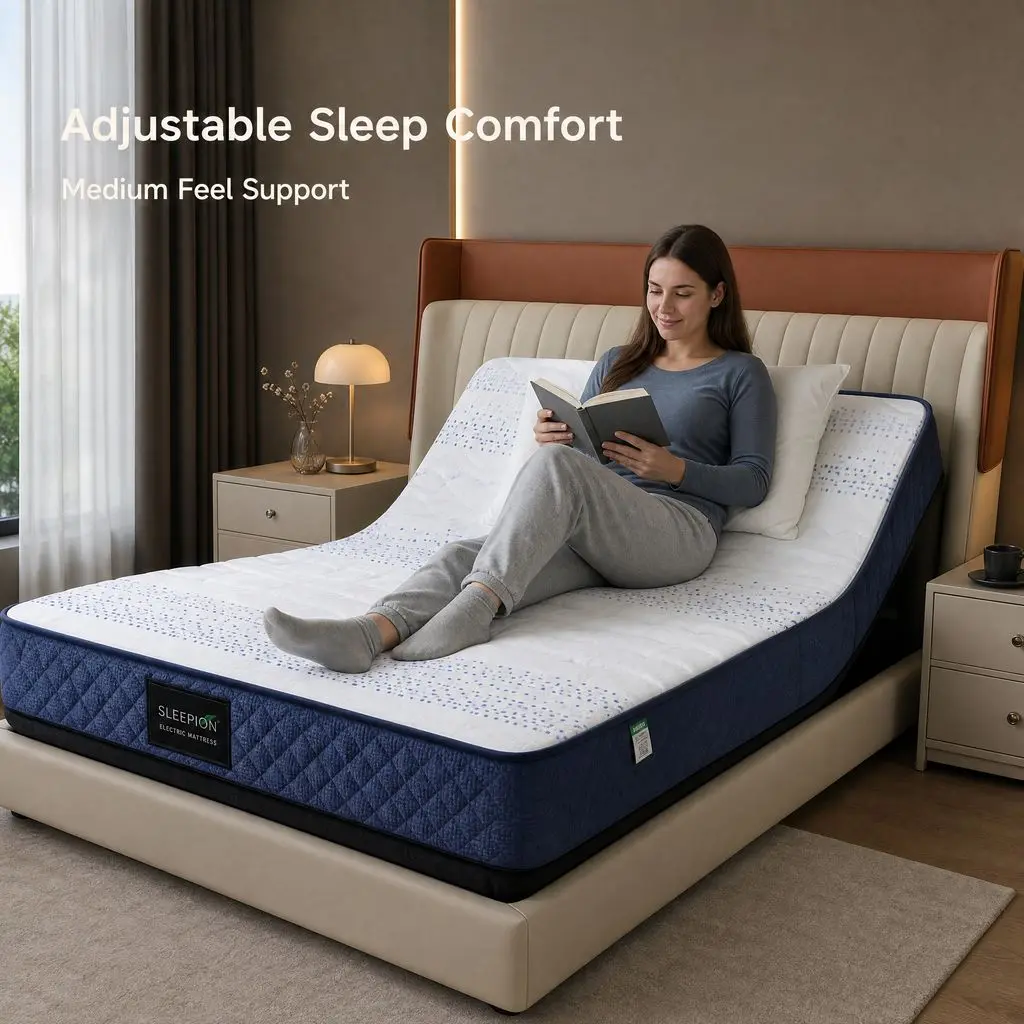 China QYM ZNA1 Smart Electric Adjustable Mattress with German Oeken Motor Cloud Memory Foam and Comfort Cotton for Medium Support-1 Manufacturer, SuppliersInquire Specification
-
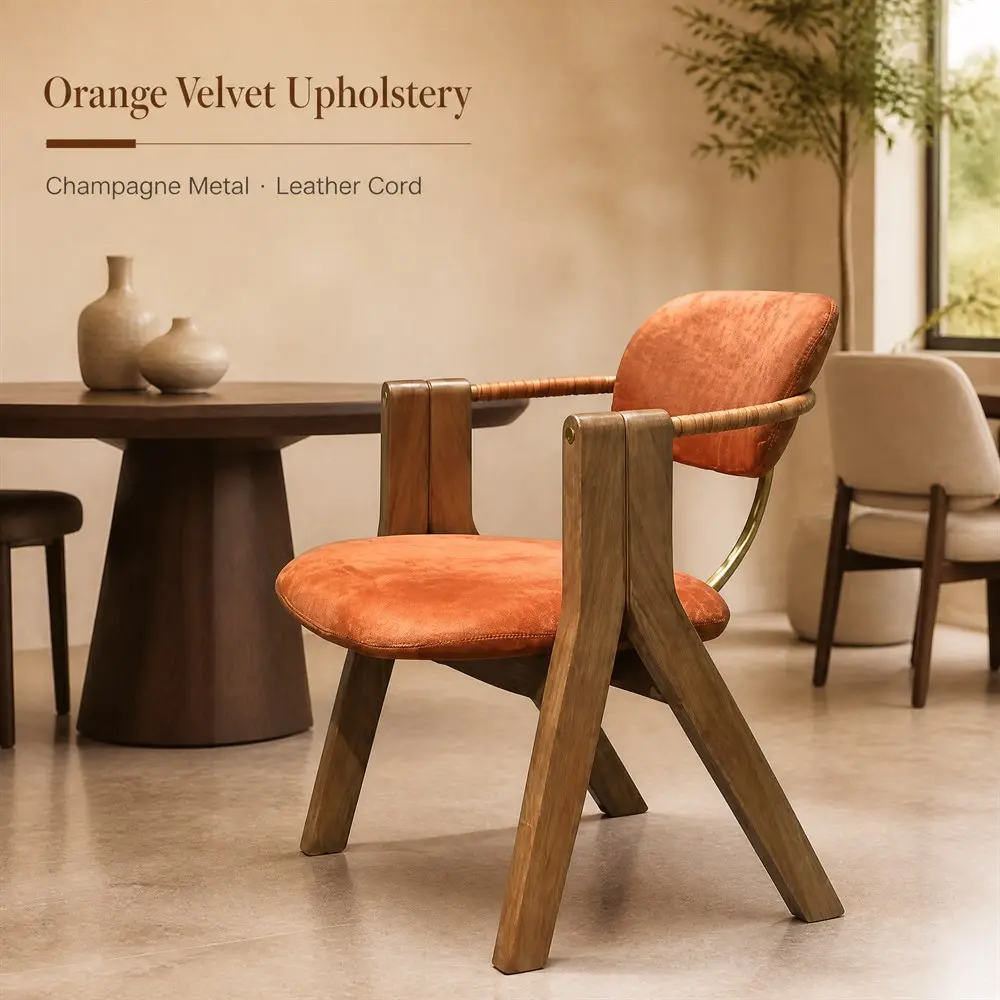 Wholesale QYM Modern Ash Wood Dining Chair With Armrest, Orange Velvet Upholstered Accent Chair, Champagne Stainless Steel & Leather Cord Decor Dining Room Chair Manufacturers, SupplierInquire Specification
-
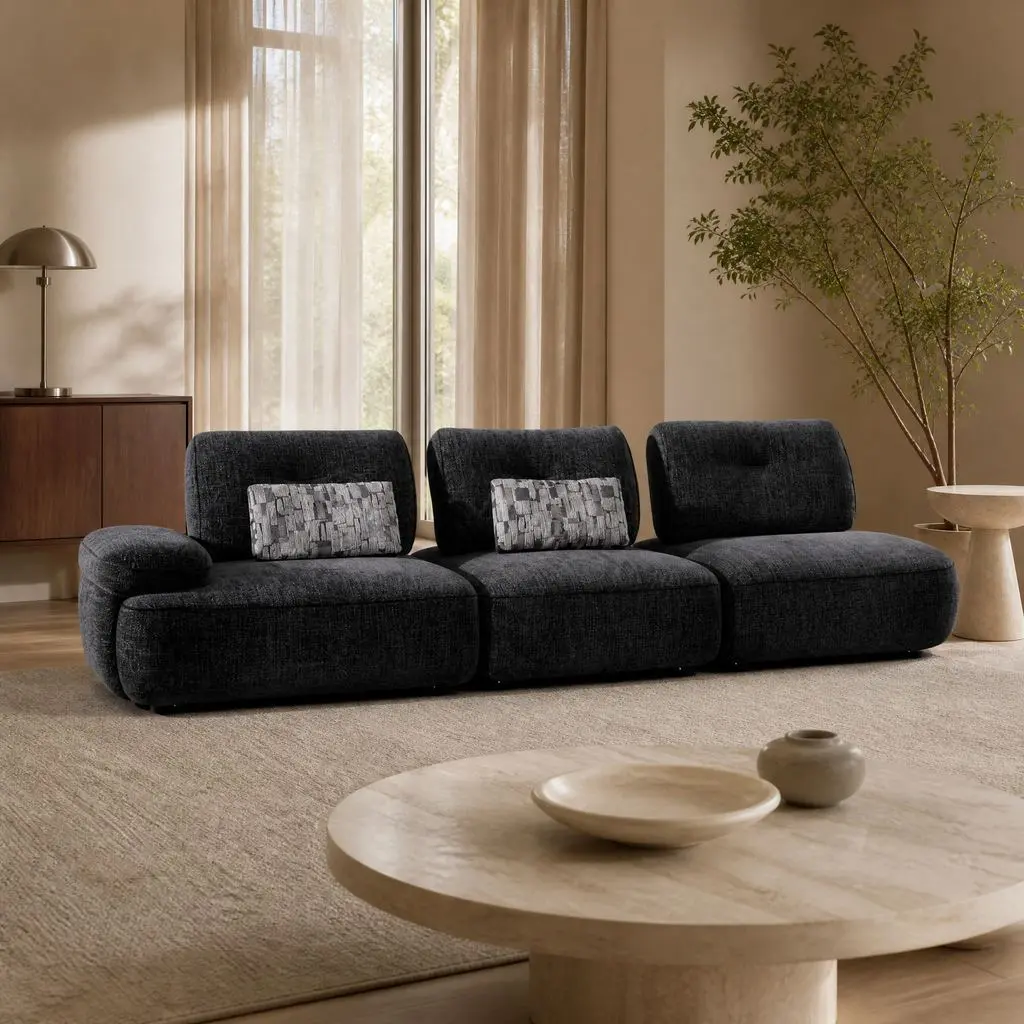 Latest design QYM M1089 Modern Modular Sectional Sofa with Chaise, Larch Wood Frame, High-Density Foam, Chenille Fabric and Washable Covers Suppliers, WholesalerInquire Specification
-
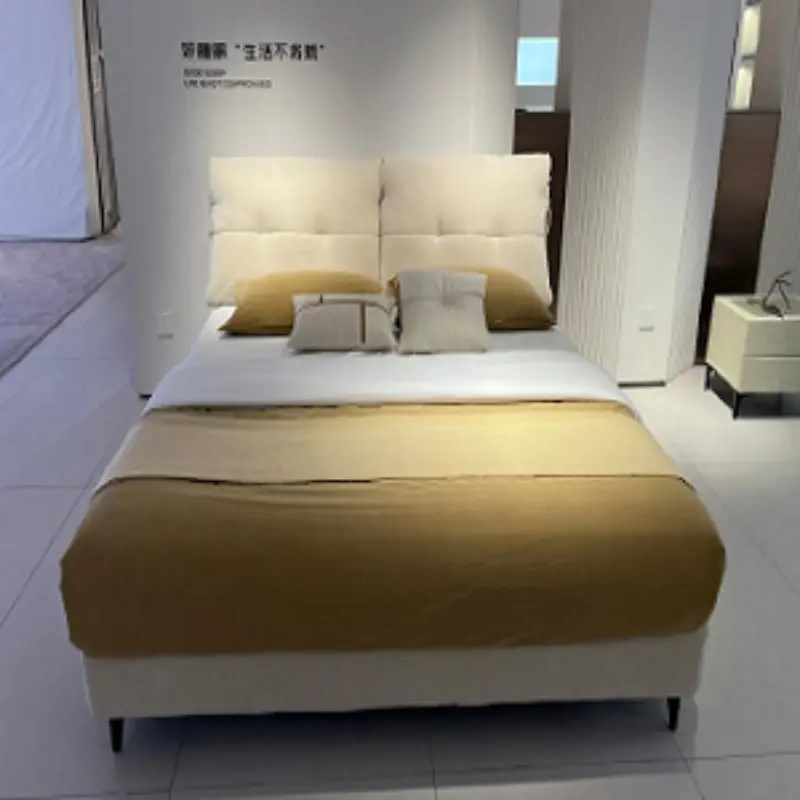 Wholesale QYM C202 Linen Upholstered Bed High-grade linen comfort with a quiet tailored silhouette Manufacturer, FactoryInquire Specification
-
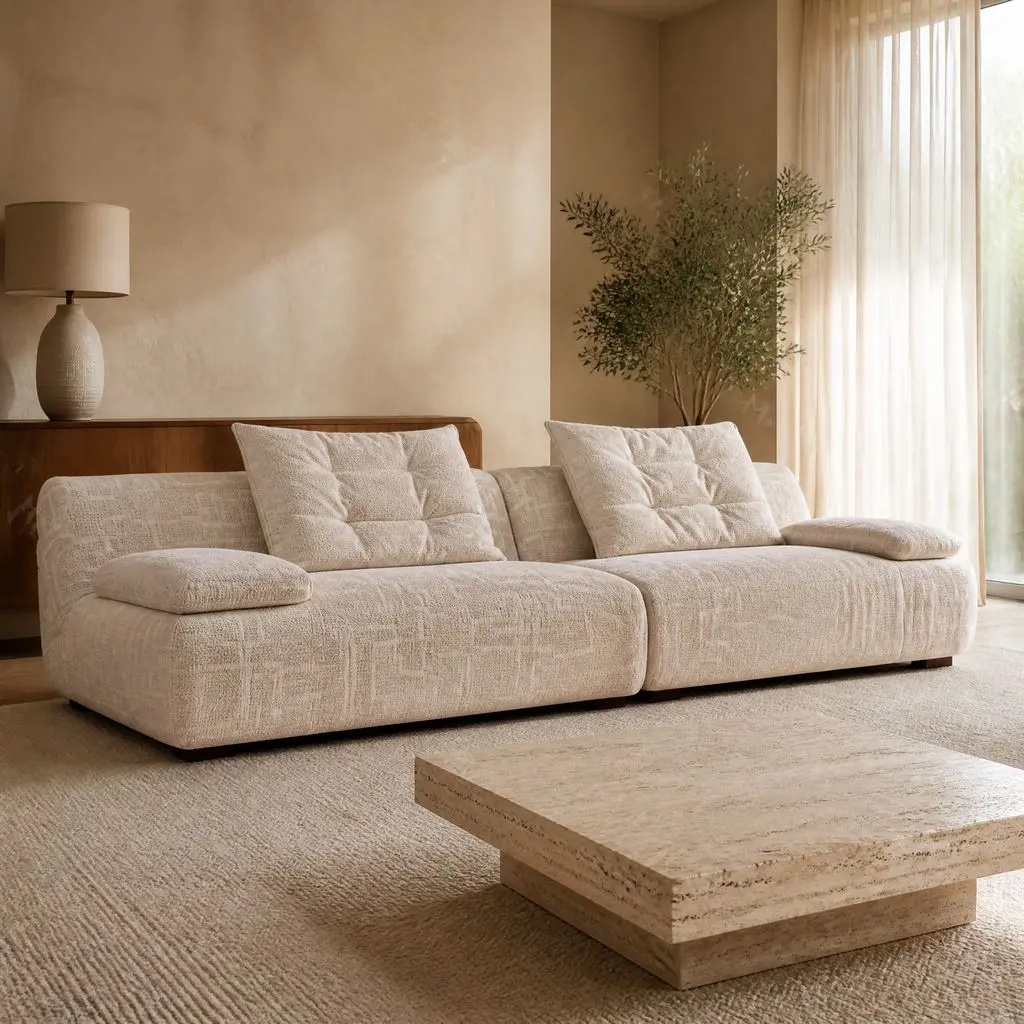 Wholesale QYM M1095 Modern Knitted Pattern Fabric Sofa with Removable Washable Cover High-Density HR Foam Imported Larch Wood Frame for Living Room Furniture Supplier, WholesalerInquire Specification
-
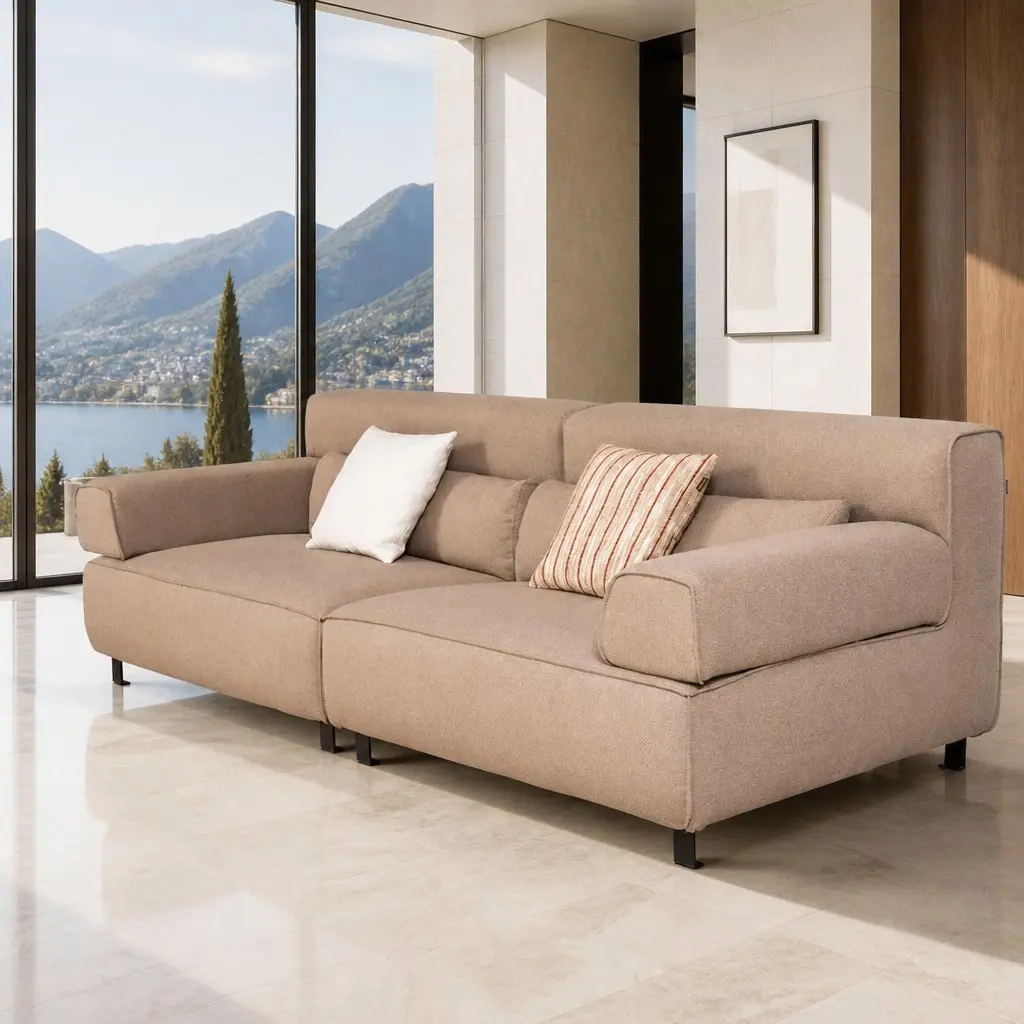 China Modern Minimalist Sectional Sofa with Larch Wood Frame Suppliers, WholesalerInquire Specification
-
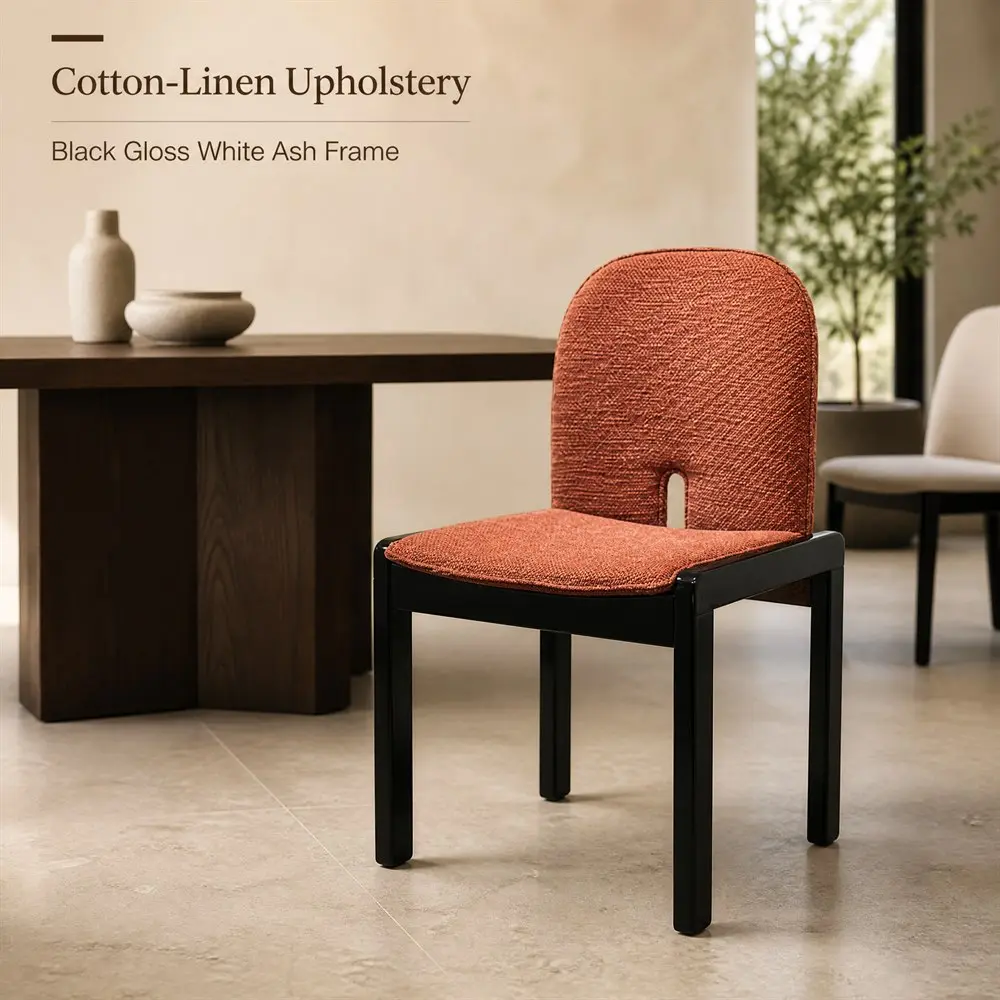 Wholesale QYM Modern Solid Ash Wood Dining Chair, Terracotta Cotton Linen Upholstered Dining Chair, High Gloss Black Finish Ash Frame Restaurant Chair Supplier, FactoriesInquire Specification
Below are authoritative answers to fundamental technical and commercial queries raised by global importers, wholesalers, and project managers during furniture procurement.