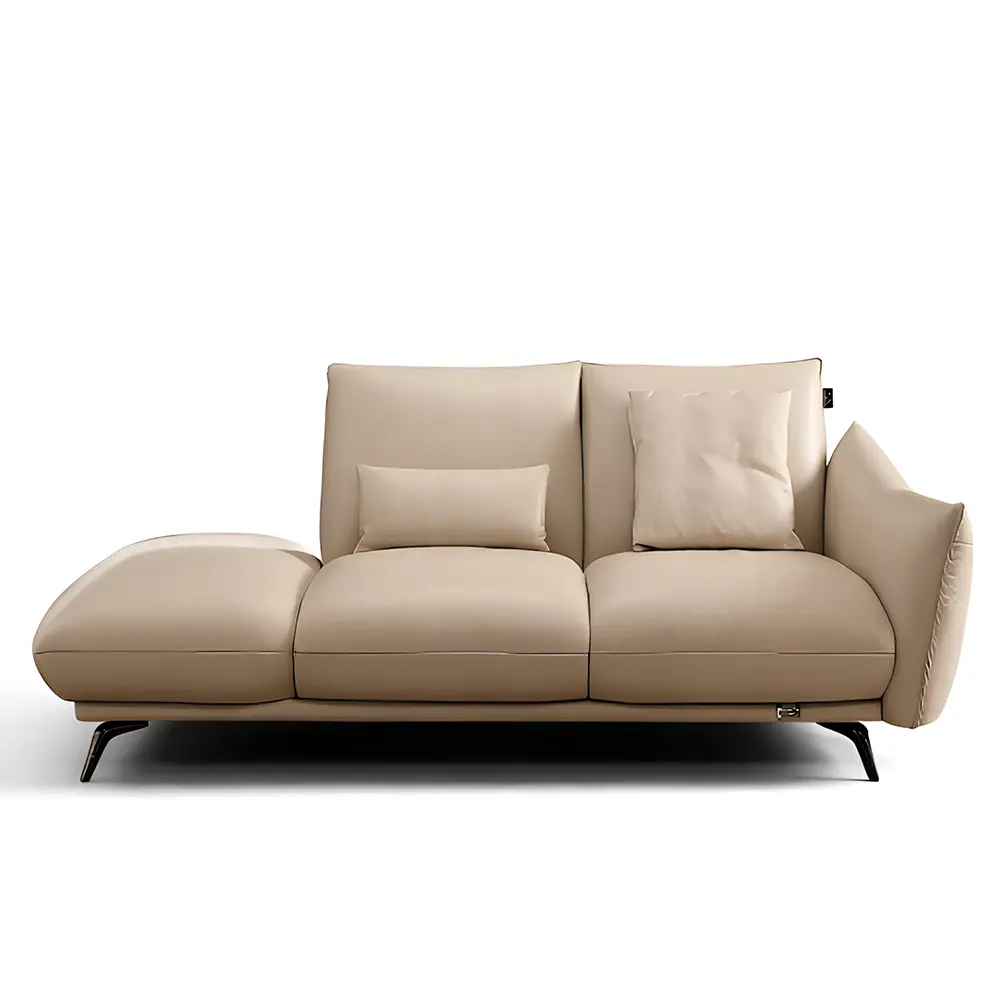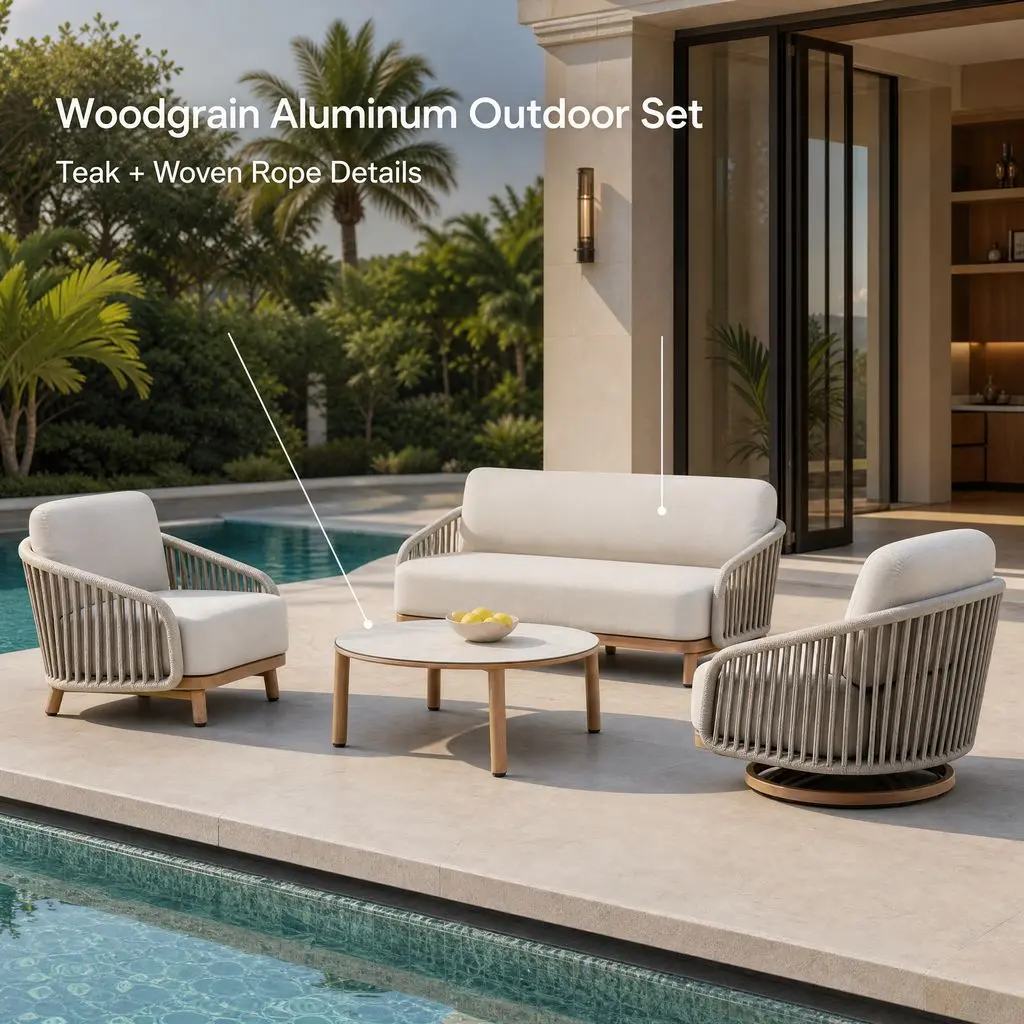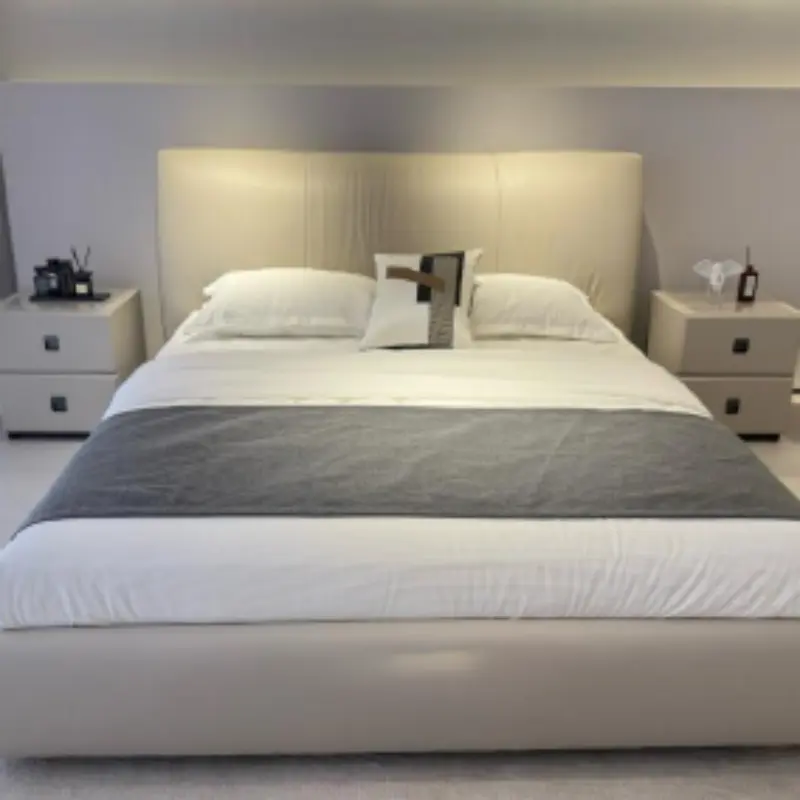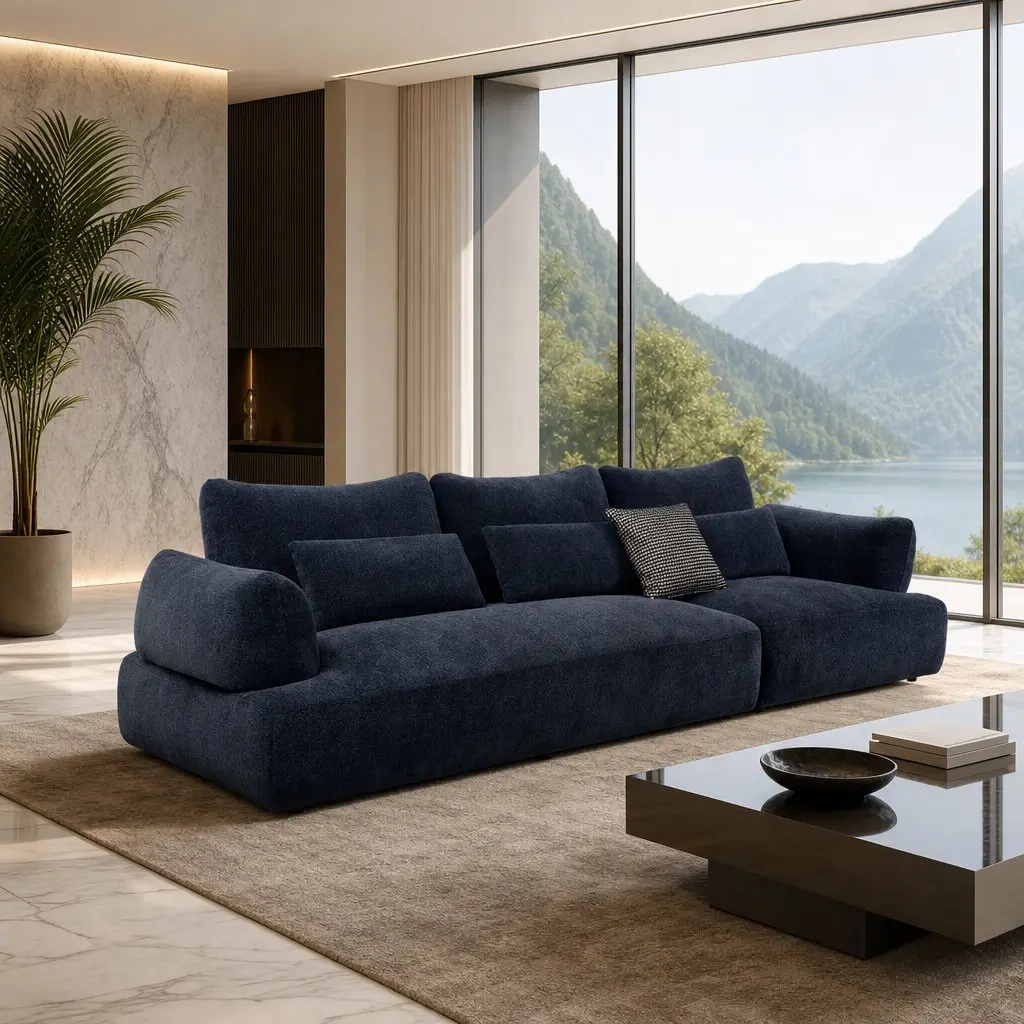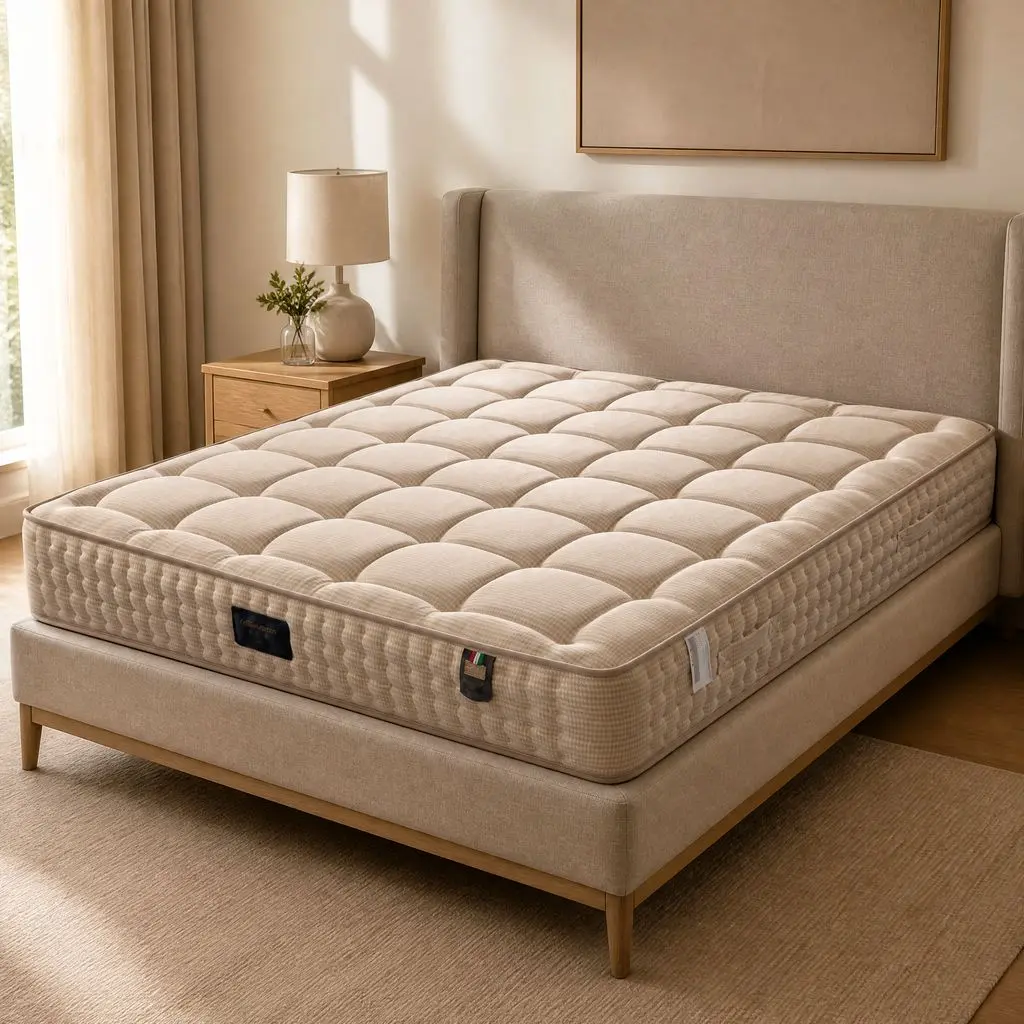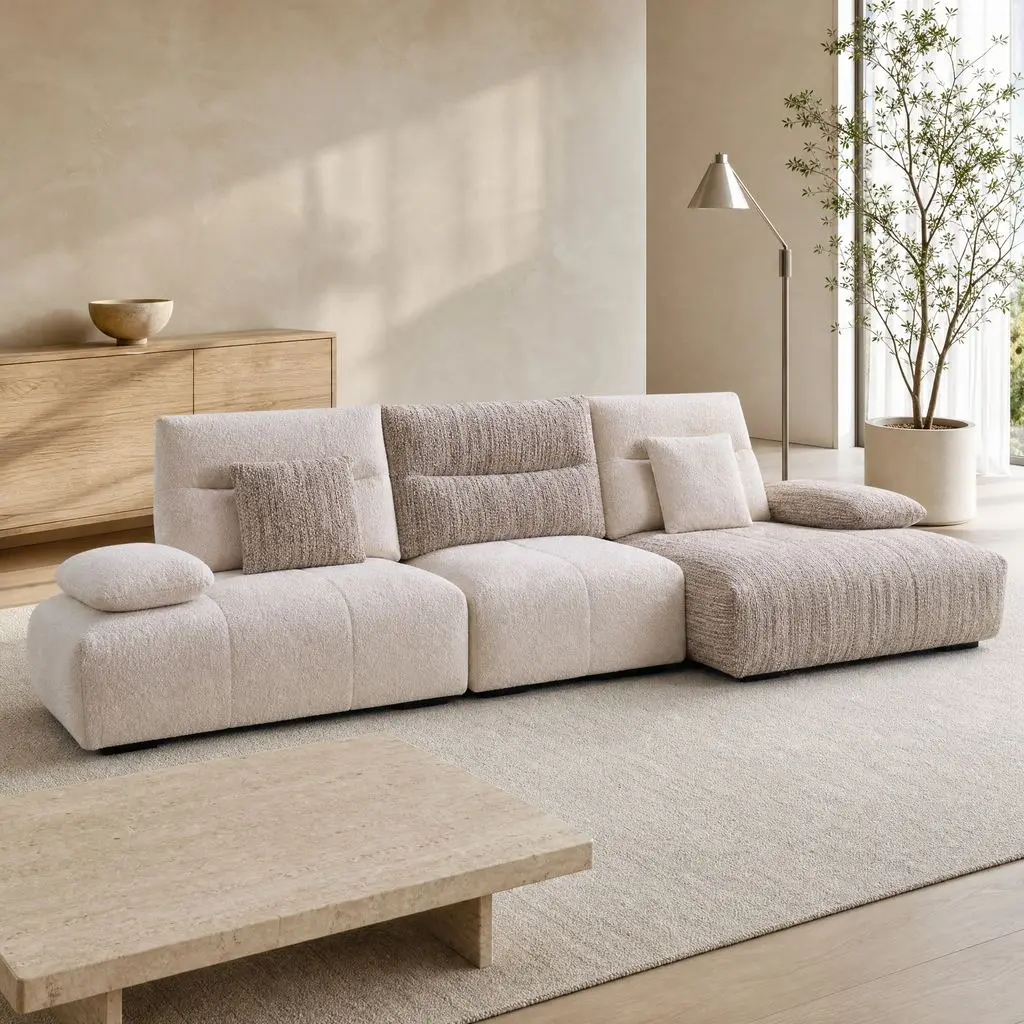
Direct factory supply matrix designed for commercial buyers, hospitality groups, and regional distributors. Every model undergoes rigorous EN 581 structural integrity and weather-resistance compliance testing.
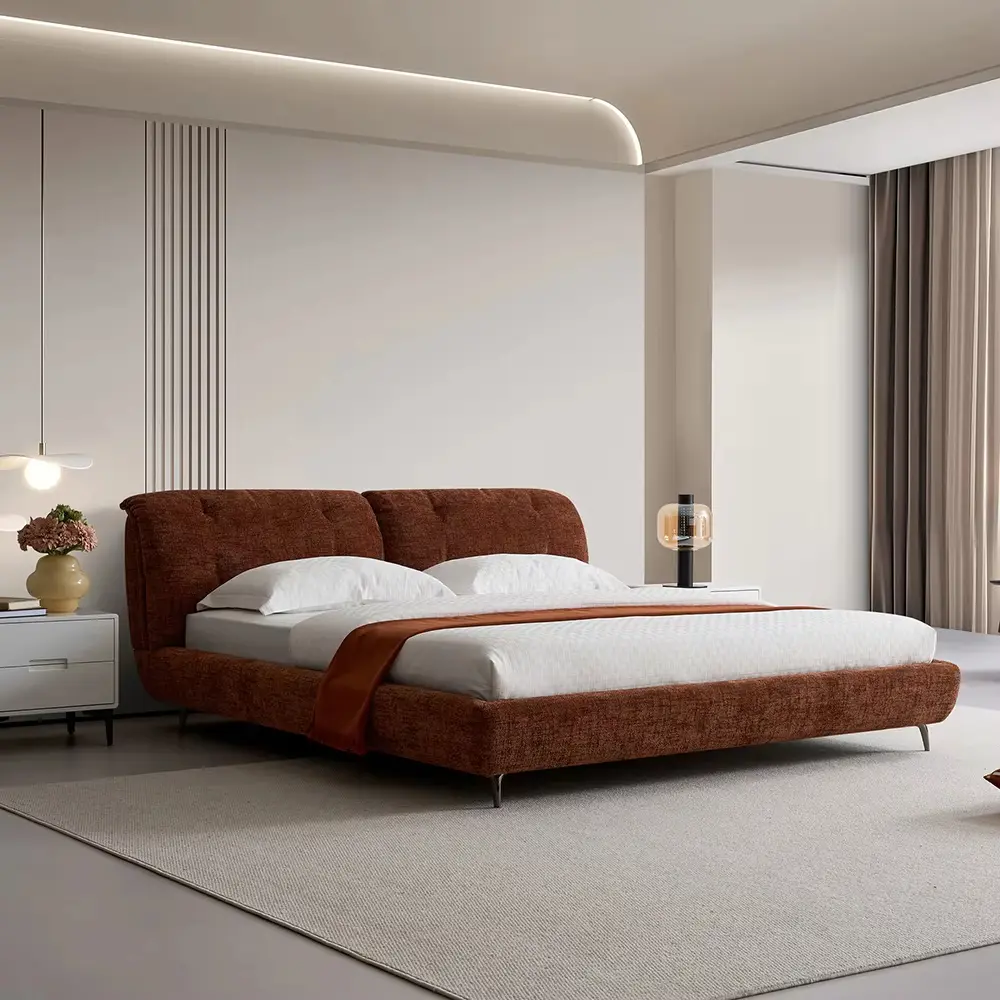
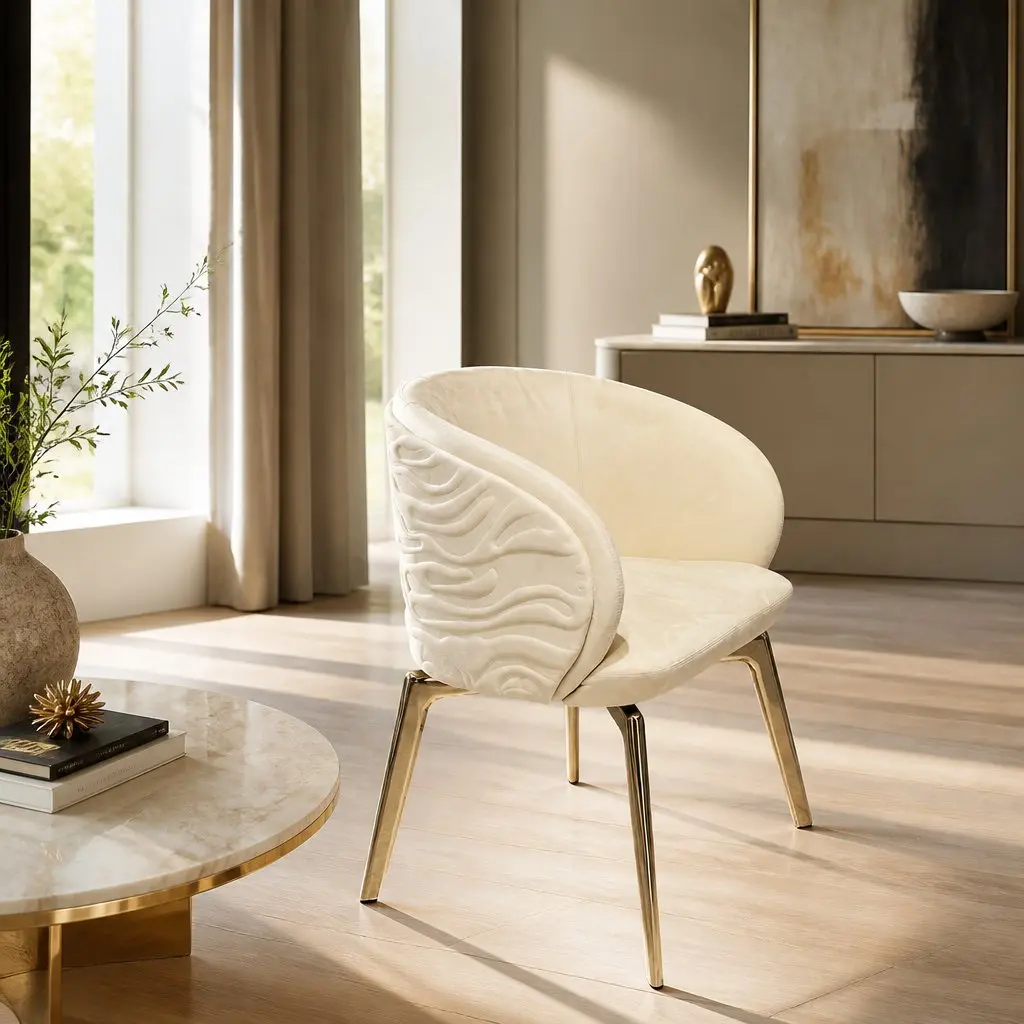
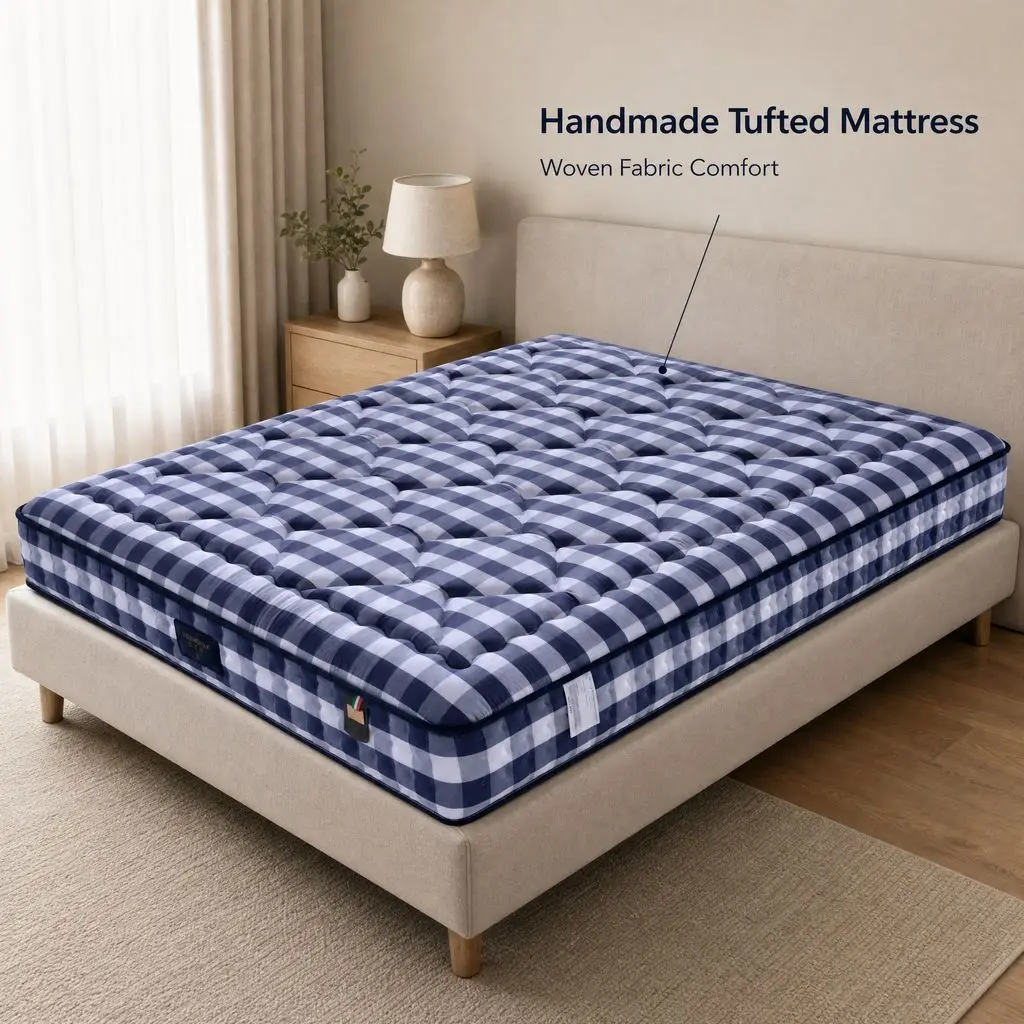
The international market for Wholesale Garden Patio Furniture has evolved from a fragmented seasonal retail sector into a highly technical $48.5 Billion global commercial contract asset class. Commercial developers, luxury hotel procurement agencies, and multi-location retail chains now demand precision-engineered outdoor living ecosystems that merge residential ergonomics with heavy-duty commercial durability.
Driven by rapid urbanization, the expansion of high-end outdoor hospitality, and the integration of commercial-grade residential living spaces, selecting an audited, highly specialized garden patio furniture manufacturer is crucial. B2B buyers must navigate complex international supply chains, compliance frameworks, and material degradation risks inherent in harsh outdoor microclimates—ranging from high-UV desert environments to corrosive marine salt-mist coastal settings.
Achieving long-term ROI in outdoor furniture manufacturing requires a sophisticated understanding of metallurgical performance, polymer chemistry, and textile science. Leading manufacturers utilize automated TIG/MIG robot welding, electrostatic fluorocarbon powder coating, and specialized foam density formulations to eliminate systemic structural failure points.
Commercial-grade outdoor frameworks rely heavily on 6063-T5 aircraft-grade aluminum. Heat-treated to enhance tensile strength, these extrusions feature wall thicknesses between 1.5mm and 2.5mm. Surface treatments incorporate a multi-stage pre-wash, zirconium conversion coating, and AkzoNobel or Tiger Drylac powder coatings that pass 2,000-hour salt-spray tests without blister formation.
Upholstery engineering has transitioned toward Solution-Dyed Acrylics (SDA) and high-density Olefin (polypropylene) fabrics. Unlike piece-dyed fabrics, SDA fibers are saturated with UV-stable pigments during liquid polymer extrusion, achieving Grade 8 colorfastness under ISO 105-B02 standards and resisting water penetration via hydrophobic TPU backings.
Standard high-resilience (HR) polyurethane foams trap moisture, causing mildew and structural softening. Modern B2B manufacturers employ open-cell reticulated polyurethane foam (30-45 PPI pore structure). Water flows directly through the pore network, drying up to 300% faster than traditional foam while maintaining dynamic load recovery under continuous usage.
| Substrate / Material Class | Tensile Strength / UV Rating | Corrosion Resistance | Ideal Application Scenario | Maintenance Cycle |
|---|---|---|---|---|
| 6063-T5 Powder-Coated Aluminum | 185 MPa / UV Grade 8 (2000 hrs) | Exceptional (Marine Grade) | Coastal Resorts, High-Rise Rooftops | Low (Bi-annual wash) |
| Grade-A Burmese Teak (Tectona Grandis) | High Silica & Natural Oil Content | Moderate (Self-Protective Tannins) | Luxury Boutique Terraces, Villas | Medium (Annual oiling) |
| 304/316 Stainless Steel (PVD Coated) | 515 - 620 MPa / Indestructible | Superior (316 Marine Grade) | Ultra-Luxury Hospitality Lounges | Low (Wipe down) |
| HDPE Synthetic Wicker (UV Inhibitors) | Tensile Rating > 12 MPa / 3000 hrs UV | Complete Water Resistance | High-Traffic All-Weather Patios | Very Low (Hose off) |
| Solution-Dyed Acrylic (Sunbrella Grade) | 1500 ISO Lightfastness Hours | Hydrophobic & Stain Resistant | Commercial Outdoor Cushions | Low (Removable cover wash) |
Commercial outdoor furniture must withstand radically different stress vectors based on geographical placement, functional context, and user turnaround. B2B procurement strategies must account for microclimatic physics and architectural specifications:
Challenge: Extreme air salinity, constant humidity, and intense direct UV irradiation cause metal oxidation, paint flaking, and fabric rot within 12 months.
Engineering Solution: Passivated 316-grade stainless steel hardware combined with electrostatically coated aluminum frames and solution-dyed acrylic textiles with embedded fungicide and hydrophobic backing layers.
Challenge: Severe wind-shear loads, restricted freight elevator access, and intensive space footprint constraints.
Engineering Solution: Heavy-gauge ballast-weighted base frames, stackable modular structural geometries (reducing winter storage volume by 60%), and wind-tunnel certified dynamic ballast distribution systems.
Challenge: Round-the-clock unmonitored resident usage requiring vandal-resistant, low-maintenance, and stain-impermeable communal furniture.
Engineering Solution: Non-removable concealed anti-theft anchoring systems, abrasion-resistant olefin ropes rated for 50,000 double rubs (Martindale test), and bleach-cleanable textile finishes.
Global supply chain volatility, freight pricing spikes, and unpredictable lead times make vendor selection a critical strategic risk management exercise. Direct partnerships with mature Wholesale Garden Patio Furniture Manufacturers enable enterprise buyers to mitigate operational exposure through end-to-end quality control frameworks and optimized freight logistics.
Prior to tooling authorization, digital CAD models undergo Finite Element Analysis (FEA) to simulate dynamic stress loads up to 300 kg per seat unit. Physical prototypes are subjected to EN 581-1/2/3 contract safety testing, ISO 4892 accelerated weathering chamber cycles, and 100 kg impact drop tests to guarantee zero structural fatigue.
Ocean container freight cost is directly tied to volumetric cubic meters (CBM). Professional manufacturers engineer intelligent Knock-Down (KD) modular assemblies that reduce packaging volume by 40% to 65% while maintaining intuitive 5-minute assembly times for end-users or site installation teams.
By eliminating intermediary trading markups, standardizing structural component hardware across multiple collection lines, and offering multi-category mixed container loading, manufacturers deliver a lower TCO and enable higher retail margins or lower project installation costs.
The future of garden patio manufacturing lies at the intersection of environmental sustainability, smart materials, and digital integration. Forward-thinking B2B buyers are aligning their procurement roadmaps with three dominant technological shifts:
Commercial outdoor seating is transforming into active technological nodes. Modern patio furniture features seamlessly integrated monocrystalline photovoltaic solar panels, qi wireless charging pads, climate-controlled heating/cooling seating membranes, and low-voltage ambient LED illumination managed via smart mobile apps.
Strict ESG compliance policies in Europe and North America drive demand for 100% recycled Post-Consumer Resin (PCR) wickers, ocean-bound plastic webbing, and infinitely recyclable secondary aluminum. Closed-loop manufacturing workflows minimize virgin material input while satisfying institutional sustainability mandates.
Leading manufacturers now supply complete BIM/Revit models and USDZ 3D assets for high-end interior designers and contract architects. Virtual reality staging and real-time Augmented Reality placement reduce pre-production sampling lead times by up to 70%.
Critical structural, commercial, and technical inquiries answered by senior furniture engineering specialists and export logistics directors.
1. What minimum structural standards should B2B buyers mandate for commercial patio furniture?
2. How do solution-dyed acrylic fabrics compare to standard outdoor polyester?
3. What is the typical Minimum Order Quantity (MOQ) and lead time for OEM/ODM orders?
4. How can commercial procurement managers optimize container loading CBM efficiency?
5. What warranties are provided on commercial-grade outdoor furniture collections?
6. Can we mix indoor and outdoor furniture categories within a single export purchase order?
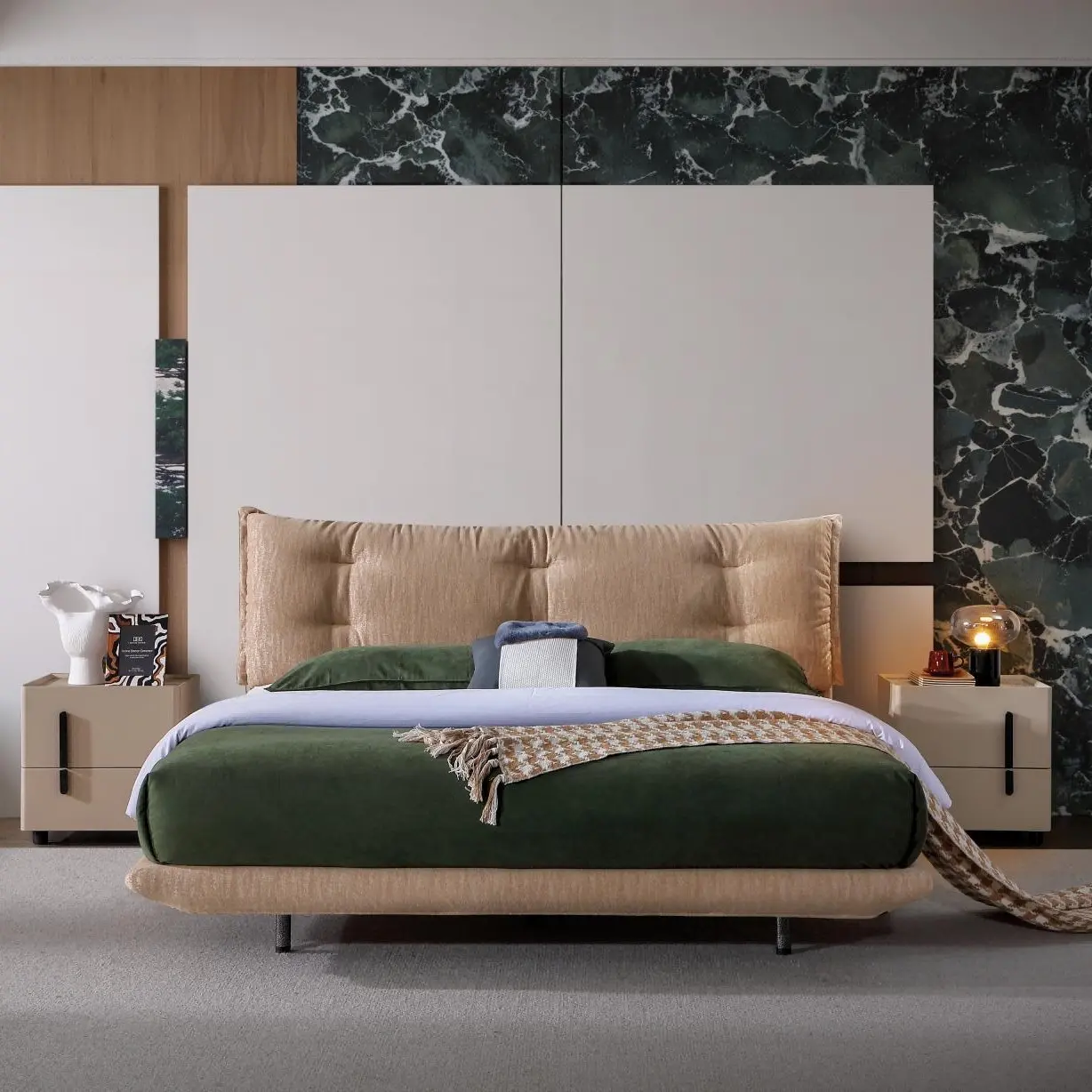
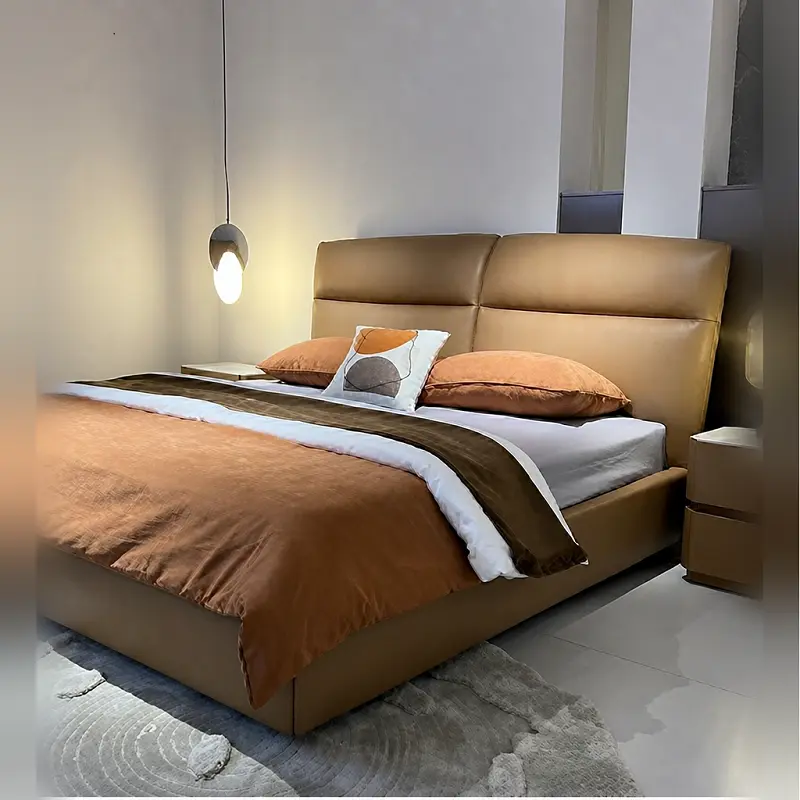
High-performance indoor and outdoor sectional seating, specialized mattresses, and contemporary dining units tailored for wholesale distributors and global project tenders.