
Precision-Engineered Seating Showcase (Part I)
Explore our high-performance indoor and outdoor commercial furniture engineered for global distributors, luxury hospitality projects, and contract buyers.
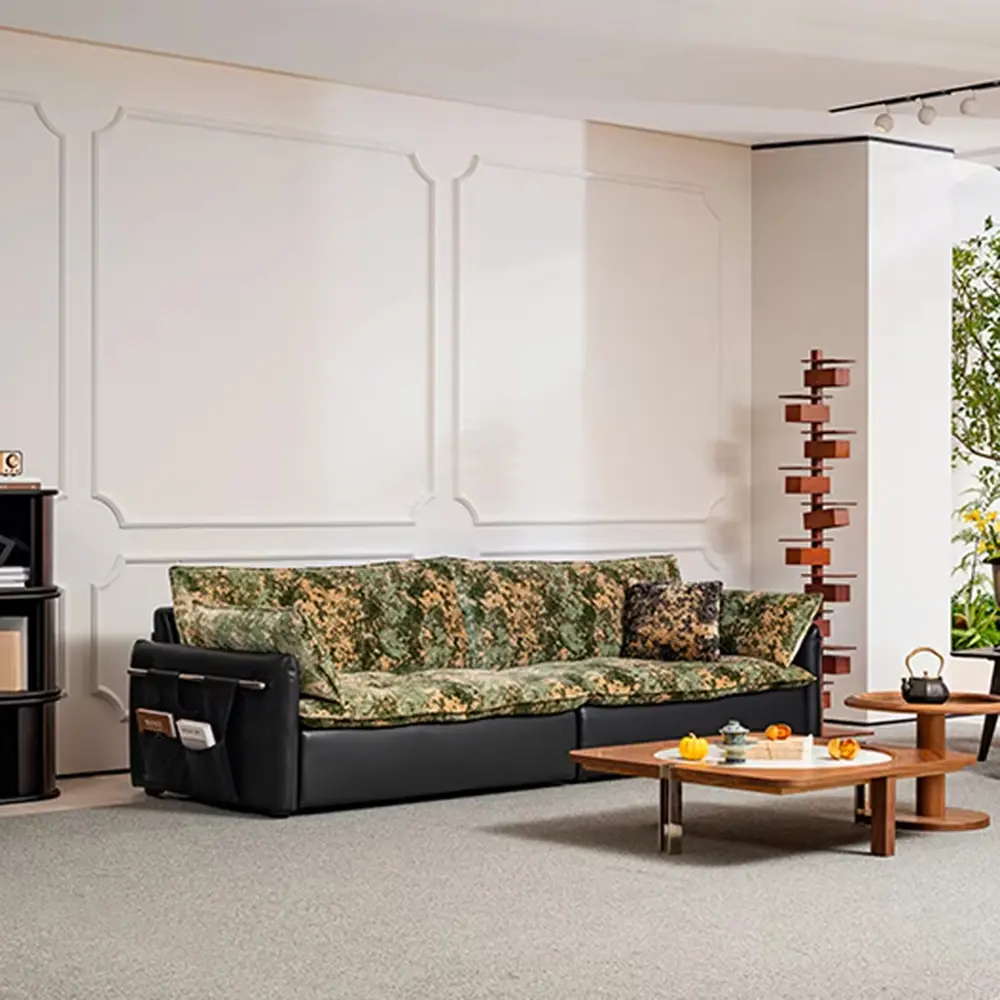
Latest design QYM M1052 Contemporary Modular Sectional Three-Seat Sofa Set – Luxury Fleece Fabric & Eco-Friendly Leather Couch with Responsive Latex Padding Manufacturers, Manufacturer
View Product Specifications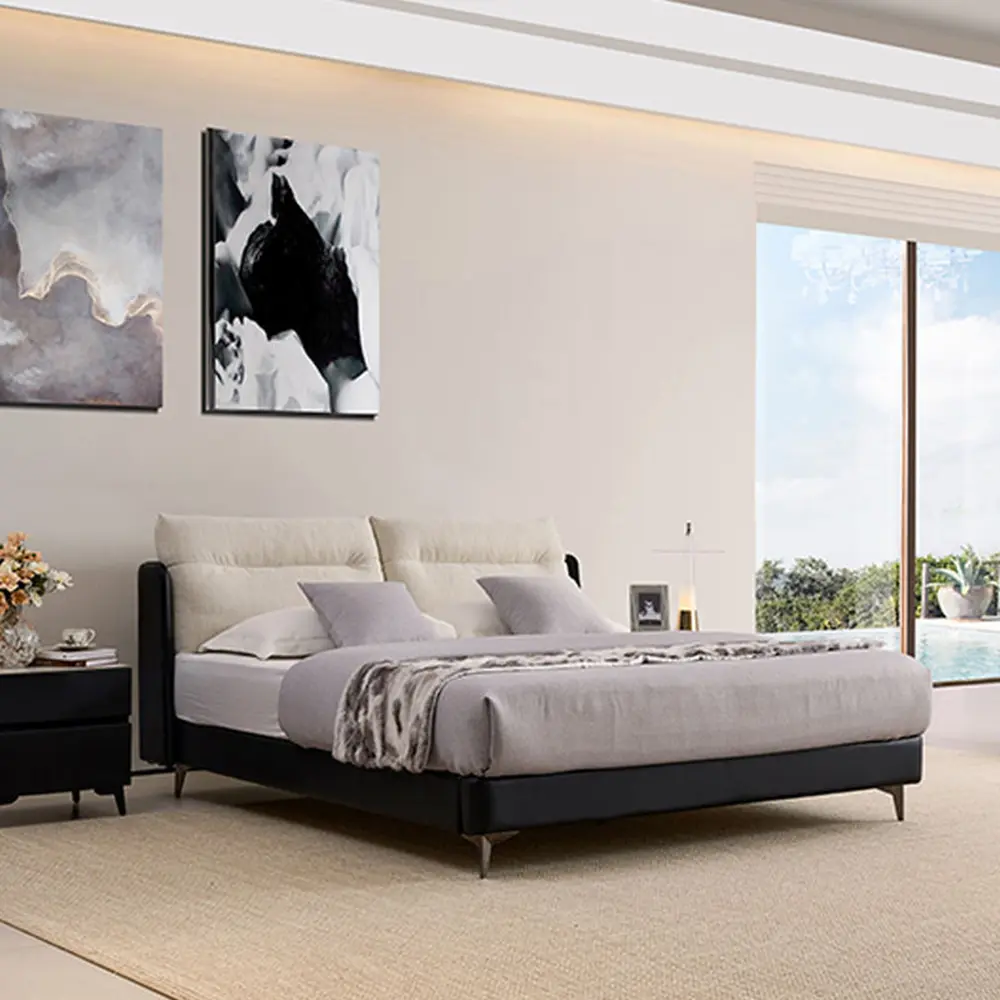
Wholesale QYM C12-B Elegant Modern Upholstered Soft Bed – Premium Ecological Leather & Cotton Linen Bed Frame with Integrated Storage & Reinforced Solid Wood Core Suppliers, Factories
View Product Specifications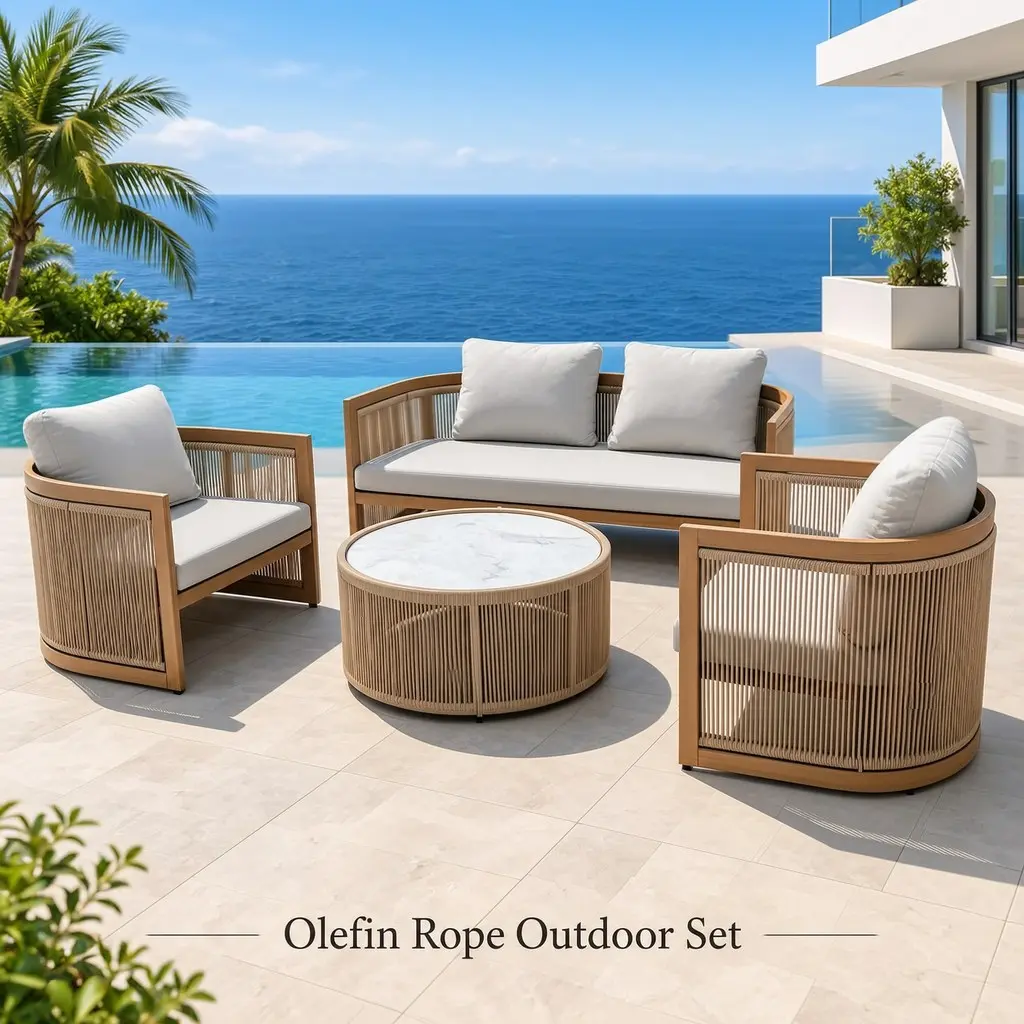
Wholesale QYM XD-6023 Wood-Grain Aluminum Outdoor Sofa Set with Olefin Rope Weave, Waterproof Cushions and High-Density Foam Manufacturer, Factory
View Product Specifications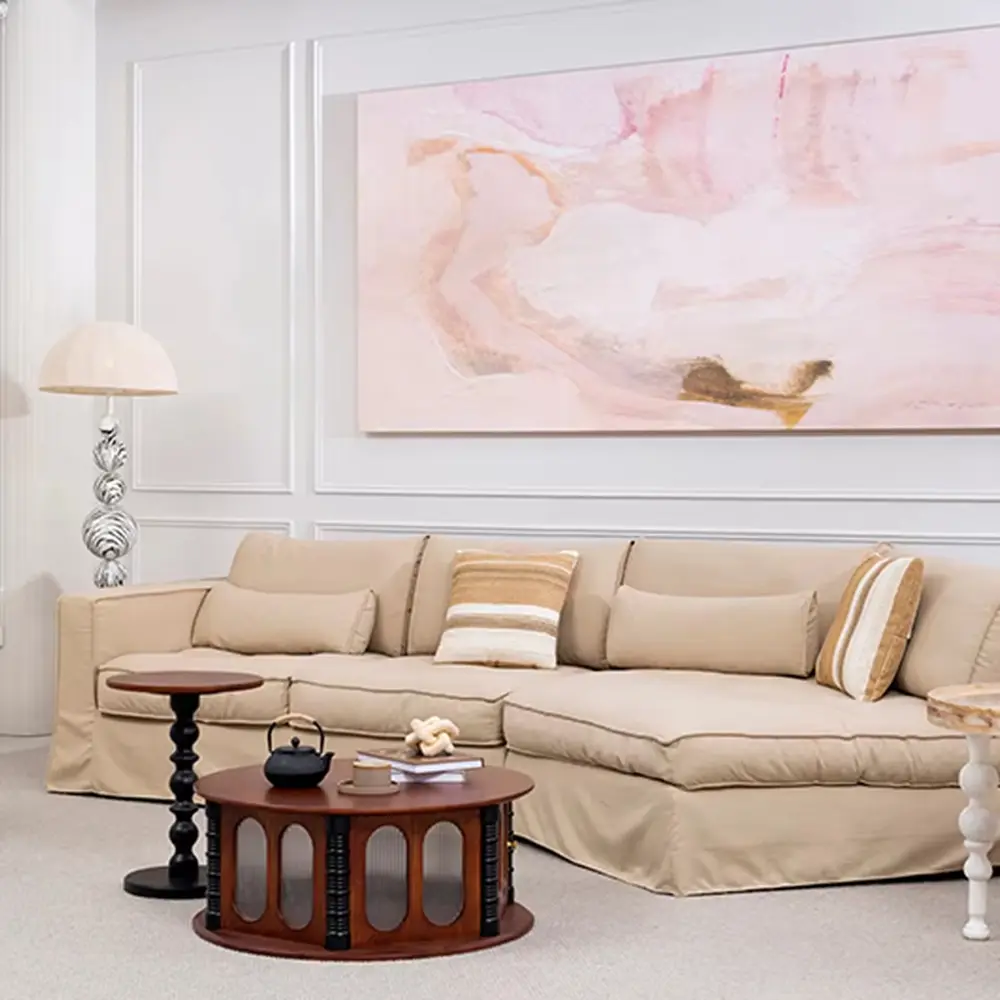
China QYM M1053 Contemporary Modular L-Shape Sectional Sofa – Breathable Cotton Linen Fabric Three-Seat Couch with Responsive Latex Padding & Removable Cover Manufacturers, Suppliers
View Product Specifications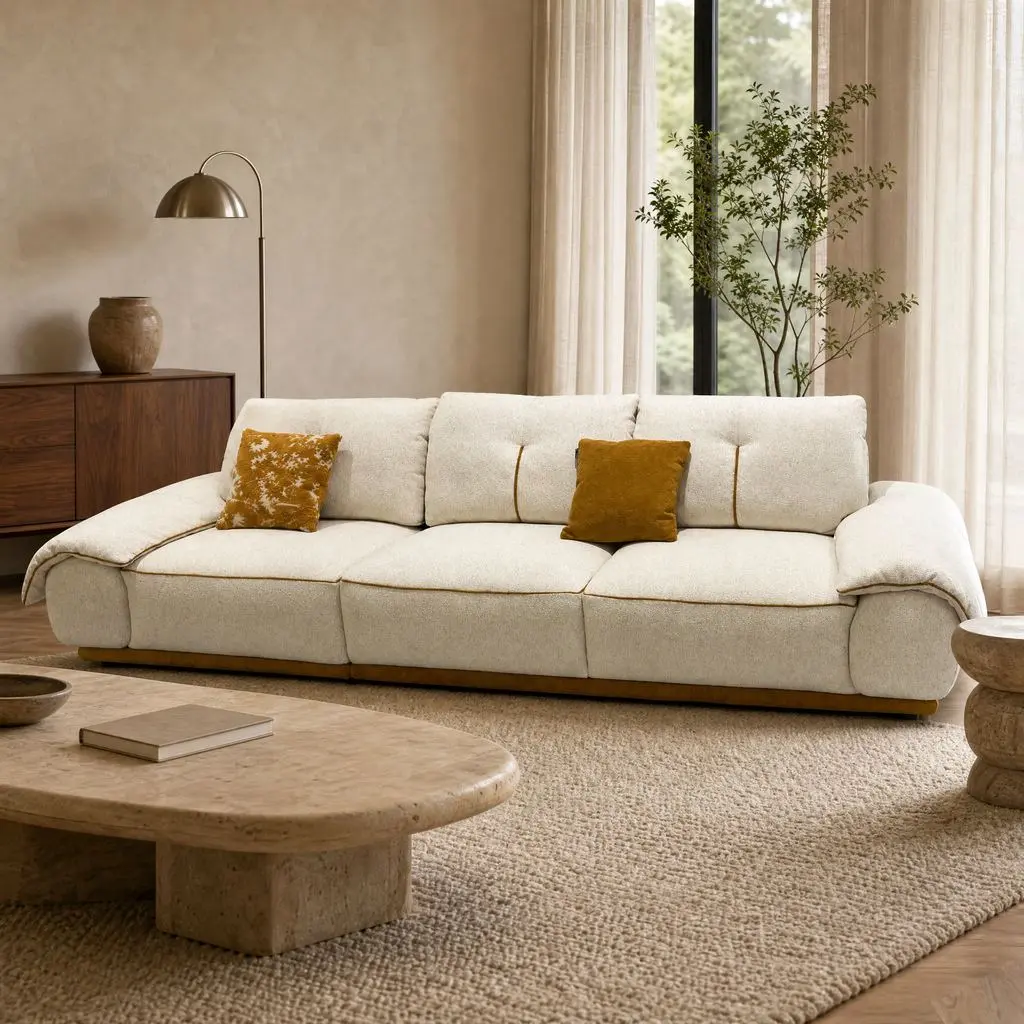
Wholesale QYM M1093 Modern Sectional Sofa with Mohair Plush Fabric, Larch Wood Frame, Solid Wood Legs, High-Density Foam and Washable Covers Suppliers, Factory
View Product Specifications
China QYM C182 Leather Upholstered Bed A softly tailored bed with a refined leather finish Manufacturers, Factories
View Product Specifications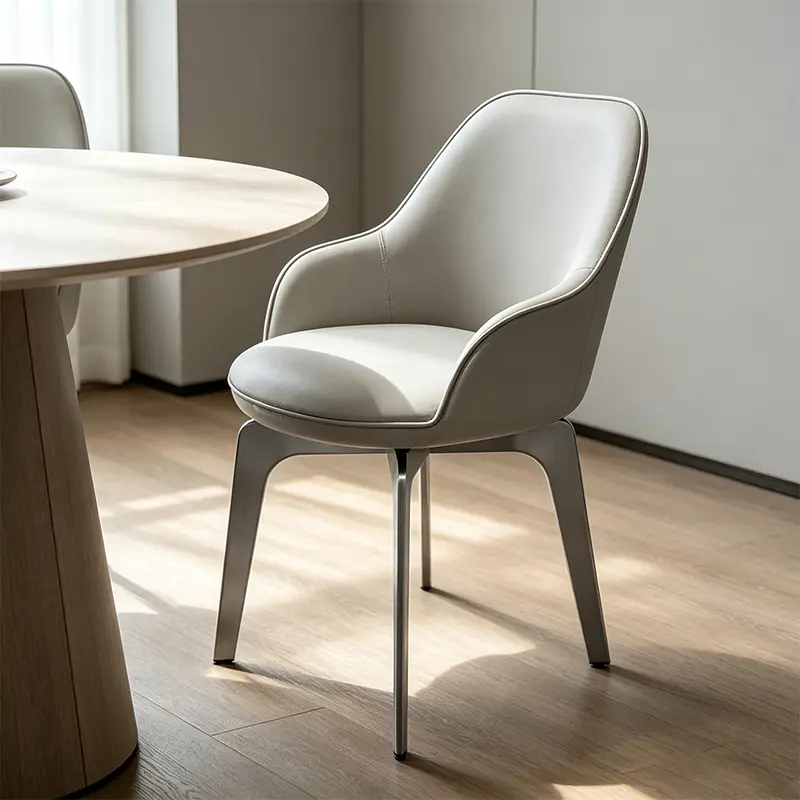
Latest design QYM Light Gray Microfiber Leather Swivel Dining Chair, Solid Stainless Steel Grey‑Titanium Plated Frame 360° Rotatable Manufacturer, Factories
View Product Specifications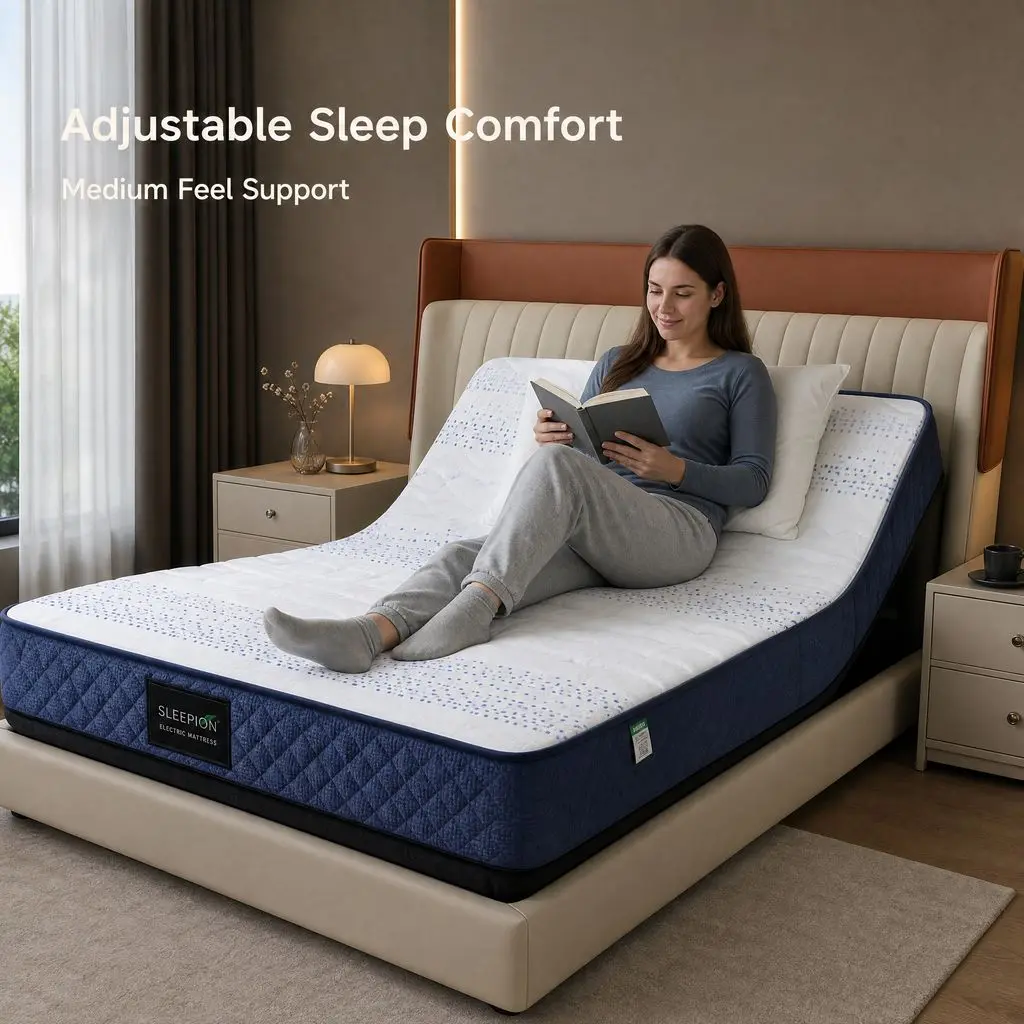
Latest design QYM ZNA1 Smart Electric Adjustable Mattress with German Oeken Motor Cloud Memory Foam and Comfort Cotton for Medium Support Factories, Wholesaler
View Product SpecificationsThe Global Macro Paradigm of Commercial Outdoor Seating Architecture
A comprehensive analysis of market evolution, structural metallurgy, material longevity, and commercial procurement strategies.
The global commercial outdoor furniture market has experienced a structural transformation over the past decade. Driven by expanding hospitality investments, luxury real estate development, and the integration of biophilic architectural design, outdoor spaces are no longer viewed as secondary additions. Instead, outdoor dining areas, resort terraces, and urban alfresco lounges are recognized as revenue-generating extensions of the core interior square footage. In this landscape, enterprise furniture buyers—including hotel chain procurement directors, commercial distributors, real estate developers, and architectural specifiers—require seating solutions that seamlessly blend high-end residential aesthetics with rigorous structural durability.
As a premier wholesale outdoor dining chair manufacturer and supplier operating out of Shunde, Foshan—the world's most sophisticated furniture manufacturing hub—Foshan Qingyumai Technology Co., Ltd. leads this industrial evolution. Engineering commercial-grade furniture requires an absolute mastery over material physics, environmental resistance, ergonomic geometry, and scalable manufacturing logistics. Outdoor dining chairs face unique operational hazards: perpetual exposure to ultraviolet solar radiation, extreme temperature fluctuations, salt-spray oxidation in coastal microclimates, high-frequency physical impact in commercial food service environments, and exposure to aggressive chemical cleaning agents.
Material Engineering & Structural Metallurgy
Achieving superior product longevity demands raw material selection protocols that transcend standard residential grades. Commercial outdoor seating must maintain structural integrity and visual pristine quality across multi-year operational lifecycles. Our engineering department prioritizes three primary structural frameworks:
- Hydro-Formed T6 Aluminum Alloys: Utilizing grade 6063-T6 aluminum tubing, our frames undergo precision CNC bending and Robotic TIG welding. T6 heat treatment significantly elevates yield strength and tensile resilience, allowing for slim, elegant profiles capable of supporting static loads exceeding 300 kg without structural deflection or fatigue.
- AkzoNobel® Fluorocarbon Powder Coating: To counteract environmental corrosion, aluminum substructures undergo a 7-stage chemical pretreatment process (including acid cleaning, degreasing, and zirconium conversion coating) before receiving an electrostatically applied AkzoNobel® architectural-grade powder coat. This achieves an average coating thickness of 80–120 microns, offering C5-grade anti-corrosion performance (ISO 12944) and superior resistance to chalking, flaking, and color fade.
- High-Tenacity Solution-Dye Olefin & Acrylic Textiles: Rope-woven and upholstered chair components utilize 100% solution-dyed yarns (such as Sunbrella® and proprietary Olefin formulations). By locking color pigments deep inside the polymer core before fiber extrusion, our textiles achieve UV lightfastness ratings of Grade 7-8 (ISO 105-B02), remaining immune to chlorine, mold, and atmospheric humidity.
Core Engineering Pillars of Our Manufacturing Matrix
How our factory integrates advanced material science, industrial automation, and custom contract engineering.
Reticulated Quick-Dry Foam
Integrated reticulated polyurethane foam features an open-cell porous structure that allows water to percolate completely through the cushion within minutes, eliminating moisture retention and bacterial growth.
Robotic Precision Weaving
Utilizing high-tension synthetic rope and strap formulations, our automated and skilled artisanal hand-weaving guarantees uniform stretch tension (under 2% elongation rate), preventing sagging over prolonged heavy usage.
Contract Ergonomic Geometry
Biomedically evaluated seat pan angles, lumbar support curves, and armrest pitch ensure maximum comfort during extended dining sessions while optimizing space layout density for commercial venues.
Global Regulatory Compliance
Fully compliant with international safety and durability standards, including EN 581-1/2 for commercial contract furniture, BIFMA X5.1 structural strain metrics, and REACH/CAL 117 fire retardancy codes.
Commercial Grade vs. Residential Grade Material Matrix
Understanding the technical differences between retail consumer seating and enterprise contract manufacturing.
| Performance Parameter | Commercial Contract Grade (Qingyumai Standard) | Standard Residential Market Grade | Testing & Compliance Protocol |
|---|---|---|---|
| Structural Substructure | 1.8mm – 2.5mm Wall Thickness 6063-T6 Aluminum Alloy | 0.8mm – 1.0mm Mild Steel / Recycled Thin Aluminum | EN 581-2 Physical Load Test (300kg Static) |
| Surface Coating System | 7-Stage Chemical Pretreatment + AkzoNobel Fluorocarbon | Single-Layer Basic Powder Coating / Liquid Paint | ISO 9227 Salt Spray Test (>1500 Hours) |
| Textile & Fiber UV Tolerance | 100% Solution-Dyed Olefin / Sunbrella (Grade 7-8 Fastness) | Piece-Dyed Polyester / Low-Density Polypropylene | ISO 105-B02 Xenon Arc Light Exposure Test |
| Internal Cushion Core | Reticulated Quick-Dry Foam (QDF) + Anti-Microbial Mesh | Standard High-Resilience Indoor PU Foam | ASTM D3574 Water Percolation & Indentation Force Deflection |
| Weaving Rope Tensile Strength | High-Tenacity Polyester Core with UV-Stabilized Fiber Sheath | Unreinforced PVC or Low-Grade PE Rattan Filament | ISO 13934-1 Strip Tensile Strength Test |
Localized Commercial Application Scenarios
Architectural seating solutions tailored to diverse climatic demands and operational microenvironments worldwide.
Coastal & Island Resort Terraces
High saline air and humidity accelerate metal corrosion. Our 316-grade stainless hardware and thick fluorocarbon-coated aluminum chairs prevent rust staining on luxury beachfront decks in tropical microclimates.
High-UV Desert & Arid Climates
Intense solar radiation causes thermal expansion and color fading. Solution-dyed acrylic fabrics and heat-dissipating wood-grain transfers remain cool to the touch and maintain color vibrancy in Middle Eastern environments.
High-Density Urban Bistro Outdoor Spaces
Boutique cafes and metropolitan rooftops require compact, stackable seating geometries with replaceable nylon wear glides to protect sensitive natural stone flooring and maximize seating capacity per square meter.
Luxury Cruise Liners & Nautical Decks
Strict safety standards demand flame-retardant IMO-certified upholstery, non-skid rubber feet inserts, and heavy-duty structural weighting to prevent wind displacement during open-ocean transit.
Technology Roadmap & Smart Manufacturing Horizon (2025–2030)
Pioneering the next generation of eco-conscious material science, automated production, and smart ergonomics.
As environmental regulations tighten globally and corporate ESG (Environmental, Social, and Governance) mandates become central to hotel development and commercial real estate, furniture manufacturing is undergoing a technical paradigm shift. As an industry leader, Foshan Qingyumai Technology Co., Ltd. is executing a multi-phase innovation roadmap designed to deliver superior product value while minimizing carbon footprints.
1. Circular Economy & Recycled Alloy Integration
By 2026, our primary extrusion lines will transition to 80% recycled post-consumer aluminum (PCR Aluminum), reducing processing energy consumption by up to 95% compared to primary smelter aluminum. Furthermore, our rope and synthetic webbing programs are integrating ocean-bound post-consumer PET plastics, re-engineered into ultra-high-tenacity filaments that match or exceed virgin olefin performance in UV degradation resistance.
2. Generative AI Ergonomic Simulation & Prototyping
Integrating generative artificial intelligence into our engineering workflow allows our structural designers to run algorithmic stress-distribution simulations (Finite Element Analysis - FEA) prior to physical toolmaking. By calculating pressure concentrations under varying human weight loads, we optimize wall thickness across structural stress points, minimizing raw material consumption while increasing weight-bearing capacity.
3. Non-Toxic Water-Based Wood Grain Transfer Technology
Replacing traditional solvent-based sublimated prints, our next-generation thermo-transfer wood grain finish utilizes zero-VOC water-based eco-pigments. This achieves hyper-realistic teak, walnut, and oak textures on aluminum tubing with zero hazardous emissions, satisfying Nordic Swan and Blue Angel ecological certifications for strict European projects.
Precision-Engineered Seating Showcase (Part II)
Comprehensive whole-house and contract solutions: From luxury dining chairs to modular outdoor collections and ergonomic sleeping systems.
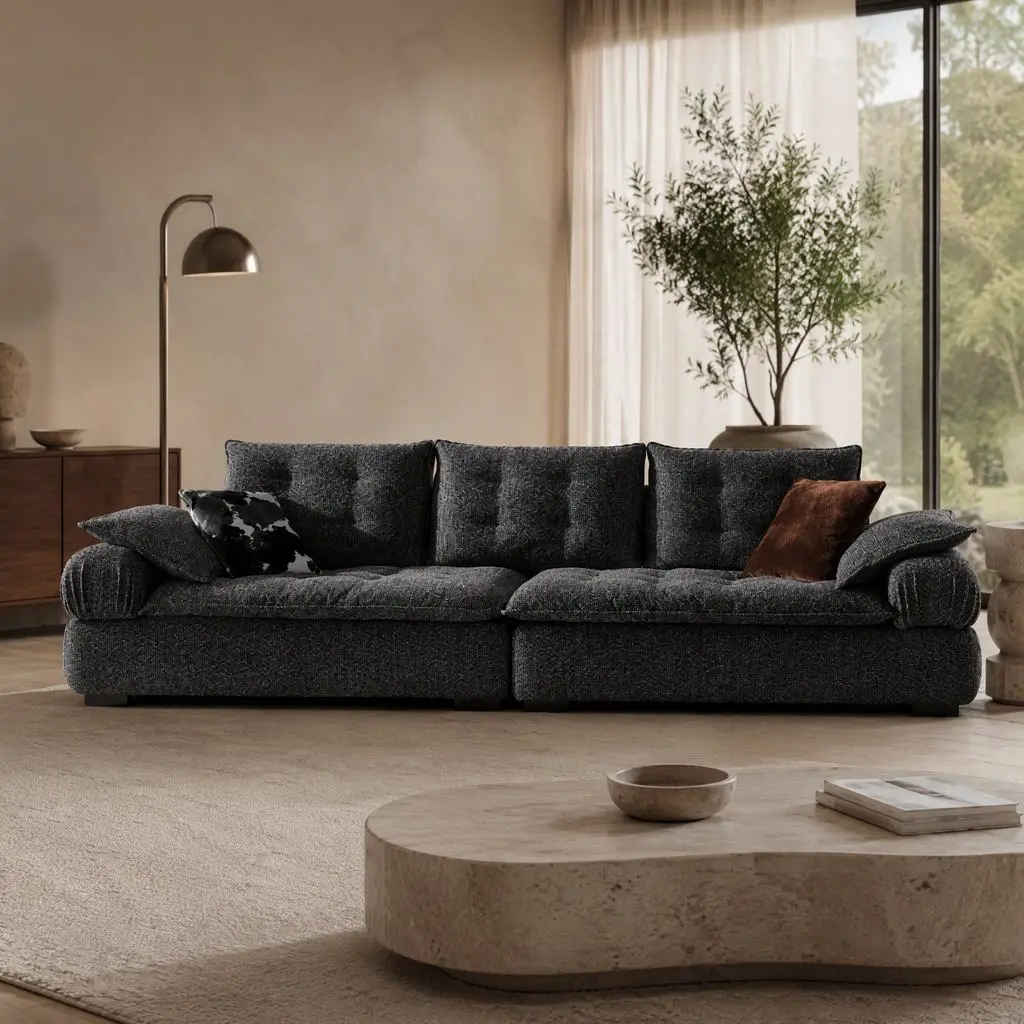
Latest design QYM M1088 Two-Piece Sectional Sofa with Latex-Filled Seats, Premium Chenille Fabric and Durable Larch Wood Frame Factories, Wholesaler
View Product Specifications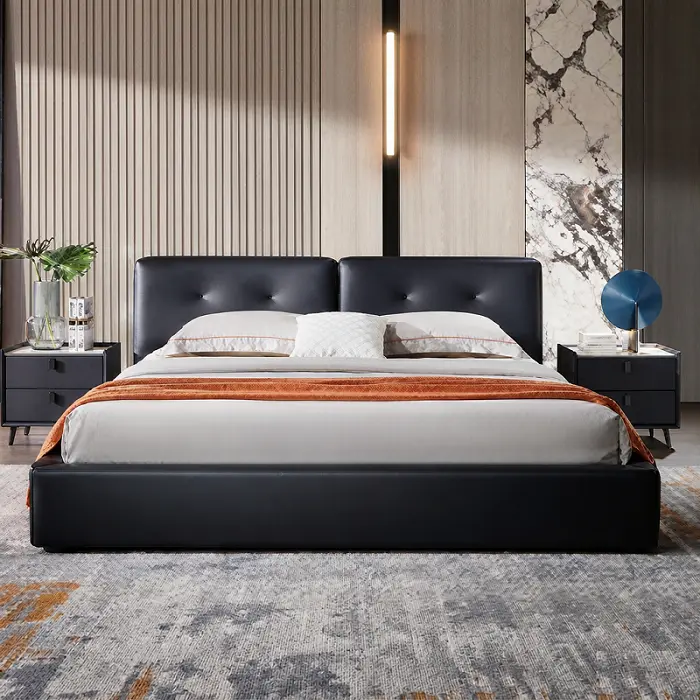
Wholesale QYM C122 Genuine Leather Upholstered Bed Genuine leather touch with flexible bedroom styling Supplier, Wholesaler
View Product Specifications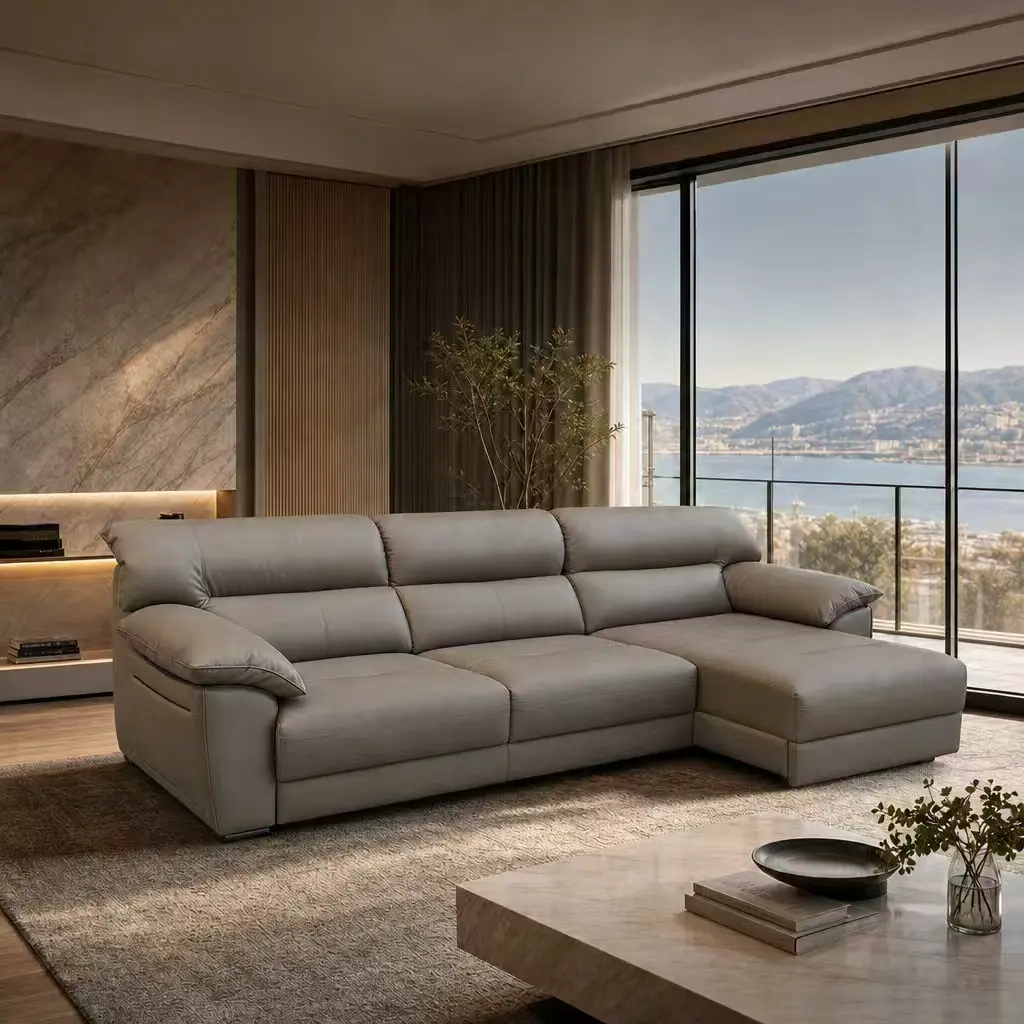
Wholesale QYM Power Electric Pull-Out Sofa Bed Modular Sectional Convertible Upholstered Seating for Living Room Bedroom Hotel Manufacturer, Suppliers
View Product Specifications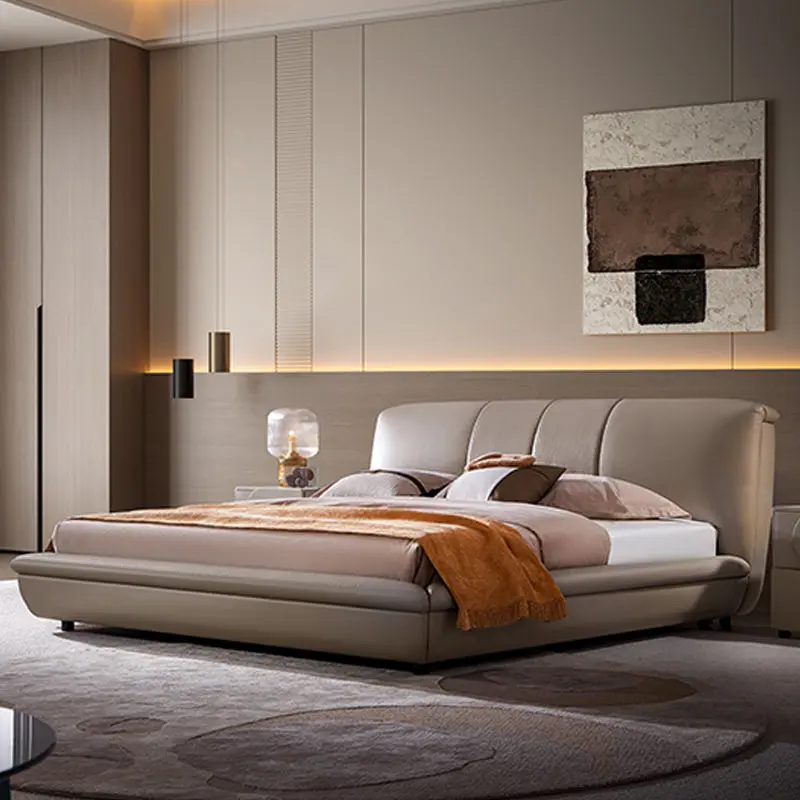
Wholesale QYM C173 Customized Luxury Italian Modern Bed – Top Layer Cowhide Genuine Leather Upholstered Bed Frame Suppliers, Wholesaler
View Product Specifications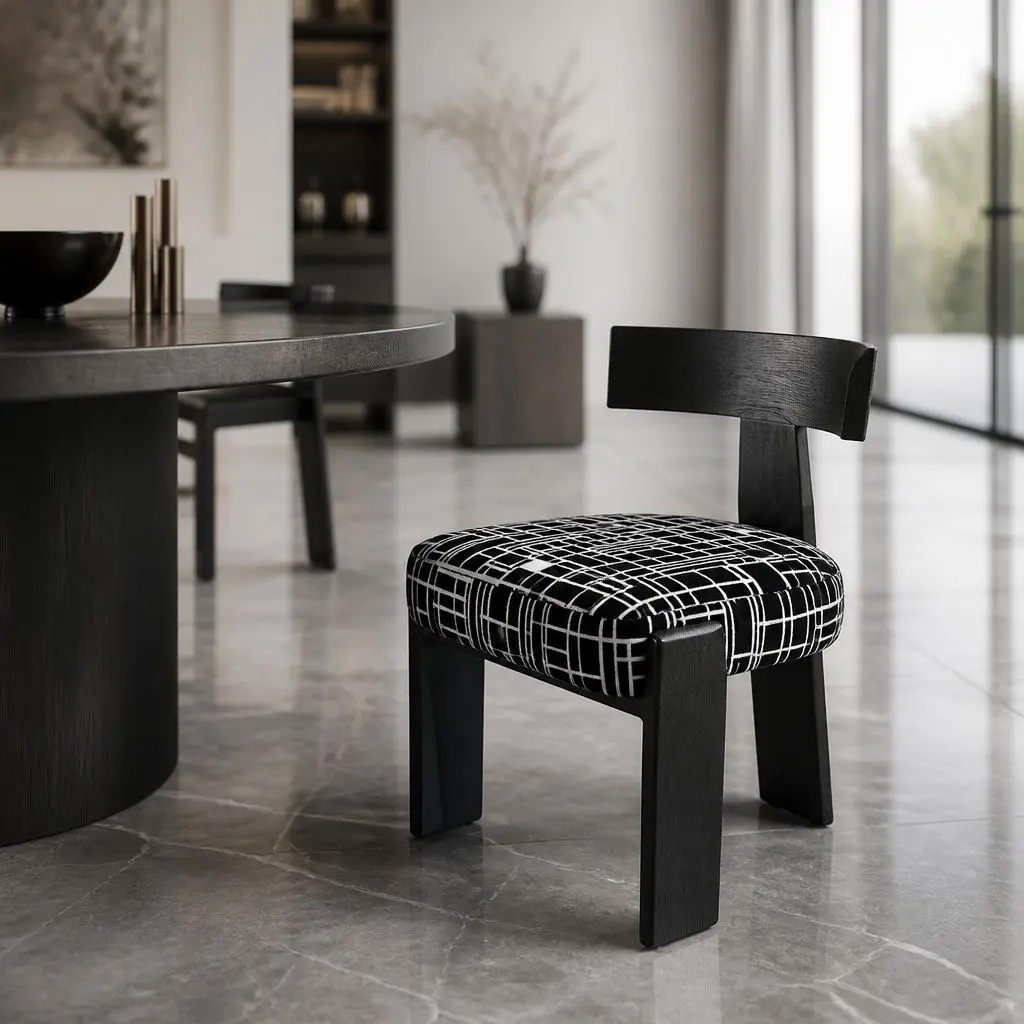
China QYM Italian Minimalist Geometric Wooden Dining Chair | Smoky Ash Wood Frame, Black & White Textured Velvet, Ergonomic Lumbar Support & High-Density Sponge Thick Cushion Manufacturers, Factories
View Product Specifications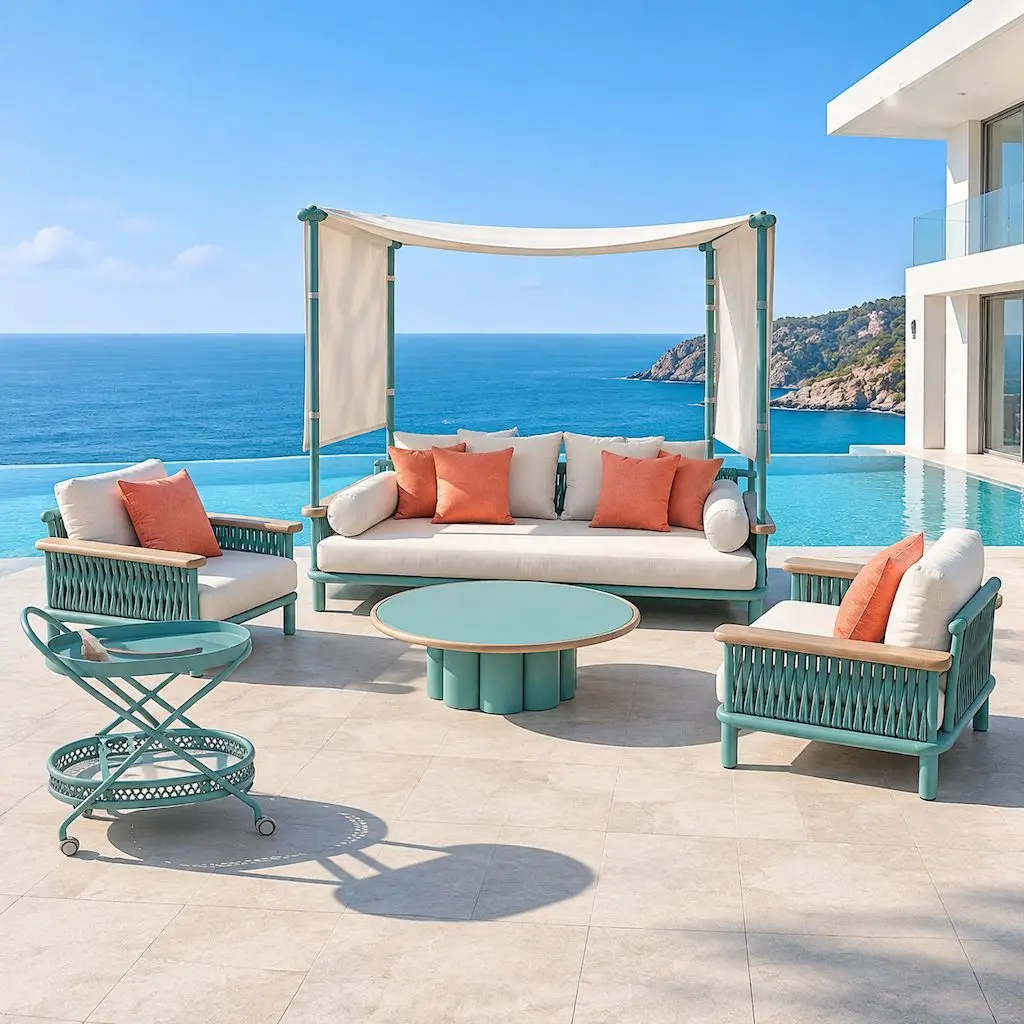
Latest design QYM XD-6020 Canopy Outdoor Sofa Set with Wood-Grain Aluminum Frame, Wide Woven Straps and Waterproof Cushions Suppliers, Factory
View Product Specifications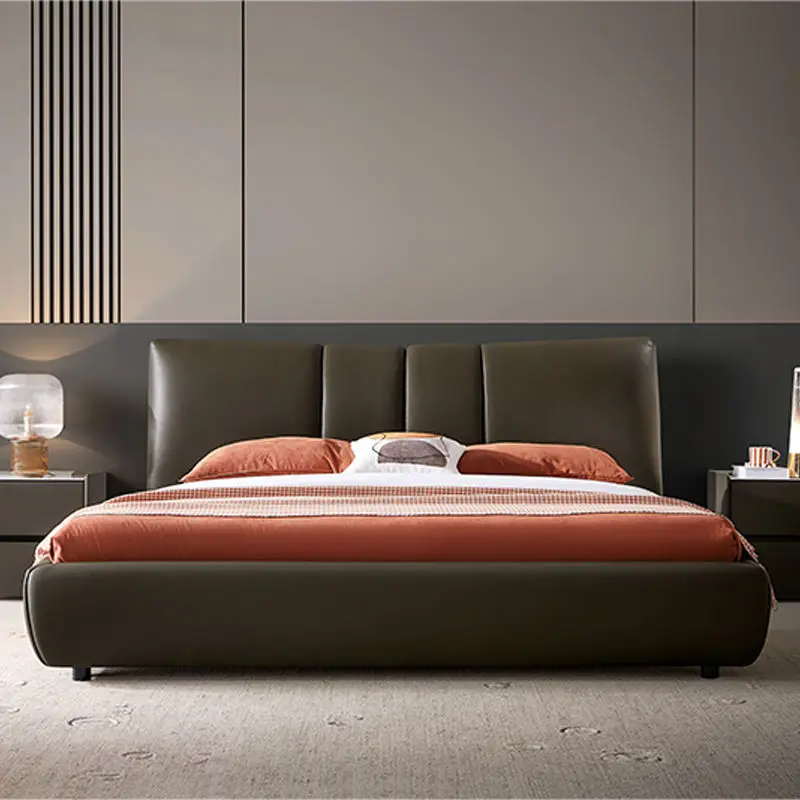
China QYM C183 Modern Luxury King Size Soft Bed – First Layer Cowhide Genuine Leather Upholstered Bed Frame Manufacturer, Factories
View Product Specifications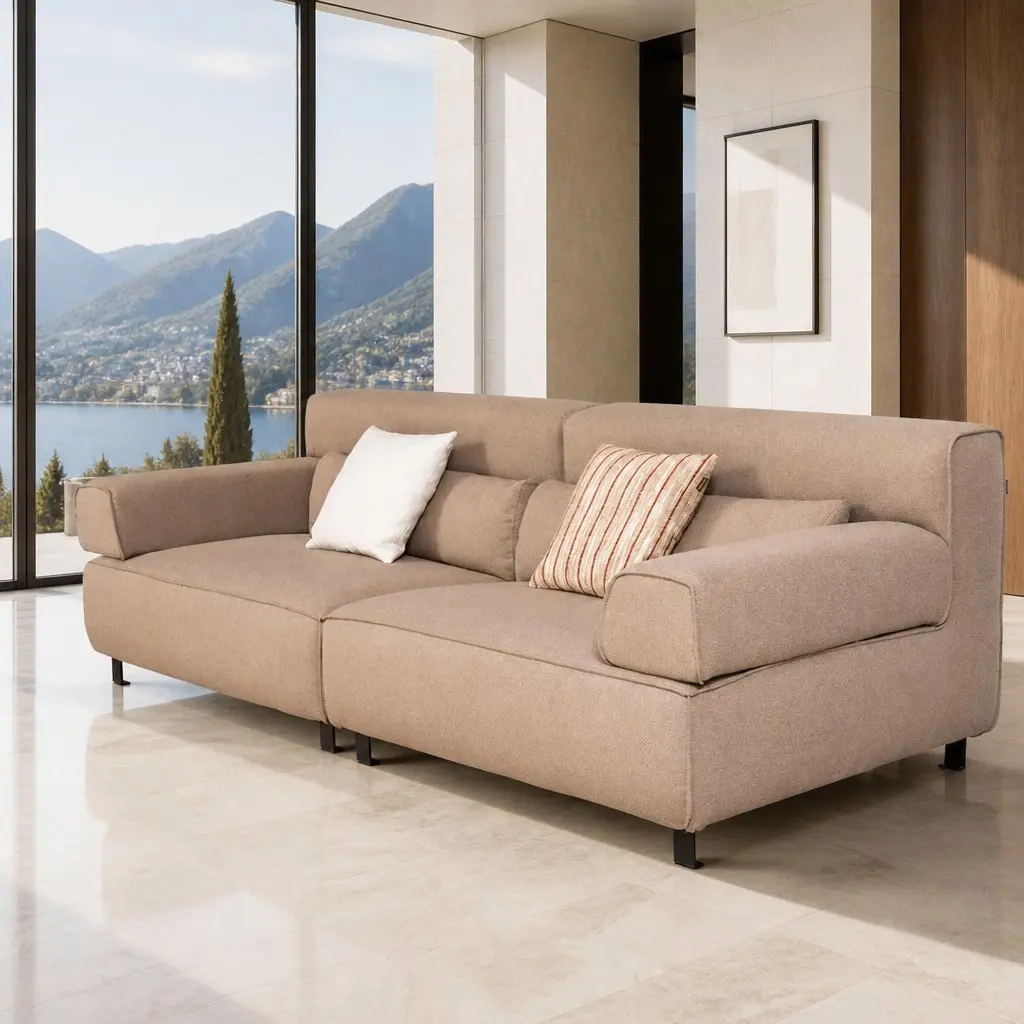
China Modern Minimalist Sectional Sofa with Larch Wood Frame Suppliers, Wholesaler
View Product SpecificationsFrequently Asked Procurement & Engineering Questions
Expert insights regarding manufacturing processes, customization parameters, quality assurance, and international shipping logistics.
What minimum order quantities (MOQ) and lead times apply to custom wholesale outdoor chair orders?
For standard catalogue models, our typical MOQ starts at 20 to 50 units per SKU depending on frame complexity. For fully customized OEM/ODM projects (custom dye-matching, custom frame extrusions, or client-specified hardware), our standard baseline MOQ is 100 units. Standard production lead times run between 25 to 35 business days following 3D drawing sign-off and deposit receipt. Expedited contract runs can be scheduled for urgent hotel fit-outs upon request.
How does Qingyumai ensure color consistency across large-scale multi-container shipments?
We implement strict spectrophotometer colorimetry matching protocols (CIE L*a*b* standard) for both powder coating masterbatches and solution-dyed textile dye lots. Every production run is tested against master reference swatches under standardized D65 artificial daylight illumination. We guarantee a color variance tolerance of Delta E < 1.0 across all batch shipments, eliminating mismatched hues in multi-room commercial projects.
What packaging standards are utilized to prevent transit damage during long-haul ocean freight?
Commercial outdoor chairs undergo multi-layer export crating. Frames are wrapped in anti-scratch EPE (Expanded Polyethylene) foam sleeves, vulnerable corner stress points are reinforced with 5-ply L-shaped cardboard corner guards, and finished products are encased in heavy-duty woven polybags or ISTA-3A certified 7-layer corrugated master cartons. For stackable models, specialized nesting frames are deployed to optimize container CBM utilization while eliminating rub abrasion.
Can products be customized to meet specific regional fire retardancy standards like CAL 117 or BS 5852?
Yes. All internal foam cores, barrier wraps, and surface textiles can be factory-treated or engineered using inherent flame-retardant polymers to satisfy US California Technical Bulletin 117 (CAL 117), British Standard BS 5852 (Crib 5 contract rating), or European EN 1021-1/2 codes. Testing documentation and laboratory certificates from accredited third-party facilities (SGS, TUV, Intertek) are provided prior to shipment.
How does your factory handle container loading consolidation for whole-house or multi-category orders?
As a full-spectrum whole-house furniture manufacturer, we provide turnkey consolidation services. Buyers can combine outdoor seating, indoor upholstered sofas, dining sets, mattresses, and bedroom frames into single 40ft HQ containers. Our logistics division generates 3D digital container loading software models to maximize spatial density, minimize dead air space, reduce shipping cost per unit, and ensure balanced weight distribution according to international maritime regulations.