
The "Resortification" of Spaces & Global B2B Sourcing Paradigm
The global outdoor furniture market is undergoing a structural transition. Driven by hospitality expansion, multi-family residential upgrades, and commercial biophilic design trends, procurement teams no longer view outdoor garden furniture as seasonal seasonal inventory, but as year-round architectural extensions.
Global Market Realities
Projected to cross $25 Billion globally, commercial growth is centered across North America, the Mediterranean basin, and the Middle East GCC hospitality sectors. Importers demand weatherproofing that survives extreme UV, coastal salt air, and freezing cycles without aesthetic degradation.
Information Gain in B2B Sourcing
Traditional catalog procurement is obsolete. Sophisticated volume buyers demand granular visibility into raw material metallurgy, polymer tensile dynamics, hydrophobic cushion cores, and optimized CBM (Cubic Meter) container consolidation strategies.
Risk & Compliance Engineering
Navigating international regulatory frameworks requires compliance with EN 581 contract safety certifications, CAL 117 fire retardancy, and ISO 4892 accelerated weathering standards, eliminating post-installation failure risks.
Material Engineering: Structural Integrity & Weatherproof Chemistry
Understanding the metallurgical and polymer compositions specified by tier-1 outdoor garden furniture factories.
1. Substructure Metallurgy
Premium outdoor factories utilize T6 6063 Architectural-Grade Aluminum Alloy with wall thickness ranging from 1.5mm to 2.5mm. Unlike structural steel, aluminum naturally forms a protective oxide layer.
- Surface Treatment: Multi-stage conversion coating followed by AkzoNobel or Tiger Drylac electrostatically deposited thermosetting powder coating.
- Salt Spray Standard: Tested to ASTM B117 standards, exceeding 2,000 hours without blistering or delamination.
- Heat-Transfer Wood Grain: Vacuum sublimation technologies allowing aluminum frames to mimic grade-A teak aesthetics while retaining zero-maintenance metal durability.
2. Synthetic Rope & Weaving Polymer Physics
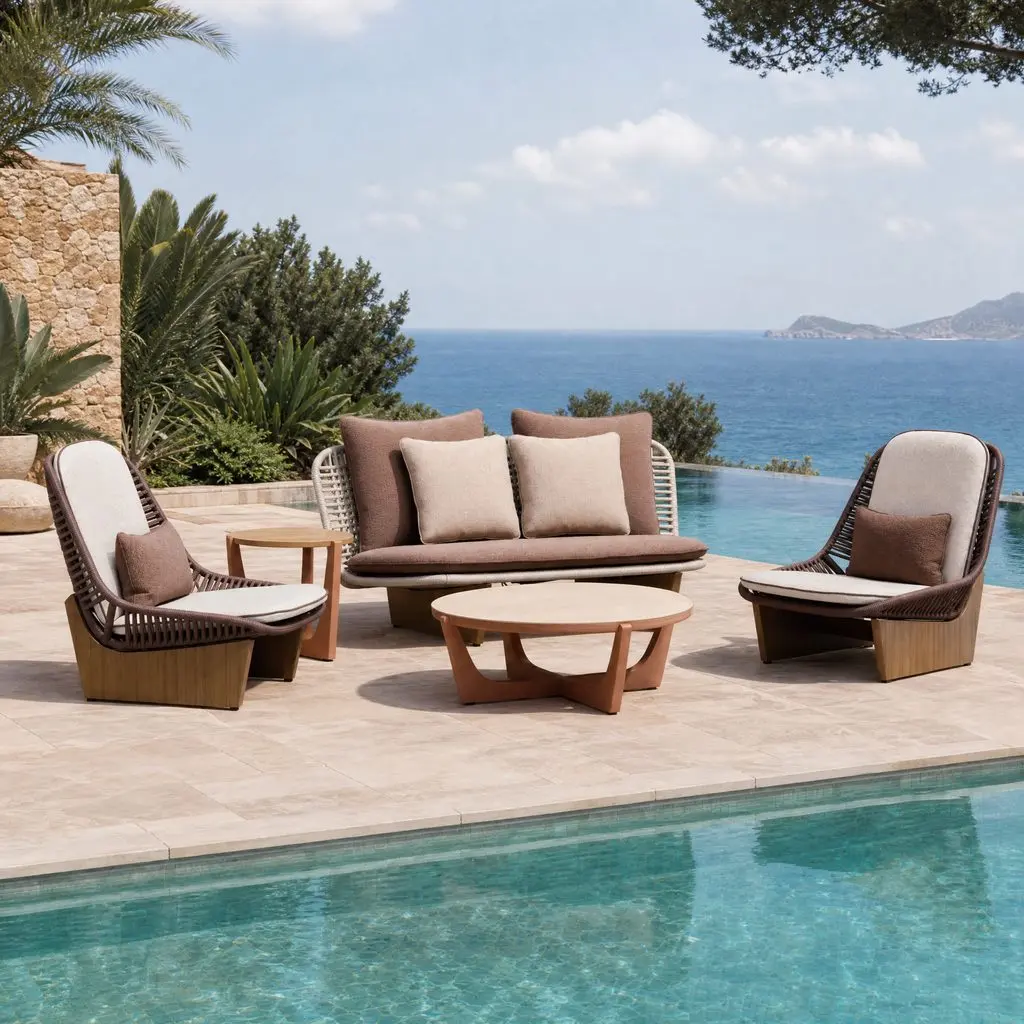
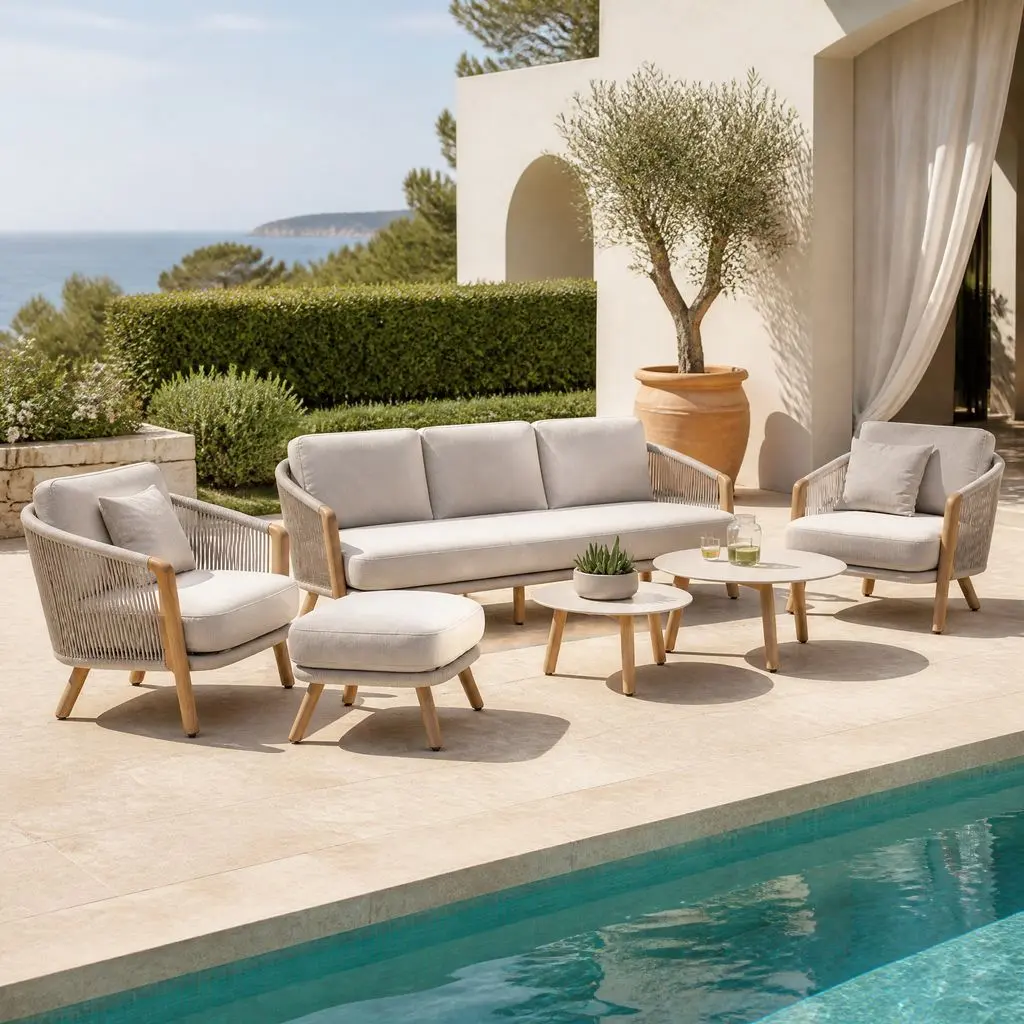
Modern outdoor garden lounge architecture has migrated toward high-tensile rope weaving over rigid rattan.
- Solution-Dyed Olefin Rope: Polypropylene core enveloped in solution-dyed olefin yarn providing non-absorbent, stain-resistant strength with internal elastomer bands.
- UV Colorfastness: Rated at Grade 7-8 under ISO 105-B02 standards (exceeding 1,500 hours of intense UV radiation).
- HDPE Synthetic Rattan: 100% High-Density Polyethylene free from recycled PVC fillers, preventing brittleness down to -20°C.
3. Hydrophobic Cushion & Fabric Architecture
Water retention is the primary failure mode in commercial seating. Engineering dry-fast comfort requires integrated open-cell foam and breathable membranes.
- Reticulated Polyurethane Foam: 30-45 kg/m³ density open-cell structure allowing water to drain instantaneously through gravity rather than soaking inside.
- TPU Breathable Underliners: Thermoplastic polyurethane laminated backing that seals foam cores while allowing air circulation to prevent mold growth.
- Solution-Dyed Acrylic Fabrics: Pigment added directly to polymer melt before filament extrusion, preventing bleach/sun fading.
| Material Spec | Structural Frame (6063-T6 Aluminum) | Teak Wood Accent (Grade-A Sustainable) | High-Tensile Olefin Rope | Traditional Wrought Iron |
|---|---|---|---|---|
| Corrosion Resistance | Exceptional (Salt-Air Proof) | High (Natural Teak Oils) | Impervious to Hydrolysis | Low (Prone to Rusting) |
| Weight / CBM Efficiency | Lightweight / High Cargo Load | Heavy Structural Weight | Ultra-Light Flexible Weave | Very Heavy / Freight Costly |
| UV & Thermal Resistance | Heat Resistant Powder Coating | Weathers to Silver Patina | UV Grade 7-8 (Solution-Dyed) | Absorbs Extreme Heat |
| Commercial Lifecycle | 10+ Years Heavy Usage | 15+ Years (Requires Maintenance) | 5-8 Years Outdoor Exposure | 3-5 Years (Requires Touchups) |
China Factory 4.0: Foshan Ecosystem & Manufacturing Resilience
Why the Foshan / Shunde furniture manufacturing hub provides unmatched cost efficiency, precision prototyping, and delivery agility for global enterprise orders.
Automated CNC & Robotic Line Integration
Leading Chinese outdoor garden furniture factories have implemented 5-axis laser tube cutters, automated TIG robotic welding arms, and continuous electrostatic powder coating tunnels. This guarantees structural dimensional tolerances within ±0.5mm across high-volume production batches.
Hyper-Localized Raw Material Clusters
The Foshan industrial ecosystem consolidates aluminum ingot smelters, hardware precision casting, outdoor textile weaver mills, and custom packaging suppliers within a 30-kilometer radius. Raw material lead times drop from weeks to days, buffering against global disruptions.
Container Loading Optimization (CBM Engineering)
Ocean freight costs dictate landed margins. Factory engineers design modular, KD (Knock-Down), or nestable chair frameworks. Strategic packaging engineering increases container fill rates by 35% to 50%, dramatically driving down shipping cost per unit.
Global Procurement Playbook: OEM, ODM & Risk Mitigation
Key decision-making criteria for procurement managers, furniture wholesalers, real estate developers, and hospitality project buyers.
OEM vs. ODM Customization Matrices
Evaluating whether to leverage existing factory designs (ODM) for rapid market deployment or co-develop proprietary tooling (OEM) for brand exclusivity. Direct factory engagement allows for custom color matching (Pantone/RAL), brand logo hot-stamping, and custom frame adjustments.
Quality Assurance & Factory Audits
Mitigating procurement risks requires rigorous third-party inspection (SGS, TÜV, BV) at three distinct milestones: Raw Material Inspection (IQC), In-Line Assembly Quality Check (IPQC), and Final Random Pre-Shipment Inspection (FQC) following ANSI/ASQ Z1.4 sampling standards.
Multi-Category Container Consolidation
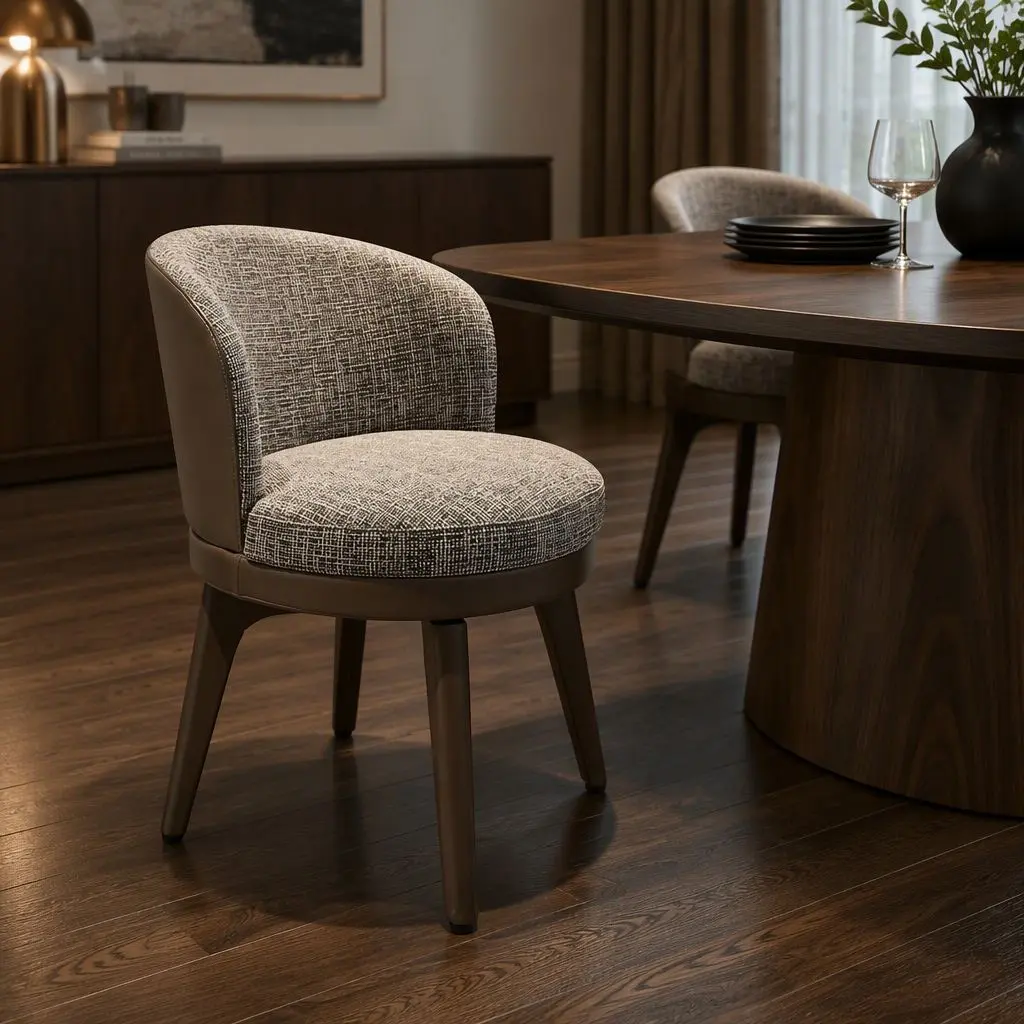
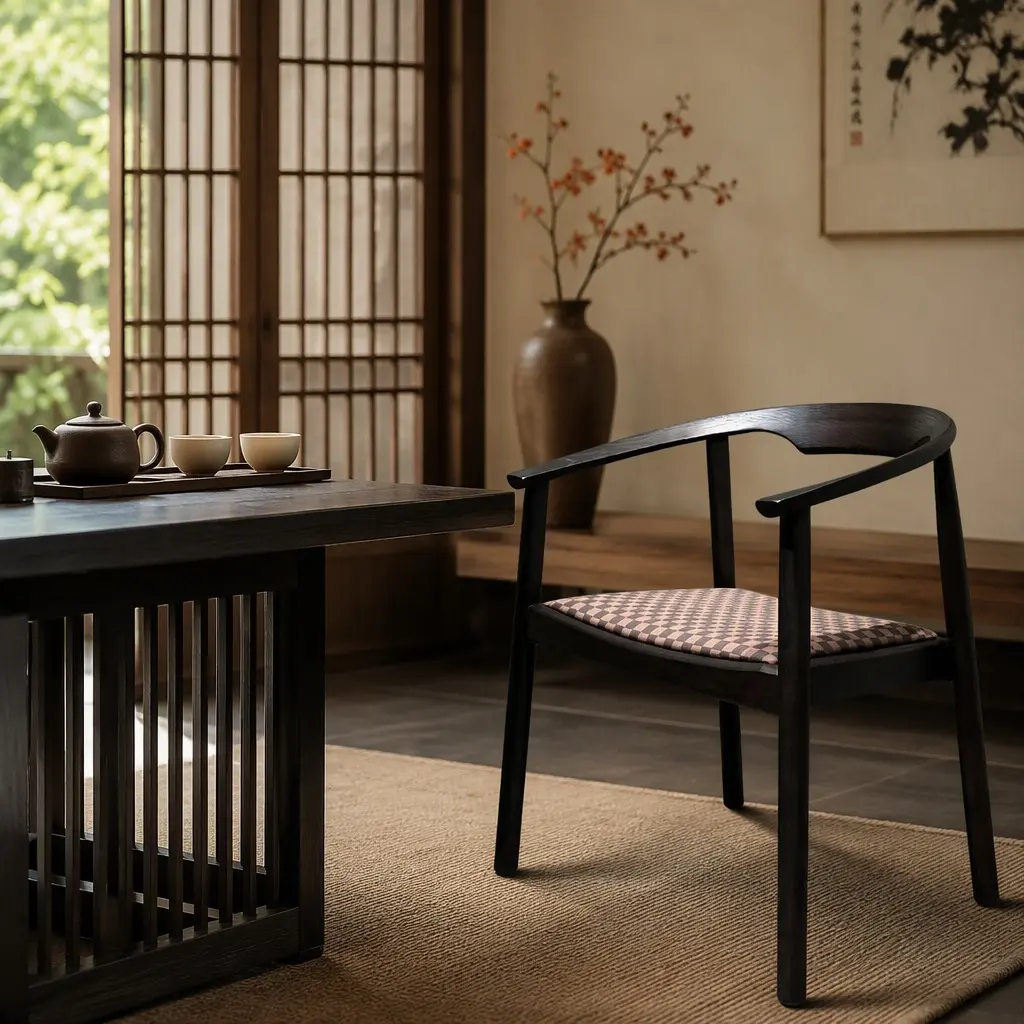
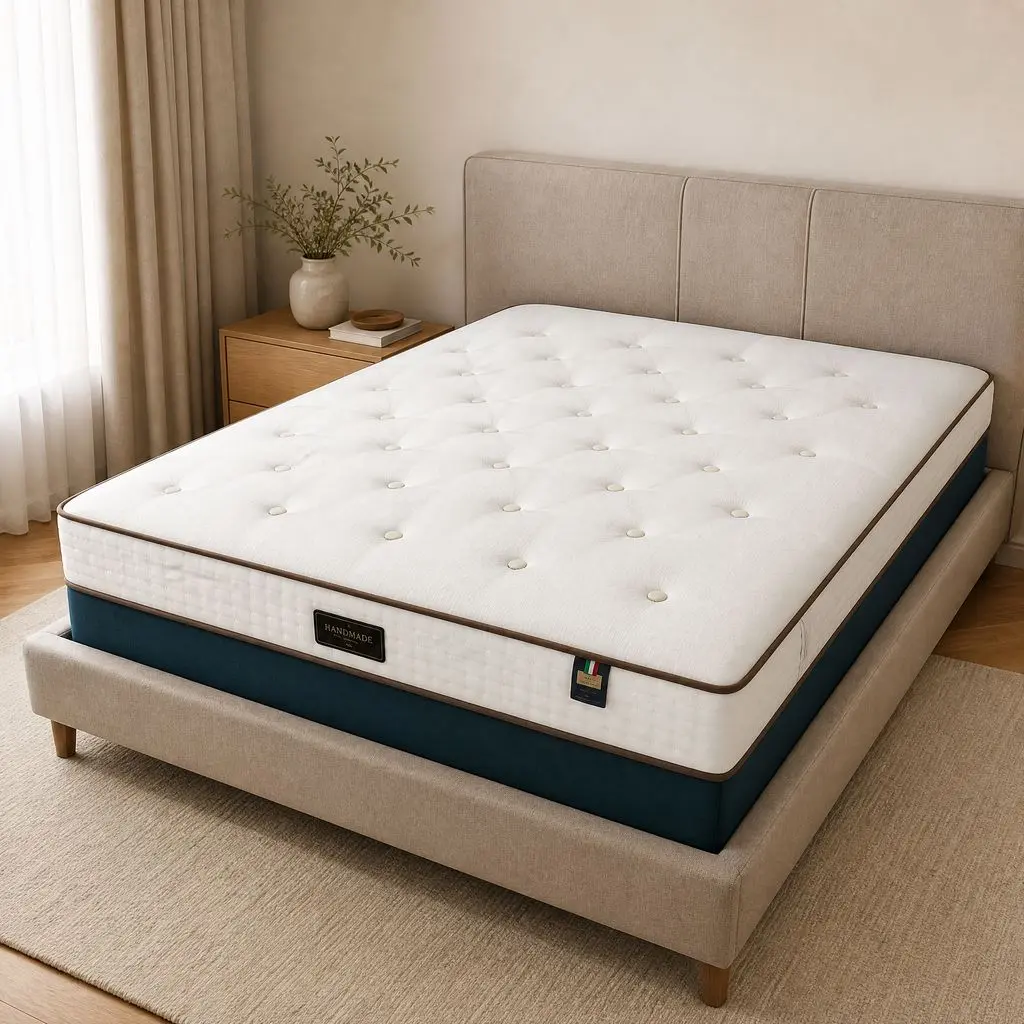
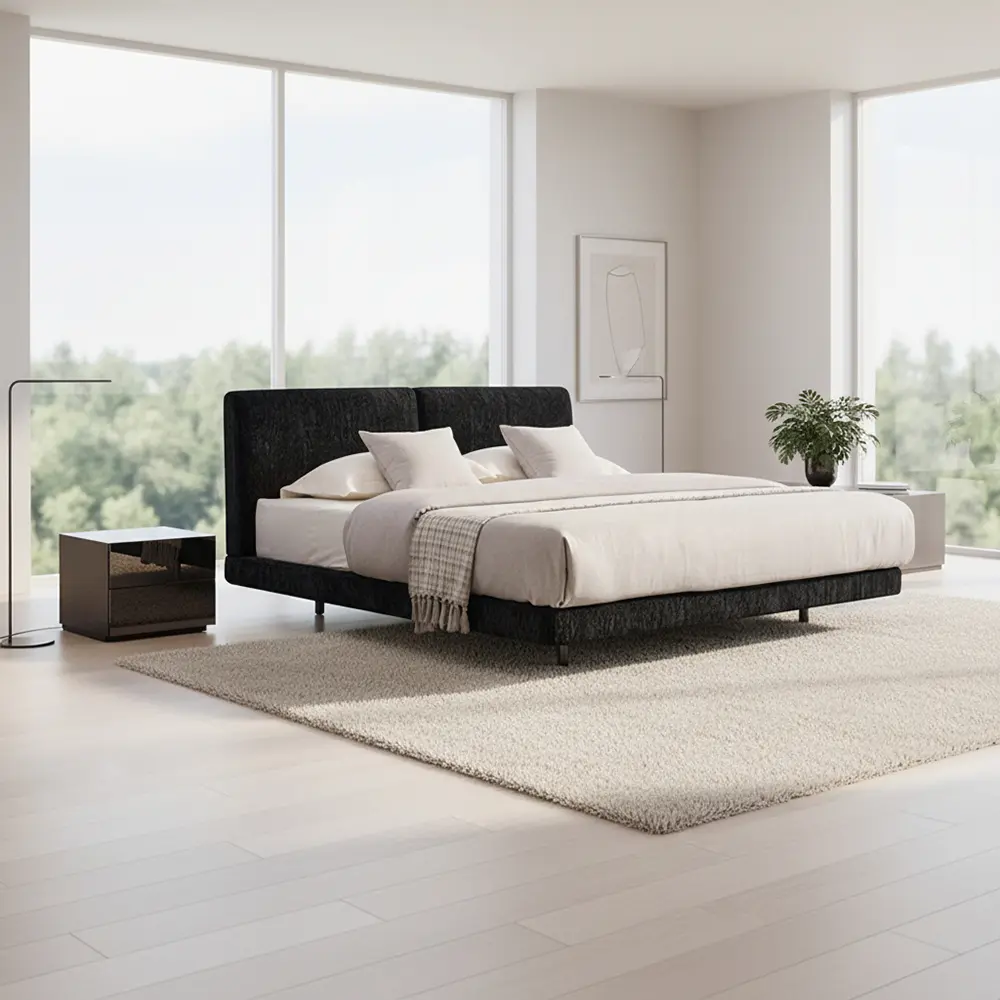
A major operational pain point is managing disparate suppliers for outdoor lounge seating, solid wood dining tables, upholstered beds, and mattresses. Choosing a integrated whole-house manufacturer allows consolidated single-container shipping under one master Bill of Lading.
Localized Application Scenarios & Architectural Integration
Tailoring outdoor garden furniture specifications to match specialized operational environments and regional climates.
1. Luxury Resorts & Coastal Hospitality
High-salinity marine environments mandate 316 stainless steel hardware, powder-coated aluminum substructures, and quick-dry hydrophobic seating that withstands heavy resort turnover and saltwater splashes.
2. High-Density Commercial Rooftops & Dining
Urban restaurants require stackable armchairs, stain-resistant solution-dyed fabrics, and scratch-resistant ceramic or sintered stone table tops engineered for high cleaning frequency.
3. Multi-Family Real Estate & Public Parks
Residential amenities demand anti-tamper hardware, heavy-gauge frames, and timeless, neutral design palettes that reduce long-term property maintenance costs.
B2B Sourcing Knowledge Base & Frequently Asked Questions
Deep technical insights addressing structural specs, order workflows, compliance testing, and container loading logistics.