Engineered Outdoor & Premium Furniture Series
Direct factory wholesale lines utilizing fast-dry reticulated foams, hydrophobic fabric membranes, and precision-engineered structural frames.
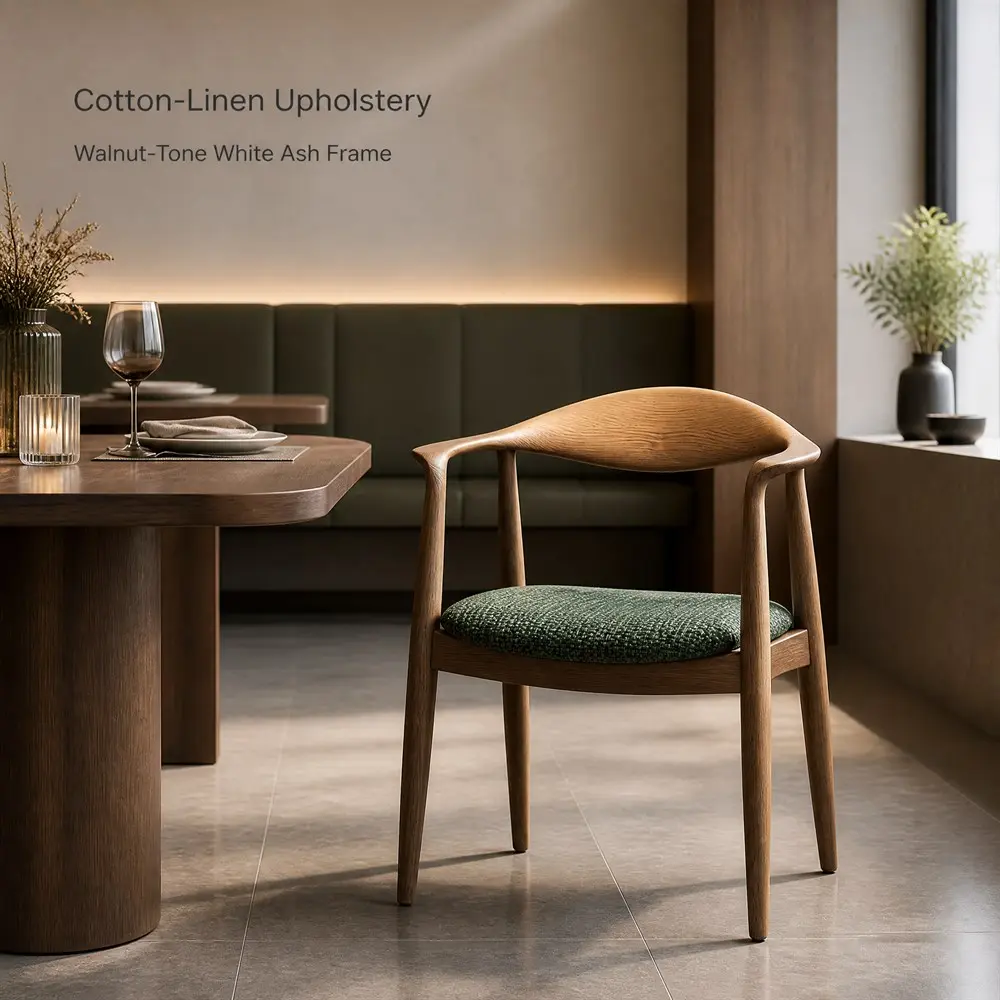
The Evolution of Commercial Waterproof Outdoor Seating
Analyzing intent-driven procurement shift from decorative seasonal patio sets to heavy-duty, engineered micro-climate seating systems.
Weatherproofing Mechanics & IPX Technical Criteria
Traditional outdoor furniture relied on basic topcoat water-repellent sprays that degraded under ultraviolet exposure within 6–12 months. Modern B2B procurement demands hydrostatic pressure resistance exceeding 10,000mm H2O, solution-dyed olefin membranes, reticulated quick-dry polyurethane cores, and passivated T5/T6 aluminum sub-frames. Wholesale buyers must evaluate complete structural moisture displacement rather than superficial fabric water-beading.
Global Hospitality & Contract Procurement Shift
High-density resort environments, luxury beachfront villas, and urban commercial rooftops demand zero-downtime outdoor furniture. Waterlogged cushions lead to mold proliferation, structural degradation, and customer dissatisfaction. China’s manufacturing ecosystem has responded by standardizing fast-drain open-cell foam technologies, TPU backings, and robotic plasma welding for seamless weather integrity.
The Anatomy of True All-Weather Outdoor Sofas
A rigorous breakdown of multi-layer waterproof architecture, polymer fabric chemistry, frame metallurgy, and anti-corrosion passivation.
Achieving true commercial-grade weatherproofing in outdoor sofa manufacturing requires a systemic approach to moisture dynamics, environmental oxidation, and thermal expansion. Wholesale buyers must distinguish between water-resistant (surface repelling light dew) and 100% waterproof contract systems (engineered for continuous rain, saltwater spray, freezing temperatures, and intense solar radiation).
1. Solution-Dyed Olefin & Acrylic Fabrics
Unlike piece-dyed polyesters where color is applied only to the surface, solution-dyed polymers infuse color pigments into the liquid polymer state prior to fiber extrusion. This guarantees an ISO 105-B02 Grade 8 UV colorfastness rating, resisting yellowing and fiber breakdown under 2,000+ hours of direct sunshine.
2. Thermoplastic Polyurethane (TPU) Lamination
To block torrential moisture, high-end factories hot-melt laminate a breathable 0.02mm TPU membrane to the fabric underside. Moisture cannot penetrate into the cushion core, while internal air pressure can vent outward to prevent ballooning and zipper seam stress.
3. Reticulated Fast-Dry Foam Cores
Traditional polyether foam acts like a sponge, retaining water for days. Specialized outdoor sofas utilize reticulated open-cell polyurethane foam featuring a 98% open pore structure. Water flows straight through via gravity, allowing cushions to dry completely within 20 to 30 minutes post-rainfall.
Structural Frame Metallurgy & Passivation SOP
The core structural integrity of outdoor sofas manufactured in China relies on specialized metal alloys and advanced surface passivation protocols. Below is a comparative material matrix used by tier-1 manufacturers when producing for high-salinity or heavy-use commercial environments:
| Material Type | Tensile Yield Strength | Corrosion Resistance | UV / Thermal Stability | Best Architectural Application |
|---|---|---|---|---|
| T5/T6 Aviation Aluminum (1.8-2.5mm) | 240–290 MPa | Exceptional (Tiger Drylac Powder Coating) | Immune to UV Degradation; Minimal Expansion | Coastal Resorts, High-Traffic Rooftops, Cruise Decks |
| Grade A Burmese Teak Accents | 85–100 MPa | High Natural Oil Content (Rot-Resistant) | Patinas to Silver-Grey; High Weather Tolerance | Luxury Residential Estates, Executive Lounges |
| 316 Marine-Grade Stainless Steel | 290–320 MPa | Superior Saltwater Pitting Resistance | Zero Structural Degradation (-40°C to +80°C) | Sub-Aquatic/Beachfront Exposed Structures |
| Wood-Grain Heat-Transfer Aluminum | 220–260 MPa | Zero Rot / Termite Resistance | High UV Inhibitors Built into Pattern Film | Eco-Resorts Desiring Natural Wood Aesthetic |
Why Source Waterproof Outdoor Sofas from China (Foshan Hub)
Detailed analysis of Foshan’s complete vertical integration, hardware processing, precision weaving, and global export packaging capabilities.
1. Unmatched Vertical Supply Chain Synergy
In the Shunde and Longjiang districts of Foshan, raw material suppliers (aluminum extruders, olefin yarn spinners, custom rope weavers, and CNC foam cutters) operate within a 15-kilometer radius. This proximity reduces lead times for complex custom OEM/ODM orders to just 14–21 days, compared to 60+ days in fragmented markets.
2. Automated Precision & Plasma Welding
Modern Chinese outdoor furniture factories utilize 6-axis robotic arm welders for seamless TIG/MIG seam connections. This eliminates pinhole porosity where water can enter frame cavities, preventing internal oxidation, frost splitting in freezing climates, and frame structural failure.
3. Rigorous Quality Control Standards
Leading Foshan manufacturers maintain on-site testing labs equipped with hydrostatic testers, salt-spray chambers (ASTM B117), cushion fatigue cyclers, and Xenon arc UV weathering chambers. Quality assurance is integrated into every step—from raw ingot inspection to finished container loading.
Architectural Applications & Market Trends (2025–2030)
Evaluating design trends: modularity, biophilic integration, smart heated seating, and high-density commercial space planning.
Hospitality & Luxury Resort Environments
Commercial resorts require quick-turnaround furniture that handles guests wearing wet swimwear, exposure to chlorine/saltwater, and daily high turnover. Designers are increasingly opting for modular rope-woven and wood-grain aluminum sectional sofas with completely removable, washable, water-impermeable cushion covers. Quick reconfiguration allows outdoor spaces to transition from daytime pool lounging to evening cocktail lounges.
Urban Rooftop Bars & Commercial Real Estate
High-rise outdoor spaces face high wind loads and rapid thermal spikes. Lightweight frames can tip over, while heavy steel corrodes. Manufacturers are responding with weighted internal aluminum frameworks, wind-resistant aerodynamic silhouettes, and flame-retardant waterproof fabrics certified under BS 5852 Crib 5 and CAL 117 standards.
Future Trend Analysis: Sustainable Polymers & Smart Features
The global contract furniture market is rapidly moving toward circular economic models. Key innovations from leading Chinese factories include:
- Ocean-Bound Recycled Plastics: Converting post-consumer polypropylene and ocean plastics into high-tensile outdoor rope and wicker elements.
- Integrated Low-Voltage Heating Membranes: Embedding micro-carbon fiber heating pads beneath waterproof cushions, extending outdoor seating usability into autumn and winter months for northern latitude commercial venues.
- Biophilic Wood-Grain Transfers: Zero-maintenance aluminum alloys finished with 3D vacuum heat-transfer wood patterns that offer the organic warmth of natural timber without deforesting hardwoods or requiring yearly oiling treatments.
Enterprise Sourcing Standard Operating Procedure (SOP)
Step-by-step framework for commercial buyers, importers, and project procurement teams sourcing outdoor furniture from factory floors.
Technical Spec Approval
Finalize CAD drawings, confirm fabric hydrostatic head ratings, foam density (30–45 kg/m³), and frame wall thickness specifications prior to tooling.
Pre-Production Sampling
Fabricate golden sample units subjected to salt-spray testing, UV exposure cycles, and weight capacity checks (EN 581 commercial standard compliance).
In-Line Quality Audits
Inspect frame welding integrity before powder coating. Conduct water-immersion tests on sewn cushion liners to verify zero leak points along seam lines.
Volumetric Loading (40HQ)
Optimize knockdown (KD) frame designs and stackable packaging to maximize container cube utilization, reducing per-unit ocean freight costs by up to 35%.
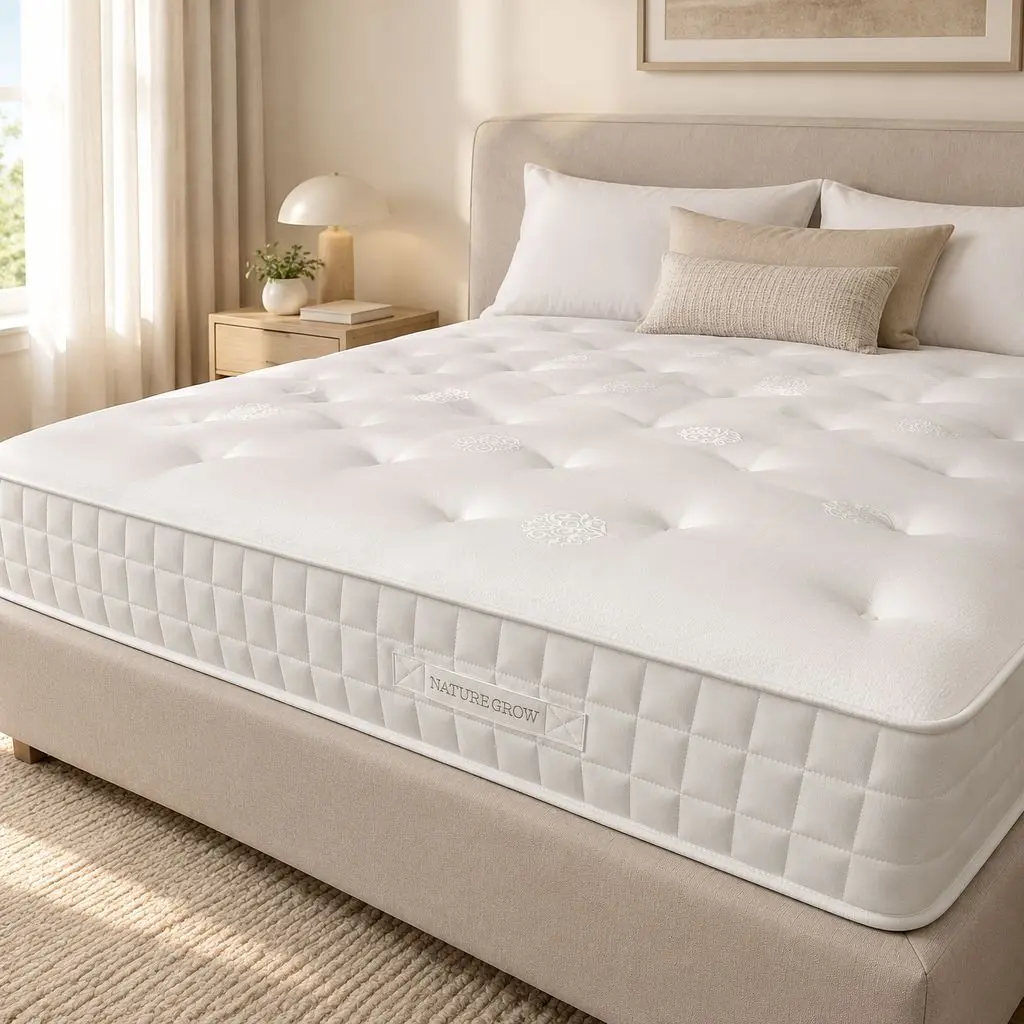
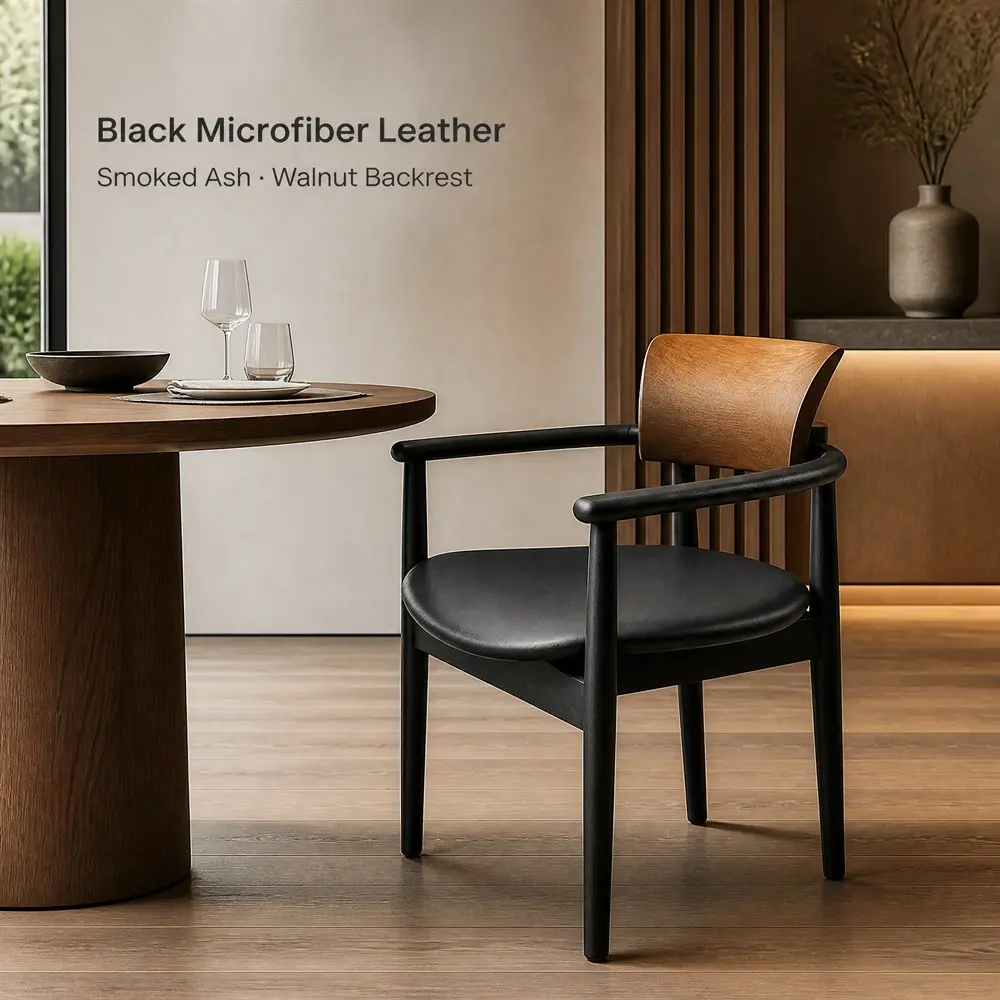
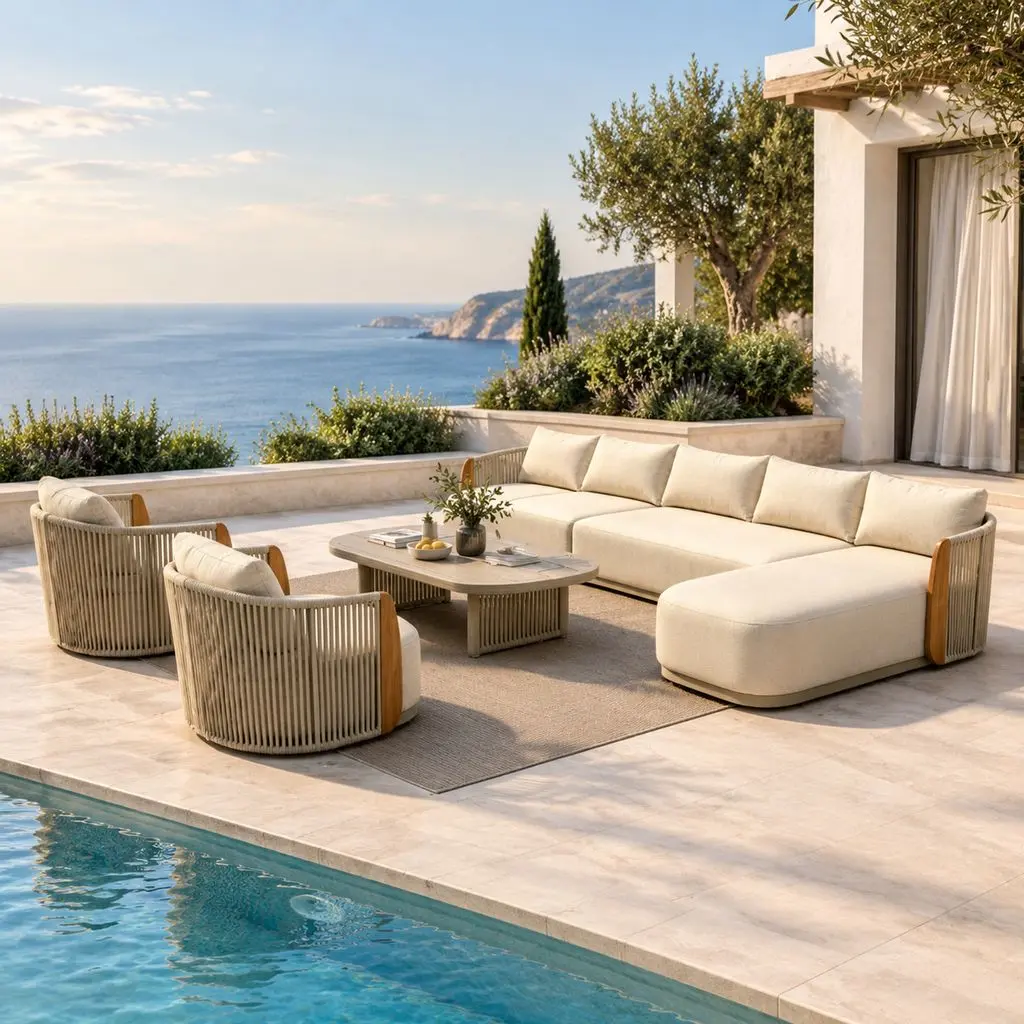
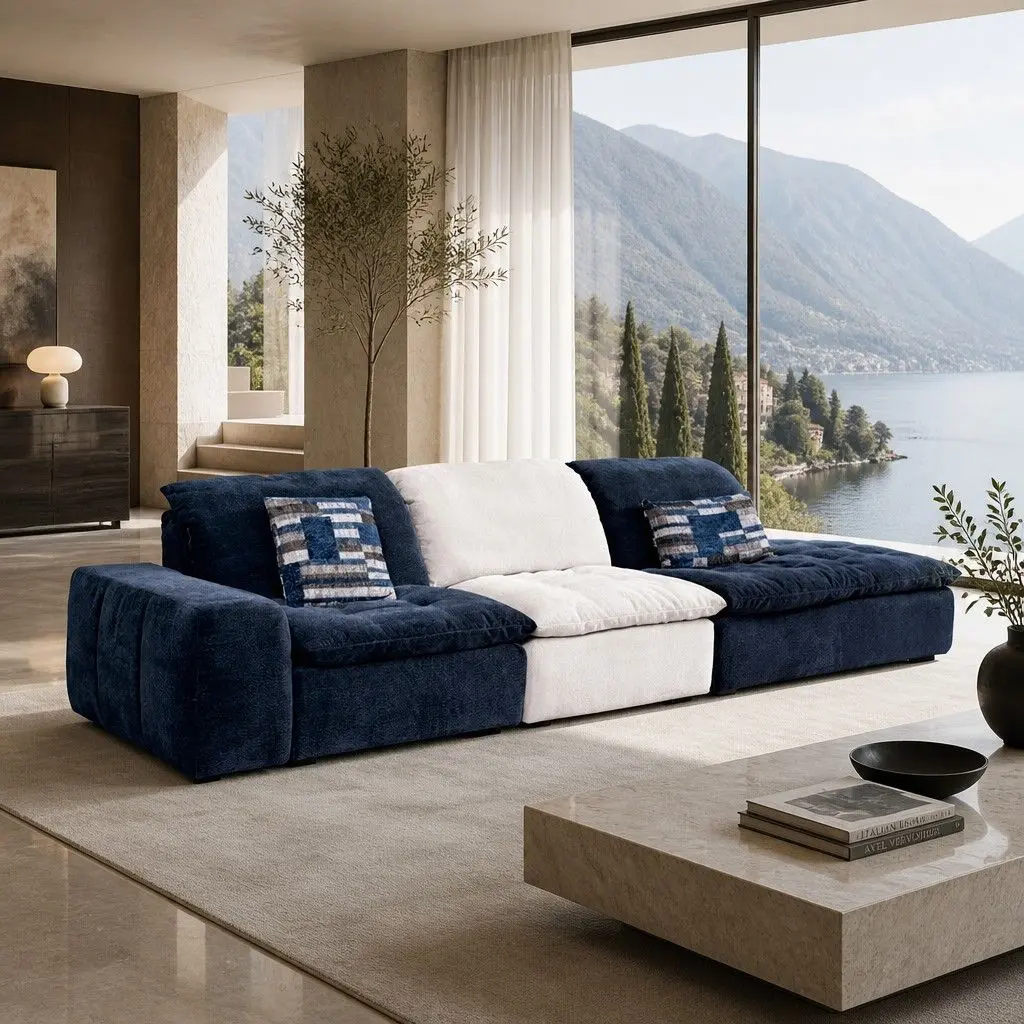
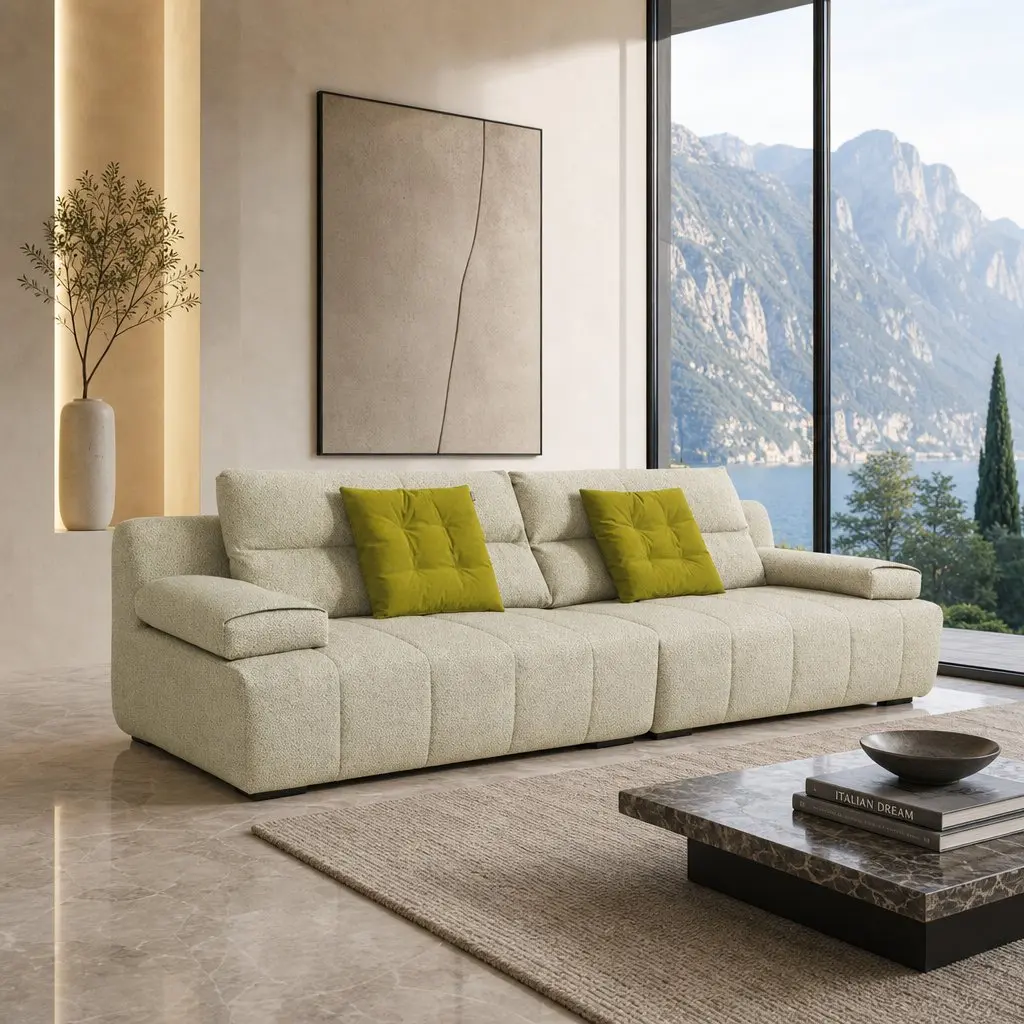
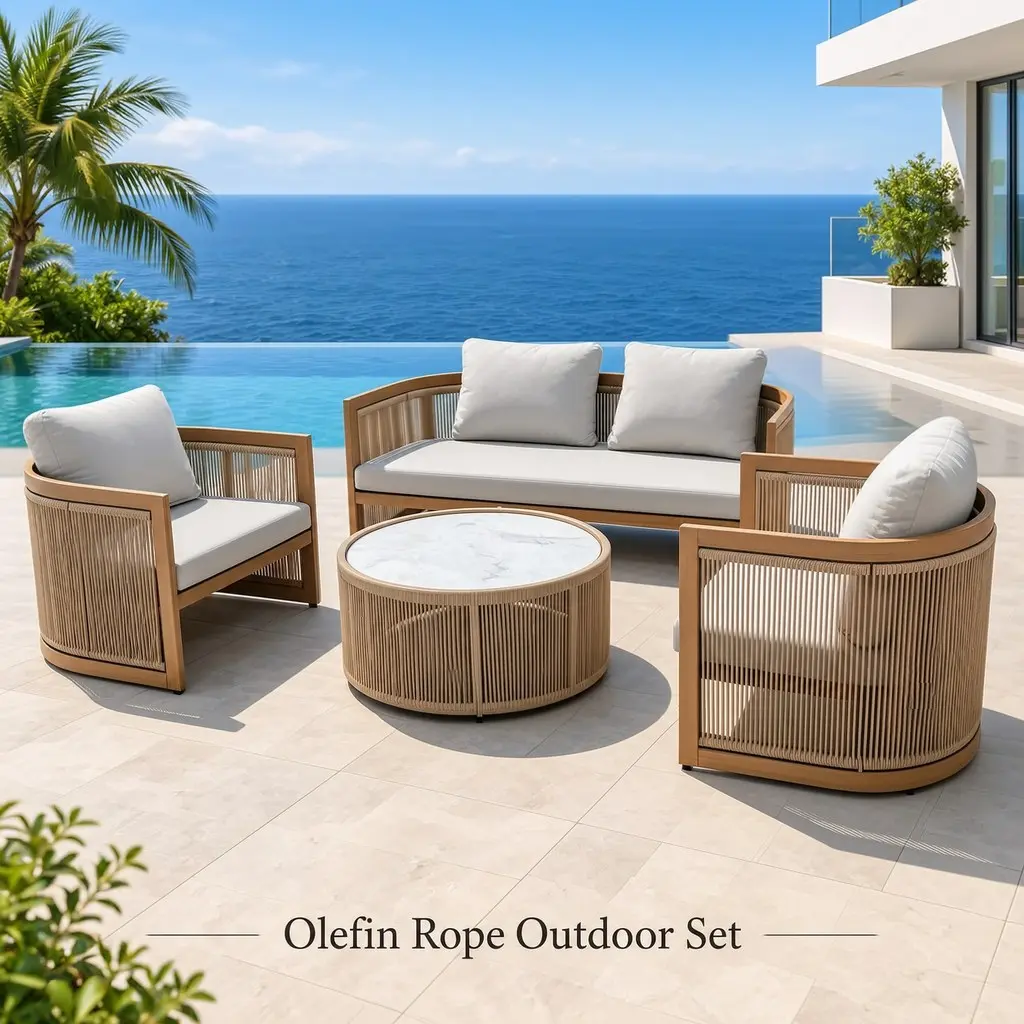
Modular Sofas, Sectionals & Luxury Furniture Systems
Complete project furniture solutions for resort living rooms, outdoor lounges, boutique dining, and luxury hospitality bedrooms.
Wholesale Waterproof Outdoor Sofa Procurement FAQ
In-depth responses covering technical specifications, OEM capabilities, international compliance testing, logistics, and material warranties.
What is the technical difference between water-resistant and 100% waterproof outdoor sofas?
Water-resistant sofas rely solely on a light hydrophobic surface coating (such as DWR sprays) applied to standard woven fabric. Under heavy or continuous rainfall, water eventually permeates the fabric seams, soaking the inner sponge core. In contrast, 100% waterproof outdoor sofas incorporate a multi-layer engineering system: a solution-dyed olefin or acrylic exterior fabric backed by an impermeable TPU (Thermoplastic Polyurethane) membrane, hot-melt sealed inner seams, and a reticulated open-cell quick-dry foam core that allows any residual moisture to drain out immediately without causing mold or structural degradation.
How do Foshan outdoor furniture factories handle high-salinity marine environments?
For seaside resorts, beachfront villas, and cruise ships, standard powder-coated aluminum or steel can experience oxidation and pitting over time. Our direct factory specifications utilize heavy-gauge T5/T6 aviation aluminum frames subjected to a 7-stage chemical pretreatment passivated with Tiger Drylac® architectural-grade powder coating. This finish passes the ASTM B117 salt spray test for over 1,500 continuous hours. For ultra-exposed applications, hardware components are upgraded to 316 marine-grade stainless steel.
What are the typical Minimum Order Quantities (MOQ) and lead times for OEM/ODM projects?
Standard wholesale catalog models require a minimum order quantity of 1x20GP container (which can be consolidated across 3–5 complementary product styles). For custom OEM/ODM commercial projects involving bespoke dimensions, proprietary frame colors, or specified contract fabrics (e.g., Sunbrella or Serge Ferrari), the initial sampling turnaround is 7–14 days, followed by full mass production within 25–35 days after CAD and sample sign-off.
How does fast-dry open-cell foam compare to standard high-density foam in outdoor seating?
Standard high-density polyurethane foam acts as a closed cell structure, trapping water inside like a kitchen sponge. Once wet, it takes several days of intense heat to dry completely, encouraging bacterial and fungal growth. Fast-dry open-cell foam (reticulated foam) features a large, honeycomb-like cell structure where water passes straight through by force of gravity. When paired with mesh bottom venting panels on cushion covers, the entire seating assembly dries within 20 to 30 minutes following heavy rain exposure.
Which fire retardancy and environmental safety standards do your outdoor furniture products meet?
Our commercial-grade outdoor upholstery fabrics and inner foams can be formulated to pass strict international fire retardancy codes, including UK BS 5852 (Crib 5), US California Technical Bulletin 117 (CAL 117), and European EN 1021 standards. Additionally, all textile materials comply with OEKO-TEX® Standard 100, ensuring zero VOC off-gassing, heavy metal residues, or harmful fluorocarbon (PFAS-free) chemistry.
Can mixed furniture categories (e.g., outdoor sofas, indoor beds, dining sets) be loaded in a single container?
Yes. As an integrated manufacturer and supply chain consolidator based in Shunde, Foshan, our logistics team plans 3D container loading layouts (using specialized software) to combine heavy casegoods, outdoor modular sectionals, upholstered beds, and dining sets into a single 40HQ high-cube container. This reduces total shipping cost per unit while ensuring all items are protected by multi-layer honeycomb cardboard, corner edge guards, and vapor-barrier shrink wrapping.
What maintenance and cleaning protocols are recommended for commercial outdoor furniture?
Because solution-dyed olefin and acrylic fabrics are inherently stain-resistant and colorfast, routine maintenance requires only a mild soap and water solution rinsed with a low-pressure hose. For tough stains or organic residue in commercial outdoor venues, a diluted bleach solution (up to 1:4 ratio) can be applied directly to solution-dyed fabrics without causing color fading or fiber degradation. Frame surfaces should be wiped down biannually with a damp microfiber cloth to remove salt deposits and air pollutants.
How do you guarantee frame structural integrity during long-distance ocean shipping?
All finished products undergo ISTA 3A transit testing protocols before bulk packaging design is finalized. Metal frames feature heavy-duty foam wrapping along contact edges, structural points are reinforced with double-walled corrugated boxing, and high-wear aluminum legs are wrapped in plastic protective caps. Moisture-absorbing desiccant bags are distributed throughout every export container to eliminate "container rain" during multi-week ocean transit across variable climate zones.