
10+Years supplying global dining and contract buyers
100+Original design and structure patents
19Furniture categories under one purchase order
4OEM / ODM customisation dimensions per chair
Signature Dining Programme
Dining Chairs & Seating Engineered for Contract and Wholesale
Every dining chair platform below is developed in-house and load-tested for commercial seating cycles before it enters the catalogue. Select a model to review full specifications.
Each frame is kiln-dried, joint-tested and finished with a consistent colour programme so mixed container loads arrive as one coherent scheme.
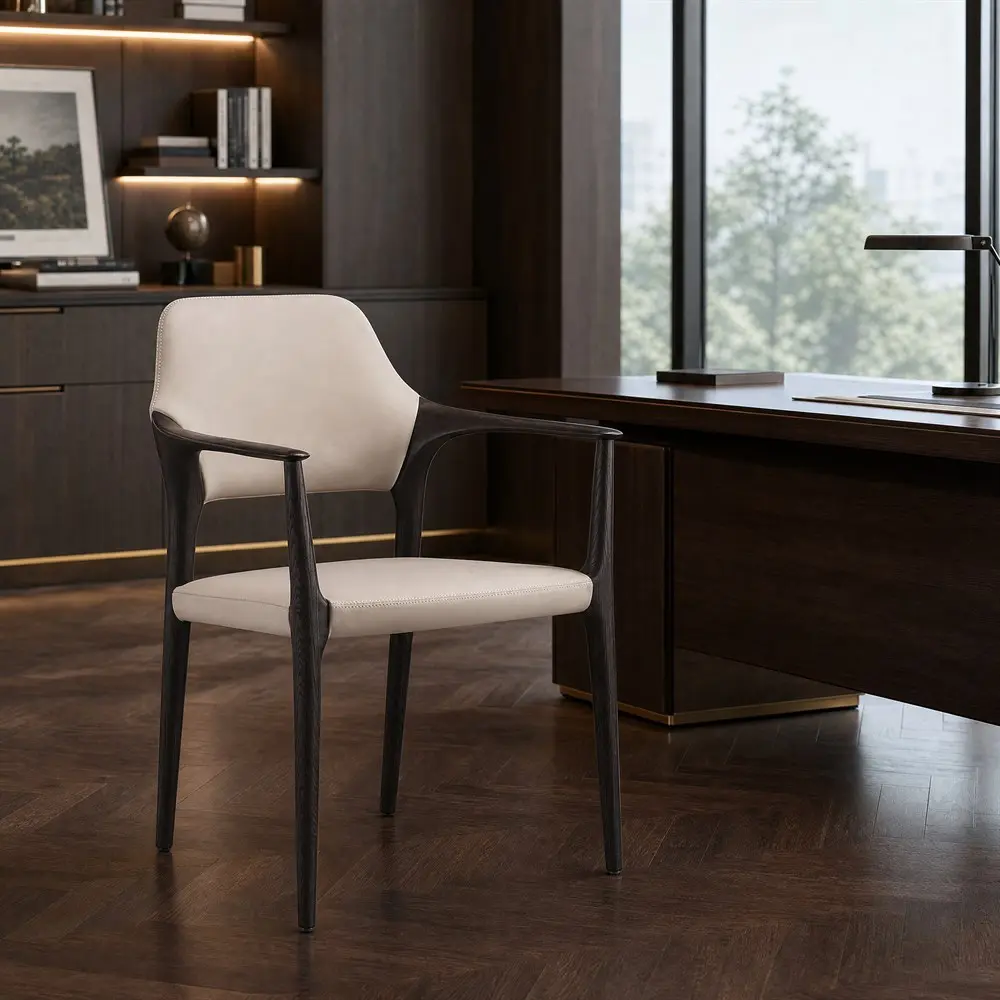
Latest Design QYM Modern Solid White Ash Wood Arm Dining Chair, Smoked Finish Frame, Microfibre Leather Upholstered Dining Chair
View Product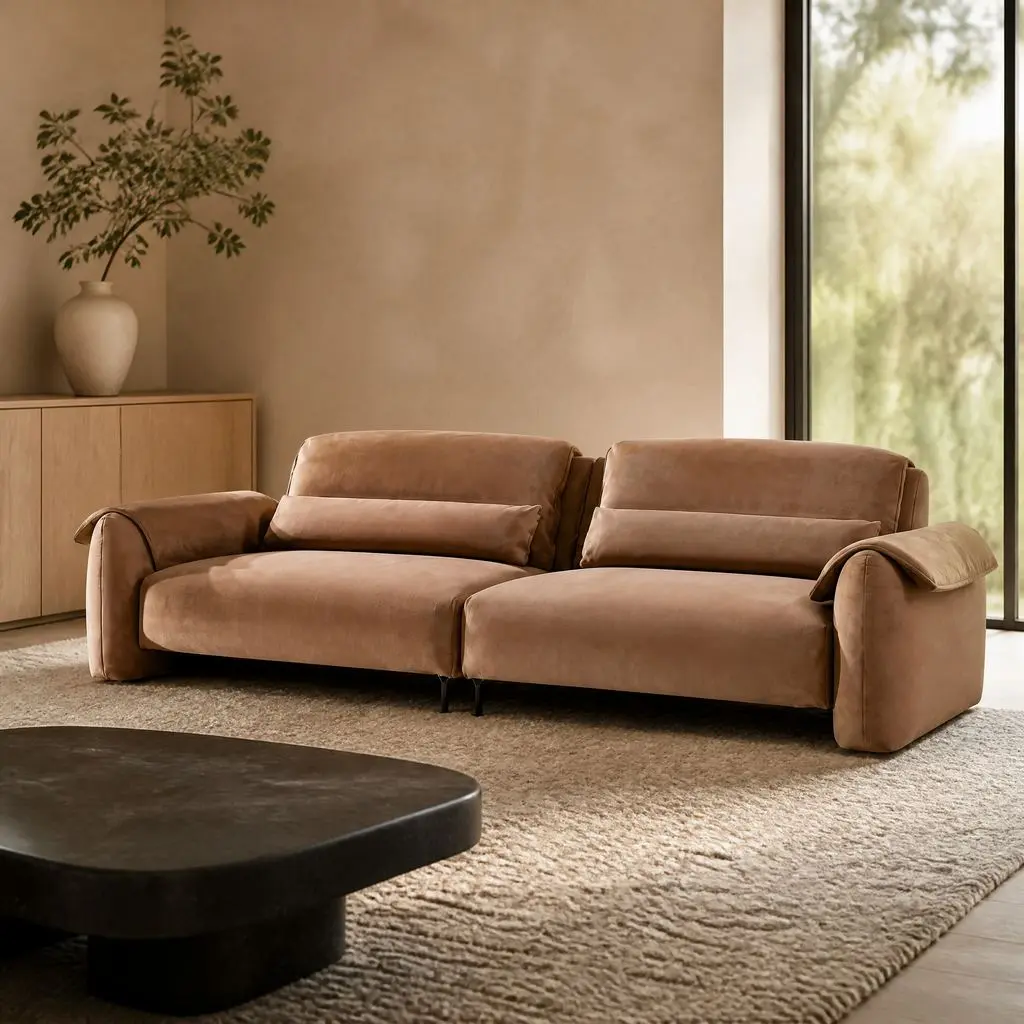
China QYM M1082 Modern Sectional Sofa with Imported Larch Wood Frame, Metal Legs, High-Density Foam Cushions and Washable Frosted Velvet Covers
View Product
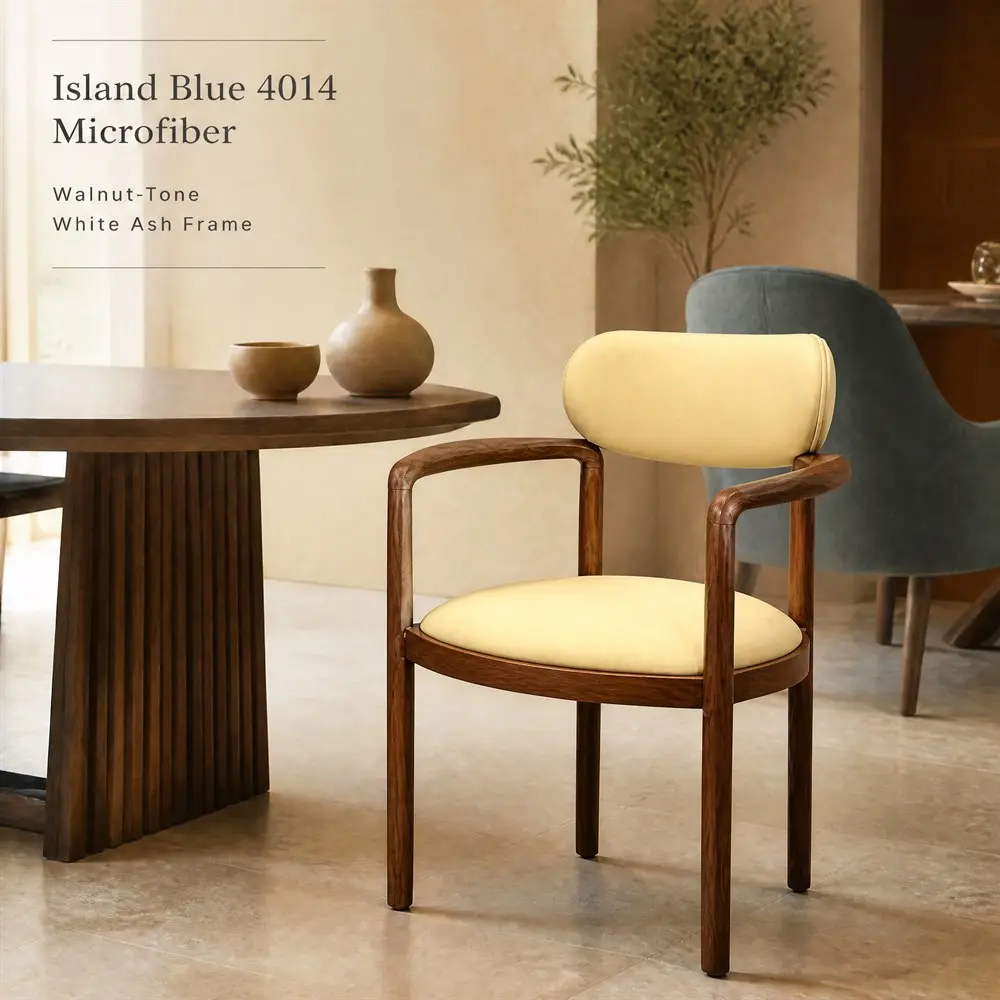
Wholesale QYM Modern Solid Ash Wood Arm Dining Chair, Yellow Microfibre Upholstered Accent Chair, Walnut Finish White Ash Frame
View Product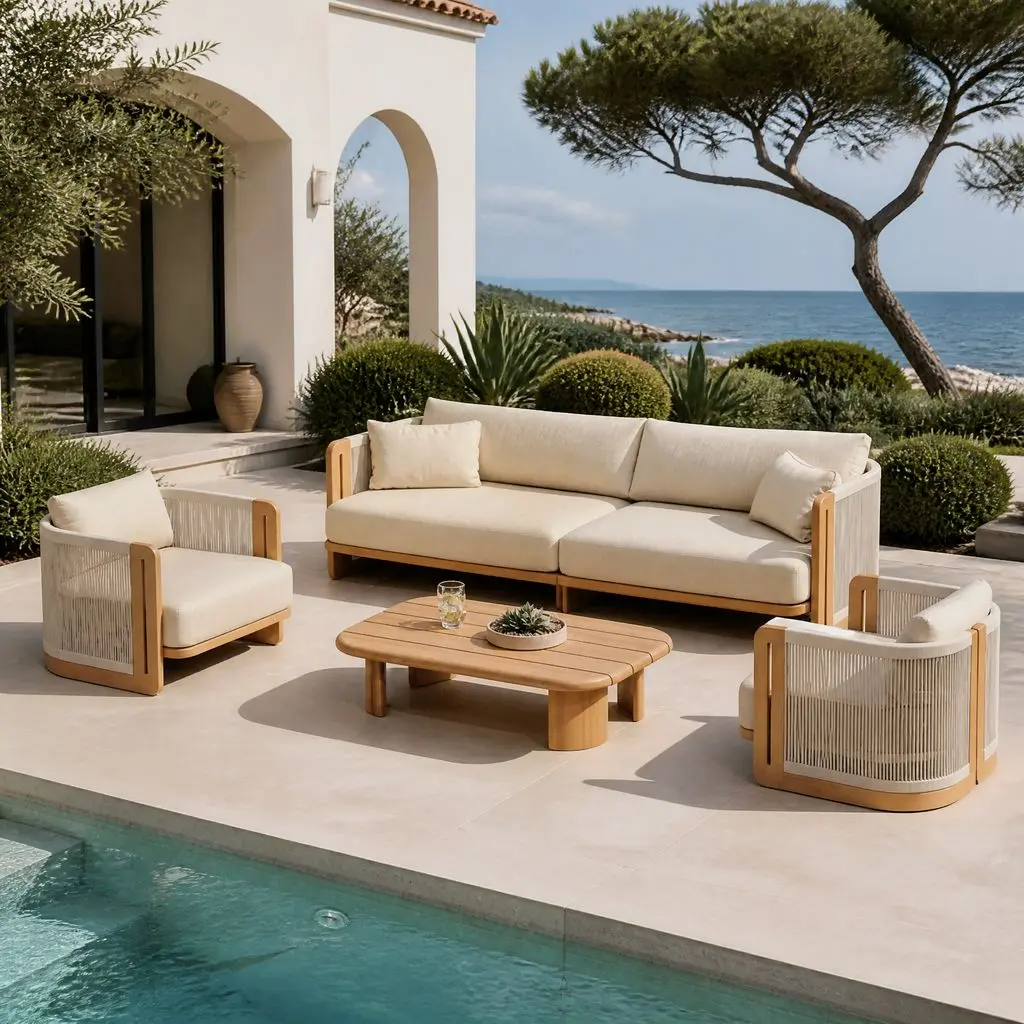
Wholesale QYM XD-6003 Wood-Grain Aluminum Outdoor Sectional Sofa with Teak Armrests, Woven Rope and Waterproof Cushions
View Product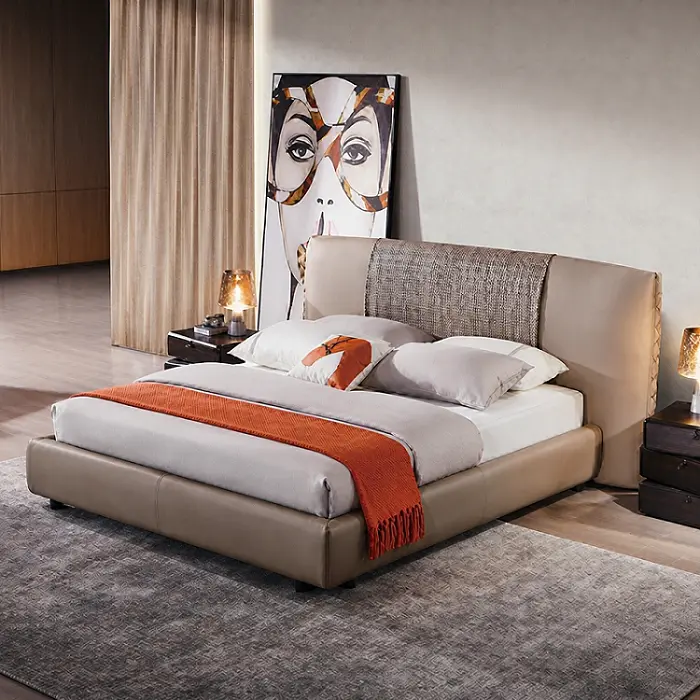
China QYM C63 Napa Leather Upholstered Bed — Refined Leather Comfort for Contemporary Bedrooms
View Product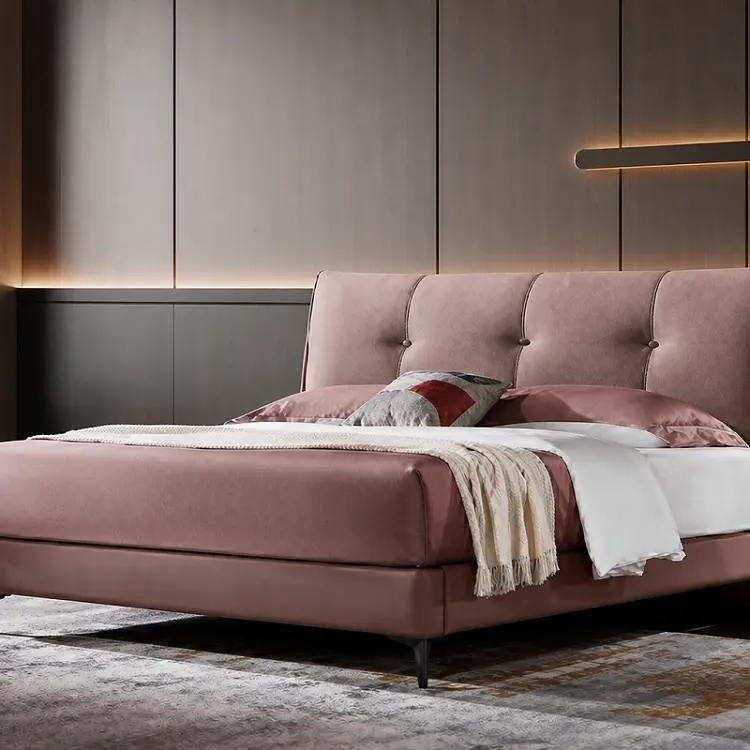
Wholesale C160 Upholstered Bed — Clean Lines and Soft Mixed-Material Comfort for Modern Rooms
View Product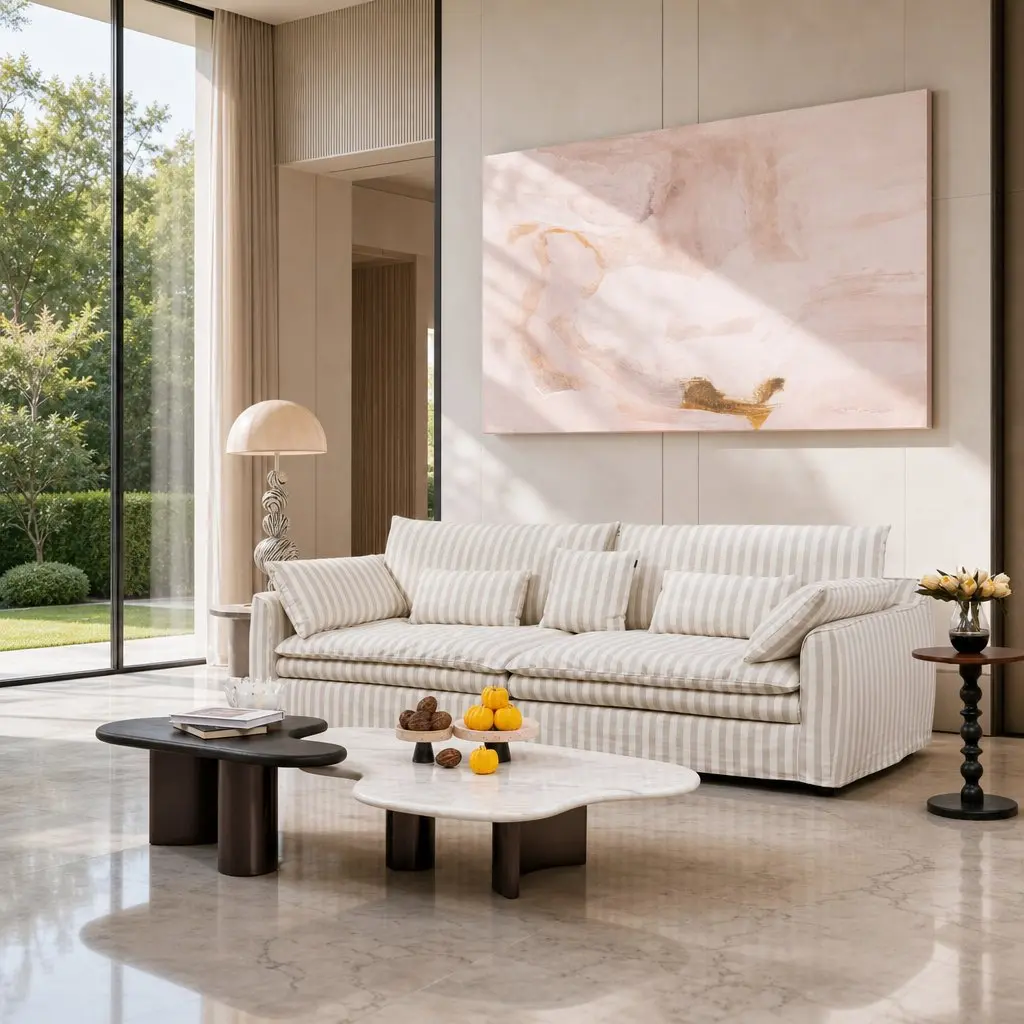
China QYM M1060 Modern Striped Linen Sofa with Imported Larch Wood Frame & Premium Natural Latex Down Silk Floss Filling
View Product
Macro Industry Solutions
The Dining Tables Supply Chain at Industry Scale
Dining furniture is no longer a cottage craft. It is a specification-driven manufacturing sector shaped by hospitality pipelines, real-estate handovers and the compliance expectations of importers on four continents.
Hospitality & Contract Pipelines
Hotel FF&E packages, serviced apartments and restaurant rollouts demand repeatable tolerances across hundreds of identical seats. A dining factory programme is judged on its ability to reproduce the sample, not merely to prototype it.
Cross-Border Consolidation
Importers increasingly buy dining chairs, tables, sofas and mattresses under one purchase order. Consolidating categories reduces landed cost per unit and collapses vendor management into a single accountable QC owner.
Specification Inflation
Commercial buyers now specify kiln-dried hardwood over engineered board, high-density foam over fibre fill, and certifiable finishes over generic lacquers. Factories that cannot document these choices are progressively excluded from tenders.
Cluster Economics
Foshan's Shunde and Longjiang clusters concentrate timber yards, upholstery workshops, hardware finishers and freight forwarders within a short radius. That density is the structural reason unit economics remain competitive at scale.
Material Volatility Management
Hardwood prices, freight rates and container availability move faster than catalogue cycles. A resilient dining table factory maintains dual sourcing for timber and a rolling buffer of high-turnover frames.
Circular Economy Pressure
Repairability, replaceable upholstery and disassembly for recycling are moving from marketing language into procurement criteria in the EU and North America. Modular dining seating is the practical industry response.
Global Commercial & Industrial Status
Where Dining Table Manufacturing Stands Today
The global dining furniture trade has consolidated around a small number of export clusters, while demand has fragmented into high-mix, low-volume orders. That tension defines the current operating reality for factories and wholesalers alike.
- Demand fragmentation: buyers order smaller batches across more SKUs, forcing factories toward flexible cells rather than long single-model runs.
- Automation in woodworking: CNC routing and automated edge finishing raise dimensional consistency, but final upholstery and joint assembly remain skill-dependent.
- Freight normalisation: post-2022 freight corrections restored predictability, allowing wholesalers to quote landed cost with far tighter confidence intervals.
- Documentation as a moat: test reports, finish declarations and packing specifications increasingly decide who wins a tender before price is discussed.

Localisation Support & Compliance Assurance
Matching Material Configuration to Destination Market
A dining chair that satisfies a European contract buyer is not automatically suitable for a Middle East hospitality project or a North American retail chain. Configuration must follow the market, not the catalogue.
| Market Consideration | Typical Requirement | How the Factory Responds |
|---|---|---|
| Flammability | Upholstery and foam performance declarations for contract seating | Material grades selected per destination; documentation prepared at pre-sale stage |
| Humidity & Climate | Dimensional stability in coastal and tropical environments | Kiln-dried hardwood, sealed end grain, moisture-stable joinery |
| Formaldehyde & Emissions | Low-emission boards and adhesives where applicable | Controlled board grades and water-based finishing options |
| Weights & Dimensions | Carton limits for parcel networks versus full containers | Knock-down or assembled packing planned per channel |
| Commercial Duty Cycles | Higher seating cycles in restaurants and cafés | Reinforced corner blocks, tested joints, higher-density foam |
| Brand & Labelling | Private-label marking and care instructions | Woven labels, embossed logos and market-specific care cards |
Localised Application Scenarios
Where Dining Seating Actually Gets Specified
Different environments place different loads on a dining chair. Sizing, finish and upholstery decisions should begin with the scenario, not the showroom photograph.
Residential Dining Rooms
Solid ash frames with microfibre or saddle leather seats balance warmth and durability for family use, where comfort ranks above institutional robustness.
Restaurants & Cafés
High-turnover venues require reinforced joints, contract-grade upholstery and stackable or nestable options that survive dozens of covers per day.
Hotel & Hospitality
FF&E packages demand colour consistency across hundreds of units and a documented maintenance path for replaceable covers and components.
Outdoor & Terrace Dining
Wood-grain aluminium frames, olefin rope weave and waterproof cushions extend dining programmes onto terraces and balconies without moisture failure.
Coordinated Programme
Dining, Bedroom and Outdoor Pieces Under One Purchase Order
Dining chairs rarely ship alone. These coordinated models allow buyers to build a complete container across categories with shared materials and one QC standard.
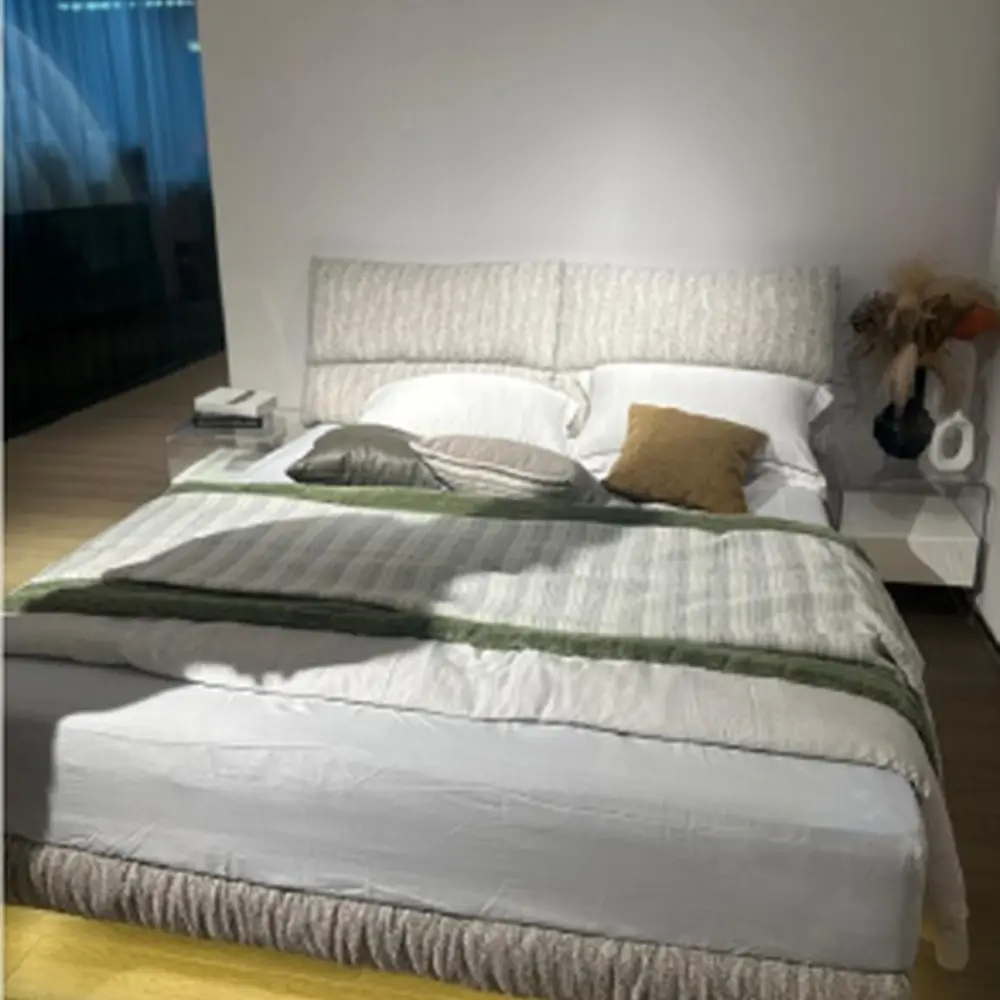
Latest Design QYM C208 Linen Upholstered Bed — Soft Woven Texture with a Calm Contemporary Presence
View Product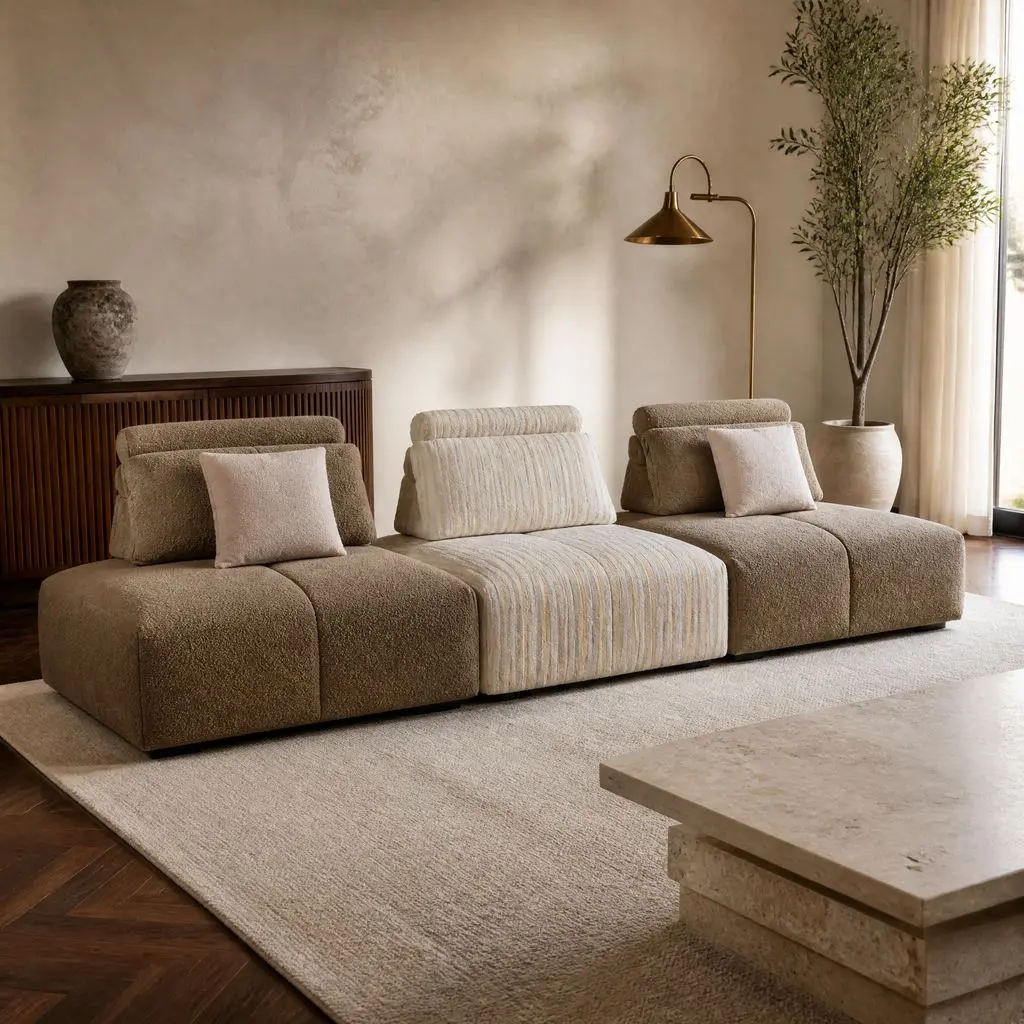
Latest Design QYM M1086 Modern Modular Sectional Sofa with Faux Fur and Floral Cut Velvet, Larch Wood Frame and Washable Covers
View Product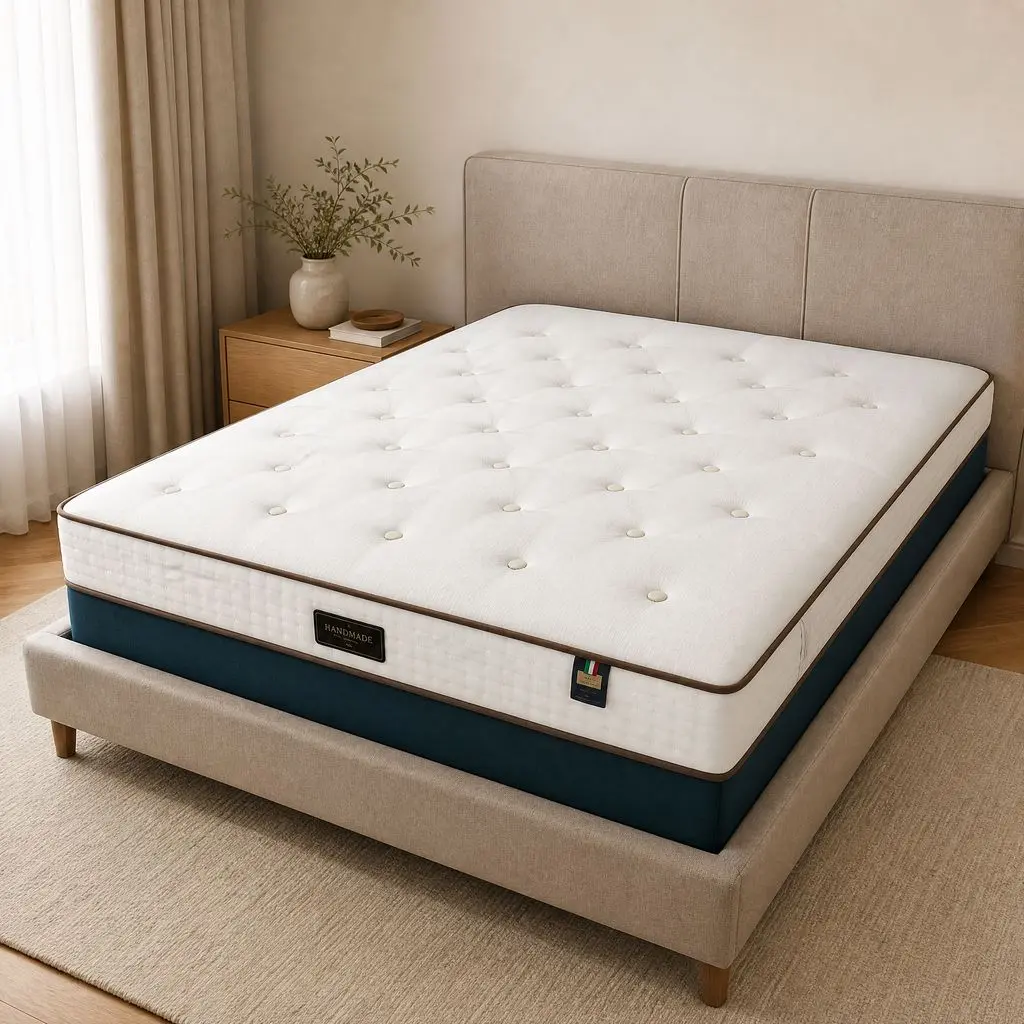
China QYM XGNL-pla Handmade Mattress with Quiet Pocket Springs, Mini Bubble Springs, Horsehair Layers and Woven Rayon Fabric
View Product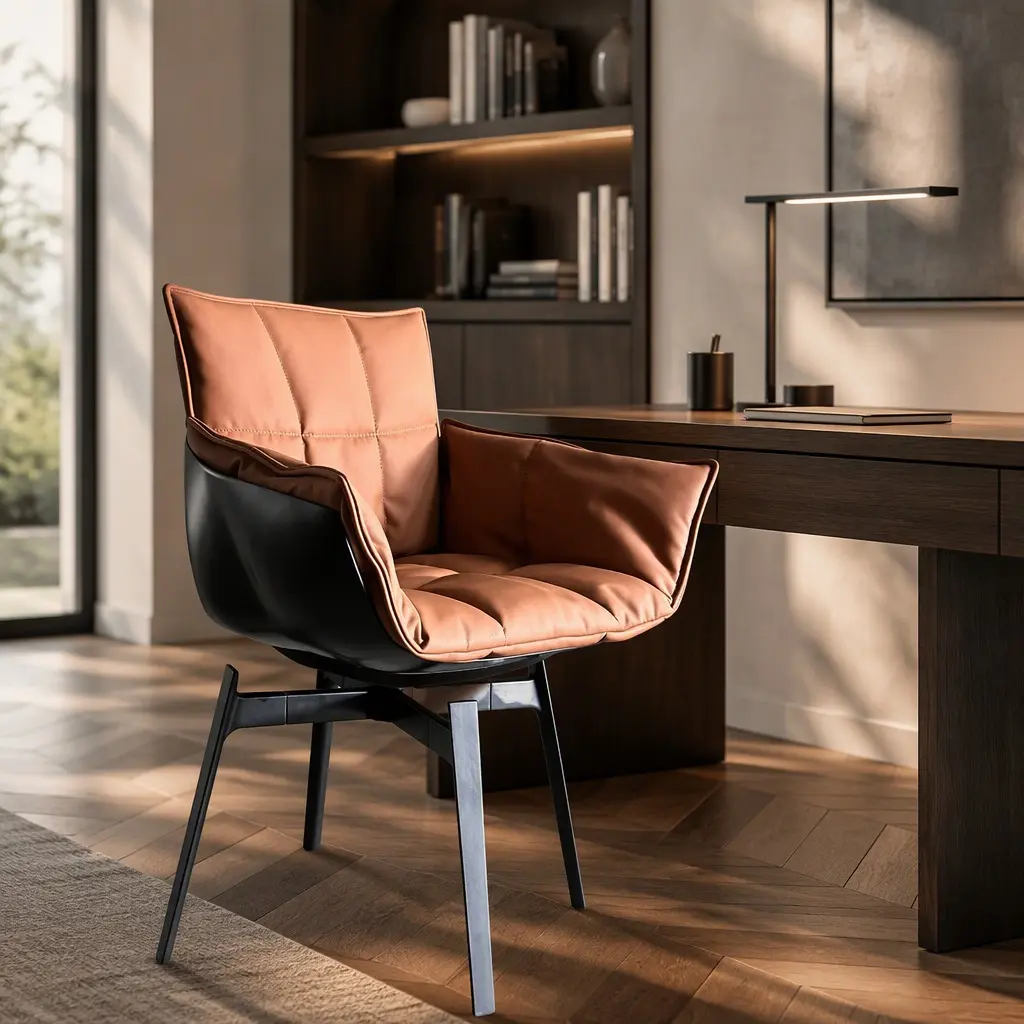
Wholesale Yves Saint Laurent 22 Style Swivel Accent Chair, Brown Microfibre Leather Upholstered Chair, Integrated Steel Plastic Shell with Solid Aluminium Alloy Base
View Product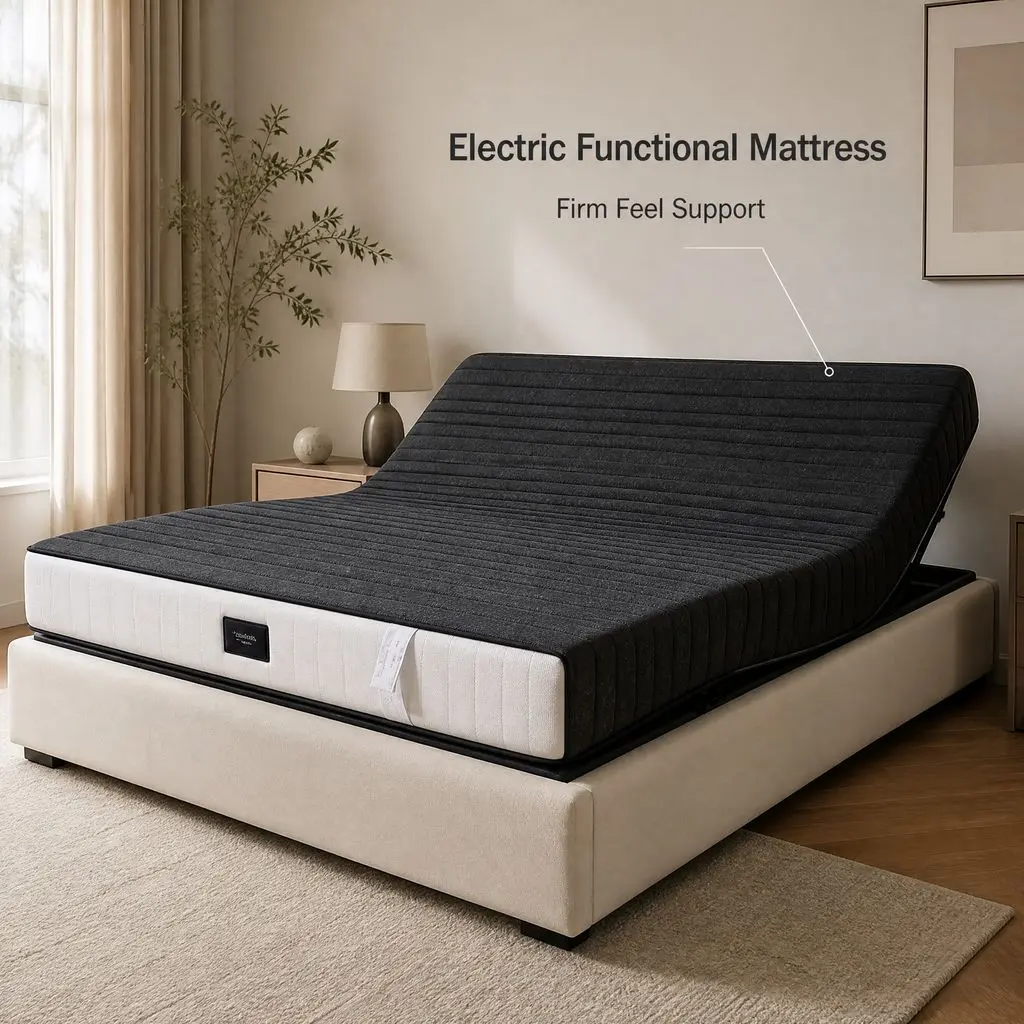
Latest Design QYM ZNA3 Smart Electric Adjustable Mattress with German Oeken Motor, Comfort Cotton and 3D Technology for Firm Support
View Product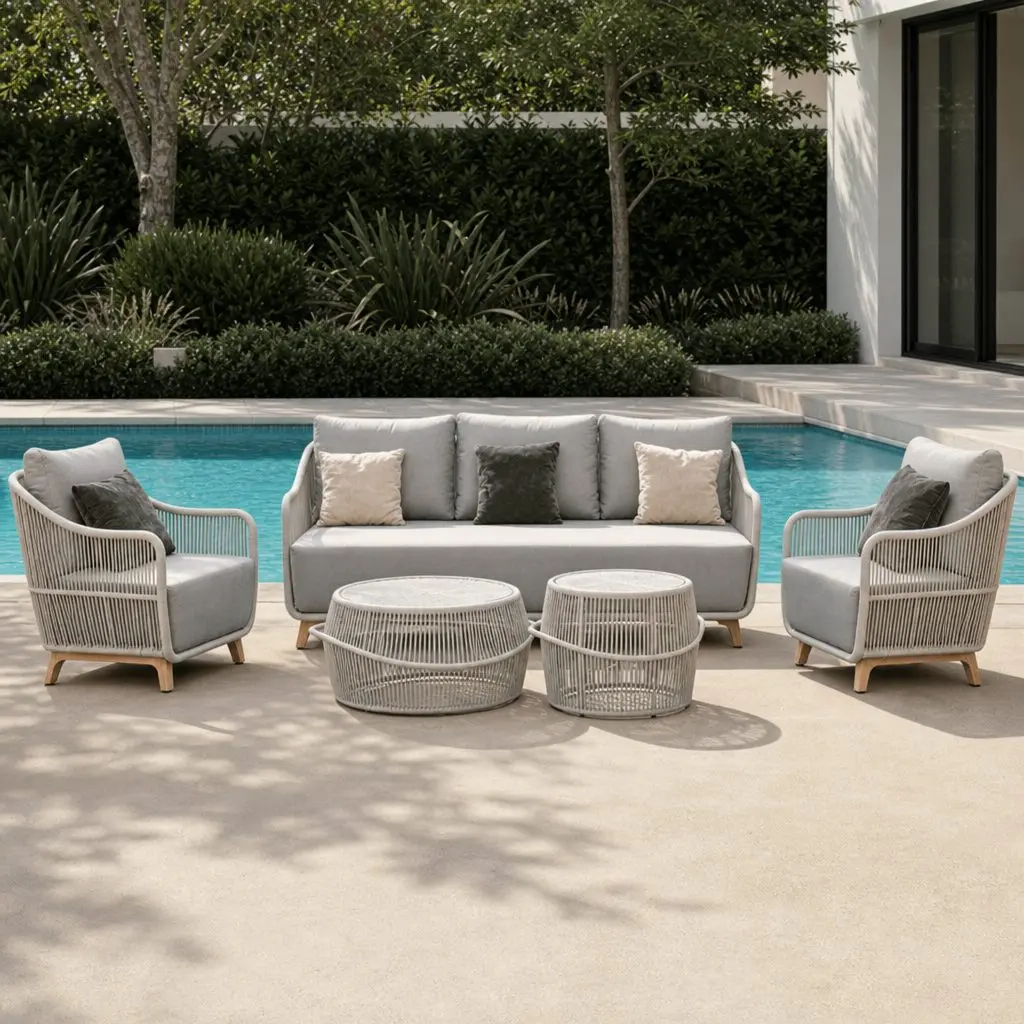
Wholesale QYM XD-6017 Armless Outdoor Sofa Set with Wood-Grain Aluminum Frame, Olefin Rope Weave and Teak Backrest
View Product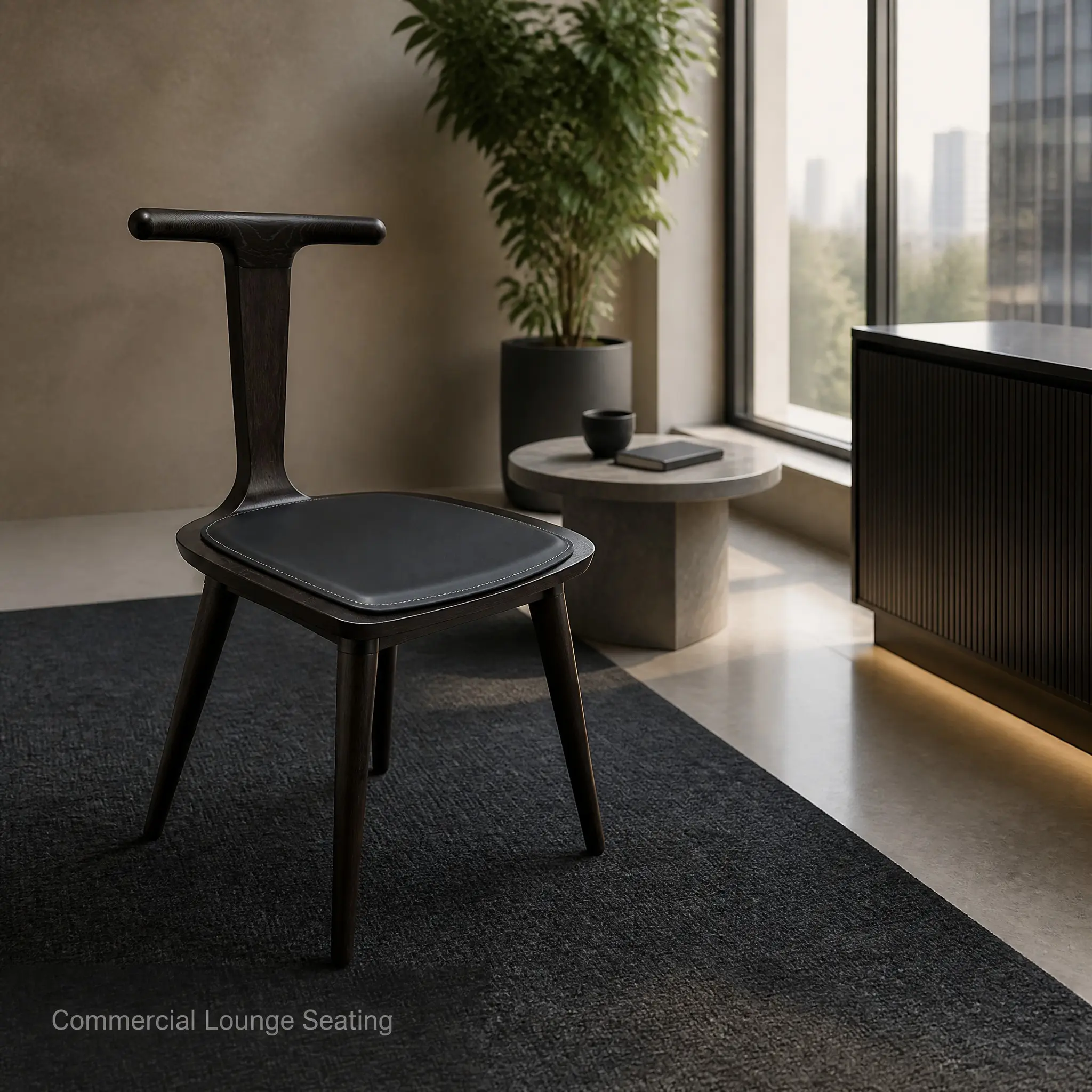
China QYM Nordic Solid Ash Wood Dining Chair, Saddle Leather Seat Cushion, T‑Shape Backrest Dining Chair for Restaurant and Home
View Product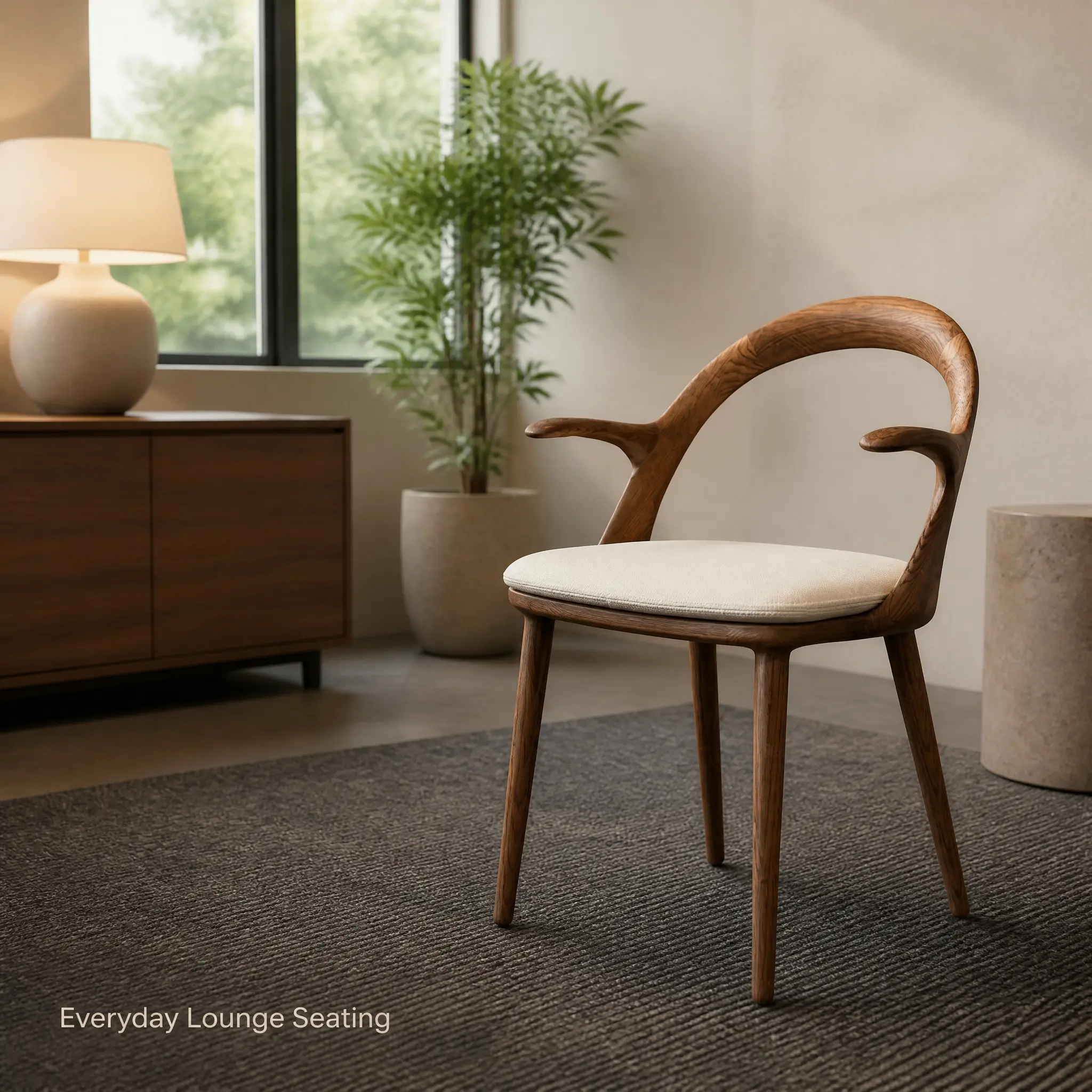
Latest Design QYM Artistic Curved Solid Ash Wood Dining Armchair QCX.Raffi‑02, Microfibre Leather, Smoked Finish Ash Wood Frame for Home, Restaurant and Hotel
View Product
Technical Roadmap & Future Outlook
How Dining Table Production Evolves Through 2027
The next competitive advantage in dining furniture will not come from a new silhouette. It will come from documented process control, traceable materials and manufacturing flexibility.
01
Now → 2027
Digital Specification & 3D Prototyping
Drawings, tolerances and finish codes handled as structured data rather than PDF attachments, shortening sample approval and eliminating interpretation error between buyer and factory floor.
02
Scaling
CNC & Robotic Finishing Cells
Automated routing, sanding and spray lines raise dimensional repeatability across large contract runs, while final upholstery and joint assembly remain the skilled bottleneck.
03
Emerging
Material Traceability
Batch-level records for timber origin, foam density and fabric roll numbers allow importers to answer compliance queries without reconstructing a production history after shipment.
04
2026 → 2028
Modular & Repairable Design
Replaceable seat covers, serviceable frames and disassembly-ready joint systems move dining seating toward a maintenance economy aligned with circular procurement criteria.
05
In Progress
Low-Impact Finishing
Water-based lacquers, reduced solvent content and controlled emission boards respond to tightening interior air-quality expectations in residential and hospitality specifications.
Experience · Expertise · Authority · Trust
Why Buyers Verify the Factory, Not Just the Catalogue
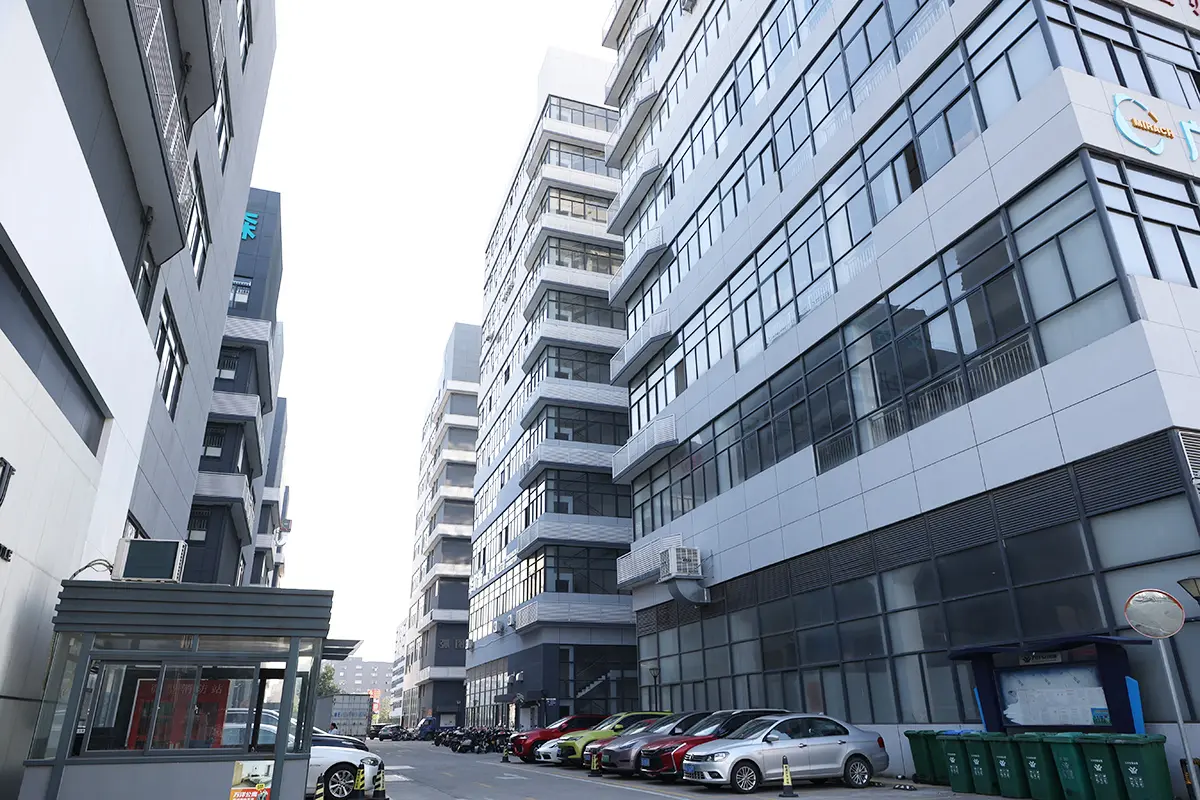
Qingyumai is the export brand of Foshan Qingyumai Technology Co., Ltd., an integrated furniture manufacturer in Longjiang, Shunde — the heart of the Foshan production cluster. For more than a decade we have combined in-house R&D, our own facility and a network of audited partner factories.
- Direct manufacturing experience: our team engineers and builds dining seating rather than reselling catalogues, so structural questions reach the people who answer them.
- Measured expertise: more than 100 original design and structure patents protect our seating platforms and frame engineering.
- Auditable authority: on-site QC engineers audit production lines for structural durability and finish consistency before every shipment.
- Traceable trust: pre-sale consultants document material configurations aligned with destination-market regulatory expectations.
Buyer Questions
Dining Tables Factories & Wholesaler — FAQ
Is Qingyumai a dining furniture manufacturer or a trading company?
Qingyumai is the export brand of Foshan Qingyumai Technology Co., Ltd., an integrated manufacturer covering R&D, production and international sales with its own production facility in Shunde, Foshan. For mixed dining, bedroom and outdoor orders we also coordinate a network of audited partner factories so that every category ships under one quality standard and one purchase order.
Can dining chairs be customised to my market and brand?
Yes. We customise dimensions, seat height and module count, upholstery and frame colours, fabric grades including microfibre leather, saddle leather, linen and commercial-grade contract fabrics, and branding such as woven labels and embossed logos for wholesale and project orders.
Which timber species are used for solid wood dining chairs?
Our dining programmes include solid white ash and solid ash with walnut and smoked finishes, alongside imported larch for upholstered frames. Timber is kiln-dried and end grain is sealed to improve dimensional stability in humid and coastal climates.
Can I combine dining furniture with sofas, beds and mattresses in one container?
Yes. Our post-sale team handles container consolidation across categories, planning loading space to reduce ocean freight cost per unit while using multi-layer export crating to prevent transit damage on timber edges and upholstery.
How is quality controlled during a dining chair production run?
Our internal QC engineers carry out on-site production line audits that check joint integrity, structural durability and finish consistency. Pre-sale consultants recommend material configurations aligned with the regulatory standards of your destination market before production begins.
Where is the dining furniture factory located?
We are located in Hui Cheng Industrial Park, Longjiang Town, Shunde District, Foshan, Guangdong, China — one of the world's best-known furniture manufacturing hubs. Buyers are welcome to arrange factory and showroom visits, and our team can coordinate verification visits for new importers.
Which buyers do you typically supply?
We supply furniture wholesalers and importers, hotel and hospitality procurement teams, property developers, interior design firms, salon operators and residential clients that need coordinated dining, bedroom and living furniture across multiple rooms.
Work With The Factory
Need a Wholesale or Custom Dining Furniture Solution?
Get our latest dining chair and table collections, material options and customisation guide. Our export team will help you plan categories, configurations and container loading for your market.