Guestroom-Ready Collection
Beds, Mattresses & Seating for Hospitality Procurement
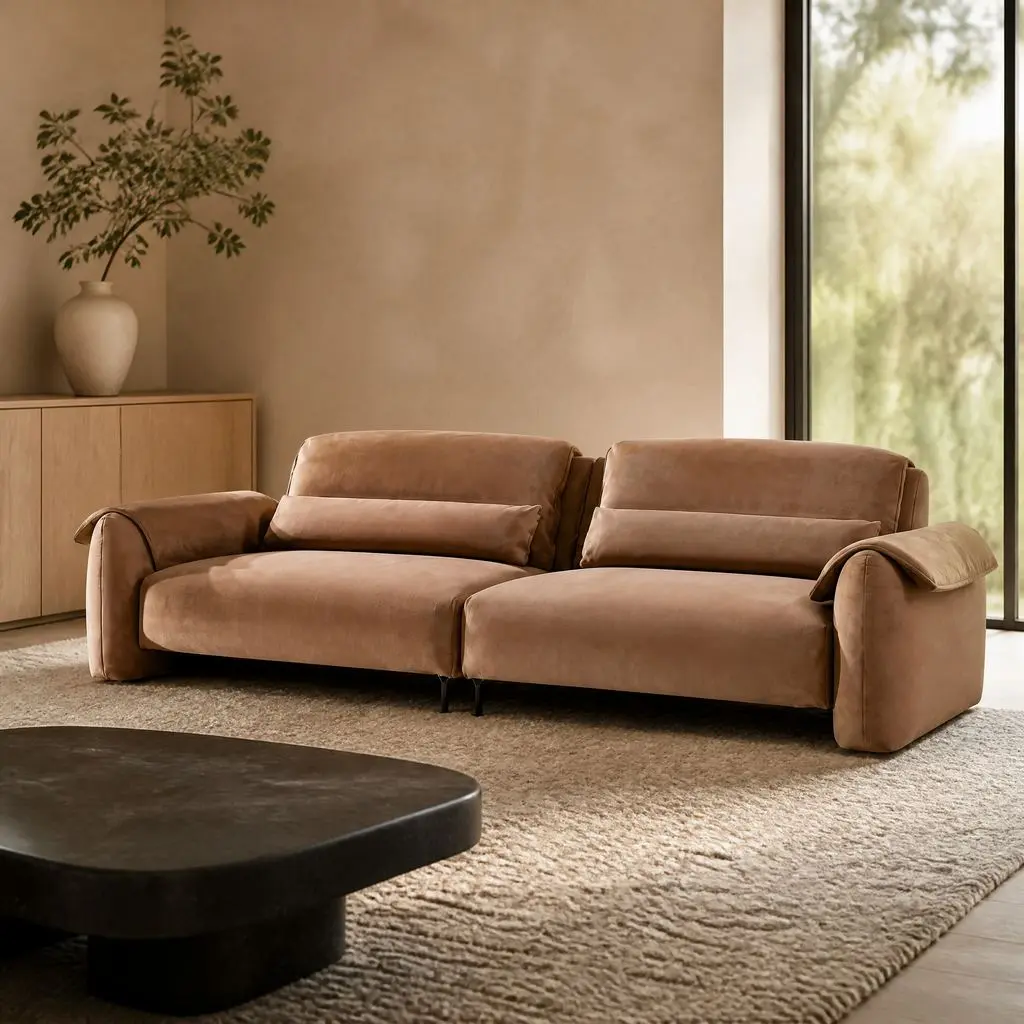
QYM M1082 Modern Sectional Sofa – Imported Larch Wood Frame, Metal Legs, High-Density Foam & Washable Frosted Velvet Covers
View Product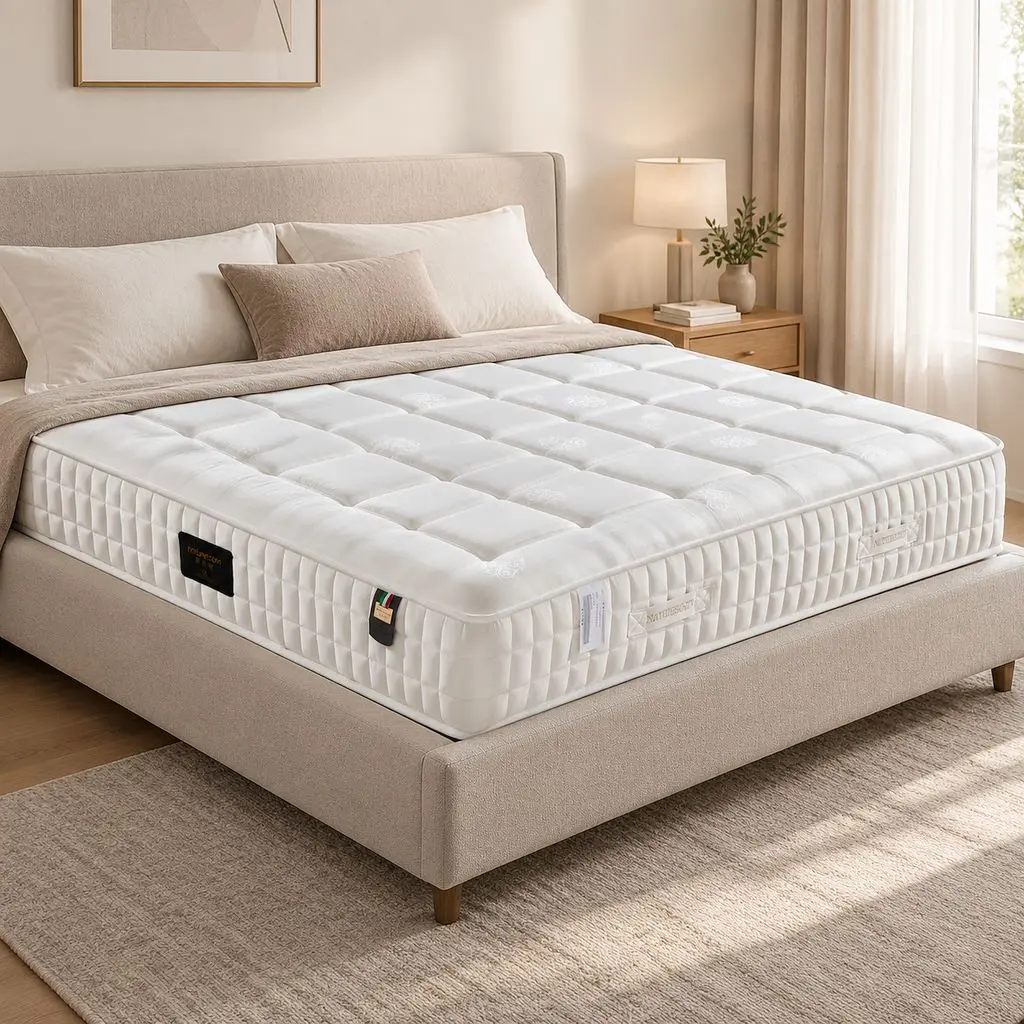
QYM YL-01 Handmade Mattress – Silent Pocket Springs, Double Comfort Cotton, Cloud Memory Foam & Woven Cotton Fabric
View Product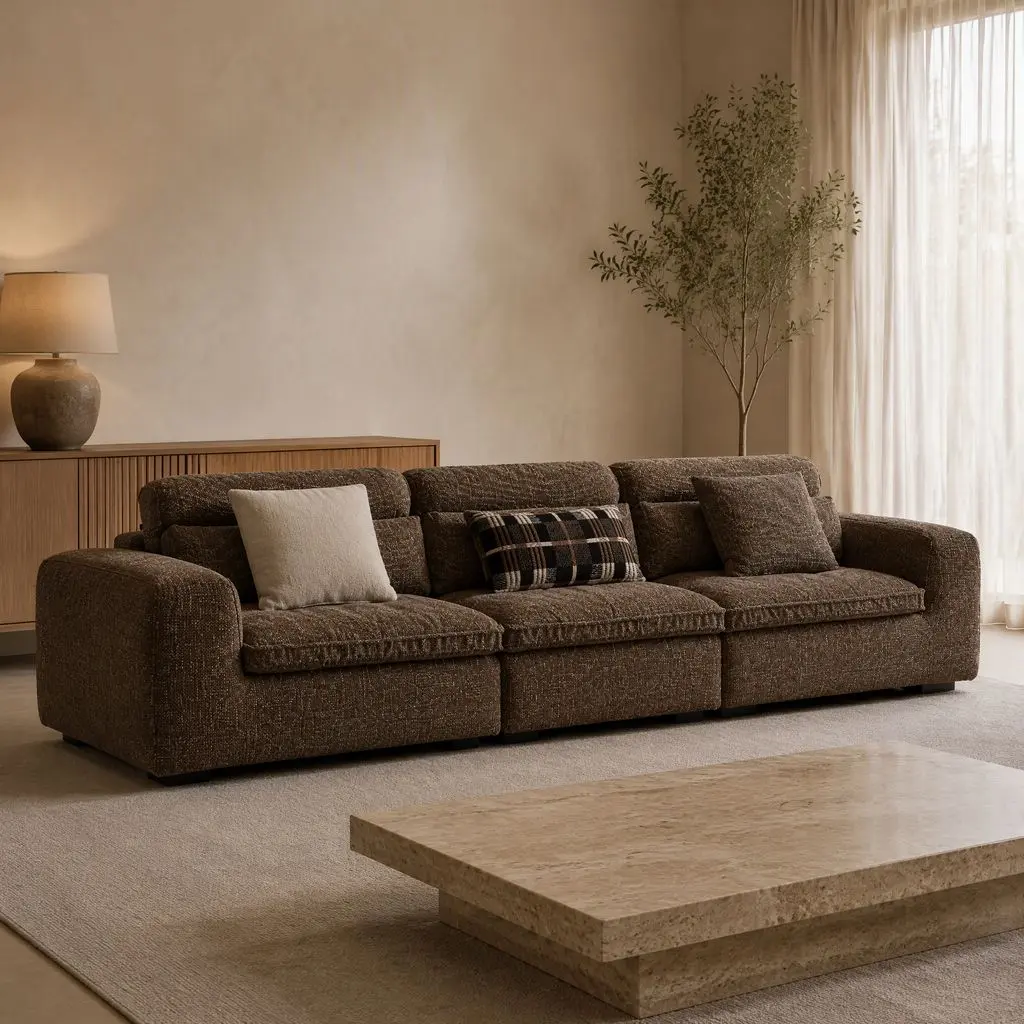
QYM M1096 Modern Modular Sectional Sofa – Latex Cushions, Larch Wood Frame, Solid Wood Legs & Two-Tone Textured Linen
View Product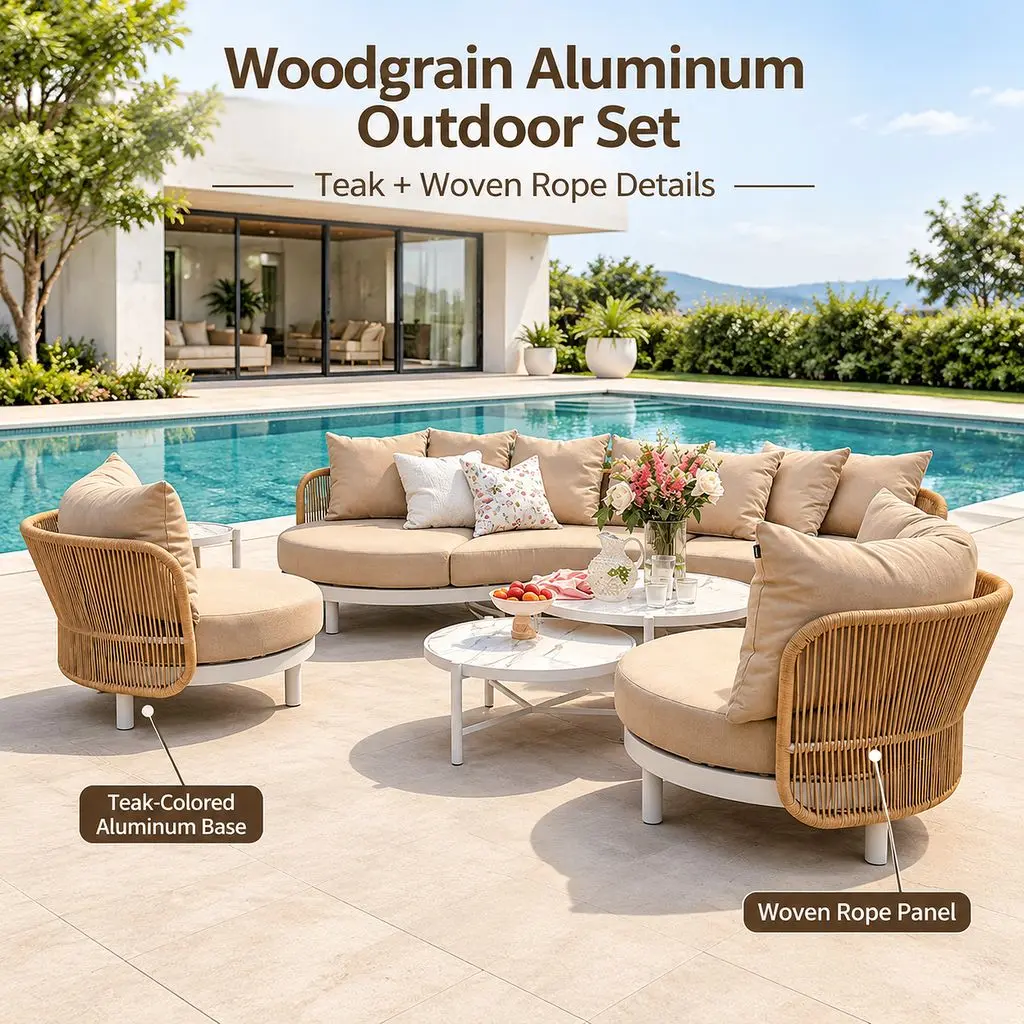
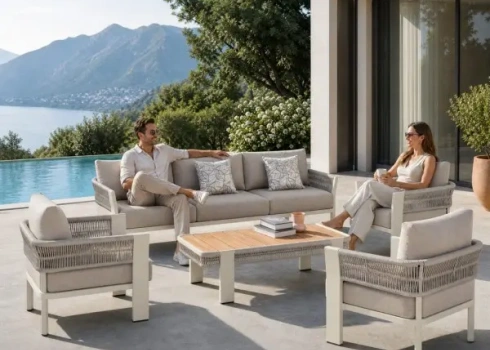
QYM XD-60010 Modern Outdoor Sofa Set – Wood-Grain Aluminum Frame, Teak Armrests, Woven Rope & Waterproof Cushions
View Product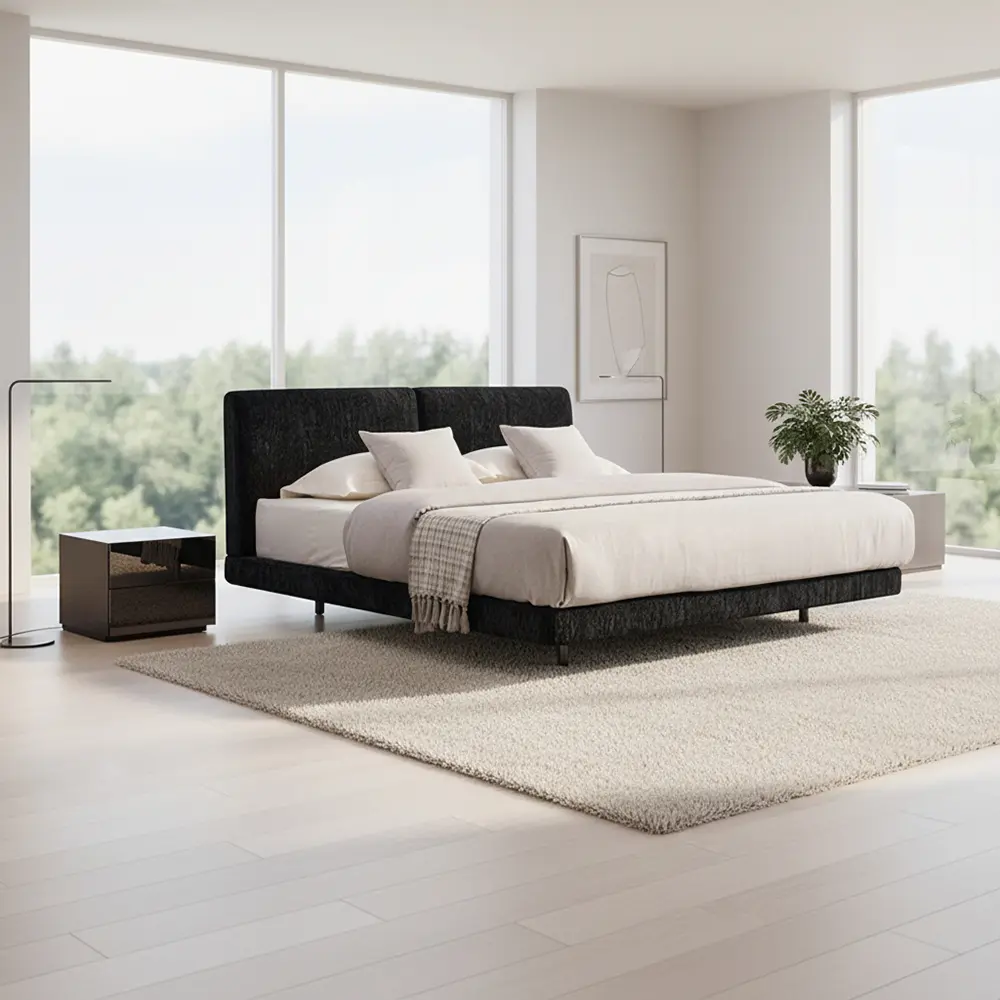
QYM C190-A Luxury Modern Upholstered Fabric Bed – Premium Cotton Linen Platform Frame with Integrated Storage & Reinforced Solid Wood Core
View Product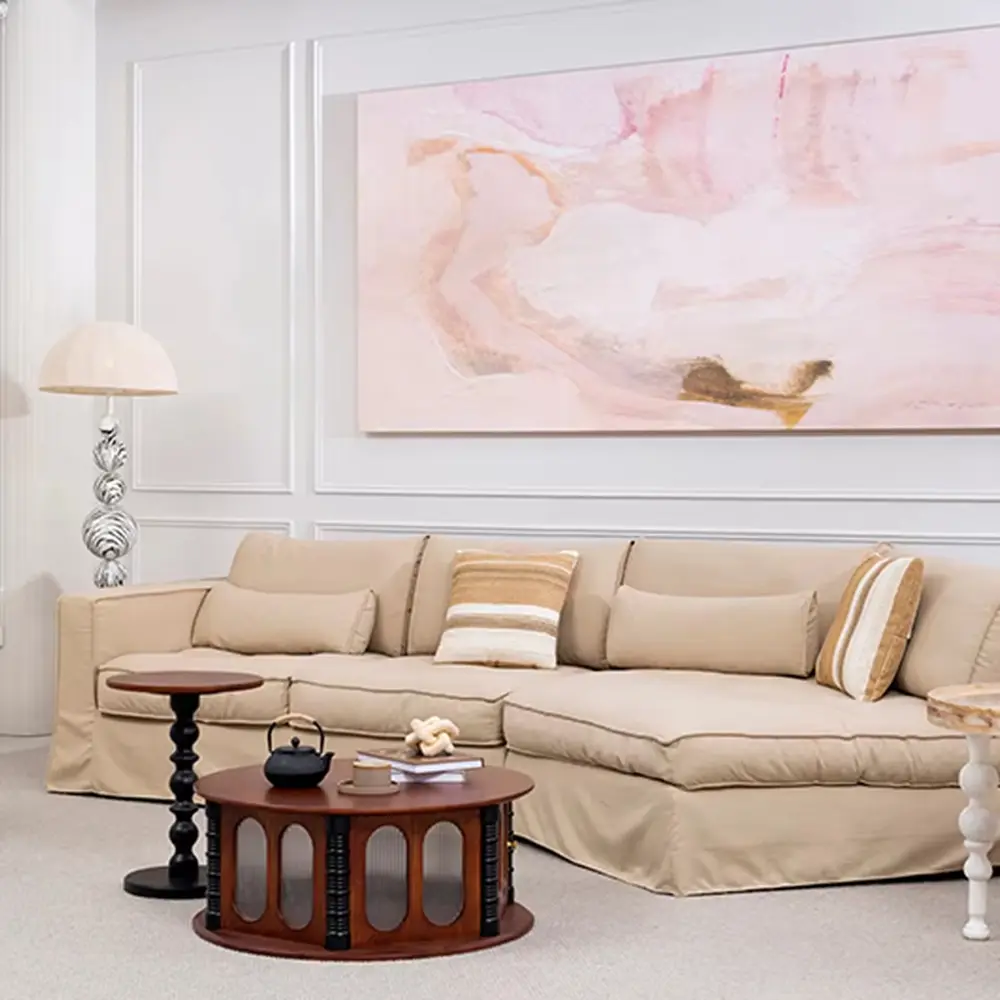
QYM M1053 Contemporary Modular L-Shape Sectional Sofa – Breathable Cotton Linen, Responsive Latex Padding & Removable Cover
View Product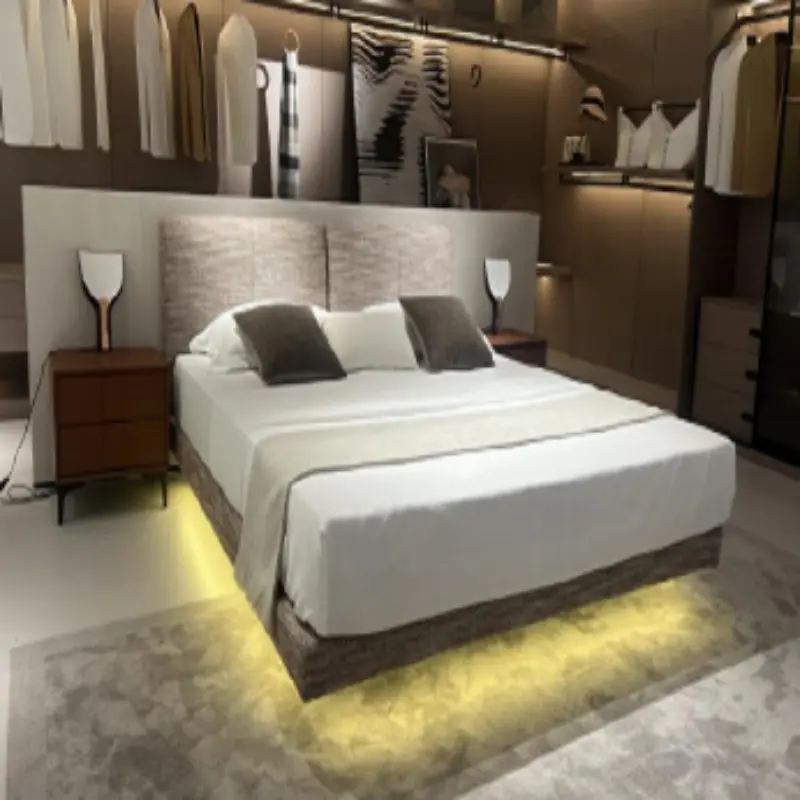
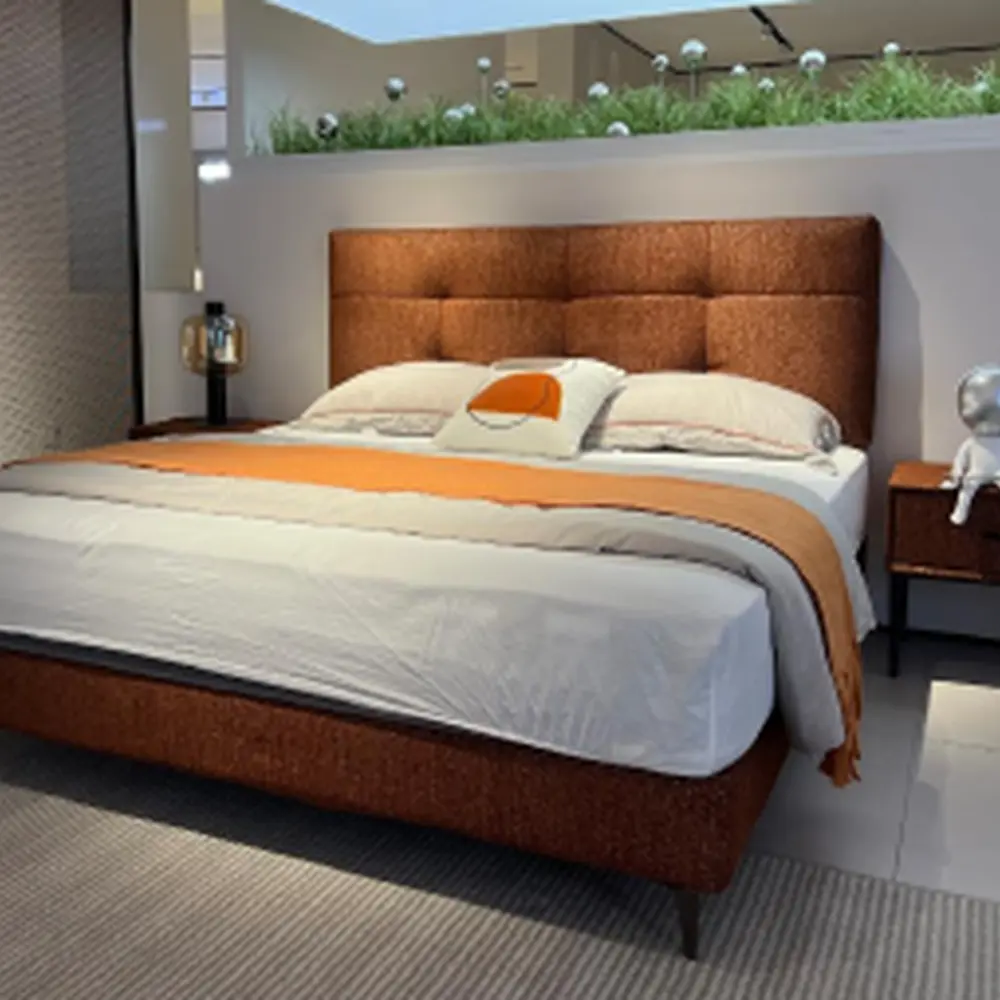
QYM C190 Floating Fabric Upholstered Bed with a Warm Upholstered Finish
View Product
Chapter 01 · Market Context
Why Hotel Guestroom Furniture Is a Strategic Sourcing Category
Guestroom furniture is the single largest FF&E line item in most hospitality projects. A bed frame, mattress, headboard, nightstands, desk and accent seating must simultaneously satisfy brand standards, fire and durability codes, guest comfort expectations and a hard opening date. That combination makes the sourcing decision less about price per unit and more about supply-chain reliability.
As a hotel guestroom furniture manufacturer and wholesaler, Qingyumai operates inside the Foshan–Shunde furniture cluster — a production ecosystem that supplies a significant share of the world's contract and residential furniture. This whitepaper distils what we have learned from more than a decade of exporting to importers, hotel procurement teams, developers and interior design firms, and explains how buyers can evaluate a Chinese factory partner with confidence.
The goal is information gain: not another catalogue page, but a practical reference for procurement managers who need to compare manufacturers, de-risk specification decisions and align factory output with brand standards across a multi-property rollout.
Qingyumai is the export brand of Foshan Qingyumai Technology Co., Ltd., an integrated furniture manufacturer based in Longjiang, Shunde. For more than 10 years we have combined in-house R&D, our own production facility and a network of rigorously audited partner factories to deliver coordinated living room, bedroom, dining, office, salon, outdoor and hotel furniture under one purchase order, one QC standard and one shipping plan.
For procurement teams the practical result is fewer vendors to manage, consistent finishes across every guestroom prototype, and factory-direct pricing that protects project margins without sacrificing compliance.
Whether you are furnishing a 120-key boutique conversion or restocking a distribution warehouse with upholstered beds and mattresses, the same engineering and quality-assurance principles apply.
10+Years supplying global hospitality and wholesale markets
100+Original design and structure patents owned
19Furniture categories under one supplier
4OEM / ODM customization dimensions
Chapter 02 · China Factory Advantages
The Structural Advantages of Sourcing Hotel Guestroom Furniture from China
Buyers often ask why Chinese factories dominate contract furniture supply. The answer is not simply labour cost. It is vertical integration, component depth, tooling speed and a mature export logistics network that no other single region replicates at the same scale.
Cluster-Based Component Depth
Foshan and Shunde host thousands of specialized suppliers for foam, hardware, upholstery, kiln-dried hardwood and finishing. A single bed frame can draw on a dozen mature sub-suppliers within a 30 km radius, compressing lead times.
Rapid Prototyping & Tooling
In-house CAD and sample workshops mean a custom headboard profile or branded stitching detail can move from drawing to physical sample in days, not months — critical when a hotel brand requires prototype approval.
Mature Export Logistics
Shenzhen, Guangzhou and Nansha ports offer dense container schedules to North America, Europe, the Middle East and Oceania. Consolidation across categories reduces freight cost per unit and simplifies customs documentation.
Contract Fabric & Compliance Options
Commercial-grade fabrics, fire-retardant foams and treated hardwoods are readily available, letting buyers match regional standards such as CAL 117, BS 5852 or IMO requirements without switching suppliers.
Cost Engineering at Scale
Access to volume pricing on foam, springs, fabric and hardware lets manufacturers engineer value without downgrading structural components — the difference between a bed that survives 300 hotel cycles and one that does not.
Shortened Sampling Cycles
Because fabric mills, foam converters and frame workshops sit side by side, revisions to a sample are executed in a fraction of the time a dispersed supply chain would allow, protecting project schedules.
Chapter 03 · Industry Trends
Six Trends Reshaping Hotel Guestroom Furniture in 2025–2030
Wellness-Led Sleep Design
Hotels now specify mattress systems by pressure-relief and breathability, not just firmness. Pocket-spring counts, latex layers, phase-change foams and moisture-wicking covers are becoming standard guestroom specs.
Modularity & Adaptability
Modular bed bases and sectional seating allow a property to reconfigure rooms during refurbishment cycles without replacing entire suites — extending asset life and reducing landfill waste.
Traceable, Low-Emission Materials
Procurement teams increasingly request FSC-certified wood, low-VOC adhesives and recycled-fibre foams. Manufacturers that can document material provenance gain a measurable tender advantage.
Integrated Smart Storage
Under-bed and lift-up storage, hidden charging points and integrated lighting are no longer optional in compact urban hotels; they are part of the guestroom specification brief.
Localized Design Language
International hotel brands now expect a "sense of place." Woven textures, terrazzo-topped nightstands and regionally inspired upholstery palettes are replacing generic global templates.
Durability as Sustainability
The most sustainable furniture is furniture that does not need replacing. Buyers are rewarding manufacturers who publish abrasion cycles, frame load tests and foam density figures instead of vague "commercial quality" claims.
Chapter 04 · Localized Application Scenarios
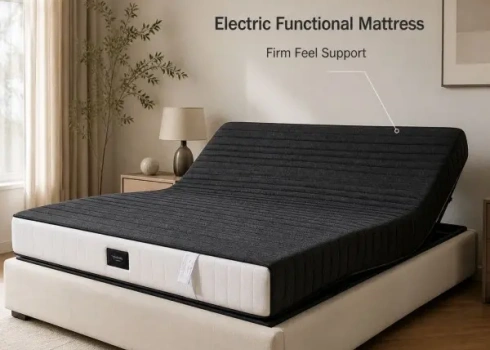
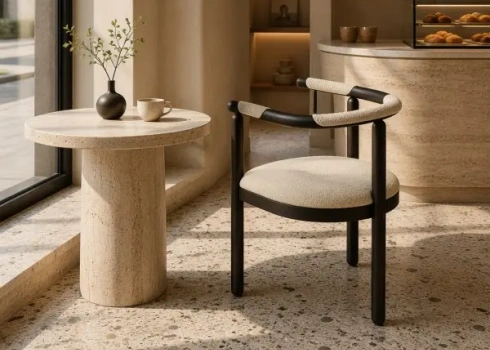
Guestroom Furniture in Real Hospitality Contexts
A specification that works in a five-star city hotel may fail in a coastal resort or a compact airport property. Below are the application contexts that most often drive custom briefs.
Urban Business Hotels
Compact footprints, high turnover and a need for integrated desk, storage and charging. Upholstered platform beds with lift-up storage and durable microfibre or contract leather finishes perform well.
Coastal & Resort Properties
Salt air, humidity and sun exposure demand aluminium frames, olefin rope, teak detailing and quick-dry foams. Guestroom balcony sets must survive continuous UV and salt spray testing.
Boutique & Lifestyle Conversions
Heritage buildings with irregular room shapes need custom-dimensioned beds and casegoods. Localized design language — woven textures, brass accents, terrazzo details — differentiates the property.
Serviced Apartments & Extended Stay
Guests stay weeks or months, so furniture must feel residential while withstanding heavier use. Modular sofas with removable, washable covers and reinforced dining seating reduce lifecycle cost.
Chapter 05 · Macro Industry Solutions
From Single-Room Order to Multi-Property Rollout
Hospitality procurement rarely happens one room at a time. A manufacturer's value is measured by how well it manages a phased programme across thousands of identical units while preserving consistency.
Consolidated Multi-Category Supply
Instead of contracting separate vendors for beds, mattresses, seating and casegoods, a single manufacturer with broad category coverage can synchronize finishes, hardware and packaging. This reduces the risk of colour mismatch between a headboard and nightstand, and simplifies inbound receiving at the property.
Phased Delivery Alignment
Large hotels open floor by floor. A factory partner should be able to sequence production and container loading to match a construction programme — delivering the first 80 keys while the upper floors are still being fitted out.
Post-Opening Replacement Supply
The relationship does not end at handover. Hotels need replacement mattresses, upholstery and casegoods for years afterwards. Retaining the original manufacturer's specifications and fabric references avoids sourcing drift during refurbishment.
| Programme Stage | Manufacturer Role |
|---|---|
| Concept | Translate interior drawings into manufacturable specifications and advise on durability. |
| Prototype | Produce a physical guestroom sample set for brand and stakeholder sign-off. |
| Value Engineering | Preserve appearance and structural integrity while aligning to budget. |
| Production | Run in-line QC audits and finish-consistency checks across every batch. |
| Handover | Consolidate containers, sequence delivery and document packing lists. |
| Aftercare | Supply replacement units and retain fabric and component references. |
Chapter 06 · Global Buyer Demand
What Global Procurement Teams Ask Before Placing an Order
Whether a buyer is based in Dubai, Rotterdam, Los Angeles or Melbourne, the underlying concerns converge on a handful of questions. Addressing them at the start of a conversation accelerates every project.
Can documentation match our market?
Buyers require fabric test reports, foam flammability certificates and wood sourcing declarations that align with their local regulator — not generic exports.
What is the realistic lead time?
Buyers want a schedule they can plan a property opening around, including sample approval, production, QC and ocean transit windows.
How transparent is pricing?
Professional buyers expect itemized quotations covering materials, fabrication, packaging, inland freight and a clearly stated Incoterm.
Can mixed containers be consolidated?
Importers often want beds, sofas and dining chairs in one container to reduce freight cost per unit, which requires loading expertise.
Is private label possible?
Retailers and distributors need woven labels, embossed logos and custom packaging so the factory product arrives as their own brand.
Who responds when something goes wrong?
Accountability matters. Buyers want a named export manager, documented QC reports and a clear process for resolving transit damage.
Chapter 07 · Customization Workflow
How a Custom Guestroom Order Moves from Brief to Container
Project Brief
Share drawings, target market and budget. Consultants map each room to suitable categories.
Material Engineering
We recommend frames, foams and fabrics that meet your destination's regulatory standards.
Sample Approval
Pre-production samples confirm dimensions, colour and comfort before mass production.
In-Line QC Audits
QC engineers test structural durability and finish consistency on the factory floor.
Consolidated Shipping
Mixed-category container loading and multi-layer export crating reduce freight cost and damage.
Frequently Asked Questions
Hotel Guestroom Furniture — Buyer Q&A
Is Qingyumai a furniture manufacturer or a trading company?
Qingyumai is the export brand of Foshan Qingyumai Technology Co., Ltd., an integrated manufacturer covering R&D, production and international sales with its own production facility in Shunde, Foshan. For whole-house and hospitality orders we also coordinate a network of audited partner factories so that every category ships under one quality standard and one purchase order.
Do you accept OEM and ODM hotel furniture orders?
Yes. We customize dimensions, upholstery and frame colours, fabric grades (cashmere, cotton-linen, cool-touch and commercial-grade contract fabrics) and branding such as woven labels and embossed logos for wholesale and project orders.
Can I combine beds, mattresses, sofas and dining furniture in one container?
Yes. Our post-sale team handles container consolidation across categories, planning loading space to reduce ocean freight cost per unit while using multi-layer export crating to prevent transit damage.
How do you control quality during mass production?
Our internal QC engineers carry out on-site production line audits that check structural durability and finish consistency, and pre-sale consultants recommend material configurations aligned with the regulatory standards of your destination market.
Which buyers do you typically work with?
We supply furniture wholesalers and importers, hotel and hospitality procurement teams, property developers, interior design firms, salons and residential clients that need coordinated furniture for multiple rooms.
Where is your factory located?
We are located in Hui Cheng Industrial Park, Longjiang Town, Shunde District, Foshan, Guangdong, China, one of the world's best-known furniture manufacturing hubs. Buyers are welcome to arrange factory and showroom visits.
What lead time should a hotel project expect?
Lead time depends on category mix, customization depth and volume. A typical sequence covers sample development, approval, bulk production, QC inspection and ocean transit. Your export manager will prepare a schedule aligned with your property's opening or refurbishment milestone.
Can you supply matching replacement units after opening?
Yes. We retain specifications, fabric references and component records from the original order so that replacement mattresses, upholstery or casegoods remain consistent with the installed guestroom scheme during refurbishment cycles.
Planning a Hotel Guestroom Furniture Order?
Share your room count, brand standard, target market and opening date. Our export team will map categories, propose material configurations and outline a container loading plan for your project.
More Wholesale Selections
Dining, Upholstered Beds & Sofa Models for B2B Buyers
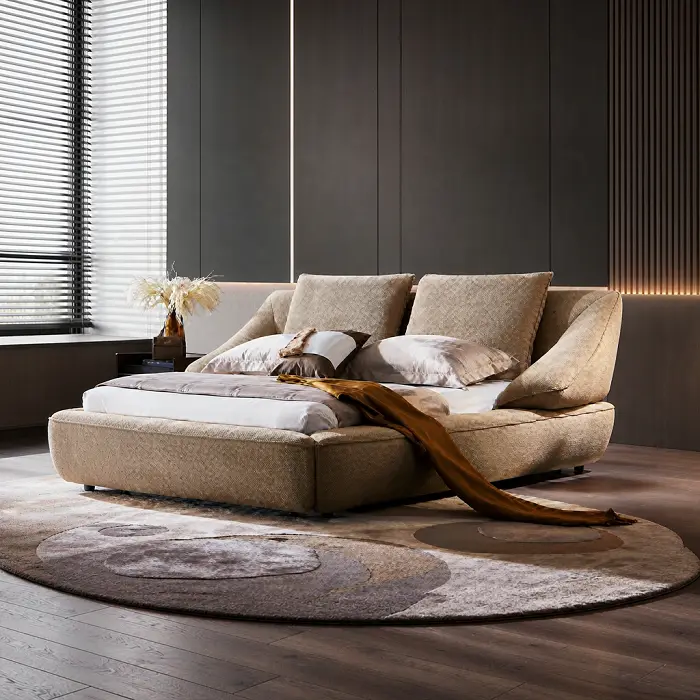
QYM C155 Linen Upholstered Bed – Soft Linen Texture with a Welcoming Contemporary Presence
View Product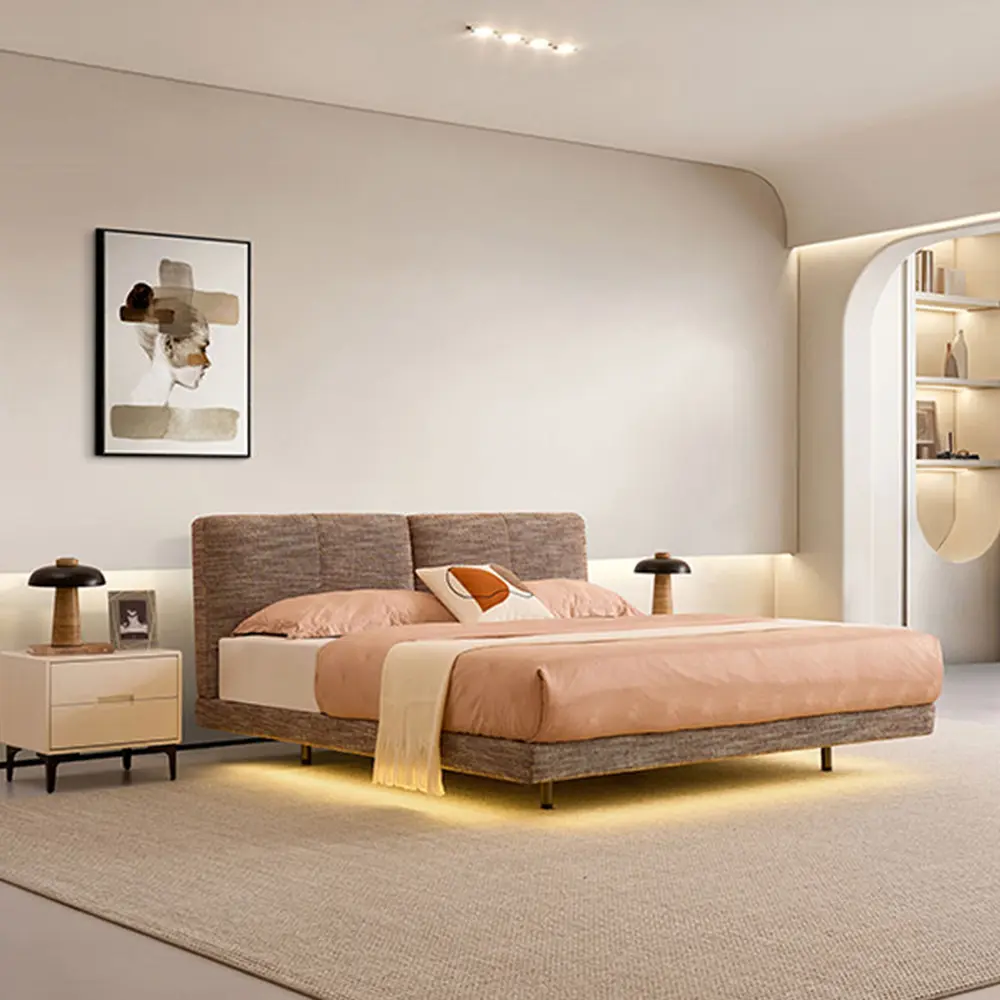
QYM C190-C Elegant Luxury Pink Soft Bed – Queen Size Cotton and Linen Upholstered Frame with Integrated Storage & Reinforced Solid Wood Core
View Product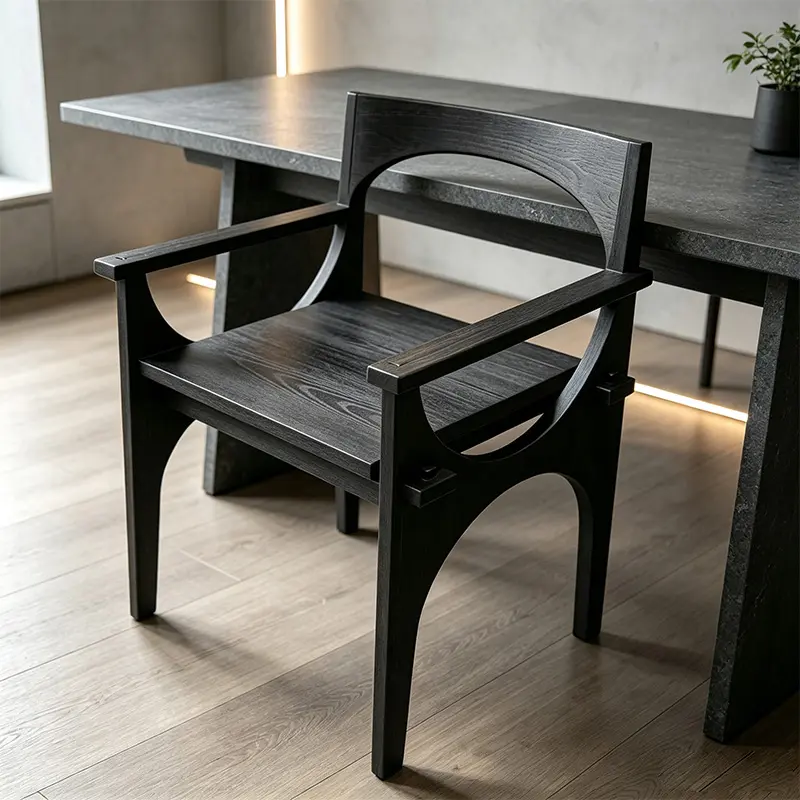
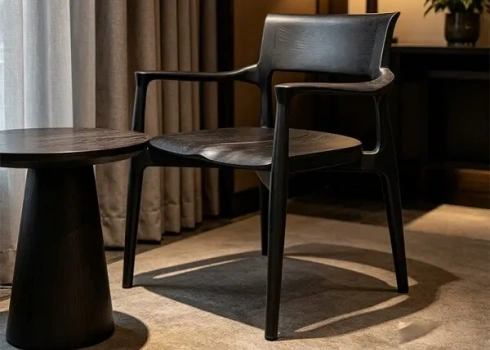
QYM Modern Armrest Solid Ash Wood Dining Chair – Smoked Black Finish, Hollow Cut-Out Backrest for Home, Restaurant & Hotel
View Product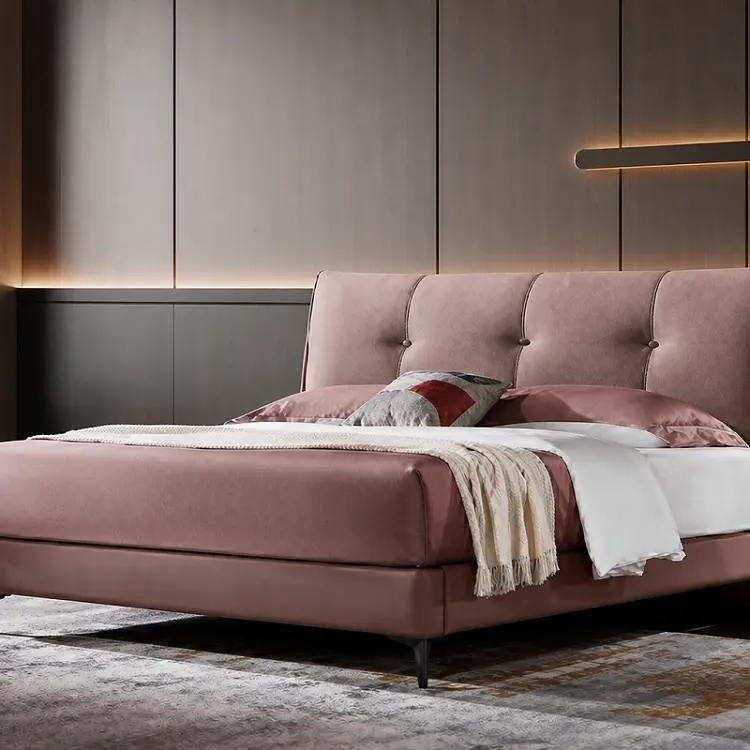
C160 Upholstered Bed – Clean Lines and Soft Mixed-Material Comfort for Modern Rooms
View Product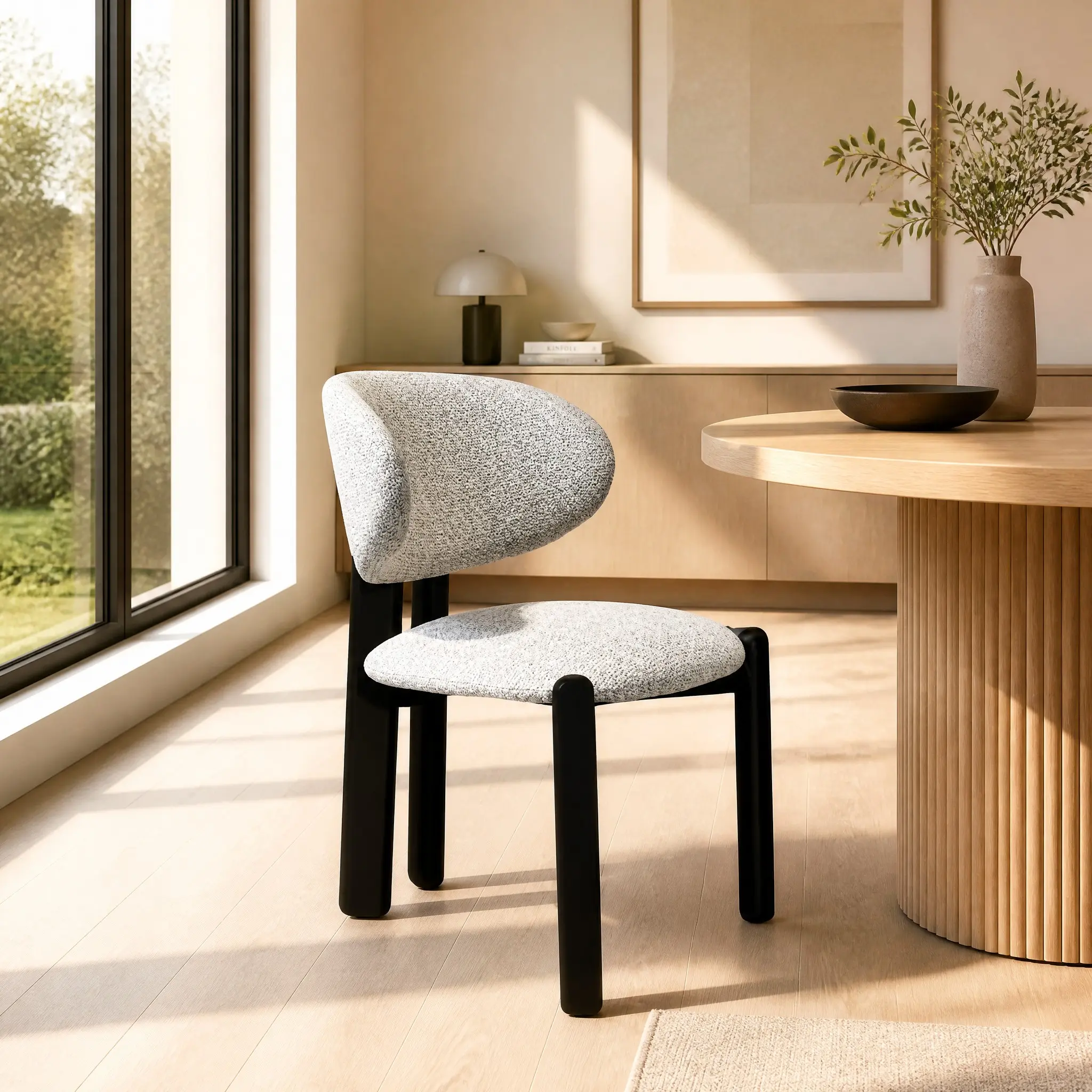
QYM Italian Minimalist Dining Chair – Coffee Microfiber Leather Upholstered Side Chair with Smoked Ash Wood Legs
View Product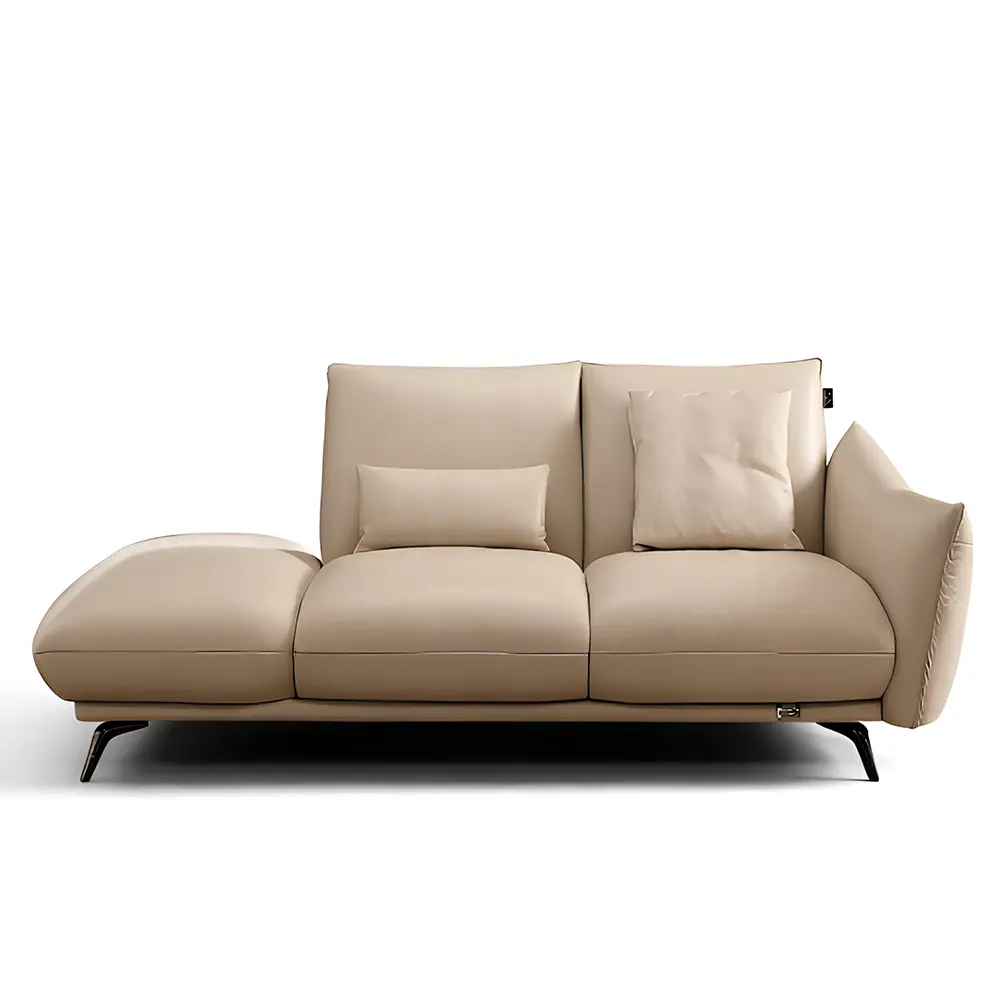
QYM Modern Luxury Italian Leather Sectional Sofa – Super Soft Blue Genuine Leather L-Shape Couch for Living Room & Home Office
View Product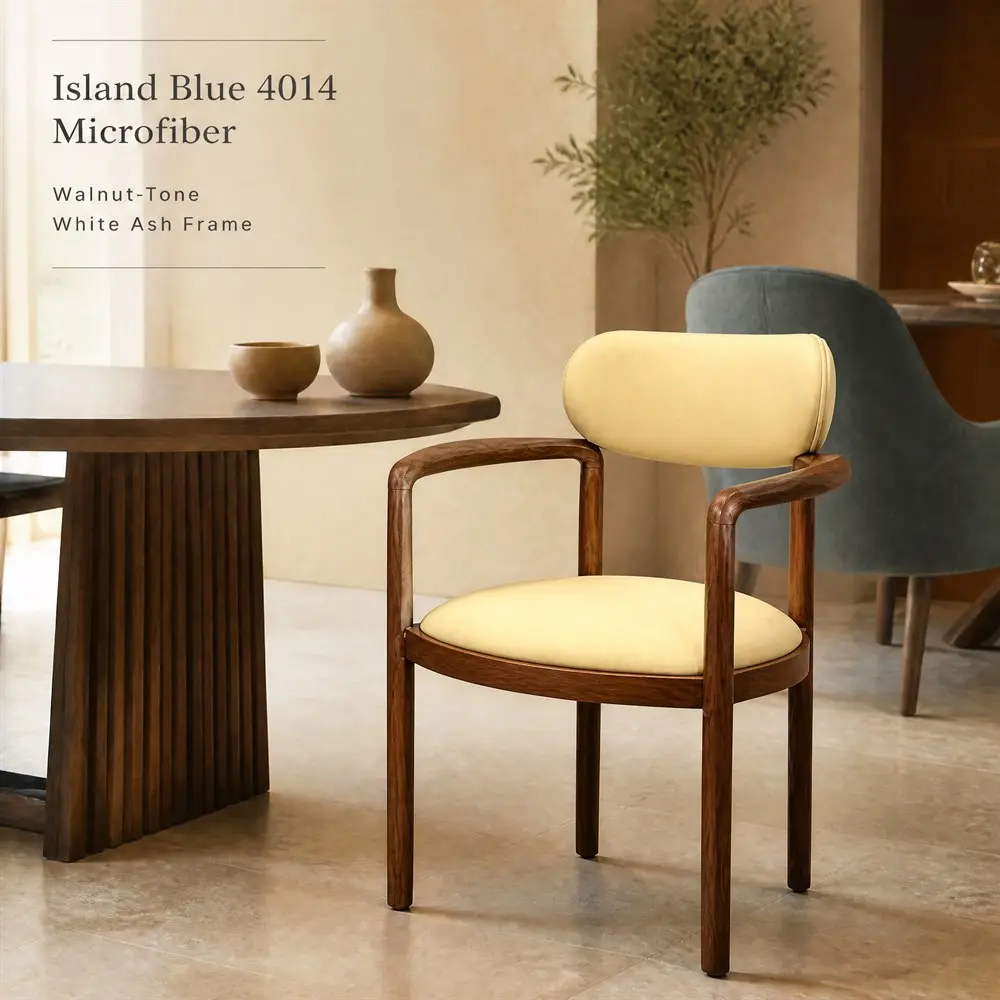
QYM Modern Solid Ash Wood Arm Dining Chair – Yellow Microfiber Upholstered Accent Chair, Walnut Finish White Ash Frame
View Product