
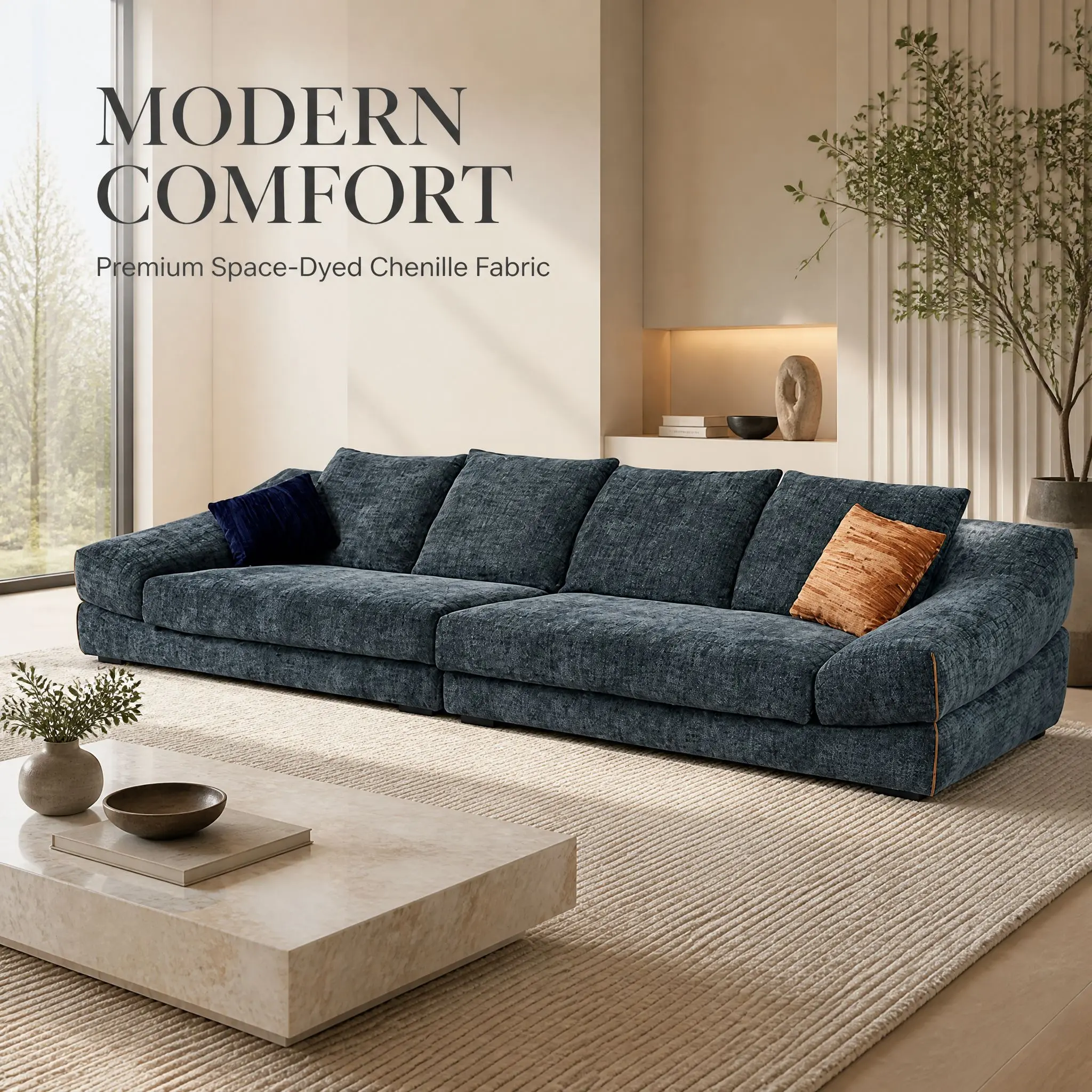
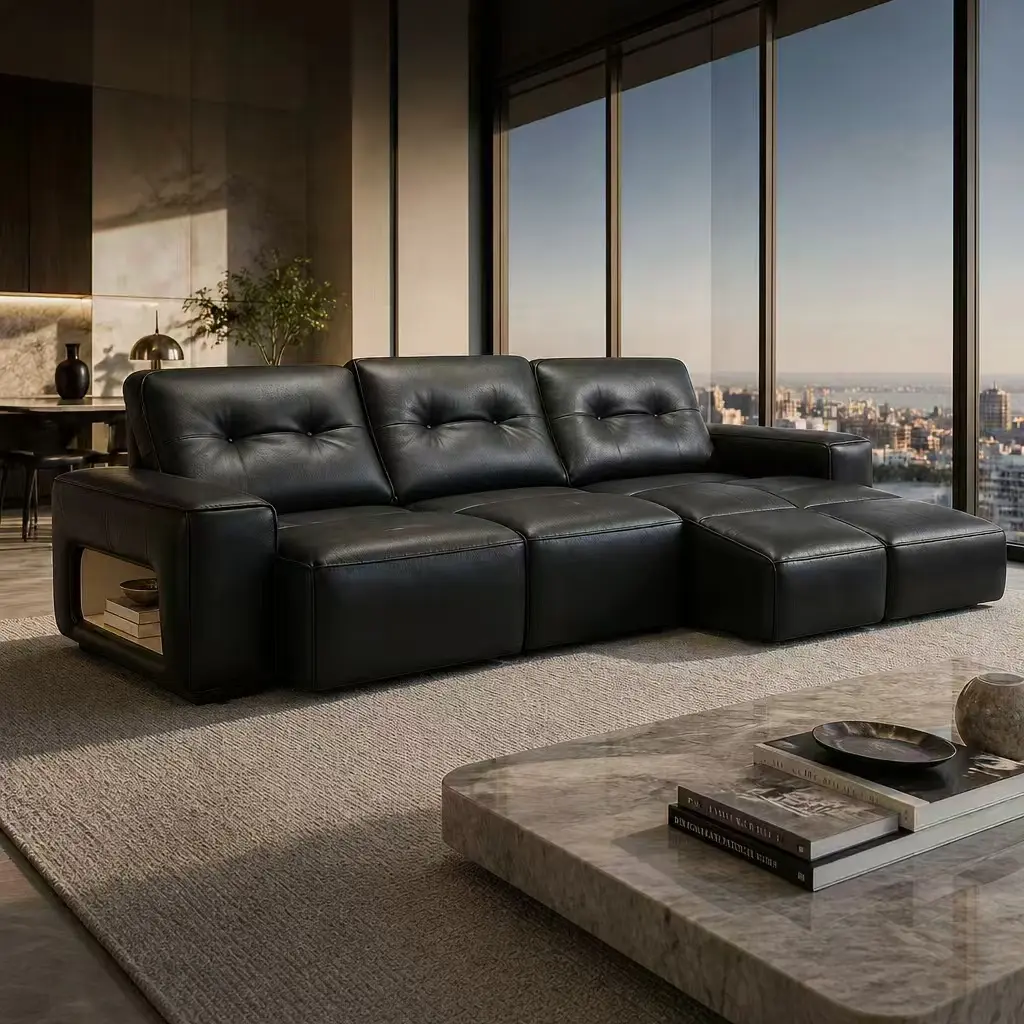
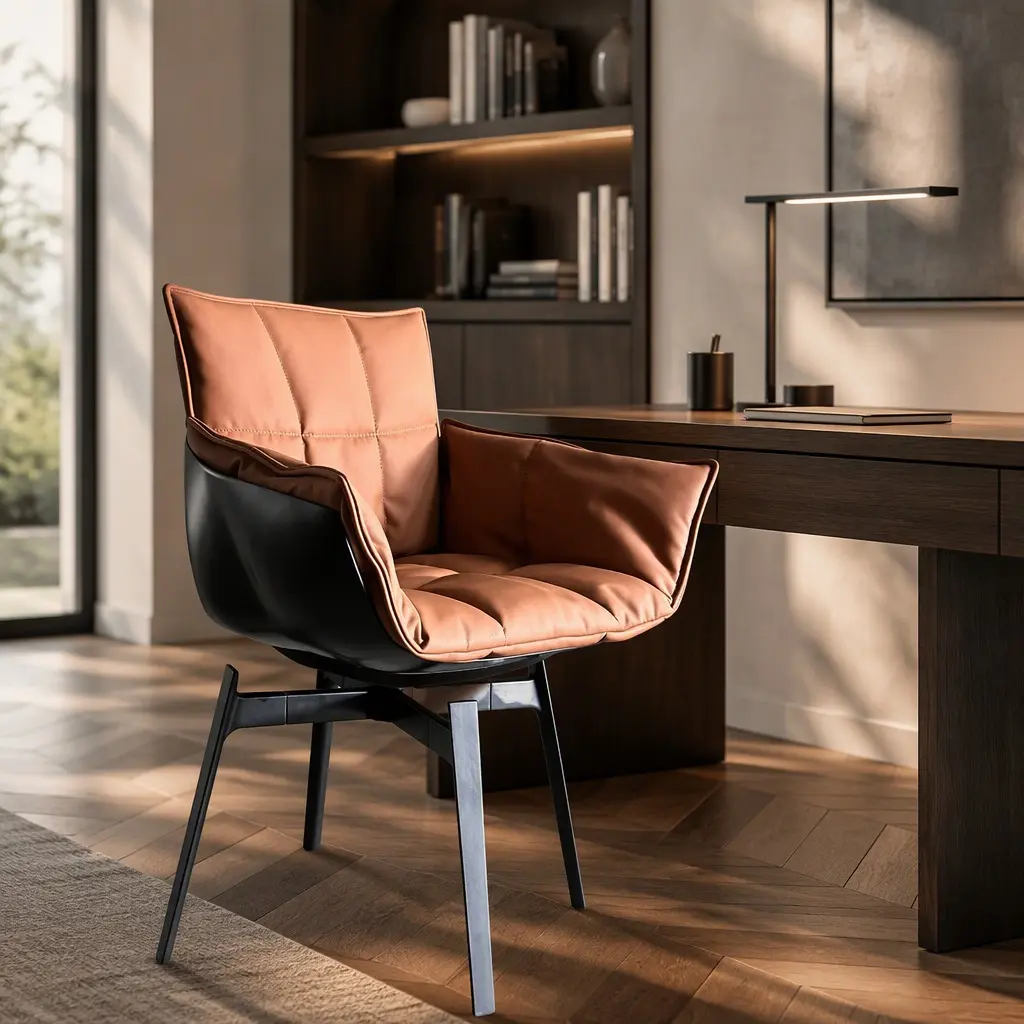
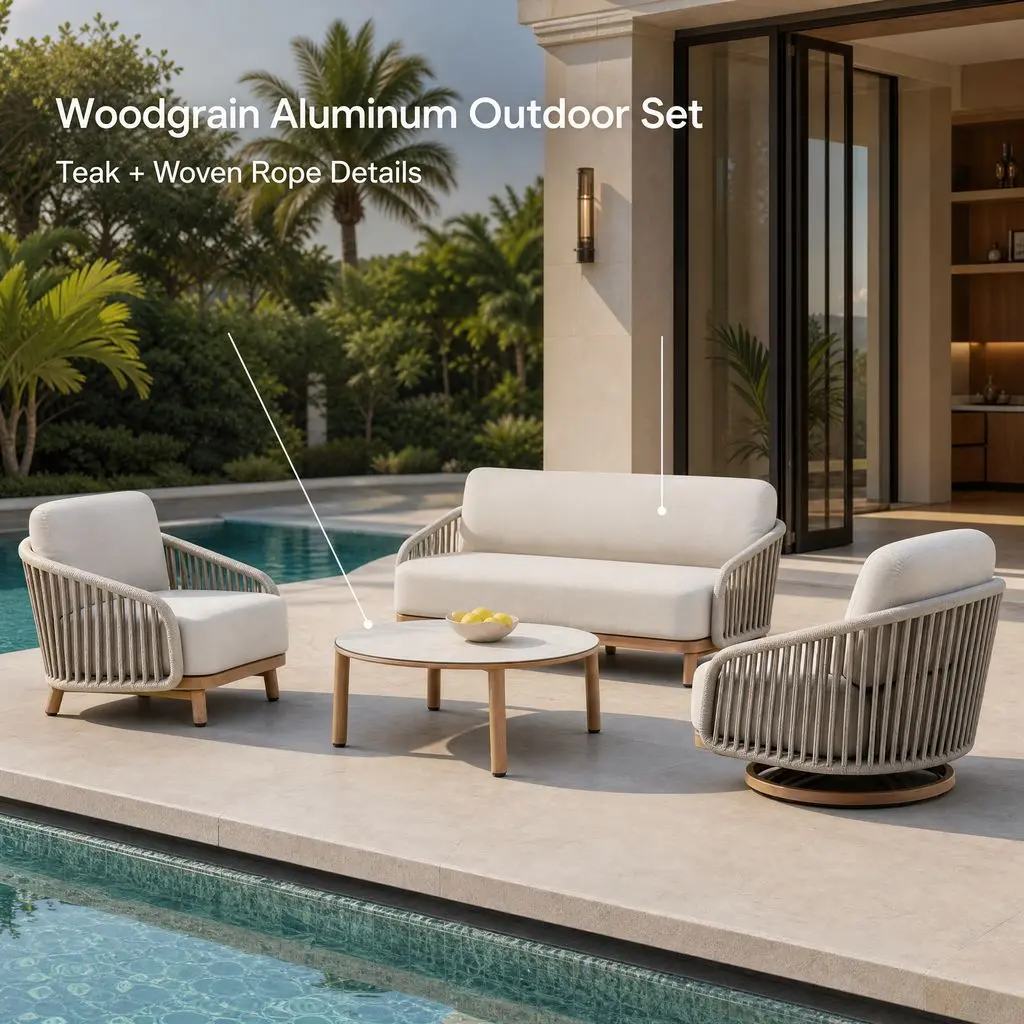
Signature Accent Seating
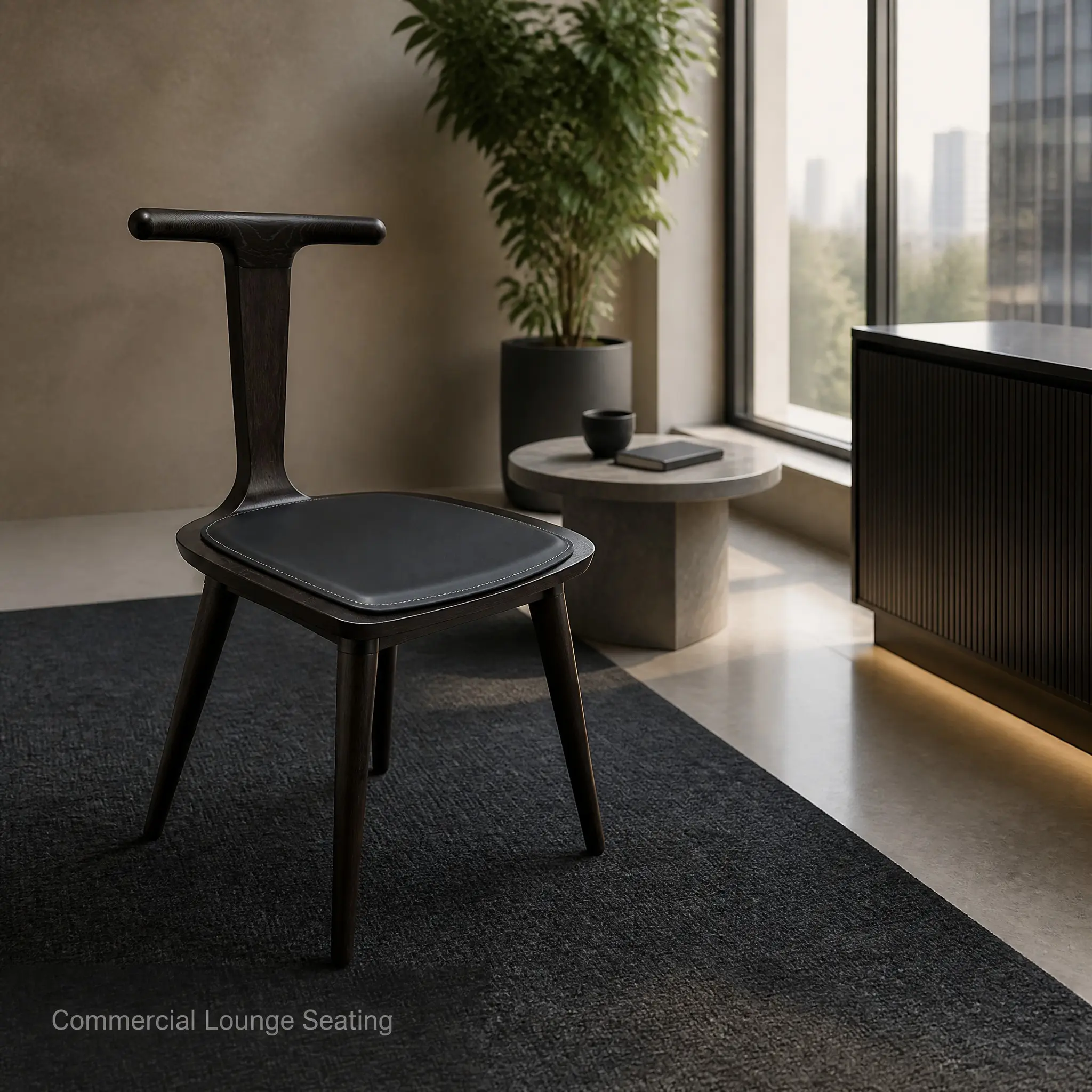
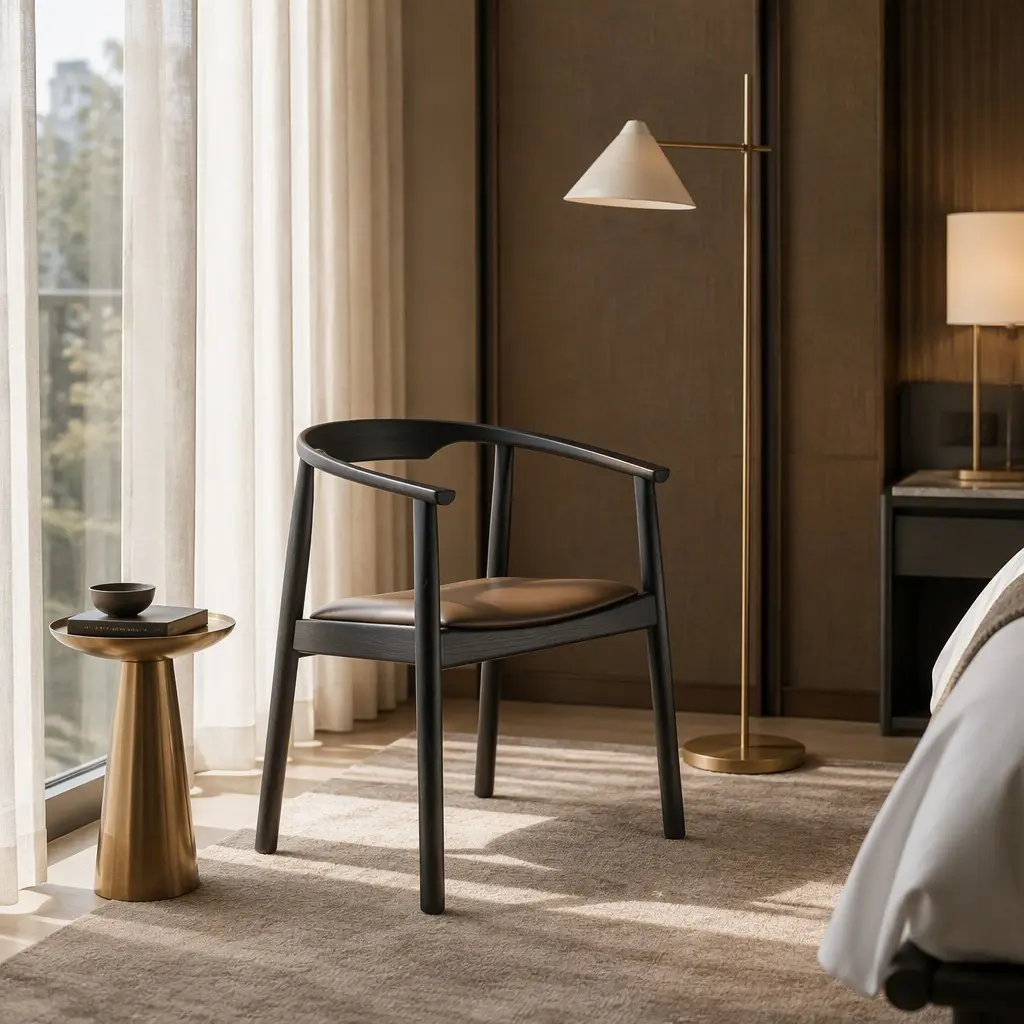
Four Anchor Models for Australian Wholesale Programs
Each model below is available for OEM/ODM customization — dimensions, upholstery grade, frame finish and private-label branding — with sample lead times built around Australian retail and project calendars.
Who We Are
A Foshan Accent Chair & Chaise Factory Built for Australian Buyers
Qingyumai is the export brand of Foshan Qingyumai Technology Co., Ltd., an integrated furniture manufacturer in Longjiang, Shunde — the heart of the Foshan furniture cluster. For over a decade we have supplied accent chairs, chaises, sofas, beds, dining and outdoor furniture to importers, hotel procurement teams, property developers and design studios across the world, including a growing roster of Australian clients.
Experience You Can Audit
More than ten years of export production, in-house R&D and a factory floor in Shunde — not a trading desk. Buyers can visit the facility in person or arrange a video walkthrough of the upholstery, frame and foam lines before committing to a first container.
Expertise Across Categories
Accent chairs sit inside a 19-category portfolio. That matters for Australian buyers assembling a whole-house or hotel FF&E package: fabric, frame and finish specifications can be harmonized across accent seating, sofas, beds and dining under one QC owner.
Authority & Accountability
100+ original design and structure patents, dedicated QC engineers and a pre-sale consulting layer that advises on material configurations aligned with destination-market regulations. One contract, one accountable team, one quality standard.
Trust-First Communication
Transparent sampling, in-line QC photo reports, consolidated container loading plans and post-sale documentation. Australian buyers get the same production evidence we provide to hotel groups and wholesale distributors worldwide.
Local Commercial Realities
The Accent Seating Market in Australia: What Buyers Are Actually Facing
Australia is not a single market — it is a set of micro-markets separated by freight cost, climate, apartment density and hospitality capital cycles. Understanding those differences is the first step toward winning repeat wholesale business.
Metro density is reshaping product mix. Sydney, Melbourne and Brisbane are absorbing higher-density apartment stock, and buyers in those markets increasingly want slimmer accent chairs, compact chaises and swivel chairs that fit tight floor plans while still delivering a design statement in lobbies, display suites and short-stay apartments.
Hospitality refurbishment cycles drive demand. Hotels, wellness retreats and premium short-stay operators across Queensland, New South Wales and Victoria run rolling refurbishment programs. Accent chairs and lounge chaises are among the first pieces to be refreshed because they deliver visual change at relatively low capex — which makes a reliable factory partner with fast sampling a genuine commercial advantage.
Climate dictates materials. Coastal and humid zones demand moisture-tolerant frames, mould-resistant foam and UV-stable outdoor fabrics. Inland and alpine regions reward heavier upholstery and thermal comfort. A factory that can standardize a chair across multiple material specs — rather than forcing a single catalogue configuration — reduces warranty risk considerably.
Freight economics are unusually punishing. Long ocean routes, port variability and container costs mean Australian importers care far more about carton efficiency and mixed-category consolidation than buyers in shorter-haul markets. Accent chairs and chaises ship economically when designed for knock-down packing and when combined with sofas, beds and dining in a single container.
Local trade and design channels dominate the go-to-market. Much of the accent seating sold in Australia moves through commercial furniture dealers, design-specification consultants, project fit-out contractors and hospitality procurement managers rather than pure retail. That means your factory partner must be comfortable working to specification documents, sample approvals and staged delivery schedules.
Capability Snapshot
Factory Capability at a Glance
Numbers that matter when a buyer is qualifying a supplier for an Australian wholesale or project program.
10+Years supplying export markets
100+Original design & structure patents
19Furniture categories, one supplier
3Service stages: pre-sale, production, post-sale
Technology Roadmap
From Manual Upholstery to Industry 4.0: A Realistic Roadmap
The accent chair category is labour-intensive by nature. The credible path to scale is not full automation, but a sequenced upgrade of the processes that drive quality variance and lead-time risk.
01
Digital Pattern Cutting
CNC cutting of fabric and foam panels reduces waste and ensures that the seat cushion on order 50 matches order 1 — critical for repeat wholesale programs.
02
Frame Standardization
Modular frame platforms across accent chairs, chaises and dining armchairs reduce tooling cost and allow faster OEM dimension changes.
03
In-Line QC Digitization
Photo and measurement capture at the frame, foam and upholstery stations with buyer-facing reports, shrinking the dispute window on Australian deliveries.
04
Data-Linked Planning
Production scheduling linked to container planning, so mixed-category orders — accent chairs, sofas, beds, dining — synchronize rather than queue.
Each stage is being adopted incrementally rather than as a single capital event, which keeps unit pricing stable for wholesale buyers during the transition.
Macro Industry Solutions
Procurement Models We Support for Australian Buyers
Different buyer types need different commercial structures. We adapt the workflow — not just the product — to how you actually buy.
Wholesale & Distribution
Volume pricing, flexible payment terms, private-label packaging and replenishment planning for importers and commercial furniture dealers.
Hotel & Project FF&E
3D modeling, prototyping, specification compliance support and staged delivery aligned with refurbishment phasing and fit-out contractors.
Design & Specification
Custom dimensions, upholstery matching to specification palettes, and sample submissions that satisfy design consultants and their clients.
Localization & Compliance
Local Support and Compliance Confidence for Australian Buyers
Compliance is not paperwork at the end of an order — it is a material decision made at the sampling stage. We treat it that way.
Material Configuration Guidance
Our pre-sale consultants recommend frame species, foam grades and fabric compositions aligned with the regulatory expectations of your destination market, including upholstery flammability and labelling considerations for commercial interiors.
Documentation & Traceability
Material declarations, QC photo reports and packing lists issued per order, so Australian importers can answer downstream client and project queries without chasing the factory.
Time-Zone Aware Communication
Our export team overlaps with Australian business hours to keep approvals, sampling feedback and container scheduling moving without overnight delays on critical decisions.
Damage-Resistant Export Packing
Multi-layer export crating designed around long ocean routes to Australia, with knock-down packing where it improves container utilization without compromising chair structure.
China Factory 4.0
Supply Chain Resilience and Efficiency Advantages
Resilience in furniture manufacturing is not about owning every machine. It is about coordinating capacity, quality and logistics so a single disruption does not cascade into a missed delivery window.
Aggregate Manufacturing
In-house production capacity extended through a network of audited specialist partner factories, pooling capacity for casegoods, mattresses and outdoor lines without diluting the quality standard.
Schedule Synchronization
Production schedules across categories are aligned so accent chairs, sofas, beds and dining for one project ship together, rather than arriving in fragmented consignments.
Consolidated Logistics
Container consolidation planning reduces ocean freight cost per unit, a decisive advantage for Australian buyers facing long-haul shipping economics.
Global Buying Patterns
What Global Enterprises Look For in an Accent Chair Supplier
Across markets, enterprise buyers converge on the same short list of supplier qualifications. These are the criteria that separate a viable long-term partner from a one-off transaction.
Consistency Across Repeat Orders
- Same fabric dye lot and frame specification
- Documented QC checks per production run
- Predictable tolerance on dimensions and comfort
Speed From Specification to Sample
- Rapid sampling for design consultants
- Material substitutions offered, not forced
- Clear approval checkpoints before tooling
Commercial Flexibility
- Volume-based pricing tiers
- Flexible payment structures for repeat buyers
- Private-label and packaging customization
Post-Sale Reliability
- Container consolidation across categories
- Multi-layer export crating and damage mitigation
- Long-term after-sales and maintenance support
Supporting Catalogue
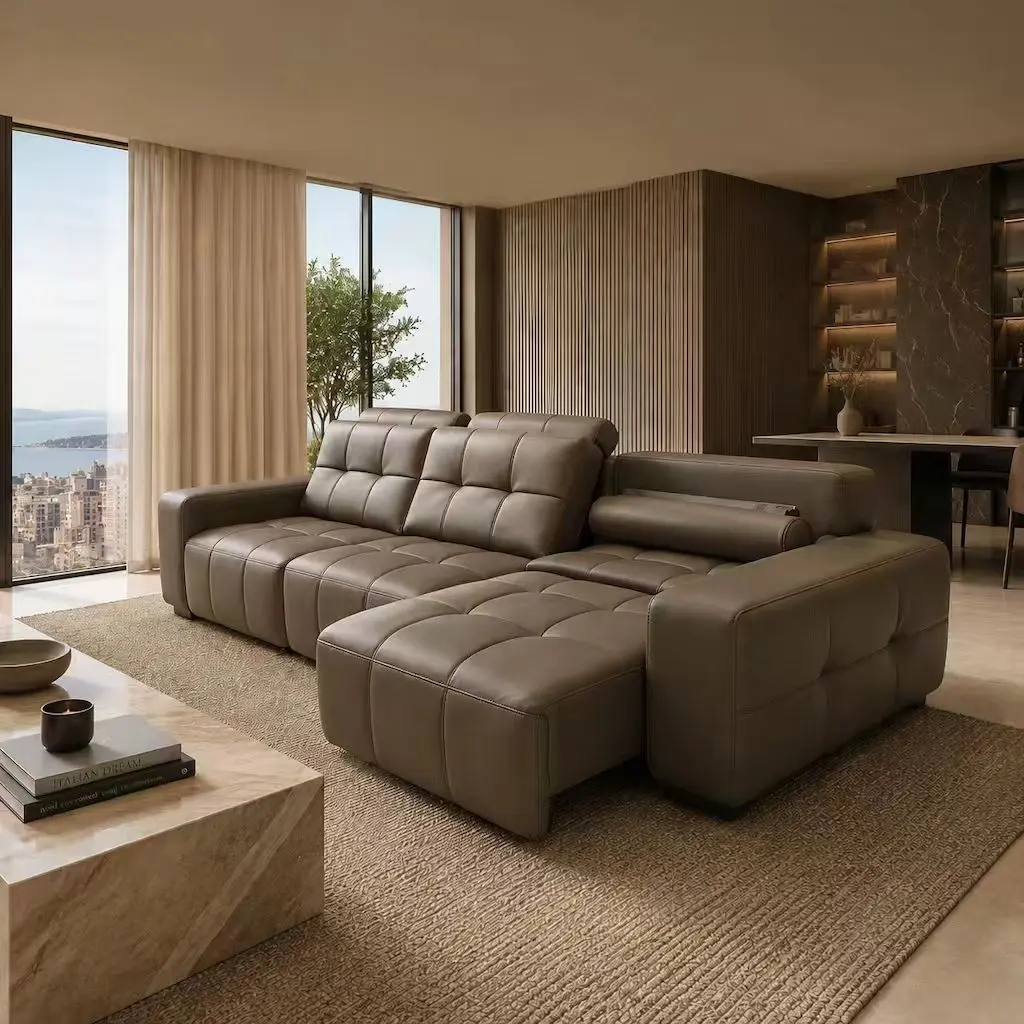
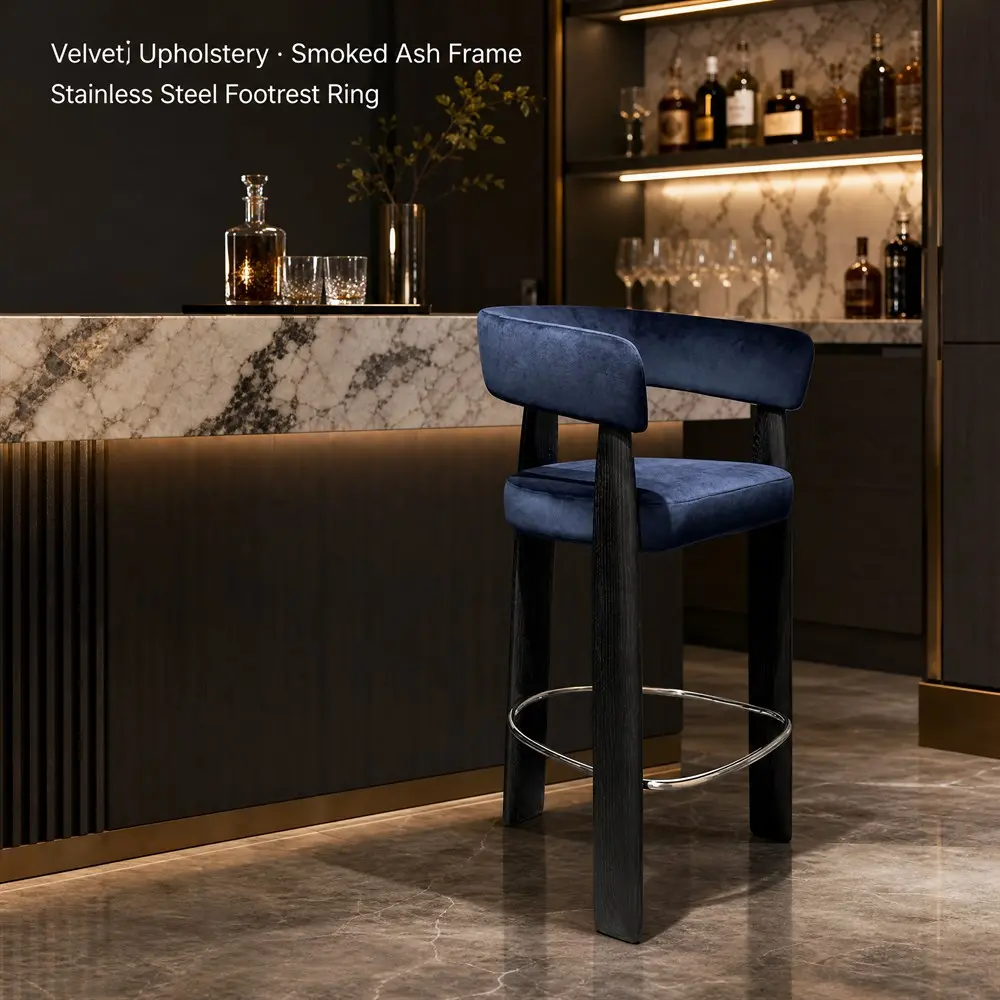
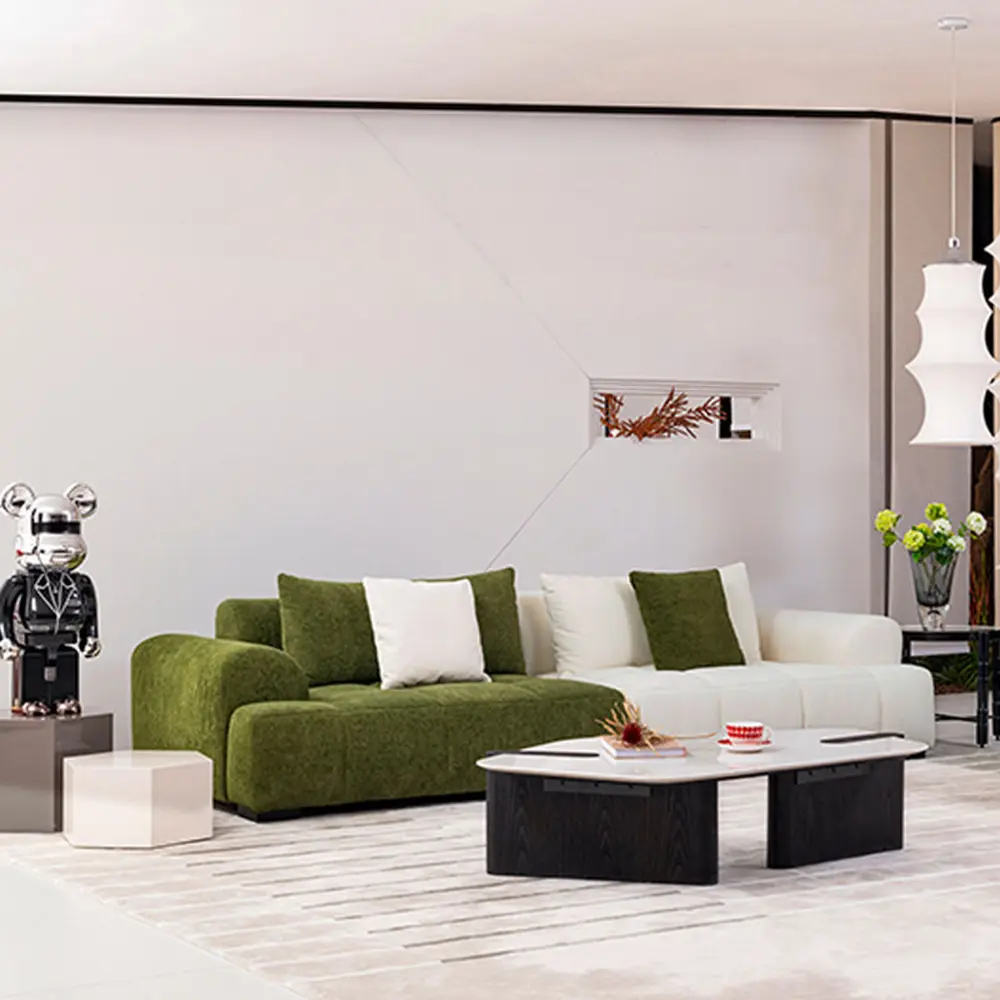
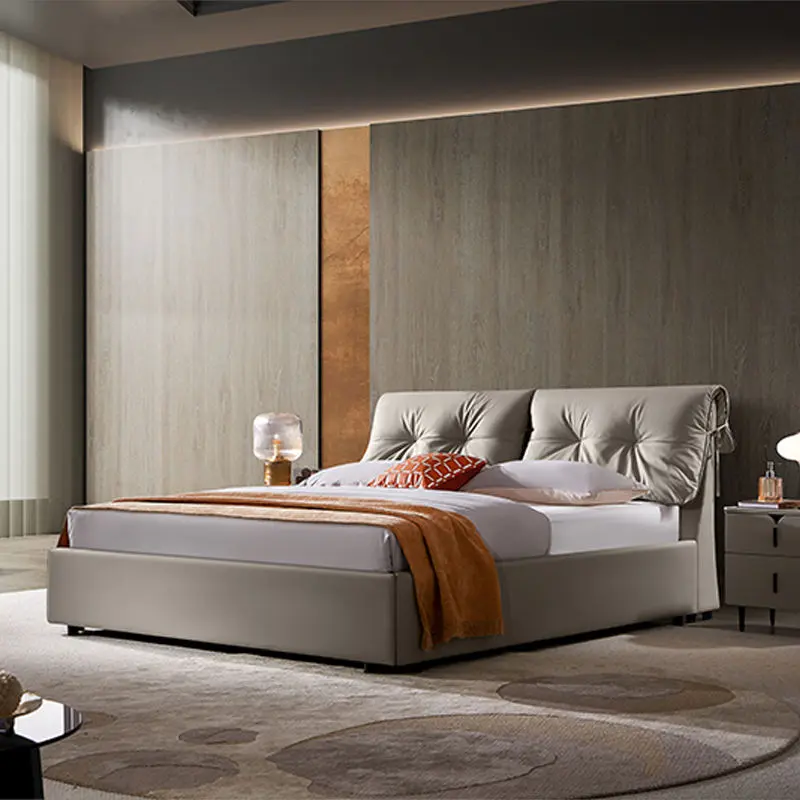
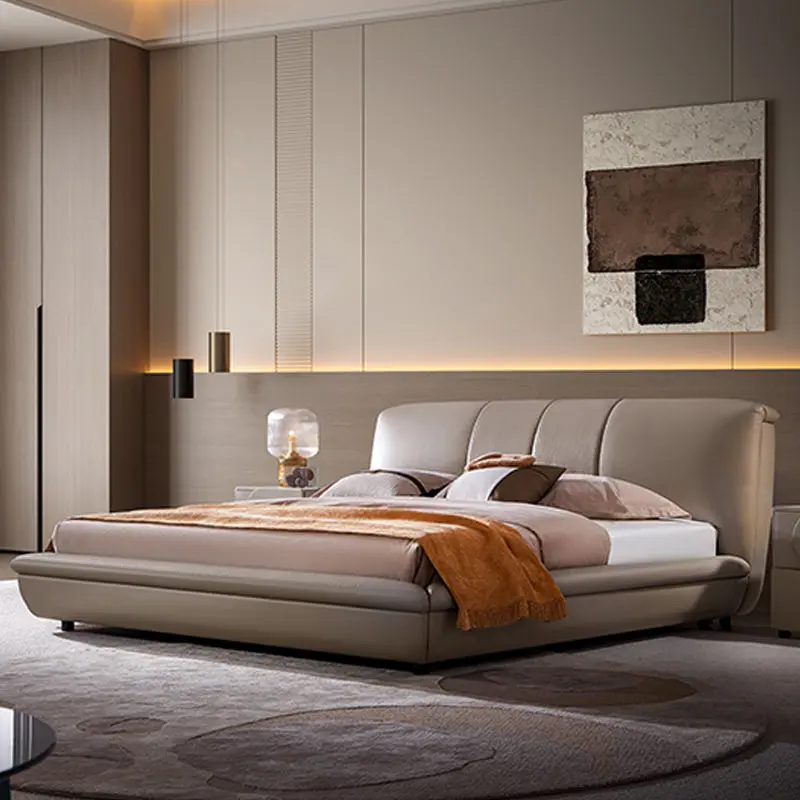
Eight More Models for Coordinated Australian Projects
Accent seating rarely ships alone. These models let Australian buyers coordinate dining, bedroom, bar and outdoor zones with the same quality standard and a single purchase order.
Planning an Australian Accent Chair Program?
Send us your specification, target volumes and destination port. Our export team will come back with material options, sampling timelines and a consolidated container plan.
Buyer FAQ
Accent Chairs & Chaises: Questions Australian Buyers Ask
Practical answers for importers, hotel procurement teams and design consultants evaluating a Foshan factory partner.
Is Qingyumai a manufacturer or a trading company?
Qingyumai is the export brand of Foshan Qingyumai Technology Co., Ltd., an integrated manufacturer covering R&D, production and international sales with its own facility in Shunde, Foshan. For whole-house or multi-category orders we also coordinate a network of audited partner factories so every category ships under one quality standard and one purchase order.
Can you customize accent chairs for the Australian market?
Yes. We customize dimensions, seat height, upholstery and frame colors, fabric grades (including commercial-grade contract fabrics), and branding such as woven labels and embossed logos. Material configurations can be aligned with the regulatory and labelling expectations of your destination market.
How do you handle shipping to Australia?
We plan container consolidation across categories and design packing around long ocean routes — multi-layer export crating where needed, and knock-down packing where it improves container utilization without compromising chair structure. Our post-sale team handles the loading plan and documentation per order.
What is a realistic lead time from sample approval to shipment?
Lead time depends on configuration, quantity and material availability, and is confirmed at the quotation stage. The key milestone is sample approval: once materials and dimensions are locked, we schedule production against your delivery window rather than against a generic calendar.
How do you control quality during mass production?
Internal QC engineers carry out on-site production line audits covering structural durability and finish consistency, with photo documentation issued to the buyer. Frame, foam and upholstery stations each carry defined checks before a chair moves to packing.
Can I combine accent chairs with sofas, beds and dining in one container?
Yes. Mixed-category container loading is a core part of our service. Accent chairs and chaises are planned alongside living room, bedroom, dining and outdoor items so a single project can ship with one logistics plan and one point of accountability.
Which buyers do you typically supply?
Furniture wholesalers and importers, commercial furniture dealers, hotel and hospitality procurement teams, property developers, interior design and specification firms, and residential clients furnishing multiple rooms.
Where is the factory located and can we visit?
We are located in Hui Cheng Industrial Park, Longjiang Town, Shunde District, Foshan, Guangdong, China — one of the world's most established furniture manufacturing hubs. Buyers are welcome to arrange factory and showroom visits, or a live video walkthrough where travel is not practical.