
Accent Dining
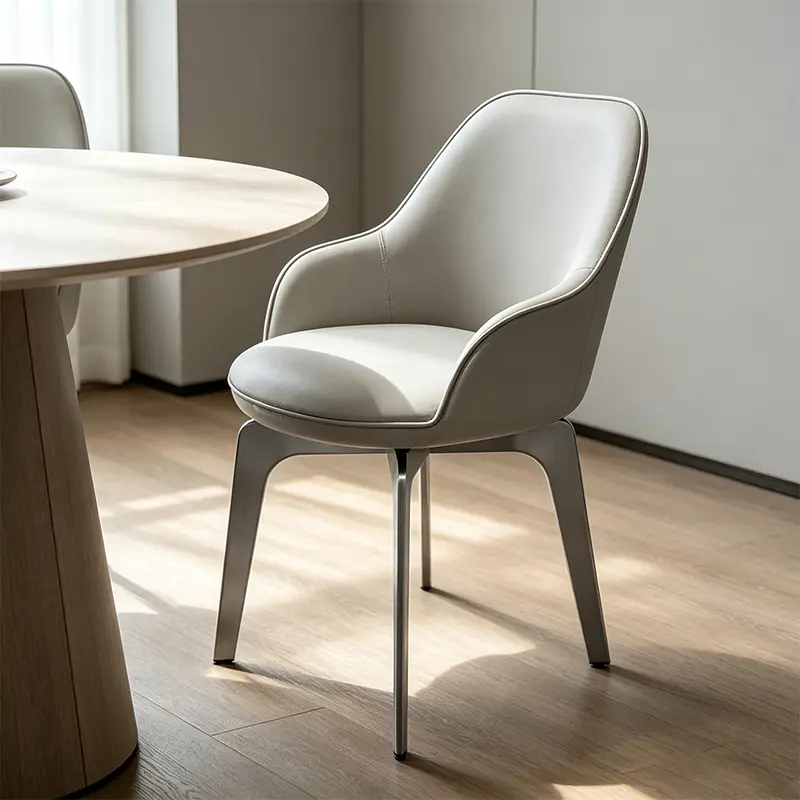
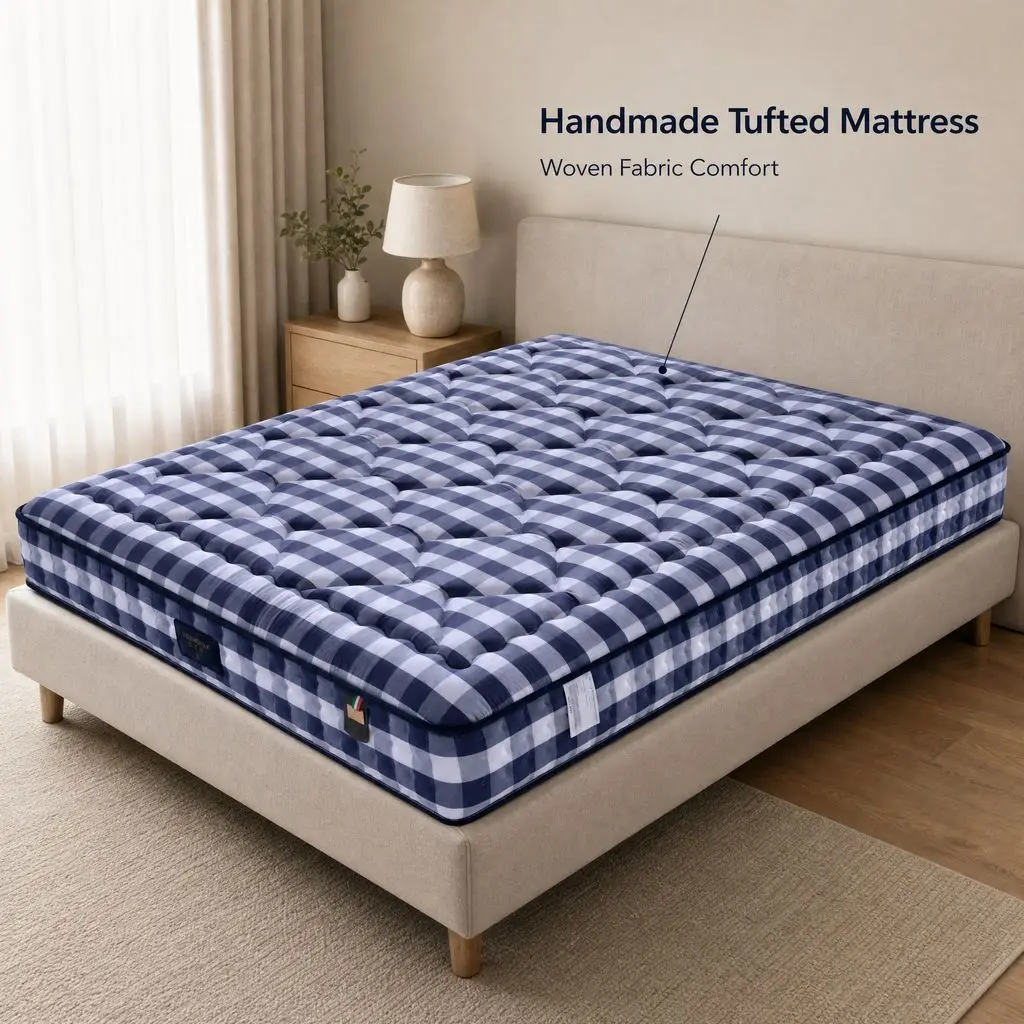
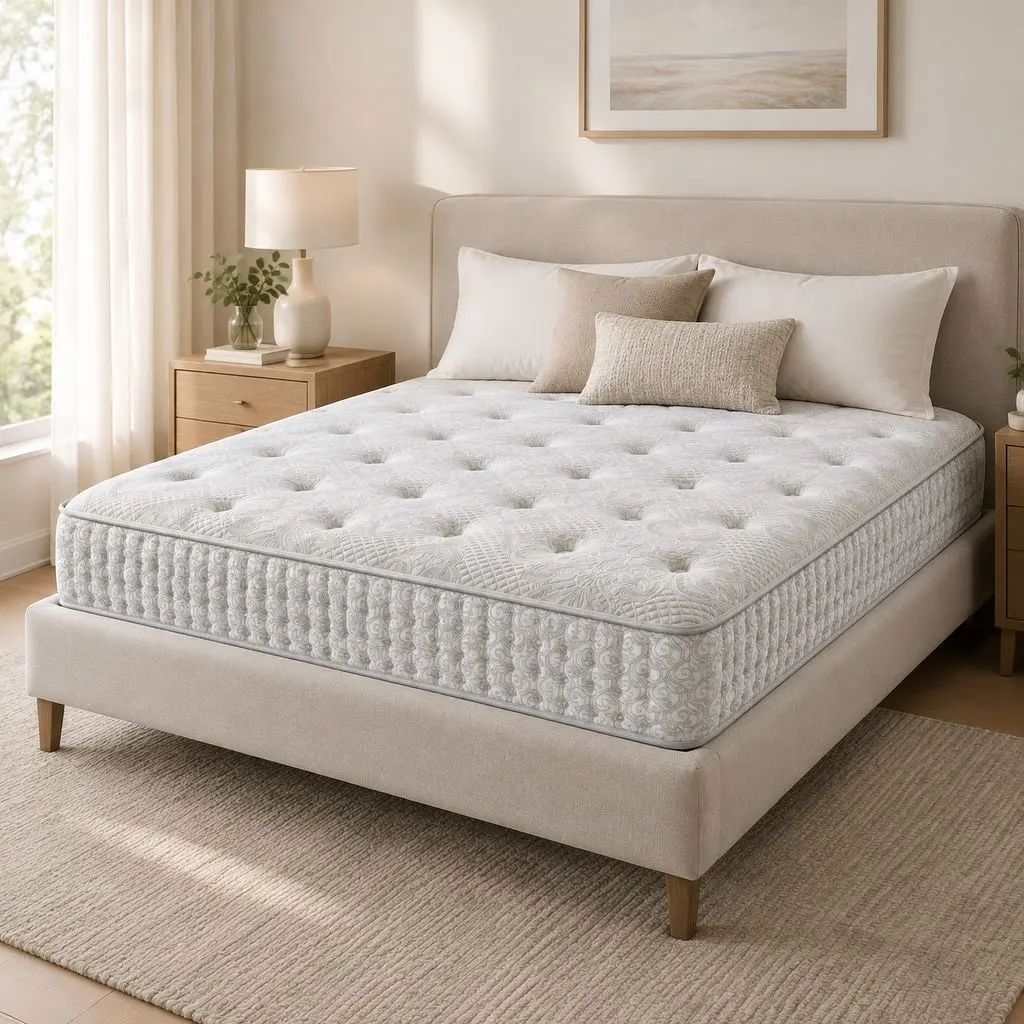
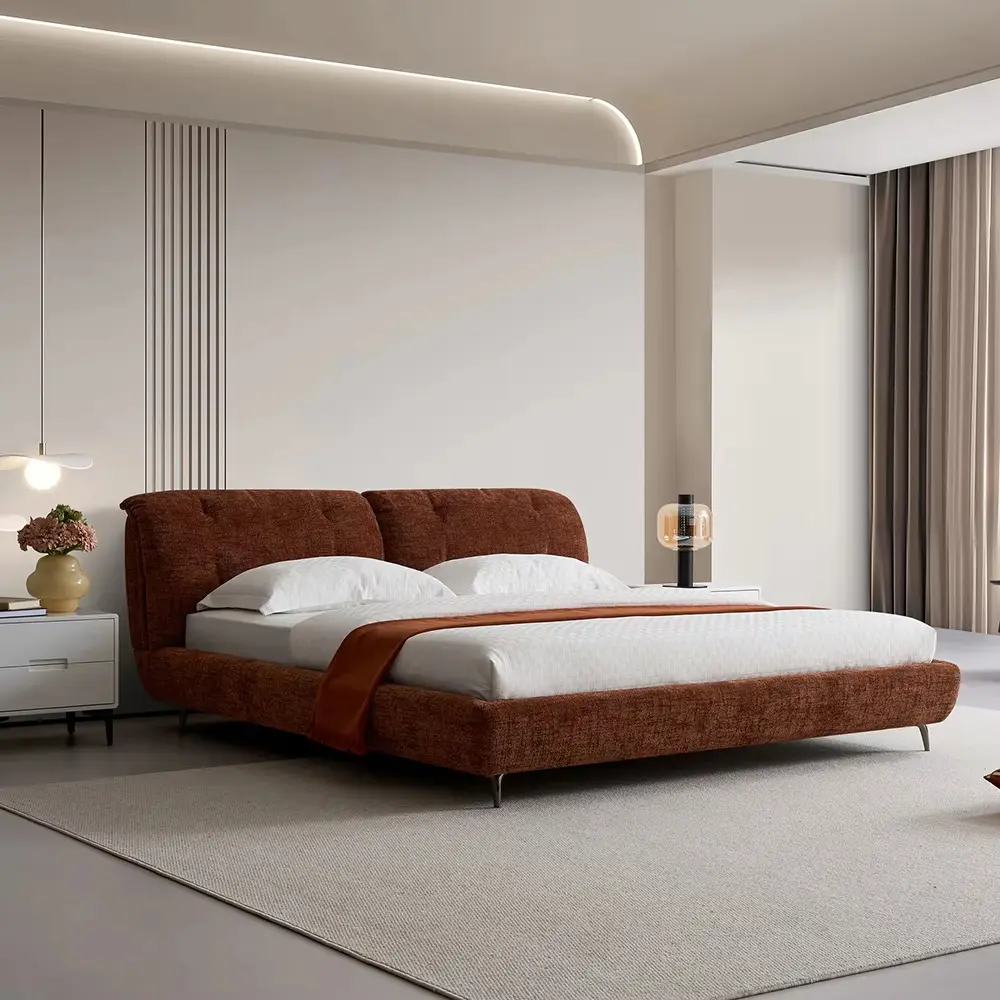
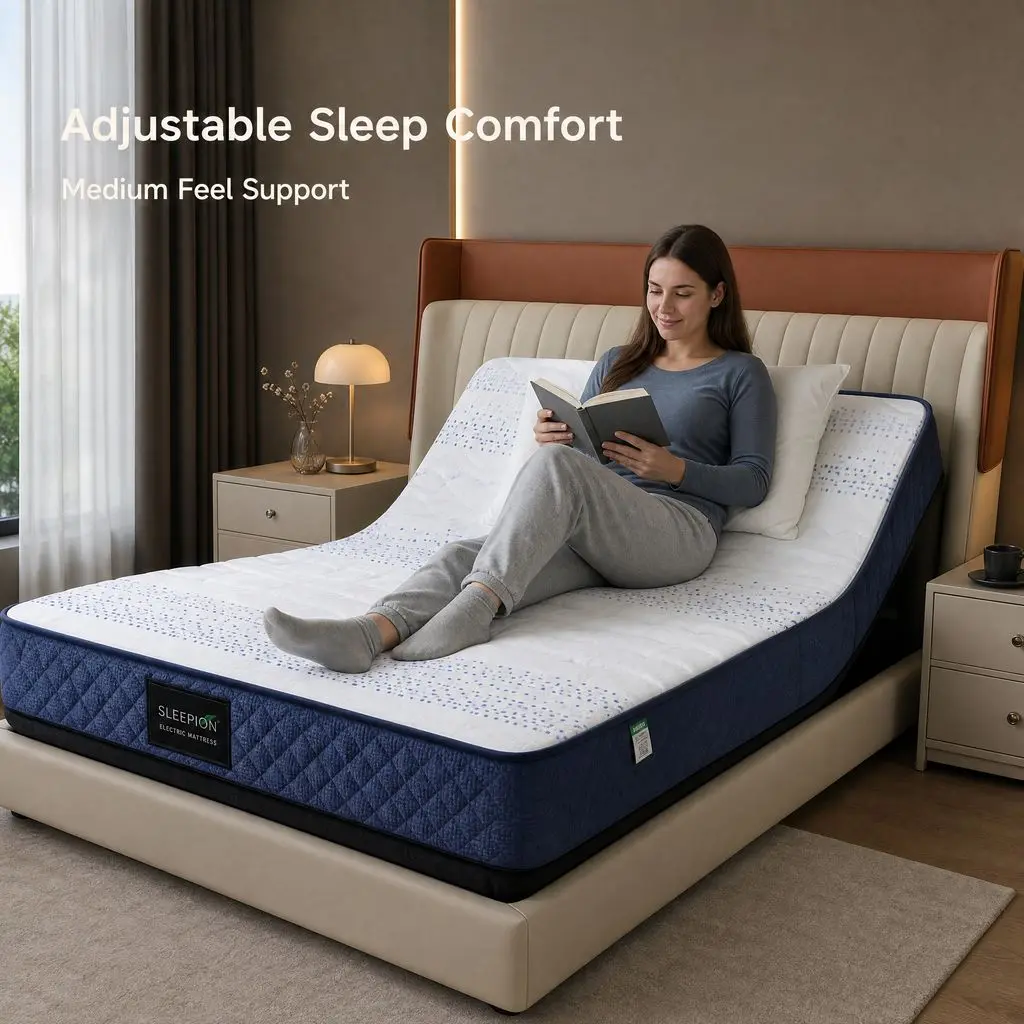
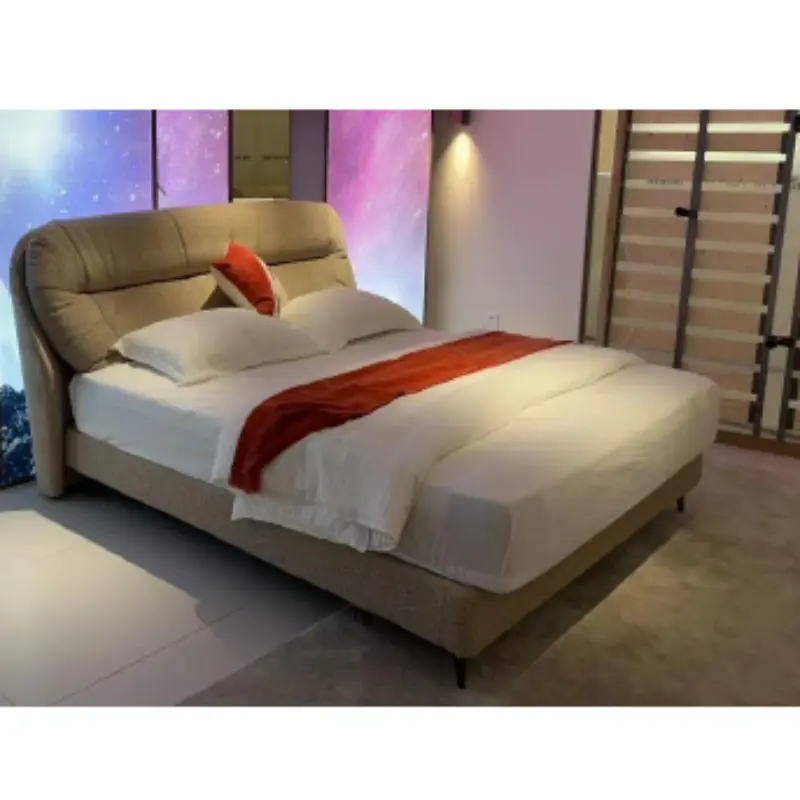
These four designs — a swivel accent dining chair, a handmade pocket-spring mattress, a dual-side jacquard mattress and a minimalist Italian upholstered platform bed — form the proven high-rotation core of mixed containers bound for Brazilian retail and hospitality projects. Each is validated against ABNT-informed durability expectations and tropical-climate humidity.
Brazil is not a single market — it is a set of climate zones, tax regimes and consumer price brackets operating under one currency. Accent chairs and chaises sit precisely at the intersection of design-driven retail (the "cadeira de destaque" trend in São Paulo and Curitiba apartments) and contract-driven hospitality (boutique pousadas in Bahia, resort foyers in Ceará). Buyers who treat the category as a generic furniture line consistently overpay on freight, over-spec on materials, and under-forecast on the seasonal demand curve.
This whitepaper gives you the sourcing framework used by experienced importers: how Brazilian demand is structured, what global competitors are doing, why Foshan's cluster economics create an information advantage, and how to run a mixed-category order without exposing your margin to port congestion or currency slippage.
Brazil's furniture industry is concentrated in three industrial poles: Bento Gonçalves (Rio Grande do Sul) for wood and upholstered casegoods, Mirassol and São Bento do Sul in the interior of São Paulo and Santa Catarina for mass-market upholstery, and Arapongas (Paraná) for panel-based furniture. Domestic capacity is genuinely strong in sofa frames and panel furniture, but the category where domestic production thins out is precisely sculptural accent chairs, swivel lounge chaises, and premium lounge seating — products that demand mixed-material construction (stainless steel, bent ash, microfiber leather) rather than panel assembly.
For importers, the practical implication is that the mid-to-premium accent chair segment is structurally import-friendly. Brazilian wholesalers in São Paulo's Lapa and Mooca districts, and design retailers clustered around Alameda Gabriel Monteiro da Silva, regularly carry European-inspired silhouettes that are cheaper to source from China at equal or better finish quality.
On the demand side, three structural forces are driving the category:
Commercially, most imported accent chairs enter Brazil through Santos and Itapoá ports, with NCM classifications under 9401.61 / 9401.71 (upholstered seats with wooden or metal frames). Import duty structures and state-level ICMS variation mean the landed cost per unit — not FOB price — is the only number that matters. That reality puts a premium on factory-side container packing density, mixed-SKU consolidation and reliable CBM documentation.
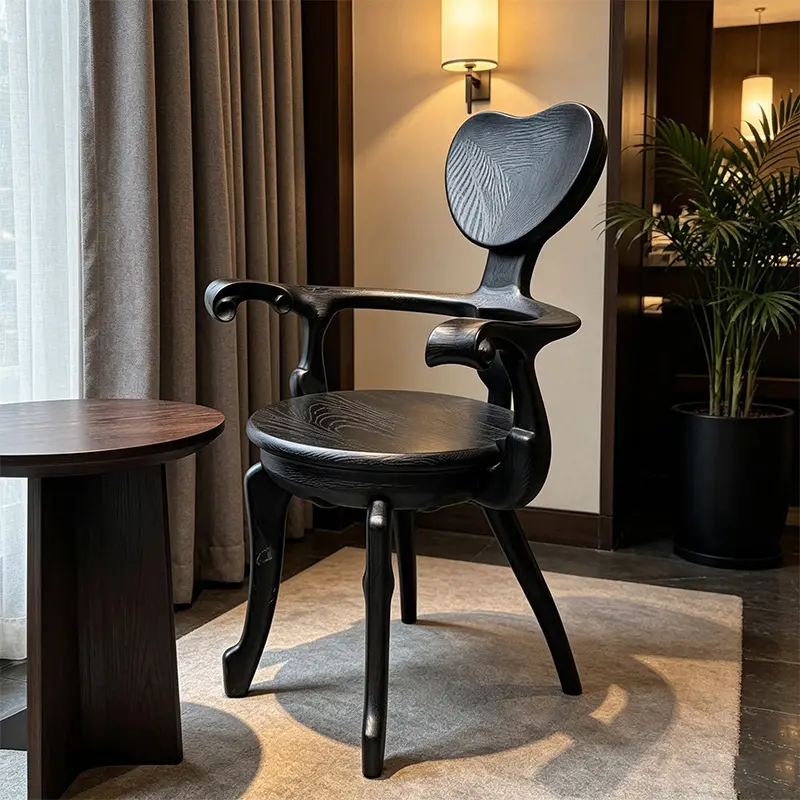
Globally, the accent chair and chaise segment has moved from a decorative afterthought to a strategic retail category. Mid-market retailers in North America and Europe use accent chairs as high-margin display anchors, while contract buyers value chaises as moat products in lobbies and suites.
Vietnamese factories dominate high-volume upholstered accent chairs for the US market, leveraging competitive labour and duty advantages. Strength in mid-market cotton and microfiber covers; weakness in premium mixed-material silhouettes.
Northern Italy remains the design authority for sculpture-led accent chairs. Polish factories provide cost-effective European contract upholstery, but at MOQ and lead times that are difficult for Brazilian mid-market importers.
Both are expanding in accent seating and chaises for European and Middle Eastern markets. Turkish factories are strong in metal-frame lounge, Indian factories in carved wood. Neither has yet matched the Chinese cluster's mixed-material integration.
Three global patterns matter for Brazilian buyers. First, the category has bifurcated into a commoditised "visual clone" tier and a contract-grade tier — and buyers who only price the first tier often lose margin on returns and complaints. Second, mixed-material construction (steel base + upholstery + wood veneer) has become the differentiator, because it produces a silhouette that panel-only factories cannot replicate. Third, the global trend is toward "comfortable sculpture" — chairs designed to look like furniture art objects while surviving real wear.
For Brazil specifically, the practical takeaway is that the sweet spot is Chinese factories that sit between the Vietnamese volume tier and the Italian design tier — factories with their own patents, mixed-material engineering and the ability to consolidate multiple categories into a single container.
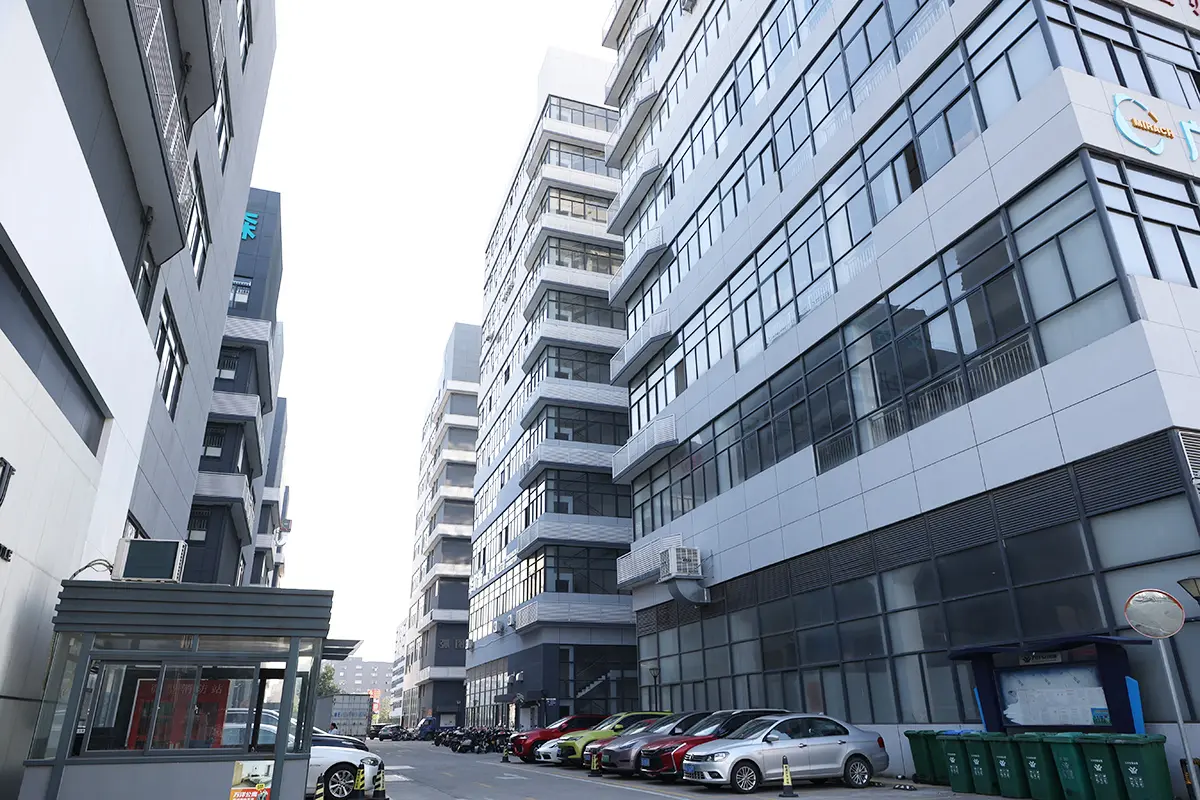
Chinese furniture factories, and Foshan's Shunde cluster in particular, offer a specific kind of efficiency that is often described but rarely understood: it is not only labour cost. It is cluster density. A single accent chair can involve 6–9 suppliers within a 40 km radius — steel frame bending, upholstery cutting, foam moulding, powder coating, plating, packaging and export crating. That density compresses sample cycles from weeks to days and allows a factory to test material substitutions cheaply.
Critically for the Brazilian market: Chinese factories that already export to Latin America understand NCM documentation, packing lists, fumigation certificates and the specific humidity protection needed for tropical transit. That documentation competence is where margins are quietly preserved. A factory with 10+ years of export experience and 100+ patents is not just selling furniture — it is selling a supply chain that has already solved the expensive problems.
How the major sourcing regions stack up for accent chairs and chaises destined for Brazilian retail and hospitality projects.
| Region | Design Tier | Mixed-Material Capability | Typical Lead Time | Consolidation | Best Fit |
|---|---|---|---|---|---|
| Foshan, China | Mid → Premium | Very high | 4–6 weeks | 19 categories, one PO | Wholesalers, hospitality, design retailers |
| Vietnam | Mid | Moderate | 5–8 weeks | Limited | High-volume US-bound retail |
| Italy | Premium → Luxury | High | 10–14 weeks | Narrow | Flagship design retail |
| Poland | Mid → High | Moderate | 8–10 weeks | Moderate | European contract projects |
| Domestic Brazil | Volume | Low–Moderate | 3–6 weeks | Regional | Panel-based upholstery, entry pricing |
The category sells differently across Brazilian climate zones and buyer segments. Below is a practical map of the localised scenarios that drive repeat orders.
Studio and compact apartments drive demand for single-statement accent chairs — swivel dining chairs, sculptural ash arm chairs. Retail price brackets R$1,200–R$3,500 per unit; buyers prioritise visual differentiation and fast delivery.
Bahia and Ceará boutique hotels specify lounge chaises for beachfront and pool-adjacent spaces. Contract-grade fabrics, grey-titanium or powder-coated steel hardware, and moisture-resistant foam are non-negotiable for lifetime total cost.
Brazil's coworking boom in São Paulo and Belo Horizonte has created steady demand for chaises and accent lounge chairs in reception and breakout zones. Specifiers value tested foam resilience and warranty-backed frames.
Boutique retailers in Curitiba and Florianópolis use accent chairs as floor anchors. Patented silhouettes allow the retailer to defend pricing against cheap imports — a critical factor given Brazil's competitive design retail landscape.
Private villa projects in the Serra Gaúcha and coastal São Paulo state frequently request bespoke sizing, custom fabric and matched accent chairs — an OEM/ODM workflow that only specialist factories can execute reliably.
Brazil's event economy (from São Paulo to the Northeast coast) increasingly uses upholstered accent chairs as ceremony and cocktail-lounge furniture. Buyers need light weight, washable covers and fast restock cycles.
These are the trends that matter for buyers placing orders in the next 12–24 months, mapped to sourcing implications.
Designers want a silhouette that photographs like art but sits like a lounge chair. Sourcing implication: mixed-material factories win — panel-only factories cannot replicate the geometry reliably.
Contract buyers increasingly demand rub-tested, moisture-resistant fabrics that survive tropical coastal air. Sourcing implication: choose factories with an in-house fabric library across multiple wear classes.
Chaise seating is moving toward modular configurations for flexible residential and hospitality use. Sourcing implication: modular systems require tighter tolerance control at the factory, and patents matter more.
With freight volatility persisting, buyers prioritise container density over FOB price. Sourcing implication: multi-category factories that can pack 19 categories into mixed containers become structurally preferred suppliers.
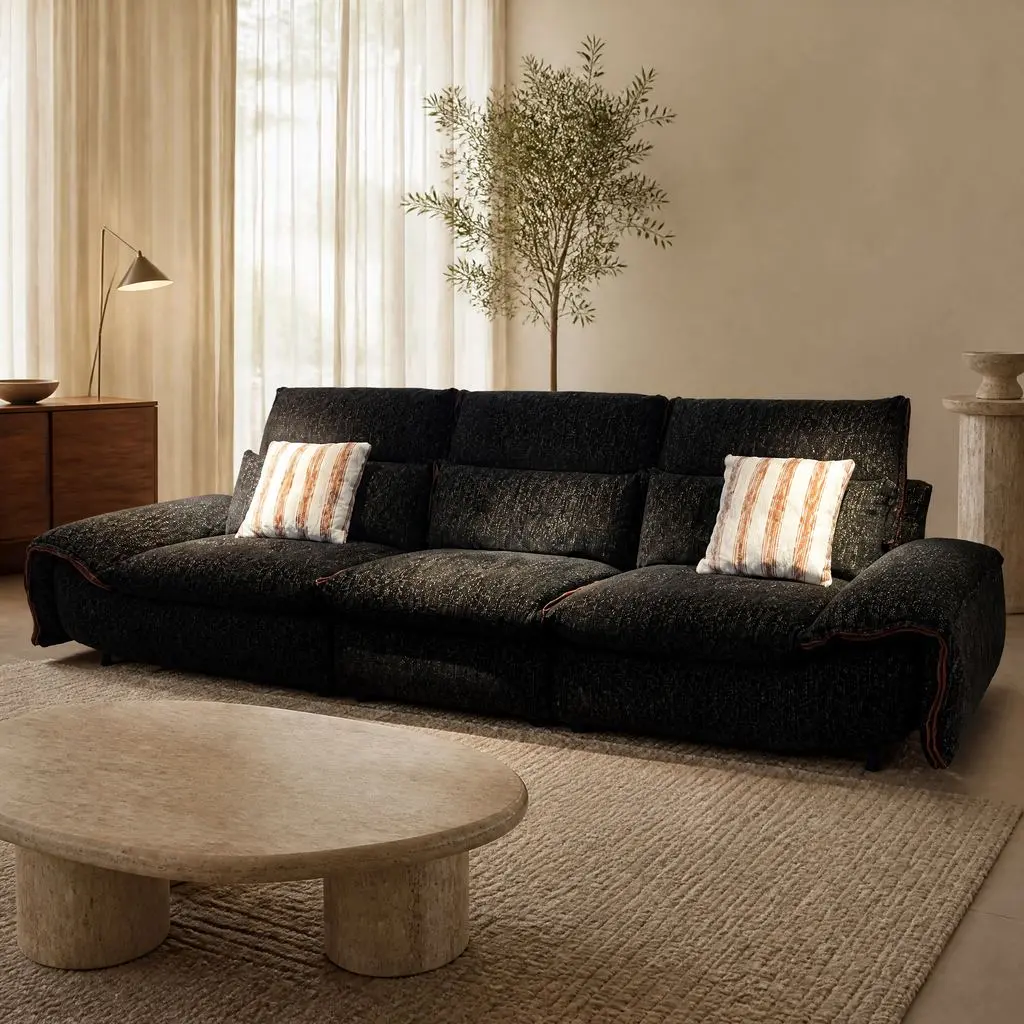
Buyer requirements have converged across Brazil, the US and Europe. The most consistent demand signals from importers, wholesalers and project procurement teams:
For Brazilian buyers specifically, there is a sixth requirement that is often missed in initial briefs: explicit packing design for tropical transit and humidity. Factories that have exported to Latin America for a decade typically ship with multi-layer export crating and moisture-barrier films; new factories do not, and that gap quietly becomes a claim.
Send your target SKUs, fabric direction and volume — our export team will return a consolidated quotation with container planning and lead times for the Brazil lane.
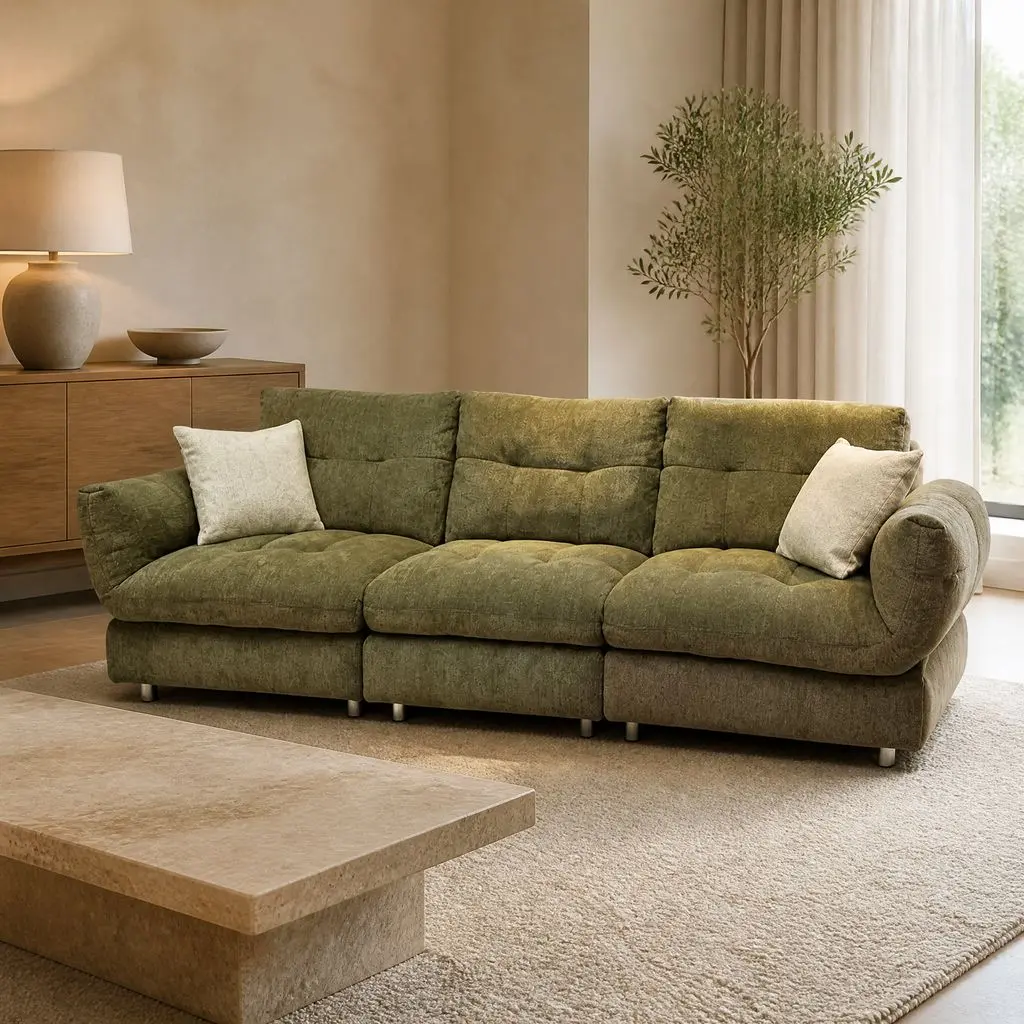
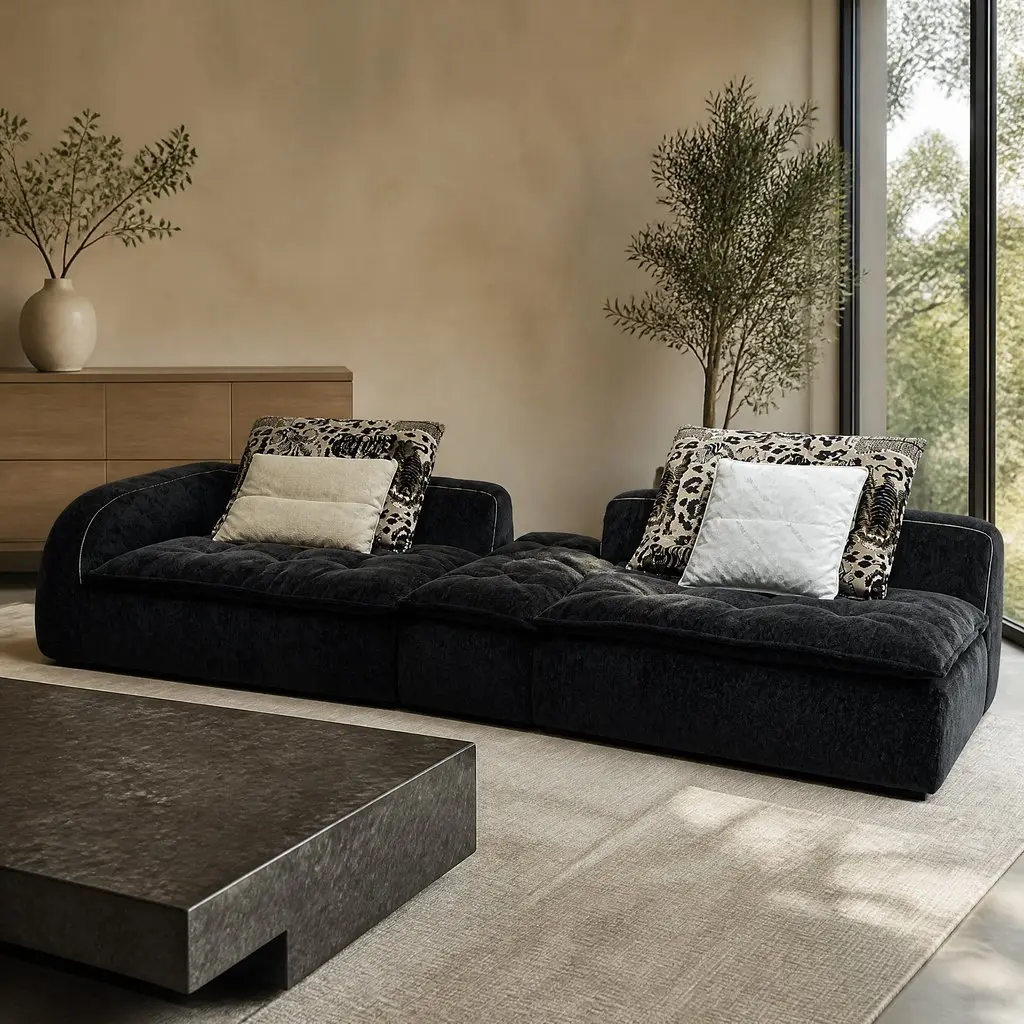
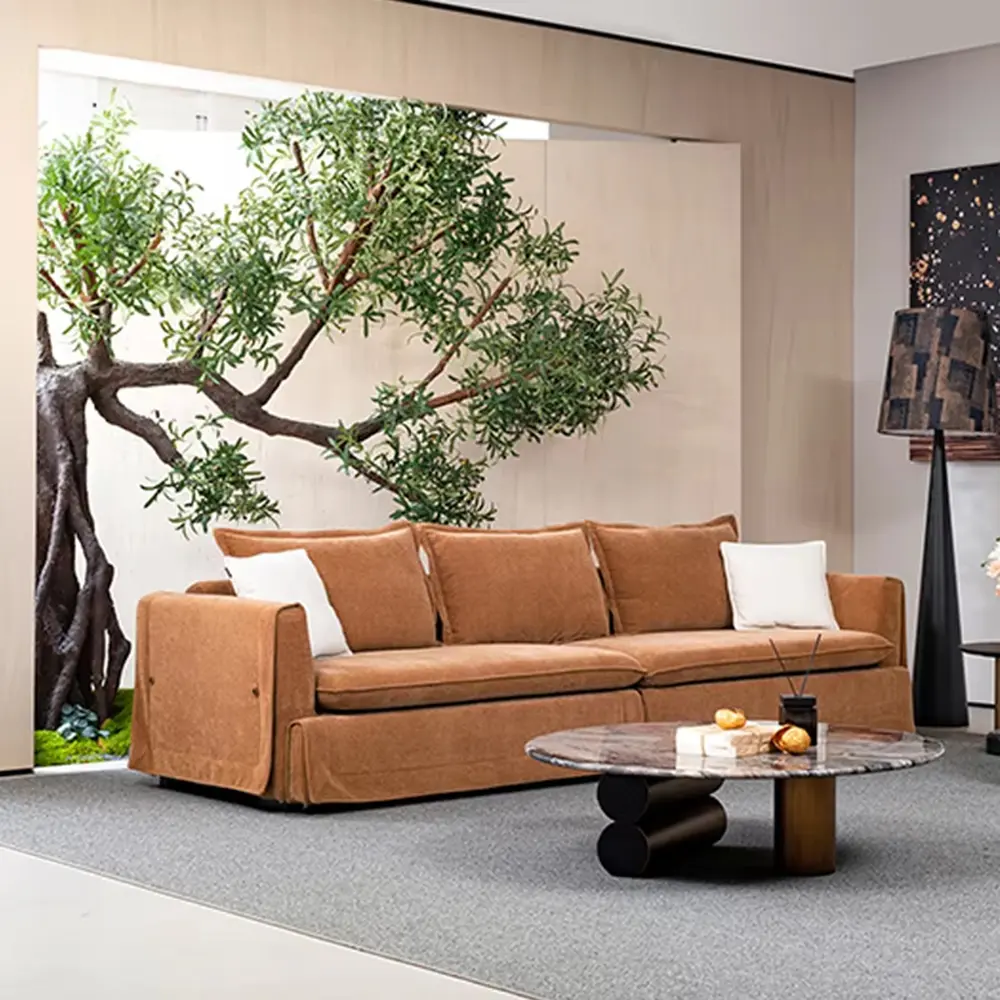
Beyond accent chairs and chaises, the following eight models are commonly bundled into the same purchase order for Brazilian buyers — so that one container carries the whole room, not just one category.
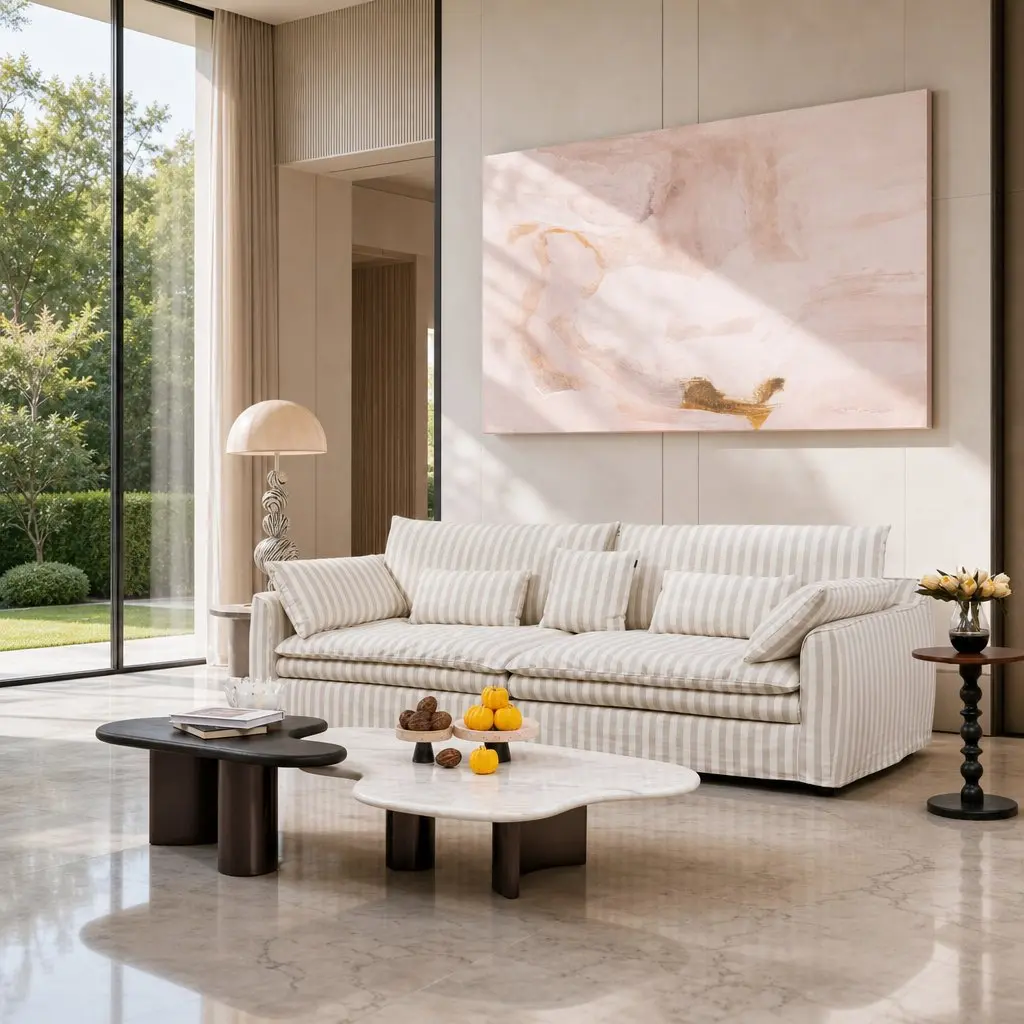
Accent chair procurement is a trust decision. The following capabilities directly affect your ability to run a Brazil-bound order without surprises.
Over 100 original design and structural patents. Buyers reselling patented silhouettes can defend their pricing position — critical in Brazil's design-sensitive retail segment.
Pre-production sample approval, in-line factory audits and pre-loading QC reports. Every accent chair run is verified for structural durability, foam resilience and finish consistency before loading.
Accent chairs alongside beds, mattresses, sofas, dining and outdoor categories means mixed containers that lower per-unit freight cost — the most under-used lever in Brazil-bound sourcing.
10+ years exporting to wholesalers and projects worldwide. Packing, NCM-ready product data, and tropical-transit humidity protection are standard practice, not add-ons.
Custom dimensions, fabric grades, finish systems, woven labels and embossed logos — suitable for private-label brands entering the Brazilian market or expanding an existing line.
Consultants recommend frame, foam, fabric and finish combinations aligned with your destination market's regulatory standards and climate conditions — rarely available from volume-only exporters.
Direct answers to the questions buyers ask most before placing their first Brazil-bound accent chair order.
Upholstered accent chairs with wooden frames typically fall under NCM 9401.61; metal-frame models under 9401.71. Chaises and lounge seating are usually classified 9401.61.00 or 9401.71.00 depending on frame construction. Confirm with a licensed Brazilian customs broker before finalizing the purchase order — classification, II and ICMS treatment can shift the true landed cost per unit by a meaningful percentage.
For standard models, production typically runs 4–6 weeks from sample approval, plus ocean transit to Santos or Itapoá (roughly 30–45 days depending on port and shipping line), plus customs clearance. Custom OEM/ODM orders with new materials or silhouettes should add 2–3 weeks for sample rounds. Ordering around Chinese New Year (late January or February) requires early placement to avoid production shutdown windows.
Experienced exporters use multi-layer export crating, moisture-barrier films, silica bags and fumigated packaging appropriate for the product. Wood and upholstery components are also dried and stabilized before packing. Because Brazil's humidity and coastal salt air can be demanding, buyers should explicitly request the factory's moisture protection plan at the quotation stage — a good supplier will have it documented.
Yes — and for Brazil this is one of the most effective ways to reduce landed cost per unit. A factory covering 19 categories can plan container loading density so that accent chairs and chaises use the void space above and around larger items. Mixed-category orders also reduce the number of suppliers you manage and give you one quality standard across the container.
MOQ varies by model and material. For a fabric or microfiber leather accent chair with standard frame finishes, MOQ is often 30–50 pieces per colorway. For custom stainless steel frames with grey-titanium plating or patented silhouettes, MOQ may be higher. A good OEM partner should be able to negotiate starter quantities on the basis of repeat order commitment.
The standard workflow is: (1) request the factory's documentation package for the specific SKU; (2) order a pre-production sample and test it for structural rigidity, foam resilience and finish quality; (3) request in-line QC image and video updates during production; (4) request a pre-loading QC report before the container is sealed; and (5) verify packing density with a loading plan and photographs. A factory with 10+ years of export experience will typically offer all of these as standard.
Chinese factories that serve international contract buyers routinely stock fabrics across multiple wear classes (rub test counts), with moisture and UV resistance suitable for coastal and indoor hospitality use. If your project requires a specific certification or rub-test threshold, provide it in the brief — the factory's material engineering team can identify a matching fabric grade.
Yes. Woven labels, embossed logos, branded packaging and Portuguese-language retail-ready cartons can be specified for OEM orders. This is a common request from Brazilian design retailers and importers who want to differentiate from generic import furniture.
Santos (São Paulo state) is the dominant entry point for furniture imports into Brazil, and is best for buyers distributing in the Southeast. Itapoá (Santa Catarina) is competitive for buyers in the South. For Northeast buyers, shipments may route via Suape or Pecém, but transit times and shipping line availability vary — the factory's logistics team can advise based on your final destination.
A consolidated quotation covering model selection, FOB price, lead time and container loading plan is typically returned within 2–4 business days from a complete brief. Including target SKUs, fabric direction, finish preference and estimated volume in the first email accelerates the response. Send an inquiry now to start the process.
Tell us your target SKUs, fabric direction and container volume. Our export team will respond with pricing, lead times and a consolidated container plan for the Brazil lane.