
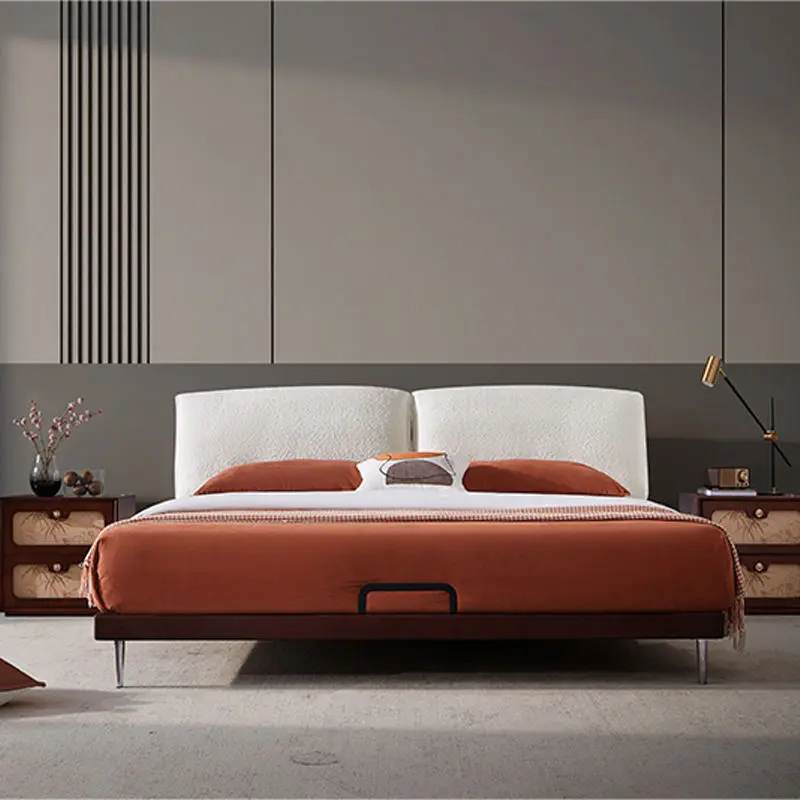
 Bedroom Accent
Signature Seating Programme
Four Production-Ready Accent Seating References for Azerbaijan Buyers
These are the reference platforms our factory runs most frequently for Caucasus and Caspian-region orders. Each model is available in contract-grade build, with upholstery and frame specs tunable to Baku hotel, residential and retail schemes.
Bedroom Accent
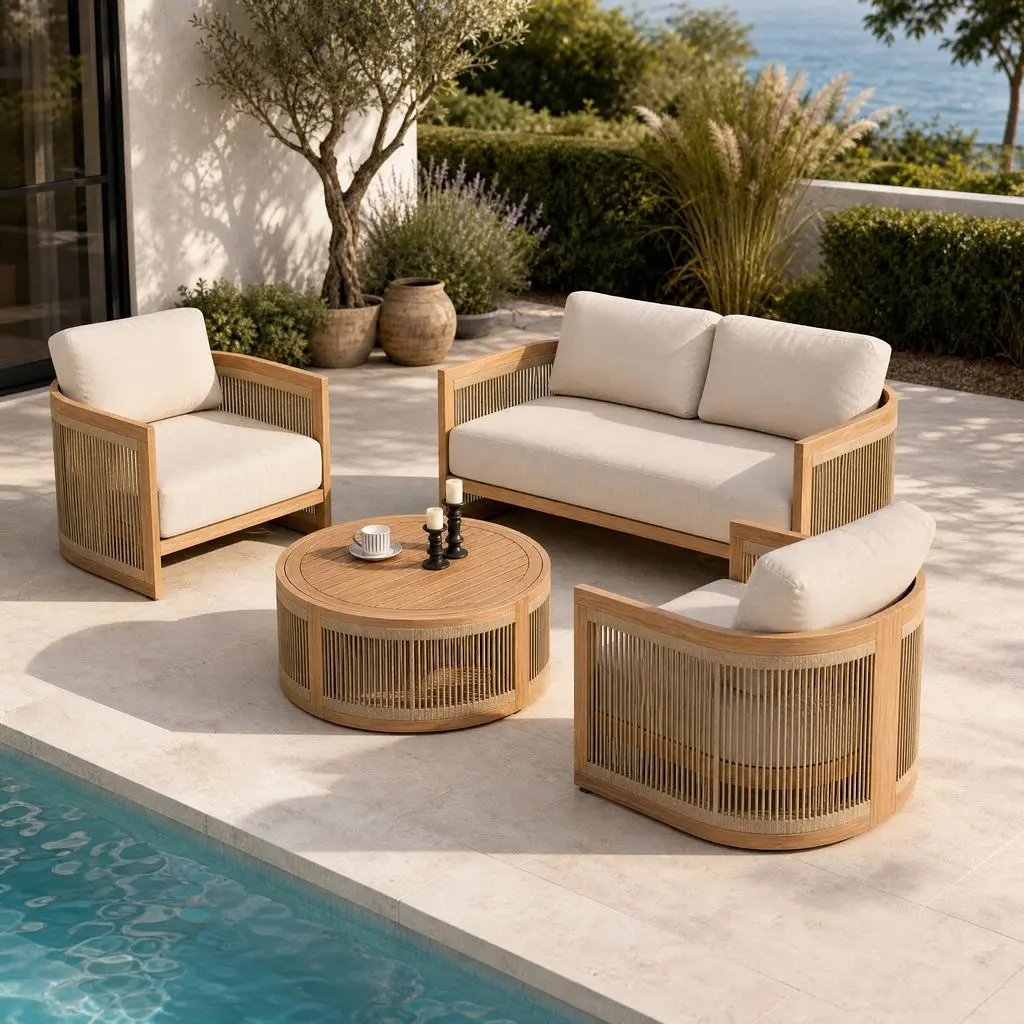 Outdoor Lounge
 Leather Upholstery
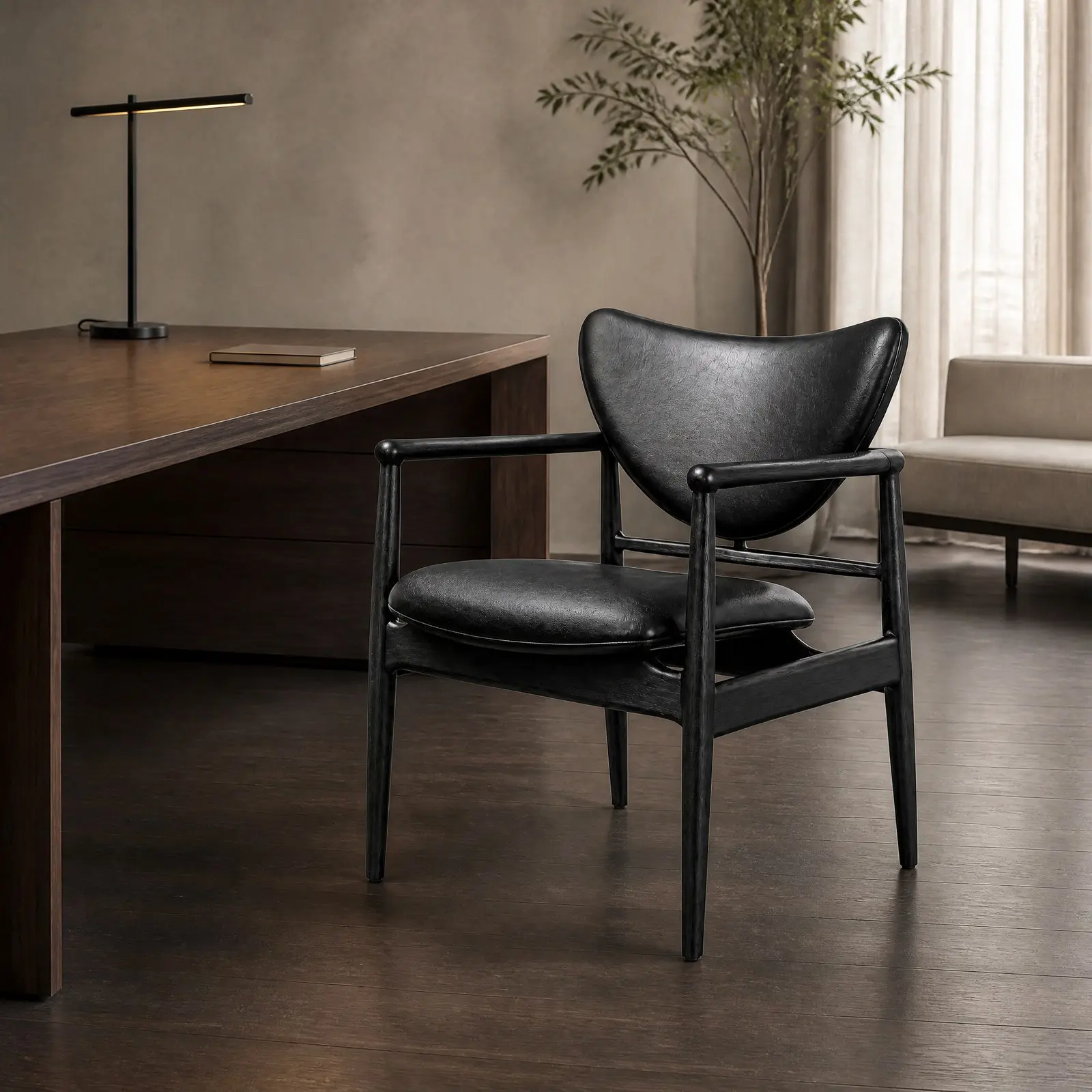 Dining Accent
OEM · ODM · Container-consolidated · Factory direct
01 — Market Context
Why Azerbaijan Is an Emerging Demand Centre for Accent Chairs & Chaises
Azerbaijan's interior furniture market is no longer a low-volume import category. Between Baku's post-2020 urban renewal cycle, the continuing build-out of hospitality inventory along the Caspian coast, and a fast-growing mid-income residential segment in Sumqayıt, Ganja and Lankaran, the country's commercial furniture demand has structurally shifted toward accent-led seating — the chair that anchors a hotel lobby, a lobby lounge, a boutique retail floor, or a completed "final layer" in a residential scheme.
Accent chairs and chaises are the highest-margin, lowest-square-meter furniture category in that shift. They carry a disproportionate share of perceived design quality in hospitality grading and residential fit-out, while shipping in dense, high-value containers that make freight economics dramatically better than sofas or case goods. For an importer in Baku, that combination — high visual value, compact freight, repeatable replenishment — is the single most attractive category available.
Historically, Azerbaijan's furniture import market has been dominated by Turkish and, increasingly, Chinese supply. Turkey brings speed and proximity; China brings factory depth, cost and specification flexibility. The competitive reality we see on the ground, from the perspective of a Foshan-based OEM, is that the winning suppliers in Azerbaijan are those who combine Chinese production depth with Turkish-style responsiveness — short sampling cycles, small first orders, and localised documentation.
Baku Hospitality
Residential Fit-Out
Retail & Boutique
Contract Volume
Structural Demand Drivers (2024–2030)
- Continued Baku hotel pipeline and refurbishment of 2010–2016-era properties
- Post-conflict reconstruction and resettlement housing in Karabakh
- Growth of boutique hotels and guesthouses in Shaki, Quba and Gabala
- Expansion of premium retail into Baku's Nizami and Port Baku corridors
- Rising middle-income residential demand for single-statement accent pieces
Industry Trends
Five Forces Reshaping Accent Chair & Chaise Demand in Azerbaijan
These are the trends we see in quotation requests, spec sheets and sampling briefs arriving from Azerbaijani buyers and their design consultants.
1. Design-Led Hospitality Grading
Azerbaijani hotel and mixed-use projects increasingly use accent seating as a grading signal — the lobby chair, the lounge chaise, the suite reading chair are used by project owners to signal tier. This has raised the specification bar: commercial-grade foams, reinforced frames, and contract-ready upholstery that fit-out contractors can warranty.
2. Shorter Replenishment Cycles
Retailers in Baku's expanding boutique corridor are moving from 6-month replenishment to 3-4-month cycles, forcing suppliers toward modular design libraries and pre-engineered variants that can ship without a new sample cycle. This is the single biggest operational change for Azerbaijani importers versus 2019.
3. Moisture & Climate Resilience Specs
Baku's humid Caspian microclimate and the cooler inland humidity of Shamakhi push accent chair specs toward moisture-resistant plywood, sealed frame joints, and synthetic spacer fabrics on the seat deck. We now build most Azerbaijan-bound chairs with these defaults rather than as upgrades.
4. Mixed-Container Consolidation
Azerbaijani buyers — especially mid-sized importers in Baku — are no longer ordering full containers of one product. They consolidate accent chairs, chaises, beds and dining from a single factory to protect freight economics on 20' and 40' containers, which favours factories that can coordinate multi-category production under one QC.
5. Digital Specification Flow
Design consultants in Baku now specify furniture via BIM-linked schedules and 3D room models rather than printed catalogues. Factories that can supply CAD blocks, high-resolution material swatches and per-model weight/volume data win earlier in the specification stage — a decisive advantage when the project consultant, not the buyer, controls the brand decision.
Global Procurement Demands
What Global Buyers Actually Ask From an Azerbaijan-Facing Factory
In 12 months of quotation traffic from Azerbaijani importers and local design consultants, the same five procurement requirements repeat with near-perfect consistency.
| Requirement | What the Buyer Asks | What It Really Means |
|---|---|---|
| Low MOQ First Order | "Can I start with 20 pieces per style?" | Risk mitigation on unproven SKUs; the factory must accept a mixed-SKU container with the same unit economics. |
| Contract-Grade Frames | "Will this survive 5 years of hotel use?" | Kiln-dried hardwood or engineered plywood core, sealed joints, 300k+ Martindale fabric or equivalent. |
| Documented Compliance | "Do you supply test reports?" | Physical, flame, foam density and finish VOC documentation that satisfies Azerbaijan customs and project handover. |
| Predictable Transit | "How many days to Baku port?" | Reliable 30–45 day sea + rail transit with realistic CIF Baku quotes — not optimistic estimates. |
| Sample in Hand | "Can you ship a sample in 3 weeks?" | Fast sample programmes where the sample cost is often credited against the first production order. |
Field observation: The most common cause of a failed first order between an Azerbaijani buyer and a Chinese factory is not quality — it is an unclear specification. A chair that passed a sample review in Baku can fail in the first container if foam density, fabric weight and frame treatment were never written into the PO. Intelligent suppliers quote each accent chair as a specification document, not a catalogue photo, and require buyer sign-off on the spec sheet, not the sample photo.
Macro Industry Solutions
Three Procurement Models That Fit the Azerbaijani Market
Not every Azerbaijani buyer needs the same commercial structure. These are the three models we most frequently engineer for Caucasus and Caspian-region clients, and the factory-side trade-offs of each.
Model A
Stock-Model Replenishment
Best for Baku-based furniture retailers and regional distributors. A curated short list of 8–12 accent chair and chaise SKUs, held in a factory stock programme, replenished in mixed containers every 6–10 weeks.
- Shortest lead time — from stock, not production
- Lowest sampling cost, deepest unit discount
- Trade-off: less design differentiation
Model B
Project-Specific Custom Build
Best for hotel developers, interior design firms and high-end residential. Each project is specified separately: 6–20 accent chairs or a coordinated set of chaises, with custom dimensions, upholstery, and sometimes finishes matched to a designer's material schedule.
- Full specification control and design coherence
- Highest differentiation and grading value
- Trade-off: 90–120 day lead time from PO
Model C
Private-Label Programme
Best for established Azerbaijani retail brands building a house label. We supply a locked design library under the client's brand, with woven labels, branded packaging, and a locked spec sheet that protects the brand across containers.
- Owns design language long-term
- Higher margin retention than stock model
- Trade-off: initial design & lab-dip investment
02 — Localisation
Localised Support & Compliance for Azerbaijani Buyers
Importing accent chairs and chaises into Azerbaijan carries a specific set of commercial and regulatory realities that a factory must design around, not react to. Below is the operating checklist our Azerbaijani clients' orders run against.
- Incoterms: Most Azerbaijani importers buy on FOB Shenzhen/Nansha or CIF Baku. CIF Baku is the more common choice for first-time buyers; FOB is preferred by established importers with their own freight forwarder.
- Customs documentation: Commercial invoice, packing list, bill of lading, certificate of origin, and where the HS code (typically 9401.61–9401.69 for accent seating) requires it, a conformity declaration. Our documentation desk prepares each set per order.
- Language: Azerbaijani and Russian language support on labels and assembly instructions for retail-bound orders; English as the default for B2B trade documentation.
- Payment: T/T with 30% deposit / 70% before shipment is the default; L/C at sight is supported on orders above a threshold that we confirm per project.
- Shipping lanes: The dominant sea route is Shenzhen–Poti (Georgia) with onward truck or rail to Baku; transit 30–45 days depending on season and port congestion. Direct Caspian service via Bandar Anzali remains a niche alternative.
- Warranty: 2-year commercial warranty on domestic retail orders; 3-year contract warranty on hotel project orders, conditioned on specified indoor use.
Baku-Relevant Quality Defaults We Now Apply
These are spec choices made by default on Azerbaijan-bound productions to reduce complaints and warranty claims after arrival.
Frame
Sealed Hardwood / Engineered Plywood
Joint sealing and moisture-barrier film on deck panels to resist Caspian humidity during transit and installation.
Foam
≥ 35 kg/m³ Seat Foam
Higher density than the domestic-average 25–28 kg/m³ used in low-tier chairs, extending the usable life under repeated hotel and café use.
Fabric
≥ 30,000 Martindale
Contract-grade fabric or leather default. Lower weights available only on explicit buyer request with a documented waiver.
Packaging
Multi-Layer Export Crating
EPE foam corners, corner cartons, inner plastic seal, double-wall carton, palletisation against damage in transshipment.
Docs
Full Test & Compliance Pack
Test reports (foam density, fabric abrasion, frame load test) prepared per order for customs and project handover.
Factory Capability Baseline
The Numbers Behind a Reliable Accent Seating Factory
Capability matters more than catalogue breadth when a buyer is committing a container. These are the operating baselines our Azerbaijani clients rely on.
10+Years exporting to wholesale & project buyers
100+Patents on structures and designs
19Furniture categories under one PO
30–45Days sea transit to Poti / Baku
Technology Roadmap
A Three-Phase Manufacturing Technology Roadmap for Azerbaijan-Bound Accent Seating
How we plan to keep extending information advantage — not just lower cost — for buyers in the Caucasus region over the next 24 months.
Phase 1 — Now
Digital Specification Library
Every accent chair and chaise in our active catalogue is being converted to a structured spec sheet: 3D model, weight/volume, frame material, foam densities, fabric Martindale, packaging dimensions and a harmonised HS code. This shortens the consultant-to-factory loop from weeks to hours and reduces the risk of mis-specification on Azerbaijani projects.
Phase 2 — Next 12 Months
Modular Frame Platforms
We're consolidating the frame library for accent chairs into a smaller number of modular platforms, so that a new design in Baku's specification (say, a taller back or narrower arm) can be delivered as a variant of an existing platform. This directly shortens lead time for Azerbaijani replenishment orders without compromising design differentiation.
Phase 3 — Next 24 Months
Climate-Adaptive Upholstery R&D
A dedicated R&D track for Caspian-climate upholstery: moisture-barrier seat decks, breathable spacer fabrics, and finishes tested against the humidity profile of Baku and inland Azerbaijan. The goal is to publish region-specific test data — not just global averages — for every fabric in the programme.
Ongoing
Traceable Production
Batch-level traceability on accent chair orders: buyer receives production status updates from frame cutting through upholstery, packing and container loading, reducing the friction that usually sits between an Azerbaijani PO and a delivered container.
Full Accent Seating Catalogue
Eight Production-Confirmed References in Our Accent Seating Programme
Each reference below is engineered as a standalone accent statement — the full catalogue runs across accent chairs, chaises, dining accents and bedroom accents. All eight are available on factory-direct OEM/ODM terms for Azerbaijani buyers.
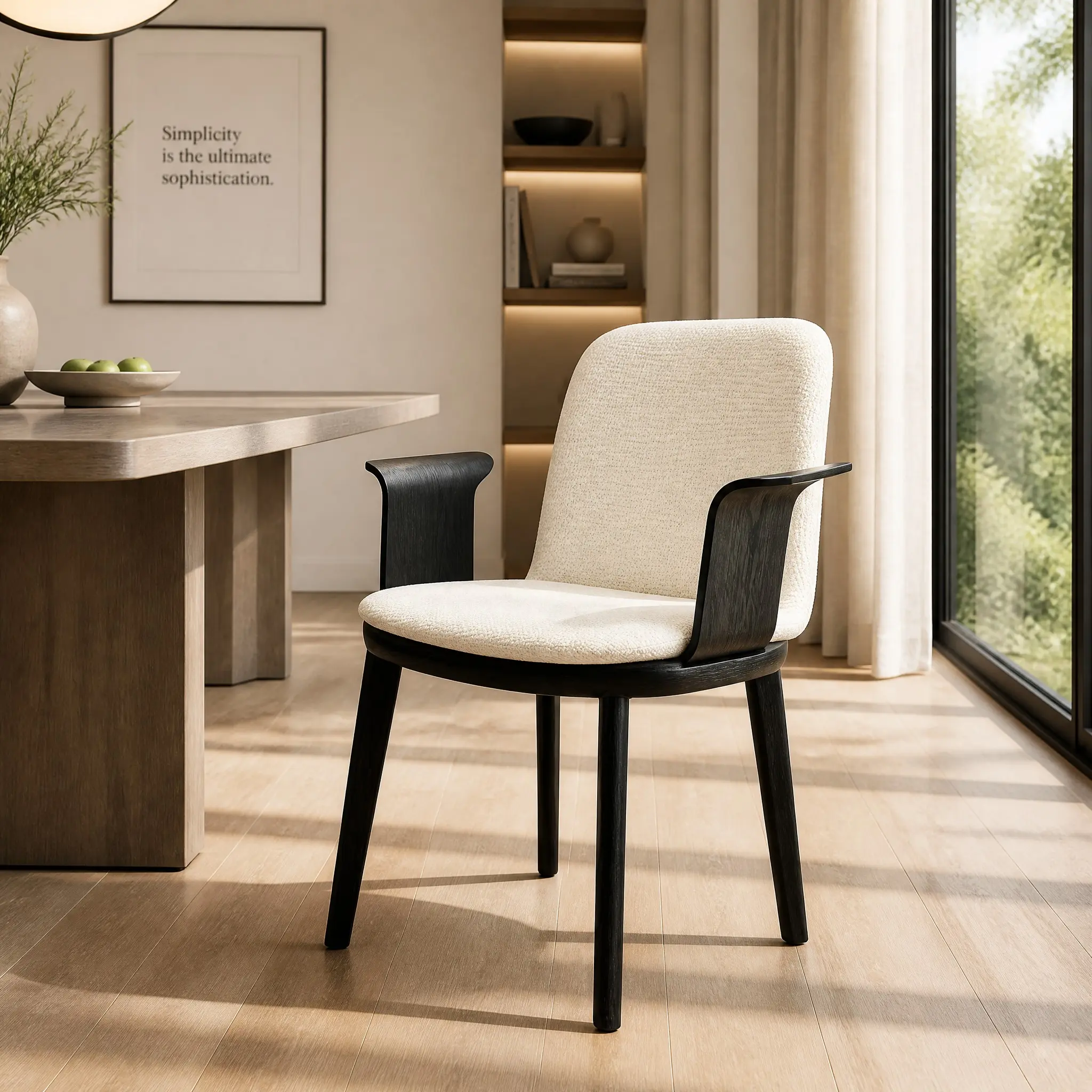 Dining Accent
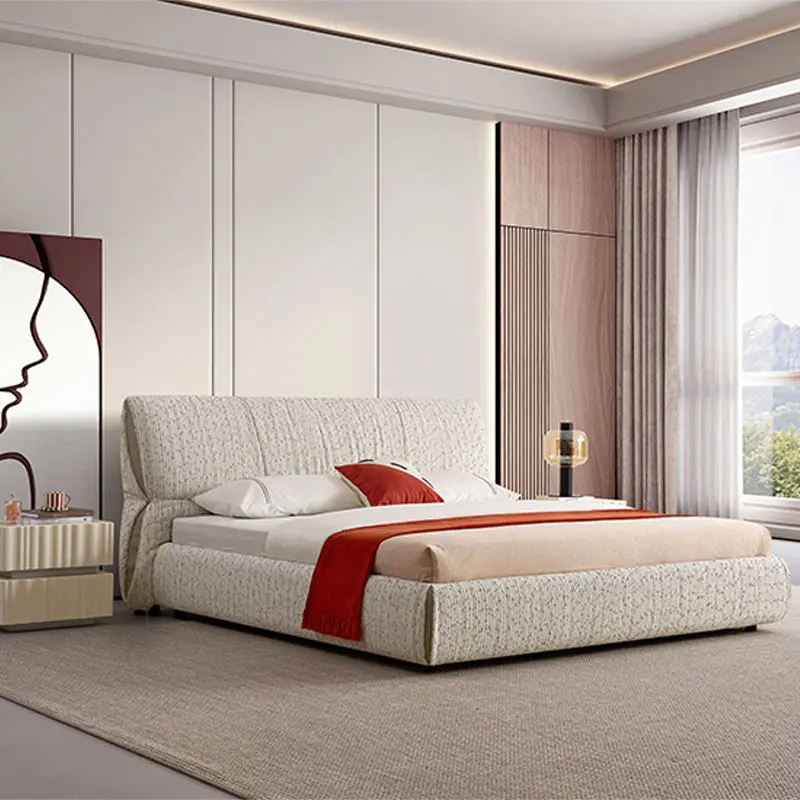 Bedroom Accent
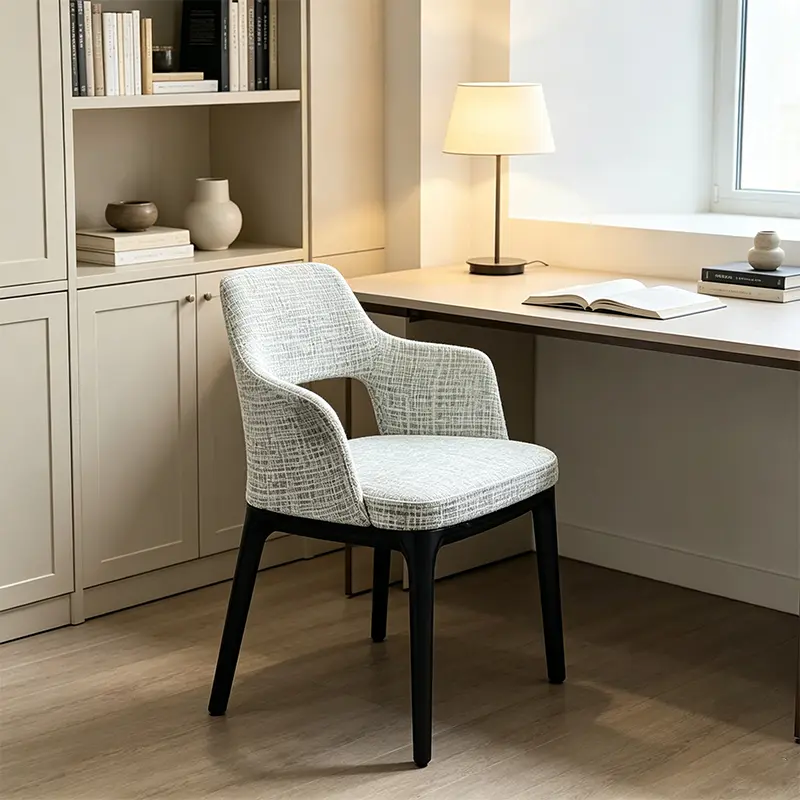 Dining Accent
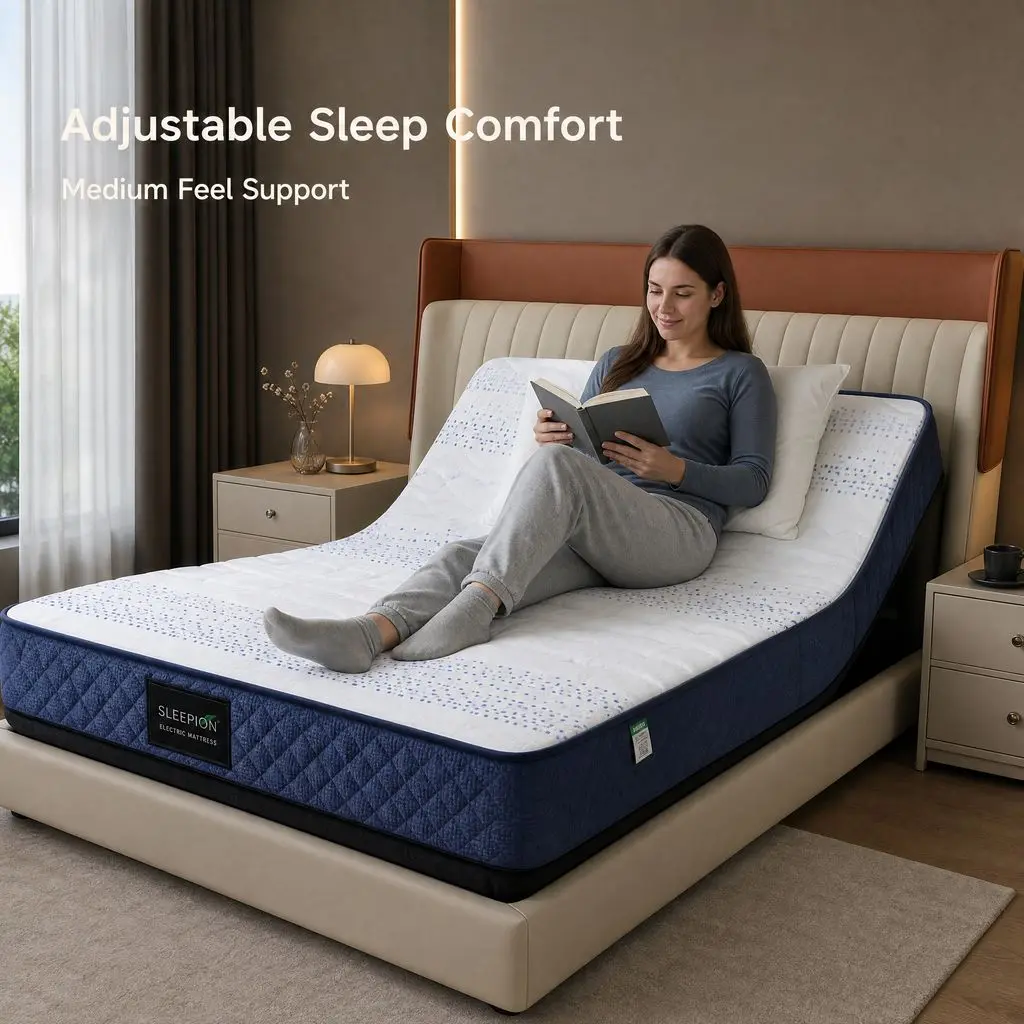 Sleep Accent
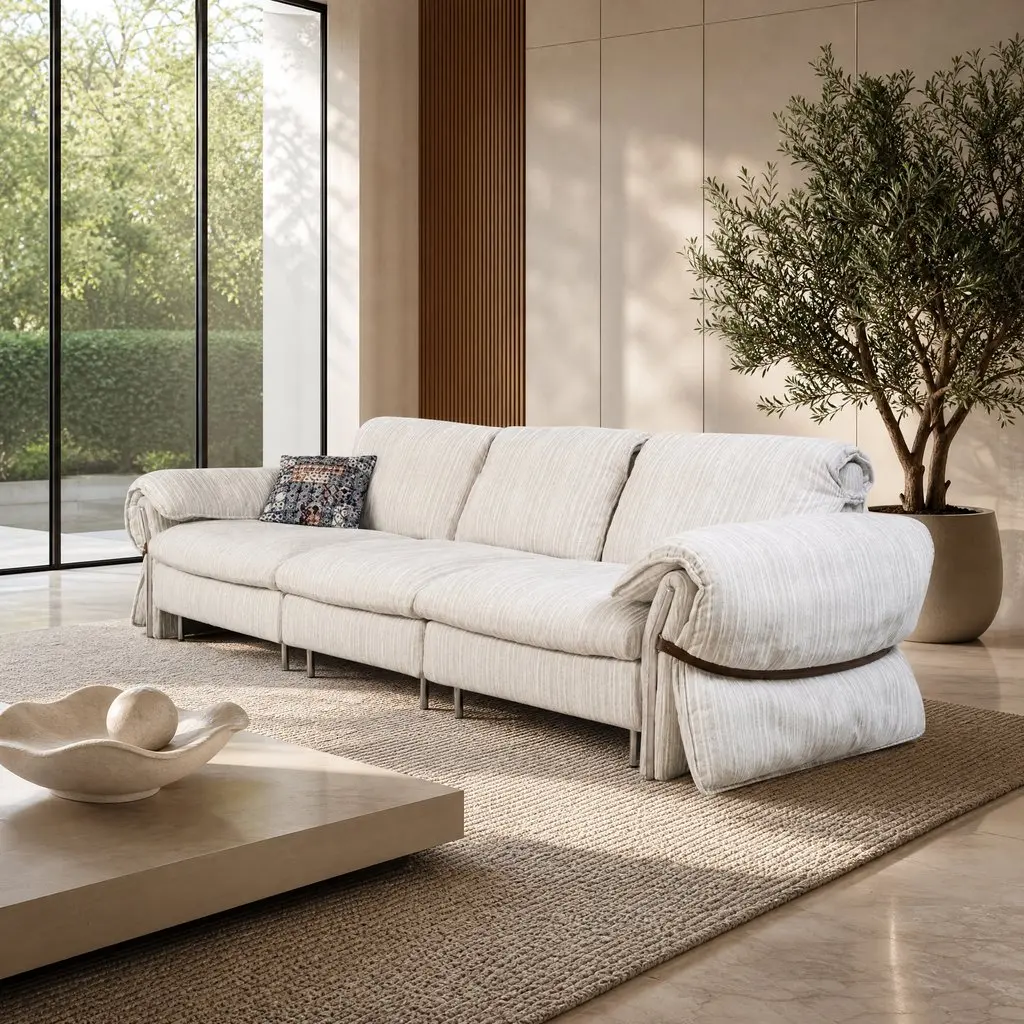 Lounge Accent
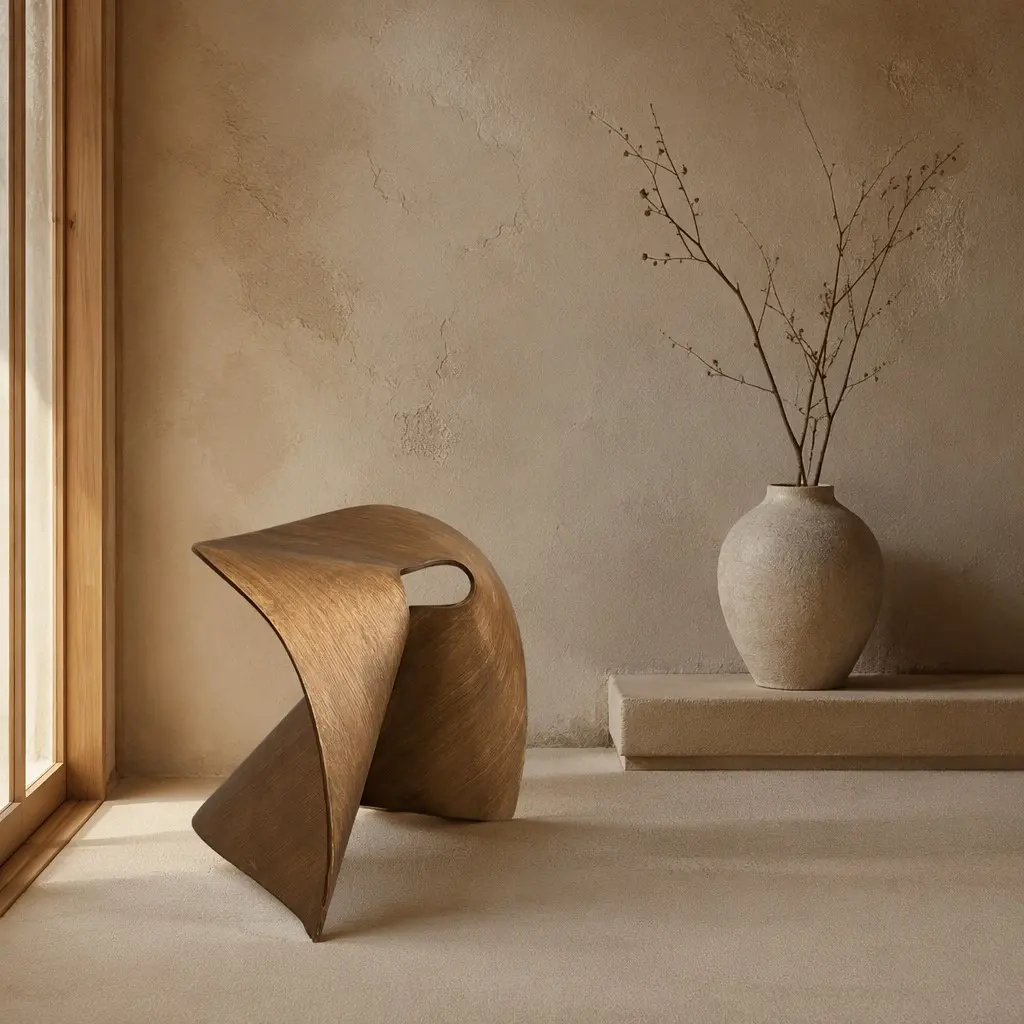 Dining Accent
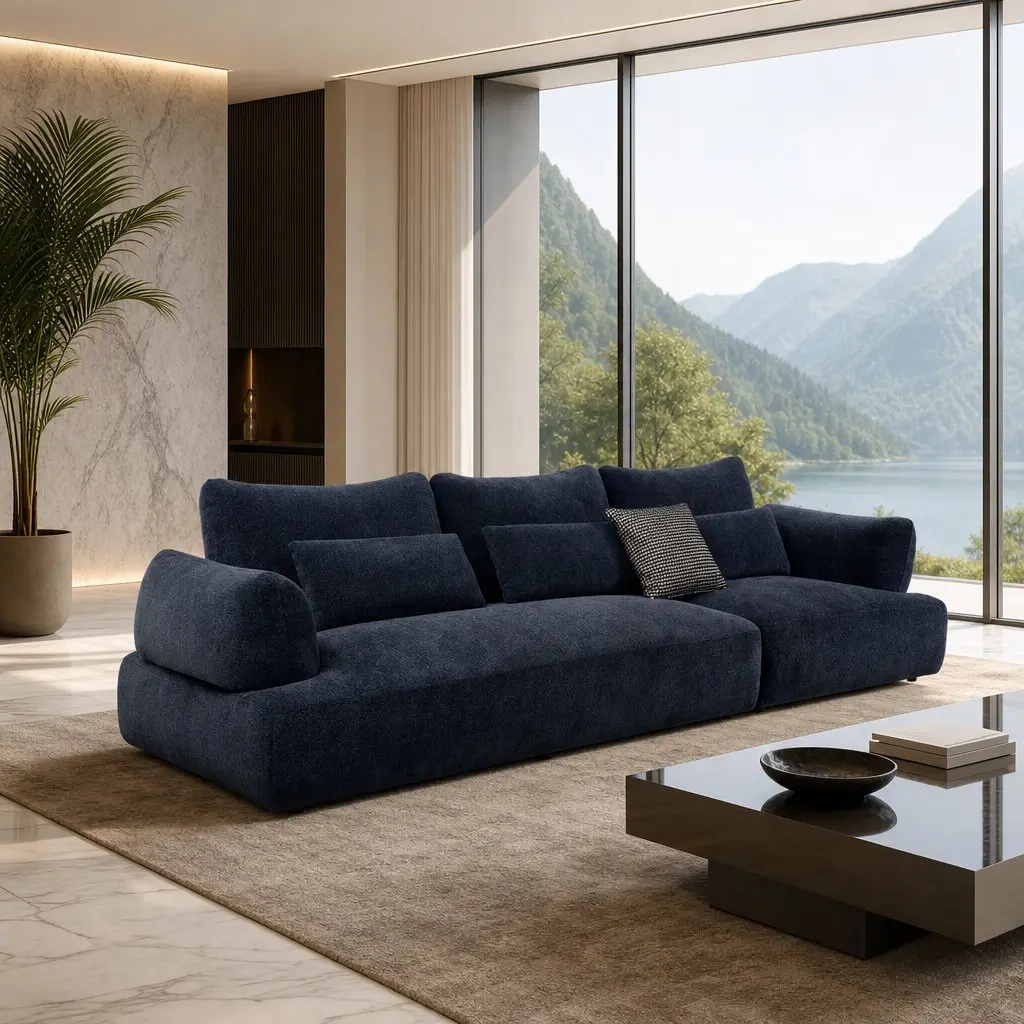 Lounge Accent
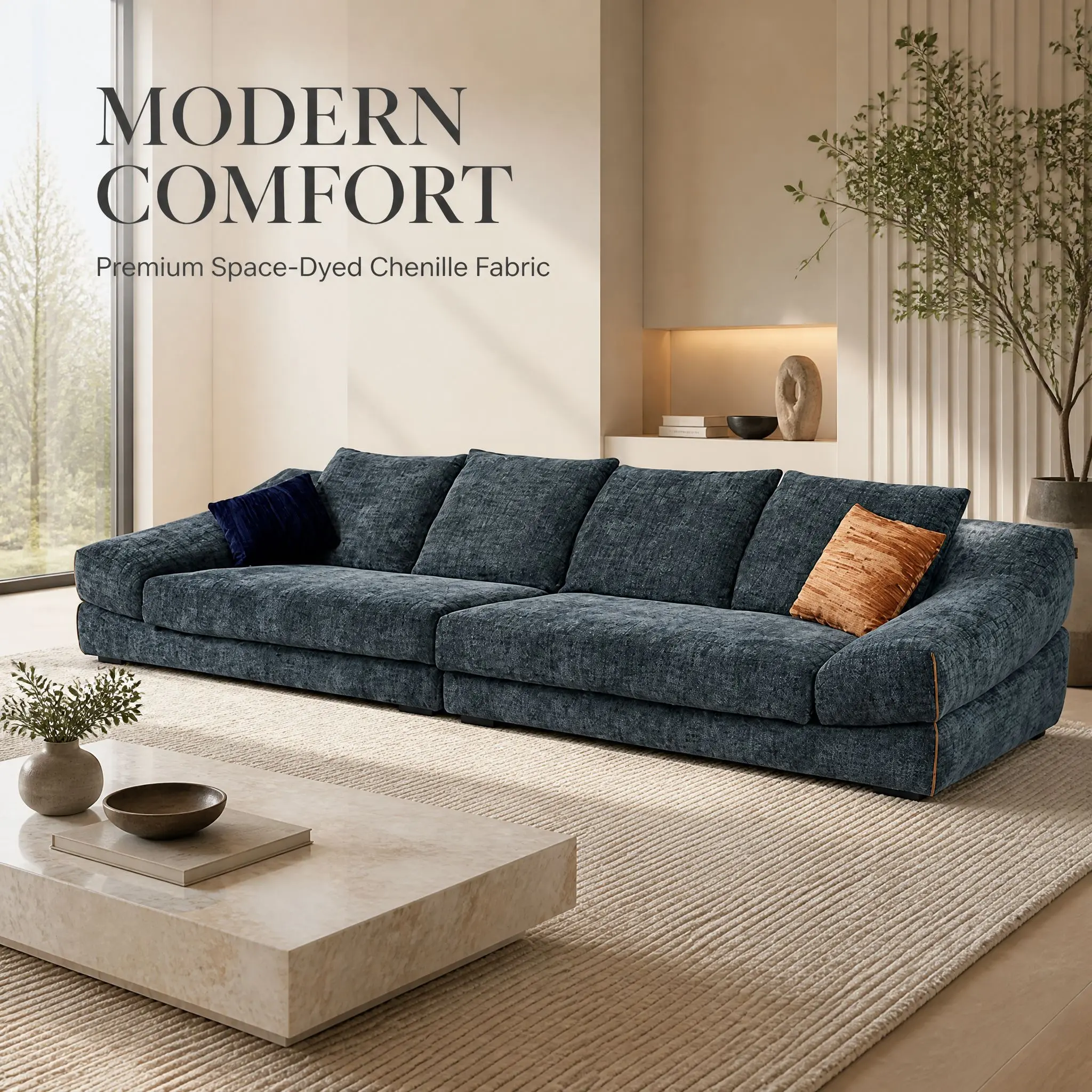 Lounge Accent
Buyer Q&A
Frequently Asked Questions from Azerbaijani Accent Seating Buyers
The questions we hear most often from importers, hospitality developers and design consultants in Baku and beyond.
What MOQ applies to accent chairs and chaises for Azerbaijan orders?
Our default MOQ is 30 pieces per model per colourway on standard production, and 50 pieces per model per colourway for fully custom upholstery. Mixed-container programmes (Model A in our commercial frameworks above) can accept 20 pieces per style when combined with 3–4 other SKUs to fill a container, which is the most common starting structure we see from Azerbaijani first-time buyers. Sample orders of 1–3 pieces are available at sample cost, typically credited against a first production order.
How long is production and how long is shipping to Baku?
Standard catalogue models are 25–35 days from confirmed PO. Fully custom project builds are 75–120 days including sampling, material approval and production. Sea freight to Poti (Georgia) is typically 30–45 days depending on port congestion, with onward truck or rail to Baku adding 3–7 days. Total door-to-door on a custom project is therefore typically 4–6 months from brief to unloaded Baku warehouse.
Which upholstery specifications do you recommend for Caspian humidity?
For Baku and Caspian-coast installations we default to sealed hardwood or engineered-plywood frames, moisture-barrier seat decks, and either performance chenille, contract-grade linen-blend, or treated leather at 1.2–1.4 mm thickness. We avoid heavy foam-lined cotton-backed fabrics for outdoor-adjacent spaces and provide a cli- mate-specific test summary as part of the standard documentation pack on request.
Can I consolidate accent chairs with beds, sofas and dining from a single order?
Yes. Consolidation is one of the reasons Azerbaijani importers buy from us rather than from multiple vendors. Our post-sale team plans container loading across 19 categories under one PO, one QC standard and one shipment — protecting freight economics on 20' and 40' containers and eliminating the risk of a multi-vendor partial-container scenario.
Do you provide samples before committing to production?
Yes. Standard catalogue models can be sampled in 10–15 days; custom builds in 20–30 days including lab-dip fabric and finish approval. Sample costs are quoted per model and are typically credited in full against the first production order of 30+ pieces on the same model. For project tenders in Baku where the sample must be reviewed in-country, we coordinate freight to the buyer's nominated address.
Which payment terms and shipping terms do you support for Azerbaijani buyers?
Standard terms are 30% T/T deposit and 70% before shipment. L/C at sight is supported on orders above a threshold we confirm per project. Shipping is quoted FOB Nansha or Shenzhen for established importers with their own forwarder, or CIF Baku for first-time buyers who prefer a single landed price. For repeat programme buyers we can structure a rolling deposit against regular container release.
How is warranty and after-sales handled for Azerbaijani orders?
Accent chairs and chaises carry a 2-year warranty on domestic retail orders and a 3-year warranty on hotel and commercial project orders, conditioned on specified indoor use. Structural failure, foam collapse, and seam failure are covered; natural fabric fading, wear from misuse, and damage from improper cleaning are not. Replacement parts (castors, cushions, seat decks) are shipped at cost for the life of the model in production. Our after-sales desk is reachable by email and WhatsApp in English.
Do you have a local presence or agent in Azerbaijan?
Our factory and full commercial team are in Foshan, China. For Azerbaijan we operate through direct buyer relationships plus a vetted forwarder network with a contact at the Poti–Baku corridor. Buyers are welcome to visit the factory in Foshan — we can coordinate with hotel and regional travel for site inspection. We do not currently maintain a resident showroom in Baku; quoting and sampling run direct through our export desk.
Work With Us
Planning an Accent Chair or Chaise Programme for Azerbaijan?
Send us your project schedule or a sample of the design direction you're working toward. Our export desk replies with a specification-ready quote and a realistic sampling timeline within 48 hours on business days.