
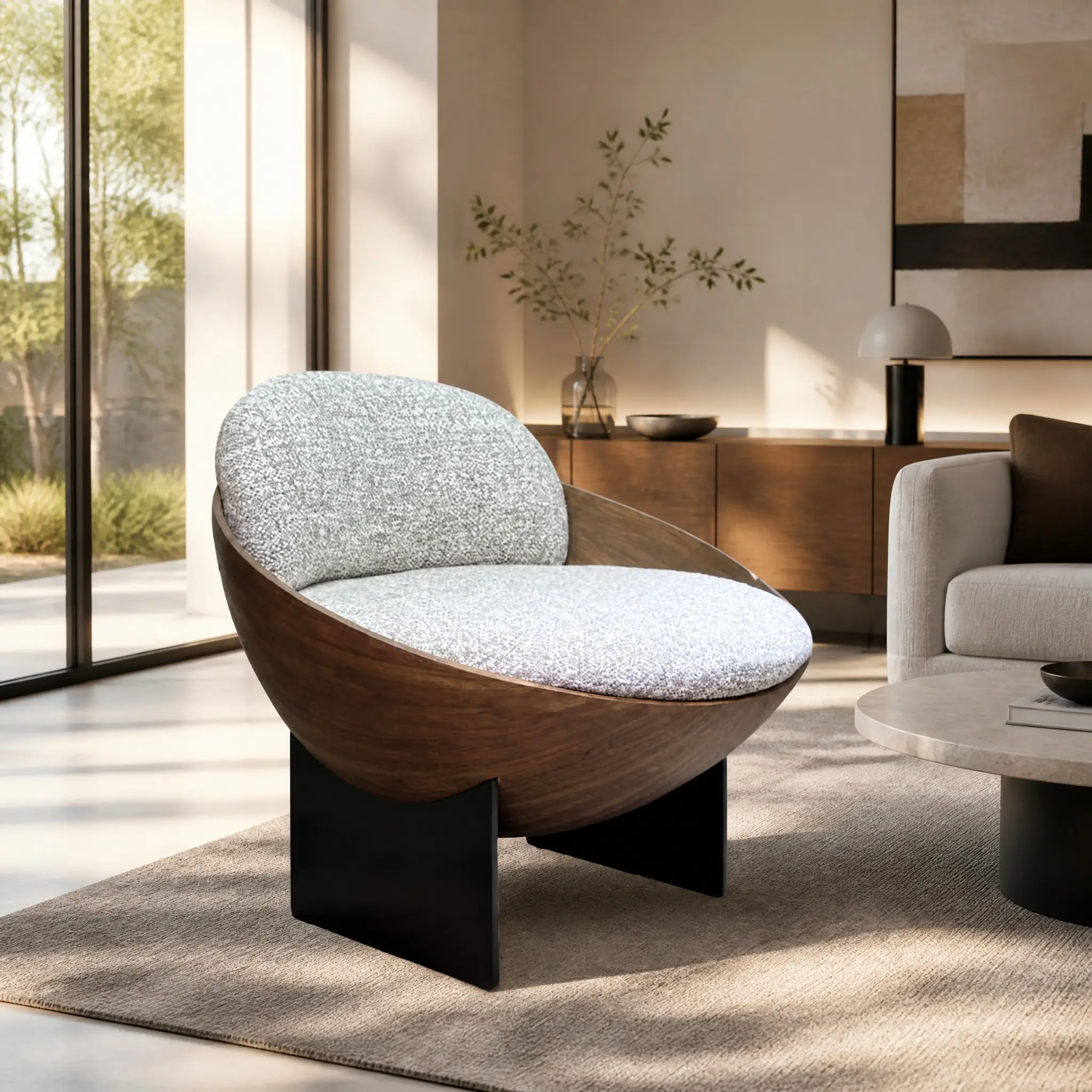
 Bowl Lounge
Manufacturer & Wholesale Program
Bedroom Accent Chairs Manufacturers & Manufacturer for Turkey
Factory-direct bedroom accent chairs engineered for Turkish importers, hospitality groups and contract buyers — with OEM/ODM customization, export-grade packaging and one accountable supply chain from Foshan.
Information Gain · 2026 Buyer Guide
What Turkish Buyers Actually Need to Know Before Sourcing Bedroom Accent Chairs
A bedroom accent chair is rarely an impulse buy in a B2B channel — it is a specification decision shaped by room geometry, fabric compliance, container economics and after-sales risk. This guide consolidates what procurement teams in Istanbul, Izmir, Bursa and Antalya tell us every quarter, and how a Foshan manufacturer program should be structured to serve them.
Most search results for “bedroom accent chairs manufacturer Turkey” present catalogues. Catalogue pages do not answer the questions that determine whether a container lands profitably: Will the upholstery pass the physical-abrasion test my retail partner requires? Does the packaged volume still fit a 40HQ at a defensible landed cost? Is the frame rated for the humidity swings of a coastal resort installation in Muğla?
This page is written as an engineering and procurement reference rather than a product listing. It reflects real production experience across upholstered accent seating, wooden dining-and-lounge frames, and bed platforms, and it deliberately surfaces the trade-offs that generic supplier pages leave out — including where a Foshan factory is genuinely the right partner for Turkey, and where a regional supplier may still win.
Buyers who need a specific model quickly can go directly to our bedroom accent chairs category page, or skip to the inquiry form to send a brief. Everything else below is structured in the order most procurement teams evaluate: market context, product engineering, supply chain, compliance, and risk.
Signature Models
Four Bedroom & Lounge Accent Chairs Built for Turkish Interiors
Each model below is a production platform — not a one-off render. Dimensions, upholstery grade, frame finish and branding are all configurable for OEM orders, and each link leads to full specification sheets.
Bowl Lounge
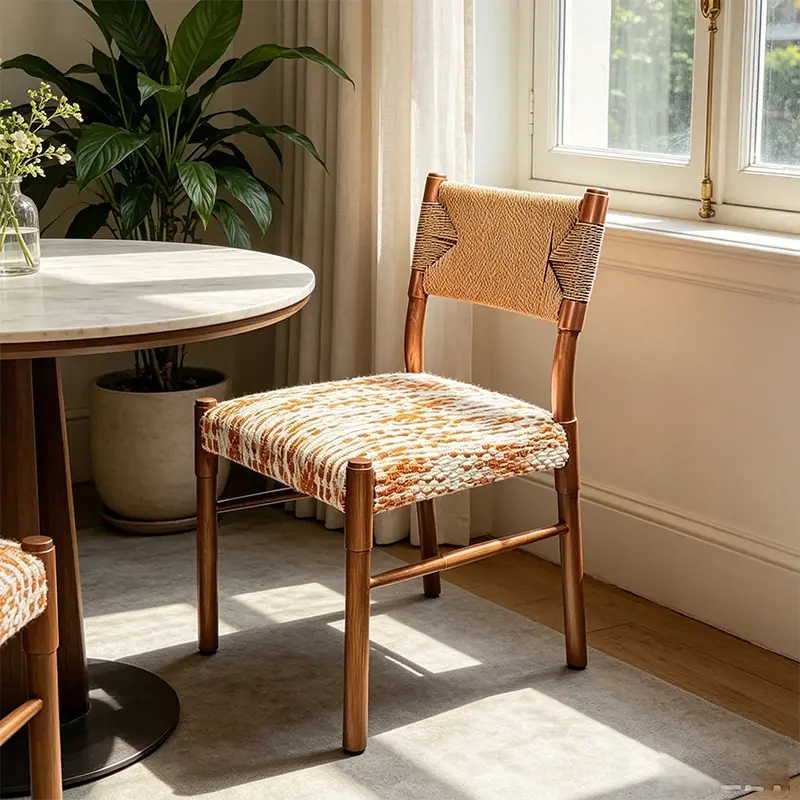 Rope Woven
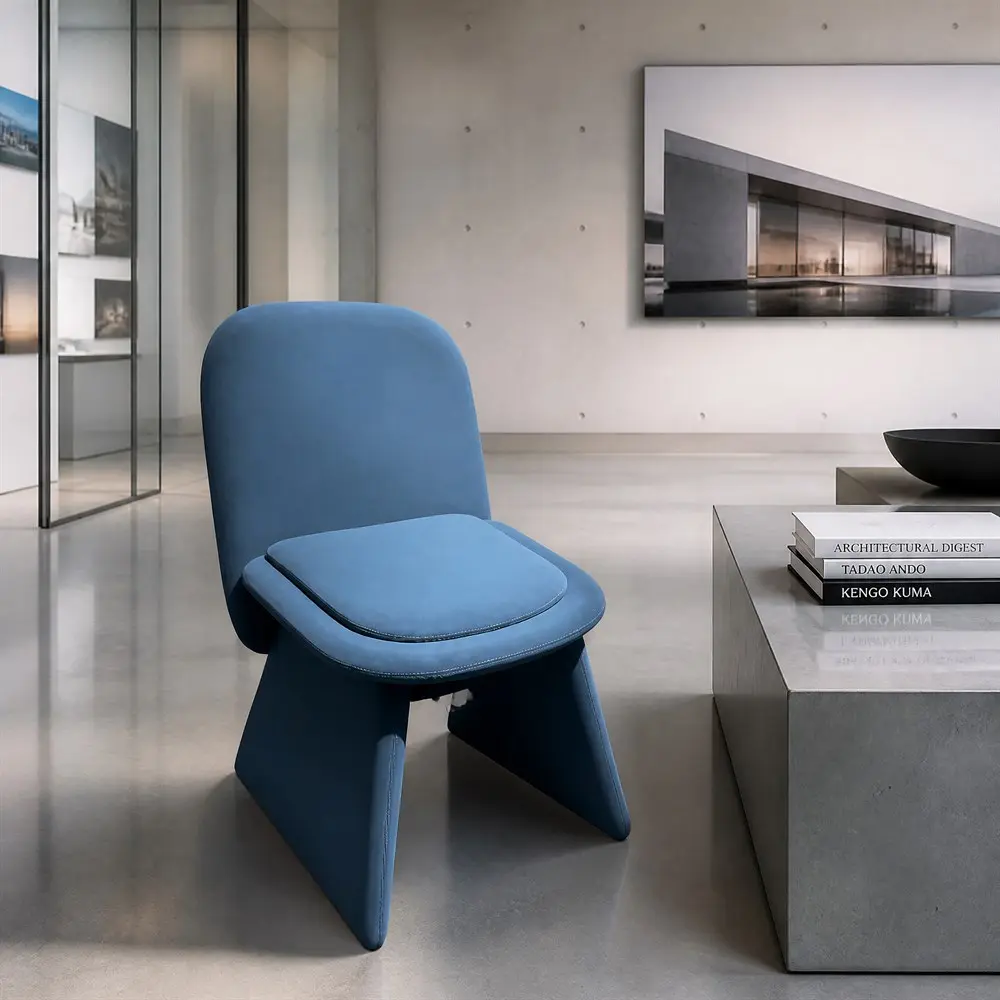 Microfiber Leather
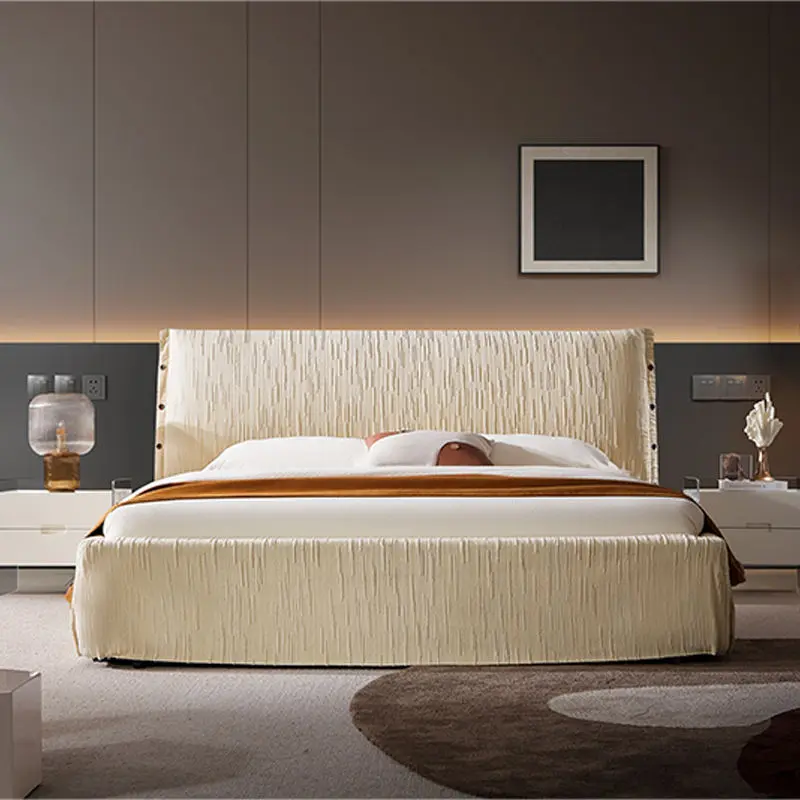 Bedroom Suite
Turkey Market Intelligence
The Turkish Bedroom Accent Chair Market: Commercial Reality, Not Guesswork
Turkey is one of the most strategically positioned furniture markets in the wider Europe–Middle East corridor. Understanding how Turkish buyers actually purchase — rather than how they appear in export statistics — changes how a manufacturer should present itself.
A Domestic Industry That Still Imports
Turkey has a mature furniture manufacturing base concentrated around Kayseri, İnegöl (Bursa) and Istanbul. That strength sits mainly in cabinet furniture, seating systems and volume upholstery — not in every niche accent silhouette. Import demand is therefore selective rather than general: Turkish buyers import specific designs, specific price bands and specific finish executions that domestic lines do not cover economically.
Currency Volatility Reshapes Order Sizing
Lira volatility pushes importers toward smaller, more frequent replenishment cycles and toward suppliers who can hold agreed prices across a defined window. Practically, this favours manufacturers that quote in USD or EUR with explicit validity periods, support mixed-SKU containers, and accept trial orders that de-risk a first purchase.
Hospitality and Residential Projects
Antalya, Bodrum and Istanbul continue to absorb hotel refurbishment and branded-residence furniture. Project buyers need repeatable specification and matching finishes across rooms, which is where a single-source accent chair program (bedroom chair + bed frame + casegoods) is far more efficient than assembling items from five vendors.
Retail Chains and E-commerce Sellers
Online furniture retail in Turkey has matured, and marketplace sellers require flattened, self-assembly-friendly packaging with assembly instructions in Turkish. Accent chairs that disassemble into compact cartons materially reduce last-mile cost and damage claims — a design requirement, not a logistics afterthought.
Customs Union Advantage
Turkey's Customs Union relationship with the EU means many Turkish manufacturers re-export finished furniture into Europe. Some importers buy Chinese components or finished accent pieces specifically to fill a style or price gap in a range that is then sold into EU markets — making documentation quality at origin genuinely consequential.
Design Language Preferences
Turkish residential interiors skew toward warm woods, textured fabrics and sculptural silhouettes with visible material honesty. Bowl chairs, rope-woven backs, walnut-finished ash and matte microfiber leather consistently outperform high-gloss or heavily ornamented finishes in this channel.
Capability Snapshot
Manufacturing Capacity Behind Every Accent Chair Order
Numbers that matter when you are evaluating whether a factory can absorb a 1,200-piece bedroom seating program without quality drift.
0Years Export Experience
0Original Patents
0Product Categories
0OEM/ODM Dimensions
Technical Roadmap
Accent Chair Engineering: From Frame Design to Fabric Certification
A bedroom accent chair hides most of its engineering. Below is how we approach the four systems that determine whether a chair survives five years of hotel use — or fails in eighteen months.
System 01
Frame & Structural Integrity
Kiln-dried hardwood, laminated bent-board or molded fiberglass shell depending on silhouette. Joints are corner-blocked and glued, with steel reinforcement at load-bearing points on wider frames. Target static load ratings are specified per model before tooling begins.
System 02
Cushion & Foam Density
Seat foam density is matched to intended use — residential retail tolerates softer seating than hospitality. High-resilience foam grades with defined compression-set limits are specified for contract orders, with removable covers where maintenance access is required.
System 03
Upholstery & Abrasion
Fabric is selected against Martindale abrasion targets appropriate to the channel, plus colourfastness and pilling criteria. Microfiber leather, cotton-linen blends, jacquard chenille and wool-look fabrics each carry different maintenance profiles that should be disclosed to the end buyer.
System 04
Finish & Moisture Behaviour
Wood finishes are specified for humidity variation. For coastal Turkish installations, sealed and lacquered finishes outperform open-pore treatments. Metal bases are powder-coated or PVD-finished to resist salt-air corrosion in resort environments.
Macro Solutions
Matching the Accent Chair Specification to the Buying Channel
The most expensive sourcing mistake is not price — it is specifying a residential chair for a hotel lobby, or a contract-grade chair for a value retail shelf. Use this matrix to align the build with the channel.
| Buying Channel | Typical Order Size | Priority Specification | Recommended Build Approach |
|---|---|---|---|
| Independent Furniture Retailer | 20–120 pcs / mixed SKU | Visual differentiation & margin | Signature silhouettes, mid-density foam, fashionable fabric grades, mixed container loading |
| Online Marketplace Seller | 50–400 pcs | Flat-pack & damage resistance | Knock-down construction, reinforced cartons, Turkish-language assembly sheets |
| Hotel & Resort Refurbishment | 80–600 pcs per property | Abrasion & repeat specification | Contract-grade foam, high Martindale fabric, sealed finishes, documented spec sheets for archive |
| Property Developer / Show Flat | 10–60 pcs | Design coherence across rooms | Coordinated palette with bed frames and casegoods, premium shell and veneer execution |
| Interior Design Studio | 1–30 pcs | Custom dimension & finish | Made-to-spec dimensions, customer's own fabric (COM) accepted on approved orders |
| Distributor / Wholesaler | 300–1,500 pcs / year | Cost consistency & supply reliability | Core range standardization, agreed price validity windows, staged shipment schedules |
Localization & Compliance
Localisation Support and Regulatory Documentation for Turkey-Bound Shipments
Compliance is where inexperienced suppliers quietly create cost. These are the areas we actively prepare for Turkish buyers rather than leaving them to the importer's customs broker.
Export Documentation Set
Commercial invoice, packing list, HS classification support, certificate of origin and fumigation/heat-treatment evidence for solid-wood components. Documentation is prepared to match the importer's broker requirements rather than issued as a generic bundle.
Language Localisation
Assembly instructions, care labels and retail-facing product sheets can be supplied in Turkish. This matters most for flat-pack online sales, where a missing or mistranslated instruction set drives returns far more than product quality does.
Textile & Material Declarations
Fabric composition, care coding and REACH-relevant substance declarations are provided where the buyer's destination market requires them. Buyers re-exporting into the EU should confirm the applicable framework with their own compliance team.
Packaging for Long Sea Transit
Foshan to Mersin or Istanbul involves extended container time and humidity cycling. Multi-layer export crating, corner protection, moisture absorbers and stretch-wrapped palletisation are used to control transit damage claims.
Container Consolidation
Mixed-category loading — accent chairs plus bed frames, mattresses and dining pieces — is planned to reduce ocean freight cost per unit. Loading plans are shared before shipment so the importer can verify cube utilisation.
After-Sales Resolution Path
A defined claim process with photographic evidence requirements, replacement-part dispatch and root-cause feedback into production. A supplier without this path converts a small defect into a permanent margin problem.
China Factory 4.0
Supply Chain Resilience and Efficiency in a Foshan Furniture Factory
“Factory 4.0” is often marketing language. In practice, for an upholstered accent chair program, it means four concrete operational capabilities that determine whether a repeat order arrives identical to the first.
1. Digital specification locking. Once a sample is approved, dimensions, foam grades, fabric references, thread colours and hardware are locked into a master specification record. Every subsequent production run is checked against that record rather than against memory or an emailed photo. This is the single largest source of quality consistency in repeat orders.
2. Cluster-based capacity pooling. Longjiang and Shunde host an unusually dense ecosystem of specialist suppliers — foam, hardwood, metal bases, upholstery workshops. A well-integrated manufacturer can flex capacity across audited partner facilities without relinquishing quality ownership, which matters when a distributor suddenly doubles an order ahead of a retail season.
3. In-line quality auditing rather than end-of-line inspection. Checking a finished chair catches defects late. Checking frame joints, foam density samples and fabric alignment during production catches them while correction is still cheap. Our QC engineers work on the production floor, not in an office.
4. Loading-plan discipline. Freight is often the second-largest line item after product cost. Pre-planned container loading, consistent carton dimensions and knock-down design where appropriate convert directly into a lower landed cost per chair — a benefit the importer keeps, not the factory.
For buyers comparing Chinese suppliers, the useful question is not “do you have automation?” but “what is locked, what is audited, and who owns the claim when something fails?” Those three answers separate a manufacturing partner from a broker.
Global Procurement Demand
What Global Buyers Ask For — and How Turkey Fits the Pattern
Turkey is not an isolated market. The requirements Turkish importers raise are recognisably the same six demands that appear across Europe, the Gulf and North America — with local weighting.
Predictable Landed Cost
Buyers want a total landed cost number, not an FOB number. Suppliers who can model packaging volume, freight and duty assumptions win more repeat business than those who simply quote the lowest unit price.
Documented Quality
Specification sheets, material declarations and photo evidence of in-line inspection are increasingly requested at quotation stage, not just at shipment. Documentation is becoming a competitive feature.
Low MOQ Trials
First orders are getting smaller across every market as buyers de-risk. A supplier that supports a genuine trial order — with honest unit economics — converts prospects that a rigid 500-piece minimum would lose.
Lead-Time Honesty
Buyers increasingly rank reliable lead times above the shortest quoted lead time. A realistic 45–60 day production estimate beats an optimistic 30-day figure that slips twice.
Range Breadth Under One PO
Fewer vendors means fewer freight consolidations, fewer quality owners and fewer payment rails. A supplier that can cover bedroom seating, bed frames and mattresses under one contract removes administrative load from the importer.
Private Label Capability
Woven labels, embossed logos and branded packaging let importers build their own range identity. Buyers who control their brand avoid competing purely on price in their home market.
Planning a Bedroom Accent Chair Range for the Turkish Market?
Send us your target channel, quantity, style direction and any fabric or compliance requirements. Our export team will respond with applicable models, indicative landed cost assumptions and a realistic production timeline — no obligation.
Buyer FAQ
Frequently Asked Questions from Turkish and International Buyers
Direct answers to the questions that determine whether an accent chair program is worth quoting.
Are you a manufacturer or a trading company?
We are the export brand of Foshan Qingyumai Technology Co., Ltd., an integrated manufacturer covering R&D, production and international sales with our own facility in Shunde, Foshan. For whole-house or multi-category orders we coordinate a network of audited partner factories so all items ship under one quality standard and one purchase order.
Can you supply bedroom accent chairs with Turkish-language packaging and assembly sheets?
Yes. Assembly instructions, care labels and retail-facing product sheets can be produced in Turkish for orders where the language is specified at the quotation stage. This is particularly relevant for flat-pack chairs sold through online marketplaces.
What is a realistic minimum order quantity for a first accent chair order?
MOQ depends on the model and finish. Standard models in standard finishes generally start lower than fully customized dimensions or customer-supplied fabric. We prefer to discuss your actual trial quantity and quote honestly, rather than publish a minimum that does not survive contact with freight economics.
Can I combine accent chairs with beds, mattresses and dining furniture in one container?
Yes. Container consolidation across categories is part of our standard post-sale service. Loading space is planned to reduce ocean freight cost per unit, and multi-layer export crating is used to limit transit damage. A loading plan can be shared before shipment.
How do you handle fabric and abrasion requirements for hotel projects?
Fabric is selected against the abrasion and colourfastness targets appropriate to the intended use. For contract and hospitality orders we specify higher durability grades and document the specification so it can be archived and matched on future refurbishment phases.
Do you accept customer-supplied fabric (COM)?
Yes, on approved orders. We assess the fabric's suitability for the specified frame and construction before production, and confirm yardage requirements. This allows interior design studios and importers to retain full control over the finished look.
Which buyers do you typically work with?
Furniture wholesalers and importers, hotel and hospitality procurement teams, property developers, interior design firms, salon and retail brands, and residential clients requiring coordinated furniture across multiple rooms.
Where is your factory located and can buyers visit?
We are located at Hui Cheng Industrial Park, Longjiang Town, Shunde District, Foshan, Guangdong, China — one of the world's most established furniture manufacturing clusters. Buyers are welcome to arrange factory and showroom visits, and video walkthroughs can be arranged for remote evaluation.
Full Collection
Complementary Furniture for Coordinated Turkish Bedroom & Living Programs
Accent chairs rarely ship alone. These are the companion categories most frequently combined into Turkey-bound containers, allowing one quality owner, one contract and one consolidated shipment.
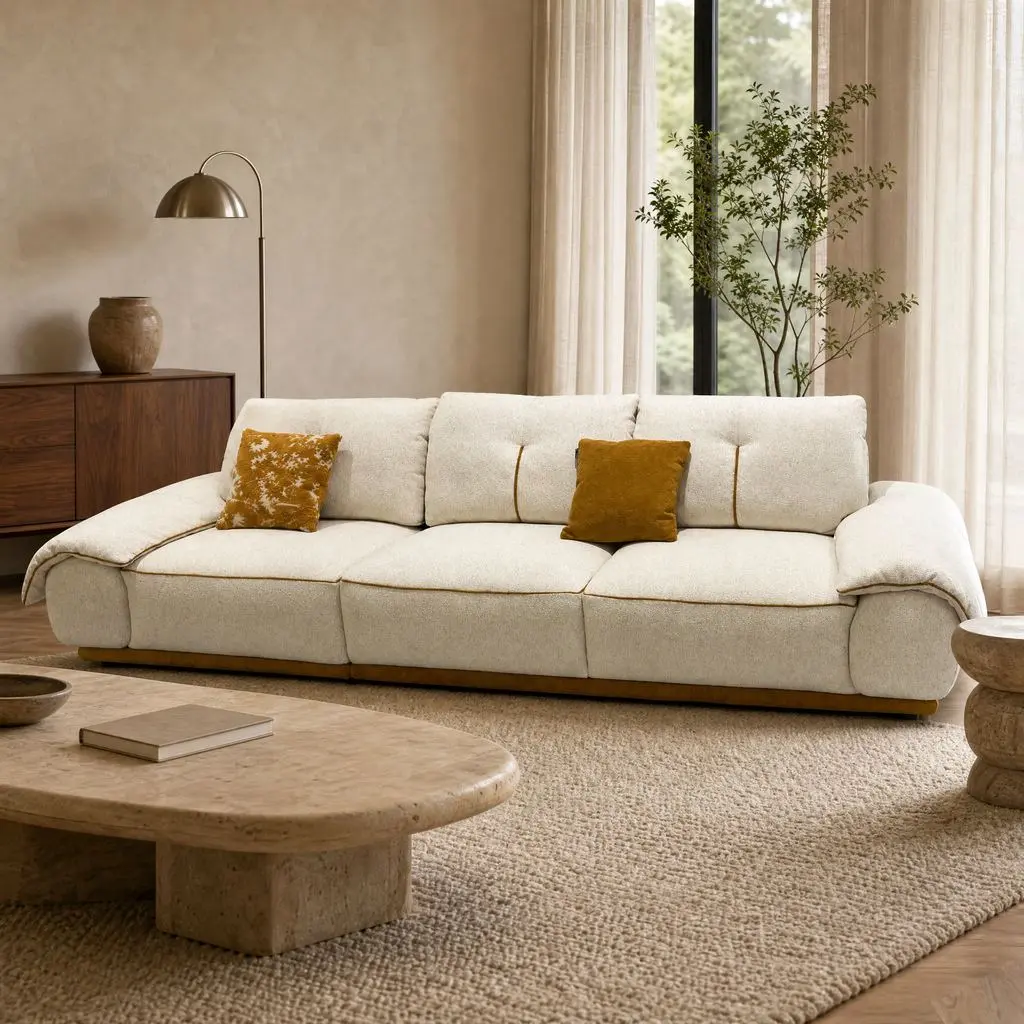 Sectional Sofa
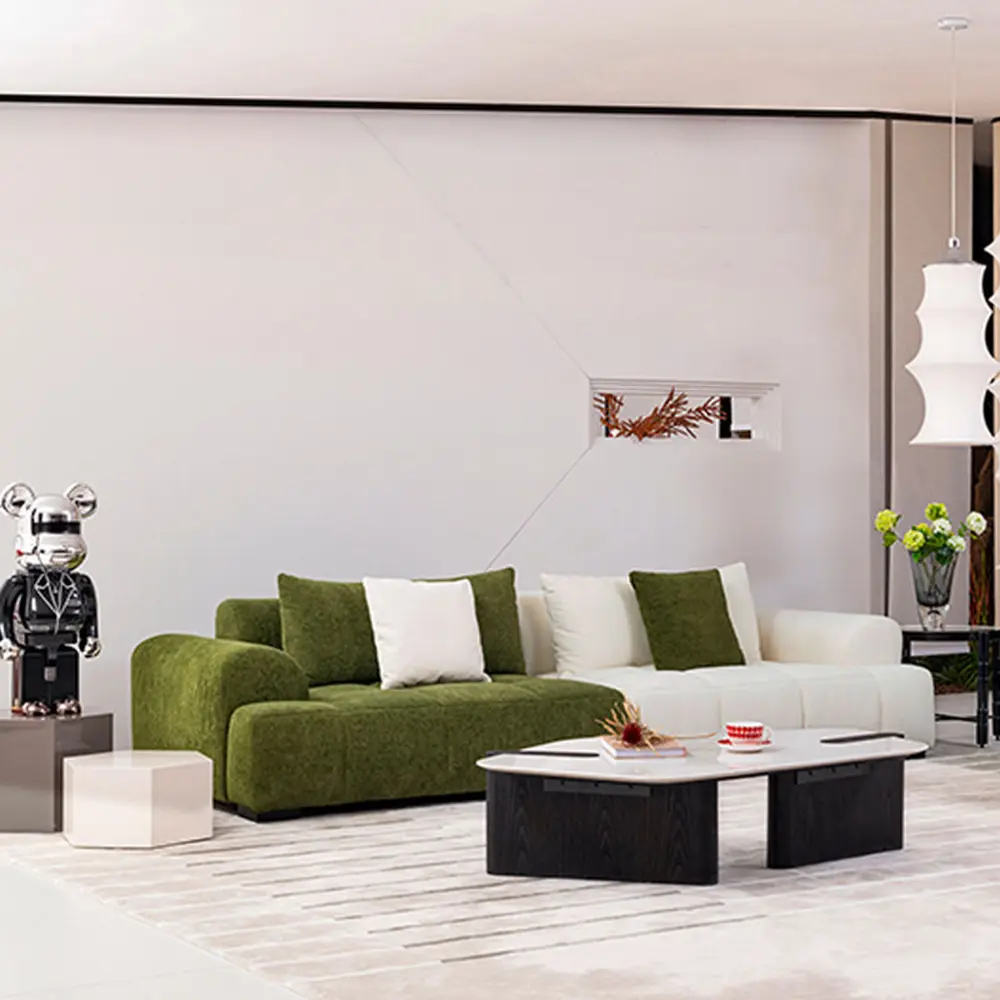 Modular Sofa
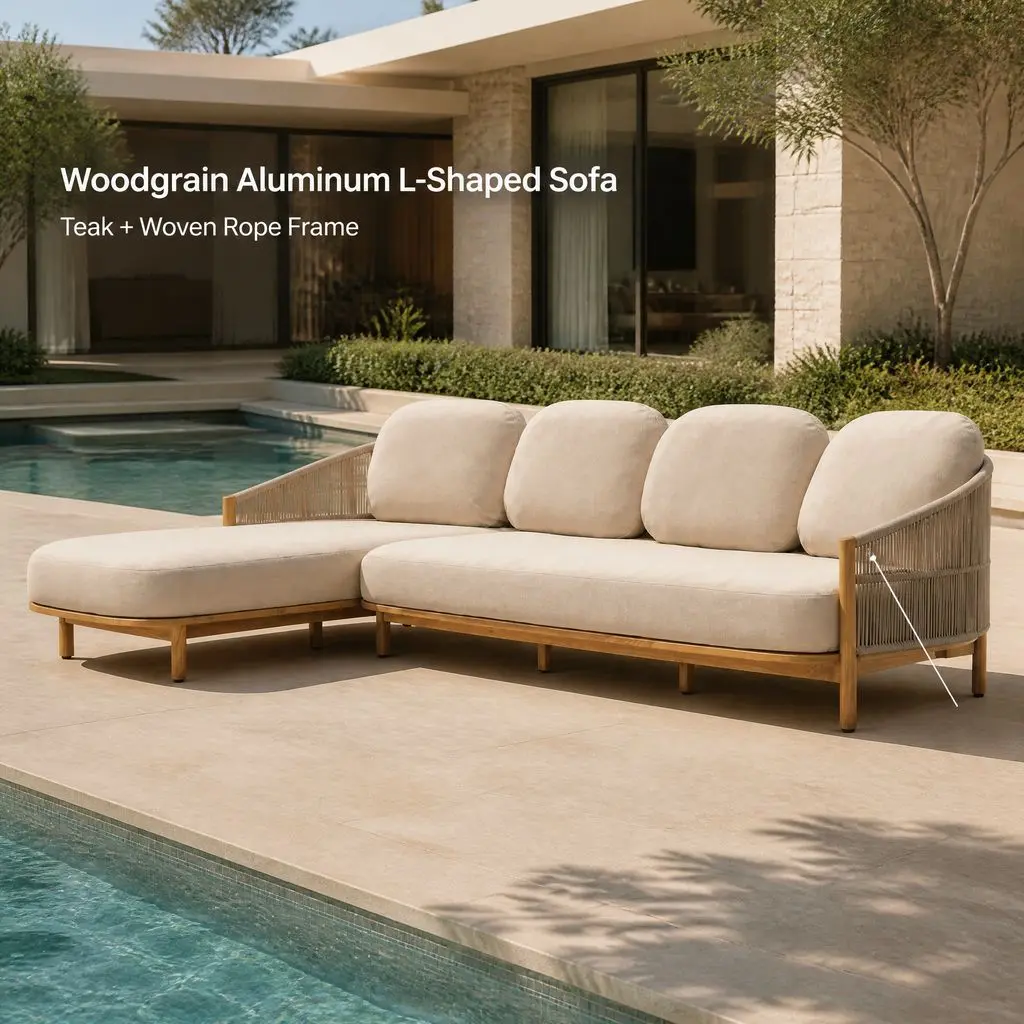 Outdoor Lounge
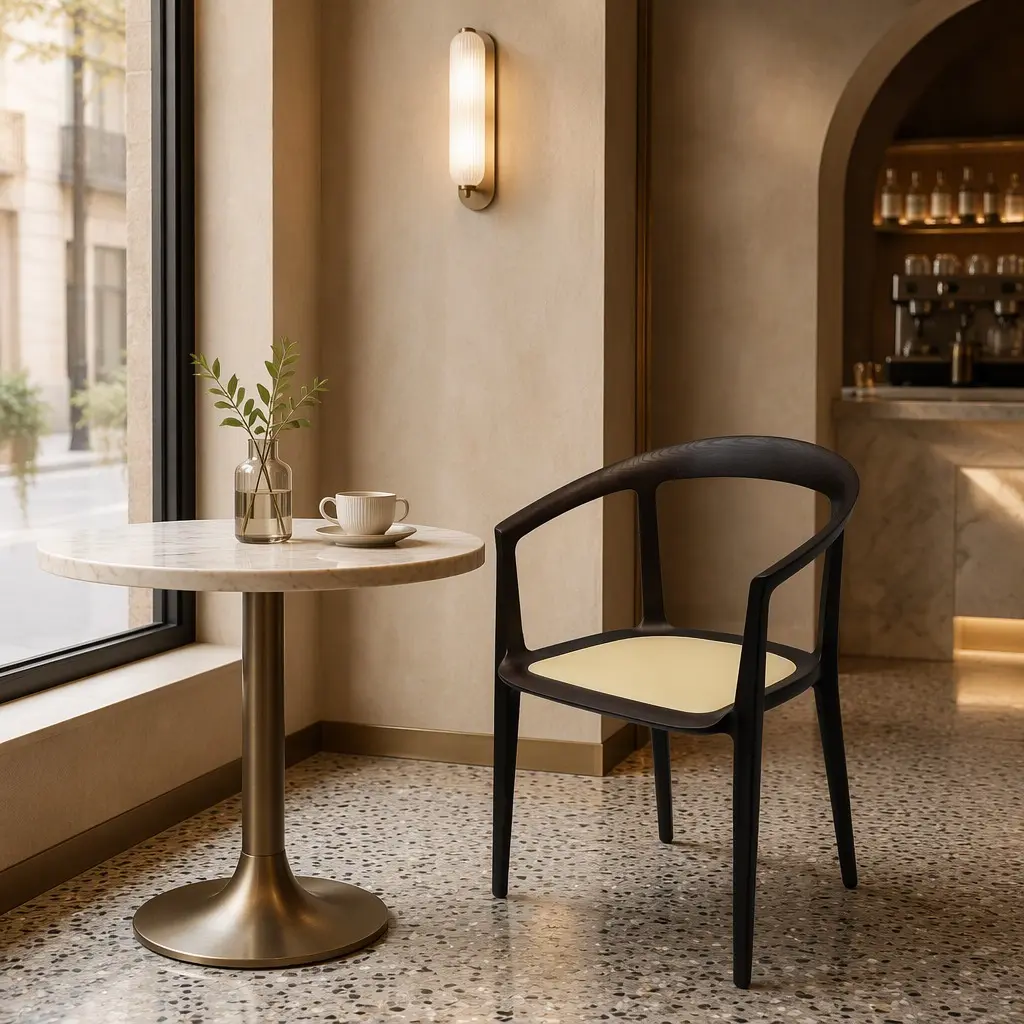 Dining Chair
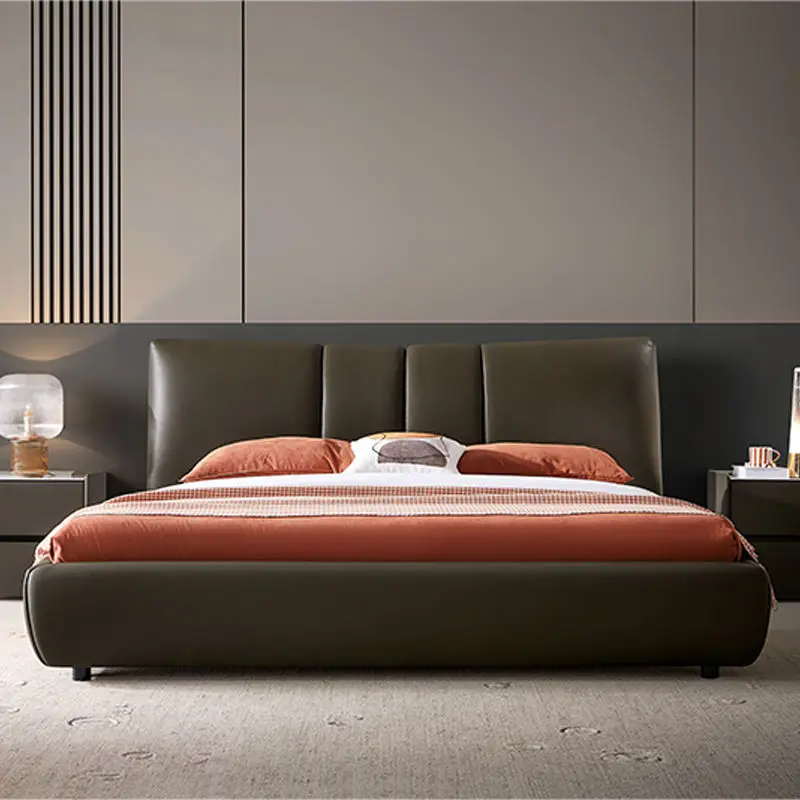 Leather Bed
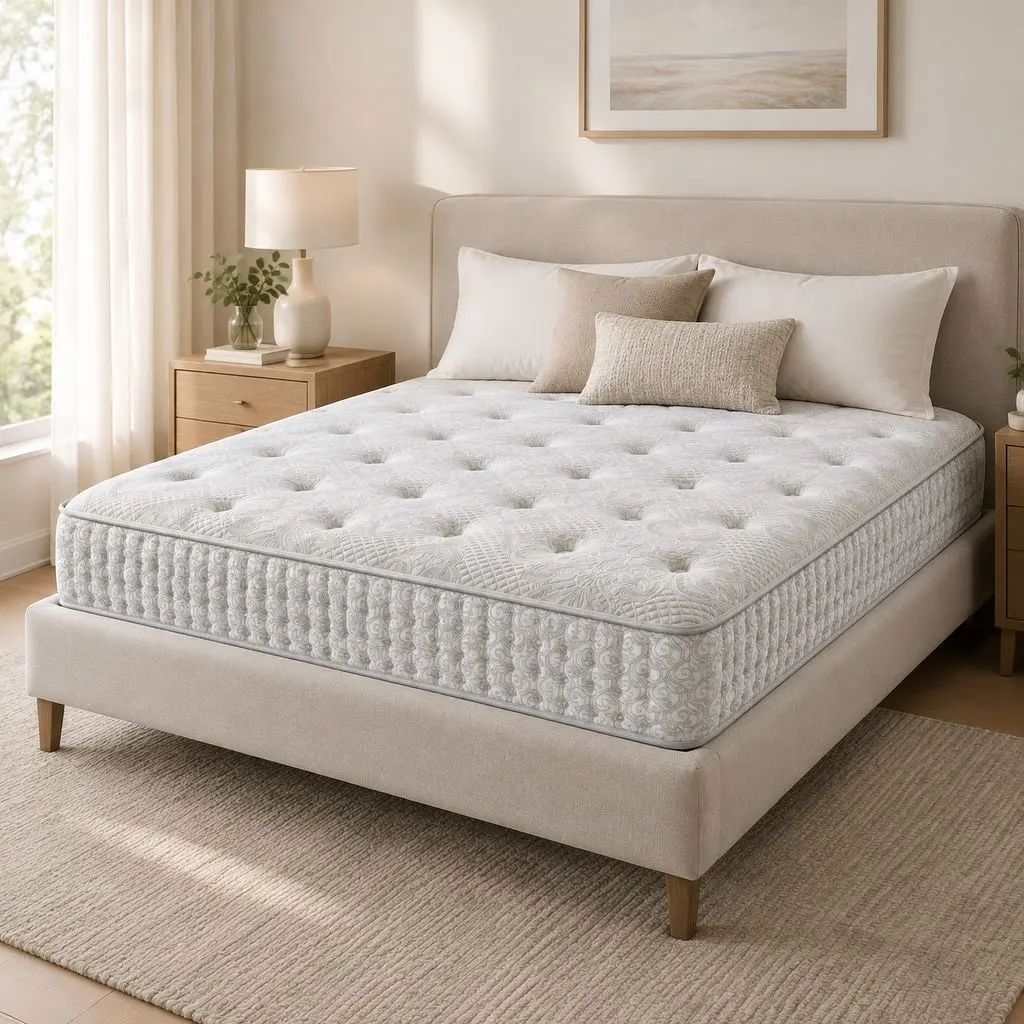 Mattress
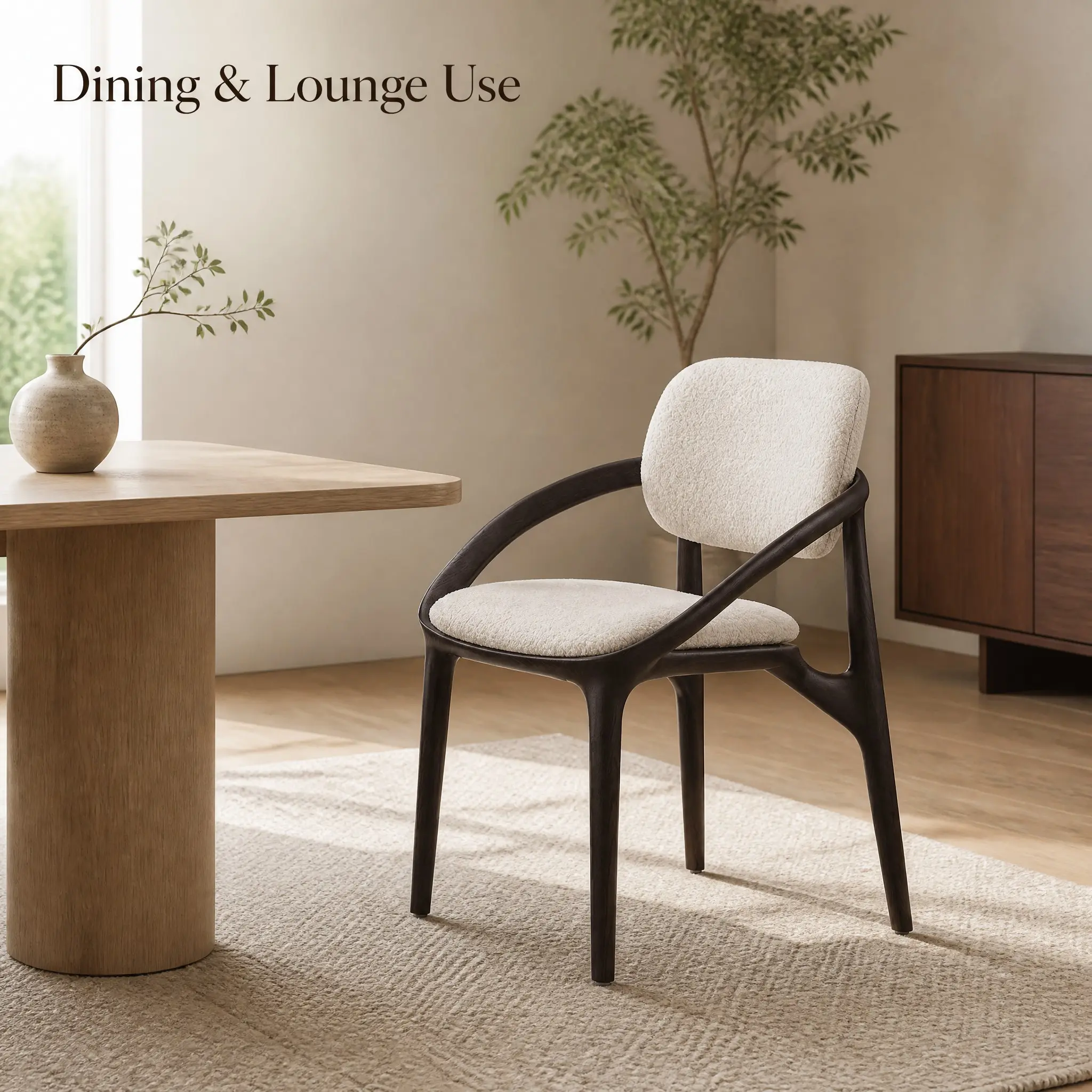 Wool Armchair
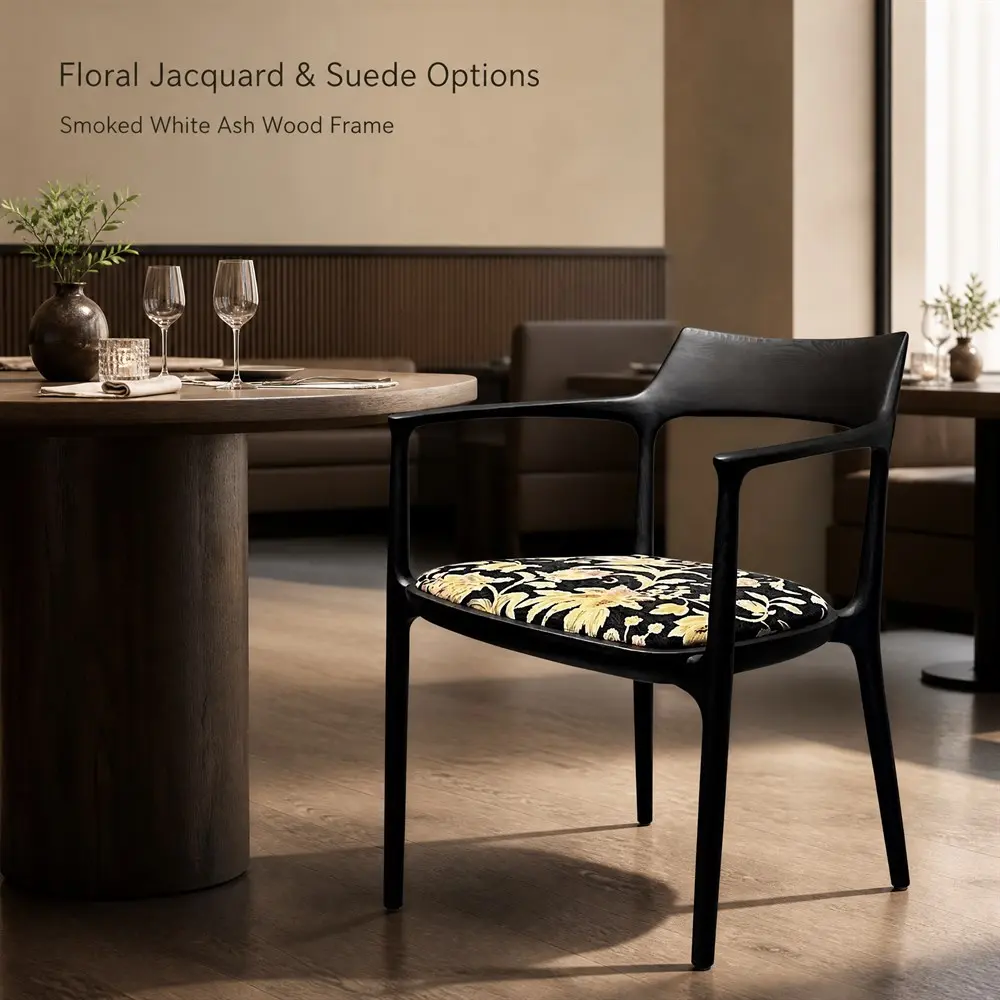 Retro Armchair
Ready to Specify Your Turkey-Bound Accent Chair Program?
Share your model references, target quantity and delivery window. We will reply with applicable product options, customization feasibility and a transparent production schedule.