
Lounge & Accent
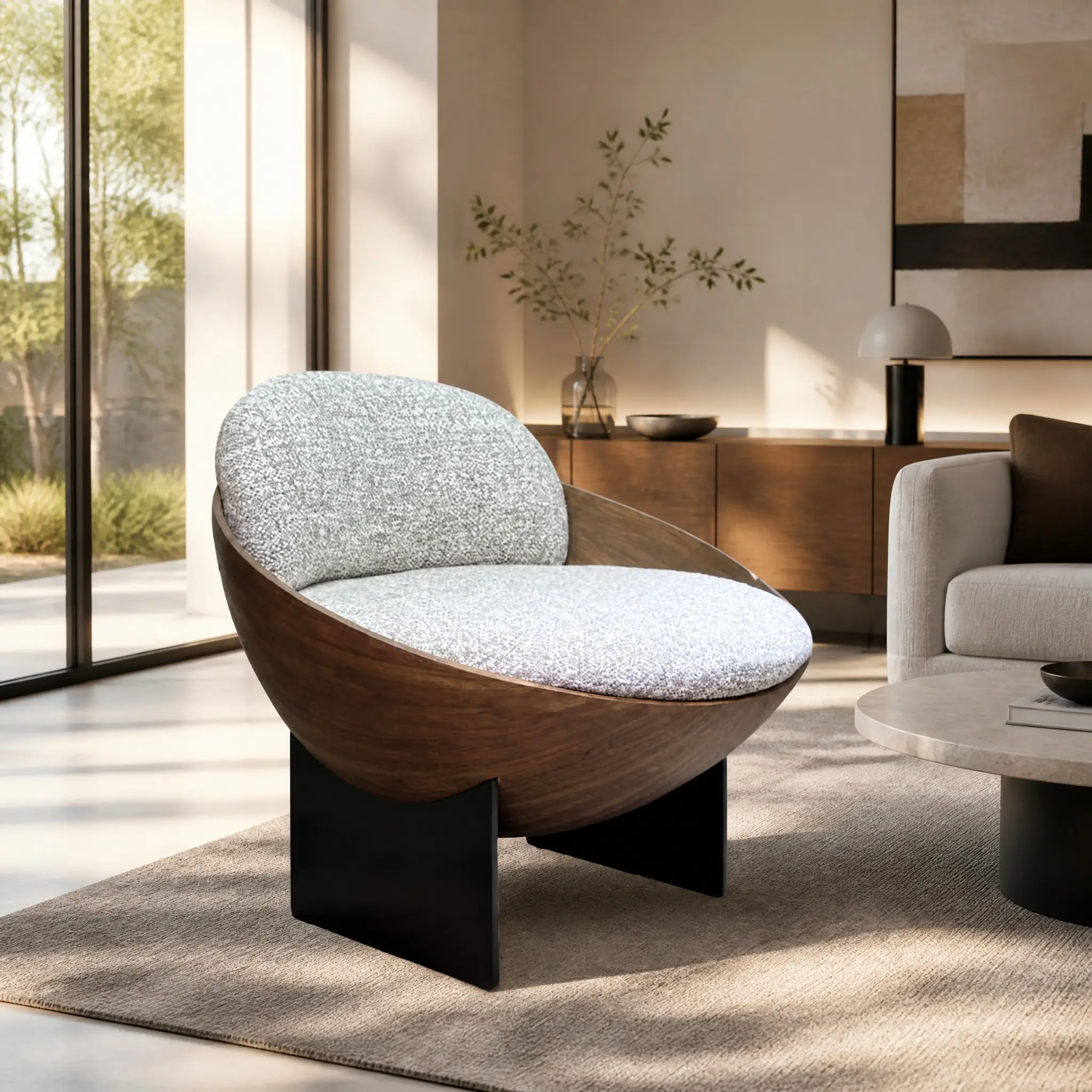
In the United Kingdom the bedroom accent chair is rarely a decorative afterthought. It is a functional second seat inside a compact footprint — a reading chair beside a sash window in a Bath townhouse, a dressing chair in a Manchester build-to-rent studio, a luggage-and-sit hybrid in a Heathrow airport hotel guestroom, or a statement piece in a Cotswolds boutique property.
That functional framing is the single most important thing a Chinese factory must understand before quoting. A UK buyer is not sourcing "a chair." They are sourcing a solved space problem: seat height that works with a 45–50 cm mattress top line, a back that stays under the window sill, a footprint that clears a 60 cm circulation path, and an upholstery that survives a rental turnover cycle without visible pilling.
Our export program for the UK market therefore starts from the room, not the catalogue. We reverse-engineer the chair from the floor plan: depth tolerance, arm height clearance, whether the piece must push flush against a radiator, and whether it needs to be flat-packed for a two-person delivery team working a narrow Victorian staircase.
Information gain: the accent chair is the highest-return customization object in the entire bedroom furniture set. It is small enough to prototype cheaply, visible enough to define a room's visual narrative, and flexible enough to carry a brand's signature — which is why UK private-label brands increasingly customize the chair first and the bed second.
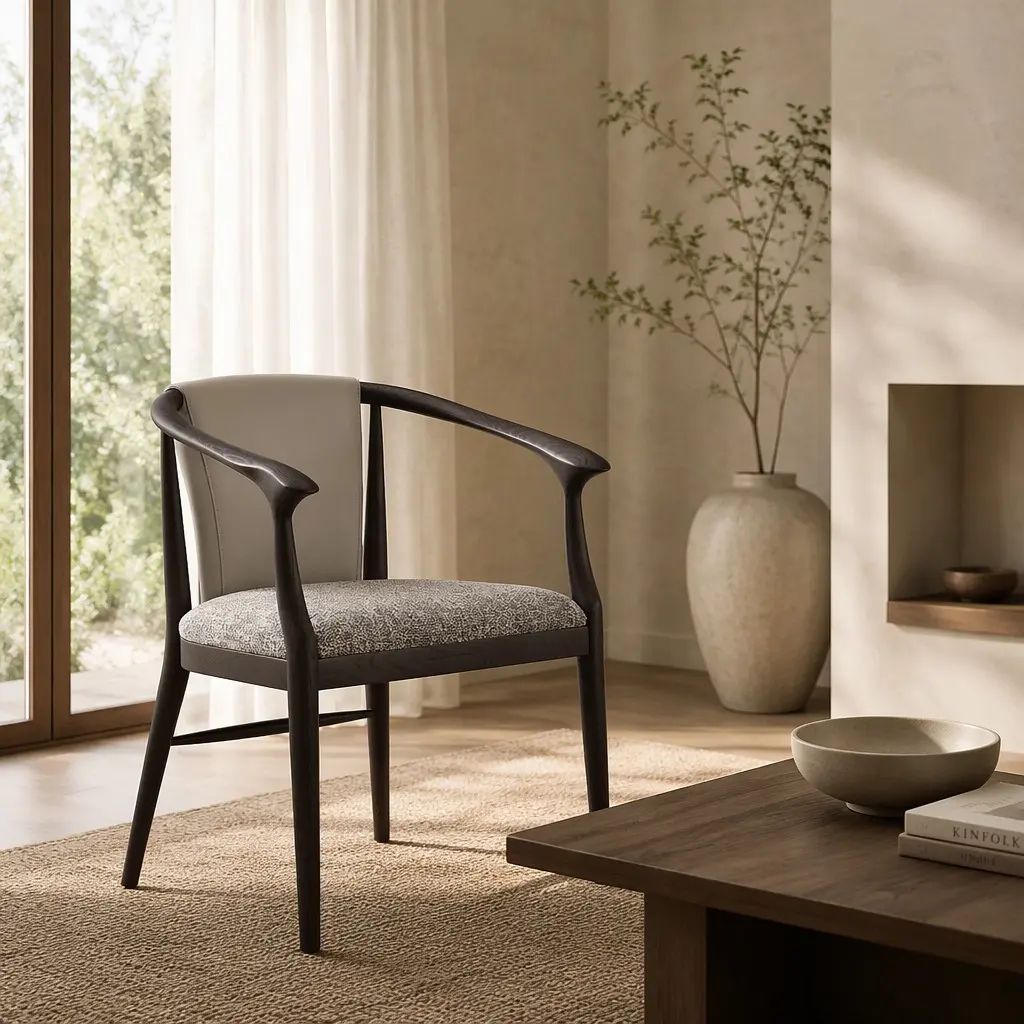
These four models form the backbone of our UK-oriented bedroom and living package. Each can be re-specified for British room dimensions, UK-spec upholstery and private-label branding.
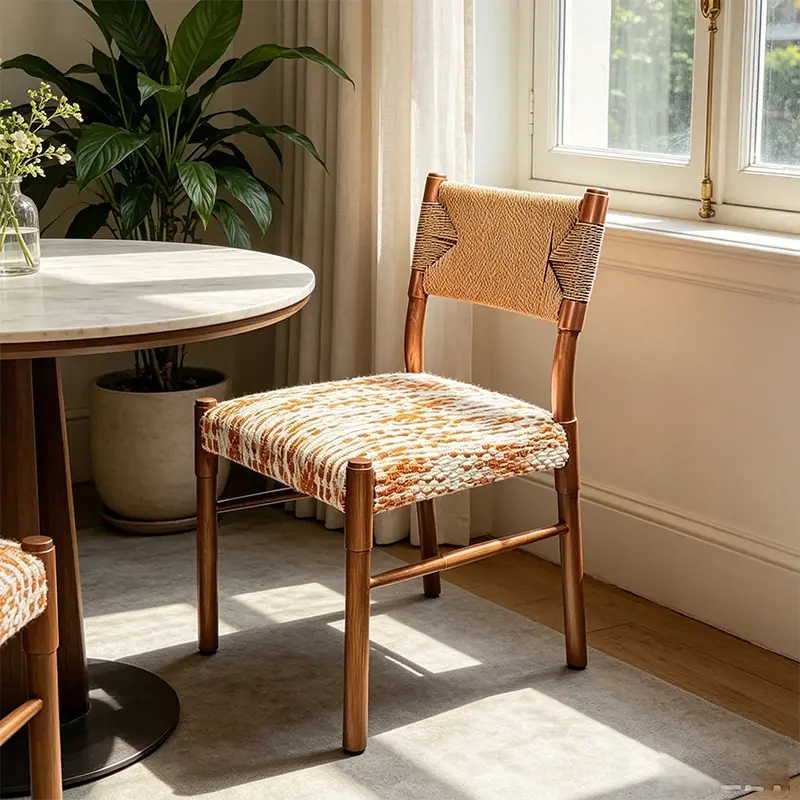
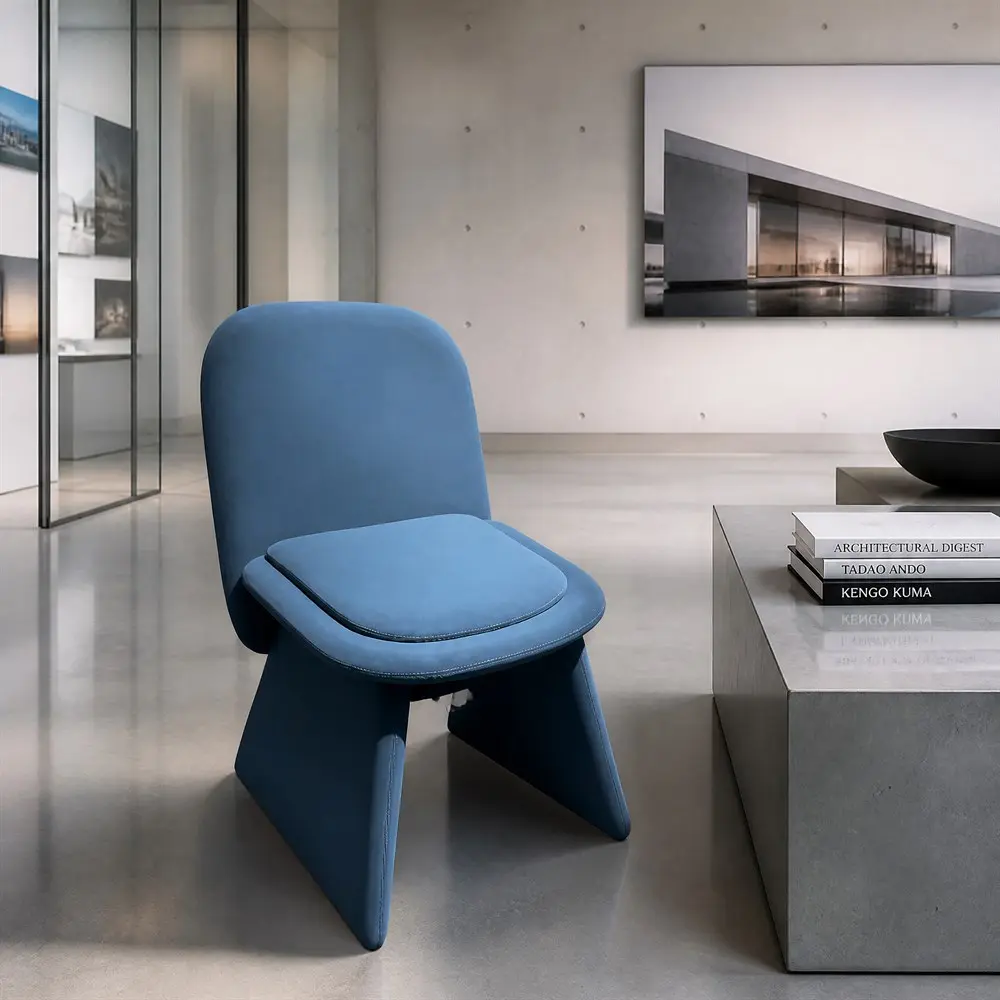
The UK is not a single furniture market. It is four overlapping demand engines that each specify bedroom seating differently — and a factory that cannot separate them will misquote every one.
Steady, seasonally soft, and highly sensitive to consumer confidence. Independent retailers in the Midlands and North order in 20–60 piece mixed containers and expect short reorder windows. Chairs must be photogenic for online listing and light enough for two-person home delivery.
The fastest-growing bedroom seating channel. Operators furnish entire blocks in single phases, demand identical specification across hundreds of rooms, and prioritise cleanability, contract-grade fabric and a documented replacement-parts supply over decorative novelty.
Guestroom FF&E packages specify the accent chair as a compliant contract item: defined fabric performance, documented foam specification, and a chair that survives commercial cleaning cycles. Procurement teams buy on schedule certainty as much as on price.
High specification, low volume, high margin. Studios want one-offs, custom finishes and short sampling cycles — often 3–8 pieces per project. They are the natural entry point for a new factory relationship because trial order risk is low and design feedback is rich.
UK furniture flammability requirements, REACH-restricted substances, packaging waste obligations and EPR-style reporting are all part of the buying conversation. Documentation quality now differentiates suppliers as much as stitching quality does.
Felixstowe, Southampton and London Gateway set the arrival rhythm; inland consolidation to Midlands warehouses adds 2–5 days. UK buyers increasingly ask for carton-level data — dimensions, gross weight, stackability — to plan pallet slots before the container sails.
The Foshan–Shunde cluster around Longjiang and Lecong is the densest furniture manufacturing ecosystem on earth. Within roughly a 40-minute drive you can source the hardwood frame, the molded foam, the fiberglass shell, the stainless-steel base, the contract fabric, the hardware kit, the carton and the export forwarder. That vertical proximity is not a marketing claim — it converts directly into shorter sampling cycles and tighter cost control.
For accent chairs specifically, the cluster advantage is concentrated in four disciplines: frame joinery (kiln-dried hardwood and plywood engineering), foam molding (density and compression-set control), upholstery assembly (pattern cutting tolerance and seam alignment), and metal finishing (powder coating, PVD titanium, brushed stainless). A single factory that controls three of these four will typically outperform a trading company that controls none.
The honest counterpoint: not every Foshan factory is UK-ready. The differentiators that matter are documentation discipline, fabric test reporting, packaging engineering for multi-leg ocean transit, and the willingness to hold a specification constant across reorders twelve months apart. Buyers should audit those, not the showroom.
Information gain: the most common UK sourcing failure is not a defective chair — it is specification drift. The second container arrives with a slightly darker walnut finish or a foam density 2 kg/m³ lower than the first, and the retailer discovers it only in the returns data. Contract-grade suppliers lock a golden sample plus a written material datasheet at PP-sample stage and reference both at every in-line audit.
These are the trajectories we see across UK-bound order sheets and design briefs. Each one changes what a factory should be engineering today for delivery in twelve to eighteen months.
UK apartment sizes continue to compress. The winning chair is 55–62 cm wide with a slim arm, a shallow seat, and a back height that clears a typical 90 cm window sill. Depth control is now a design constraint, not a detail.
Retail buyers are borrowing hotel language: Martindale abrasion cycles, foam density figures, colour-fastness ratings. Specification literacy is rising on both sides of the negotiation, and undocumented claims are increasingly rejected.
Driven by rental turnover and pet ownership. Zippered covers with documented wash-cycle shrinkage tolerance let operators refresh a room without replacing the chair — a strong total-cost argument for procurement teams.
FSC-sourced hardwood, recycled-content fabrics and low-VOC foams are moving from marketing language to tender requirements. Suppliers who can produce a paper trail at audit win the specification.
Home delivery economics favour KD construction with tool-free or single-tool assembly. The trade-off is structural rigidity — solved through engineered cam-lock joints and reinforced corner blocking rather than thicker panels.
Private-label brands use the accent chair to carry a visual identity across collections. Custom shell shape, signature base finish and embroidered or woven label placement now define the difference between a commodity and a brand asset.
A specification that works in a Shenzhen showroom may fail in a Camden flat. Here is how we adapt the same base model across five recognisable UK contexts.
| UK Context | Real Constraint | Recommended Specification |
|---|---|---|
| Victorian / Edwardian townhouse bedroom | Narrow staircase, tight landing, high ceilings, bay window | KD frame with carton max 120 cm, cotton-linen in mid-tone, walnut-finish legs to match original joinery |
| Build-to-rent studio (Manchester, Leeds, Birmingham) | 40 m² unit, dual-purpose furniture, fast turnover | Compact 58 cm width, removable washable cover, contract-grade 30,000+ Martindale, tool-free assembly |
| Hotel guestroom (London, Edinburgh, airport corridor) | Commercial cleaning, luggage contact, fire documentation | Microfiber leather or contract weave, high-density foam, documented foam and fabric specification, replaceable seat cushion |
| New-build show home (Home Counties) | Photographic impact, aspirational styling, one-off pieces | Statement shell design, brushed or PVD base, custom accent colour, low-volume sampling |
| Serviced apartment / short-let | Mixed guest use, frequent cleaning, brand consistency | Stain-resistant fabric, sealed base glide, consistent finish across reorders with locked golden sample |
Volume furniture sourcing for the UK generally falls into one of three operating models. Our production and QC workflow is designed to serve all three without rebuilding the relationship each time.
Share floor plans, target market and budget. We map each room to a category and flag dimensional conflicts before quoting.
Frames, foams and fabrics are recommended against the destination market's regulatory and performance expectations.
Pre-production sample plus written material datasheet become the contractual reference for every future reorder.
QC engineers verify structural durability, seam alignment and finish consistency on the production floor.
Mixed-category container loading, carton-level data reporting and multi-layer crating to reduce freight cost and transit damage.
Recurring mixed containers for importers and retail groups. Priorities: repeatable specification, reorder speed, carton-level logistics data and volume pricing tiers that protect distributor margin.
Phased delivery for BTR blocks, PBSA schemes and hotel guestrooms. Priorities: locked specification across hundreds of identical units, documented compliance, replacement-parts continuity and delivery sequencing matched to fit-out milestones.
Brand-owned ranges for online and showroom retail. Priorities: custom shell and finish, signature fabric, woven or embossed branding, low minimum order quantities at launch and scalable reorder economics.
Global procurement teams — hotel groups, co-living operators, large retail conglomerates — evaluate a Chinese furniture factory very differently from a regional independent. Their questions are process questions, not product questions.
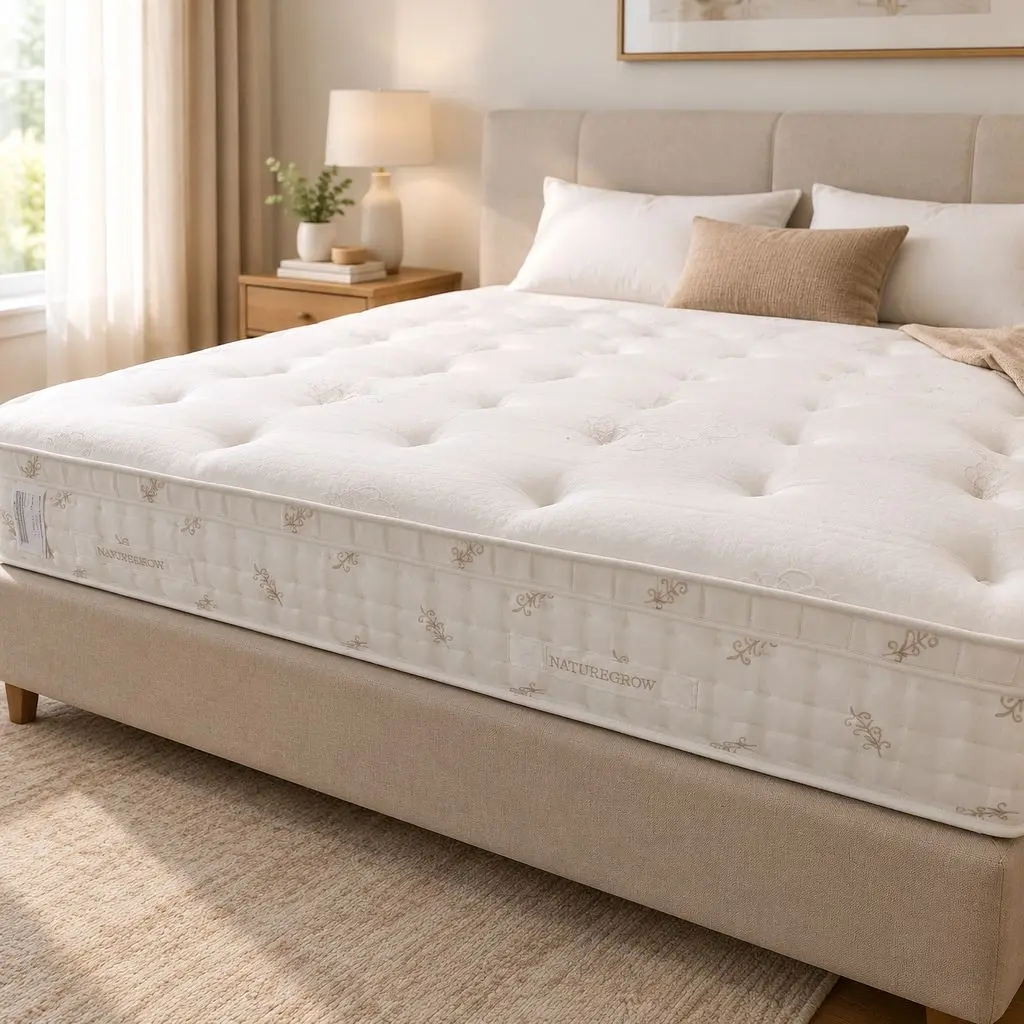
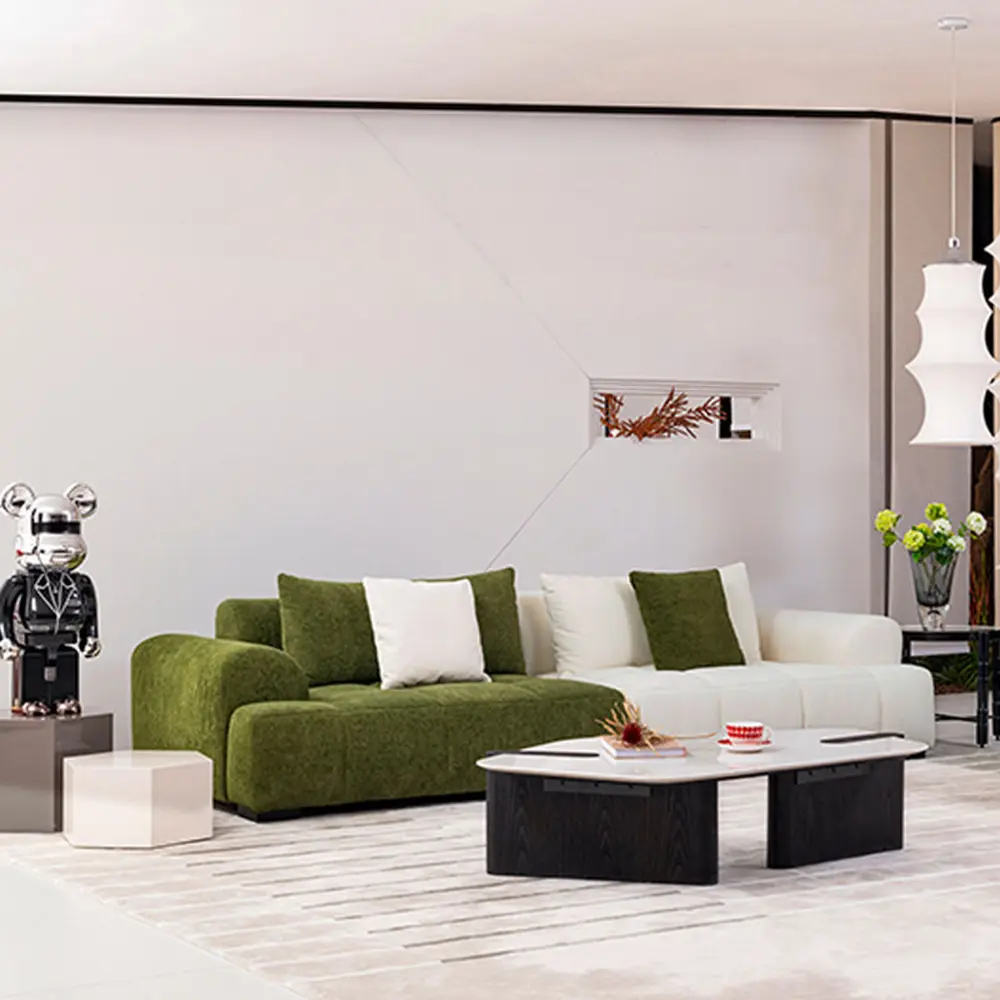
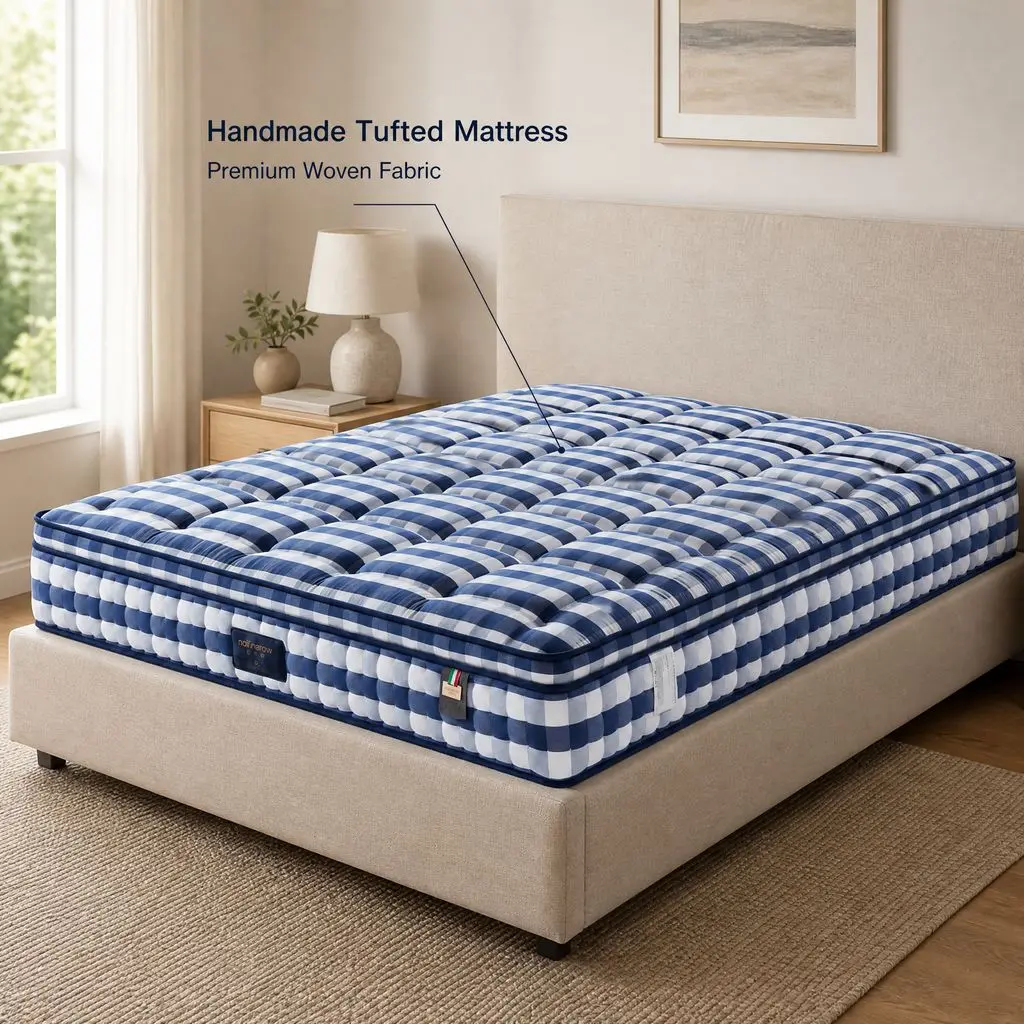
Our answer to all six is a single operating principle: one purchase order, one QC standard, one shipping plan. For a UK buyer that means the accent chair, the bed, the mattress and the sofa arrive as a coherent scheme with consistent finishes — not as four unrelated shipments that must be reconciled on arrival.
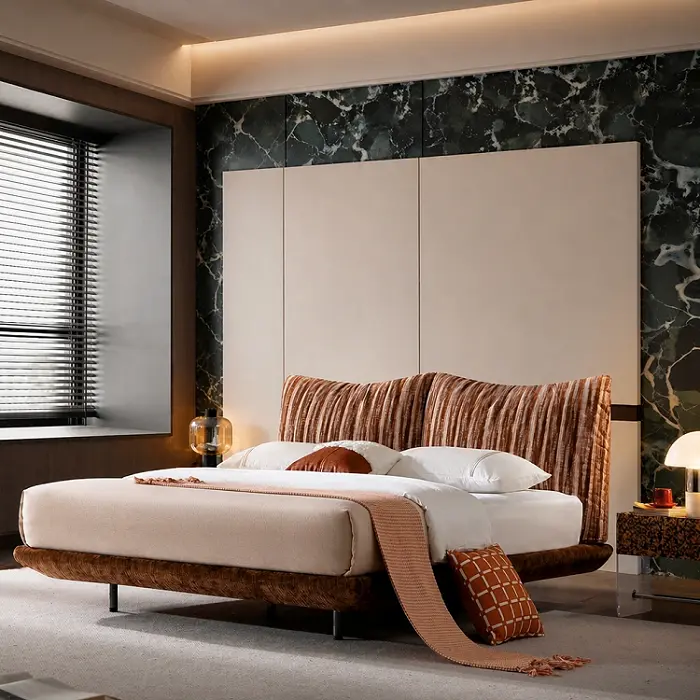
An accent chair never sells alone. These eight models let a UK buyer assemble a complete bedroom and living scheme under one purchase order, one quality standard and one container plan.
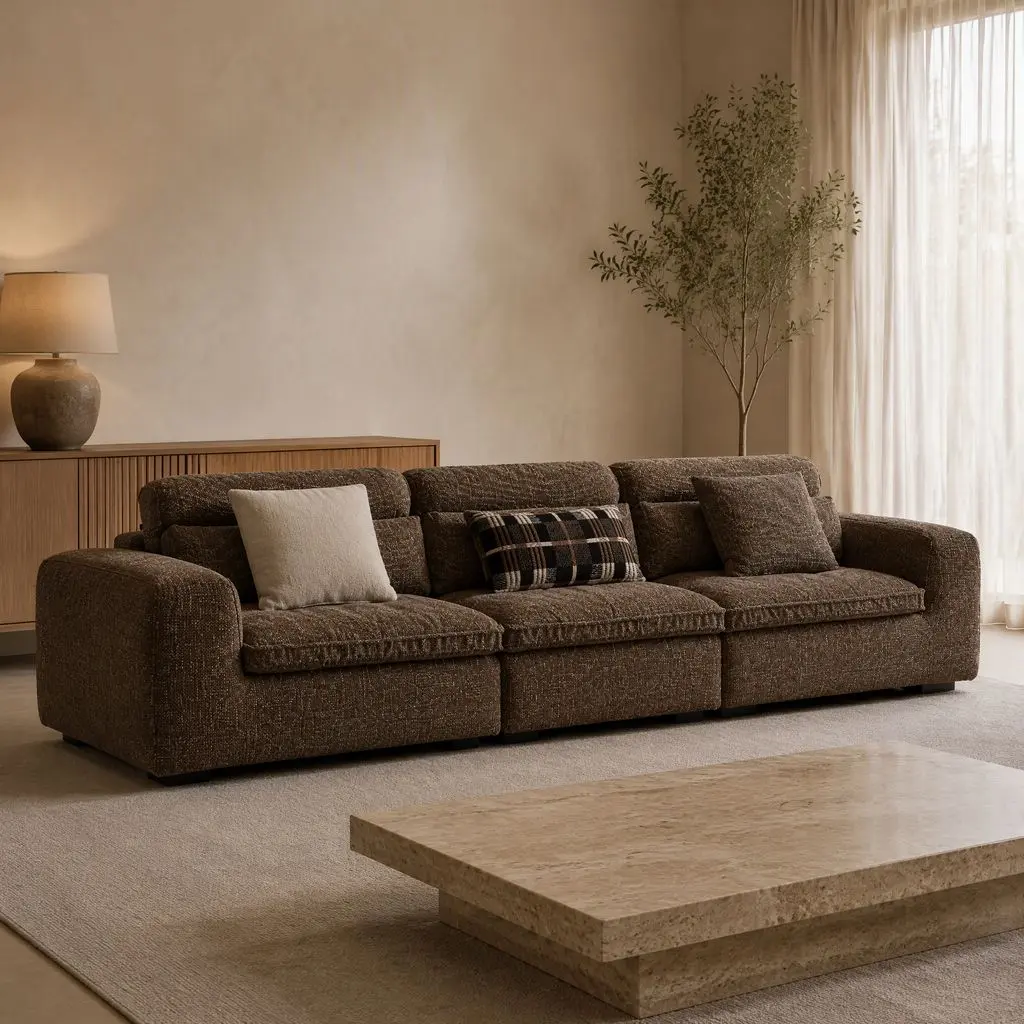
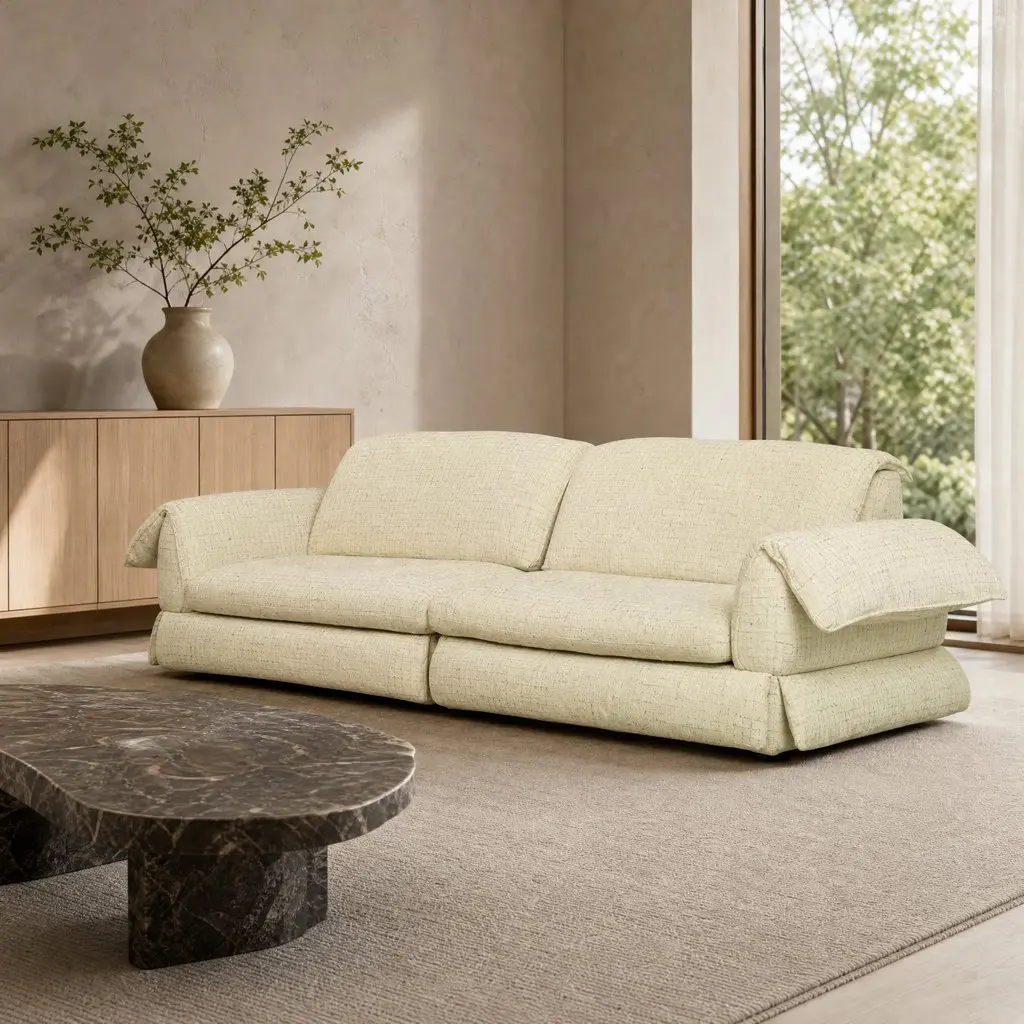
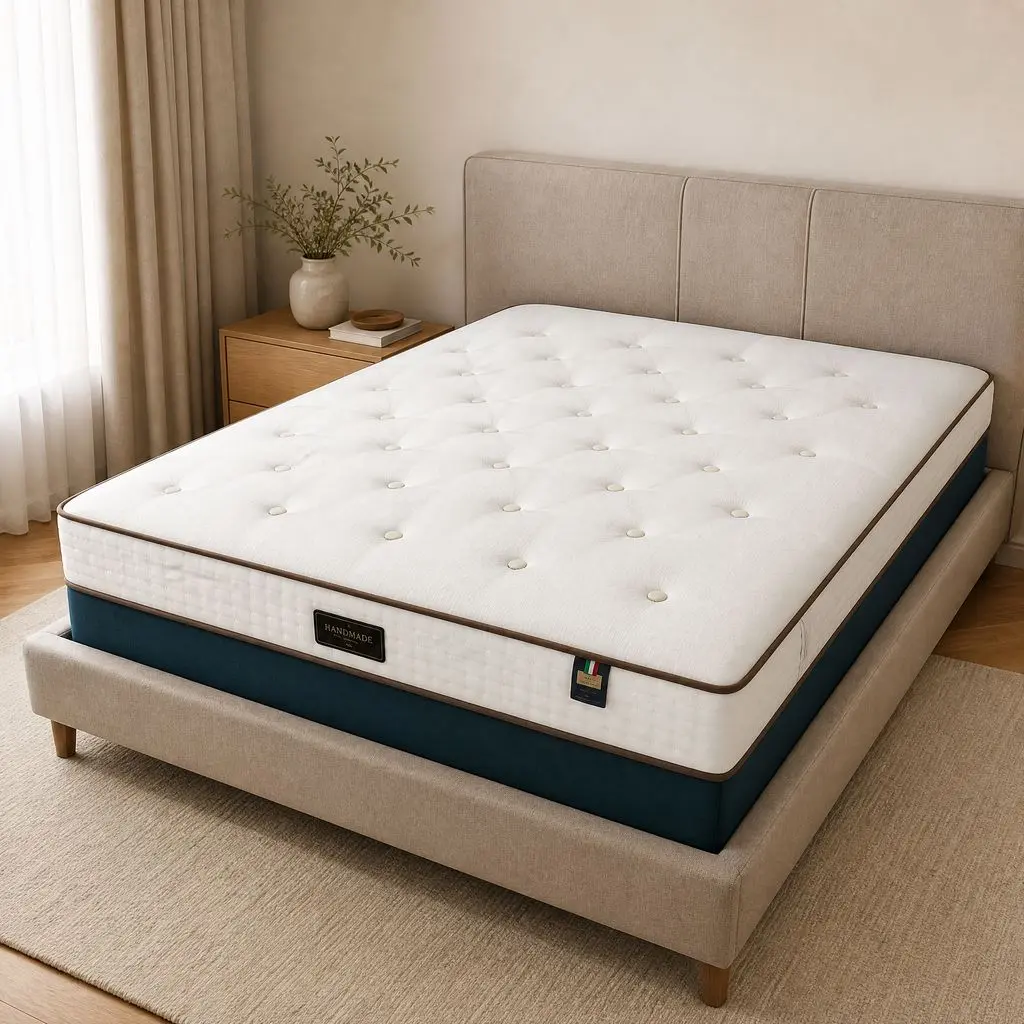
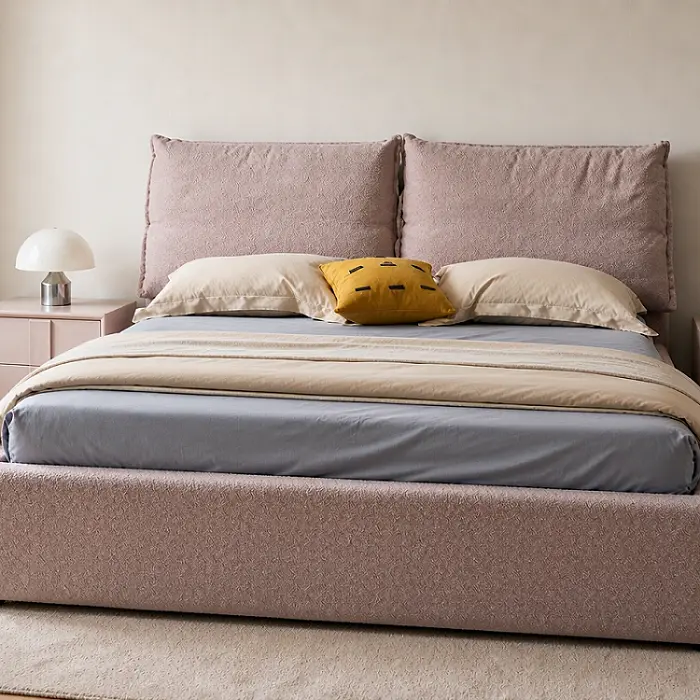
Direct answers to the questions UK importers, project buyers and design studios raise most often before a first order.
We are the export brand of Foshan Qingyumai Technology Co., Ltd., an integrated manufacturer covering R&D, production and international sales from our own facility in Shunde, Foshan. For whole-house orders we also coordinate a network of audited partner factories so every category ships under one quality standard and one purchase order.
UK domestic furniture flammability obligations are specific and detailed, and they apply to the filling and covering materials used in the finished piece. We discuss the intended end use at quotation stage and recommend fabric and foam configurations accordingly, and we can supply material documentation for your own compliance file. Final legal responsibility for placing compliant goods on the UK market rests with the importer, so we recommend your technical team review the specification before mass production.
Sampling for an accent chair built on an existing shell is typically measured in weeks rather than months, and full-custom shell development takes longer because it involves tooling and structural validation. Minimum order quantity depends on whether you are adopting a stock model or commissioning a new development; mixed-category container orders allow smaller quantities per SKU than single-category orders. Exact figures are provided with your quotation.
Yes. Container consolidation is a core part of our post-sale workflow. We plan loading space across categories to reduce ocean freight cost per unit, and we use multi-layer export crating to protect finished surfaces and frames during multi-leg transit.
Every approved pre-production sample is photographed and paired with a written material datasheet covering frame species, foam density, fabric composition and finish code. That pair becomes the contractual reference for all future reorders, and it is checked again at every in-line QC audit.
Yes, for the appropriate models. Knock-down construction is available on selected accent chairs with engineered cam-lock joints and reinforced corner blocking to preserve rigidity. Carton dimensions and gross weights are supplied at quotation so your delivery partner can plan access through narrow staircases and doorways.
Yes. We offer custom sizes, frame and upholstery colors, fabric grades and branding including woven labels, embossed logos and branded packaging. Many UK private-label buyers begin with the accent chair because it is small enough to prototype affordably and visible enough to carry a brand signature across a collection.
At quotation stage we can typically provide material datasheets, fabric abrasion and colour-fastness references, carton dimensions and weights, exploded assembly drawings for KD items, care guidance and a photographic golden-sample record. Additional documentation is discussed case by case depending on your market requirements.
We are located in Hui Cheng Industrial Park, Longjiang Town, Shunde District, Foshan, Guangdong, China — one of the world's best-known furniture manufacturing hubs, roughly 45 minutes from Guangzhou South Station and accessible via Guangzhou Baiyun and Hong Kong international airports. UK buyers are welcome to arrange factory and showroom visits, and we can structure a visit around sampling review and specification sign-off.
Send us your room dimensions, target fabric performance and volume estimate. Our export team will respond with a specification recommendation, a carton-level logistics estimate and a sampling plan aligned to your launch or fit-out date.