
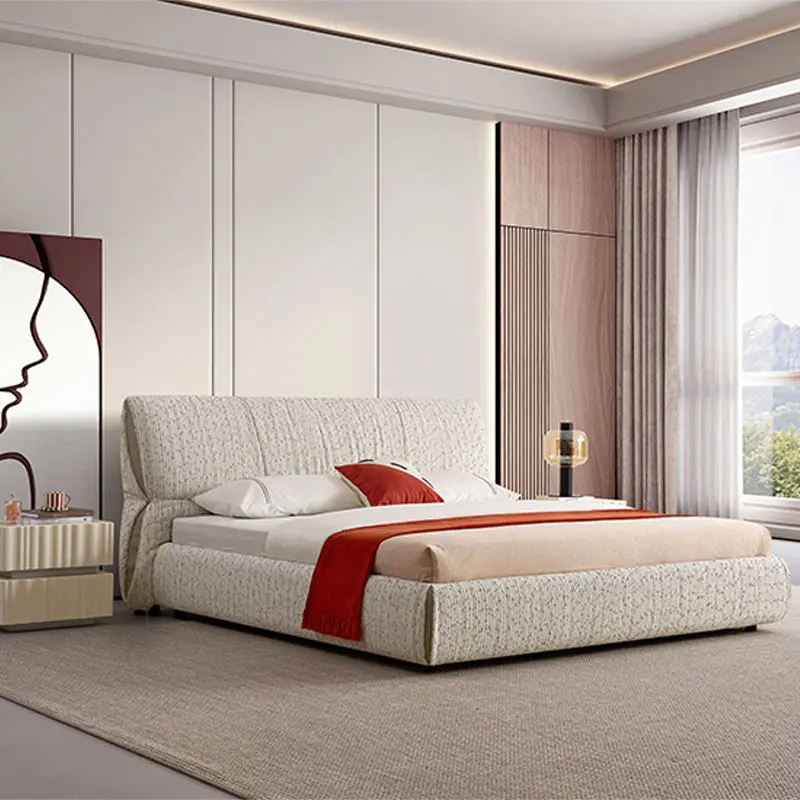
Boston-Ready Models
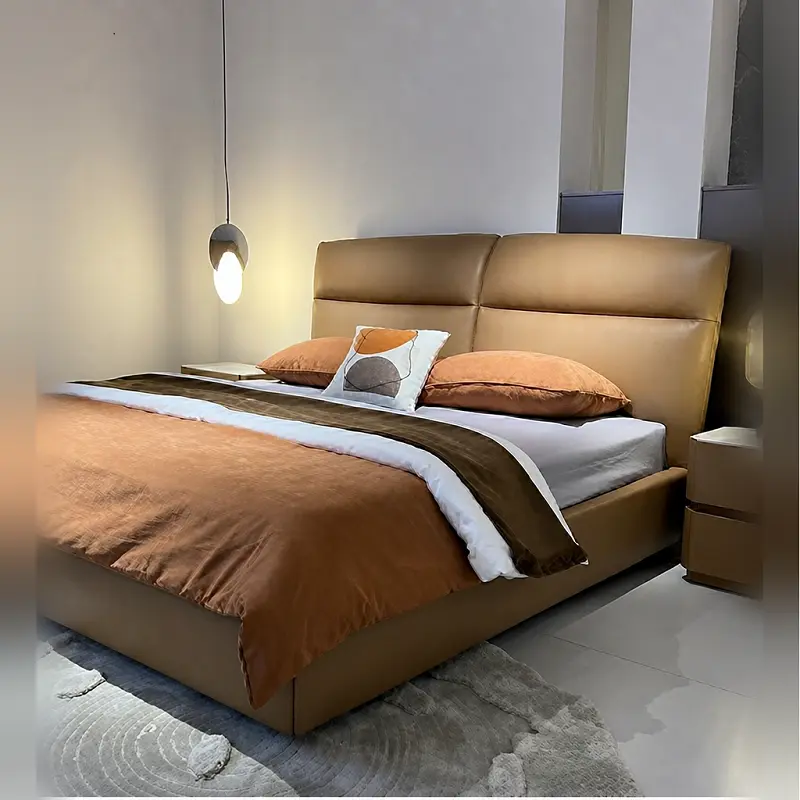
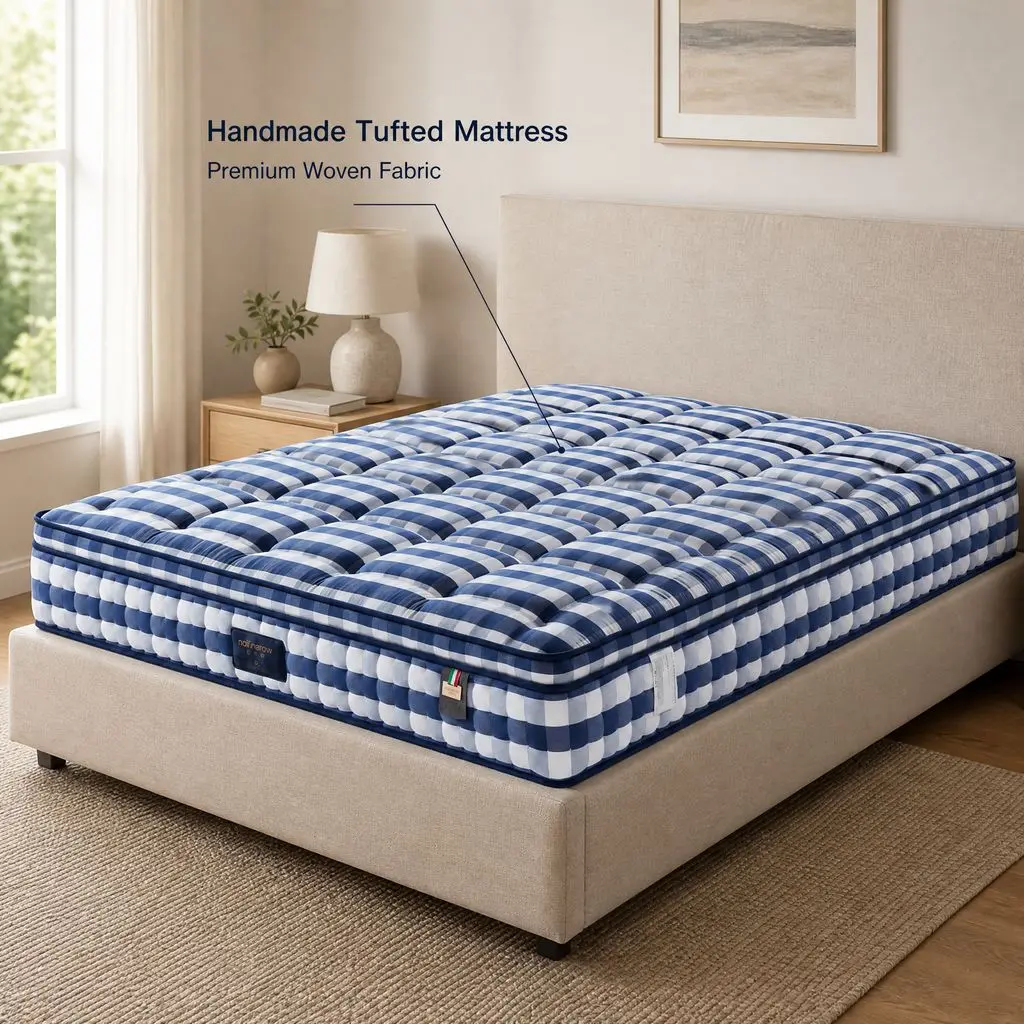
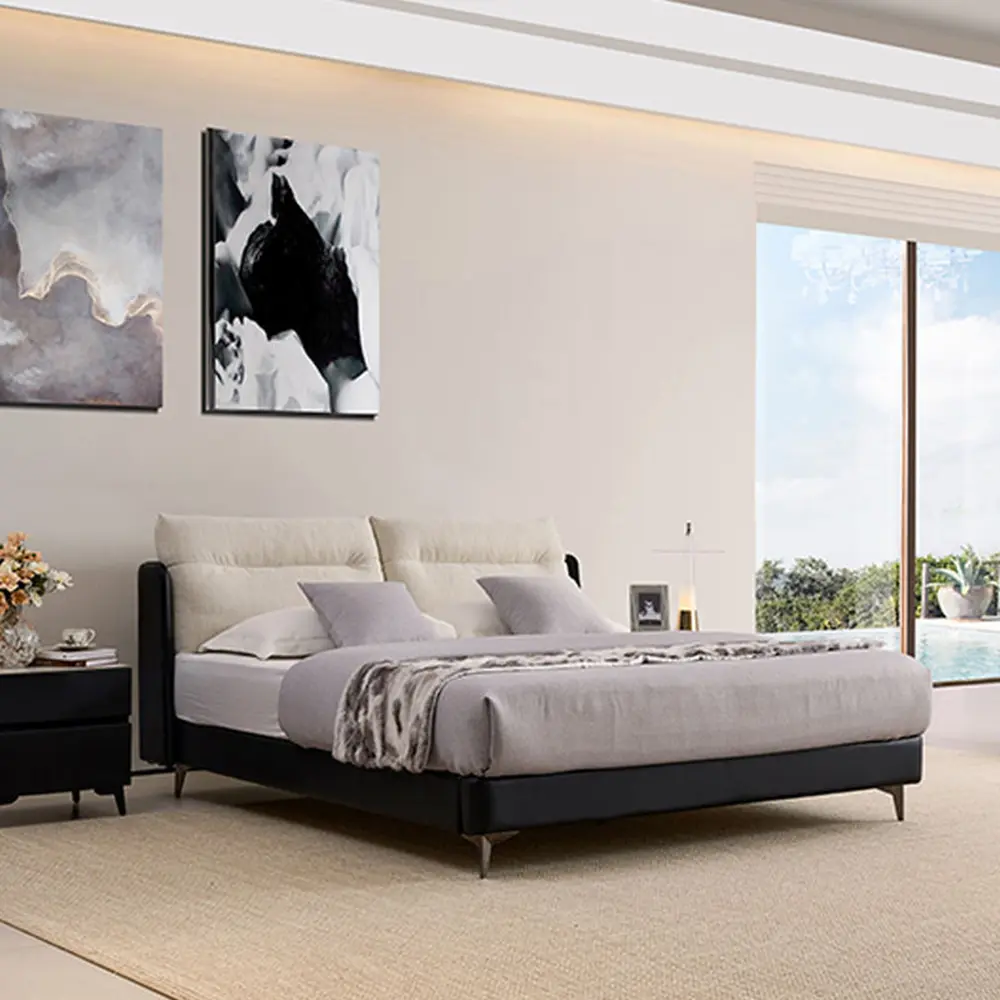
Bedroom & Dining Models Boston Buyers Request Most
Factory-direct programs built for New England climate, hotel-brand standards and mixed-container importers. Every model can be customized for Massachusetts hotel, multifamily and retail specifications.
0+ Years exporting bedroom furniture to North America
0+ Original design & structure patents
0Furniture categories under one purchase order
0Days typical production lead time for bedroom orders
Boston Market Context
Why Boston's Bedroom Furniture Demand Is Structural, Not Cyclical
Boston is one of the most supply-constrained metropolitan rental markets in the United States, and that constraint drives sustained, predictable demand for bedroom furniture across four distinct buyer segments.
A supply-constrained metro with four overlapping demand engines
Greater Boston's housing pipeline is dominated by multifamily rental construction rather than single-family builds. Neighborhoods such as the Seaport District, Assembly Row in Somerville, Union Square and the Allston-Brighton corridor have absorbed tens of thousands of new rental units over the past decade, and each unit requires a bed, a mattress and often a dresser at turnover. Unlike owner-occupied housing, rental bedrooms are refreshed on a contract cycle — a lease turns over, a furnishing package is replaced, and procurement restarts.
Layered on top of that rental base is Boston's hospitality and higher-education footprint. The city draws hospitality groups, boutique operators and academic institutions that maintain hundreds of thousands of beds across residence halls, guest suites and extended-stay properties. When a university renovates a residence hall or a hotel brand completes a property improvement plan, the resulting order is specification-driven and repeatable — exactly the profile of order a factory-direct bedroom supplier is built to serve.
Two further factors sharpen the picture. First, Boston's aging stock: much of the city's pre-war housing retains non-standard bedroom footprints, so fixed-size imported furniture frequently fails to fit, and buyers increasingly specify dimension customization. Second, the region's cold, damp winters and humid summers place real stress on mattresses, foam and upholstery — a factor that shapes material specification and makes moisture-tolerant construction a genuine purchasing criterion rather than a marketing phrase.
Procurement reality in Boston
Local furniture showrooms along the Route 1 corridor and in the Design Center carry high landed costs. Buyers running multifamily, hotel or institutional programs increasingly consolidate bedroom categories with a single overseas manufacturer and a single freight plan rather than assembling the package from regional distributors.
Multifamily Rental Pipelines
Thousands of new units in the Seaport, Somerville and Allston corridors need turnover-ready bedroom packages on a repeatable schedule.
Universities & Student Housing
Institutional residence hall renovation cycles create specification-driven mattress and bed frame orders with durable, cleanable specs.
Hotel Property Improvement
Boutique and branded hotels along the waterfront and Back Bay complete PIP cycles requiring brand-compliant upholstered beds.
Design & Staging Firms
Interior designers specifying boutique residential interiors need dimension flexibility that standard catalog imports cannot provide.
Global Supply Landscape
Global Bedroom Furniture Manufacturing: Where Supply Is Actually Concentrated
Globally, the bedroom furniture sector — upholstered beds, platform beds, mattresses, nightstands, dressers and vanities — remains a fragmented industry with a small number of dominant export clusters. Understanding where those clusters sit, and what each is good at, is the foundation of any informed sourcing decision for a Boston-based buyer.
The four production clusters that matter
- China (Guangdong and Zhejiang): Dominant in upholstered beds, mattresses and coordinated room packages. Foshan's Shunde and Longjiang districts concentrate upholstery, frame joinery and hardware supply within a short radius, which compresses both production time and cost.
- Vietnam (Binh Duong, Dong Nai): Strong in solid-wood casegoods and bedroom sets, benefiting from preferential tariff structures for some US imports. Weakness: a thinner ecosystem for upholstery and mattress construction.
- Poland and Eastern Europe: Serving the EU market efficiently, with strengths in flat-pack panel furniture and short-haul delivery. Less competitive on fully upholstered product and on cost for large US orders.
- Mexico and Latin America: Advantageous for US land-based logistics and shorter lead times, but limited breadth in upholstered bedroom and premium mattress categories.
What global buyers are actually asking for
Across buyer conversations in North America, Europe and the Middle East, the sourcing brief has converged on a consistent set of requirements. Buyers want consolidation — one supplier for beds, mattresses and casegoods so that finishes match and containers load efficiently. They want verifiable material compliance for their destination market. They want lead times that fit project milestones, not indefinite delivery windows. And increasingly, they want a supplier that can absorb OEM branding: woven labels, embossed logos, customized packaging and private-label retail presentation.
Bedroom furniture is also moving in a clear design direction internationally: low platform silhouettes, integrated storage in the bed base for constrained urban apartments, fabric headboards with channel tufting, and mattresses built around hybrid pocket-spring-plus-foam construction rather than a single material. These are not niche trends — they are now the default brief from multifamily, hotel and mid-market retail buyers alike.
Efficiency Advantage
Why Foshan's Factory Cluster Outperforms on Cost, Speed and Consistency
The efficiency argument for sourcing bedroom furniture from Foshan is not a slogan — it is a structural consequence of how the district's supply chain is organized.
Vertical Supply Within Walking Distance
Fabric mills, foam producers, hardware suppliers and frame joiners sit within a short radius of Longjiang and Shunde. Upholstery, structure and finishing are not shipped between provinces — they are coordinated locally, which removes days from every production cycle.
Mature R&D and Tooling Base
Decades of export production have built a deep pool of trained upholsterers, frame engineers and pattern makers. New models can move from sketch to approved sample in weeks rather than months — a decisive advantage for buyers running time-boxed hotel PIPs.
Volume-Driven Unit Economics
Cluster-level competition among component suppliers keeps input costs disciplined. Combined with container consolidation across bedroom, living and dining categories, the landed cost per bedroom set at a Boston warehouse is materially below a distributor-assembled package.
Export-Grade Quality Systems
Established Foshan exporters run in-line QC audits, pre-shipment inspections and multi-layer export crating as standard. Bedroom furniture — with its upholstery, foam and long frame spans — benefits disproportionately from these controls.
Flexible Order Structure
Small initial trial orders and scalable reorders let a Boston buyer validate a collection with a single mixed container before committing to a full program — a materially lower-risk entry than a domestic distributor relationship.
Compressed Lead Times
Typical bedroom production runs 25–35 days from sample approval, with mattress programs and upholstered beds running in parallel rather than sequentially. That is a planning horizon Boston project teams can build schedules around.
Localized Applications
Five Boston Bedroom Scenarios and the Specification Each One Requires
Generic catalog furniture is a poor fit for Boston's housing stock. Here is how the specification changes across the city's actual buyer scenarios.
1. Seaport and Assembly Row multifamily rentals
New-build rental units frequently run smaller than the marketing imagery suggests. The practical requirement is a queen platform bed with integrated storage that avoids a separate dresser, paired with a medium-firm hybrid mattress. Upholstery must resist the mechanical wear of high-turnover tenancy and clean quickly between leases. QYM C12-B is built around exactly this brief.
2. Boutique and branded hotels across the waterfront and Back Bay
Hotel bedroom specifications are dictated partly by brand standards and partly by housekeeping reality. Contract-grade upholstery with a high double-rub count, sealed mattress construction and cleanable finishes matter more than surface styling. QYM C192 and QYM C138 are typically specified here.
3. University and institutional residence halls
Student housing procurement prioritizes durability, cleanability and standard sizing across hundreds of identical rooms. Mattress construction should favor pocket-spring-plus-foam hybrids with removable, washable covers. QYM HF01 and QYM YAT-01 cover this requirement.
4. Brownstone and pre-war conversions in Back Bay, Beacon Hill and the South End
Non-standard room widths and low window sills make fixed-dimension imports unreliable. Custom width and depth adjustments, plus a lower headboard height, are what actually fit. This is the clearest case for OEM dimension customization rather than catalog selection.
5. Interior design and staging firms working across the metro
Designers need a small number of high-specification pieces with matched finishes across product categories, delivered on a schedule that aligns with a client installation. Mixed-category container consolidation — bed, nightstand, dresser and accent chair from one supplier — is the operational answer.
Full Factory Catalog
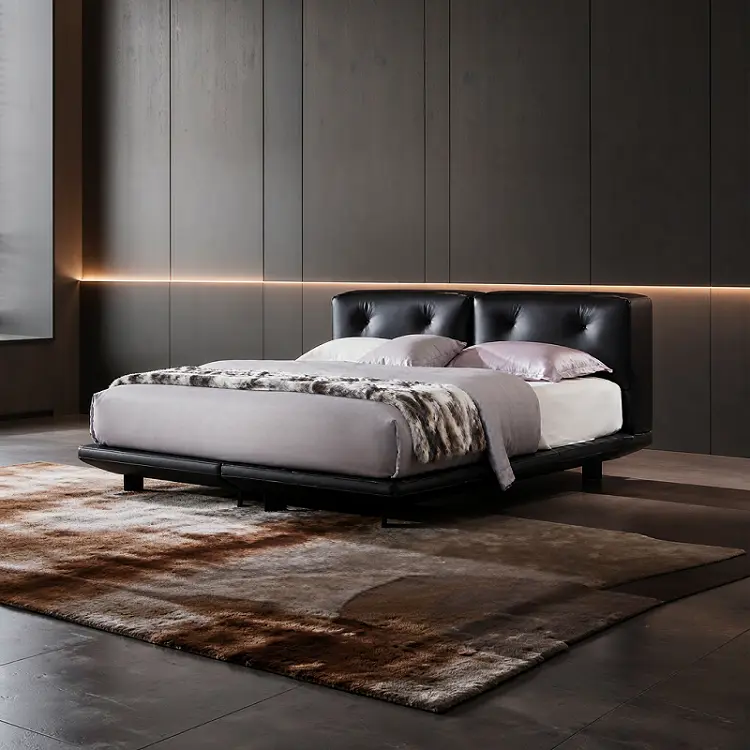
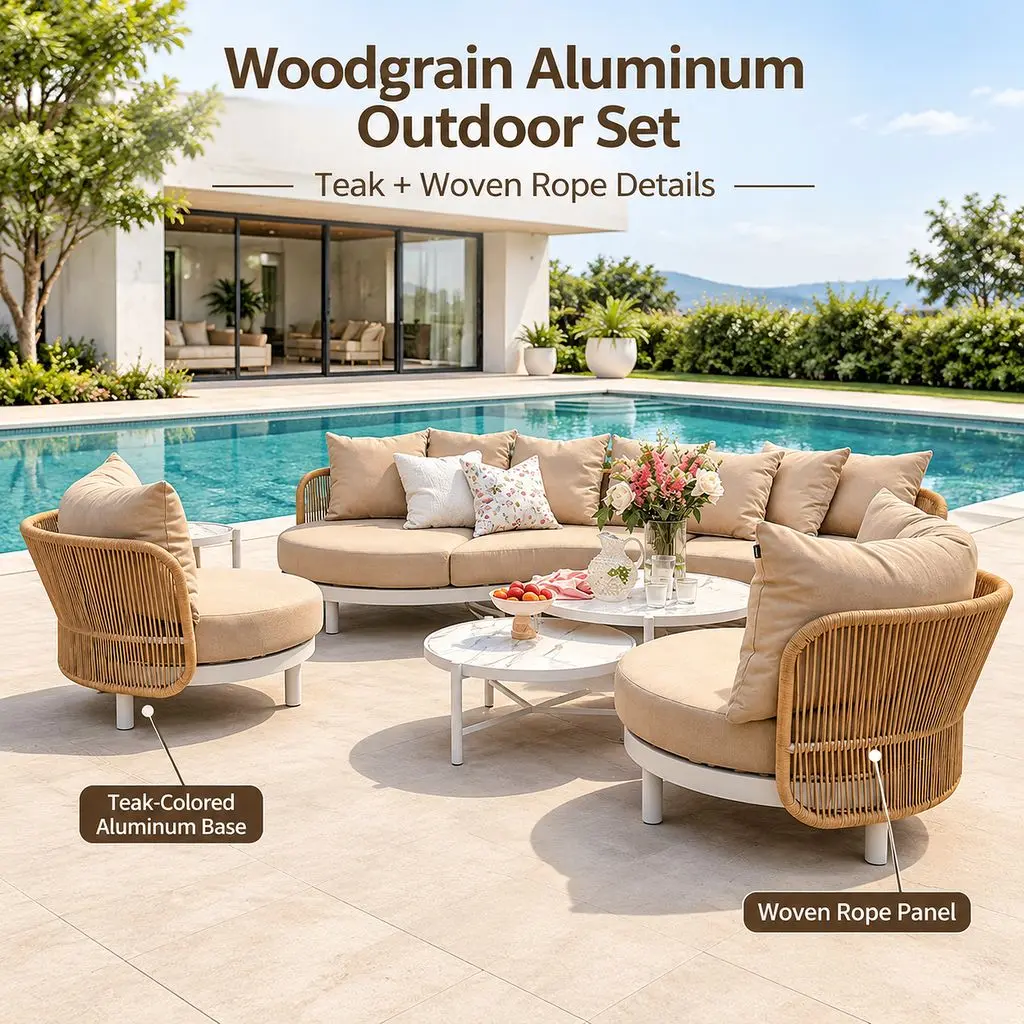
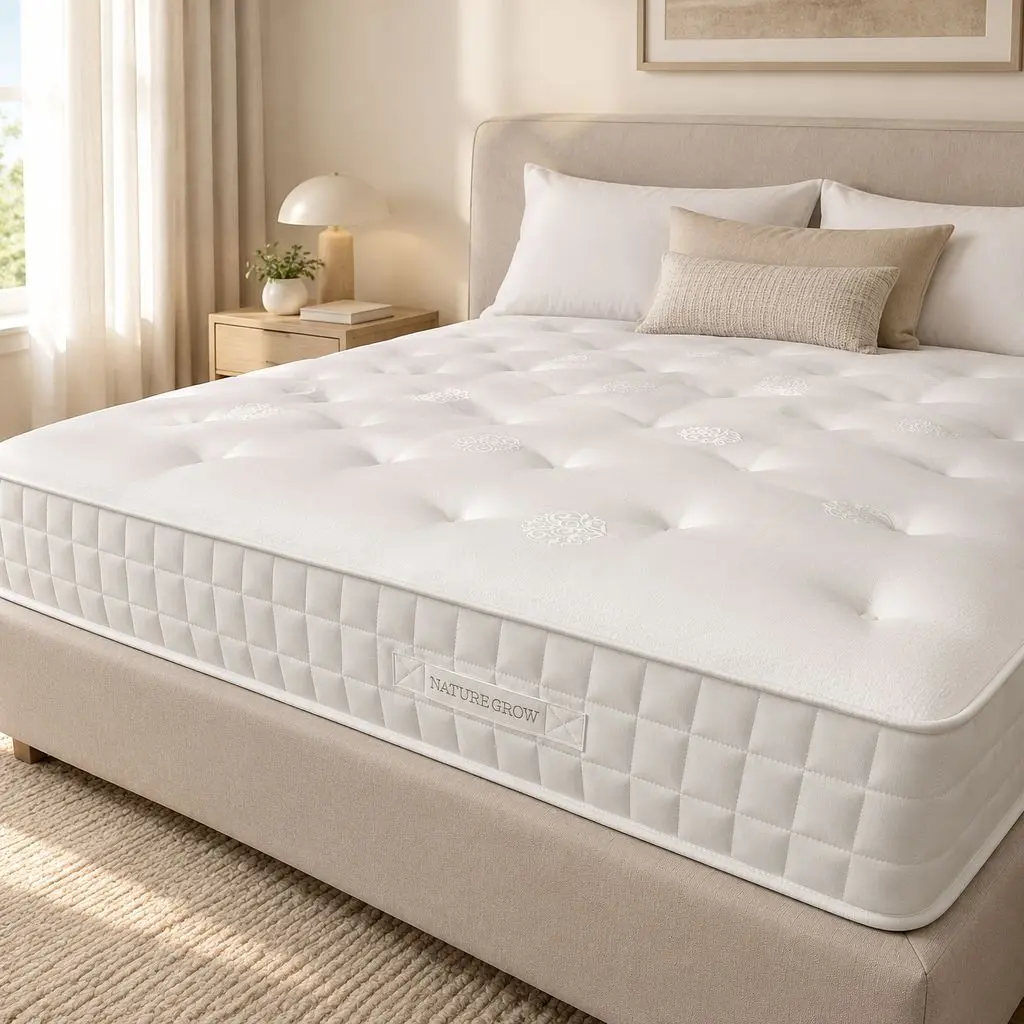
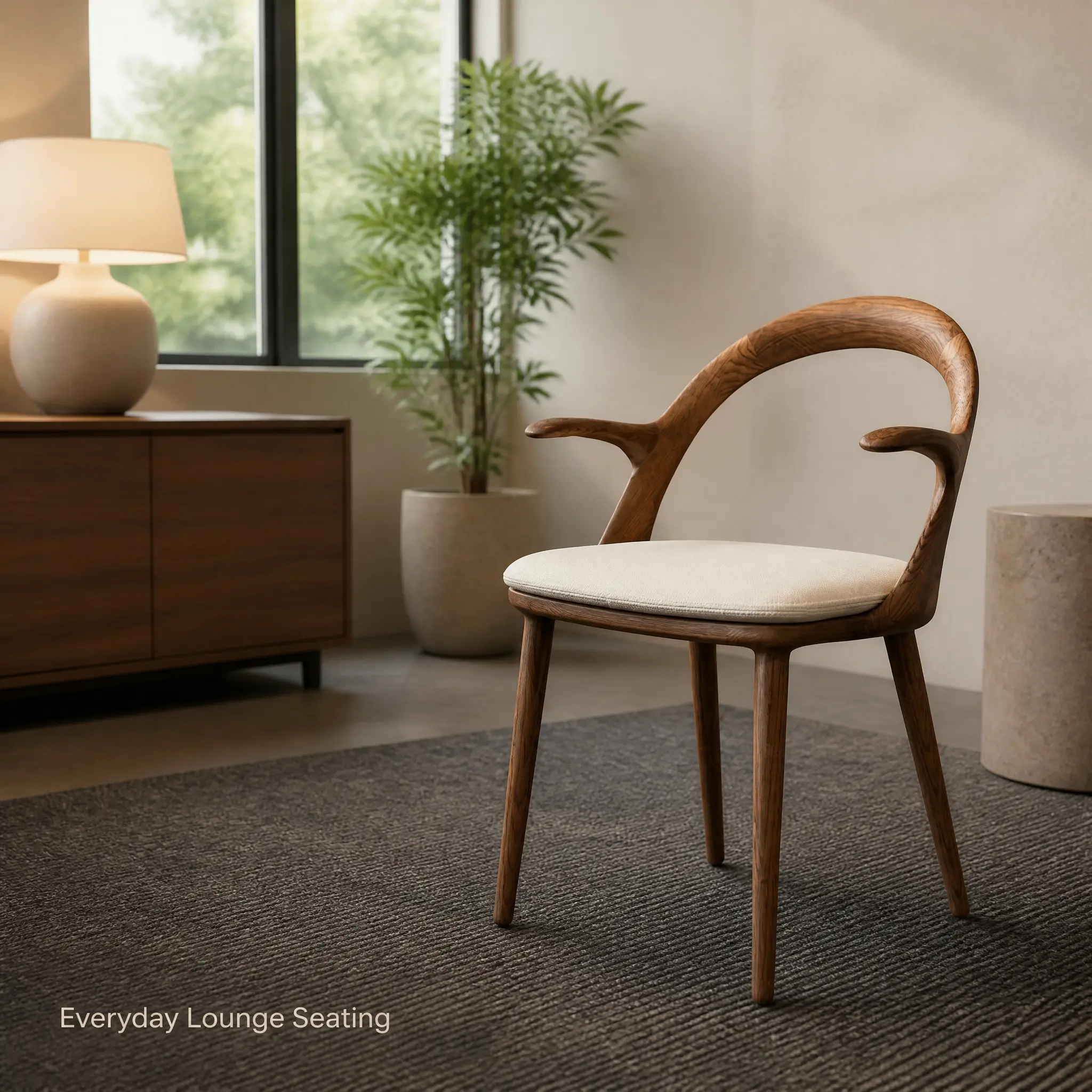
Additional Models for Boston Wholesale & Project Buyers
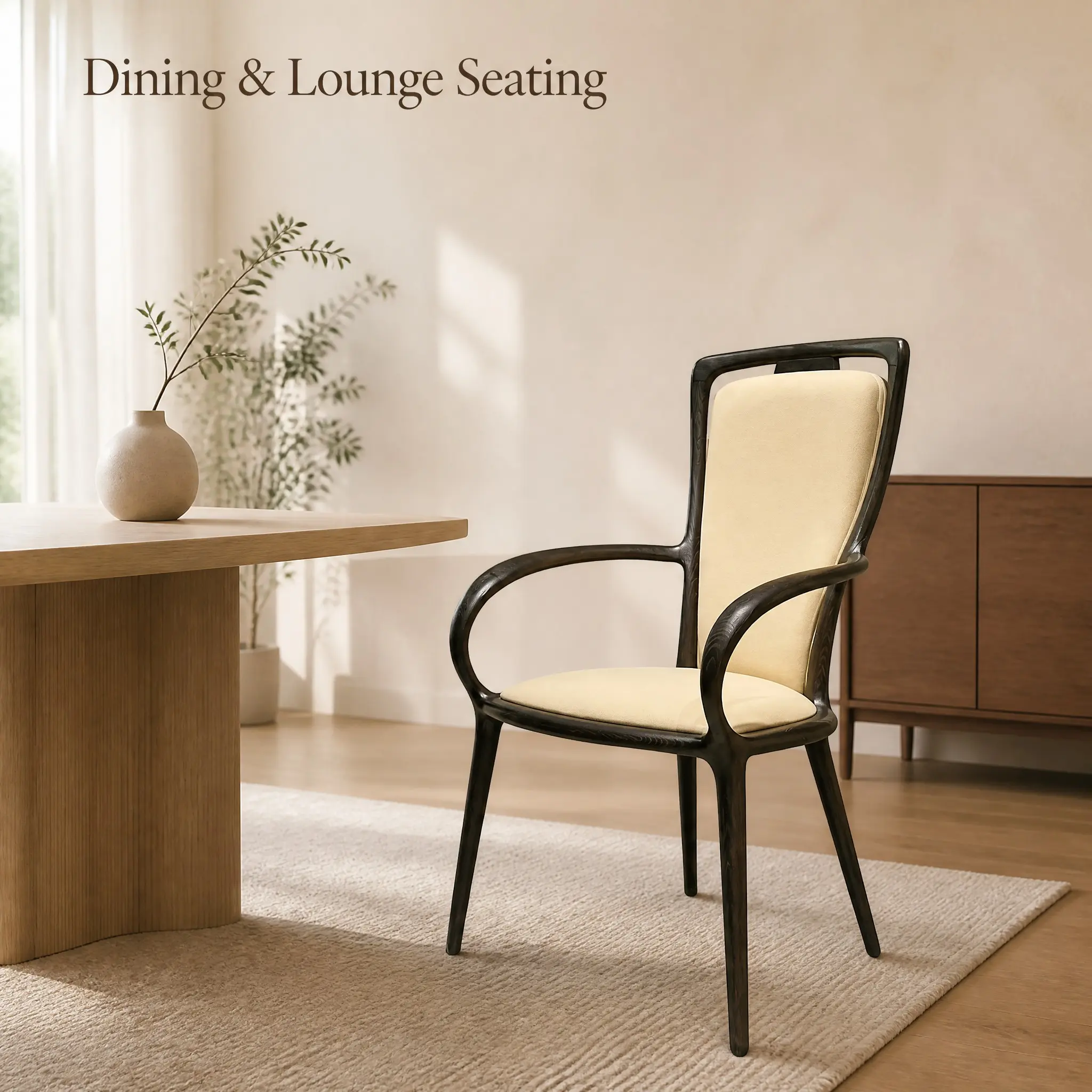
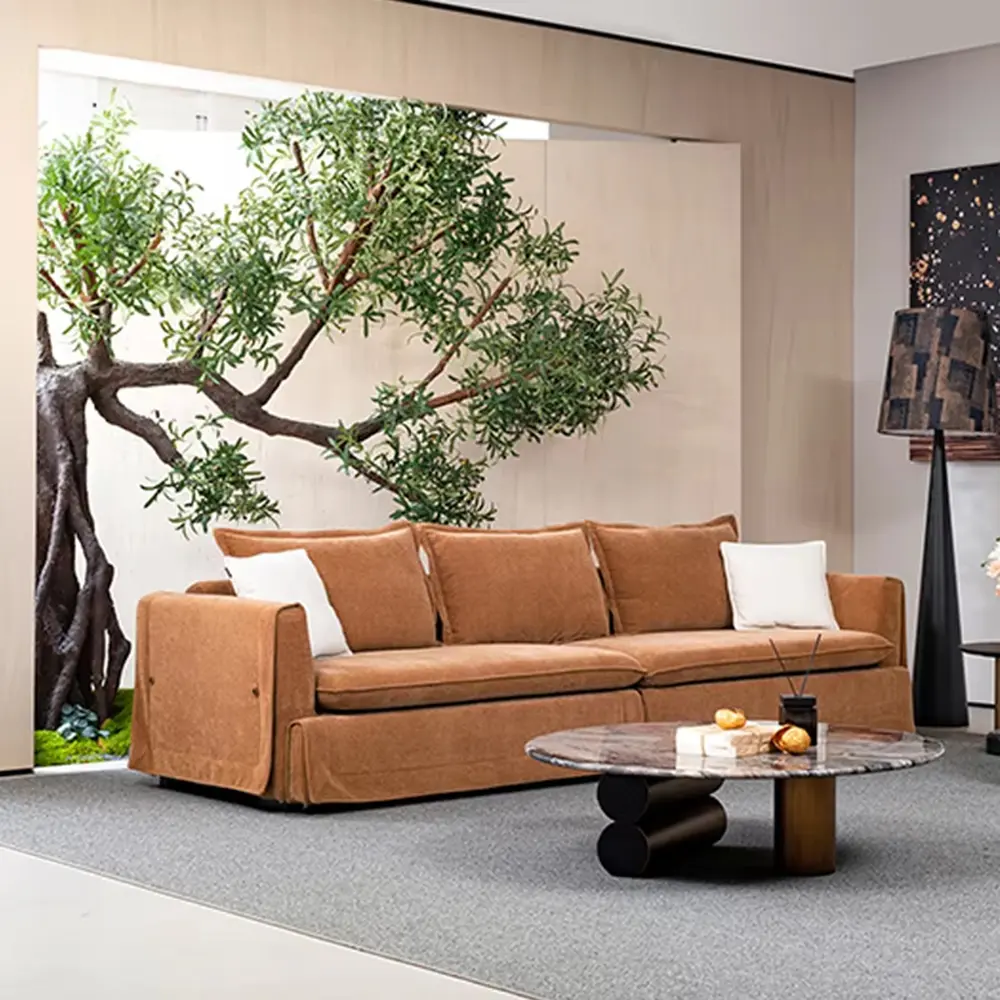
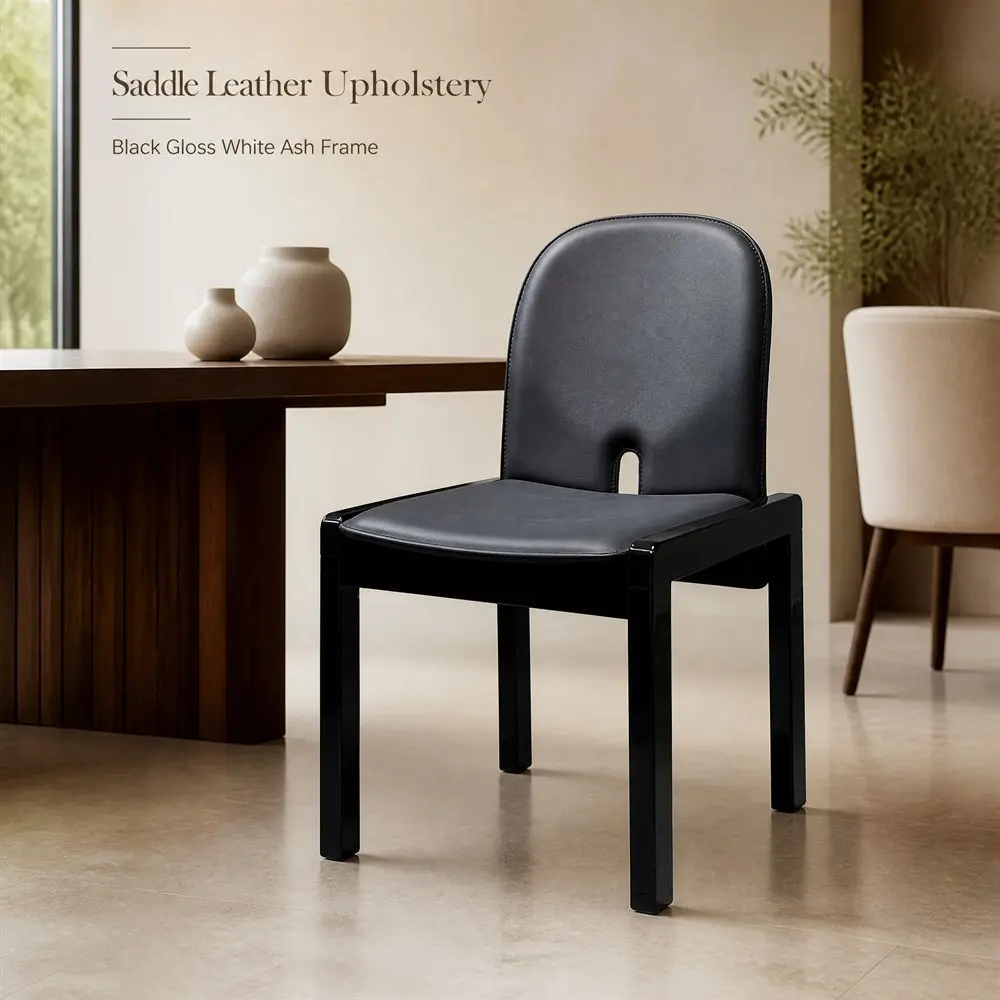
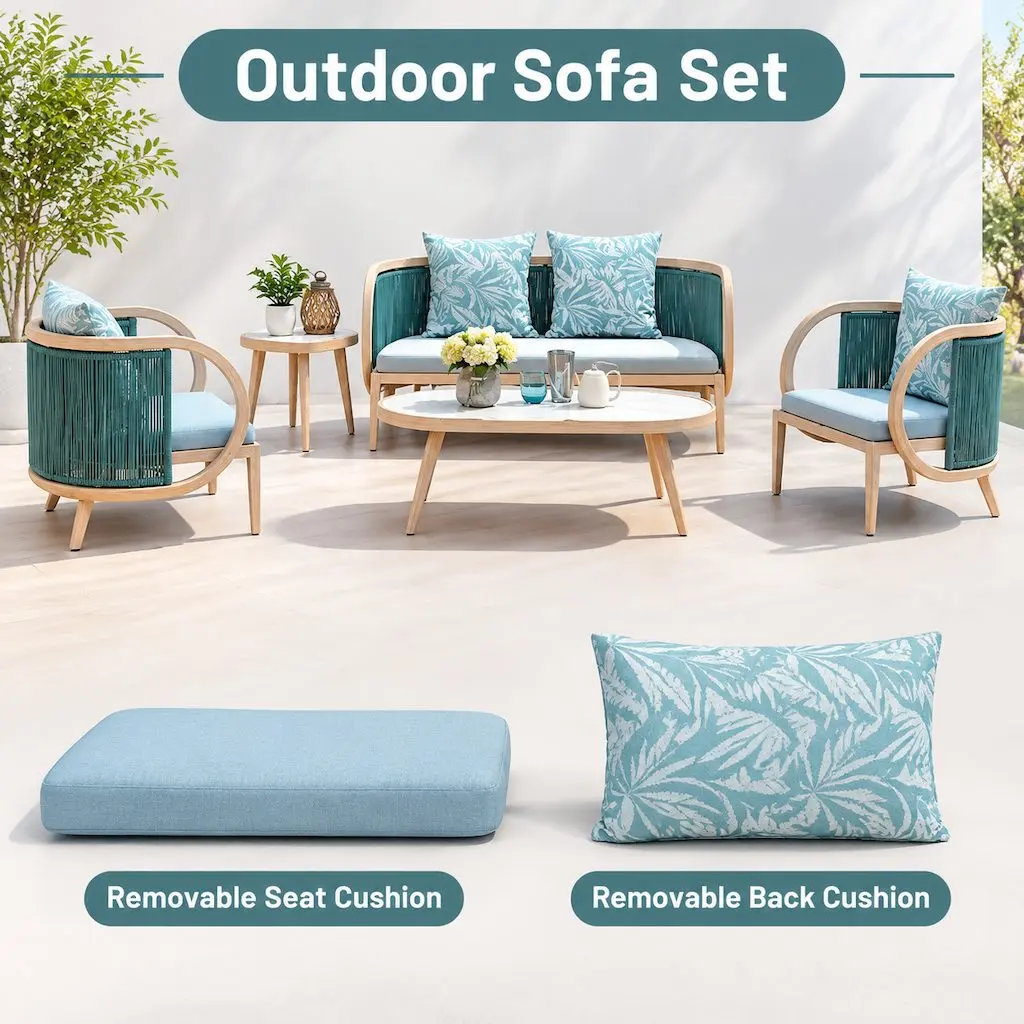
Every model below can be customized in dimension, upholstery, frame finish and branding. All are available for mixed-category container consolidation to the Port of Boston or to an East Coast gateway.
Industry Direction
Where Bedroom Furniture Manufacturing Is Heading Through 2027
Four shifts are reshaping what Boston buyers should be specifying today so that inventory purchased now is not obsolete within a season.
Hybrid sleep construction becomes the default
All-foam and all-spring mattresses are being displaced by hybrid builds that combine pocket springs for support with memory foam and latex for pressure relief. For institutional and hospitality buyers this matters because hybrids hold their shape longer under rotating occupancy than all-foam alternatives.
Storage-integrated beds move from niche to standard
As urban apartment sizes stay compressed, lift-up storage beds and drawers integrated into the bed base have shifted from an upgrade to a baseline expectation in multifamily projects. Suppliers that cannot offer integrated storage will increasingly be excluded from multifamily briefs.
Moisture and mold resistance becomes a purchasing criterion
New England's climate cycle — humid summers followed by cold, damp winters — accelerates foam degradation and upholstery issues in poorly specified products. Buyers are beginning to ask for ventilation channels in mattress construction, moisture-resistant barrier fabrics under upholstery, and treated foam.
Traceability and compliance documentation tighten
North American and European buyers increasingly require documented material composition, fire-retardant treatment records and fiber content declarations. A manufacturer's ability to produce this documentation quickly is becoming as important as the product itself.
Procurement Requirements
What Global Enterprise Buyers Now Require From a Bedroom Supplier
Documented Compliance
Material composition records, fire treatment documentation and fiber content declarations available on request, aligned to the destination market's regulatory framework.
Container Consolidation
Mixing beds, mattresses, nightstands and casegoods in one container to reduce freight cost per unit and simplify customs clearance at the destination port.
Private Label & Branding
Woven labels, embossed logos, branded packaging and retailer-ready presentation for buyers building their own bedroom brand.
Pre-Shipment Inspection
Structural durability testing, finish consistency checks and export-grade crating verified before goods leave the factory floor.
Scalable Reorder Capacity
Trial-order structure that scales into a repeatable reorder program without re-qualifying the supplier for each new cycle.
Single Point of Accountability
One account team, one quality standard and one shipping plan across every bedroom, living and dining category in the order.
Buyer FAQ
Questions Boston Buyers Ask Before Their First Bedroom Furniture Order
Direct answers on lead times, customization, shipping to Boston, compliance and minimum order structure.
What is the typical lead time from order to delivery for a Boston shipment?
Sample approval typically takes 10–15 days for an upholstered bed or mattress. Mass production then runs 25–35 days depending on complexity and volume. Ocean transit from South China to the US East Coast gateway ports serving Boston (including New York/New Jersey and Boston itself) typically adds 30–40 days, with port handling and inland delivery adding a further week. A realistic planning horizon from approved sample to Boston warehouse delivery is therefore around 75–95 days.
Can bed dimensions be customized for Boston's pre-war apartments?
Yes. Width, depth, headboard height and platform height can all be adjusted within engineering limits. Non-standard room widths and low window sills in Back Bay, Beacon Hill and South End conversions frequently require exactly this. Provide the room dimensions and we will return a modified drawing for approval before production.
How do you handle mattress specification for Boston's cold winters and humid summers?
For New England destinations we typically specify hybrid constructions with ventilation channels, moisture-resistant barrier fabrics beneath the quilted top and treated foam. Pocket-spring cores hold shape better than all-foam builds under temperature cycling. We can advise on specific constructions based on whether the end use is residential rental, hotel or institutional.
Can multiple bedroom and living room categories ship in one container?
Yes. Container consolidation is a core part of our export service. Beds, mattresses, dining chairs, sofas and outdoor sets can be combined in a single shipment with planned loading to maximize cube utilization and minimize freight cost per unit. Multi-layer export crating protects against transit damage across the longer East Coast route.
What is the minimum order quantity for a first trial order?
Minimum order quantities vary by model and material. For a first trial, buyers commonly start with a single mixed container that combines several bedroom and living room models rather than committing to a full program. This lets you validate quality, fit and market response before scaling into a repeatable reorder schedule.
Do you provide compliance documentation for US import requirements?
We provide material composition records, fiber content and fire-treatment documentation on request for goods destined for the United States. Our pre-sale consultants advise on material configurations aligned with the regulatory standards of your destination market, and buyers should confirm specific requirements with their own compliance counsel for their product category.
Do you accept OEM and ODM orders for bedroom furniture programs?
Yes. We customize dimensions, upholstery and frame colors, fabric grades including commercial contract fabrics, and branding such as woven labels and embossed logos. ODM development is also available where a buyer needs a new bedroom silhouette developed from a design brief rather than adapted from an existing model.
Which ports and shipping routes are used for Boston deliveries?
Shipments from Foshan typically depart via Shenzhen or Guangzhou and route to East Coast gateways. Direct calls to the Port of Boston are available but less frequent than services to New York/New Jersey, from which inland transport reaches Boston in under a day. Our post-sale team plans the routing and consolidation based on your delivery window and volume.
Start Your Boston Program
Ready to Build a Factory-Direct Bedroom Program for Boston?
Share your room dimensions, target price band, brand standards and delivery window. Our export team will return a specification sheet, sample plan and consolidated container loading estimate for your Boston project.
Send Inquiry Now