
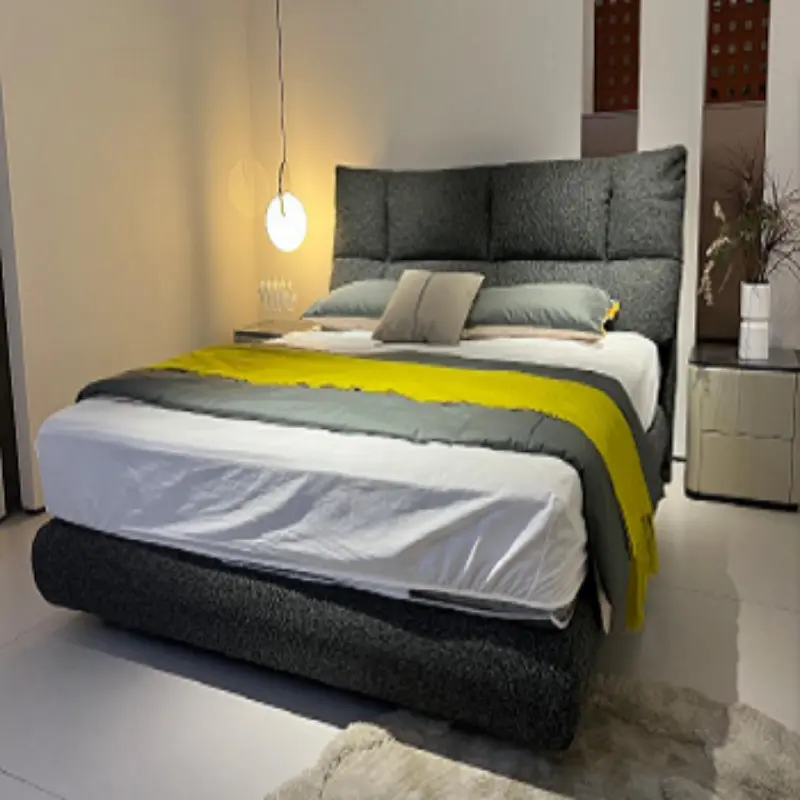
Featured Dining & Living Programmes
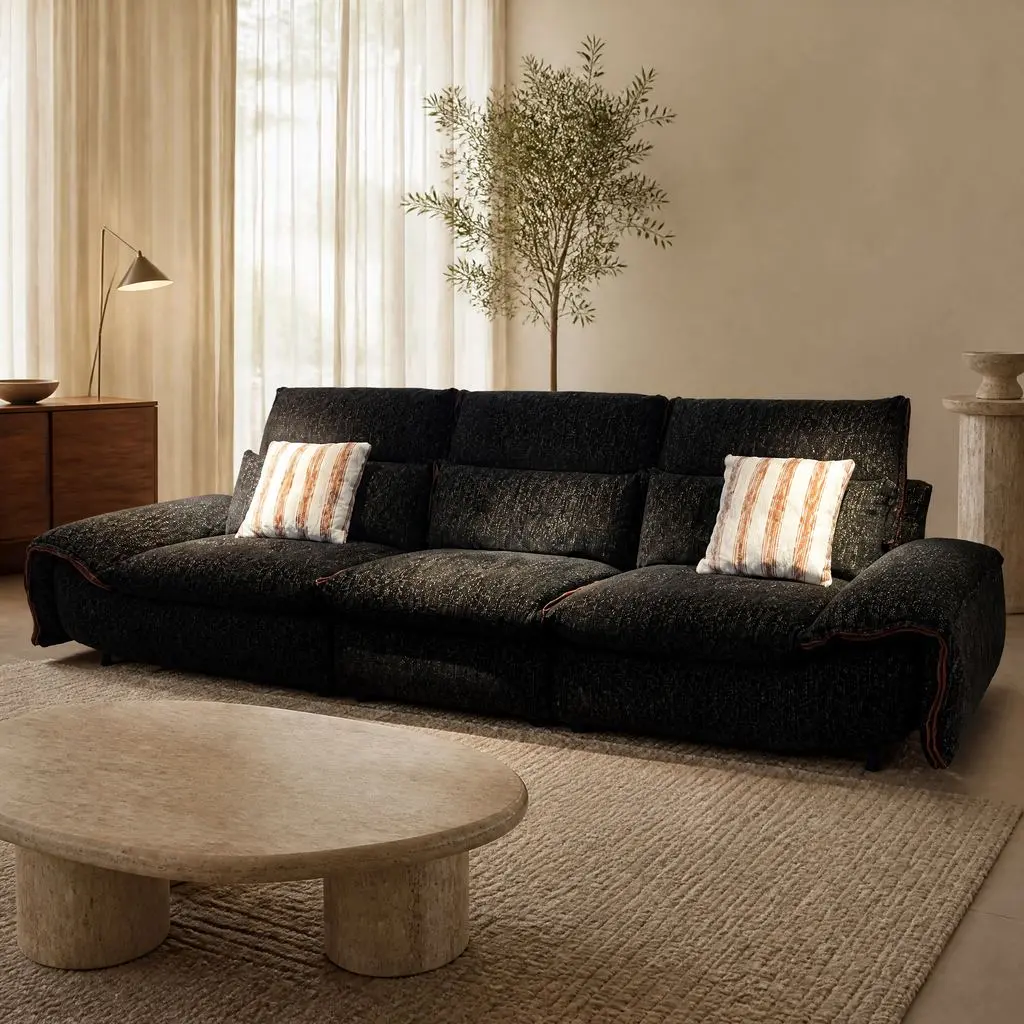
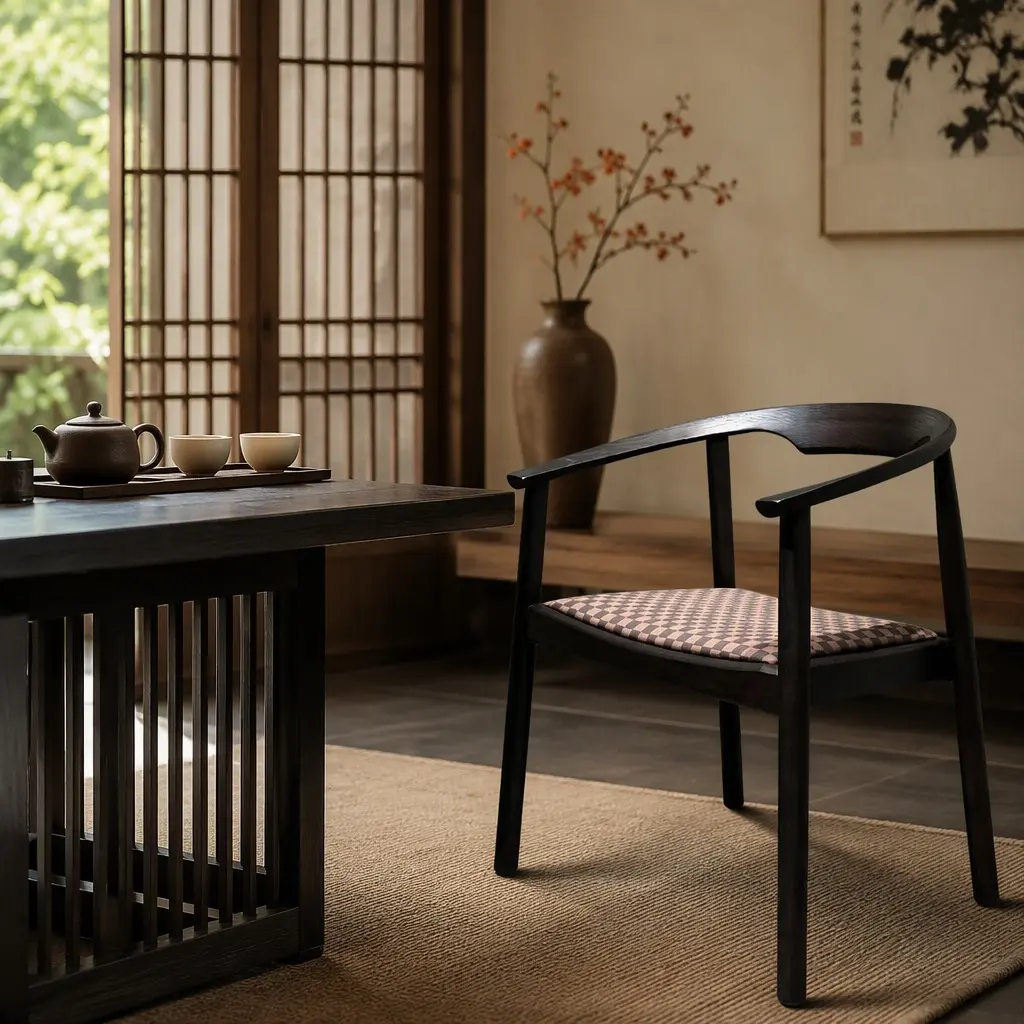
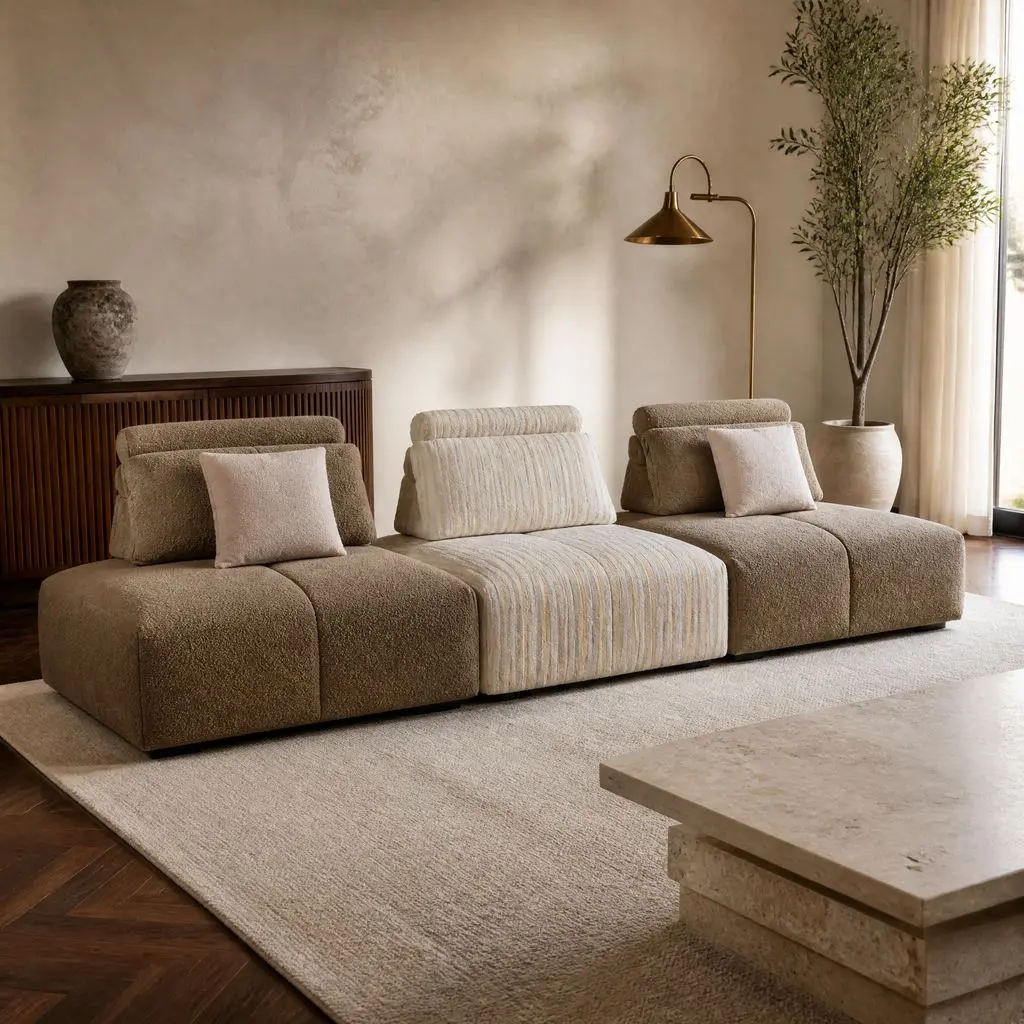
Sofa, Bed & Dining Chair Platforms Shortlisted for Malaysian Buyers
These four platforms are the most frequently sampled by Malaysian importers and project teams — engineered for humidity, high-frequency commercial use and mixed-category container loading.
Malaysia Market Reality
What Malaysian Dining Set Buyers Actually Face on the Ground
Malaysia is not one market — it is a layered cluster of Klang Valley condominium demand, Johor project pipelines, Penang hospitality refurbishment and East Malaysia dealer networks. Each layer has different tolerances for lead time, spec and price.
The Malaysian furniture trade operates through a dense structure of importers, dealer networks, project contractors and specification-driven interior studios. A China dining set supplier who understands this structure wins repeat volume; one who only quotes FOB prices loses to whoever answers the technical question first.
Three structural conditions define the market today. First, residential high-rise delivery: new condominium handovers in the Klang Valley and Johor create concentrated bursts of demand for compact 4–6 seater dining sets. Second, F&B expansion: café, bistro and chain-restaurant rollouts require commercial-grade chairs with high cycle tolerance. Third, hospitality refurbishment: hotel and serviced-residence programmes demand consistent finishes across hundreds of rooms with documented durability.
Add the climate factor. Malaysia's year-round humidity, high ambient temperature and monsoon-driven moisture swings make material selection more consequential than in temperate markets. Solid ash can be specified in Malaysia — but only with the right finish system, moisture content control and acclimatisation protocol before the container leaves Foshan.
Local Demand Signals Procurement Teams Should Map
- Klang Valley condominium handovers — compact 4–6 seater sets, low-footprint chairs, flat-pack friendly.
- Johor & Iskandar project pipeline — developer FF&E packages with coordinated finishes.
- Penang & Langkawi hospitality — contract-grade seating with documented cycle testing.
- F&B chain rollouts — uniform chairs, replacement-part availability, repeatable spec.
- East Malaysia dealer networks — export crating strength and mixed-container flexibility.
Search Intent Mining
Mapping What Buyers Actually Search Before Contacting a Supplier
Queries around "China dining sets manufacturer Malaysia" are rarely informational. They are commercial-investigation and transactional — and each cluster expects a different answer.
Wholesale & Dealer Intent
Importers searching "dining set wholesale supplier Malaysia" want MOQ, container fill ratio, mixed-model loading and dealer pricing tiers. They convert on documented terms, not on photos.
Project & FF&E Intent
Hotel, serviced residence and developer buyers search "custom dining set manufacturer for hotel project". They expect CAD, sample lead time, warranty terms and compliance documentation.
Lead Time & Logistics Intent
Queries like "Foshan to Port Klang lead time dining furniture" signal an advanced buyer who needs a scheduling partner, not a catalogue. Answer with transit, consolidation and customs specifics.
Material & Climate Intent
"Solid wood dining set for humid climate Malaysia" reveals a technical buyer. They need finish systems, moisture content standards, adhesive class and upholstery maintenance guidance.
Compliance Intent
Searches around "SIRIM furniture compliance" and "Formaldehyde E1 Malaysia" indicate buyers pre-qualifying suppliers. Publish standards, not slogans.
After-Sales Intent
"Replacement parts dining chairs Malaysia" is a loyalty query. A supplier who stocks spares and publishes a parts policy converts repeat orders from existing dealers.
Industry Development Trends
Five Trends Reshaping Dining Set Sourcing for Malaysia
Dining furniture sourcing has shifted from a price negotiation to a supply-chain design exercise. These five trends explain why.
Trend 01
Consolidated Multi-Category Ordering
Malaysian importers increasingly place sofa, bed, mattress and dining on one purchase order to cut freight cost per unit and reduce vendor management overhead. Suppliers with cross-category QC become the default.
Trend 02
Commercial-Grade Specification
F&B chains now specify cycle-tested seating instead of residential-grade chairs. Martindale abrasion, seat-load testing and joint durability reports are entering tender documents.
Trend 03
Humidity-Engineered Materials
Kiln-dried hardwood, moisture-resistant adhesives and mould-inhibiting upholstery treatments are becoming standard requests rather than premium add-ons for Malaysian destinations.
Trend 04
Smaller Footprint, Higher Density
Urban condominium living drives demand for compact dining tables, bench seating and stackable or nestable chairs that maintain visual quality in smaller floor plans.
Trend 05
Digital Specification Transparency
Buyers expect dimensional drawings, weight, carton cube and finish codes published digitally before sampling. Suppliers who publish specs compress the sales cycle substantially.
Trend 06
Localised After-Sales
Spare parts, touch-up finish kits and assembly documentation shipped with the container are replacing the old model of replacing whole units for minor damage.
Global Procurement Demand
How Global Buying Behaviour Shapes Malaysian Sourcing
Malaysia does not source in isolation. Demand signals from the wider ASEAN region and global retail chains influence allocation, lead times and pricing tiers offered to Malaysian buyers.
Global buyers now treat Chinese furniture factories as capacity platforms rather than single-source workshops. A Foshan manufacturer serving Malaysia typically also serves the Middle East, Australia, Europe and North America. That has a direct consequence for Malaysian importers: production slots are allocated by forecast horizon, not arrival order.
Buyers who commit to rolling forecasts, sign framework agreements and accept standardised configurations receive priority scheduling. Buyers who order ad hoc against changing specs absorb longer lead times and higher tooling costs — regardless of order size.
There is also a compliance spillover effect. Specification standards tightening in Europe and Australia — around formaldehyde limits, textile flammability and packaging waste — raise the floor for everyone. Malaysian buyers benefit because compliant suppliers already operate to those standards, but they also inherit documentation requirements they may not have requested.
Practical Implications for Malaysian Procurement
- Rolling forecast — quarterly volume commit stabilises slot allocation.
- Standardised modules — reduces tooling and sampling cycles between repeat orders.
- Documentation bundle — request compliance files in the first RFQ, not at shipment.
- Mixed-category containers — improves freight economics and slot priority.
Macro Industry Solutions
End-to-End Programmes for Malaysian Buying Models
Three procurement archetypes dominate Malaysia. Each requires a different operating model from the supplier.
| Buyer Archetype | Core Requirement | Programme Design | Success Metric |
|---|---|---|---|
| Wholesale Importer / Dealer Network | Repeatable SKUs, stable pricing, fast replenishment | Framework agreement with standard modules, mixed-category containers, spare-parts kit per shipment | Sell-through velocity and low damage claim rate |
| Property Developer / FF&E Contractor | Coordinated finishes across rooms, schedule adherence | Sample approval matrix, phased delivery by block, finish-code register shared across categories | Handover date adherence and defect-free snag rate |
| F&B Chain / Hospitality Group | Durability, uniform spec, replacement availability | Commercial-grade specification, cycle-test documentation, standardised replacement parts catalogue | Maintenance cost per seat per year |
| Interior Studio / Specifier | Design control, customisation, sample speed | Rapid prototyping, custom dimension and finish development, private-label detail | Specification win rate on client pitches |
Localisation & Compliance Assurance
Meeting Malaysian Import, Material and Safety Expectations
Compliance in Malaysia is not a single certificate. It is a chain of material documentation, finish declarations and shipping paperwork that must align before clearance.
Documentation Chain for Malaysian Clearance
- Material declarations — panel and board formaldehyde class, textile composition, foam density statements.
- Finish declarations — low-VOC coating systems and curing records for solid wood items.
- Packaging specification — fumigation-compliant timber treatment or ISPM 15 stamped pallets where used.
- Commercial documentation — invoice, packing list, HS classification and country-of-origin declaration.
- Test reports — structural load, abrasion and, where specified, flammability testing for contract seating.
Malaysia applies its own national standards framework, and compliant suppliers align material choices with the requirements your declared market imposes — rather than assuming a generic export spec is sufficient.
Specify by market, not by catalogue. A dining chair sold into a Malaysian home, a Malaysian café and a Malaysian hotel lobby should not carry the same durability assumption. The same visual design can be engineered at three performance tiers, and buyers who specify the tier upfront avoid the costly mid-project upgrade conversation.
Localisation also covers the practical layer: metric dimensions in drawings, 230V-compatible components where powered furniture is included, English and Bahasa Malaysia assembly instructions, and packaging labelling legible to local warehouse teams.
Technical Roadmap & Future Outlook
A 2026–2030 Roadmap for Dining Set Manufacturing
The next competitive advantage in furniture manufacturing will not be labour cost. It will be documented performance, material traceability and service responsiveness.
2026
Specification Transparency
Digital product data — dimensions, weight, carton cube, finish codes and care instructions — published per SKU to compress buyer evaluation cycles.
2027
Humidity-Engineered Systems
Standardised moisture-content targets, adhesive classes and finish systems formalised per destination climate band, with documented QC checkpoints.
2028
Performance-Tier Product Architecture
Each visual design offered at residential, commercial and contract performance tiers so buyers can specify durability without changing design language.
2029
Traceability & Material Passports
Batch-level traceability of timber sourcing, foam density and textile composition, matched to documentation required by destination markets.
2030
Service-Embedded Supply
Spare parts, touch-up kits and assembly documentation shipped as standard, turning suppliers into long-cycle service partners for dealer networks.
Signals Buyers Should Track Now
- Documented QC replacing verbal assurance in tender evaluation.
- Climate-band specification becoming a line item in RFQs.
- Spare-parts availability as a contract clause, not a favour.
- Cross-category consolidation as the default buying pattern.
Full Whole-House Catalogue
Coordinated Models Frequently Loaded with Dining Set Containers
Malaysian importers commonly consolidate dining sets with bedroom and living room models. These eight platforms are the most frequently paired.

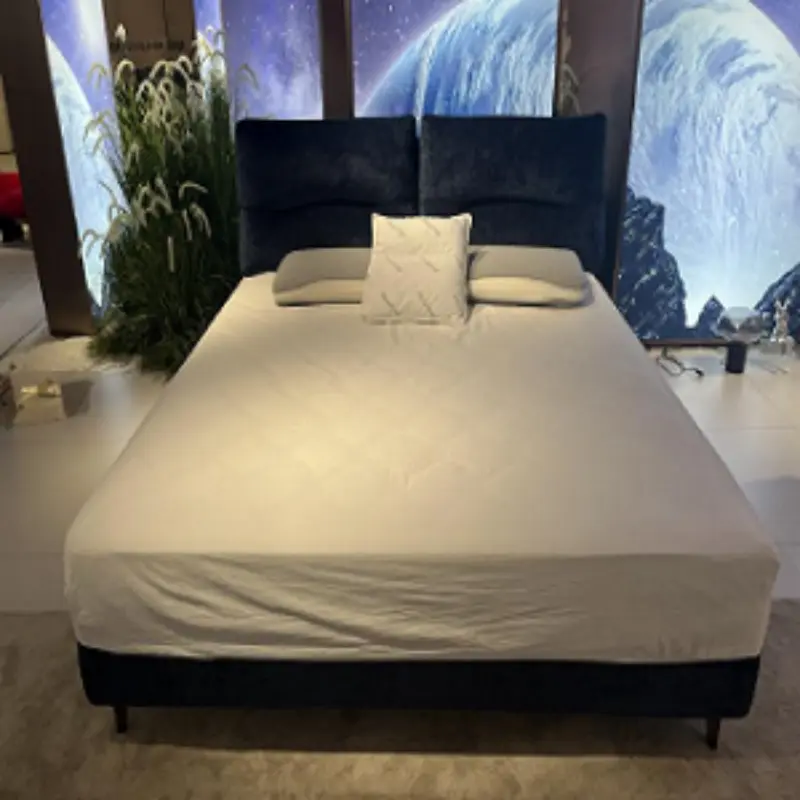
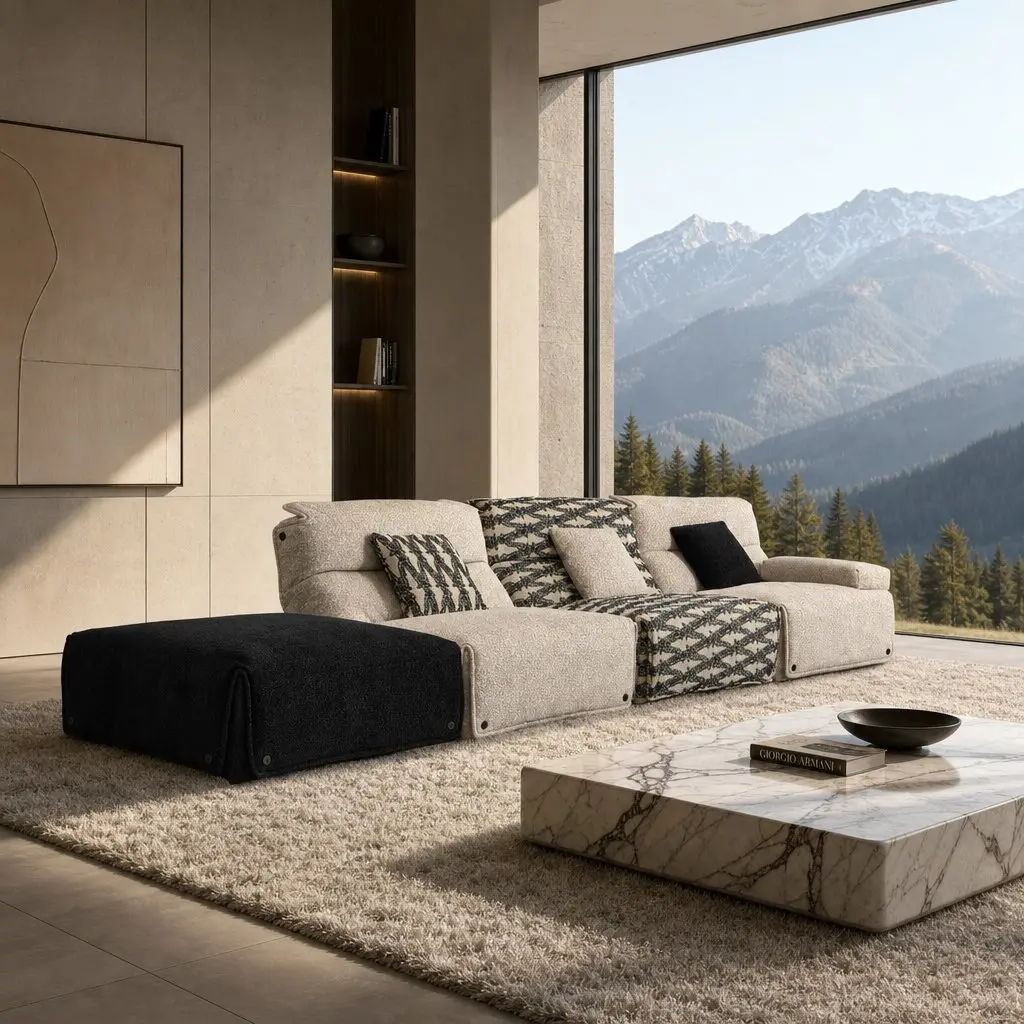
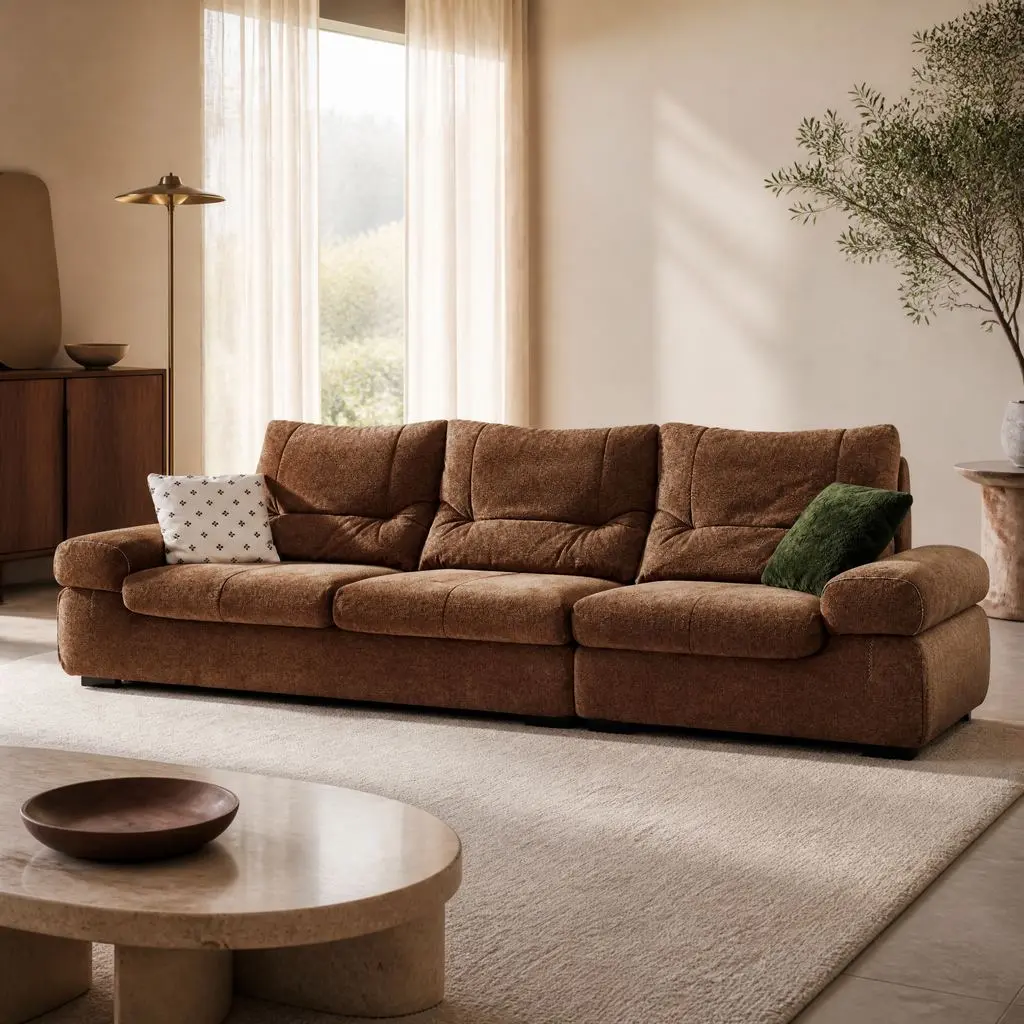
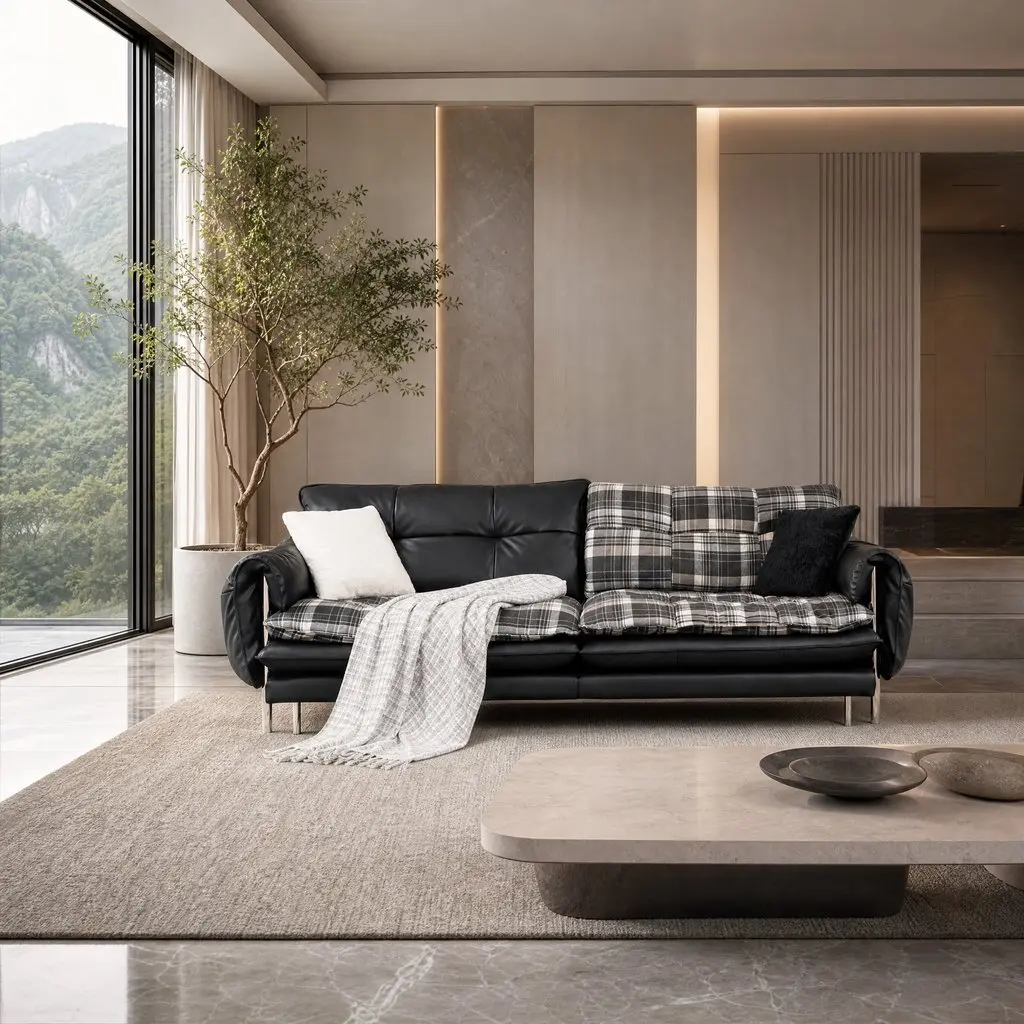
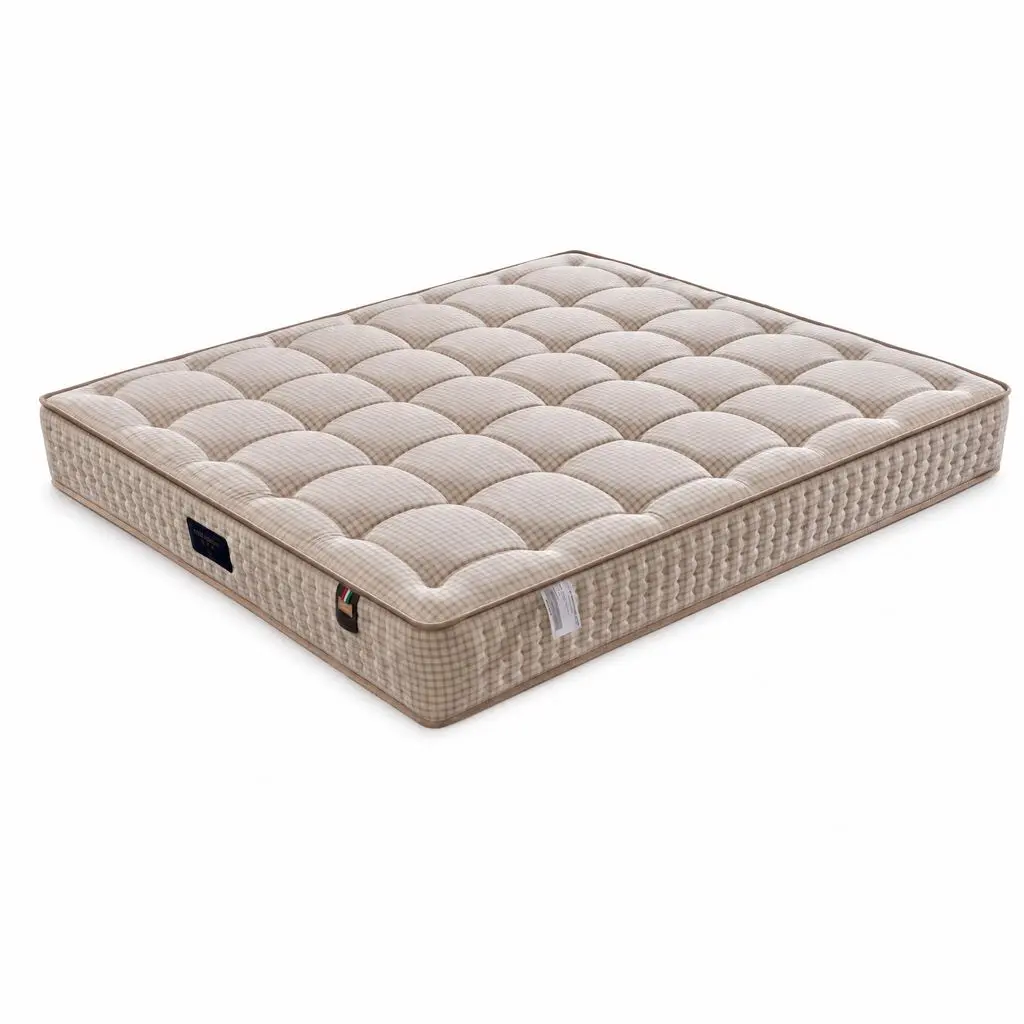
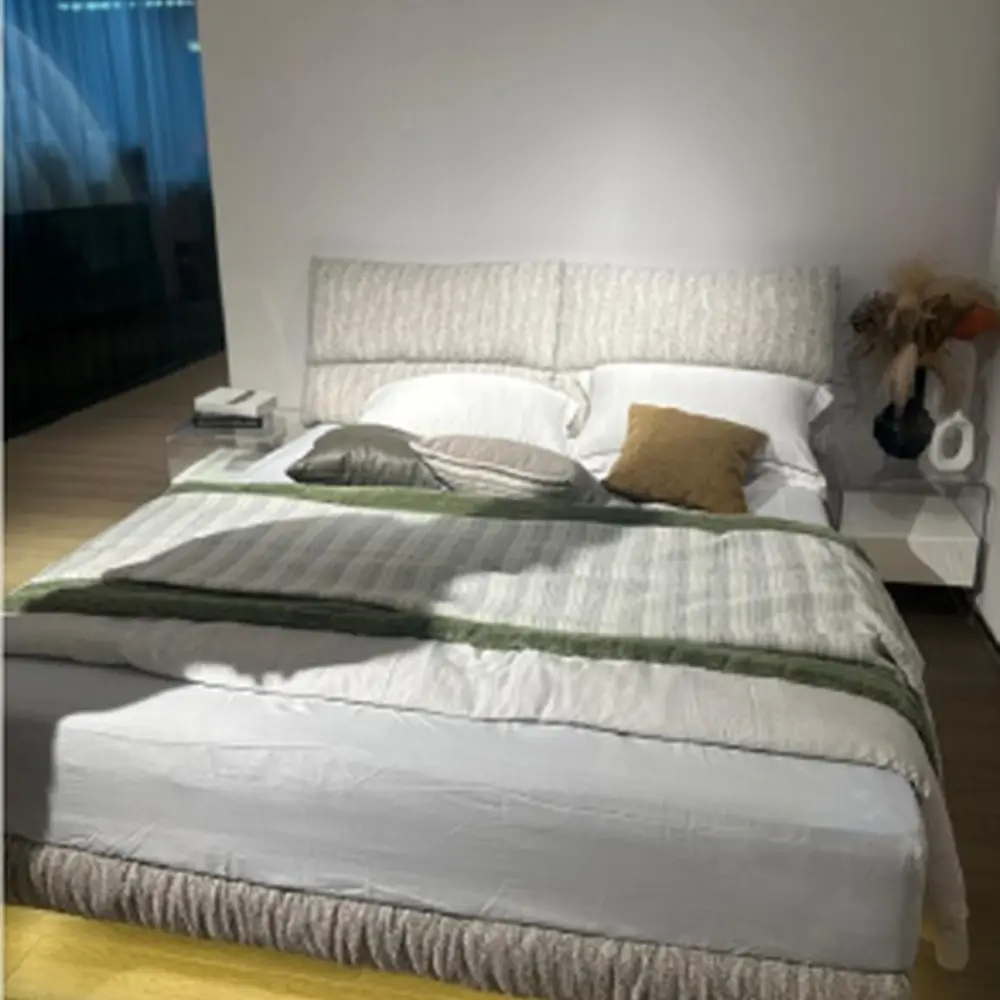
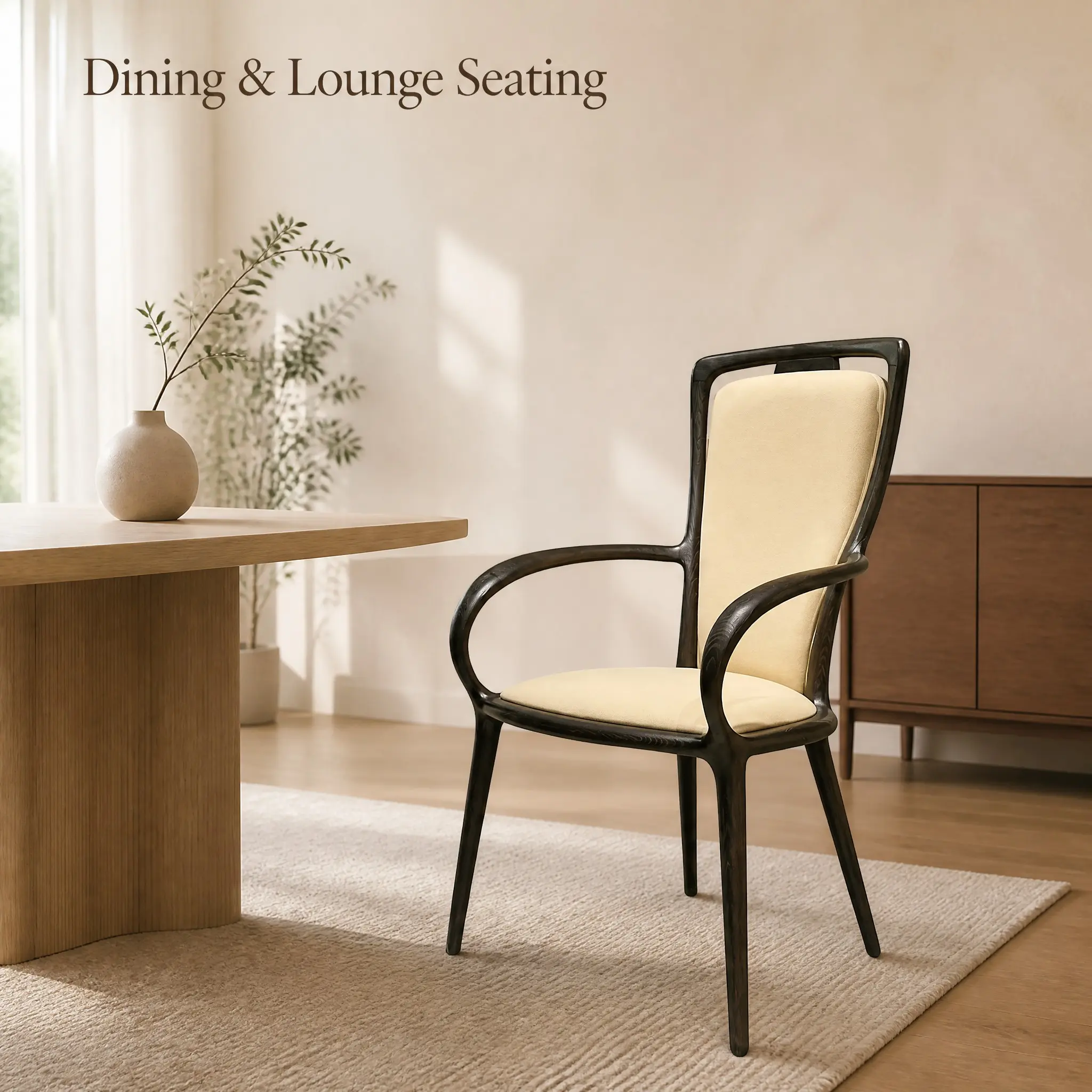
Capability Snapshot
Manufacturing Depth Behind Every Malaysia Order
Qingyumai operates as the export brand of Foshan Qingyumai Technology Co., Ltd. — an integrated manufacturer in Longjiang, Shunde, with in-house R&D and an audited partner-factory network.
0Years of export experience
0Original design & structure patents
0Furniture categories in production
0OEM / ODM customisation dimensions
Buyer Q&A
Frequently Asked Questions — Malaysia Dining Set Sourcing
Direct answers to the questions Malaysian importers, developers and F&B teams raise before committing to a first container.
Is Qingyumai a furniture manufacturer or a trading company?
Qingyumai is the export brand of Foshan Qingyumai Technology Co., Ltd., an integrated manufacturer covering R&D, production and international sales with its own facility in Shunde, Foshan. For whole-house orders we coordinate a network of audited partner factories so every category ships under one quality standard and one purchase order.
Do you accept OEM and ODM orders for the Malaysian market?
Yes. We customise dimensions, upholstery and frame colours, fabric grades and branding such as woven labels and embossed logos. For Malaysia specifically we can specify moisture-resistant construction, low-VOC finishes and commercial-grade textile options for F&B and hotel projects.
Can dining sets be consolidated with sofas, beds and mattresses in one container?
Yes. Container consolidation across categories is a core part of our post-sale service. We plan loading space to reduce ocean freight cost per unit and use multi-layer export crating to protect items during transit to Port Klang or other Malaysian entry points.
How do you control quality during mass production?
Our internal QC engineers carry out on-site production line audits that check structural durability and finish consistency. Pre-sale consultants recommend material configurations aligned with the regulatory standards of your destination market, and documentation can be bundled with shipment.
What lead time should a Malaysian buyer expect?
Lead time depends on whether the order uses standard modules or custom development. Standard configurations with approved specifications move faster; custom sampling adds time. Buyers who commit to rolling forecasts receive more stable scheduling than ad hoc orders. Exact transit and production timelines are confirmed in your quotation.
Which buyers do you typically work with in Malaysia?
Furniture wholesalers and importers, hotel and hospitality procurement teams, property developers and FF&E contractors, interior design studios, F&B chains and residential clients that need coordinated furniture for multiple rooms.
Where is your factory located, and can buyers visit?
We are located at Hui Cheng Industrial Park, Longjiang Town, Shunde District, Foshan, Guangdong, China — one of the world's most established furniture manufacturing clusters. Malaysian buyers are welcome to arrange factory and showroom visits, and we can coordinate multi-factory tours for whole-house programmes.
Planning a Dining Set Container for Malaysia?
Send us your target models, quantity, destination port and performance tier. Our export team will return a specification sheet, sample plan and consolidation proposal.