
Living Room
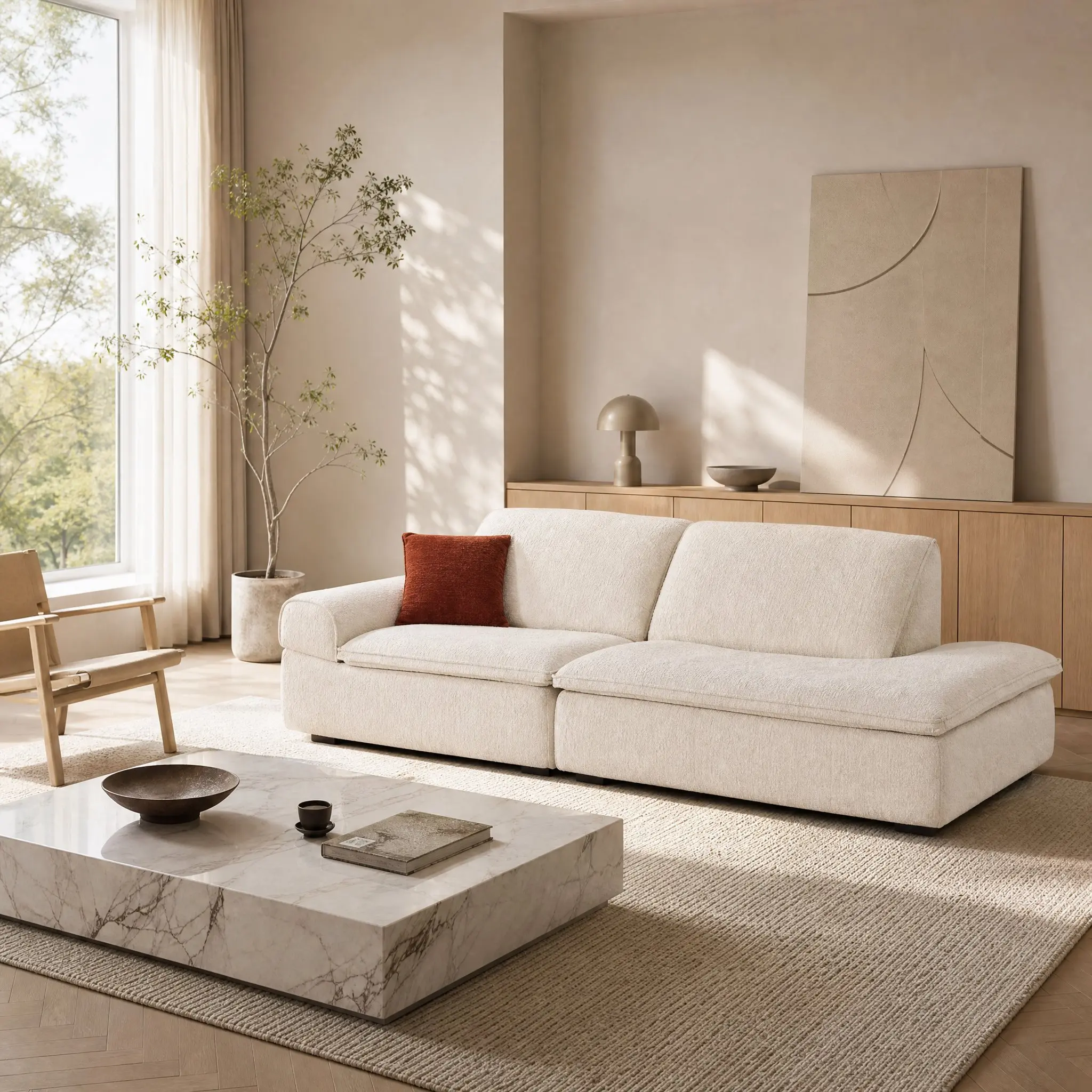
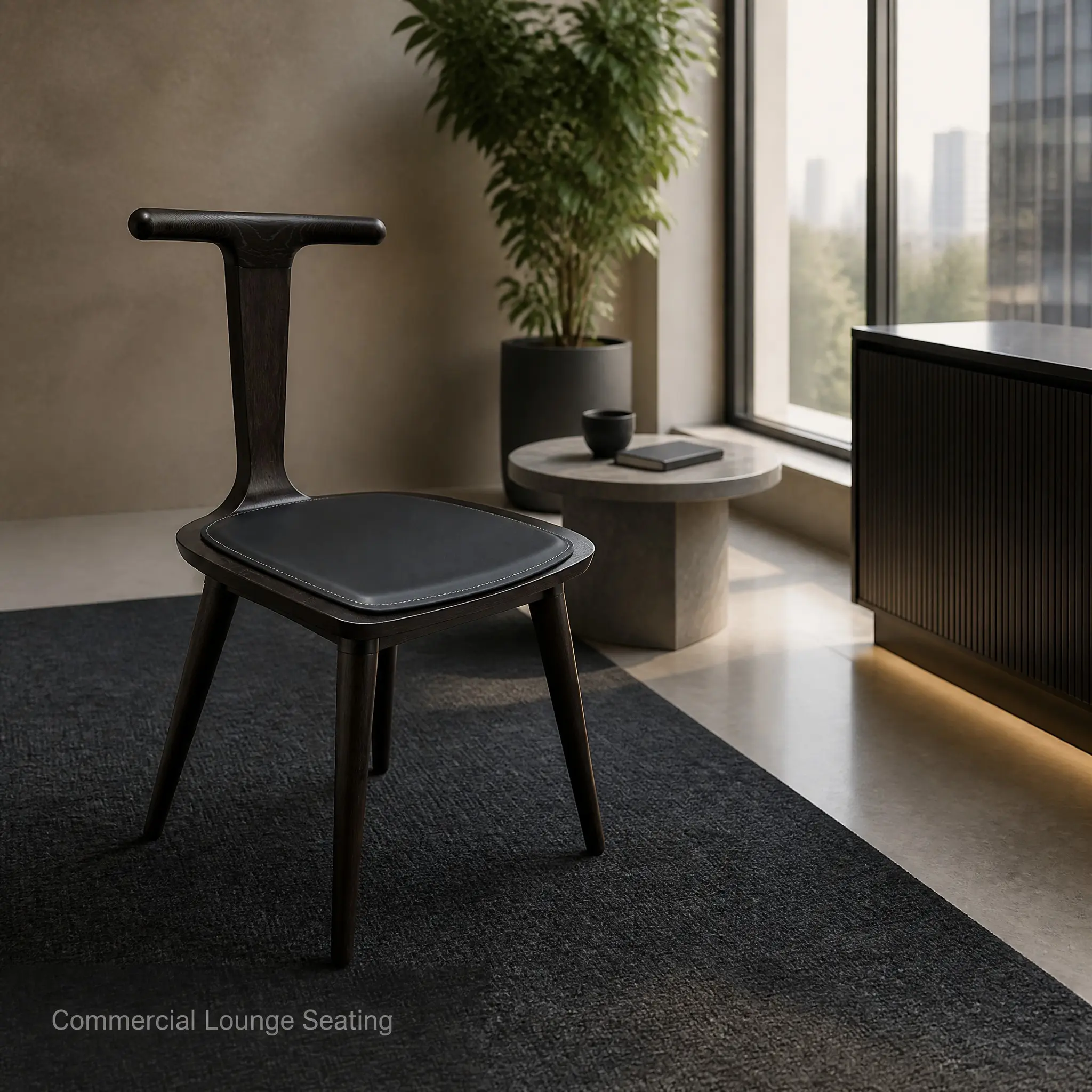
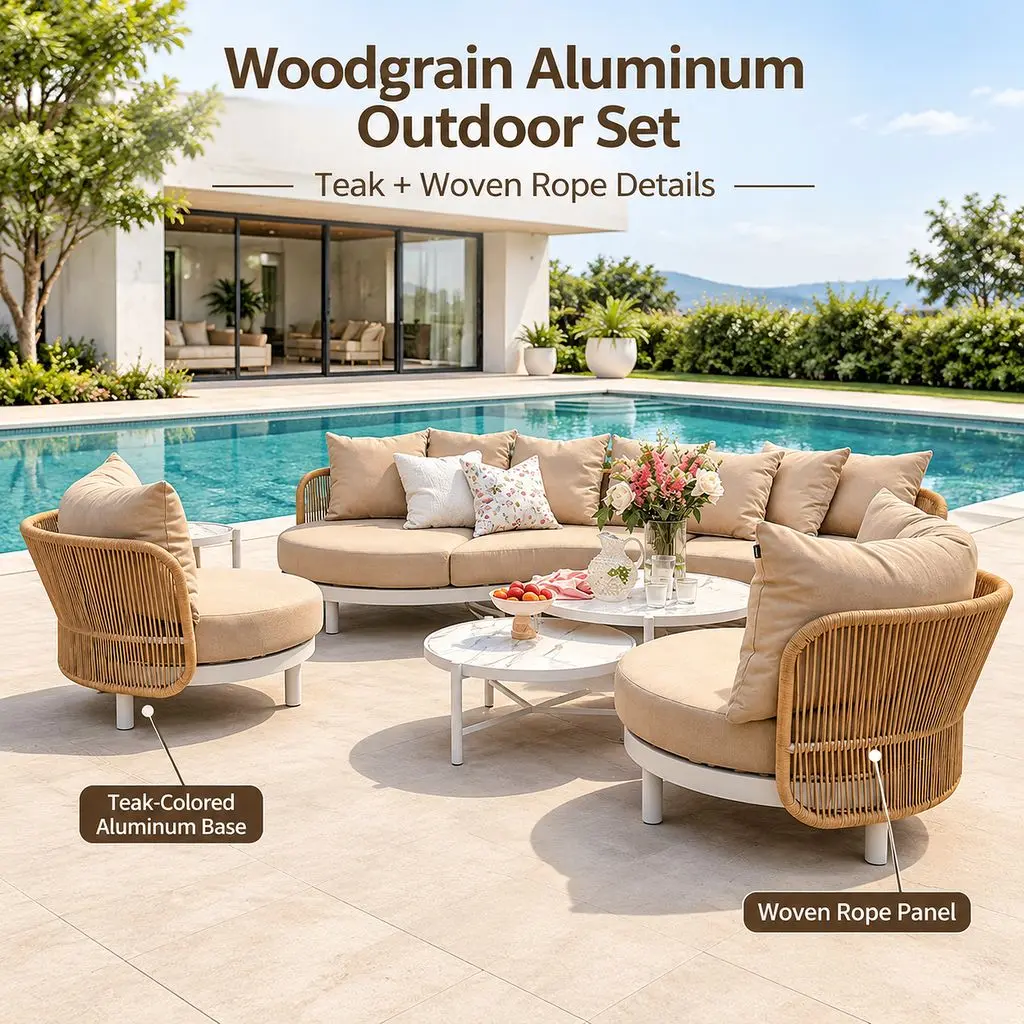
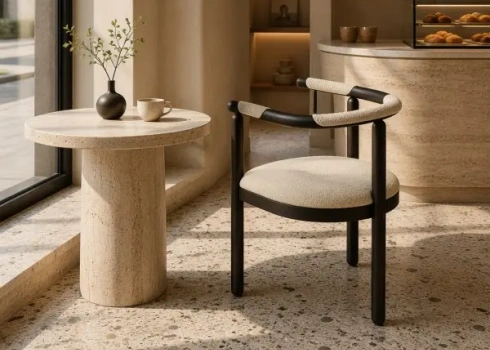
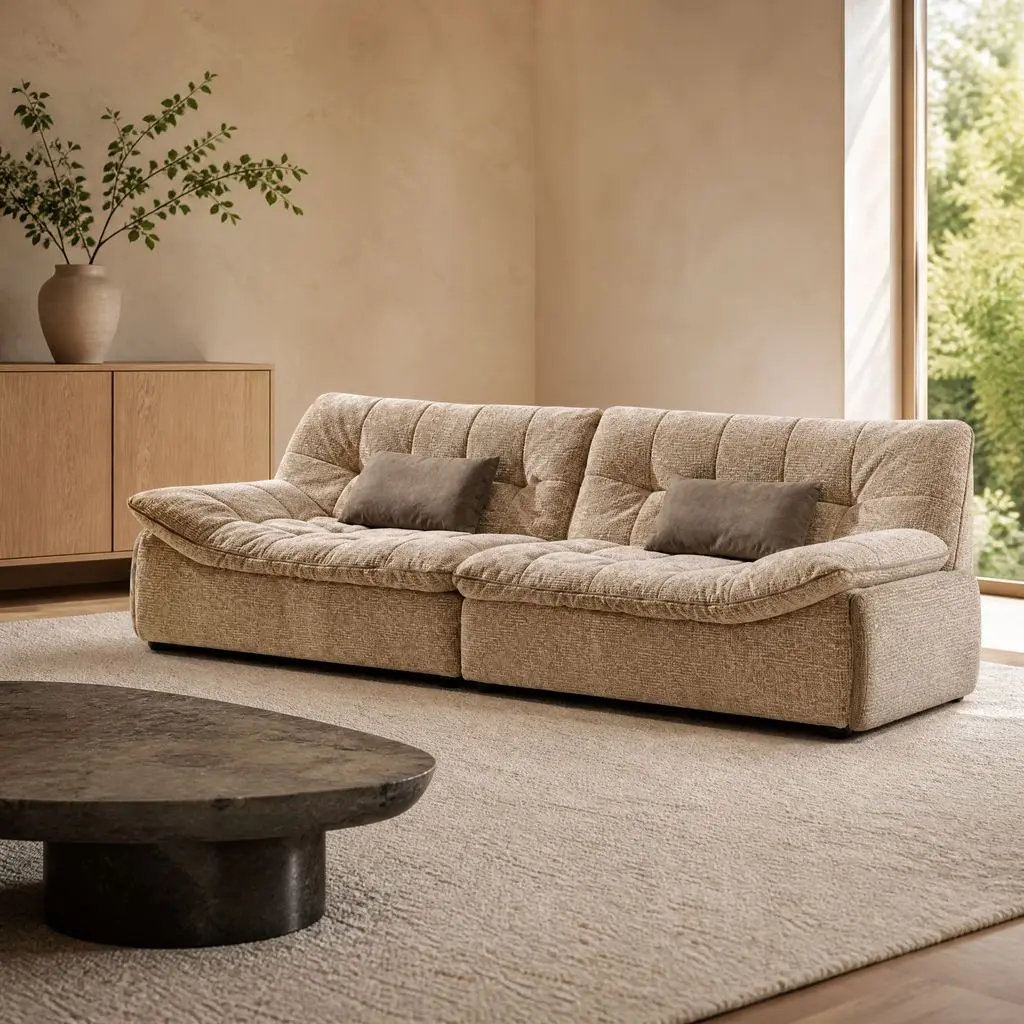
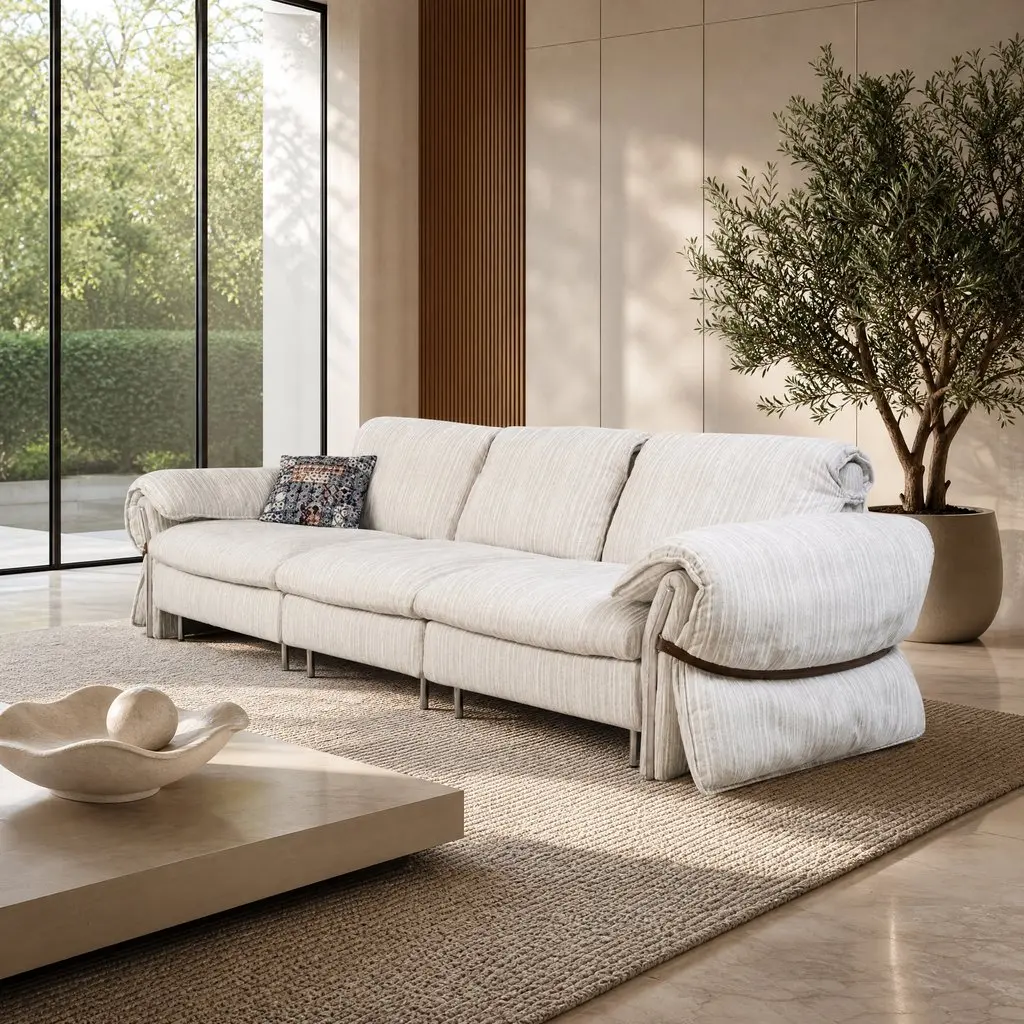
These four references anchor the dining and living programmes most frequently requested by Turkish importers: a sectional for Bosphorus-view apartments, a tailored upholstered bed for boutique hotel keys, a Nordic ash dining chair for high-turnover restaurants, and a weather-ready outdoor sofa set for coastal terraces in Bodrum, Çeşme and Yalıkavak.
Istanbul is not one market — it is a cluster of micro-markets with different price ceilings, specification expectations and delivery constraints. A factory that performs well for a Nişantaşı apartment project will not automatically satisfy a franchise restaurant rollout in Ataşehir. Understanding the geography of demand is the first step in writing a brief that a Foshan factory can actually execute.
Istanbul's furniture consumption is shaped by four demand engines: residential fit-out in the new high-rise corridors of Sarıyer, Beylikdüzü and Başakşehir; hospitality refurbishment across Beyoğlu, Şişli and the Bosphorus waterfront; food & beverage rollout in Kadıköy, Beşiktaş and Ataşehir; and contract export trading, in which Turkish merchants re-export furniture to Central Asia, the Caucasus, North Africa and the Gulf via Istanbul's logistics infrastructure.
That fourth engine matters more than most Chinese factories realise. Istanbul is not only an end market — it is a re-export gateway. A dining set delivered to a warehouse in Hadımköy may ultimately be resold to Tbilisi, Baku, Erbil or Tunis. This changes the compliance and documentation conversation: buyers frequently need neutral packaging, flexible labelling, and mixed-model container loading so they can serve multiple downstream markets from a single import.
| Istanbul Demand Segment | Typical Dining Set Brief | Specification Priority | Order Profile |
|---|---|---|---|
| Luxury residential (Nişantaşı, Bebek, Zekeriyaköy) | 6–8 seat solid wood or marble-top tables with upholstered chairs | Finish consistency, brand-visible detailing | Low volume, high specification, sample-led |
| Mid-market housing developments | Compact 4–6 seat extending tables, stackable chairs | Unit cost, delivery reliability, flat-pack efficiency | High volume, repeat programme |
| Hospitality & hotel F&B | Contract dining chairs, banquette seating, durable tops | Wear cycles, fire performance, replaceability | Project-based, phased delivery |
| Café & restaurant chains | Standardised chair and table modules, brand finishes | Consistency across sites, spare-part supply | Framework agreement, rolling orders |
| Re-export traders | Mixed SKU containers, neutral packaging | Documentation, packaging neutrality, load efficiency | Consolidated multi-model shipments |
Across more than a decade of export orders, the questions from Istanbul buyers converge with those from buyers in Riyadh, Berlin, Lagos and Sydney. The surface differences are cultural; the underlying procurement logic is identical. Understanding that shared logic is what allows a factory to give a straight answer instead of a brochure.
Buyers increasingly specify joint construction, moisture content and load testing before they discuss price. A dining chair that fails at month eight costs far more than a 6% higher unit price.
Requests for material declarations, finish codes and hardware brand disclosure are now standard for European-adjacent markets, including Turkish buyers who re-export into the EU.
Load planning is a design decision, not a logistics afterthought. Nesting geometry and knock-down design directly determine freight cost per seat delivered to Istanbul.
Buyers tolerate longer lead times far better than uncertain ones. Production milestones, inspection windows and vessel booking dates matter as much as the quoted day count.
Few buyers want to manage six suppliers. The ability to combine dining, living, bedroom and outdoor lines under one purchase order is a genuine competitive advantage.
Contract buyers need to reorder a single chair two years later. Modest SKUs with documented specifications and retained tooling outperform one-off statement pieces.
A dining set designed for a temperate showroom often underperforms in Istanbul. The city combines high summer humidity along the Bosphorus, sharp winter temperature swings in inland districts, salt-laden air on the Marmara coast, and heavy commercial wear in F&B venues. Specification must respond to all four.
Kiln-dried hardwood at 8–10% moisture content, sealed end-grain and humidity-stable adhesives prevent seasonal movement cracks in Bosphorus-side apartments.
For coastal terraces and outdoor dining, powder-coated aluminium with marine-grade pre-treatment outlasts untreated steel by a wide margin.
Contract-grade upholstery and reinforced corner blocks are specified for restaurants where a chair may see 40+ seatings per day.
Foam and fabric selections are aligned to the flammability expectations of the destination market, including re-export destinations through Istanbul.
Tool-free or single-tool assembly reduces container volume per unit and simplifies replacement logistics for property managers.
Multi-layer packaging engineered for the long sea leg and for Istanbul port handling, with moisture barriers for humid holds.
Define whether the order serves residential, hospitality, F&B or re-export demand — each carries a different specification baseline.
Select frame species, moisture targets, finish systems and upholstery grades against Istanbul's humidity and wear profile.
Pre-production samples confirm geometry, finish and comfort; approvals lock the specification for mass production.
On-site inspection of joint integrity, finish consistency and load performance before packing.
Mixed-category container loading, documentation package and vessel booking aligned to your import calendar.
The dining set category is being reshaped by three structural forces: the shift from catalogue purchasing to project-based specification, the rise of small-batch private label for regional retailers, and a hardening expectation that factories can document material provenance and manufacturing conditions. Each force rewards suppliers with genuine engineering capability and penalises pure trading intermediaries.
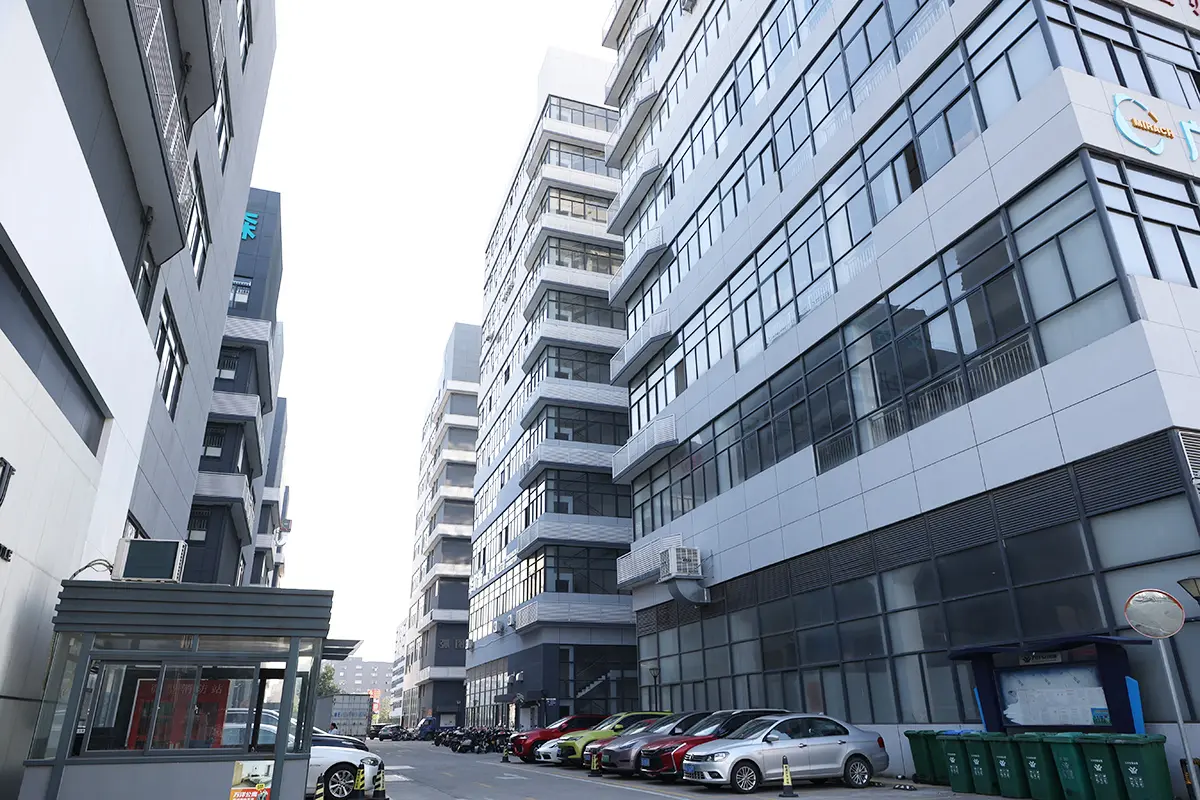
Qingyumai operates as an integrated manufacturer in Longjiang, Shunde — the heart of the Foshan furniture cluster — combining in-house R&D, own production capacity and a network of audited partner factories so that dining, living, bedroom and outdoor categories ship under one quality standard and one purchase order.
Most first orders from Chinese factories to Istanbul fail on administration, not on product. A missing declaration, a packaging label in the wrong language, or an ambiguous Incoterm can add weeks and significant cost. The defence is to build the compliance package at quotation stage, not at shipping stage.
Commercial invoice, packing list, bill of lading, certificate of origin and a material specification sheet are prepared as a single bundle. Where goods will be re-exported from Istanbul, neutral documentation and neutral labelling are agreed in advance so downstream resale is not compromised.
For dining chairs and tables, buyers frequently need to know wood species, finish system type, foam density and upholstery composition. These are documented per SKU so you can answer your own customer's questions without a factory round-trip.
Standard export crating is designed for the sea leg; buyers who re-export can request neutral cartons without factory branding, plus labelling that matches their own warehouse systems.
English-language commercial correspondence, with scheduling aligned to Turkey Time (UTC+3) for approvals and QC confirmations so decisions are not delayed by a working-day gap.
Contract buyers are offered a documented spare-part route for hardware, glides and upholstery so a single damaged chair does not force a full-set replacement.
Buyers or their nominated third-party inspectors are welcomed on-site during production. Factory and showroom visits in Shunde can be arranged for Istanbul-based teams planning a sourcing trip.
Designer's note on compliance. Treat the compliance package as part of the product brief. When a Turkish buyer specifies a dining chair for a Beyoğlu hotel that may later be resold into the EU, the foam and fabric choice that satisfies one market may not satisfy the other. Raising this at sampling stage — rather than at the port — is the single highest-value conversation in the entire sourcing cycle.
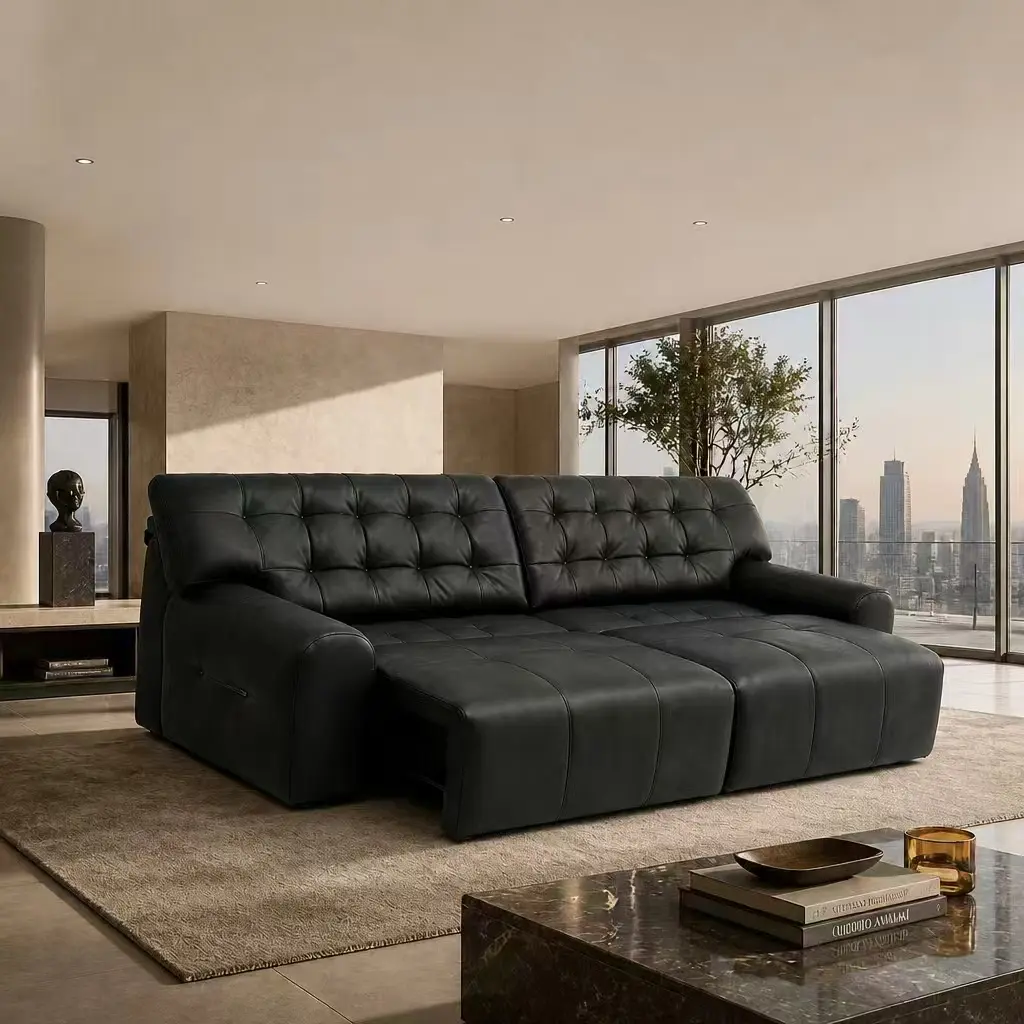
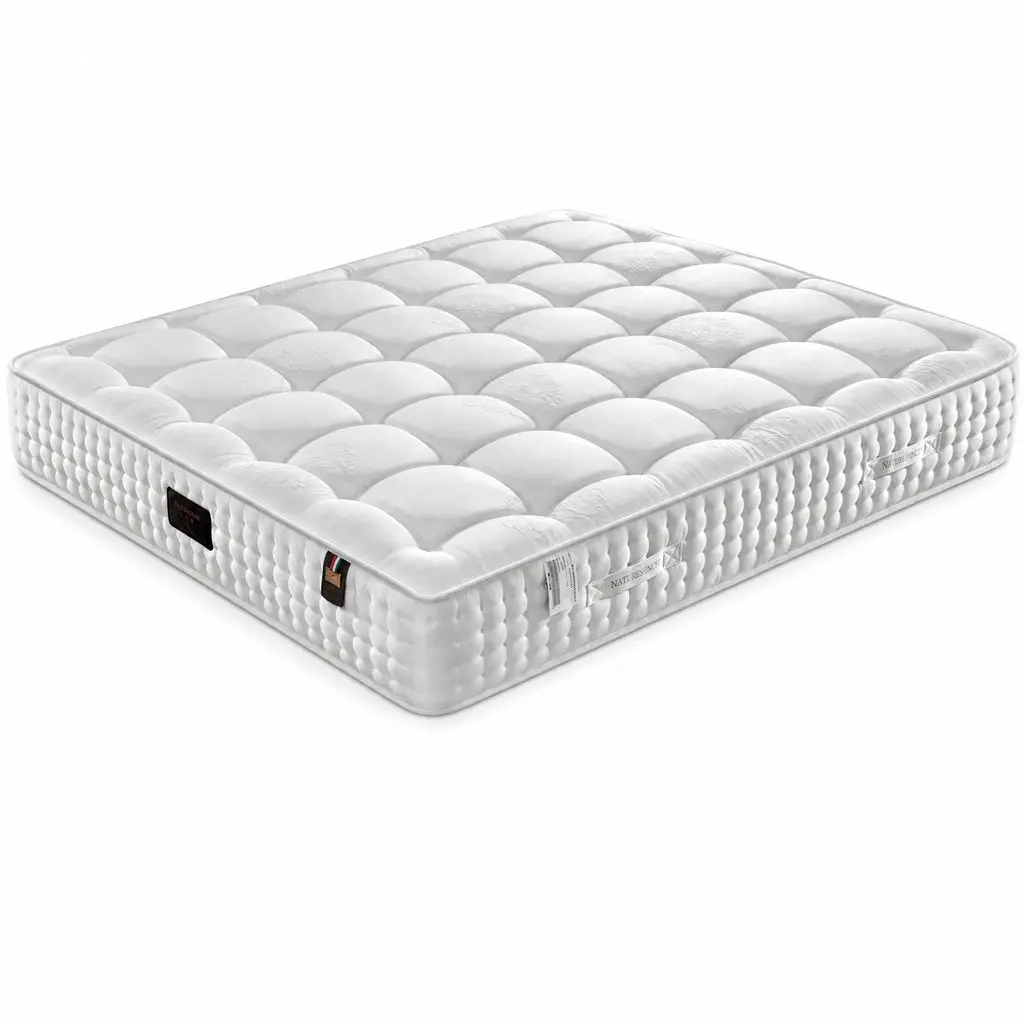
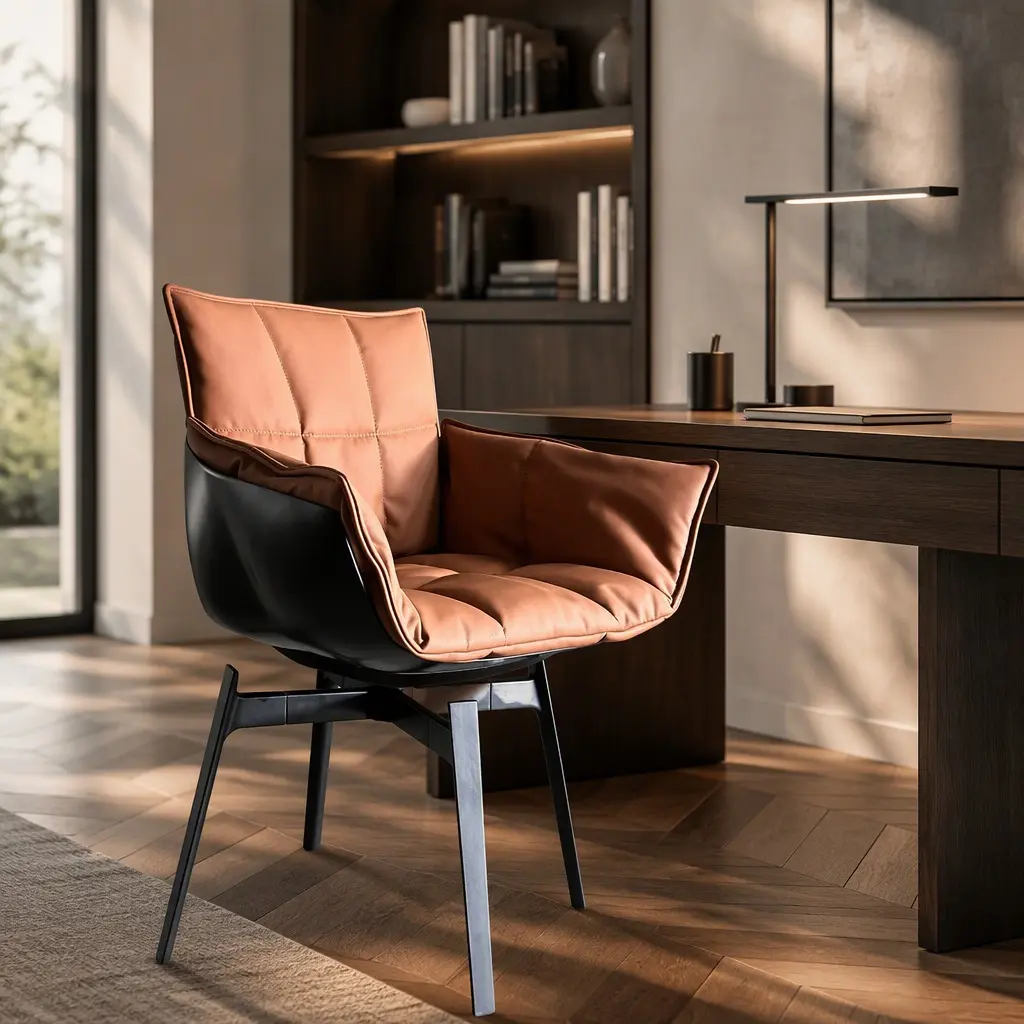
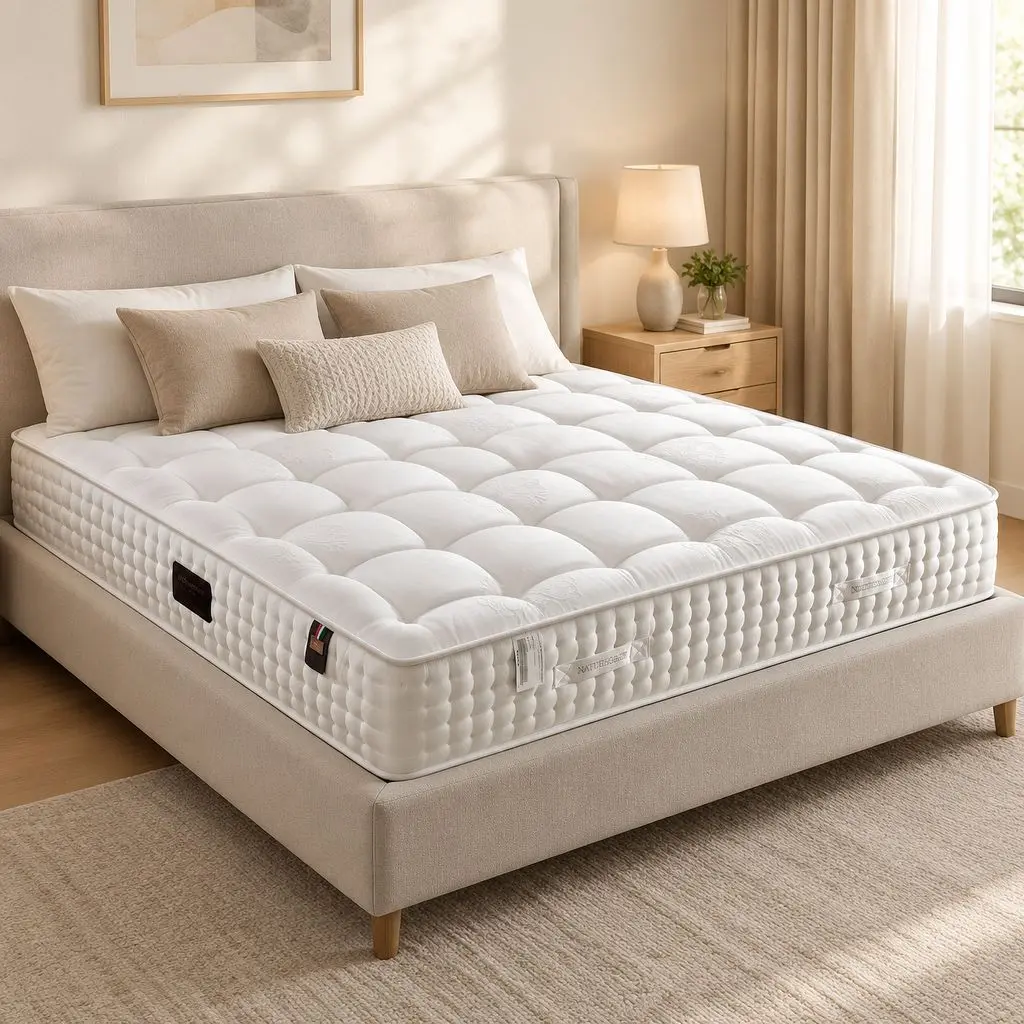
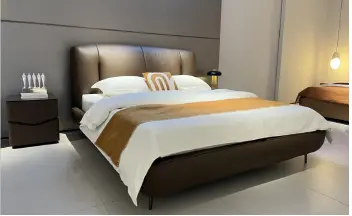
A typical Istanbul project does not buy dining chairs in isolation. These eight references — from adjustable sofas and handcrafted mattresses to solid-wood dining chairs and leather beds — show how a single purchase order can cover living, dining, bedroom and accent categories with consistent finishes and one QC standard.
The direction of travel is clear: fewer, deeper supplier relationships; more engineering input per order; and rising documentation expectations that favour manufacturers over traders.
Buyers who currently split dining, living and bedroom across three Chinese suppliers will consolidate toward two or one, trading marginal unit-price savings for schedule certainty and consistent finishes.
Istanbul's role as a gateway into Central Asia, the Caucasus and North Africa will keep pushing factories to offer neutral packaging and flexible labelling as standard, not bespoke.
Material declarations that travel with the SKU through re-export will become a baseline expectation, and factories without them will increasingly be filtered out at quotation stage.
Better knock-down joinery will narrow the gap between factory-direct and flat-pack retail pricing in the mid-market residential segment.
The boundary between residential and contract specifications is blurring as serviced apartments and branded residences demand hotel-grade durability in home aesthetics.
On-site inspection access and transparent production records will differentiate genuine manufacturers from intermediaries claiming factory status.
Qingyumai is the export brand of Foshan Qingyumai Technology Co., Ltd., an integrated manufacturer covering R&D, production and international sales with its own production facility in Shunde, Foshan. For whole-house orders we also coordinate a network of audited partner factories so that every category ships under one quality standard and one purchase order.
Yes. We customise dimensions, upholstery and frame colours, fabric grades (cashmere, cotton-linen, cool-touch and commercial-grade fabrics) and branding such as woven labels and embossed logos for wholesale and project orders.
Yes. Our post-sale team handles container consolidation across categories, planning loading space to reduce ocean freight cost per unit while using multi-layer export crating to prevent transit damage on the sea leg into the Marmara region.
Our internal QC engineers carry out on-site production line audits that check structural durability and finish consistency, and pre-sale consultants recommend material configurations aligned with the regulatory standards of your destination market — including re-export destinations reached through Istanbul.
We supply furniture wholesalers and importers, hotel and hospitality procurement teams, property developers, interior design firms, salons and residential clients that need coordinated furniture for multiple rooms.
We are located in Hui Cheng Industrial Park, Longjiang Town, Shunde District, Foshan, Guangdong, China, one of the world's best-known furniture manufacturing hubs. Istanbul-based buyers are welcome to arrange factory and showroom visits during a sourcing trip to Guangdong.
For indoor dining sets we target 8–10% wood moisture content, sealed end-grain and humidity-stable adhesives. For outdoor and terrace pieces we recommend powder-coated aluminium with marine-grade pre-treatment rather than untreated steel, plus quick-dry foam and solution-dyed outdoor fabrics.
Yes. Buyers who re-export to Central Asia, the Caucasus, North Africa or the Gulf can request neutral cartons without factory branding, plus labelling that matches their own warehouse systems. This should be agreed at quotation stage.
Lead time depends on model complexity, customisation depth and order volume. Standard models with approved materials move faster than fully bespoke programmes; sampling and approval timing is usually the largest variable. Share your target sailing date and our export team will map production milestones backwards from it.
Send a brief describing the segment (residential, hospitality, F&B or re-export), the categories you need, your target unit cost and your intended delivery window. We will respond with suitable references, material options and a container-loading outline rather than a generic catalogue.
Istanbul rewards precision. A buyer who arrives at a Chinese dining set factory with a segment-specific brief, a humidity-aware specification and a clear re-export intention will consistently outperform one who arrives with a catalogue and a price target. The difference shows up not at quotation, but eighteen months later when the chairs are still level, the finish is still even, and the replacement parts still arrive.
Qingyumai sits in Longjiang, Shunde — inside the Foshan cluster — with more than a decade of export experience, over one hundred original design and structure patents, and nineteen furniture categories available under one purchase order. For Istanbul importers, hospitality groups and re-export traders, that combination offers something more useful than the lowest unit price: a single accountable partner across the entire furniture programme, with the engineering depth to adapt to the Bosphorus rather than the showroom.