
Sectional Sofa
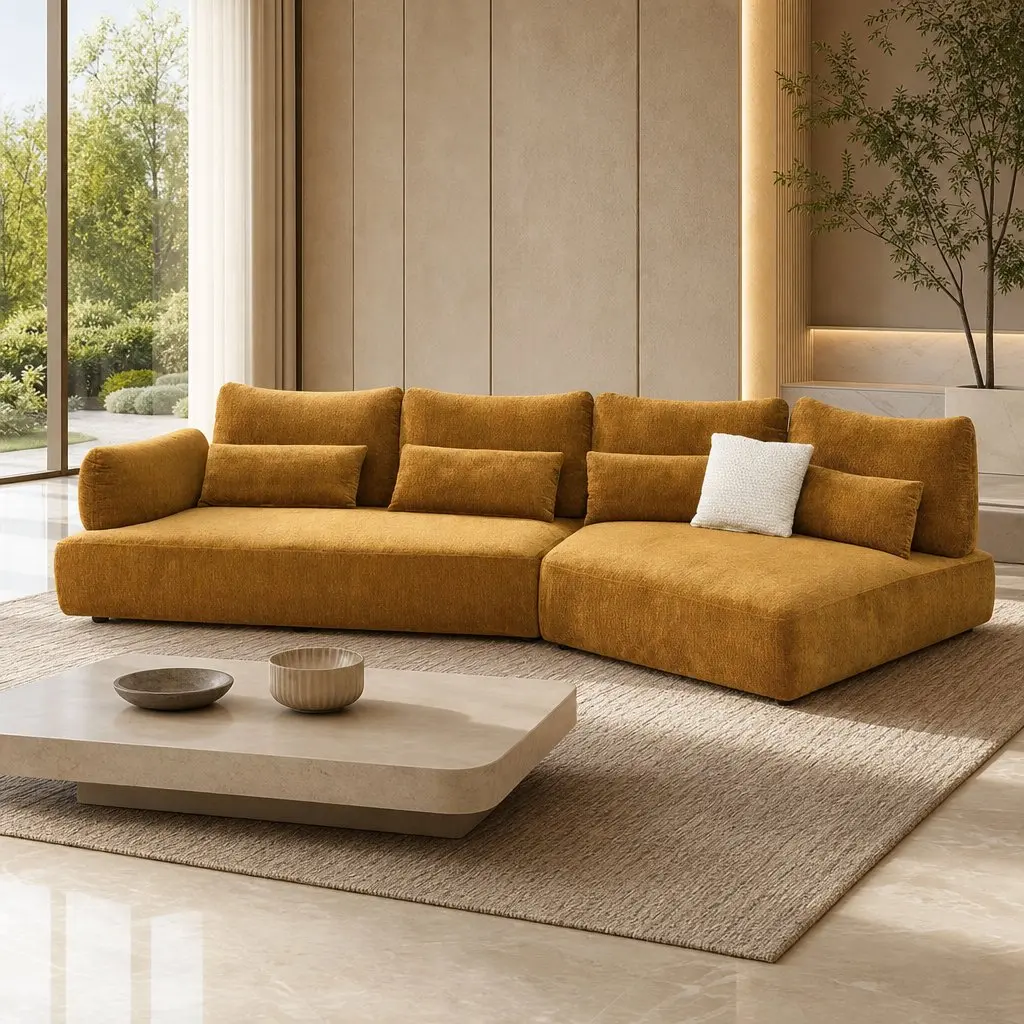
A supplier-side field guide for Italian importers, contract buyers and design studios — local market context, global sourcing economics, Chinese factory efficiency and the quality evidence behind every container.
Each model below is a production-ready platform — tested for frame stability, seat resilience and fabric wear — that can be specified in Italian dimensions, Italian fabric grades and Italian brand labelling.
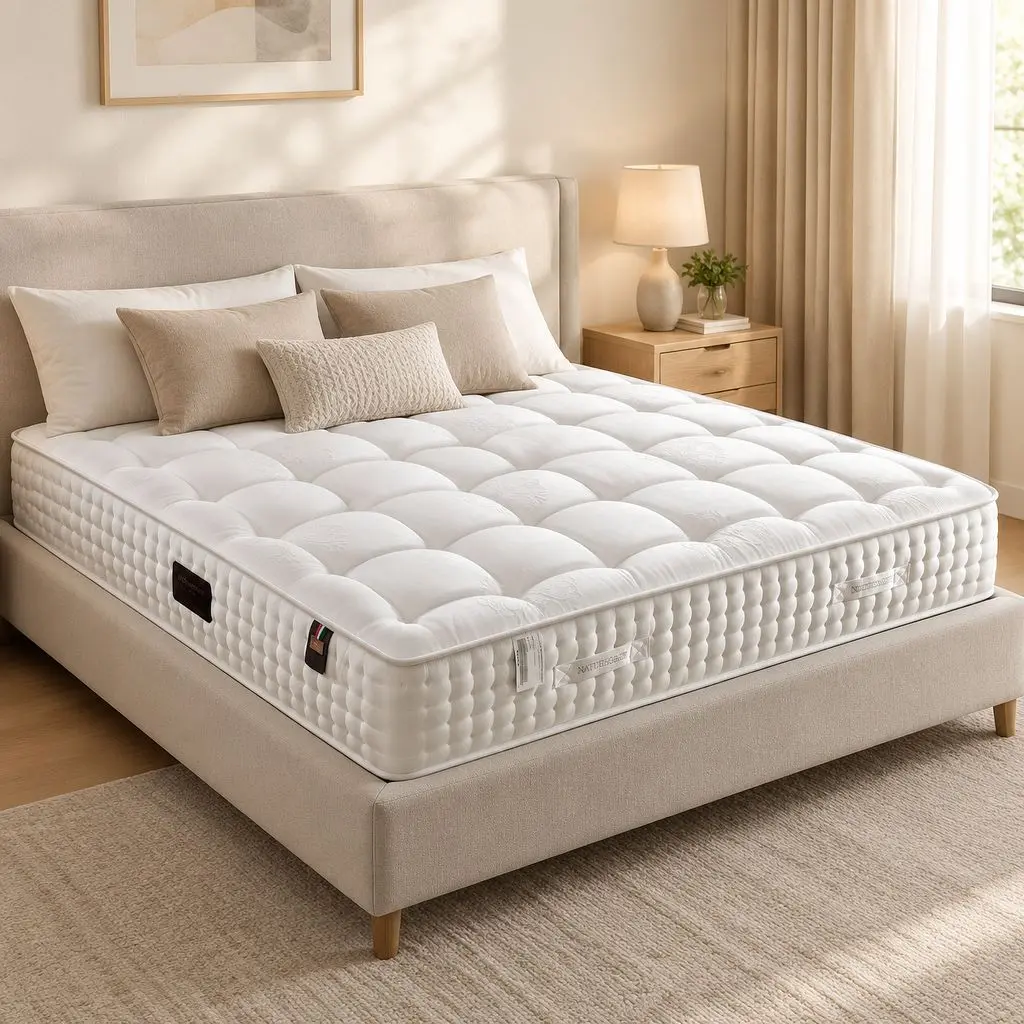
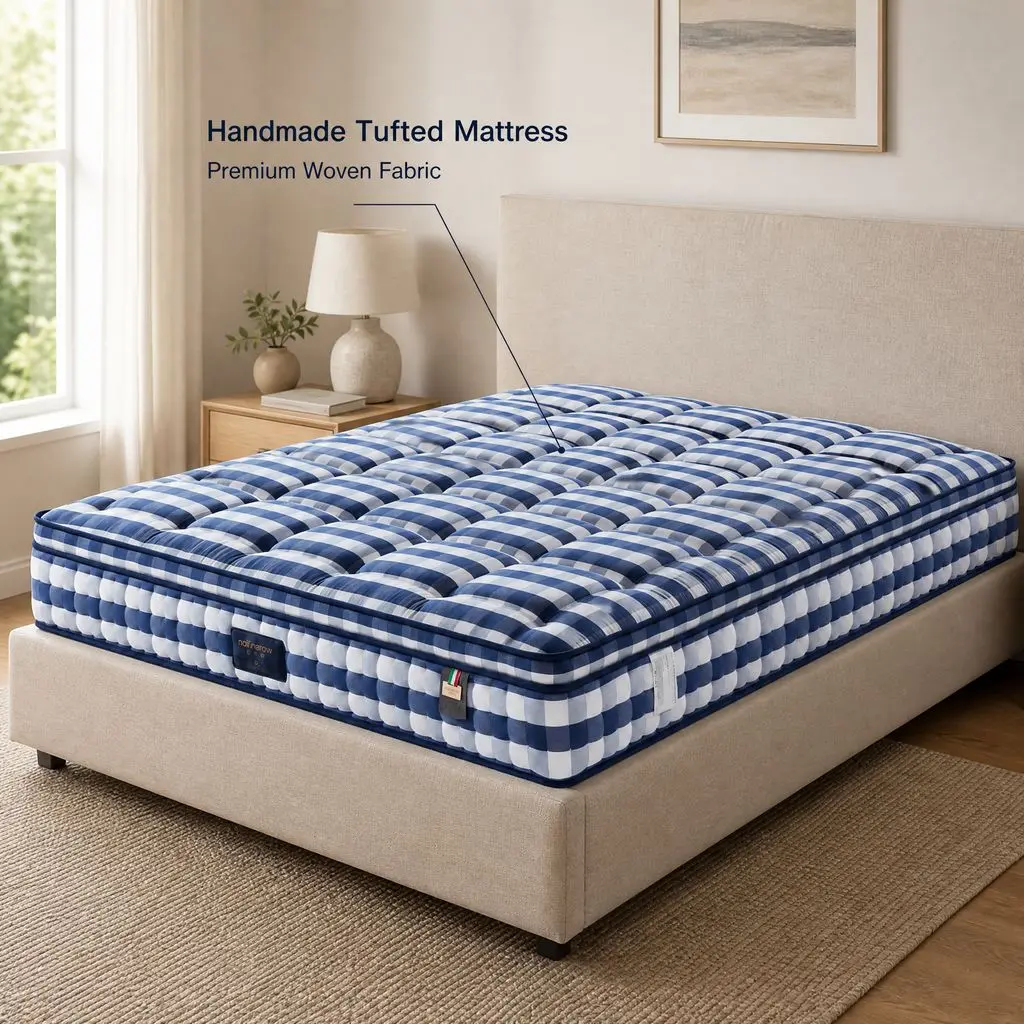
Searching for a “China living room manufacturer” from Italy usually returns a wall of catalogue pages. That is not what a serious buyer needs. What an Italian importer, a contract furnishing specialist in Brianza, or a hospitality procurement manager in Milano actually needs is decision-grade information: how Chinese factory efficiency translates into landed cost, how Italian standards interact with Chinese production, and where the real risk sits in a 90-day supply chain.
This guide is written from the supplier side of that conversation. It combines our own export data from European markets, the regional context of Italy’s furniture industry, and global sourcing trends that shape how living room furniture moves from Foshan to Genova, La Spezia and Trieste.
Everything here is structured to answer the questions behind the search: who is reliable, what does compliance look like, how is quality controlled, and what happens when something goes wrong. Where we reference our own capability, we also state how it is verified.
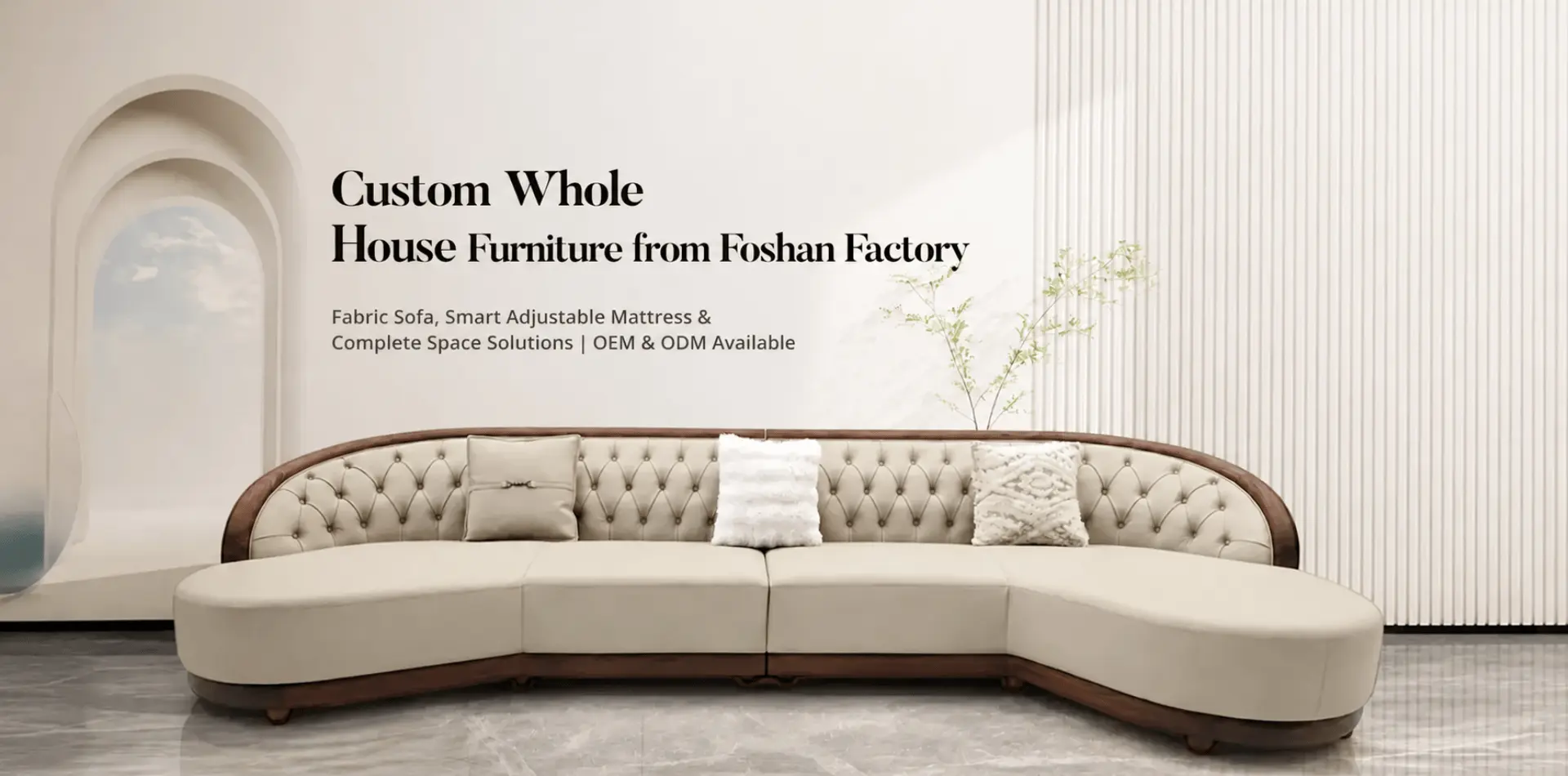
Italy is not an emerging furniture market — it is one of the most mature design economies in the world. Understanding that maturity is what separates a productive supplier relationship from an expensive one.
Italy’s furniture sector is concentrated in industrial districts — the Brianza triangle around Milano and Como, the upholstery cluster near Forlì, the chair district of Manzano and the woodworking belt of Treviso. These clusters already export premium living room furniture worldwide.
Italian manufacturers dominate the premium tier. The mid-market — chain retailers, contract projects, hospitality groups, e-commerce brands and private-label collections — is where Chinese production becomes structurally competitive on cost, capacity and speed.
Italian buyers expect compliance evidence, not claims: REACH restrictions on chemicals, GPSR general product safety documentation, FSC or PEFC chain-of-custody for wood where claimed, and increasingly EPD or LCA data for public and green-building projects.
Italian living room buyers respond to specific aesthetics: soft minimalism, warm neutrals, textured bouclé and chenille, modular sizing for compact apartments, and dimensional restraint — a 320 cm sofa in a Milanese apartment is a design decision, not a default.
Italy’s hotel refurbishment cycle, agriturismo conversions, serviced apartments and short-let operators create steady demand for contract-grade living room and lounge furniture with predictable durability and replacement-part availability.
Northern Italian ports and inland terminals handle most container imports. Clearance, demurrage and last-mile costs vary meaningfully between Genova, La Spezia, Trieste and northern European gateways — a factor that should influence FOB versus CIF decisions.
Zooming out from Italy: global upholstered furniture sourcing has shifted in three structural ways over the past decade, and each shift changes how buyers should structure supplier relationships.
Buyers who once spread orders across 15–20 small suppliers are consolidating into fewer, larger, more auditable partners. Compliance burden, freight economics and quality consistency all push in the same direction.
European retailers increasingly require structured product data — dimensions, weight, material composition, fire behaviour, packaging volume — before listing a supplier’s item. Suppliers who cannot produce this data lose listings, regardless of price.
EU policy momentum around repairability, spare-part availability and textile waste is beginning to reach furniture procurement. Suppliers who can document removable covers, replaceable cushions and frame serviceability have a growing advantage.
Buyers hear “factory direct pricing” constantly. Here is a structural explanation of where the cost advantage originates, so you can evaluate whether a supplier’s claimed advantage is real.
Foshan’s Shunde and Longjiang districts host an unusually deep component ecosystem — foam converters, spring manufacturers, fabric mills, hardware makers, packaging suppliers — within a short driving radius. Shorter component travel time means lower working capital tied up in inventory and faster changeover between models.
Because materials, sub-assemblies and finishing services are co-located, a fabric or dimensional change can move from brief to physical sample in a fraction of the time it takes in a fragmented supply chain. For Italian buyers planning a seasonal collection, sampling speed is often worth more than unit price.
Factories running continuous production across multiple buyers purchase foam, fabric and hardware in larger lots. Those volume economics are partially passed through to buyers — but only where a supplier has genuine production scale rather than brokered orders.
A significant, under-discussed cost lever is loading efficiency. Sofas with removable legs, modular sections and vacuum-compressed cushions load substantially more densely. On long-haul ocean freight to Italy, container utilisation can influence landed cost more than a 5% unit-price negotiation.
| Cost Driver | Fragmented Sourcing | Consolidated Factory Partner | Impact on Italian Buyers |
|---|---|---|---|
| Sampling lead time | 3–6 weeks per vendor | 7–15 days per revision | Faster seasonal collection launch |
| Container fill rate | 60–75% typical | 85–95% with mixed categories | Lower freight cost per unit |
| QC touchpoints | Inconsistent, per-vendor | One standard across categories | Fewer claims and returns |
| Compliance documentation | Duplicated per supplier | Centralised dossier | Faster customs and retail onboarding |
| Replacement parts | Often unavailable post-season | Held in partner inventory | Better after-sales reputation |
Generic “living room furniture” positioning is useless for a buyer. These are the specific Italian applications where Chinese production is most often the right answer — and the constraints that apply.
Milan, Turin and Bologna apartments frequently constrain sofa depth and length. Modular sectionals with 160–240 cm configurations, low-back profiles and removable arms allow delivery through narrow stairwells and small lifts.
Contract-grade sofas and lounge seating for hotels, aparthotels and short-let operators require higher abrasion resistance on upholstery, denser foam, and documented replacement-cover availability.
Property developers furnishing show apartments and rental portfolios need coordinated schemes across many identical units — consistent finishes, repeatable specifications and predictable lead times matter more than individual design uniqueness.
Italian and European retail brands building own-label furniture ranges need OEM packaging, woven labels, care instructions in Italian, and consistent production across reorders.
Studios specifying for clients need sample fabrics, accurate technical drawings, and a manufacturing partner willing to execute non-standard dimensions without prohibitive tooling costs.
Italian hospitality venues — enoteche, caffè, lounge bars — are a natural fit for smaller lounge seating and accent chair volumes that combine with dining and café programmes in a single consolidated shipment.
Trust in a supplier relationship is built from verifiable facts, not adjectives. This is the evidence base we structure for European buyers.
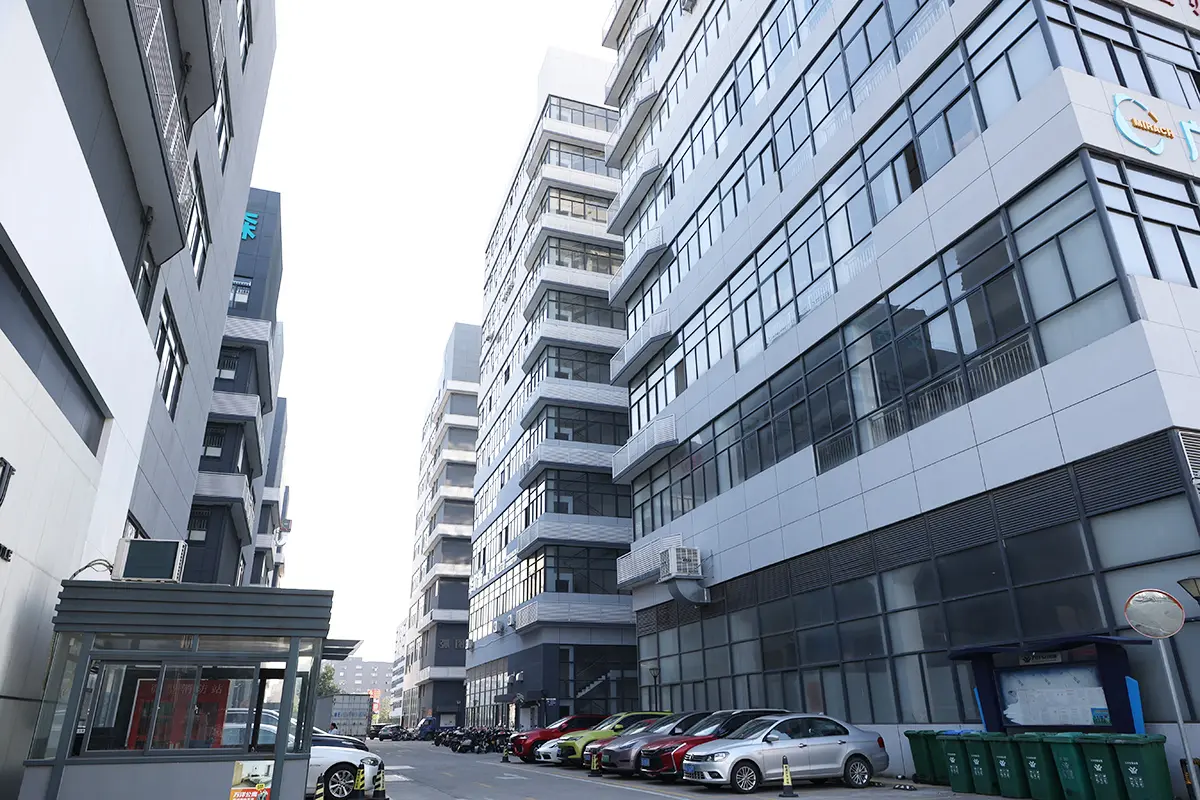
Experience. More than a decade supplying export markets means we have already made — and corrected — the mistakes that first-time exporters encounter: packaging failures in trans-Atlantic transit, dimension mismatches against retail floor plans, and documentation gaps at customs.
Expertise. Our in-house design and engineering team develops furniture platforms with structural drawings, load testing and material specifications. Over 100 original patents reflect a genuine R&D function rather than a reseller operation.
Authoritativeness. Operating from Foshan places us inside the world’s densest furniture manufacturing cluster. Our procurement division maintains long-term alliances with audited specialist factories for casegoods, mattresses and outdoor lines — with written quality agreements.
Trustworthiness. We publish what we control and what we coordinate. Our own facility carries the core production; partner factories are audited, not assumed. Buyers are welcome to schedule factory and showroom visits, and to appoint third-party inspection.
Fixed three-seater sofas are increasingly replaced by modular platforms that ship as stackable sections. This reduces freight volume, simplifies apartment delivery and allows retailers to stock fewer SKUs while offering more configurations.
Textile durability and cleanability are becoming purchase criteria rather than afterthoughts — driven by pet ownership, short-let turnover and hospitality laundering schedules. Removable, zip-covered upholstery is moving from premium to expected.
Bouclé, chenille and slub-weave textures continue to define European living room aesthetics. Suppliers must maintain a broad fabric library with consistent dye-lot control to support repeat orders across seasons.
High-resolution imagery, dimensional drawings, 3D models and material declarations are becoming prerequisites for retail listing. Suppliers unable to provide structured data are increasingly excluded from e-commerce channels.
European buyers are asking harder questions about post-sale support: can cushions be replaced in 18 months? Are covers available in the original dye lot? Are leg and hardware parts catalogued? Suppliers with a documented parts programme gain preference.
Wood sourcing claims, foam certification and textile composition documentation are being requested upstream by retail compliance teams. Suppliers who can trace materials to source hold a commercial advantage in European tenders.
Based on the briefs we receive from European and international buyers, these are the recurring requirements that determine whether a supplier is shortlisted.
| Requirement | What Buyers Specify | What We Provide |
|---|---|---|
| Dimensions | Metric specs matched to floor plans and lift access | Technical drawings in mm with packaging dimensions |
| Upholstery | Martindale abrasion rating, composition, colour fastness | Fabric library with test data per grade |
| Fire behaviour | Market-specific upholstery requirements | Material options aligned to destination regulation |
| Packaging | Drop-tested export cartons, moisture protection | Multi-layer crating with corner protection |
| Labelling | Italian language care and composition labels | Custom label production to supplied artwork |
| Documentation | Commercial invoice, packing list, origin, declarations | Centralised export document set per shipment |
| Consolidation | Mixed categories in one container | Load planning to maximise container utilisation |
| After-sales | Replacement parts and claims process | Documented parts catalogue and claim workflow |
We review your floor plans, target retail price points, Italian regulatory requirements and brand positioning, then map each living room element to suitable categories.
Frame species, foam density, suspension system and upholstery grade are specified against intended use — residential, contract or hospitality — with documentation supplied.
Pre-production samples confirm dimensions, colour accuracy, comfort feel and packaging fit before mass production begins. Revisions are documented in writing.
Our QC engineers inspect frame joints, foam bonding, upholstery alignment and hardware fit on the production floor — not only at final inspection.
Mixed categories — living room, bedroom, dining, outdoor — are consolidated into a single container with load planning to maximise utilisation and reduce per-unit freight.
Complete document sets are issued per shipment, followed by a defined claims and replacement-parts process for the life of the order.
Our own facility in Longjiang, Shunde handles upholstery, frame assembly and finishing, supported by a network of audited specialist partners for adjacent categories.
Pooling capacity across audited partners lets us align quality benchmarks and synchronise schedules so multi-category orders ship as one coherent programme.
A single contract, a single QC standard and a single shipping plan — with pre-sale, production and post-sale consultants assigned across the order lifecycle.
The complete model library below covers living room seating, sleep systems, bedroom upholstery and outdoor lounge — all orderable under one contract with shared material specifications.
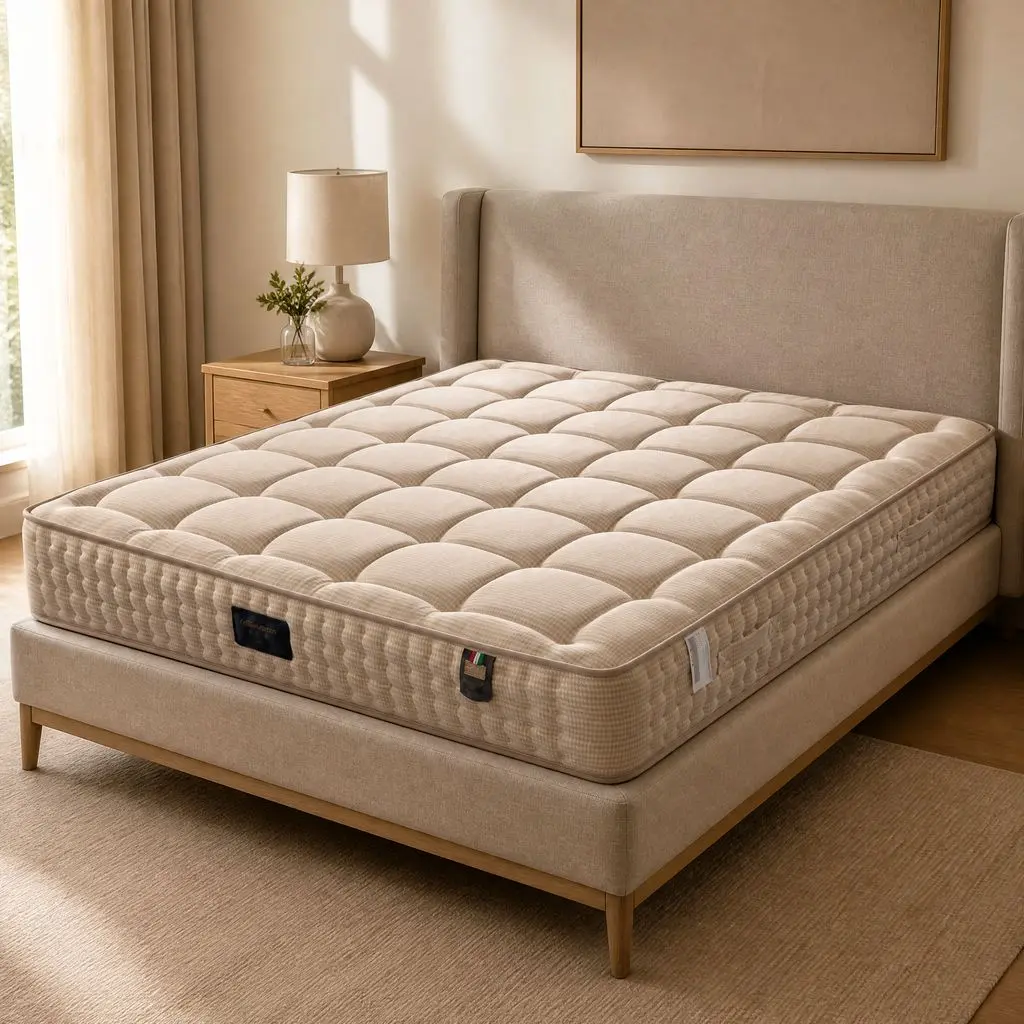
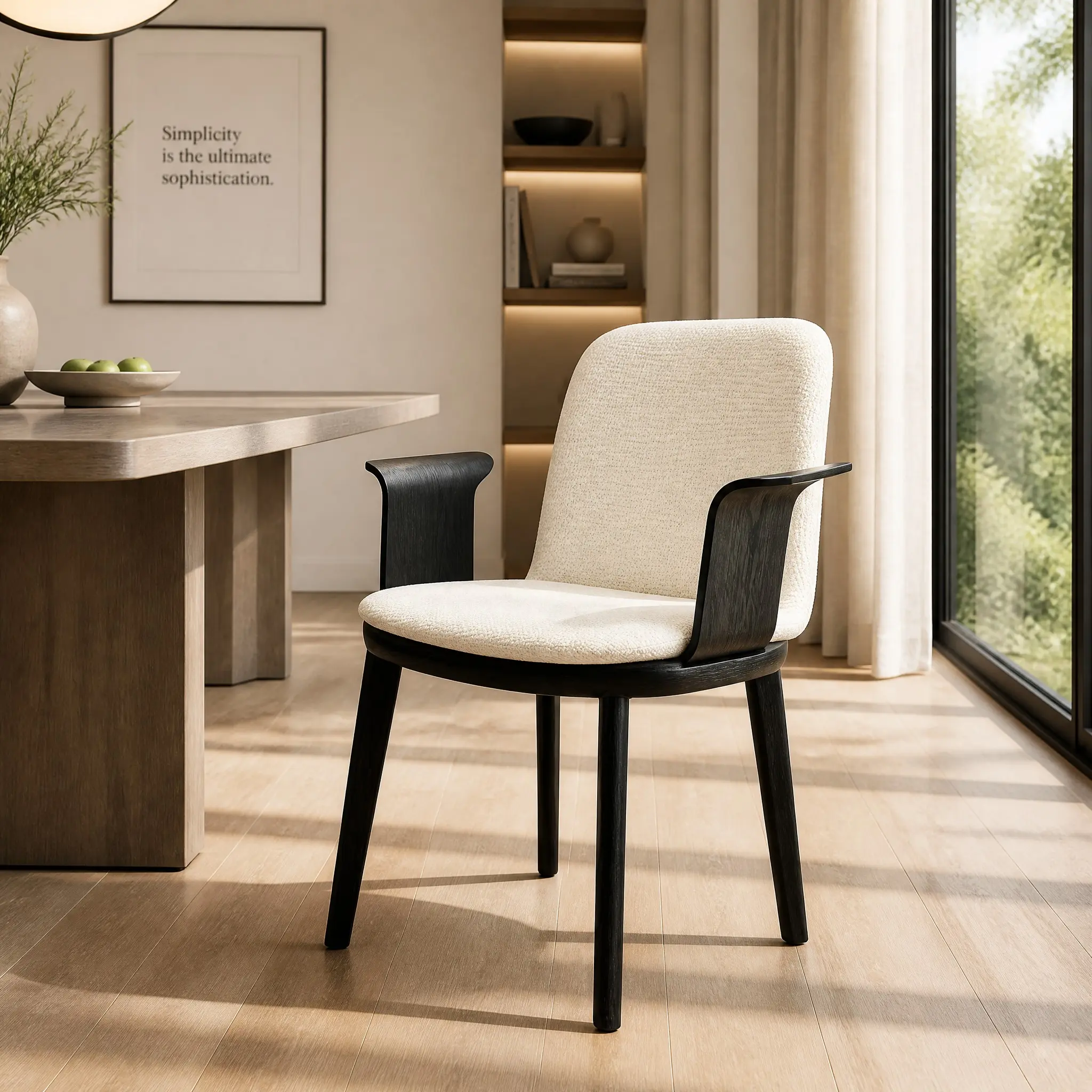
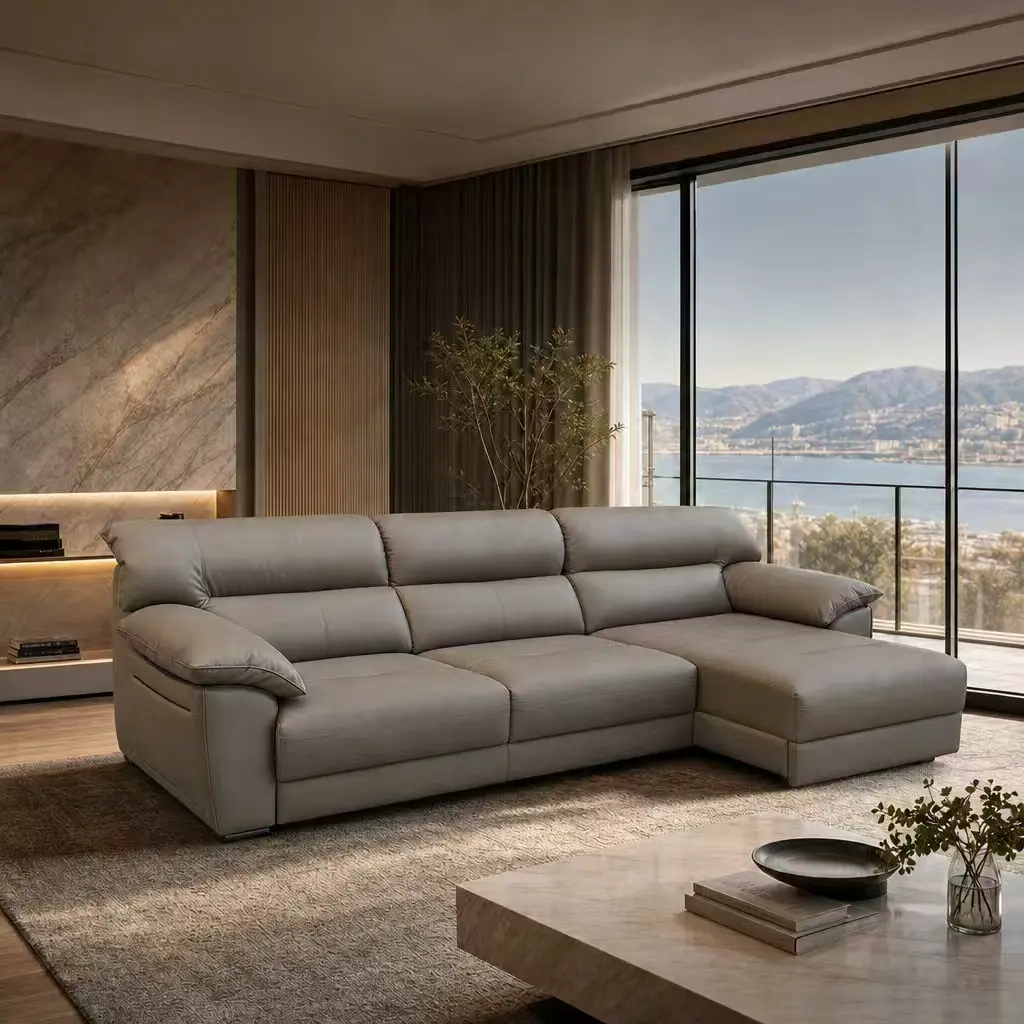
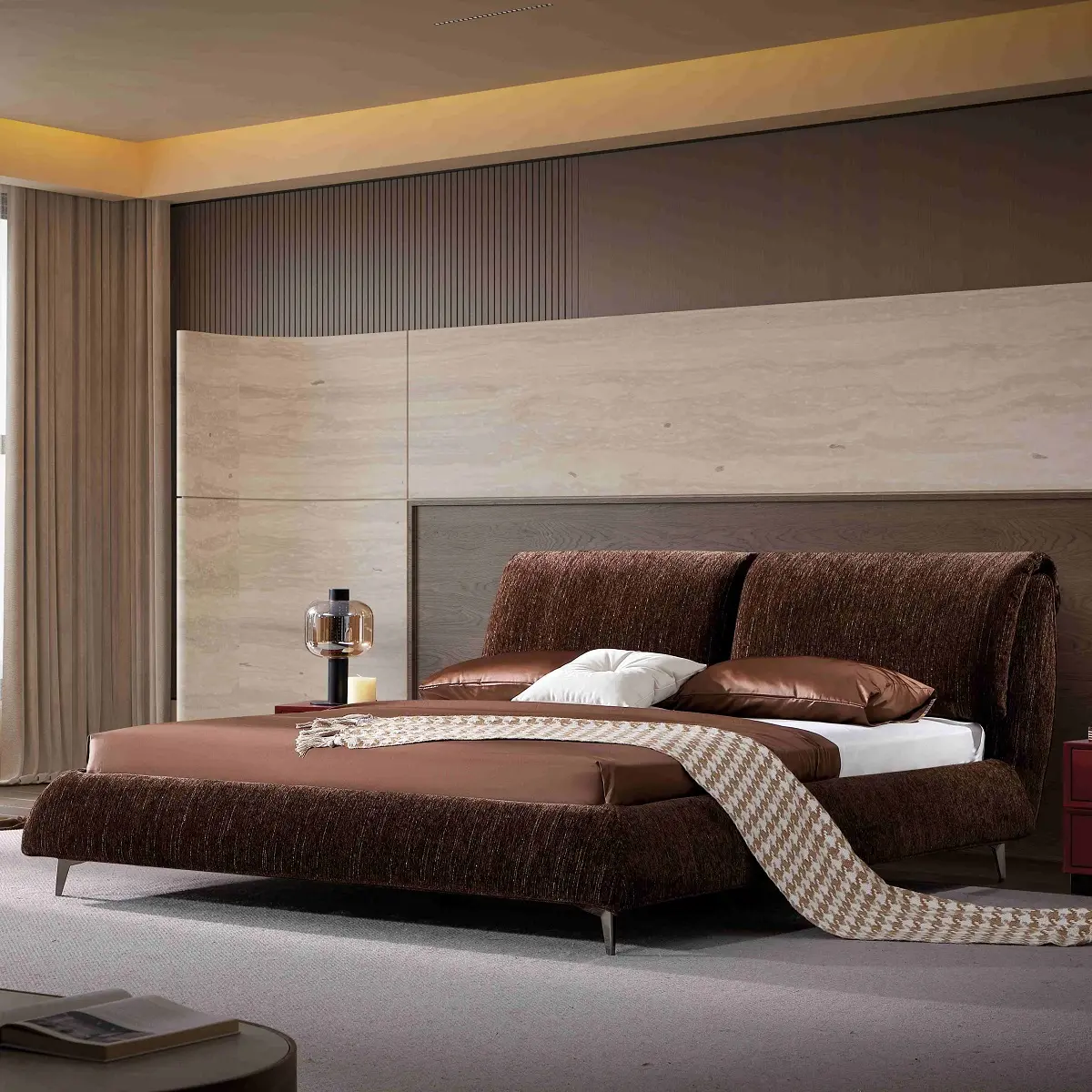
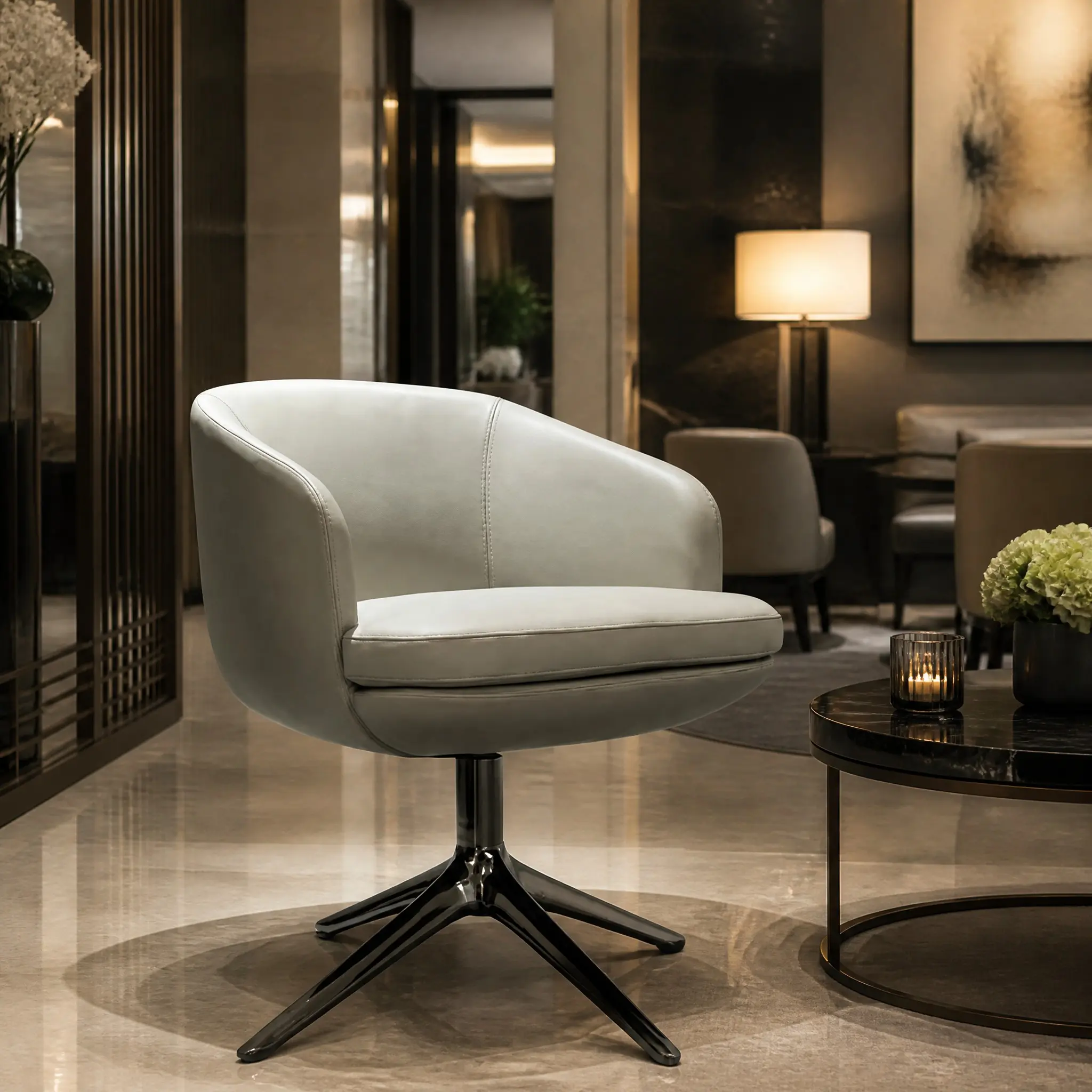
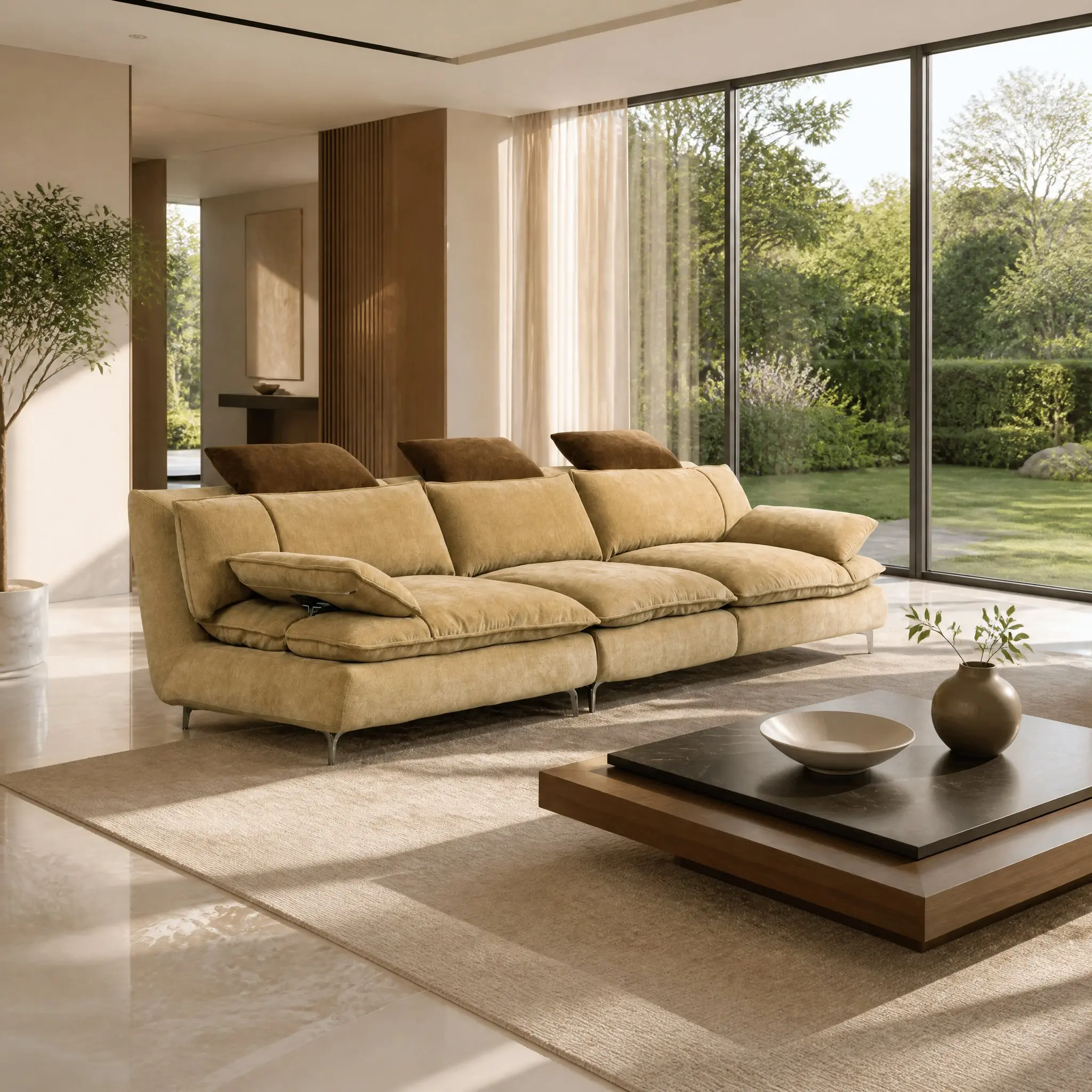
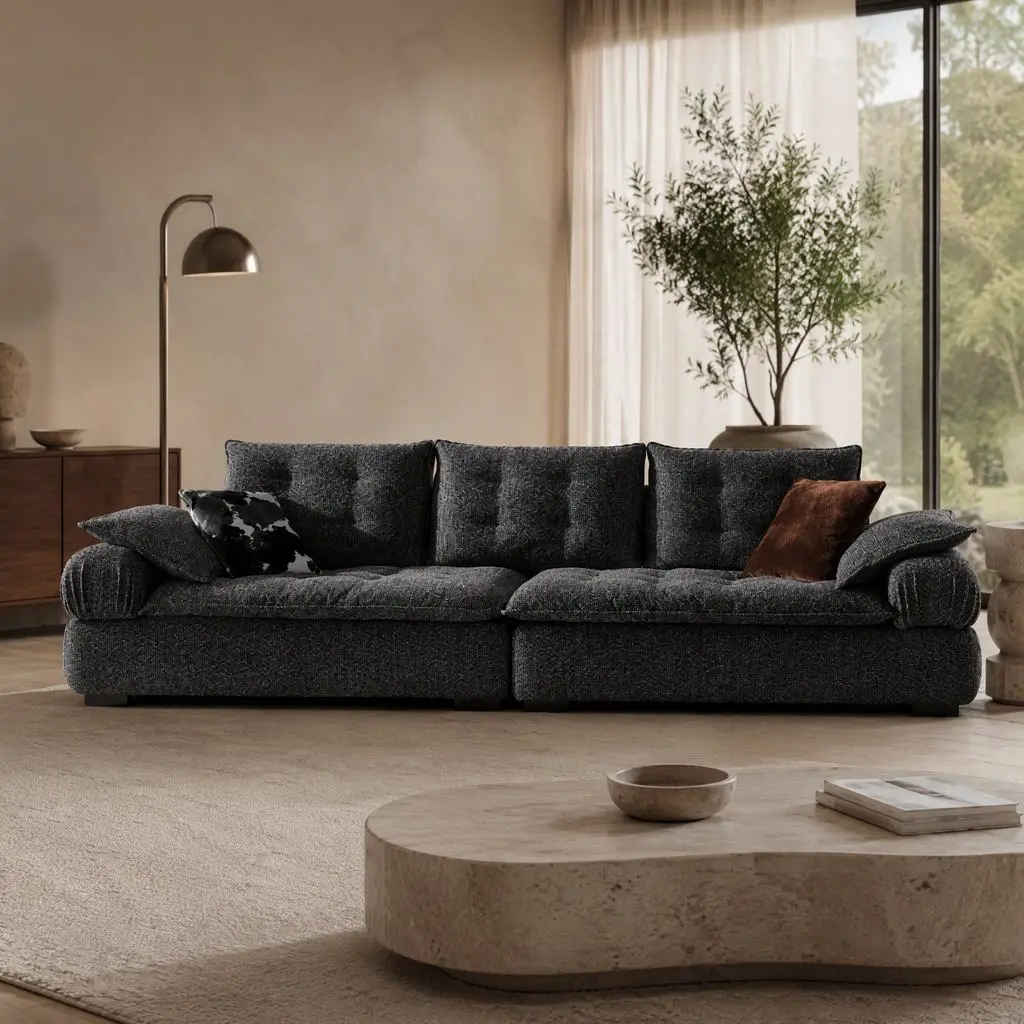
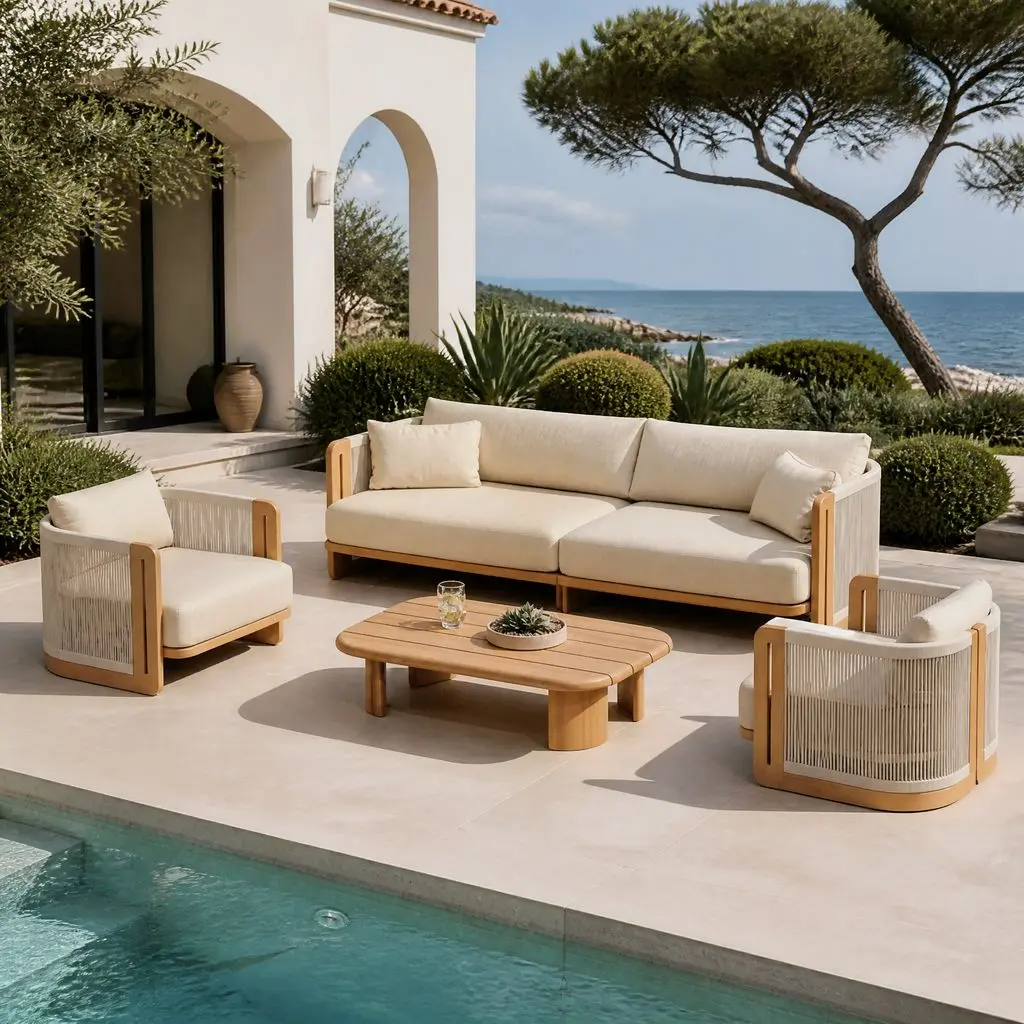
Qingyumai is the export brand of Foshan Qingyumai Technology Co., Ltd., an integrated manufacturer covering R&D, production and international sales, with its own production facility in Shunde, Foshan. For whole-house and multi-category orders we also coordinate a network of audited partner factories so every category ships under one quality standard and one purchase order.
We align material configurations — upholstery composition, foam specification, wood sourcing documentation and labelling — with the regulatory framework of the destination market. Buyers should confirm the exact applicable requirements with their compliance advisor; we supply the material data and declarations needed to support that assessment.
Yes. We customize dimensions, upholstery and frame colours, fabric grades and branding — woven labels, embossed logos, Italian-language care labels and branded packaging — for wholesale, private-label and project orders.
Yes. Our post-sale team handles container consolidation across all 19 categories, planning loading space to reduce ocean freight cost per unit while using multi-layer export crating to prevent transit damage. This is often the single largest landed-cost lever available to Italian importers.
Our internal QC engineers carry out on-site production line audits that check structural durability and finish consistency during production, not only at final inspection. Buyers may also appoint third-party inspection agencies, and are welcome to schedule factory visits in Shunde.
Lead time depends on category mix, customisation depth and order volume. Sampling typically takes 7–15 days per revision, and production scheduling is confirmed in writing at order acceptance. We recommend planning seasonal collections with buffer time for ocean freight and Italian customs clearance.
Yes. We maintain a documented parts catalogue covering covers, cushions, legs and hardware, and operate a defined claims workflow. For contract and hospitality buyers, parts availability planning should be discussed at the specification stage rather than after delivery.
We are located in Hui Cheng Industrial Park, Longjiang Town, Shunde District, Foshan, Guangdong, China — one of the world’s most established furniture manufacturing hubs. Buyers are welcome to arrange factory and showroom visits; we recommend scheduling ahead of your sourcing trip.
Share your floor plans, target price points and compliance requirements. Our export team will respond with category mapping, material options and a consolidated container plan — so you can compare landed cost, not just FOB price.