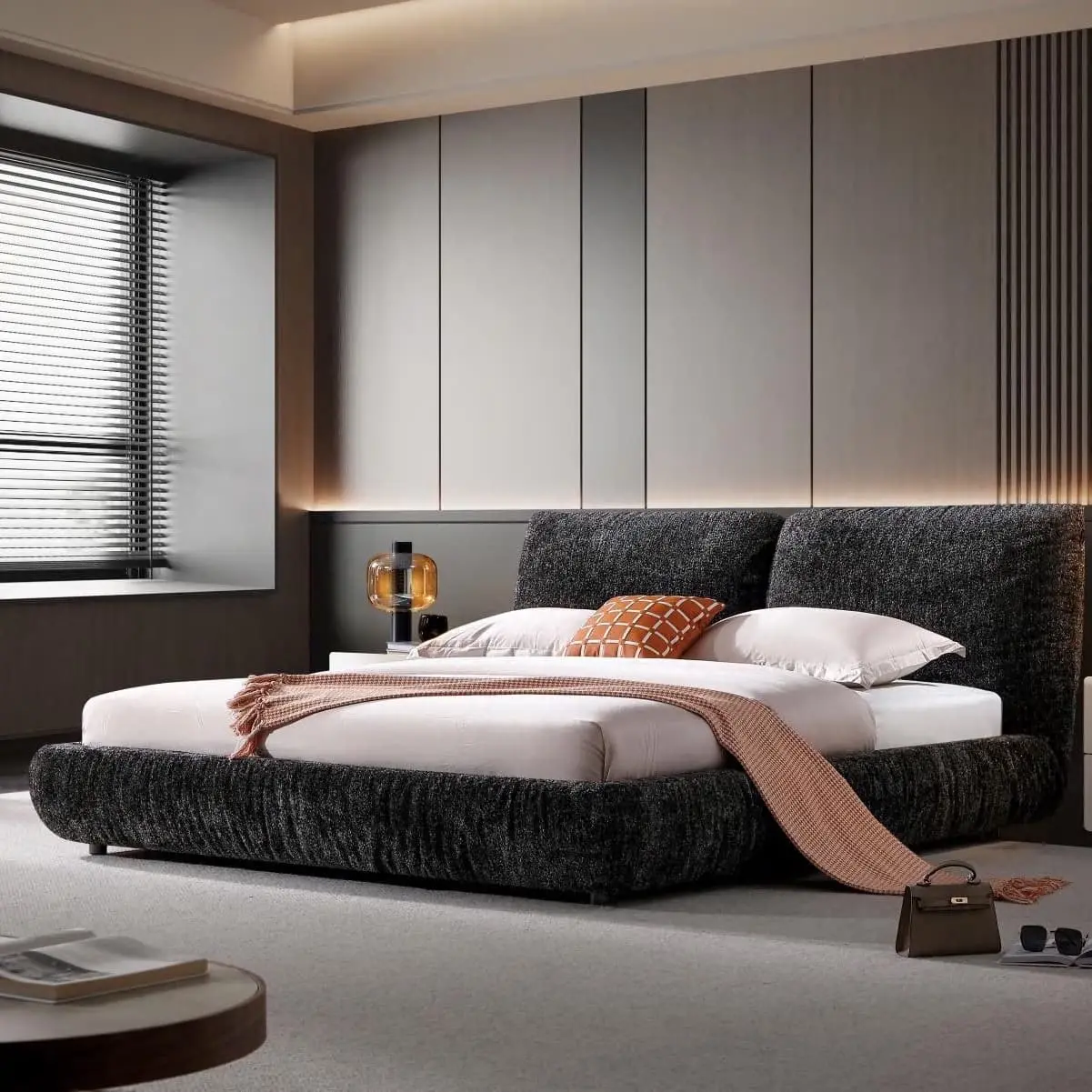
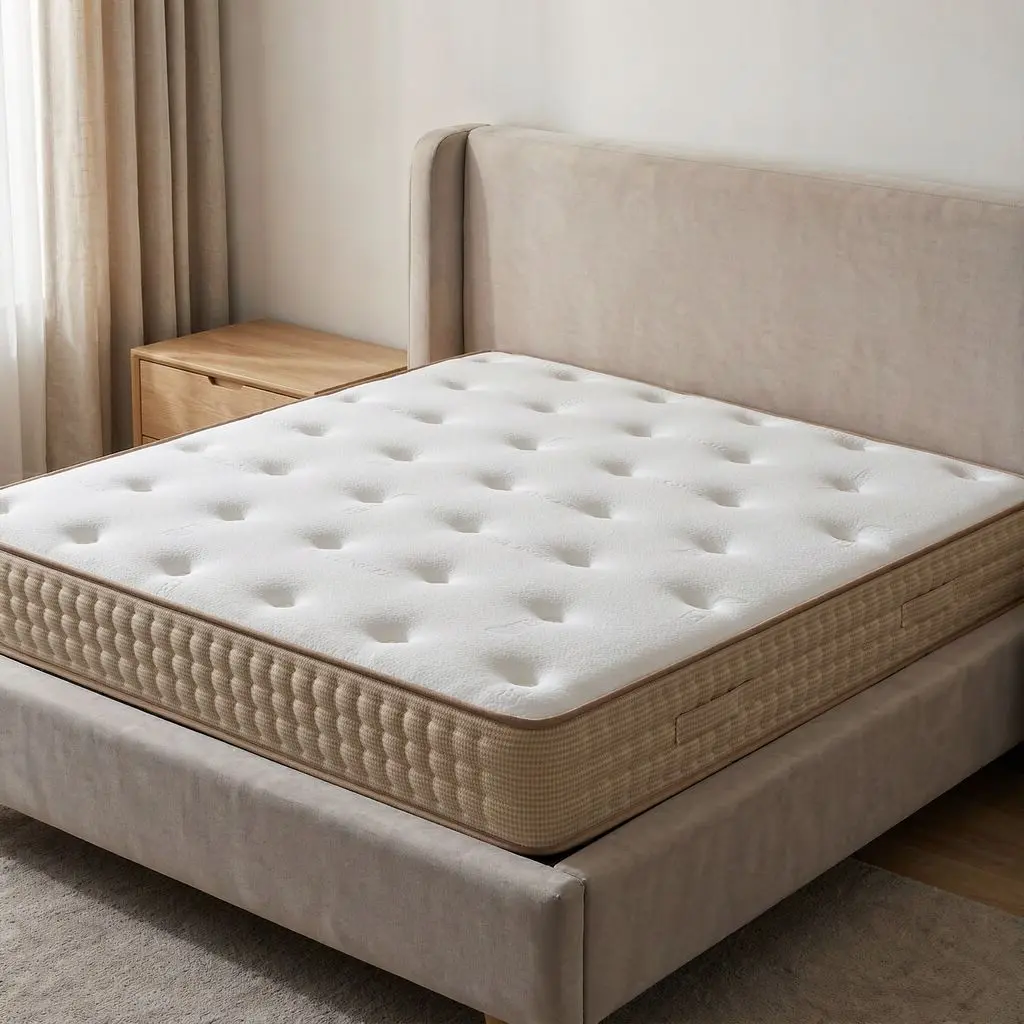
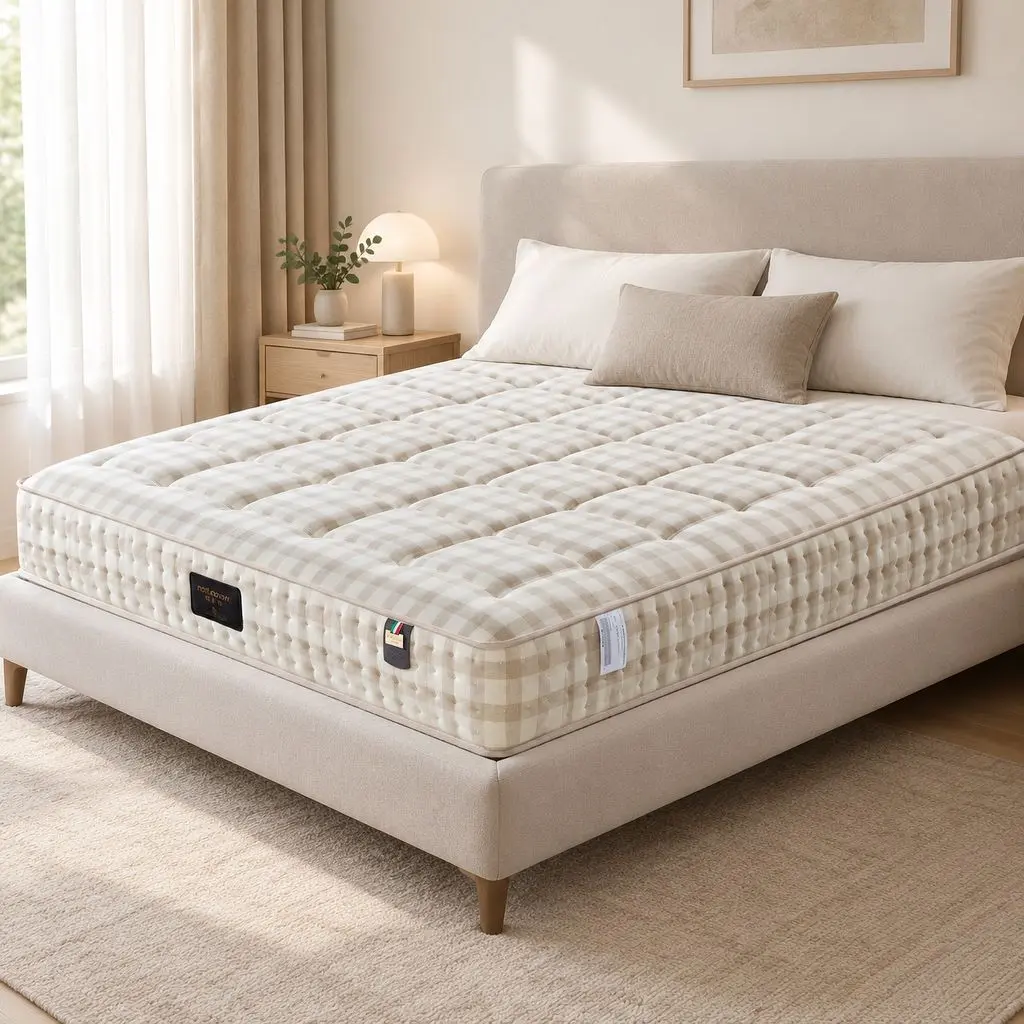
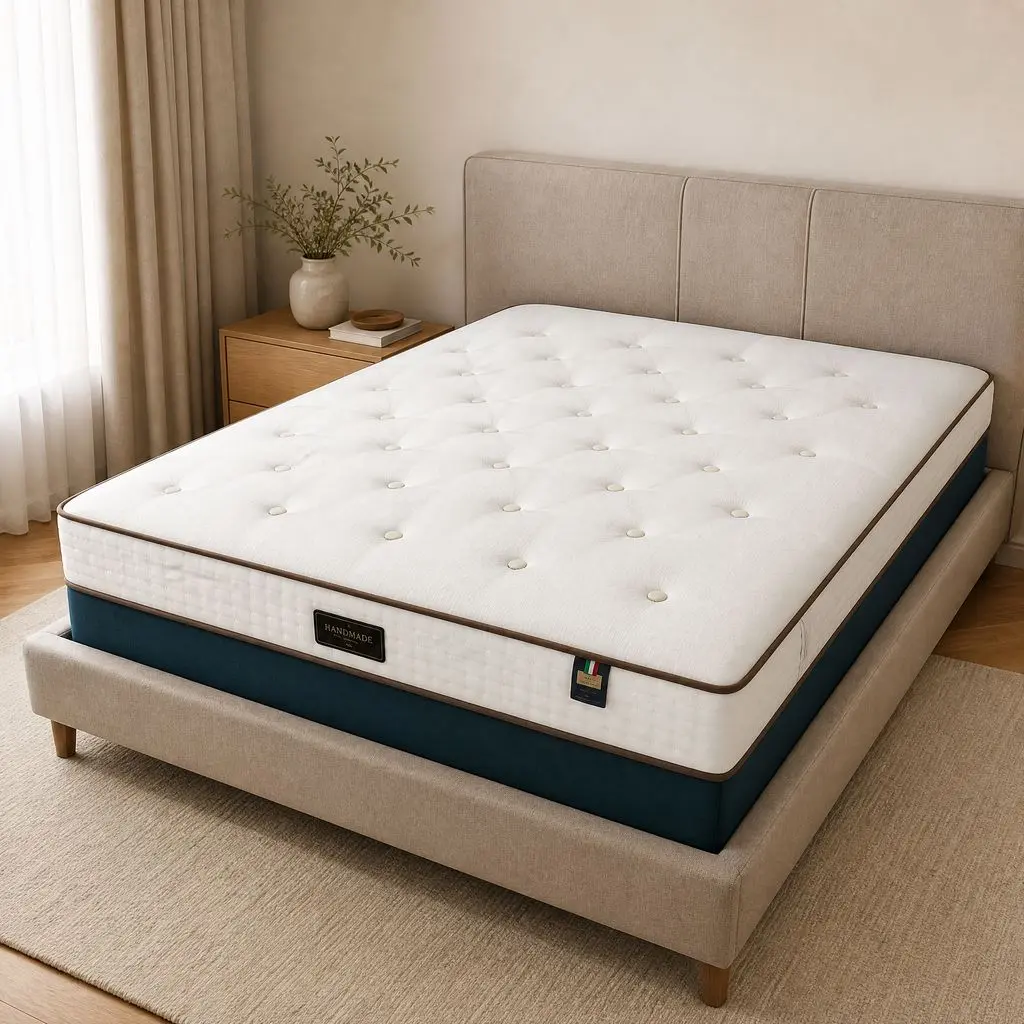
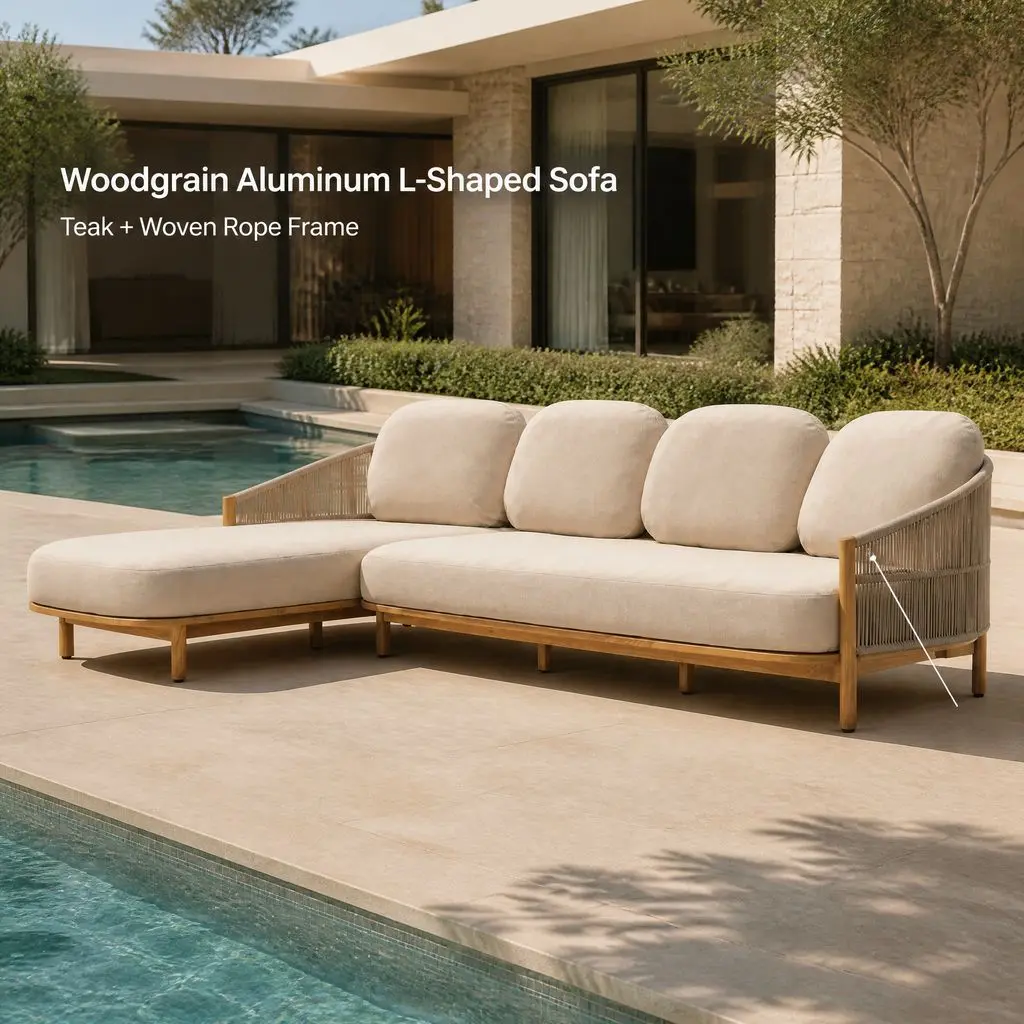
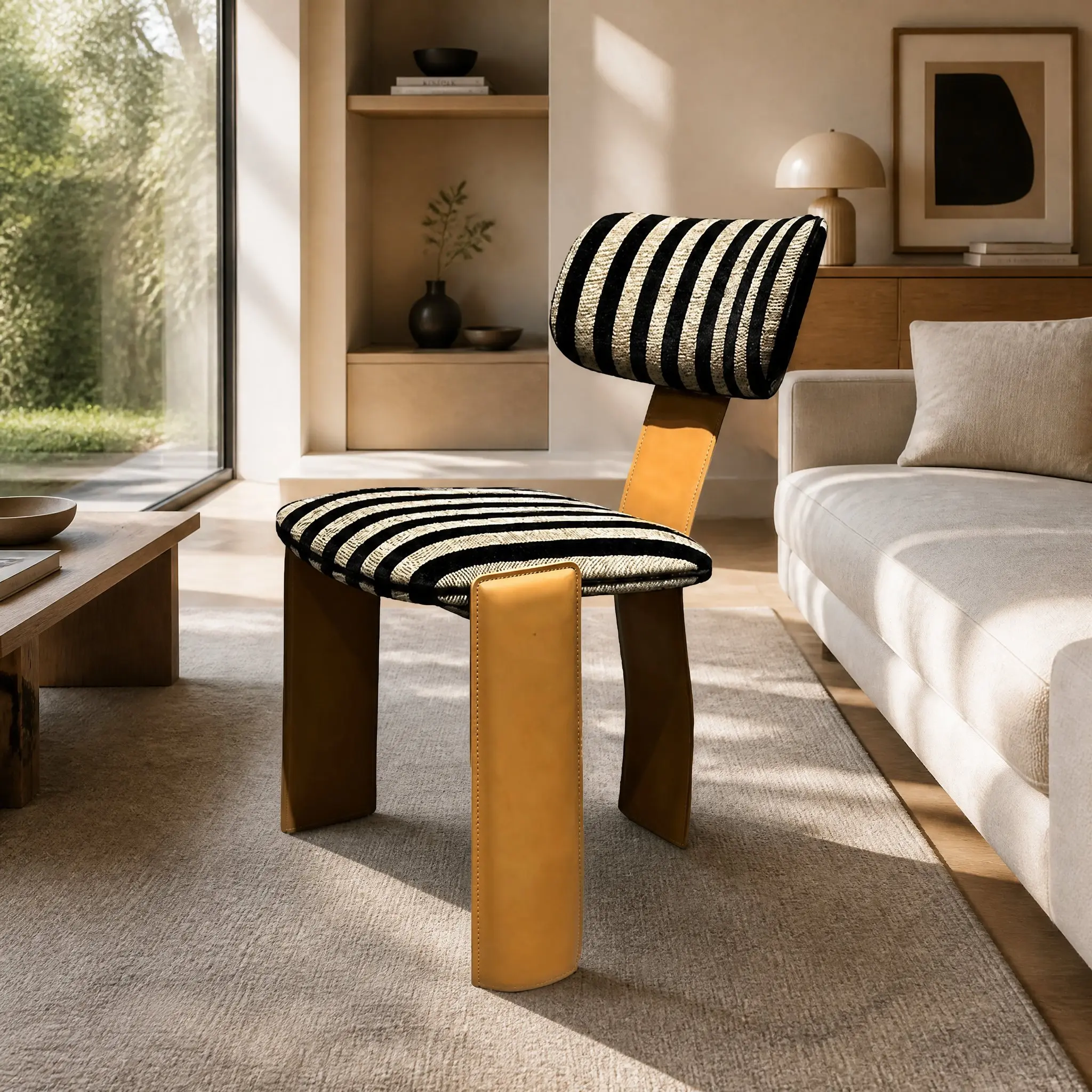
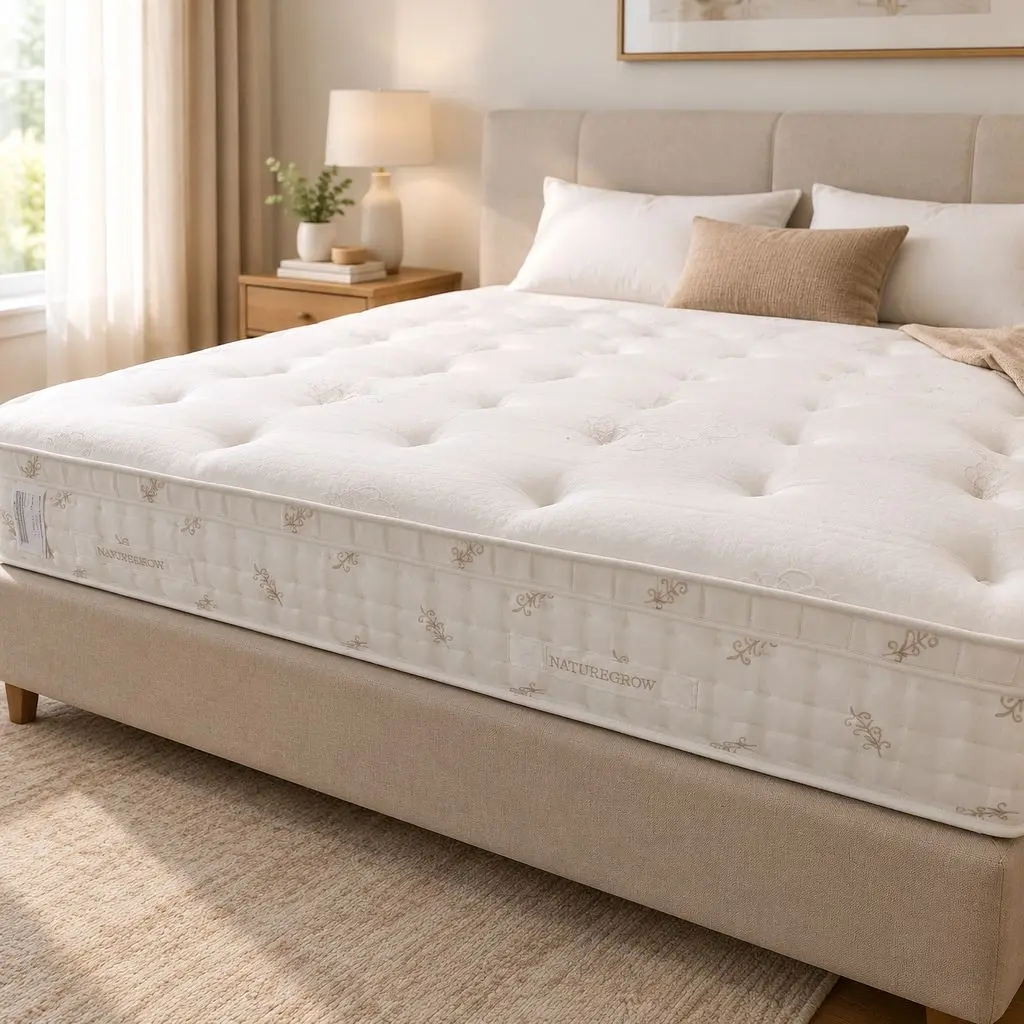
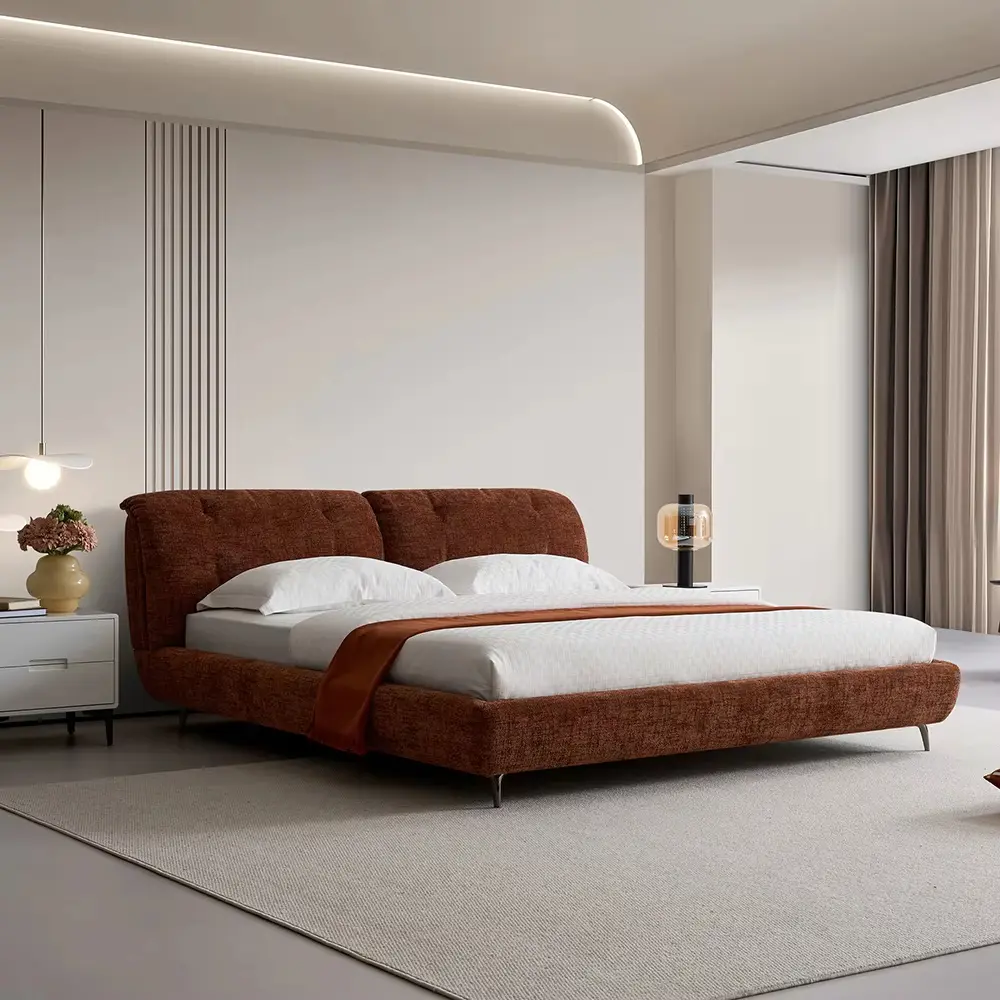
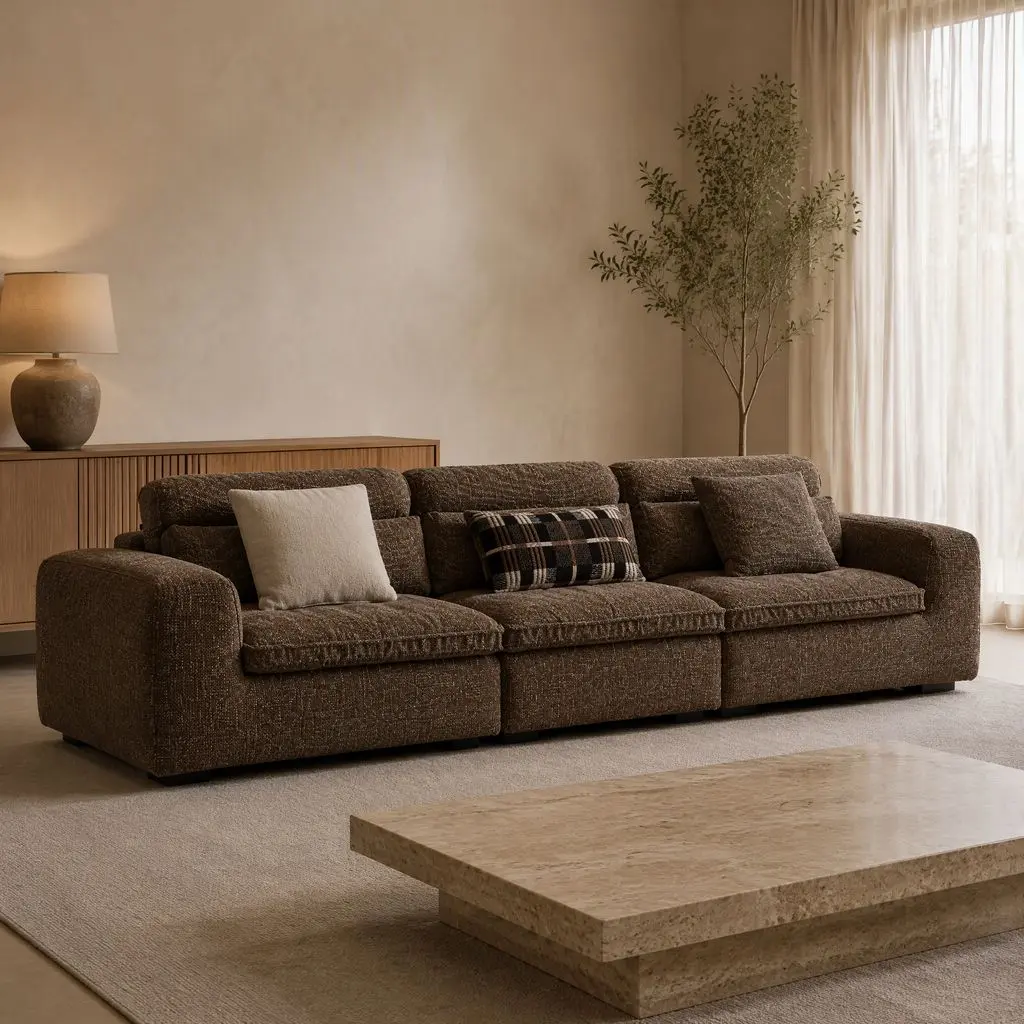
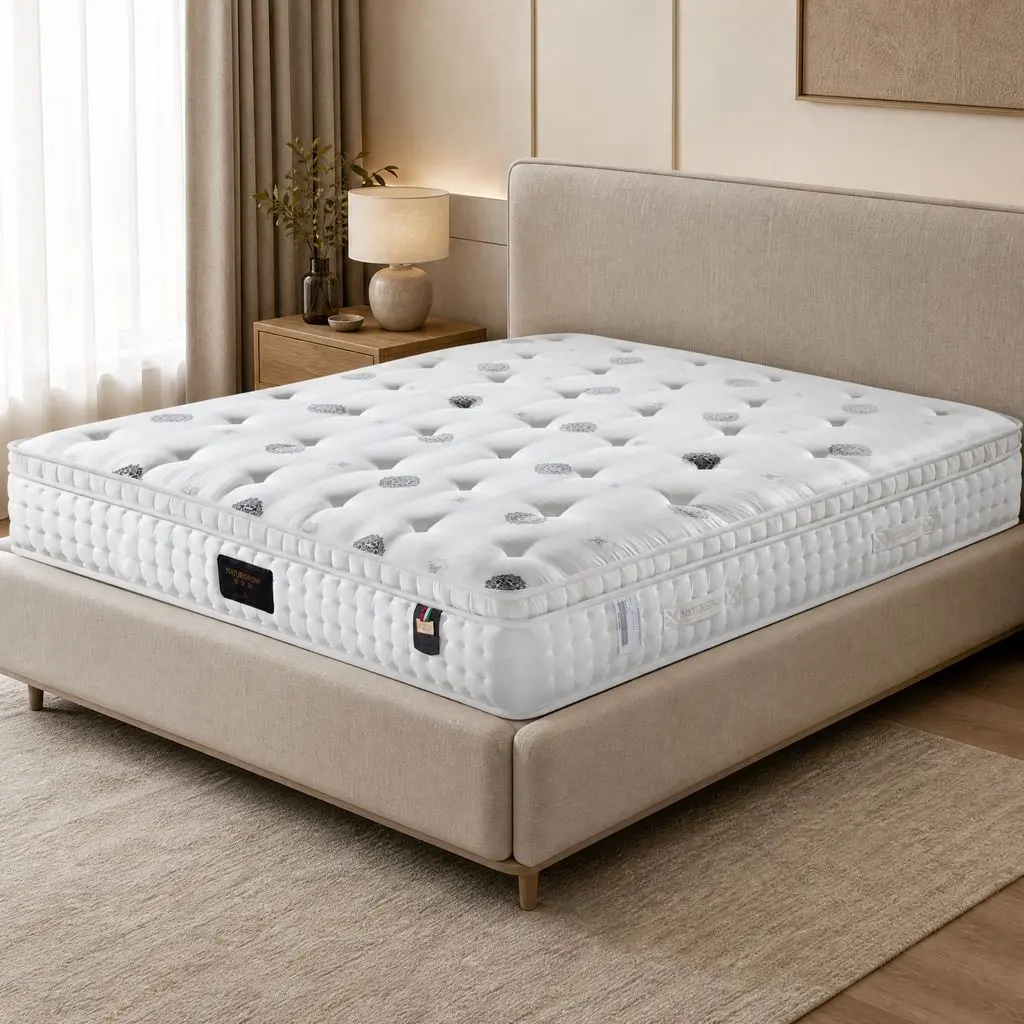
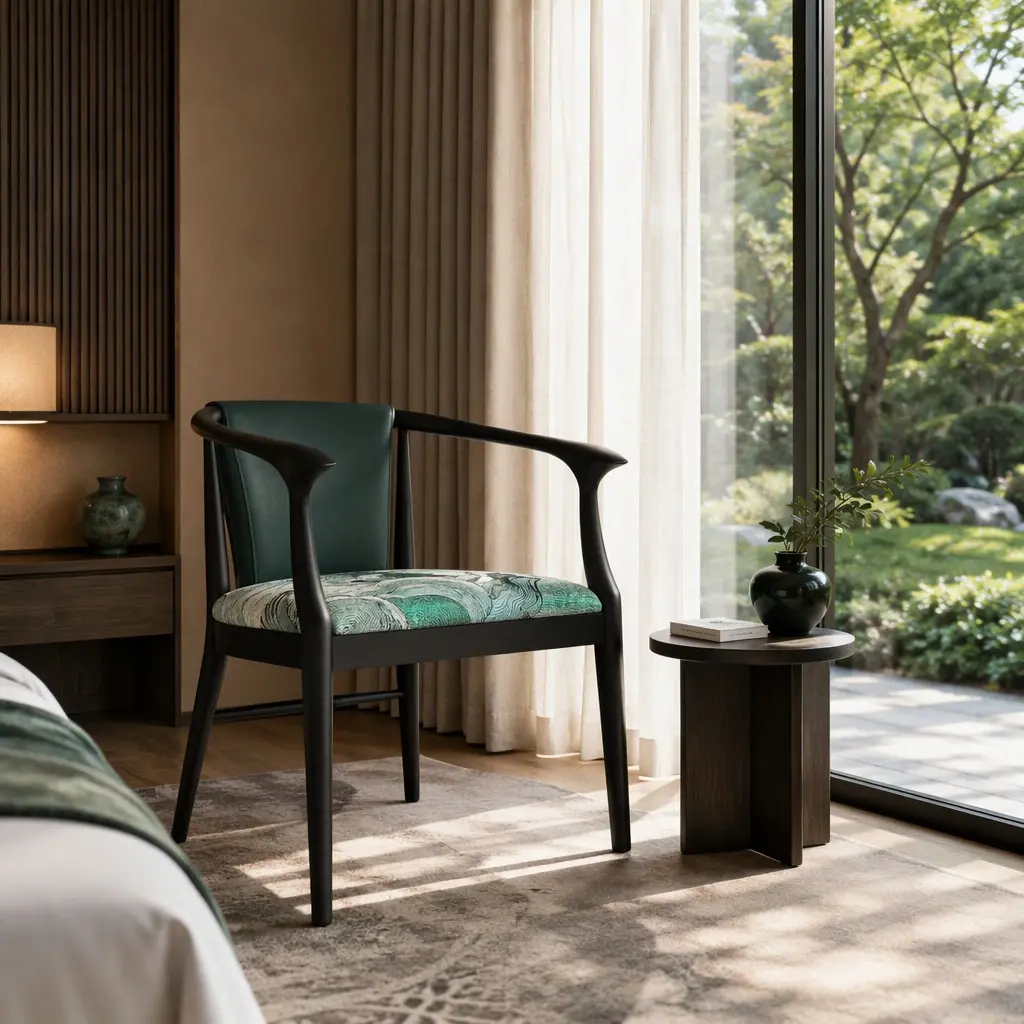
Before we go deeper into outdoor side tables, it helps to see the broader outdoor and upholstery program our Foshan facility ships alongside them. Uruguayan buyers typically consolidate side tables with sofas, sectionals, beds and mattresses in the same container to reduce per-unit ocean freight. Below are four flagship models from our current catalogue, each linked to the original product page.


Uruguay is a small but high-value market with a very specific geometry. Roughly 3.4 million people live in a country the size of England, and half of them are in Montevideo. Yet the outdoor living category has been growing faster than the general furniture segment because of three overlapping forces: the Punta del Este / José Ignacio second-home boom, a hospitality sector that is building and refreshing beach hotels and boutique lodges, and a middle class that invests in terraces and quinchos as genuine living space rather than storage.
Uruguay has a humid subtropical climate. Salinity on the Atlantic coast around Punta del Este, combined with near-year-round UV exposure and frequent sea breezes, attacks low-grade steel, untreated timber and cheap polyrattan. Aluminum frames with powder coating, HDPE wicker and FSC teak are the material baselines that survive more than two seasons in the field.
Between November and March, Uruguay's beach hotels, beach clubs, paradores and boutique restaurants restock. This creates a compressed buying window: a factory that cannot quote and confirm a mixed container in 8–10 weeks is functionally unusable for the southern summer season.
Montevideo's design districts and e-commerce channels are served by a handful of importers and multi-brand showrooms. They buy in 20ft and 40HQ containers, usually mixing outdoor side tables with loungers, drink trolleys and planter units so the container is fully cubically filled.
Not all "outdoor side table factories in China" are equivalent, and the factories that are excellent for the US or German market may not be the right choice for a Uruguayan buyer. The differences are structural, not cosmetic. Here is the framework we recommend evaluating any factory against before you place a PO.
Demand test reports for ASTM B117 salt spray on the frame finish and UV resistance data for the wicker and cushion foam. A factory that cannot provide these is speculating, not engineering. Our aluminum frames use 1.2–2.0 mm wall thickness depending on the table, finished with an architectural-grade powder coat at 60–90 μm thickness.
Consolidation via Foshan → Shenzhen/Yantian or Guangzhou/Nansha → Montevideo (MVD), with a typical transit time of 32–42 days depending on routing and carrier. A serious factory provides a loading plan, CBM per unit and mixed-container feasibility before you commit, not after.
Uruguay sits inside Mercosur customs territory. Outdoor furniture generally does not require a mandatory conformity mark the way electronics do, but wood packing must comply with ISPM 15, and any wood product (teak, eucalyptus, acacia) requires correct HS classification and phytosanitary documentation to clear customs cleanly at MVD.
Uruguayan design taste favors warmer sun tones, dark bronze and charcoal powder coats, teak accents and low-saturation textiles. A factory with in-house powder-coating and weaving can hit these palettes on a 30–60 unit run without needing a full-container minimum per color.
The reference point for our Uruguay outdoor program is the QYM XD-6008 L-shaped outdoor sectional — the same construction logic extends into our outdoor side tables. This is a build developed to live on a terrace that sees sea air, salt spray and 40 °C summer afternoons, and it demonstrates the specification standards we apply to every companion piece.
Side tables are small objects that fail in big ways when the specification is wrong, because they carry weight, sit directly on wet surfaces, and get exposed to the full weather window without cushioning. The matrix below is the baseline we apply to every outdoor side table built for the Uruguayan market.
| Component | Baseline Specification | Uruguay-Specific Rationale |
|---|---|---|
| Frame material | Powder-coated aluminum, 6063 alloy, 1.2–2.0 mm wall | Salt spray from the Atlantic and River Plate; no rust or rust-staining on terraces |
| Frame finish | Architectural powder coat, 60–90 μm, UV-stable pigments | Withstands 8–10 hours/day of summer UV without chalking or fading |
| Table top | Tempered glass 8–10 mm, or FSC teak slats, or HPL compact top | Tempered glass must be tested to EN 12150 / ANSI Z97.1; teak handles humidity |
| Leg caps | Non-marking, adjustable NBR or EPDM feet | Protects tile and porcelain terrace floors common in Uruguayan construction |
| Wicker / rope | HDPE with UV stabilizers, ≥ 3,000-hour xenon-arc tested | Natural rattan will crack within one summer at Punta del Este |
| Wood elements | FSC 100% teak, sanded and pre-oiled | Matches the timber palettes in José Ignacio and La Barra villas |
| Packing | ISPM 15 compliant heat-treated wood packaging | Mercosur / Uruguayan customs entry at Montevideo port |
| Container fit | Knocked-down or nestable cartons, CBM confirmed per model | Maximizes container yield; ocean freight is a large share of landed cost |
The outdoor side table category has changed from a peripheral accessory to a genuine profit center for importers. Buyers are no longer ordering "a table to put next to the lounger." They are ordering coordinated table-scape programs — side tables, drink tables, planters and trolleys — designed to be merchandised as a set. Four trends dominate procurement conversations with our team.
Buyers want the side table to share frame finish, material vocabulary and branding with the sofa and lounger it sits beside. This favors factories with in-house powder coating and weaving over those outsourcing those steps.
Design choices that improve CBM — removable tops, fixed-leg KD construction, nested tops — add 15–25% to container yield. For a 40HQ shipment to Montevideo, that is a meaningful landed-cost swing.
Seasonal markets cannot wait 60 days for production and 40 days for transit. Factories with reserved line capacity and pre-built frame stock can compress the timeline to 30 days production + transit.
European and increasingly Mercosur buyers care about spare parts availability, replaceable feet and separated material streams. A factory that can ship replacement cushion sets and frame components as a stocking program is a much better long-term partner.
Most Uruguayan importers do not buy outdoor side tables alone. They build a season's collection. That means the real question is not "which factory makes the best side table" but "which supplier can deliver a coordinated, compliant, container-efficient outdoor program on a schedule that matches the southern summer." These are the four sourcing architectures we see working.
One factory network handles the entire outdoor category — side tables, loungers, sectionals, planters — shipping under one QC standard and one commercial invoice. Reduces supplier management overhead by 60–80% for a mid-sized importer and enables consistent branding across the showroom.
The factory provides a loading plan upfront — a detailed packing schematic showing exactly which SKUs fit into a 20ft or 40HQ, with CBM per model and carton dimensions. This removes the classic "surprise freight cost" that kills import margins.
For Uruguayan retailers and design brands: woven labels, embossed logos, branded cartons and a curated color palette. This lets a local brand launch a "Uruguay Summer 2026" collection without owning a factory.
Commercial invoice, packing list, bill of lading, certificate of origin, ISPM 15 declaration, and product data sheets packaged for the forwarder. This is often the difference between a 3-day port clearance and a 3-week one.
Uruguayan buyers often assume that buying from China means losing local accountability. That is only true if you choose a supplier who has never shipped to South America. A serious factory has already built the working knowledge to make landed supply reliable — from language to forwarder coordination to after-sales resolution.
Spain Spanish is the operational language. Our export team communicates in English as the working language and supports Spanish-language documentation where the buyer's forwarder or customs agent needs it. Quotations are issued in USD, matching Mercosur trade practice.
Direct coordination with Uruguayan forwarders and shipping agents. We provide booking confirmation, container number, seal number and a full document pack in advance so your agent can pre-clear.
Standard replacement policy for structural defects and finish issues, with replacement parts shipped with the next container or via courier for priority cases. Damage documentation protocol follows carrier and insurance requirements.
ISPM 15 heat-treatment stamp on all wood packaging, correct HS code classification for each material, and product technical sheets — the documents Uruguayan customs at MVD consistently ask for.
Pre-production samples can be air-freighted to Montevideo in 10–14 days for sign-off before mass production. Sample cost is typically credited against the first PO.
Each Uruguayan buyer is assigned a single account manager who owns the order from RFQ to delivery, so the conversation does not reset each time a new season starts.
Outdoor furniture sourcing is being re-engineered on the factory floor and in the buyer's procurement tooling simultaneously. For Uruguayan importers planning a three-to-five-year supply relationship, these are the shifts worth building into the strategy now.
Factories produce structured product data — 3D models, BIM-ready drawings, CBM sheets, ASTM/EN test reports — instead of PDF catalogues. Buyers will compare suppliers on data, not brochures.
Salt-spray hours and UV-stability ratings move from "premium upgrade" to baseline expectation for any coastal-market export. Factories that cannot test internally will be forced to outsource and lose pricing power.
Spare cushion sets, replacement frames and retrofit feet become standard program elements. A furniture SKU without a spare-parts path becomes a procurement risk.
Recycled HDPE wicker, bio-based polyurethane foam, FSC-certified teak at scale. Uruguayan buyers will increasingly request this for hotel and hospitality tenders where sustainability is a scoring criterion.
Factories establish small regional stock or bonded capacity in South America to compress the 30–40 day transit for replenishment. Early movers will take the fastest-growing share of the Uruguayan retail channel.
Side tables almost never ship alone. These are the models most frequently consolidated into the same container by Uruguayan buyers building a coordinated exterior and interior program. All links point to the original product pages.


Direct answers to the questions Uruguayan importers, hospitality procurement teams and design brands ask before placing a first or second order with a Chinese outdoor furniture factory.
For standard models with existing frame stock and powder-coat colors, MOQ is often 30–50 units per color or per model. For full custom colors and new designs, MOQ can range from 100 to 200 units. Because ocean freight to Montevideo represents a large share of landed cost, most Uruguayan buyers consolidate side tables with loungers and sofas to reach a 20ft or 40HQ container — which effectively removes the MOQ constraint per SKU.
Standard production lead time for outdoor side tables is 30–45 days after deposit and sample approval. Sea freight from Shenzhen or Nansha to Montevideo is typically 32–42 days depending on carrier and routing. In total, plan for approximately 70–90 days from PO to arrival at port. For the November–March Uruguayan beach season, that means orders should be placed by roughly August at the latest.
For salt-spray exposure on the Atlantic coast, use powder-coated 6063 aluminum with 1.2–2.0 mm wall thickness, finished to 60–90 μm. For wicker and rope, use HDPE with UV stabilizers rated to at least 3,000 hours of xenon-arc testing. Avoid natural rattan entirely — it degrades within one summer in Punta del Este. Teak should be FSC-certified and pre-oiled.
Yes. We support woven labels, embossed logos, branded cartons and custom color palettes for wholesale and project orders. For private-label programs we typically require a slightly higher MOQ per SKU, but this can be offset by combining multiple models into a single production run to hit the target volume.
Side tables are protected with foam corner guards, bubble wrap and either a reinforced carton or a wooden crate depending on the glass-top configuration. All wood packaging is heat-treated and stamped to ISPM 15 standards, which Uruguayan customs at Montevideo requires for wood packaging material.
Commercial invoice, packing list, bill of lading, certificate of origin, ISPM 15 declaration, and product technical data sheets for each SKU. We coordinate directly with your forwarder and can provide documents in the format your customs agent expects.
Yes. Pre-production samples can be produced and air-freighted to Montevideo in 10–14 days. Sample cost is typically credited against the first production PO, subject to order confirmation.
We cover structural defects and finish failures under a standard replacement policy. For priority cases, replacement frames, feet or tops are shipped via courier; for non-urgent items they are added to the next container. Damage documentation follows the carrier and insurance requirements so claims are processed correctly.
We ship FOB, CIF or DDP depending on the buyer's preference. Most Uruguayan buyers work with a forwarder and take FOB pricing for flexibility. We coordinate directly with the forwarder, confirming booking, container number, seal number and document pack in advance of vessel departure.

Share your target models, colors, container size and landing window. Our export team will return a full quotation, CBM layout and production schedule within two business days.