
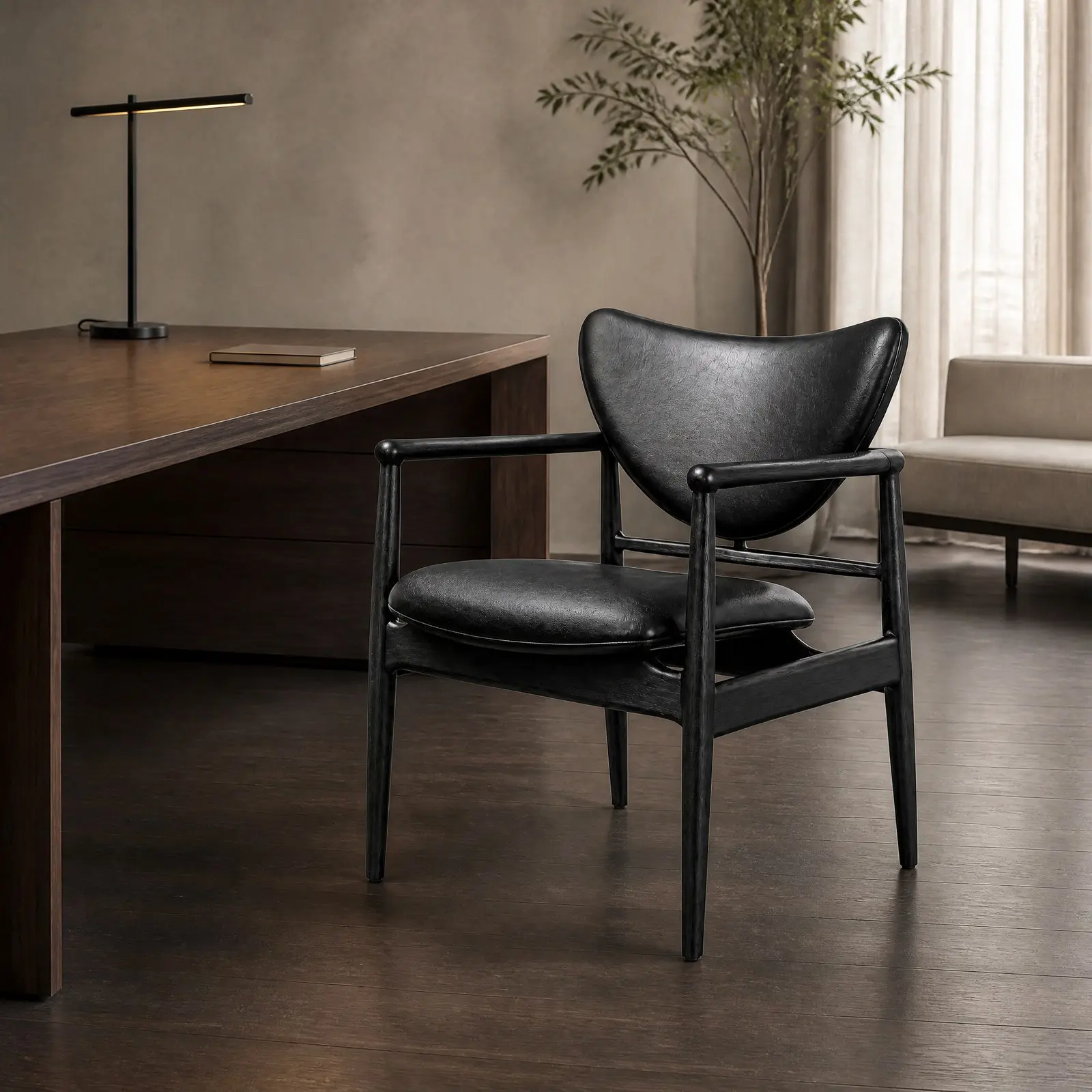
 Dining
Signature Living Room Reference Pieces
Four Core Models for the Melbourne Wholesale Channel
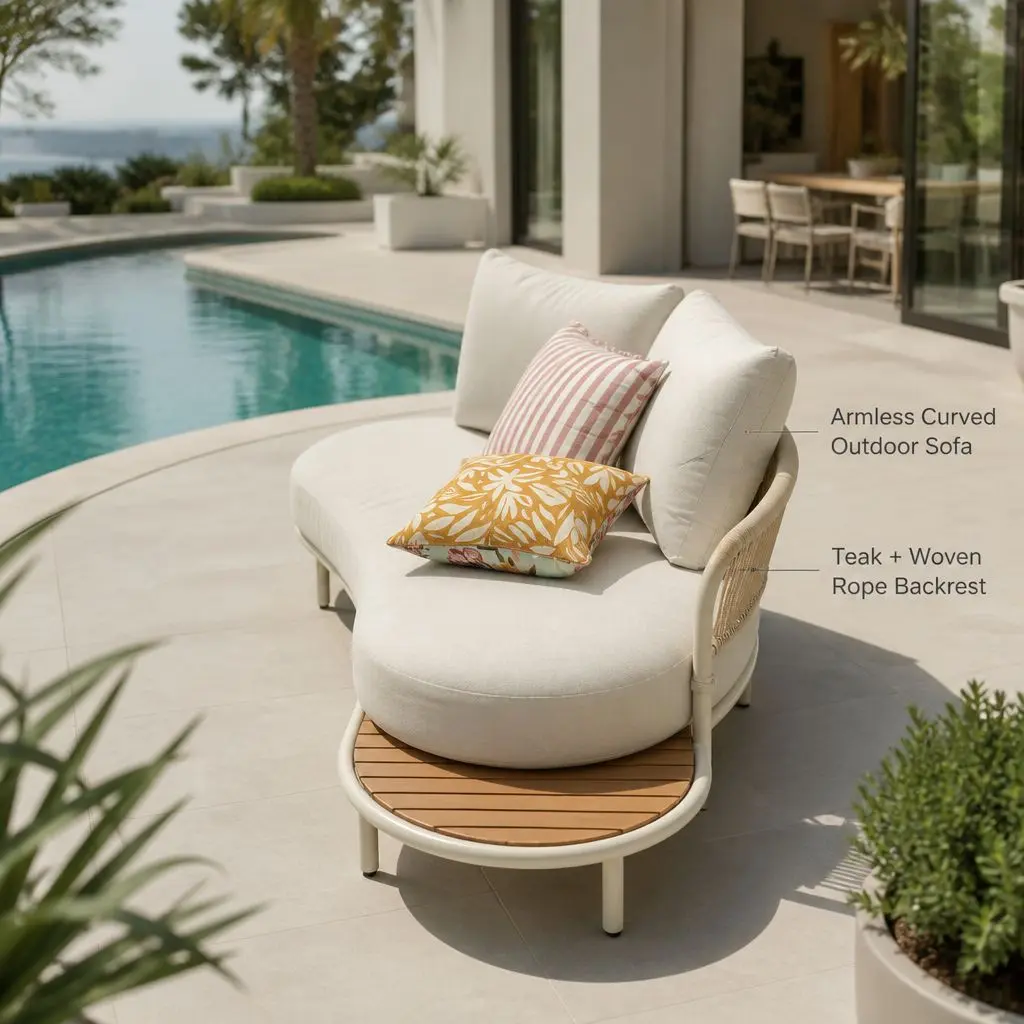
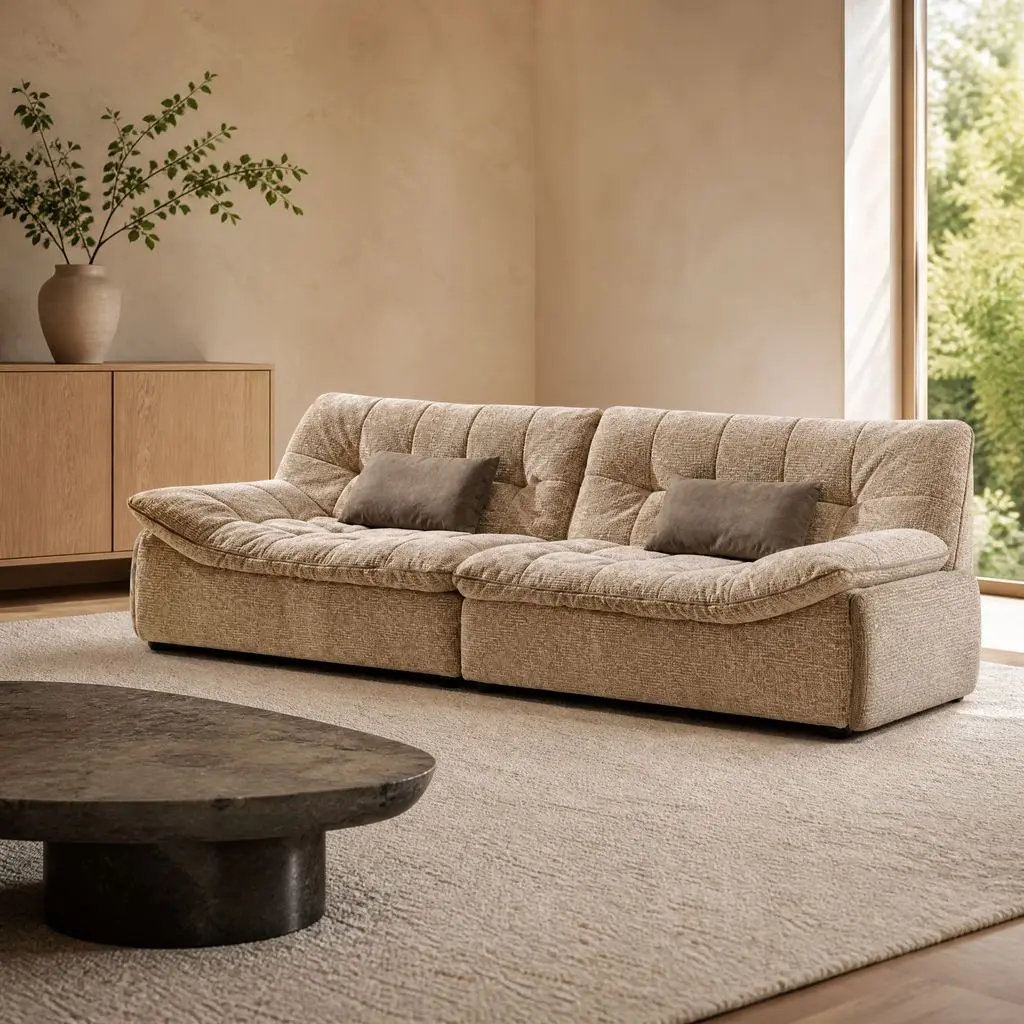
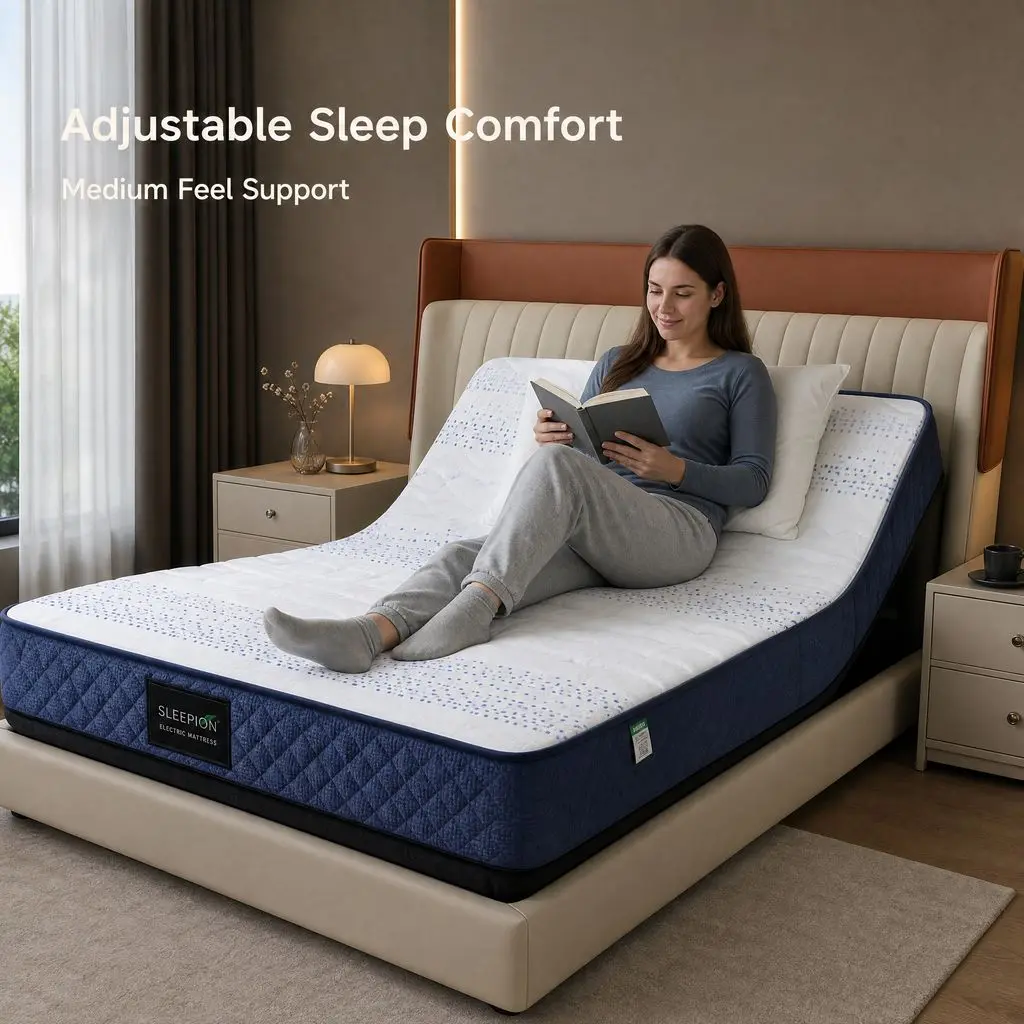
These reference products show the material quality, structural engineering and finish consistency our Foshan production lines deliver to Australian buyers. Every item ships under the same QC protocol.
Market Intelligence · Melbourne & Global
TV Stands & Living Room Furniture: Melbourne Commercial Reality and Global Industry Shifts
Understanding the local and global forces shaping how furniture is specified, imported and merchandised gives buyers a decisive edge. The following analysis reflects our direct experience supplying Australian wholesalers and project teams.
Melbourne's Commercial Furniture Landscape
Melbourne's inner-city apartment pipeline, the continued expansion of build-to-rent and the re-emergence of boutique hospitality venues have created a distinctive demand profile for TV stands and low-profile media units. Unlike traditional freestanding entertainment cabinets, today's Melbourne specifier often requires wall-mounted floating consoles, narrow-depth units for compact CBD apartments, and durable substrates that can tolerate the region's variable humidity across the year.
Freight and logistics also shape the local buying decision. Importers operating out of the Port of Melbourne increasingly favour suppliers who can consolidate mixed living room categories — sofas, coffee tables, TV units and accent seating — into one container, reducing per-unit landing costs while maintaining a consistent finish story across a floor plan.
Global Industry Outlook
Globally, the living room furniture category is converging around three macro trends: modularity, material transparency, and smart integration. TV stands are evolving from passive storage into media technology hubs — with integrated cable management, cooling ventilation, acoustic fabric panels and adaptable shelving for soundbars and gaming consoles. According to our production data, demand for engineered wood carcasses with reinforced steel sub-structures has risen steadily as buyers seek a balance between visual weight, structural integrity and transport efficiency.
On the supply side, Chinese manufacturers in the Foshan cluster continue to lead in tooling flexibility, allowing low MOQs for private-label ranges and rapid prototyping for project-specific requirements.
01
Urban Density Shifts Unit Design
Melbourne apartment sizes average smaller than detached housing, pushing demand for slimline and wall-mounted TV stands with concealed storage.
02
Hospitality Revival Drives Media Units
Boutique hotels, co-working lounges and short-stay apartments specify durable, easy-to-clean media consoles with commercial-grade finishes.
03
Global Modularity Trend
Buyers increasingly request combinable modules — shelves, drawers and open niches — that can be reconfigured for different room layouts.
04
Smart Home Integration
Ventilated compartments, cable routing and hidden power channels are now baseline expectations for mid-to-premium TV furniture.
05
Material Traceability
Low-VOC finishes and FSC-certified wood substrates are becoming procurement prerequisites for Australian project work.
Production Backbone
Numbers Behind the Melbourne Supply Program
0+ Years of export experience
0+ Original patents owned
0Furniture categories in production
0OEM / ODM customization dimensions
Local Application Scenarios
Where Melbourne Buyers Specify Our TV Stands & Living Room Pieces
Each scenario requires a different configuration of scale, material grade and packing strategy. Our Melbourne supply program is structured to serve all four without changing suppliers.
Technology Roadmap
From Material Engineering to Smart Integration: Our 5-Year Roadmap
Manufacturing partners who invest in process and material innovation reduce the risk of specification drift and quality recalls for their buyers. Here is how we are evolving our TV stand and living room production lines.
2024
CNC Precision Joinery
Expanded CNC routing and edge-banding capacity to deliver tighter tolerances and fewer visible seams on lacquered TV stand panels.
2025
Low-Emission Coating Line
Transition to low-VOC water-based finishes across all living room collections, meeting Australian indoor air quality expectations.
2026
Modular Media Console System
Launch of a fully modular TV stand platform — interlocking frames, reconfigurable shelves and a unified hardware ecosystem.
2027
Smart Cable & Power Integration
Integrated power management, ventilation channels and acoustic panels as standard options on premium media units.
Future Outlook
The next phase of TV stand design will be defined by what we call "technology-invisible furniture" — pieces that hide cables, ventilate electronics and integrate wireless charging without appearing technical. Our engineering team is already prototyping press-fit aluminium channels and thermally conductive back panels to support this direction.
For Melbourne buyers, this roadmap translates into a supply partner who can grow with their product line: from entry-level focused consoles today, to premium smart-integrated media units as the market matures.
Macro Industry Solutions
Whole-House & Project-Level Furniture Programs
TV stands rarely ship alone. Our Melbourne wholesale program is built around consolidated, multi-category purchase orders that reduce vendor management and ensure a cohesive finish palette across an entire project.
Full Collection Reference
Complete Product Range Available for Melbourne Wholesale Orders
All models below are produced in our Foshan facility and can be consolidated into a single container with TV stands, sofas and dining furniture for Melbourne delivery.
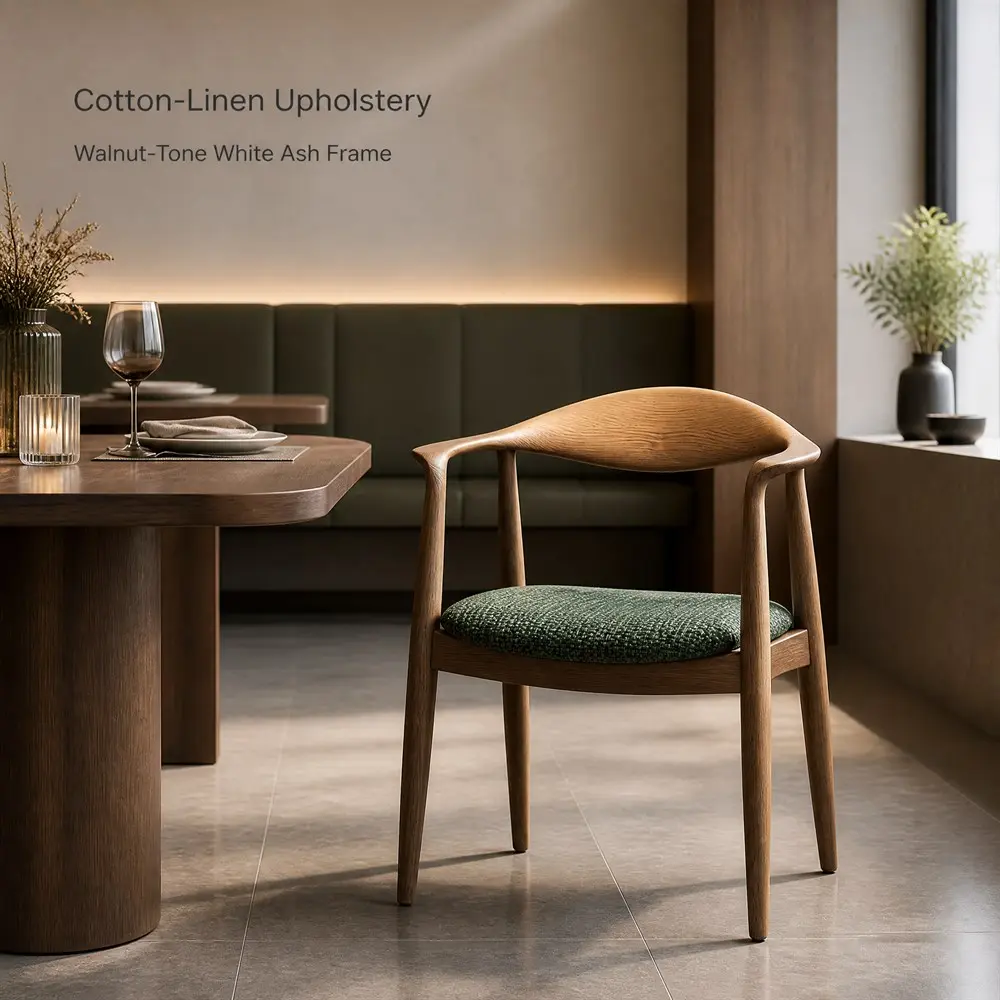 Dining
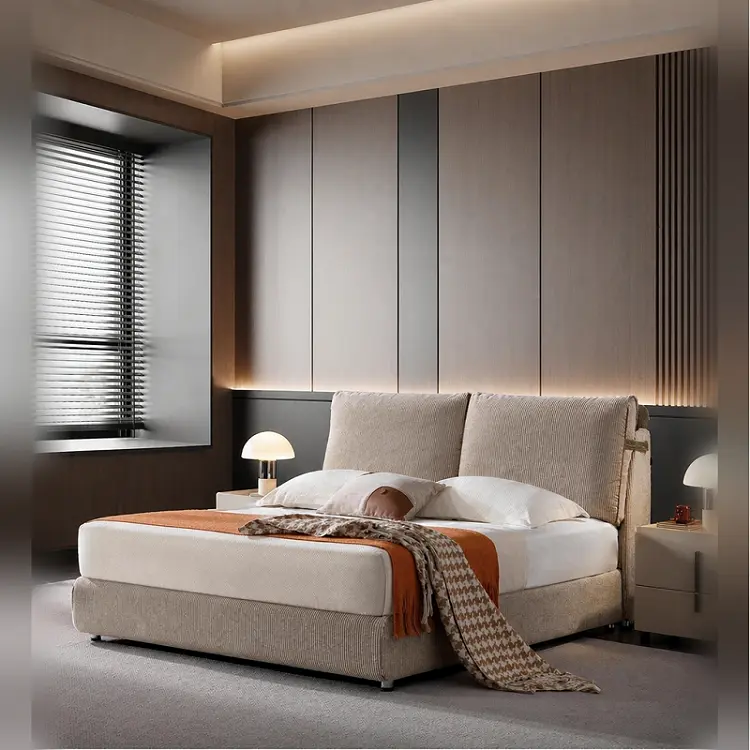 Bedroom
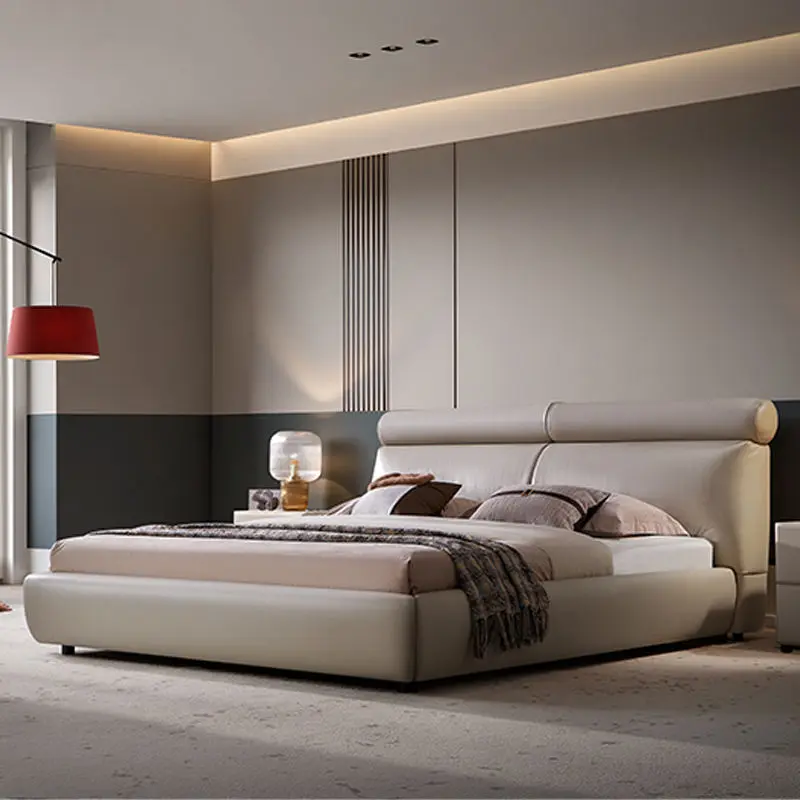 Luxury Bed
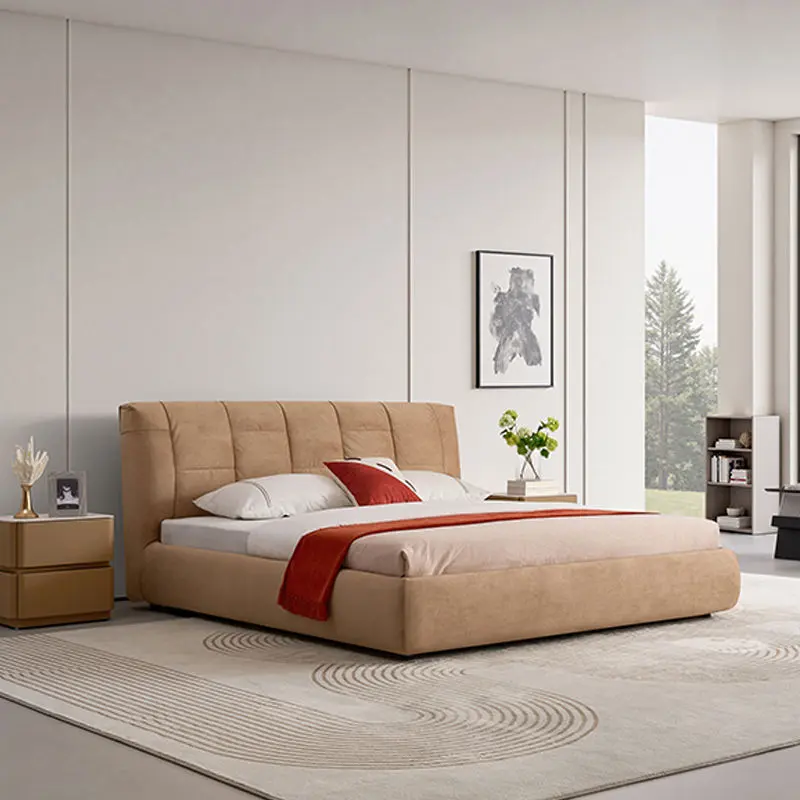 Storage Bed
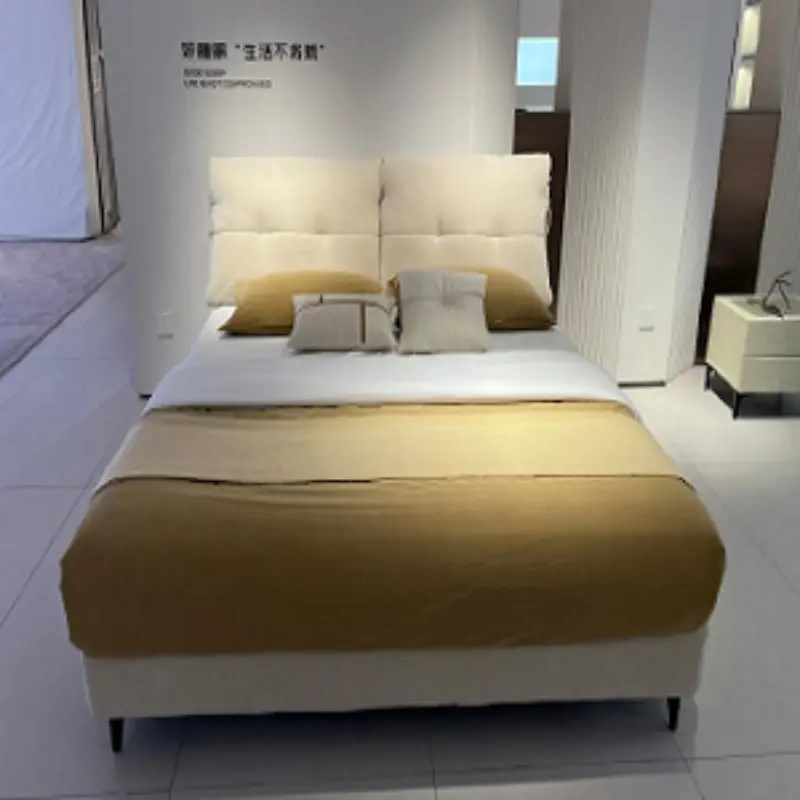 Linen Bed
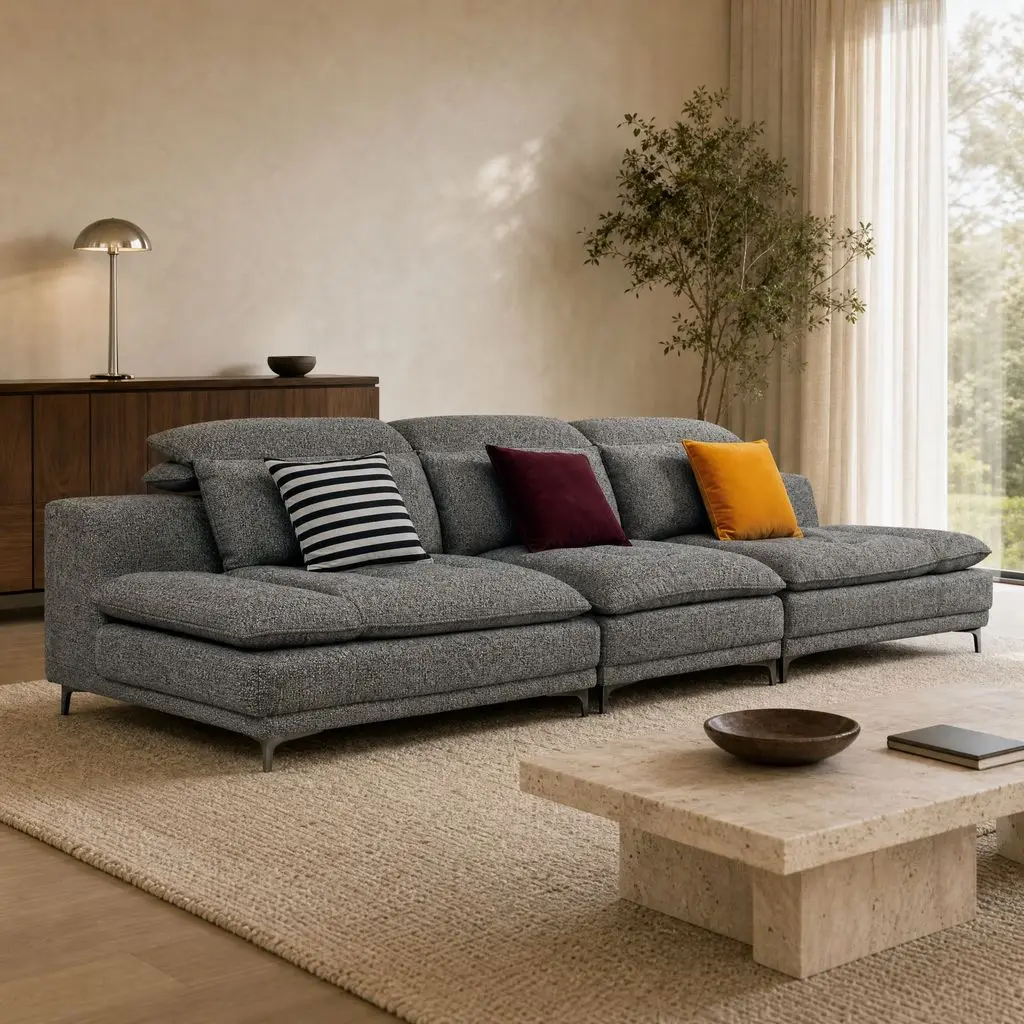 Modular Sofa
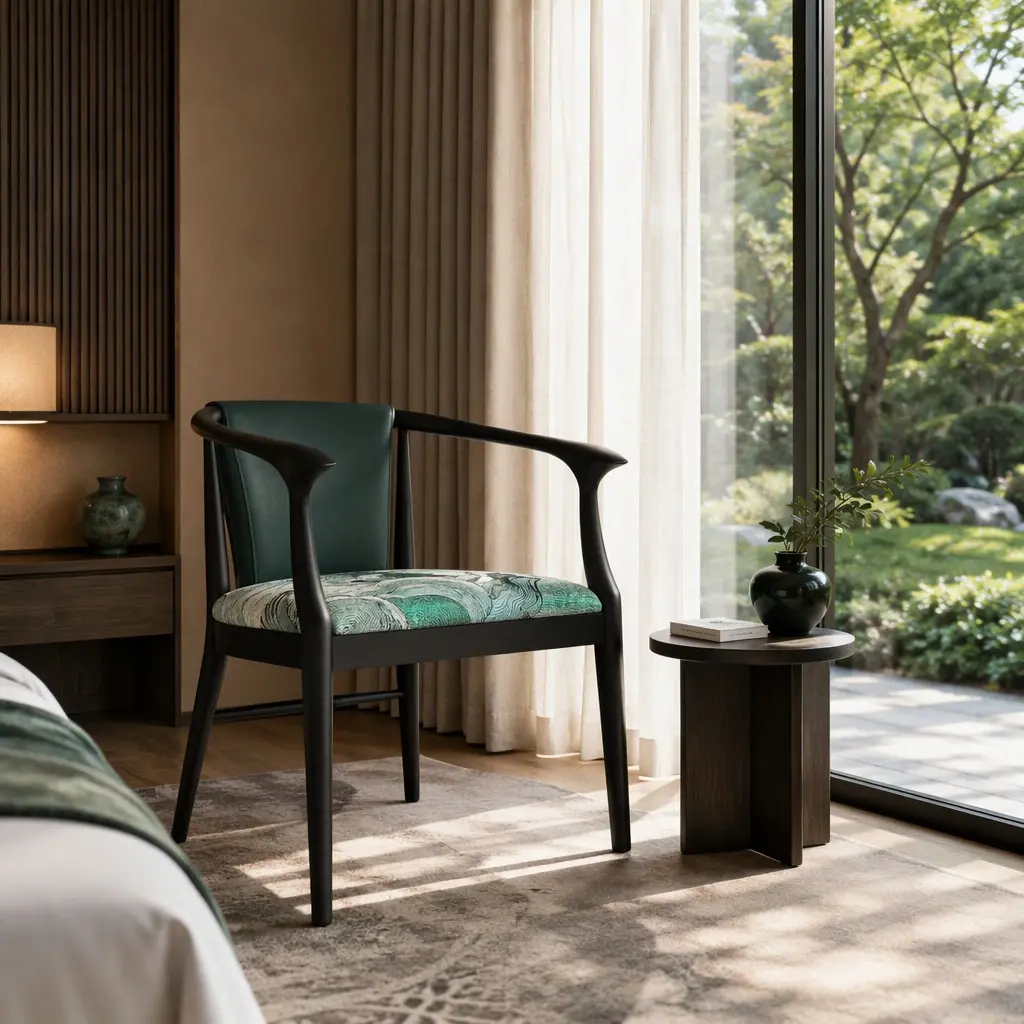 Accent Chair
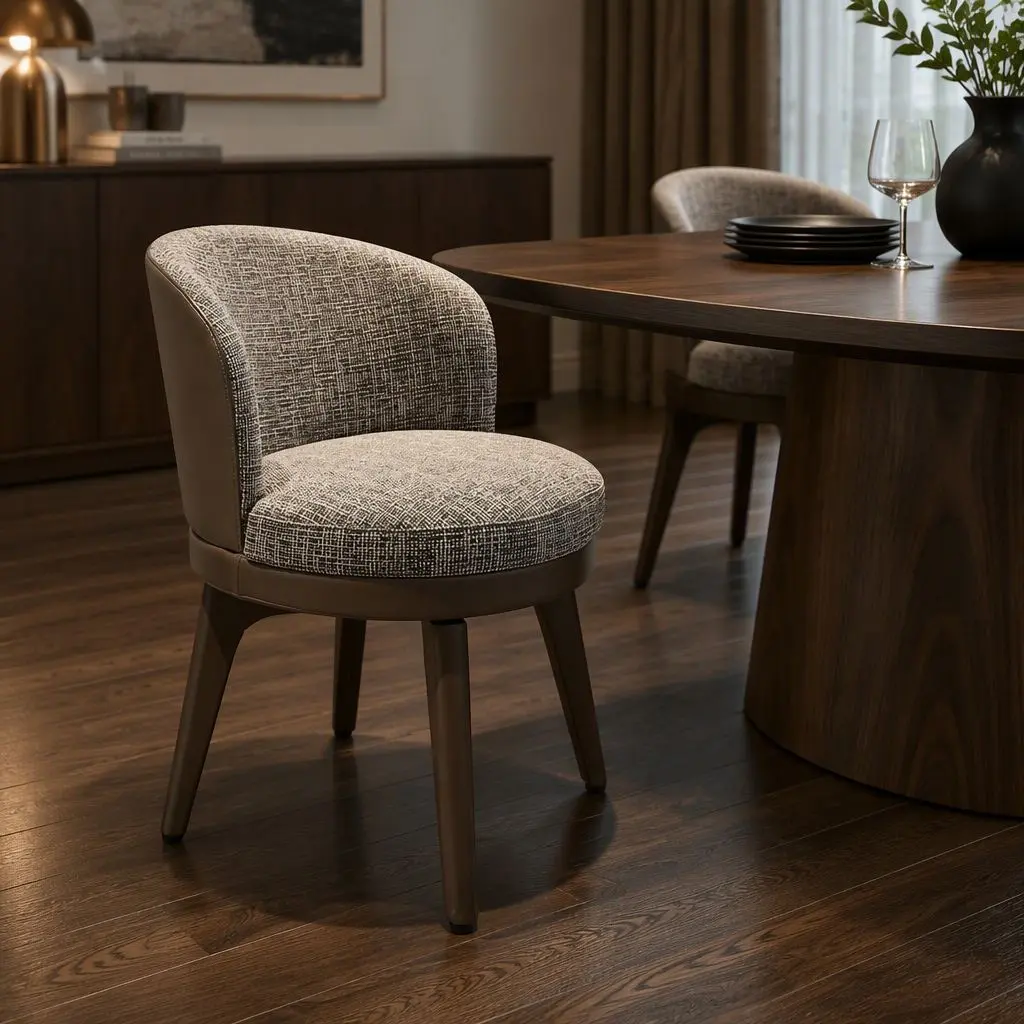 Swivel Chair
Buyer Q&A
Frequently Asked Questions from Melbourne Buyers
What importers, project developers and interior specifiers most commonly ask before placing a first TV stand or living room furniture order with a Chinese manufacturer.
Are you a TV stand manufacturer or a trading company?
Qingyumai is the export brand of Foshan Qingyumai Technology Co., Ltd., an integrated manufacturer with its own production facility in Shunde, Foshan. For whole-house orders we coordinate a network of audited partner factories so every category — including TV stands, sofas, beds and dining furniture — ships under one quality standard and one purchase order.
Can I mix TV stands with sofas, beds and dining furniture in one container?
Yes. Our post-sale team handles container consolidation across categories, planning loading space to reduce ocean freight cost per unit while using multi-layer export crating to prevent transit damage. This is particularly valuable for Melbourne buyers managing mixed living room and bedroom projects.
Do you accept OEM and ODM orders for TV stands?
Yes. We customize dimensions, carcass finishes, hardware, internal shelving layouts and branding such as woven labels and embossed logos. For wholesale and project orders, our design team can work from your drawings or develop concepts based on your floor plan and target market.
How do you ensure quality during mass production?
Our internal QC engineers carry out on-site production line audits that check structural durability, finish consistency and hardware function. Pre-sale consultants recommend material configurations aligned with the regulatory standards of your destination market, including Australian low-VOC and formaldehyde expectations.
How long does shipping to Melbourne take?
Production lead times depend on order volume and customization level, typically 30–45 days for standard configurations. Ocean freight from Foshan to the Port of Melbourne generally takes 18–25 days depending on the carrier and routing. Our export team provides a shipment timeline with every confirmed order.
What are your minimum order quantities for TV stands?
MOQs vary by model and finish. Standard configurations typically start at 50 units per colorway, while fully custom OEM designs may require higher volumes to cover tooling and sampling. Contact our export team with your target quantities for a precise quote.
Plan Your Melbourne TV Stand & Living Room Order
Share your floor plan, target price point and delivery window. Our export team will respond with a tailored configuration, material recommendations and a consolidated container plan.