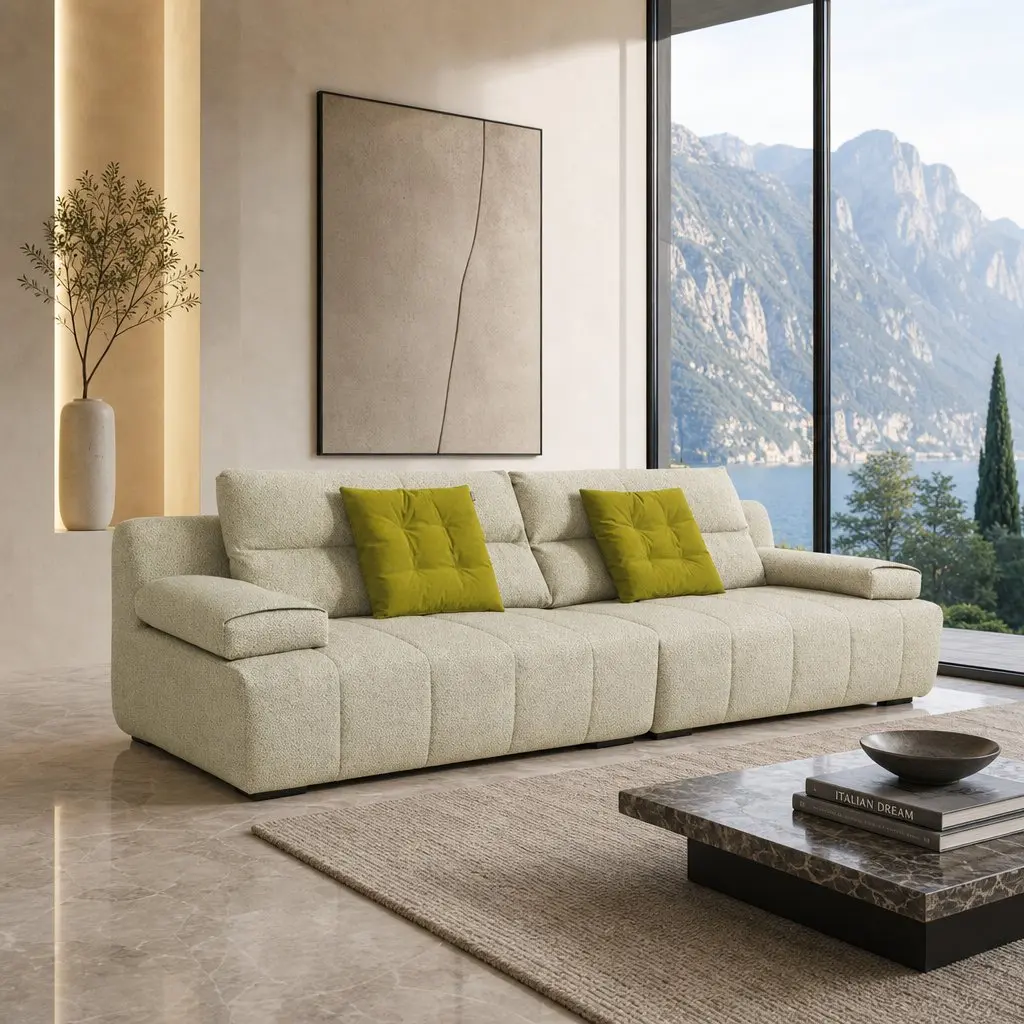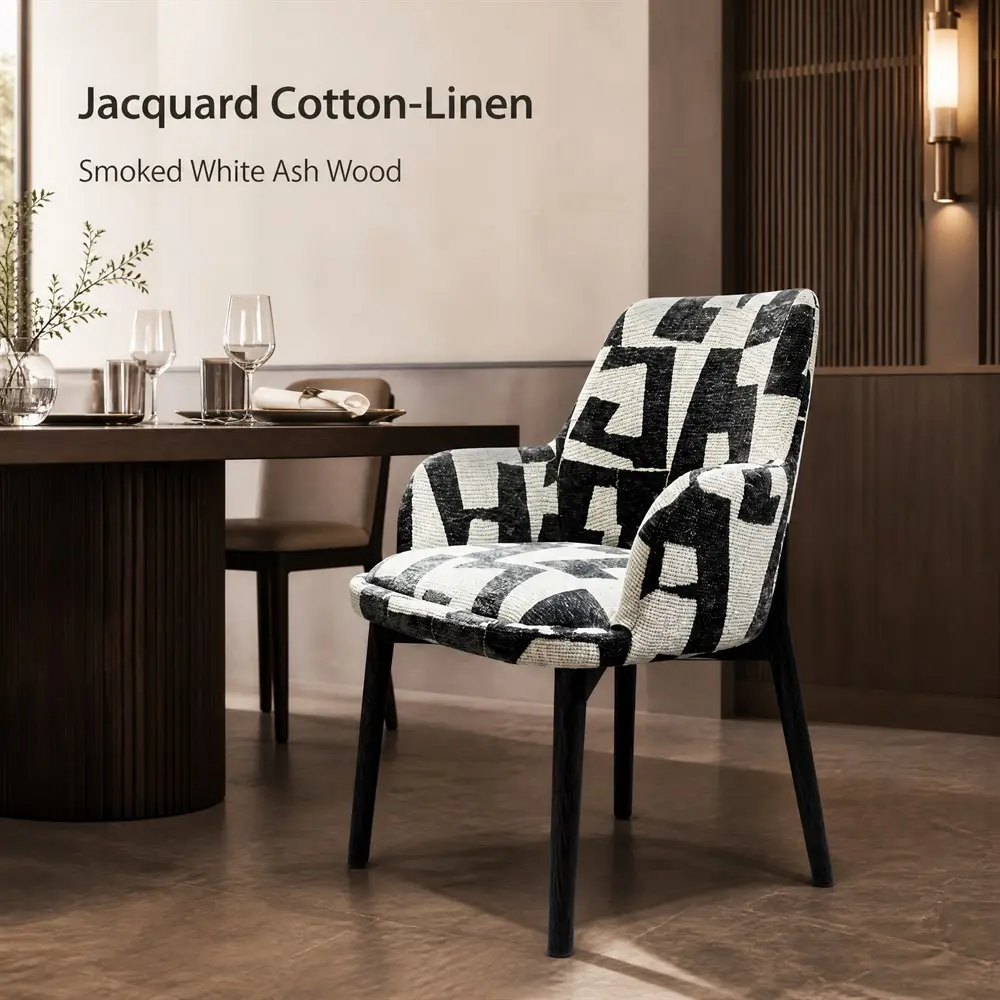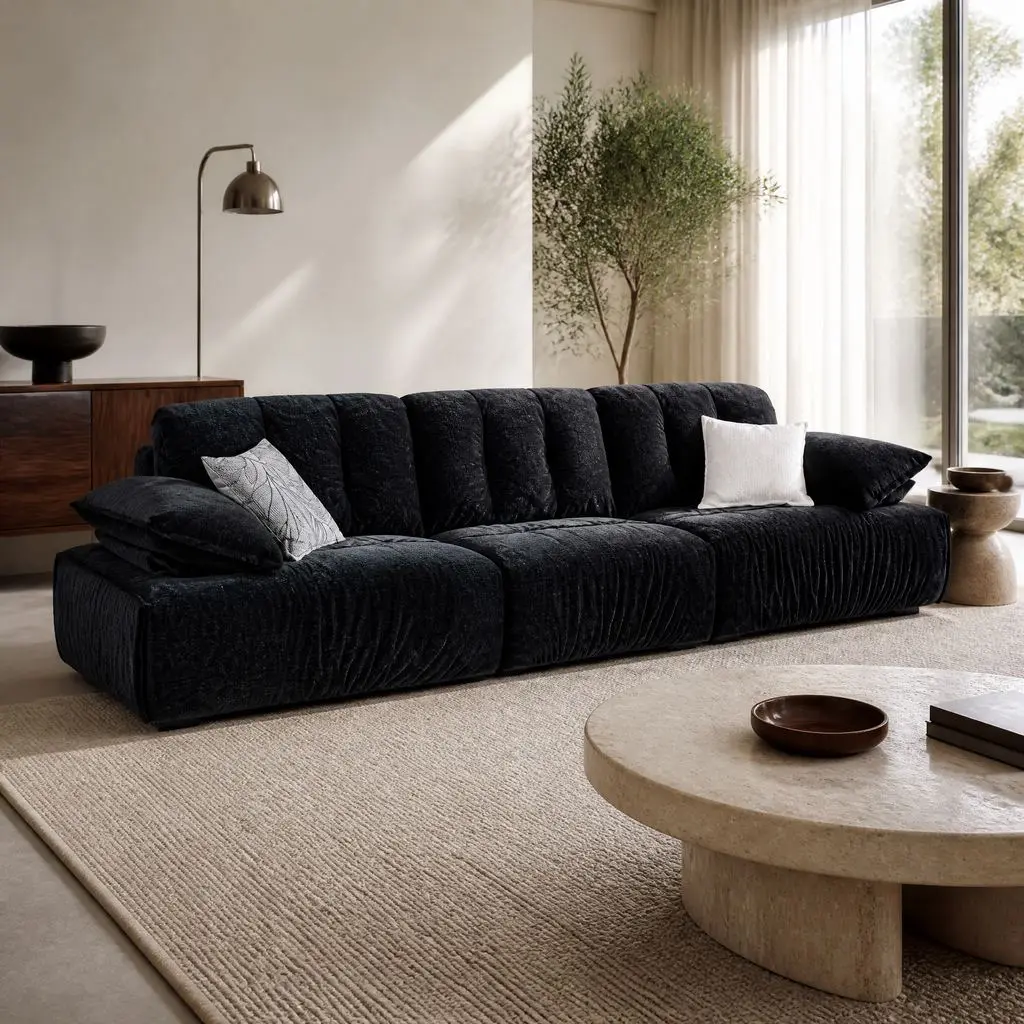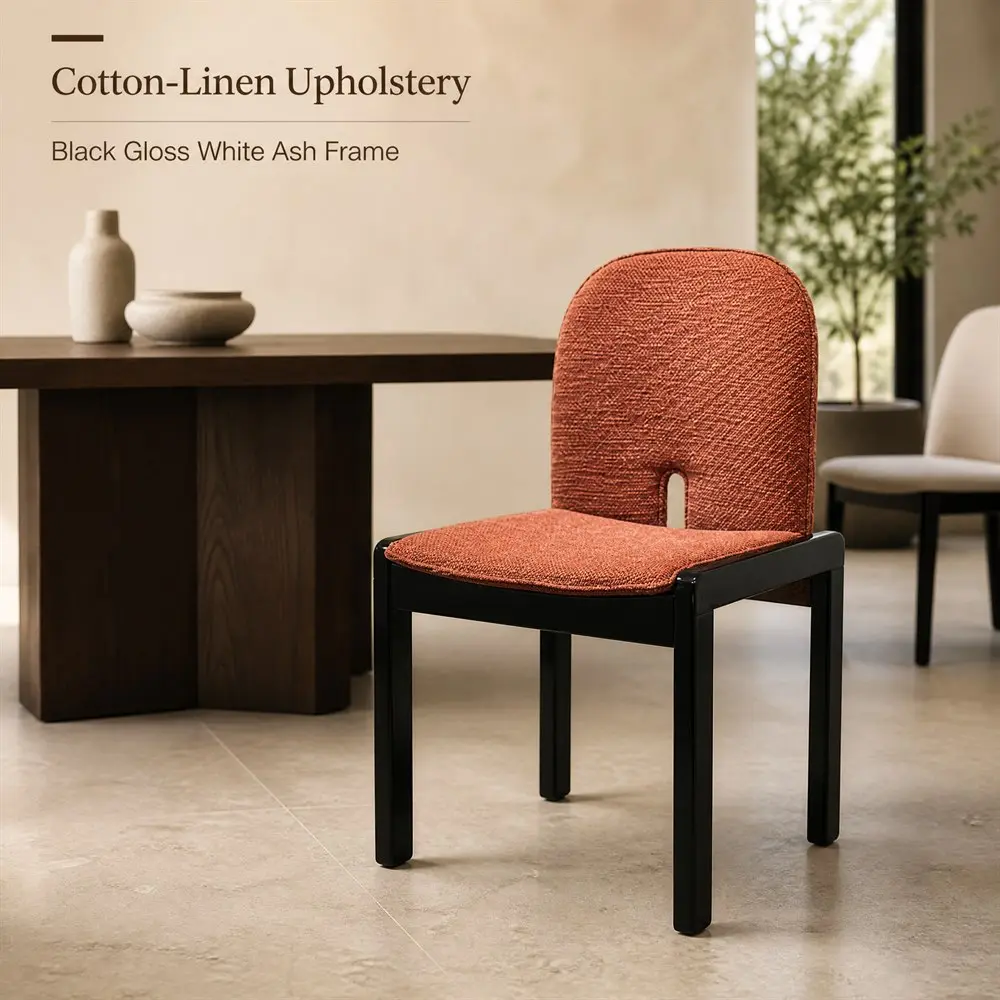
Core Table & Seating Programs
Coffee Tables & Side Tables Complemented by Matching Seating for Barcelona Interiors
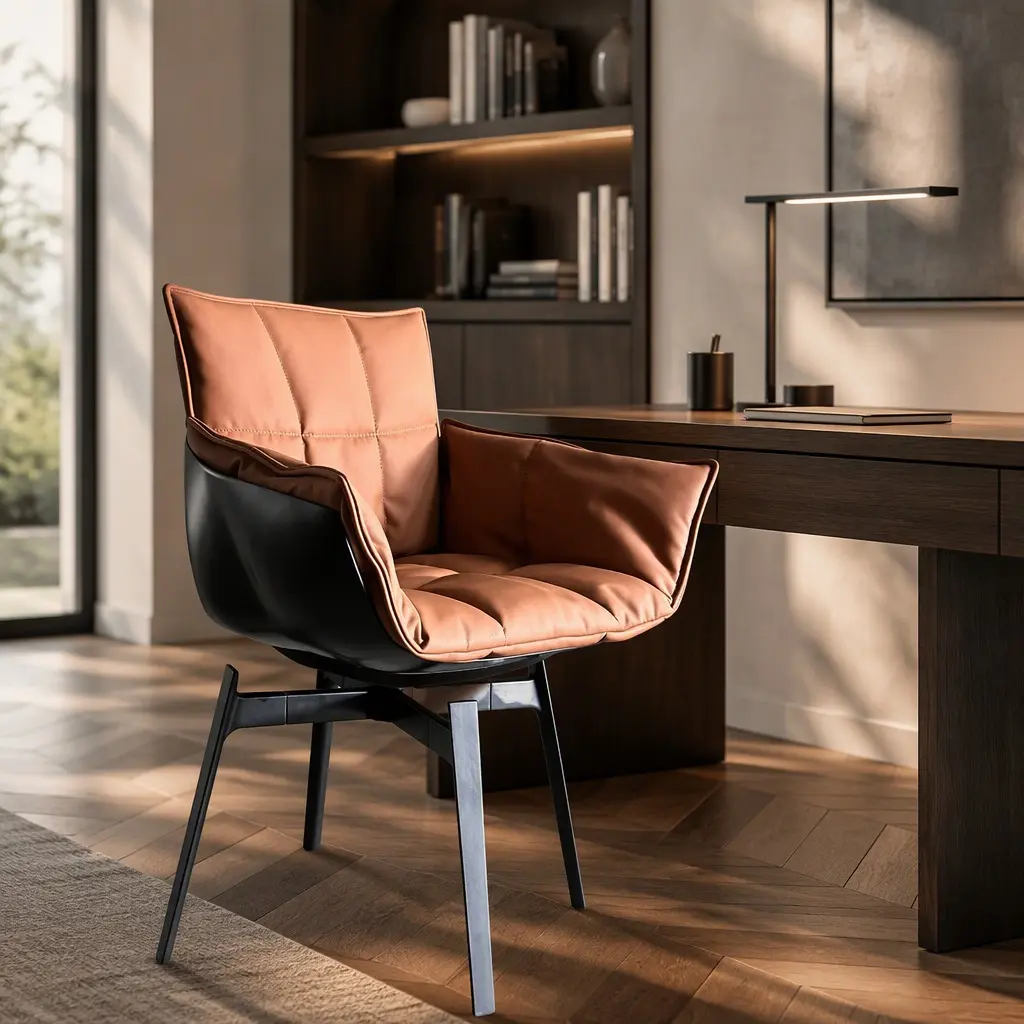
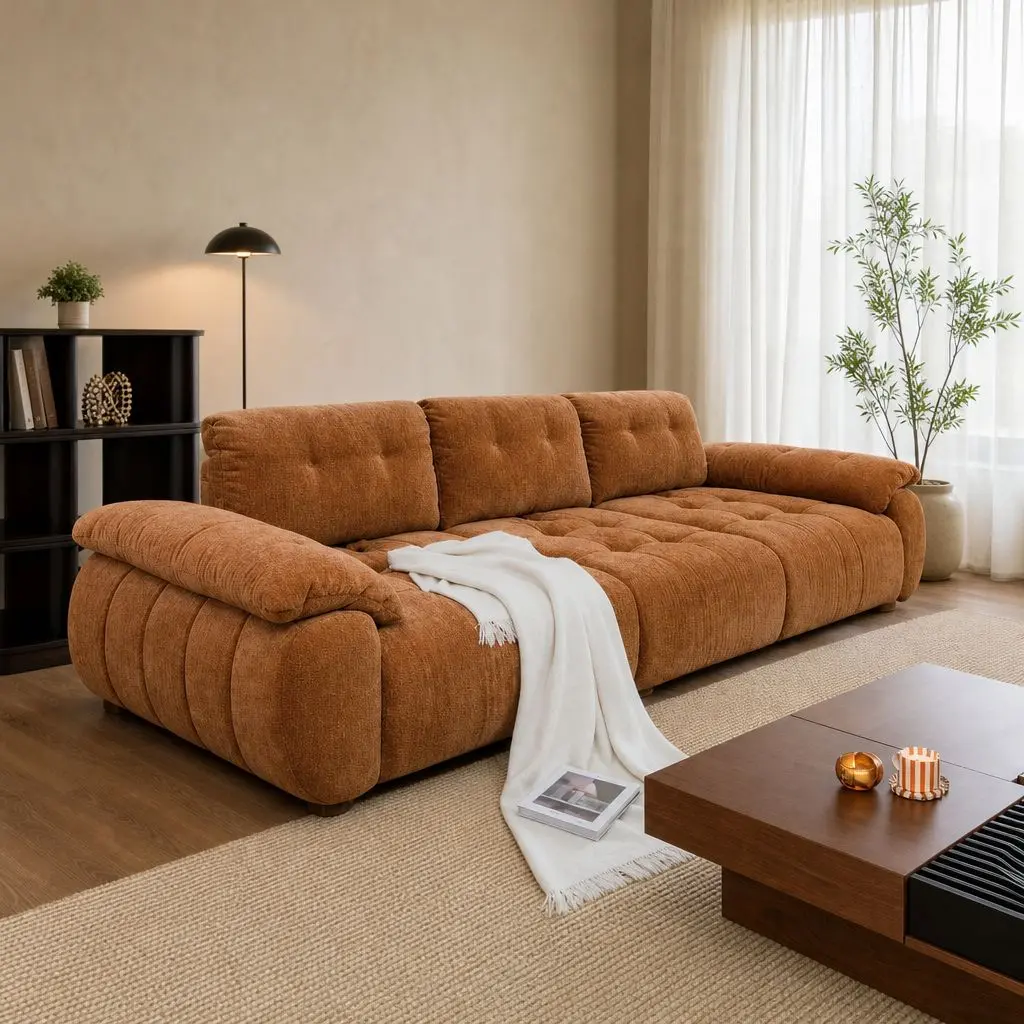
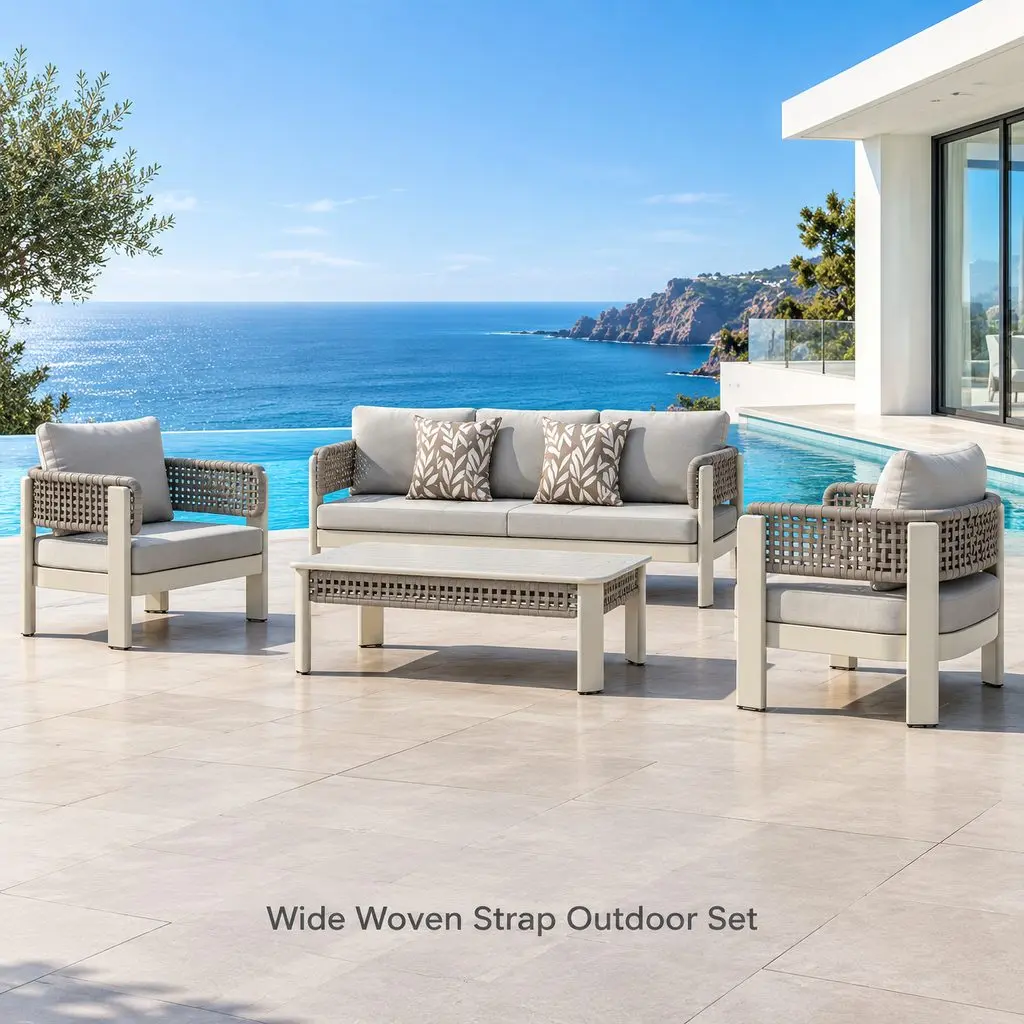
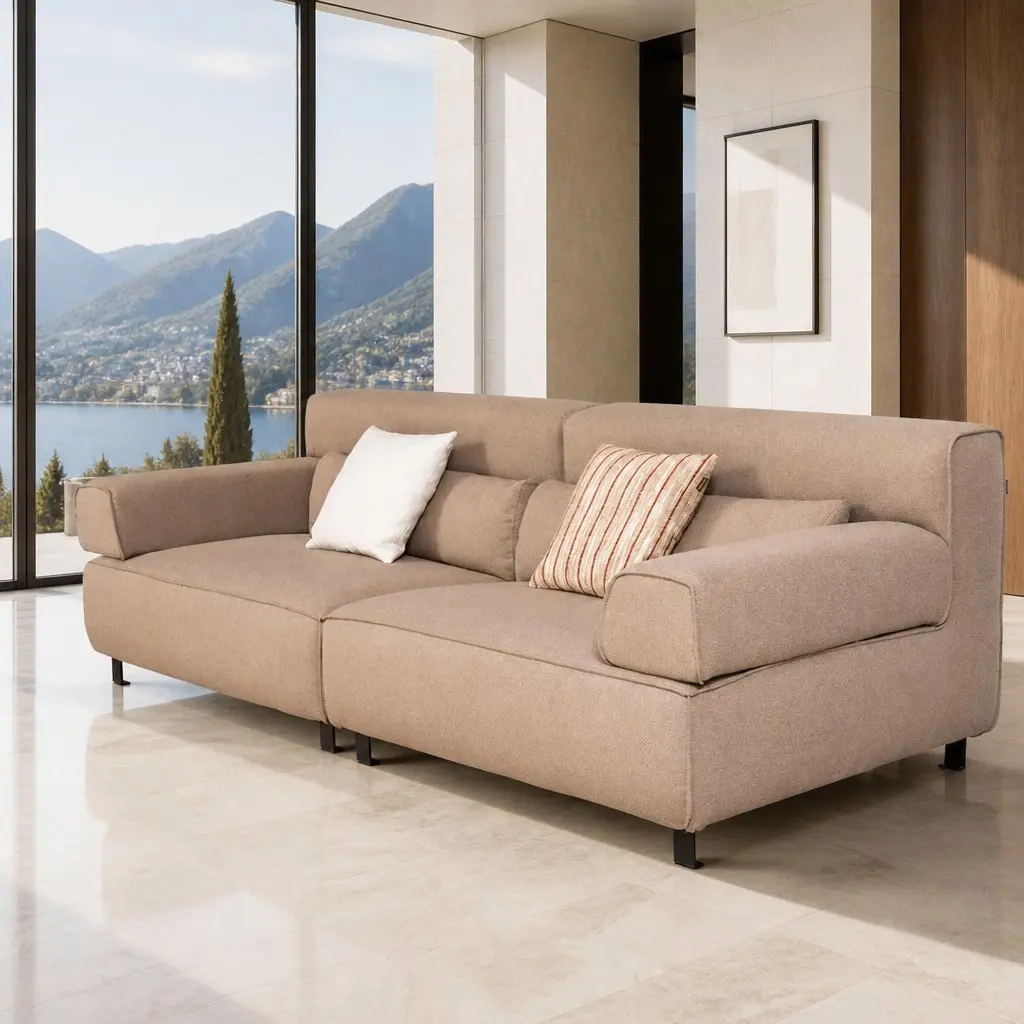
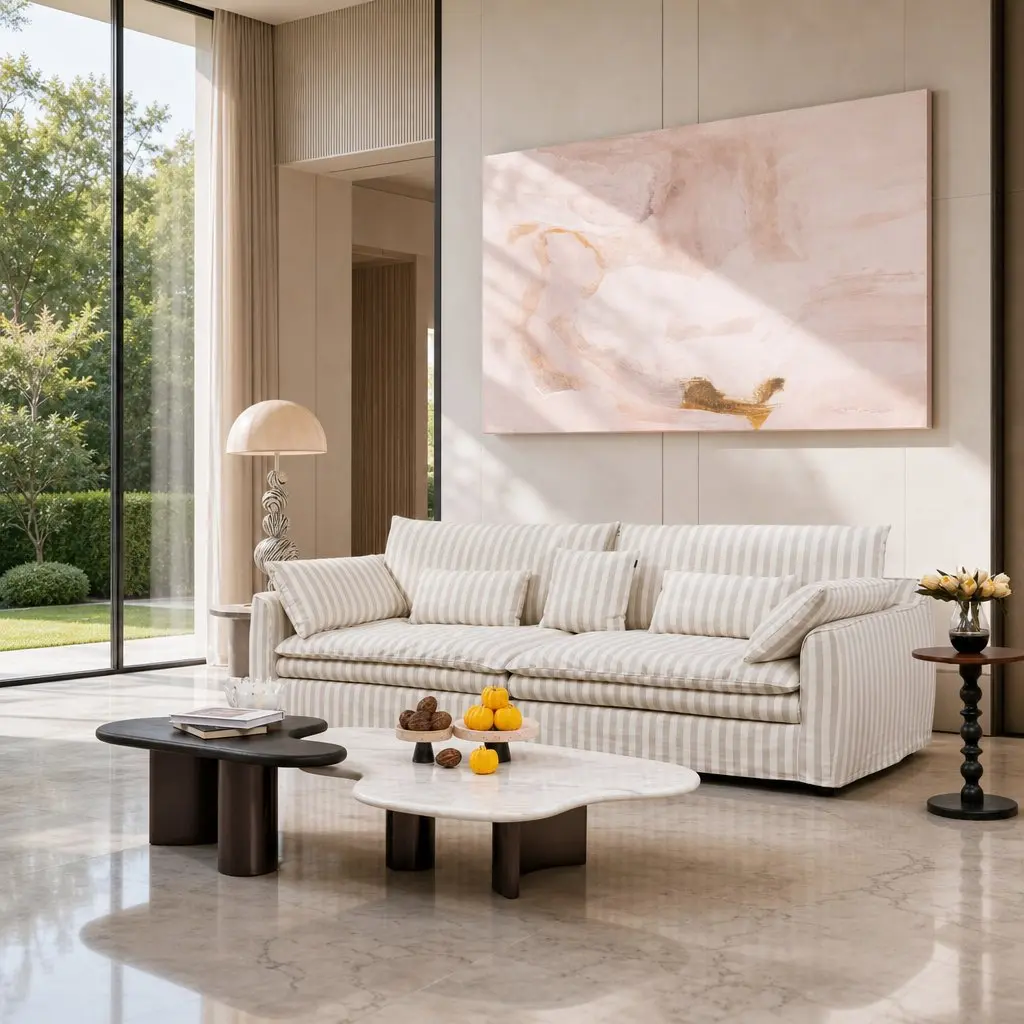
Occasional tables are never specified in isolation. In Barcelona's residential, hospitality and contract projects, a coffee table or side table is chosen together with the sofa, lounge chair or accent piece it supports. These four flagship programs anchor a coordinated room scheme — one supplier, one finish story, one shipment.
Local Commercial Reality
The Barcelona Occasional Furniture Market: Commercial & Industrial Context
Barcelona is not a generic European city market. It is a dense, design-literate, tourism-heavy metropolitan area where occasional furniture demand is shaped by architecture, climate, rental turnover and a very specific regulatory environment. Understanding these forces is the difference between a table range that sells and one that sits in a warehouse.
Why Barcelona Demands a Different Table Specification
Barcelona's residential stock is dominated by compact Eixample apartments, converted industrial lofts in Poblenou, and narrow Gothic Quarter townhouses. Ceiling heights are generous, floor plates are small. In this geometry, the coffee table must be proportionally low and visually light, while the side table becomes the workhorse of the living room — a surface for a laptop, a glass of vermouth, a reading lamp.
Add a Mediterranean climate with high summer humidity, strong UV exposure on terraces, and a hospitality sector that turns over furniture faster than the European average. The result is a market where finish durability, moisture resistance and replaceability matter more than novelty.
- Contract-grade melamine and HPL surfaces requested for short-stay rental portfolios
- Powder-coated aluminum and ceramic tops preferred for terrace and rooftop use
- Modular nesting tables to handle flexible square-meter constraints
Rental & Short-Stay Economy
Barcelona's licensed tourist apartment sector and student housing create continuous replacement demand for durable, low-cost occasional tables.
Hospitality Turnover Cycles
Hotel, bar and restaurant refits in the city center follow 4–7 year cycles — a predictable repeat-purchase rhythm for wholesalers.
Design Cluster Influence
Barcelona's design schools, showrooms and the Fira exhibition calendar set aesthetic expectations that ripple across Catalonia.
Port of Barcelona Logistics
One of the Mediterranean's busiest container ports gives direct inbound routes from South China for consolidated furniture orders.
Supply Chain Advantage
Why Chinese Factory Supply Still Wins for Barcelona Occasional Furniture
European buyers increasingly ask for nearshoring — but for coffee tables and side tables, the economics of the Foshan cluster remain difficult to beat. Here is an honest, evidence-based breakdown of what the China supply chain actually delivers, and where it requires active management.
| Procurement Factor | Foshan Factory Direct | What It Means for Barcelona Buyers |
|---|---|---|
| Unit Cost | 20–35% below EU wholesale on comparable specifications | Protects margin on price-sensitive rental and hospitality tenders |
| Material Breadth | Sintered stone, ceramic, solid ash, walnut veneer, HPL, tempered glass, powder-coated steel | Can match a designer's finish schedule without multi-vendor sourcing |
| MOQ Flexibility | Mixed-model containers from 1×40HQ on stocked lines | Lets a wholesaler test a new shape before committing to volume |
| Customization | Dimensions, top material, leg profile, finish color, branding | Private-label ranges for Catalan retail chains and contract brands |
| Lead Time | 25–40 days production + 30–38 days sea freight to Barcelona | Requires planning cycles aligned with spring and autumn refit seasons |
| Compliance | FSC®-certified timber on request, REACH-aligned finishes, EUTR documentation support | Buyers must still verify and hold the placing-on-market responsibility |
0–35%Indicative landed cost advantage vs. EU wholesale
0 HQMixed containers consolidated per purchase order
0 DaysTypical sea transit Foshan–Barcelona port
0+Original design and structure patents held
Localization Support & Compliance
Localization Support and Regulatory Compliance for the Spanish Market
A manufacturer cannot legally act as your EU importer of record, and any supplier claiming to do so should be questioned. What a serious Foshan partner can do is give you the documentation, material evidence and specification discipline that makes placing occasional furniture on the Spanish market straightforward.
REACH & Finish Chemistry
Coating, adhesive and textile finishes aligned with REACH restrictions; material declarations available for your technical file.
EUTR Timber Traceability
Species and origin documentation for larch, ash and walnut components to support your EU Timber Regulation due diligence.
Stability & Load Testing
Structural verification for tabletops, leg joints and nesting mechanisms — critical for contract and public-area use.
Barcelona Port Delivery
FOB, CIF Barcelona or DAP arrangements with consolidated loading plans and multi-layer export crating.
What "Localization" Actually Requires
Spanish contract buyers rarely ask for a table in isolation. They ask for a coordinated FF&E package with a single documentation set, a single packing list and a predictable arrival window. Localization therefore means three practical things:
- Dimensioning to Spanish apartment and hotel-room plans, not to generic imperial sizes
- Color and finish specifications that respond to Catalan interior conventions — warm neutrals, natural timber, matte surfaces
- Documentation and labelling in Spanish or Catalan where the channel requires it
We treat each of these as a specification task, not a marketing claim.
Send Inquiry Now
Localized Use Cases
Barcelona Application Scenarios for Coffee Tables & Side Tables
Occasional furniture specification differs sharply between an Eixample rental flat, a Passeig de Gràcia hotel suite and a beachfront restaurant terrace. The table that works in one will fail in another. These are the four scenarios that drive the majority of Barcelona demand.
Compact City Apartments
Nesting and round tables at 40–60 cm diameter, in light timber or matte ceramic, to preserve circulation in small living rooms.
Boutique Hotels & Suites
Stone or sintered tops with brass or brushed-steel legs — surfaces that resist luggage impact and nightly cleaning cycles.
Bars, Cafés & Restaurants
Stackable and heavily loaded side tables with reinforced frames, sized for high-traffic terraces along the coast and in Gràcia.
Terraces & Rooftops
UV-stable, water-resistant materials with drainage-friendly construction for Barcelona's long outdoor season.
Industry Trends
Five Trends Reshaping Occasional Furniture Demand Through 2027
These are not abstract design forecasts. Each trend translates directly into a sourcing decision — material, MOQ, packing or documentation — that a Barcelona wholesaler will face within the next two to three buying cycles.
- Material honesty over veneer theatre. Solid ash, oak and visible stone are displacing heavy veneer for a generation of buyers who read material labels.
- Repairability and replaceable components. EU-driven durability expectations push buyers toward tables with serviceable legs and tops rather than sealed units.
- Small-format nesting systems. As urban floor plates shrink, modular and nesting occasional tables become a category, not a novelty.
- Indoor–outdoor crossover. Aluminum and ceramic constructions now appear inside Barcelona homes as well as on terraces, reducing SKU count for wholesalers.
- Documentation as a purchase criterion. Increasingly, the buyer's first question is not price but "what can you send me for my compliance file?"
Our R&D roadmap is built around these five shifts, which is why the majority of our current table programs are designed for either indoor–outdoor dual use or component-level replacement.
Global Buyer Profiles
What Global Procurement Teams Expect from a Foshan Occasional Furniture Partner
Barcelona buyers operate within a wider European and global purchasing culture. Understanding what procurement teams in Germany, France, the UK and the Gulf already demand helps a Catalan buyer benchmark their own expectations.
Documentation First
Technical data sheets, material declarations and packing specifications delivered before the PI is signed.
Sample Discipline
Pre-production samples that exactly match the approved specification — not a "representative" piece from stock.
Repeat-Order Consistency
Finish and color continuity across reorders — the single most common failure point in factory-direct sourcing.
Scalable Capacity
The ability to move from a trial container to multi-container programs without renegotiating the entire commercial basis.
How We Work
From Barcelona Brief to Barcelona Port: The Sourcing Workflow
A transparent five-stage process keeps quality and timing accountable from the first specification email to the container's arrival at the Port of Barcelona.
Specification Brief
Share floor plans, finish schedules and target landed cost per unit.
Material Engineering
Frames, tops and coatings matched to Spanish regulatory and climate requirements.
Sample Approval
Pre-production sample confirms dimensions, finish and structural performance.
In-Line QC Audit
Factory-floor durability and finish-consistency checks before packing.
Consolidated Shipment
Multi-layer export crating and container loading planning for the Barcelona route.
Buyer Q&A
Frequently Asked Questions: Coffee Tables & Side Tables for the Barcelona Market
Direct answers to the questions Barcelona wholesalers, hotel procurement teams and interior studios raise most often before a first order.
Are you a manufacturer or a trading company for coffee tables and side tables?
We are an integrated manufacturer operating from Foshan, with in-house design, engineering and production for upholstery and casegoods categories, supported by an audited partner network for specialist materials such as sintered stone, ceramic tops and metal bases. Occasional tables are specified and quality-controlled under one standard alongside the seating programs they accompany.
What are your minimum order quantities for occasional tables?
On stocked models, mixed-model containers can start from a single 40HQ. For fully custom dimensions, top materials or private-label programs, MOQs are set per model and quoted individually. Trial quantities are available on selected lines so a Barcelona wholesaler can test a new shape before committing to volume.
Can I combine tables with sofas, beds and dining furniture in one container?
Yes. Container consolidation across categories is a core part of our service. Tables are typically packed with protective corner guards and flat-packed components where structurally appropriate, and loading plans are calculated to maximize container utilization and reduce landed freight cost per unit.
What documentation do you provide for Spanish and EU compliance?
We provide material declarations, coating and finish chemistry information aligned with REACH restrictions, timber species and origin documentation to support EUTR due diligence, structural test summaries for contract-grade models, and full packing lists with dimensions and weights. Placing the product on the EU market remains the importer's legal responsibility, and we supply the evidence needed to discharge it.
What is the typical lead time and shipping route to Barcelona?
Production typically runs 25–40 days depending on material and customization depth. Sea transit from South China to the Port of Barcelona is generally 30–38 days. We quote FOB, CIF Barcelona or DAP arrangements so buyers can compare real landed cost rather than nominal unit price.
Do you support private label for Catalan retail and contract brands?
Yes. We offer custom dimensions, top and base material selection, finish color matching, branded labels and packaging. This is routinely used by design-led retailers and contract furnishing brands who need a recognizable product identity without owning a factory.
How do you handle quality consistency across repeat orders?
Approved pre-production samples are retained as the reference standard. In-line QC audits check structural durability, joint integrity and finish consistency before packing. Where color matching is critical, we record finish batch references so reorders can be compared against the original approval.
Can buyers visit the factory and showroom before ordering?
Yes. Our facility is in Hui Cheng Industrial Park, Longjiang Town, Shunde District, Foshan. Buyers are welcome to arrange factory and showroom visits, and we can structure the itinerary around product categories relevant to their Barcelona range.
Start Your Barcelona Program
Planning a Coffee Table & Side Table Range for Barcelona?
Send us your floor plans, finish schedule and target landed cost. Our export team will respond with a specification-matched table program, realistic lead times and a consolidated container plan.
Complete Room Programs
Seating & Occasional Furniture Programs for Barcelona Buyers
Every coffee table and side table program is designed to sit within a coordinated scheme. These eight models represent the seating and dining companions most frequently specified alongside our occasional furniture in European residential and contract projects.