
01 · Market Context
Why Sweden Is a Distinctive Market for Coffee Tables & Side Tables
Sweden is one of the most design-literate furniture markets in Europe. Per-capita spending on home furnishings is among the highest in the EU, and the domestic retail landscape is dominated by a small number of very large players alongside a long tail of independent specialist retailers, interior architects and contract buyers.
For a Coffee Tables & Side Tables Manufacturer & Wholesaler serving Sweden, that structure creates three simultaneous demand curves: a volume curve for national retail chains, a specification curve for hospitality, workplace and public-sector projects, and a fast-moving trend curve for online-first brands that refresh collections every season.
Swedish buyers are specification-driven. They expect documented material data, traceable timber origin, predictable dimensional tolerances and a supplier who can answer technical questions in English within a working day. Price matters — but only after compliance, stability and delivery reliability are proven.
- Urbanisation concentrated in Stockholm, Göteborg and Malmö drives compact-apartment formats.
- Long, dark winters push demand for warm natural materials and light-reflective finishes.
- Strong public procurement culture requires documented conformity and stable supply.
02 · Featured Programmes
Living Room & Terrace Programmes for Swedish Buyers
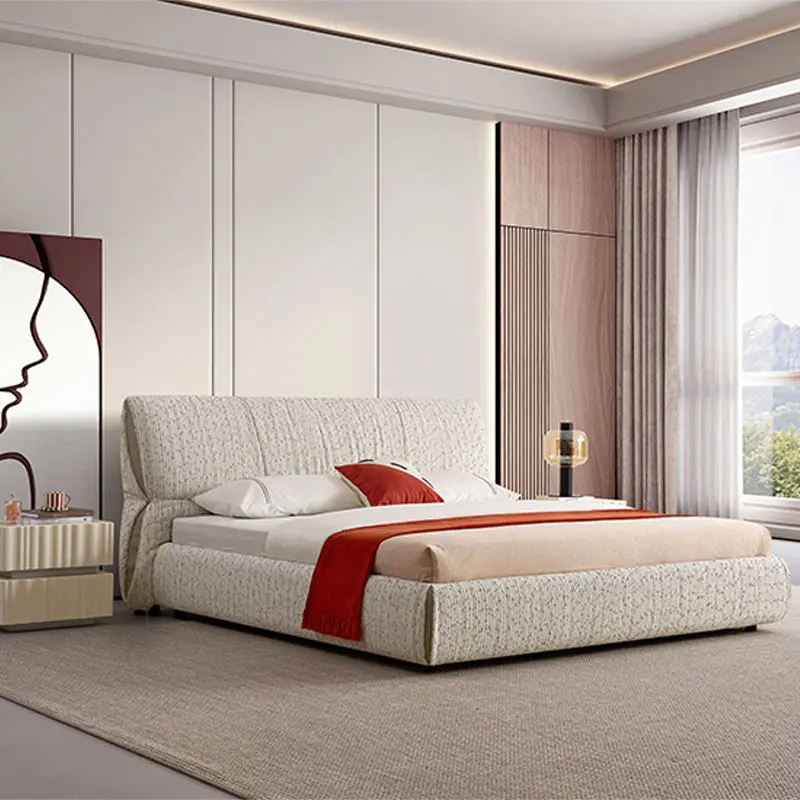
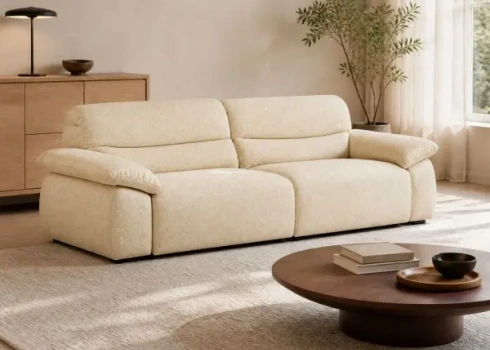
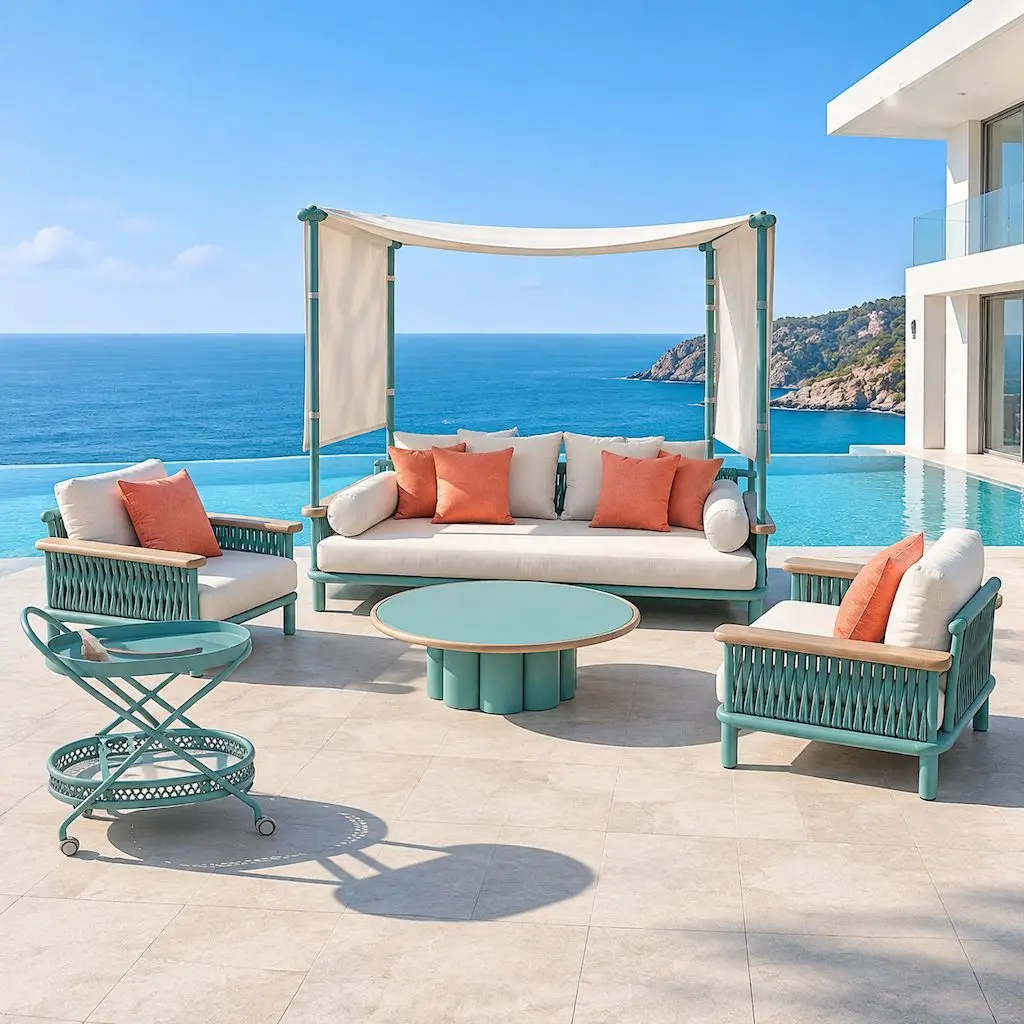
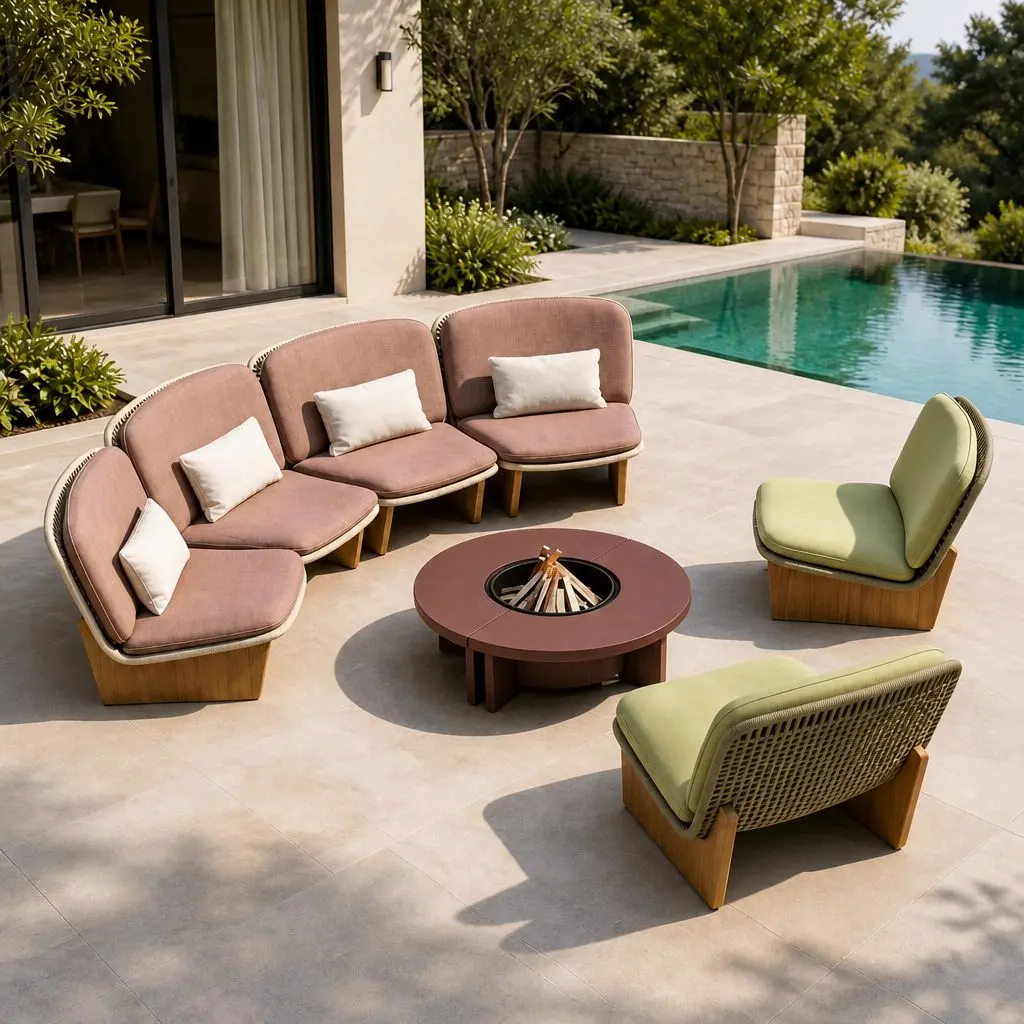
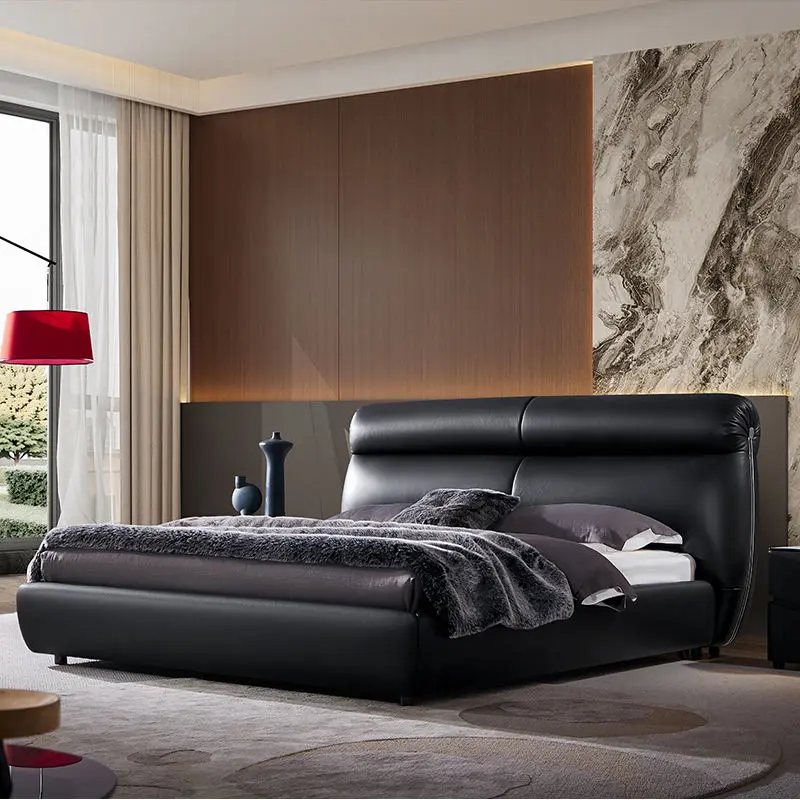
A representative selection from our upholstered bed, outdoor and living room programmes — the categories most frequently combined with coffee table and side table orders for Swedish retail and hospitality projects.
- OEM / ODM
- Low MOQ Trials
- Container Consolidation
- EU Documentation
03 · Localised Application Scenarios
Where Coffee Tables & Side Tables Actually Ship in Sweden
Forget generic catalogue copy. Swedish demand concentrates in a surprisingly small number of well-defined use cases — and each one imposes different dimensional, material and durability requirements.
Compact Metropolitan Apartments
Stockholm and Göteborg one- and two-room apartments average below 60 m². Demand centres on 60–90 cm round or oval coffee tables, nesting sets, and slim side tables under 40 cm width that can sit beside a 2-seat sofa without blocking circulation.
Hotel & Hospitality Public Areas
Lobby and lounge schemes in Stockholm, Visby and the Lapland resorts require contract-grade tables: 500 kg point-load rated, moisture-stable substrates, and surfaces resistant to alcohol-based sanitisers. Side tables double as luggage-adjacent surfaces in guest rooms.
Workplace & Activity-Based Offices
Sweden's hybrid-office wave has created sustained demand for low lounge tables and side tables placed in soft-seating clusters. Key requirements: cable-safe bases, low reflective tops, and 5-year commercial wear warranties.
Public Sector & Healthcare Waiting
County councils and municipalities procure through framework agreements. Tables are specified for easy-clean surfaces, rounded corners, non-marking glides and documented chemical resistance — an area where unverified suppliers are disqualified early.
Short-Season Outdoor & Balcony
Swedish outdoor season is short but intense. Balcony and terrace side tables in powder-coated aluminium or FSC teak sell in high volumes from March to July, then convert to indoor accent tables in autumn merchandising.
Cabin & Second-Home Retail
Roughly half of Swedish households have access to a fritidshus. This drives a distinct style cluster: stained pine, blackened steel, heavily textured tops and side tables that tolerate unheated interiors and seasonal humidity swings.
04 · Programme Snapshot
Supply Capability in Numbers
Figures represent our standing capability for the Nordic region programme, built from export records and factory capacity planning.
0+Years exporting to European markets
0Furniture categories under one purchase order
0+Original design & structural patents
0+Days typical production lead time for stock colours
05 · Technical Route Map
Material and Construction Roadmap for the Next Three Seasons
Coffee tables and side tables look simple in a photograph. In production they are a sequence of engineering decisions — substrate, edge treatment, coating chemistry, base geometry, glide system and packaging geometry. Our roadmap for the Swedish programme is organised around five technical workstreams.
- Substrate stability. Moving from standard particleboard to lower-swelling, moisture-resistant cores with documented thickness tolerance of ±0.3 mm.
- Coating chemistry. Water-based lacquers with reduced VOC profile, tested against Nordic indoor-climate cycling from 12°C to 24°C.
- Base engineering. Powder-coated steel, solid ash and FSC-certified oak base families with shared fixing geometry to cut SKU complexity.
- Glide and protection. Felt-lined glides as standard for Swedish hardwood and engineered floors, with a hard-floor alternative.
- Packaging engineering. Drop-tested cartons sized to pallet modules used by Nordic distribution centres.

06 · Supply Chain Resilience
Why the Foshan Cluster Still Wins on Resilience and Efficiency
Resilience is not a marketing word. For a Swedish buyer it means the difference between a collection launching on schedule and a season being lost.
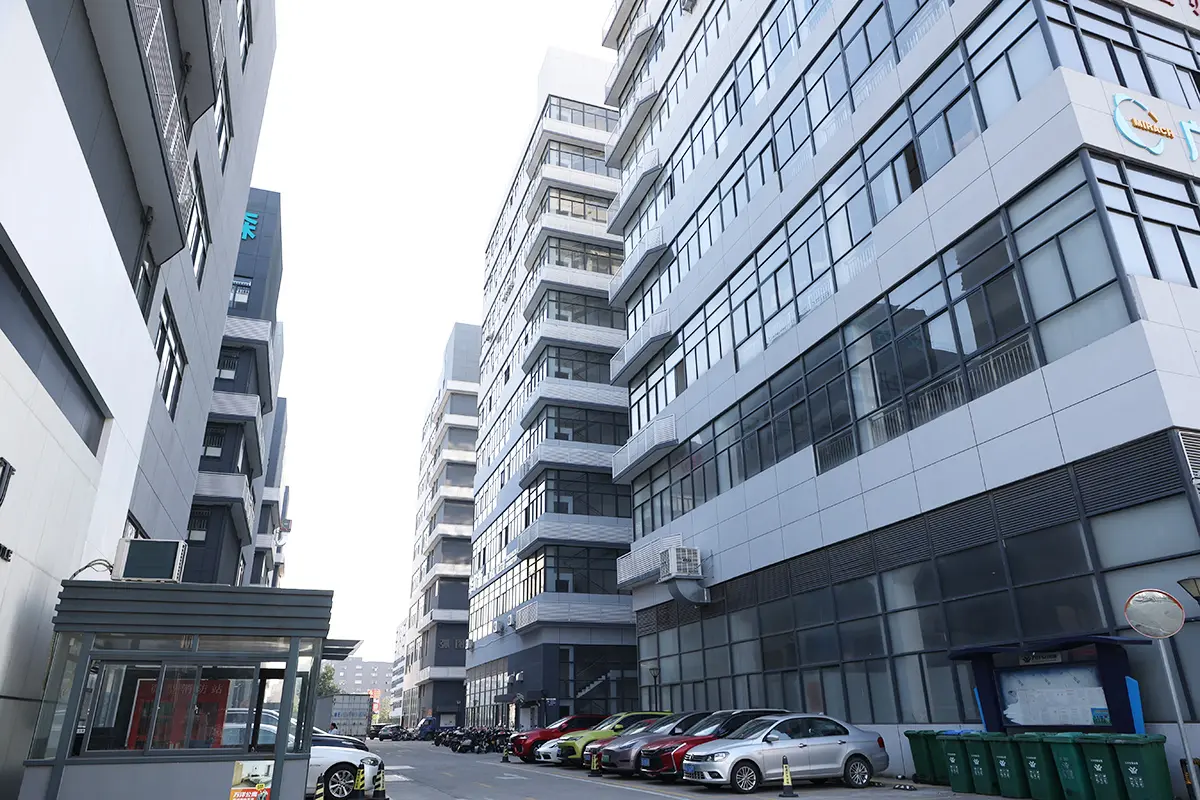
The Foshan–Shunde cluster concentrates board mills, CNC machining shops, metal powder-coating lines, glass and ceramic top suppliers, upholstery workshops and export packers inside a radius of a few dozen kilometres. That density produces a specific commercial advantage that is difficult to replicate: the ability to re-plan a production run in days rather than weeks.
- Multi-tier capacity pooling. Our own facility plus audited partner factories means a single large order is split across several production lines, removing single-point-of-failure risk.
- Consolidation economics. Coffee tables ship as partial-colour filler alongside sofas and beds, materially lowering landed freight cost per unit.
- Component standardisation. Shared base and glide systems across SKUs shorten changeover time and reduce spare-part complexity for Swedish after-sales teams.
- Documented QC gates. In-line inspection at the four critical control points: substrate thickness, edge seal, coating adhesion and final drop test.
07 · Global & Nordic Outlook
How the Global Category Outlook Shapes Swedish Buying
Coffee tables and side tables are a mature global category, but the mechanisms moving volume have shifted substantially in the last three seasons.
| Trend Driver | Global Effect | Swedish Consequence |
|---|---|---|
| Shorter collection cycles | Retailers move from annual to seasonal assortment refresh | Higher demand for low-MOQ trial orders and faster sampling turnaround |
| Material transparency | Timber origin and chemical documentation become procurement gates | FSC and low-emission documentation requested at quotation stage, not after |
| Direct-to-consumer brands | Flat-pack and tool-free assembly become default expectations | Packaging engineering and assembly-time targets written into specification |
| Contract & hospitality growth | Durability testing becomes a differentiator between suppliers | Swedish hospitality buyers request load ratings and wear-cycle data in the RFQ |
| Freight volatility | Consolidation and carton efficiency move from nice-to-have to core | Mixed-container planning with sofas and beds becomes standard practice |
08 · Localisation, Support & Compliance
What "Serving Sweden" Actually Requires Operationally
A manufacturer that claims to serve Sweden without being able to answer compliance questions is a risk to your brand. Here is the operating checklist we work to.
Documentation Pack
Product data sheets, material declarations, dimensional drawings, care and maintenance instructions — supplied in English with Swedish-language care labels available for retail packaging.
Timber & Chemical Compliance
FSC-certified timber options and low-emission board grades available on request. Coating systems specified to support EU market placement, with test reports issued per production batch.
Assembly & Instruction Localisation
Illustrated assembly instructions with Swedish text blocks, plus QR-linked digital guides — a requirement for online-first Swedish retail channels.
Response-Time Commitment
English-language technical and commercial response within one business day, with a named account manager for the Nordic region throughout the programme lifecycle.
Packaging for Nordic DCs
Carton dimensions engineered to standard Nordic pallet modules, with edge protection, corner boards and moisture barrier liners for sea freight to Göteborg or direct rail corridors.
After-Sales & Spares
Consolidated spare-part kits for bases, glides and hardware, dispatchable independently of production runs — essential for Swedish contract clients managing multi-year installations.
09 · Extended Catalogue
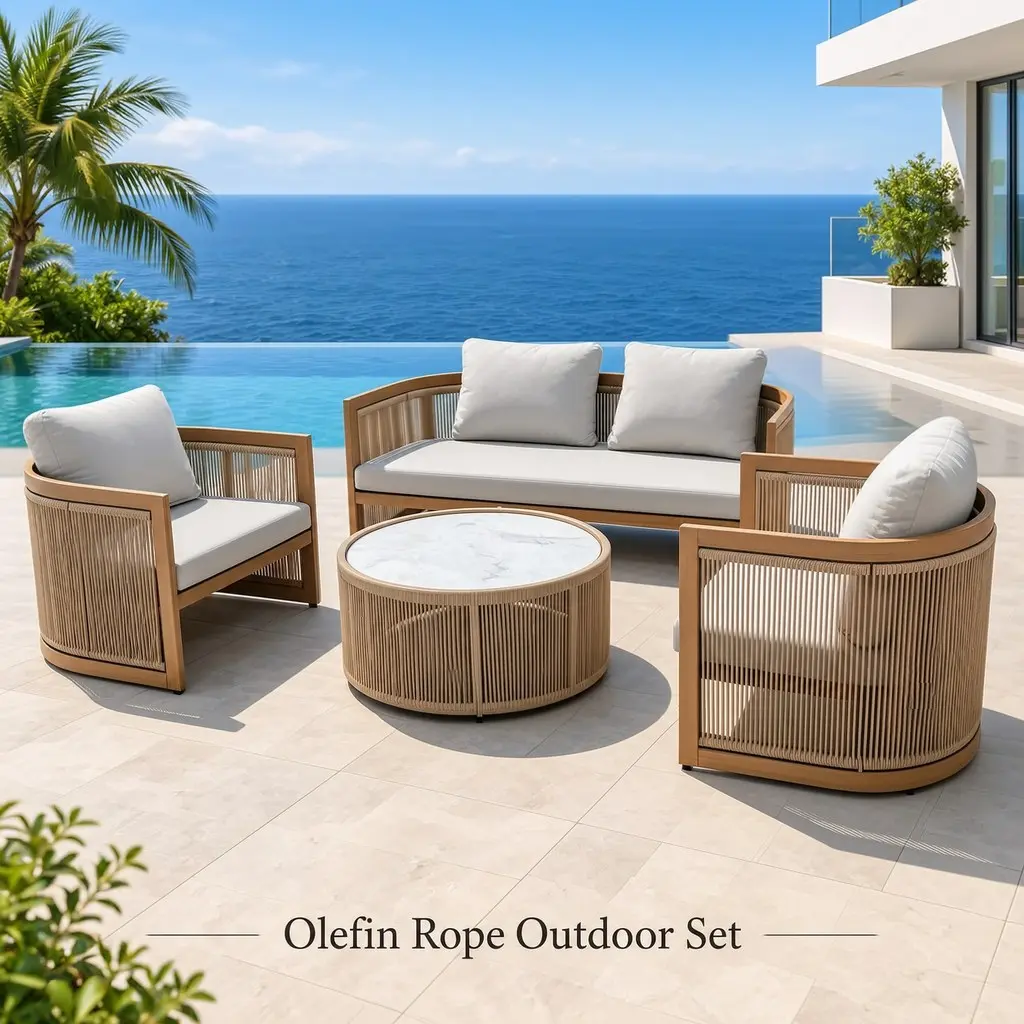
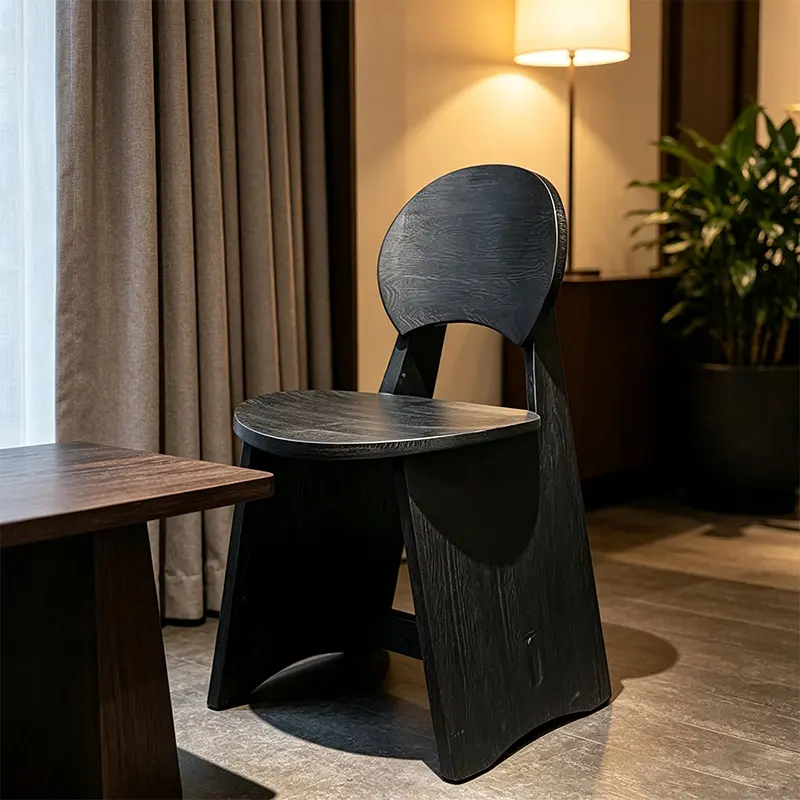
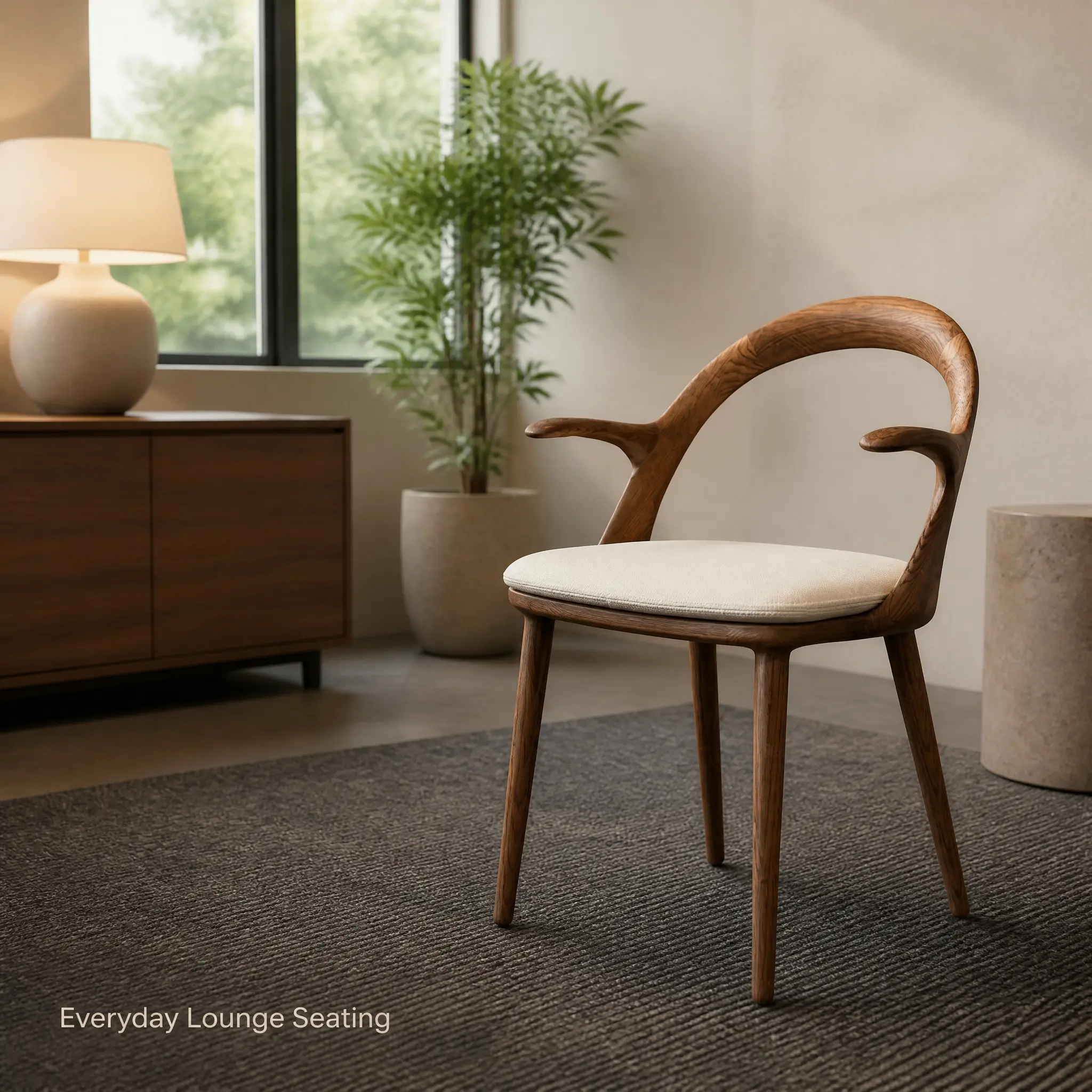
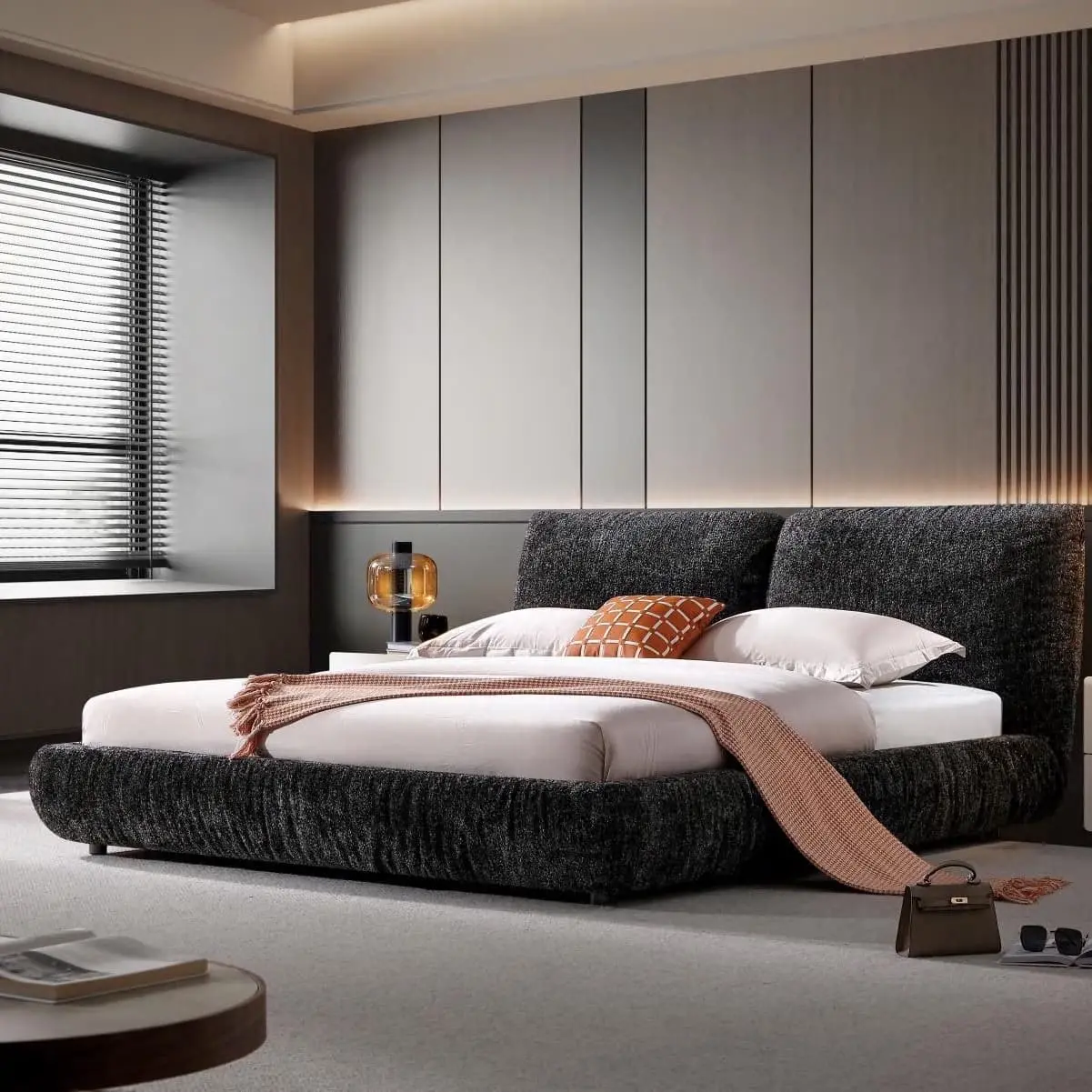
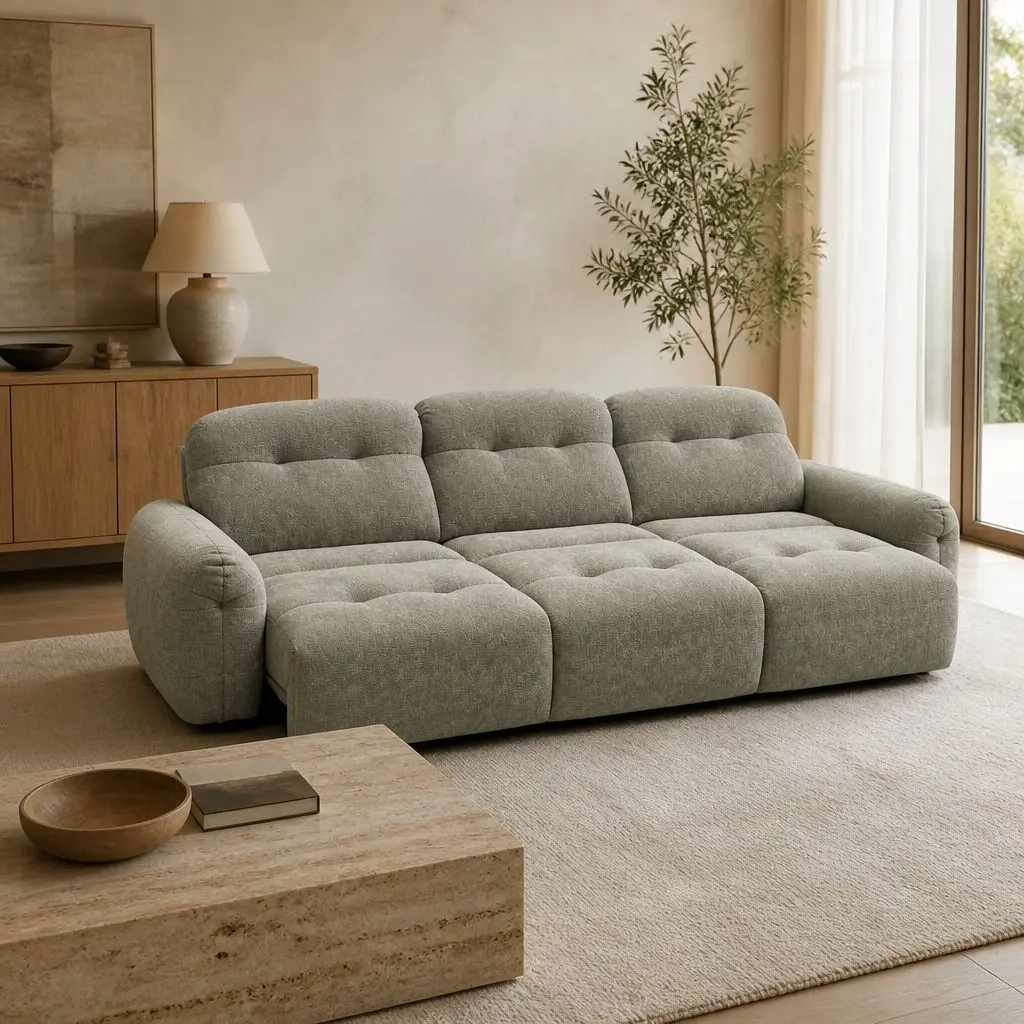
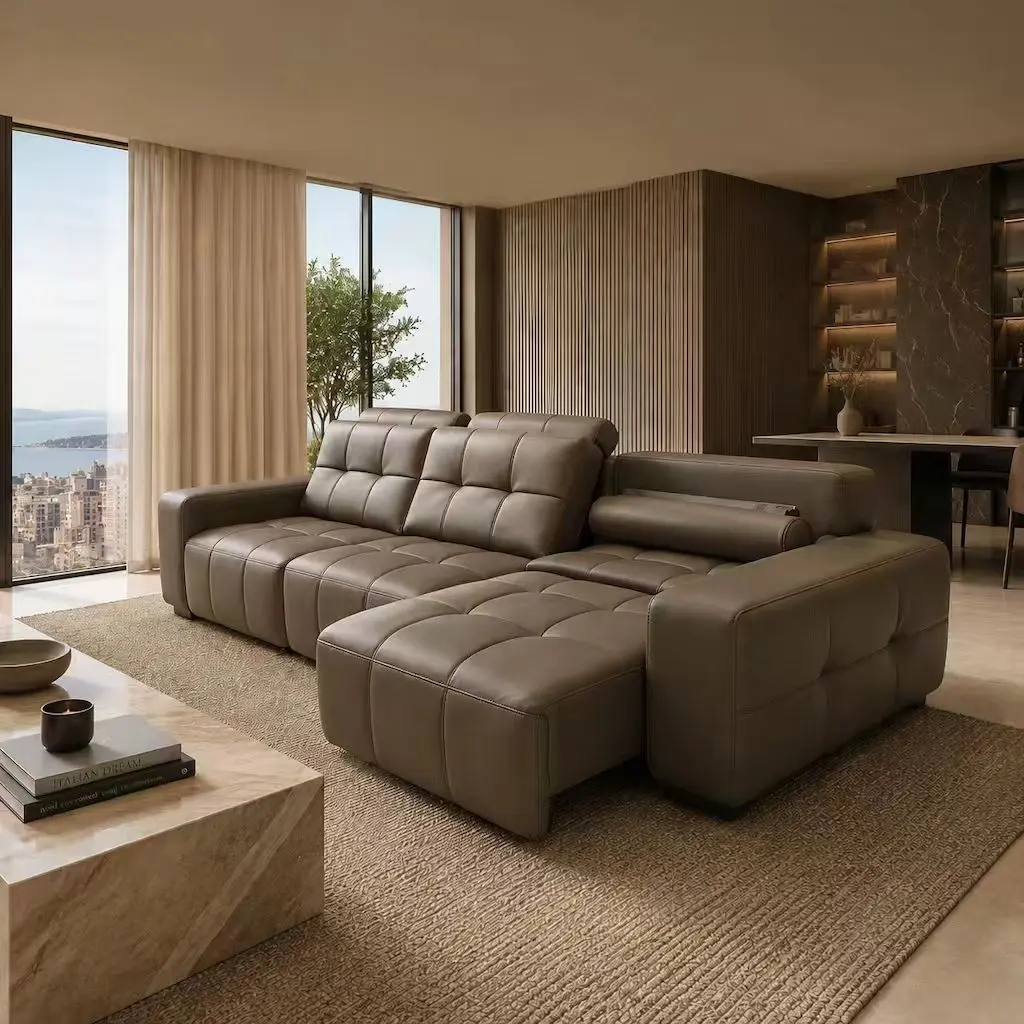
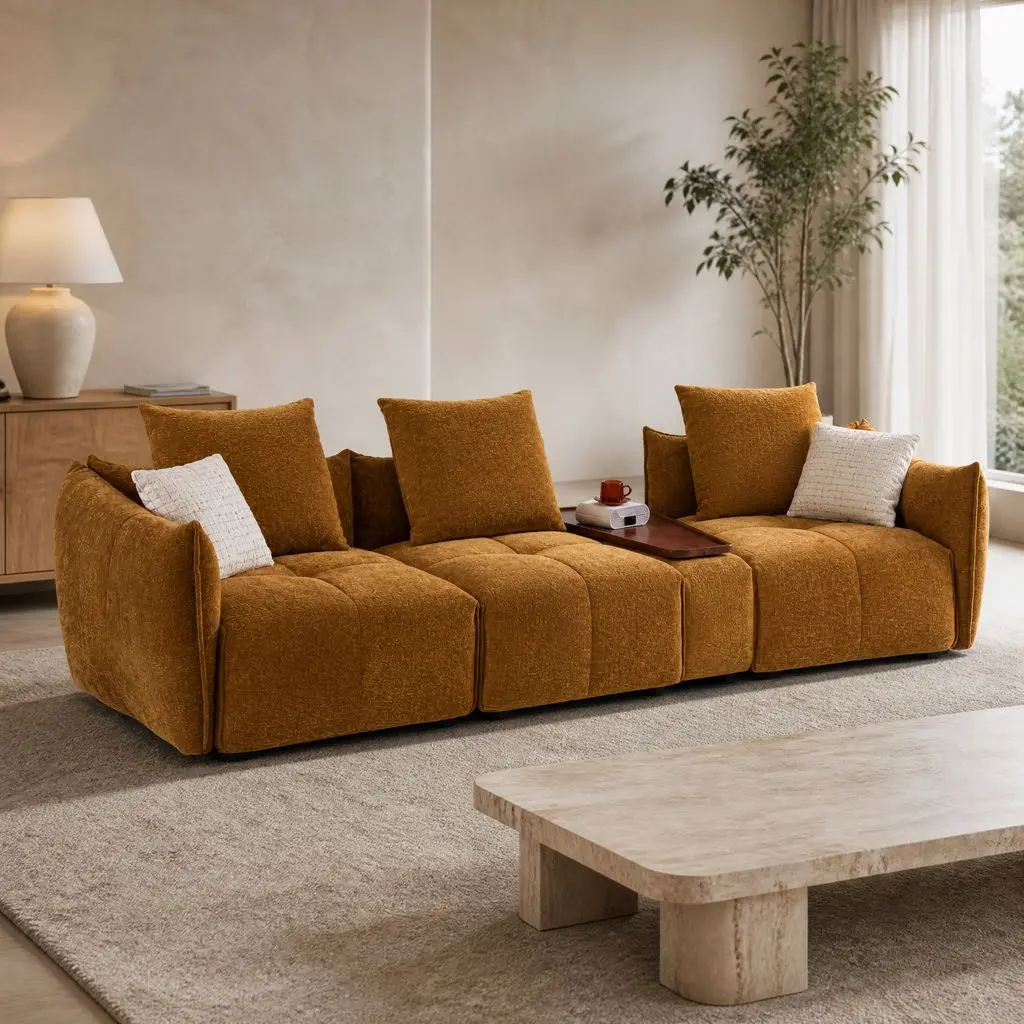
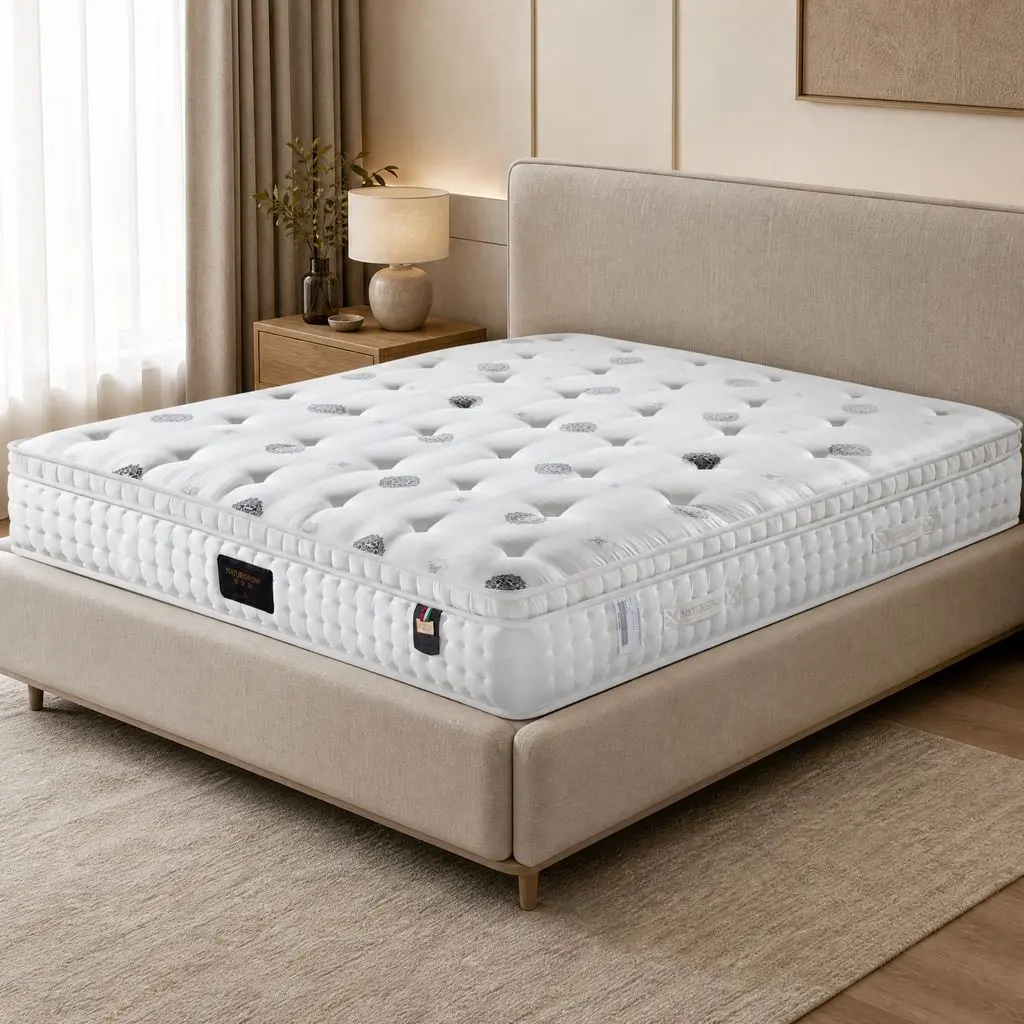
Full Range: Living, Dining, Outdoor & Bedroom Programmes
Every model below can be consolidated with coffee table and side table orders into a single shipment, under one quality standard and one purchase order.
10 · Future Outlook
Three-Year View: What Swedish Buyers Should Plan For
Y1
2025–2026 · Documentation Becomes the Gate
Expect tightening procurement requirements around material declarations and timber traceability. Suppliers who cannot produce batch-level documentation will increasingly lose RFQs at the screening stage rather than at price negotiation.
Y2
2026–2027 · Small-Format and Modular Dominance
Compact urban living continues to compress table dimensions. Nesting and multi-functional coffee tables — lift-top, storage, convertible side tables — take share from single-function formats in the Swedish retail channel.
Y3
2027–2028 · Circular Design and Repair Economics
Replaceable tops, swappable bases and spare-part availability move from differentiators to defaults in Nordic procurement. Suppliers with standardised fixing geometry will hold a structural cost advantage.
Start a Sweden Programme
Build Your Coffee Table & Side Table Assortment with One Partner
Send us your target dimensions, finishes, annual volumes and destination details. Our export team will return a specification-aligned quotation, sampling plan and consolidation proposal for the Swedish market.
11 · Buyer Q&A
Frequently Asked Questions — Sweden Programme
Direct answers to the technical and commercial questions Swedish importers and project buyers raise most often.
Do you supply coffee tables and side tables directly to Swedish retailers and wholesalers?
Yes. We work directly with Swedish wholesalers, retail chains, online-first furniture brands, interior design practices and project buyers. Orders are handled factory-direct without regional distributor mark-ups, and consolidated across categories so a single container can carry coffee tables, side tables, sofas and beds.
What is your minimum order quantity for a new Swedish assortment?
MOQ depends on the model and finish. For stock colours and standard base families we can structure trial orders well below a full container, allowing a Swedish buyer to test-market a new silhouette before committing to a programme. Custom finishes and custom dimensions require a higher minimum, and we will state it explicitly in the quotation rather than concealing it in the specification.
Can you provide FSC-certified timber and low-emission board options?
Yes. FSC-certified timber and low-emission board grades are available on request and are specified at the quotation stage rather than added later. Because documentation is a screening gate in Swedish procurement, we recommend confirming these requirements in the initial brief so that the correct material chain is locked in before sampling.
How do you handle packaging for Nordic distribution centres?
Carton dimensions are engineered against standard Nordic pallet modules, with edge protection, corner boards and a moisture barrier liner for sea freight. Where the buyer has a specific DC requirement — maximum carton weight, labelling format, barcode placement — we build it into the packaging specification at sampling stage.
What is typical production and shipping lead time to Sweden?
For stock colours and standard base configurations, production typically runs around 45 days. Custom finishes and new tooling extend this, and we will confirm the figure per order. Ocean transit to Göteborg varies with routing and season, so we plan production against your required in-DC date rather than simply quoting a factory dispatch date.
Can coffee tables and side tables be combined with sofas and beds in one shipment?
Yes, and this is one of the most commercially useful things we do for Swedish buyers. Tables are dense, low-cube products that fill the partial-colour space around larger upholstered items. Our post-sale team plans loading to reduce ocean freight cost per unit while maintaining multi-layer export crating to prevent transit damage.
How is quality controlled across a multi-category order?
Our internal QC engineers conduct on-site production line audits at four control points — substrate thickness, edge seal integrity, coating adhesion and final drop test — and check structural durability and finish consistency against the approved sample. One quality standard applies across every category in the order, regardless of which production line manufactured it.
Where is your factory and can Swedish buyers visit?
We are located in Hui Cheng Industrial Park, Longjiang Town, Shunde District, Foshan, Guangdong, China — one of the world's most established furniture manufacturing clusters. Swedish buyers are welcome to arrange factory and showroom visits, and we can coordinate a visiting schedule that covers both our own facility and relevant partner production lines.