
Four Signature Collections Ready for Hamburg Living Concepts
Hamburg's tight Altbau floor plans and wide Hafencity loft volumes demand seating that pairs cleanly with low-profile occasional tables. These four formats are the most requested by Hanseatic buyers for coordinated sofa-table-chair schemes.
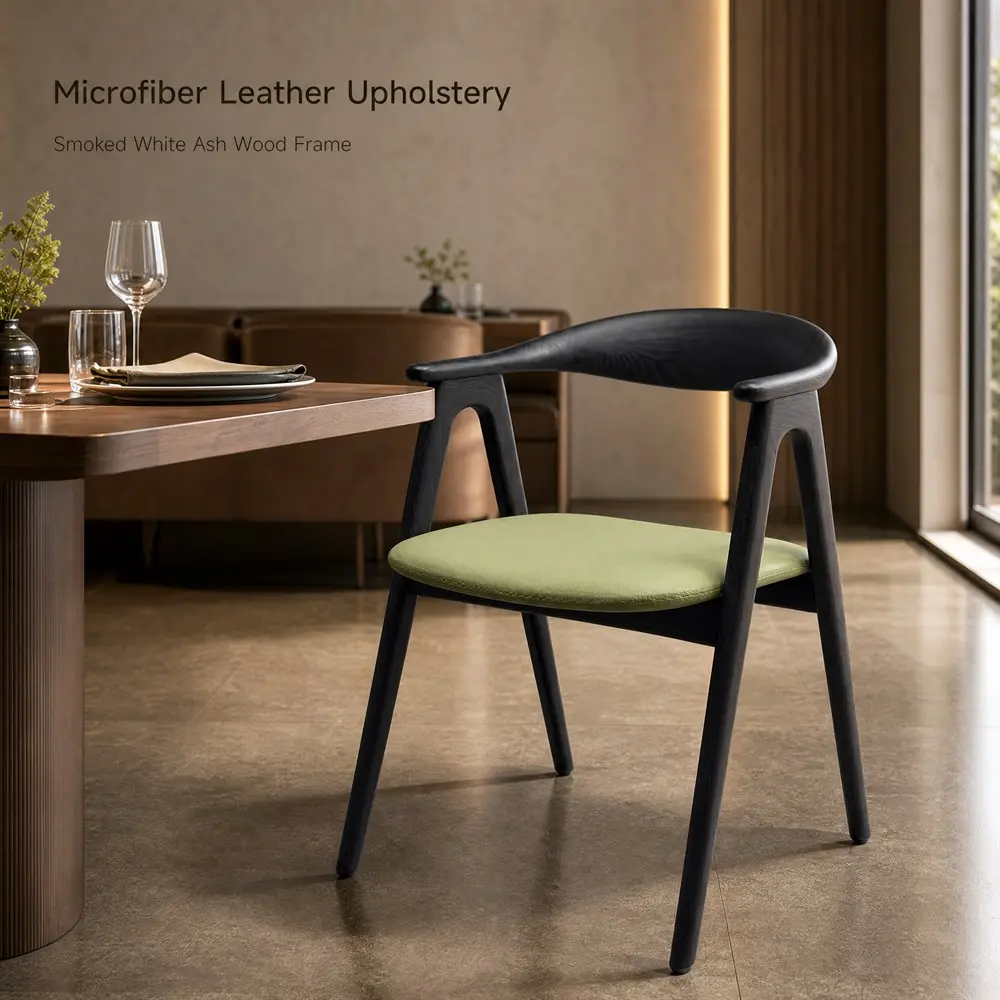
Latest design QYM Modern Solid White Ash Wood Arm Dining Chair, Smoked Finish Frame, Microfiber Leather Upholstered
View Product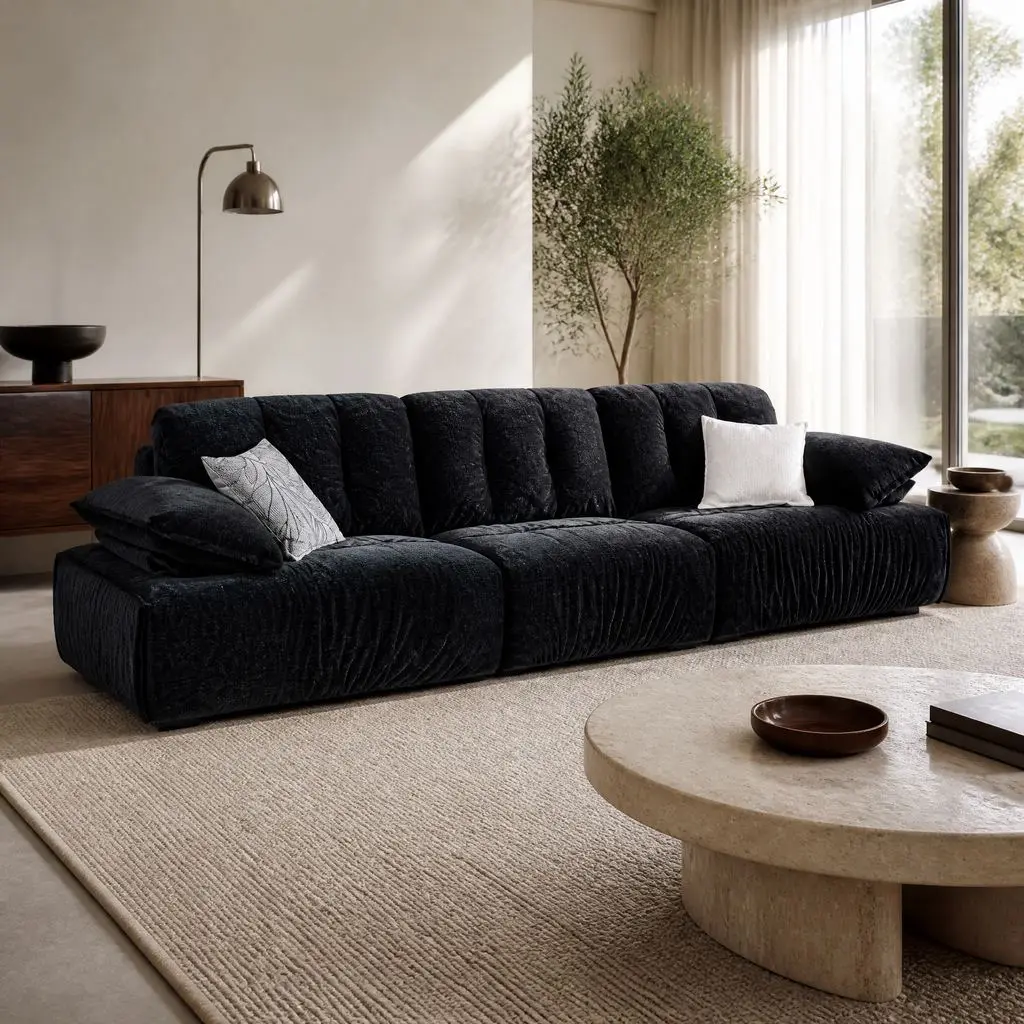
Latest design QYM M1067 Modern Modular Sectional Sofa with High-Density Foam, Chenille Fabric, Larch Wood Frame and Washable Covers
View Product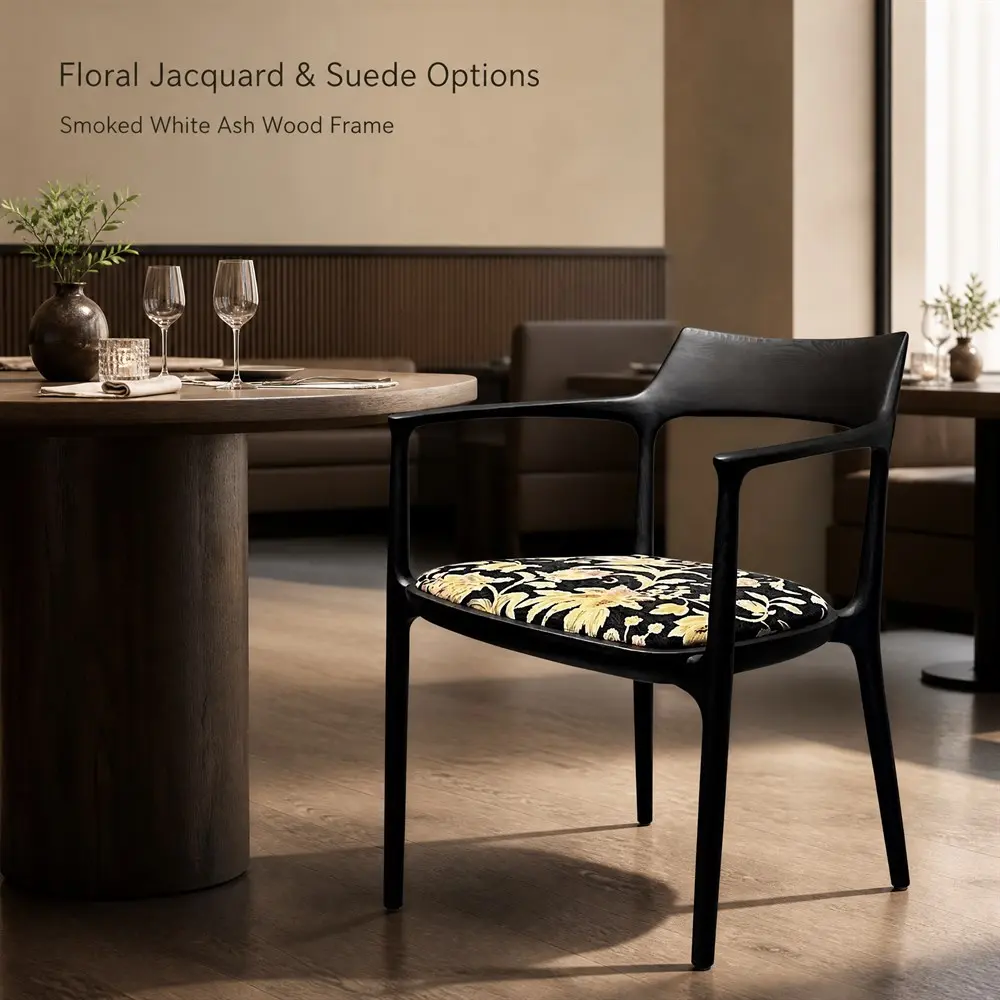
China QYM American Retro Dining Armchair, Jacquard Cotton-Linen / Misty Blue Suede Fabric, Smoked Ash Wood Frame
View Product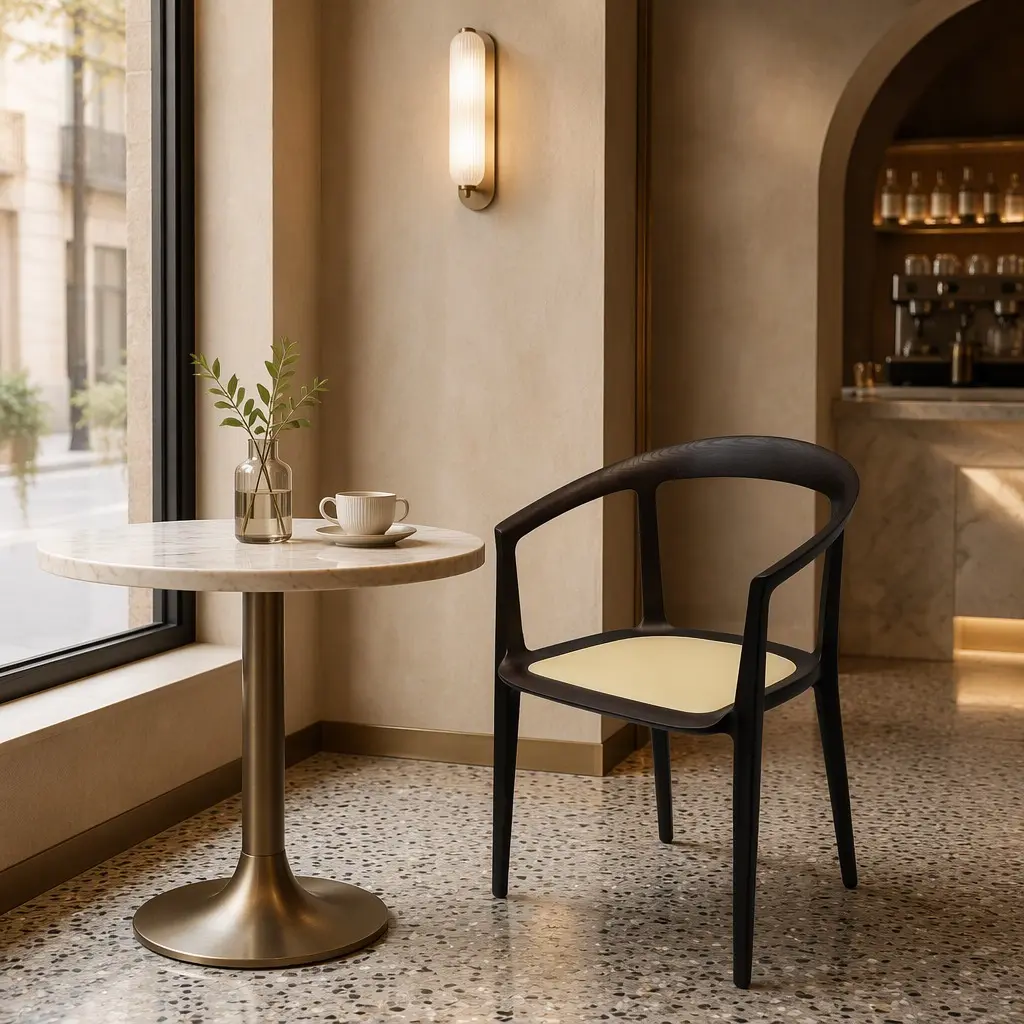
Wholesale QYM Smoked Solid Ash Wood Arm Dining Chair, Light Grey Beige Microfiber Leather Upholstered Minimalist Leisure Chair
View ProductWhy Hamburg Is a Distinct Occasional-Table Market
Hamburg is not a generic German city for furniture demand — it is a maritime trading hub with 1.9 million residents, Europe's third-largest port, and one of the densest concentrations of interior architecture studios in Northern Europe. That combination produces demand signals that differ sharply from Munich or Berlin.
The Hafencity and Elbphilharmonie corridors have driven a decade of premium residential fit-out, while districts such as Eimsbüttel, Ottensen and Winterhude still hold a large stock of Gründerzeit Altbau apartments with narrow stairwells, low ceiling beams and compact living rooms. For occasional tables this means two parallel product requirements: slim, knock-down-friendly coffee tables for Altbau retrofits, and wide, statement side tables for glass-and-steel lofts.
- Port of Hamburg hinterland logistics: direct container rail and barge links to Hamburg-Waltershof and Billbrook warehouses.
- Strong contract channel: hotel refurbishments around St. Pauli, Altona and the HafenCity waterfront.
- High B2B design density: architecture and interior studios cluster around Speicherstadt and Sternschanze.
- Cold-climate specification: indoor heating cycles push buyers toward stable engineered wood cores and low-emission lacquers.
Where Coffee Tables & Side Tables Actually Go in Hamburg Projects
Search intent for "coffee tables wholesale Hamburg" is rarely recreational. Buyers are typically fitting one of these six environments — each with a distinct configuration, finish and compliance profile.
Altbau Apartment Retrofit
Compact 90–110 cm round or oval tables in oak veneer with seamless assembly, sized to fit narrow stairwells and 2.4 m ceiling living rooms in Eimsbüttel.
HafenCity Luxury Loft
Oversized sintered-stone or marble-top coffee tables paired with smoked ash side tables to complement floor-to-ceiling glazing and harbour views.
Hotel Public Areas
Boutique hotel and aparthotel lounges around St. Pauli need contract-grade side tables with reinforced joints and washable finish systems.
Café & Restaurant Fit-Out
Bistro tables and low lounge tables in the Sternschanze and Ottensen gastronomy corridor, specified for daily cleaning with commercial disinfectants.
Showroom & Design Studio
Modular nesting side tables for Hamburg interior studios that stage different room concepts per client pitch.
Serviced Apartments
Durable, scratch-resistant occasional tables for long-stay residential concepts, freighted via Hamburg's warehouse consolidation network.
Global Occasional-Table Supply Chain: What Buyers Should Know in 2026
The global coffee table and side table category has shifted from a commodity trade to a compliance-driven, design-led procurement segment. Three structural forces are reshaping how European buyers source:
EUDR & Timber Traceability
The EU Deforestation Regulation continues to push buyers toward suppliers who can document FSC or PEFC chain-of-custody for every wood component — including small side tables.
Nearshoring vs. Far-East
European nearshore capacity for occasional tables remains thin. The category's labor-intensive joinery and finishing still reward Far-East scale economics.
Container Economics
Occasional tables are volumetric, not heavy. Buyers increasingly optimize knock-down design and nesting geometry to maximize freight efficiency per cubic metre.
Design Cycle Compression
European trends now refresh on 12–18 month cycles, requiring factories to support rapid tooling changes and small-batch material experiments.
Chemical Compliance Tightening
REACH SVHC updates and the EU Ecodesign for Sustainable Products Regulation (ESPR) are forcing finish suppliers to disclose full formulations.
Channel Digitalisation
B2B buyers in Hamburg increasingly request 3D CAD files, PIM-ready data sheets and AR previews — not just JPEG catalogues.
Manufacturing & Specification Roadmap: 2025 → 2028
The occasional-table category is entering a generational reset around materials, disassembly and digital traceability. Our engineering roadmap for Hamburg-bound SKUs follows four sequenced phases.
Phase 1 · 2025 — Engineered Core Standardisation
Migrating all hollow-core and floating-top coffee tables to a unified HDF + honeycomb aluminium core platform, reducing warp risk under central European heating cycles by an estimated 30%.
Phase 2 · 2026 — Tool-Free Knock-Down Assembly
Introducing cam-lock and barrel-nut joinery across side tables, so Hamburg buyers can flat-pack 40% more units per 40HQ container while keeping rigidity tests within EN 12521 tolerances.
Phase 3 · 2027 — Water-Based & Low-VOC Finishes
Phasing in water-based PU and UV-cured lacquers to comply ahead of ESPR timelines, with full SVHC declarations per finish batch.
Phase 4 · 2028 — Digital Product Passport Readiness
Embedding QR-based digital product passports into table undersides, linking material provenance, repairability and end-of-life instructions.
Reference Specification for Hamburg Contract Buyers
The table below summarises the current specification baseline that our Hamburg-facing SKUs conform to. All values can be tailored per project on request.
| Parameter | Standard Baseline |
|---|---|
| Table top material | Oak veneer on MDF, sintered stone, marble composite, tempered glass |
| Frame material | Powder-coated steel, solid ash, smoked oak, aluminium |
| Surface finish | Water-based PU, UV-cured lacquer, oil-wax |
| Load capacity | ≥ 80 kg static (coffee tables), ≥ 30 kg (side tables) |
| Stability standard | EN 12521 / EN 1730 |
| Formaldehyde emission | CARB Phase 2 / E0 compliant |
| Flammability (contract) | BS 5852 Crib 5 available on request |
| Packaging | 5-layer corrugated + PE foam + corner protectors |
Why China's Furniture Cluster Still Wins on Resilience — Not Just Price
For Hamburg buyers, the strategic question is no longer "China versus somewhere else". It is which Chinese supply structure can absorb disruption. Within the Foshan cluster, resilience is architectural — not accidental.
Vertically Integrated Cluster
Within a 40 km radius of Longjiang, buyers can access panel mills, sawmills, metal finishers, stone fabricators, lacquer lines and upholstery workshops — shortening lead times by 15–25% versus dispersed sourcing.
Multi-Factory Capacity Pooling
Our aggregate-manufacturing model lets us shift volume between audited partner lines when a single facility hits capacity or is disrupted — critical for hotel timelines that cannot slip.
Resilient Logistics Corridors
Foshan → Yantian / Nansha → Hamburg is complemented by rail alternatives via the China-Europe corridor when Red Sea disruptions lengthen ocean transit.
Deep Skilled Labor Pool
Foshan has accumulated decades of joinery, finishing and upholstery know-how — a capability that cannot be replicated quickly by emerging low-cost sources.
Documentation Discipline
EU-facing factories now routinely produce FSC certificates, REACH declarations, SVHC statements and full BOMs — turning compliance from a bottleneck into a service differentiator.
Efficiency Gains, Not Just Cost
Automated panel cutting, CNC tenon systems and spray-line standardisation have compressed per-unit labour hours — translating into shorter MOQs and faster sample cycles.
Hamburg-Ready Localization Support & German Compliance
Selling occasional tables into Germany is a compliance exercise as much as a design one. QYM's Hamburg-oriented program addresses the practical pain points importers face from the moment the PO is signed.
- REACH & SVHC declarations per SKU, delivered as signed PDFs ready for Port of Hamburg customs files.
- German-language product data sheets for retail and contract channels.
- GS-mark test coordination via partners on request, particularly for children-accessible side tables.
- Verpackungsgesetz (German Packaging Act) registration support through LUCID coordination.
- FSC / PEFC chain-of-custody certificates available for timber components.
- Optional labeling in German for retail shelf display.
— QYM Export Compliance Team, Foshan
Logistics Snapshot: Foshan → Hamburg
For time-critical hotel or retail fit-outs, a Hamburg-specific consolidation service allows mixed-category container loading, reducing per-unit freight cost while maintaining a single customs entry.
Request Hamburg Logistics PlanWhy Occasional-Table Buyers Trust QYM's Manufacturing Model
Experience, expertise, authoritativeness and trustworthiness in this category come from documented process — not marketing claims. Our operating model exposes the levers that matter to Hamburg procurement teams.
10+ Years Export Experience
Continuous EU-facing export since 2015, including three major post-2020 supply-chain disruptions navigated without a single missed delivery for repeat contracts.
Dedicated Design & Engineering
In-house design team generating 100+ patented structures, with quarterly concept reviews aligned to European interiors publications.
Documented QC Process
Pre-production sample approval, in-line QC audits, and pre-shipment inspection — each stage documented with photographs and signed QC reports.
Transparent Sample Library
Physical sample chips for all finishes and fabric grades are available to Hamburg buyers on request, plus 3D CAD files for specifier integration.
Published Capability Data
Load ratings, foam densities, wood moisture ranges and finish cure times are documented for every product line, not just top sellers.
Long-Term Buyer Relationships
Repeat buyers in Germany, the Netherlands, the Nordics and the UK form the majority of QYM's European export volume — a direct proxy for trustworthiness.
Soft Seating & Bedroom Programs to Pair with Occasional Tables
Occasional tables rarely ship alone. These eight complementary SKUs allow Hamburg buyers to consolidate sofa, bed and table programs into a single container — reducing per-unit freight and simplifying project management.
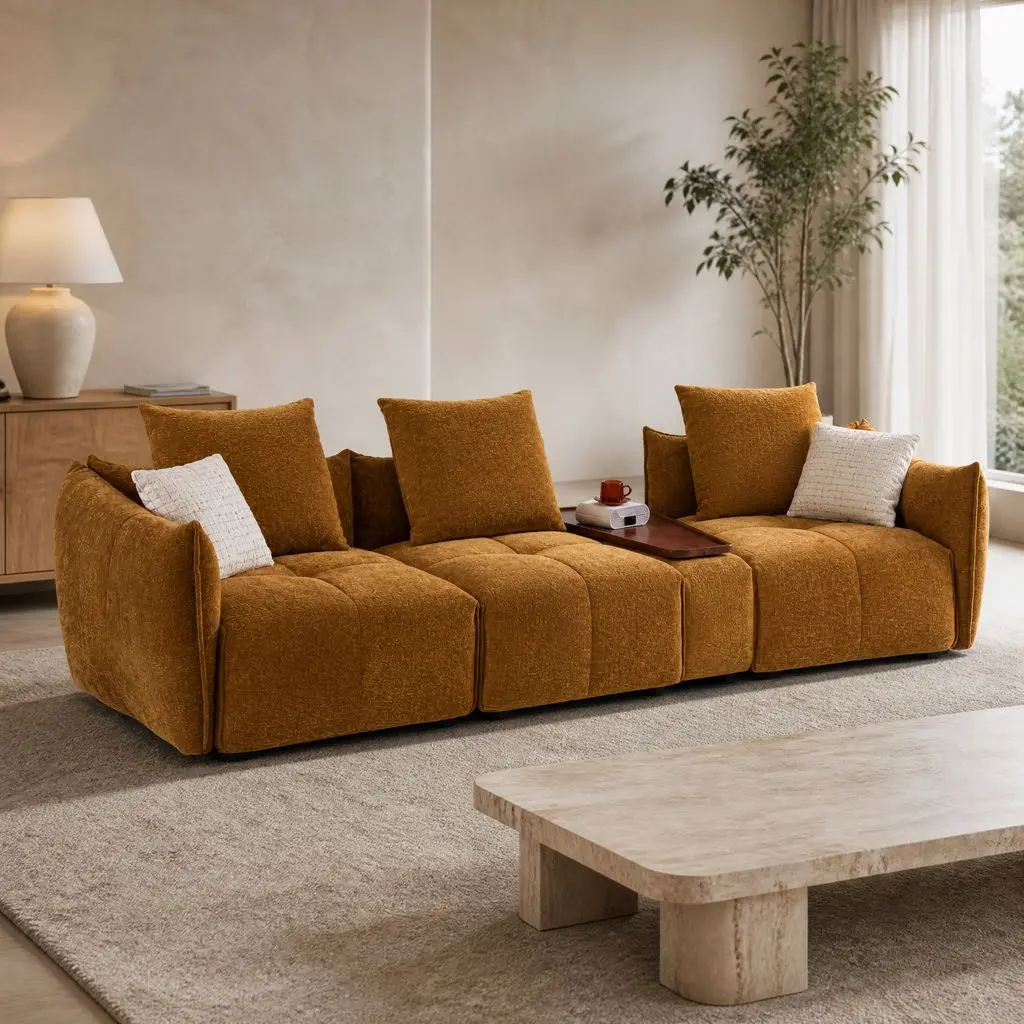
China QYM M1097 Modern Modular Sectional Sofa with Ottoman, Chenille Fabric, Larch Wood Frame and High-Density Foam Cushions
View Product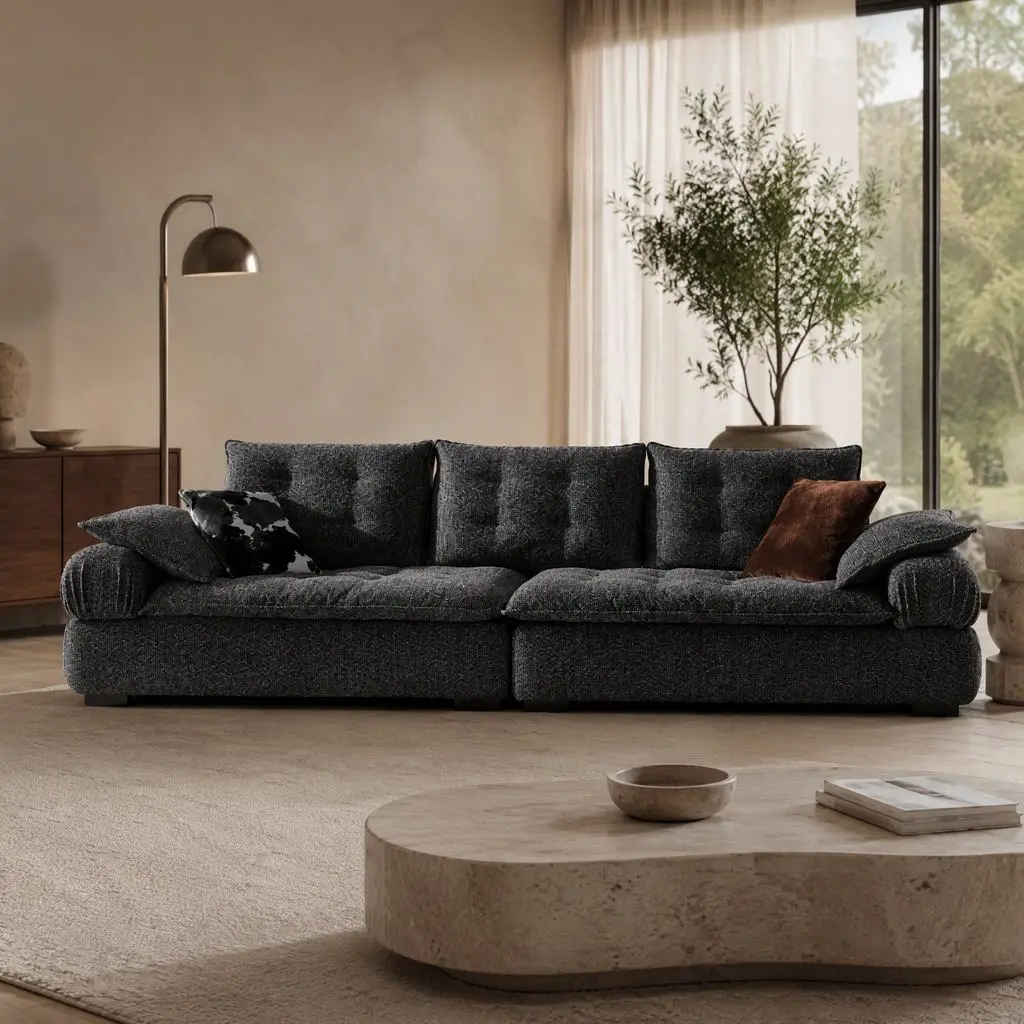
Latest design QYM M1088 Two-Piece Sectional Sofa with Latex-Filled Seats, Premium Chenille Fabric and Durable Larch Wood Frame
View Product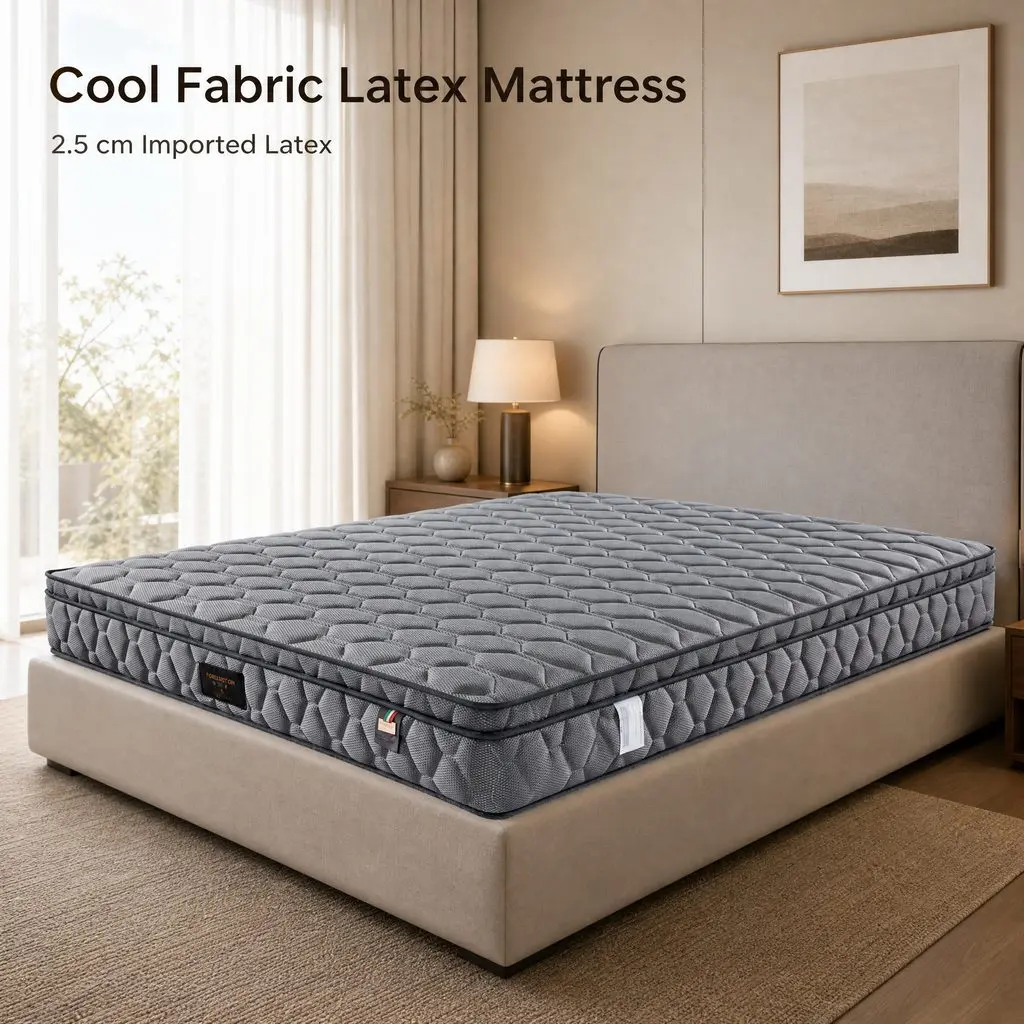
Wholesale QYM 233C The pocket spring system provides stable support and helps reduce motion transfer during sleep
View Product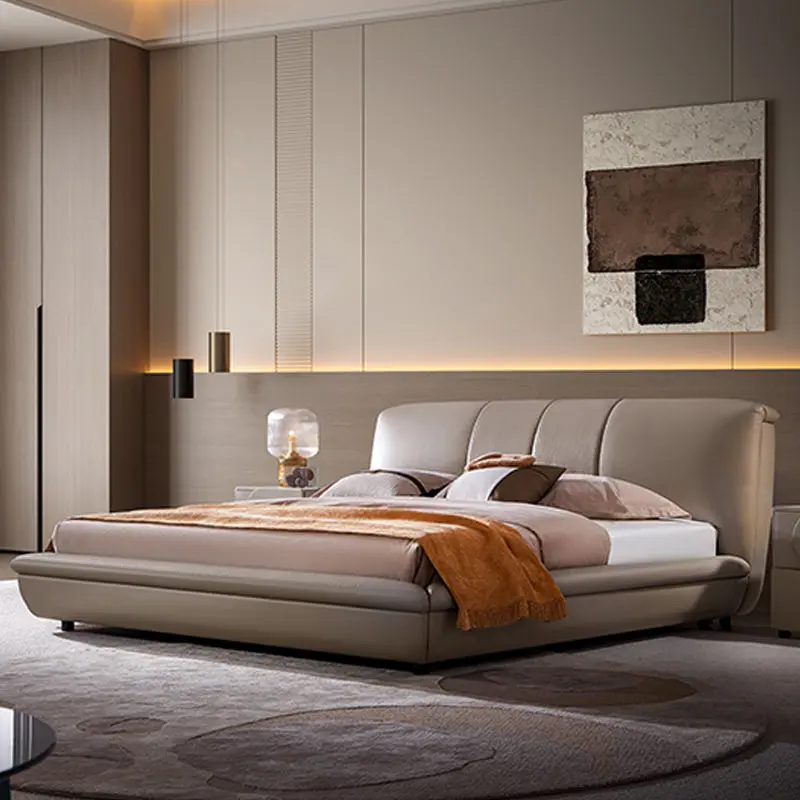
Wholesale QYM C173 Customized Luxury Italian Modern Bed – Top Layer Cowhide Genuine Leather Upholstered Bed Frame
View Product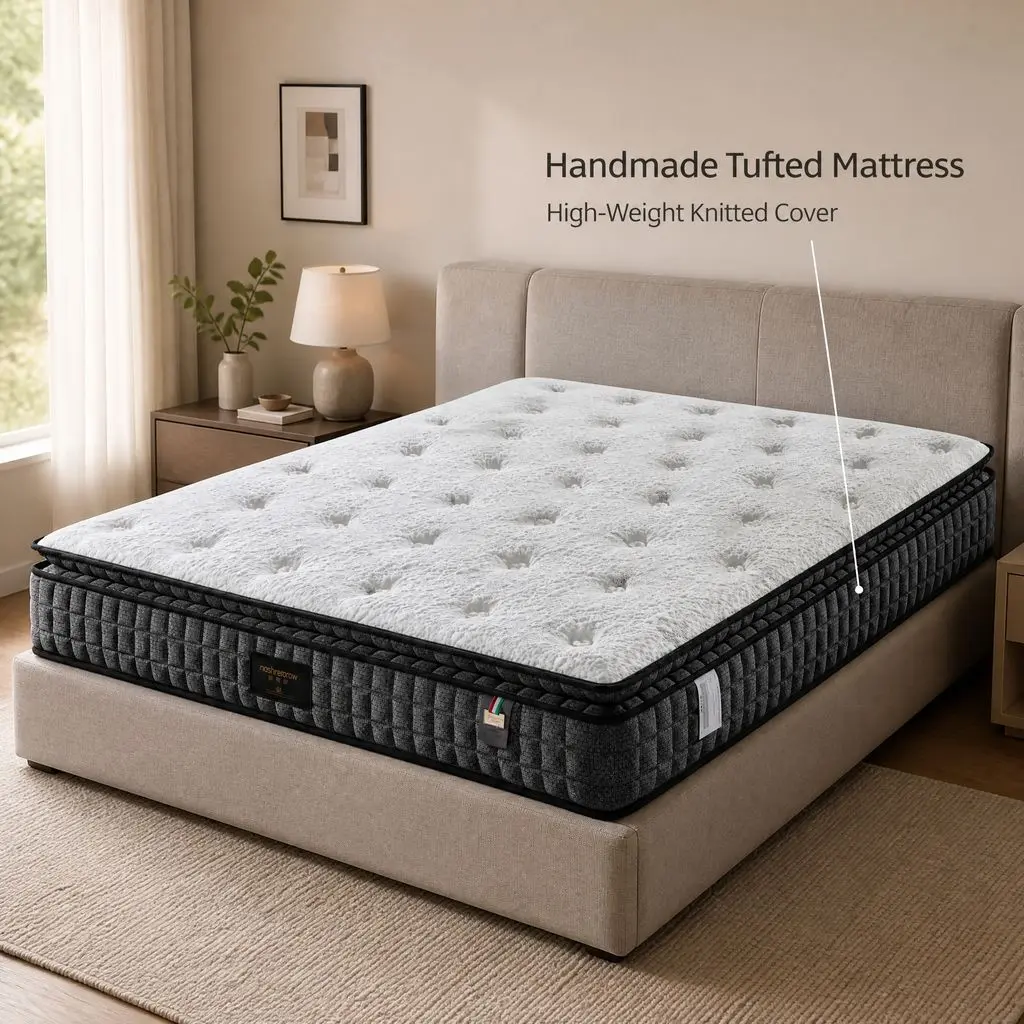
Wholesale QYM NYFX01 Handmade Mattress with Cool-Touch Pocket Springs, Cloud Memory Foam and High-GSM Knitted Fabric
View Product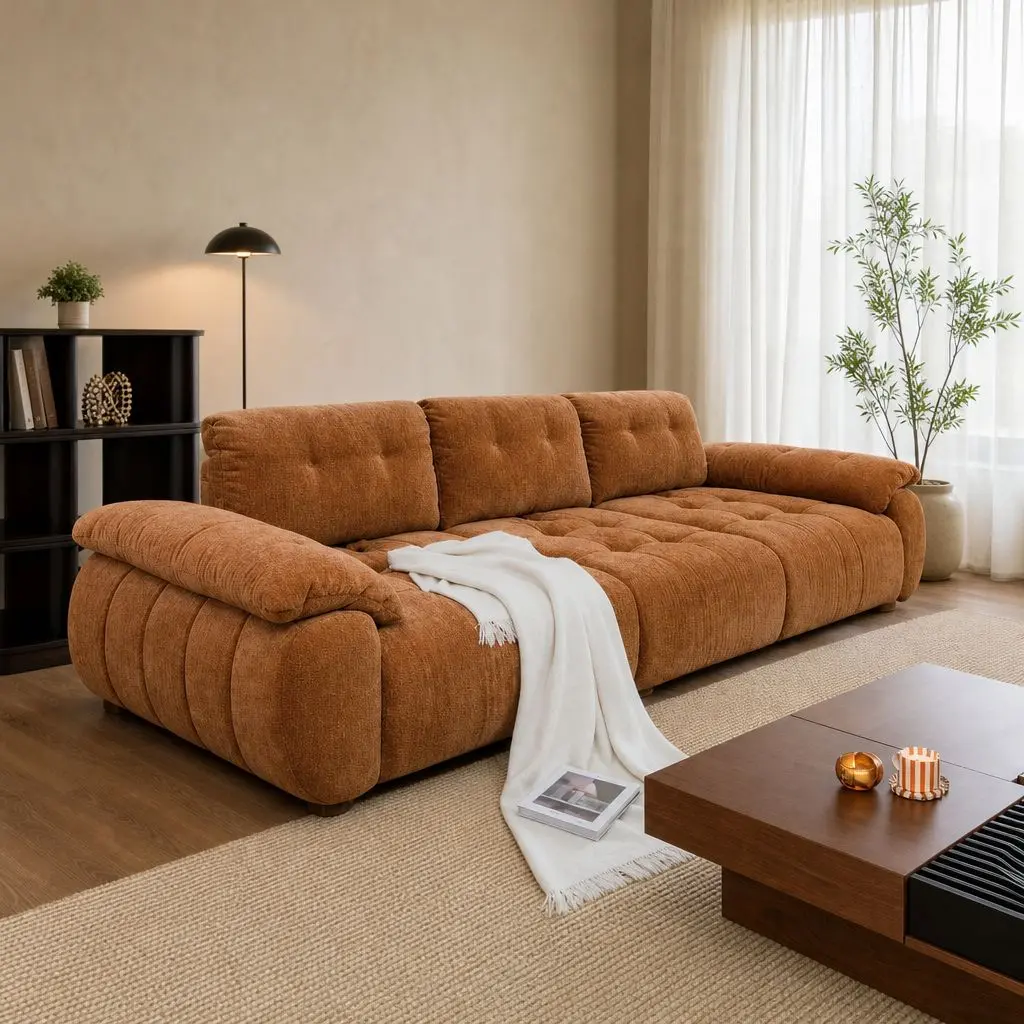
Latest design QYM B2212 Modern Functional Sectional Sofa with Two-Tone Linen, Larch Wood Frame, High-Density Foam and Washable Covers
View Product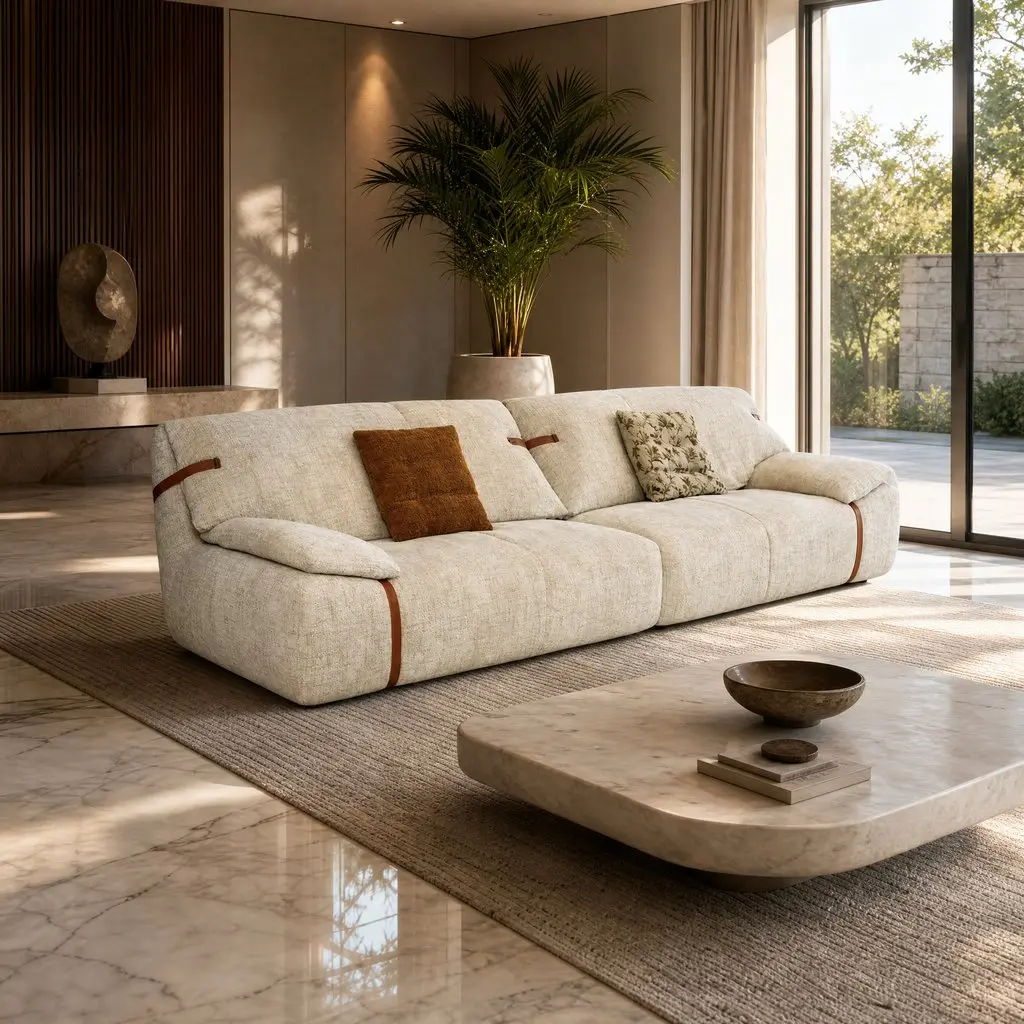
China QYM M1076 Italian Style Modular Sectional Sofa, Premium Chenille Fabric Furniture with Solid Wood Legs & Washable Covers
View Product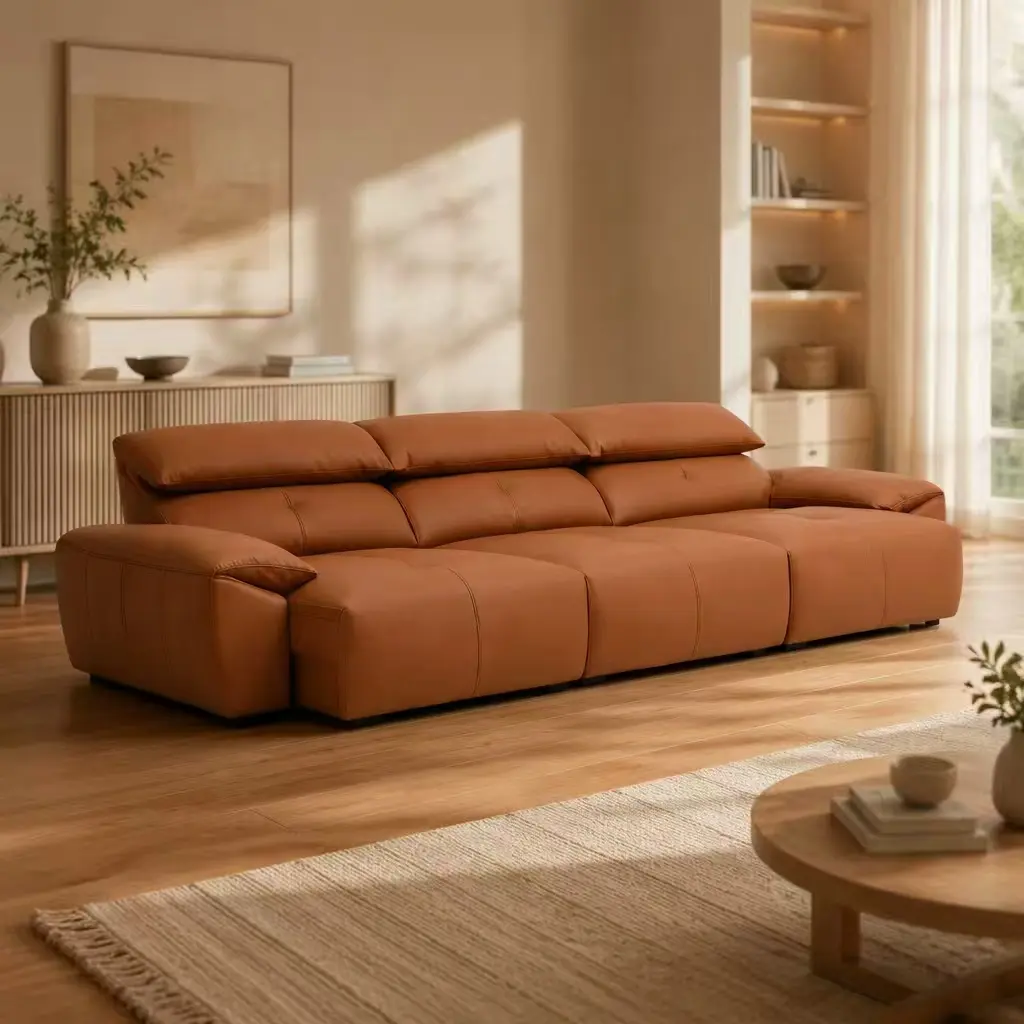
Wholesale QYM Modern Electric Pull-Out Sofa Bed Modular Sectional Convertible Upholstered Seating for Living Room Bedroom
View ProductFrequently Asked Questions — Coffee Tables & Side Tables for Hamburg
Direct answers for importers, contract specifiers and wholesale buyers comparing Chinese manufacturers for the German market.
How long does shipping take from Foshan to the Port of Hamburg?
Ocean transit typically runs 35–40 days from Yantian or Nansha to Hamburg, plus 5–10 days for inland delivery to Hamburg warehouses or project sites. For urgent hotel or retail openings, we can coordinate rail freight via the China-Europe corridor, which reduces transit to approximately 25–30 days at a premium cost.
What minimum order quantity applies for coffee tables and side tables?
Standard MOQ for stock models is one 20GP container when mixed with sofa or bedroom items, or roughly 50–100 units per SKU for standalone table orders. Custom OEM designs typically start at 30–50 units per finish variant, depending on material complexity. We can discuss flexible MOQs for first-time Hamburg buyers.
Do you provide REACH and SVHC documentation for German customs?
Yes. Every SKU intended for the German market is accompanied by a signed REACH declaration listing SVHC content below the 0.1% threshold, plus a full bill of materials for finishes and adhesives. Additional documentation for LUCID (Verpackungsgesetz) registration is available at request stage.
Can you produce tables in materials specifically requested for Hamburg's climate?
Yes. Hamburg's cold, humid winters and indoor heating cycles create specific stress on wood-based furniture. We recommend and supply engineered cores (HDF, honeycomb aluminium, marine-grade plywood) and PU or UV-cured finishes that reduce warping and surface cracking risk. For waterfront Hafencity projects we can specify sealed underside finishes to reduce moisture uptake.
Do you offer German-language product data sheets?
Yes. For German retail and contract buyers we provide German-language product data sheets covering dimensions, materials, load ratings, cleaning instructions and compliance declarations. English and bilingual versions are the default.
What is your typical lead time for a custom-designed coffee table?
Sample development runs 10–15 working days after design freeze. Mass production lead time is 30–45 days depending on finish complexity, volume and material availability. Combined with ocean freight, typical order-to-delivery to Hamburg is 90–110 days for custom projects.
Can I mix coffee tables, sofas, beds and mattresses in a single container?
Yes. Our post-sale team manages mixed-category container consolidation, planning loading cubic metres carefully to minimize freight cost per unit. Multi-layer export packing protects finishes and prevents damage during mixed-load transit.
How do you handle quality inspection before shipment?
Every order goes through three documented stages: pre-production sample approval, in-line QC audits during mass production, and a pre-shipment inspection with photographic records. For Hamburg buyers we can coordinate third-party inspection (SGS, Bureau Veritas, TÜV) at additional cost.
Are you a manufacturer or a trading company?
QYM is the export brand of Foshan Qingyumai Technology Co., Ltd., an integrated manufacturer with its own production facility in Shunde, Foshan, plus a network of audited partner factories for categories we do not produce in-house. This hybrid model lets us ship whole-house furniture programs under one PO, one QC standard and one shipping plan.
Can I visit a Hamburg showroom or request local samples?
While our main showroom is in Foshan, we can arrange sample chips and material swatches shipped directly to Hamburg buyers, and we coordinate factory visits for serious project clients. Virtual showroom walkthroughs via video call are available on request.