
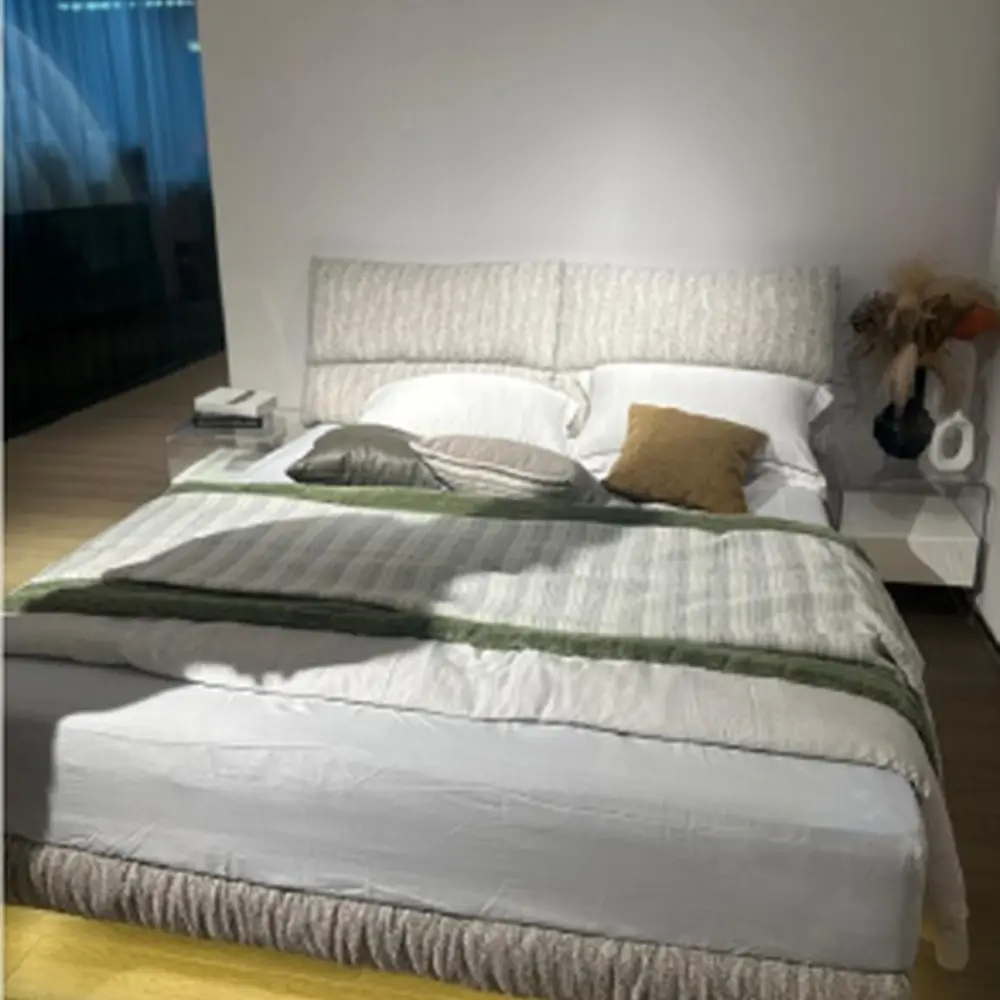
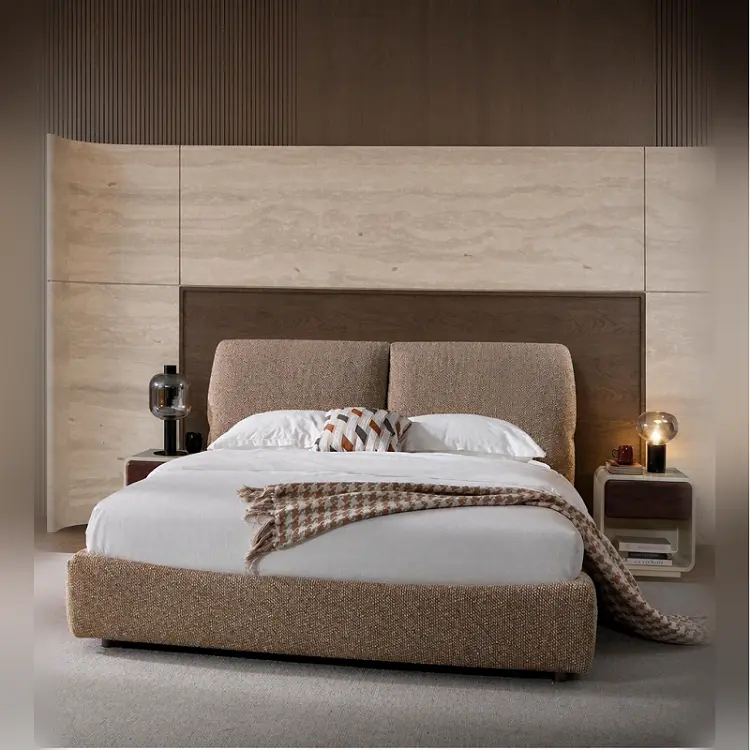
Upholstered Bed
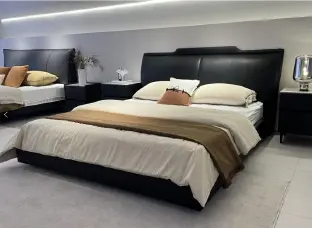
Each reference model below has been specified for condominium show units, hotel guestrooms, restaurant fit-outs and serviced residences across the Klang Valley. All product URLs stay live for direct quotation requests.
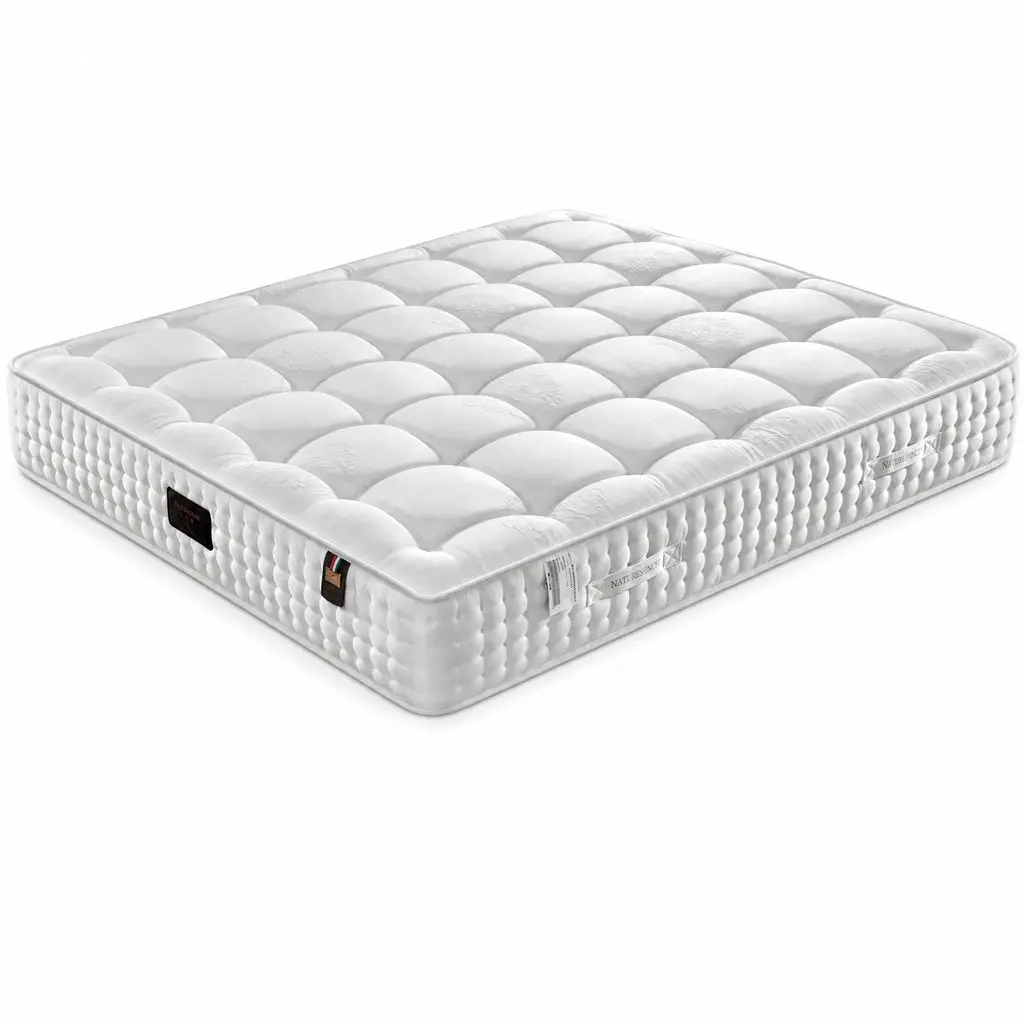
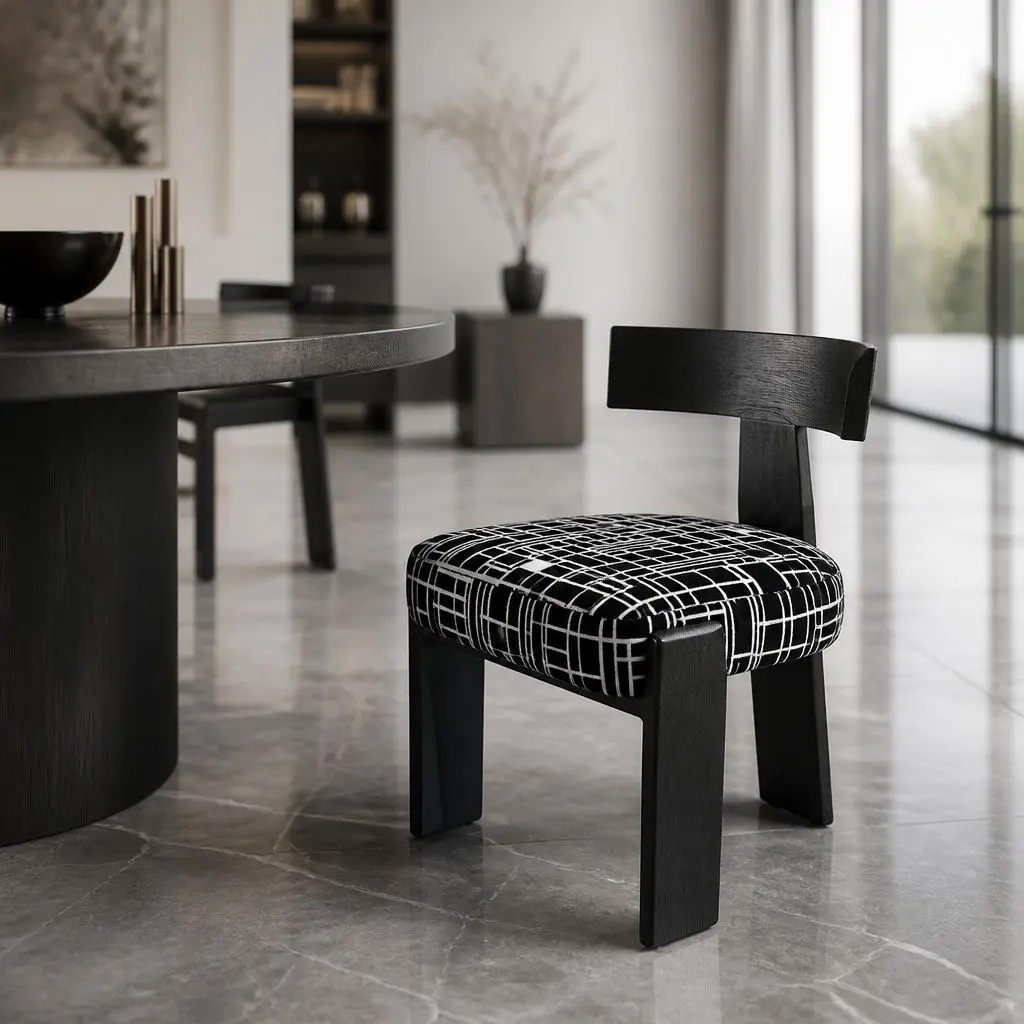
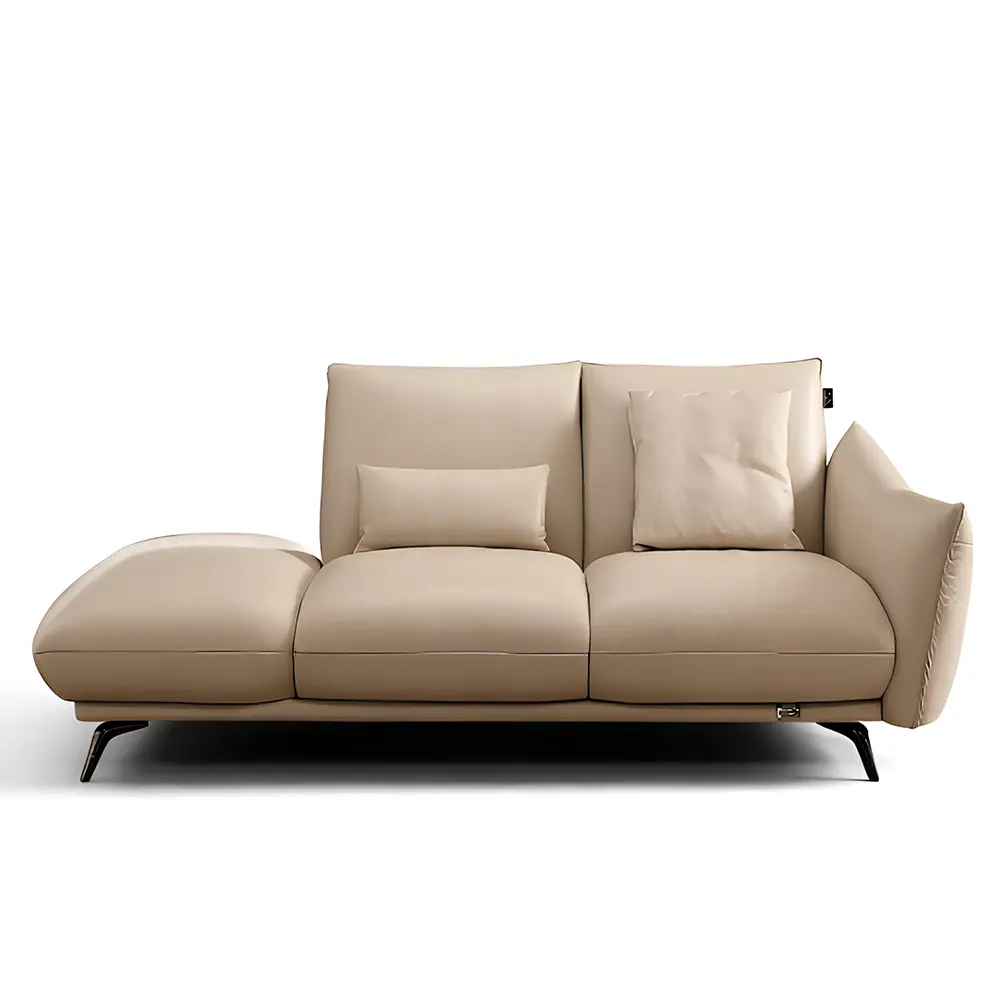
Kuala Lumpur is not a single-city market. It is a dense, layered procurement ecosystem spanning Klang Valley condominium launches, a rebounding hospitality pipeline, an aggressive F&B chain expansion across Bangsar, Bukit Bintang, TRX and Damansara, and a mature interior design and renovation sector serving landed homes in Mont Kiara, Ampang and Cheras.
Dining room furniture sits at the intersection of all four. Condominium show units demand a compact 4–6 seater silhouette with premium visual weight. Hotel F&B outlets require contract-grade durability against a 3–5 year refurbishment cycle. Restaurant operators prioritise stackability, wipe-clean surfaces and heat resistance against Malaysian humidity. Landed-home interior designers need curated wood tone consistency with locally sourced joinery.
A dining room supplier to KL must therefore ship a compact-density product philosophy: modular seat widths, marine-grade moisture resistance, tropical humidity-stable frame engineering, and a small-parcel consolidation system that fits Malaysian import duty tolerance and container utilisation economics from Port Klang and Penang.
Understanding where a Kuala Lumpur buyer sits inside the global furniture value chain — from China, Vietnam and Malaysia's own manufacturing corridors to EU and US compliance regimes — is now a critical procurement competency.
Foshan, Shunde and Longjiang remain the global centre of gravity for mid- to high-volume dining room furniture. Lead times, supplier density and component depth make China the default sourcing base for KL importers serving multi-outlet F&B groups.
Vietnam has absorbed a large share of US-bound hardwood and outdoor programmes, while Malaysia's own furniture manufacturing base — concentrated in Muar and Peninsular corridors — increasingly serves Asean-local demand and halal hospitality fit-outs.
EUDR deforestation rules, EU REACH, US California TB 117-2013 flammability and CARB Phase 2 formaldehyde limits increasingly shape material selection. KL buyers routing product into hotel and office assets often inherit these requirements from group-level ESG mandates.
Malaysian procurement teams increasingly shortlist suppliers through structured product data, technical drawings and specification sheets — not showroom visits. A supplier's ability to publish coherent B2B technical documentation is now a live competitive factor.
Single-category containers are increasingly rare. Buyers consolidate dining, bedroom and living room lines to reach efficient LCL/FCL thresholds. Suppliers that cannot orchestrate multi-category consolidation under one QA standard lose volume.
Hardwood, foam and marine-grade fabric costs have been volatile. Suppliers with in-house material engineering and long-term mill relationships can lock index-linked pricing for 6–12 months, protecting KL buyers against currency and freight swings.
Tropical Southeast Asia requires frame moisture content control below 10%, sealed end-grains and marine-grade adhesives. This is now the single largest source of field failure in KL dining furniture — and the top technical filter when qualifying suppliers.
Urban KL family units increasingly specify 1.2–1.4 m dining tables with 4–6 ergonomic seats. Dining chairs with lumbar support, seat height adjustability and stackable formats for restaurant use are displacing traditional banquet silhouettes.
The line between residential and contract furniture is blurring. Homeowners now demand hospitality-grade upholstery durability; hotels demand residential-grade visual softness. Suppliers that ship both performance test data and design refinement are winning both segments.
KL F&B and hotel operators now plan 3–4 year dining area refresh cycles. Modular dining chair and table systems that can be reupholstered, re-finished or reconfigured without replacement are gaining preference over fully fixed designs.
Green-certified timber, low-VOC finishes, recycled content foam and documented packaging weight reduction are now requested in RFQs from KL property and hospitality groups with group-level ESG reporting obligations.
Leading suppliers now offer 3D-model-ready product libraries that allow KL interior design firms to place dining room furniture directly into Revit, SketchUp and Enscape workflows before a PO is issued — accelerating approval and reducing sample spend.
Each application scenario below corresponds to a distinct specification profile — table dimensions, seat height, load ratings, upholstery grade and packaging standard vary materially between them.
KL developers launching condominiums in Bangsar South, KLCC fringe and Mont Kiara specify compact 1.2–1.5 m dining tables in high-gloss veneer or compact sintered stone, paired with four sculptural dining chairs. Visual impact matters more than long-term load rating — but durability still matters because units transition to owner-occupied or tenant use within 24 months.
KL's F&B sector — heavily concentrated around Bukit Bintang, TTDI, KLGCC and Damansara — buys dining room seating in volume and redeploys across outlets. Stackable dining chairs with reinforced welds, heat-resistant laminate tabletops and a consistent 430–460 mm seat height are the specification norms. Volume pricing and lead-time certainty rank above aesthetic variation.
KL hotel refurbishments running through 2026–2027 typically pair guestroom dining desks with compact armchair silhouettes, while all-day dining outlets specify banquette-integrated dining chair and table systems. Contract-grade upholstery (Martindale 30,000+ rub), FR-rated foam and UK/EU flammability compliance are frequently inherited from group design standards.
Renovations of landed homes in Ampang, Cheras, Bangsar and Petaling Jaya specify dining table + chair + sideboard combinations that align with timber joinery, marble surfaces and architectural lighting. Interior design firms typically require sample approval, wood tone matching against locally sourced veneers and staged delivery timed to handover of the completed renovation.
The following roadmap reflects the sequence most commonly used by KL importers, developers and hospitality procurement teams moving from first enquiry to steady-state replenishment.
Translate floor plans, mood boards and outlet counts into a dining room specification matrix. Confirm seat height, table footprint, finish family and container utilisation target before pricing.
Produce pre-production samples in final fabric, foam density and frame finish. Lock material specifications, moisture content limits and load ratings against the KL tropical environment.
Run on-site factory line audits against the frozen specification. Structural durability, joint integrity, moisture content and finish consistency are tested before packing.
Consolidate dining room with bedroom and living room lines into mixed containers bound for Port Klang. Establish quarterly replenishment cadence with index-linked pricing.
Beyond single-model sourcing, KL buyers increasingly require a full programme: material engineering, OEM branding, multi-category consolidation, compliance documentation and replenishment. The four pillars below describe the operating framework.
KL's tropical humidity — typically 75–90% RH — places severe demands on wood frame moisture content, adhesive stability, upholstery breathability and finish durability. A supplier suitable for the KL market must be able to document frame moisture content below 10%, marine-grade adhesive use, sealed end-grain construction and contract-grade upholstery rated for Martindale rub-test performance. Without this, dining chairs and table frames are prone to joint separation, warping and finish cracking within the first two years of use.
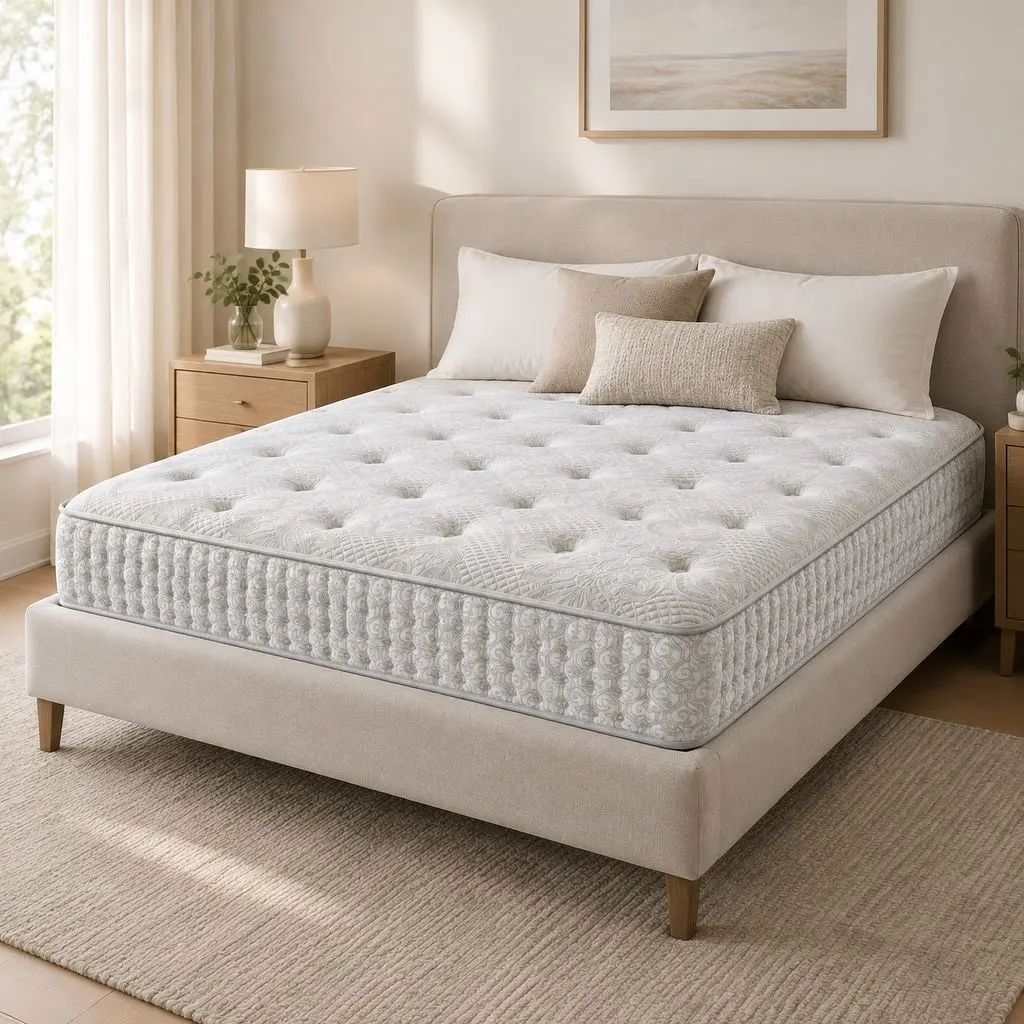
Yes. Multi-category consolidation is a core service. Our team plans container utilisation across dining chairs, dining tables, upholstered beds, mattresses and sofas to reach efficient FCL thresholds. Packaging is standardised so mixed-category loads survive ocean transit with multi-layer export crating. Buyers in KL receive one contract, one QC standard and one shipping plan instead of managing five separate suppliers.
For stock models, production typically runs 25–35 days from confirmed deposit, plus 12–18 days ocean transit from Foshan to Port Klang depending on vessel schedule and consolidation timing. For OEM/ODM dining chair programmes requiring sampling, allow an additional 15–21 days for sample approval and material freeze before mass production begins.
Yes. We customise table dimensions, dining chair seat height, frame finish, upholstery grade and branding assets including woven labels and embossed logs. Hotel and F&B group programmes frequently specify seat height between 430–460 mm, table heights around 750 mm and upholstery passing Martindale 30,000+ rub for hotel-grade durability — all of which can be engineered to specification.
Dining room furniture is typically consolidated at our Foshan facility and shipped FCL or LCL via Port Klang or Penang. For smaller KL orders, LCL consolidation with our other Asean-bound shipments can lower landed cost. For larger programmes, dedicated FCL shipments combine dining room with bedroom and living room lines to hit full-container thresholds, reducing per-unit freight.
Standard documentation includes commercial invoice, packing list, bill of lading and country-of-origin declaration. For buyers routing product into hotel or commercial assets with group-level ESG requirements, we can provide timber sourcing documentation, low-VOC finish declarations and upholstery composition certification. Buyers should confirm their specific import and duty requirements with a Malaysian customs broker at the RFQ stage.
Every programme freezes a master material specification at sampling stage. Repeat orders are produced against the frozen specification — the same fabric mill, the same frame timber grade, the same foam density, the same finish batch — and in-line QC audits reference this standard before shipment. This is what allows KL F&B groups to redeploy identical dining chairs across new outlets without visual or durability drift.
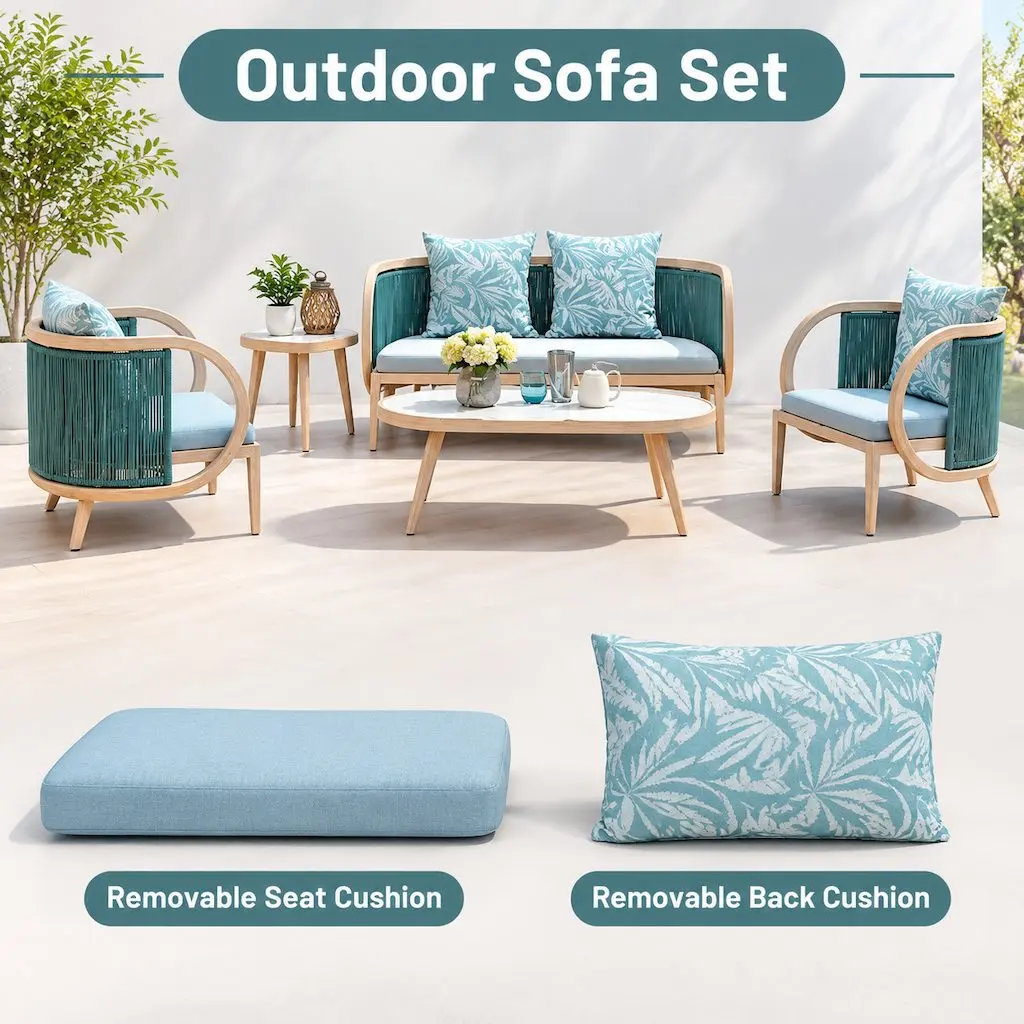
Yes. Our outdoor and balcony collection includes wood-grain aluminium frame dining sets, olefin rope weave and waterproof cushion options suitable for KL terraces, poolside dining and covered outdoor dining spaces. These products are engineered to resist humidity, intermittent rain and UV exposure, complementing our interior dining room range for full property fit-outs.
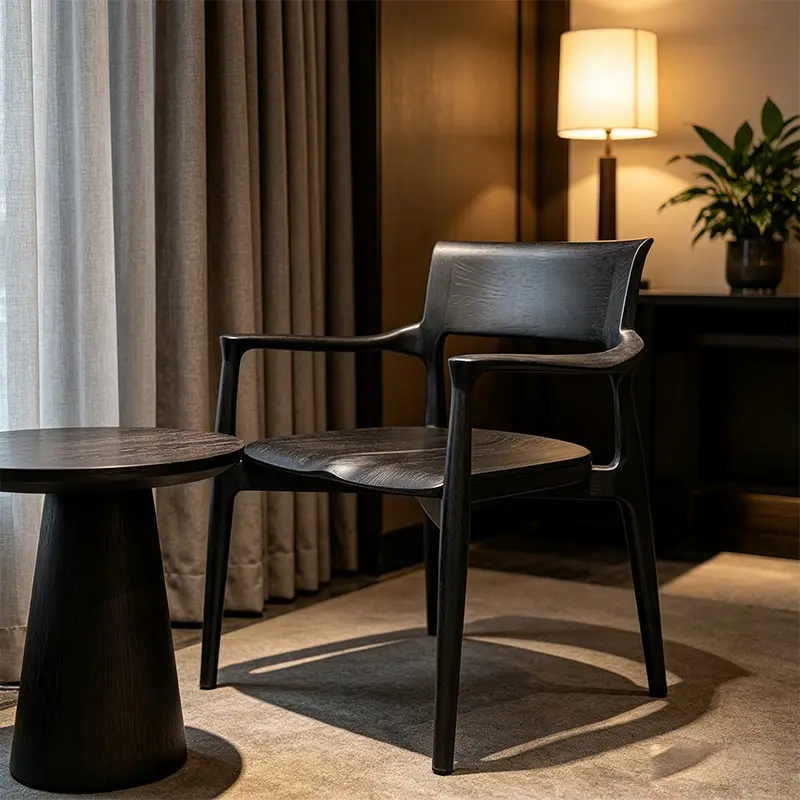
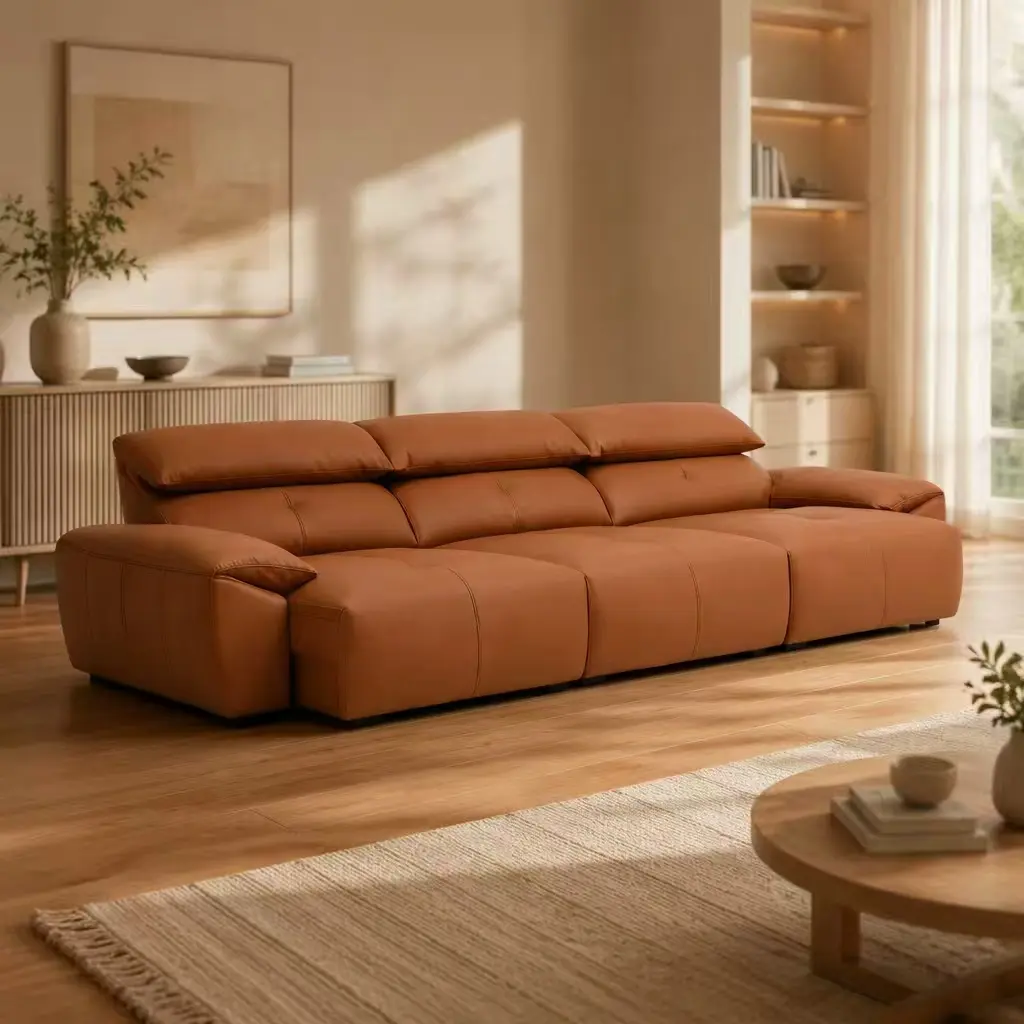
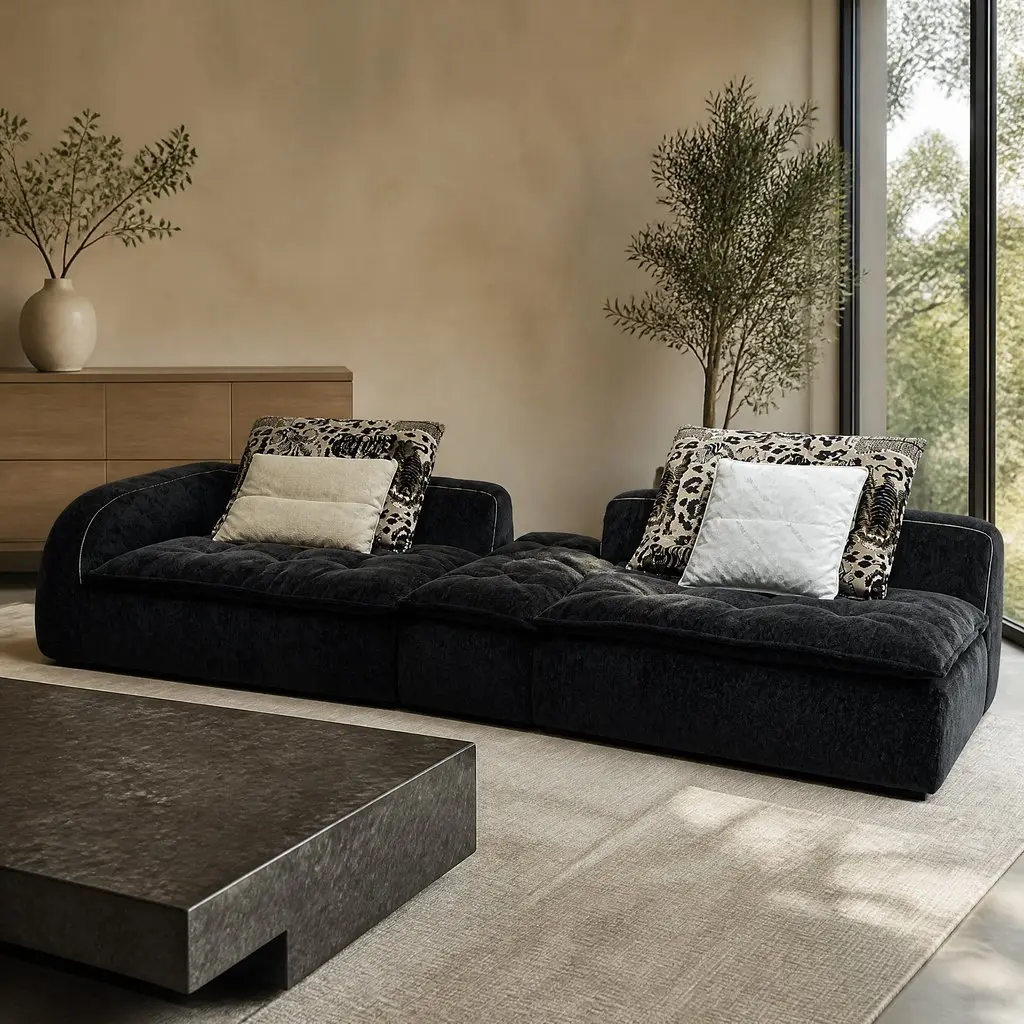
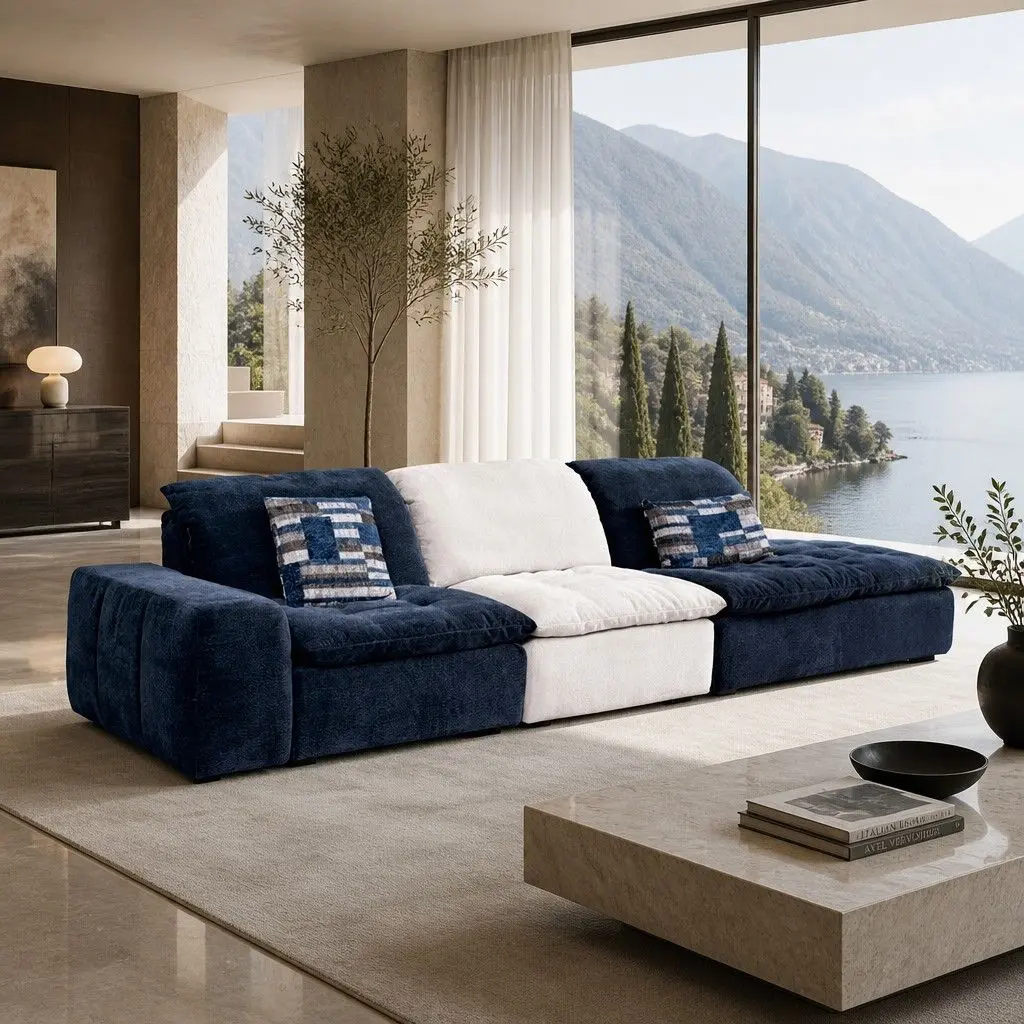
Beyond dining room, the following reference models complete a whole-property programme — living, bedroom, outdoor and modular seating — available for combined container consolidation to Port Klang.
Send your floor plans, outlet counts, finish direction and container target. Our export team will return a specification matrix, landed-cost estimate and consolidation plan for your KL programme.
Send Inquiry Now Explore Dining Room Range