Bedroom · Seattle Suites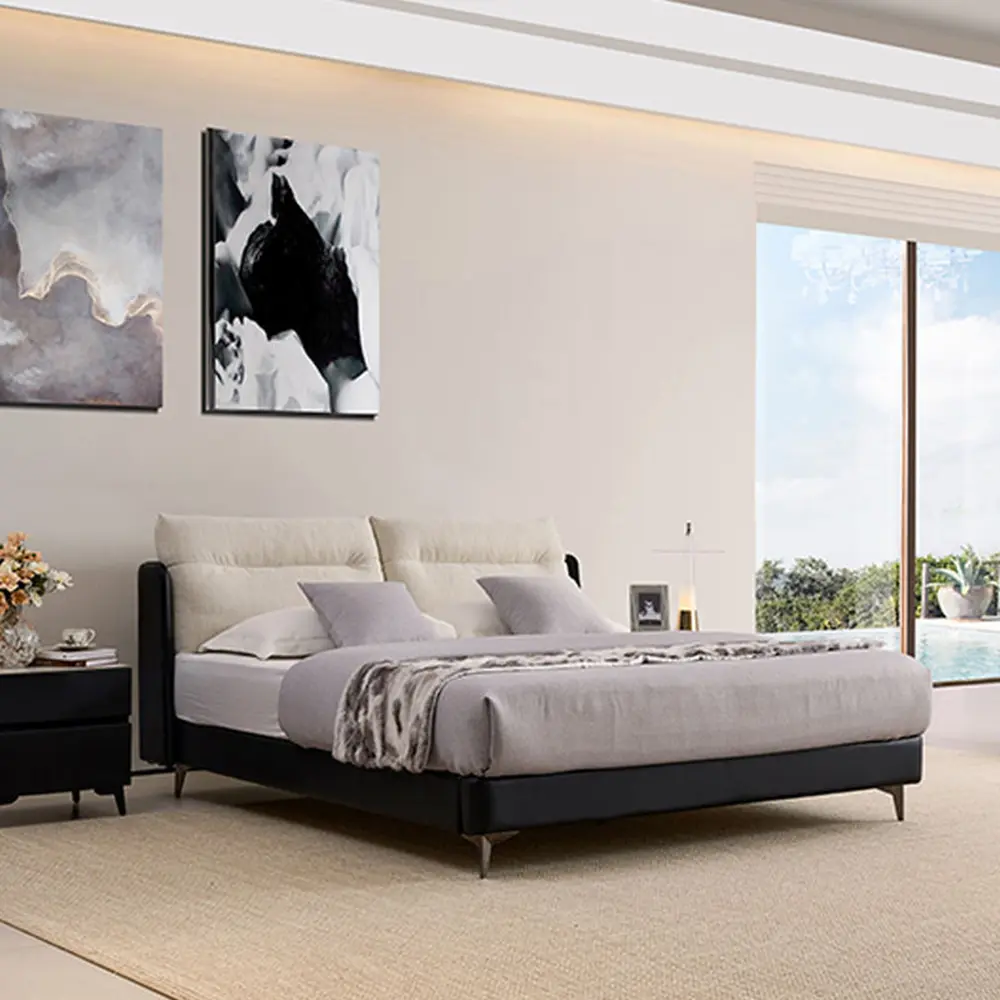
Seattle is not a furniture manufacturing city — and any procurement professional who tells you otherwise is selling you a story. The real questions behind this search query are: who can supply contract-grade dining furniture to a Seattle address, under which compliance regime, with what lead times, and with what local support when a chair fails in the third year of a hotel FF&E lifecycle?
This page answers those questions with the depth a specification team needs. It is written from the perspective of an integrated export manufacturer — Foshan Qingyumai Technology Co., Ltd. — that ships dining sets, restaurant chairs, café tables and hotel dining furniture into the Pacific Northwest, and that works alongside Seattle-based specifiers, GCs and operators every week. We have built the page around the E-E-A-T framework: demonstrable Experience with real container programs, Expertise in materials and structural engineering, Authority built on 100+ design and structure patents, and Trust grounded in transparent compliance documentation rather than marketing claims.
Along the way we will give you the information gain that generic supplier directories leave out: the Washington State ergonomics and fire-safety codes that apply to commercial seating, the Port of Seattle logistics cost picture, the difference between hospitality-grade and residential-grade foam density, and the technology roadmap that will reshape contract dining furniture between 2026 and 2030.
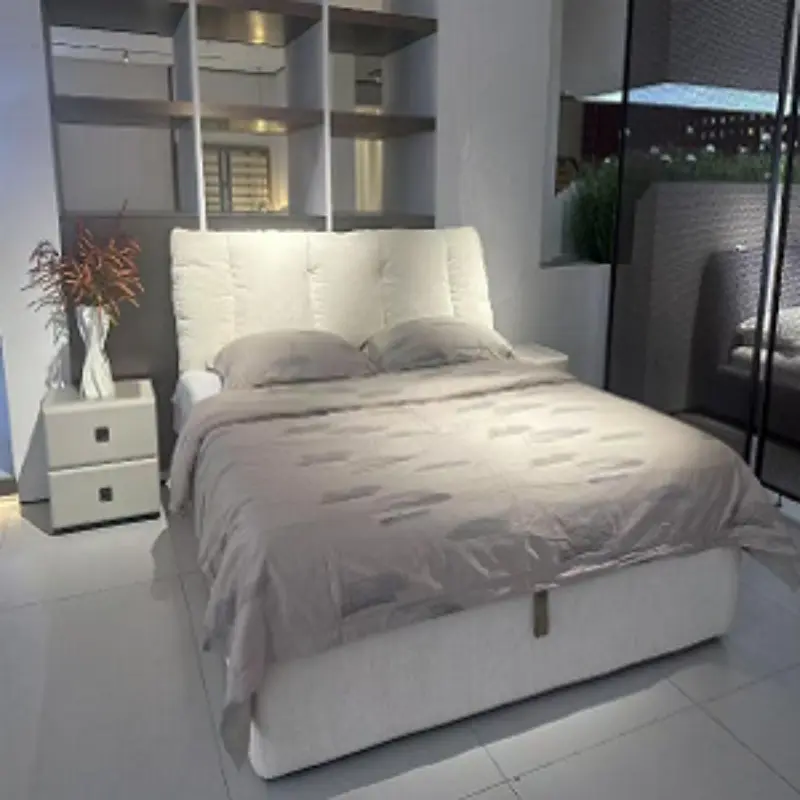
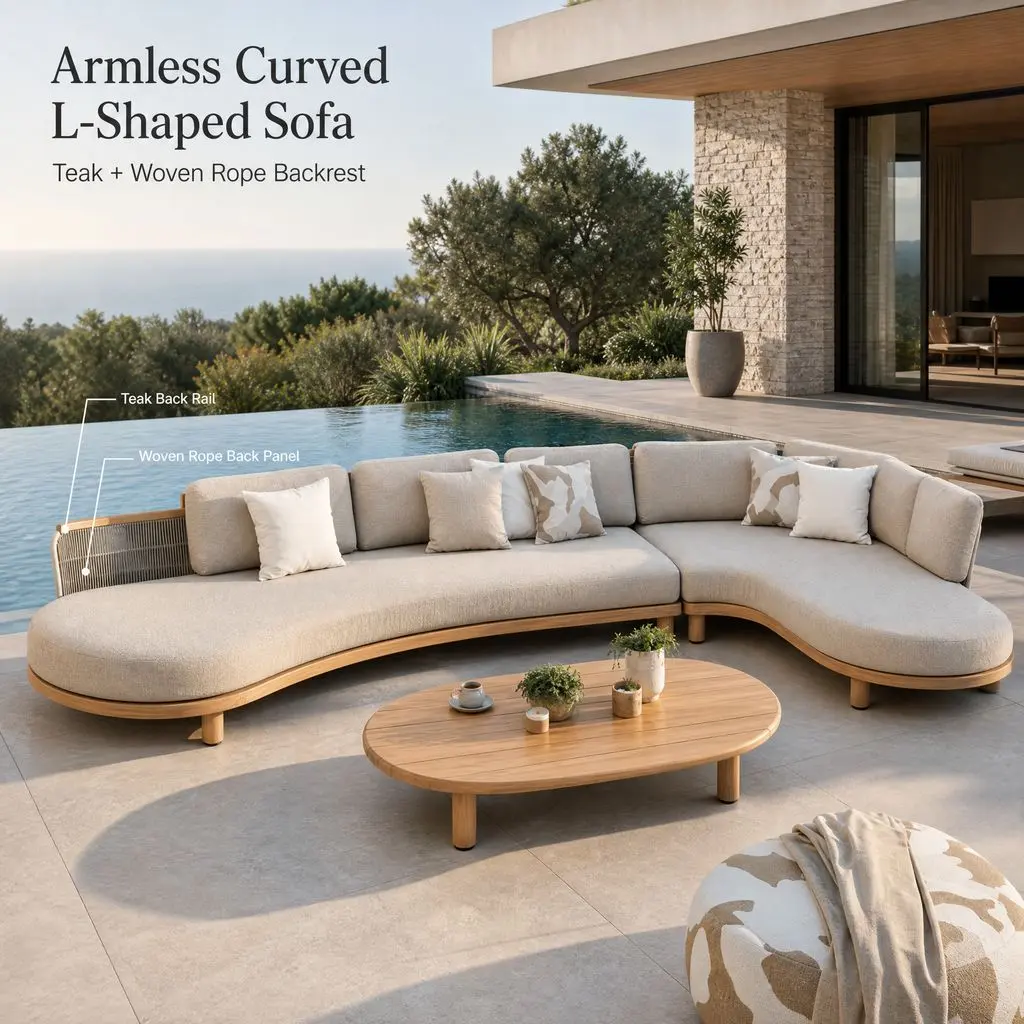
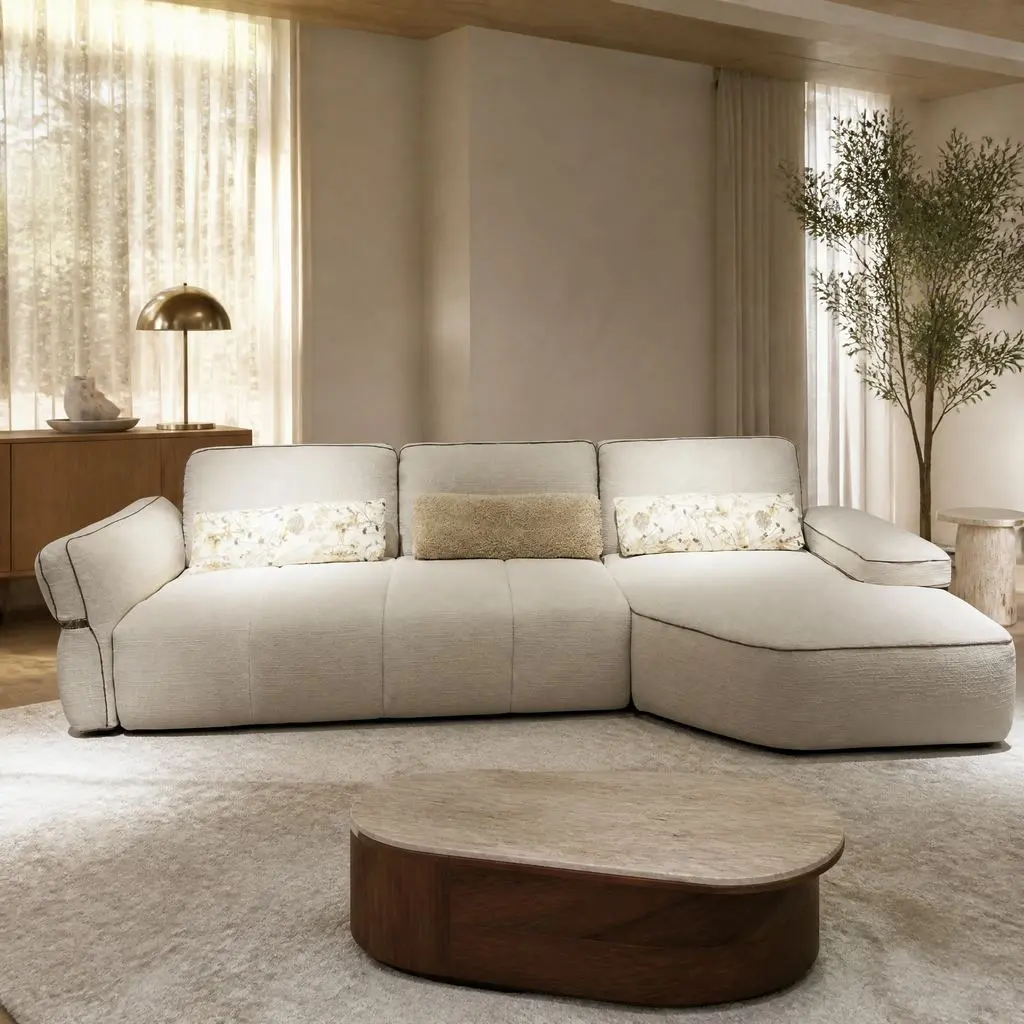
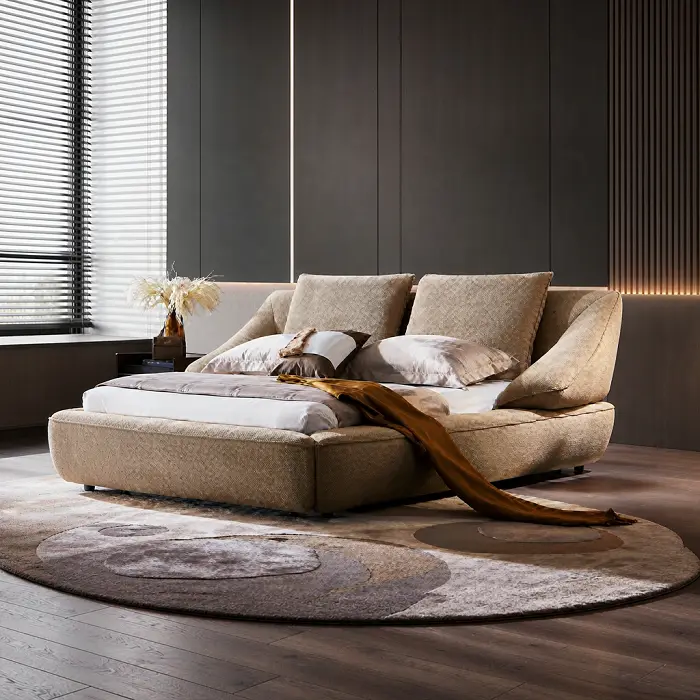
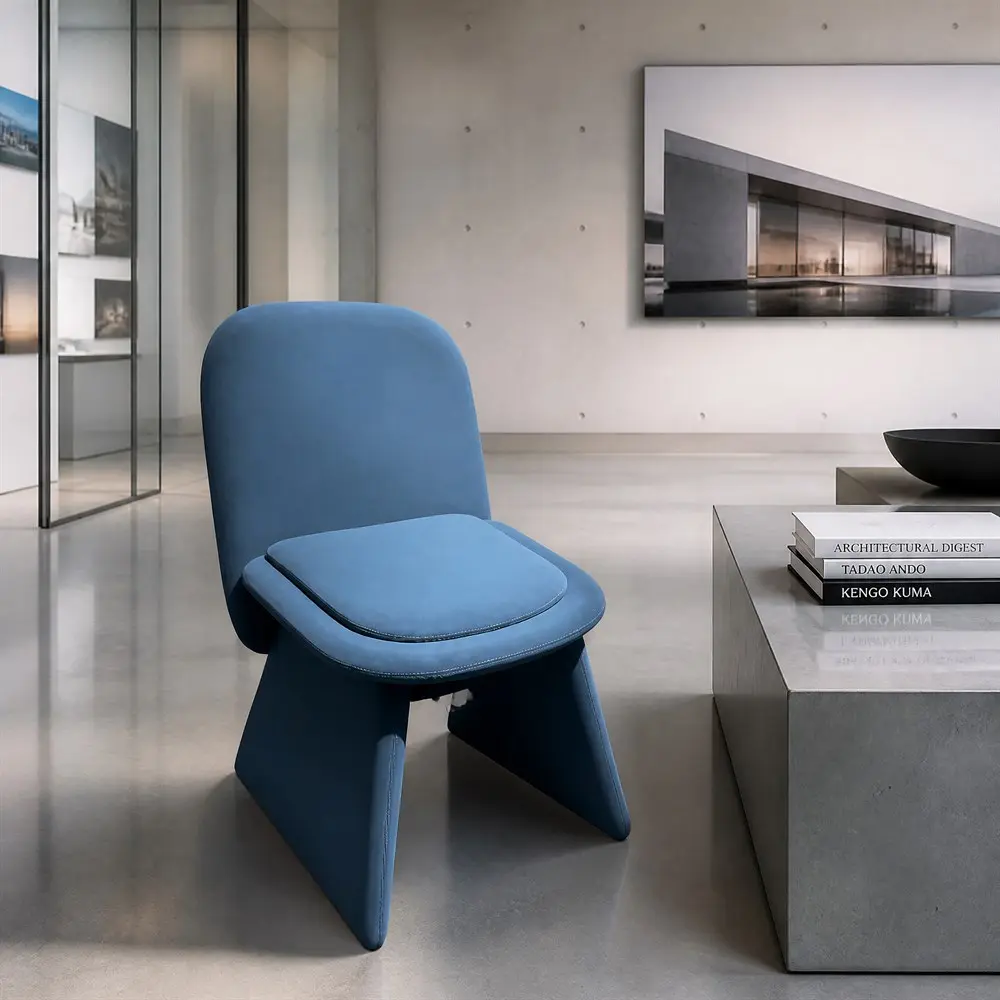
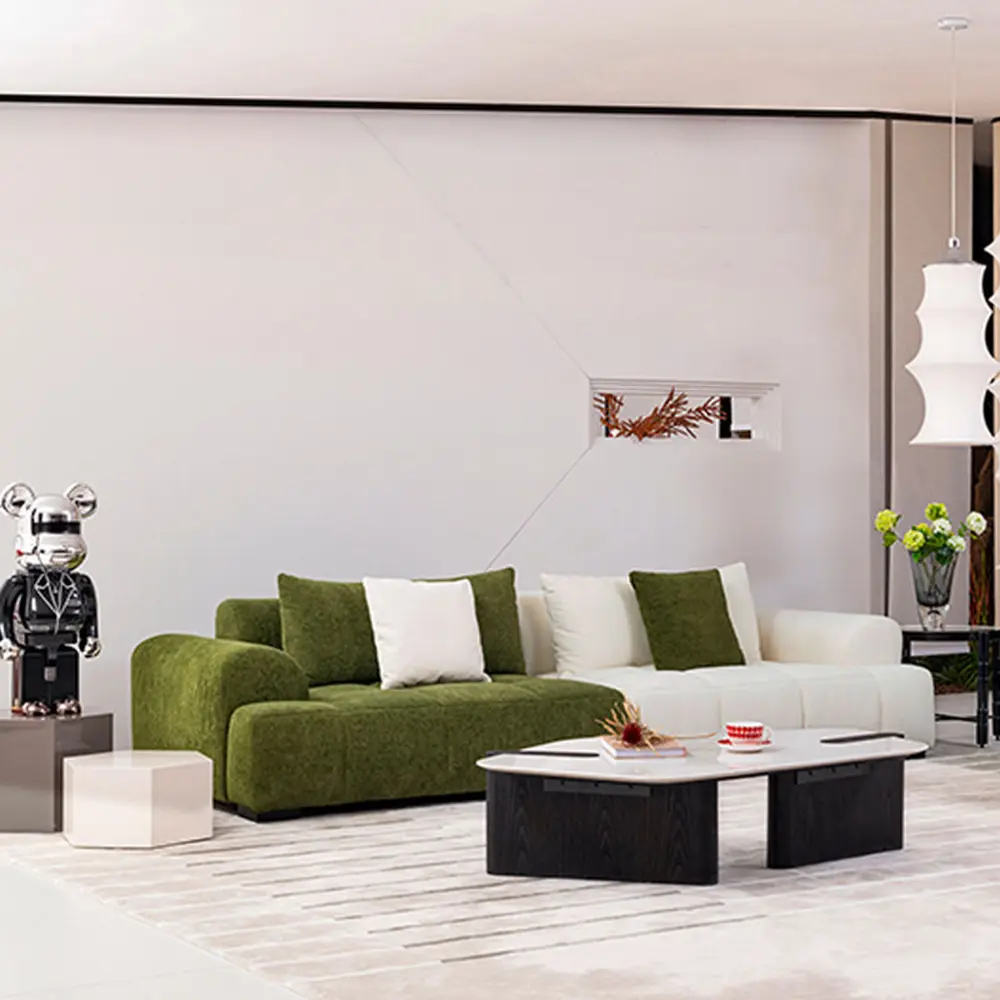
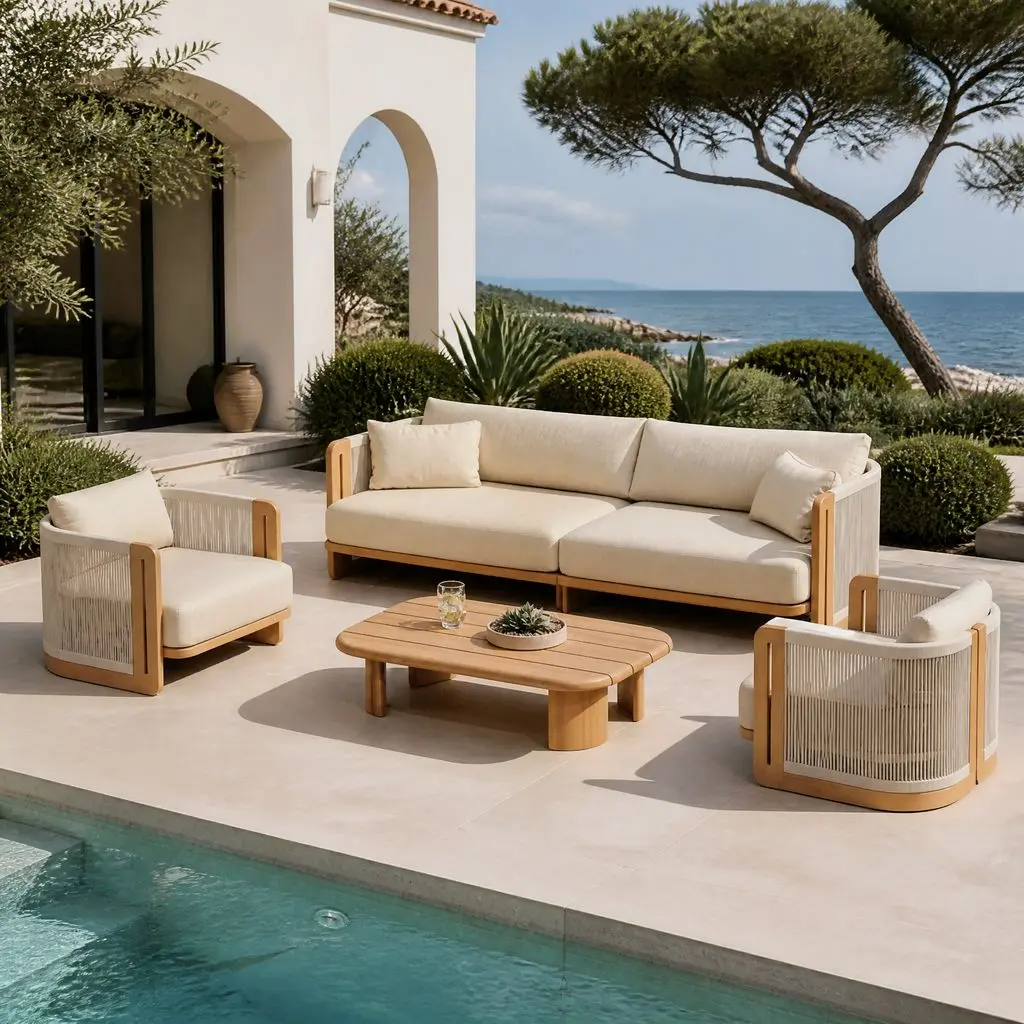
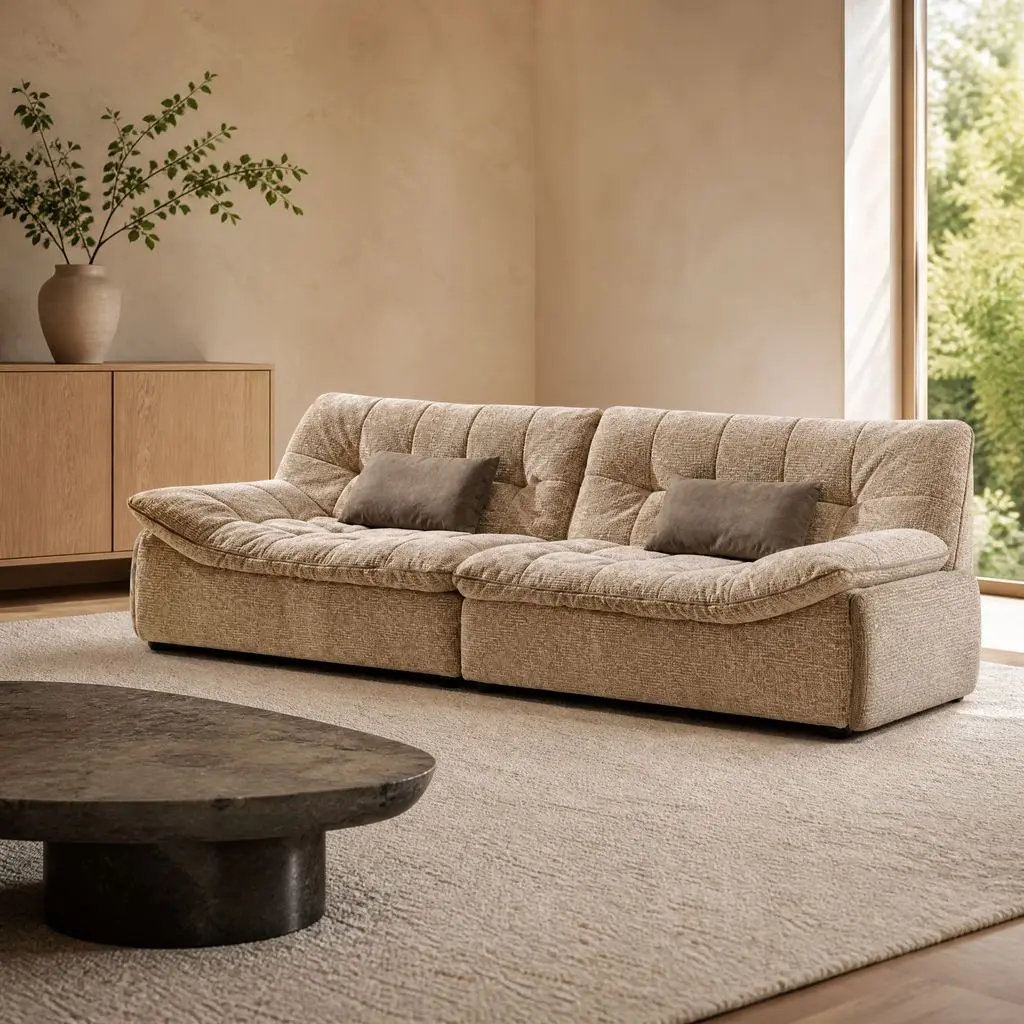
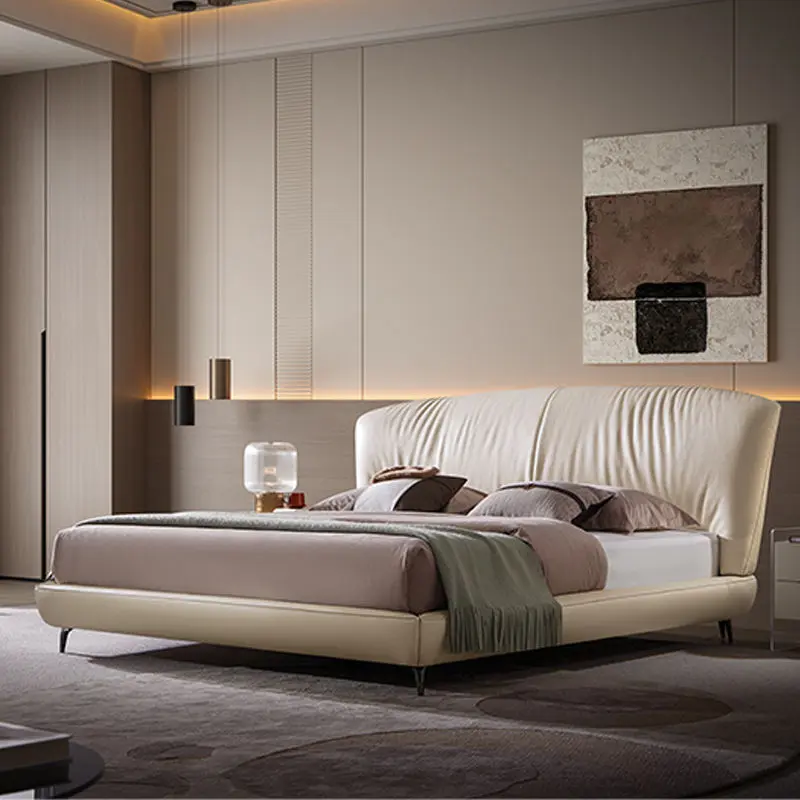
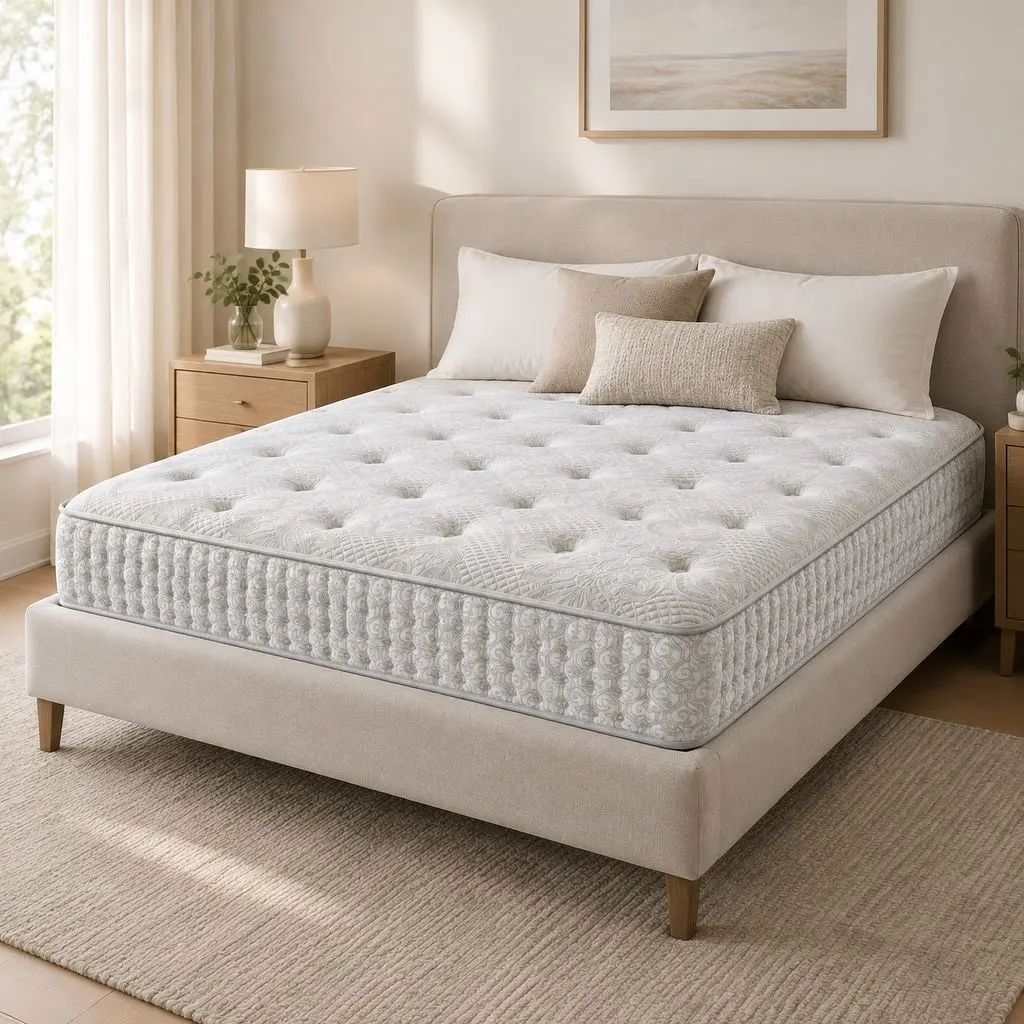
Dining rooms in Seattle hospitality projects rarely exist in isolation. Open-plan restaurant, lounge and suite layouts blend dining seating with upholstered beds, sectionals and outdoor terraces. These four core models anchor those mixed programs and share the same QC standard, fabric library and container plan.
Understanding where dining furniture is consumed in Seattle determines how it should be specified. The city's commercial geography is unusual, and that shapes every FF&E decision.
Downtown, South Lake Union and Belltown concentrate hotel and restaurant openings, driving demand for compact, durable two-top and four-top dining sets built to survive high covers-per-day.
Rapid multifamily delivery across Capitol Hill, Ballard and the University District creates volume demand for residential-grade dining tables and chairs bundled with bedroom and living room programs.
Seattle has effectively no large-scale wood or upholstery manufacturing base. Local “manufacturers” are fabricators or importers — real production capacity sits offshore, primarily in Asia.
The Port of Seattle and Port of Tacoma handle the majority of incoming household and commercial furniture for the region, making container planning and drayage cost the dominant landed-cost variable.
Pacific Northwest design leans toward honest wood, warm neutrals and biophilic detail. Larch, oak and walnut-tone finishes command a premium in local specification packages.
Roughly eight months of damp weather mean terrace dining furniture is stress-tested for moisture, mildew and UV exposure in ways desert markets never experience.
Dining furniture is a globally traded commodity with a genuinely fragmented supply chain. Understanding the macro picture prevents expensive procurement mistakes.
Shipping to Seattle is not the same as shipping to Los Angeles or New York. The compliance stack, the ergonomic expectations of operators, and the support model a buyer expects from a “local” manufacturer all differ. Here is how we handle them.
| Compliance Area | What It Means for Seattle Buyers | How We Address It |
|---|---|---|
| Flammability (Upholstery) | California TB 117-2013 is the practical benchmark for commercial seating across the West Coast; many Seattle FF&E specs reference it directly. | Contract-grade foam and fabric options certified to TB 117-2013, with documentation included per shipment. |
| Composite Wood Emissions | CARB Phase 2 / TSCA Title VI applies to any engineered wood used in tables, chair frames or casegoods. | All plywood and MDF sourced from compliant suppliers with chain-of-custody records. |
| PFAS Restrictions | Washington State is among the most active states on PFAS phase-outs in textiles and finishes. | PFAS-free fabric and coating options available on request for Washington-bound orders. |
| ADA & Ergonomics | Commercial dining spaces must accommodate ADA clearances; Seattle operators increasingly specify seat heights around 18" for accessibility. | Standard and custom seat-height options; ADA-compliant table clearance per project spec. |
| Moisture & Mildew | The damp climate demands outdoor-rated materials for terraces, patios and rooftop dining. | Powder-coated aluminum frames, marine-grade stainless hardware, water-resistant cushions with drainage. |
| Documentation & Customs | US CBP entry, HTS classification and duty handling must be accurate to avoid demurrage at the Port of Seattle. | Full commercial invoice, packing list, HTS guidance and broker coordination support. |
Dedicated account managers coordinate across Pacific Time, so spec questions and change orders do not stall overnight.
We plan loading to minimize per-unit ocean freight and coordinate with your Seattle-area 3PL for efficient port pickup.
Documented warranty terms, spare-part shipping options, and replacement logistics for commercial clients who cannot afford downtime.
Specific application scenarios matter because they determine the right build, finish and quantity logic. These are the six patterns we see again and again in Seattle contracts.
Compact four-tops with commercial foam density, stain-resistant upholstery and compact footprints optimised for turnaround between service windows.
Solid hardwood table tops, mortise-and-tenon chair frames, and reinforced joints engineered for daily turnover volumes of 200+ covers.
Mixed seating configurations blending dining chairs, lounge chairs and outdoor sectionals — coordinated finishes from one supplier.
Aluminum frames with wood-grain finishes, teak accents, marine hardware and drainage-engineered cushions rated for the damp season.
Flexible modular dining components that can be reconfigured as team spaces shift, with lighter weight frames for frequent rearrangement.
Dining sets bundled with bedroom and living room programs under a single purchase order — same finish family, same container.
Procurement professionals do not buy “dining chairs.” They buy risk reduction. Our program is structured around the four risk vectors that matter most in cross-border furniture sourcing.
A single supplier of record for dining, bedroom, living room, outdoor and salon furniture collapses dozens of vendor relationships into one contract, one QC standard and one shipping plan — dramatically simplifying logistics and eliminating cross-vendor colour inconsistencies.
Standard contract dining programs run roughly 25–35 days from PO confirmation to container sealing. Custom programs add 2–3 weeks for sample approval. Trans-Pacific freight to Seattle typically adds 18–26 days door-to-door.
Dimensions, seat heights, frame finishes, upholstery grades (cashmere-touch, cotton-linen, commercial-grade poly), branding via woven labels and embossed logos, and packaging customization for private-label programs.
Direct-from-factory sourcing removes the distributor and secondary agent layer. For a 200-cover restaurant fit-out, that typically recovers 15–25 percentage points of landed cost — margin that survives the freight volatility cycle.
How a dining chair is built in 2030 will look meaningfully different from 2026. Here is the roadmap we are planning against, and what it means for Seattle procurement teams planning multi-year FF&E cycles.
QR-coded material records per SKU — fabric origin, foam density, compliance certifications — shipped with every container for transparent spec verification.
Shared hardware and module systems across dining, lounge and bedroom lines so specifiers can blend categories with matched fastener and finish systems.
Cushion, cover and foam components designed for replacement rather than replacement of the entire piece — extending commercial lifecycle and reducing waste.
Bio-based foam formulations and certified low-carbon wood sourcing matched to the embodied-carbon reporting requirements entering Seattle commercial project specs.
Eight additional models commonly blended with dining programs for coordinated suite, lounge and terrace layouts. Every product retains its original specification page.
Send us your floor plan, seat count, finish references or budget range. Our export team will return a preliminary spec, indicative pricing and shipping estimate within 2 business days.
These are the questions we actually receive from Seattle-area procurement teams, operators and designers. If yours is not here, send it in.
Qingyumai manufactures in Foshan, China — the world's largest furniture production cluster — and ships contract-grade dining, bedroom, living room and outdoor furniture into the Port of Seattle and Port of Tacoma. We are not a Seattle-based factory, because Seattle does not have meaningful large-scale dining furniture manufacturing capacity. What we do have is a production facility, a documented compliance stack aligned to US requirements, and a support model designed for Pacific Northwest buyers.
Standard contract dining programs run roughly 25–35 days from PO confirmation to container sealing. Custom programs add 2–3 weeks for sample approval. Trans-Pacific freight to Seattle typically adds 18–26 days door-to-door, plus 3–7 days for port clearance and drayage depending on volume and 3PL selection.
Yes. This is one of the core reasons Seattle hospitality groups and developers work with us. We consolidate dining chairs and tables, upholstered beds, mattresses, lounge seating and outdoor sectionals under a single purchase order, matching finishes where required and planning loading space to reduce per-unit ocean freight.
We provide flammability documentation to TB 117-2013 for upholstered products, CARB Phase 2 / TSCA Title VI records for composite wood, PFAS-free fabric documentation on request, and full customs documentation for US CBP entry. For specific procurement contracts we can coordinate with your compliance team on additional requirements.
Yes. We customize dimensions, seat heights, frame finishes, upholstery grades (cashmere-touch, cotton-linen, commercial poly, microfiber leather), and branding via woven labels and embossed logos. Private-label programs are supported for wholesale buyers building their own furniture brand.
Significantly. We specify powder-coated aluminum frames for terrace dining, marine-grade stainless hardware, teak or wood-grain finished aluminum, quick-dry foam for cushions, and drainage engineering. These specifications are materially different from what works in dry or desert climates, and they extend usable outdoor dining life in the Pacific Northwest.
Yes. Multi-category container consolidation is standard service. We plan loading across dining, bedroom, living room and outdoor lines, use multi-layer export crating, and coordinate with your 3PL for pickup at the Port of Seattle or Port of Tacoma.
Our facility is in Hui Cheng Industrial Park, Longjiang Town, Shunde District, Foshan, Guangdong, China. We welcome factory and showroom visits from procurement teams, designers and operators — please coordinate in advance.