
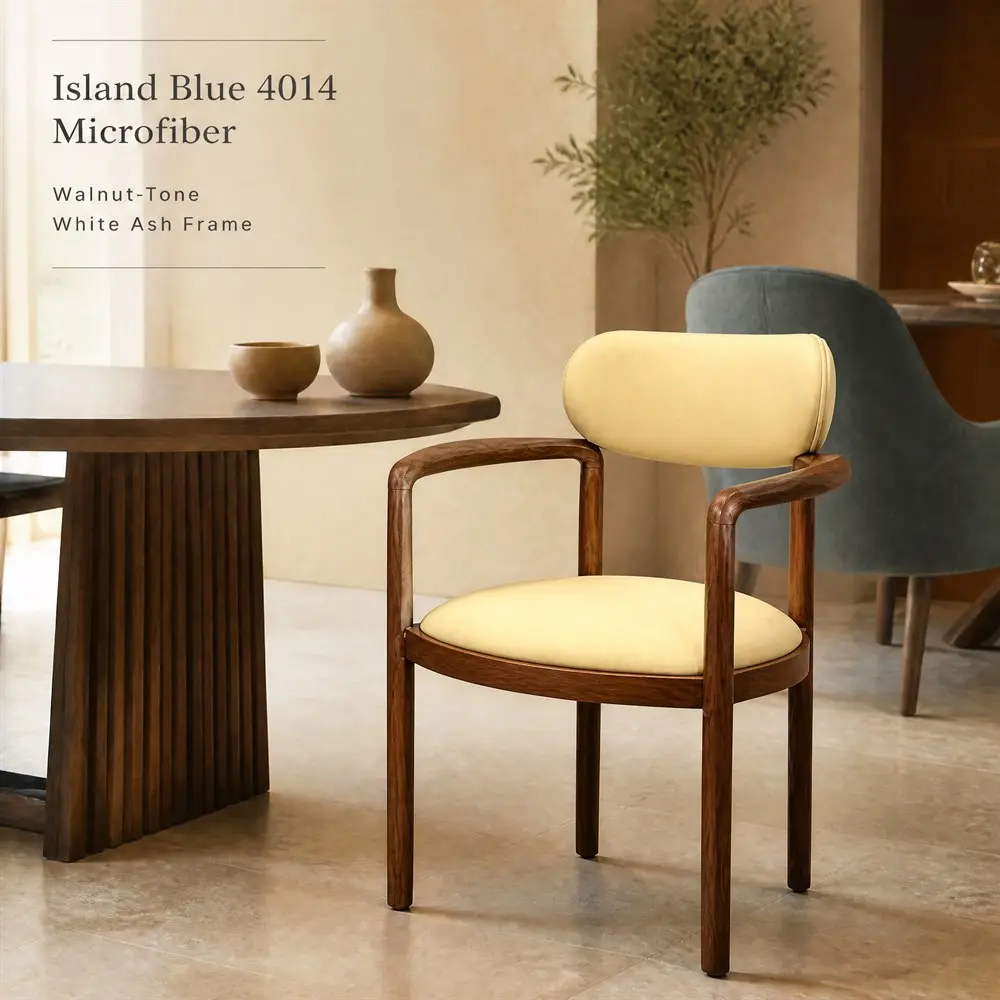
Wholesale QYM Modern Solid Ash Wood Arm Dining Chair, Yellow Microfiber Upholstered Accent Chair, Walnut Finish White Ash Frame Dining Room Chair Manufacturers, Supplier
View ProductThese four flagship models anchor our dining-room offer for the Chilean market: solid ash and walnut frames, contract-grade upholstery, and finishes calibrated for dry central-valley interiors as well as humid southern climates.
Wholesale QYM Modern Solid Ash Wood Arm Dining Chair, Yellow Microfiber Upholstered Accent Chair, Walnut Finish White Ash Frame Dining Room Chair Manufacturers, Supplier
View Product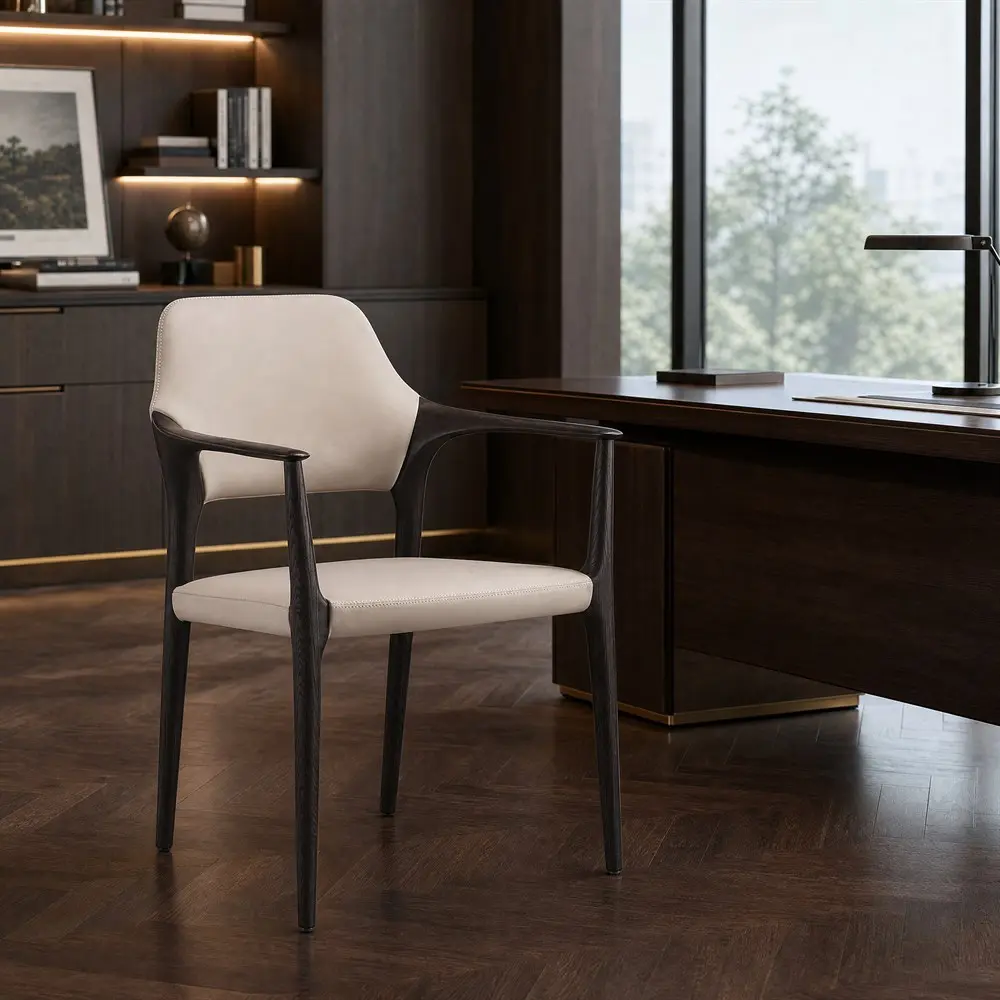
Latest design QYM Modern Solid White Ash Wood Arm Dining Chair, Smoked Finish Frame, Microfiber Leather Upholstered Dining Chair-1-1-1 Manufacturers, Factory
View Product
Wholesale QYM C190-A Luxury Modern Upholstered Fabric Bed – Premium Cotton Linen Platform Bed Frame with Integrated Storage & Reinforced Solid Wood Core Manufacturers, Factory
View Product
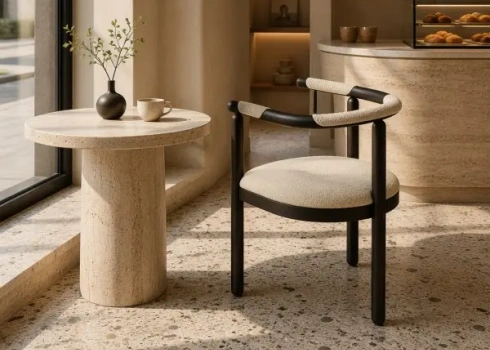
Wholesale QYM Solid Wood Hot Press One-piece Molding Dining Chair, Smoked & Walnut Finish Simple Upholstered Leisure Chair Manufacturers, Factory
View ProductChile is not a generic Latin American furniture destination. It is a high-trust, high-specification market where 200 mm of the purchase decision happens before a single container is booked: in the importer's compliance file, in the architect's material schedule, and in the retailer's planogram for a Santiago showroom. Buyers who treat Chile like a copy-paste of other LATAM markets routinely discover, three months into a program, that their dining tables fail the importer's moisture-content tolerances, that their packaging collapses in the Valparaíso humidity corridor, or that their upholstery selection has no chance against the RUT-verified commercial lease of a hospitality client.
This guide is written for procurement teams who are past the browsing stage. It synthesizes what we have learned as a Foshan-based dining-table manufacturer and whole-house supplier exporting to Chilean importers, hospitality groups, property developers and design studios — and it deliberately adds information gain on the structural, regulatory, logistical and macroeconomic dimensions that a simple product catalogue cannot carry.
Chile's dining-table demand is shaped by a compact set of structural forces: a highly concentrated retail channel; a growing but specification-driven hospitality pipeline; and a residential design culture that treats the dining table as the emotional center of the apartment.
Chilean furniture retail is dominated by a small number of large chains and department-store banners whose product teams run in a tender-and-range-review cadence, not an ad-hoc buying cadence. A "new dining table" is not purchased as an isolated SKU; it is added to a category plan with a defined price architecture, a defined finish family and a defined replenishment rhythm. For a supplier, this changes the question from "can you sell me a table" to "can you hold a finish family across 18 months and three re-orders without drift".
In practice, this favors manufacturers who control their own finishing lines rather than assembling from stock. At Qingyumai, the dining-table lines shown on this page are produced from a controlled ash and walnut substrate family, with the smoked, natural and walnut finishes applied in-house, so a re-order placed nine months after the first shipment still arrives inside the importer's color tolerance bands.
Chile's hospitality, restaurant and café segment — anchored in Santiago's Providencia / Las Condes / Vitacura corridor, and progressively in regional cities such as Concepción, La Serena and Puerto Varas — is where the strongest technical demands live. Restaurant operators do not buy on aesthetics alone. They buy against seat cycles per day, cleaning protocol, and the shape of the tabletop edge for chair-push clearance. A 20 mm edge on a domestic table is fine; a 20 mm edge on a 4-top restaurant table that gets 90 seat cycles a day will open within 12 months unless the manufacturer has engineered it for that purpose.
Our contract dining-table builds for Chilean hospitality clients address this through three specific interventions: (1) solid-wood edge bands on veneered cores, (2) cross-laminated undercarriage instead of single rails, and (3) PU topcoat systems rated for commercial rather than residential abrasion thresholds.
Chile is a 4,300-kilometer ribbon. A dining table shipped to Arica (Atacama Desert, extremely low RH) and a dining table shipped to Puerto Montt (humid, temperate rainforest belt) do not live in the same environment. If an importer sources one specification for all destinations, the consequences split in two directions:
Chilean buyers do not source in isolation. Their vendor scorecards increasingly mirror the global B2B expectations set by European and North American retail groups — and a supplier who cannot meet those benchmarks will be dropped at the first range review, regardless of price.
Multi-national retail groups now require suppliers to provide dimensional tolerance sheets, edge-profile diagrams, adhesive and finish declarations, and load-test summaries before range inclusion. Suppliers who can only send a PDF catalogue are excluded before negotiation begins.
Timber origin traceability, formaldehyde-class declarations for composite components and recycled-content statements for packaging are now gate criteria in several buyer frameworks, not bonus points. Our Chilean buyers are adopting the same language in their own supplier RFQs.
Global hospitality groups increasingly apply contract-usage thresholds even to what was historically "residential" product. Dining tables sold into serviced apartments and short-stay operators must carry commercial abrasion, impact and edge-load certifications.
Retail groups and project developers are consolidating vendor counts. A dining table program is now negotiated alongside seating, storage and bedding — and the buyer expects one PO, one QC standard and one shipping plan. This is a structural advantage for whole-house-capable suppliers.
Large buyers no longer treat custom finish as a special project. They expect a manufacturer to hold 6–12 standard finishes and to accept a private-label finish as a routine order option, with documented batch consistency.
Because freight is a significant fraction of landed cost for bulky furniture, buyers increasingly evaluate suppliers on crated volume per unit, not factory unit price. A table that ships at 0.32 m³ crated beats a cheaper table at 0.41 m³.
Across the dining-table category, four solution architectures consistently outperform a "pick a model, place an order" approach. Each maps to a different buyer profile — and each requires a different supplier capability.
| Buyer profile | Dominant decision criterion | Supplier capability required | Procurement cadence |
|---|---|---|---|
| National retail chain | Finish consistency across re-orders | In-house finishing; controlled substrate family | Quarterly range review; 90-day re-order |
| Hospitality group | Contract durability & cleanability | Commercial PU coatings; edge-band engineering | Project-driven; per-property rollouts |
| Property developer | Spec match & delivery window alignment | Drawing-to-production engineering; phased shipping | Per-project, multi-phase |
| Interior design studio | Bespoke dimension & finish | Sampling speed; single-unit tolerance | Ad-hoc, high-touch |
| Distributor / private label | Brand control & packaging | White-label production; branded export crate | Annual program with seasonal updates |
The next 24–36 months of dining-table manufacturing will be shaped less by new shapes and more by material engineering, moisture performance, coating chemistry and traceable supply-chain data. The roadmap below is the one we are building toward at Qingyumai.
Kiln-dried, moisture-mapped ash and walnut substrates with documented MC bands per destination climate, replacing single-MC sourcing.
PU-based coatings tuned for contract environments, with chemical-resistance and abrasion test data available to importers as standard documentation.
Each production batch records the substrate lot, finish lot and QC pass data — enabling importers to trace a specific table back to its material and process records.
Engineered KD joinery that reaches the buyer's market with reduced crated volume per unit, lowering landed cost and improving container fill ratios.
Globally, the dining-table category sits at an inflection point. Three currents define the sector as of this writing:
1. Manufacturing consolidation in South China. The Foshan cluster — of which Qingyumai is part, in Longjiang, Shunde — has continued to consolidate around manufacturers that combine design capability, finishing control and export logistics. The old model of brokered sourcing from numerous small workshops is shrinking in relevance for serious importers, because it cannot deliver the finish consistency or the documentation trail that a national retailer's range review demands.
2. Buyer-side professionalization. Procurement teams in Santiago, Lima, Bogotá and Mexico City are now structured more like their European counterparts: category managers, quality leads, and formal supplier scorecards. The buyer who once asked "how much per unit" now asks "what is your finish-drift tolerance and what is your crated volume per SKU".
3. Material and finish innovation moving upstream. The most meaningful changes are happening in substrates, adhesives and coatings — not in the visible design vocabulary. A dining table that looks identical to one sold five years ago may be a structurally different product: different core, different moisture engineering, different coating chemistry.
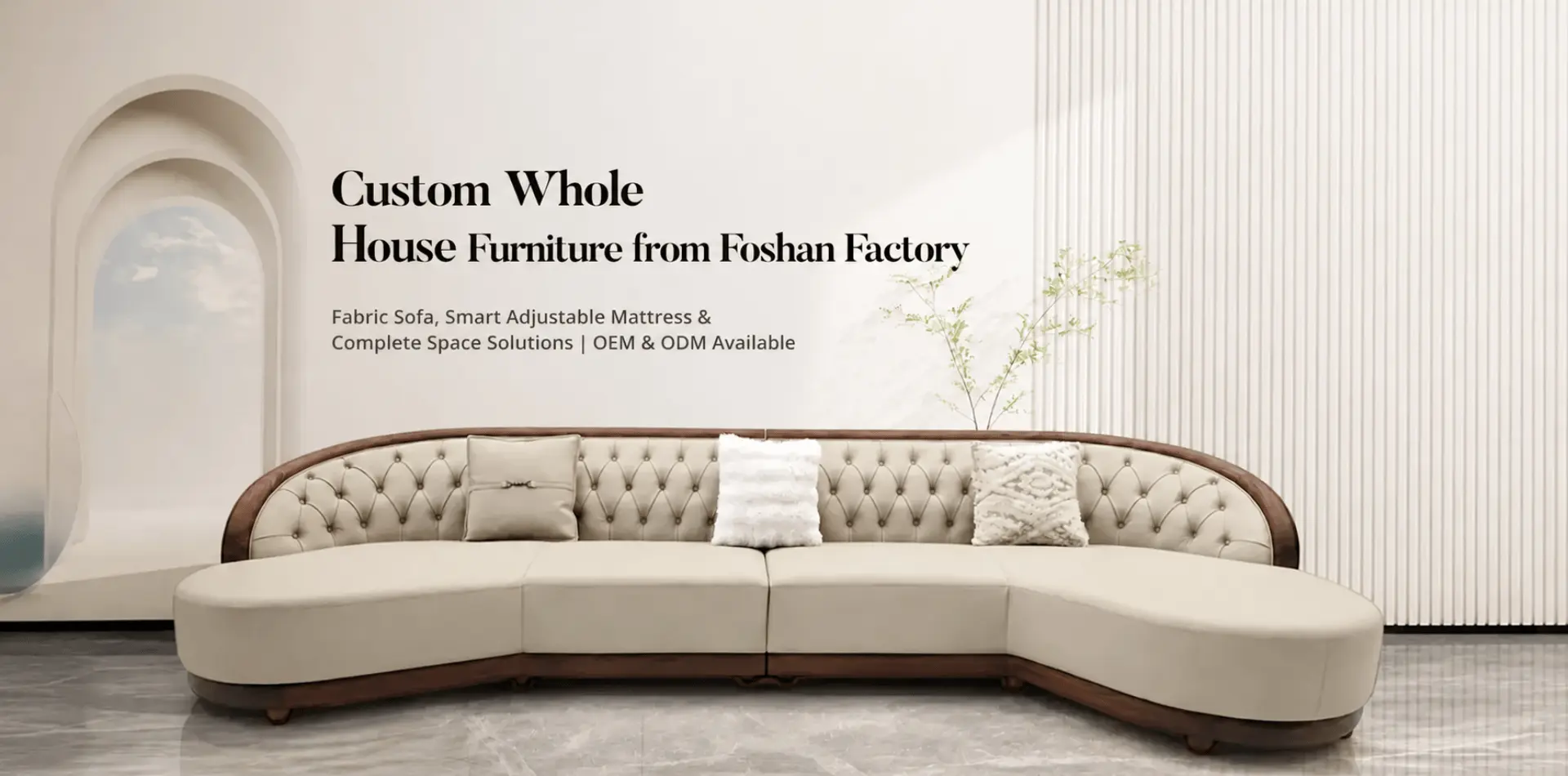
Exporting to Chile is not a matter of dropping a container at Valparaíso and walking away. The recurring pain points our Chilean buyers raise are consistent: documentation, labeling, packaging, and in-market support. Our localization program is built around those four.
Commercial invoice, packing list, certificate of origin, fumigation / phytosanitary certificates where required, and material declaration sheets are prepared consistently for each Chilean shipment to reduce customs hold time.
Product labels, care instructions, assembly notes and packaging copy can be supplied in Spanish as part of the production run, so the importer does not re-label at the distribution center.
Multi-layer crating engineered for ocean freight and Valparaíso / San Antonio humidity corridors, with corner protection, moisture barriers and stencilled shipment IDs for pallet-level receiving.
Dedicated account managers operating with a Chile-compatible response window, so approvals, change requests and QC escalations do not stall overnight.
Production and ocean-freight lead times are quoted as two separate stages with explicit buffers, so the importer's planning team can model arrival windows against retail or project deadlines.
Our internal QC engineers run on-site production-line audits for structural durability and finish consistency, with documented results available to the importer before container release.
Dining tables rarely travel alone. For Chilean importers and project buyers, the value of a whole-house supplier is that dining, bedroom, living and outdoor categories ship under one QC standard — so a single PO can populate a full apartment, a full hotel floor, or a full showroom range.
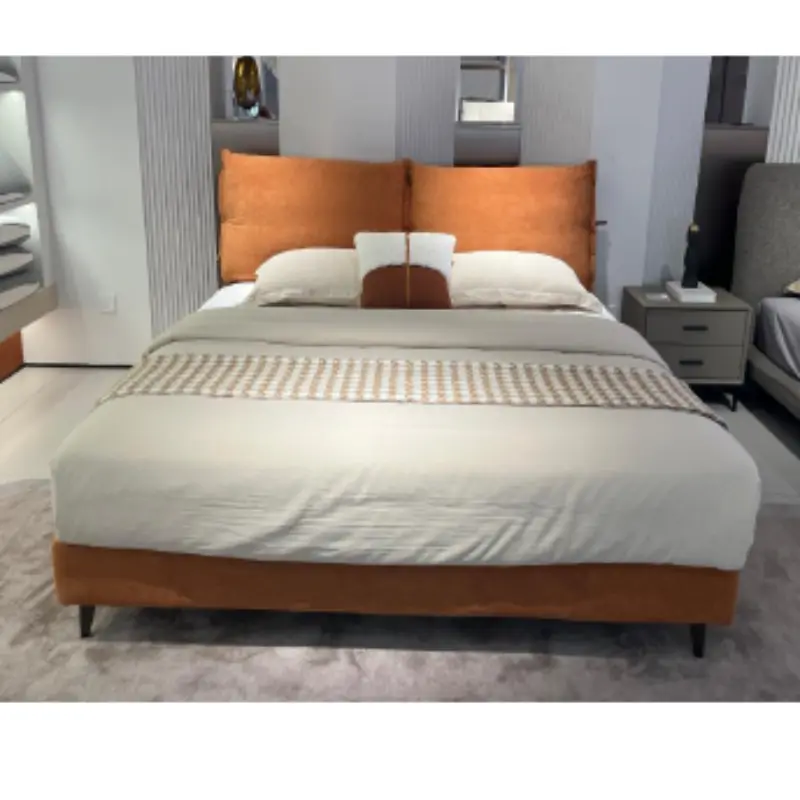
Wholesale QYM C206 Chenille Upholstered Bed Warm chenille softness with a clean everyday profile Manufacturers, Manufacturer
View Product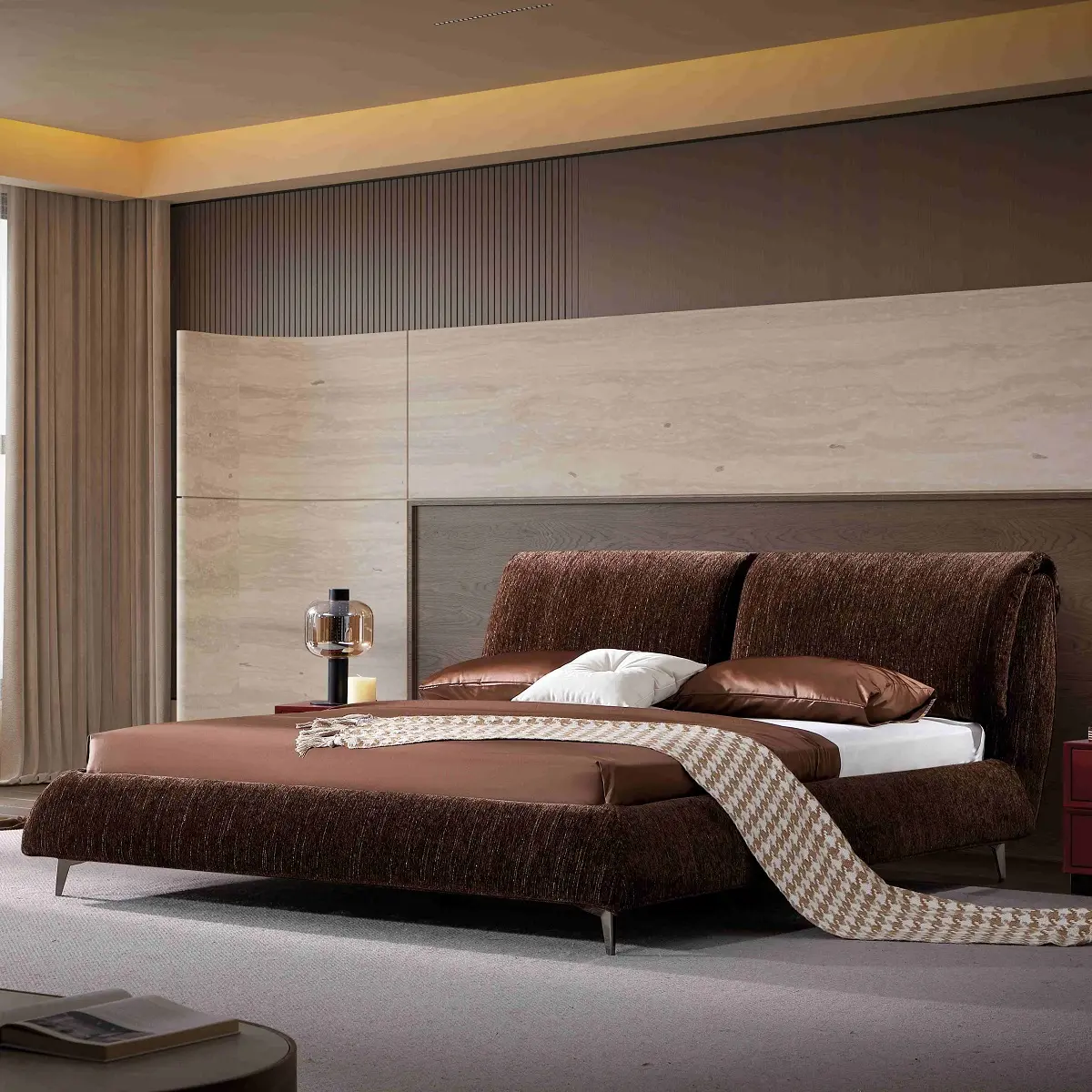
Wholesale C215 Fabric Upholstered Bed Soft fabric comfort with a broad contemporary silhouette Manufacturer, Suppliers
View Product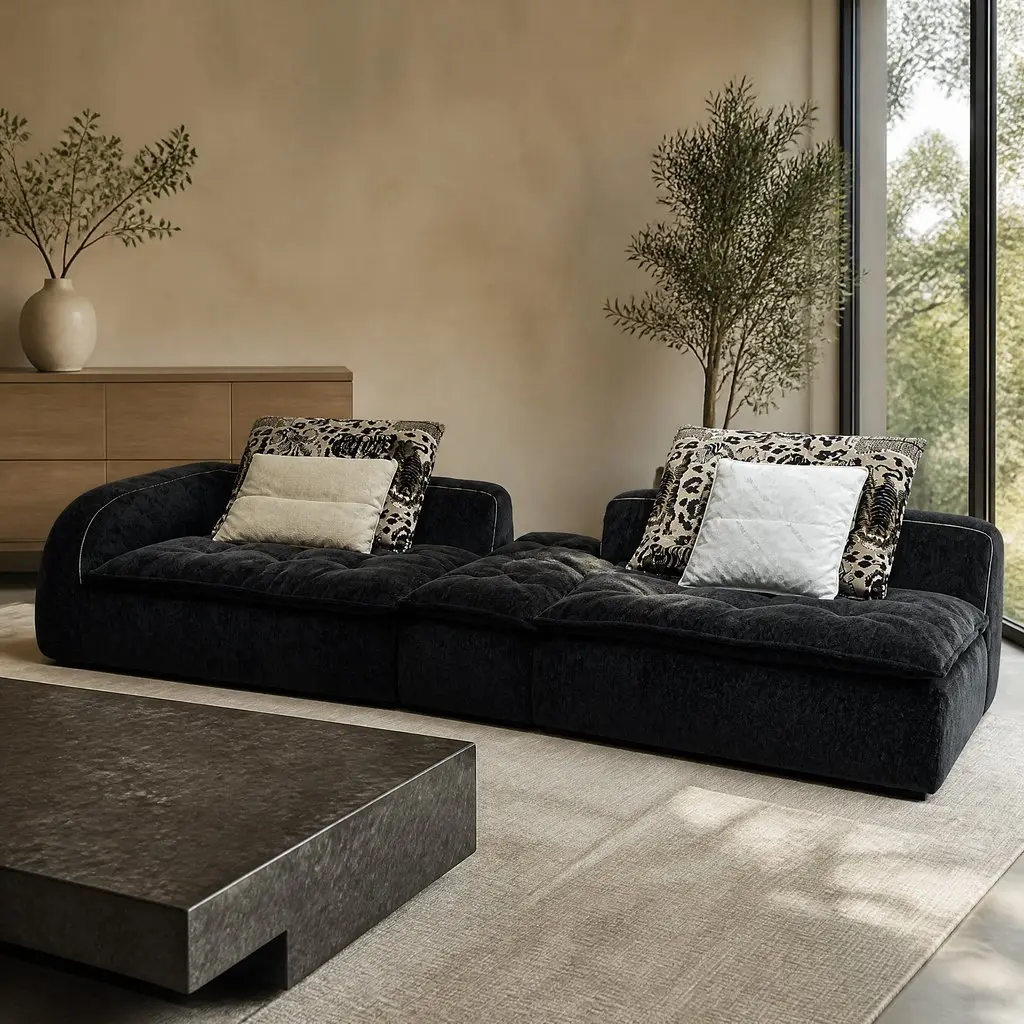
Wholesale QYM M1081 Modern Modular Sectional Sofa with Latex Cushions, Imported Larch Frame, Water Leopard Velvet and Washable Covers Manufacturer, Factories
View Product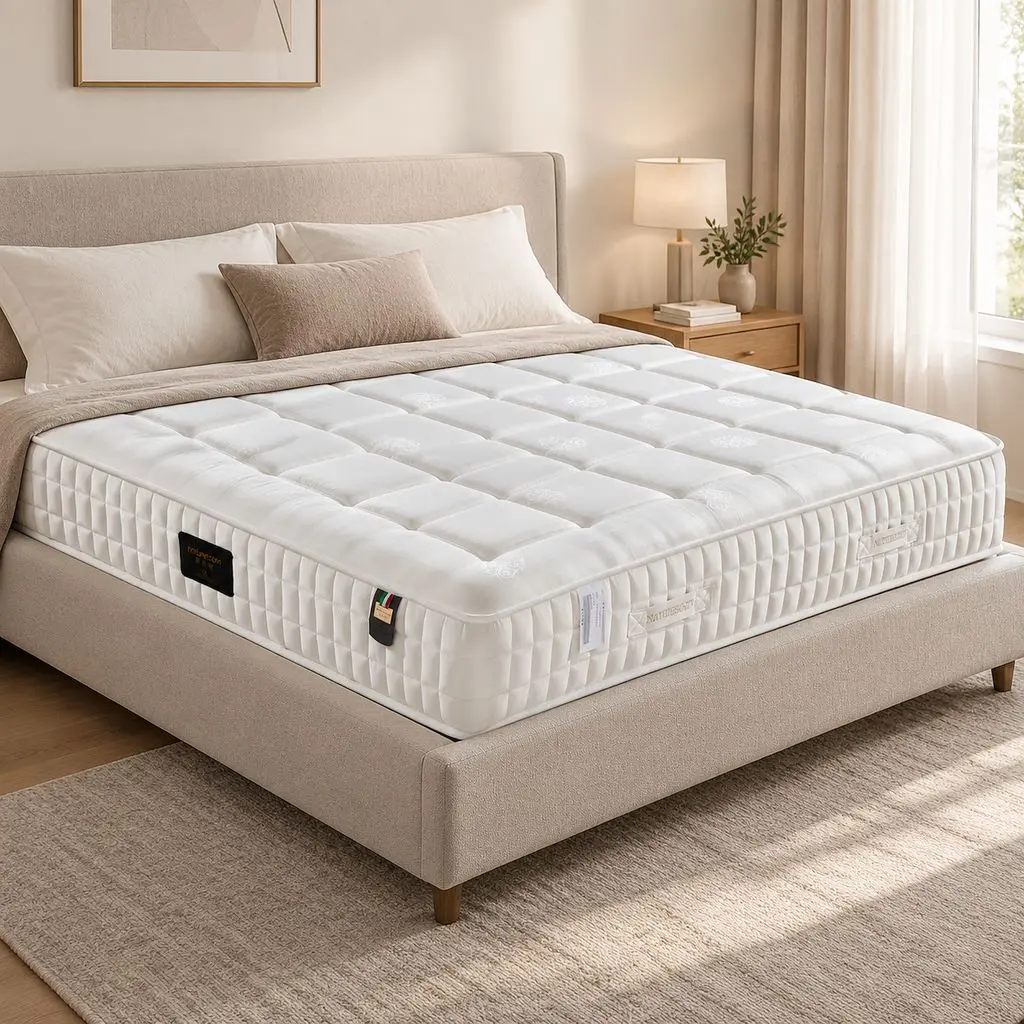
China QYM YL-01 Handmade Mattress with Silent Pocket Springs, Double Comfort Cotton, Cloud Memory Foam and Woven Cotton Fabric Factory, Factories
View Product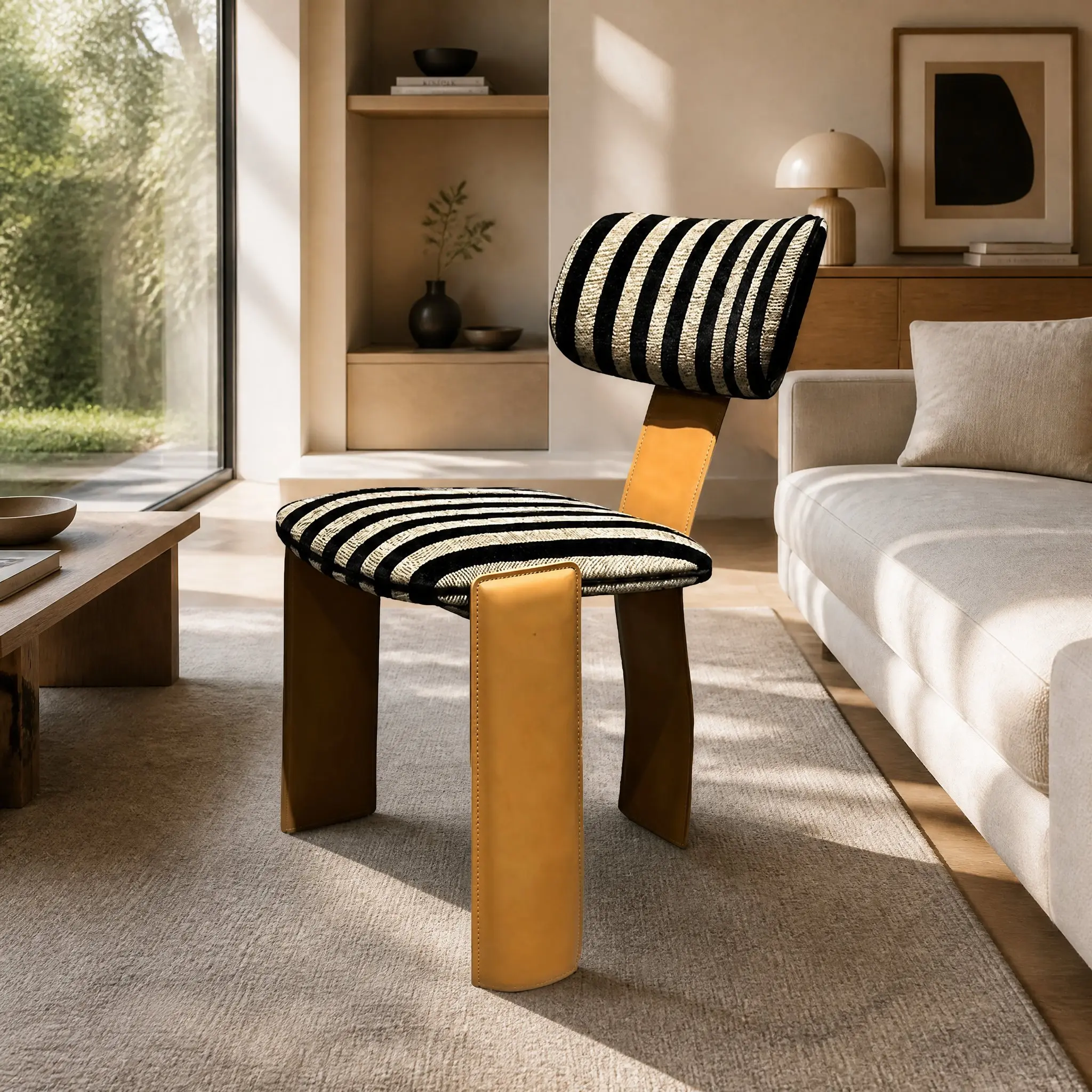
Wholesale QYM Modern Art Striped Dining Chair, MA1-2 Saddle Leather Legs with LVZ. Fendi V854-02 Stripe Fabric, Solid Wood & Stainless Steel Frame Accent Chair for Home Hotel Cafe Supplier, Suppliers
View Product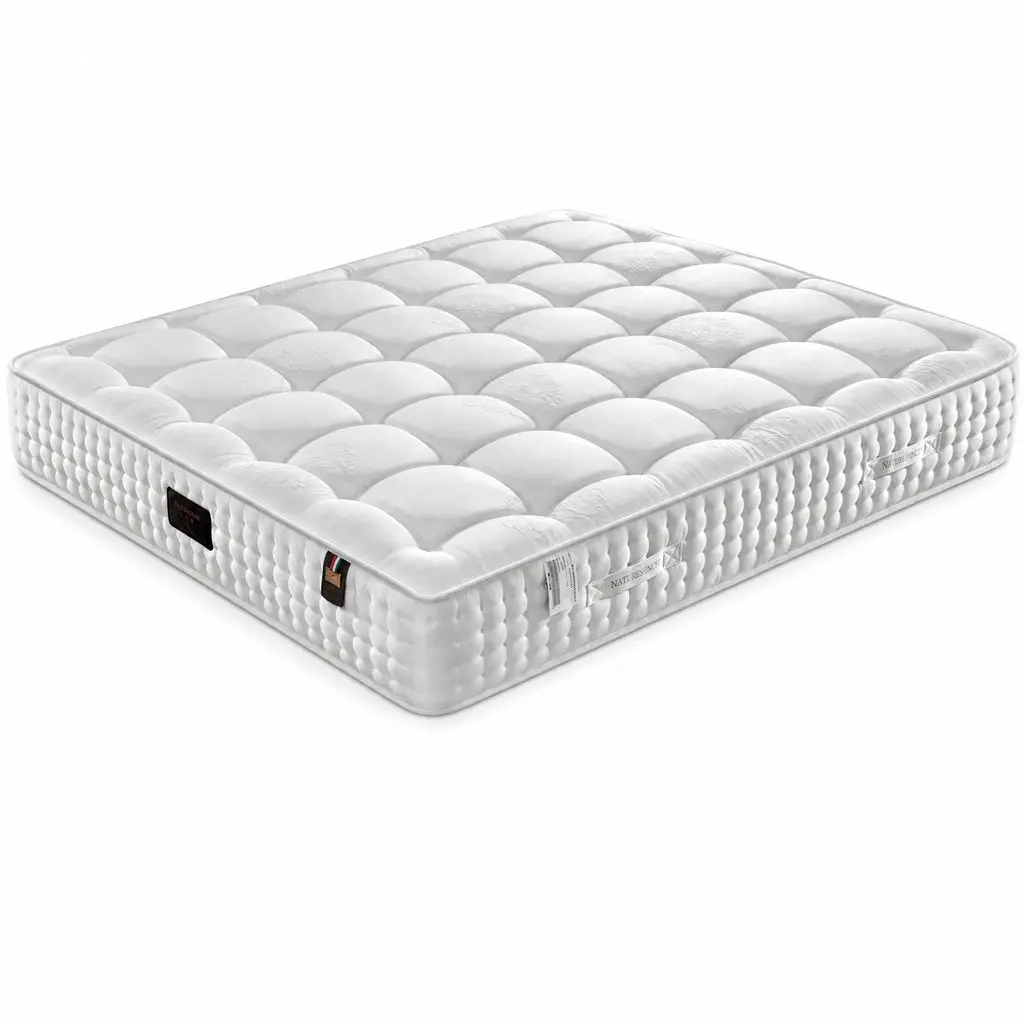
China QYM XH-01 Handcrafted Mattress with Independent Pocket Springs, Mini Bubble Springs, Thai Imported Latex and 3D Layer Suppliers, Wholesaler
View Product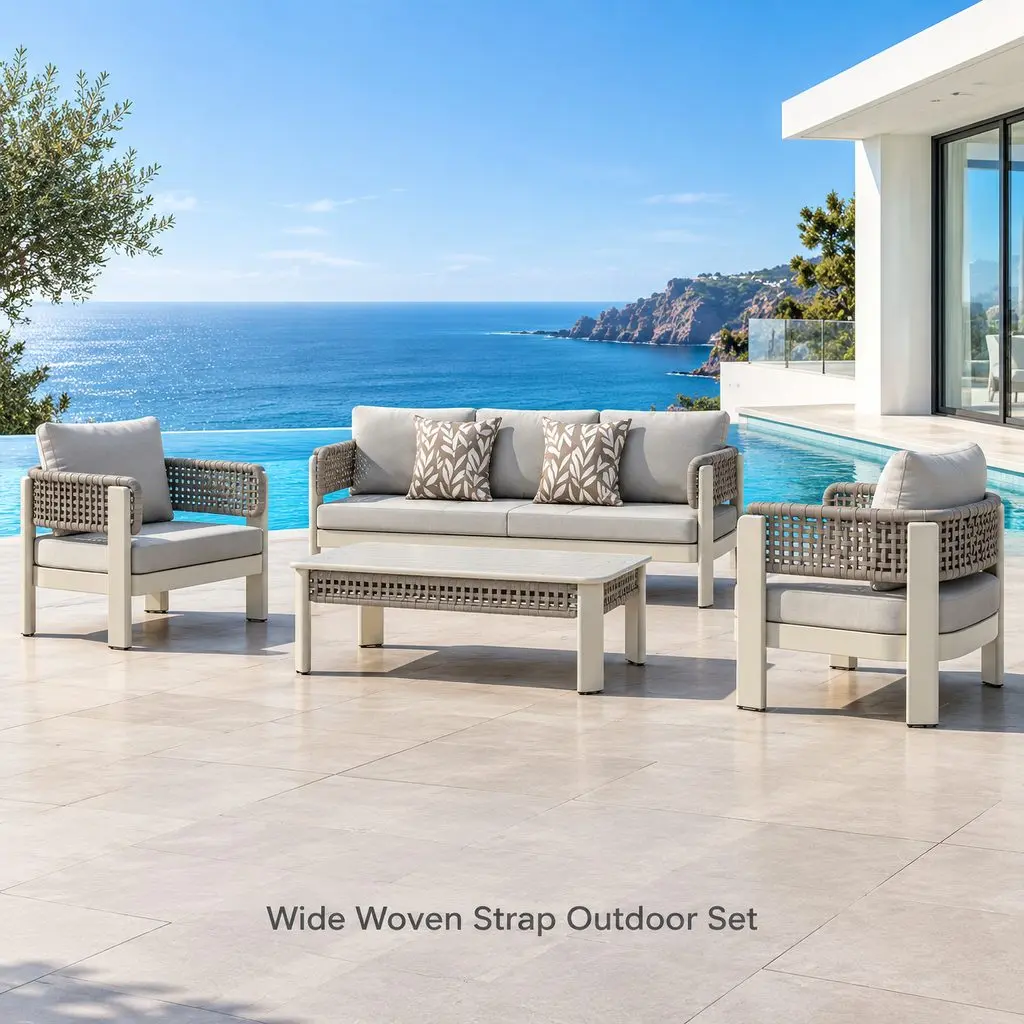
Wholesale QYM XD-6021 Outdoor Sofa Set with Aluminum Frame, Wide Woven Strap Panels, Waterproof Cushions and Custom Fabrics Manufacturer, Wholesaler
View Product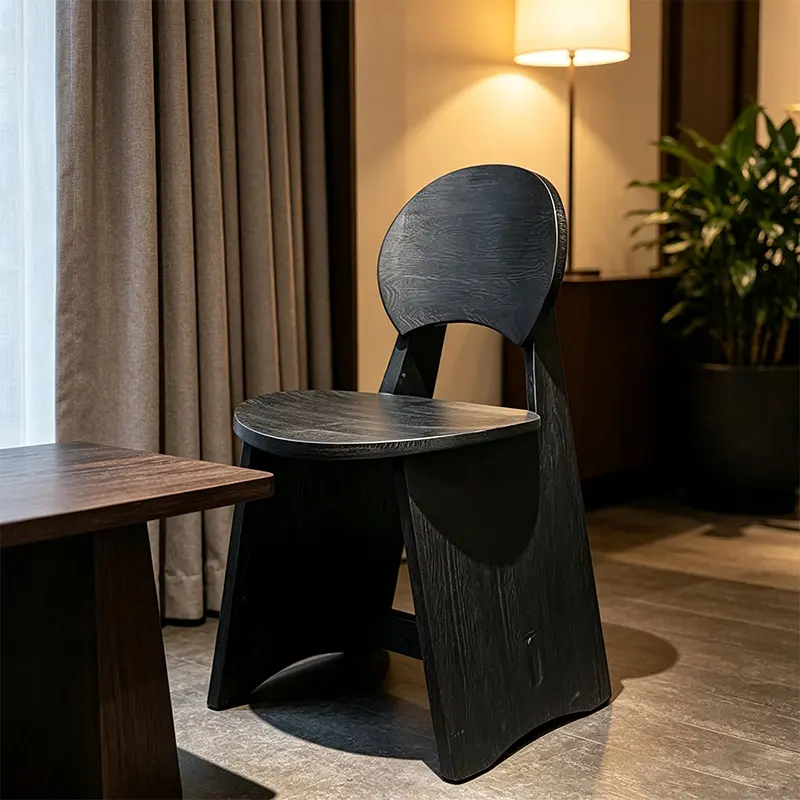
Latest design QYM Modern Solid Ash Wood Dining Chair Smoked Black Finish Minimalist Arched Backrest Dining Side Chair For Restaurant Home Kitchen Manufacturers, Supplier
View ProductLooking forward, three forces will most likely reshape how Chilean importers, developers and hospitality groups source dining tables over the next 24–36 months.
Consolidation of vendor counts. Buyers are already moving toward fewer, deeper supplier relationships. A Chilean importer who currently works with six suppliers across six categories will rationalize toward two or three — and the deciding factor will not be unit price, but whether the supplier can hold finish families, deliver documentation, and absorb a mixed container. This is the single most important structural trend in the market, and it structurally favors whole-house-capable manufacturers.
Contract-grade expectations moving into residential. Short-stay, serviced-apartment and hospitality-adjacent residential developments are pushing contract durability expectations into what was historically residential product. Dining tables in these projects will be evaluated against commercial abrasion, edge impact and cleanability standards — and manufacturers who cannot document their performance will be excluded.
Traceability as a standard deliverable. Material origin, formaldehyde class, coating chemistry and packaging recyclability are moving from "premium supplier differentiator" to "baseline requirement". Importers who start requesting this data now will be ahead of their competitors when their own retail clients begin asking for it.
The questions below are drawn from the actual enquiries our export team receives from Chilean importers, hospitality procurement teams and design studios.
Qingyumai is the export brand of Foshan Qingyumai Technology Co., Ltd., an integrated furniture manufacturer covering R&D, production and international sales with its own production facility in Shunde, Foshan. For whole-house orders, we also coordinate a network of audited partner factories so that every category — including dining tables — ships under one quality standard and one purchase order.
Yes. We customize dimensions, upholstery and frame colors, fabric grades (cashmere, cotton-linen, cool-touch and commercial-grade fabrics) and branding such as woven labels, embossed logos and Spanish-language packaging copy. For dining tables specifically, we can adjust tabletop dimensions, edge profiles, leg design and finish family to match a Chilean buyer's range plan.
Yes. Our post-sale team handles container consolidation across categories, planning loading space to reduce ocean freight cost per unit while using multi-layer export crating to prevent transit damage. This is particularly useful for Chilean importers who want a single mixed container combining dining, bedroom, living and outdoor categories.
We can specify differing kiln-drying targets and topcoat systems depending on the destination region within Chile. For central-valley destinations such as Santiago, we typically recommend 8–10% MC with a stabilized end-grain sealant. For coastal and southern destinations such as Valparaíso or Puerto Montt, we recommend 10–12% MC with a heavier moisture-barrier topcoat. Buyers ordering a national range can request a two-tier specification.
Our internal QC engineers carry out on-site production-line audits that check structural durability, joint integrity and finish consistency. Pre-sale consultants recommend material configurations aligned with the regulatory standards of your destination market. Documented QC results are available to the importer before container release.
We supply furniture wholesalers and importers, hotel and hospitality procurement teams, property developers, interior design firms, salons and residential clients that need coordinated furniture for multiple rooms. In Chile specifically, our strongest fit is with importers building national ranges and with hospitality or developer project buyers who need drawing-to-production engineering.
We are located in Hui Cheng Industrial Park, Longjiang Town, Shunde District, Foshan, Guangdong, China, one of the world's best-known furniture manufacturing hubs. Buyers from Chile are welcome to arrange factory and showroom visits — we can coordinate the itinerary to include dining-table production, finishing lines and showroom sample review in a single day.
We prepare commercial invoice, packing list, certificate of origin and — where required for timber packaging — fumigation or phytosanitary certificates. Where the importer requires Spanish-language labeling, care instructions and packaging copy, these can be produced as part of the production run. Final responsibility for destination-specific legal compliance should be confirmed with your own customs broker and legal counsel; we support with the documentation and material declarations on our side.
Share your category plan, target dimensions, finish family and expected container cadence. Our export team will respond with a specification-matched program, crated-volume estimate and compliance documentation outline.