
Planning a bedroom or bathroom furniture program for the South African market?
Get a factory quotation, material spec sheet and container loading plan within 48 hours.
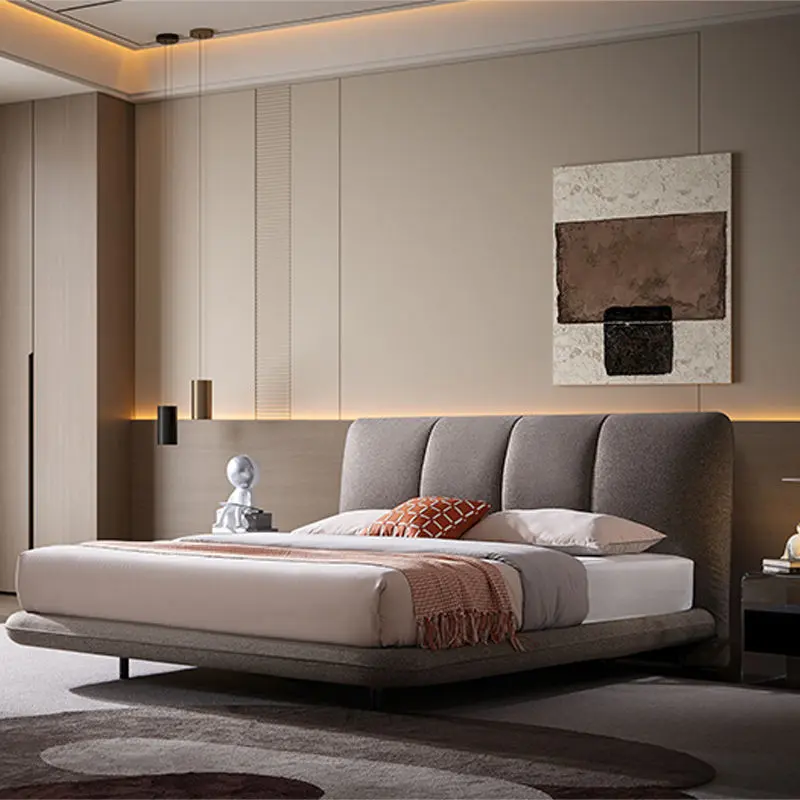
Signature Bedroom Pieces
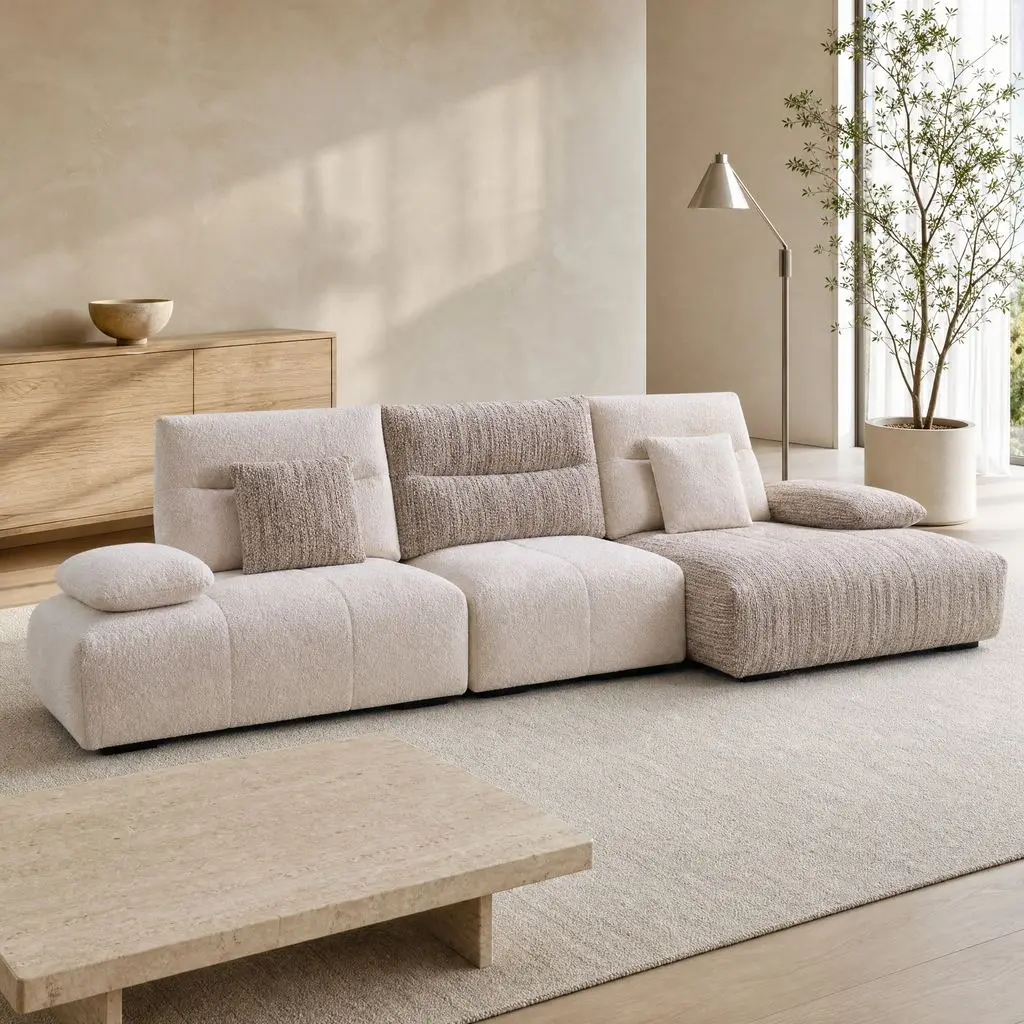
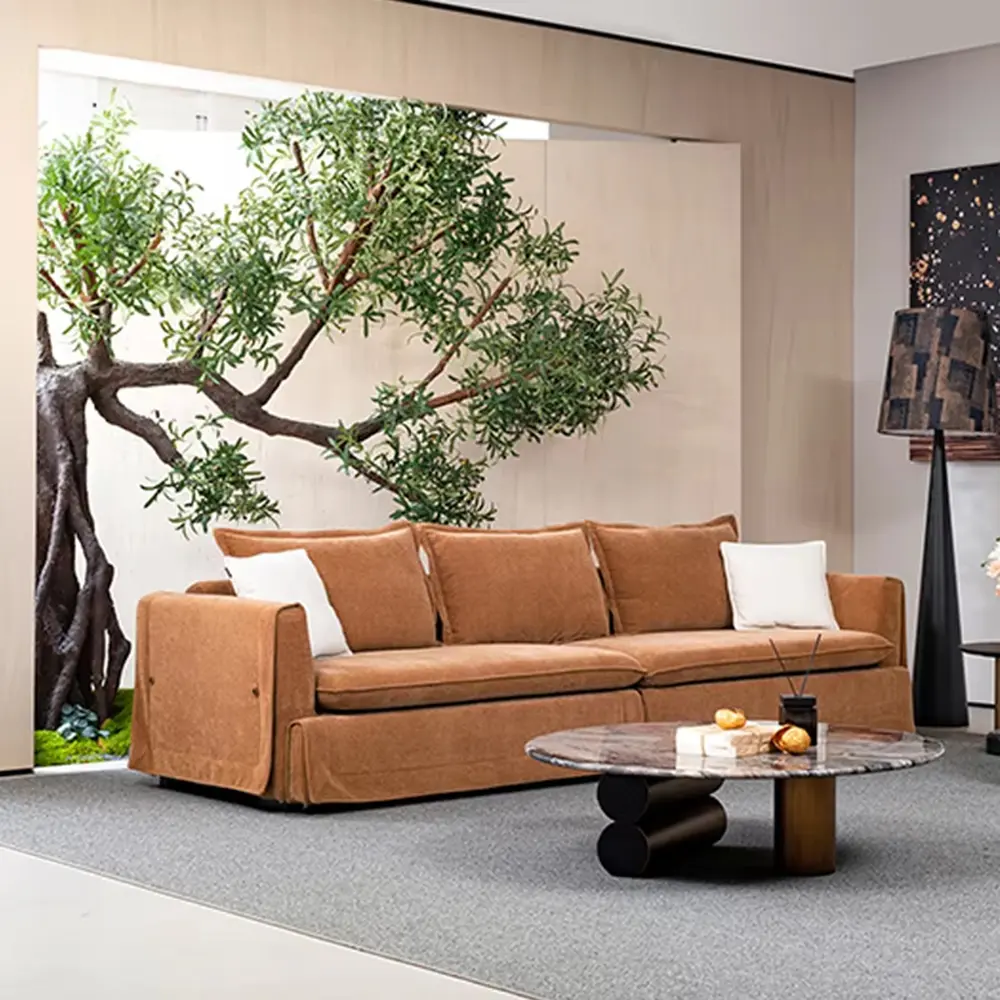
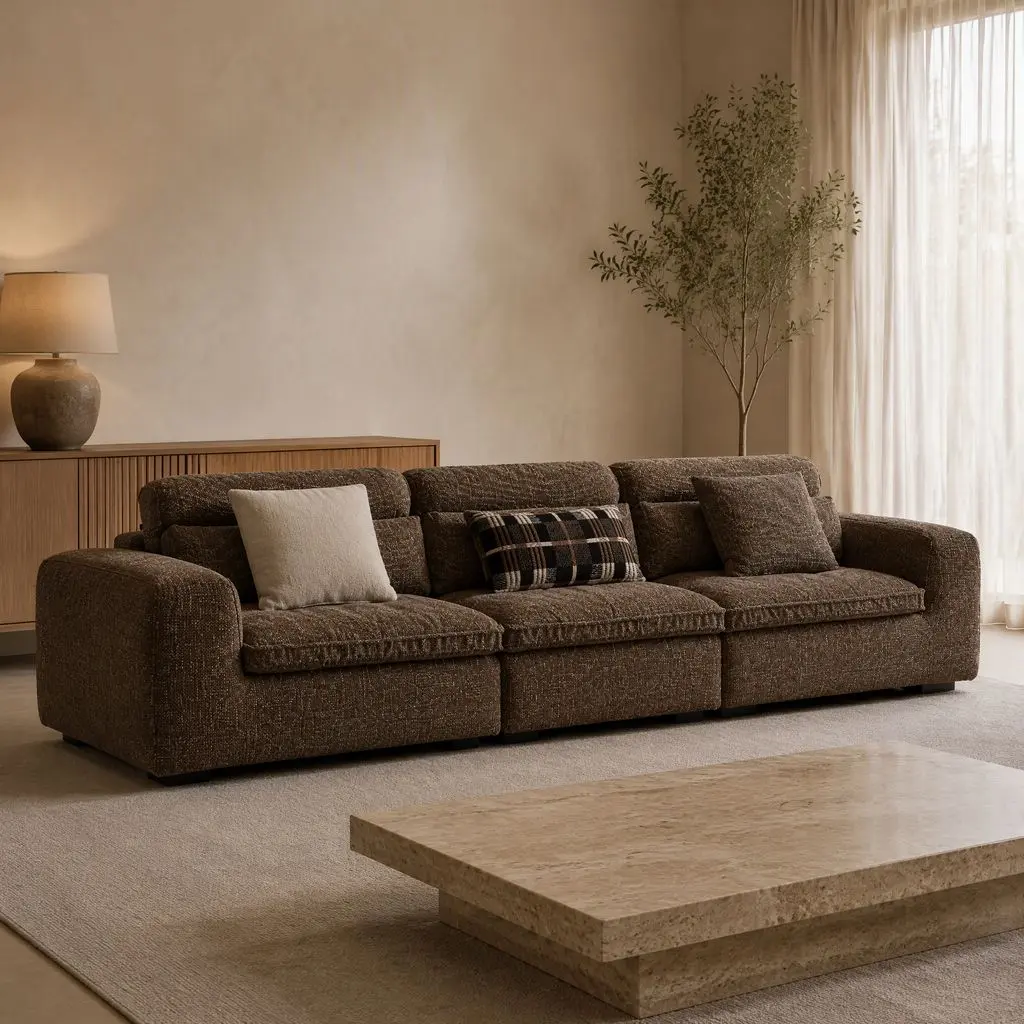
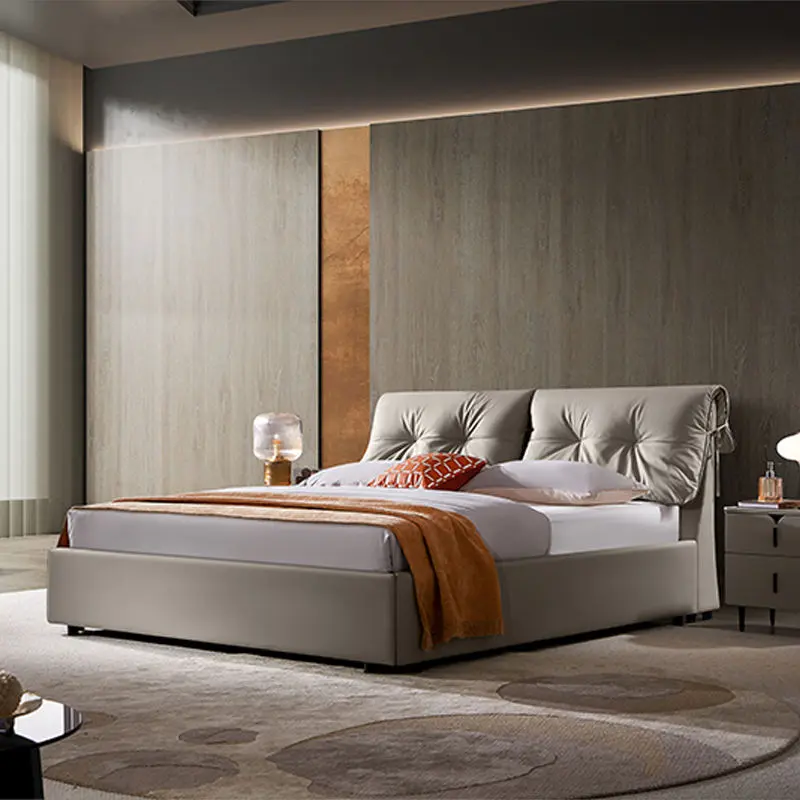
Four Best-Selling Bedroom & Vanity Programs for South African Buyers
Each model below is a proven export SKU already shipping to importers, retail chains and project buyers. All dimensions, fabrics and finishes can be adapted to your market specification — including South African bedroom sizes and National Building Regulations-friendly bathroom vanity depths.
South Africa Market Intelligence
The South African Dresser & Vanity Market: Local Reality, Not a Copy-Paste of Europe
South Africa is not a single market. It is a set of distinct buying ecosystems — Gauteng volume retail, Western Cape premium design, KwaZulu-Natal coastal hospitality, and a fast-growing mid-income rental and student housing segment. A dresser or vanity program that works in Sandton will often fail in a Durban coastal apartment unless moisture performance and hardware are specified differently.
Retail & Wholesale Landscape
The bedroom casegoods channel is dominated by national chains, independent furniture retailers and informal wholesale corridors in Johannesburg, Pretoria and Durban. Local assembly capacity is limited, so imported flat-pack and semi-assembled dressers dominate entry and mid-tier price bands.
Design & Developer Demand
Western Cape and Gauteng property developers increasingly specify floating vanities and handleless dressers for show units and rental stock. Interior studios in Cape Town and Sandton expect brand-aligned finishes, not generic beech veneer.
Hospitality & Safari Lodges
Boutique guesthouses, safari lodges and conference hotels across Limpopo, Mpumalanga and KZN require contract-grade dressers and vanities with moisture-resistant cores, high-wear tops and modular replaceable fronts.
Logistics Reality
Importers route mostly through Durban and Cape Town ports. Clearance delays and inland trucking to Gauteng mean buyers plan for 6–9 week landed timelines and prefer semi-assembled, knock-down packaging that reduces volumetric freight.
Standards & Compliance
Buyers increasingly request low-formaldehyde boards, compliance with National Building Regulations damp-proofing expectations, and E1/E0 panel grades. Furniture must also survive high humidity along the KZN coast.
Exchange & Pricing Pressure
Rand volatility pushes buyers toward FOB pricing with hedging options, smaller MOQs per SKU and mixed-container consolidation so one shipment can cover dressers, vanities, beds and mattresses together.
In practice, the South African buyer is buying three things at once: price stability, humidity-tolerant construction and container efficiency. Whichever supplier solves all three wins the repeat order.
Global Industry Snapshot
Global Bedroom Casegoods & Vanity Manufacturing: Where the Real Advantage Sits
Globally, bedroom furniture demand has shifted from "more units" to "better units per container". Retailers in the US, EU, Middle East and Africa are consolidating supplier lists, forcing manufacturers to offer wider category coverage under one QC standard. Dressers and vanities tell this story clearly: they are heavy, volumetric, damage-prone goods where cost per cubic metre matters as much as cost per unit.
At the same time, bathroom and bedroom design language has converged. Floating vanities, handleless fronts, fluted timber, ceramic or sintered stone tops and matte lacquer finishes now travel across markets. The supplier who can execute these finishes in a knock-down, freight-efficient format is the one who wins.
- Floating and wall-hung vanity geometry is now a baseline expectation, not a premium upsell.
- Moisture-resistant boards (HMR/MDF) are replacing standard chipboard in bathroom-adjacent applications.
- Soft-close, undermount and full-extension hardware is being specified at every price tier, not just high-end.
- Project buyers bundle dressers, vanities, beds and mattresses into single containers to cut freight per unit.
China Factory Efficiency
Why Foshan Still Sets the Global Cost & Finish Benchmark
Foshan's Shunde district — where our facility sits — concentrates panel processing, edge-banding, lacquer, hardware sourcing, upholstery and packing within a radius of a few kilometres. That density produces a compounding efficiency that no other region easily replicates.
What it means for a South African buyer:
- Panel processing scale — CNC cutting and edge-banding on dedicated lines, so repeat SKUs hold dimension tolerance batch after batch.
- Finish consistency — matte lacquer, melamine, veneer and fluted profiles executed under one production roof, so a dresser and matching nightstand match perfectly.
- Hardware access — proximity to Hettich, DTC, Blum-tier hardware supply lets us price soft-close at all tiers.
- Freight engineering — in-house packaging design that reduces volumetric cubic metres per SKU by 15–30% compared with naive packaging.
- Rapid sampling — pre-production samples in 7–10 days so South African buyers can approve finish before committing a container.
0+Years exporting to global wholesale and project markets
0+Original patents across whole-house furniture systems
0Furniture categories under one purchase order
0hTypical quotation turnaround for qualified enquiries
Localised Application Scenarios
Where Dressers & Vanities Actually Go in South Africa
Generic product pages describe a dresser. A buyer in Durban needs to know whether it survives a humid summer. A developer in Midrand needs to know whether it fits a 2.7 m bedroom wall. Below are the real deployment contexts we design around.
Gauteng Rental & Student Housing
Compact 900–1200 mm dressers with flat-pack construction, neutral melamine finishes and sealed edges. High replacement turnover favors durability and low damage risk over premium finish. Buyers typically order in 40HQ mixed containers with beds and mattresses.
Western Cape Premium Retail
Floating vanities with sintered stone or engineered tops, fluted oak veneer fronts and matte lacquer dressers. Buyers expect matched tone across dressers, nightstands and bedroom benches. Finish library and sample dispatch speed matter more than price alone.
KZN Coastal Apartments
Durban's humidity demands HMR cores, sealed back panels, stainless or coated hardware and anti-mould edge treatment. We specify coastal-spec boards for any SKU shipping to KZN — an information advantage most generic suppliers ignore.
Safari Lodges & Boutique Hotels
Contract-grade dressers with replaceable fronts, scratch-resistant tops, twin USB-integrated nightstands and anti-tip anchoring. Fire-retardant and moisture-resistant specs are usually required for guestroom furnishing packages in Limpopo and Mpumalanga.
Global Procurement Requirements
What Global B2B Buyers Actually Ask Before Awarding a Dresser & Vanity Order
Reviewing inbound buyer briefs across markets shows a consistent procurement checklist. The table below maps what buyers demand against how a factory-direct program like ours responds.
| Procurement Requirement | Why It Matters | Our Response |
|---|---|---|
| Moisture-resistant board core | Vanity and bathroom-adjacent durability | HMR / MR-MDF options at all price tiers |
| Consistent finish across SKUs | Retail floor set harmony | Single production line for matched families |
| Mixed container consolidation | Lower freight per unit | Dressers, vanities, beds, mattresses in one 40HQ |
| Low MOQ per SKU | Test market before scale | Flexible trial quantities for new buyers |
| Pre-shipment QC evidence | Reduce damage claims | In-line QC and photo reports per batch |
| Custom branding | Private label retail | Woven labels, logos, branded cartons |
| Compliance documentation | Customs and retailer onboarding | Material declarations, E1/E0 panel documentation |
Industry Trends 2025–2030
Six Trends Reshaping Dresser & Vanity Design and Manufacturing
Buyers who plan catalogues two seasons ahead need to know which design signals are durable and which are passing fads. These six trends have already moved from concept to production floor.
Floating & Wall-Hung Geometry
Wall-hung vanities and floating dresser consoles free floor space and dominate premium apartment and hotel projects.
Fluted & Ribbed Fronts
Fluted timber and ribbed lacquer fronts are now produced at scale in Foshan, allowing mass-market pricing.
Integrated Charging & Lighting
USB-C ports, integrated LED strips and touch-dimming mirror vanities are becoming standard expectations in mid-tier retail.
Knock-Down Freight Engineering
Design-for-assembly is now a design discipline — reducing cubic metres per SKU without compromising structural integrity.
Low-Formaldehyde & Recycled Content
E1/E0 panel grades, recycled board content and low-VOC finishes are requested in EU, UK and increasingly African tenders.
Whole-Room Bundling
Buyers now order a matched bedroom story — dresser, nightstand, bed, mattress — not isolated SKUs. Suppliers must coordinate finishes.
Complete Programme Catalogue
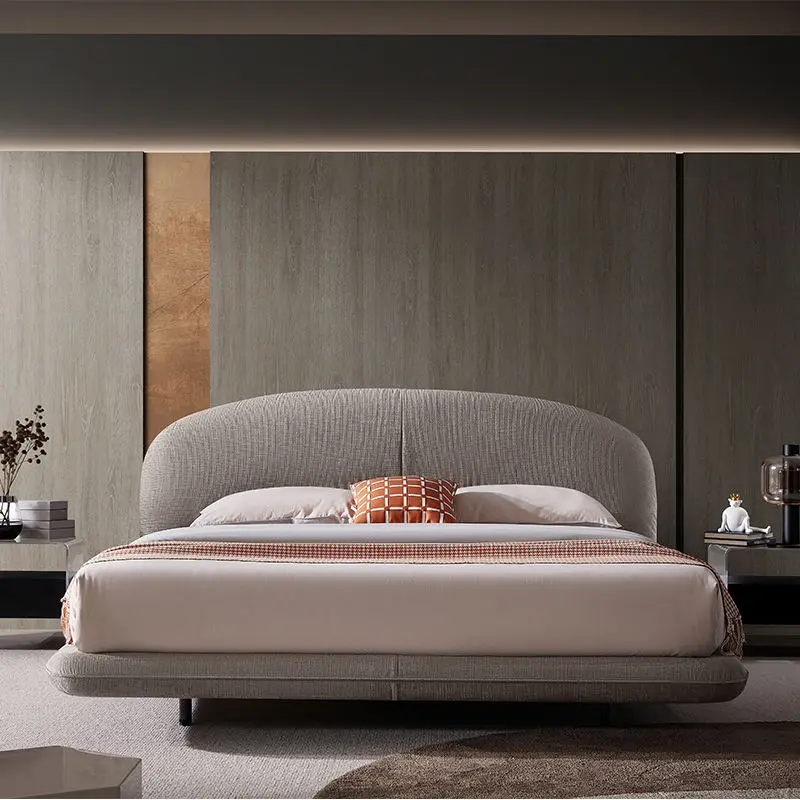
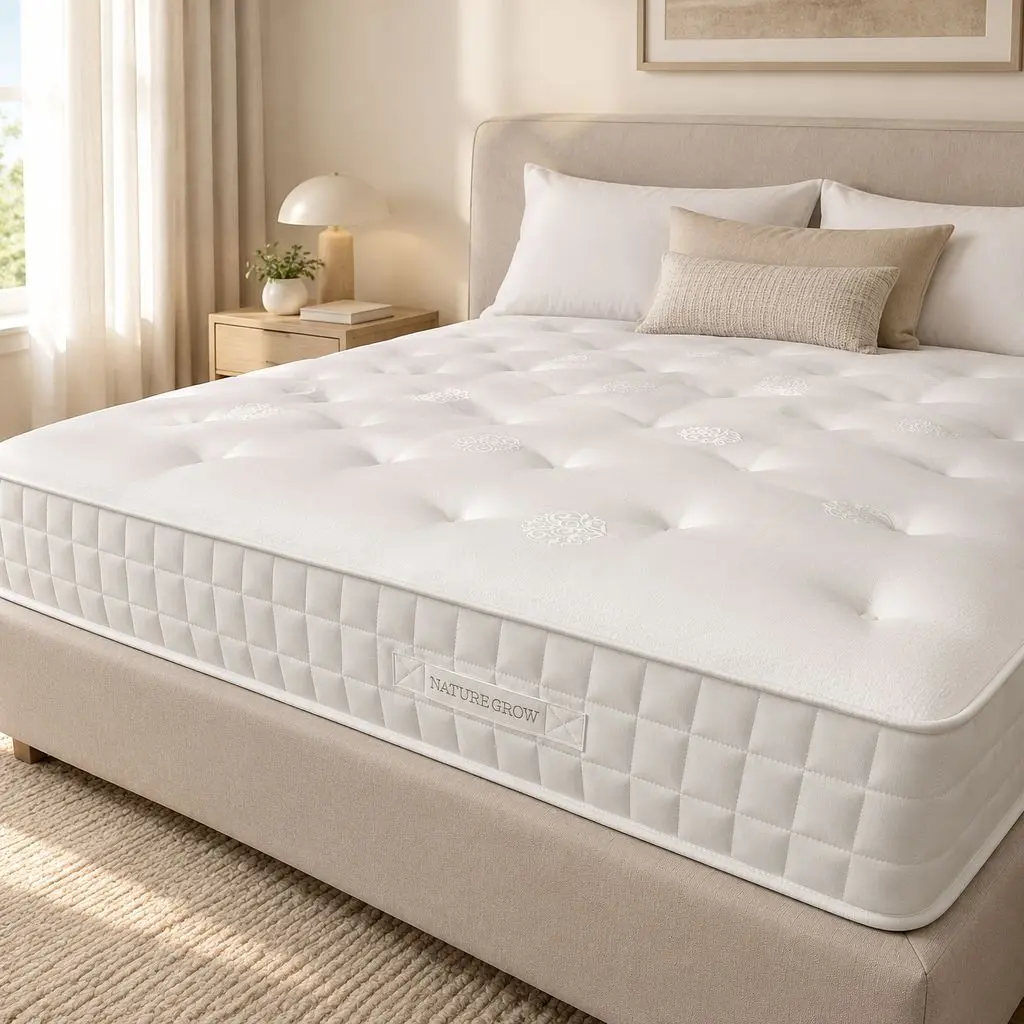
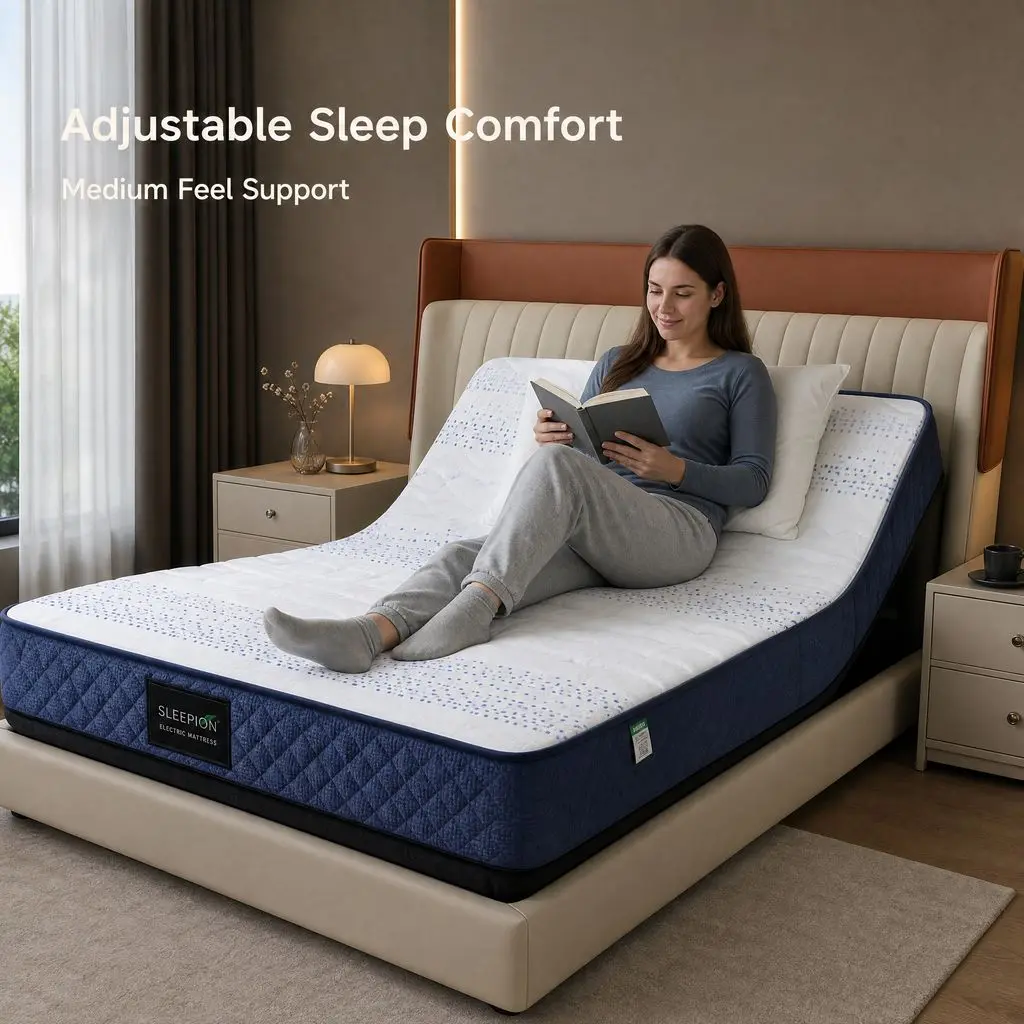
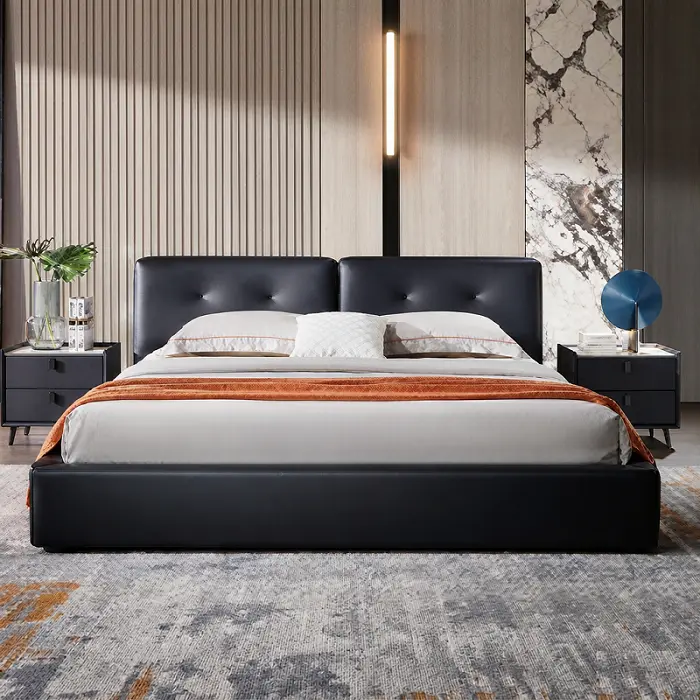
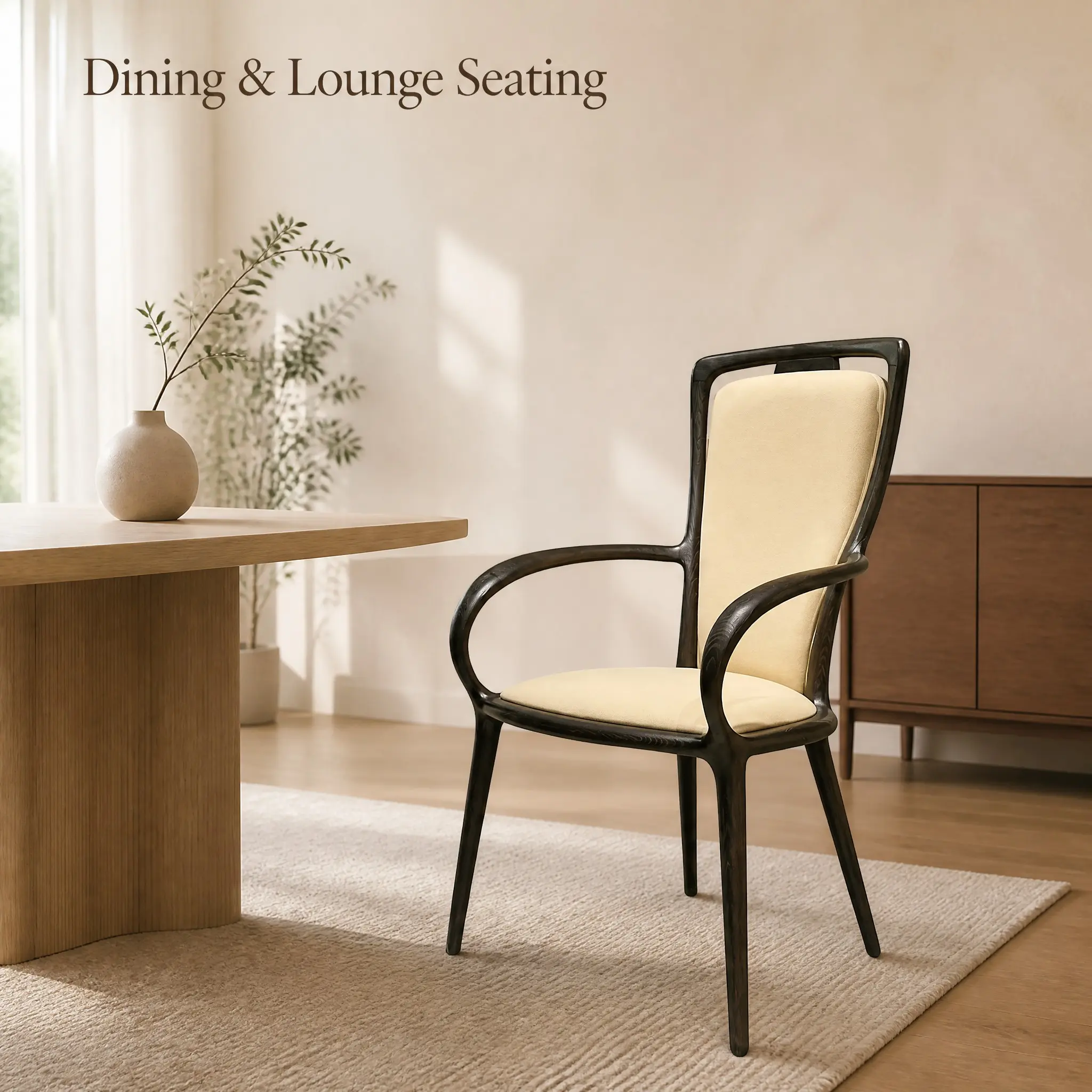
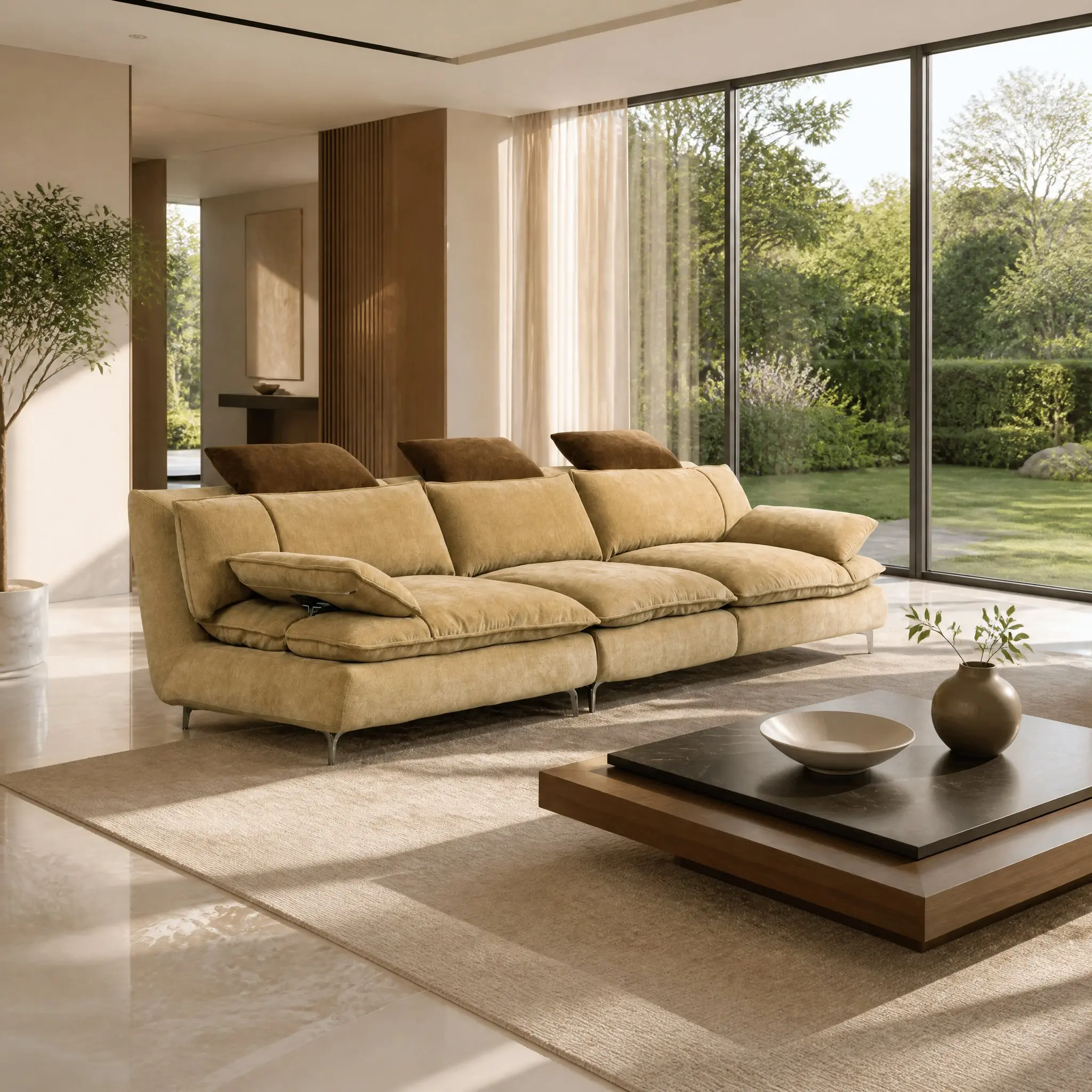
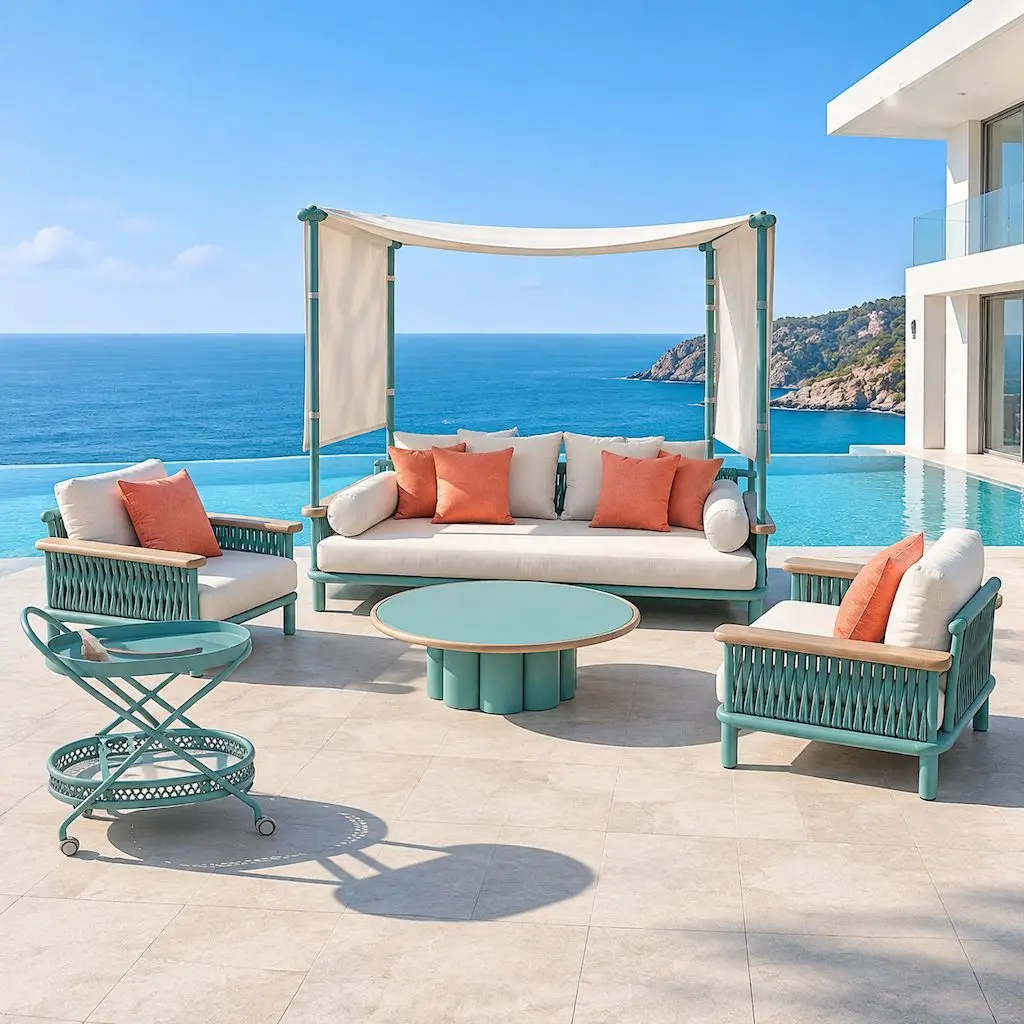
Eight More Export SKUs for Coordinated Bedroom & Living Programmes
Bundling dressers and vanities with beds, mattresses, sofas and dining creates a single-container, single-QC opportunity. The models below are commonly ordered alongside our dresser and vanity lines by South African and global buyers.
Start a Programme
Send Your Dresser & Vanity Brief — Get a Factory Quotation in 48 Hours
Share your SKU list, target retail price, destination city and container plan. Our export team will return costing, material specification, sample timeline and freight engineering notes for your South African market.
Buyer FAQ
Dressers & Vanities for South Africa — Frequently Asked Questions
Are you a dresser and vanity manufacturer or a trading company?
We are the export arm of an integrated Foshan manufacturer covering R&D, production and international sales, with our own facility in Shunde and an audited partner network for specialist casegoods. Every order — dressers, vanities, beds, mattresses — ships under one QC standard and one purchase order.
Do you ship dressers and vanities to South Africa?
Yes. We regularly ship bedroom casegoods and bathroom vanities to importers, retail chains and project buyers across Gauteng, Western Cape, KwaZulu-Natal and other provinces. Standard routing is via Durban or Cape Town ports, with FOB or CIF terms depending on buyer preference.
Can you supply moisture-resistant boards for humid coastal regions like Durban?
Yes. For KZN and other humid destinations we recommend HMR or MR-MDF cores with sealed back panels, coated hardware and anti-mould edge treatments. This is a specification we routinely build into coastal-bound orders.
What is your minimum order quantity for dressers and vanities?
MOQ is flexible. Buyers testing a new market can order as little as 30–50 pieces per SKU within a mixed container that also includes beds, mattresses or sofas. Volume orders receive dedicated container and freight engineering planning.
Can you match finishes across dressers, nightstands, beds and vanities in one order?
Yes. Because panel processing, edge-banding and lacquer finish all run in our own facility, we can guarantee tone and finish consistency across a coordinated bedroom and bathroom programme — which most multi-vendor sourcing structures cannot.
How do you control quality before shipment?
Our QC engineers carry out in-line audits on the production floor checking structural durability, drawer alignment, finish consistency and hardware performance. A pre-shipment photo inspection report is issued for each container.
Can we order private-label dressers and vanities with our own branding?
Yes. We produce custom woven labels, embossed logos, branded cartons and care labels. This is standard for retail chains and importers running private-label programmes.
What is the typical lead time for a South African order?
Pre-production samples usually take 7–10 days. Mass production typically requires 30–45 days depending on SKU complexity and volume, after which ocean freight to Durban or Cape Town adds roughly 3–5 weeks. We confirm timelines per order.
How do you reduce freight cost per unit?
We design dressers and vanities in knock-down formats, design cartons for optimal cubic metre usage, and consolidate mixed categories into a single 40HQ container. This typically reduces landed freight cost per unit by 15–30% compared with unoptimised packaging.
Do you offer full-house furniture bundling alongside dressers and vanities?
Yes. Under one purchase order we supply living room, bedroom, dining, outdoor, salon, office and hotel furniture — including sofas, beds, mattresses and dining chairs — with matched finishes and one shipment.