
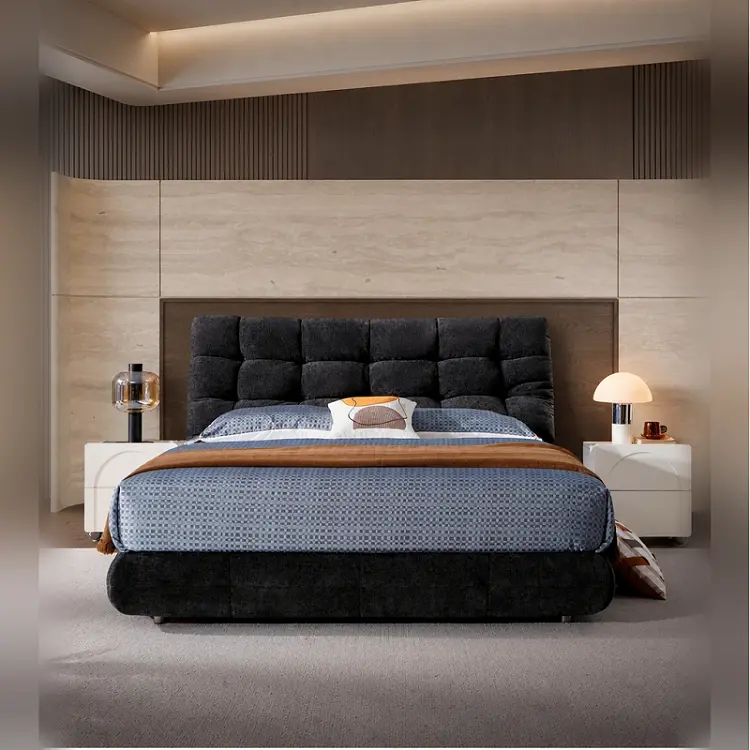
Upholstered Bed
Singapore is one of the most demanding compact-living furniture markets in the world. With over 80% of households living in high-density public or private apartments, a dresser is rarely a decorative extra — it is the primary bedroom storage and grooming station. That single fact reshapes every procurement decision: depth tolerances, drawer cycle ratings, mirror safety glazing, and moisture resistance all become specification-critical rather than stylistic.
This white paper consolidates the practical knowledge accumulated by our Foshan production team across years of supplying wholesalers, contractors, hospitality procurement houses and interior design studios serving Singapore. It is written for buyers who need information gain — the specific, verifiable engineering and compliance detail that separates a reliable casegoods partner from a catalogue reseller.
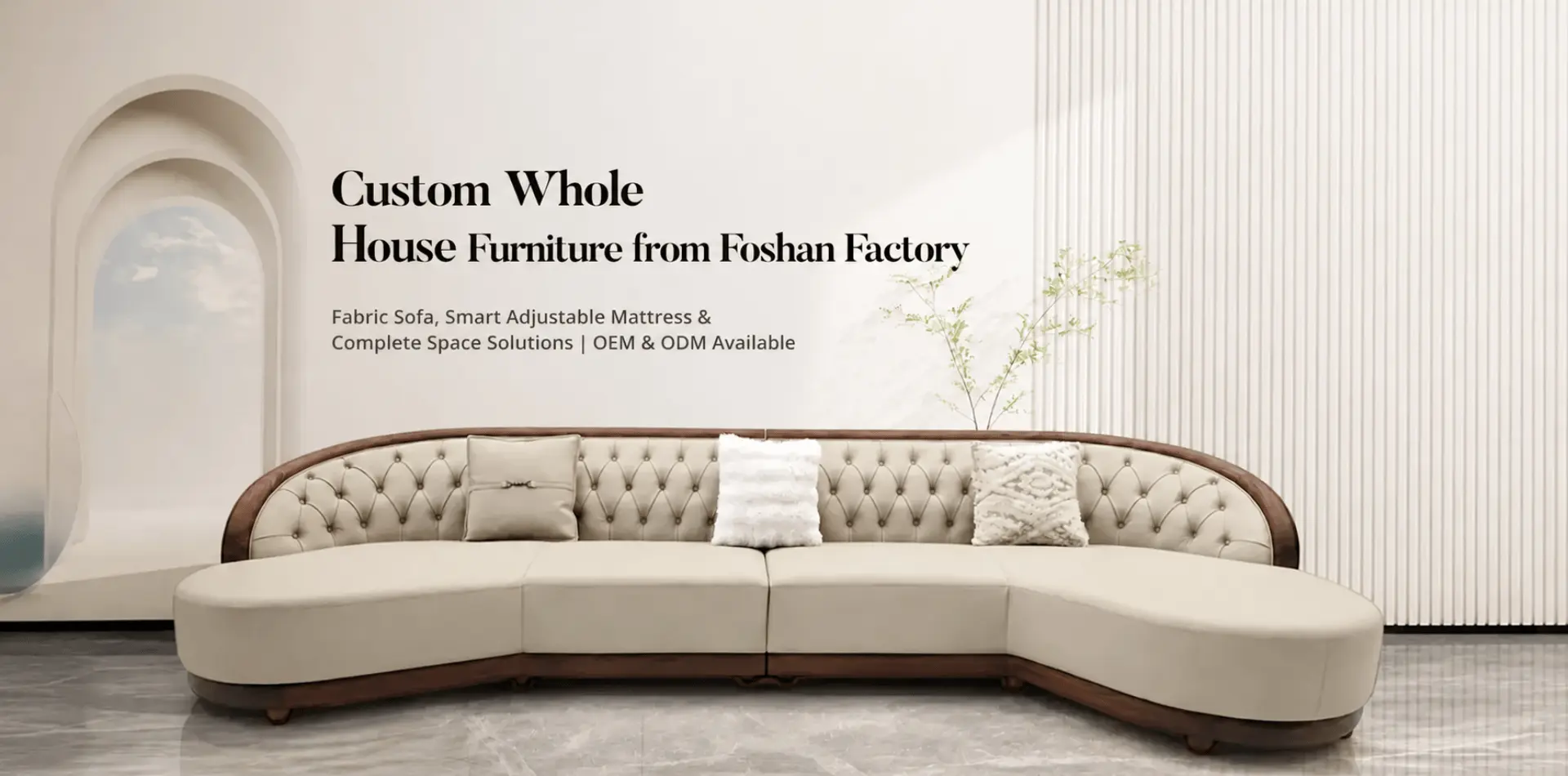
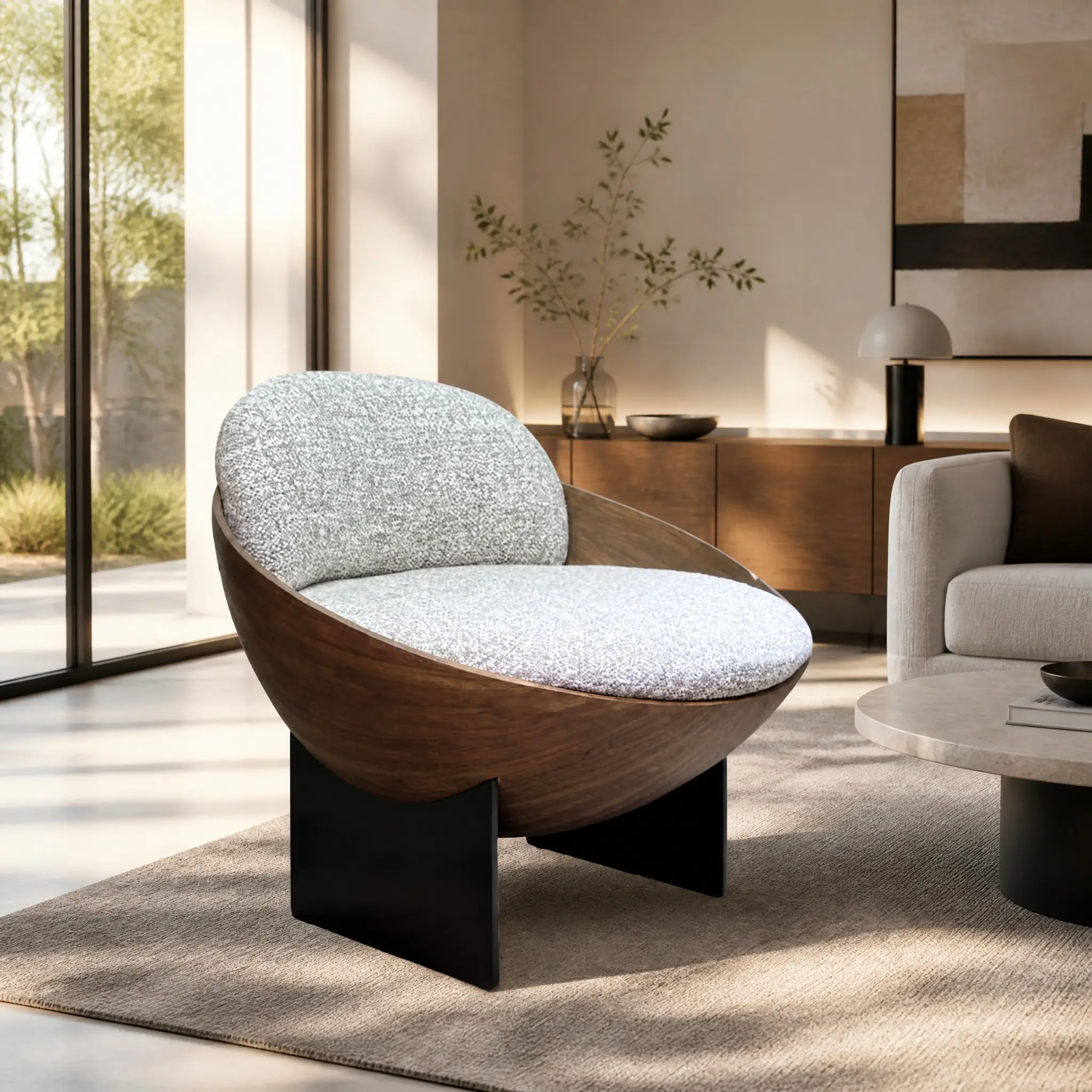
These four models are the configurations most frequently requested by Singapore importers, ID studios and hospitality procurement teams. Each can be re-specified in humidity-grade boards, contract fabrics and Singapore-compliant hardware before production.
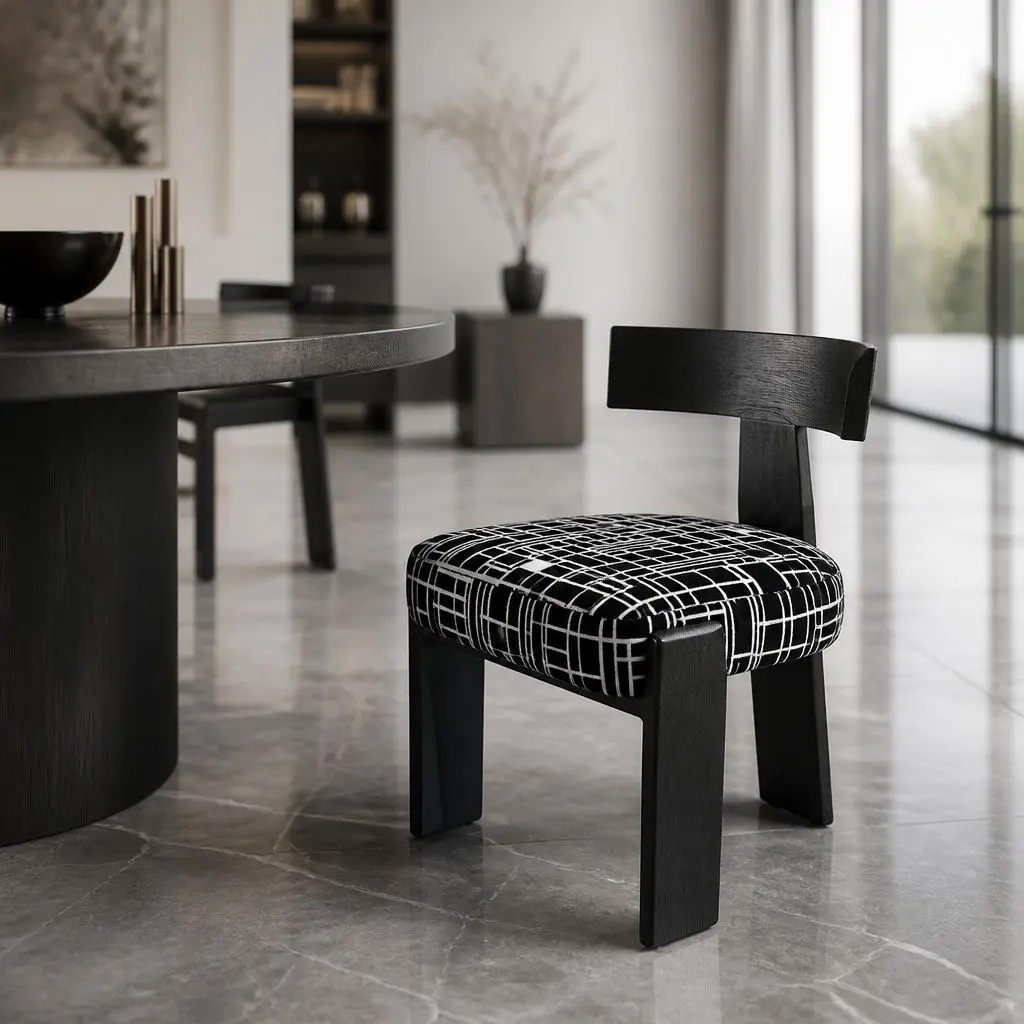
Understanding the Singapore market is not a marketing exercise — it directly dictates depth tolerances, drawer hardware, glazing safety and documentation. Here is the operational picture our Singapore-facing team works with.
A typical BTO bedroom is roughly 3.0 m × 3.3 m. Dressers must be specified at 380–420 mm depth (not the European 500 mm) so a walkway and wardrobe door swing remain usable. Manufacturers who cannot re-engineer depth to order cannot serve this segment.
Private residential projects consistently specify integrated vanity dressing tables with mirror lighting, soft-close runners and laminate or veneer finishes matched to wardrobe packages — a "one-scheme" brief that rewards a supplier able to coordinate across categories.
Singapore's tourism recovery has driven refurbishment of mid-tier and upscale hotels. Guestroom vanities must survive heavy daily use, meet BCA fire material provisions on furniture foam, and be replaceable in modules without removing walls.
Industrial land in Singapore is scarce and expensive. Most importers run lean inventory and expect factory direct container consolidation, precise load planning and short reorder lead times rather than bulk-stock practices common in the US or EU.
Year-round 75–85% relative humidity, followed by strongly air-conditioned bedrooms, creates a permanent moisture gradient. Particleboard that performs in Europe will blister at drawer fronts here. Moisture-resistant core board is not optional.
Renovation cycles cluster after BTO key collection and around Q4 handovers. Buyers need suppliers able to compress production and confirm vessel booking from Shenzhen or Guangzhou within a predictable window of 25–40 days.
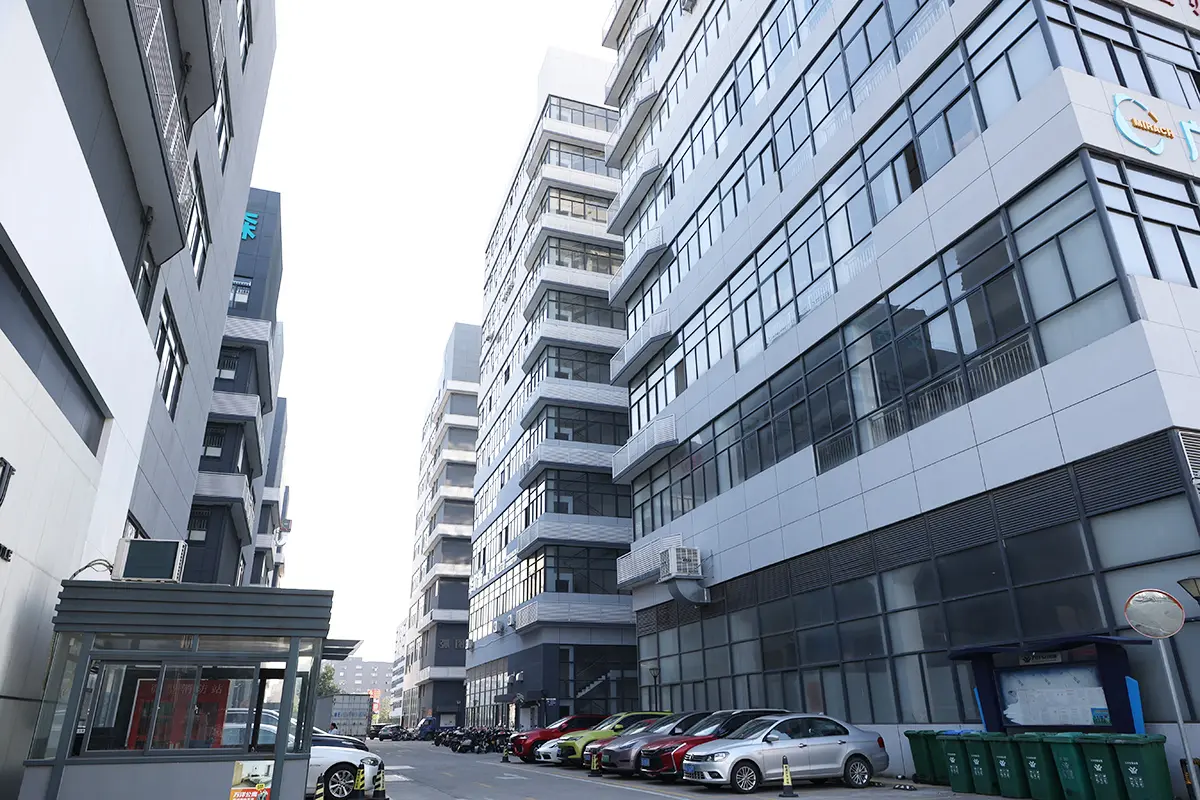
Global bedroom furniture manufacturing continues to concentrate around a small number of mature Asian clusters, led by Foshan/Shunde in Guangdong, Vietnam's Binh Duong and Dong Nai provinces, and parts of Poland and Turkey for EU delivery. Each cluster has a distinct cost, compliance and logistics profile.
For Singapore buyers, geography is a decisive advantage: Foshan to Singapore is a short sea leg of roughly 5–9 days, with multiple weekly sailings from Shenzhen (Yantian/Shekou) and Guangzhou (Nansha). That is materially faster than EU or US routing and creates a genuine replenishment advantage for renovation-driven demand.
Different buyer profiles require fundamentally different supply programmes. The table below summarises the operational configuration we deploy for each segment serving Singapore.
| Buyer Segment | Typical Order Profile | Critical Specification | Supply Programme |
|---|---|---|---|
| Furniture wholesalers & retailers | Mixed containers, repeating SKUs, seasonal reorders | Consistent finish batch-to-batch, retail-ready cartons | Stock-aligned production plus private-label packaging |
| Interior design & renovation firms | Low volume, high mix, project-dated delivery | Exact dimensions, finish matching to wardrobe packages | Made-to-order with sample approval before mass run |
| Property developers & contractors | Whole-unit packages, phased handover | Repeatability across dozens of identical units | Locked BOM, staged production, consolidated shipping |
| Hospitality procurement | Guestroom FF&E, refurbishment phasing | Contract-grade hardware, fire-retardant foam options | Prototype approval, QA inspection report, module replacement kits |
| Serviced apartments & co-living | Dense multi-room fit-out | Durability, easy cleaning surfaces, low maintenance | Value-engineered configuration with spare-part programme |
A predictable, auditable sequence is the difference between a project that lands on time and one that stalls at customs. This is the standard route our Singapore-facing programmes follow.
Drawings, room dimensions, target price band and destination standards are mapped to a candidate BOM.
Moisture-resistant board, edge-banding method, runner grade and glazing type are locked.
Physical sample confirms dimensions, finish and drawer action before tooling commitment.
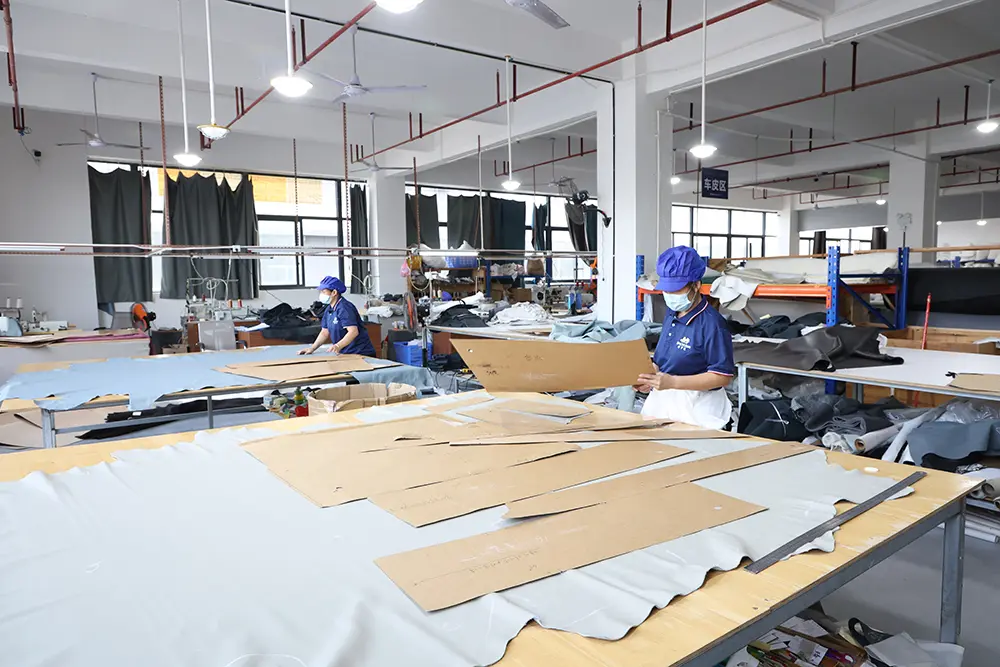
Drawer cycle tests, load checks and finish consistency audits on the production line.
Mixed-category loading, multi-layer crating and booking from Yantian, Shekou or Nansha.
Moisture-resistant core board becomes the default specification for all Singapore-bound dressers, with documented edge-sealing protocols issued per order.
Drawer boxes, runners and mirror assemblies engineered as replaceable modules, extending service life in serviced apartments and hotels.
Water-based coatings and lower-emission adhesives aligned with regional green building expectations, documented at batch level for project submissions.
Compliance in Singapore is practical rather than theoretical. Buyers need documentation that can be handed to a contractor, a hotel owner's technical team or a building management office without further explanation. Our standard documentation set includes material declarations, runner and hardware specifications, mirror glazing statements and packing lists that reconcile to the purchase order line by line.
These are the four scenarios our Singapore buyers return to most often. Each carries distinct performance priorities that should be written into the purchase order.
Depth-optimised 380–420 mm dressers with sliding or soft-close drawers, wall-anchored for safety, finished in scratch-resistant laminate. Priority: footprint efficiency and child-safety anchoring.
Integrated dressing table with mirror lighting, veneer or premium laminate finish, coordinating with wardrobe and bedside packages. Priority: scheme consistency and finish quality.
Contract-grade drawer runners, fire-retardant foam where specified, replaceable mirror modules, and a documented QA inspection report per production lot. Priority: durability and serviceability.
Value-engineered, easy-clean surfaces, standardised drawer boxes across all units, and a spare-part kit held per property. Priority: maintenance economics and unit-to-unit uniformity.
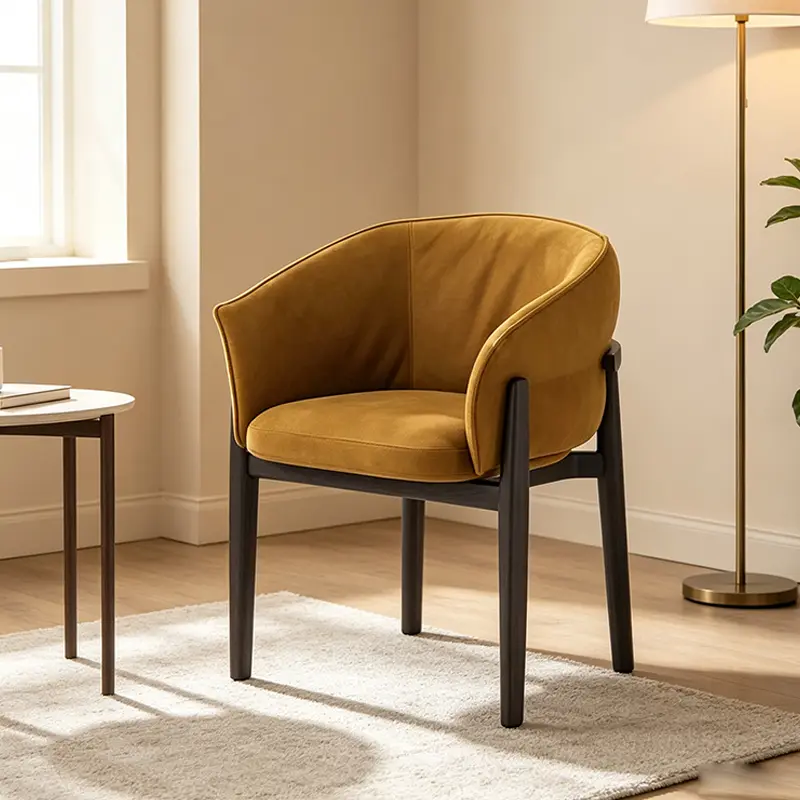
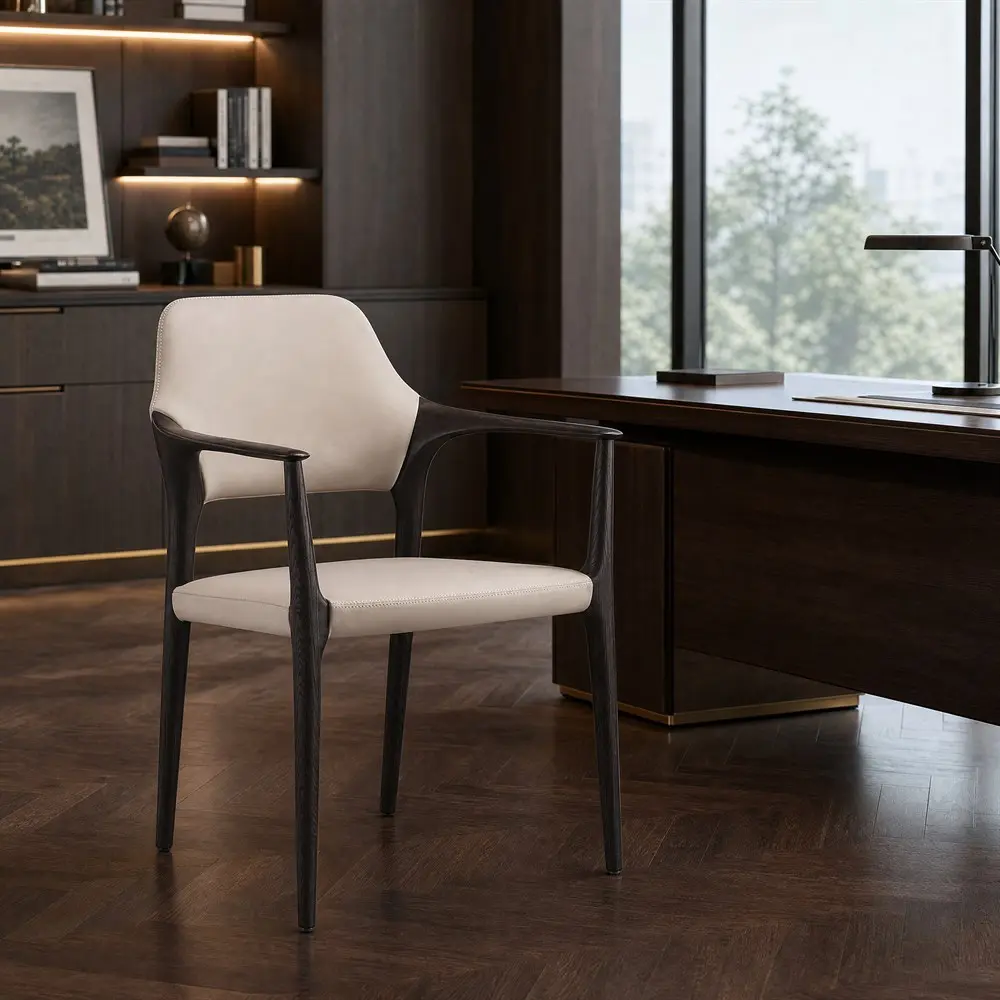
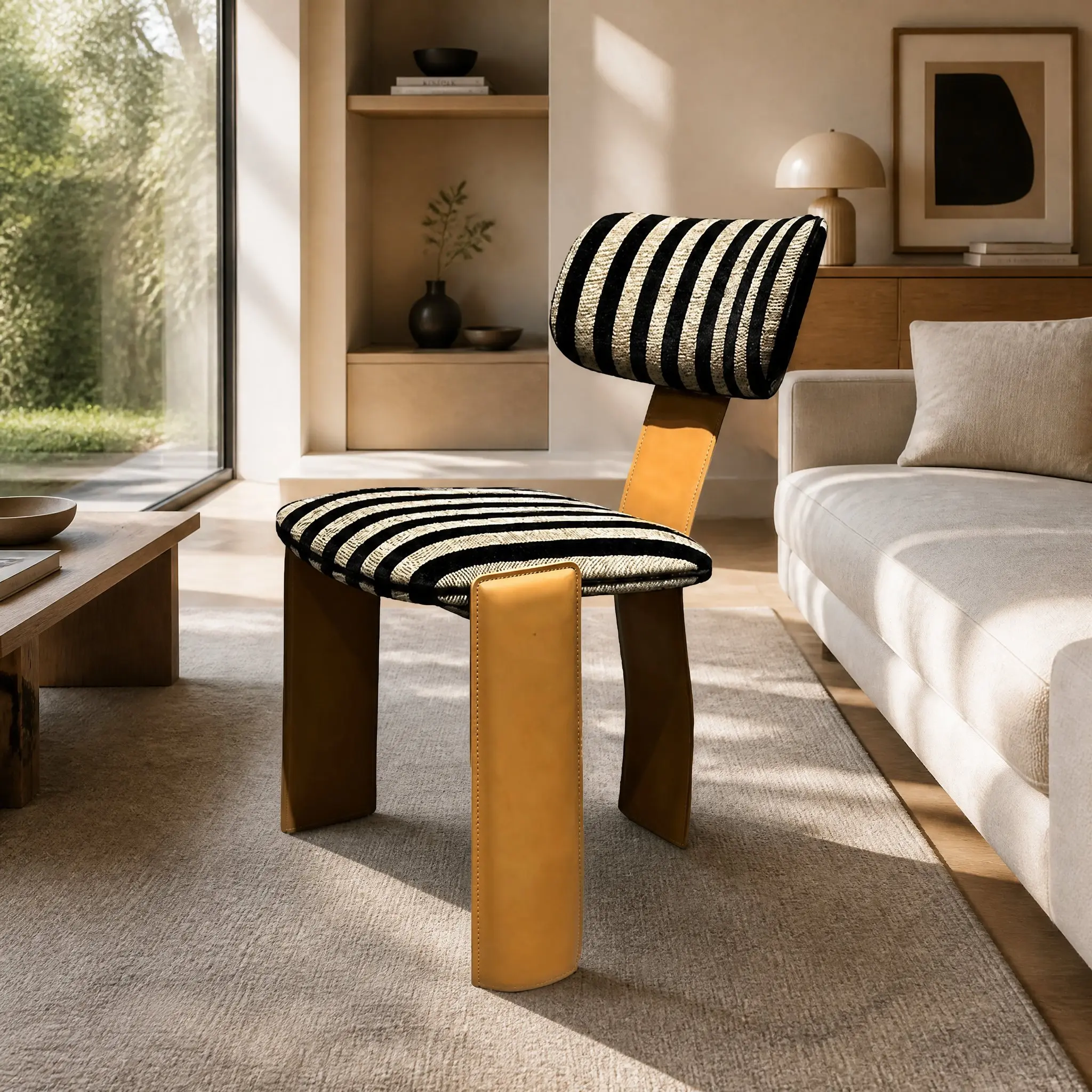
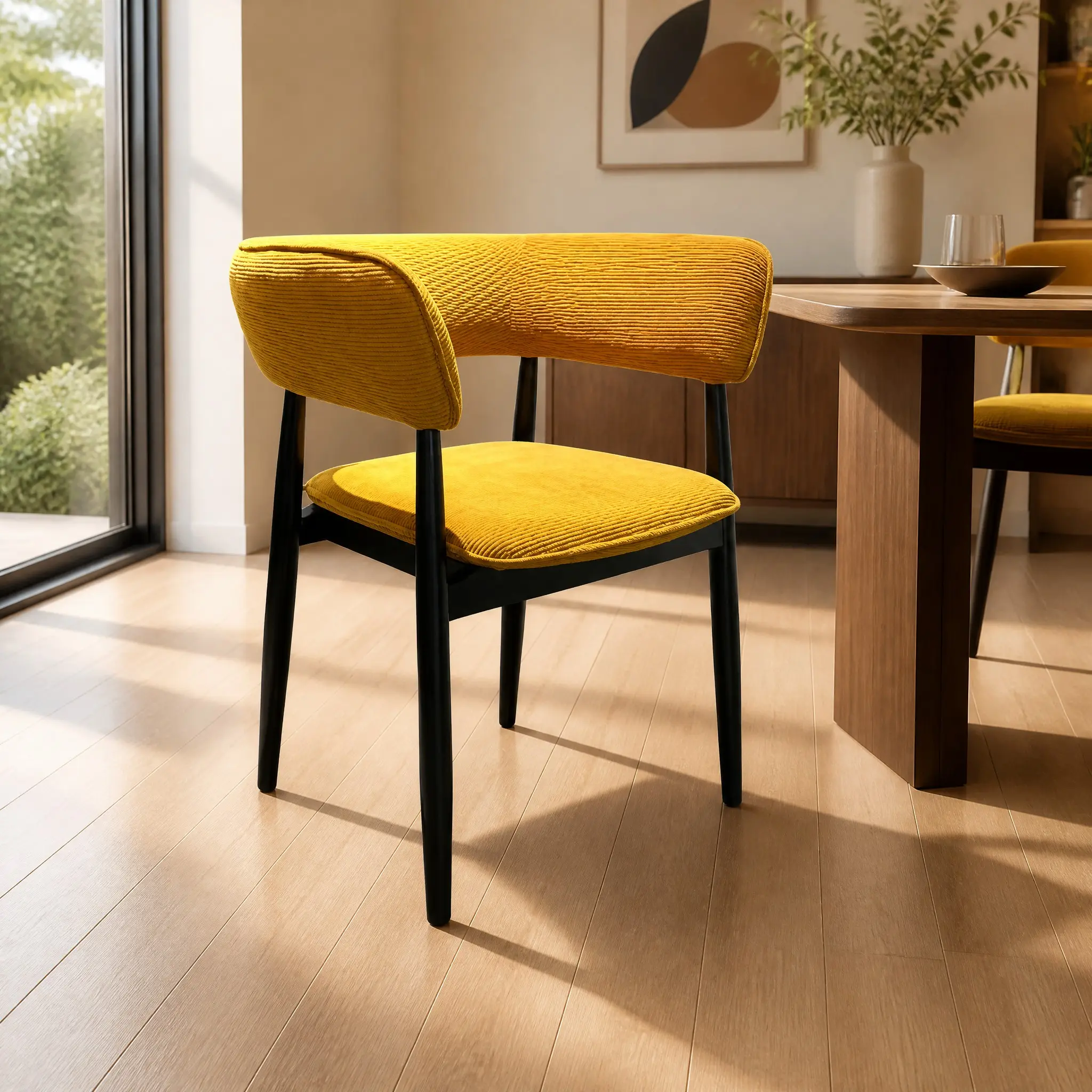
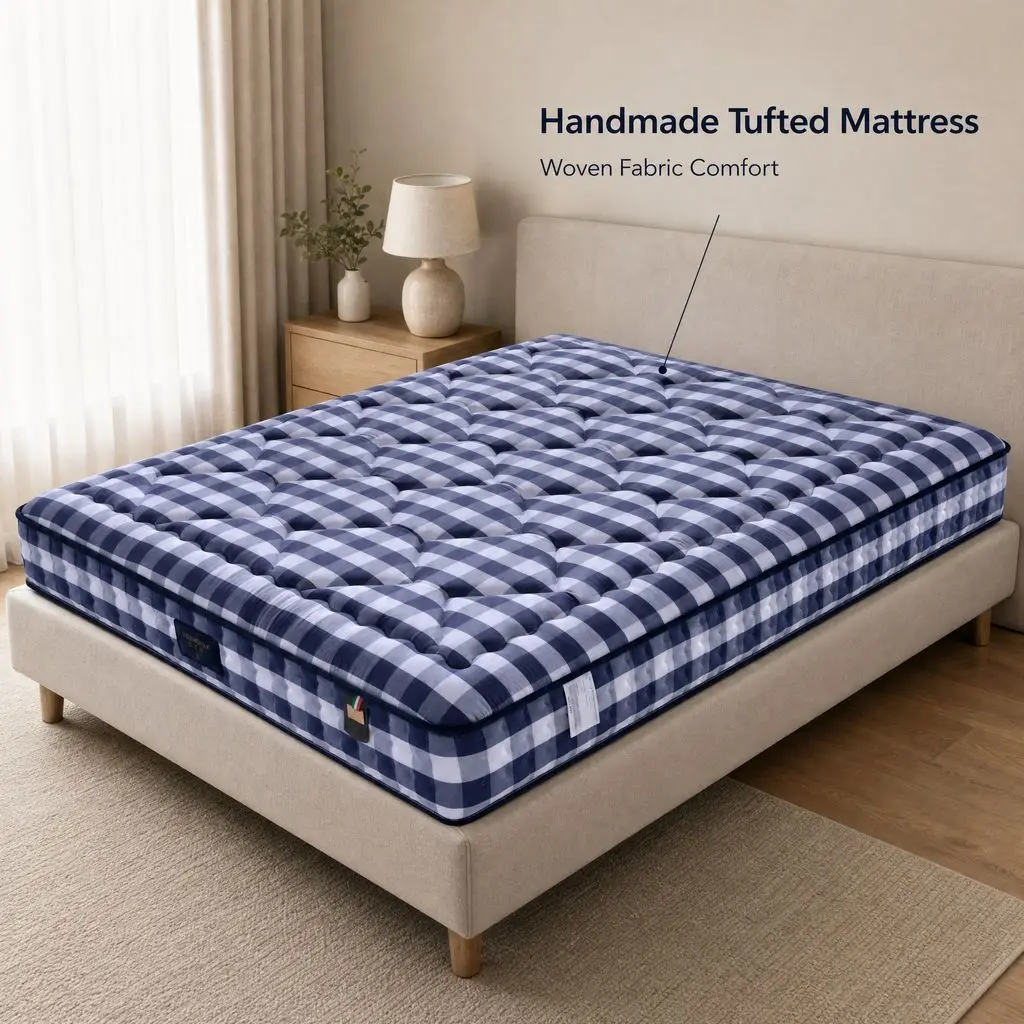
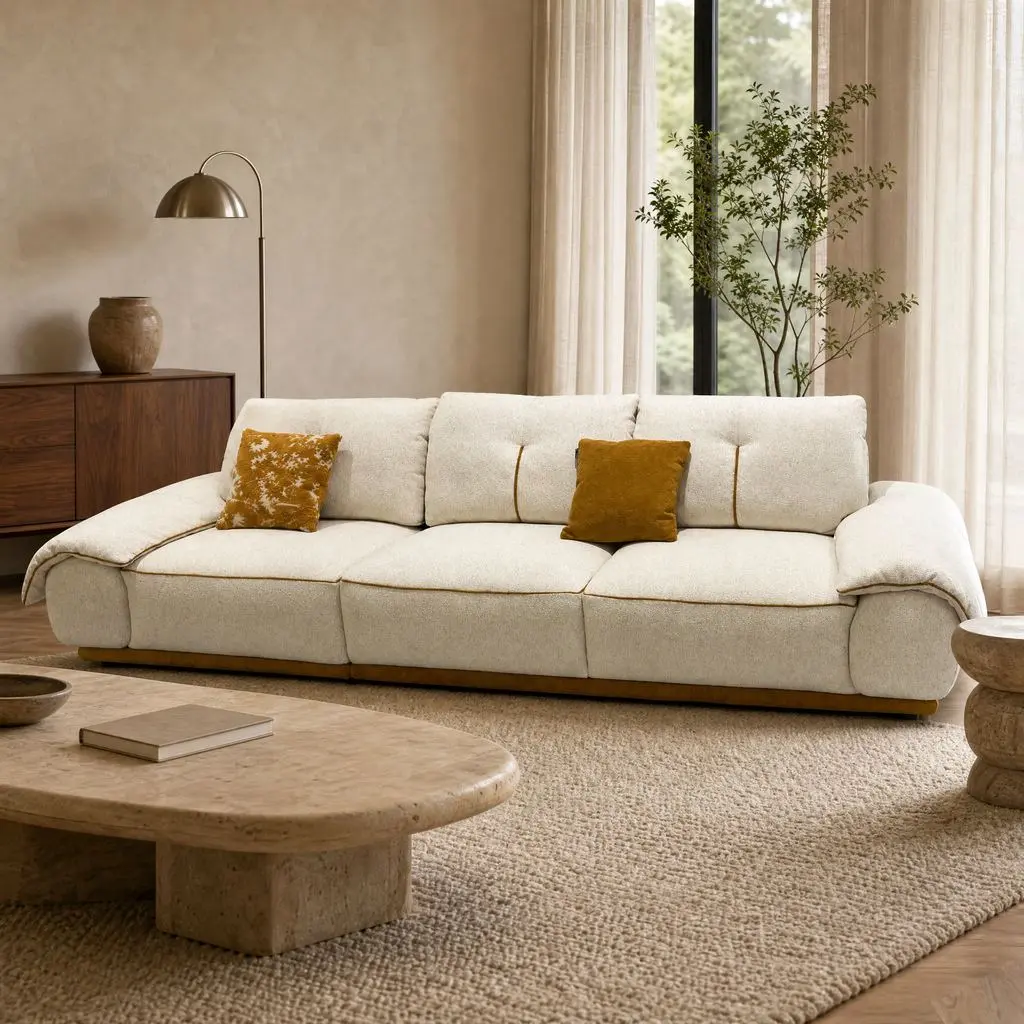
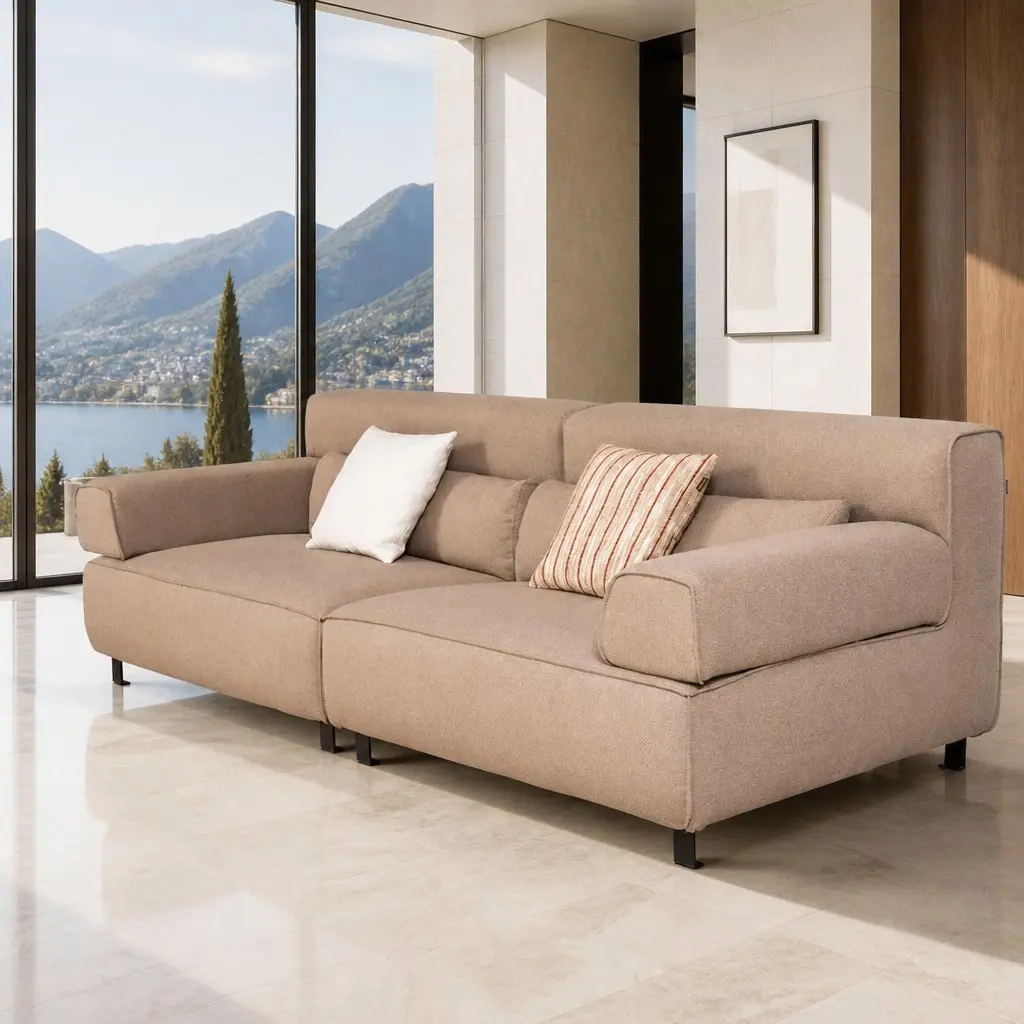
Dressers and vanities rarely ship alone. These eight models allow a single purchase order to cover bedroom, dining, living and sleep systems, with shared finishes across categories.
Direct answers to the technical and commercial questions raised most often during Singapore procurement discussions.
Yes. Depth, width and drawer configuration are re-engineered to order. For HDB bedrooms we typically specify 380–420 mm depth, while condominium master suites can accommodate 450–500 mm with an integrated mirror station. Dimensions are confirmed on a pre-production drawing before tooling.
We recommend moisture-resistant core board with fully sealed edge-banding and water-based or low-emission coatings. Solid timber components are kiln-dried to a target moisture content appropriate for a tropical, air-conditioned interior, and metal hardware is specified in corrosion-resistant finishes.
Yes. Mirror panels can be supplied with safety backing film or protective backing boards, which is the standard configuration for hospitality and family-residential projects. This is stated explicitly on the specification sheet so it can be handed to contractors and building management.
Production usually runs 25–40 days depending on configuration and volume, followed by a 5–9 day sea leg from Yantian, Shekou or Nansha to Singapore. Consolidated mixed-category containers reduce per-unit freight cost and simplify customs handling.
Yes. Dressers and vanities are part of a 19-category production system, so bedroom casegoods can be consolidated with upholstered beds, mattresses, dining chairs and sectionals under one purchase order, one QC standard and one shipping plan.
Our internal QC engineers conduct in-line and pre-shipment audits covering drawer cycle testing, structural load checks, finish consistency and hardware function. Buyers or their appointed inspection agents are welcome to audit lines in Shunde before the container is sealed.
Yes. We support custom dimensions, upholstery and finish colours, fabric grades, branded woven labels, embossed logos and retail-ready packaging for private-label programmes and project-specific specifications.
Standard documentation includes material declarations, hardware and runner specifications, mirror glazing statements, packing lists reconciled to the purchase order, and a QC inspection report where the project requires one.
Share your room dimensions, finish direction and target delivery window. Our export team will return a configuration proposal, a humidity-grade material recommendation and a consolidated container loading plan tailored to your project.