
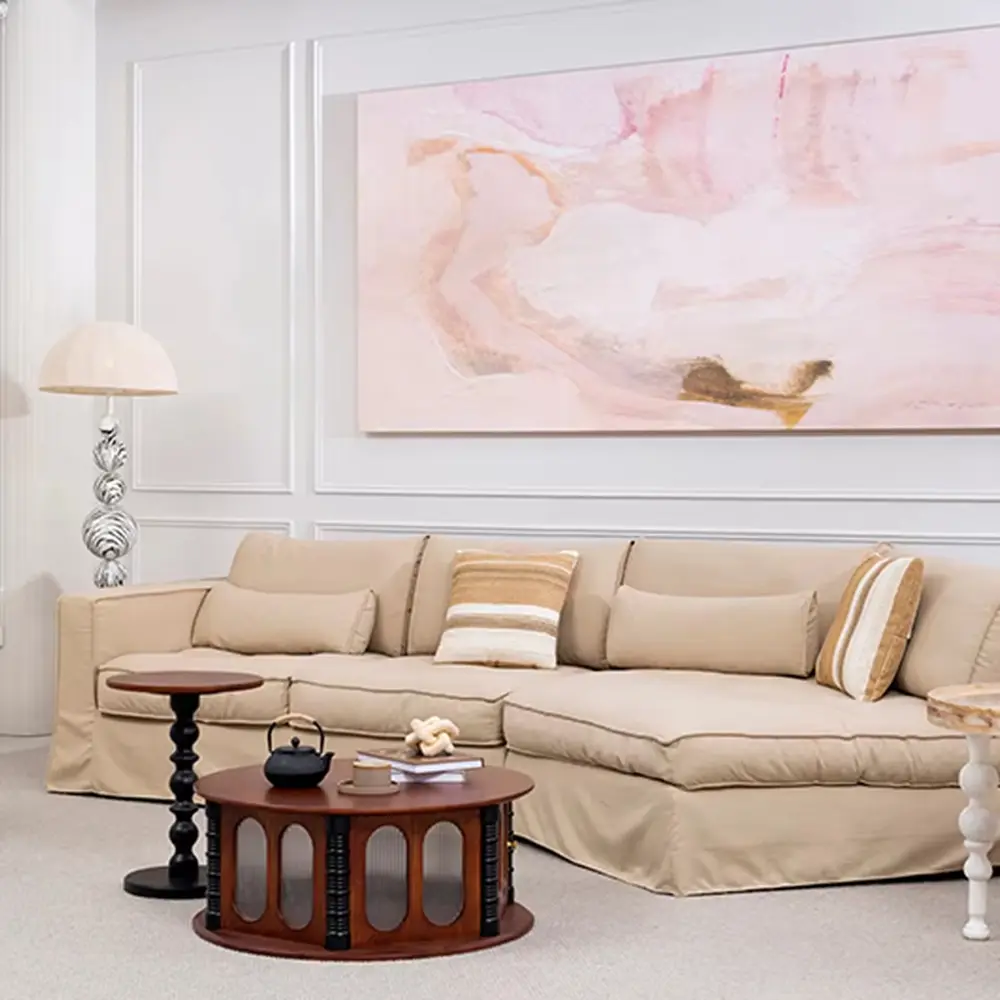
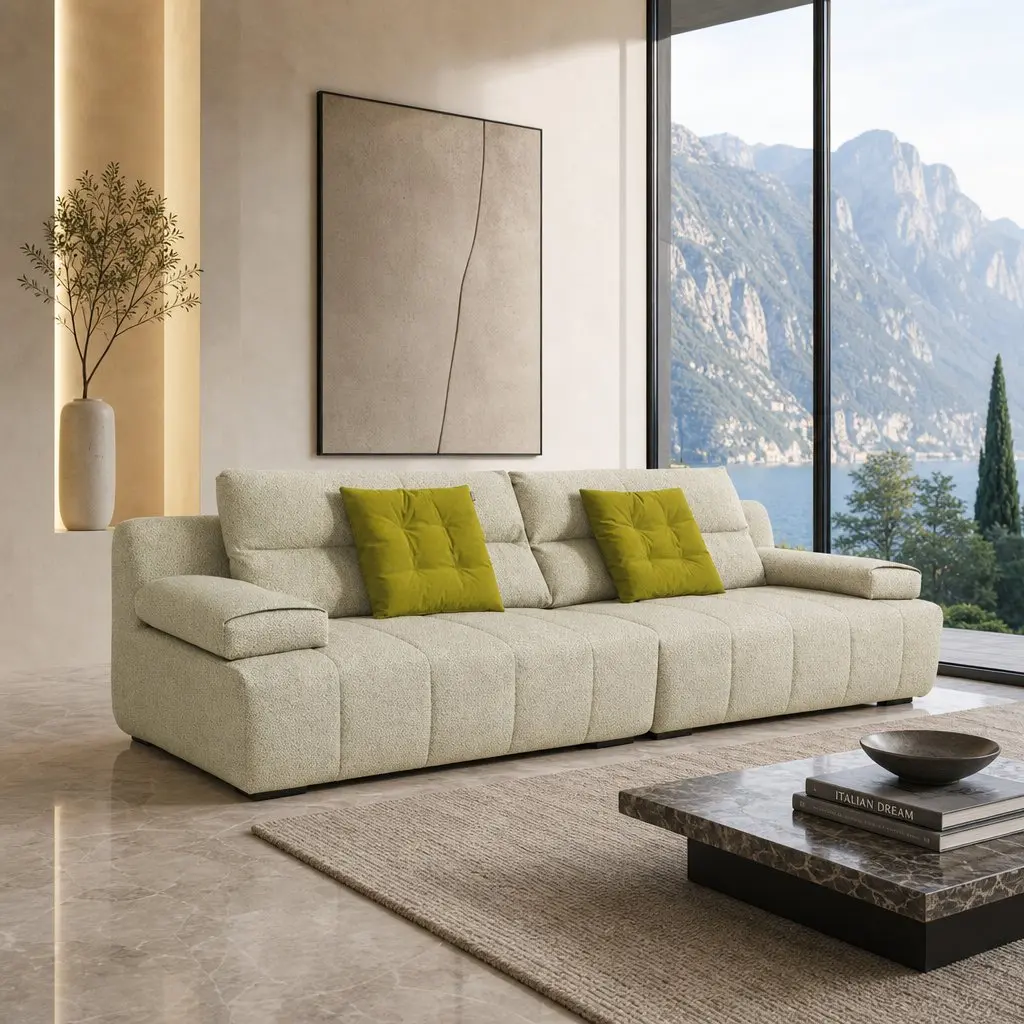
01 · L-Shape Modular
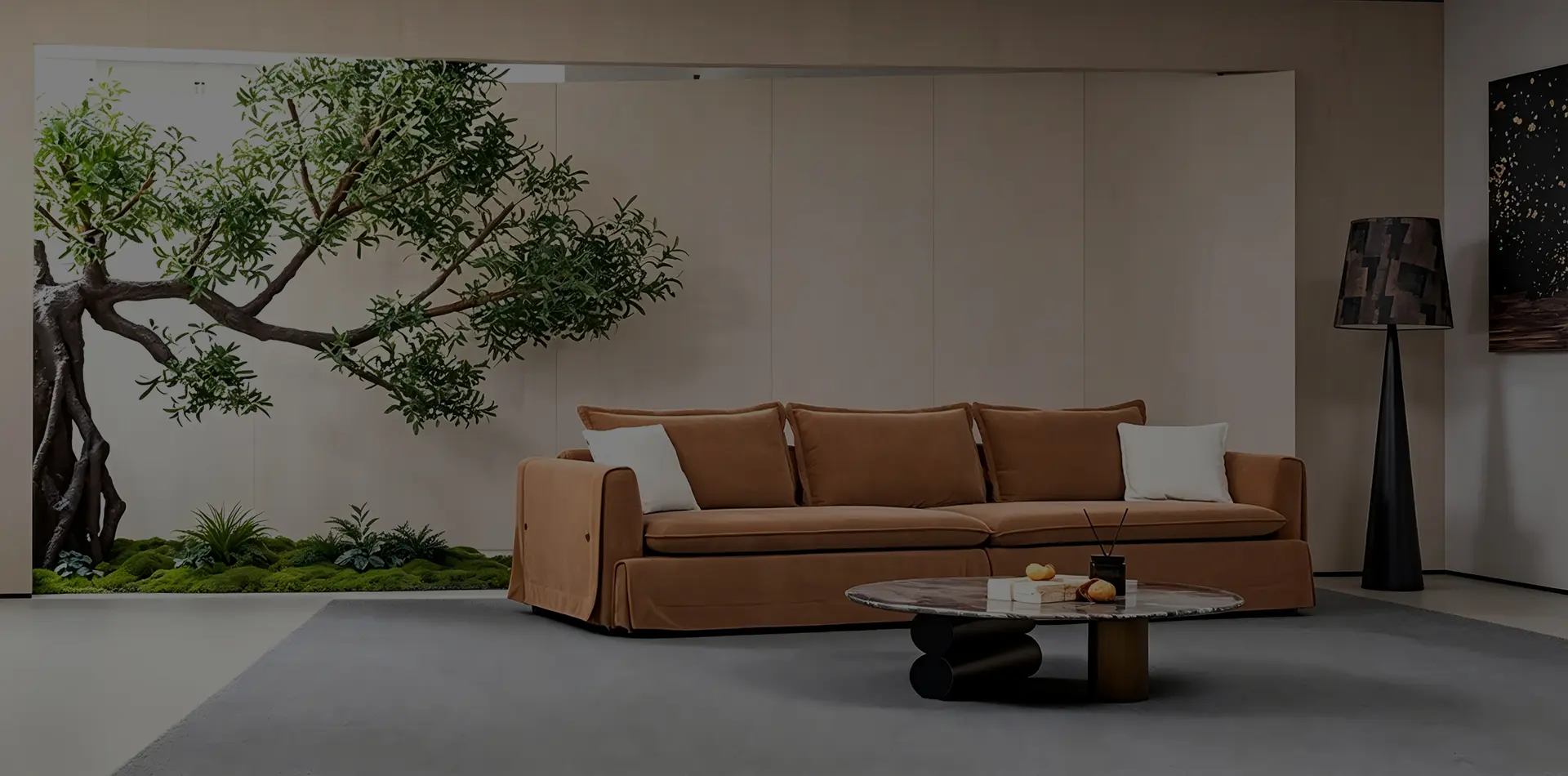
QYM M1053 Modular L-Shape Sectional Sofa
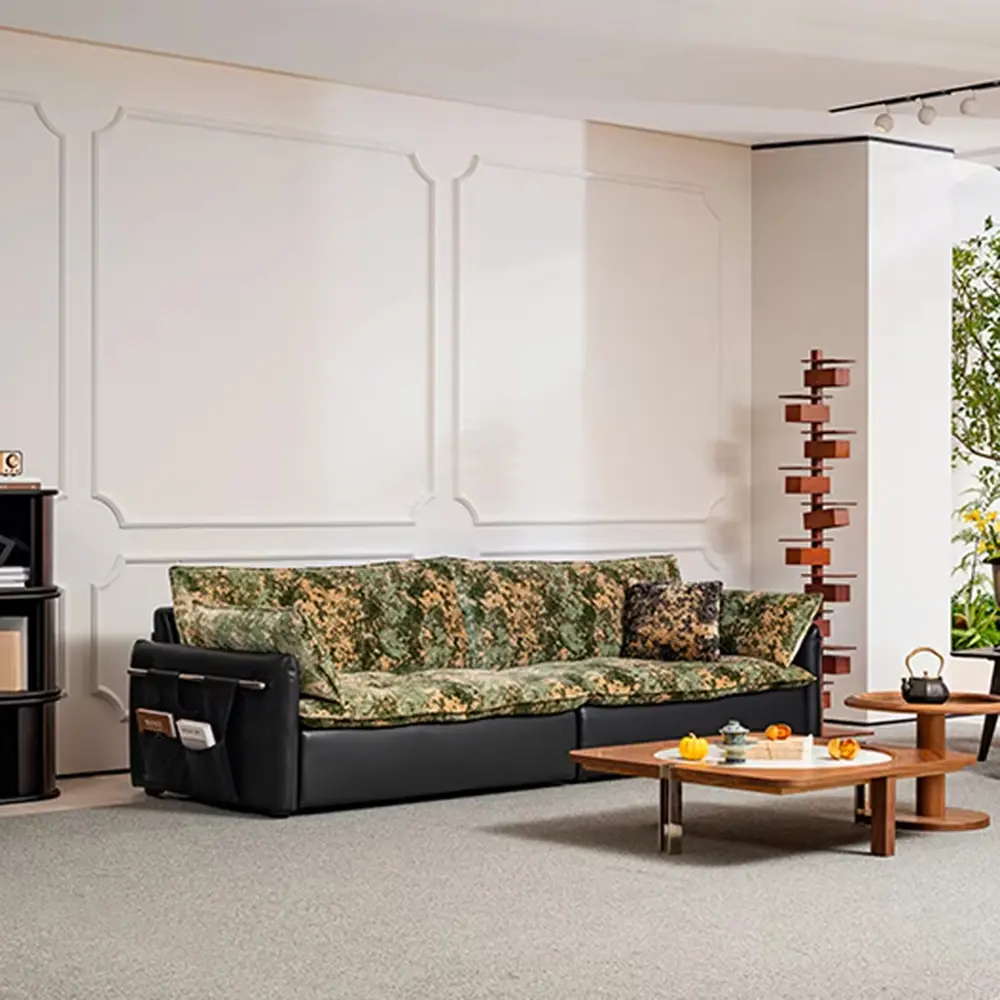
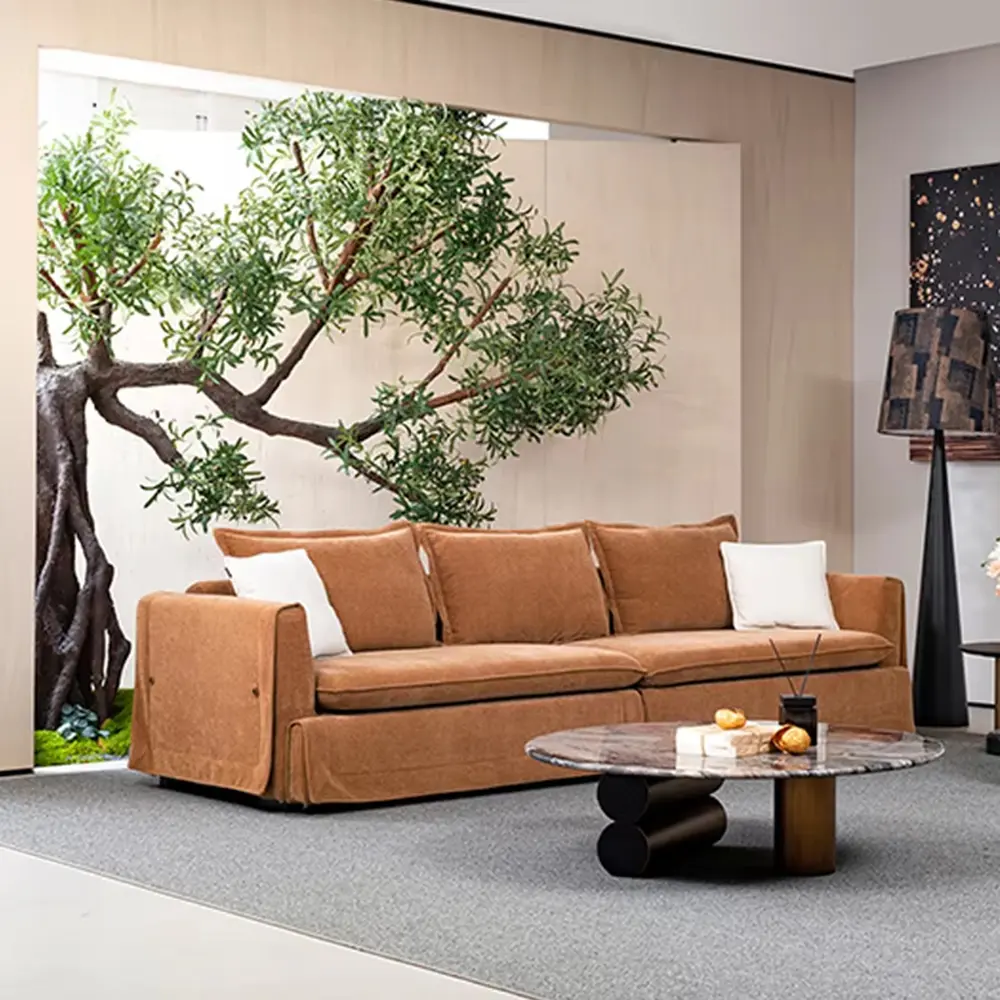
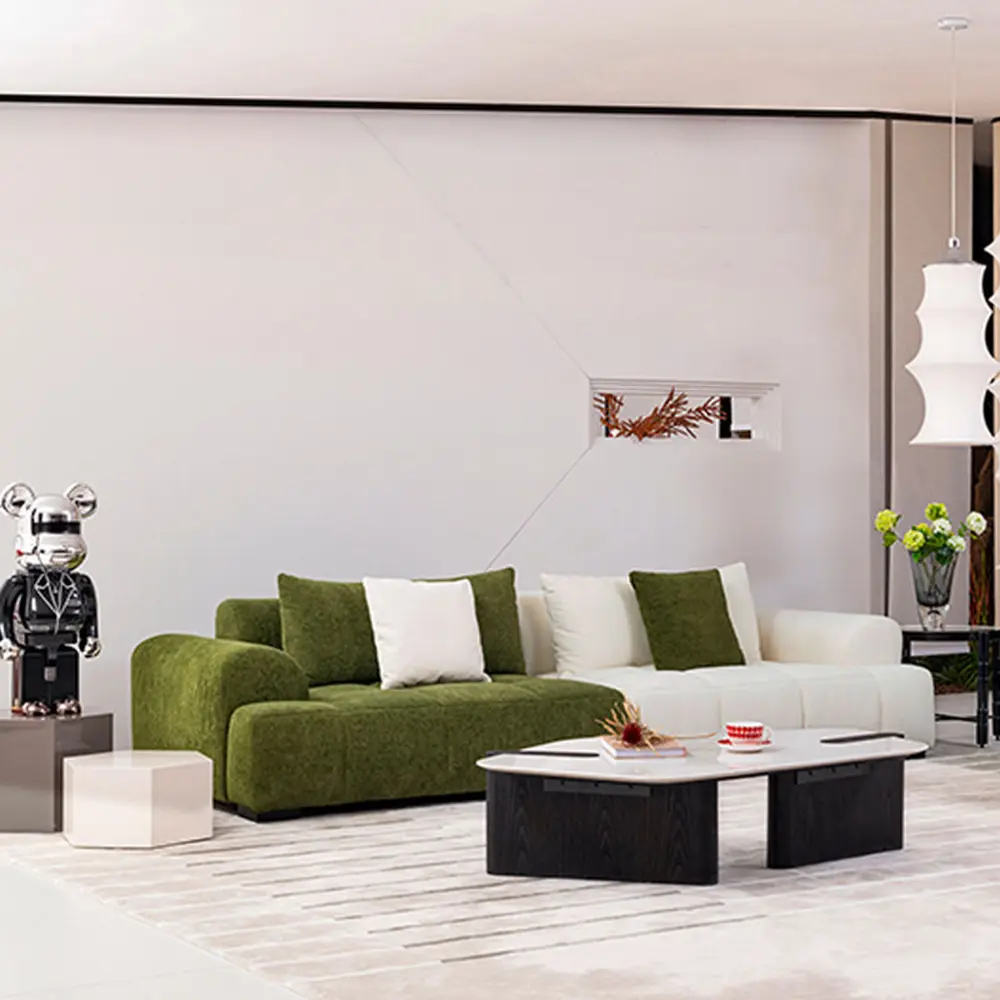
These four models are the most requested configurations by Central European buyers. Each is available for OEM dimension changes, fabric substitution and private-label packaging before shipping to Hungary.
Hungary sits at the junction of the EU single market and the Western Balkans corridor. That geography, combined with an expanding residential construction pipeline in Budapest and a mature furniture retail sector, has positioned the country as a high-value distribution base for upholstered furniture imported from Asia.
Qingyumai is the export brand of Foshan Qingyumai Technology Co., Ltd., an integrated furniture manufacturer operating in Shunde, Foshan — one of the world's most concentrated upholstery production clusters. For more than a decade we have supplied wholesalers, retail chains and hospitality procurement teams across Europe, and Hungarian buyers now represent one of our fastest-growing channel segments.
Fabric sofas are a specific category where Hungarian demand diverges from Western Europe. Local consumers and contract buyers increasingly favour modular configurations, removable and washable covers, removable-and-reversible cushion systems and breathable cotton-linen blends — partly because apartment floor plans in Budapest are often compact, and partly because the resale and rental market places a premium on easy maintenance.
This page gives Hungarian importers, retailers and project buyers the commercial and technical intelligence normally buried inside a supplier's internal white paper: how the local market actually behaves, what global procurement teams are prioritising, why Industry 4.0 production in China has changed the unit economics of fabric sofa imports, and how to build a container plan that survives the Hungarian climate and customs handling.
 Shunde, Foshan → Budapest corridor
Hungary is not a mass-manufacturing country for upholstered seating. Its domestic furniture industry is comparatively small, fragmented and focused on contract joinery, office systems and niche upholstery. That structural gap is exactly why fabric sofa imports from Asia continue to expand.
Furniture retail in Hungary clusters around Budapest, Győr, Székesfehérvár and the Austrian border corridor. Large-format showroom parks and online-first retailers dominate volume, which means a supplier's packaging, lead time and reorder reliability matter as much as the sofa itself.
Budapest's new-build apartment pipeline and a strong short-term rental market favour compact modular sofas that can be reconfigured, disassembled and moved. Two-seat-plus-chaise and three-seat modular sets convert better than oversized fixed sectionals.
Continental Hungarian winters and warm summers place a premium on breathable cotton-linen and chenille blends that resist static and don't trap heat. Removable, washable covers are a decisive selling point — and a key reason buyers ask specifically for zip-off construction.
Hungary's thermal spa, boutique hotel and wellness resort sector is a distinctive contract buyer. These projects require commercial-grade abrasion resistance, moisture tolerance and stain-cleanable fabric specifications — a category where Chinese factories now outperform many EU alternatives on cost-per-wear.
Hungarian buyers operate under EU REACH restrictions, flammability expectations and furniture labelling rules. Pre-sale consultants should always confirm fabric composition declarations, dye fastness documentation and frame timber sourcing before confirming a specification.
Most Hungarian importers clear goods through Koper (Slovenia), Rijeka (Croatia) or Hamburg and then truck inland. Understanding this routing is essential to packaging design: inland double-handling demands stronger corner protection than direct-port delivery.
Procurement behaviour in upholstered furniture has shifted decisively since 2022. The global buyers we work with — across the EU, UK, Middle East and North America — are no longer optimising purely for unit price. They are optimising for total landed cost, replenishment speed and brand defensibility.
Buyers now model container fill rate, volumetric efficiency and damage rates before they look at FOB. A sofa that packs 8% more units per 40HQ can beat a cheaper competitor on landed cost.
Retail chains want 45–70 day reorder cycles, not 120-day waits. Factories with mixed-model lines and pre-stocked frame libraries can commit to shorter lead times.
REACH, formaldehyde limits, timber sourcing declarations and fabric abrasion testing are now baseline expectations, not premium add-ons.
Retailers want models that cannot be price-matched on a marketplace. OEM fabrics, branded labels and exclusive module combinations protect margin.
Retail buyers increasingly combine sofas with beds, dining sets and accent chairs in one shipment to lower freight cost per cubic metre.
Buyers expect spec sheets, test reports and packing data in structured, machine-readable formats — because their own ERP and marketplace systems depend on it.
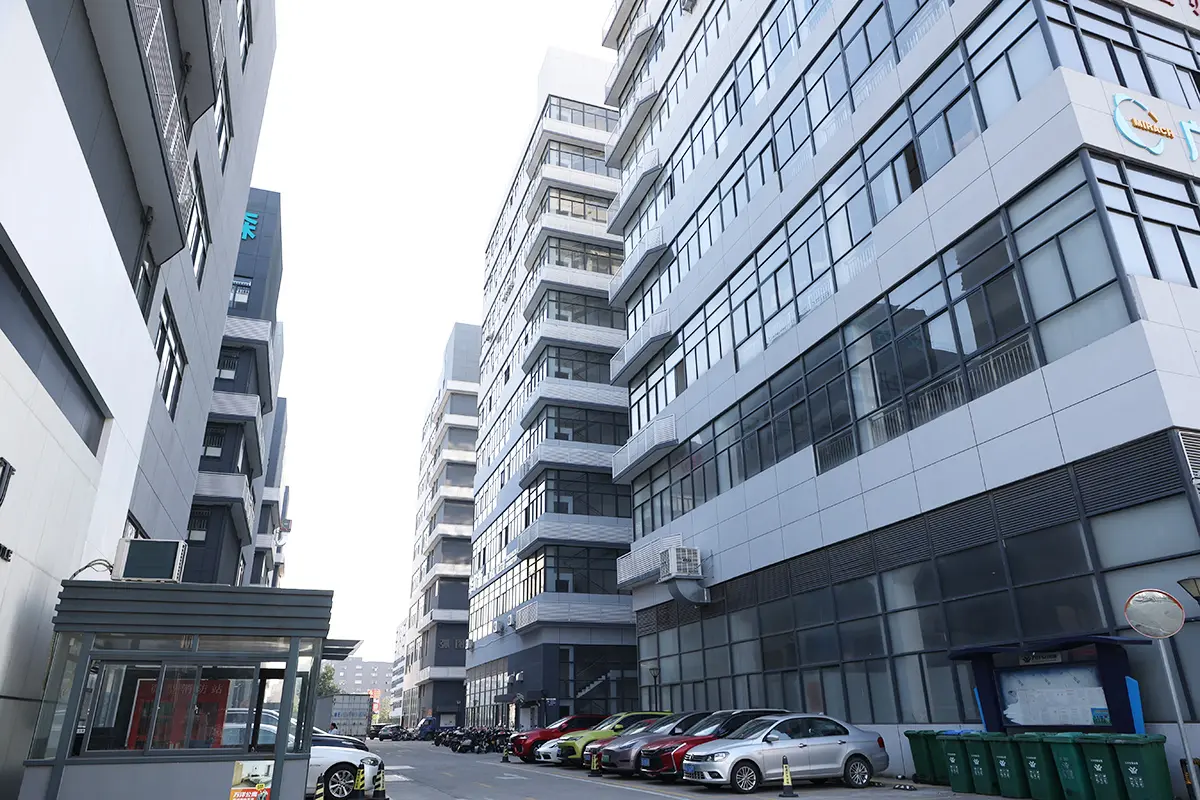 Industry 4.0 production line
The dominant narrative of the last five years has been "de-risking" away from Chinese manufacturing. The operational reality for upholstered furniture is different. What has actually happened is that well-managed Chinese factories have become dramatically more resilient — and the gap between tier-one exporters and sub-scale workshops has widened sharply.
At Qingyumai, the shift to digital production management has changed three things that matter directly to a Hungarian importer:
The resilience benefit is not abstract. When container space tightens or a fabric mill slips a delivery, a factory with a standardised frame library and a partner network can re-sequence production without breaking the buyer's delivery window. For a Hungarian retailer whose showroom launch is fixed, that capability is worth more than a marginal FOB discount.
Explore Global ServiceA repeatable five-stage process designed to keep Hungarian buyers informed at every checkpoint and to avoid the specification drift that causes disputes on arrival.
Share floor plans, target retail price points and the market segment. Consultants map each SKU to a suitable module and fabric grade.
Frames, foam densities and fabric compositions are selected to meet EU REACH and the abrasion expectations of the intended use case.
Pre-production samples confirm dimensions, seat depth, fabric hand-feel and colour under your showroom lighting before mass production.
QC engineers audit structural durability, stitching integrity and cover alignment on the production line, not post-packing.
Mixed-category container loading plus multi-layer export crating designed for inland double-handling through Koper or Hamburg.
Different end-uses demand different fabric specifications. Below are the five deployment contexts we see most frequently in Hungarian orders, and what changes in the product configuration for each.
Compact modular L-shapes in breathable cotton-linen with zip-off covers. Priority: seat depth under 60 cm, removable covers, light-weight modules for stairwell access in older Budapest buildings.
Fleece and eco-leather hybrids with high-density foam and stain-resistant finishes. Priority: cleanability, abrasion resistance, and fast replacement availability for individual modules.
Commercial-grade chenille and contract fabrics with moisture tolerance. Priority: Martindale abrasion performance, seam reinforcement and fire-retardant treatment availability for public areas.
Statement minimalist and Italian-style modular pieces with distinctive detailing. Priority: visual differentiation, photographed fabric options, and exclusive colourways not available to competitors.
Custom colour matching to a designer's palette, with fabric swatch libraries shipped ahead of the order. Priority: colour fidelity, sample lead time and consistency between sample and bulk.
Modular three-seat configurations in performance fabrics. Priority: durability under daily use, neutral colourways that age well, and modularity for reconfiguration as tenants change.
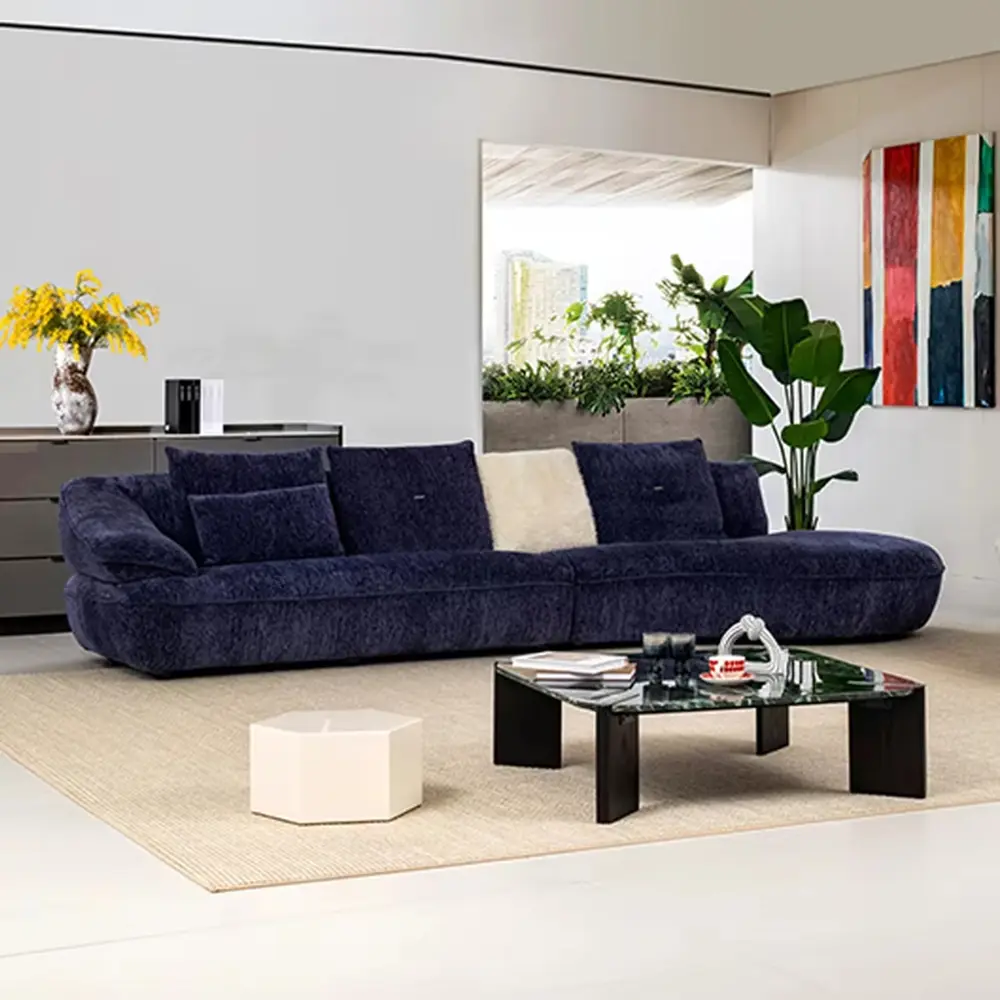
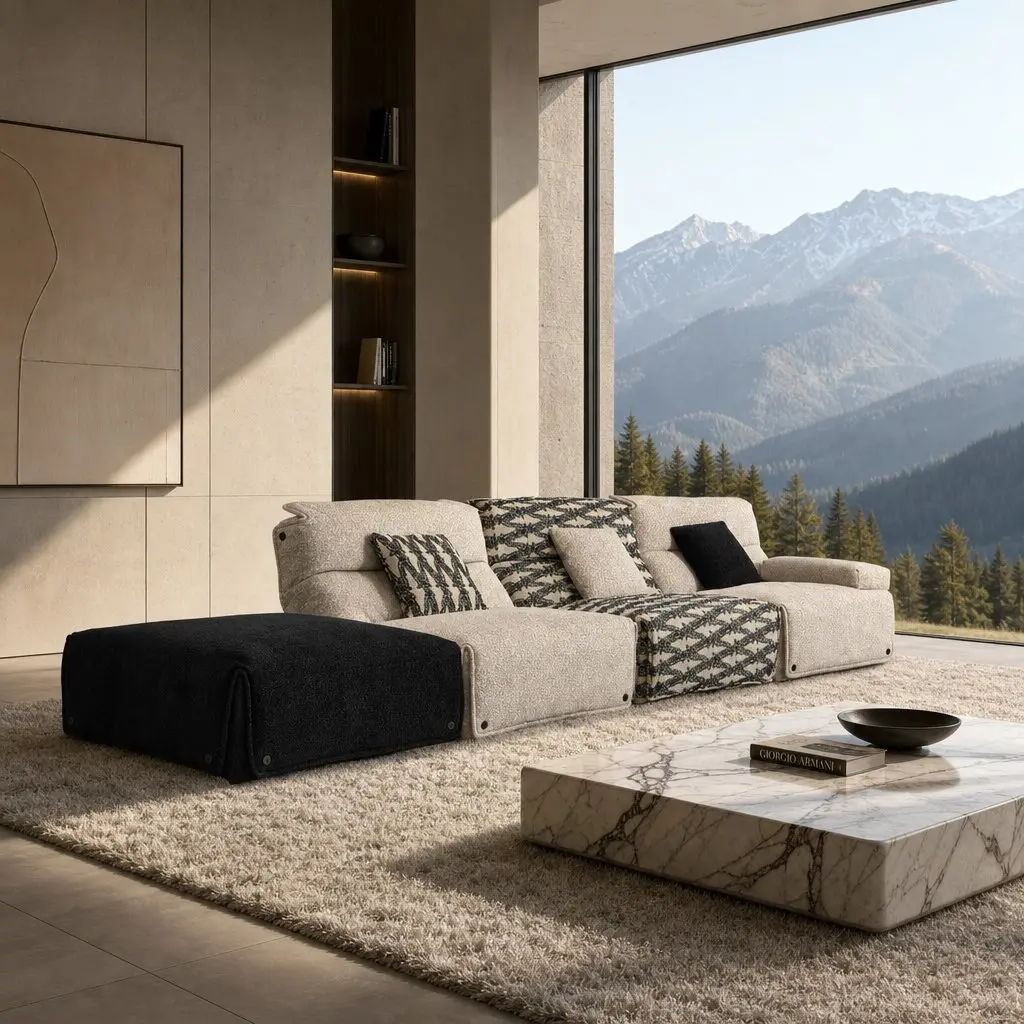
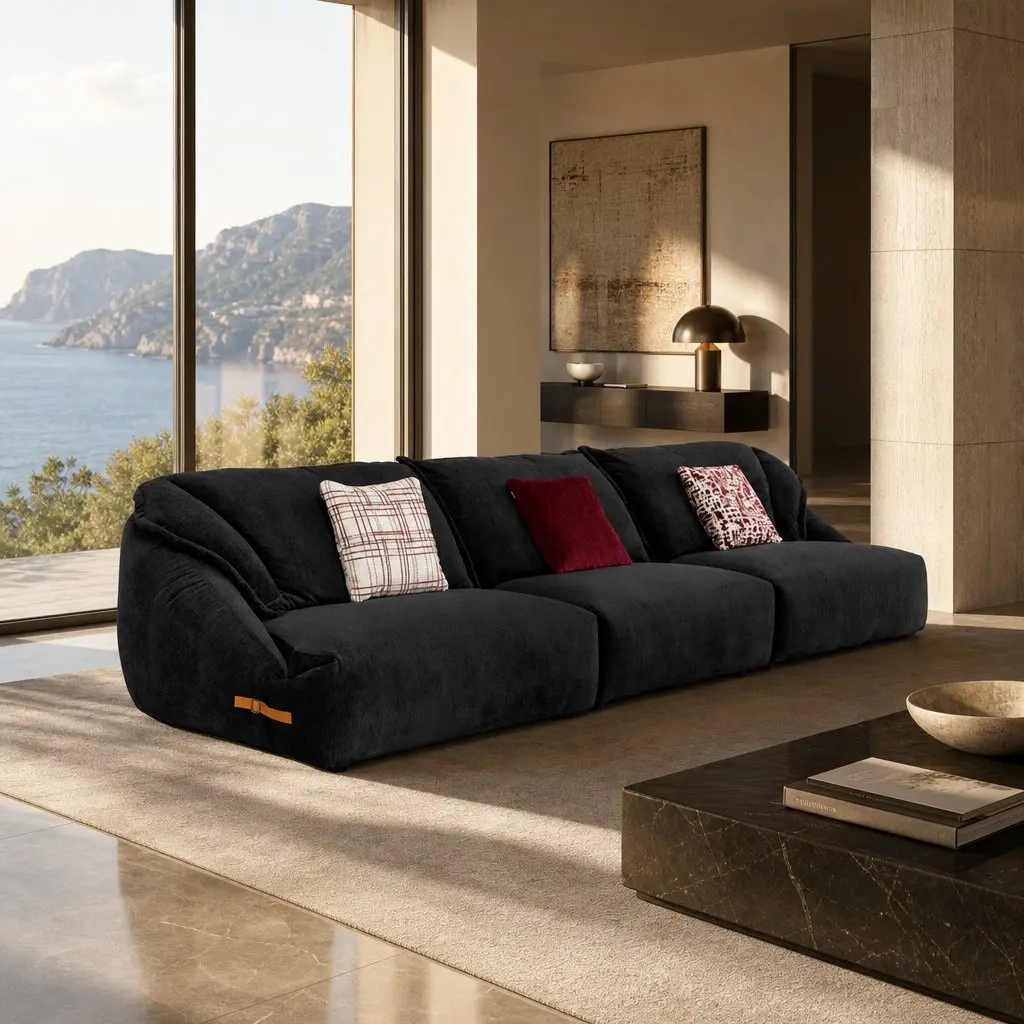
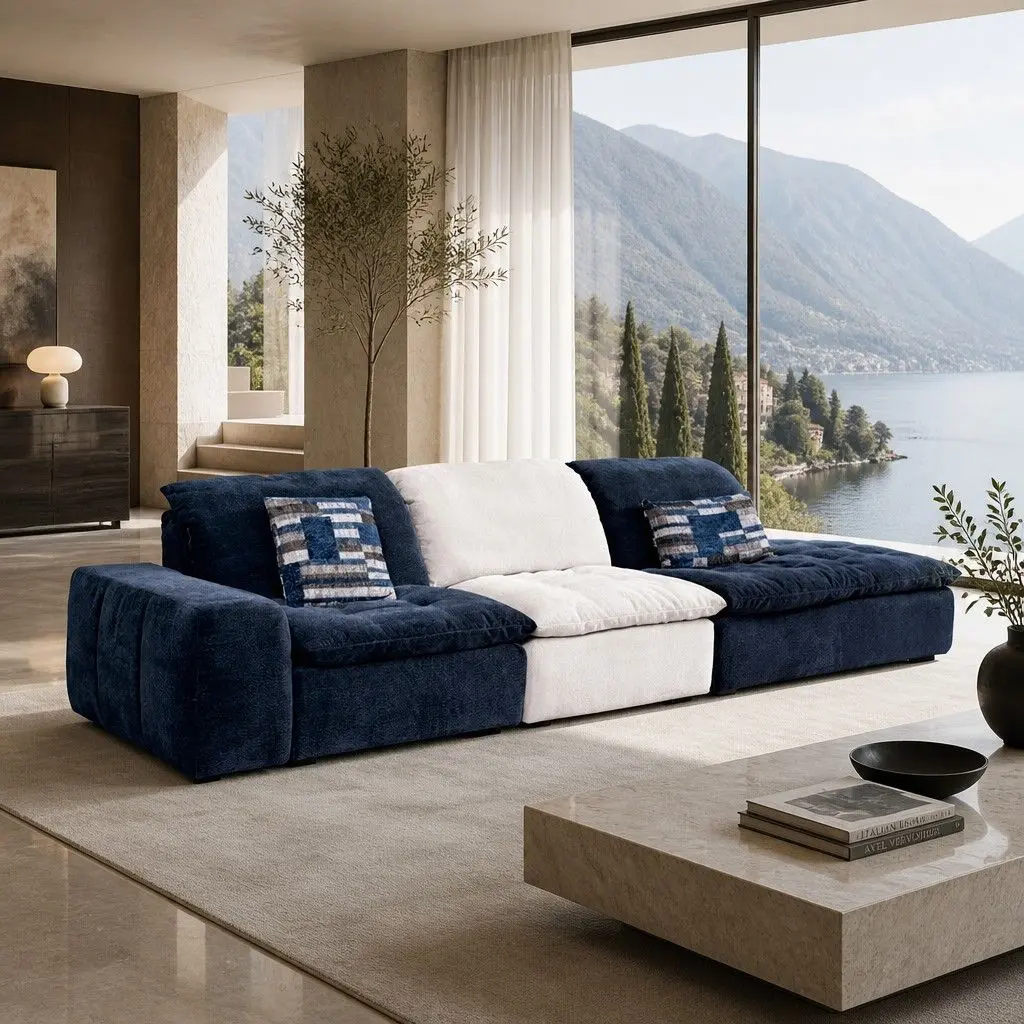
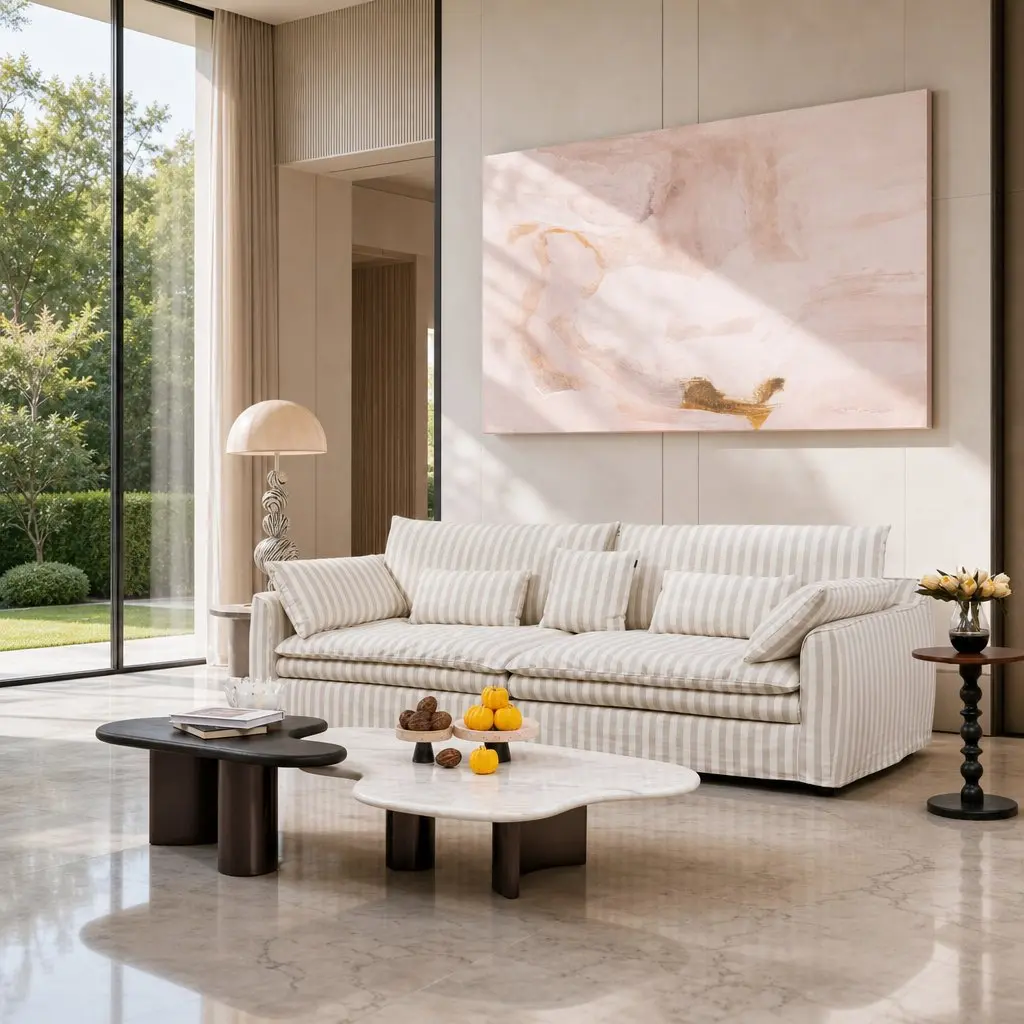
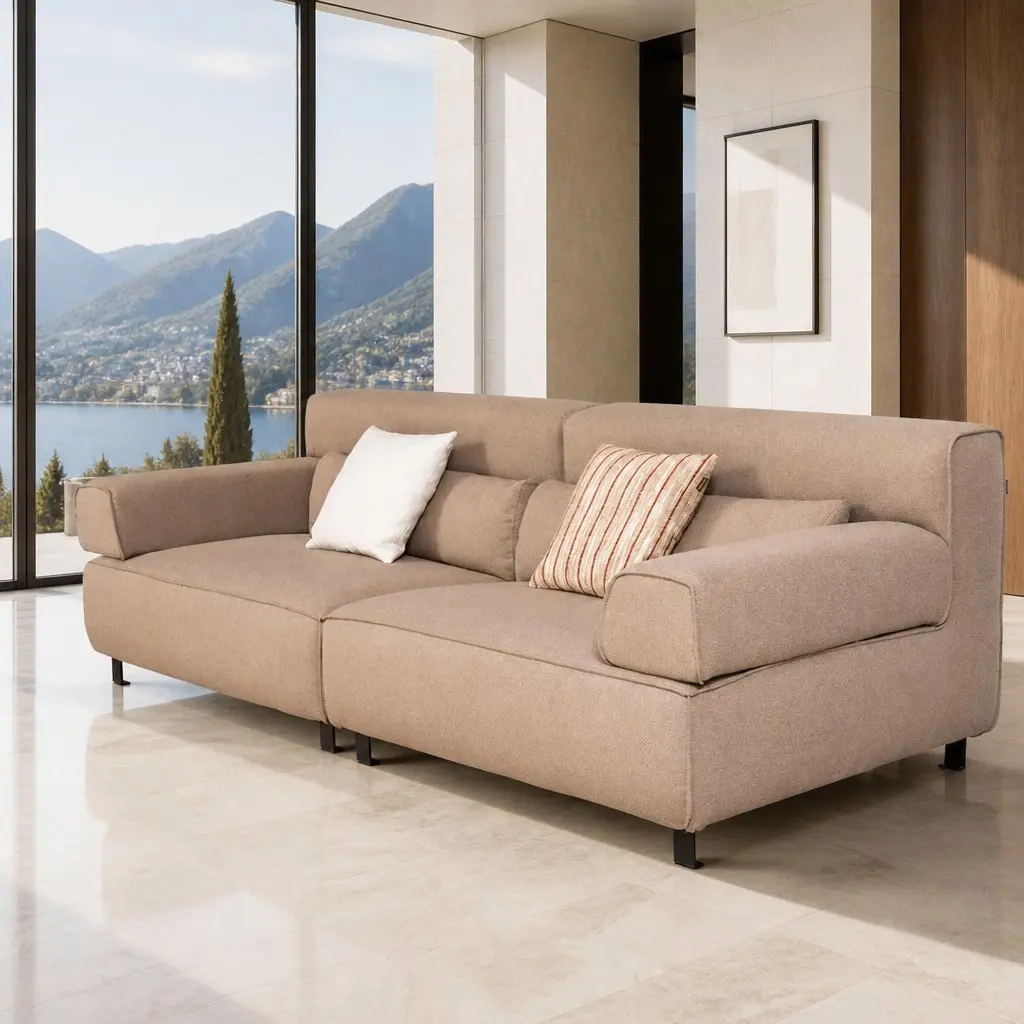
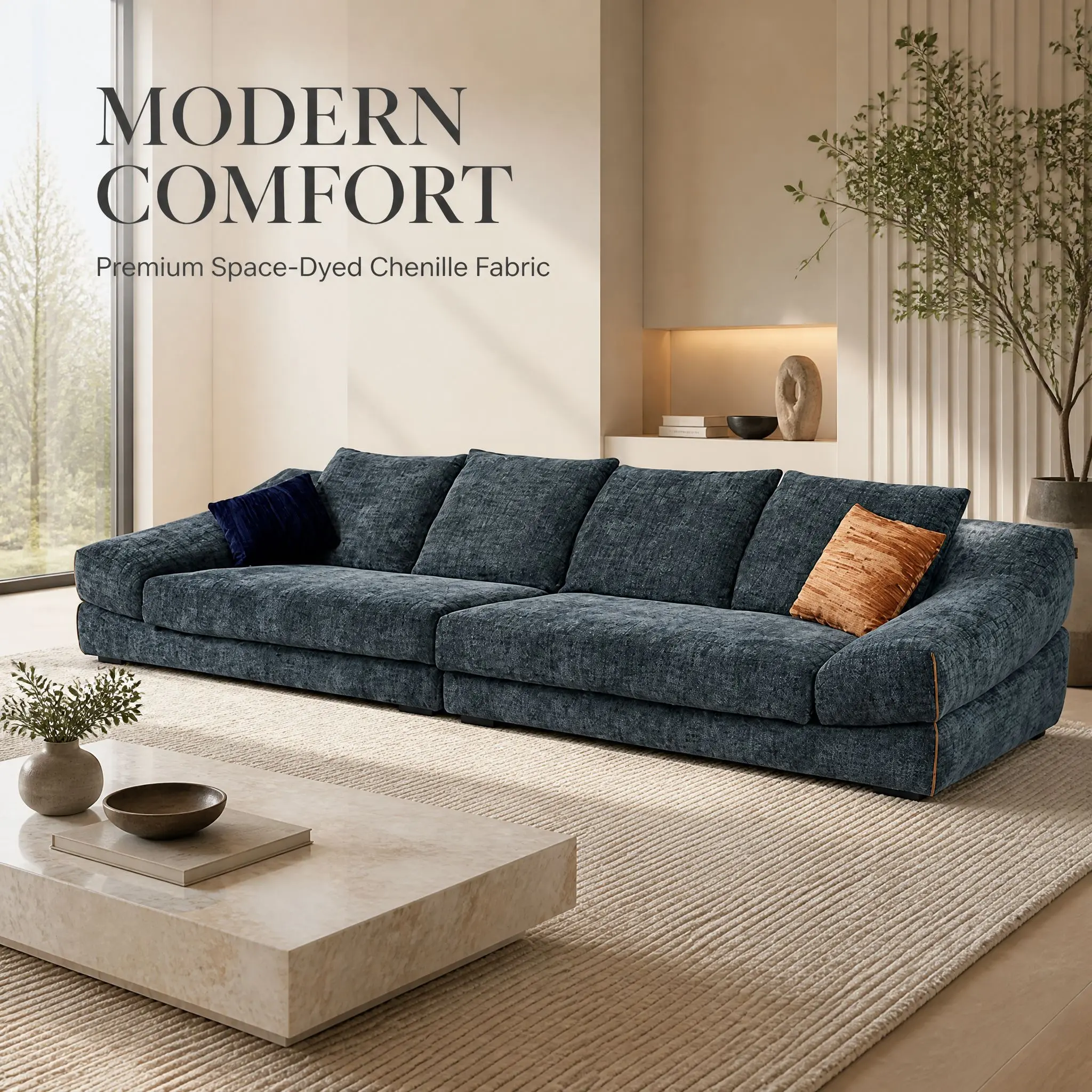
Each model below is available for OEM fabric and dimension customisation, and can be consolidated with the four flagship models above into a single container plan.
Direct answers to the questions importers, retailers and project procurement teams ask most often before placing a first order.
Yes. Most Hungarian fabric sofa shipments clear through Koper (Slovenia), Rijeka (Croatia) or Hamburg (Germany) and then move inland by truck. We plan packing specifications for double-handling and can coordinate with your nominated freight forwarder or work with our own logistics partners for door-to-door delivery.
For stock models we work from mixed-container programmes, combining multiple SKUs to fill a 40HQ efficiently. For full OEM customisation — new dimensions, exclusive fabric grades or private-label packaging — the minimum volume depends on the change scope and is confirmed during the project brief stage.
Breathable cotton-linen blends, chenille and performance polyester blends perform well across Hungary's continental climate. They resist static in winter, do not trap heat in summer, and tolerate the humidity swings typical of heated apartments. We recommend matching fabric grade to the specific end-use — residential, rental or contract — rather than applying one fabric across all orders.
Most models in our modular and minimalist ranges support zip-off, removable and washable cover construction. Where a design uses a fixed upholstery approach, we can evaluate a detachable alternative during the sample stage. This is a common requirement for rental and hospitality orders, so it is discussed early in the brief.
Pre-sale consultants recommend material configurations aligned with the regulatory standards of your destination market, including REACH restrictions on chemicals in textile and foam components, timber sourcing declarations, and fabric performance data. Where a contract project requires flammability treatment or specific abrasion ratings, we confirm availability before the sample is signed off.
Yes. Our post-sale team handles container consolidation across categories, planning loading space to reduce ocean freight cost per unit. This is particularly useful for Hungarian retailers who want to build a coordinated showroom story — sofas, beds, dining and accent furniture sharing materials and colour direction — without managing multiple suppliers.
Internal QC engineers carry out on-site production line audits that check structural durability, stitch integrity, foam resilience and finish consistency. Multi-layer export crating is applied after packing review. Buyers are welcome to arrange third-party inspection or factory visits in Shunde before shipment.
Stock model production typically runs within a defined window after deposit confirmation, while OEM customisation adds sample approval and material sourcing time. Ocean transit to Koper or Rijeka, plus inland trucking to Budapest, is then added. Exact timelines depend on the specification, fabric availability and shipping schedule — confirmed in writing at order stage.
Send your product brief, target price points and container plan. Our export team will respond with a modular configuration proposal, fabric options aligned to EU requirements, and a branded-label plan for your retail channel.
Send Inquiry Now Browse Fabric Sofas